The Young Men’s Christian Association (YMCA) was founded in 1844 to provide a refuge for Bible study and prayer for young men seeking escape from the hazards of life in London. It may seem strange then, on first appearance, to discuss a charity founded to support men (and containing men in the title of the organisation!) in context of International Women’s Day. However, over the course of the YMCA’s history the relationship between itself and women has altered, and highlights the wider changing role of women in society.

Women’s Auxiliary
It took nearly 70 years, and the advent of the First World War, for women to become actively involved, at a large scale, within the YMCA movement. During the conflict the YMCA established huts and canteens for soldiers, munition workers, and others, which provided a place for convalescence and sanctuary. In December 1914 the YMCA Auxiliary Committee was founded to support this work, and other activities, with Princess Victoria of Schleswig-Holstein as its President, and recruited thousands of female workers. By the middle of 1918 the organisation was provided its own constitution and named the YMCA Women’s Auxiliary with the functions:
‘1 To co-ordinate, and to confer on, all matters relating to the Women’s work for the YMCA.2. To further the work of the Association.
3. To enlist and train women workers for the YMCA.
4. To co-operate in work, not only for Soldiers, but for discharged men.’
YMCA National Executive Committee minutes, 3 May 1918.
The Auxiliary was not intended to in any way to carry out work for women, but to be a representative of female workers for the YMCA. The Auxiliary was also proactive during the Second World War, supporting canteens and huts for soldiers and also for civilians during the Blitz.


During the inter-war period, and after the Second World War, the Auxiliary supported YMCA’s project work, including with young men and boys, and armed forces overseas. The Women’s Auxiliary were also key fundraisers for the YMCA through hosting events and activities.

The archives also contain the papers of individual women who served in the YMCA Women’s Auxiliary, including Dame Joan Marsham, one of the founders of the Auxiliary and Chairperson, 1931-1971; Katherine Penuel Macpherson who was Lady Superintendent of the YMCA Ladies Auxiliary hut at Etaples, 1915-1918; and Mrs M. L. Coles who was manageress of the YMCA canteen in Yatesbury, Wiltshire, during the Second World War. These papers often provide a personal perspective of the work which was being undertaken.
Further details regarding the history of the YMCA Women’s Auxiliary can be found here:https://yretired.co.uk/ymca-women’s-auxiliary.
Membership to the YMCA
The Women’s Auxiliary played a major part in the history and development of the YMCA. However, the position of women within the charity itself still proved to be a contentious one with various discussions on the topic taking place.
Membership to the YMCA was still off-limits to women, despite their increased activity within the movement due to the First and Second World Wars. In 1946 a Special Group appointed by the Finance and General Purposes Committees recommended that women and girls should not be allowed to become full members of the YMCA due to particular concerns on how this would impact the Young Women’s Christian Association (YWCA), and the YMCA’s working relationship with them. However, changes were afoot, with recommendations instead for women and girls to be encouraged to participate in programmes and activities. Although ‘the primary purpose of the YMCA is the services of boys and young men and any work undertaken for and with girls and women must clearly be ancillary to this, the latter should always be such as will correspond with the needs of the girls and women concerned.’
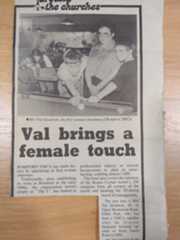
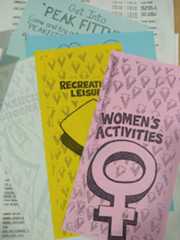
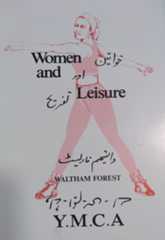
In 1964 the National YMCA Council recognised the right of any local Association to allow women and girls the option of Full and Associate Membership to the YMCA on the same terms as men and boys. By 1971 25.3% of members in England, Wales and Ireland were women, according to a report by the World Alliance of YMCAs. In the 1980s and 1990s we begin to see women taking up senior positions within the YMCA movement, including Val Goodwin as the first woman Chairwoman of Romford YMCA. There was also an increase in the number of programmes for girls and women and a drive for greater inclusion. Today the YMCA is an ‘inclusive Christian movement transforming communities so that all young people can belong, contribute and thrive.’
This has only been a brief overview and introduction to the changing role of women within the YMCA and there is surely much more to discover within the archive collection as the project continues.
Matthew Goodwin, Project Archivist.

2 thoughts on “Women in the YMCA”
Somewhat surprised to see a picture of me in this article and a few details!!!!
That’s my son right by the way. The picture appeared in the Romford Recorder
To top it all, you and I share the same surname. Fame a last !!!
LikeLike
Hi Val
Great to hear from you. What a lovely surprise! I thought the newspaper cutting was a very fitting addition to how YMCA has changed over the years. I’ll definitely add in the additional information to the catalogue which you have provided. However, I think the newspaper made you more famous than this blog.
From one Goodwin to another.
MatthewLikeLike
 Cataloguing the YMCA and YHA archives