
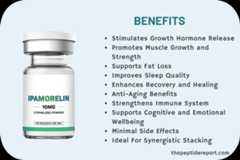
Ipamorelin | Reviews, Clinical Trials, and Safety
Ipamorelin, a peptide composed of five amino acids, targets ghrelin receptors. Research applications explore muscle growth, body composition enhancement, and additional potential benefits.
Ipamorelin Overview
Category:
Peptide
How It Works:
Ipamorelin is a selective growth hormone secretagogue and ghrelin receptor agonist. It binds to ghrelin receptors, triggers somatocrinin release, and inhibits somatostatin, promoting growth hormone production by mimicking ghrelin’s natural action.
Key Studies:
- Ipamorelin, the First Selective Growth Hormone Secretagogue
- The GH Secretagogues Ipamorelin and GH-releasing Peptide-6 Increase Bone Mineral Content in Adult Female Rats
- The Growth Hormone Secretagogue Ipamorelin Counteracts Glucocorticoid-induced Decrease in Bone Formation of Adult Rats
Alternative Names:
NNC 26-0161
Primary Research Focus:
- Muscle growth
- Injury recovery
- Anti-aging
- Weight management
Potential Risks:
- Banned by WADA
- Did not complete clinical trials
- Not FDA approved
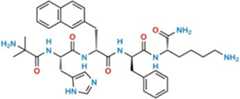
Chemical Structure:
What is Ipamorelin?
Ipamorelin is a synthetic peptide designed to stimulate the release of growth hormone in the body. It is classified as a growth hormone-releasing peptide and has gained attention for its targeted action.
Unlike other peptides in its class, ipamorelin does not trigger the body's stress response. This makes it unique, as many similar compounds inadvertently stimulate cortisol and other stress-related hormones. Its precise mechanism is an advantage for researchers focusing on safer applications.
Despite its promising characteristics, ipamorelin research is still in its early stages. Limited data are available regarding its optimal dosing or long-term effects on subjects. These gaps in research emphasize the need for careful study and cautious application.
The peptide's benefits, safety, and potential uses make it an intriguing subject for further exploration. The following sections will delve deeper into its mechanisms, clinical implications, and safe handling.
What Does Ipamorelin Do?
Ipamorelin functions as a growth hormone-releasing peptide that activates the pituitary gland to release growth hormone. This process facilitates cellular growth, tissue repair, and regeneration, making it valuable in medical and research contexts.
Structurally, ipamorelin consists of five amino acids, giving it the chemical formula C38H49N9O5. Its design mimics ghrelin, a natural hormone responsible for stimulating appetite and growth hormone release. By binding to ghrelin receptors, ipamorelin prompts the production of growth hormone-releasing hormone, which in turn signals the release of growth hormone.
What sets ipamorelin apart is its specificity. Unlike other growth hormone-releasing peptides, it does not trigger the stress response or elevate cortisol levels. This targeted action ensures minimal interference with other bodily functions, making it a “pure” peptide in its category.
Ipamorelin's role in promoting muscle growth, tissue regeneration, and overall cellular repair underlines its significance. As research continues, its applications in medical and scientific fields remain a compelling area of study.
There are a lot of shady peptide sites out there — underdosed, untested, and unreliable.BioEdge Labs is different. Every product is fullythird-party tested, and I’ve personally vetted their inventory for purity, consistency, and price. If you care about your research, this is the lab to trust.Visit BioEdge Labs here →
Ipamorelin Benefits | Clinical Trials
Ipamorelin demonstrates a range of potential benefits that primarily result from its ability to trigger growth hormone release. Researchers are particularly intrigued by its specificity, as it influences growth hormone without significantly affecting other hormones or bodily processes.
These benefits span various areas, including bone strength, muscle development, cardiovascular health, and tissue repair. Below, we explore its effects in these specific domains.
Promotes Bone Strength and Growth
Studies suggest ipamorelin may play a significant role in enhancing bone health. Its ability to counteract bone loss and support stronger skeletal structures is particularly promising for conditions like osteoporosis and bone injuries.
Key findings from research include:
- Ipamorelin reversed bone loss caused by glucocorticoids, which are known to weaken bones and skeletal muscle. It not only prevented further degradation but also improved bone density.
- Researchers observed increased bone mineral content in female rats treated with ipamorelin, indicating denser and more resilient bones.
- Early experiments showed that ipamorelin lengthened long bones, such as the tibia, offering insights into its potential for addressing growth-related issues.
These results suggest ipamorelin could support anti-aging efforts, injury recovery, and overall bone health. Women, who are particularly vulnerable to age-related bone density loss, could benefit greatly from its applications.
Enhances Muscle Development
Ipamorelin’s ability to promote muscle growth has attracted attention in both research and athletic contexts. While its use is prohibited in competitive sports due to its effects on growth hormone levels, it remains a promising candidate for muscle repair and recovery.
Here are some findings:
- Studies revealed that ipamorelin can protect muscle strength during glucocorticoid treatment, which typically leads to muscle degradation. Rats treated with ipamorelin and glucocorticoids showed significantly stronger muscles than those treated with glucocorticoids alone.
- Researchers also found that ipamorelin stimulated the smooth muscle lining of the digestive tract, improving food transit and digestive efficiency.
Interestingly, anecdotal evidence links ipamorelin to skeletal muscle development, though definitive clinical proof remains elusive. These findings highlight its value for those studying muscle preservation and recovery, particularly in aging or recovering individuals.
Supports Cardiovascular Health
Ipamorelin’s relationship to ghrelin, a naturally occurring hormone, suggests potential cardiovascular benefits. One of the most intriguing possibilities is its ability to support angiogenesis, the growth of new blood vessels, which can improve circulation and tissue repair.
Findings include:
- Ghrelin-deficient mice had fewer blood vessels in their white fat tissues, suggesting that ghrelin—or its mimetics like ipamorelin—plays a role in vascular health.
Though research on ipamorelin’s specific effects on cardiovascular systems remains limited, its similarity to ghrelin makes it a compelling candidate for further exploration in this area. Improved vascular networks could support heart health and enhance physical endurance.
Boosts Collagen and Tissue Repair
Ipamorelin may also influence the body’s ability to repair connective tissues by mimicking ghrelin’s effects on collagen synthesis. Collagen is essential for maintaining healthy skin, cartilage, and joints, making this a significant area of interest.
Key potential benefits include:
- Ghrelin has been shown to upregulate cartilage-specific genes, which could support cartilage repair and regeneration.
- It may help mesenchymal stem cells better target damaged cartilage, enhancing tissue repair and promoting healthier joints.
These findings suggest ipamorelin could be useful in addressing degenerative joint conditions, skin aging, and injuries requiring tissue repair. While most research has focused on ghrelin itself, ipamorelin’s similar properties make it an exciting subject for further studies.
There are a lot of shady peptide sites out there — underdosed, untested, and unreliable.BioEdge Labs is different. Every product is fullythird-party tested, and I’ve personally vetted their inventory for purity, consistency, and price. If you care about your research, this is the lab to trust.Visit BioEdge Labs here →
Is Ipamorelin Safe?
Ipamorelin is considered relatively safe based on existing research, which highlights its minimal side effects and targeted mechanism of action. Unlike other growth hormone-releasing peptides, ipamorelin does not activate the stress response or increase cortisol levels. This precision reduces the risk of unwanted systemic effects, making it a promising subject for further investigation.
Studies have shown that ipamorelin is well-tolerated in animals and limited human trials. Early experiments indicate that it produces fewer adverse effects than other peptides in its class. These findings align with its selective action on growth hormone release, which minimizes disruption to other hormonal processes.
However, ipamorelin remains unapproved for human use by regulatory bodies such as the FDA. Its safety profile is derived mainly from controlled environments, meaning that much is still unknown about its long-term effects. Researchers must exercise caution when handling this peptide, following strict safety protocols and using it solely for authorized purposes.
Despite its apparent safety, researchers should note that variability in individual responses can occur. Factors such as dosage, administration methods, and subject characteristics may influence outcomes. These considerations emphasize the importance of responsible and meticulous experimentation when working with ipamorelin.
Peptides can get expensive, but as an FYI - BioEdge is doing 10% off this month (code pep10 at bioedgepeptides.com), one of the few suppliers that consistently delivers what their lab reports claim.
Ipamorelin Side Effects
Ipamorelin is generally well-tolerated in research settings, with side effects being relatively mild and uncommon. While human trials have shown that adverse effects are rare, some participants have experienced mild, temporary reactions such as facial flushing and increased hunger. The latter is attributed to ipamorelin’s ability to mimic ghrelin, a hormone involved in appetite regulation.
Other potential side effects, although not frequent, include:
- Injection Site Discomfort: Mild irritation or swelling at the site of injection may occur in some cases.
- Mild Systemic Symptoms: Some participants have reported lightheadedness, nausea, or flu-like symptoms, but these occurrences are rare.
While these side effects are not exclusive to ipamorelin, they tend to be short-lived and not severe. Their infrequent nature means that ipamorelin is generally considered safe for research purposes. Nevertheless, as long-term studies are still limited, researchers should remain cautious, closely monitoring subjects during studies.
Ipamorelin Dosage Calculator
Determining the correct dosage of ipamorelin is crucial for achieving reliable research outcomes. While there are no universally established guidelines, existing research provides a generalframework for dosing. Here are key considerations:
- Begin with a Conservative Dose
Starting with a low dose, typically around 200 micrograms daily, allows researchers to monitor the subject’s response and minimize risks. Adjustments can be made gradually as needed.
Example: A researcher investigating anti-aging might begin with 200 micrograms once daily for the first two weeks, observing any effects or discomfort before considering any increases to the dosage.
- Cycle Administration Appropriately
Researchers commonly administer ipamorelin in cycles, such as 8 to 12 weeks of use followed by a 4-week break. This approach helps maintain the peptide’s efficacy by preventing tolerance development.
Example: In a study focusing on muscle growth, a higher dose of 300 micrograms per day may be used for 10 weeks, followed by a 4-week off period to avoid overuse and allow the body to reset.
- Split Daily Doses for Precision
For doses exceeding 200 micrograms, splitting the amount into two or three smaller injections per day ensures a consistent peptide level in the system. This method is particularly effective for studies focusing on tissue regeneration or muscle growth.
- Adjust Based on Research Goals
The optimal dosage depends on the study’s focus. Lower doses may suffice for anti-aging or metabolic studies, while higher doses are often required for experiments involving muscle and bone growth.
Accurate measurements and adherence to established protocols are essential in ipamorelin research. Researchers must carefully document dosage regimens and monitor responses to refine their methodology.
Where to Buy Ipamorelin Online? | 2024 Edition
Choosing the right vendor for purchasing Ipamorelin requires careful consideration. Reliable suppliers prioritize product purity, rigorous testing, and ethical practices to ensure research materials meet the highest standards. Also, features like hassle-free returns, flexible policies, and transparent operations are important to look for when sourcing peptides for laboratory experiments.
BioEdge Labs
BioEdge Labs stands out as a premier vendor for research peptides, recognized for its dedication to quality and customer satisfaction. Here’s why researchers trust this supplier:
- Third-Party Testing for Purity and Quality: Every batch of peptides undergoes independent quality and purity testing, ensuring researchers receive reliable products that meet strict scientific standards.
- Flexible Return and Reship Policies: BioEdge Labs offers an easy return process, making it simple for researchers to address any issues with their orders. Additionally, the vendor provides affordable shipping insurance to protect purchases.
- Commitment to Responsible Peptide Distribution: This supplier emphasizes the safe and responsible use of research peptides, clearly stating on their platform that these products are strictly for laboratory use.
- Trusted Reputation in the Research Community: BioEdge Labs has earned the respect of researchers worldwide due to its consistent delivery of high-quality products and exceptional service.
These factors make BioEdge Labs a reliable partner for peptide research. Researchers can confidently explore a wide array of products and services tailored to their needs.
Bacteriostatic Water and Ipamorelin
Proper peptide storage and handling are critical for reliable research results. Bacteriostatic water, sterile vials, and other essential tools are necessary when working with Ipamorelin. Using these materials helps ensure peptide stability and reduces the risk of contamination, maintaining the integrity of your research.
Frequently Asked Questions (FAQ)
Is Ipamorelin a Steroid?
No, ipamorelin is not classified as an anabolic-androgenic steroid. Instead, it is a synthetic peptide that functions as a growth hormone-releasing peptide. Its primary role is to stimulate the body’s production of growth hormone, unlike steroids, which directly affect muscle and androgen levels.
How to Take Ipamorelin?
Ipamorelin is provided as a powdered substance that needs to be reconstituted before use. Researchers must mix the powder with bacteriostatic or sterile water to create the solution required for administration.
Proper handling during reconstitution ensures accuracy and safety in research applications. Following established protocols is crucial to preserving the peptide’s integrity and ensuring reliable outcomes in experimental settings.
How is Ipamorelin Delivered?
After reconstitution, ipamorelin is administered subcutaneously. This method involves injecting the peptide under the skin, where it can be absorbed efficiently. Researchers are advised to follow appropriate safety protocols when handling and administering the solution to ensure reliable outcomes.
How to Reconstitute Ipamorelin?
The reconstitution process involves mixing ipamorelin powder with bacteriostatic or sterile water. Researchers should follow these steps:
Preparation: Clean the vial tops with alcohol wipes to maintain sterility and avoid contamination.
Mixing: Using a sterile syringe, carefully drip the reconstituting liquid down the side of the vial to minimize agitation.
Dissolution: Allow the powder to dissolve naturally without shaking the vial.
Adhering to these steps ensures a well-prepared peptide solution for research applications.
Does Ipamorelin Build Muscle?
Research indicates that ipamorelin has a positive role in promoting muscle growth. Its ability to stimulate growth hormone release supports processes that contribute to muscle repair and development. However, while early studies are promising, a definitive link between ipamorelin and substantial muscle-building effects in humans has yet to be firmly established.
Is Ipamorelin Dangerous?
Ipamorelin has demonstrated minimal side effects in research settings, making it relatively safe for laboratory use. However, the peptide remains a research compound, and its lack of extensive clinical trials underscores the importance of handling it with extreme care. Researchers must always prioritize safety when administering ipamorelin in experiments.
Is Ipamorelin Legal?
Qualified researchers in the United States can legally purchase ipamorelin for research purposes through authorized vendors. However, in competitive sports, the World Anti-Doping Agencyprohibits ipamorelin use due to its growth hormone-stimulating properties. Individuals without a valid prescription or research credentials should refrain from acquiring ipamorelin.
Does Ipamorelin Increase Testosterone?
Ipamorelin’s primary mechanism of action is to stimulate the release of growth hormone. While it does not directly increase testosterone, its impact on growth hormone production may indirectly influence processes that support muscle growth and recovery.
Does Ipamorelin Cause Weight Gain?
Ipamorelin has not been shown to directly cause weight gain in studies. However, as a ghrelin mimetic, it can increase appetite, leading to potential dietary changes in test subjects. Researchers can manage this side effect by adjusting dosing protocols or other experimental variables.
Is Ipamorelin Legit?
Yes, ipamorelin has been studied extensively since the late 1990s, with research highlighting its effects on bone growth, vasculature improvement, and collagen synthesis. These findings establish its significance in the field of peptide research, making it a subject of interest for scientists worldwide.
Additionally, its applications in muscle development, injury recovery, and anti-aging therapies continue to be explored. This ongoing research underscores its role in advancing scientific understanding and highlights its legitimacy as a vital peptide in health and performance studies.
Ipamorelin | Key Reviews
Ipamorelin is known for its ability to enhance muscle growth, strengthen bones, and aid tissue repair with minimal impact on other hormonal systems. Its precision makes it ideal for research in anti-aging and recovery.
Although side effects are mild and rare, such as slight injection site irritation or increased hunger, researchers should follow strict protocols for safety. Accurate dosing, typically 200 to 300 micrograms daily in controlled cycles, is crucial for consistent and reliable results in experiments.
To explore Ipamorelin and other high purity peptides visit the BioEdge site to order directly.
References
- Andersen, N. B., Malmlöf, K., Johansen, P. B., Andreassen, T. T., Ørtoft, G., & Oxlund, H. (2001). The growth hormone secretagogue ipamorelin counteracts glucocorticoid-induced decrease in bone formation of adult rats. Growth Hormone & IGF Research, 11(5), 266-272.
- Fan, L., Chen, J., Tao, Y., Heng, B. C., Yu, J., Yang, Z., & Ge, Z. (2019). Enhancement of the chondrogenic differentiation of mesenchymal stem cells and cartilage repair by ghrelin. Journal of Orthopaedic Research®, 37(6), 1387-1397.
- Gerace, E., Modaffari, J., Negri, P., Di Corcia, D., Amante, E., Salomone, A., & Vincenti, M. (2021). Detection of the synthetic peptide ipamorelin in dried blood spots by means of UHPLC-HRMS. International Journal of Mass Spectrometry, 462, 116531.
- Greenwood-Van Meerveld, B., Tyler, K., Mohammadi, E., & Pietra, C. (2012). Efficacy of ipamorelin, a ghrelin mimetic, on gastric dysmotility in a rodent model of postoperative ileus. Journal of experimental pharmacology, 149-155.
- https://www.wada-ama.org/en/prohibited-list
- Jiménez-Reina, L., Cañete, R., De la Torre, M. J., & Bernal, G. (2021). Chronic in vivo Ipamorelin treatment stimulates body weight gain and growth hormone (GH) release in vitro in young female rats. European Journal of Anatomy, 6(1), 37-45.
- Laferrère, B., Abraham, C., Russell, C. D., & Bowers, C. Y. (2005). Growth hormone releasing peptide-2 (GHRP-2), like ghrelin, increases food intake in healthy men. The Journal of clinical Endocrinology & Metabolism, 90(2), 611-614.
- Lalonde, T. J. (2019). The Ghrelin Receptor and its Appetite for Highly Potent Ghrelin Analogues (Doctoral dissertation, The University of Western Ontario (Canada)).
- Mericq, V., Cassorla, F., Salazar, T., Avila, A., Iñiguez, G., Bowers, C. Y., & Merriam, G. R. (1998). Effects of eight months treatment with graded doses of a growth hormone (GH)-releasing peptide in GH-deficient children. The Journal of Clinical Endocrinology & Metabolism, 83(7), 2355-2360.
- Raun, K., Hansen, B. S., Johansen, N. L., Thogersen, H., Madsen, K., Ankersen, M., & Andersen, P. H. (1998). Ipamorelin, the first selective growth hormone secretagogue. European journal of endocrinology, 139(5), 552-561.
- Sprays, P. N., Pens, P. M. P., & Offers, S. Unravel Comparison and Synergistic Effects of Ipamorelin and GHRP-6 Peptides.
- Zotarelli Filho, I. J. (2020). State-of-the-Art Clinical Results of Growth Hormone Secretagogues, SARM and Antagonists. Authorea Preprints.

I’m Joe Mars, and I’ve dedicated the past ten years to understanding peptide therapy, longevity, and how to optimize the body through practical, real-life testing. My journey started when I was tired, inflamed, and aging faster than I should have been. Clear information on peptides was almost impossible to find, so I dug in, researched nonstop, and tested protocols on myself.
Over the years, I have learned from experts like Jay Campbell, Dr. Seeds, Jim LaValle, and Ben Greenfield, and I have completely transformed my health. Now in my fifties, I feel stronger and sharper than I did in my twenties. That experience is why I write. I want to give people simple and honest guidance so they can use peptides safely and effectively.
I believe in data, smart protocols, and taking responsibility for your own health. You are the protocol. Your habits, your consistency, and your awareness shape your results. Through The Peptide Report, I share what actually works so you can make informed decisions and build a healthier, more resilient body.
Peptides can get expensive, but as an FYI - BioEdge is doing 10% off this month (code pep10 at bioedgepeptides.com), one of the few suppliers that consistently delivers what their lab reports claim.
