Trump threatens ‘substantial’ new tariffs against countries with ‘discriminatory’ digital rules
The U.S. administration has launched repeated attacks on digital taxes and on the EU’s Digital Services Act.
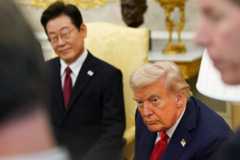
U.S. President Donald Trump on Tuesday threatened to "impose substantial additional Tariffs" and stop selling tech and chips to countries with digital rules he deems discriminatory to American companies.
In a post on Truth Social, Trump said: "I put all Countries with Digital Taxes, Legislation, Rules, or Regulations, on notice that unless these discriminatory actions are removed, I, as President of the United States, will impose substantial additional Tariffs on that Country's Exports to the U.S.A., and institute Export restrictions on our Highly Protected Technology and Chips."
The Trump administration and some of its allies in the tech sector have launched repeated attacks on the EU's Digital Services Act, its flagship social media platform regulation,calling it “Orwellian” andaccusing the bloc of censorship. The U.S. government also claims that aspects of the DSA would impose costs on domestic companies.
Reuters hadreported on Monday, citing unnamed sources, that the U.S. was considering sanctions in the form of visa restrictions against EU officials over the DSA, and that U.S. officials conducted internal meetings on the topic last week. The U.S. State Department declined to comment on the report, which POLITICO could not independently verify.
Responding to a request for clarification from POLITICO, a State Department spokesperson said Monday: "We are monitoring increasing censorship in Europe with great concern but have no further information to provide at this time."
Reuters did not identify which EU or member country officials could find themselves in the firing line, and said no final decision on going ahead with the measures has been made.
The Digital Services Act regulates online platforms, like social media and e-commerce, as well as search engines. Those with more than 45 million users in the EU, including Meta's Facebook and Instagram, TikTok and X, have to follow strict rules about assessing and mitigating important risks, like the spread of misinformation and harm to minors.
But U.S. Republicans, includingVice President JD Vance, have said the law institutionalizes acensorship regime that stifles free speech.
The State Department haslaunched a campaign against the regulation. The spokesperson noted that in May,Secretary of State Marco Rubio introduced visa restrictions to bar "foreign nationals who censor Americans" from entering the country.
The European Commission is in charge of implementing the regulation on very large platforms, with national regulators taking responsibility for their respective countries.
Concessions from the EU on the DSA, which the White House was reportedly pushing for, did not materialize in the EU-U.S. trade deal.
The European Commission and several national regulators did not immediately respond to POLITICO's request for comment.
Joe Stanley-Smith and Alice Taylor contributed to this report.
This article has been updated with Donald Trump's statement threatening tariffs on countries with digital regulations.