
Hypoglycemia
Enlarge textShrink text Topic
Topic
 Copied successfully
- Save successfulThe item can be found in your Personal ZoneשגיאהLog in to your account to save

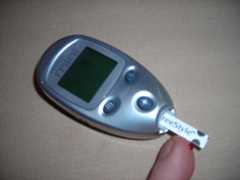
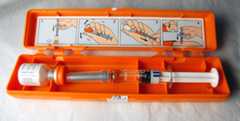
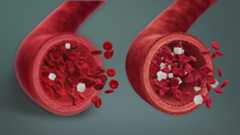
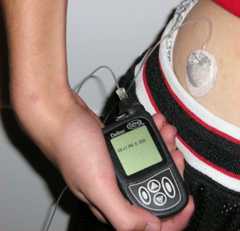
Hypoglycemia (American English), also spelled hypoglycaemia or hypoglycæmia (British English), sometimes called low blood sugar, is a fall in blood sugar to levels below normal, typically below 70 mg/dL (3.9 mmol/L). Whipple's triad is used to properly identify hypoglycemic episodes. It is defined as blood glucose below 70 mg/dL (3.9 mmol/L), symptoms associated with hypoglycemia, and resolution of symptoms when blood sugar returns to normal. Hypoglycemia may result in headache, tiredness, clumsiness, trouble talking, confusion, fast heart rate, sweating, shakiness, nervousness, hunger, loss of consciousness, seizures, or death. Symptoms typically come on quickly. Symptoms can remain even soon after raised blood level. The most common cause of hypoglycemia is medications used to treat diabetes such as insulin, sulfonylureas, and biguanides. Risk is greater in diabetics who have eaten less than usual, recently exercised, or consumed alcohol. Other causes of hypoglycemia include severe illness, sepsis, kidney failure, liver disease, hormone deficiency, tumors such as insulinomas or non-B cell tumors, inborn errors of metabolism, and several medications. Low blood sugar may occur in otherwise healthy newborns who have not eaten for a few hours. Hypoglycemia is treated by eating a sugary food or drink, for example glucose tablets or gel, apple juice, soft drink, or lollipops. The person must be conscious and able to swallow. The goal is to consume 10–20 grams of a carbohydrate to raise blood glucose levels to a minimum of 70 mg/dL (3.9 mmol/L). If a person is not able to take food by mouth, glucagon by injection or insufflation may help. The treatment of hypoglycemia unrelated to diabetes includes treating the underlying problem. Among people with diabetes, prevention starts with learning the signs and symptoms of hypoglycemia. Diabetes medications, like insulin, sulfonylureas, and biguanides can also be adjusted or stopped to prevent hypoglycemia. Frequent and routine blood glucose testing is recommended. Some may find continuous glucose monitors with insulin pumps to be helpful in the management of diabetes and prevention of hypoglycemia.
Read more on Wikipedia >