



Hydration for treatment of preterm labour
Catalin M Stan
Michel Boulvain
Riccardo Pfister
Pascale Hirsbrunner‐Almagbaly
Corresponding author.
Collection date 2013 Nov.
Abstract
Background
Hydration has been proposed as a treatment for women with preterm labour. Theoretically, hydration may reduce uterine contractility by increasing uterine blood flow and by decreasing pituitary secretion of antidiuretic hormone and oxytocin.
Objectives
To evaluate the effectiveness of intravenous or oral hydration to avoid preterm birth and its consequences in women with preterm labour.
Search methods
We searched the Cochrane Pregnancy and Childbirth Group's Trials Register (30 September 2013) and bibliographies of relevant papers.
Selection criteria
Randomised controlled trials, including women with a viable pregnancy less than 37 completed weeks' gestation and presenting with preterm labour, comparing intravenous or oral hydration with no treatment. The intervention might or might not be associated with bed rest. Studies comparing tocolytic drugs with intravenous fluids used in the control group as a placebo were not included in this review.
Data collection and analysis
Two review authors independently assessed the reports, to determine if the study met the inclusion criteria and to evaluate the methodological quality. Data were extracted independently by two of the review authors. The results were expressed as risk ratios (RR) for dichotomous outcomes and mean difference (MD) for continuous outcomes.
Main results
Two studies, including a total of 228 women with preterm labour and intact membranes, compared intravenous hydration with bed rest alone. Risk of preterm delivery, before 37 weeks (RR) 1.09; 95% confidence interval (CI) 0.71 to 1.68), before 34 weeks (RR 0.72; 95% CI 0.20 to 2.56) or before 32 weeks (RR 0.76; 95% CI 0.29 to 1.97), was similar between groups. Admission to neonatal intensive care unit occurred with similar frequency in both groups (RR 0.99; 95% CI 0.46 to 2.16). Cost of treatment was slightly higher (US$39) in the hydration group. This difference was not statistically significant and only includes hospital costs during a visit of less than 24 hours. No studies evaluated oral hydration.
Authors' conclusions
The data are too few to support the use of hydration as a specific treatment for women presenting with preterm labour. The two small studies available do not show any advantage of hydration compared with bed rest alone. Intravenous hydration does not seem to be beneficial, even during the period of evaluation soon after admission, in women with preterm labour. Women with evidence of dehydration may, however, benefit from the intervention.
Keywords: Female; Humans; Pregnancy; Bed Rest; Fluid Therapy; Fluid Therapy/methods; Infusions, Intravenous; Obstetric Labor, Premature; Obstetric Labor, Premature/therapy; Randomized Controlled Trials as Topic
Plain language summary
Hydration for treatment of preterm labour
Unless they are dehydrated, there seems to be no benefit from additional intravenous fluids for women in preterm labour.
Preterm birth (before 37 weeks) can cause health problems and be life‐threatening for babies. As women in preterm labour often have lower amounts of fluid in their circulation, using an intravenous drip to increase the woman's blood volume is sometimes tried (hydration). It has been hoped that the extra fluid might somehow slow down contractions. However, from the limited information available (two studies involving 228 women), the review found that there is no evidence of a benefit in the use of hydration to help prevent preterm labour, although it may be helpful for women who are dehydrated.
Background
Preterm birth occurs in 9.6% to 12.2% of pregnancies (Beck 2010;Martin 2011). Prematurity is the leading cause of infant deaths and is responsible for 35% of the perinatal mortality (Callaghan 2006). An evaluation of a cohort of neonates admitted to an intensive care unit after delivery at 20 to 26 weeks showed an overall survival of 57% (Costeloe 2012). Infants born preterm often require prolonged and expensive care in specialised units (Russel 2007). Among infants with birthweight less than 750 g, 23% of the survivors assessed at school age will suffer from neurodevelopmental impairment and 5% from cerebral palsy (Wilson‐Costello 2007). Infants weighting between 1000 g and 1500 g at birth are also at risk of severe mental disability (8%) and of cerebral palsy (6%) (Hack 1994;Oskoui 2013).
Preterm birth usually follows either preterm labour, preterm prelabour rupture of membranes or a medical decision to terminate the pregnancy because of maternal or fetal disease. About one‐third to one‐half of preterm births are the consequence of preterm labour without preterm prelabour rupture of the membranes (Henderson 2012). Identification of women who will give birth preterm among those presenting with symptoms of preterm labour is difficult. As yet, risk factors, biological markers and ultrasonography are limited predictors of preterm delivery (Chang 2013;Faron 1998;Goldenberg 2008;Owen 2010). Therefore, women are often evaluated for a period of time after admission, to differentiate between true and false labour.
Neonatal mortality and morbidity decrease as gestational age or birthweight, or both, increases (Bird 2010;Callaghan 2006;Costeloe 2012;Moutquin 2003). Thus, prolongation of pregnancy would be expected to decrease neonatal mortality and improve subsequent child development by reducing the effects of prematurity. However, prolonging the pregnancy is not a guarantee that the outcome for the infant will be improved (Hackney 2013). There are conditions, such as intra‐amniotic infection, haemolytic disease or impaired fetal growth, for which preterm delivery may be beneficial. In these cases, prolonging the pregnancy may have adverse consequences for the health and the development of the infant.
Despite the development of various therapeutic interventions in recent decades, little progress has been made in reducing the incidence of preterm birth (Haas 2012;Martin 2011). Pharmacological agents currently used to inhibit uterine contractions include betamimetics, magnesium sulphate, prostaglandin inhibitors, calcium channel blockers and oxytocin receptor antagonists (Haas 2012;Mackeen 2011). Some authors, based on uncontrolled observations, have suggested that intravenous hydration might decrease contractions or delay the delivery in women presenting with preterm contractions (Bieniarz 1971;Goodlin 1981). Studies on plasma volume reported that women with preterm labour had lower plasma volumes than control women with a normal pregnancy (Goodlin 1981). An uncontrolled case series showed that 48% of women admitted with preterm labour did not deliver within 10 days, and one‐third delivered after 37 weeks, when treated with bed rest and plasma volume expansion (Valenzuela 1983). The above studies suffer from the limitations of not providing a comparison with controls, and, as diagnosis of preterm labour that will end in preterm birth is difficult, these results may have been achieved without any intervention.
How might plasma volume expansion reduce the risk of preterm birth? A possible mechanism is that volume expansion inhibits contractions by increasing uterine blood flow, thus stabilising decidual lysosomes and decreasing prostaglandin production (Guinn 1997). Volume expansion, through left atrial distension, decreases the secretion of antidiuretic hormone from the posterior pituitary through the Henry‐Gauer reflex (Bieniarz 1971;Guinn 1997). The hypothesis is that oxytocin secretion will decrease simultaneously (Bieniarz 1971); however, this mechanism has only been described in animal models (Gauer 1976).
Preterm birth is related to significant neonatal mortality and infant morbidity. Despite important research, prediction and treatment of preterm labour has little impact in decreasing the incidence of preterm births. Hydration of women in preterm labour may decrease uterine contractions by decreasing prostaglandin production or oxytocin secretion. This procedure may have a place in the management of preterm labour.
Objectives
To evaluate the effectiveness of intravenous or oral hydration to avoid preterm birth and its consequences in women with preterm labour.
Methods
Criteria for considering studies for this review
Types of studies
Randomised controlled trials, with or without blinding, with loss to follow‐up of less than 20% of women originally randomised.
Types of participants
Women with a viable pregnancy less than 37 completed weeks' gestation presenting with preterm labour, as defined by the authors. A separate analysis was performed for women included before 34 completed weeks' gestation. A subgroup comparison of women with a multiple pregnancy was planned, but insufficient data were available.
Types of interventions
Intravenous or oral hydration compared with no treatment. The intervention might or might not be associated with bed rest. We have not considered in this review studies comparing tocolytic drugs with intravenous fluids used in the control group as a placebo.
Types of outcome measures
Primary outcomes
Perinatal death or severe neonatal morbidity (defined as respiratory distress syndrome, intracranial haemorrhage, necrotising enterocolitis, neonatal sepsis or seizures).
Secondary outcomes
Prolongation of pregnancy more than 48 hours and seven days.
Gestational age at delivery: more than 28 weeks, 32 weeks, 34 weeks and 37 weeks.
Perinatal outcomes: low birthweight (less than 2500 g), very low birthweight (less than 1500 g), Apgar score less than seven at five minutes, perinatal death, neonatal morbidity as separate outcomes (respiratory distress syndrome, intracranial haemorrhage, necrotising enterocolitis, neonatal sepsis or seizures, patent ductus arteriosus, hypoglycaemia), admission to neonatal unit and need for mechanical ventilation.
Long‐term sequelae: neurologic impairment and chronic lung disease.
Serious maternal outcomes: death, cardiac arrest, respiratory arrest, pulmonary oedema, cardiac arrhythmias.
Other maternal outcomes: hypotension, chest pain, dyspnoea, nausea, vomiting, headaches, endometritis, chorioamnionitis, hyperglycaemia, hypokalaemia, women's assessment of their treatment.
Percentage of caesarean section, instrumental delivery or other outcomes that the authors of the original trials have reported would have been included in the analysis, if available. Economic evaluations of this therapy were included as an outcome. Mean interval between randomisation and delivery and the use of tocolytic drugs are reported as additional outcome measures (not prespecified).
Search methods for identification of studies
Electronic searches
We searched the Cochrane Pregnancy and Childbirth Group’s Trials Register by contacting the Trials Search Co‐ordinator (30 September 2013).
The Cochrane Pregnancy and Childbirth Group’s Trials Register is maintained by the Trials Search Co‐ordinator and contains trials identified from:
monthly searches of the Cochrane Central Register of Controlled Trials (CENTRAL);
weekly searches of MEDLINE;
weekly searches of Embase;
handsearches of 30 journals and the proceedings of major conferences;
weekly current awareness alerts for a further 44 journals plus monthly BioMed Central email alerts.
Details of the search strategies for CENTRAL, MEDLINE and Embase, the list of handsearched journals and conference proceedings, and the list of journals reviewed via the current awareness service can be found in the ‘Specialized Register’ section within the editorial information about the Cochrane Pregnancy and Childbirth Group.
Trials identified through the searching activities described above are each assigned to a review topic (or topics). The Trials Search Co‐ordinator searches the register for each review using the topic list rather than keywords.
Searching other resources
We examined bibliographies of identified studies for references to other trials.
We did not apply any language restrictions.
Data collection and analysis
Methods used in previous versions of the review are set out inAppendix 1. For this update, although no new trials were added, we re‐examined the trials already included in the review and carried out assessments of risk of bias and data analysis using up‐to‐date methods as set out in theCochrane Handbook for Systematic Reviews of Interventions (Higgins 2011).
Selection of studies
Two review authors independently assessed eligibility for inclusion of studies identified as a result of the search strategy. We resolved any disagreement through discussion or, if required, we consulted a third person.
Data extraction and management
We designed a form to extract data. For eligible studies, two review authors extracted the data. We resolved discrepancies through discussion or, if needed, we consulted a third person. We entered data into Review Manager software (RevMan 2012), and checked for accuracy.
If information regarding any of the above was unclear, we planned to contact authors of the original reports to request further information.
Assessment of risk of bias in included studies
Two review authors independently assessed risk of bias for each study using the criteria outlined in theCochrane Handbook (Higgins 2011). We resolved any disagreement by discussion or by involving a third assessor.
(1) Random sequence generation (checking for possible selection bias)
For each included study, we have described the method used to generate the allocation sequence in sufficient detail to allow an assessment of whether it should produce comparable groups.
We assessed the method as:
low risk of bias (any truly random process, e.g. random number table; computer random number generator);
high risk of bias (any non‐random process, e.g. odd or even date of birth; hospital or clinic record number);
unclear risk of bias.
(2) Allocation concealment (checking for possible selection bias)
For each included study, we have described the method used to conceal allocation to interventions prior to assignment, and assess whether intervention allocation could have been foreseen in advance of, or during recruitment, or changed after assignment.
We assessed the methods as:
low risk of bias (e.g. telephone or central randomisation; consecutively numbered sealed opaque envelopes);
high risk of bias (open random allocation; unsealed or non‐opaque envelopes, alternation; date of birth);
unclear risk of bias.
(3.1) Blinding of participants and personnel (checking for possible performance bias)
For each included study, we have described the methods used, if any, to blind study participants and staff from knowledge of which intervention a participant received. We considered studies to be at low risk of bias if they were blinded, or if we judged that the lack of blinding would be unlikely to affect results.
We assessed the methods as:
low, high or unclear risk of bias for participants;
low, high or unclear risk of bias for personnel.
(3.2) Blinding of outcome assessment (checking for possible detection bias)
For each included study, we have described the methods used, if any, to blind outcome assessors from knowledge of which intervention a participant received.
We assessed methods as low, high or unclear risk of bias.
(4) Incomplete outcome data (checking for possible attrition bias due to the amount, nature and handling of incomplete outcome data)
For each included study and each outcome or class of outcomes, we have described the completeness of data including attrition and exclusions from the analysis. We have stated whether attrition and exclusions were reported, and the numbers included in the analysis at each stage (compared with the total randomised participants), reasons for attrition or exclusion where reported, and whether missing data were balanced across groups or were related to outcomes. Where sufficient information was reported, we planned to re‐include missing data in the analyses.
We assessed methods as:
low risk of bias (e.g. no missing outcome data; missing outcome data balanced across groups);
high risk of bias (e.g. numbers or reasons for missing data imbalanced across groups; ‘as treated’ analysis done with substantial departure of intervention received from that assigned at randomisation);
unclear risk of bias.
(5) Selective reporting (checking for reporting bias)
For each included study, we have described how we investigated the possibility of selective outcome reporting bias and what we found.
We assessed the methods as:
low risk of bias (where it is clear that all of the study’s pre‐specified outcomes and all expected outcomes of interest to the review have been reported);
high risk of bias (where not all the study’s pre‐specified outcomes have been reported; one or more reported primary outcomes were not pre‐specified; outcomes of interest are reported incompletely and so cannot be used; or study failed to include results of a key outcome that would have been expected to have been reported);
unclear risk of bias.
(6) Other bias (checking for bias due to problems not covered by (1) to (5) above)
For each included study, we have described any important concerns we have about other possible sources of bias, such as baseline imbalance between groups.
We assessed whether each study was free of other problems that could put it at risk of bias and assessed each as:
low risk of other bias;
high risk of other bias;
unclear whether there is risk of other bias.
(7) Overall risk of bias
We made explicit judgements about whether studies are at high risk of bias, according to the criteria given in theCochrane Handbook (Higgins 2011). With reference to (1) to (6) above, we assessed the likely magnitude and direction of the bias and whether we considered it was likely to impact on the findings. We planned to explore the impact of the level of bias through undertaking sensitivity analyses ‐see Sensitivity analysis.
Measures of treatment effect
Dichotomous data
For dichotomous data, we present results as summary risk ratio with 95% confidence intervals.
Continuous data
For continuous data, we present the mean difference with 95% confidence intervals. In updates we will use the standardised mean difference to combine trials that report the same outcome, but are measured in different ways.
Unit of analysis issues
Cluster‐randomised trials
We did not identify any cluster‐randomised trials in this version of the review. In future updates if such trials are identified we will include them in the analyses along with individually‐randomised trials. We will adjust their sample sizes using the methods described in theCochrane Handbook (Higgins 2011), using an estimate of the intracluster correlation co‐efficient (ICC) derived from the trial (if possible), from a similar trial or from a study of a similar population. If we use ICCs from other sources, we will report this and conduct sensitivity analyses to investigate the effect of variation in the ICC. If we identify both cluster‐randomised trials and individually‐randomised trials, we plan to synthesise the relevant information. We will consider it reasonable to combine the results from both if there is little heterogeneity between the study designs and the interaction between the effect of intervention and the choice of randomisation unit is considered to be unlikely.
We will also acknowledge heterogeneity in the randomisation unit and perform a sensitivity analysis to investigate the effects of the randomisation unit.
Cross‐over trials
Cross‐over studies were not included; this is not a suitable design for this type of intervention.
Other unit of analysis issues
If we had identified any trials with more than two arms (multi‐arm trials), we planned to include all arms relevant to the scope of the review. If such trials are identified when we update the review, where appropriate, we will combine arms (using methods described in theCochrane Handbook (Higgins 2011)) to create a single pair‐wise comparison. If it is not appropriate to combine them, we will present results separately for each arm, sharing results for the control arm between each to avoid double counting (for dichotomous outcomes we will divide the number of events and total sample by two, for continuous outcomes we will assume the same mean and standard deviation but halve the control sample size for each comparison).
Dealing with missing data
For included studies, we noted levels of attrition. We planned to explore the impact of including studies with high levels of missing data in the overall assessment of treatment effect by using sensitivity analysis; in this version of the review only two trials were included so we did not carry out this planned additional analysis.
For all outcomes, we carried out analyses, as far as possible, on an intention‐to‐treat basis, i.e. we attempted to include all participants randomised to each group in the analyses, and all participants are analysed in the group to which they were allocated, regardless of whether or not they received the allocated intervention. The denominator for each outcome in each trial is the number randomised minus any participants whose outcomes are known to be missing.
Assessment of heterogeneity
We assessed statistical heterogeneity using the Tau², I² and Chi² statistics. We would have regarded heterogeneity as substantial if an I² was greater than 30% and either the Tau² greater than zero, or there was a low P value (less than 0.10) in the Chi² test for heterogeneity.
Assessment of reporting biases
If in future updates there are 10 or more studies in the meta‐analysis, we will investigate reporting biases (such as publication bias) using funnel plots. We will assess funnel plot asymmetry visually. If asymmetry is suggested by a visual assessment, we will perform exploratory analyses to investigate it.
Data synthesis
We carried out statistical analysis using Review Manager software (RevMan 2012). We used fixed‐effect meta‐analysis for combining data where it was reasonable to assume that studies were estimating the same underlying treatment effect: i.e. where trials examined the same intervention, and the trials’ populations and methods were judged to be sufficiently similar. If we had suspected clinical heterogeneity sufficient to expect that the underlying treatment effects differed between trials, or if substantial statistical heterogeneity had been detected, we planned to use random‐effects meta‐analysis to produce an overall summary, provided an average treatment effect across trials was considered clinically meaningful. In this version of the review, only two studies were included; we carried out meta‐analysis for very few outcomes and no important statistical heterogeneity was identified.
Subgroup analysis and investigation of heterogeneity
The following comparisons were performed: any type of hydration versus bed rest alone.
Subgroup analysis would have included:
oral versus intravenous hydration, and
prelabour preterm rupture of membranes versus intact membranes
However, separate data were not available. We have set out data separately for a study that included women at less than 34 weeks of gestation but did not perform any formal subgroup analysis.
If data for subgroups become available for future updates, we will assess subgroup differences by interaction tests available within RevMan (RevMan 2012). We will report the results of subgroup analyses quoting the Chi² statistic and P value, and the interaction test I² value.
Sensitivity analysis
If we had included cluster‐randomised trials in the review, we planned to carry out sensitivity analysis. We also planned sensitivity analysis according to trial quality; temporarily excluding trials at high risk of bias due to inadequate allocation concealment to explore whether this has any impact on the direction or size of the effect estimate. In this version of the review we did not carry out any sensitivity analysis as insufficient data were available. If more data are included in updates, we will carry out planned sensitivity analysis using our primary outcomes only.
Results
Description of studies
Two studies were included (Guinn 1997;Helfgott 1994). Both trials included women with preterm contractions and cervical modifications (see 'Characteristics of included studies'). Gestational age at entry ranged from 24 to 37 weeks (Helfgott 1994) and from 20 to 34 weeks (Guinn 1997). Non‐reassuring fetal status, suspicion of infection, maternal disease, contraindication for tocolysis, and obvious labour were exclusion criteria. InHelfgott 1994, hydration and hydration+morphine were compared with bed rest. The first two groups were combined, as there is no evidence of a tocolytic effect of morphine.
Risk of bias in included studies
The two studies included are of generally good methodological quality.
Allocation
Both studies used computer‐generated randomisation sequences and allocations were concealed in opaque sealed envelopes opened sequentially.
Blinding
Blinding of women and clinical staff was not attempted in either study. The lack of blinding of staff may have affected clinical decisions that may have had an impact on outcomes introducing a serious risk of bias.
Blinding of outcome assessment was not mentioned, except that in theHelfgott 1994 trial monitor tracings of uterine contractions were reported to have been examined by blinded assessors.
Incomplete outcome data
Eight women were excluded from the analysis (five for pyelonephritis, one refused the allocated treatment, one had ruptured membranes and one withdrew her consent) and six women were lost to follow‐up inHelfgott 1994. This may have caused a selection bias if loss to follow‐up was associated with unfavourable outcomes. There were apparently no exclusions nor losses to follow‐up in the study ofGuinn 1997.
Selective reporting
Selective reporting bias was not obvious although assessments were made from published study reports.
Other potential sources of bias
In both studies randomised groups appeared comparable at baseline, and no obvious other bias was identified.
Effects of interventions
A total of 228 women with preterm labour and intact membranes were included in the identified studies.
Primary Outcomes
Neither study reported on our primary outcomes (perinatal death or serious neonatal morbidity).
Secondary outcomes
Neither study reported on pregnancy prolongation of more than 48 hours or 7 days.
Preterm delivery before 37 weeks was similar (risk ratio (RR) 1.09; 95% confidence interval (CI) 0.71 to 1.68) in the hydration and control groups (Analysis 1.5). Delivery before 34 weeks (RR 0.72; 95% CI 0.20 to 2.56) or before 32 weeks (RR 0.76; 95% CI 0.29 to 1.97) were also similar between groups (Analysis 1.6;Analysis 1.7). Admission to neonatal intensive care unit occurred with the same frequency in both groups (RR 0.99; 95% CI 0.46 to 2.16) (Analysis 1.8).
1.5. Analysis.
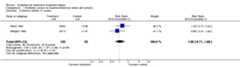
Comparison 1 Hydration versus no treatment/bed rest alone (all women), Outcome 5 Delivery before 37 weeks.
1.6. Analysis.
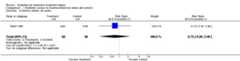
Comparison 1 Hydration versus no treatment/bed rest alone (all women), Outcome 6 Delivery before 34 weeks.
1.7. Analysis.
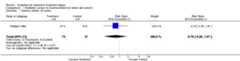
Comparison 1 Hydration versus no treatment/bed rest alone (all women), Outcome 7 Delivery before 32 weeks.
1.8. Analysis.
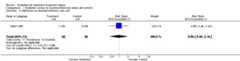
Comparison 1 Hydration versus no treatment/bed rest alone (all women), Outcome 8 Admission to neonatal intensive care unit.
No other prespecified perinatal or maternal morbidity outcomes were reported.
Cost of treatment was slightly higher (US$39) in the hydration group (Guinn 1997). This difference was not statistically significant and only included hospital costs during a visit of less than 24 hours. The interval between randomisation and delivery (not prespecified) was similar in the two groups. Slightly less use of tocolytic drugs (not prespecified) was reported in the hydration group, but this difference was not statistically significant (RR 0.83; 95% CI 0.57 to 1.20) (Analysis 1.14).
1.14. Analysis.
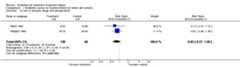
Comparison 1 Hydration versus no treatment/bed rest alone (all women), Outcome 14 Use of tocolytic drugs (not prespecified).
Limited data are available for the subgroup of women included before 34 weeks. Results are similar to those reported in all women (Comparison 2). No trials evaluated oral hydration therapy.
Discussion
The two included studies were of good methodological quality. Both used intravenous hydration. They reported no significant benefit of hydration, as compared with bed rest in women with preterm labour. The diagnosis of preterm labour is difficult, as shown by the fact that less than 30% of the participants delivered preterm. Also, only about 30% of women received tocolytic drugs after a period of evaluation with either bed rest alone or hydration. Allowing a period of evaluation before beginning therapeutic interventions with tocolytic drugs is probably justified. This may avoid unnecessary treatment and any associated risk of side effects. It does not seem beneficial to use intravenous hydration during this period of evaluation, except in women with evidence of dehydration. For this subgroup of women hydration should not be more efficient as treatment of preterm labour, but could avoid maternal or fetal complications related to hypovolaemia. Although the trials are of good methodological quality, the number of participants is too small to assess the impact on substantive outcomes such as perinatal morbidity and mortality. The economic evaluation only takes into account short‐term direct hospital costs associated with the initial visit and the first 24 hours. There is no evidence of an economic benefit of hydration. No trials assessed women's view/satisfaction with treatment.
Authors' conclusions
Implications for practice.
The data are too few to support the use of hydration as a specific treatment for women presenting with preterm labour. The two small studies available, conducted in women with intact membranes, do not show any advantage of hydration compared with bed rest alone. Intravenous hydration does not seem to be beneficial, even during the period of evaluation in women admitted with preterm labour. Women with evidence of dehydration may, however, benefit from the intervention.
Implications for research.
Hydration does not seem to be a promising intervention in the treatment of women with suspected preterm labour. However, as the data available are scarce, the use of this intervention should limited to randomised trials with substantive outcomes.
What's new
| Date | Event | Description |
|---|---|---|
| 17 December 2013 | Amended | The graph labels for outcome 1.15 (time to delivery in days) were the wrong way around. We have therefore corrected them. There are no implications for the text of the review. |
History
Protocol first published: Issue 2, 2001 Review first published: Issue 2, 2002
| Date | Event | Description |
|---|---|---|
| 3 October 2013 | New citation required but conclusions have not changed | Review updated. |
| 30 September 2013 | New search has been performed | Search updated. No new trials identified. |
| 31 May 2009 | New search has been performed | Search updated. No new trials identified. |
| 24 April 2008 | Amended | Converted to new review format. |
| 27 June 2007 | New search has been performed | Search updated. One addtional trial report added toGuinn 1997 and one additional trial report added toPircon 1989. |
Acknowledgements
Therese Dowswell for her help in preparing the 2013 update and Sonja Henderson for her administrative support. Therese Dowswell's and Sonja Henderson's work was financially supported by the UNDP/UNFPA/UNICEF/WHO/World Bank Special Programme of Research, Development and Research Training in Human Reproduction (HRP), Department of Reproductive Health and Research (RHR), World Health Organization. The named authors alone are responsible for the views expressed in this publication.
The National Institute for Health Research (NIHR) is the largest single funder of the Cochrane Pregnancy and Childbirth Group. The views and opinions expressed therein are those of the authors and do not necessarily reflect those of the NIHR, NHS or the Department of Health.
Appendices
Appendix 1. Methods used in previous versions of the review
The identified reports were read independently by two review authors to determine if the study met the inclusion criteria and to evaluate the methodological quality. Any disagreement was resolved by consensus.
Methodological quality of included trials was assessed using the methods described in theCochrane Handbook (Clarke 2000): Grade A: adequate concealment, Grade B: uncertain, Grade C: inadequate concealment. Other quality factors taken into consideration included blinding and losses to follow‐up. Data were extracted independently by two of the review authors. The results were expressed as risk ratios for dichotomous outcomes and mean difference for continuous outcomes. Their 95% confidence intervals were computed, using the Cochrane Review Manager software (RevMan 2000). In the case of significant heterogeneity between studies, a sensitivity analysis would have been performed to assess the impact on the results of study quality and characteristics. The following comparisons were performed: any type of hydration versus bed rest alone. Subgroup analysis would have included oral versus intravenous hydration and prelabour preterm rupture of membranes versus intact membranes, but separate data were not available. A subgroup analysis of women included at less than 34 weeks of gestation was performed.
Data and analyses
Comparison 1. Hydration versus no treatment/bed rest alone (all women).
| Outcome or subgroup title | No. of studies | No. of participants | Statistical method | Effect size |
|---|---|---|---|---|
| 1 Perinatal death | 0 | 0 | Risk Ratio (M‐H, Fixed, 95% CI) | 0.0 [0.0, 0.0] |
| 2 Severe neonatal morbidity | 0 | 0 | Risk Ratio (M‐H, Fixed, 95% CI) | 0.0 [0.0, 0.0] |
| 3 Prolongation of pregnancy more than 48 hours | 0 | 0 | Risk Ratio (M‐H, Fixed, 95% CI) | 0.0 [0.0, 0.0] |
| 4 Prolongation of pregnancy more than seven days | 0 | 0 | Risk Ratio (M‐H, Fixed, 95% CI) | 0.0 [0.0, 0.0] |
| 5 Delivery before 37 weeks | 2 | 228 | Risk Ratio (M‐H, Fixed, 95% CI) | 1.09 [0.71, 1.68] |
| 6 Delivery before 34 weeks | 1 | 118 | Risk Ratio (M‐H, Fixed, 95% CI) | 0.72 [0.20, 2.56] |
| 7 Delivery before 32 weeks | 1 | 110 | Risk Ratio (M‐H, Fixed, 95% CI) | 0.76 [0.29, 1.97] |
| 8 Admission to neonatal intensive care unit | 1 | 118 | Risk Ratio (M‐H, Fixed, 95% CI) | 0.99 [0.46, 2.16] |
| 9 Low birthweight (less than 2500 g) | 0 | 0 | Risk Ratio (M‐H, Fixed, 95% CI) | 0.0 [0.0, 0.0] |
| 10 Very low birthweight (less than 1500 g) | 0 | 0 | Risk Ratio (M‐H, Fixed, 95% CI) | 0.0 [0.0, 0.0] |
| 11 Maternal death | 0 | 0 | Risk Ratio (M‐H, Fixed, 95% CI) | 0.0 [0.0, 0.0] |
| 12 Women's assessment of their treatment | 0 | 0 | Risk Ratio (M‐H, Fixed, 95% CI) | 0.0 [0.0, 0.0] |
| 13 Cost of treament (first 24 hours, in US$) | 1 | 103 | Mean Difference (IV, Fixed, 95% CI) | 39.0 [‐26.11, 104.11] |
| 14 Use of tocolytic drugs (not prespecified) | 2 | 234 | Risk Ratio (M‐H, Fixed, 95% CI) | 0.83 [0.57, 1.20] |
| 15 Time to delivery (days, not prespecified) | 2 | 228 | Mean Difference (IV, Fixed, 95% CI) | ‐0.99 [‐7.85, 5.87] |
1.13. Analysis.
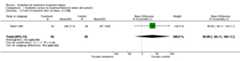
Comparison 1 Hydration versus no treatment/bed rest alone (all women), Outcome 13 Cost of treament (first 24 hours, in US$).
1.15. Analysis.
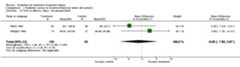
Comparison 1 Hydration versus no treatment/bed rest alone (all women), Outcome 15 Time to delivery (days, not prespecified).
Comparison 2. Hydration versus no treatment/bed rest alone (women included before 34 weeks).
| Outcome or subgroup title | No. of studies | No. of participants | Statistical method | Effect size |
|---|---|---|---|---|
| 1 Prolongation of pregnancy more than 48 hours | 0 | 0 | Risk Ratio (M‐H, Fixed, 95% CI) | 0.0 [0.0, 0.0] |
| 2 Prolongation of pregnancy more than seven days | 0 | 0 | Risk Ratio (M‐H, Fixed, 95% CI) | 0.0 [0.0, 0.0] |
| 3 Delivery before 32 weeks | 0 | 0 | Risk Ratio (M‐H, Fixed, 95% CI) | 0.0 [0.0, 0.0] |
| 4 Delivery before 34 weeks | 1 | 118 | Risk Ratio (M‐H, Fixed, 95% CI) | 0.72 [0.20, 2.56] |
| 5 Delivery before 37 weeks | 1 | 118 | Risk Ratio (M‐H, Fixed, 95% CI) | 1.32 [0.72, 2.42] |
| 6 Low birthweight (less than 2500 g) | 0 | 0 | Risk Ratio (M‐H, Fixed, 95% CI) | 0.0 [0.0, 0.0] |
| 7 Very low birthweight (less than 1500 g) | 0 | 0 | Risk Ratio (M‐H, Fixed, 95% CI) | 0.0 [0.0, 0.0] |
| 8 Perinatal death | 0 | 0 | Risk Ratio (M‐H, Fixed, 95% CI) | 0.0 [0.0, 0.0] |
| 9 Severe neonatal morbidity | 0 | 0 | Risk Ratio (M‐H, Fixed, 95% CI) | 0.0 [0.0, 0.0] |
| 10 Admission to neonatal intensive care unit | 1 | 118 | Risk Ratio (M‐H, Fixed, 95% CI) | 0.99 [0.46, 2.16] |
| 11 Maternal death | 0 | 0 | Risk Ratio (M‐H, Fixed, 95% CI) | 0.0 [0.0, 0.0] |
| 12 Women's assessment of their treatment | 0 | 0 | Risk Ratio (M‐H, Fixed, 95% CI) | 0.0 [0.0, 0.0] |
| 13 Cost of treament (first 24 hours, in US$) | 1 | 103 | Mean Difference (IV, Fixed, 95% CI) | 39.0 [‐26.11, 104.11] |
| 14 Use of tocolytic drugs (not prespecified) | 1 | 118 | Risk Ratio (M‐H, Fixed, 95% CI) | 0.72 [0.31, 1.70] |
| 15 Time to delivery (days, not prespecified) | 1 | 118 | Mean Difference (IV, Fixed, 95% CI) | ‐4.30 [‐13.61, 5.01] |
2.4. Analysis.
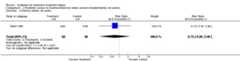
Comparison 2 Hydration versus no treatment/bed rest alone (women included before 34 weeks), Outcome 4 Delivery before 34 weeks.
2.5. Analysis.
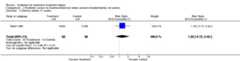
Comparison 2 Hydration versus no treatment/bed rest alone (women included before 34 weeks), Outcome 5 Delivery before 37 weeks.
2.10. Analysis.
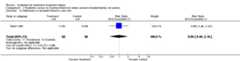
Comparison 2 Hydration versus no treatment/bed rest alone (women included before 34 weeks), Outcome 10 Admission to neonatal intensive care unit.
2.13. Analysis.
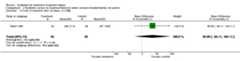
Comparison 2 Hydration versus no treatment/bed rest alone (women included before 34 weeks), Outcome 13 Cost of treament (first 24 hours, in US$).
2.14. Analysis.
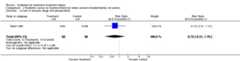
Comparison 2 Hydration versus no treatment/bed rest alone (women included before 34 weeks), Outcome 14 Use of tocolytic drugs (not prespecified).
2.15. Analysis.
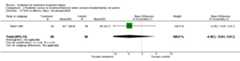
Comparison 2 Hydration versus no treatment/bed rest alone (women included before 34 weeks), Outcome 15 Time to delivery (days, not prespecified).
Characteristics of studies
Characteristics of included studies [ordered by study ID]
Guinn 1997.
| Methods | Randomised controlled trial with 3 arms and individual randomisation. | |
| Participants | Women at 20 to 34 weeks of gestation, with a singleton pregnancy, intact membranes at risk for preterm delivery. Risk of preterm delivery was defined as: 3 or more contractions per 30 minutes, cervical dilatation of 1 cm or less, cervical effacement less than 80%. Exclusion criteria were non‐reassuring fetal status, suspicion of infection and maternal disease. | |
| Interventions | Control group: bed rest alone (56 women). Experimental group: IV hydration with 500 mL cristalloids over 20 minutes followed by 200 mL/hour (62 women). | |
| Outcomes | Interval from randomisation to delivery and to discharge, gestational age at delivery, delivery before 34 and 37 weeks, costs. | |
| Notes | A third group treated with terbutaline is not included in this review. | |
| Risk of bias | ||
| Bias | Authors' judgement | Support for judgement |
| Random sequence generation (selection bias) | Low risk | “computer‐generated randomization schedule” |
| Allocation concealment (selection bias) | Low risk | “Consenting women were assigned to one of three treatment groups by opening the next sealed, opaque envelope” |
| Blinding of participants and personnel (performance bias) All outcomes | High risk | The treatment regimens were different, and clinical decisions (which may have had an impact on outcomes) were made by staff who knew which treatment women were receiving. |
| Blinding of outcome assessment (detection bias) All outcomes | High risk | Blinding of outcome assessors was not mentioned and treatment was likely to have been recorded in patient records “outcome data were abstracted from the medical record and the computerized perinatal database”. |
| Incomplete outcome data (attrition bias) All outcomes | Low risk | All participants seem to be accounted for. |
| Selective reporting (reporting bias) | Unclear risk | Assessment from published study report. |
| Other bias | Low risk | Groups appeared similar at baseline, other bias not apparent. |
Helfgott 1994.
| Methods | Randomised controlled trial. 3 arms with individual randomisation. | |
| Participants | Women at 24 to 37 weeks of gestation, with a singleton pregnancy, intact membranes at risk for preterm delivery. Risk of preterm delivery was defined as: regular painful contractions, cervical dilatation of 4 cm or less, cervical effacement less than 100%. Exclusion criteria were contraindication to tocolytics, obvious labour. | |
| Interventions | Control group: bed rest alone (40 women). Experimental groups: IV hydration only: 500 mL lactate Ringer over 30 minutes (34 women). IV hydration and morphine: hydration as above and 8‐12 mg of morphine sulphate IM (42 women). | |
| Outcomes | Interval from randomisation to delivery, delivery before 32 and 37 weeks, need for additional treatment. | |
| Notes | Hydration only and hydration + morphine groups were combined for the purpose of this review. | |
| Risk of bias | ||
| Bias | Authors' judgement | Support for judgement |
| Random sequence generation (selection bias) | Low risk | “the assignments were computer generated". |
| Allocation concealment (selection bias) | Low risk | Allocations were “placed in sealed opaque envelopes, and opened at the time of entry”. |
| Blinding of participants and personnel (performance bias) All outcomes | High risk | Women and clinicians were not blinded, which may have affected clinical decisions about their care. |
| Blinding of outcome assessment (detection bias) All outcomes | Unclear risk | It was stated that some outcome assessment was blinded, but for other outcomes it was no clear that assessors were blind to treatment group. “The monitor tracings were analysed by a blinded observer so as not to bias the information regarding uterine contractions upon entry and completion of the study”. |
| Incomplete outcome data (attrition bias) All outcomes | Unclear risk | 5 out of 124 women were enrolled into the study but then excluded. Another 3 subsequently left the study. Delivery information was available for 110 women, (11.3% attrition). |
| Selective reporting (reporting bias) | Unclear risk | Assessment from published study report. |
| Other bias | Low risk | Groups appeared comparable at baseline. Other bias not apparent. |
IM: intramuscular IV: intravenous
Characteristics of excluded studies [ordered by study ID]
| Study | Reason for exclusion |
|---|---|
| Pircon 1989 | Inadequate method of concealment of the allocation (alternate date). Women in the control group were treated with hydration after 2 hours if contractions persisted. 3 women were readmitted after the initial treatment and included again in the study, with a cross‐over of the intervention. Report of the results is unclear. |
Differences between protocol and review
We updated theBackground and theData collection and analysis text of the 2013 updated review.
Contributions of authors
The 2013 update was prepared by Catalin Stan with contributions from the other authors.
Catalin Stan and Michel Boulvain wrote the protocol, extracted the data and drafted the text of the first version of this review (Stan 2002). Pascale Hirsbrunner‐Almagbaly and Riccardo Pfister contributed to the protocol and to the final text of the review. Pascale Hirsbrunner‐Almagbaly did the initial search of the studies.
Sources of support
Internal sources
University of Geneva, Switzerland.
External sources
UNDP‐UNFPA‐UNICEF‐WHO‐World Bank Special Programme of Research, Development and Research Training in Human Reproduction (HRP), Department of Reproductive Health and Research (RHR), World Health Organization, Switzerland.
Declarations of interest
None known.
Edited (no change to conclusions)
References
References to studies included in this review
Guinn 1997 {published data only}
- Guinn DA, Goepfert AR, Owen J, Brumfield C, Hauth JC. Management options in women with preterm uterine contractions: a randomized clinical trial. American Journal of Obstetrics and Gynecology 1997;177:814‐8. [DOI] [PubMed] [Google Scholar]
- Guinn DA, Goepfert AR, Owen J, Brumfield CG, Hauth JC. Management options in women with preterm uterine contractions: a randomized clinical trial. American Journal of Obstetrics and Gynecology 1997;176(1 Pt 2):S44. [DOI] [PubMed] [Google Scholar]
Helfgott 1994 {published data only}
- Helfgott AW, Willis DC, Abuhmaad A, Raimer K, Blanco JD. Effect of hydration and/or sedation in threatened preterm labor (abstract). American Journal of Obstetrics and Gynecology 1991;164:310. [Google Scholar]
- Helfgott AW, Willis DC, Blanco JD. Is hydration and sedation beneficial in the treatment of threatened preterm labor? A preliminary report. Journal of Maternal and Fetal Medicine 1994;3:37‐42. [Google Scholar]
References to studies excluded from this review
Pircon 1989 {published data only}
- Pircon RA, Strasser HT, Kirz DS, Towers CV. Controlled trial of hydration and bedrest vs bedrest alone in the evaluation of preterm uterine contractions. Proceedings of 9th Annual Meeting of the Society of Perinatal Obstetricians; 1989 Feb 1‐4; New Orleans, Louisiana, USA. 1989:396.
- Pircon RA, Strassner HT, Kirz DS, Towers CV. Controlled trial of hydration and bed rest versus bed rest alone in the evaluation of preterm uterine contractions. American Journal of Obstetrics and Gynecology 1989;161:775‐9. [DOI] [PubMed] [Google Scholar]
Additional references
Beck 2010
- Beck S, Wojdyla D, Say L, Betran AP, Merialdi M, Requejo JH, et al. The worldwide incidence of preterm birth: a systematic review of maternal mortality and morbidity. Bulletin of the World Health Organization 2010;88:31‐8. [DOI] [PMC free article] [PubMed] [Google Scholar]
Bieniarz 1971
- Bieniarz J, Burd L, Motew M, Scommegna A. Inhibition of uterine contractility in labor. American Journal of Obstetrics and Gynecology 1971;111:874‐9. [DOI] [PubMed] [Google Scholar]
Bird 2010
- Bird TM, Bronstein JM, Hall RW, Lowery CL, Nugent R, Mays GP. Late preterm infants: birth outcome and health care utilisation in the first year. Pediatrics 2010;126:e311‐9. [DOI] [PubMed] [Google Scholar]
Callaghan 2006
- Callaghan WM, MacDorman MF, Rasmussen SA, Qin C, Lackritz EM. The contribution of preterm birth to infant mortality rates in the United States. Pediatrics 2006;118:1566‐73. [DOI] [PubMed] [Google Scholar]
Chang 2013
- Chang HH, Larson J, Blencowe H, Spong CY, Howson CP, Cairns‐Smith S, et al. Born too soon preterm prevention analysis group. Preventing preterm births: analysis of trends and potential reductions with interventions in 39 countries with very high human development index. Lancet 2013;381:223‐34. [DOI] [PMC free article] [PubMed] [Google Scholar]
Clarke 2000
- Clarke M, Oxman AD, editors. Cochrane Reviewers' Handbook 4.1 [updated June 2000]. In: Review Manager (RevMan)[Computer program]. Version 4.1. Oxford, England: The Cochrane Collaboration.
Costeloe 2012
- Costeloe KL, Hennessy EM, Haider S, Stacey F, Marlow N, Draper ES. Short term outcomes after extreme preterm birth in England: comparison of two birth cohorts in 1995 and 2006 (the EPICure studies). BMJ 2012;345:e7976. [DOI: 10.1136/bmj.e7976] [DOI] [PMC free article] [PubMed] [Google Scholar]
Faron 1998
- Faron G, Boulvain M, Irion O, Bernard PM, Fraser WD. Prediction of preterm delivery by fetal fibronectin: a meta‐analysis. Obstetrics & Gynecology 1998;92:153‐8. [DOI] [PubMed] [Google Scholar]
Gauer 1976
- Gauer OH, Henry JP. Neurohormonal control of plasma volume. International Review of Physiology 1976;9:145‐90. [PubMed] [Google Scholar]
Goldenberg 2008
- Goldenberg RL, Culhane JF, Iams JD, Romero R. Epidemiology and causes of preterm birth. Lancet 2008;371:75‐84. [DOI] [PMC free article] [PubMed] [Google Scholar]
Goodlin 1981
- Goodlin RC, Quaife MA, Dirksen JW. The significance, diagnosis, and treatment of maternal hypovolemia as associated with fetal/maternal illness. Seminars in Perinatology 1981;5:163‐74. [PubMed] [Google Scholar]
Haas 2012
- Haas DM, Caldwell DM, Kirkpatrick P, McIntosh JJ, Welton NJ. Tocolytic therapy for preterm delivery: systematic review and network meta‐analysis. BMJ 2012;345:e6226. [DOI: 10.1136/bmj.e6226] [DOI] [PMC free article] [PubMed] [Google Scholar]
Hack 1994
- Hack M, Taylor HG, Klein N, Eiben R, Schatschneider C, Mercuri‐Minich N. School‐age outcomes in children with birth weights under 750 g. New England Journal of Medicine 1994;331:753‐9. [DOI] [PubMed] [Google Scholar]
Hackney 2013
- Hackney DN, Olson‐Chen C, Thornburg LL. What do we know about the natural outcomes of preterm labour? A systematic review and meta‐analysis of women without tocolysis in preterm labour. Paediatric and Perinatal Epidemiology 2013;27:452‐60. [DOI] [PubMed] [Google Scholar]
Henderson 2012
- Henderson JJ, McWilliam OA, Newnham JP, Pennell CE. Preterm birth aetiology 2004‐2008. Maternal factors associated with three phenotypes: spontaneous preterm labour, preterm pre‐labour rupture of membranes and medically indicated preterm birth. Journal of Maternal‐Fetal and Neonatal Medicine 2012;25:642‐7. [DOI] [PubMed] [Google Scholar]
Higgins 2011
- Higgins JPT, Green S, editors. Cochrane Handbook for Systematic Reviews of Interventions Version 5.1.0 [updated March 2011]. The Cochrane Collaboration, Available from www.cochrane‐handbook.org., 2011. [Google Scholar]
Mackeen 2011
- Mackeen AD, Seibel‐Seamon J, Grimes‐Dennis J, Baxter JK, Berghella V. Tocolytics for preterm premature rupture of membranes. Cochrane Database of Systematic Reviews 2011, Issue 10. [DOI: 10.1002/14651858.CD007062.pub2] [DOI] [PubMed] [Google Scholar]
Martin 2011
- Martin JA, Hamilton BE, Ventura SJ, Osterman MJ, Kirmeyer S, Mathews TJ, et al. Births: final data for 2009. National Vital Statistics Reports 2011;60:1‐70. [PubMed] [Google Scholar]
Moutquin 2003
- Moutquin JM. Classification and heterogeneity of preterm birth. British Journal of Obstetrics and Gynaecology 2003;110:30‐3. [DOI] [PubMed] [Google Scholar]
Oskoui 2013
- Oskoui M, Coutinho F, Dykeman J, Jetté N, Pringsheim T. An update of the prevalence of cerebral palsy: a systematic review and meta‐analysis. Developmental Medicine and Child Neurology 2013;55:509‐19. [DOI] [PubMed] [Google Scholar]
Owen 2010
- Owen J, Szychowski JM, Hankins G, Iams JD, SheffieldJS, Perez‐Delboy A, et al. Vaginal Ultrasound Trial Consortium. Does midtrimester cervical length ≥ 25mm predict preterm birth in high‐risk women?. American Journal of Obstetrics and Gynecology 2010;203:e1‐5. [DOI] [PMC free article] [PubMed] [Google Scholar]
RevMan 2000 [Computer program]
- The Cochrane Collaboration. Review Manager (RevMan). Version 4.1 for Windows. Oxford, England: The Cochrane Collaboration, 2000.
RevMan 2012 [Computer program]
- Copenhagen: The Nordic Cochrane Centre. The Cochrane Collaboration. Review Manager (RevMan) [Computer program]. Version 5.2.. Copenhagen: The Nordic Cochrane Centre. The Cochrane Collaboration, 2012.
Russel 2007
- Russel RB, Green NS, Steiner CA, Meikle S, Howse JL, Poschman K, et al. Cost of hospitalisation for preterm and low birth weight infants in the United States. Pediatrics 2007;120:e1‐9. [DOI] [PubMed] [Google Scholar]
Valenzuela 1983
- Valenzuela G, Cline S, Hayashi RH. Follow‐up of hydration and sedation in the pretherapy of premature labor. American Journal of Obstetrics and Gynecology 1983;147:396‐8. [DOI] [PubMed] [Google Scholar]
Wilson‐Costello 2007
- Wilson‐Costello D, Friedman H, Minich N, Siner B, Taylor G, Schluchter M, et al. Improved neurodevelopmental outcomes for extremely low birth weight infants in 2000‐2002. Pediatrics 2007;119:37‐45. [DOI] [PubMed] [Google Scholar]
References to other published versions of this review
Stan 2002
- Stan CM, Boulvain M, Pfister R, Hirsbrunner‐Almagbaly P. Hydration for treatment of preterm labour. Cochrane Database of Systematic Reviews 2002, Issue 2. [DOI: 10.1002/14651858.CD003096] [DOI] [PMC free article] [PubMed] [Google Scholar]