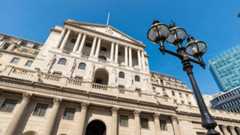
The Bank of England has handed borrowers an early Christmas present by cutting interest rates to the lowest level since February 2023.
Its nine member Monetary Policy Committee voted by a narrow margin of five to four to reduce its base from 4% to 3.75%, and marked the sixth cut from August last year. Bank Governor Andrew Bailey's decision to back a cut proved crucial. The drop was widely expected after a welcome slowdown in inflation.
The cut will deliver a boost to borrowers with variable rate mortgages, and is also expected to drive fixed rate mortgage costs lower for those taking out a new loan or remortaging. However, it threatens to prove a setback for savers if banks and others lower what they pay depositors.
ChancellorRachel Reeves said: "This is the sixth interest rate cut since the election - that's the fastest pace of cuts in 17 years, good news for families with mortgages and businesses with loans. But I know there's more to do to help families with the cost of living. That's why at theBudget we froze rails fares and prescription charges, and will be cutting £150 off the average energy bill next year."
TUC General Secretary Paul Nowak said: “This rate cut is welcome – but one cut every now and again isn’t enough for a fragile economy struggling with stagnant demand and failing confidence. The Bank must go further and faster next year after a cautious 2025 – it’s vital this marks the start of a sequence of quick fire and substantial rate cuts. That’s what households and firms need right now. More money in the pockets of working people means more spend on our high streets – and lower interest rates will give firms the confidence to invest and incentivise wealthier households to spend."
The cut comes after inflation fell to an eight-month low of 3.2% in November, the Office for National Statistics (ONS) said this week. This was largely driven by food and drink inflation which dropped to 4.2% from 4.9%, while alcohol and tobacco prices also eased.
Marylen Edwards, director of mortgages at specialist lender MT Finance, says: “Today’s decision by the MPC to cut rates will be welcomed by borrowers. After interest rates were cut by the US Federal Reserve last week, it seemed inevitable that the Bank of England would follow suit, particularly after inflation fell in November. We are hopeful that this move will instil some confidence into the market, and we will start to see more landlords, as well as owner-occupiers, transact in theNew Year.”
The Bank of England's base rate reached 5.25% in 2023, but five cuts since August 2024 have brought it down to 4%. The rate was then held at meetings in September and November.
The rate cut will save a typical borrower with a variable rate mortgage and a balance of £175,000 around £29 a month to £1,292, according to broker L&C Mortgages, leaving that nearly £350 a year better off. That is on top of previous rate cuts and before any others to come. On a typical £250,000 variable rate mortgage, the saving would be £41 a month or £492 year, and for those with a £350,000 balance the savings would be £57 a month and £684 a year.
Mr Bailey said the UK had "passed the recent peak in inflation and it has continued to fall", allowing the MPC to cut borrowing costs for the fourth time this year. Mr Bailey was among those preferring to lower rates at the Bank's final meeting of the year.
At 3.2%, inflation remains some way off the Bank's 2% target, but it expects announcements by Ms Reeves in last month's Budget to lower the consumer prices index (CPI) measure of inflation by around 0.5 percentage points. This includes one-off support for householdenergy bills and freezing fuel duty which will kick in from April next year. It could mean inflation returning to around the 2% mark in the second quarter of 2026 - so between April and June.
"We still think rates are on a gradual path downward," Mr Bailey said. "But with every cut we make, how much further we go becomes a closer call." Ruth Gregory, deputy chief UK economist for Capital Economics, says there are “clear signs” that the MPC does not think rates need to be cut much further. “This suggests that once rates fall to 3.50%, more convincing evidence will be required for the MPC to cut rates further,” she said.
In a setback to Ms Reeves, the Bank warned a go-slow for the UK economy would continue, with no growth in the final three months of this year.
However, the four MPC members who voted to keep interest rates unchanged were more concerned about prolonged inflation persistence, particularly within the services sector and among wage growth.
Luke Bartholomew, deputy chief economist at Aberdeen Investments, predicted the Bank of England's base rate would "eventually head back towards 3% late next year." Martin Beck, chief economist at WPI Strategy, forecast the next cut to come in February, followed by two further reductions in 2026.
Stuart Morrison, research manager at the British Chambers of Commerce, said: “Today’s interest rate cut to 3.75%, is a much-neededChristmas gift for businesses across the UK. However, unwrapping growth remains a huge challenge.
"With the economy flatlining, wage growth slowing, unemployment up and inflation easing – today's Bank of England decision was widely expected. Nevertheless, the MPC is likely to need more evidence that inflation is under control before agreeing to further rate cuts next year. Today's close vote by the committee underlines the uncertainty ahead. With firms being hit by the high cost of borrowing, and a raft of other financial pressures, their confidence remains low. Last month’s Budget was a missed opportunity to drive significant growth. "