Movatterモバイル変換


[0]ホーム

URL:


Search japan-guide.com

Flowers

The seasons are a main theme in the Japanese culture, and flowers are like mirrors to the seasons, reflecting the passage of time. Fittingly, flower viewing is a very popular activity in Japan as most prominently seen in the annual festivities surrounding thecherry blossoms, but not limited to them.

The following chart shows the approximate blooming periods for some of the most popular flowers in Japan. One point to note is that because Japan extends north to south for some 3500 kilometers, a particular flower species might blossom at differing times across regions with varying climate. The chart serves as a rough reference for the country in general. It is recommended to check on details for specific locations before visiting.
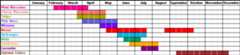
Popular types of flowers
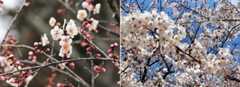
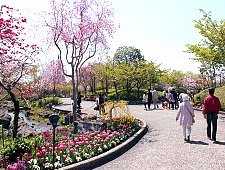
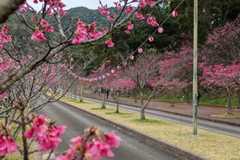
Left:Plum blossoms (ume) - typically mid February through March in Tokyo
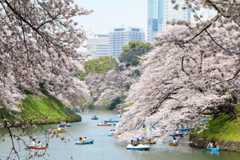
Right:Cherry blossoms (sakura) - typically late March to mid April in Tokyo
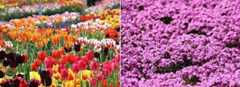
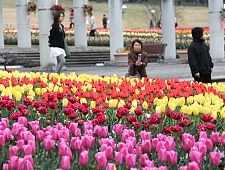
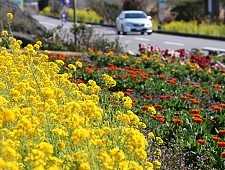
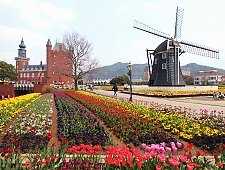
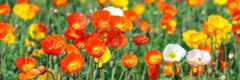
Left:Tulips - typically late April to early May in Tonami, Toyama
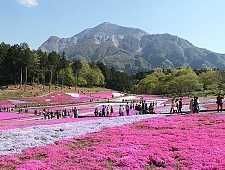
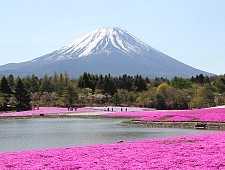
Right:Pink moss (shibazakura) - typically mid April to mid May in Fujigoko
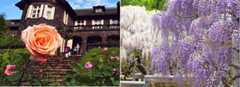
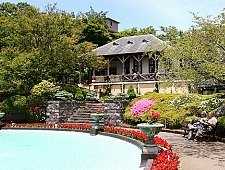
Left:Roses (bara) - typically May and October in Tokyo
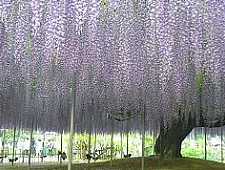
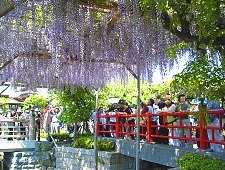
Right:Wisteria (fuji) - typically late April to early May in Tokyo
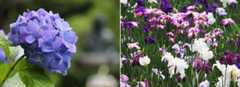
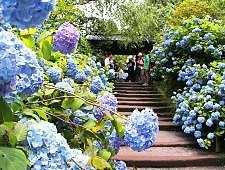
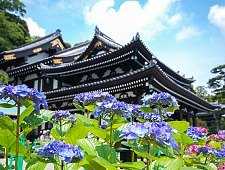
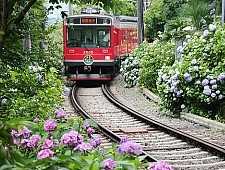
Left:Hydrangea (ajisai) - typically mid June to mid July in Kamakura and Hakone
Right:Irises (hanashobu) - typically June in Tokyo
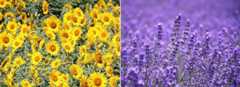
Left:Sunflowers (himawari) - typically early July to early August in Hokkaido
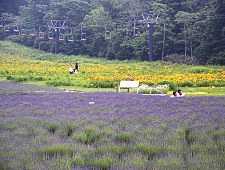
Right:Lavender - typically mid July to early August in Hokkaido
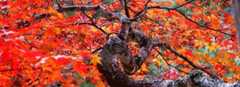
Autumn Colors (koyo) - typically mid September to early December across Japan

Flower related places of interest

There are many places in Japan where various species of flowers can be appreciated at different times of the year. Flower parks and botanical gardens are usually great locations for flower viewing. Sometemples andshrines may also be famous for particular flowers. Below is a list of places which are popular for flower viewing.

See also our pages oncherry blossom,plum blossom andautumn color spots.

Hokkaido
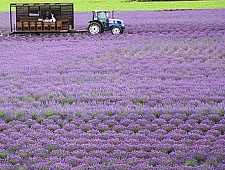
    Furano Flower Fields
    Known for: Lavender and sunflowers
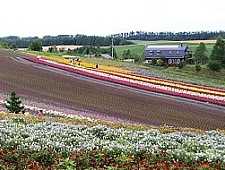
    Theflower fields ofFurano offer a wide variety of flowers from May to October; however, the region is most famous for its lavender which attracts large numbers of visitors every summer, when the plants are in full bloom.
    Biei
    Known for: Lavender and various flowers
    The rolling hills ofBiei are home to multiple flower parks with various flower fields. Some can be enjoyed not only by walking along the trails, but also by renting golf or buggy carts or taking a ride on tractor-pulled wagons.

Around Tokyo

    Tambara Flower Park
    Known for: Lavender
    Tambara Flower Park is located inGunma Prefecture. Over 50,000 lavender bushes are planted on the Tambara plateau, creating a spectacular lavender flower park in the summer. The area is a ski resort in the winter.
    Gunma Flower Park
    Known for: Various flowers
    Gunma Flower Park offers an extensive collection of flower varieties which bloom during different seasons, including tulips, irises and roses.
    Ashikaga Flower Park
    Known for: Wisteria
    One of the best places to view wisteria is the Ashikaga Flower Park in Ashikaga City,Tochigi Prefecture. Ashikaga Flower Park features lots of blue, white and pink wisteria, as well as yellow laburnum (Japanese: kingusari) that look like yellow colored wisteria.
    Hitachi Seaside Park
    Known for: Nemophila and other flowers
    The huge park outside ofMito features large fields of flowers during much of the year. Among the most famous displays are the fields of nemophila around late April to mid May and the red kokia bushes around early to mid October.
    Chichibu Hitsujiyama Park
    Known for: Pink Moss
    This park features wide fields of pink moss in almost ten varieties and colors. The flowers are strategically planted to produce delightful designs across the fields. From the northern end of the park, gorgeous views of pink moss with Mount Buko in the backdrop can be seen.
    Kameido Shrine
    Known for: Wisteria
    Kameido Shrine inTokyo is a great place to view wisteria. Every year, thousands of people visit theshrine to appreciate the wisteria, which bloom from late April to early May.
    Meigetsuin Temple
    Known for: Hydrangea and irises
    Meigetsuin is also known as "Ajisaidera", meaning "Hydrangea Temple". This is becausehydrangea bloom in abundance at thetemple during therainy season around June, and they usually attract large numbers of visitors.
    Hase Temple
    Known for: Hydrangea
    Hasedera is famous for its huge statue of Kannon, the goddess of mercy. Every summer, huge crowds come to thetemple to visit itshydrangea garden. Long queues may be expected due to the popularity of the hydrangea.
    Hakone Tozan Railway
    Known for: Hydrangea
    A ride on theHakone Tozan Railway, Japan's oldest mountain railway, is a treat for more than justrailway fans. The ride is especially beautiful in June and July when thousands ofhydrangea are in bloom along the tracks and are illuminated during the evenings.
    Gora Park
    Known for: Roses
    This is a western style landscape park located inHakone, featuring a large fountain and a rose garden. Visitors can also take part incraft activities such as dried flower arrangement.
    Boso Flower Line
    Known for: Nanohana, poppies and other early spring flowers
    TheBoso Flower Line is a road that follows the southern coast of theBoso Peninsula betweenTateyama and Chikura. Several flower farms and parks are located along the road which are particularly pretty from January to April. Its mild climate, makes the peninsula one of the earliest flower destinations each year.
    Fuji Shibazakura Matsuri
    Known for: Pink Moss
    TheFuji Shibazakura Festival is perhaps the best occasion to see pink moss (shibazakura). Wide fields of lovely shibazakura combine withMount Fuji in the backdrop on clear days to produce breathtaking scenery. Hundreds of thousands of flowers in various colors can be enjoyed at the festival grounds, which is located a short distance south ofMotosuko Lake.

Central Japan

    Tonami Tulip Fair
    Known for: Tulips
    Held in late April and early May, theTonami Tulip Fair is an annual festival held in Tonami City, the country's leading producer of tulip bulbs. It features large fields of tulips of many different varieties.
    Nabana no Sato
    Known for: Cherry blossoms, roses, tulips, hydrangea, irises
    This is a park which provides great views of seasonal flowers throughout the year. Every spring, it hosts a flowerfestival which is claimed to be of the largest scale in Japan. Winter illuminations are held from mid November to early March. Nabana no Sato is part ofNagashima Resort, which features the famous amusement parkNagashima Spaland.

Around Osaka

    Tsurumi Ryokuchi Park
    Known for: Cherry blossoms, roses, tulips
    Tsurumi Ryokuchi Park located inOsaka is a great place to viewcherry blossoms. The large park hosted the International Garden and Greenery Exposition in 1990, and features many gardens of various countries.

Shikoku

    Makino Botanical Garden
    Known for: Irises and various flowers
    Makino Botanical Garden inKochi includes extensive walking paths, outdoor parks and a greenhouse. The spacious garden has various flowers on display.

Kyushu

Book yourstay
Japan travel news
Book yourstay
ArticlesJapan travel news
SurveyWhat nighttime tourist activities besides dining and drinking are you interested in?
Anything we can improve?
What can we improve?
We strive to keep Japan Guide up-to-date and accurate, and we're always looking for ways to improve. If you have any updates, suggestions, corrections or opinions, please let us know:
Thank you for your feedback.
Page last updated:

[8]ページ先頭

©2009-2026 Movatter.jp