S. 2195 (113th): A bill to deny admission to the United States to any representative to the United Nations who has been found to have been engaged in espionage activities or a terrorist activity against the United States and poses a threat to United States national security interests.
Reactto this bill with an emoji
Save your opinionon this bill on a six-point scale from strongly oppose to strongly support
Widget for your website
Follow GovTrack on social media for more updates:
Sponsor and status
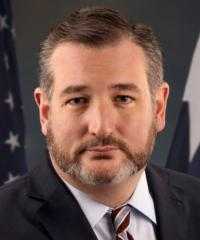
113th Congress (2013–2015)
Enacted — Signed by the PresidentonApril 18, 2014
This bill was enacted after being signed by the President on April 18, 2014.
6 Cosponsors (6 Republicans)
Incorporated legislation
This bill incorporates provisions from:
H.R. 4357:To deny admission to the United States to any representative to the United Nations who has engaged in espionage activities against the United States, poses a threat to United States …
Introduced on April 1, 2014.99% incorporated.(compare text)
History
| Date | Action | |
|---|---|---|
April 1, 2014 | Introduced Bills and resolutions are referred to committees which debate the bill before possibly sending it on to the whole chamber. | |
April 7, 2014 | Passed Senate (House next) The bill was passed in a vote in the Senate. It goes to the House next.The vote was by Unanimous Consent so no record of individual votes was made. | |
April 10, 2014 | Passed House The bill was passed by both chambers in identical form. It goes to the President next who may sign or veto the bill.The vote was without objection so no record of individual votes was made. | |
April 18, 2014 | Enacted — Signed by the President The President signed the bill and it became law. |
S. 2195 (113th) was a bill in the United States Congress.
A bill must be passed by both the House and Senate in identical form and then be signed by the President to become law.
Bills numbers restart every two years. That means there are other bills with the number S. 2195. This is the one from the 113th Congress.
This bill was introduced in the 113th Congress, which met from Jan. 3, 2013 to Jan. 2, 2015. Legislation not passed by the end of a Congress is cleared from the books.
How to cite this information.
We recommend the followingMLA-formatted citation when using the information you see here in academic work:
GovTrack.us. (2026). S. 2195 — 113th Congress: A bill to deny admission to the United States to any representative to the United …. Retrieved from https://www.govtrack.us/congress/bills/113/s2195
“S. 2195 — 113th Congress: A bill to deny admission to the United States to any representative to the United ….” www.GovTrack.us. 2014. February 15, 2026 <https://www.govtrack.us/congress/bills/113/s2195>
A bill to deny admission to the United States to any representative to the United Nations who has been found to have been engaged in espionage activities or a terrorist activity against the United States and poses a threat to United States national security interests, Pub. L. No. 113-100, S. 2195, 113th Cong. (2014).
{{cite web
|url=https://www.govtrack.us/congress/bills/113/s2195
|title=S. 2195 (113th)
|accessdate=February 15, 2026
|author=113th Congress (2014)
|date=April 1, 2014
|work=Legislation
|publisher=GovTrack.us
|quote=A bill to deny admission to the United States to any representative to the United …
}}
- show another citation format:
- MLA
- APA
- Blue Book
- Wikipedia Template
Where is this information from?
GovTrack automatically collects legislative information from a variety of governmental and non-governmental sources. This page is sourced primarily fromCongress.gov, the official portal of the United States Congress.Congress.gov is generally updated one day after events occur, and so legislative activity shown here may be one day behind. Data via thecongress project.