Ford F-Series
Here you will find monthly and yearly U.S. and Canadian sales figures for the Ford F-Series. The F-Series has been America’s best-selling truck since 1977 and the best-selling vehicle of any category since 1981. The F-150 represents the most popular model within the F-Series, with the lineup also including Super Duty models F-250 through F-750 for commercial applications.
Ford F-Series Overview
The Ford F-Series represents the longest continuously produced automotive nameplate in Ford Motor Company history and the most successful vehicle line in American automotive history. Since its introduction in January 1948, the F-Series has evolved from utilitarian postwar work trucks into sophisticated vehicles serving roles ranging from construction fleet workhorses to luxury family transportation. The F-Series has been America’s best-selling truck since 1977 and the best-selling vehicle of any category since 1981, maintaining both distinctions for over four decades.
The F-Series lineup currently spans from the F-150 light-duty pickup through the Super Duty series including F-250, F-350, F-450, F-550, F-600, F-650, and F-750 models serving commercial and industrial applications. The F-150, positioned between the mid-size Ranger and heavy-duty Super Duty trucks, accounts for the overwhelming majority of F-Series sales and serves as Ford’s volume flagship.
Throughout its history, the F-Series has served as the foundation for numerous Ford vehicles beyond pickups. The platform has underpinned full-size SUVs including the Ford Bronco, Ford Expedition, Lincoln Navigator, and Ford Excursion. Medium-duty F-Series chassis have supported school bus production through the B-Series cowled bus chassis from 1948 to 1998. The F-Series has been marketed under multiple Ford Motor Company brands, including Mercury M-Series trucks sold in Canada from 1948 to 1968, the Lincoln Blackwood luxury pickup in the early 2000s, and the Lincoln Mark LT sold in Mexico through the 2010s.
The F-Series designation originally referred to weight ratings, with the F-1 denoting half-ton capacity, F-2 three-quarter-ton, and F-3 one-ton trucks. The 1953 model year introduced the current three-digit naming convention still used today: F-100 replaced F-1 as the half-ton model, F-250 consolidated the F-2 and F-3 as the three-quarter-ton offering, and F-350 designated the one-ton configuration. The F-150 arrived in 1975 as an intermediate model between F-100 and F-250, initially created to circumvent emissions regulations affecting trucks over a certain weight rating. The F-150 gradually supplanted the F-100, which was discontinued after 1983, leaving the F-150 as Ford’s entry-level full-size truck.
Modern F-Series trucks offer unprecedented capability, technology, and refinement compared to their utilitarian predecessors. Current F-150 models provide maximum towing capacity up to 14,000 pounds, payload ratings exceeding 3,300 pounds, and luxury features rivaling premium automobiles. Engine options range from fuel-efficient turbocharged V6 configurations to powerful naturally aspirated V8s and hybrid powertrains. The 14th-generation F-150 introduced for 2021 includes the fully electric F-150 Lightning variant, marking Ford’s entry into battery-electric pickup trucks.
The F-Series success stems from Ford’s continuous investment in innovation while maintaining the fundamental attributes customers value: capability, durability, and versatility. Each generation has introduced advancements addressing contemporary needs, from safety improvements and comfort enhancements to fuel efficiency gains and technology integration, ensuring the F-Series remains relevant across changing market conditions and customer expectations.
Ford F-Series U.S Sales Data & Charts
US Monthly Sales
| Year | Jan | Feb | Mar | Apr | May | Jun | Jul | Aug | Sep | Oct | Nov | Dec |
|---|---|---|---|---|---|---|---|---|---|---|---|---|
| 2005 | 49,319 | 59,562 | 80,527 | 71,367 | 74,494 | 72,485 | 126,905 | 90,388 | 69,643 | 54,404 | 62,878 | 89,491 |
| 2006 | 52,771 | 62,862 | 84,168 | 64,749 | 70,175 | 65,452 | 68,982 | 76,804 | 70,822 | 55,947 | 52,727 | 70,580 |
| 2007 | 44,919 | 55,251 | 71,481 | 56,692 | 61,939 | 66,156 | 56,488 | 69,220 | 56,065 | 51,741 | 46,568 | 55,069 |
| 2008 | 41,125 | 52,548 | 54,465 | 44,813 | 42,973 | 38,789 | 44,829 | 40,429 | 32,727 | 43,324 | 37,911 | 41,580 |
| 2009 | 25,237 | 23,614 | 32,728 | 28,757 | 33,381 | 35,915 | 36,327 | 45,590 | 33,877 | 39,496 | 30,494 | 48,209 |
| 2010 | 27,630 | 32,895 | 42,514 | 40,946 | 49,858 | 46,502 | 50,449 | 47,652 | 47,433 | 49,041 | 38,541 | 54,888 |
| 2011 | 35,806 | 37,549 | 53,272 | 45,435 | 42,399 | 49,618 | 49,104 | 48,795 | 54,410 | 52,511 | 47,740 | 68,278 |
| 2012 | 38,493 | 94,546 | 58,061 | 47,453 | 54,836 | 55,025 | 49,314 | 58,201 | 55,077 | 56,497 | 56,299 | 68,787 |
| 2013 | 46,841 | 54,489 | 67,513 | 59,030 | 71,604 | 69,009 | 60,449 | 71,115 | 60,456 | 63,803 | 65,501 | 74,592 |
| 2014 | 46,536 | 55,882 | 70,940 | 63,387 | 68,520 | 60,560 | 63,240 | 68,109 | 59,863 | 63,410 | 59,049 | 74,355 |
| 2015 | 54,370 | 55,236 | 67,706 | 62,827 | 61,870 | 55,171 | 66,288 | 71,332 | 69,651 | 65,500 | 65,192 | 85,211 |
| 2016 | 51,540 | 60,697 | 73,884 | 70,774 | 67,412 | 70,937 | 65,657 | 66,946 | 67,809 | 65,542 | 72,089 | 87,512 |
| 2017 | 57,995 | 65,956 | 81,330 | 70,657 | 76,027 | 77,895 | 69,467 | 77,007 | 82,302 | 75,974 | 72,769 | 89,385 |
| 2018 | 58,937 | 68,243 | 87,011 | 73,104 | 84,639 | 79,204 | 70,949 | 81,839 | 75,092 | 70,438 | 72,102 | 87,772 |
| 2019 | 70,596 | 67,772 | 76,243 | 75,981 | 87,670 | 70,136 | 70,453 | 78,907 | 64,816 | 77,033 | 79,886 | 77,033 |
| 2020 | 60,595 | 78,449 | 47,517 | 32,549 | 72,330 | 75,947 | 77,720 | 69,085 | 74,842 | 71,593 | 52,698 | 74,047 |
| 2021 | 55,276 | 64,478 | 84,043 | 66,302 | 46,260 | 45,672 | 52,314 | 57,321 | 63,164 | 68,259 | 60,418 | 62,496 |
| 2022 | 50,543 | 45,252 | 44,906 | 51,517 | 49,454 | 57,673 | 63,341 | 58,283 | 46,338 | 56,405 | 55,169 | 75,076 |
| 2023 | 55,001 | 54,995 | 60,381 | 69,595 | 70,566 | 72,355 | 68,536 | 63,287 | 58,654 | 53,509 | 53,069 | 70,841 |
| 2024 | 48,702 | 51,829 | 52,412 | 64,568 | 69,467 | 65,428 | 68,992 | 139,693 | 58,736 | 67,483 | 67,459 | 79,872 |
| 2025 | 58,644 | 59,310 | 72,435 | 72,765 | 79,817 | 69,887 | 73,538 | 68,318 | 65,876 | 67,930 | 60,961 | 79,361 |
| 2026 | 47,981 | 0 | 0 | 0 | 0 | 0 | 0 | 0 | 0 | 0 | 0 | 0 |
| ∑ = 1,078,857 | ∑ = 1,201,415 | ∑ = 1,363,537 | ∑ = 1,233,268 | ∑ = 1,335,691 | ∑ = 1,299,816 | ∑ = 1,353,342 | ∑ = 1,448,321 | ∑ = 1,267,653 | ∑ = 1,269,840 | ∑ = 1,209,520 | ∑ = 1,514,435 |
US Annual Sales
| Year | Sales Units |
|---|---|
| 2005 | 901,463 |
| 2006 | 796,039 |
| 2007 | 691,589 |
| 2008 | 515,513 |
| 2009 | 413,625 |
| 2010 | 528,349 |
| 2011 | 584,917 |
| 2012 | 692,589 |
| 2013 | 764,402 |
| 2014 | 753,851 |
| 2015 | 780,354 |
| 2016 | 820,799 |
| 2017 | 896,764 |
| 2018 | 909,330 |
| 2019 | 896,526 |
| 2020 | 787,372 |
| 2021 | 726,003 |
| 2022 | 653,957 |
| 2023 | 750,789 |
| 2024 | 834,641 |
| 2025 | 828,842 |
| 2026 | 47,981 |
US Annual Growth
Ford F-Series Canada Sales Data & Charts
Canada Monthly Sales
| Year | Jan | Feb | Mar | Apr | May | Jun | Jul | Aug | Sep | Oct | Nov | Dec |
|---|---|---|---|---|---|---|---|---|---|---|---|---|
| 2005 | 49,319 | 59,562 | 80,527 | 71,367 | 74,494 | 72,485 | 126,905 | 90,388 | 69,643 | 54,404 | 62,878 | 89,491 |
| 2006 | 52,771 | 62,862 | 84,168 | 64,749 | 70,175 | 65,452 | 68,982 | 76,804 | 70,822 | 55,947 | 52,727 | 70,580 |
| 2007 | 44,919 | 55,251 | 71,481 | 56,692 | 61,939 | 66,156 | 56,488 | 69,220 | 56,065 | 51,741 | 46,568 | 55,069 |
| 2008 | 41,125 | 52,548 | 54,465 | 44,813 | 42,973 | 38,789 | 44,829 | 40,429 | 32,727 | 43,324 | 37,911 | 41,580 |
| 2009 | 25,237 | 23,614 | 32,728 | 28,757 | 33,381 | 35,915 | 36,327 | 45,590 | 33,877 | 39,496 | 30,494 | 48,209 |
| 2010 | 27,630 | 32,895 | 42,514 | 40,946 | 49,858 | 46,502 | 50,449 | 47,652 | 47,433 | 49,041 | 38,541 | 54,888 |
| 2011 | 35,806 | 37,549 | 53,272 | 45,435 | 42,399 | 49,618 | 49,104 | 48,795 | 54,410 | 52,511 | 47,740 | 68,278 |
| 2012 | 38,493 | 94,546 | 58,061 | 47,453 | 54,836 | 55,025 | 49,314 | 58,201 | 55,077 | 56,497 | 56,299 | 68,787 |
| 2013 | 46,841 | 54,489 | 67,513 | 59,030 | 71,604 | 69,009 | 60,449 | 71,115 | 60,456 | 63,803 | 65,501 | 74,592 |
| 2014 | 46,536 | 55,882 | 70,940 | 63,387 | 68,520 | 60,560 | 63,240 | 68,109 | 59,863 | 63,410 | 59,049 | 74,355 |
| 2015 | 54,370 | 55,236 | 67,706 | 62,827 | 61,870 | 55,171 | 66,288 | 71,332 | 69,651 | 65,500 | 65,192 | 85,211 |
| 2016 | 51,540 | 60,697 | 73,884 | 70,774 | 67,412 | 70,937 | 65,657 | 66,946 | 67,809 | 65,542 | 72,089 | 87,512 |
| 2017 | 57,995 | 65,956 | 81,330 | 70,657 | 76,027 | 77,895 | 69,467 | 77,007 | 82,302 | 75,974 | 72,769 | 89,385 |
| 2018 | 58,937 | 68,243 | 87,011 | 73,104 | 84,639 | 79,204 | 70,949 | 81,839 | 75,092 | 70,438 | 72,102 | 87,772 |
| 2019 | 70,596 | 67,772 | 76,243 | 75,981 | 87,670 | 70,136 | 70,453 | 78,907 | 64,816 | 77,033 | 79,886 | 77,033 |
| 2020 | 60,595 | 78,449 | 47,517 | 32,549 | 72,330 | 75,947 | 77,720 | 69,085 | 74,842 | 71,593 | 52,698 | 74,047 |
| 2021 | 55,276 | 64,478 | 84,043 | 66,302 | 46,260 | 45,672 | 52,314 | 57,321 | 63,164 | 68,259 | 60,418 | 62,496 |
| 2022 | 50,543 | 45,252 | 44,906 | 51,517 | 49,454 | 57,673 | 63,341 | 58,283 | 46,338 | 56,405 | 55,169 | 75,076 |
| 2023 | 55,001 | 54,995 | 60,381 | 69,595 | 70,566 | 72,355 | 68,536 | 63,287 | 58,654 | 53,509 | 53,069 | 70,841 |
| 2024 | 48,702 | 51,829 | 52,412 | 64,568 | 69,467 | 65,428 | 68,992 | 139,693 | 58,736 | 67,483 | 67,459 | 79,872 |
| 2025 | 58,644 | 59,310 | 72,435 | 72,765 | 79,817 | 69,887 | 73,538 | 68,318 | 65,876 | 67,930 | 60,961 | 79,361 |
| 2026 | 47,981 | 0 | 0 | 0 | 0 | 0 | 0 | 0 | 0 | 0 | 0 | 0 |
| ∑ = 1,078,857 | ∑ = 1,201,415 | ∑ = 1,363,537 | ∑ = 1,233,268 | ∑ = 1,335,691 | ∑ = 1,299,816 | ∑ = 1,353,342 | ∑ = 1,448,321 | ∑ = 1,267,653 | ∑ = 1,269,840 | ∑ = 1,209,520 | ∑ = 1,514,435 |
Canada Annual Sales
| Year | Sales Units |
|---|---|
| 2004 | 71,790 |
| 2005 | 69,549 |
| 2006 | 72,128 |
| 2007 | 73,618 |
| 2008 | 67,749 |
| 2009 | 81,396 |
| 2010 | 97,913 |
| 2011 | 96,325 |
| 2012 | 106,358 |
| 2013 | 122,325 |
| 2014 | 126,277 |
| 2015 | 118,837 |
| 2016 | 145,409 |
| 2017 | 155,290 |
| 2018 | 145,694 |
| 2019 | 145,064 |
| 2020 | 128,649 |
| 2021 | 116,401 |
| 2022 | 114,729 |
| 2023 | 123,267 |
| 2024 | 133,857 |
| 2025 | 138,470 |
Canada Annual Growth
Ford F-Series Generations
First Generation (1948-1952) – Bonus-Built Trucks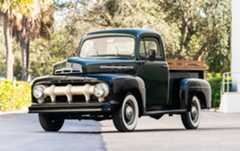
Ford introduced the first F-Series on January 16, 1948, as “Bonus-Built” trucks representing a complete redesign from previous car-based pickups. The new F-Series offered eight weight ratings from the half-ton F-1 through the F-8 “Big Job” commercial truck. Ford provided multiple body configurations including pickup, panel van, cab-over-engine, and stripped bus chassis.
The F-1 light-duty pickup built on a 114-inch wheelbase featured a cab seven inches wider than predecessors with increased headroom. The design showcased wider front fenders wrapping around the nose, rounded rear fenders continuing body lines from front to back, and a five-bar horizontal grille with integrated turn signals. Ford prominently displayed its name on the hood nose. The tall cab and flat fenders created the distinctive postwar truck aesthetic that established F-Series visual identity.
In 1951, Ford updated the grille to vertical slats, creating the iconic “toothy grin” appearance that became synonymous with early F-Series trucks. This generation established the F-Series as a purpose-built truck rather than a modified passenger car chassis, setting the foundation for Ford’s truck leadership.
Second Generation (1953-1956)
The 1953 redesign introduced the three-digit naming system still used today. The F-1 became F-100, F-2 and F-3 consolidated into F-250, and F-4 became F-350. This generation featured smoother styling better integrating the hood into the fenders while maintaining the proven chassis architecture.
Ford added luxury features including two-tone paint options, automatic transmission availability, and standard amenities like armrests, dome lights, and sun visors. The automaker positioned F-Series trucks as vehicles suitable for personal use beyond commercial applications. The 1954-1955 models offered the new Y-Block V8 engine replacing the flathead V8, providing significantly improved power delivery.
The final 1956 models featured a wraparound windshield and vertical A-pillars, modernizing the cab appearance. This generation solidified the F-Series position in the marketplace through improved comfort and expanding buyer appeal beyond traditional truck customers.
Third Generation (1957-1960)
The 1957 redesign brought dramatically smoother bodywork moving away from the angular postwar aesthetic. Ford introduced the Styleside cargo bed featuring integrated fenders and smooth exterior panels, while renaming the traditional separate-fender bed as Flareside. The Styleside design became the preferred configuration and remains the standard F-Series bed style today.
This short-lived generation represented the last F-Series to offer panel van body styles. Styling changes occurred annually, with 1959 bringing quad headlights and revised grilles. The third generation expanded buyer choices while modernizing the F-Series appearance for the late 1950s market.
Fourth Generation (1961-1966)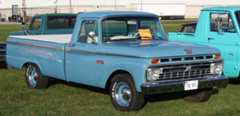
Ford continued refining the F-Series with updated styling maintaining the smoother third-generation direction. Key innovations included a unibody construction option for two-wheel-drive Styleside trucks from 1961 through 1963, eliminating the gap between cab and bed. This experiment proved short-lived, with Ford reverting to traditional separate cab and bed construction in 1964.
The 1965 model year brought significant chassis improvements including a new frame and Ford’s Twin I-Beam independent front suspension replacing the solid front axle. This suspension design, which Ford promoted heavily, improved ride quality and handling. The Ranger trim package debuted in 1965, offering upgraded interior and exterior appointments. A four-door crew cab configuration also appeared, expanding utility for families and work crews.
Fifth Generation (1967-1972) – “Bumpside”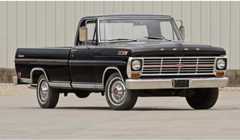
The 1967 redesign introduced the “Bumpside” body style, nicknamed for the raised body panel running along the beltline. This generation featured wider proportions and more aggressive styling while riding on the chassis introduced in 1965. The Bumpside aesthetic defined F-Series trucks through the muscle car era and early 1970s.
Ford offered expanded engine options including the 302 Windsor V8 introduced in 1969. The Ranger trim package grew more popular as buyers increasingly specified luxury features. The Contractor Special package appeared in 1969, adding side boxes and optional underhood 110-volt generator for job site use.
In 1970, Ford introduced the Ranger XLT trim level, representing the premium F-Series offering with wood-grain tailgate applique, full-length body moldings, cloth-and-vinyl upholstery, and carpeting. This marked Ford’s recognition that many F-Series buyers wanted car-like amenities in their trucks. The Bumpside generation is highly collectible today, serving as the basis for numerous resto-mod builds combining classic styling with modern powertrains.
Sixth Generation (1973-1979) – “Dentside”
The 1973 redesign introduced the “Dentside” body style, named for the indented body panel running the truck’s length, opposite the previous Bumpside design. This generation brought substantial improvements positioning Ford for market leadership. The SuperCab extended cab appeared in 1974, providing jump seats and extra storage behind the front bench.
The pivotal F-150 model debuted in 1975, initially created to circumvent emissions and safety regulations affecting trucks over 6,000 pounds. The F-150’s intermediate payload capacity between F-100 and F-250 attracted buyers wanting greater capability than the F-100 without F-250 size and cost. The F-150 would ultimately become Ford’s best-selling vehicle and America’s most popular truck.
The Lariat luxury trim debuted for 1978 with air conditioning, leather trim, power windows, and premium appointments. In mid-1977, four-wheel-drive F-Series models adopted integrated transfer cases, ending the “Highboy” nickname for trucks with divorced transfer cases that rode significantly higher. The F-Series became America’s best-selling truck in 1977, beginning a dominance continuing to the present.
Seventh Generation (1980-1986)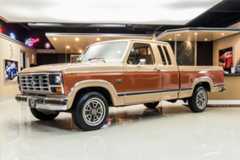
The 1980 redesign ushered in the “modern era” of F-Series trucks with squared-off styling, improved aerodynamics, and significantly enhanced interiors. Ford focused on fuel efficiency and comfort, responding to the fuel crises of the 1970s. The trucks featured more car-like dashboards with improved instrumentation and controls.
Engine options included fuel-efficient inline-six configurations alongside V8 choices. The seventh generation provided better sound insulation, upgraded HVAC systems, and improved ergonomics. The F-250 and F-350 heavy-duty models continued on slightly different chassis than the F-150, a practice that would continue through subsequent generations before the eventual Super Duty split.
Eighth Generation (1987-1991)
The 1987 update refined the squared styling while maintaining the seventh-generation’s basic architecture. Ford rounded body edges slightly, improved aerodynamics, and updated interior designs. The fuel-injected 5.0L and 5.8L V8 engines replaced carbureted versions, improving power delivery and efficiency.
This generation continued building the F-Series reputation for capability and reliability. The trucks remained popular despite minimal dramatic changes, demonstrating that Ford’s fundamental formula resonated with buyers. The extended cab SuperCab grew increasingly popular as families adopted pickups for daily transportation.
Ninth Generation (1992-1997)
The 1992 redesign brought dramatically improved aerodynamics with rounded body panels, sloped hood, and wraparound headlights. Interiors received comprehensive updates with car-like dashboards featuring modern instrumentation and controls. Ford prioritized comfort, adding features like power accessories and improved climate control systems.
This generation introduced the first SVT Lightning F-150 from 1993 to 1995, featuring a 240-horsepower 5.8L V8, sport-tuned suspension, and performance-oriented styling. The Lightning demonstrated F-Series performance potential beyond traditional truck duties.
The ninth-generation trucks achieved strong sales despite economic challenges in the early 1990s. Ford’s emphasis on comfort and car-like features attracted buyers who might otherwise have purchased SUVs, expanding the F-Series customer base.
Tenth Generation (1997-2004)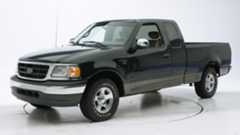
The 1997 redesign represented a revolutionary change with dramatically rounded styling inside and out. Ford introduced the four-door SuperCrew cab for 1999, providing genuine rear-seat space and four full-size doors. This configuration made the F-150 practical for families, opening markets previously served by SUVs.
The second-generation SVT Lightning returned in 1999 with a supercharged 5.4L V8 producing 360 horsepower, dropping 0-60 mph times under six seconds. Ford also introduced the Harley-Davidson Edition F-150 featuring premium appointments and motorcycle-inspired styling elements.
The 5.4L Triton V8 became the volume engine, offering strong performance and reasonable fuel economy. Four-wheel-drive models gained improved transfer cases and more sophisticated controls. This generation sold exceptionally well, with the F-Series achieving record market share despite intensifying competition.
Eleventh Generation (2004-2008)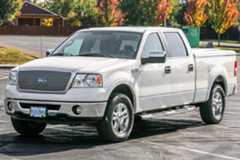
The 2004 redesign brought more aggressive styling with larger grilles and muscular fenders. Ford introduced the three-valve 5.4L V8 improving power output to 300 horsepower. The AdvanceTrac stability control system became available, enhancing safety.
This generation marked the final years before the 2008 financial crisis devastated the automotive industry. Despite economic challenges, the F-150 maintained strong sales, though General Motors briefly reclaimed the truck sales crown before Ford regained leadership. The eleventh generation proved less revolutionary than its predecessor but refined the F-150 formula.
Twelfth Generation (2009-2014)
The 2009 redesign occurred amid the Great Recession and Ford’s fight for survival. Unlike competitors General Motors and Chrysler, Ford avoided bankruptcy through strategic planning and credit arrangements. The twelfth-generation F-150 helped Ford emerge from the crisis stronger than before.
The 2011 model year brought comprehensive powertrain updates. Ford introduced the 3.5L EcoBoost twin-turbocharged V6 producing 365 horsepower and 420 lb-ft of torque, matching or exceeding V8 performance while improving fuel economy. The base engine became a 3.7L V6, with a new 5.0L V8 replacing the long-serving 5.4L Triton. The 6.2L V8 provided top-tier power. All engines paired with six-speed automatic transmissions.
Ford added electric power steering improving fuel efficiency while reducing maintenance. The MyFord Touch infotainment system debuted, though early versions suffered reliability issues. The SVT Raptor off-road performance truck joined the lineup for 2010, featuring specialized suspension, wider track, and aggressive styling. The Raptor created a new high-performance off-road truck segment.
Thirteenth Generation (2015-2020)
The revolutionary 2015 redesign introduced military-grade aluminum body panels, reducing weight by approximately 700 pounds compared to the steel-bodied twelfth generation. This controversial decision generated skepticism from traditional truck buyers concerned about aluminum’s durability. Ford conducted extensive testing and marketing campaigns demonstrating the aluminum body’s strength, ultimately proving the strategy successful.
Weight savings enabled improved performance and fuel economy across the engine lineup. The 2.7L EcoBoost V6 became the base engine, providing 325 horsepower and excellent efficiency. The 3.5L EcoBoost continued as a popular option, while the 5.0L V8 satisfied customers wanting naturally aspirated V8 character. Ford introduced a ten-speed automatic transmission for 2017, improving acceleration and efficiency.
The second-generation Raptor returned for 2017 featuring a high-output 3.5L EcoBoost V6 producing 450 horsepower, Fox Racing shocks, and extensive off-road equipment. This turbocharged V6 Raptor initially faced criticism from V8 enthusiasts but demonstrated superior performance and capability, validating Ford’s powertrain choice.
The thirteenth generation received a mid-cycle refresh for 2018 updating styling and adding features. The Limited trim debuted as the luxury flagship featuring premium materials, advanced technology, and pricing approaching $70,000. The diesel 3.0L Power Stroke V6 joined the lineup for 2018, providing 250 horsepower, 440 lb-ft of torque, and excellent fuel economy for buyers prioritizing efficiency.
Fourteenth Generation (2021-Present)
The current fourteenth-generation F-150 debuted for 2021, sharing visual similarities with its predecessor while redesigning 92 percent of components. The aluminum body structure continues, with only the cab and bed structures carrying over. Ford offered the F-150 in Regular Cab, SuperCab, and SuperCrew configurations with multiple bed lengths, though the SuperCab with 8-foot bed was discontinued for 2024.
Engine options initially included the 3.3L V6 base engine, 2.7L EcoBoost V6, 5.0L V8, 3.5L EcoBoost V6, and the 3.5L PowerBoost hybrid combining the 3.5L EcoBoost with an electric motor for combined output of 430 horsepower and 570 lb-ft of torque. The PowerBoost can serve as a mobile generator providing up to 7.2 kilowatts of power for job sites or emergency backup. For 2024, Ford made the 2.7L EcoBoost standard on base models while streamlining the configuration process.
The fully electric F-150 Lightning debuted for 2022 as a separate model line with dual electric motors producing up to 580 horsepower. Built at the dedicated Rouge Electric Vehicle Center, the Lightning provides up to 320 miles of range and serves as a mobile power source through its Pro Power Onboard system. The Lightning represents Ford’s commitment to electrification while maintaining F-150 capability.
The third-generation Raptor arrived for 2021 carrying over the high-output 3.5L EcoBoost V6 from the previous generation with 450 horsepower. Ford added the extreme Raptor R for 2023, featuring the supercharged 5.2L V8 from the Shelby GT500 Mustang producing 700 horsepower. The Raptor R provides the most powerful factory F-150 ever built, targeting hardcore performance enthusiasts.
The 2024 model year brought a comprehensive mid-cycle refresh updating exterior styling, revising grilles across trim levels, and modernizing interiors. Ford streamlined the ordering process, reducing configuration complexity by 90 percent compared to 2023. The company made four-wheel drive standard on Lariat and higher trims, simplified engine assignments by trim level, and discontinued certain configurations with limited sales.
For 2025, Ford introduced lower-priced variants of popular trims while removing some standard features to maintain competitive pricing. The Lobo appearance package debuted mid-year, targeting street truck enthusiasts with lowered suspension, aggressive styling, unique grille with integrated light bar, and 22-inch gloss-black wheels. All Lariat models received synthetic leather upholstery replacing genuine leather, reflecting industry-wide trends toward sustainable materials.
Current F-150 trim levels include XL, STX, XLT, Lariat, King Ranch, Platinum, Tremor, Raptor, and Raptor R. The King Ranch and Platinum represent luxury-focused offerings with premium materials and extensive technology. The Tremor provides off-road capability positioned below the extreme Raptor models. Pricing ranges from mid-$30,000s for base XL configurations to over $100,000 for loaded Raptor R models.
Technology features include Ford’s Sync 4A infotainment system with 12-inch touchscreen, available 12.4-inch digital instrument cluster, wireless Apple CarPlay and Android Auto, and over-the-air software updates. Ford’s BlueCruise hands-free driving system provides semi-autonomous capability on pre-mapped highways. Co-Pilot360 safety suite includes automatic emergency braking, blind-spot monitoring, lane-keeping assist, and adaptive cruise control.
The fourteenth-generation F-150 maintains the nameplate’s position as America’s best-selling vehicle while navigating industry transformation toward electrification, advanced driver assistance, and connected vehicle technology. Ford’s investment in the F-150 reflects the model’s critical importance to company profitability and brand identity.