Tantra Yoga: Meaning, Philosophy, Practices, and Benefits

Tantra Yoga is an ancient yogic path that integrates body, breath, mind, and energy into a unified practice aimed at expanded awareness and liberation
Tantra Yoga is one of the most ancient systems of spiritual growth, yet also one of the most misunderstood. Many people today associate Tantra with rituals or sensual practices, but in truth, it is a sacred path that helps you connect your body, mind, and spirit as one.
In Sanskrit, the wordTantra means “to expand” and “to liberate.” It points to a way of life that widens awareness and frees us from ignorance and limitation. Tantra Yoga brings this wisdom into practice through the body, breath, sound, and energy- awakening the hidden power that lies within.
While many spiritual paths encourage withdrawal from the world, Tantra Yoga teaches that life itself is the practice. Every experience- joy, pain, movement, or silence- becomes a doorway to self-realisation. It is a yoga that welcomes everything and guides you to see the divine in every moment.
This article explores the true meaning of Tantra, itsancient roots,core philosophy, andpractical methods. You will also discover how Tantra Yoga transforms the body and mind, helping you live with awareness, freedom, and balance.
What is tantra? the true meaning beyond misconceptions
When people hear the wordTantra, they often think of mystery or secrecy. Over time, its real meaning has been covered by modern misinterpretations. In truth, Tantra is not about indulgence or desire- it is a vast andancient philosophy that teaches how to understand life deeply and realise the divine through every experience.
The wordTantra comes from two Sanskrit roots:
- Tan, meaning “to expand”
- Tra, meaning “to free or liberate”
Together, they describe a path ofexpansion and liberation – a way of widening awareness and seeing that everything in the universe is connected by one consciousness.
Tantra does not ask you to reject your body or emotions. Instead, it helps you understand and use them as tools for awakening. Every experience, pleasant or painful, becomes part of your growth. This is what makes Tantra unique: it turns daily life into a path of awareness.
At its heart, Tantra is about connection. It weaves together the wisdom of the body, breath, mind, and energy into a single living system. Through this harmony, you learn to live in balance, seeing the sacred in every action and the divine presence in all forms of life.
AlsoRead:Concept of Creation in Tantra
The historical roots of tantra
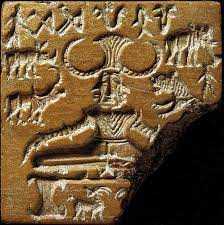
The story of Tantra reaches back thousands of years, even before the Vedic period. Though many original texts were lost, the earliest evidence of Tantric ideas appears in theIndus Valley Civilization around 3000 BCE.
Archaeologists discovered a small clay seal in Mohenjo-Daro showing a figure seated in a yogic posture surrounded by animals. This figure, known as Pashupati, a form of Lord Shiva meaning “Lord of the Animals,” is seated with crossed legs and heels pressing the perineum- a posture used in Tantra toawaken Kundalini, the energy at the base of the spine.
This discovery shows that yogic and Tantric practices existed thousands of years ago. It also highlightsShaivism, the worship of Shiva as pure consciousness, andShaktism, the worship of the Divine Mother, Shakti, as the creative energy of the universe. Together, Shiva and Shakti form the foundation of Tantric thought.
As centuries passed, the culture of northern Vedic people merged with southern Dravidian spirituality, creating a rich and diverse Tantric tradition. The sacred texts from this era were calledAgamas, meaning “what has come down to us.” These texts described methods of meditation, energy awakening, and spiritual discipline that shaped the Tantra we know today.
From these ancient roots, Tantra spread across India and later influenced many yogic paths, includingHatha Yoga andKundalini Yoga. It continues to live as a science of consciousness – practical, experiential, and deeply transformative.
Classification of the tantras (92 foundational texts)
As Tantra evolved, its teachings were preserved in a large body of scriptures collectively called theTantras orAgamas. Traditional Shaiva scholars classify the Tantric scriptures into92 main texts, grouped according to their philosophical view of reality.
1. 64 Abheda tantras (Non-dual / Bhairava Tantras)
These texts teach anon-dual understanding of reality—where Shiva and Shakti are one, and the world is a direct expression of divine consciousness.
They form the foundation ofKashmir Shaivism and many Shakta traditions.
2. 18 Bhedābheda tantras (Mixed / Rudra Tantras)
These texts blend bothdualistic and non-dual ideas.
They describe a path where the practitioner recognises unity through devotion, discipline, and inner worship.
3. 10 Bheda tantras (Dualistic / Śiva Tantras)
These scriptures describe the world as separate from the divine, emphasising ritual, worship, and devotion to Shiva as the Supreme Being.
This three-fold division helps us understand the wide philosophical range within Tantra—from purely non-dual teachings to devotional dualistic traditions.
Modern scholars such asAlexis Sanderson note that the64 Abheda Tantras form the heart of monistic Shaiva-Shakta traditions, while the mixed and dualistic groups shaped temple ritual systems and devotional Tantric practices across India.
Why this classification matters
Understanding the 92 Tantras shows how diverse the Tantric tradition really is.
While many people think of Tantra as one single system, it actually includes:
- non-dual philosophy,
- devotional worship,
- subtle-body energy practices,
- and ritual traditions.
This diversity is what allowed Tantra to influence later paths such asHatha Yoga, Kundalini Yoga, and Laya Yoga.
Join Our 40-Day Live Tantra-Based Kundalini Yoga Course
The Philosophy of tantra: consciousness and energy
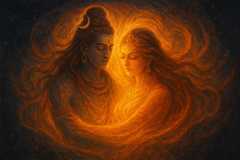
At the heart of Tantra lies a simple butdeep truth everything in the universe is made of one living energy. From the stars in the sky to the thoughts in our mind, all arise from the same source. Tantra teaches that by realising this connection, we move closer to liberation.
Tantra describes life as the play of two divine forcesShiva andShakti. Shiva represents stillness and pure awareness. Shakti represents motion, creation, and power. They are inseparable, like the flame and its heat. When these two forces unite within us, awareness expands and harmony is restored.
To explain how consciousness unfolds, Tantra speaks of36 tattvas– principles of existence. These range from the five physical elements (earth, water, fire, air, space) to the subtlest levels of thought and spirit. The journey of Tantra is to recognise these layers within ourselves and rise from the outer to the inner, from form to pure consciousness.
Tantra offers tools to experience this directly:
- Mantra — sacred sound that awakens energy and stills the mind.
- Yantra — sacred geometry that helps focus awareness.
- Mandala — symbolic diagrams that reflect cosmic unity.
Through these practices, Tantra becomes a living experience, not a theory. It helps us see that consciousness and energy are one- and that this same divine rhythm moves through us all.
Also Read:Tantra: The Ancient Indian Path of Liberation and Consciousness
Tantra and the classical indian philosophies
To understand Tantra more deeply, it helps to see where it fits among India’sancient philosophies. The six classical schools, known as theShad-Darshanas, areSankhya, Yoga, Nyaya, Vaisheshika, Mimamsa, andVedanta. All accept theVedas as their spiritual authority.
Alongside them were non-Vedic systems like Buddhism, Jainism, and Charvaka, which questioned or rejected the authority of the Vedas. These are known asNastika philosophies.
Tantra stands apart from both groups. It neither depends on nor rejects the Vedas. Instead, it follows a path of direct experience- truth verified through practice rather than belief. For Tantric seekers, every experience is a teacher and every part of life is sacred.
While other traditions often teach withdrawal or renunciation, Tantra embraces life fully. It sees the world not as an illusion but as a divine expression. Liberation, therefore, is not about escaping life but about seeing the sacred within it.
This unique view shaped later yogic systems. Classical Yoga often seeks to control the body to reach the mind, while Tantra uses the body as a bridge to the spirit. It honours the same energy that moves the universe as the energy that lives within us.
What is tantra yoga?
Tantra Yoga brings the philosophy of Tantra into daily practice. It transforms the ideas of consciousness and energy into living experience through the body, breath, and awareness.
The wordYoga means “union.” Combined withTantra, it becomes the union achieved through expansion and liberation. Tantra Yoga uses the body and mind as instruments of awakening. Every moment- eating, breathing, working, resting- becomes part of spiritual growth.
Core practices of tantra yoga
Tantra Yoga is a living practice that connects the physical, mental, and spiritual layers of being. The main practices include:
- Asanas (Postures): Strengthen the body and open energy channels.
- Pranayama (Breath Control): Balance life force and purify the mind.
- Mantra (Sacred Sound): Create vibration that aligns the mind with higher energy.
- Mudras andBandhas: Direct energy through specific channels.
- Chakra Meditation: Cleanse and awaken inner energy.
- Silence and Reflection: Bring awareness to the stillness within.
Together, these practices purify, balance, and awaken the body and mind, guiding you toward inner freedom.
Types of tantra yoga
Tantra Yoga includes several paths, each guiding the practitioner in a unique way. The three main types areKaula,Mishra, andSamaya Tantra.
1. Kaula Tantra
Kaula means “family” or “group.” It teaches that all aspects of life — the body, relationships, and daily activities- are part of the divine. Kaula Tantra transforms ordinary experiences into spiritual realisation.
It includes:
- Vama Marga (left-hand path): advanced and unconventional rituals to break mental barriers.
- Dakshina Marga (right-hand path): focused on purity, devotion, and discipline.
2. Mishra Tantra
Mishra means “mixed.” This path blends external rituals with internal meditation, balancing the physical and the spiritual. It offers a middle way — practical, balanced, and suitable for most seekers.
3. Samaya Tantra
Samaya means “to be one with her.” This is the highest and purest path, focused entirely on inner experience and devotion to theDivine Mother (Shakti). Here, worship happens through meditation, awareness, and love, leading to unity with universal consciousness.
How tantra yoga transforms you
TantraYoga is more than a set of practices- it is a journey that changes how you live, think, and feel. With steady practice, it brings balance to the body, peace to the mind, and lightness to the heart. These transformations touch every part of life, helping you live with calm awareness and confidence.
Benefits of tantra yoga include:
- Inner Strength and Fearlessness: Tantra Yoga teaches you to face life as it is, without fear or avoidance. As you gain control over your body and mind, you begin to feel strong, steady, and unshaken by challenges.
- Acceptance of Truth and Reality: This practice helps you see things clearly and accept them with wisdom. You stop running from difficulties and start seeing them as lessons that help you grow.
- Emotional Balance and Compassion: By observing thoughts and emotions without reacting, you learn to stay centred. This awareness softens the heart, allowing compassion and understanding to grow naturally.
- Clarity of Mind and Focus: The combination of breathwork, mantra, and meditation clears mental clutter. Your thoughts become sharper, concentration improves, and decision-making feels effortless.
- Better Physical Health and Energy: Asanas and pranayama strengthen the body, improve flexibility, and boost circulation. Regular practice increases stamina and fills you with steady, natural energy throughout the day.
- Deeper Spiritual Awareness: Tantra awakens the inner energy that connects you to something greater than yourself. It helps you feel the presence of the divine in ordinary moments of life.
- Joy, Peace, and Harmony in Daily Life: With balanced energy and a calm mind, you begin to live with ease and gratitude. Everyday activities become peaceful and meaningful, filled with quiet joy.
Unlike paths that aim to escape the world, Tantra Yoga brings liberationwithin it- helping you live with awareness and grace in every moment.g.
The goal: liberation from maya
The ultimate aim of Tantra Yoga isfreedom from Maya, the illusion of separation. Maya makes us forget our true nature as pure consciousness. Tantra lifts this veil by teaching us to see the divine in all things.
True liberation does not mean escaping daily life but living it with awareness. When you see beyond opposites – good and bad, joy and sorrow — peace arises naturally. Through regular practice of meditation, mantra, and pranayama, the mind clears, the heart softens, and awareness expands into unity with all life.
Conclusion
Tantra Yoga is more than philosophy it is a way of living with awareness. It teaches that divinity is not far away but present in every breath, sound, and feeling.
In Tantra, Shiva is stillness and Shakti is movement. Together they form the rhythm of life- the dance of consciousness and energy that flows through all creation. When we live in awareness of this dance, we see that we are never separate from the universe.
To live Tantra is to live consciously to see beauty, wisdom, and sacredness in all things. When energy and awareness move together in balance, life itself becomes a meditation, filled with peace, unity, and joy.
Related Posts


About The Author

Sushant Pandey
Sushant Pandey is a Yoga Psychology postgraduate from the prestigious Bihar School of Yoga, where he also served as a lecturer for four years. With over 20 years of global teaching experience, he specialises in Kundalini Yoga, traditional meditation, and the philosophical systems of Samkhya, Tantra, and Yoga. His deep understanding of yogic traditions spans their philosophical, psychological, and practical dimensions, making his teachings both authentic and transformative.Formerly the Head of Yoga at Ananda in the Himalayas, Sushant is now an independent teacher and trainer in India, focusing on traditional Hatha Yoga, Kundalini Yoga, Pranayama, and meditation techniques like Yoga Nidra and Chakra Shuddhi.
One Response
Lissa BeckNovember 6, 2025
Such clarity! It’s refreshing to see Tantra presented as a path of consciousness, not just ritual.
Leave a ReplyCancel Reply