

Our editors will review what you’ve submitted and determine whether to revise the article.
- Cultural India - Non-Cooperation Movement History: Causes, Result and Importance
- MapsofIndia.com - Non-Cooperation Movement
- IndiaNetzone - Non Cooperation Movement
- International Journal of Professional Development - Mahatma Gandhi and the Non-Cooperation Movementb (PDF)
- Journal of Emerging Technologies and Innovative Research - The Role of Trade Unions in The Non- Cooperation Movement in Madra
- International Journal of History - Gandhiji launched non cooperation movement aftermath of Jallianwala Bagh massacre
- Bombay Sarvodaya Mandal and Gandhi Research Foundation - Non-violent Non-co-operation
noncooperation movement
noncooperation movement, unsuccessful attempt in 1920–22, organized byMahatma Gandhi, toinduce theBritish government of India to grant self-government, or swaraj, toIndia. It was one of Gandhi’s first organized acts of large-scalecivil disobedience (satyagraha).
The movement arose amid a political earthquake that shook thesubcontinent. The heavy-handedness of theBritish raj, as illustrated in its passage of theRowlatt Acts (1919) despite fierce Indian opposition, provoked a strong backlash. British-ledviolence in the Punjab—most notably themassacre atAmritsar in April 1919, in which several hundred Indians were killed—only increased resolve that Indian self-government was necessary. That anger was latercompounded by indignation at the government’salleged failure to take adequate action against those responsible, notably Gen.Reginald Dyer, who had commanded the troops involved in the massacre.
Meanwhile, theKhilafat movement was mobilizing Muslim protest against the dismemberment of theOttoman Empire afterWorld War I. Gandhi’s support for the Khilafat movement aided his efforts to revitalize the Indian National Congress, and both the Khilafat movement and the Indian National Congress embarked oncontemporaneous programs of noncooperation.
- Date:
- 1920 - 1922
- Participants:
- Indian National Congress
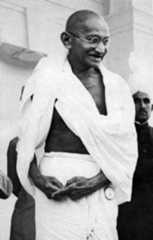
The noncooperation movement was to be nonviolent and to consist of Indians resigning their titles;boycotting government educational institutions, the courts, government service, foreign goods, and elections; and, eventually, refusing to pay taxes. Noncooperation was agreed to by theIndian National Congress at Calcutta (nowKolkata) in September 1920 and launched that December. In 1921 the government, confronted with a united Indian front for the first time, was visibly shaken, but a revolt by the Muslim Moplahs ofKerala (southwestern India) in August 1921 and a number of violent outbreaks alarmed moderate opinion. After an angry mob murdered police officers in the village ofChauri Chaura (now inUttar Pradesh state) in February 1922, Gandhi himself called off the movement; the next month he was arrested without incident. The movement marked the transition of Indiannationalism from a middle-class to a mass basis.