
Blood Compact Shrine in Bohol: Where Spanish-Philippine Friendship Began
Where History Was Sealed in Blood
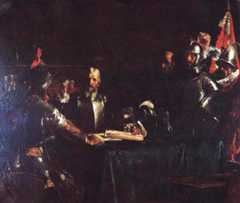
Picture two leaders from vastly different worlds sitting across from each other, drawing blood from their arms and mixing it with wine before drinking together in a ritual that would forever change the course ofPhilippine history. This dramatic scene from1565 is immortalized at theBlood Compact Shrine inTagbilaran,Bohol, where the first treaty of friendship betweenFilipinos andSpaniards was sealed through the ancientVisayan ritual known as“Sandugo.”
Located inBarangay Bool along the mainCarlos P. Garcia Avenue, just 3 kilometers fromTagbilaran city proper, theSandugo Shrine stands as one ofBohol’s most significant historical landmarks. This coastal monument overlooks the very waters whereSpanish explorerMiguel López de Legazpi first landed to meet local chieftainRajah Sikatuna in what would become a pivotal moment inPhilippine colonial history.
TheBlood Compact Shrine represents far more than historical commemoration—it embodies enduringFilipino values of hospitality, diplomacy, and peaceful negotiation that continue to definePhilippine international relations and cultural identity. The monument serves as a powerful reminder ofBohol’s central role in shaping earlySpanish-Filipino relations through indigenous diplomatic traditions.
This iconic bronze sculpture by renownedFilipino artist andBohol nativeNapoleon Abueva has become one of the most photographed heritage sites in thePhilippines, drawing visitors who seek to understand the complex beginnings of centuries-long cultural exchange betweenEast andWest that created modernFilipino society.
Whether you approach from perspectives of history, art, diplomacy, or cultural curiosity, theBlood Compact Shrine provides profound insights intoPhilippine identity formation while offering spectacular coastal views that make it essential for any comprehensiveBohol cultural exploration.
Discover comprehensiveBohol heritage tour packages in ourTours section, and check ourTravel Tips for essential information about visiting this significanthistorical sites in Bohol landmark respectfully and meaningfully.
Why Visit the Blood Compact Shrine?
TheBlood Compact Shrine serves as a powerful symbol ofFilipino diplomacy, bravery, and hospitality that demonstrates how indigenousPhilippine cultural values shaped early encounters with European colonizers through peaceful negotiation rather than immediate conflict or submission. This historical significance makes the shrine essential for understandingPhilippine national identity and cultural formation.
Artistic excellence showcased inNapoleon Abueva’s bronze sculpture represents one of the finest examples ofPhilippine historical monument design, combining realistic figurative representation with symbolic meaning that captures the cultural significance of the1565 Sandugo ceremony.Abueva’s status as aNational Artist andBohol native adds special significance to this masterpiece.
Photography opportunities at the shrine include the iconic bronze sculpture set againstBohol Sea backdrops, coastal views from the elevated monument location, and artistic details that capture both historical significance and natural beauty. The shrine has become one of the most recognizable images associated withBohol tourism andPhilippine historical commemoration.
Cultural education provided through the monument’s historical markers, interpretive plaques, and symbolic representation helps visitors understand complex themes of pre-colonialFilipino governance, indigenous diplomatic practices, and earlySpanish-Filipino cultural exchange that shaped subsequent centuries ofPhilippine development.
Accessibility advantages make theBlood Compact Shrine ideal for inclusion in variousBohol itineraries, with free admission, convenient roadside location, and brief visiting duration (10-20 minutes) that accommodates packed touring schedules while providing meaningful cultural experiences.
Strategic location along the main highway betweenTagbilaran and easternBohol attractions makes the shrine a logical stopping point for countryside tours, heritage circuits, and cultural exploration that combines historical education with scenic coastal views and convenient access.
National significance extends beyondBohol to encompass broaderPhilippine historical narrative, with theSandugo event featured prominently in school curricula, national commemorations, and cultural festivals that reinforceFilipino values of peaceful negotiation and cultural hospitality.
Coastal setting provides additional appeal through panoramicBohol Sea views, sea breeze comfort, and scenic photography opportunities that complement historical education with natural beauty appreciation, making visits both intellectually rewarding and aesthetically pleasing.
“It’s a short stop, but the symbolism runs deep. Standing here made me proud of how our ancestors chose diplomacy over conflict. One of Bohol’s proudest moments in Philippine history.” – Cultural traveler from Manila
Browse ourBohol Tours section for the bestcultural attractions Bohol packages and discover why theBlood Compact Shrine remains essential for understandingPhilippine colonial origins andFilipino diplomatic traditions.
Historical Background: The Sandugo of 1565
Theblood compact ceremony ofMarch 16, 1565, represents one of the most significant diplomatic encounters in earlyPhilippine colonial history, whenRajah Sikatuna, paramount leader ofBohol, andMiguel López de Legazpi, Spanish conquistador and future firstGovernor-General of thePhilippines, participated in the indigenousVisayan ritual of“Sandugo” to establish formal friendship and alliance.
Indigenous diplomatic traditions underlying theSandugo ceremony reflected sophisticatedpre-colonial Filipino governance systems where inter-community relationships were formalized through sacred rituals that invoked spiritual protection and community witness to ensure lasting peace between potentially hostile groups seeking territorial or trade agreements.
Rajah Sikatuna’s participation in the blood compact demonstrated the political sophistication and diplomatic experience ofpre-colonial Filipino leaders who successfully navigated complex regional power structures while maintaining autonomy and cultural integrity during initial encounters with European colonial expansion inSoutheast Asia.
Legazpi’s strategic approach to the blood compact reflected Spanish recognition of indigenous political authority and cultural practices, representing pragmatic colonial diplomacy that sought to establish peaceful foundations for subsequent evangelization and territorial control rather than immediate military conquest that might provoke widespread resistance.
Cultural significance of blood mixing inVisayan tradition created sacred bonds between participants that invoked ancestral spirits, community gods, and social obligations that transcended individual relationships to encompass entire communities represented by the ceremonial participants, making violation of such agreements tantamount to spiritual and social betrayal.
Historical context surrounding the1565 encounter included ongoing Spanish exploration of thePhilippines followingMagellan’s death inCebu, Portuguese competition forSoutheast Asian territories, and indigenousFilipino awareness of European colonial activities that required careful diplomatic management to preserve local autonomy.
Treaty implications established through theSandugo ceremony included mutual defense agreements, trade relationships, Spanish protection from hostile neighbors, andBoholano cooperation with Spanish exploration and settlement activities that would ultimately facilitate colonial administration throughout theVisayas region.
Documentation challenges regarding theblood compact reflect limited Spanish record-keeping during early exploration phases and the oral tradition basis ofFilipino historical preservation, creating ongoing scholarly debate about specific details while acknowledging the fundamental importance of the event inSpanish-Filipino relations.
Long-term consequences of theSandugo agreement included peacefulSpanish settlement inBohol, successful Catholic evangelization, economic cooperation that benefited both communities, and the establishment of governance models that influenced colonial administration throughout thePhilippine archipelago for over three centuries.
Artistic and Monument Details
Napoleon Abueva’s masterpiece depicts five carefully composed bronze figures representing the key participants in the historic1565 blood compact ceremony:Miguel López de Legazpi,Rajah Sikatuna, two Spanish aides, and aFilipino translator who facilitated communication between theSpanish andVisayan leaders during this pivotal diplomatic encounter.
Artistic composition captures the ceremonial moment whenLegazpi andSikatuna prepare to drink wine mixed with their blood, with detailed facial expressions, period clothing, and body language that conveys both the solemnity of the occasion and the cultural differences between the participants while emphasizing their shared commitment to peaceful cooperation.
Bronze sculpture techniques employed byAbueva demonstrate masterful understanding of figurative representation, with realistic proportions, authentic historical details, and symbolic elements that transform historical documentation into compelling artistic narrative that engages viewers emotionally while educating them aboutPhilippine diplomatic heritage.
Monument placement on a small cliff overlooking theBohol Sea creates dramatic visual impact while connecting the sculpture to the actual geographical location where the historical event occurred, allowing visitors to appreciate both artistic achievement and authentic historical setting that enhances cultural understanding and emotional connection.
Historical authenticity in costume details, ceremonial objects, and cultural representations reflects extensive research into16th-century Spanish andpre-colonial Filipino material culture, ensuring that the monument serves educational purposes while honoring the cultural dignity of both civilizations represented in this foundationalPhilippine historical moment.
Symbolic elements throughout the sculpture include the ceremonial cup, traditional weapons, period clothing, and facial expressions that convey themes of mutual respect, cultural exchange, peaceful negotiation, and the beginning of centuries-longSpanish-Filipino relationship that would profoundly shapePhilippine society and culture.
Installation specifications include weatherproof bronze construction designed to withstand tropical coastal conditions, secure mounting systems that ensure long-term stability, and accessible viewing areas that accommodate diverse visitor needs while protecting the artistic integrity of thisNational Artist’s creation.
Interpretive infrastructure surrounding the monument includes historical markers, informational plaques, and educational signage that provide context about theblood compact ceremony,Abueva’s artistic career, and the broader significance of this event inPhilippine national history and cultural development.
Photographic considerations for optimal monument viewing include morning and late afternoon lighting that enhances bronze surface details, positioning that captures both sculpture and sea views, and respect for the monument’s artistic integrity while creating memorable documentation of cultural tourism experiences.
Visiting Experience
Monument access provides free, open-to-the-public viewing opportunities daily from dawn to dusk, with convenient roadside parking that accommodates tour buses, private vehicles, and motorcycles alongCarlos P. Garcia Avenue without requiring advance reservations or entrance fees that might limit accessibility for diverse visitor groups.
Orientation and arrival begins with viewing the monument from the roadside approach, where visitors can appreciate the full artistic composition and coastal setting before moving closer to examine sculptural details, read interpretive plaques, and position themselves for optimal photography of this iconicBohol landmark.
Educational interpretation through on-site historical markers provides essential context about the1565 blood compact ceremony,Rajah Sikatuna andLegazpi’s roles inPhilippine history, and the cultural significance ofSandugo traditions in pre-colonialFilipino diplomacy, enhancing visitor understanding beyond visual appreciation.
Photography opportunities include multiple angles of the bronze sculpture, panoramic views combining monument andBohol Sea backgrounds, detail shots ofAbueva’s artistic craftsmanship, and group photos that commemorate cultural tourism experiences while respecting the monument’s historical dignity and artistic significance.
Duration planning typically requires 10-20 minutes for comprehensive monument viewing, photography, and educational reading, making the shrine ideal for inclusion in packed touring schedules while providing meaningful cultural experiences that don’t require extensive time commitments or physical exertion.
Vendor interactions with local souvenir sellers near the monument offer opportunities to purchaseBohol handicrafts, postcards, and cultural mementos while supporting community-based tourism initiatives that benefit local families through authentic product sales rather than mass-produced tourist merchandise.
Coastal appreciation from the monument’s elevated position provides panoramicBohol Sea views, sea breeze comfort, and opportunities for peaceful reflection onPhilippine history while enjoying natural beauty that enhances cultural tourism experiences with scenic relaxation and contemplation.
Group coordination for tour groups includes efficient visitor flow management, group photography coordination, and educational presentation opportunities that maximize learning while minimizing congestion during peak visiting periods when multiple tour buses may arrive simultaneously.
Add the Blood Compact Shrine to your private Bohol cultural day tour—includes transportation, historical interpretation, and coordination with nearby heritage attractions for comprehensive cultural experiences!
Seasonal considerations affect visiting comfort, with dry season months providing optimal weather for outdoor monument viewing while rainy season may require brief shelter considerations, though the monument remains accessible and meaningful regardless of weather conditions.
Top 3 Tours Featuring the Blood Compact Site
1. Bohol Countryside Tour (Standard Route with Blood Compact, Hills, River) This comprehensive full-day experience combines theBlood Compact Shrine withBohol’s most famous attractions for well-rounded cultural and natural exploration. Your air-conditioned vehicle includes hotel pickup fromPanglao orTagbilaran, professional guide knowledgeable aboutPhilippine history and natural attractions, and strategic timing that optimizes photography and learning opportunities. The tour featuresBlood Compact Shrine historical interpretation,Chocolate Hills viewing,Loboc River cruise with traditional lunch,Bilar Man-made Forest walks, andtarsier sanctuary visits. Educational components include colonial history, geological formation explanations, and cultural insights intoBoholano heritage. Perfect for first-time visitors seeking comprehensivePhilippines experiences combining historical significance with natural wonders.
2. Bohol Historical Landmarks Tour Designed specifically for history enthusiasts and cultural travelers, this specialized tour focuses onBohol’s most significant historical sites while providing deep insights intoSpanish colonial heritage, indigenousFilipino culture, and national identity formation. Your private vehicle and expert historical guide provide detailed exploration ofBlood Compact Shrine,Baclayon Church and museum,Alburquerque watchtower, andTagbilaran heritage sites with comprehensive historical interpretation. The tour includes traditional lunch and cultural activities that demonstrate livingFilipino traditions. Educational focus covers pre-colonial governance, Spanish colonization, religious evangelization, and cultural synthesis. Ideal for travelers seeking comprehensive understanding ofPhilippines colonial heritage and cultural evolution.
3. Tagbilaran City Tour + Cultural Stops This focused half-day tour combines urbanTagbilaran exploration with essential cultural sites including theBlood Compact Shrine for efficient cultural tourism that accommodates limited time schedules or serves as orientation for extendedBohol visits. Your professional guide provides city orientation, historical context, and cultural interpretation while visitingBlood Compact Shrine,Tagbilaran cathedral,Bohol National Museum, and local markets. The tour includes lunch at traditional restaurants and shopping opportunities for authenticBohol products. Practical components cover transportation options, accommodation recommendations, and extended touring possibilities. Perfect for business travelers, cruise passengers, or visitors seeking cultural foundation before countryside exploration.
Reserve your historical tour today—these cultural tours fill up quickly during peak season and require advance booking for the best guides and optimal timing!
Browse our completeTours section for additionalSandugo monument options, seasonal promotions, and exclusive package deals combining historical attractions with natural wonders and cultural experiences throughoutBohol.
Nearby Attractions & Stops
Baclayon Church, located just 15 minutes from theBlood Compact Shrine, provides complementarySpanish colonial religious architecture and cultural experiences that demonstrate the long-term results of peacefulSpanish-Filipino cooperation initiated by the1565 blood compact ceremony betweenRajah Sikatuna andLegazpi.
Alburquerque Church and Watchtower offer additional examples of colonial defensive architecture and religious art that illustrate regional patterns ofSpanish settlement and community protection developed through diplomatic relationships established by theSandugo agreement and subsequent peaceful cooperation.
Tagbilaran National Museum houses comprehensive collections ofBohol cultural artifacts, historical documentation, and educational exhibits that provide deeper context for understanding theblood compact’s significance inPhilippine colonial development and ongoing cultural identity formation.
Dao Market provides authentic cultural experiences through local vendor interactions, traditional food sampling, and handicraft shopping that showcase contemporaryBoholano culture while supporting community economic development through tourist spending on authentic local products rather than imported souvenirs.
Suggested touring sequence begins with morningBlood Compact Shrine visits for optimal lighting, continues withBaclayon heritage exploration, includes traditional lunch inAlburquerque orTagbilaran, and concludes with museum visits or countryside attractions based on available time and personal interests.
Efficient transportation between these nearby attractions enables comprehensive half-day or full-day cultural circuits that provide multiple perspectives onBohol colonial heritage while maintaining comfortable pacing that allows adequate time for meaningful exploration rather than rushed tourist checklist completion.
Cultural themes connecting these attractions includeSpanish colonial architecture, religious evangelization, indigenous-European cultural synthesis, and community development patterns that demonstrate how the peaceful foundation established by theblood compact influenced centuries ofBohol cultural evolution.
Dining opportunities near the shrine and related attractions include traditionalFilipino restaurants, seafood establishments, and local cafés that provide authentic culinary experiences while offering convenient rest stops during cultural touring activities.
Shopping possibilities for authenticBohol products, historical books, and cultural mementos support local artisans and cultural preservation while providing meaningful souvenirs that reflect genuineBoholano heritage rather than mass-produced tourist merchandise.
Explore our detailed guides forBest Day Tours from Tagbilaran andCultural Heritage Circuits in Bohol that feature theBlood Compact Shrine in comprehensive regional historical itineraries.
Hotels Near the Shrine
1. Kew Hotel Tagbilaran This modern business-style hotel sits just 5 minutes from theBlood Compact Shrine, offering contemporary accommodations with professional services that cater to both business travelers and cultural tourists seeking convenient access toTagbilaran’s historical attractions.Kew Hotel features well-appointed rooms with modern amenities, reliable WiFi, business facilities, and professional staff who can provide information about local attractions and arrange transportation for heritage touring. The hotel’s central location enables easy morning visits to the shrine while providing urban conveniences including restaurants, shopping, and entertainment options. Meeting facilities and business services make this ideal for corporate travelers combining meetings with cultural exploration. Perfect for travelers seeking modern comfort with easy access toBohol’s historical sites.
2. MetroCentre Hotel Centrally located inTagbilaran, this reliable mid-range property provides comfortable accommodations with comprehensive services and convenient access to theBlood Compact Shrine and other cultural attractions throughout the city and surrounding areas.MetroCentre Hotel offers air-conditioned rooms, swimming pool, restaurant serving both international andFilipino cuisine, and tour coordination services that can arrange cultural touring with experienced guides. The central location provides walking access to restaurants, markets, and local attractions while maintaining reasonable rates for extended stays. Staff members are knowledgeable about local history and can provide recommendations for cultural activities and heritage tourism. Ideal for budget-conscious travelers seeking comfortable accommodations with good access toBohol cultural attractions.
3. The Gabriella Bed & Breakfast This charming local accommodation provides authenticFilipino hospitality with personal service that enhances cultural tourism experiences through insider knowledge and community connections.The Gabriella B&B features clean, comfortable rooms with basic amenities at affordable rates, family-operated management that provides cultural insights and local recommendations, and convenient location for accessing theBlood Compact Shrine and otherTagbilaran attractions. The property’s local ownership ensures that accommodation spending directly benefitsBohol families while providing genuine cultural interaction opportunities. Staff can arrange transportation, guide services, and cultural activities that support community-based tourism. Perfect for travelers seeking authentic local experiences and meaningful cultural connections rather than resort isolation.
Book now to secure the best rates and ensure availability during your Blood Compact Shrine cultural tour dates! These carefully selected properties provide optimal access to historical sites while offering different comfort levels and authentic experiences.
Explore our comprehensiveHotels section for additional accommodation options throughoutBohol, featuring detailed reviews, exclusive booking deals, and recommendations for every budget and cultural tourism style.
Tips for Travelers
Optimal visiting times for theBlood Compact Shrine favor early morning (7:00-9:00 AM) or late afternoon (4:00-6:00 PM) when lighting conditions are ideal for photography and temperatures are comfortable for outdoor monument viewing. These hours also avoid midday heat and tour bus crowds during peak visiting periods.
Photography preparation should include consideration of bronze sculpture lighting effects,Bohol Sea background composition, and respectful documentation that honors the monument’s historical significance while creating memorable travel imagery. Morning light enhances bronze surface details while afternoon provides dramatic coastal backlighting.
Cultural context enhancement through basic knowledge ofPhilippine colonial history,Rajah Sikatuna’s role inBohol governance, andSpanish exploration objectives increases visit appreciation while enabling more meaningful interpretation ofAbueva’s artistic representation and historical symbolism.
Cash considerations for local vendor interactions include small denomination bills for souvenir purchases, handicraft shopping, and tip opportunities that support community-based tourism while providing authenticBohol cultural products rather than mass-produced tourist merchandise.
Combination planning with nearby attractions includingBaclayon Church,Tagbilaran museums, and coastal restaurants maximizes travel efficiency while providing diverse cultural experiences that appeal to different interests within efficient touring schedules.
Transportation coordination for tour groups or independent travelers should account for roadside parking limitations during peak periods and coordination with otherBohol attractions to create efficient routing that minimizes travel time while maximizing cultural and educational opportunities.
Weather protection considerations include sun protection for outdoor monument viewing, potential rain shelter needs during monsoon season, and comfortable clothing suitable for brief outdoor walking and photography activities in tropical coastal conditions.
Educational preparation through reading about the1565 blood compact ceremony,pre-colonial Filipino diplomatic traditions, andSpanish colonial policies enhances visit appreciation while providing context for understanding the monument’s significance inPhilippine national identity formation.
Respectful behavior requirements include maintaining quiet, contemplative atmosphere appropriate for historical commemoration, avoiding climbing or touching the bronze sculpture, and demonstrating cultural sensitivity towardFilipino national heritage and historical significance.
Visit our comprehensiveTravel Tips section for detailed seasonal guides, cultural etiquette recommendations, and historical tourism preparation advice for all types ofBohol cultural attractions and heritage sites.
Cultural Significance & National Identity
TheBlood Compact Shrine serves as a powerful symbol ofFilipino diplomatic wisdom and cultural values that prioritized peaceful negotiation over confrontation when encountering unfamiliar cultures, demonstrating indigenousPhilippine sophistication in international relations that continues to influence contemporaryFilipino foreign policy and cultural identity.
Annual Sandugo Festival held every July inTagbilaran commemorates the historic1565 ceremony through cultural performances, historical reenactments, street dancing, and community celebrations that reinforceBoholano pride in their ancestors’ role in establishing peacefulSpanish-Filipino relations that shapedPhilippine colonial development.
Educational integration throughoutPhilippine school curricula presents theblood compact as a foundational moment in national history, teaching students about indigenousFilipino governance, diplomatic traditions, and cultural values that emphasize hospitality, negotiation, and peaceful conflict resolution rather than military confrontation.
National monument status reflects government recognition of theblood compact’s significance inPhilippine historical narrative, with official commemoration supporting cultural tourism, historical education, and national identity formation that celebratesFilipino diplomatic achievements and cultural sophistication.
Visayan hospitality traditions embodied in theSandugo ceremony continue to defineFilipino cultural identity through values of welcoming strangers, sharing resources, and building relationships based on mutual respect and understanding rather than suspicion or hostility toward different cultures and peoples.
Diplomatic precedent established byRajah Sikatuna’s approach toSpanish contact influenced subsequentFilipino responses to colonial encounters, creating patterns of accommodation, adaptation, and cultural preservation that enabledFilipino society to maintain essential cultural identity while adapting to changing political circumstances.
Cultural synthesis initiated through peacefulSpanish-Filipino contact facilitated centuries of cultural exchange that created modernFilipino society’s unique blend of indigenous,Spanish, and other international influences while preserving essentialFilipino values and cultural practices.
Contemporary relevance of theblood compact model appears inPhilippines international relations, cultural diplomacy, and conflict resolution approaches that emphasize negotiation, cultural exchange, and mutual understanding as alternatives to military or economic confrontation in regional and global contexts.
Symbol recognition extends beyondBohol throughPhilippine currency, official seals, cultural festivals, and artistic representations that reinforce theblood compact’s importance in national consciousness while promotingFilipino values of peace, hospitality, and cultural cooperation.
Traveler Reflections
TheBlood Compact Shrine consistently creates meaningful experiences for visitors encounteringPhilippine colonial history for the first time, with many expressing surprise at the sophistication of pre-colonialFilipino governance and the peaceful nature of initialSpanish-Filipino diplomatic contact that contrasts with more violent colonial encounters elsewhere.
“It’s a quick visit, but understanding the story makes it powerful. I had no idea that Filipinos and Spanish started their relationship through an indigenous peace ceremony. It changed my whole perspective on Philippine colonial history.” – History enthusiast from Canada
Educational impact frequently exceeds visitor expectations, particularly for international tourists who discover the complexity and sophistication of pre-colonialFilipino political systems throughRajah Sikatuna’s diplomatic approach toEuropean contact, challenging stereotypes about indigenousSoutheast Asian societies.
“I love that it’s not over-commercialized—just a clean, quiet reminder of our past. Standing there made me proud of how our ancestors chose diplomacy over conflict when they could have chosen war.” – Filipino-American visitor
Artistic appreciation forNapoleon Abueva’s sculptural achievement often inspires deeper interest inPhilippine art and cultural expression, with many visitors seeking additional information aboutAbueva’s career and other examples ofFilipino artistic interpretation of historical themes.
“The bronze sculpture was beautifully done—you could feel the solemnity of the moment and the respect between the two leaders. It made history feel real and immediate rather than just something from textbooks.” – Art teacher from Australia
Cultural pride expressed byFilipino visitors frequently includes emotional connections to ancestral wisdom and diplomatic traditions that demonstrateFilipino cultural sophistication, with many describing newfound appreciation for indigenousFilipino contributions to peaceful international relations.
Photography satisfaction consistently meets or exceeds expectations, with the combination of artistic monument, coastal setting, and historical significance creating compelling compositions that capture both aesthetic beauty and cultural meaning in memorable travel documentation.
Trace History in Bohol’s Sandugo Site
TheBlood Compact Shrine offers extraordinary opportunities to connect with foundational moments inPhilippine history while appreciating exceptional artistic achievement by one of the country’s most celebrated sculptors. This remarkable monument demonstrates how historical commemoration can honor both indigenousFilipino wisdom and peaceful cultural exchange that shaped national identity.
The shrine’s unique combination of historical significance, artistic excellence, and scenic coastal setting creates meaningful experiences that illuminate essential aspects ofFilipino cultural values while providing spectacular photography opportunities and peaceful reflection settings that enhance cultural tourism with natural beauty.
Cultural education through monument visits contributes to broader understanding ofPhilippine colonial history, indigenousFilipino sophistication, and ongoing relevance of peaceful diplomatic traditions that continue influencing contemporaryFilipino international relations and cultural identity formation.
Step into a piece of Philippine history at the Blood Compact Shrine—add it to your countryside or cultural tour and discover why this moment of peaceful diplomacy remains so significant for Filipino national identity!
Heritage tourism at theBlood Compact Shrine supports ongoing monument maintenance, cultural education programs, and community economic development while providing visitors with profound insights intoFilipino diplomatic wisdom and cultural values that demonstrate alternatives to conflict in cross-cultural encounters.
Don’t miss this opportunity to witness where Spanish-Filipino friendship began through indigenous wisdom and peaceful negotiation! Book yourBohol cultural tour today and experience why theSandugo ceremony remains one of the most important moments inPhilippine colonial history.
Book now through our affiliate partners and support local content creation while experiencing the best of Bohol’s historical heritage and cultural significance!
Explore ourTours,Hotels, andTravel Tips sections for exclusive deals, detailed accommodation reviews, and insider advice for planning your perfectBohol heritage tourism experience. Our local expertise and trusted partnerships ensure you get the most from yourhistorical sites in Bohol exploration while supporting responsible cultural tourism practices.
Support our site by booking through our trusted partners. These affiliate links help us keep our content free while ensuring you get the best travel deals for your Bohol adventures!
Bohol & Cebu Travel
Things to Do in Bohol in February 2026: Valentine’s Paradise and Perfect Weather Guide
Why February is Bohol’s Most Romantic Month February transforms Bohol into the ultimate romantic paradise! The dry season reaches its peak with virtually zero rainfall and gentle trade winds creating perfect 25-27°C temperatures. Valentine’s Day brings…
Bohol Countryside Tour Guide 2025: Complete Itinerary, Booking Tips & Insider Secrets
Your comprehensive guide to experiencing Bohol’s iconic attractions in one unforgettable day—from the mystical Chocolate Hills to the enchanting Loboc River cruise Planning your Bohol adventure but overwhelmed by the island’s incredible attractions? The Bohol Countryside…
Cebu Trip Rent A Car: Private Transfers & Car Rental Services in Cebu
Introduction Experience Cebu’s attractions in comfort and convenience with Cebu Trip Rent A Car, a highly-rated private transfer and car rental service boasting an impressive 4.8-star rating from 61+ verified customers with 100% satisfaction rates. Offering…
Chocolate Hills Tour Guide 2025: Private vs Shared vs DIY – Your Complete Planning Resource
Discover the perfect way to experience Bohol’s iconic 1,268 limestone mounds based on your travel style, budget, and adventure preferences The Chocolate Hills stand as one of the Philippines’ most breathtaking natural wonders—a geological masterpiece of…
💎 Luxury Bohol Resorts with Private Beach Access
💎 Luxury Hotels in Bohol with Private Beach Access If you’re dreaming of the ultimate tropical escape, Bohol’s luxury beachfront hotels deliver a world of indulgence. These resorts offer private beaches, infinity pools, elegant dining, and…
77 Epic Things to Do in Cebu and Bohol
Book Your Dream Adventure “From private tours to waterfall treks, discover the Philippines one epic experience at a time.” Looking for the best tours in Cebu and Bohol? Whether you want to snorkel with whale sharks,…





Leave a ReplyCancel reply
This site uses Akismet to reduce spam.Learn how your comment data is processed.