https://twin-cities.umn.edu/
612-625-5000



Minnesota Biodiversity Atlas
Over 2.2 million biodiversity records & counting
About
In 2016, the Bell Museum launched the first web portal providing access to all of its biodiversity collections. TheMinnesota Biodiversity Atlas is an online digital resource offering public access to hundreds of thousands of plant and animal specimens, from algae to zebras. The Atlas–the midwest’s first portal to integrate such disparate collections–houses over 5 terabytes of data from the museum’s botanical and zoological collections. More than 16,000 species from Minnesota and around the world are represented.
Other museums have their collections online, but often they are in separate databases—one for mammals, one for birds, etc. This makes it hard to see the big picture when it comes to biodiversity, especially in a unique place like Minnesota, where three major biomes come together along with an incredible variety of life.
The Atlas serves critical needs like guiding field surveys, providing images for identification in the field, and enabling conservation planning by partners including the Department of Natural Resources and the Minnesota Pollution Control Agency.
“This is one of the greatest research and conservation resources at the University of Minnesota, and now it’s the most accessible,” said Keith Barker, principal investigator and Bell curator of birds and genetic resources. “With a few clicks, anyone from nature enthusiasts to educators can locate records of life in Minnesota and beyond.”
Museum specimens provide the best record of historical distribution of life. The Bell Museum has accumulated more than 750,000 specimens of wildlife, plants and fungi from the Mississippi and western Great Lakes region over the past 125 years. The debut of the Atlas already contains over 400,000 biodiversity records and 175,000 high resolution specimen images that span from the founding of the museum in 1872 to the present.
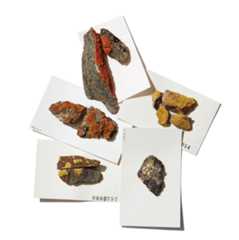
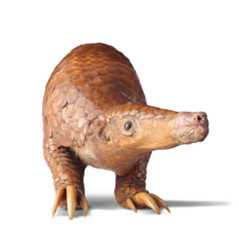

The museum's vast natural history collections hold over 1.2 million specimens from Minnesota and around the globe. Photo by Paul Nelson.

Funding for this project was provided by theMinnesota Environment and Natural Resources Trust Fund as recommended by the Legislative-Citizen Commission on Minnesota Resources (LCCMR).
The Trust Fund is a permanent fund constitutionally established by the citizens of Minnesota to assist in the protection, conservation, preservation, and enhancement of the state’s air, water, land, fish, wildlife, and other natural resources.
Salvage Wildlife to Inform Environmental Health, Ecology, Education
Salvage Wildlife, a new project funded by the Minnesota Environment and Natural Resources Trust Fund (ENRTF), will help turn tragedies into scientific data.
Expeditions
Learn about the annual event where scientists demonstrate how natural history collections are created.
Meet the Beetles
Our dermestid beetle colony provides the neatest and cheapest way to get a skeleton from a carcass.