

2011, Comparative Biochemistry and Physiology Part A: Molecular & Integrative Physiology
https://doi.org/10.1016/J.CBPA.2011.02.006…
9 pages

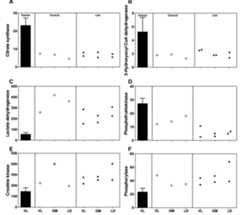
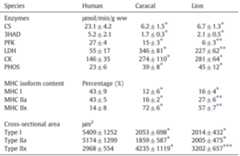
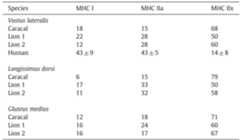
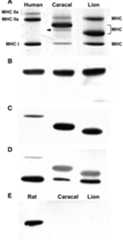
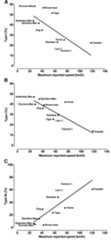
Lion (Panthera leo) and caracal (Caracal caracal) skeletal muscle samples from Vastus lateralis, Longissimus dorsi and Gluteus medius were analyzed for fiber type and citrate synthase (CS; EC 2.3.3.1), 3-hydroxyacyl Co A dehydrogenase (3HAD; EC 1.1.1.35), phosphofructokinase-1 (PFK; EC 2.7.1.11), creatine kinase (CK; EC 2.7.3.2), phosphorylase (PHOS; EC 2.4.1.1) and lactate dehydrogenase (LDH; EC 1.1.1.27) activities and compared to human runners, the latter also serving as validation of methodology. Both felids had predominantly type IIx fibers (range 50-80%), whereas human muscle had more types I and IIa. Oxidative capacity of both felids (CS: 5-9 μmol/min/g ww and 3HAD: 1.4-2.6 μmol/min/g ww) was lower than humans, whereas the glycolytic capacity was elevated. LDH activity of caracal (346 ± 81) was higher than lion (227 ± 62 μmol/min/g ww), with human being the lowest (55 ± 17). CK and PHOS activities were also higher in caracal and lion compared to human, but PFK was lower in both felid species. The current data and past research are illustrated graphically showing a strong relationship between type II fibers and sprinting ability in various species. These data on caracal and lion muscles confirm their sprinting behavior.

AI
Biochemistry, 1972
The Anatomical Record, 1987
The distribution of fiber types in selected leg and thigh muscles of three male Cynomolgus monkeys were determined. Almost all fibers could be classified as fast-glycolytic (FG), fast-oxidative glycolytic (FOG), or slow-oxidative (SO) according to the qualitative histochemical staining scheme described by Peter et al. (1972). Most muscles showed regional variations in fiber-type distributions, i.e., the percent SO was higher and the percent FG was lower in the deep, compared to the superficial, regions of the muscle. Exceptions were the soleus and plantaris muscles, which contained similar distributions of fiber types throughout their cross sections. In the extensor compartment of the leg, a layering of fiber types from deep to superficial were evident in the triceps surae and plantaris complex with the deepest muscle, the soleus, having primarily SO fibers. A similar layering arrangement was observed in the extensor compartment of the thigh, with the deepest muscle, the vastus intermedius, having a much larger proportion of SO fibers than the other muscles in the quadriceps complex. These results indicate that Cynomolgus monkey hindlimb muscles, unlike human leg muscles (Saltin and Gollnick: Handbook of Physiology, L.D. Peachey, ed. American Physiological Society, MD, pp. 55–631, 1983) have a regional distribution of fiber types similar to that observed in many subprimate mammals. Further, the presence of compartmentalization of fiber types within the cross section of several of the muscles studied is suggestive of structure-function interrelationships related to motor control.
Integrative and Comparative Biology, 1978
SYNOPSIS. The neuromuscular system can adapt to a variety of different kinds of chronic workloads. The specificity of these adaptations is reflected in the specific components of the neuromuscular system that are overloaded. An examination of changes that occur during normal development can serve as a basis for efforts to understand the mechanisms which are responsible for the maintenance of a given histochemical, biochemical and physiological profile of a motor unit. The normal process of muscle development can be retarded by spinal transection or immobilizing a neonatal muscle and some of the neonatal features can be reintroduced in adult animals by these same procedures. In general the speed related properties of fast skeletal muscle are not altered markedly by any type of physiological overload. There is some evidence that immobilization or intense endurance trained slow muscle is faster than the normal muscle. The metabolic properties related to maintenance of tension during prolonged work are readily adaptable to chronic low resistance-highly repetitive contractions. Factors that determine the specificity of the response to neuromuscular overload seem to be motor unit recruitment frequency, the tension produced within the musculature and the duration of the tensions.
Journal of Equine Veterinary Science, 2008
Skeletal muscle constitutes the largest organ system in the mammalian body and is essential for movement and force generation. Muscle tissue has the unique ability to adapt and remodel with regular exercise. Adaptation of equine contractile apparatus to exercise training with a different character occurs at the structural to the cellular and molecular levels and depends on age, breed, and sex. In Andalusian and Arabian horses from 3 months to 24 years of age, it was found that the mean cross-sectional area occupied by IIA and IIX fibers was greater in stallions than in mares. In muscle of Dutch Warmblood foals from birth to 1 year of age, a significant number of fibers coexpress either developmental and type IIa or cardiacalpha and type I myosin heavy chain (MyHC) isoforms. Endurance training results in increased mitochondrial density, capillary supply, changes in key metabolic enzymes, and increased maximal oxygen uptake and promotes a transition from type II to type I muscle fiber. In horses, prolonged aerobic exercise training has been shown to induce a further decline in the percentage of type IIx MyHC isoform expression and an increase of type I and IIa MyHC isoform expression. Short-duration, high-intensity exercise training stimulates type IIA and hybrid (IIA/IIX) fibers. Therefore, intensive high-speed trotting facilitates muscle fiber hypertrophy and increases the oxidative capacity of type IIX fibers.
Canadian Journal of Zoology, 1999
The fibre types of four forelimb and two hind-limb muscles involved in locomotion were morphometrically analyzed in three species of wild birds: the mallard (Anas platyrhynchos), common coot (Fulica atra), and yellowlegged gull (Larus cachinnans). Fibre cross-sectional area and perimeter, maximal diffusion distance, and number of capillaries per fibre were measured and the functional implications and physiological demands of the muscles of each species were inferred. In general, all morphometric values were lower in oxidative fibres than in anaerobic fibres, indicating that the supply of oxygen and metabolites available to aerobically working muscles is enhanced. The lower level of activity required during gliding as opposed to flapping flight, and the need to maintain the wings in an outstretched position, presumably by means of isometric contractions, may explain the greater size of the oxidative fibres of the pectoralis and scapulotriceps muscles of the gull. In contrast, the high oxidative demand imposed on mallards and coots by sustained flapping flight is met by small oxidative fibres, possibly at the expense of a reduction in the ability of each fibre to generate force. Anaerobic fibres of the gastrocnemius muscle had greater cross-sectional areas in the mallard and coot than in the gull. This is interpreted as an adaptive response to force generation during burst locomotion, which is usually performed by both mallards and coots, in sharp contrast to the buoyant swimming and postural activities undertaken by gull's legs. The fast oxidative fibres of the gastrocnemius muscle were, in general, larger than those of the iliotibialis muscle in the three species, which matches the different mechanical and functional roles of these muscles during swimming. Résumé : Les types de fibres dans les muscles responsables de la locomotion, quatre muscles des membres antérieurs et deux muscles des membres postérieurs, ont fait l'objet d'une analyse morphométrique chez trois espèces d'oiseaux en nature, le Canard colvert (Anas platyrhynchos), la Foulque macroule (Fulica atra) et le Goéland leucophée (Larus cachinnans). La surface des fibres en coupe transversale, leur périmètre, les distances maximales de diffusion et le nombre de capillaires par fibre ont été mesurés et ces mesures ont permis de déduire les conditions de fonctionnement, de même que les besoins physiologiques des muscles de chaque espèce. En général, toutes les mesures morphométriques se sont avérées plus basses dans les fibres oxydatives que dans les fibres anaérobies, ce qui indique que la quantité d'oxygène et de métabolites fournie aux muscles à fonctionnement aérobie est supérieure. L'activité moins importante reliée au vol plané par opposition au vol avec battements d'ailes et la nécessité de maintenir les ailes étendues, probablement par l'intermédiaire de contractions isométriques, explique probablement la taille plus grande des fibres oxydatives du pectoralis et des scapulotriceps chez le goéland. En revanche, le besoin important d'oxygène pour assurer le battement des ailes chez le colvert et la foulque est fourni par les fibres oxydatives de petite taille, ce qui se traduit probablement par une diminution de la force que peut générer chaque fibre. Chez le Canard colvert et chez la foulque, les fibres anaérobies du gastrocnémien ont une surface plus grande en coupe transversale que celles du goéland. Il semble qu'il s'agisse là d'une adaptation au déploiement d'une force au cours d'un déplacement subit, une tactique utilisée couramment par le colvert et la foulque, tactique totalement différente de la nage par flottaison et des activités reliées à la posture associées aux pattes du goéland. Les fibres oxydatives rapides du gastrocnémien sont en général plus grosses que celles du muscle iliotibialis chez les trois espèces, ce qui correspond aux rôles mécanique et fonctionnel de ces muscles au cours de la nage.
Experimental Neurology, 1972
Selected morphological, biochemical, and physiological properties of skeletal muscles from five control and six trained adult nonhuman primates, Galago smegalrnsis, were studied. After a 6-month treadmill endurance-training program, fewer glycogen-depleted fibers were found in the plantaris of trained than in controls after 15 min of electrical stimulation. There was an increase in the proportion of fast-twitch oxidative-glycolytic fibers at the expense of fast-twitch glycolytic fibers, enhanced cytochrome a and c concentrations, and elevated SDH activity. No changes in glycolytic enzymes or contraction time of the normally fast-twitch plantaris muscle were found. Maximal twitch and tetanic muscle tension and overall fiber size were not significantly different in the controls and trained Galagos. However, fast-twitch oxidative-glycolytic fibers in the plantaris were significantly larger in the trained Galagos. These adaptations were muscle specific, demonstrating that muscles vary in response to treadmill exercise depending on anatomical location or action (or both) in the exercise as well as fiber-type composition,
The Histochemical Journal, 1989
Intensities of histochemical and immunohistochemical reactions in muscle fibres of Rana and Xenopus have been estimated microphotometrically, and the data from serial sections statistically analysed. Quantitative validities of reactions and measurements have also been assessed against independent published evidence. It is concluded that NADH-tetrazolium reductase overestimates tonic-fibre aerobic capacities and the actomyosin ATPase reaction overestimates their contraction speeds. However, it appears that succinate dehydrogenase, despite being a near-equilibrium enzyme of particulate distribution, indicates the relative aerobic capacities of fibres with acceptable accuracy when lightly reacted. Capacities for aerobic and anaerobic metabolism are positively correlated over all types of fibre (r typically-0.6 for 200 fibres), perhaps as an adaptation to environmental hypoxia. Multivariate clusters (indicating fibre types) have been sought, using Ward's method with optimizing procedures (iterative relocation and multivariate-normal modelling). Cluster analysis confirms the subjective identifications of two 'slow/tonic' types in Xenopus (labelled T5 and $4) but of only one (T5) in Rana. Division of the 'fast family' twitch fibres into three types (F1 F3) in both genera, with metabolic capacity related inversely to apparent shortening velocity, is highly supportable by objective criteria. However, statistically significant subdivisions also present themselves. Rana F2 and Xenopus F1 clusters can be bisected according to metabolic capacity; and Xenopus F2 fibres fall into three subtypes reflecting different isomyosin contents. In the different types of twitch fibre, ratios of myofibrillar ATP consumption rate to aerobic capacity increase up to 30-fold with contraction speed, but anaerobic/aerobic ratios do so only 5-fold.
Anatomy and Embryology, 1991
The study describes the variations in distribution and cross-sectional area (fibre size) of three muscle fibre types (I, IIA, liB) in 34 of the largest muscles of the bull (Bos taurus). The animals had been kept strictly unexercised for one year before slaughter. Representative sampling was done at 15 positions within each muscle, and from 2700 to 4500 fibres were analysed in each muscle. Different intermuscular patterns are described. The overall volume fraction (%) of type I fibres was about 10% higher in the forepart muscles than in the hindpart muscles (41% and 31%, respectively), while the mean content of type IIB fibres was similar. Type I fibres were particularly abundant in antigravity muscles. Of these, the hindlimb muscles contained 50% more type I fibres (by weight) than those of the forelimb. Typical antigravity antagonists contained very few type I fibres. In the thigh cross-section the proportion of type I fibres was highest in the anterior and medial parts, while the IIB fibres tended to be concentrated in the superficial and posterior parts. Intramuscular patterns were revealed, with type I fibres becoming gradually more abundant from superficial to deep regions, while liB fibres had an opposite distribution. This was particularly evident in the thigh proper and in the scapular region. Within each fasciculus of all the muscles, the muscle fibre types formed a general spatial pattern. Type I fibres in the muscles of the forepart were on average about 15% larger than those of the muscles in the hindpart. The IIB fibres were on average about 10% larger in the hindpart than in the forepart muscles. A covariation between the proportion of type I and IIB fibres and their cross-sectional area was indicated.

Loading Preview
Sorry, preview is currently unavailable. You can download the paper by clicking the button above.
AI
The study found that both species primarily expressed type IIx fibers, indicating a sprinting capability.
The enzyme activities for CK and PHOS were approximately twice as high in felids compared to humans.
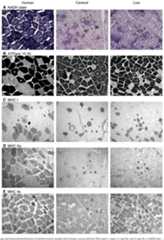
Caracals exhibited an additional unidentified band between MHC IIx and MHC I isoforms, suggesting unique characteristics.
Felid muscle fibers were smaller in cross-sectional area, while type IIx fibers of caracals were larger compared to humans.
Despite being anticipated for sprinting, low PFK activity challenges assumptions about glycolytic reliance in these species.
Journal of Experimental Biology, 2013
This study investigated for the first time maximum force production, shortening velocity (V max ) and power output in permeabilised single muscle fibres at 12°C from lion, Panthera leo (Linnaeus 1758), and caracal, Caracal caracal (Schreber 1776), and compared the values with those from human cyclists. Additionally, the use and validation of previously frozen tissue for contractile experiments is reported. Only type IIx muscle fibres were identified in the caracal sample, whereas type IIx and only two type I fibres were found in the lion sample. Only pure type I and IIa, and hybrid type IIax fibres were identified in the human samplesthere were no pure type IIx fibres. Nevertheless, compared with all the human fibre types, the lion and caracal fibres were smaller (P<0.01) in cross-sectional area (human: 6194±230μm 2 , lion: 3008±151μm 2 , caracal: 2583±221μm 2 ). On average, the felid type IIx fibres produced significantly greater force (191-211kNm −2 ) and ~3 times more power (29.0-30.3kNm −2 fibre lengthss −1 ) than the human IIax fibres (100-150kNm −2 , 4-11kNm −2 fibre lengthss −1 ). V max values of the lion type IIx fibres were also higher than those of human type IIax fibres. The findings suggest that the same fibre type may differ substantially between species and potential explanations are discussed.
Journal of Histochemistry & Cytochemistry, 1973
The fiber type profiles of hindlimb muscles in the Hartley guinea pig, Sprague-Dawley rat, cat, Galago senegalensis (lesser bushbaby) and Nycticebus coucang (slow loris) were estimated histochemically. Fibers were classified as fast oxidative glycolytic, fast glycolytic or slow oxidative according to their myosin adenosine triphosphatase, α-glycerophosphate dehydrogenase and reduced nicotinamide adenine dinucleotide diaphorase activities. It was found that the soleus and vastus intermedius muscles had the highest proportion of slow oxidative fibers in all five species, demonstrating the constancy of muscle fiber profiles dependent upon anatomical position and functional utilization. The tensor fascia latae and white vastus lateralis of the guinea pig were mostly fast glycolytic, while the red vastus lateralis of the guinea pig consisted of predominantly fast oxidative glycolytic fibers. The majority of muscles investigated in these five mammals were heterogeneous, having a wide rang...
Journal of Experimental Biology, 2011
The aim of the study was to investigate the skeletal muscle characteristics of black wildebeest (Connochaetes gnou) in terms of fibre type and metabolism. Samples were obtained post mortem from the vastus lateralis and longissimus lumborum muscles and analysed for myosin heavy chain (MHC) content. Citrate synthase (CS), 3-hydroxyacyl co A dehydrogenase (3HAD), phosphofructokinase (PFK), lactate dehydrogenase (LDH) and creatine kinase (CK) activities were measured spectrophotometrically to represent the major metabolic pathways in these muscles. Both muscles had less than 20% MHC I, whereas MHC IIa and MHC IIx were expressed in excess of 50% in the vastus lateralis and longissimus lumborum muscles, respectively. Overall fibre size was 2675±1034m 2 , which is small compared with other species. Oxidative capacity (CS and 3HAD) in both muscles was high and did not differ from one another, but the longissimus lumborum had significantly (P<0.05) higher PFK, LDH and CK activities. No relationships were observed between fibre type and the oxidative and oxygen-independent metabolic capacity as measured by specific enzyme activities. This study confirms the presence of both fast-twitch fibres and high oxidative capacity in black wildebeest, indicating an animal that can run very fast but is also fatigue resistant.
Journal of Experimental Biology, 2012
Some wild antelopes are fast sprinters and more resistant to fatigue than others. This study therefore investigated two wild antelope species to better understand their reported performance capability. Muscle samples collected post mortem from the vastus lateralis and longissimus lumborum of fallow deer (Dama dama) and springbok (Antidorcas marsupialis) were analysed for myosin heavy chain isoform content, citrate synthase, 3-hydroxyacyl CoA dehydrogenase, phosphofructokinase, lactate dehydrogenase and creatine kinase activities. Cross-sectional areas, fibre type and oxidative capacities of each fibre type were determined in the vastus lateralis only. The predominant fibre type in both muscle groups and species were type IIX (>50%), with springbok having more type IIX fibres than fallow deer (P<0.05). Overall cross-sectional area was not different between the two species. The metabolic pathway analyses showed high glycolytic and oxidative capacities for both species, but springbok had significantly higher CS activities than fallow deer. Large variation and overlap in oxidative capacities existed within and between the fibre types. Some type IIX fibres presented with oxidative capacities similar to those from type I and IIA fibres. The data suggest that springbok and fallow deer are able sprint at >90 and 46kmh -1 , respectively, partly from having large type IIX fibre contents and high glycolytic capacities. The high oxidative capacities also suggest that these animals may be able to withstand fatigue for long periods of time.
Journal of Equine Veterinary Science, 2015
The skeletal muscle has several types of fibers that differ in structure, metabolism, and function. Fiber types determine the ability of horses to perform in various sports or work activities. Gluteus medius muscles of Colombian creole horses (CCHs) were sampled to determine their fiber types. Samples were processed using myosin adenosine triphosphatase (mATPase) and immunohistochemistry for fiber typing, myofibril electrophoresis for myosin heavy chain composition, and nicotinamide adenine dinucleotide diaphorase activity for oxidative capacity. The following fiber proportions were observed by immunohistochemistry (n ¼ 7): 22.5 AE 3.7% type I, 33.6 AE 2.3% type IIA, 43.6 AE 4.4% type IIX, and 0.3 AE 0.2% hybrid I/IIA fibers. The results obtained by mATPase were comparable. Regarding the oxidative capacity, 20.1 AE 4.0% had a high oxidative reaction, 32.7 AE 6.1% an intermediate reaction, and 47.2 AE 7.4% a low oxidative reaction. Of these, the high and low capacity correlated with type I and IIX fibers, respectively. Myosin heavy chain composition experiments (n ¼ 7) showed 22.2 AE 1.6% of type I, 30.4 AE 2.7% of type IIA, and 47.4 AE 2.3% of type IIX. These values are close to those published for Andalusian horses but differ from some reported for other breeds. Considering the high percentage of type IIX fibers and low to intermediate oxidative capacity, we conclude that the CCH is adapted to perform power exercise and moderate-to high-intensity anaerobic work with short to average duration. Therefore, training should be aimed at increasing aerobic capacity and endurance if these animals are required to perform long-length exercise.
Behavioral Ecology and Sociobiology, 2013
Cooperative hunting is believed to have important implications for the evolution of sociality and advanced cognitive abilities. Variation in the level of hunt organisation amongst species and how their cognitive, behavioural and athletic adaptations may contribute to observed patterns of cooperative hunting behaviour, however, are poorly understood. We, therefore, reviewed the literature for evidence of different levels of hunt organisation and cooperation in carnivorans and examined their social and physical adaptations for hunting. Descriptions of group hunting were scarce for many species and often of insufficient detail for us to be able to classify the level of hunt organisation involved. However, despite this, reports of behaviour fitting the description of collaboration, the most advanced level of hunt organisation, were found in over half the carnivorans reported to hunt cooperatively. There was no evidence that this behaviour would require advanced cognitive abilities. However, there was some evidence that both social mechanisms reducing aggression between group members and information transfer amongst individuals may aid cooperative hunting. In general, the cooperative strategies used seemed to depend partly on the species' locomotor abilities and habitat. There was some evidence that individuals take on consistent roles during cooperative hunts in some species, but it was not clear if this reflects individuals' physical differences, social factors or life experiences. Better understanding of the social, cognitive and physical mechanisms underlying cooperative hunting, and indeed establishing to what degree it exists in the first instance, will require more data for multiple individuals and species over many hunts.
Biology open, 2014
Patients suffering from glycogen storage disease V (McArdle disease) were shown to have higher surface electrical activity in their skeletal muscles when exercising at the same intensity as their healthy counterparts, indicating more muscle fibre recruitment. To explain this phenomenon, this study investigated whether muscle fibre type is shifted towards a predominance in type I fibres as a consequence of the disease. Muscle biopsies from the Biceps brachii (BB) (n = 9) or Vastus lateralis (VL) (n = 8) were collected over a 13-year period from male and female patients diagnosed with McArdle disease, analysed for myosin heavy chain (MHC) isoform content using SDS-PAGE, and compared to healthy controls (BB: n = 3; VL: n = 10). All three isoforms were expressed and no difference in isoform expression in VL was found between the McArdle patients and healthy controls (MHC I: 33±19% vs. 43±7%; MHC IIa: 52±9% vs. 40±7%; MHC IIx: 15±18% vs. 17±9%). Similarly, the BB isoform content was also...
The Anatomical Record, 2014
Prehensile tails are defined as having the ability to grasp objects and are commonly used as a fifth appendage during arboreal locomotion. Despite the independent evolution of tail prehensility in numerous mammalian genera, data relating muscle structure, physiology, and function of prehensile tails are largely incomplete. Didelphid marsupials make an excellent model to relate myosin heavy chain (MHC) isoform fiber type with structure/function of caudal muscles, as all opossums have a prehensile tail and tail use varies between arboreal and terrestrial forms. Expanding on our previous work in the Virginia opossum, this study tests the hypothesis that arboreal and terrestrial opossums differentially express faster versus slower MHC isoforms, respectively. MHC isoform expression and percent fiber type distribution were determined in the flexor caudae longus (FCL) muscle of Caluromys derbianus (arboreal) and Monodelphis domestica (terrestrial), using a combination of gel electrophoresis and immunohistochemistry analyses. C. derbianus expresses three MHC isoforms (1, 2A, 2X) that are distributed (mean percentage) as 8.2% MHC-1, 2.6% 1/2A, and 89.2% 2A/X hybrid fibers. M. domestica also expresses MHC-1, 2A, and 2X, in addition to the 2B isoform, distributed as 17.0% MHC-1, 1.3% 1/2A, 9.0% 2A, 75.2% 2A/X, and 0.3% 2X/B hybrid fibers. The distribution of similar isoform fiber types differed significantly between species (P < 0.001). Although not statistically significant, C. derbianus was observed to have larger cross-sectional area (CSA) for each corresponding fiber type along with a greater amount of extra-cellular matrix. An overall faster fiber type composition (and larger fibers) in the tail of an arboreal specialist supports our hypothesis, and correlates with higher muscle force required for tail hanging and arboreal maneuvering on terminal substrates. Conversely, a broader distribution of highly oxidative fibers in the caudal musculature is well suited for tail nest building/remodeling behaviors of terrestrial opossums. Anat Rec, 00:000-000,
Journal of applied physiology (Bethesda, Md. : 1985), 2018
Sloths are canopy-dwelling inhabitants of American neotropical rainforests that exhibit suspensory behaviors. These abilities require both strength and muscular endurance to hang for extended periods of time; however, the skeletal muscle mass of sloths is reduced, thus requiring modifications to muscle architecture and leverage for large joint torque. We hypothesize that intrinsic muscle properties also are modified for fatigue resistance and predict a heterogeneous expression of slow/fast myosin heavy chain (MHC) fibers that utilize oxidative metabolic pathways for economic force production. MHC fiber type distribution and energy metabolism in the forelimb muscles of three-toed ( Bradypus variegatus, N=5) and two-toed ( Choloepus hoffmanni, N=4) sloths were evaluated using SDS-PAGE, immunohistochemistry, and enzyme activity assays. The results partially support our hypothesis by a primary expression of the slow MHC-1 isoform as well as moderate expression of fast MHC-2A fibers, whi...
2021
Skeletal muscle fibers rely upon either oxidative phosphorylation or glycolytic pathway to achieve muscular contractions that power mechanical movements. Species with energy-intensive adaptive traits that require sudden bursts of energy have a greater dependency on fibers that use the glycolytic pathway. Glycolytic fibers have decreased reliance on OXPHOS and lower mitochondrial content compared to oxidative fibers. Hence, we hypothesized that adaptive gene loss might have occurred within the OXPHOS pathway in lineages that largely depend on glycolytic fibers. The protein encoded by the COA1/MITRAC15 gene with conserved orthologs found in budding yeast to humans promotes mitochondrial translation. We show that gene disrupting mutations have accumulated within the COA1/MITRAC15 gene in the cheetah, several species of galliforms, and rodents. The genomic region containing COA1/MITRAC15 is a well-established evolutionary breakpoint region in mammals. Careful inspection of genome assemb...
Scientific Reports, 2021
Skeletal muscle fibers rely upon either oxidative phosphorylation or the glycolytic pathway with much less reliance on oxidative phosphorylation to achieve muscular contractions that power mechanical movements. Species with energy-intensive adaptive traits that require sudden bursts of energy have a greater dependency on glycolytic fibers. Glycolytic fibers have decreased reliance on OXPHOS and lower mitochondrial content compared to oxidative fibers. Hence, we hypothesized that gene loss might have occurred within the OXPHOS pathway in lineages that largely depend on glycolytic fibers. The protein encoded by the COA1/MITRAC15 gene with conserved orthologs found in budding yeast to humans promotes mitochondrial translation. We show that gene disrupting mutations have accumulated within the COA1 gene in the cheetah, several species of galliform birds, and rodents. The genomic region containing COA1 is a well-established evolutionary breakpoint region in mammals. Careful inspection of genome assemblies of closely related species of rodents and marsupials suggests two independent COA1 gene loss events co-occurring with chromosomal rearrangements. Besides recurrent gene loss events, we document changes in COA1 exon structure in primates and felids. The detailed evolutionary history presented in this study reveals the intricate link between skeletal muscle fiber composition and the occasional dispensability of the chaperone-like role of the COA1 gene. Skeletal muscles control numerous locomotor functions in vertebrates 1 . The hundreds of different muscles in the body consist of highly organized heterogeneous bundles of fibers. These fibers are classified based on the contractile properties, power source, and myosin component into type-1, 2A, 2B, and 2X 2 . Muscles with aerobic type-1 and 2A fibers rely on the oxidative phosphorylation (OXPHOS) pathway for sustained locomotion 3 . Locomotion that requires sudden energy bursts depends on the predominantly anaerobic 2B and 2X fibers 4 . OXPHOS is the energy-releasing electron transport chain (ETC) coupled with the energy-requiring chemiosmosis . A chain of mitochondrial inner membrane-embedded proteins encoded by mitochondrial and nuclear genes forms four large complexes that transport electrons through redox reactions. The energy released results in a proton gradient, which uses a fifth membrane-embedded complex to generate ATP through chemiosmosis. The individual complexes are known to assemble into supercomplexes 7 . Optimization of the OXPHOS pathway leads to improved locomotor performance 8 . However, degeneration of locomotor abilities leads to a relaxed selective constraint on the OXPHOS pathway 9,10 . The special locomotory needs of galliform birds, rodents, marsupials, and felids lead to a greater reliance on anaerobic fast fibers for sudden bursts of energy . The ability to fly is a distinctive feature of birds except for lineages that have become entirely flightless or retain only a limited flying capacity . The large amount of energy required for flight has necessitated a high metabolic rate in birds 18 . Increased ATP generation fulfills these energy demands through metabolic adaptations in the OXPHOS pathway . Avian flight is possible through a combination of flight muscles that consist of anaerobic white (fast glycolytic), intermediate/red-pink (fast oxidative), and aerobic red (slow oxidative) fibers . Birds with strong flight abilities, such as long-distance migrants and small passerines, contain fast oxidative fibers 23 . However, galliform species have mostly glycolytic fibers to allow short bursts of activity 24 . Hence, the OXPHOS pathway is under stronger selective constraint in non-galliform bird species than galliform birds due to the functional specialization of mitochondria to different muscle fibers 25 .

 Timothy Noakes