Flashpoints
Iran Joins ISIS Fight
Iran air strikes in Iraq raise a host of difficult questions.

P5+1 talks with Iran
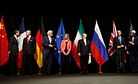
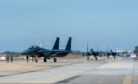
Credit:United States Mission Geneva via Flickr.comLast week, Pentagon officials toldReuters on condition of anonymity that it foundstrong evidence that Iran had launched air strikes against the ISIS in Iraq. F-4 Phantom fighter jets were reportedly used to bomb positions of the extremist group in Diyala, a border province between the two countries and close to the Kurdish autonomous region. At first, Tehran denied any involvement in attacks against ISIS in Iraqi territory, but a few days laterDeputy Foreign Minister Ebrahim Rahimpour confirmed the action toThe Guardian,althoughstressing that there has been no cooperation with the coalition led by the United States and that the airstrikes were requested by the Iraqi government.
On November 24, Al Jazeera broadcast avideo of fighter jets flying over Iraqi territory conducting operations in support of Baghdad’s forces. Later, theHIS Jane’s Defense Weekly identified the jets as F-4 Phantom airplanes. Only Iran and Turkey have this model in the region. Given the proximity to the Iranian border and the Turkish reluctance to actively participate in the conflict, Jane’s’ analysts have concluded that the fighter jets belonged to the Iranian Air Force. It was the firstvisual evidence that Iranian armed forces have directly participated in the conflict.
A Iranian politician with defense links, Hamid Reza Taraghiconfirmed toThe New York Times that the event caught on camera was an Iranian operation conducted in coordination with the Iraqi Armed Forces. Taraghi also confirmed the existence of a buffer zone between the two countries that has allegedly been accepted by the Iraqi government. He claims that the U.S. was informed of the Iranian operation after the air sortie had already been concluded. However, U.S. command and control AWACS systems would certainly have screened the action while it was undergoing. Besides that, the U.S. military would probably have monitored the attack from its military bases in Kuwait, Qatar, and Iraq.
Iran was thefirst country to pledge assistance to Iraq to combat ISIS. It hassent military equipment and provided field assistance. The Iranian interest in the fight against ISIS grew after the terrorist groupinvaded Iraq in June. The month, Iran sent Sukhoi Su-25 fighter jets to help with Iraq’s defense. Moreover, the Shiite militias fighting ISIS in Iraq trained by Iran are animportant support to the fragmented Iraqi Army. The commander of the Iranian elite brigade, the Al-Quds, wasphotographed in Iraq a few months ago.
Meanwhile, the U.S. has led since August an international coalition that includes France, Australia, the United Kingdom, and Middle Eastern countries such as Jordan and Saudi Arabia to fight ISIS in both Syria and Iraq. The coalition’s initial focus was halting an impending ethnic slaughter of the Kurdish population in Iraq through a bombing campaign and the provision of weapons and humanitarian aid. Shortly afterwards, the reach of the air strikes started to include targets in Syrian territory. It subsequently it wasintensified in mid-November.
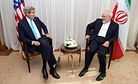
Since the West began deeming the Sunni group a threat, the idea has been floated of the potential for cooperation between Iran and the U.S. in the fight against a common enemy. In the case of air operations, the Iraqi Armed Forces have served as a middleman between Washington and Tehran. U.S. Secretary of StateJohn Kerry has denied cooperating with Iran, but he has affirmed that Iraq is free to do whatever it wants in its air space. This suggests the existence of de facto cooperation between the two rivals, even if minimal and centralized in Baghdad. Kerryhints that, if there is such indirect cooperation, the U.S. is not interested in boycotting it based on Iraq’s sovereignty over its territory. “It’s self-evident that if Iran is taking on ISIS in some particular place, and it’s confined to taking on ISIS and has an impact, it’s going to be – the net effect is positive … But that’s not something we’re coordinating with Iran.”
It is important to remember that U.S. President Barack Obama hassent a letter to Ayatollah Khamenei to assure him that air strikes in Iraq are not a challenge to Tehran’s influence, pointing to the shared interest in combating ISIS. It seems clear that the international coalition’s decision to focus its air strikes onKobane and Raqqa took into account the Iranian Air Force’s actions in Iraq. Since the beginning, the U.S. appears to have seen Tehran as responsible for the fight against the extremists on the eastern front, close to the Iran-Iraq border.
This de facto cooperation takes place at a time ofgrowing rapprochement between the U.S. and Iran. Since Hasan Rouhani was sworn in as Iran’s president in 2013, there has been a stronger drive by the two countries to resolve their differences through negotiations. Rouhani stressed in a speech made at the United Nations that he was open to dialogue with the West. Obama took the opportunity to seek anagreement on the Iranian nuclear program, in spite of strong opposition from Israel and Saudi Arabia, both longstanding U.S. allies. An interim agreement between Iran and the P5+1 (U.S., U.K., France, Russia, China, and Germany) was quickly reached, under which Iran would halt its enrichment of uranium in exchange for the lifting of some sanctions. This accord has been extended to facilitate further talks on a permanent deal. The latest round of negotiations has beenextended to June 2015.
This rapprochement worries both Israel and Saudi Arabia, because it could auger ageopolitical reconfiguration of the Middle East. Both countries will be watching the outcomes of the nuclear talks next year. Although a deal is looking less likely, considering thatU.S. Congress will be under the control of the Republican Party, which opposes negotiating with Iran , an agreement would significantly alter the regional landscape. The political polarization in the U.S. on the issue could perhaps be attenuated with Israeli (and perhaps Saudi) consent to a permanent agreement. The reactions of Riyadh and Tel-Aviv to clearer Iranian involvement in the fight against ISIS could hint at their stance.
In the meantime, some kind of coordination between coalition and Iranian forces in Iraq will be necessary, to avoid incidents. While the risk might be low, it is not absent. In a recent article, theNew York Times noted that asingle Iraqi officer will act as intermediary.
Another question is what happens once ISIS is defeated? How will the coalition and regional powers react, especially regarding the Syrian civil war? Iran has supported Assad since 2011, while the U.S., France, and Saudi Arabia (among others) have demanded his ouster. These differences have been put aside in the fight against ISIS, but they may well resume once the ISIS threat has been overcome
Bruno Gomes Guimarães is a researcher at the South American Institute for Policy and Strategy (ISAPE). Marcelo Scalabrin Müller is an assistant researcher at ISAPE.
Get to the bottom of the story
Subscribe today and join thousands of diplomats, analysts, policy professionals and business readers who rely onThe Diplomat for expert Asia-Pacific coverage.
Get unlimited access to in-depth analysis you won't find anywhere else, from South China Sea tensions to ASEAN diplomacy to India-Pakistan relations. More than 5,000 articles a year.
- Unlimited articles and expert analysis
- Weekly newsletter with exclusive insights
- 16-year archive of diplomatic coverage
- Ad-free reading on all devices
- Support independent journalism
Last week, Pentagon officials toldReuters on condition of anonymity that it foundstrong evidence that Iran had launched air strikes against the ISIS in Iraq. F-4 Phantom fighter jets were reportedly used to bomb positions of the extremist group in Diyala, a border province between the two countries and close to the Kurdish autonomous region. At first, Tehran denied any involvement in attacks against ISIS in Iraqi territory, but a few days laterDeputy Foreign Minister Ebrahim Rahimpour confirmed the action toThe Guardian,althoughstressing that there has been no cooperation with the coalition led by the United States and that the airstrikes were requested by the Iraqi government.
On November 24, Al Jazeera broadcast avideo of fighter jets flying over Iraqi territory conducting operations in support of Baghdad’s forces. Later, theHIS Jane’s Defense Weekly identified the jets as F-4 Phantom airplanes. Only Iran and Turkey have this model in the region. Given the proximity to the Iranian border and the Turkish reluctance to actively participate in the conflict, Jane’s’ analysts have concluded that the fighter jets belonged to the Iranian Air Force. It was the firstvisual evidence that Iranian armed forces have directly participated in the conflict.
A Iranian politician with defense links, Hamid Reza Taraghiconfirmed toThe New York Times that the event caught on camera was an Iranian operation conducted in coordination with the Iraqi Armed Forces. Taraghi also confirmed the existence of a buffer zone between the two countries that has allegedly been accepted by the Iraqi government. He claims that the U.S. was informed of the Iranian operation after the air sortie had already been concluded. However, U.S. command and control AWACS systems would certainly have screened the action while it was undergoing. Besides that, the U.S. military would probably have monitored the attack from its military bases in Kuwait, Qatar, and Iraq.
Iran was thefirst country to pledge assistance to Iraq to combat ISIS. It hassent military equipment and provided field assistance. The Iranian interest in the fight against ISIS grew after the terrorist groupinvaded Iraq in June. The month, Iran sent Sukhoi Su-25 fighter jets to help with Iraq’s defense. Moreover, the Shiite militias fighting ISIS in Iraq trained by Iran are animportant support to the fragmented Iraqi Army. The commander of the Iranian elite brigade, the Al-Quds, wasphotographed in Iraq a few months ago.
Meanwhile, the U.S. has led since August an international coalition that includes France, Australia, the United Kingdom, and Middle Eastern countries such as Jordan and Saudi Arabia to fight ISIS in both Syria and Iraq. The coalition’s initial focus was halting an impending ethnic slaughter of the Kurdish population in Iraq through a bombing campaign and the provision of weapons and humanitarian aid. Shortly afterwards, the reach of the air strikes started to include targets in Syrian territory. It subsequently it wasintensified in mid-November.
Since the West began deeming the Sunni group a threat, the idea has been floated of the potential for cooperation between Iran and the U.S. in the fight against a common enemy. In the case of air operations, the Iraqi Armed Forces have served as a middleman between Washington and Tehran. U.S. Secretary of StateJohn Kerry has denied cooperating with Iran, but he has affirmed that Iraq is free to do whatever it wants in its air space. This suggests the existence of de facto cooperation between the two rivals, even if minimal and centralized in Baghdad. Kerryhints that, if there is such indirect cooperation, the U.S. is not interested in boycotting it based on Iraq’s sovereignty over its territory. “It’s self-evident that if Iran is taking on ISIS in some particular place, and it’s confined to taking on ISIS and has an impact, it’s going to be – the net effect is positive … But that’s not something we’re coordinating with Iran.”
It is important to remember that U.S. President Barack Obama hassent a letter to Ayatollah Khamenei to assure him that air strikes in Iraq are not a challenge to Tehran’s influence, pointing to the shared interest in combating ISIS. It seems clear that the international coalition’s decision to focus its air strikes onKobane and Raqqa took into account the Iranian Air Force’s actions in Iraq. Since the beginning, the U.S. appears to have seen Tehran as responsible for the fight against the extremists on the eastern front, close to the Iran-Iraq border.
This de facto cooperation takes place at a time ofgrowing rapprochement between the U.S. and Iran. Since Hasan Rouhani was sworn in as Iran’s president in 2013, there has been a stronger drive by the two countries to resolve their differences through negotiations. Rouhani stressed in a speech made at the United Nations that he was open to dialogue with the West. Obama took the opportunity to seek anagreement on the Iranian nuclear program, in spite of strong opposition from Israel and Saudi Arabia, both longstanding U.S. allies. An interim agreement between Iran and the P5+1 (U.S., U.K., France, Russia, China, and Germany) was quickly reached, under which Iran would halt its enrichment of uranium in exchange for the lifting of some sanctions. This accord has been extended to facilitate further talks on a permanent deal. The latest round of negotiations has beenextended to June 2015.
This rapprochement worries both Israel and Saudi Arabia, because it could auger ageopolitical reconfiguration of the Middle East. Both countries will be watching the outcomes of the nuclear talks next year. Although a deal is looking less likely, considering thatU.S. Congress will be under the control of the Republican Party, which opposes negotiating with Iran , an agreement would significantly alter the regional landscape. The political polarization in the U.S. on the issue could perhaps be attenuated with Israeli (and perhaps Saudi) consent to a permanent agreement. The reactions of Riyadh and Tel-Aviv to clearer Iranian involvement in the fight against ISIS could hint at their stance.
In the meantime, some kind of coordination between coalition and Iranian forces in Iraq will be necessary, to avoid incidents. While the risk might be low, it is not absent. In a recent article, theNew York Times noted that asingle Iraqi officer will act as intermediary.
Another question is what happens once ISIS is defeated? How will the coalition and regional powers react, especially regarding the Syrian civil war? Iran has supported Assad since 2011, while the U.S., France, and Saudi Arabia (among others) have demanded his ouster. These differences have been put aside in the fight against ISIS, but they may well resume once the ISIS threat has been overcome
Bruno Gomes Guimarães is a researcher at the South American Institute for Policy and Strategy (ISAPE). Marcelo Scalabrin Müller is an assistant researcher at ISAPE.