

Kōrero: Magazines and periodicals
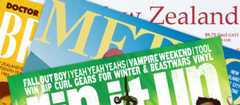
Magazines and periodicals have been part of New Zealand’s cultural landscape since European settlement began. In the 2010s, despite the impact of the internet, there was a wide range of titles, including long-lived publications like New Zealand Listener, New Zealand Woman’s WeeklyandNew Zealand Gardener.
He kōrero nā Ben Schrader
Te āhua nui: New Zealand magazines


He kōrero whakarapopoto
Early publications
Wellington’s first settlers brought books and periodicals to set up a public library. The first local periodical was theNew Zealand Journal, published by the New Zealand Company from 1840 to 1852. It aimed to promote the company and its settlements, but included letters about colonial life.
In the 1860s local imitations of the British humour magazinePunch were published. Other magazines included theNew Zealand Magazine, which lasted for a year, andZealandia, which concentrated on local content and produced 12 issues.
Early literary magazines
From 1893 theTriad focused on the arts, with Charles Baeyertz its colourful editor. From 1915 it was produced in Sydney. It closed in 1926.
TheNew Zealand Illustrated Magazine, which aimed to foster New Zealand art and writing, ran from 1899 to 1905. The quarterlyArt in New Zealand was published from 1928 to 1946.
Popular magazines
Popular magazines of the 1920s and 1930s included:
- theMirror, a magazine for middle-class women that covered royal tours and society weddings
- theNew Zealand Woman’s Weekly, which was published from 1932
- theNew Zealand Listener, founded by the government in 1939 to publish radio listings.
Later art and literary magazines
Between 1930 and 1950 more attempts were made to set up arts and literary magazines. These often aimed to support nationalist writing and tell New Zealand stories. They included:
- Phoenix, which published just four issues but was an outlet for important writers
- Tomorrow, which was banned by the government because of its radical politics
- Landfall, which was founded in 1947 with Charles Brasch as editor.
Literary magazines in the 2010s includedSport andNew Zealand Books.
Specialist magazines
Special interest magazines have focused on diverse issues, including temperance (White Ribbon), the environment (Forest and Bird), farming (New Zealand Farmer), food and wine (Cuisine) and New Zealand music (Rip It Up).Te Ao Hou andMana focused on Māori culture;Broadsheet was a feminist magazine, andConsumer explored consumer issues.
The internet
The rise of the internet in the early 2000s meant that some magazines lost readers. However, many publications set up websites. Some magazines were only produced online.
Me pēnei te tohu i te whārang
Ben Schrader, Magazines and periodicals, Te Ara – the Encyclopedia of New Zealand, https://teara.govt.nz/mi/magazines-and-periodicals (accessed 15 February 2026).
He kōrero nā Ben Schrader, i tāngia i te 4 September 2014, updated 1 April 2020.