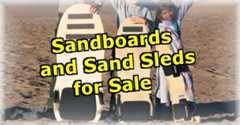
What to Wear for Sandboarding and Sand Sledding
Sandboarding andsand sledding do not require much in terms of equipment, besides thesandboard or sand sled itself and thesandboard wax you will need to apply regularly to keep it smooth.
There are then a few things that you should keep in mind in regards to clothing, footwear and other accessories.
When going sandboarding, the type of equipment you will need depends highly on the location you will be visiting.
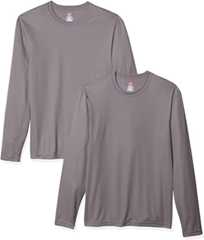
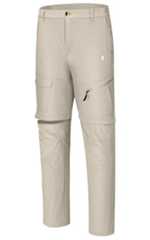
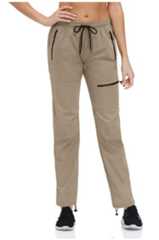
If you arein the desert, make sure to wear approprate clothing and protect yourself adequately from the sun and heat:the general recommendation is to cover as much as possible, wear long sleeve shirts, pants and closed to shoes.
At the beach, dunes are generally less steep and the sun not as harsh, so most of the time it’s ok to wear beachwear for sandboarding.
That said, you are still going to need protection if attempting to sled down some of the highest and most challenging peaks.
As part of the Amazon Associate and eBay Partner Programme, we earn from qualifying purchases.
What to Wear for Sandboarding
Sandboarding is a casualwear sport, and you definitely donot want to bring anything less than casual on a sandboarding session: everything that you wear will be subject to large amounts of sand, sweat, and extreme weather conditions.
Old clothes that you don’t care too much about are actually perfect as they are likely to get ruined and worn out in no time.
Pro tip: if you can, avoid wearing clothes with pockets. You’ll thank me later.
How to dress appropriately for sandboarding highly depends on your location, which in most cases will feature the scorching sun, a lot of sand, and not much else.
If you are in a desert location, such as the popularHuacachina in Peru,you should opt for breathable, loose-fitting clothing.
Because of the heat, you might be tempted to wear as little as possible, but long sleeves and long trousers will protect you both from the sun rays and hot sand in case of a fall.Bright colors are said to reflect UV rays, although the choice of fabric is even more important.
Temperature in the desert also tends to vary greatly within a couple of hours, so it may end up feeling chilly in the mornings and evenings – make sure to plan for that as well and bring a jacket with you!
Can you go sandboarding bare chested?
Some people go sandboarding topless in beach locations, and that is generally fine as long as the weather is not extremely hot. While not wearing a shirt will certainly help you get a tan, it will also hurt like hell if you fall from a tall dune at high speed into the scorching sand.
Overall,we do not recommend sandboarding bare-chested at the beach during peak hours when the sun is stronger.
In the desert, always wear a shirt when sandboarding or sand sledding, ideally long sleeve.
Sandboarding Footwear
It is best towear an old pair of closed-toe tennis shoes and woolen socks whenever you are sliding down a dune.
Sandboarding usually involves a lot of hiking and sweating in the sun so you will want to wear something comfy and moisture wicking that can be safely tied onto your board with some type ofsandboard bindings.
Best shoes for sandboarding
The type of shoes you will need highly depends on your location and weather.
If you are in the desert, you better opt for someoutdoor hiking shoes like Merrell’s that are sturdy enough yet not too fancy (never take your favorite shoes on a sandboarding trip…).
If you are a fan of barefoot shoes, make sure that they are meant for trail running and hiking and have a thick bottom layer with no openings, mostXero shoes meet these criteria.
If you are planninglong hikes in the desert, then it’s worth to invest in a high-quality pair ofdesert boots.


Socks for sandboarding
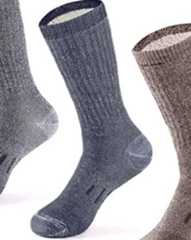
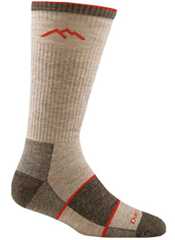
Socks are just as important as shoes when it comes tohiking in the desert, and most sandboarding sessions will require for a lot of climbing up (and down!) sand dunes.
A comfortable pair of socks will not onlyprotect your feet from hot sand but also absorb sweat and ensure proper perspiration, helping to prevent blisters and other foot problems.
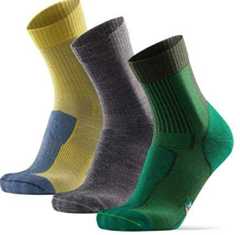
Thebest desert hiking socks for hot, dry climates are made in large percentage from Merino wool, a special type of material which is especially good at absorbing moisture from sweat and keeping your feet fresh.
If you aresandboarding at the beach, you can ditch the shoes altogether and opt for somesand socks instead, these are designed for beach sports and meant to be worn without shoes.
Can you go sandboarding barefoot?
If your board is equipped with foot straps, no footwear at all is required when sandboarding.
If you are using sandboard bindings, or if you are in adesert location with very hot sand, you will then need to protect your feet by wearing closed toe shoes or boots.
It is best toonly go sandboarding bare feet in beach locations with small dunes when the weather is not too hot.
You can also compromise by wearingbarefoot shoes orsand socks, which are special socks made specifically for practicing sports on sand.
See:Best barefoot shoes for desert sand dunes
Sandboarding Goggles
The best types of goggles for sand dunes are dust proof, wind proof and offer protection from UV rays.
How much level of protection you need highly depends on the location and types of dunes that you will be riding and environmental conditions of your location.
You will want eyewear if you are in the desert on a windy day, or sandboarding down a volcano slope filled with ash.
Sandboarding goggles are compulsory inCerro Negro, Nicaragua and a few other places, but not necessary if you are sliding down smaller dunes at the beach.
We can highly recommendScott Recoil goggles for most sand sports and activities in the desert, or theOakley Sand Goggles which are designed specifically to protect you from sand.
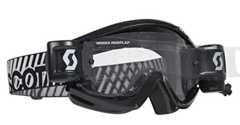 Scott Recoil Pro WFS Goggles | 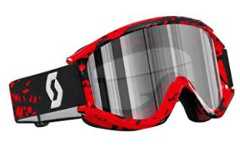 Scott Recoil XI Pro Tether Goggles | 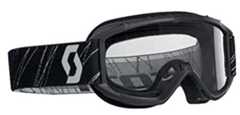 Scott Sports 89Si Youth Goggles (for kids) |
Should you wear goggles or glasses when sandboarding?
Eye protection can be a good idea if sandboarding outdoors, toavoid ending up with sand in your eyes as well as for protection from sun.
You especially should not underestimate the importance of wearingdesert goggles if you are in a desert with very fine moving sand or a windy beach, and they are essential for your safety if you arevolcano boarding. Finding yourself with tiny rock particles in your eyes is not fun.
Sandboarding accessories
Protecting your mouth and face
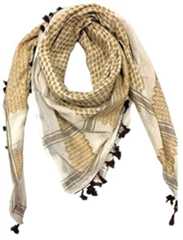
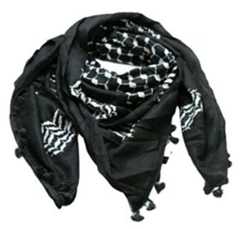
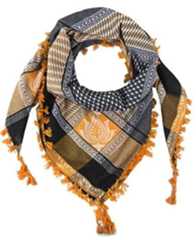
For better protection in the desert, wear a scarf around the bottom half of your face, covering both your nose and mouth, or get your hands on a trendybalaclava.
There is a reasonpeople who live in the desert wearShemagh headscarves / Keffiyeh, and you don’t want to end up with sand in your lungs.
It’s not essential to cover your mouth on smaller beach dunes, but it’s not a bad idea nonetheless.
Elbow and Knee Pads
It can be a good idea especially on steeper dunes to wearprotective gear set for your knees and elbows.
Once again, this extra layer of protection is needed for desert dunes where the sand can get really hot and for any type of terrain other than soft sand (e.g.land boarding,volcano boarding).
Helmet
In 2016, the use of a helmet has become mandatory in sandboarding andsand skiing competitions and events hosted by InterSands, including theSandboard World Cup that is held every year in Peru.
Thebest helmets for sand surfing are lightweight and optimized for ventilation – aSmith Powersports helmet or aTeamObsidian Airflow helmet, for example.
What else should you bring with you when sandboarding?
When it comes to clothing the rule of thumb is:the less, the better.
Everything that you will be wearing or carrying with you will end up being covered in sand, so don’t bring any valuables with you unless you are okay with that.
There are a few otherdesert hiking essentials you will need to have available when hitting the dunes, namely high-energy snacks and plenty of water.
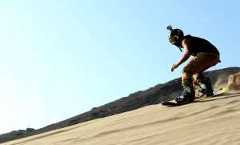
If you are an independent sandboarder in a remote area, anoutdoor sports first-aid kit is also a must, and isa travel insurance that covers sandboarding.
 Sandboarding Insurance
We receive a fee when you get a quote fromWorld Nomads using this link. We do not representWorld Nomads. This is not a recommendation to buy travel insurance. Activities covered may change based on your destination and country of residence.
Read also:Packing List for Going to the Desert

Cheri Sanders is an Arizona native, writer, and outdoor enthusiast who believes the best things in life are found off the beaten path—often with her dogs right beside her. Specializing in travel, outdoors, and beauty, Cheri chronicles the adventures of hiking the Southwest and beyond.
Leave a CommentCancel reply
You must belogged in to post a comment.