Basics Intermediate Advanced
aialgorithmsapibest-practicescareercommunitydatabasesdata-sciencedata-structuresdata-vizdevopsdjangodockereditorsflaskfront-endgamedevguimachine-learningnewsnumpyprojectspythonstdlibtestingtoolsweb-devweb-scraping
Core Python Language Tutorials
Mastering the Python programming language involves learning its syntax, data types, control structures, functions, and object-oriented features. Work with variables, loops, conditionals, and comprehensions to write expressive code. Python’s clear syntax and powerful built-ins let you focus on solving problems rather than managing complexity.
Free Bonus:Python Cheat Sheet
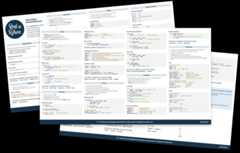
Get aPython Cheat Sheet (PDF) and learn the basics of Python 3, like working with data types, dictionaries, lists, and Python functions:
Advanced Python features likedecorators, generators, context managers, and metaclasses help you write more efficient code. Understand Python’s data model, work with modules and packages, and handle errors with exceptions. Apply these core language skills to any Python domain, from web development and data science to automation and scripting.
Note: Browse all resources below, or commit to our structured progression of guidedPython Learning Paths with progress tracking. Follow a curated collection of Learning Paths that walk you from beginner to advanced core Python topics to teach you to master the language.
Python is a high-level, interpreted programming language known for readability and versatility. Use it for web development, data analysis, machine learning, automation, scripting, and desktop applications. Major sites like Instagram, Spotify, and Netflix rely on Python.
Install Python from python.org or use an online environment. Learn basic syntax with variables, data types, loops, and functions. Practice with small programs, work through tutorials, and build simple projects. Start with the official Python tutorial or interactive platforms.
Python offers clear syntax, dynamic typing, automatic memory management, and a comprehensive standard library. It supports multiple programming paradigms including procedural, object-oriented, and functional. Python’s interpreted nature enables rapid development and testing.
Python 2 reached end-of-life in 2020 and no longer receives updates. Python 3 has better Unicode support, improved syntax, and modern features. Use Python 3 for all new projects. Most libraries now support only Python 3.
Usepip to install packages withpip install package_name. Createvirtual environments withvenv to isolate project dependencies. List installed packages withpip list and save requirements withpip freeze > requirements.txt. Usepip install -r requirements.txt to install dependencies.









Python Descriptors
Oct 14, 2025intermediatepython


What's New in Python 3.14
Oct 07, 2025intermediatepython