US9721473B2 - Asset tracking system - Google Patents
Asset tracking systemDownload PDFInfo
- Publication number
- US9721473B2 US9721473B2US13/006,319US201113006319AUS9721473B2US 9721473 B2US9721473 B2US 9721473B2US 201113006319 AUS201113006319 AUS 201113006319AUS 9721473 B2US9721473 B2US 9721473B2
- Authority
- US
- United States
- Prior art keywords
- entity
- position information
- vehicle
- information
- materials
- Prior art date
- Legal status (The legal status is an assumption and is not a legal conclusion. Google has not performed a legal analysis and makes no representation as to the accuracy of the status listed.)
- Active, expires
Links
- 238000012795verificationMethods0.000claimsabstractdescription94
- 238000012545processingMethods0.000claimsabstractdescription28
- 239000000463materialSubstances0.000claimsdescription100
- 238000005516engineering processMethods0.000description54
- 238000010586diagramMethods0.000description22
- 238000000034methodMethods0.000description15
- 239000004567concreteSubstances0.000description10
- 230000015654memoryEffects0.000description8
- 238000004891communicationMethods0.000description7
- ORILYTVJVMAKLC-UHFFFAOYSA-NAdamantaneNatural productsC1C(C2)CC3CC1CC2C3ORILYTVJVMAKLC-UHFFFAOYSA-N0.000description4
- 238000013500data storageMethods0.000description4
- 230000008878couplingEffects0.000description2
- 238000010168coupling processMethods0.000description2
- 238000005859coupling reactionMethods0.000description2
- 230000006870functionEffects0.000description2
- 238000007726management methodMethods0.000description2
- 230000005055memory storageEffects0.000description2
- 230000003287optical effectEffects0.000description2
- 230000008520organizationEffects0.000description2
- 230000008569processEffects0.000description2
- 230000004044responseEffects0.000description2
- 239000012615aggregateSubstances0.000description1
- 230000005540biological transmissionEffects0.000description1
- 239000011449brickSubstances0.000description1
- -1but not limited toSubstances0.000description1
- 230000001934delayEffects0.000description1
- 238000006073displacement reactionMethods0.000description1
- 239000004973liquid crystal related substanceSubstances0.000description1
- 238000012986modificationMethods0.000description1
- 230000004048modificationEffects0.000description1
- 238000012544monitoring processMethods0.000description1
- 230000002093peripheral effectEffects0.000description1
- 230000011664signalingEffects0.000description1
- 230000003068static effectEffects0.000description1
- 239000004575stoneSubstances0.000description1
- 238000012546transferMethods0.000description1
- 230000000007visual effectEffects0.000description1
Images



Classifications
- G—PHYSICS
- G08—SIGNALLING
- G08G—TRAFFIC CONTROL SYSTEMS
- G08G1/00—Traffic control systems for road vehicles
- G08G1/20—Monitoring the location of vehicles belonging to a group, e.g. fleet of vehicles, countable or determined number of vehicles
Definitions
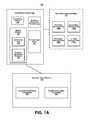
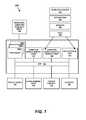
- FIG. 1Ais a block diagram of an example system for tracking assets, according to an embodiment of the present technology.
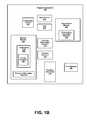
- FIG. 1Bis a block diagram of an example dispatching system for tracking an asset, according to an embodiment of the present technology.
- FIG. 1Cis a block diagram of an example movable object module for tracking an asset, according to an embodiment of the present technology.
- FIG. 1Dis a block diagram of an example viewing module of a non-owning entity, the viewing module for tracking an asset, according to an embodiment of the present technology.
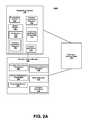
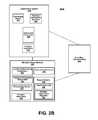
- FIG. 2Ais a block diagram of an example system for tracking assets, according to an embodiment of the present technology.
- FIG. 2Bis a block diagram of an example system for tracking assets, according to an embodiment of the present technology.
- FIG. 3Ais a diagram of an example operation of a system for tacking assets, according to an embodiment of the present technology.
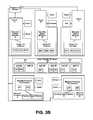
- FIG. 3Bis a diagram of an example operation of a system for tacking assets, according to an embodiment of the present technology.
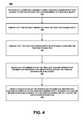
- FIG. 4is a flow diagram of a method for tracking assets, according to an embodiment of the present technology.
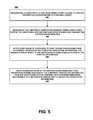
- FIG. 5is a flow diagram of a method for tracking assets, according to an embodiment of the present technology.
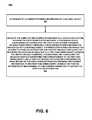
- FIG. 6is a flow diagram of a method for tracking assets, according to an embodiment of the present technology.
- FIG. 7is an example computer system, according to an embodiment of the present technology.
- the driver of the hauling vehiclemust manage multiple in-vehicle devices devoted to each material provider and/or manually shut down communication with one material provider in order to communicate exclusively with another material provider.
- Embodiments of the present technologyprovide a management solution for communicating with the hauling vehicles during material delivery.
- An embodimentuses a location determining component that continuously determines the hauling vehicle's location.
- the resulting tracking datasuch as position information, is automatically reported over a wireless connection to a dispatching center controlling the hauling vehicle fleet. While the data is then stored in a secure position data store at the dispatching center, the data remains accessible to entities that provide the proper verification information to the dispatching center.
- the material providerprovides the proper verification information
- past and current position informationis released from its stored secure location to the material provider.
- a material provider who has presented to the dispatching center proper identitysuch as verification information
- a material provider who is not able to present this proper verification informationwill not be given access to the same position information.
- different material providersare able to concurrently access position information relating to their own hauled material, without being able to view each others' position information.
- a movable object moduleallows drivers and dispatchers to communicate more effectively with time stamped messages regarding work status or delays.
- Dispatchersare shown real-time locations of each vehicle in a fleet of vehicles.
- An embodimentenables dispatchers to send and receive messages regarding the position information and vehicle fleet scheduling, generate reports and adjust schedules. Further, embodiments provide needed information for making intelligent business decisions that decrease operational costs and increase the customer's satisfaction.
- embodimentsprovide the real-time location of every vehicle hauling material without the need for driver involvement.
- Embodimentsprovide the dispatcher with information associated with all stages of the delivery cycle, such as but not limited to the following: driver ID login; ignition on/off; load time; depart/arrive plant; drive to the job; arrive at the job; the job wait time; the pour time; the washout time; the idle time after washout; and the time of departure for the job.
- the asset tracking system 100includes a dispatching system 102 and a movable object module 118 .
- the dispatching system 102is managed by an owner of the assets. In another embodiment, the dispatching system 102 , and/or a part thereof, is managed by a third party, other than an owner of the assets, an operator of the movable object and/or a material provider. In one embodiment, the dispatching system 102 is internal to the asset owner's systems. For example, the asset owner operates a system with which the dispatching system 102 is coupled. In another embodiment, the dispatching system 102 is external to the asset owner's system. For example, a third party operates the dispatching system 102 and communicates relevant information to the asset owner, movable objects and/or one or more of the plurality of non-owning entities.
- Relevant informationincludes, but is not limited to, all information relating to the operation of the movable objects and the relationship between the asset owner, movable objects and one or more non-owning entities (e.g. position information, reporting instructions, hauling instructions, requests for position information, requests for verification information and responses to requests for verification information, etc.).
- non-owning entitiese.g. position information, reporting instructions, hauling instructions, requests for position information, requests for verification information and responses to requests for verification information, etc.
- the dispatching system 102includes a processing device 104 , a position information receiver 112 , a position data store 114 and a report module 106 .
- the movable object module 118includes a location determining component 120 and a position information transmitter 122 .
- the processing device 104controls the dispatching system 102 .
- the position information receiver 112receives receiving position information associated with a movable object.
- a movable objectis any object that may be moved.
- a movable objectmay be a hauling truck, a delivery truck, a mail truck, a bus, a taxi, etc.
- the position informationis information of the current location of the movable object. Further, the position information may include the velocity of the movable object, and a time at which the movable object experiences the velocity at a certain location.
- the position data store 114stores the position information.
- the report module 106reports the position information to a non-owning entity. In one embodiment, the reporting is done wirelessly.
- owning entityrefers to the owner of the movable object, such as but not limited to, the owner of a hauling vehicle.
- non-owning entityrefers to an entity with whom the non-owning entity chooses to share its position information.
- the report module 106includes a verification unit 108 and a position information reporter 110 .
- the verification unit 108receives verification information corresponding to the non-owning entity.
- the verification informationis information that is communicated by the non-owning entity that signifies that that non-owning entity is privileged to view the requested position information.
- FIG. 1Ashows a set of non-owning entities 116 , including first non-owning entity 116 A, second non-owning entity 116 B, third non-owning entity 116 C and n . . . non-owning entity 116 n . . . . It should be appreciated that there may be any number of non-owning entities using the asset tracking system 100 of embodiments of the present technology.
- FIG. 1Bis a block diagram of an example dispatching system 102 for tracking assets, in accordance with an embodiment of the present technology.
- the verification information unit 108includes a pre-fix assigner 132 .
- the pre-fix assigner 132assigns a pre-fix as part of the verification information.
- the assigned pre-fixis associated with a transporter (e.g., hauling vehicle) of a material.
- the pre-fixmay be an abbreviation of Material Provider A of, for example, concrete, “opA”, combined with the abbreviation of Hauler A, “hA”, to achieve the combination, “opA-hA”. While abbreviations of the material provider and the hauler are shown herein to be “opA” and “hA”, respectively, it should be understood that any abbreviations may be used, for one or both the material provider and the hauler.
- the pre-fixis the totality of the verification information. In another embodiment, the pre-fix is just a part of the verification information. In one embodiment, the verification information includes a set of numbers. In another embodiment, the verification information includes a set of letters. Yet, in another embodiment, the verification information includes an alphanumeric code. In another embodiment, the verification information includes a set of numbers and letters. Of note, it should be appreciated that a reference to a set may be one or more characters in the set.
- the position information reporter 110upon receipt of the verification information, provides position information to the first non-owning entity 116 A, wherein the position information is inaccessible to a second non-owning entity, such as second non-owning entity 1168 , lacking the verification information.
- a second non-owning entitysuch as second non-owning entity 1168
- the position information reporter 110only the non-owning entity that has and communicates the verification information to the report module 106 (and in some embodiments, the position information reporter 110 ) is provided with the position information.
- the dispatching system 102includes an input device 124 that is coupled with the processing system 104 .
- the input device 124receives input.
- the inputmay be any form of communication that may be transmitted to the processing device 104 via an input device 124 .
- the input device 124may be but is not limited to a keyboard, mouse, touch screen, etc.
- the dispatching system 102includes a graphical user interface 126 (“GUI 126 ”) that is coupled with the processing device 104 .
- GUI 126graphical user interface 126
- the GUI 126is used to interact with the dispatching system 102 via the input device 124 . Further, the GUI 126 may be used to view ongoing operations within and/or interacting with the dispatching system without the use of an input device 124 .
- the dispatching system 102includes a request receiver 134 that is coupled with the processing device 104 .
- the request receiver 134receives a request from the non-owning entity for access to the position information.
- the dispatching system 102includes a termination module 128 .
- the termination module 128disables the position information reporter 110 .
- the termination module 128disables the report module 106 .
- the termination module 128includes a termination instruction receiver 130 .
- the termination instruction receiver 130receives an instruction to disable the position information reporter 110 (or the report module 106 in another embodiment) from an operator of the dispatching system.
- the termination module 128only responds to the operator of the dispatching system 102 .
- the termination module 128only responds to instructions from the movable object module 118 .
- the termination module 128responds to instructions from both the dispatching system 102 and the movable object module 118 .
- the dispatching system 102includes a time stamper 136 .
- the time stamper 136labels with a time of a continuous stream and/or a still view of position information that is provided from the movable object module 118 to the dispatching system 102 .
- the timeis the real time at which the still view and/or continuous stream is determined by the location determining component 120 .
- FIG. 1Cis a block diagram of an example movable object module 118 for tracking assets, in accordance with an embodiment of the present technology.
- the movable object module 118includes a location determining component 120 and a position information transmitter 122 .
- the location determining component 120determines the position information corresponding to the movable object.
- concreteis hauled by the movable object.
- the location determining component 120may be any device that is capable of determining the location of a stationary or moving object, for example but not limited to, a global navigational satellite system receiver.
- the position information transmitter 122is coupled with the location determining component 120 .
- the position information transmitter 122transmits the position information to the position information receiver 112 of the dispatching system 102 .
- the transmittingis performed wirelessly.
- the position informationis received by an application. In yet another embodiment, after being received by the application, the position information is then received by a dispatching system 102 .
- the applicationis internal to the dispatching system 102 . Yet in another embodiment, the application is external and remote from the dispatching system 102 .
- the movable object module 118includes a processing device 138 .
- the processing device 138controls the movable object module 118 , in one embodiment.
- the movable object module 118includes an instruction receiver 140 .
- the instruction receiver 140receives an instruction associated with the movable object, in one embodiment.
- the instructionincludes a hauling instruction.
- the hauling instructionrefers to any instruction that is related to a hauling agenda, such as but not limited to, a hauling beginning and ending location, routes, etc.
- the movable object module 118includes an input device 142 coupled with the processing device 138 .
- the input device 142receives input information.
- the movable object module 118includes a graphical user interface 144 (“GUI 144 ”) coupled with the processing device 138 .
- GUI 144graphical user interface
- the movable object module 118is coupled with a set of sensors 146 .
- Each sensor of the set of sensors 146collects status information associated with the movable object.
- the set of sensors 146may be one or more sensors.
- the term status information in the context of the set of sensors 146includes information such as but not limited various operational features of the movable object. For example, if the movable object is a concrete hauling truck, a sensor may detect the commencement and/or the termination of the pouring, the temperature of the concrete, the consistency of the concrete, etc. This information may also be reported to the dispatching system 102 via a status reporter coupled with the movable object module 118 .
- FIG. 1Dis a block diagram of an example viewing object module 148 for tracking assets, in accordance with an embodiment of the present technology.
- the viewing object module 148includes a position information requester 150 , a viewing privilege determiner 160 , a verification information receiver 152 , a verification information transmitter 166 and a receiver 154 .
- the position information requester 150requests access to position information corresponding to a movable object, wherein the position information is located at a dispatching system 102 .
- accessrefers to the ability to view the position information. This could either be through retrieving the information or being provided the information.
- the viewing privilege determiner 160establishes a viewing privilege of the non-owning requesting entity to view the position information. For example, once the position information requester 150 requests access to the position information, then a viewing privilege determiner 160 communicates with the dispatching system 102 to indicate that the non-owning entity with which the viewing object module 148 is coupled is allowed to view the position information.
- the dispatching system 102may receive a request from entity A for position information of the movable object carrying entity B's material. Once dispatching system 102 receives this request, the dispatching system 102 then communicates with entity B to make sure that entity B in fact wants to view the position information associated with the movable object. In this case, the dispatching system 102 may discover that entity B did not in fact request the position information.
- the viewing privilege determiner 160includes a viewing privilege determination request receiver 162 and a viewing privilege determination confirmer 164 .
- the viewing privilege determination request receiver 162receives a viewing privilege determination request from the dispatching system 102 .
- the viewing privilege determination confirmer 164confirms the viewing privilege for the viewing object module 148 of the position information.
- the verification information receiver 152after the viewing privilege is established, receives from the dispatching system 102 verification information corresponding to the position information of the movable object.
- the verification informationonce presented to the dispatching system 102 , enables access to the position information.
- the verification information transmitter 166presents the verification information to the dispatching system 102 .
- the receiver 154receives the position information after the verification information is presented to the dispatching system 102 .
- the position informationis inaccessible to a non-owning entity that lacks the verification information for presentation.
- the viewing object module 148includes an input device 156 such as the input devices described herein. In yet another embodiment, the viewing object module 148 includes a graphical user interface 158 (“GUI 158 ”), such as is described herein.
- GUI 158graphical user interface
- FIG. 2Ais a block diagram of an asset tracking system 200 A, according to one embodiment of the present technology.
- FIG. 2Ashows an asset tracking system 200 A in which both the dispatching system 202 and the movable object module 220 may report position information to a non-owning entity 218 .
- the asset tracking system 200 Aincludes a dispatching system 202 and a movable object module 220 .
- the dispatching system 202includes a processing device 204 , a position information receiver 212 , a position data store 216 , a report module 206 and a reporting instruction transmitter 214 .
- the movable object module 220includes a processing device 226 , a location determining component 222 , a position data store 232 , a position information transmitter 224 , a reporting instruction receiver 228 and a report module 230 .
- the processing device 204controls the dispatching system 200 A.
- the position information receiver 212receives position information associated with a movable object.
- the position data store 216stores the position information.
- the report module 206reports the position information to a first non-owning entity 218 .
- the report module 206includes a verification unit 208 and a position information reporter 210 as have already been described herein.
- the reporting instruction transmitter 214transmits a reporting instruction.
- the reporting instructiondirects the movable object module to report position information to a first non-owning entity 218 .
- the processing device 226 of the movable object module 220controls the movable object module 220 .
- the position data store 232stores the position information.
- the position information transmitter 224is coupled with the location determining component 222 , and transmits the position information to the position information receiver 212 .
- the reporting instruction receiver 228receives the reporting instruction.
- the report module 230reports the position information to the first non-owning entity 218 according to the reporting instruction.
- FIG. 2Bshows a block diagram of an example asset tracking system 200 B, in accordance with an embodiment of the present technology.
- the asset tracking system 200 Bincludes a dispatching system 234 and a movable object module 246 .
- FIG. 2Bshows an asset tracking system 200 B in which only the movable object module 246 may report position information to a non-owning entity.
- the dispatching system 234includes a processing device 236 , a position information receiver 238 , a first position data store 242 and an instruction transmitter 240 .
- the processing device 236controls the dispatching system 234 .
- the position information receiver 238receives position information associated with a movable object.
- the position data store 242stores the position information.
- the instruction transmitter 240transmits a reporting instruction to the movable object module 242 , instructing the movable object module 246 to report position information to the first non-owning entity 244 .
- the movable object module 246includes a processing device 252 , a location determining component 248 , a position data store 254 , a position information transmitter 250 , an instruction receiver 256 and a report module 258 .
- the processing device 252controls the movable object module 246 .
- the location determining component 248is coupled with the movable object and determines the position information corresponding to the movable object.
- the position information transmitter 250is coupled with the location determining component 248 and transmits the position information to the position information receiver 238 .
- the instruction receiver 256receives the reporting instructions from the dispatching system 234 , in which the movable object module 246 is instructed to report position information to the first non-owning entity 244 .
- the report module 258reports the position information to the first non-owning entity 244 .
- the report module 258includes a verification unit 260 and a position information reporter 262 .
- the verification unit 260receives verification information corresponding to the first non-owning entity 244 .
- the position information reporter 262upon receipt of the verification information, provides the position information to the first non-owning entity 244 , wherein the position information is inaccessible to a second non-owning entity lacking the verification information.
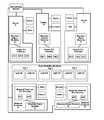
- FIG. 3Ashows a diagram of an example relationship between the dispatching system, the movable object modules coupled with hauling trucks and the viewing modules coupled with material provider, in one embodiment of the present technology.
- a hauling truckas a movable object is used herein for convenience.
- the movable objectmay be any sort of object that can move from one location to another.
- a movable objectmay be a bicycle, a mail truck, a city truck, a garbage truck, etc.
- FIG. 3Ashows Hauler A, Hauler B and Hauler C coupled with movable object module A, movable object module B and movable object module C, respectively.
- FIG. 3also shows dispatching system coupled with Haulers A, B and C and also coupled with Material Providers A and B.
- Data visibility windowsshow what data is accessible for the viewing of each material producer having the matching verification information.
- the data visibility windowsare labeled opA-hA, opB-hA, opA-hB, opB-hB, opA-hC and opB-hC.
- the pre-fix, for example, “opA” and “opB”, of each labelcorresponds to the organization of a particular material provider. In this case, “opA” represents organization material provider A.
- 3A and 3B(as will be described in detail herein) of, opA, for example, is representative of the verification information that must be presented to the dispatching system by the material provider A before the position information for the hauling trucks shown within the data visibility windows is made available to material provider A.
- the verification informationmay be numbers, letters, and/or symbols.
- Hauler Ais in control of three hauling trucks hA 1 , hA 2 and hA 3 .
- Hauler Bis in control of three hauling trucks hB 1 , hB 2 and hB 3 .
- Hauler Cis in control of three hauling trucks hC 1 , hC 2 and hC 3 .
- material provider Ais in control of two hauling trucks pA 1 and pA 2 .
- Provider Bis in control of two hauling trucks pB 1 and pB 2 .
- Viewing object modules A and Bare coupled with material providers A and B, respectively.
- the dispatcheris coupled with movable object modules A, B and C as well as viewing object modules A and B.
- certain people from a dispatching systemmaintain the privilege to access the information. In some cases, this may be an administrator of the hauling company. In another embodiment, it may be an operator/administrator of the dispatching system.
- thismay be an administrator of the hauling company. In another embodiment, it may be an operator/administrator of the dispatching system.
- Kevin and Ryanare shown to have access to Hauler A's position information.
- administration/operators/certain peoplehave access to Hauler A's position information
- a verification processmust be undertaken. For example and with reference to FIG. 3A , Kevin is granted viewing privileges of ohA, while Ryan is granted viewing privileges of ohA+opA-hA+opB-hA.
- Sashi and Christianare shown to have access to Hauler B's position information.
- John and Karenare shown to have access to material producer A's information. John is granted viewing privileges to opB, while Karen is granted viewing privileges to opA+opA-hA+opA-hB+opA-hC.
- Sanjay and Adamare shown to have access to material producer B's information. Sanjay is granted viewing privileges to opB, while Adam is granted viewing privileges to opB+opB-hA+opB-hB+opB-hC.
- the visibility of data for each personis determined to be the following: Kevin and Ryan are able to view hA 1 , hA 2 and hA 3 . Sashi and Christian are able to view hB 1 , hB 2 and hB 3 . Trevor and Sid are able to view hC 1 , hC 2 and hC 3 . John and Karen are able to view pA 1 and pA 2 . Sanjay and Adam are able to view pB 1 and pB 2 .
- FIG. 3Bshows a diagram of an example relationship and data viewing ability between the dispatching system, the movable object module and the material provider once hauling trucks have been assigned to haul a particular material of a particular material producer, given the aforementioned granted viewing privileges.
- Hauler Ais assigned trucks hA 1 and hA 2 to haul for Material Producer A.
- hA 3will haul for Hauler A.
- Hauler Bis assigned truck hB 1 to haul for Material Producer A.
- hB 2 and hB 3will haul for Material Producer B.
- Hauler Cis assigned truck hC 1 to haul for Material Producer A.
- hC 2will haul for material Producer B and hC 3 will haul for Hauler C.
- FIG. 3Bpresents a visual representation of what position information corresponding to a particular hauling vehicle each administrator and/or operator are allowed to view. Kevin is able to view just hA 3 , while Ryan is able to view hA 1 , hA 2 and hA 3 . Sashi is not able to view any information, while Christian is able to view hB 1 , hB 2 and hB 3 . Trevor is able to view hC 3 , while Sid is able to view hC 1 , hC 2 and hC 3 .
- Johnis able to view pA 1 and pA 2
- Karenis able to view pA 1 , pA 2 , hA 1 , hA 2 , hB 1 and hC 1
- Sanjayis able to view pB 1 and pB 2
- Adamis able to view pB 1 , pB 2 , hB 2 , hB 3 and hC 2 .
- embodiments of the present technologylimit the ability of one material producer to view the position information associated with the delivery of another material producer's material without the proper verification information being presented.
- Embodiments of the present technologyprovide a system for enabling a material provider to track a material's delivery route without revealing this route to other material providers that are using the same delivery company. Further, embodiments may be employed to send and receive messages regarding a shipment, generate reports and adjust schedules such that operational costs are reduced and customer satisfaction is increased.
- a dispatching system, a movable object module and a viewing object moduleoperate concurrently to enable close and secure monitoring of a material's delivery.
- Material Provider Acontracts with Hauler A to haul concrete to site A.
- Material Provider Ais equipped with a viewing object module, in accordance with embodiments of the present technology.
- Hauler Ais equipped with a dispatching system A, in accordance with embodiments of the present technology.
- Hauler A's Hauling Vehicle Athat will haul the concrete from Material Provider A's plant to site A is also equipped with a movable object module, in accordance with embodiments of the present technology.
- Material Provider Awishes to follow the delivery route of Hauling Vehicle A to site A.
- Material Provider Arequests of Dispatcher A access to position information A that corresponds to Hauling Vehicle A.
- Dispatcher Areceives this request for access.
- Dispatcher Athen sends a verification message to Material Provider A in an effort to determine if in fact Material Provider A had in fact requested access and wishes to view the position information for Hauling Vehicle A.
- Material Provider Areceives this verification message and returns a message to Dispatcher A that Material Provider A did indeed send the access request and wishes to view the position information for Hauling Vehicle A. Dispatcher A then determines if Material Provider A is allowed to view Hauling Vehicle A's position information. Once positively determined, Dispatcher A assigns and sends to Material Provider A unique verification information that Material Provider A must present to Dispatcher A before any position information for Hauling Vehicle A is made available.
- Material Provider Apresents to Dispatcher A the verification information. Upon presentation of this verification information, Dispatcher A makes available to Material Provider A the position information for Hauling Vehicle A. In one embodiment, Dispatcher A sends this position information to Material Provider A. In another embodiment, Material Provider A retrieves the position information from Hauling Vehicle A.
- a Material Providerwill not be provided access to requested position information. Additionally, multiple Material Providers may access the same position information, given the presentation of unique verification information, in order to monitor the delivery of a shipment.
- Material Producer A and Bboth use the same hauling vehicle throughout the day to ship its' material. Without requiring intervention by the hauling vehicle's operator, embodiments of the present technology enable both Material Producers A and B to track the same vehicle throughout the day for as long as the owning entity of the hauling vehicle permits. In one embodiment, the extent of this access begins and ends with the beginning and ending of the material's route to the delivery site.
- only Hauler Amay decide to terminate Material Provider A's access to the position information for Hauling Vehicle A. Hauler A does not have to request permission from Material Provider A to terminate this access.
- Communication of the foregoing requests and responsesin one embodiment, is performed wirelessly via email. Records are kept of the communications.
- the dispatching systemis located at the owning entity, such as Hauler A. In another embodiment, the dispatching system is located external to the owning entity. The people administering the dispatching system may or may not be employed by the owning entity.
- FIG. 4is a flow diagram of a method 400 for tracking assets during delivery, according to an embodiment of the present technology. The method 400 is described below with reference to FIGS. 1A-3B .
- a requestis received, by a computer, from a first non-owning entity for access to position information corresponding to a movable object.
- the request of 402is verified that it originates from the first non-owning entity.
- the first non-owning entityis privileged to receive the position information.
- verification information necessary for presentationis assigned before the position information is released.
- a pre-fix as part of the verification informationis assigned. The pre-fix is associated with a transporter of the movable object.
- the position informationupon a presentation of the verification information, is reported to the first non-owning entity. However, the position information is inaccessible to a second non-owning entity lacking the verification information.
- FIG. 5is a flow diagram of a method 500 for tracking assets during delivery, according to an embodiment of the present technology. The method 500 is described below with reference to FIGS. 1A-3B .
- access to position information corresponding to a movable objectis requested by a computer at a first non-owning entity.
- a verification requestis received by a computer from the dispatching system.
- the dispatching systemstores and transmits the position information.
- verification informationis received by the computer.
- the presentation of this verification information to the dispatching systemthen enables access t the position information stored thereon.
- the verification information that is receivedis a pre-fix, wherein the pre-fix is associated with a transporter of the movable object.
- position informationis received by the computer from the dispatching system.
- this position informationis inaccessible to a second non-owning entity lacking the verification information. on a determination of the privilege, verification information.
- FIG. 6is a flow diagram of a method 600 for tracking assets during delivery, according to an embodiment of the present technology. The method 600 is described below with reference to FIGS. 1A-3B .
- position information of a movable objectis determined by a computer.
- the position informationis sent to a dispatching system.
- the dispatching systemincludes, and as described with reference to at least FIG. 1A , a processor, a position information receiver, a position data store and a report module.
- FIG. 7portions of the technology for tracking assets during delivery are composed of computer-readable and computer-executable instructions that reside, for example, in computer-readable storage media of a computer system. That is, FIG. 7 illustrates one example of a type of computer that can be used to implement embodiments, which are discussed below, of the present technology.
- FIG. 7illustrates an example computer system 700 used in accordance with embodiments of the present technology. It is appreciated that system 700 of FIG. 7 is an example only and that the present technology can operate on or within a number of different computer systems including general purpose networked computer systems, embedded computer systems, routers, switches, server devices, user devices, various intermediate devices/artifacts, stand alone computer systems, and the like. As shown in FIG. 7 , computer system 700 of FIG. 7 is well adapted to having peripheral computer readable media 702 such as, for example, a floppy disk, a compact disc, and the like coupled thereto.
- peripheral computer readable media 702such as, for example, a floppy disk, a compact disc, and the like coupled thereto.
- System 700 of FIG. 7includes an address/data bus 704 for communicating information, and a processor 706 A coupled to bus 704 for processing information and instructions. As depicted in FIG. 7 , system 700 is also well suited to a multi-processor environment in which a plurality of processors 706 A, 706 B, and 706 C are present. Conversely, system 700 is also well suited to having a single processor such as, for example, processor 706 A. Processors 706 A, 706 B, and 706 C may be any of various types of microprocessors. System 700 also includes data storage features such as a computer usable volatile memory 708 , e.g. random access memory (RAM), coupled to bus 704 for storing information and instructions for processors 706 A, 706 B, and 706 C.
- RAMrandom access memory
- System 700also includes computer usable non-volatile memory 710 , e.g. read only memory (ROM), coupled to bus 704 for storing static information and instructions for processors 706 A, 706 B, and 706 C. Also present in system 700 is a data storage unit 712 (e.g., a magnetic or optical disk and disk drive) coupled to bus 704 for storing information and instructions. System 700 also includes an optional alphanumeric input device 714 including alphanumeric and function keys coupled to bus 704 for communicating information and command selections to processor 706 A or processors 706 A, 706 B, and 706 C.
- ROMread only memory
- data storage unit 712e.g., a magnetic or optical disk and disk drive
- System 700also includes an optional alphanumeric input device 714 including alphanumeric and function keys coupled to bus 704 for communicating information and command selections to processor 706 A or processors 706 A, 706 B, and 706 C.
- System 700also includes an optional cursor control device 716 coupled to bus 704 for communicating user input information and command selections to processor 706 A or processors 706 A, 706 B, and 706 C.
- System 700 of the present embodimentalso includes an optional display device 718 coupled to bus 704 for displaying information.
- optional display device 718 of FIG. 7may be a liquid crystal device, cathode ray tube, plasma display device or other display device suitable for creating graphic images and alphanumeric characters recognizable to a user.
- Optional cursor control device 716allows the computer user to dynamically signal the movement of a visible symbol (cursor) on a display screen of display device 718 .
- cursor control device 716are known in the art including a trackball, mouse, touch pad, joystick or special keys on alpha-numeric input device 714 capable of signaling movement of a given direction or manner of displacement.
- a cursorcan be directed and/or activated via input from alpha-numeric input device 714 using special keys and key sequence commands.
- System 700is also well suited to having a cursor directed by other means such as, for example, voice commands.
- System 700also includes an I/O device 720 for coupling system 700 with external entities.
- I/O device 720is a modem for enabling wired or wireless communications between system 700 and an external network such as, but not limited to, the Internet. A more detailed discussion of the present technology is found below.
- an operating system 722when present, an operating system 722 , applications 724 , modules 726 , and data 728 are shown as typically residing in one or some combination of computer usable volatile memory 708 , e.g. random access memory (RAM), and data storage unit 712 .
- RAMrandom access memory
- operating system 722may be stored in other locations such as on a network or on a flash drive; and that further, operating system 722 may be accessed from a remote location via, for example, a coupling to the internet.
- the present technologyfor example, is stored as an application 724 or module 726 in memory locations within RAM 708 and memory areas within data storage unit 712 .
- the present technologymay be applied to one or more elements of described system 700 .
- a method for identifying a device associated with a transfer of contentmay be applied to operating system 722 , applications 724 , modules 726 , and/or data 728 .
- the computing system 700is only one example of a suitable computing environment and is not intended to suggest any limitation as to the scope of use or functionality of the present technology. Neither should the computing environment 700 be interpreted as having any dependency or requirement relating to any one or combination of components illustrated in the example computing system 700 .
- the present technologymay be described in the general context of computer-executable instructions, such as program modules, being executed by a computer.
- program modulesinclude routines, programs, objects, components, data structures, etc., that perform particular tasks or implement particular abstract data types.
- the present technologymay also be practiced in distributed computing environments where tasks are performed by remote processing devices that are linked through a communications network.
- program modulesmay be located in both local and remote computer-storage media including memory-storage devices.
- the present technologymay be described in the general context of computer-executable instructions, such as program modules, being executed by a computer.
- program modulesinclude routines, programs, objects, components, data structures, etc., that perform particular tasks or implement particular abstract data types.
- the present technologymay also be practiced in distributed computing environments where tasks are performed by remote processing devices that are linked through a communications network.
- program modulesmay be located in both local and remote computer-storage media including memory-storage devices.
Landscapes
- Physics & Mathematics (AREA)
- General Physics & Mathematics (AREA)
- Management, Administration, Business Operations System, And Electronic Commerce (AREA)
Abstract
Description
Claims (18)
Priority Applications (1)
| Application Number | Priority Date | Filing Date | Title |
|---|---|---|---|
| US13/006,319US9721473B2 (en) | 2011-01-13 | 2011-01-13 | Asset tracking system |
Applications Claiming Priority (1)
| Application Number | Priority Date | Filing Date | Title |
|---|---|---|---|
| US13/006,319US9721473B2 (en) | 2011-01-13 | 2011-01-13 | Asset tracking system |
Publications (2)
| Publication Number | Publication Date |
|---|---|
| US20120185168A1 US20120185168A1 (en) | 2012-07-19 |
| US9721473B2true US9721473B2 (en) | 2017-08-01 |
Family
ID=46491414
Family Applications (1)
| Application Number | Title | Priority Date | Filing Date |
|---|---|---|---|
| US13/006,319Active2033-05-04US9721473B2 (en) | 2011-01-13 | 2011-01-13 | Asset tracking system |
Country Status (1)
| Country | Link |
|---|---|
| US (1) | US9721473B2 (en) |
Families Citing this family (3)
| Publication number | Priority date | Publication date | Assignee | Title |
|---|---|---|---|---|
| US10613524B2 (en)* | 2016-01-15 | 2020-04-07 | Caterpillar Paving Products Inc. | Truck process management tool for transport operations |
| US10474338B2 (en) | 2016-01-15 | 2019-11-12 | Caterpillar Paving Products Inc. | Control system for coordinating paving operations |
| US10990245B2 (en) | 2016-01-15 | 2021-04-27 | Caterpillar Paving Products Inc. | Mobile process management tool for paving operations |
Citations (24)
| Publication number | Priority date | Publication date | Assignee | Title |
|---|---|---|---|---|
| US20030038713A1 (en)* | 2001-07-17 | 2003-02-27 | Plude Leo W. | Cargo door electrical control and warning indication system and method of use |
| US6580367B2 (en)* | 2001-01-02 | 2003-06-17 | John Edward Roach | Vehicle information dispatch system |
| US6611755B1 (en) | 1999-12-19 | 2003-08-26 | Trimble Navigation Ltd. | Vehicle tracking, communication and fleet management system |
| US20040008103A1 (en)* | 2002-07-15 | 2004-01-15 | Delphi Technologies, Inc. | Vehicle security system |
| US20040181495A1 (en)* | 2003-01-21 | 2004-09-16 | Bernard Grush | Method and apparatus for a satellite positioning-based metering system for use in transport-related applications |
| US20050109845A1 (en)* | 2001-10-12 | 2005-05-26 | Touraj Ghaffari | Real time total asset visibility system |
| US20050131645A1 (en)* | 2003-06-09 | 2005-06-16 | Panopoulos Peter J. | Machine having automatic transport with scanning and GPS functions |
| US7019639B2 (en)* | 2003-02-03 | 2006-03-28 | Ingrid, Inc. | RFID based security network |
| US20060085235A1 (en)* | 2004-08-19 | 2006-04-20 | Huy Nguyen | Inventory mitigation and balancing system for dynamically and iteratively tracking, matching, and exchanging inventory excess and storage |
| US20060182055A1 (en)* | 2000-09-11 | 2006-08-17 | Coffee John R | Location aware wireless data gateway |
| US20060224797A1 (en)* | 2005-04-01 | 2006-10-05 | Parish Warren G | Command and Control Architecture |
| US20070268155A1 (en)* | 2006-05-22 | 2007-11-22 | Phelps Dodge Corporation | Position tracking and proximity warning system |
| US7342497B2 (en)* | 2004-08-26 | 2008-03-11 | Avante International Technology, Inc | Object monitoring, locating, and tracking system employing RFID devices |
| US20080189069A1 (en)* | 2007-01-18 | 2008-08-07 | James Hans Beck | Comprehensive workflow management system for creating and managing closed-loop tasks for businesses and organizations |
| US20080234878A1 (en)* | 1993-06-08 | 2008-09-25 | Raymond Anthony Joao | Control, monitoring and/or security apparatus and method |
| US20080262646A1 (en)* | 2002-06-11 | 2008-10-23 | Intelligent Technologies International, Inc. | Package Tracking Techniques |
| US20090198371A1 (en)* | 2008-02-01 | 2009-08-06 | Emanuel David C | Apparatus and method for asset tracking |
| US20090307039A1 (en)* | 2008-06-09 | 2009-12-10 | Nathaniel Seeds | System and method for managing work instructions for vehicles |
| US20100185524A1 (en)* | 2003-10-03 | 2010-07-22 | General Motors Corporation | Telematics unit and method for operating |
| US20110295724A1 (en)* | 2010-04-30 | 2011-12-01 | DataScan Technologies, LLC | Methods and systems for tracking and monitoring inventory |
| US20120095926A1 (en)* | 2010-09-30 | 2012-04-19 | International Business Machines Corporation | Method of Managing Asset Associated with Work Order or Element Associated with Asset, and System and Computer Program for the Same |
| US8384542B1 (en)* | 2010-04-16 | 2013-02-26 | Kontek Industries, Inc. | Autonomous and federated sensory subsystems and networks for security systems |
| US8386324B2 (en)* | 2004-12-30 | 2013-02-26 | Sap Aktiengesellschaft | Distributed management service for an auto-identification system |
| US8965670B2 (en)* | 2009-03-27 | 2015-02-24 | Hti Ip, L.L.C. | Method and system for automatically selecting and displaying traffic images |
- 2011
- 2011-01-13USUS13/006,319patent/US9721473B2/enactiveActive
Patent Citations (28)
| Publication number | Priority date | Publication date | Assignee | Title |
|---|---|---|---|---|
| US20080234878A1 (en)* | 1993-06-08 | 2008-09-25 | Raymond Anthony Joao | Control, monitoring and/or security apparatus and method |
| US6892131B2 (en) | 1999-12-19 | 2005-05-10 | Trimble Navigation Limited | Vehicle tracking, communication and fleet management system |
| US6611755B1 (en) | 1999-12-19 | 2003-08-26 | Trimble Navigation Ltd. | Vehicle tracking, communication and fleet management system |
| US7489993B2 (en)* | 1999-12-19 | 2009-02-10 | Trimble Navigation Limited | Vehicle tracking, communication and fleet management system |
| US20060182055A1 (en)* | 2000-09-11 | 2006-08-17 | Coffee John R | Location aware wireless data gateway |
| US6580367B2 (en)* | 2001-01-02 | 2003-06-17 | John Edward Roach | Vehicle information dispatch system |
| US6633239B2 (en) | 2001-07-17 | 2003-10-14 | The Boeing Company | Cargo door electrical control and warning indication system and method of use |
| US20030038713A1 (en)* | 2001-07-17 | 2003-02-27 | Plude Leo W. | Cargo door electrical control and warning indication system and method of use |
| US20050109845A1 (en)* | 2001-10-12 | 2005-05-26 | Touraj Ghaffari | Real time total asset visibility system |
| US8047432B2 (en) | 2002-06-11 | 2011-11-01 | Intelligent Technologies International, Inc. | Package tracking techniques |
| US20080262646A1 (en)* | 2002-06-11 | 2008-10-23 | Intelligent Technologies International, Inc. | Package Tracking Techniques |
| US20040008103A1 (en)* | 2002-07-15 | 2004-01-15 | Delphi Technologies, Inc. | Vehicle security system |
| US20040181495A1 (en)* | 2003-01-21 | 2004-09-16 | Bernard Grush | Method and apparatus for a satellite positioning-based metering system for use in transport-related applications |
| US7019639B2 (en)* | 2003-02-03 | 2006-03-28 | Ingrid, Inc. | RFID based security network |
| US20050131645A1 (en)* | 2003-06-09 | 2005-06-16 | Panopoulos Peter J. | Machine having automatic transport with scanning and GPS functions |
| US20100185524A1 (en)* | 2003-10-03 | 2010-07-22 | General Motors Corporation | Telematics unit and method for operating |
| US20060085235A1 (en)* | 2004-08-19 | 2006-04-20 | Huy Nguyen | Inventory mitigation and balancing system for dynamically and iteratively tracking, matching, and exchanging inventory excess and storage |
| US7342497B2 (en)* | 2004-08-26 | 2008-03-11 | Avante International Technology, Inc | Object monitoring, locating, and tracking system employing RFID devices |
| US8386324B2 (en)* | 2004-12-30 | 2013-02-26 | Sap Aktiengesellschaft | Distributed management service for an auto-identification system |
| US20060224797A1 (en)* | 2005-04-01 | 2006-10-05 | Parish Warren G | Command and Control Architecture |
| US20070268155A1 (en)* | 2006-05-22 | 2007-11-22 | Phelps Dodge Corporation | Position tracking and proximity warning system |
| US20080189069A1 (en)* | 2007-01-18 | 2008-08-07 | James Hans Beck | Comprehensive workflow management system for creating and managing closed-loop tasks for businesses and organizations |
| US20090198371A1 (en)* | 2008-02-01 | 2009-08-06 | Emanuel David C | Apparatus and method for asset tracking |
| US20090307039A1 (en)* | 2008-06-09 | 2009-12-10 | Nathaniel Seeds | System and method for managing work instructions for vehicles |
| US8965670B2 (en)* | 2009-03-27 | 2015-02-24 | Hti Ip, L.L.C. | Method and system for automatically selecting and displaying traffic images |
| US8384542B1 (en)* | 2010-04-16 | 2013-02-26 | Kontek Industries, Inc. | Autonomous and federated sensory subsystems and networks for security systems |
| US20110295724A1 (en)* | 2010-04-30 | 2011-12-01 | DataScan Technologies, LLC | Methods and systems for tracking and monitoring inventory |
| US20120095926A1 (en)* | 2010-09-30 | 2012-04-19 | International Business Machines Corporation | Method of Managing Asset Associated with Work Order or Element Associated with Asset, and System and Computer Program for the Same |
Also Published As
| Publication number | Publication date |
|---|---|
| US20120185168A1 (en) | 2012-07-19 |
Similar Documents
| Publication | Publication Date | Title |
|---|---|---|
| US8452713B2 (en) | Computerized system and method for matching freight vehicles and loads | |
| CN101315731B (en) | System for implementing vehicle monitoring scheduling by GPS intelligent vehicle mounted terminal | |
| US7479899B2 (en) | Notification systems and methods enabling a response to cause connection between a notified PCD and a delivery or pickup representative | |
| US9990845B2 (en) | Communications platform for facilitating efficient container transport | |
| CA3073908C (en) | Service call-ahead system and method | |
| US8990908B1 (en) | Multi-domain login and messaging | |
| CN111527509A (en) | tracking system and method | |
| US20190026658A1 (en) | Connected user communication and interface system with travel interruption service | |
| US9721473B2 (en) | Asset tracking system | |
| US20140244444A1 (en) | Paperless Ticketing System | |
| US9812010B1 (en) | Method, system and computer program product for law enforcement | |
| US20220405691A1 (en) | Electronic Logging Device Exempt Digital Fleet Management Solution | |
| JP7451117B2 (en) | Vehicle dispatch management device, vehicle dispatch management method, vehicle dispatch management system and program | |
| US12345543B2 (en) | Patrol management system | |
| CN109425874A (en) | A kind of logistic Monitoring and managing system based on the enhancing of Beidou ground and Internet of Things fusion | |
| CN1437149A (en) | Logistic Monitoring and managing system and method | |
| US9452854B1 (en) | System and methods for managing and tracking controlled material movement | |
| Haasis et al. | Cloud-based eBusiness standardization in the maritime supply chain | |
| Sheckler | Connecting Work Zones in Western New York: Real-Time, Real-Presence Work Zone Status for Efficient and Safe Driving | |
| CA3073155A1 (en) | Systems and methods for filling driver positions | |
| Kaliada et al. | Information technologies in the field of transport | |
| WO2024100758A1 (en) | Data provision system, data provision method, and recording medium | |
| Gerni | Washington, DC 20590 Subject: Response to Automated Driving System Demonstration Grants, NOFO# 693JJ319NF00001 Dear Sarah Tarpgaard: The Virginia Tech Transportation Institute (VTTI) is pleased to present this proposal entitled | |
| TW202238462A (en) | Staff dispatching system allowing the internal staff to fully grasp the progress of each case and the dispatched staff in the field | |
| Liao | Managing taxi service operations based on the automatic vehicle location and dispatch system and wireless communication technology |
Legal Events
| Date | Code | Title | Description |
|---|---|---|---|
| AS | Assignment | Owner name:TRIMBLE NAVIGATION LIMITED, CALIFORNIA Free format text:ASSIGNMENT OF ASSIGNORS INTEREST;ASSIGNORS:PATEL, SANJAYKUMAR R.;BRAMER, GLENN;HARRIS, J. TREVOR;AND OTHERS;REEL/FRAME:025637/0550 Effective date:20110113 | |
| FEPP | Fee payment procedure | Free format text:PAYOR NUMBER ASSIGNED (ORIGINAL EVENT CODE: ASPN); ENTITY STATUS OF PATENT OWNER: LARGE ENTITY | |
| AS | Assignment | Owner name:TRIMBLE INC., CALIFORNIA Free format text:MERGER AND CHANGE OF NAME;ASSIGNORS:TRIMBLE NAVIGATION LIMITED;TRIMBLE INC.;REEL/FRAME:042004/0744 Effective date:20160930 | |
| STCF | Information on status: patent grant | Free format text:PATENTED CASE | |
| MAFP | Maintenance fee payment | Free format text:PAYMENT OF MAINTENANCE FEE, 4TH YEAR, LARGE ENTITY (ORIGINAL EVENT CODE: M1551); ENTITY STATUS OF PATENT OWNER: LARGE ENTITY Year of fee payment:4 | |
| MAFP | Maintenance fee payment | Free format text:PAYMENT OF MAINTENANCE FEE, 8TH YEAR, LARGE ENTITY (ORIGINAL EVENT CODE: M1552); ENTITY STATUS OF PATENT OWNER: LARGE ENTITY Year of fee payment:8 |