US8965629B2 - Systems and methods for confirming a potentially unintended command given to a vehicle - Google Patents
Systems and methods for confirming a potentially unintended command given to a vehicleDownload PDFInfo
- Publication number
- US8965629B2 US8965629B2US13/494,116US201213494116AUS8965629B2US 8965629 B2US8965629 B2US 8965629B2US 201213494116 AUS201213494116 AUS 201213494116AUS 8965629 B2US8965629 B2US 8965629B2
- Authority
- US
- United States
- Prior art keywords
- vehicle
- command
- operator
- closure
- processor
- Prior art date
- Legal status (The legal status is an assumption and is not a legal conclusion. Google has not performed a legal analysis and makes no representation as to the accuracy of the status listed.)
- Active, expires
Links
- 238000000034methodMethods0.000titleclaimsabstractdescription58
- 238000004891communicationMethods0.000claimsdescription35
- 238000012790confirmationMethods0.000claimsdescription28
- 230000005540biological transmissionEffects0.000claimsdescription24
- 230000007246mechanismEffects0.000claimsdescription10
- 230000004044responseEffects0.000claimsdescription6
- 230000000007visual effectEffects0.000claimsdescription2
- 230000002401inhibitory effectEffects0.000claims1
- 230000009471actionEffects0.000description7
- 230000037361pathwayEffects0.000description7
- 238000010586diagramMethods0.000description4
- 230000008859changeEffects0.000description3
- 230000008569processEffects0.000description3
- 230000008878couplingEffects0.000description2
- 238000010168coupling processMethods0.000description2
- 238000005859coupling reactionMethods0.000description2
- 230000000903blocking effectEffects0.000description1
- 230000000981bystanderEffects0.000description1
- 238000004590computer programMethods0.000description1
- 230000000694effectsEffects0.000description1
- 238000005516engineering processMethods0.000description1
- 230000006870functionEffects0.000description1
- 239000004973liquid crystal related substanceSubstances0.000description1
- 238000012544monitoring processMethods0.000description1
- 238000012545processingMethods0.000description1
Images


Classifications
- B—PERFORMING OPERATIONS; TRANSPORTING
- B60—VEHICLES IN GENERAL
- B60R—VEHICLES, VEHICLE FITTINGS, OR VEHICLE PARTS, NOT OTHERWISE PROVIDED FOR
- B60R16/00—Electric or fluid circuits specially adapted for vehicles and not otherwise provided for; Arrangement of elements of electric or fluid circuits specially adapted for vehicles and not otherwise provided for
- B60R16/02—Electric or fluid circuits specially adapted for vehicles and not otherwise provided for; Arrangement of elements of electric or fluid circuits specially adapted for vehicles and not otherwise provided for electric constitutive elements
Definitions
- the technical fieldgenerally relates to vehicles, and more particularly relates to systems and methods for confirming a potentially unintended command given to a vehicle by an operator.
- Vehicle owners/operatorssend commands to their vehicles on a regular and recurring basis. Examples of sending commands to a vehicle include using a key fob to lock the doors of a vehicle or to open the rear hatch. Other examples include using a gear shift to change the state of the vehicle's transmission from park to drive or to reverse or to some other gear.
- the condition of a vehicle or a system of the vehicleis inconsistent or conflicting with the command that the vehicle owner/operator has given. For example, if the driver puts the transmission in drive or reverse while the vehicle's rear hatch is raised, it's likely that the driver has forgotten that the rear hatch is raised because drivers/vehicle operators typically prefer to have the rear hatch of a vehicle in a closed state when driving the vehicle. Similarly, if the driver locks the vehicle's doors while a door of the vehicle is in an open state, the driver has probably forgotten that the door is open because most vehicle owners/operators typically prefer to have all of the doors and hatches of a vehicle in a closed state when locking the vehicle.
- a command given to the vehiclemay have been given unintentionally.
- a vehicle owner/operator or some other personmay accidentally depress a button on a key fob (e.g., accidentally sitting on a key fob, a small child playing with a key fob, etc.). This action can lead to unintentionally raising a power operated door or rear hatch at times when raising/opening such closures is undesired.
- a driverdeliberately actuates a power operated closure at a time when the closure's pathway is obstructed by an obstacle.
- An example of thiswould be a vehicle having a power operated rear hatch that is parked to close to a lamp post or a bystander.
- a minivan having a power operated side doormay be parked too close to an adjacent vehicle.
- a system and method for confirming a potentially unintended command given to a vehicleare disclosed herein.
- the methodincludes, but is not limited to, receiving a command from an operator configured to cause actuation of a vehicle system.
- the methodfurther includes, but is not limited to, detecting a condition of the vehicle.
- the methodfurther includes, but is not limited to, determining, with a processor, that the command is inconsistent or conflicting with the condition.
- the methodstill further includes, but is not limited to alerting the operator that the command is inconsistent or conflicting with the condition.
- the methodincludes, but is not limited to, receiving a command from an operator configured to cause actuation of a vehicle system.
- the methodfurther includes, but is not limited to, detecting a condition of a rear hatch of the vehicle.
- the methodfurther includes, but is not limited to, determining, with a processor, that the command is inconsistent or conflicting with the condition of the rear hatch.
- the methodfurther includes, but is not limited to, alerting the operator that the command is inconsistent or conflicting with the condition of the rear hatch.
- the methodstill further includes, but is not limited to, actuating the vehicle system when a confirmation of the command is received from the operator.
- the systemincludes, but is not limited to, a sensor that is associated with the vehicle and that is configured to detect a condition of the vehicle.
- the systemfurther includes, but is not limited to, a communication device that is configured to alert an operator associated with the vehicle.
- the systemstill further includes, but is not limited to, a processor that is communicatively coupled with the sensor and that is communicatively coupled with the communication device.
- the sensoris further configured to communicate the condition to the processor.
- the processoris configured to receive a command from the operator, to determine when the command is inconsistent or conflicting with the condition, and to control the communication device to notify the operator that the command is inconsistent or conflicting with the condition.
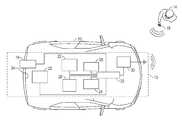
- FIG. 1is a schematic view of a system for confirming a potentially unintended command given to a vehicle, in accordance with an embodiment
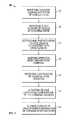
- FIG. 2is a flow diagram illustrating a method for confirming a potentially unintended command given to a vehicle, in accordance with an embodiment
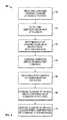
- FIG. 3is a flow diagram illustrating a method for confirming a potentially unintended command given to a vehicle, in accordance with another embodiment
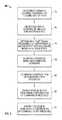
- FIG. 4is a flow diagram illustrating a method for confirming a potentially unintended command given to a vehicle, in accordance with another embodiment.
- FIG. 5is a flow diagram illustrating a method for confirming a potentially unintended command given to a vehicle, in accordance with yet another embodiment.
- the systemincludes one or more sensors and a processor.
- the sensorsare communicatively coupled to the processor.
- the systemalso includes a communication device, such as a transceiver, that is communicatively coupled to the processor.
- the systemmay further include a display unit or other device configured to communicate with a vehicle occupant.
- the sensorsare configured to monitor various conditions of various systems of the vehicle. For example, one sensor may be configured to monitor one or more vehicle closures and to detect when the vehicle closure is in an open or closed state. Another sensor may be configured to monitor the vehicle's transmission and to determine what gear the vehicle's transmission is in and when a gear change has been requested by the vehicle's operator. Another sensor may be configured to monitor the vehicle's ignition and to detect if the vehicle is in an on state or an off state. Another sensor may be configured to detect obstacles in the vicinity of the vehicle's closures.
- the transceiveris configured to receive commands from the vehicle owner/operator.
- the vehicle owner/operatormay use a key fob or smart phone to issue commands to the vehicle. Those commands are received by the transceiver and delivered to the processor.
- the transceivermay be further configured to transmit communications to the key fob and/or smart phone.
- the processoris configured to obtain information relating to the condition(s) of the one or more systems of the vehicle from the one or more sensors monitoring the various systems, to receive the command issued by the vehicle owner/operator, and to determine whether the command is inconsistent with one or more of the conditions detected by the sensors.
- An example of a command that would be inconsistent with a condition of the vehicleis a command to change the transmission from park to drive when a rear hatch or other closure of the vehicle is in an open state.
- Another exampleis a command to open the vehicle's rear hatch when the vehicle is off or when there is an obstacle blocking the pathway of the rear hatch.
- Another exampleis a command to lock the vehicle's doors when one or more of the doors or other closures are in an open state. It should be understood that this is not an exhaustive list and that other examples are possible.
- the term “potentially unintentional command”shall refer to a command that is inconsistent with a condition of the vehicle.
- the processorWhen a potentially unintentional command is received, the processor is configured to initiate communications with the vehicle owner/operator to alert the vehicle owner/operator about the condition that is inconsistent with the command.
- This communicationmay take any suitable form and may include, without limitation and in any combination, flashing lights of the vehicle, displaying a textual or graphic message on the screen of the display unit, emitting an audible alarm within the passenger compartment of the vehicle, transmitting an electronic message to the key fob associated with the vehicle, transmitting an electronic message to a smartphone associated with the vehicle's owner/operator, or any other suitable method that is effective to attract the attention of the operator who has issued the potentially unintentional command.
- modulerefers to any hardware, software, firmware, electronic control component, processing logic, and/or processor device, individually or in any combination, including without limitation: application specific integrated circuit (ASIC), an electronic circuit, a processor (shared, dedicated, or group) and memory that executes one or more software or firmware programs, a combinational logic circuit, and/or other suitable components that provide the described functionality.
- ASICapplication specific integrated circuit
- processorshared, dedicated, or group
- memorythat executes one or more software or firmware programs, a combinational logic circuit, and/or other suitable components that provide the described functionality.
- Coupledmeans that one element/node/feature is directly or indirectly joined to (or directly or indirectly communicates with) another element/node/feature, and not necessarily mechanically.
- Terms such as “comprise,” “include,” “have,” “contain,” and variations thereofare utilized in a non-exclusive sense such that a process, method, article, or apparatus described as comprising, including, having, containing, an element or step or a list of elements or steps is not necessarily limited to those elements, but may include other elements or steps not expressly listed or inherent to such process, method, article, or apparatus.
- FIG. 1a schematic view is presented of a vehicle 10 equipped with a system 12 for confirming a potentially unintended command given to vehicle 10 by an operator 14 .
- operator 14is positioned outside of vehicle 10 and is issuing the potentially unintended command with a key fob 16 .
- key fob 16operator 14 may be seated inside of vehicle 10 and may press a button, actuate a switch, or otherwise engage with any of a number of vehicle systems and that such action may result in the issuance of an unintended command to vehicle 10 .
- system 12includes an object sensor 18 , a rear hatch sensor 20 , a gear shift sensor 22 , an ignition sensor 24 , a display unit 26 , a user input unit 28 , and a wireless communication device 30 , all communicatively coupled to a processor 32 .
- system 12may include a greater or lesser number of components without deviating from the teachings of the present disclosure.
- Object sensor 18is configured to detect the presence of objects located proximate vehicle 10 .
- object sensor 18is positioned proximate a rear hatch 34 of vehicle 10 and is configured to send a signal to processor 32 when an object or person is detected in a location that will obstruct the path taken by rear hatch 34 as rear hatch 34 moves from a closed position to an open position.
- object sensor 18may be positioned elsewhere on vehicle 10 and may be configured to send a signal to processor 32 when the path of other vehicle closures (e.g., a vehicle door) is obstructed by objects or persons.
- multiple object sensors 18may be mounted to vehicle 10 at multiple locations around vehicle 10 to monitor the pathway of multiple vehicle closures for objects or persons.
- object sensor 18may be configured to continuously sense for the presence of obstacles while in other embodiments, object sensor 18 may be configured to sense for the presence of obstacles only when a command has been given to open rear hatch 34 .
- Rear hatch sensor 20is configured to detect the state of rear hatch 34 (i.e., whether rear hatch 34 is in an open state or a closed state). Rear hatch sensor 20 is further configured to send a signal to processor 32 indicative of the state of rear hatch 34 . In some embodiments, rear hatch sensor 20 may be configured to send the signal to processor 32 periodically. In other embodiments, rear hatch sensor 20 may be configured to send the signal to processor 32 each time that the state of rear hatch 34 changes. In other embodiments, rear hatch sensor 20 may be configured to send the signal to processor 32 in response to an interrogation by processor 32 . In other embodiments, rear hatch sensor 20 may be configured to send the signal to processor 32 at any other suitable time. Although the illustrated embodiment depicts rear hatch sensor 20 as being associated with rear hatch 34 , it should be understood that in other embodiments, sensors configured to detect the state of a closure may be used to monitor any or all vehicle closures without departing from the teachings of the present disclosure.
- Gear shift sensor 22is configured to detect the position of the gear shift used by a vehicle operator to control the state of the vehicle's transmission.
- gear shift sensor 22is configured to detect when the gear shift is in park and is further configured to detect when operator 14 moves the gear shift out of park (e.g., into drive or reverse).
- Gear shift sensor 22is further configured to transmit a signal to processor 32 that is indicative of the position of the gear shift and that is further indicative of changes made by a vehicle operator to the position of the gear shift.
- Ignition sensor 24is configured to detect the position of the vehicle's ignition and to thereby detect the state of the vehicle (i.e., whether the vehicle is in an on state or an off state). Ignition sensor 24 is further configured to transmit a signal to processor 32 that is indicative of the state of the vehicle. In other embodiments, other sensors that are configured to determine the state of the vehicle may also be used without departing from the teachings of the present disclosure.
- Display unit 26may be any type of display device that generates visual output using any one of a number of different technologies.
- display unit 26may be a Cathode Ray Tube (CRT) display device, a flat panel display device, a Liquid Crystal Display (LCD) device, a plasma display device, an electro-luminescent display device, a Light Emitting Diode (LED) display device, a holographic display device such as a Head Up Display (HUD), a Micro Mirror Device (MMD) display device, or the like.
- display unit 26may comprise a light or a plurality of lights.
- the schematically represented display unit 26may include multiple individual display screens communicatively connected or otherwise configured to cooperate with one another.
- display unit 26may include one or more speakers that are configured to emit audible sounds.
- system 12may omit a display unit 26 and may, instead, include only a speaker or other device that is configured to emit audible sounds.
- User input unit 28may be any component suitable to receive inputs from the operator of vehicle 10 .
- user input unit 28may be a touch screen, a button, a switch, a knob, a slide, a microphone, a camera, a motion detector, or any other device that is configured to permit a human to provide inputs into an electronic system.
- User input unit 28is further configured to send a signal to processor 32 that is indicative of the input received by user input unit 28 .
- user input unit 28may be may be dedicated for use exclusively with system 12 while in other embodiments user input unit 28 may be shared with other systems on board vehicle 10 .
- Communication device 30may be any type of communication device that is configured to receive wireless communications. Communication device 30 may be configured to receive satellite communication transmissions, microwave transmissions or any other type of RF transmissions. Communication device 30 may include associated electronics that are needed to process the wireless signals that are received by communication device 30 . In the illustrated example, communication device 30 is configured to receive transmissions from key fob 16 . In other examples, communication device 30 may be configured to receive communications from a smart phone or other portable device. Communication device 30 is further configured to send the signal to processor 32 that is indicative of the wireless communication received by communication device 30 from key fob 16 or from any other source.
- Processor 32may be any type of onboard computer, computer system, or microprocessor that is configured to perform algorithms, to execute software applications, to execute sub-routines and/or to be loaded with and to execute any other type of computer program.
- Processor 32may comprise a single processor or a plurality of processors acting in concert. In some embodiments, processor 32 may be dedicated for use exclusively with system 12 while in other embodiments processor 32 may be shared with other systems on board vehicle 10 .
- processor 32is communicatively coupled with each of the other components of system 12 . Such coupling may be achieved through the use of any suitable means of transmission including both wired and wireless connections.
- each componentmay be physically connected to processor 32 via a coaxial cable or via any other type of wire connection effective to convey signals.
- processor 32is directly communicatively connected to each of the other components.
- each componentmay be communicatively coupled to processor 32 across a vehicle bus.
- each componentmay be wirelessly connected to processor 32 via a Bluetooth connection, a WiFi connection or the like.
- processor 32may control and/or communicate with each of the other components.
- each of the other components of system 12is configured to interface and engage with processor 32 , such as through the sending of signals to processor 32 .
- Processor 32is configured to interact with, coordinate and/or orchestrate the activities of each of the other components of system 12 for the purpose of confirming a potentially unintended command given to the vehicle 10 by operator 14 .
- Processor 32may be programmed and/or otherwise configured to receive the signals from the various sensors of system 12 , to receive a command from operator 14 through communication device 30 or through gearshift sensor 22 or through any other medium, and to determine whether the command is a potentially unintended command. To make this determination, processor 32 may be programmed to identify predetermined scenarios as being inconsistent.
- processor 32determines that this command is potentially unintended.
- processor 32determines that this command is potentially unintended.
- processor 32determines that this command is potentially unintended.
- processor 32receives a command from key fob 16 to open rear hatch 34 at a time when processor 32 has received a signal from ignition sensor 24 that vehicle 10 is in an off state, processor 32 is configured to determine that this command is potentially unintended.
- processor 32may be configured to determine that the command is potentially unintended only when vehicle 10 has been in an off state for greater than a predetermined period of time (e.g., greater than three minutes).
- processor 32is configured to take action intended to alert operator 14 of the inconsistency between the command and the condition of vehicle 10 .
- the type of alert transmittedwill correspond to the type of inconsistency detected. For example, when operator 14 moves the gearshift from park to drive while rear hatch 34 is open, processor 32 may be configured to send a signal to display unit 26 that causes display unit 26 to display a warning and to emit an audible alert intended to attract the attention of operator 14 to the inconsistency. In this example, chimes may sound while a textual message is flashed across display unit 26 .
- processor 32may be configured to send a signal to communication device 30 that causes communication device 30 to transmit a wireless signal to key fob 16 (or to a portable device held by operator 14 ) intended to alert operator 14 of the inconsistency between the command and the condition of vehicle 10 .
- key fob 16may vibrate or emit an audible alarm in response to receiving the wireless signal from communication device 30 .
- operator 14may confirm the command, cancel the command, or correct the inconsistent condition. For example, in the circumstance where operator 14 has moved the gearshift from park to drive, operator 14 may utilize user input unit 28 to send a signal to processor 32 confirming the command. Alternatively, operator 14 may move the gearshift from drive back to park. In a third alternative, operator 14 may close rear hatch 34 . In the example where operator 14 has transmitted a locking command while rear hatch 34 is in an open state, operator 14 may utilize key fob 16 to confirm the command, to cancel the command, or too remotely close rear hatch 34 . In some embodiments, an operator may not wish to have his or her commands questioned by the vehicle. In such embodiments, a switch may be included that permits the driver to disable system 12 .
- method 36may be performed utilizing system 12 to carry out the various method steps.
- method 36may be performed utilizing any other system or collection of devices associated with a vehicle, such as vehicle 10 , that are effective to carry out the various steps of method 36 .
- a commandis received at the vehicle that actuates the locks on a vehicle's closures while the ignition of the vehicle is in an off state, causing them to lock.
- This commandmay be forwarded to a processor or other device on board the vehicle for execution.
- a sensor on board the vehicledetects that a closure of the vehicle is in an open state. The sensor may communicate the open state of the closure to the processor or other device.
- the processor or other devicedetermines that a command to actuate the locks on the vehicle's closures is inconsistent with a closure of the vehicle being in an open state.
- the processor or other devicetakes action to alert the operator about the inconsistency between the command and the condition of the vehicle.
- the processor or other devicemay actuate one or more systems or devices on board the vehicle to display a visible alarm or to emit audible alarm.
- the processor or other devicemay actuate a wireless communication device that is configured to transmit a wireless signal to a portable device associated with the operator (e.g., a key fob, a smart phone, etc.) that will trigger the portable device to alert the operator about the inconsistency.
- a portable device associated with the operatore.g., a key fob, a smart phone, etc.
- the operatorwill communicate confirmation of the command to the vehicle. Such confirmation may be communicated to the vehicle in the same manner as the initial command or in any other suitable manner.
- the processor or other devicereceives the operator's confirmation.
- the processor or other devicesends a signal to the vehicle's locking mechanism to actuate the locks, thereby locking the closures.
- the operatormay communicate this decision to the vehicle in the same manner that the operator communicated the initial command. In other embodiments, the operator may communicate this decision by simply refraining from sending a confirmation of the command.
- the processor or other devicefails to receive confirmation of the command, the processor or other device is configured to send a signal to the open closure that causes the open closure to move to a closed state, after which, the processor may then actuate the vehicle's locks. In such embodiments, the processor or other device may be configured to first determine whether it is appropriate to move the closure to a closed state.
- the processor or other devicemay be configured to take into account one or more inputs from one or more sensors or other devices that are associated with the vehicle and that are indicative of whether the closure is obstructed from moving to the closed position. When it is determined that the closure pathway is not obstructed, then the processor may send the signal to the open closure that causes the open closure to move to a closed state. In other embodiments, the processor or other device may be configured to refrain from sending a locking signal to the closures.
- a commandis received at the vehicle that causes a vehicle closure to open. This command may be forwarded to a processor or other device on board the vehicle for execution.
- a sensor on board the vehicledetects that the vehicle is in an off state. The sensor may communicate the off state of the vehicle to the processor or other device.
- a processor or other componentdetermines that opening a closure of the vehicle is inconsistent with the vehicle being in an off state.
- the processor or other devicetakes action to alert the operator about the inconsistency between the command and the condition of the vehicle.
- the processor or other devicemay actuate a wireless communication device that is configured to transmit a wireless signal to a portable device associated with the operator (e.g., a key fob, a smart phone, etc.) that will trigger the portable device to alert the operator about the inconsistency.
- a wireless communication devicethat is configured to transmit a wireless signal to a portable device associated with the operator (e.g., a key fob, a smart phone, etc.) that will trigger the portable device to alert the operator about the inconsistency.
- the operatorwill communicate confirmation of the command to the vehicle. Such confirmation may be communicated to the vehicle in the same manner as the initial command or in any other suitable manner.
- the processor or other devicereceives the operator's confirmation.
- the processor or other devicesends a signal to the vehicle's opening mechanism associated with the closure that actuates the opening mechanism, thereby causing the closure to open.
- the operatormay communicate this decision to the vehicle in the same manner that the operator communicated the initial command. In other instances, the operator may communicate this decision by simply refraining from sending a confirmation of the command.
- the processor or other devicefails to receive confirmation of the command, the processor or other device is configured to refrain from sending an actuating command to the opening mechanism associated with the closure.
- a commandis received at the vehicle that causes a vehicle closure to open. This command may be forwarded to a processor or other device on board the vehicle for execution.
- a sensor on board the vehicledetects that the path to be taken by the closure as it moves from a closed state to an open state is obstructed. The sensor may communicate the presence of the obstruction to the processor or other device.
- a processor or other componentdetermines that opening a closure is inconsistent with the presence of an obstruction in the pathway of the closure.
- the processor or other devicetakes action to alert the operator about the inconsistency between the command and the condition of the vehicle.
- the processor or other devicemay actuate a wireless communication device that is configured to transmit a wireless signal to a portable device associated with the operator (e.g., a key fob, a smart phone, etc.) that will trigger the portable device to alert the operator about the inconsistency.
- the processor or other devicewill send a signal to a display unit or to a speaker configured to emit audible sounds or both mounted inside the vehicle's passenger cabin that will cause the display unit and/or the speaker to display/emit an alarm intended to alert the operator about the inconsistency.
- the operatorwill communicate confirmation of the command to the vehicle. Such confirmation may be communicated to the vehicle in the same manner as the initial command or in any other suitable manner.
- the processor or other devicereceives the operator's confirmation.
- the processor or other devicesends a signal to the vehicle's opening mechanism associated with the closure that actuates the opening mechanism, thereby causing the closure to open.
- the processor or other devicemay be further configured to send a signal that will actuate an alarm, a sound emitting device, or to any other device associated with the vehicle that is configured to emit an audible alert for the purpose of warning anyone in the pathway of the closure that the closure is about to open.
- the operatormay communicate this decision to the vehicle in the same manner that the operator communicated the initial command. In other instances, the operator may communicate this decision by simply refraining from sending a confirmation of the command.
- the processor or other devicefails to receive confirmation of the command, the processor or other device is configured to refrain from sending an actuating command to the opening mechanism associated with the closure.
- a commandis received at the vehicle that causes the vehicle's transmission to come out of park while the vehicle's ignition is an on state. This command may be forwarded to a processor or other device on board the vehicle for execution.
- a sensor on board the vehicledetects that a closure of the vehicle is in an open state. The sensor may communicate the open state of the closure to the processor or other device.
- a processor or other componentdetermines that taking the transmission out of park is inconsistent with a condition where one of the vehicle's closures is in an open state.
- the processor or other devicetakes action to alert the operator about the inconsistency between the command and the condition of the vehicle.
- the processor other devicemay send a signal to a display unit or to a speaker in the vehicle's passenger compartment that will cause the display unit and/or the speaker to display/emit an alarm intended to alert the operator about the inconsistency.
- the operatorwill communicate confirmation of the command to the vehicle.
- confirmationmay be communicated to the vehicle using a suitable user input unit (e.g., a button, switch, knob, etc.).
- the processor or other devicereceives the operator's confirmation.
- the processor or other devicesends a signal to the vehicle's transmission causing the transmission to come out of park.
- the processor or other devicemay be configured to send a signal that is configured to disable the backup camera, the monitor for the backup camera, or both while the vehicle's rear hatch is open and the vehicle's transmission is in reverse.
- the operatormay communicate this decision to the vehicle using the user input unit. In other instances, the operator may communicate this decision by simply refraining from sending a confirmation of the command.
- the processor or other devicefails to receive confirmation of the command, the processor or other device is configured to send a signal to the vehicle's transmission that will keep the transmission in park. In other embodiments, the processor other device may be configured to send a signal to the open closure causing the closure to close.
- a systemmay be configured to perform two or more of the embodiments of these methods.
- a systemmay be capable of performing all of the embodiments of the methods described above as well as additional embodiments not expressly described herein.
Landscapes
- Engineering & Computer Science (AREA)
- Mechanical Engineering (AREA)
- Lock And Its Accessories (AREA)
- Alarm Systems (AREA)
Abstract
Description
Claims (16)
Priority Applications (3)
| Application Number | Priority Date | Filing Date | Title |
|---|---|---|---|
| US13/494,116US8965629B2 (en) | 2012-06-12 | 2012-06-12 | Systems and methods for confirming a potentially unintended command given to a vehicle |
| DE102013209561ADE102013209561A1 (en) | 2012-06-12 | 2013-05-23 | SYSTEMS AND METHOD FOR CONFIRMING A POSSIBLE UNINTENDED COMMAND TO A VEHICLE |
| CN201310232760.0ACN103481821B (en) | 2012-06-12 | 2013-06-13 | For confirming to give the system and method for the potential unexpected order of vehicle |
Applications Claiming Priority (1)
| Application Number | Priority Date | Filing Date | Title |
|---|---|---|---|
| US13/494,116US8965629B2 (en) | 2012-06-12 | 2012-06-12 | Systems and methods for confirming a potentially unintended command given to a vehicle |
Publications (2)
| Publication Number | Publication Date |
|---|---|
| US20130332033A1 US20130332033A1 (en) | 2013-12-12 |
| US8965629B2true US8965629B2 (en) | 2015-02-24 |
Family
ID=49626029
Family Applications (1)
| Application Number | Title | Priority Date | Filing Date |
|---|---|---|---|
| US13/494,116Active2032-07-26US8965629B2 (en) | 2012-06-12 | 2012-06-12 | Systems and methods for confirming a potentially unintended command given to a vehicle |
Country Status (3)
| Country | Link |
|---|---|
| US (1) | US8965629B2 (en) |
| CN (1) | CN103481821B (en) |
| DE (1) | DE102013209561A1 (en) |
Cited By (1)
| Publication number | Priority date | Publication date | Assignee | Title |
|---|---|---|---|---|
| US20190323281A1 (en)* | 2018-04-19 | 2019-10-24 | Ford Global Technologies, Llc | Vehicle liftgate control for cargo management |
Families Citing this family (6)
| Publication number | Priority date | Publication date | Assignee | Title |
|---|---|---|---|---|
| US9629189B2 (en)* | 2014-11-17 | 2017-04-18 | GM Global Technology Operations LLC | System and method for enabling a user to adjust the operation of a powertrain in a vehicle, to adjust the appearance of a user interface device in the vehicle, and/or to adjust vehicle noise |
| JP6694695B2 (en)* | 2015-10-29 | 2020-05-20 | 株式会社デンソーテン | Image processing apparatus and image processing method |
| US10087672B2 (en)* | 2016-02-22 | 2018-10-02 | GM Global Technology Operations LLC | Hands-free access control system for a closure of a vehicle |
| US10273739B2 (en)* | 2016-05-31 | 2019-04-30 | Ford Global Technologies, Llc | Automated system for closing a closure of a motor vehicle based upon transmission state |
| DE102016114376A1 (en)* | 2016-08-03 | 2018-02-08 | Denso Corporation | Feedback-supported remote control for vehicle doors |
| US11417433B2 (en) | 2018-06-13 | 2022-08-16 | Visa International Service Association | Architecture for secure IoT interactions |
Citations (17)
| Publication number | Priority date | Publication date | Assignee | Title |
|---|---|---|---|---|
| US20020154036A1 (en)* | 2000-05-17 | 2002-10-24 | Flick Kenneth E. | Vehicle control system for controlling a vehicle function including a vehicle tracking unit and related methods |
| US6785595B2 (en)* | 2002-02-13 | 2004-08-31 | Honda Giken Kogyo Kabushiki Kaisha | Electronic control system for vehicle accessory devices |
| US20050068160A1 (en)* | 2003-03-24 | 2005-03-31 | Pratt Wyatt Barton | Vehicle trunk safety device |
| US20050195068A1 (en)* | 2004-03-02 | 2005-09-08 | Honeywell International, Inc. | Embedded automotive latch communications protocol |
| US20060220806A1 (en)* | 2005-03-16 | 2006-10-05 | Nguyen Huan T | Remote feedback for vehicle key fob functions |
| US20070096445A1 (en)* | 1995-06-07 | 2007-05-03 | Automotive Technologies International, Inc. | Vehicle Component Control Based on Occupant Morphology |
| US7219945B1 (en) | 2005-10-26 | 2007-05-22 | Ford Global Technologies, Llc | Power lift gate for automotive vehicle |
| US20070126561A1 (en)* | 2000-09-08 | 2007-06-07 | Automotive Technologies International, Inc. | Integrated Keyless Entry System and Vehicle Component Monitoring |
| US20080091309A1 (en)* | 1998-01-15 | 2008-04-17 | Walker Richard C | Electrically controlled automated devices to operate, slow, guide, stop and secure, equipment and machinery for the purpose of controlling their unsafe, unattended, unauthorized, unlawful hazardous and/or legal use, with remote control and accountability worldwide |
| US20080234878A1 (en)* | 1993-06-08 | 2008-09-25 | Raymond Anthony Joao | Control, monitoring and/or security apparatus and method |
| US20090164053A1 (en)* | 2007-12-21 | 2009-06-25 | General Motors Corporation | Method for providing a security service using a vehicle keyfob |
| US7737860B2 (en)* | 2007-10-12 | 2010-06-15 | Won-Door Corporation | Systems and methods for monitoring automatic doors |
| US7840317B2 (en)* | 2004-08-16 | 2010-11-23 | Matos Jeffrey A | Method and system for controlling a hijacked aircraft |
| US7880594B2 (en)* | 2000-09-08 | 2011-02-01 | Automotive Technologies International, Inc. | Switch assemblies and method for controlling vehicular components |
| US20110074561A1 (en)* | 2009-09-30 | 2011-03-31 | Dei Headquarters, Inc. | Security system and method for operating the same |
| US8032285B2 (en)* | 2007-11-30 | 2011-10-04 | Shih-Hsiung Li | Device with memory function for controlling closure of vehicle and method thereof |
| US8115620B2 (en)* | 2002-06-11 | 2012-02-14 | Intelligent Technologies International, Inc. | Asset monitoring using micropower impulse radar |
Family Cites Families (1)
| Publication number | Priority date | Publication date | Assignee | Title |
|---|---|---|---|---|
| US20100179723A1 (en)* | 2009-01-13 | 2010-07-15 | General Motors Corporation@@Gm Global Technology Operations, Inc. | Driver behavior based remote vehicle mis-usage warning and self-maintenance |
- 2012
- 2012-06-12USUS13/494,116patent/US8965629B2/enactiveActive
- 2013
- 2013-05-23DEDE102013209561Apatent/DE102013209561A1/ennot_activeWithdrawn
- 2013-06-13CNCN201310232760.0Apatent/CN103481821B/enactiveActive
Patent Citations (19)
| Publication number | Priority date | Publication date | Assignee | Title |
|---|---|---|---|---|
| US20080234878A1 (en)* | 1993-06-08 | 2008-09-25 | Raymond Anthony Joao | Control, monitoring and/or security apparatus and method |
| US20070096445A1 (en)* | 1995-06-07 | 2007-05-03 | Automotive Technologies International, Inc. | Vehicle Component Control Based on Occupant Morphology |
| US20080091309A1 (en)* | 1998-01-15 | 2008-04-17 | Walker Richard C | Electrically controlled automated devices to operate, slow, guide, stop and secure, equipment and machinery for the purpose of controlling their unsafe, unattended, unauthorized, unlawful hazardous and/or legal use, with remote control and accountability worldwide |
| US20020154036A1 (en)* | 2000-05-17 | 2002-10-24 | Flick Kenneth E. | Vehicle control system for controlling a vehicle function including a vehicle tracking unit and related methods |
| US7880594B2 (en)* | 2000-09-08 | 2011-02-01 | Automotive Technologies International, Inc. | Switch assemblies and method for controlling vehicular components |
| US20070126561A1 (en)* | 2000-09-08 | 2007-06-07 | Automotive Technologies International, Inc. | Integrated Keyless Entry System and Vehicle Component Monitoring |
| US6785595B2 (en)* | 2002-02-13 | 2004-08-31 | Honda Giken Kogyo Kabushiki Kaisha | Electronic control system for vehicle accessory devices |
| US8115620B2 (en)* | 2002-06-11 | 2012-02-14 | Intelligent Technologies International, Inc. | Asset monitoring using micropower impulse radar |
| US20050068160A1 (en)* | 2003-03-24 | 2005-03-31 | Pratt Wyatt Barton | Vehicle trunk safety device |
| US20050195068A1 (en)* | 2004-03-02 | 2005-09-08 | Honeywell International, Inc. | Embedded automotive latch communications protocol |
| US7840317B2 (en)* | 2004-08-16 | 2010-11-23 | Matos Jeffrey A | Method and system for controlling a hijacked aircraft |
| US20060220806A1 (en)* | 2005-03-16 | 2006-10-05 | Nguyen Huan T | Remote feedback for vehicle key fob functions |
| US7219945B1 (en) | 2005-10-26 | 2007-05-22 | Ford Global Technologies, Llc | Power lift gate for automotive vehicle |
| US7737860B2 (en)* | 2007-10-12 | 2010-06-15 | Won-Door Corporation | Systems and methods for monitoring automatic doors |
| US8032285B2 (en)* | 2007-11-30 | 2011-10-04 | Shih-Hsiung Li | Device with memory function for controlling closure of vehicle and method thereof |
| US20090164053A1 (en)* | 2007-12-21 | 2009-06-25 | General Motors Corporation | Method for providing a security service using a vehicle keyfob |
| US8731741B2 (en)* | 2007-12-21 | 2014-05-20 | General Motors Llc | Method for providing a security service using a vehicle keyfob |
| US20110074561A1 (en)* | 2009-09-30 | 2011-03-31 | Dei Headquarters, Inc. | Security system and method for operating the same |
| US8378800B2 (en)* | 2009-09-30 | 2013-02-19 | Dei Headquarters, Inc. | Security system and method for operating the same |
Cited By (2)
| Publication number | Priority date | Publication date | Assignee | Title |
|---|---|---|---|---|
| US20190323281A1 (en)* | 2018-04-19 | 2019-10-24 | Ford Global Technologies, Llc | Vehicle liftgate control for cargo management |
| US10914112B2 (en)* | 2018-04-19 | 2021-02-09 | Ford Global Technologies, Llc | Vehicle liftgate control for cargo management |
Also Published As
| Publication number | Publication date |
|---|---|
| DE102013209561A1 (en) | 2013-12-12 |
| CN103481821A (en) | 2014-01-01 |
| US20130332033A1 (en) | 2013-12-12 |
| CN103481821B (en) | 2016-08-24 |
Similar Documents
| Publication | Publication Date | Title |
|---|---|---|
| US8965629B2 (en) | Systems and methods for confirming a potentially unintended command given to a vehicle | |
| CN105620354B (en) | System and method for reminding the possible back-seat passengers of driver or article | |
| EP2439715B1 (en) | Method of monitoring the surroundings of a vehicle, and device for monitoring the surroundings of a vehicle | |
| US8209093B2 (en) | Adaptive instruction system for a vehicle | |
| KR102389526B1 (en) | In-vehicle life detection system and detection method thereof | |
| KR100889442B1 (en) | In-vehicle device remote control system and method | |
| CN105840015B (en) | Closure lock status display system and related method | |
| US20190176737A1 (en) | Automatic unlocking device for vehicles | |
| US10586226B2 (en) | Integration of vehicle boundary alert system with external transaction equipment | |
| JP6285542B2 (en) | Providing status indicators to users in vehicle communication systems | |
| CN107696996B (en) | Vehicle for controlling tracking of mobile device of vehicle subsystem | |
| US20180065504A1 (en) | Vehicle Child Detection and Response System | |
| CN107031559A (en) | Children's seat monitoring system and method | |
| CN103707833A (en) | Vehicle perimeter detection system | |
| US11040700B2 (en) | Apparatus for managing vehicle intrusion, system having the same and method thereof | |
| US20160001702A1 (en) | Object detection for vehicles | |
| JP2011111070A (en) | Device, system, and method of detecting approaching object | |
| US20180154864A1 (en) | Vehicle remote control system | |
| JP2013216251A (en) | Surrounding condition monitoring device | |
| US9976322B2 (en) | Vehicle lock-out protection system | |
| JP2012220223A (en) | Obstacle detector | |
| JP5550949B2 (en) | Vehicle locking device | |
| EP2815930B1 (en) | Arrangement, vehicle and method for control of vehicle-airbag-status display | |
| KR101793865B1 (en) | Smart tailgate control apparatus of car and method | |
| JP2017137710A (en) | Apparatus control system |
Legal Events
| Date | Code | Title | Description |
|---|---|---|---|
| AS | Assignment | Owner name:GM GLOBAL TECHNOLOGY OPERATIONS LLC, MICHIGAN Free format text:ASSIGNMENT OF ASSIGNORS INTEREST;ASSIGNORS:DEBOUK, RAMI I.;CZERNY, BARBARA J.;REEL/FRAME:028359/0563 Effective date:20120611 | |
| AS | Assignment | Owner name:WILMINGTON TRUST COMPANY, DELAWARE Free format text:SECURITY AGREEMENT;ASSIGNOR:GM GLOBAL TECHNOLOGY OPERATIONS LLC;REEL/FRAME:030694/0500 Effective date:20101027 | |
| AS | Assignment | Owner name:GM GLOBAL TECHNOLOGY OPERATIONS LLC, MICHIGAN Free format text:RELEASE BY SECURED PARTY;ASSIGNOR:WILMINGTON TRUST COMPANY;REEL/FRAME:034287/0415 Effective date:20141017 | |
| FEPP | Fee payment procedure | Free format text:PAYOR NUMBER ASSIGNED (ORIGINAL EVENT CODE: ASPN); ENTITY STATUS OF PATENT OWNER: LARGE ENTITY | |
| STCF | Information on status: patent grant | Free format text:PATENTED CASE | |
| MAFP | Maintenance fee payment | Free format text:PAYMENT OF MAINTENANCE FEE, 4TH YEAR, LARGE ENTITY (ORIGINAL EVENT CODE: M1551) Year of fee payment:4 | |
| MAFP | Maintenance fee payment | Free format text:PAYMENT OF MAINTENANCE FEE, 8TH YEAR, LARGE ENTITY (ORIGINAL EVENT CODE: M1552); ENTITY STATUS OF PATENT OWNER: LARGE ENTITY Year of fee payment:8 |