Movatterモバイル変換


[0]ホーム

URL:


US7467137B1 - System and method for information retrieval employing a preloading procedure - Google Patents

System and method for information retrieval employing a preloading procedure
Download PDF

Info

Publication number
US7467137B1
US7467137B1US11/469,953US46995306AUS7467137B1US 7467137 B1US7467137 B1US 7467137B1US 46995306 AUS46995306 AUS 46995306AUS 7467137 B1US7467137 B1US 7467137B1
Authority
US
United States
Prior art keywords
document
user
client computer
information
display screen
Prior art date
Legal status (The legal status is an assumption and is not a legal conclusion. Google has not performed a legal analysis and makes no representation as to the accuracy of the status listed.)
Expired - Fee Related
Application number
US11/469,953
Inventor
Mark A. Wolfe
Current Assignee (The listed assignees may be inaccurate. Google has not performed a legal analysis and makes no representation or warranty as to the accuracy of the list.)
Google LLC
Original Assignee
Individual
Priority date (The priority date is an assumption and is not a legal conclusion. Google has not performed a legal analysis and makes no representation as to the accuracy of the date listed.)
Filing date
Publication date
Priority claimed from US08/474,921external-prioritypatent/US5715445A/en
Priority claimed from US09/974,242external-prioritypatent/US6604103B1/en
Priority claimed from US10/611,077external-prioritypatent/US7103594B1/en
Priority to US11/469,953priorityCriticalpatent/US7467137B1/en
Application filed by IndividualfiledCriticalIndividual
Priority to US12/182,124prioritypatent/US8224801B1/en
Priority to US12/335,862prioritypatent/US8131665B1/en
Publication of US7467137B1publicationCriticalpatent/US7467137B1/en
Application grantedgrantedCritical
Assigned to NORTHBROOK DIGITAL CORPORATIONreassignmentNORTHBROOK DIGITAL CORPORATIONASSIGNMENT OF ASSIGNORS INTEREST (SEE DOCUMENT FOR DETAILS).Assignors: WOLFE, MARK A
Assigned to GOOGLE INC.reassignmentGOOGLE INC.ASSIGNMENT OF ASSIGNORS INTEREST (SEE DOCUMENT FOR DETAILS).Assignors: NORTHBROOK DIGITAL CORPORATION
Priority to US13/478,504prioritypatent/US8639694B1/en
Priority to US13/487,964prioritypatent/US8626763B1/en
Anticipated expirationlegal-statusCritical
Assigned to GOOGLE LLCreassignmentGOOGLE LLCCHANGE OF NAME (SEE DOCUMENT FOR DETAILS).Assignors: GOOGLE INC.
Expired - Fee Relatedlegal-statusCriticalCurrent

Links

Images

Classifications

Definitions

Landscapes

Abstract

A document retrieval system having improved response time. During the time the user spends viewing the displayed information, other information that the user is likely to read or study later is preloaded into memory. If the user later requests the preloaded information, it can be written to the display very quickly. As a result, the user's request to view new information can be serviced quickly.

Description

This application is a continuation of application Ser. No. 10/611,077, filed Jul. 1, 2003 now U.S. Pat. No. 7,103,594, which is a continuation of application Ser. No. 09/974,242, filed Oct. 9, 2001, now U.S. Pat. No. 6,604,103, issued Aug. 5, 2003, which is a continuation of Ser. No. 09/620,651, filed Jul. 20, 2000 now abandoned, which is a continuation of Ser. No. 09/083,382, filed May 22, 1998 now abandoned, which is a continuation-in-part of Ser. No. 08/918,912, filed Aug. 27, 1997, now U.S. Pat. No. 5,946,682, issued Aug. 31, 1999, which is a continuation of Ser. No. 08/474,921, filed Jun. 7, 1995, now U.S. Pat. No. 5,715,445, issued Feb. 3, 1998, which is a continuation of Ser. No. 08/300,343, filed Sep. 2, 1994 now abandoned. Application Ser. No. 09/083,382 claims the benefit of provisional application Ser. No. 60/047,554, filed May 22, 1997. All of these applications are hereby fully incorporated by reference.
FIELD OF THE INVENTION
The present invention relates to a system for retrieving information from a database. More specifically, the present invention improves a system's response time so that a user's request to view new information is serviced quickly.
BACKGROUND AND SUMMARY
The recent proliferation of electronic text and multimedia databases has placed at society's fingertips a wealth of information and knowledge. Typically, a computer is employed that locates and retrieves information from the database in response to a user's input. The requested information is then displayed on the computer's monitor. Modern database systems permit efficient, comprehensive, and convenient access to an infinite variety of documents, publications, periodicals, and newspapers. Yet retrieving information from databases is often slow. Sometimes, this is caused by bandwidth limitations, such as when information is retrieved from remotely-located databases over an ordinary telephone line, a very narrow bottleneck. In other cases, slow retrieval is caused by a relatively slow local mass storage device (e.g., a CD-ROM drive).
There exists a compelling need for a database system that has a quicker response time so that information is displayed very soon after the user requests it. This need can be satisfied by effectively utilizing the time the user spends studying information on the display screen. In a database system or document retrieval system in one embodiment of the present invention, information that the user is likely to eventually request is preloaded into memory while the user is viewing other information. In some embodiments, the present invention takes advantage of the fact that it is possible to accurately predict the information that the user will eventually request be shown on the display. Some embodiments of the present invention also take advantage of the fact that the time that the user spends viewing displayed information is often sufficient to advantageously preload a substantial amount of information.
With these and other objects, advantages, and features of the invention that may become hereinafter apparent, the nature of the invention may be more clearly understood by reference to the following detailed description of the invention, the appended claims, and to the several drawings herein.
BRIEF DESCRIPTION OF THE DRAWINGS
FIG. 1ais a block diagram of a general purpose computer.
FIG. 1bis a diagram of multiple computers connected together to form a network of computers and/or networks.
FIGS. 1c,1d, and1gare diagrams illustrating various procedures for installing and executing software.
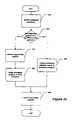
FIGS. 1eand1fare flow charts illustrating procedures for installing and executing software.
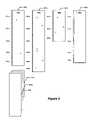
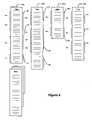
FIG. 2 is a representation of four search documents and three related documents.
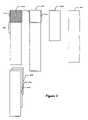
FIG. 3 is a representation of four search documents and three related documents with a display view and one anticipated view designated.
FIGS. 4(a) and4(b) are each a representation of four search documents and three related documents showing a display view and four anticipated views.
FIGS. 5(a) and5(b) are each a representation of four search documents and three related documents showing various term views.
FIG. 6 is a representation of four search documents and three related documents showing various subdocument views.
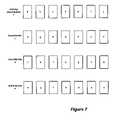
FIG. 7 shows seven documents ordered according to four different ordering characteristics.
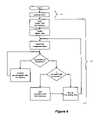
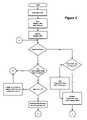
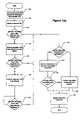
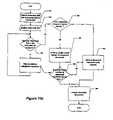
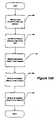
FIGS. 8,9, and10 are flow charts illustrating alternate embodiments of the present invention.
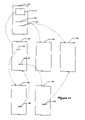
FIG. 11 is a diagram of the relationships between six statically-related documents.
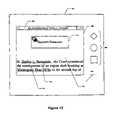
FIG. 12 is a representation of a video display screen for a computer such as that ofFIG. 1a.
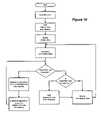
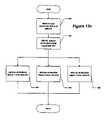
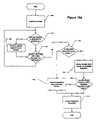
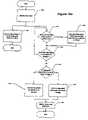
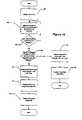
FIGS. 13a,13b,13c,13d, and13eare flow charts illustrating the operation of embodiments of the present invention.
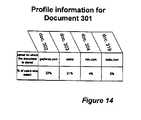
FIG. 14 is a chart illustrating one example of the type of profile information that may be provided in connection with a given document.
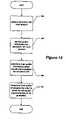
FIG. 15 is a flow chart illustrating how profile information can be used in an embodiment of the present invention.
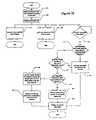
FIG. 16 is a flow chart of the operation of a system in one embodiment of the present invention where a plurality of documents are preloaded in separate threads of execution.
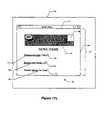
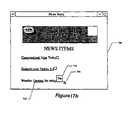
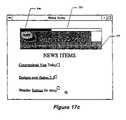
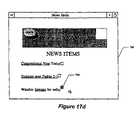
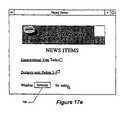
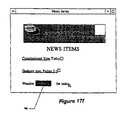
FIGS. 17ato17fare representations of a video display screen illustrating various features and embodiments of the present invention.
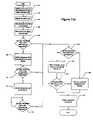
FIGS. 18aand18bare flow charts illustrating the operation of various embodiments of the invention.
FIG. 19 is a flow chart illustrating how an embodiment of the present invention can effectively operate in a fee-based environment.
FIGS. 20a,20b, and20care flow charts of the operation of embodiments of the present invention illustrating how server demands can be reduced in some circumstances.
FIG. 21 is a flow chart that illustrates the operation of a computer program illustrating some aspects of the present invention.
FIG. 22 is a flow chart that illustrates the use of an embedded program in connection with the present invention.
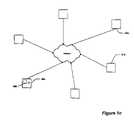
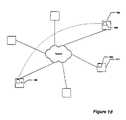
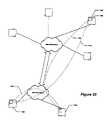
FIG. 23 is a network diagram illustrating an alternate method of preloading information on a network.
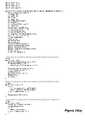
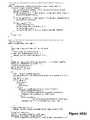
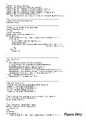
FIGS. 24(a)-(d) contain a computer program listing illustrating how one or more features disclosed herein may be implemented.
DETAILED DESCRIPTION
FIG. 1ais a block diagram of ageneral purpose computer102 that can be used to implement the present invention. Thecomputer102 has a central processing unit (CPU)104,memory113, and input/output (i/o)circuitry112. TheCPU104 is connected to thememory113 and the i/o circuitry112. The i/o circuitry permits theCPU104 to access various peripheral devices, such as the display ormonitor108,local storage106, and input device(s)110. The input device(s)110 may include a keyboard, mouse, pen, voice-recognition circuitry and/or software, or any other input device. Some type of secondary ormass storage106 is generally used, and could be, for example, a hard disk or optical drive. Thestorage106 can also be eliminated by providing a sufficient amount ofmemory113. Either thestorage106 or thememory113 could act as a program storage medium that holds instructions or source code. The i/o circuitry112 is also connected to anetwork114, thereby connecting thecomputer102 to other computers or devices.
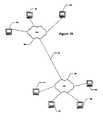
FIG. 1bis a representation of multiple computers (251,252,253,254,255,256, and257) connected together to form a network of computers and/or networks. Computers251,252, and256 are shown connected to wide area network (WAN)263, whereascomputers253,254,255, and257 are shown interconnected by local area network (LAN)261. TheLAN261 is connected to the WAN263 byconnection262. Various network resources, such as databases of documents or other objects, are stored on one or more the computers shown inFIG. 1b.
In a networked environment, such as that ofFIG. 1b, there are numerous ways in which software can be installed, distributed, and/or executed on the various computers on the network.FIG. 1cillustrates a conventional way in which desktop software is installed and executed. InFIG. 1c, acomputer program1003 is installed at thecomputer1001 through some type of installation program typically started by the user of thecomputer1001, and executed on thecomputer1001. During installation, theprogram1003 may need to be configured at thecomputer1001 for use with the network in order to enable access to other computers on the network (e.g.,1002 and1012). After installation, thecomputer program1003 resides and executes at thecomputer1001, and is persistent. When thecomputer1001 is shut down or restarted, the program continues to be stored at the client on non-volatile storage media. Upon restarting thecomputer1001, theprogram1003 is available for use without reinstallation.
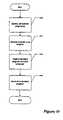
FIG. 1dshows a different embodiment. When the network-connectedcomputer1001 connects to or downloads an object stored on theremote computer1002 over the network, aprogram1005 embedded within the downloaded document or object is installed on thecomputer1001 and is executed on thecomputer1001.FIG. 1eis a flow chart that illustrates one possible installation procedure that is carried out when thecomputer1001 accesses theprogram1005.
Thecomputer1001 identifies at1020 one or more programs embedded within the accessed object. The client computer then determines whether each embedded program has been installed previously on thecomputer1001. This can be done by searching the computer's storage or system registry for the program or for the program's identifying characteristics. In Microsoft's ActiveX/COM architecture, for example, this is done by searching the registry for an instance of the program's globally unique identifier (GUID) in the system registry.
If the embedded program has been installed on the client computer, the previously installed program is retrieved from local storage at1030, and executed at1028. However, if the program has not been already installed on the client computer, it is retrieved over the network (1023), and installed on the client computer. The installation process will typically involve updating a system registry or other persistent storage with identifying information on thecomputer1001.
Preferably, the program is installed at1024 such that it need not be downloaded again over the network when it is encountered embedded within another object. For example, if thecomputer1001 were to access an object oncomputer1012 that hadprogram1005 embedded within it, theprogram1005 would not need to be installed again because it has already been installed whencomputer1002 was accessed.
FIG. 1fis flow chart illustrating a different embodiment of the present invention. In this system, when thecomputer1001 encounters an object oncomputer1002, it identifies at1040 each program embedded within the object. It then retrieves one or more programs over the network, and then installs them at theclient computer1001, but without the use of a persistent storage mechanism. Thus, although the program is executed on theclient computer1001, the embedded program must be downloaded each time it is encountered because no persistent storage mechanism is used. This type of installation procedure may be more secure, and has been used in some of the early Java implementations.
A system in which software is downloaded over the network, perhaps from an untrusted server, has significant security risks associated with it, and for this reason, security restrictions may be placed on computer programs downloaded from the network. Thus, a downloaded computer program may be unable access some of the resources of a client computer or of the network generally. In some embodiments, however, a downloaded program may be tested for authenticity and safety through a code signing procedure, or through a code verifying procedure. If such a program passes such authenticity tests, it may be given more complete access to system or network resources.
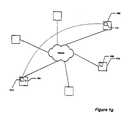
In yet another embodiment, shown inFIG. 1g, the network-connectedcomputer1001 connects to theremote computer1002 over the network, but theprogram1021 executes on theremote computer1002. Display information and/or instructions are sent from theremote computer1002 to thecomputer1001, and this information and/or instructions are interpreted by a terminal program or athin client program1023, which updates the display. Input device events (e.g., mouse clicks and keyboard events) caused by the user at thecomputer1001 are sent to theremote computer1002 so as to appropriately alter the execution of theprogram1021 executing at the remote computer. In some implementations, it appears to the user ofcomputer1001 that theprogram1021 is executing oncomputer1001, even though theprogram1021 is actually executing on thecomputer1002. This scenario, or one similar to it, is employed by some of the thin-client computing environments, such as Citrix Corporation's WinFrame solution, or Microsoft's forthcoming Hydra initiative.
Each of the described techniques for installation and/or use of software can be implemented in connection with the present invention. For example, software used for carrying out one or more embodiments of the present invention may be installed and executed in accordance with the techniques described above.
InFIG. 2, four documents that might correspond to search documents found as a result of a query are shown. The query may be formulated to find all the documents in a given database that include the phrase “Hadley v. Baxendale.” Each X in the search documents100A,200A,300A, and400A represents an occurrence of the phrase “Hadley v. Baxendale.” As can be seen, the phrase “Hadley v. Baxendale” can be found in search document100A at two separate locations. Document200A has six occurrences, and search document300A has three. Search document400A has one occurrence—the title of search document400A is “Hadley v. Baxendale.”
There are also “related documents” (500A,600A, and700A) shown inFIG. 2. A related document is a document that is somehow explicitly associated, linked, or otherwise connected to one of the search documents. For example, if search document100A is a judicial opinion, a related document might be a subsequent opinion in the same case (e.g., an decision on appeal). Other related documents might be an opinion or scholarly article that cites or discusses search document100A, or a list of judicial opinions that cite the search document. Any document that is usefully associated with the search document can be considered a related document. Often the related document does not satisfy the query, so it is usually not one of the search documents. In some circumstances, however, the related document might satisfy the query, so it can be a search document.
Related documents may also be related only to a particular view within a search document. For example, a search document that is a judicial opinion may have numerous other judicial opinions cited in the text of the opinion. These cited opinions may be “related documents,” but often they relate only to a particular view within the document. Depending on the implementation of the database system, they might not be considered to be “related” to the search document as a whole. Thus, they are available as related documents only when the corresponding cite is within the currently displayed view. In such an implementation, the related documents are dependent on the view shown on the monitor at any given time.
FIG. 3 shows the representation of the four search documents that satisfy the user's query. The search documents are ordered by an ordering characteristic, such as the date of publication. Other ordering characteristics can be used as appropriate for a given situation (e.g., number of query terms in a document, statistical relevance of the documents, type of document, etc.). Any ordering characteristic that permits the search documents to be distinguished from one another can be appropriate. In the example ofFIG. 3, search document100A is the first search document according to the ordering characteristic, and view101A (shaded) in search document100A is the display view shown on the monitor. (The view shown on the monitor at any given time is the “display view.”) Once view101A is displayed on the monitor, the user reads, studies or otherwise observes the displayed information. When the user wishes to change the display view, he or she uses an input device to cause the system to display either (a) a different view in the search document100A, or (b) a view from one of the other documents200A,300A,400A,500A,600A, or700A.
The user uses one or more input devices to request particular views. For example, an input device might be a keyboard that includes a “next page” key and a “next document” key. The “next page” key requests the next successive view (view102A) within the document currently being viewed (document100A). The “next document” view requests the first view (view201A) of the next successive search document according to the ordering characteristic (document200A). Many database systems have “next page” and “next document” commands or keys (e.g., Westlaw, LEXIS/NEXIS, and West Publishing Company's CD-ROM products), as well as others (e.g., “previous document,” “previous page”). Westlaw also permits a user to request a particular search document or “page” by typing a command. For example, to view search document three (300A), the user types “r3”; to request page2 (i.e., view2) within the currently displayed document, the user types “p2.” And in some systems, multiple commands can be executed together by separating them with a semicolon, so page two from document three (view302A) can be requested with a single command: “r3;p2.”
In the systems of the prior art, when the database system receives the command to display a different view, the requested view must be loaded from the database before it can be displayed on the monitor or display. Since retrieving information from the database is time-consuming, this loading process is undesirably slow. But in a system employing the present invention, the time required to respond to the user's request for a different view (the “requested view”) is reduced by taking advantage of the fact that it is often possible to predict the requested view before the user actually requests it. In the present invention, the view(s) that the user is likely to next request are preloaded while the user is reading the displayed view.
Thus, in one embodiment of the present invention, the view or views (i.e., anticipated view(s)) that are likely to be next requested by the user are “preloaded” (e.g., in the background) to the extent permitted by the time the user spends reading or studying the display view. When the user does request that a different view be displayed (i.e., the user requests a “requested view”), the requested view can be very quickly displayed on the monitor if it has already been preloaded into memory. Thus, if the requested view is one of the anticipated views, the database system is able to quickly respond to the user's request for the requested view.
As shown inFIG. 3, while the user is reading or studying the display view101A, view201A is identified as an anticipated view (signified by the arrow from view101A to view201A). View201A is likely to be requested by the user because it is the first view of the “next” search document (as defined by the ordering characteristic) following search document100A. And while the display view101A is being viewed by the user, the database system will preload view201A from the database into memory, before it is actually requested by the user. After view201A is preloaded into memory, the input device is checked to see if the user has requested that another view be displayed. If the user has requested that a requested view be displayed, the database system checks to see if the requested view has been loaded into memory (e.g., as the preloaded anticipated view). If the requested view is view201A, it will have been loaded into memory as the anticipated view, so view201A is retrieved from memory and displayed on the monitor. Since loading the requested view from memory is much faster than loading the requested view from the database, the time required to respond to the user's request for the requested view is shortened dramatically. If the requested view is not in memory, however, it must be retrieved from the database.
Instead of loading the entire anticipated view before checking the input device, in other embodiments of the present invention the input device is monitored during the time the anticipated view is being preloaded into the database. If the user requests a requested view, the preloading of the anticipated view stops and the user's request is serviced. This ensures that the system is very responsive to the user's input. Such an embodiment can be implemented by checking the input device each time a segment (i.e., a portion) of the anticipated view is preloaded. If the computer retrieving information from the database is running a multitasking and/or multithreading operating system, such an embodiment can alternatively be carried out using the various techniques appropriate for such an operating system.
FIG. 4(a) shows a situation where view101A (shaded) is the display view, and the retrieval system has identified four views102A,501A,201A, and401A as anticipated views. View102A is likely to be requested by the user when the displayed view is view101A because it is the next view in the document that the user is currently viewing. View501A is a candidate for the requested view because it is the first view from a document (500A) that relates to the search document (100A) that the user is currently viewing. View401A is also an anticipated view because the user might wish to view the document that represents the opposite extreme of the ordering characteristic (e.g., the oldest document). And as described above, view201A is also likely to be requested by the user.
In the embodiment ofFIG. 4(a), the retrieval system will attempt to load as many of these anticipated views as possible while the user is studying the display view101A. If enough time passes before the user requests a requested view, the retrieval system may preload all four of the anticipated views, thereby enhancing the likelihood that the next requested view will be in memory.
Once the user issues a request for a requested view, the requested view is loaded from memory (or from the database, if necessary) and displayed on the monitor. The process of determining and preloading anticipated views then starts over. For example, if the requested view is view201A, the display view will then become view201A (shaded) as shown inFIG. 4(b). The anticipated views would also change, and might be identified as indicated by the arrows.
FIG. 5(a) shows another representation of four search documents showing term views111,112,211,212,213,214,311A,312A, and411. InFIG. 5(a), a term view is a view that has at least one search term from the query. And as can be seen from document100A inFIG. 5(a), the boundaries of these term views may or may not correspond to the boundaries of views101A,102A,103A, and104A. Term views may also be anticipated views because the user might request as a requested view the next view having one or more of the terms in the query. Some systems provide a command for this purpose (e.g., in Westlaw, the command is “t”).
FIG. 5(b) shows the representation of the four search documents showing other term views171,271,272,371, and471. These term views are made up of a small number of words surrounding each occurrence of a search term in the search documents. Since the number of words surrounding the search terms is small, more than one set of words can fit on the screen at a given time. Thus, the term view in this embodiment includes information from different parts of the document. The “KWIC” display format in the LEXIS/NEXIS system operates similarly.
FIG. 6 shows another representation of the four search documents showingsubdocument views121,122,131,141,221,231,232,233,321,331,421,431, and441. The subdocuments are shown inFIG. 6 as120,130,140,220,230,240,320A,330A,420,430, and440. A subdocument is any logically separable or identifiable portion of a document. For example, if a document is a judicial opinion, there might be subdocuments for the title and citation for the case, for each of the headnotes, for the opinion itself, and for any dissenting opinions. A subdocument view is a view within a subdocument.
Subdocument views may be anticipated views because the user is often particularly interested in a particular portion of the search documents. If the search documents consist of a series of judicial opinions, for example, a user may only wish to view, for each of the search documents, the subdocument for the majority opinion (and not the headnotes, dissenting opinions, etc.). Thus, it may be appropriate for the anticipated views to be drawn primarily from a particular type of subdocument.
In other situations, however, the user may only wish to see the first subdocument view for each subdocument. It would be appropriate in these situations for the anticipated views to be primarily the first views from the various subdocuments within each document.
The retrieval system of the present invention identifies anticipated documents by focussing on the current display view. The current display view gives clues as to which view might be requested by the user because the display view identifies the user's progress in browsing the search documents. In other words, the current display view identifies which search document in the sequence of search documents is currently being viewed. This information is useful because the search document immediately following and preceding the current search document (as defined by the ordering characteristic) is often the search document next requested by the user.
The view displayed just prior to the displayed view might also be a consideration in determining the anticipated views if it tends to show a pattern that can identify the user's next requested view. For example, referring toFIG. 6, if the user requests view131 of search document100A, and then requests view231 of search document200A, the retrieval system can consider these two consecutive display views and determine that an appropriate anticipated view isview331 of search document300A. View331 is the first view of subdocument330A, which could be the same type assubdocuments130 and230, the two subdocuments previously viewed by the user. Since the goal is to accurately predict the next view, considering the views that the user requested in the past may be helpful if it tends to identify the views that the user will request in the future.
In general, any appropriate adaptive prediction scheme can be used that uses the user's history of requested views (and display views) to accurately determine which views are likely to be next requested by the user. It might be appropriate in some cases to consider many display views in determining appropriate anticipated views. Longer histories may tend to identify patterns that would not show up if only a small number of recent display views are considered.
Tendencies can even be monitored over more than one research session in situations where a particular user or group of users tend to request views in a particular pattern each time research is done. In addition, the user could be prompted to indicate the type of research being undertaken, which may give clues as to what type of anticipated views are appropriate for efficient operation. Finally, the particular databases used or type of research being done can be monitored by the database system and advantageously taken into account in determining anticipated views.
In the preferred embodiments of the present invention, the anticipated views are drawn from both related documents and search documents. A fundamental distinction between related documents and search documents is that related documents are statically-related to the search documents, whereas search documents are dynamically-related to one another. This difference is significant because unlike statically-related documents, no predefined link needs to be set up for search documents. A statically-related document is always associated with a particular document, regardless of the query (the related document is therefore statically-related). The search documents, on the other hand, are related to each other by the query. Since the query changes with each search, the search documents are considered dynamically-related to one another.
Some of the recent CD-ROM products have implemented features such as hyperlinked text, and timeline-linked text (clicking on a timeline item will take the user to a relevant article). See The Top 100 CD-ROMs,PC Magazine, Sep. 14, 1994, p. 115. Links of this nature are static because they always apply and do not depend on any particular query run by the user.
The search documents are ordered by an ordering characteristic as described previously. Thus, when a “next document” is requested, it is assumed that the search document requested by a “next document” command is the search document that is “next” according to the ordering characteristic. If the search documents are ordered by publication date, for example, the “next document” will be interpreted as a request for the search document with the next oldest publication date.
In one embodiment of the present invention, it is possible to make a number of different ordering characteristics available for use by the user in browsing the search documents. For example,FIG. 7 shows seven documents labeled “a” through “g” ordered according to four different ordering characteristics. When the display view is in document “a,” the “next document” command can be a request for four different documents (i.e., “b,” “e,” “f,” or “c”), depending on the particular ordering characteristic used. More than one ordering characteristic must therefore be considered when determining anticipated views if the user is capable of moving to a “next document” in the context of more than one ordering characteristic. This feature can be enabled by an input device command that allows the user to select the desired ordering characteristic.
The present invention is applicable to single-user, multiple-user, and many-user databases, but the present invention is most effective when used in connection with single-user databases. The efficient operation of the invention depends on being able to retrieve data from the database very frequently, perhaps continually. The present invention is quite effective with single-user databases such as those on CD-ROM or other mass storage devices (this might also include a hard drive implementation). In a single-user database, no other demands are being made on the database by the other users, so the database is often idle.
But since a many-user or multiple-user database must be shared among more than one user, such a database will often be receiving simultaneous and continual requests for data. Databases in such a system are rarely idle, so there is little time to preload anticipated views into memory. In such a situation, the present invention will not be as effective in improving the response time to users' requests for requested views. But in many-user or multiple-user database systems where the database is not as busy, the present invention can be effective in reducing response times to users' requests for information.
FIG. 8 is a flow chart of the operation of the database system in one embodiment of the present invention. A system in one embodiment of the present invention begins by executing a query to identify the search documents. This step is carried out bysearch logic51. The remaining steps shown inFIG. 8 (described below) are carried out byretrieval logic52. Both thesearch logic51 and theretrieval logic52 are often software, but need not be. As one skilled in the art will recognize, in a software implementation thesearch logic51 and theretrieval logic52 may or may not be integral or intertwined parts of the same computer program.
As dictated by theretrieval logic52, the database system then loads into memory a view from one of the search documents. SeeFIG. 8. This first display view is then displayed on the monitor. Normally the user will take a few moments to read or study the display view. During this time, one or more anticipated views are identified. The anticipated views are views that the user is likely to request be displayed on the monitor after the display view.
The database system then begins to preload these anticipated views into memory from the database, while also continually monitoring the input device to determine if the user has issued a request to display a different view (i.e., a “requested view”) on the monitor. Anticipated views are loaded into memory until the user requests a requested view.
When the user does makes such a request, the database system then determines whether the requested view is in memory. The requested view may be in memory because it could have been preloaded into memory as an anticipated view. If the requested view is in memory, the requested view becomes the new display view, and it is displayed on the monitor. But if the requested view is not in memory, the requested view must first be loaded from the database before it can be displayed on the monitor as the display view.
The anticipated views are a function of the display view because the views that the user is likely to request depend to some degree on the view the user is currently reading. In other words, those views that are anticipated views when view101A is the display view are not likely to be the same as the anticipated views when view202A is the display view. Therefore, as shown inFIG. 8, the anticipated views are determined each time the display view changes.
When the display view is changed, the anticipated views for the prior display view can remain in memory so that they are available if they are ever requested by the user. But if memory is limited, the anticipated views for the prior display view can be deleted from memory, preferably in an efficient matter (e.g., anticipated views common to both the new display view and the prior display view are not deleted from memory). It is best to delete those views that are not likely to be requested by the user. It may also be appropriate to consider whether a view is likely to become an anticipated view in the future.
FIG. 9 shows a flow chart representing another embodiment of the present invention where anticipated views from prior display views are deleted if memory is full. The views deleted are those that are not anticipated views for the new display view. This will presumably make room for new anticipated views to be preloaded into memory (if not all of the anticipated views are already in memory).
The number of anticipated views for a given display view does not have to be a predetermined or constant number, but rather can vary depending on memory available. Typically, the number of anticipated views for a display view is a trade-off between the amount of memory available and the desired speed of retrieval. In instances where memory is plentiful, where the number of search documents is few, and/or where the search documents are small, it may be possible for all of the search documents to be completely loaded into memory. In such a situation, the number of anticipated views for a given display view could be as high as the total number of views in the search documents. At the other end of the spectrum, there might be only one or two anticipated views for each display view if memory is limited.
Embodiments of the present invention can vary as to how anticipated views are preloaded into memory. In the embodiments ofFIGS. 8 and 9, one anticipated view at a time is preloaded into memory, and the retrieval system does not begin preloading a second anticipated view into memory until the prior anticipated view is completely preloaded into memory. In other embodiments, anticipated views are simultaneously preloaded.
Simultaneous preloading of multiple anticipated views can be done in a number of ways. In a multitasking operating system, for example, an appropriate time-slicing procedure can be used to preload the anticipated views so that they are preloaded simultaneously. In another embodiment, one segment from each anticipated view is preloaded in turn, and the cycle is repeated until all the anticipated views are fully preloaded into memory (or until the user's request for a requested view interrupts the preloading process). A segment is any portion of an anticipated view, such as one or two lines or even a single byte of the anticipated view.
FIG. 10 shows a simple implementation of the simultaneous preload concept, where the database system preloads a segment of a first anticipated view into memory, and then preloads a segment of a second anticipated view into memory. These steps continue until either the user requests a requested view, or both anticipated views are fully preloaded into memory. When the user requests a requested view, the database system checks to see if that requested view is in memory. If the requested view is only partially preloaded into memory, that portion in memory can be written to the monitor and the remaining portion loaded from the database. The response time in this situation will still be better than if the entire requested view has to be loaded from the database.
In another embodiment of the invention, the use of profile information is employed to assist in the selection of views or documents to preload, as illustrated inFIGS. 11-12,13a-13e, and14-16. For example,FIG. 11 is a diagram of the relationships between six objects or documents301-306. The six documents are linked to each other in the manner shown and hereinafter described.Document301 contains three links (310,312, and314); one to each of thedocuments302,303, and304.Document302 contains two links, onelink316 to document305, and anotherlink318 to document306.Document305 contains alink320 back todocument302, and document306 contains alink322 to document304. Each of these documents is stored on a server within a network, and may incorporate or have embedded within it objects stored on other servers. The documents301-306 may be stored on the same server, or may be stored on various computers distributed throughout the network.
FIG. 12 shows a representation of avideo display screen404 for a computer such as that ofFIG. 1. Thearea404 represents the area on a screen within which images, text, video, and other types of data or multimedia objects can be displayed and manipulated. On thedisplay404 shown inFIG. 12, a number of icons or objects402 are arranged, along with another type of object,window406. Thewindow406 is a representation of a document retrieval, browsing, and/or viewing program that is used to view information either stored locally on the computer or retrieved over a network. Thewindow406 has a title area408 that displays the title of the document being displayed. The title area408 could also display the location or address of the document being displayed, or also the universal resource locator of the document being displayed. Alternatively, an additional area within the window could be used for displaying the universal resource locator. The contents of the document are shown in displayed within thewindow406 inFIG. 12, but it should be understood that the contents could be displayed in other ways. For example, the contents could be displayed on the entire desktop, or a portion of the desktop. In another embodiment, the contents might be scrolled on the screen, perhaps under other windows. In addition, it should be understood that where a document has only a single view, or is treated as having only a single view, the “document” essentially becomes the same as the “view.” In such a situation, a scroll bar (not shown) may be used to allow a user to effectively expand the size of the display, thereby allowing the user to see the entire document/view.
Shown within the document viewing area of thewindow406 inFIG. 12 is the contents of thedocument301 fromFIG. 11. Thedocument301 has been displayed in thewindow406 in response to a user query, which might involve a key word search or might involve the user specifying the identity, address, or resource locator ofdocument301. Thedocument301 could be also be displayed within thewindow406 in response to the selection of a link in another document (not shown) that points to thedocument301.
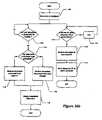
FIG. 13ais flow chart representing the operation of one embodiment of the present invention in which profile information is used to assist in the selection of documents to preload. InFIG. 13a, thedocuments302 and303 are assumed to be stored on the network on a (preferably) remote database server. At501 inFIG. 13a,document301 is retrieved from the server by a document retrieval program that executes on a client computer, such as, for example, thecomputer257 inFIG. 1b. Thedocument301 may be stored on any of the other computers shown inFIG. 1b, includingcomputer257. Along with thedocument301, the document retrieval program retrieves profile information that is preferably (but not necessarily) embedded within or is stored withdocument301. The profile information can be used to provide information aboutdocument301, including information about documents that are related todocument301, as described below.
At502, the document viewing program rendersdocument301 in thewindow406, as shown inFIG. 12a. Oncedocument301 is retrieved, the viewing program begins at504 retrieving from the network thedocument302. During this time,document301 continues to be displayed inwindow406, and the user is free to read, scroll through, or otherwise interact with thedocument301 shown in thewindow406 inFIG. 12a. Thus,document302 is retrieved over the network (504) and stored into the memory or local storage (505) while the user is viewingdocument301.
Afterdocument302 has been retrieved, if the user has not requested (e.g., through the input device) at506 that another document be displayed, the document viewing program at508 retrieves document303 over the network, and this document is then stored in memory or local storage. Thedocument301 is still displayed in thewindow406 at this point. If the user still has not requested that another document be displayed at510, thedocument304 is retrieved from the network and stored in memory or local storage by the document viewing program in512.
At514, the document viewing program in the embodiment ofFIG. 13astops preloading documents, and waits until the user requests that a new document be displayed. When the user does request that a new document be displayed in the viewing program at514, the viewing program determines at516 whether the requested document is one of the documents that has already been retrieved and stored in local storage. If so, then the locally-stored version of the requested document is retrieved from memory or local storage at518. The locally-stored version of the requested document is then checked at519 to see if it is out of date. If the requested document has content that may change often, it may be that the version of the requested document that is stored in local storage is not sufficiently new and is out of date or “stale.” This condition can be determined by monitoring the amount of time since the document was originally preloaded, or by inspecting the time stamp on the requested document stored on the network and comparing it to the time stamp for the locally-stored version to determine whether the locally-stored version has changed.
If the locally stored version of the requested document at519 is not out of date, then it is displayed at524. If the preloaded version at519 is out of date, or if the requested document has not been preloaded at all (516), then the requested document is retrieved over the network and is displayed at524.
In another embodiment, the document viewing program may continue preloading additional documents at512 inFIG. 13a. For example, the document viewing program could begin to preload the documents that are linked to by the documents that are already preloaded (i.e.,documents302,303, and304). In the set of documents shown inFIG. 11, this would mean that the document viewing program would download over the networkadditional documents305 and306. Thus, the present invention need not be limited to the preloading of only a single level of linked documents, but rather, could extend to the preloading of two or more levels.
As described in connection withFIG. 13a, the document viewing program retrieves over the network documents302,303, and304 while the user is viewingdocument301. And as shown inFIG. 13a,document302 is preloaded first, followed bydocument303, and then bydocument304. In some embodiments, the document viewing program executing on the client computer inFIG. 13auses the profile information to determine the order in which thedocuments302,303, and304 are to be retrieved. In other words, in some embodiments, the database server determines the order in which the document viewing program executing on the client preloads the links withindocument301. This procedure can be quite effective because the database server may have useful information that can help to predict the documents that the user will request be displayed at the client computer. For example, a server that keeps track of the frequency that users select the links withindocument301 may find that one or two links are selected very often, whereas other links are selected rarely. The server can use this information to instruct the client as to the most efficient order in which to preload documents.
FIG. 14 is a chart illustrating one example of the type of profile information that could be provided withdocument301 at501 ofFIG. 13a. As shown inFIG. 14, for each of the documents identified in the profile information, the historical percentage of users that have selected the document are identified. The first three documents (302,303, and304) are documents that are linked to by thedocument301 as shown inFIGS. 3 and 4. The fourth document (document319) is not linked to or otherwise related todocument301, but the profile information nevertheless tells us that 2% of the people requestdocument319 whendocument301 is displayed. Thus, the profile information tells us thatdocument302 is, historically, the most likely document to be selected. The document viewing program can use this information to ensure thatdocument302 is preloaded whendocument301 has been rendered in thewindow406 because at least according to this statistical information,document302 is likely to be requested by the user who is viewing (or who has at least retrieved)document301.
Other data that might be included in the document profile might be the server or database in which each document is stored. This information is shown inFIG. 14, and identifies thedocument302 as being from the server “gaylords.com,” and document303 as being from the “same” database server, which means the database server from which document301 has been retrieved. Normally, the profile information ofFIG. 14 would be stored in a particular format or data structure, or even as source code, and either embedded within thedocument301, or downloaded by the document viewing program along with thedocument301.
In operation, the server sends to the document viewing program the information ofFIG. 14, and the document viewing program can choose to ignore it, or could choose to act upon it in some way. Thus, the document viewing program in one embodiment engages in some form of interpretation of the profile information and it exercises some control over how the information is used. In another embodiment, however, the profile information could simply consist of a list of documents that the document viewing program uses to select what documents to preload. The list of documents might be ordered so the document viewing program could determine relative priorities among the documents, but the document viewing program may not engage in interpretation of any statistical data or other data sent from the server. Such an embodiment may be implemented by actually programming a program embedded within a document to retrieve certain documents, thus effectively hard-coding the documents that are to be preloaded. Another embodiment may use a program embedded within an object or a document that reads a parameter list and uses the parameter list to select the documents to be preloaded. Where the profile information is not used, some type of predefined procedure could be followed for selecting documents to preload, and this procedure may involve preloading the documents that are linked to by the document301 (the displayed document).
FIG. 15 is a flow chart which illustrates how the profile information might be used in an embodiment of the present invention. At594, thedocument301 is retrieved over the network, and at595, the profile information fordocument301 is retrieved over the network. The profile information is then analyzed at596 to determine which documents to preload whendocument301 is being displayed. At597, the profile information is further analyzed to determine the order in which the documents identified at596 should be preloaded. Thus, in this embodiment, the profile information not only identifies the order in which to preload documents, but also identifies at596 the documents that are to be preloaded.
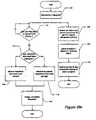
FIG. 13bis a continuation flow chart ofFIG. 13a, where the user has requested thatdocument302 be displayed. In other words, the requested document at516 ofFIG. 12aisdocument302. Thus, initially inFIG. 13bthedocument302 and associated profile information associated withdocument302 is retrieved at529 and then displayed at530 withinwindow406. At532, the viewing program checks to see if the user has requested that another document be displayed. If not,document305, which is linked to by document302 (seeFIGS. 3 and 4b), is retrieved from the network and stored in local storage. At536, the viewing program checks again to determine whether the user has requested that another document be displayed, and then proceeds to preloaddocument306, which is the other document linked to bydocument302. In this particular embodiment, the order in which documents305 and306 are preloaded is dictated by the profile information.
When the user does request that a different document be displayed inFIG. 13b, the viewing program determines at542 whether the requested document has been already loaded into local storage. If it has been loaded into local storage, the requested document is retrieved from the higher-speed local storage (544) and the contents of the requested document are analyzed to determine if the information in the preloaded version is out of date (545). If not, the preloaded version of the document is rendered in the window406 (546). Otherwise, the document is retrieved over the network (548), and then rendered in the window406 (546).
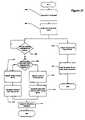
FIG. 13cis a continuation of the flow chart ofFIG. 13b, where the user has requested inFIG. 13bthat document306 be displayed, and at579 thedocument306 and its profile information is retrieved, and then at580 ofFIG. 13c,document306 is displayed. At582, the viewing program checks to see if the user has requested that another document be displayed. If not, another document is preloaded into the memory unit or into local storage at584. As can be seen inFIG. 11,document306 contains only link322, which is a link back todocument304. Thus, at584, thedocument304 may be preloaded into memory or local storage already if it is still in memory from a preloading operation. If it is in memory, it is not necessary to preload it, so the document viewing program can preload from the network some other document that the user may be likely to request. Such a document could be identified in the profile information for document306 (as described above), or such a document could be a document that was linked to a previously-viewed document, but wasn't fully preloaded into local memory. For example, if inFIG. 13adocument303 was not preloaded, this document could be preloaded at584 because it may, at some point, be requested by the user. Alternatively, the document preloaded at584 may be one of the bookmarked documents maintained by the document viewing program (e.g., at the client), or a document from some other popular site.
When the user requests a new document, the document viewing program checks at586 to determine whether the requested document has been preloaded (586). If it has, the preloaded version is retrieved at588 and analyzed to determine whether it is out of date at589. If the preloaded document is not out of date, it is displayed at590. Otherwise, the document is retrieved over the network at592, and displayed at590.
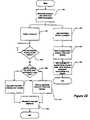
FIG. 13dis a partial flow chart in an alternate embodiment of the present invention that can be used to replace504 inFIG. 13a.FIG. 13dillustrates that each document normally contains a number of objects, and in order to retrieve from the network the entire document, each of these embedded objects must be also be retrieved. In the embodiment ofFIG. 13d,document302 comprises a base document which is retrieved over the network at550. Thebase document302 contains references to the embedded objects withindocument302. When the base document is retrieved from the network, it is analyzed at552 to determine the additional embedded objects (if any) that must be retrieved to complete the document. Ifdocument302 has three embedded objects, each is retrieved from the network as shown inFIG. 13bin succession (steps554,556,558).
In an alternate embodiment, shown inFIG. 13e, a separate thread of execution is started for retrieving each of the embedded objects. This embodiment recognizes that it may be more efficient to download the embedded objects simultaneously, rather than one at a time as shown inFIG. 13d. The embodiment ofFIG. 13d, however, has the advantage that it may be able to completely download at least one of the embedded objects before it is interrupted by a request to display another document. Depending on the implementation of the viewing program, a fully preloaded object may be more useful than a partially-preloaded object. Preloading documents simultaneously may increase the chance of having a large number of partially-preloaded objects, and fewer fully-preloaded objects. Thus, where partially-preloaded objects are less useful than fully-preloaded objects, the embodiment ofFIG. 13dmay be more efficient thanFIG. 13e.
FIG. 16 is flow chart of the operation of a system in which document301 and its associated profile information is retrieved at601, and thedocument301 is displayed at602. Thedocuments302 and303 are then preloaded in two separate threads of execution (steps604 and606) so that they are retrieved from the network substantially simultaneously. UnlikeFIG. 15, in the embodiment ofFIG. 16 the document viewing program does not preloaddocument304 whiledocument301 is displayed. The decision not to preloaddocument304 may be based on the profile information fordocument301 retrieved over the network at601 inFIG. 16. For example, the profile information could instruct the document retrieval program to not preloaddocument304, or the profile information could indicate that thedocument304 has been (historically) so rarely selected by other users that the document retrieval program decides not to retrievedocument304.
A third thread of execution inFIG. 16 (610) monitors the user's actions (e.g., manipulation of the input device) to determine if the user has requested that a different document be displayed. When the user does request a document at610, the system (e.g., the document viewing program) determines (612) whether the requested document has been at least partially preloaded. Where it has not, the requested document is retrieved over the network at618 and displayed at616.
However, if the requested document has been at least partially preloaded, the preloaded version is checked for staleness at617. At613 the document viewing program determines whether the requested document has been partially or fully preloaded. If the requested document has been fully preloaded, it is retrieved from local storage (614) and rendered on the display (616). If it has been only partially preloaded, the partially preloaded version is retrieved from local storage (620), and any portion not in local storage is retrieved from the network (622), and then rendered on the display (616).
In some situations, it may be useful to have the user exercise some direct control over the preloading process. For example,FIG. 17ashows ascreen704 having awindow706, which includes atitle bar714 and anarea717 in which to visually render the contents of a document. Acursor724 corresponding to a pointing-type input device is also shown in the embodiment ofFIG. 17a. The document shown in thewindow706 includeshypertext links718,720, and722, and the document also comprisesgraphical object707, which includesarea709. Thegraphical object707 also acts as a link to another document. Also shown in thewindow706 arebuttons708,710, and712, which each correspond to one of the hypertext links.Button708 corresponds to link718,button710 corresponds to link720, andbutton712 corresponds to link722.
InFIG. 17b, thecursor724 has been moved to thebutton712 so that thebutton712 is selected. Upon selection, the document viewing program begins preloading the document linked by the “forecast”hyperlink722, which corresponds to thebutton712. The “forecast” document is not yet displayed within thewindow706, however, and the “News Items” document shown inFIGS. 17aand17bcontinues to be displayed. While the document corresponding to link722 is retrieved over the network, the progress of the preloading operation is displayed on thebutton712. At the point shown inFIG. 17b, the document corresponding to the “forecast” link is 7% retrieved.
FIG. 18ais a flow chart illustrating the operation of an embodiment of the present invention that is similar to that described in connection withFIGS. 17aand17b. Initially at802, a document is displayed by the document viewing program. The document viewing program then alternatively monitors the user's input to determine whether the user has selected a document to preload (804) or a document to be displayed (808). A document is selected to be preloaded by the user when one of thebuttons708,710, or712 is selected, or whenarea709 within thegraphical object707 is selected. Upon such a selection, the document corresponding to the selected button or to the selected graphical object is retrieved over the network and stored in local storage (806).
In the embodiment ofFIG. 17a, the user requests a document to be displayed by selecting a hypertext link or by selecting thegraphical object707. When the user has requested a document to be displayed, the viewing program determines at810 whether the requested document has already been retrieved into local memory or storage. If it has been preloaded, it is retrieved from local storage (816), and displayed in the window706 (814).
In some embodiments, the document may also be checked at818 to determine whether it is sufficiently new or current. If its download date, modification date, or other information indicates that the contents of the document are not sufficiently new, or are out of date, the requested document is again retrieved over the network at812.
FIG. 18billustrates an embodiment of the present invention in which a document is displayed at830 by the viewing program, and then one or more threads of execution begin preloading the documents that are linked to by the displayed document (832). Another thread of execution monitors the user's input to determine whether the user has selected a link to preload (834) or whether the user has selected a link to display (836).
When the user selects a link to preload at834, such as by selecting one or more of thebuttons708,710, or712 inFIG. 17a, the viewing program begins preloading the selected link, and does so at a higher priority at840 than any of the other links that are being preloaded at832. In other words, when the user selects a link to be preloaded, the viewing program allocates more resources to preloading the selected document at840 than to any other preloading operations it is carrying out on any other documents at832.
Where more than one link has been selected by the user, each could be preloaded at a priority higher than that of the documents being preloaded at832. In another embodiment, the document most recently selected for preloading could be given a priority higher than any other, so that the resources of the document viewing program are being applied to the preloading of the most recently selected-document.
Once the user selects a document to be displayed, the viewing program determines at842 whether the document has been preloaded into local storage. If so, the preloaded version is retrieved from local storage (848), and displayed (846). Otherwise, the requested document is retrieved over the network (844) and displayed (846).
In the embodiments described inFIGS. 18aand18b, the user selects the document that he or she wishes to preload, and in the embodiments ofFIGS. 17aand17b, this is done by selecting button that corresponds to the desired link. In other embodiments, selecting the link that the user wishes to preload can be done in a number of other ways. For example, selection of a link to preload could be carried out by simply passing the mouse or pointing device cursor over the desired link or over an object that corresponds to the link. Such an action could communicate to the document viewing program the link that the user wishes to preload. In another embodiment, the user could select the desired link with a right mouse click (or some other keyboard or pointing device action), or by directing the document viewing program to preload a given link by selecting an appropriate option from a menu that is displayed when the link is selected with the pointing device.
InFIG. 17a, selection of the document linked to by thegraphical object707 is carried out by the selection of thespace709 within theobject707, or by passing the cursor over thearea709 inFIG. 17a. Selection of any other portion of theobject707 constitutes a request that the document corresponding to the document to theobject707 be displayed, rather than preloaded.FIG. 17bshows one way in which the progress of the preloading can be communicated to the user.FIGS. 17c,17d,17e, and17fshow other embodiments in which the progress being made in the preloading operation is communicated to the user. InFIG. 17c, thegraphical object707 fromFIGS. 17aand17bhas been selected for preloading, and aprogress gauge717 has a shadedarea719 which is used to show what portion of the document has been preloaded. When the shadedarea719 fills thegauge717 entirely, the document linked to by thegraphical object707 has been preloaded.
Thebutton710 inFIG. 17doperates in a manner similar to thebutton712 ofFIG. 17b, but it changes colors to indicate the progress of the preloading operation. For example, thebutton710 could get progressively darker (or lighter) while the linked document is being preloaded.FIG. 17eshows atext button760 that is used as a hyperlink. Selection of the button for preloading (e.g., by passing the cursor over the button) causes the button to change color or shade (seeFIG. 17f) as the preloading proceeds. Any type of visual or audio progress indicator could be used to indicate progress of the preloading, and is useful to the user because he or she will know when a desired document has been preloaded. The user can continue to read or interact with the currently displayed document until the visual or audio indicator signifies that the document has been preloaded. Thus, the user can be assured that when the preloaded document is selected for display, it will be quickly displayed.
In some document retrieval systems, the user may incur a cost for each document or set of information that he or she retrieves from a database or over a network. In such a system, preloading documents before they are requested by the user could incur fees for documents that the user has never intended to see, use, or retrieve from the network. In other words, some documents may be retrieved in such a system simply because they are linked or otherwise related to one of the documents that the user did retrieve. This can undesirably increase costs for the user.
FIG. 19 is a flow chart illustrating how an embodiment of the present invention can effectively operate in an environment where the user incurs fees for each document or set of documents retrieved over the network. In this example, when a document is displayed at902, the document viewing program proceeds to preload one or more documents that are linked to the document that the user is viewing. However, the viewing program does not preload the version of the linked documents that incur a fee. Instead, the viewing program preloads a free (or reduced cost) encrypted version of the linked document(s). This encrypted version is distributed free or at a lower charge because it is unreadable (or at least difficult to read) to anyone that attempts to view the encrypted version. However, the encrypted version can be easily converted into the normal, readable version of the content or the document by processing the encrypted version of the document with a password or a key.
When the user selects a document to be displayed at906, the viewing program determines at908 whether an encrypted version of the requested document has been preloaded. If so, the viewing program retrieves the password or key required to decrypt the encrypted version of the document, and at that time, the cost of retrieving the document is incurred at910. The encrypted version of the document stored locally is decrypted at912 and then displayed at914.
By retrieving only the password or key over the network and then decrypting the locally-stored encrypted version of the requested document, the document will typically be displayed much more quickly than if the entire document would have to be retrieved from the network. Normally, the size of the key will be much smaller than the size of the document. Retrieving only the key, and processing the encrypted document at the client will therefore typically be much faster than retrieving the unencrypted version of the document over the network upon receiving a request for it.
The use of the procedures described herein may, in some environments, substantially increase the number of requests that are issued to network servers, and may also increase the amount of bandwidth required for a given network. This can be exacerbated where each document has embedded within it additional objects that must be separately requested from the server. Thus, it may be desirable to implement techniques to alleviate, eliminate, or avoid these effects. In one embodiment of the present invention, each time a request is issued to a network server, additional information is included within the request so that the database server (or any other network hardware or resources) is notified of the type of the request. This will allow requests to be prioritized so that server and/or other network resources are not allocated to tasks that may have less priority (e.g., a request to preload a document) than other tasks (e.g., a normal document request).
FIG. 20ais a flow chart of a system in which the document viewing program communicates to the database server (or to the network itself) a priority for each request. At1102, the document viewing program issues a normal priority request to the database server for document A. The database server responds to this request, and at1104, document A is retrieved over the network by the document viewing program. When it is received, it is displayed by the document viewing program at1106.
The document viewing program then starts a thread that monitors the user input at1108 to determine whether the user has requested a document for display. Another thread is also started, and this thread at1120 issues a low priority request to the server for document B (one of the documents it seeks to preload). The user at this point has not requested that document B be displayed, so the retrieval of document B is done based on the expectation that the user may wish to view document B at some point. For this reason, the request for document B is issued on a low-priority basis. (Document B may be a document that is linked to document A, that is identified in profile information, or that is otherwise related to document A.) When the server responds to the request, document B is downloaded over the network at1122, and stored locally at1124.
The low-priority request allows the network server to respond to other normal or high priority requests in advance of responding to the low-priority request for document B. This can be used to ensure that when the user actually requests a document from the server, the server will service that request before other low-priority requests by either that user or by other users. This information can also be used by the network hardware (e.g., network routers) itself to prioritize the routing of the requests or the routing of packets of data.
When a request that a document be displayed is made by the user at1108, the document viewing program determines whether the requested document is in local storage at1110. If it is, it is retrieved from local storage at1116, and displayed at1118. However, if the requested document is not stored in local storage, a normal-priority request is issued to the server at1112. The request is a “normal” priority request because the user has actually requested a document, in contrast to the request made at1120 ofFIG. 20a. The document is then retrieved over the network at1114, and then displayed at1118.
FIG. 20bis another embodiment of the present invention that deals generally with the types of problems addressed inFIG. 20a. After document A is displayed at1130, a thread that monitors whether the user has requested a document for display is started at1132. Another thread is started at1140 to determine whether the server on which document B is stored is busy. If it is, a wait state is entered at1141 so that requests are not issued to the server over the network. This procedure thus preserves network and/or server resources. After a period of time, the server is then checked again. When the server is not busy, document B is retrieved over the network at1142, and stored on the client computer at1144.
When the user requests a document for display, the document viewing program determines whether the requested document has already been preloaded. If necessary, the requested document is retrieved over the network at1136; otherwise, it is retrieved from local storage at1140. After it is retrieved, it is displayed at1138.
FIG. 20cis a flow chart of an embodiment of the present invention in which an anticipated document, document B, is stored in a file along with the objects that are embedded within the document B, are referenced by the document B, or are linked to by document B. By downloading such a file, the number of requests that must be issued to the server can be reduced. And if data compression is used to reduce the size of the file at the server and decompress the file at the client, the number of bits that must be downloaded to the client computer can be reduced.
Once document A is displayed at1148 inFIG. 20c, the document viewing program monitors the user at1150 for a request to display a new document. At the same time (i.e., in another thread of execution), an object that contains document B and the objects embedded within it is retrieved over the network at1160. This object may also include one or more documents that are linked to by document B. When the object is downloaded, it is parsed at the client computer at1162 so as to extract document B and the embedded objects, which are then stored at1164 on the client computer. When the user requests a document for display, the document viewing program determines at1152 whether the requested document has already been preloaded. If necessary, requested document is retrieved over the network (1154), but if possible, it is retrieved from local storage (1156). After it is retrieved, it is displayed at1158.
The present invention is suitable for implementation as an ActiveX or Java control, which could be downloaded as part of a web page into a browser or an operating system for execution on a client computer. In such an embodiment, there may be security restrictions placed on the downloaded control. Appendix A is an outline of a Java program or pseudocode for applet written in Java that can be inserted into a web page, and appears on the web page as a button that it is associated with an HTML link. When the button is selected, the document corresponding to the associated link is preloaded onto the client, and the base HTML document and at least some of the embedded objects are stored on the client's local file storage system. The client's file system is typically much faster than the network.
In some Java environments, the client's local file system is not accessible because of security restrictions if the applet is downloaded from a remote host. These security restrictions can be avoided by using an insecure environment, or by using a code signing technique that allows the user to verify the author of the applet. Once the code is identified as being written by a trusted author, the security restrictions can be safely eased or eliminated.
In another embodiment, a secure means of accessing the client's file system can be used to securely and safely store data on the client's file system. In such a system, the applet may only be allowed to write files to certain directories. The applet may also be limited to reading only files that it had created. One such secure file system for Java has been referred to as “protected domains,” and can be useful in implementing some embodiments of the present invention.
Appendix B is another listing of Java code/psuedocode in an implementation of the computer program or applet that does not use the local file system for storing preloaded documents. Instead, the Java program in Appendix B stores preloaded documents in memory, and implements a web server on the client to serve the documents back to the document viewing program running on the client. Thus, when the user selects a link, the link is redirected to the server running on the client, and that local server responds with the preloaded document if it is available. The document viewing program would, in effect, be retrieving preloaded documents from local memory, thereby making access to preloaded documents quite fast. Such an implementation may also avoid the security restrictions placed on accesses to the local file system in some embodiments.
FIG. 21 is a flow chart that illustrates the high-level operation of the pseudocode of Appendix B. At1202, a document is displayed, and a local document or object server is then set up at1204. Two threads of execution are started, one to retrieve an anticipated document (document B) from the network and store it as a document capable of being served by the local server (steps1220 and1221), and another to monitor the user's actions to determine when the user has selected a document for display (1204).
When the user selects a document for display at1206, the request is routed to the local server (1210) if the requested document had been stored locally. Otherwise, the a request for the document requested by the user is issued to the server (usually a remote server) on the network (1216). When the document is retrieved (or as it is retrieved), the document is displayed at1214.
SeeFIGS. 24(a)-(d), which contain a computer program listing that illustrates of how features discussed above may be implemented in some embodiments.
Because a web page control may have to be downloaded with each page, it may be desirable to implement techniques to speed the amount of time that a user has to wait for a document to be retrieved from the network. One such procedure is to embed a small applet into the web page that is downloaded by the user, where the small applet then retrieves a larger program that carries out the remaining steps. Such a procedure will allow the user to begin interacting with the web page after the small applet is downloaded, and will not require that the user wait for a larger program to be downloaded before interacting with the web page. Once the small applet is downloaded, the larger applet is downloaded in the background while the user is viewing or interacting with the web page.
FIG. 22 is a flow chart that illustrates the use of a small embedded program that retrieves a larger embedded program, and causes the latter to execute. At1302, a document or object with an embedded initializing program stored within it is downloaded from the network. The document (or object) is displayed on the screen at1304, and in a separate thread of execution, the initializing program is started at1316. The initializing program retrieves supplemental program code over the network, and execution of this code is started at1320. As indicated inFIG. 22, this new code retrieves anticipated documents over the network, also at1320.
Because the initializing program is small, it takes relatively little time to download, and the document viewing program is able to promptly start the execution of the initializing program. This may allow the display of the document at1304 to take place more quickly. The effect is a more responsive program that does not cause the user significant delay while an applet implementing the present invention is being downloaded.
Many embodiments of the present invention have been described as storing preloaded documents into local storage at the client computer. However, the present invention need not be limited to contexts in which information is stored at the client computer or in local storage at the client computer. The present invention is useful in any environment where it is possible to store preloaded information in an area where access to the preloaded information is faster than that of the original location for the information. For example,FIG. 23 shows a network wherecomputer1401 is preloading (1412) adocument1440 onserver1402 while viewing another document on the network. In the embodiments described previously, thedocument1440 is retrieved over the network and stored in local storage at thecomputer1401. However, other embodiments of the present invention can be performed by storing the preloaded document elsewhere, but still in a location that can be accessed quickly.
An example is shown inFIG. 23 where thecomputer1401 retrieves document1440 from theserver1402 as part of a preloading procedure. At the direction (1412) ofcomputer1401, the preloaded document is retrieved (1410) and stored in thecomputer1403, which is accessible by thecomputer1401 over the LAN. Information oncomputer1403 can be accessed by thecomputer1401 quickly because these two computers are connected over a relatively fast (local) network. This is unlike the connection between thecomputers1401 and1402, which are connected over the lower speed WAN.
When thepreloaded document1440 is stored on thecomputer1403, it can be more quickly retrieved fromcomputer1403 than fromcomputer1410. Thus, significant enhancements to the responsiveness of the document viewing program can be made in the present invention, even if the preloaded documents or objects are not stored directly in local storage, but instead, are stored elsewhere where they can be retrieved quickly.
Some embodiments of the present invention have been described in the context of accessing the database and identifying search documents through a search term query. The present invention can be applicable in other research-related contexts where search documents are identified using another type of entry path. For example, a time-line can be used for locating information or documents that are associated with a given time or time-frame. Another information access method uses a topic tree that permits a user to choose from successively narrowing topics until the desired topic is located. It is possible for the present invention to be applicable even in other non-research contexts where similar preloading techniques may permit efficient navigation of information and/or short response times. The present invention can also be used in combination with caching systems where previously-displayed documents or views are stored for repeated use.
The present invention has been primarily described in the context of a general purpose computer implementation. As one skilled in the art will recognize, however, it is possible to construct a specialized machine that can carry out the present invention.
The additional references listed below are hereby fully incorporated by reference to the extent that they enable, provide support for, provide a background for, or teach methodology, techniques, and/or procedures employed herein.
  • Reference 1: Yellin, The Java Application Programming Interface:Volumes 1 & 2 (Addison Wesley 1996)
  • Reference 2: Campione, The Java Tutorial (Addison Wesley 1996)
  • Reference 3: Chappell, Understanding ActiveX and OLE (Microsoft Press 1996)
  • Reference 4: Denning, OLE Controls Inside Out (Microsoft 1995)
  • Reference 5: Brockschmidt, Inside OLE (2d ed. Microsoft 1995)
  • Reference 6: Graham, HTML Sourcebook (2d ed. John Wiley & Sons 1996)
  • Reference 7: Tanenbaum, Computer Networks (2d ed. Prentice Hall 1989)
  • Reference 8: Jamsa, Internet Programming (Jamsa Press 1995)
  • Reference 9: Comer, Internetworking with TCP/IP,Volumes 1, 2, & 3 (2d ed. Prentice Hall 1995)
  • Reference 10: Petzold, Programming Windows 95 (Microsoft 1996)
  • Reference 11: Prosise, Programming Windows 95 with MFC (Microsoft Press 1996)
  • Reference 12: Chapman, Building Internet Applications with Delphi 2 (Que 1996)
  • Reference 13: Schneier, Applied Cryptography (2nd edition John Wiley & Sons 1995)
  • Reference 14: Chan, The Java Class Libraries (Addison Wesley 1997)
  • Reference 15: Siegel, CORBA Fundamentals and Programming (John Wiley & Sons 1996)
  • Reference 16: Lemay, Official Marimba Guide to Castanet (Sams.Net 1997)
  • Reference 17: Adkins, Internet Security Professional Reference (New Riders 1996)
  • Reference 18: Microsoft Corporation, Windows NT Server Resource Kit (Microsoft Press 1996)
  • Reference 19: Russel, Running Windows NT Server (Microsoft Press 1997)
  • Reference 20: Lemay et al., Java in 21 Days (Sams.Net 1996)
  • Reference 21: Danesh, JavaScript in a Week (Sams.Net 1996)
  • Reference 22: Kovel et al., The Lotus Notes Idea Book (Addison Wesley 1996)
  • Reference 23: Sun Microsystems, Inc., The JavaBeans 1.0 API Specification (Sun Microsystems 1996) (available at http://java.sun.com/beans)
  • Reference 24: Sun Microsystems, Inc., The Java 1.1 API Specification (Sun Microsystems 1997) (available at http://java.sun.com/)
  • Reference 25: Bell, “Make Java fast: Optimize!,” JavaWorld April 1997 (JavaWorld 1997) (available at http://www.javaworld.com/)
  • Reference 26: Vanhelsuwe, “How to make Java applets start faster,” JavaWorld December 1996 (JavaWorld 1996) (available at http://www.javaworld.com/)
Although the present invention has been shown and described with respect to preferred embodiments, various changes and modifications, even if not shown or specifically described herein, are deemed to lie within the spirit and scope of the invention and the following claims. Importantly, it should be understood that any specific features or aspects of the embodiments described or illustrated herein are not intended to limit the scope and interpretation of the claims in a manner not explicitly required by the claims.
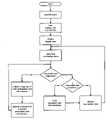
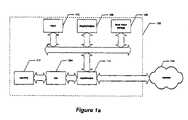
Claims (39)

1. A client computer operated by a user, where the client computer is programmed to be capable of carrying out the operations of:
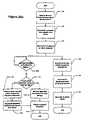
monitoring input to the client computer that is operated by the user;
receiving a search query as input to the client computer, where the search query is entered by the user using an input device associated with the client computer;
submitting the search query to a search engine, where the search engine uses the search query to identify a plurality of search documents that may be of interest to the user based on the search query, where the search engine identifies the plurality of search documents from among a large number of documents that may be available to the client computer over a connection providing access to the large number of documents;
identifying a first document as a document that the user may wish to display on a display screen associated with the client computer, where the first document is one of the search documents found by the search engine;
retrieving information that can be used to display the first document on the display screen, where the information that can be used to display the first document is retrieved over the connection by the client computer from a remote location relative to the client computer, where the information that can be used to display the first document is retrieved after the operation of submitting the search query to the search engine and before the user inputs a request for the first document to be displayed on the display screen associated with the client computer, and where the information that can be used to display the first document is retrieved in anticipation of quickly displaying the first document if the user inputs a request for the first document to be displayed on the display screen;
storing the information that can be used to display the first document in local storage associated with the client computer;
continuing to monitor input from the user operating the client computer;
detecting as input from the user a request for the first document to be displayed on the display screen associated with the client computer; and
upon detecting as input from the user a request for the first document to be displayed on the display screen associated with the client computer, displaying the first document on the display screen by accessing the information that can be used to display the first document stored in local storage associated with the client computer so that the first document is displayed for the user on the display screen associated with the client computer more quickly than if the entire first document was retrieved over the network following the user's request for the first document to be displayed.
7. A data storage medium for use with a client computer that is operated by a user, where the data storage medium has computer program instructions stored on it, where the computer program instructions are executable on the client computer, and where the computer program instructions configure the client computer to be capable of carrying out operations comprising:
monitoring input to the client computer that is operated by the user;
receiving a search query as input to the client computer, where the search query is entered by the user using an input device associated with the client computer;
submitting the search query to a search engine, where the search engine uses the search query to identify a plurality of search documents that may be of interest to the user based on the search query, where the search engine identifies the plurality of search documents from among a large number of documents that may be available to the client computer over a network providing access to the large number of documents;
in response to submitting the search query to the search engine, displaying a document on a display screen associated with the client computer, where the document includes a plurality of links to other documents, including a link to a first document and a link to a second document, and where the document is displayed in a viewing area on the display screen associated with the client computer, and where the viewing area is within a window on the display screen;
identifying the first document as a document that the user wishes to later display on the display screen in the viewing area within the window, where the first document is identified through the user choosing the first document with a user action that includes using a pointing device associated with the client computer to interact with the document that includes the link to the first document;
retrieving information from the first document, where the information from the first document is retrieved over the network by the client computer from a remote location relative to the client computer, where the information from the first document is retrieved after the operation of identifying the first document, and before the user inputs a request to display the first document in the viewing area within the window on the display screen associated with the client computer, where the operation of retrieving information from the first document is carried out without yet removing the document that includes the link to the first document from the viewing area within the window on the display screen, and
where the operation of retrieving information from the first document is carried out in anticipation of later responding to input from the user requesting to display the first document in the viewing area within the window on the display screen;
storing the information from the first document in local storage associated with the client computer;
continuing to monitor input from the user operating the client computer;
detecting as input from the user a request to display the first document in the viewing area within the window on the display screen; and
upon detecting as input from the user a request to display the first document in the viewing area within the window, displaying the first document in the viewing area within the window by accessing the information from the first document stored in local storage associated with the client computer so that the first document is quickly displayed in the viewing area within the window following the user's request to display the first document in the viewing area within the window.
16. A system comprising a client computer operated by a user and connected to a network, where the system is configured to be capable of carrying out operations including:
monitoring input to the client computer that is operated by the user;
receiving a user request as input to the client computer, where the user request includes text specifying information sought by the user, and where the user request is communicated to the client computer through the user using an input device associated with the client computer;
submitting the text specifying information sought by the user over the network, where the network causes a remotely-located server to respond by transferring, over the network to the client computer, a document responsive to the user request, and where the document responsive to the user request is one of a large number of documents that may be available to the client computer over the network;
in response to submitting the user request over the network, displaying the document responsive to the user request, where the document is displayed for the user to read and interact with on a display screen associated with the client computer, where the document responsive to the user request includes a plurality of links to other documents, including a link to a first document, and a link to a second document;
identifying the first document as a document that the user wishes to retrieve in the background over the network, where the first document is identified in response to the user choosing the first document through an action that includes the use of a pointing device associated with the client computer to interact with the link to the first document included in the document responsive to the user request;
retrieving information from the first document, where the information from the first document is retrieved over the network by the client computer from a remote location relative to the client computer, where the information from the first document is retrieved after the operation of identifying the first document, and before the user inputs a request to make the first document visible for the user to read and interact with on the display screen, where the user is able, upon choosing the first document and while the operation of retrieving information from the first document is performed, to continue to read and interact with the document responsive to the user request that is displayed on the display screen, and
where the operation of retrieving information from the first document is performed in anticipation of later making the first document visible for the user to read and interact with on the display screen;
storing the information from the first document in local storage associated with the client computer in a manner that enables a later operation of quickly making the first document visible for the user to read and interact with on the display screen;
identifying the second document as a document that the user wishes to retrieve in the background over the network, where the second document is identified in response to the user choosing the second document through an action that includes the use of the pointing device associated with the client computer to interact with the link to the second document included in the document responsive to the user request;
retrieving information from the second document, where the information from the second document is retrieved over the network by the client computer from a remote location relative to the client computer, where the information from the second document is retrieved after the operation of identifying the second document, and before the user inputs a request to make the second document visible for the user to read and interact with on the display screen, where the user is able, upon choosing the second document and while the operation of retrieving information from the second document is performed, to continue to read and interact with the document responsive to the user request that is displayed on the display screen, and
where the operation of retrieving information from the second document is performed in anticipation of later making the second document visible for the user to read and interact with on the display screen;
storing the information from the second document in local storage associated with the client computer in a manner that enables a later operation of quickly making the second document visible for the user to read and interact with on the display screen;
continuing to monitor input from the user operating the client computer while the document responsive to the user request continues to be displayed on the display screen;
detecting as input from the user a request for a third document to be displayed on the display screen; and
upon detecting as input from the user a request for the third document to be displayed on the display screen, displaying the third document on the display screen by retrieving the third document over the network from a remote location relative to the client computer and making the third document visible for the user to read and interact with on the display screen.
23. A computer program product having computer program instructions encoded on a data storage medium, where the computer program instructions are executable on a client computer that is operated by a user and is connected to a network, and where the computer program instructions configure the client computer to be capable of carrying out operations comprising:
monitoring input to the client computer that is operated by the user;
receiving a user request as input to the client computer, where the user request is communicated to the client computer through the user using an input device associated with the client computer;
submitting information representing the user request over the network, where a remotely-located server responds to the information by transferring, over the network to the client computer, a document responsive to the user request, and where the document responsive to the user request is one of a large number of documents that may be available to the client computer over the network;
in response to submitting the user request over the network, displaying the document responsive to the user request, where the document is displayed for the user to read and interact with on a display screen associated with the client computer, where the document responsive to the user request includes a plurality of links to other documents, including a link to a first document, and a link to a second document;
identifying the first document as a document that the user wishes to retrieve in the background over the network, where the first document is identified in response to the user choosing the first document through an action that includes the use of a pointing device associated with the client computer to interact with the link to the first document included in the document responsive to the user request;
retrieving information from the first document, where the information from the first document is retrieved over the network by the client computer from a remote location relative to the client computer, where the information from the first document is retrieved after the operation of identifying the first document, and before the user inputs a request to make the first document visible for the user to read and interact with on the display screen, where the user is able, upon choosing the first document and while the operation of retrieving information from the first document is performed, to continue to read and interact with the document responsive to the user request that is displayed on the display screen, and
where the operation of retrieving information from the first document is performed in anticipation of later making the first document visible for the user to read and interact with on the display screen;
storing the information from the first document in local storage associated with the client computer in a manner that enables a later operation of quickly making the first document visible for the user to read and interact with on the display screen;
identifying the second document as a document that the user wishes to retrieve in the background over the network, where the second document is identified in response to the user choosing the second document through an action that includes the use of the pointing device associated with the client computer to interact with the link to the second document included in the document responsive to the user request;
retrieving information from the second document, where the information from the second document is retrieved over the network by the client computer from a remote location relative to the client computer, where the information from the second document is retrieved after the operation of identifying the second document, and before the user inputs a request to make the second document visible for the user to read and interact with on the display screen, where the user is able, upon choosing the second document and while the operation of retrieving information from the second document is performed, to continue to read and interact with the document responsive to the user request that is displayed on the display screen, and
where the operation of retrieving information from the second document is performed in anticipation of later making the second document visible for the user to read and interact with on the display screen; and
storing the information from the second document in local storage associated with the client computer in a manner that enables a later operation of quickly making the second document visible for the user to read and interact with on the display screen.
27. The computer program product ofclaim 23,
where the operation of retrieving information from the first document is performed for the purpose of later making the first document visible for the user to read and interact with in an area on the display screen within a window on the display screen without delay caused by access to local disk storage or further access to the network,
where the operation of retrieving information from the first document includes displaying within the window a small display element that changes appearance after the retrieval commences, and also includes separately retrieving a plurality of objects embedded in the first document, and where the user chooses the first document by selecting an option from a menu that appears when the link to the first document is selected in the area on the display screen, and
where the operation of retrieving information from the second document is performed for the purpose of later making the second document visible for the user to read and interact with in the area on the display screen within the window without delay caused by access to local disk storage or further access to the network.
30. The computer program product ofclaim 23,24,25, or26, where the client computer is further configured to be capable of carrying out operations comprising:
detecting as input from the user a request for the second document to be displayed on the display screen;
upon detecting the input, quickly making the second document visible for the user to read and interact with on the display screen by accessing the information from the second document in local storage without delay caused by access to local disk storage or the network;
after displaying the second document, detecting a request for the first document to be made visible for the user to read and interact with on the display screen; and
upon detecting the request for the first document, quickly making the first document visible for the user to read and interact with by accessing the information from the first document in local storage without delay caused by access to local disk storage or the network.
31. A method of retrieving information over a network using a client computer, where the client computer is configured to be capable of communicating over the network, and where the client computer is operated by a user, the method comprising the acts of:
monitoring input to the client computer that is operated by the user;
receiving a user request as input to the client computer, where the user request is communicated to the client computer through the user using an input device associated with the client computer;
submitting information representing the user request over the network so that a remotely-located server responds to the information by transferring, over the network to the client computer, a document responsive to the user request, where the document responsive to the user request is one of a large number of documents that may be available to the client computer over the network;
in response to submitting the user request over the network, displaying the document responsive to the user request, where the document is displayed for the user to read and interact with on a display screen associated with the client computer, where the document responsive to the user request includes a plurality of links to other documents, including a link to a first document, and a link to a second document;
identifying the first document as a document that the user wishes to retrieve in the background over the network, where the first document is identified in response to the user choosing the first document through an action that includes the use of an input device associated with the client computer to interact with the link to the first document included in the document responsive to the user request;
retrieving information from the first document, where the information from the first document is retrieved over the network by the client computer from a remote location relative to the client computer, where the information from the first document is retrieved after the act of identifying the first document, and before the user inputs a request to make the first document visible for the user to read and interact with on the display screen, where the user is able, upon choosing the first document and while the act of retrieving information from the first document is performed, to continue to read and interact with the document responsive to the user request that is displayed on the display screen, and
where the act of retrieving information from the first document is performed in anticipation of later making the first document visible for the user to read and interact with on the display screen;
storing the information from the first document in local storage associated with the client computer in a manner that enables a later operation of quickly making the first document visible for the user to read and interact with on the display screen;
identifying the second document as a document that the user wishes to retrieve in the background over the network, where the second document is identified in response to the user choosing the second document through an action that includes the use of an input device associated with the client computer to interact with the link to the second document included in the document responsive to the user request;
retrieving information from the second document, where the information from the second document is retrieved over the network by the client computer from a remote location relative to the client computer, where the information from the second document is retrieved after the act of identifying the second document, and before the user inputs a request to make the second document visible for the user to read and interact with on the display screen, where the user is able, upon choosing the second document and while the act of retrieving information from the second document is performed, to continue to read and interact with the document responsive to the user request that is displayed on the display screen, and
where the act of retrieving information from the second document is performed in anticipation of later making the second document visible for the user to read and interact with on the display screen; and
storing the information from the second document in local storage associated with the client computer in a manner that enables a later operation of quickly making the second document visible for the user to read and interact with on the display screen.
36. The method ofclaim 31,
where the act of displaying the document responsive to the user request includes displaying the document in a scrollable viewing area within a window on the display screen,
where the act of retrieving information from the first document is performed for the purpose of later making the first document visible for the user to read and interact with in the scrollable viewing area without noticeable delay caused by access to local disk storage or further access to the network,
where the act of retrieving information from the first document includes displaying within the window a small display element that changes appearance after the retrieval commences, and also includes separately retrieving a plurality of objects embedded in the first document, and
where the user chooses the first document by selecting an option from a menu that appears when the link to the first document is selected in the scrollable viewing area.
39. The method ofclaim 31,32,33,34, or35, further comprising the acts of:
detecting as input from the user a request for the first document to be displayed on the display screen;
upon detecting the input, quickly making the first document visible for the user to read and interact with on the display screen by accessing the information from the first document in local storage without noticeable delay caused by access to local disk storage or the network;
while the first document is visible for the user to read and interact with on the display screen, detecting a request for the second document to be made visible for the user to read and interact with on the display screen without requiring a link to the second document to be included within the first document; and
upon detecting the request for the second document, quickly making the second document visible for the user to read and interact with on the display screen by accessing the information from the second document in local storage without noticeable delay caused by access to local disk storage or the network, and by replacing the first document on the display screen.
US11/469,9531994-09-022006-09-05System and method for information retrieval employing a preloading procedureExpired - Fee RelatedUS7467137B1 (en)

Priority Applications (5)

Application NumberPriority DateFiling DateTitle
US11/469,953US7467137B1 (en)1994-09-022006-09-05System and method for information retrieval employing a preloading procedure
US12/182,124US8224801B1 (en)1994-09-022008-07-29System and method for improved information retrieval
US12/335,862US8131665B1 (en)1994-09-022008-12-16System and method for improved information retrieval
US13/478,504US8639694B1 (en)1994-09-022012-05-23Client-side processing of preload operations
US13/487,964US8626763B1 (en)1997-05-222012-06-04Server-side suggestion of preload operations

Applications Claiming Priority (9)

Application NumberPriority DateFiling DateTitle
US30034394A1994-09-021994-09-02
US08/474,921US5715445A (en)1994-09-021995-06-07Document retrieval system employing a preloading procedure
US4755497P1997-05-221997-05-22
US08/918,912US5946682A (en)1994-09-021997-08-27Document retrieval system and method employing a preloading procedure
US8338298A1998-05-221998-05-22
US62065100A2000-07-202000-07-20
US09/974,242US6604103B1 (en)1994-09-022001-10-09System and method for information retrieval employing a preloading procedure
US10/611,077US7103594B1 (en)1994-09-022003-07-01System and method for information retrieval employing a preloading procedure
US11/469,953US7467137B1 (en)1994-09-022006-09-05System and method for information retrieval employing a preloading procedure

Related Parent Applications (1)

Application NumberTitlePriority DateFiling Date
US10/611,077ContinuationUS7103594B1 (en)1994-09-022003-07-01System and method for information retrieval employing a preloading procedure

Related Child Applications (2)

Application NumberTitlePriority DateFiling Date
US12/182,124ContinuationUS8224801B1 (en)1994-09-022008-07-29System and method for improved information retrieval
US12/335,862ContinuationUS8131665B1 (en)1994-09-022008-12-16System and method for improved information retrieval

Publications (1)

Publication NumberPublication Date
US7467137B1true US7467137B1 (en)2008-12-16

Family

ID=37986496

Family Applications (4)

Application NumberTitlePriority DateFiling Date
US11/469,953Expired - Fee RelatedUS7467137B1 (en)1994-09-022006-09-05System and method for information retrieval employing a preloading procedure
US12/182,124Expired - Fee RelatedUS8224801B1 (en)1994-09-022008-07-29System and method for improved information retrieval
US12/335,862Expired - Fee RelatedUS8131665B1 (en)1994-09-022008-12-16System and method for improved information retrieval
US13/478,504Expired - Fee RelatedUS8639694B1 (en)1994-09-022012-05-23Client-side processing of preload operations

Family Applications After (3)

Application NumberTitlePriority DateFiling Date
US12/182,124Expired - Fee RelatedUS8224801B1 (en)1994-09-022008-07-29System and method for improved information retrieval
US12/335,862Expired - Fee RelatedUS8131665B1 (en)1994-09-022008-12-16System and method for improved information retrieval
US13/478,504Expired - Fee RelatedUS8639694B1 (en)1994-09-022012-05-23Client-side processing of preload operations

Country Status (1)

CountryLink
US (4)US7467137B1 (en)

Cited By (46)

* Cited by examiner, † Cited by third party
Publication numberPriority datePublication dateAssigneeTitle
US20050055426A1 (en)*2000-06-122005-03-10Kim SmithSystem, method and computer program product that pre-caches content to provide timely information to a user
US20070094244A1 (en)*1994-09-022007-04-26Wolfe Mark ASystem and Method for Enhanced Information Retrieval
US20110154189A1 (en)*2009-12-212011-06-23Canon Kabushiki KaishaDisplay control apparatus and display control method
US8032820B1 (en)1995-06-072011-10-04Google Inc.Efficiently displaying information about the interrelationships between documents
US8301495B2 (en)2009-05-052012-10-30Groupon, Inc.System and methods for discount retailing
US8355948B2 (en)2009-05-052013-01-15Groupon, Inc.System and methods for discount retailing
US20130019159A1 (en)*2011-07-142013-01-17Google Inc.Mobile web browser for pre-loading web pages
US20130263123A1 (en)*2012-03-302013-10-03Jiangli ZhouMethods and Apparatus for Dynamically Preloading Classes
US8566696B1 (en)2011-07-142013-10-22Google Inc.Predicting user navigation events
US8600921B2 (en)2011-09-152013-12-03Google Inc.Predicting user navigation events in a browser using directed graphs
US8626763B1 (en)1997-05-222014-01-07Google Inc.Server-side suggestion of preload operations
US8639694B1 (en)*1994-09-022014-01-28Google Inc.Client-side processing of preload operations
US8650139B2 (en)2011-07-012014-02-11Google Inc.Predicting user navigation events
US8650072B2 (en)2009-05-052014-02-11Groupon, Inc.System and methods for providing location based discount retailing
US8655819B1 (en)2011-09-152014-02-18Google Inc.Predicting user navigation events based on chronological history data
US8732569B2 (en)2011-05-042014-05-20Google Inc.Predicting user navigation events
US8744988B1 (en)2011-07-152014-06-03Google Inc.Predicting user navigation events in an internet browser
US8745212B2 (en)2011-07-012014-06-03Google Inc.Access to network content
US8788711B2 (en)2011-06-142014-07-22Google Inc.Redacting content and inserting hypertext transfer protocol (HTTP) error codes in place thereof
US8793235B2 (en)2012-01-192014-07-29Google Inc.System and method for improving access to search results
US8849982B2 (en)1996-10-082014-09-30Google, Inc.Communicating information relating to a network resource
US8887239B1 (en)2012-08-082014-11-11Google Inc.Access to network content
US8954524B1 (en)2012-03-142015-02-10Google Inc.Access to network content
US9104664B1 (en)2011-10-072015-08-11Google Inc.Access to search results
US9141722B2 (en)2012-10-022015-09-22Google Inc.Access to network content
US20150334204A1 (en)*2014-05-152015-11-19Google Inc.Intelligent auto-caching of media
US9485640B2 (en)2011-03-282016-11-01Google Inc.Smart cache warming
US20170017364A1 (en)*2015-07-142017-01-19Adobe Systems IncorporatedPublishing electronic documents utilizing navigation information
US9565233B1 (en)*2013-08-092017-02-07Google Inc.Preloading content for requesting applications
US9584579B2 (en)2011-12-012017-02-28Google Inc.Method and system for providing page visibility information
US9769285B2 (en)2011-06-142017-09-19Google Inc.Access to network content
US9934516B1 (en)1997-11-172018-04-03Google LlcCommunicating information relating to a network resource
US9946792B2 (en)2012-05-152018-04-17Google LlcAccess to network content
US9996859B1 (en)2012-03-302018-06-12Groupon, Inc.Method, apparatus, and computer readable medium for providing a self-service interface
US10147130B2 (en)2012-09-272018-12-04Groupon, Inc.Online ordering for in-shop service
US10192243B1 (en)2013-06-102019-01-29Groupon, Inc.Method and apparatus for determining promotion pricing parameters
US10255620B1 (en)2013-06-272019-04-09Groupon, Inc.Fine print builder
US10304091B1 (en)2012-04-302019-05-28Groupon, Inc.Deal generation using point-of-sale systems and related methods
US10304093B2 (en)2013-01-242019-05-28Groupon, Inc.Method, apparatus, and computer readable medium for providing a self-service interface
US10394528B2 (en)2016-03-302019-08-27Oracle International CorporationReturning a runtime type loaded from an archive in a module system
US10417024B2 (en)2016-03-302019-09-17Oracle International CorporationGenerating verification metadata and verifying a runtime type based on verification metadata
US10664861B1 (en)2012-03-302020-05-26Groupon, Inc.Generating promotion offers and providing analytics data
US10664876B1 (en)2013-06-202020-05-26Groupon, Inc.Method and apparatus for promotion template generation
CN111562913A (en)*2020-04-282020-08-21北京字节跳动网络技术有限公司Pre-creation method, device, equipment and computer readable medium of view component
US11386461B2 (en)2012-04-302022-07-12Groupon, Inc.Deal generation using point-of-sale systems and related methods
US11966322B2 (en)2020-11-252024-04-23International Business Machines CorporationPreloading debug information based on the increment of application

Families Citing this family (16)

* Cited by examiner, † Cited by third party
Publication numberPriority datePublication dateAssigneeTitle
US8095949B1 (en)*1993-12-022012-01-10Adrea, LLCElectronic book with restricted access features
US8103742B1 (en)*2003-11-242012-01-24Amazon Technologies, Inc.Deferred and off-loaded rendering of selected portions of web pages to incorporate late-arriving service data
AR062635A1 (en)*2006-09-012008-11-19Thomson Global Resources SYSTEM, METHODS, SOFTWARE AND INTERFASES TO FORMAT APPOINTMENTS OF LEGISLATION
US9690786B2 (en)*2008-03-172017-06-27Tivo Solutions Inc.Systems and methods for dynamically creating hyperlinks associated with relevant multimedia content
US9235318B2 (en)2012-02-012016-01-12Facebook, Inc.Transitions among hierarchical user-interface layers
US9645724B2 (en)2012-02-012017-05-09Facebook, Inc.Timeline based content organization
US9557876B2 (en)2012-02-012017-01-31Facebook, Inc.Hierarchical user interface
US8892638B2 (en)*2012-05-102014-11-18Microsoft CorporationPredicting and retrieving data for preloading on client device
US10261938B1 (en)*2012-08-312019-04-16Amazon Technologies, Inc.Content preloading using predictive models
US10534844B2 (en)*2014-02-032020-01-14Oracle International CorporationSystems and methods for viewing and editing composite documents
US10313472B2 (en)*2014-03-192019-06-04Telefonaktiebolaget Lm Ericsson (Publ)Enabling efficient pre-loading of data for a network client
CN105095253B (en)*2014-05-062020-11-24腾讯科技(深圳)有限公司Webpage display method and device
JP6476685B2 (en)*2014-09-242019-03-06富士ゼロックス株式会社 INFORMATION PROCESSING DEVICE, INFORMATION PROCESSING SYSTEM, DISPLAY DEVICE, AND PROGRAM
CN105630521A (en)*2014-10-312016-06-01阿里巴巴集团控股有限公司Webpage loading method and device
CN104462535A (en)*2014-12-242015-03-25北京奇艺世纪科技有限公司Push information exhibiting method and device
US10459609B2 (en)*2018-04-032019-10-29Palantir Technologies Inc.Multi-stage data page rendering

Citations (41)

* Cited by examiner, † Cited by third party
Publication numberPriority datePublication dateAssigneeTitle
US5208745A (en)1988-07-251993-05-04Electric Power Research InstituteMultimedia interface and method for computer system
US5239644A (en)1988-03-281993-08-24Hitachi, Ltd.Data preloading method and system for using a buffer
US5444823A (en)1993-04-161995-08-22Compaq Computer CorporationIntelligent search engine for associated on-line documentation having questionless case-based knowledge base
US5590360A (en)1992-10-191996-12-31International Business Machines CorporationApparatus and method for gathering and entering data requirements from multiple users in the building of process models and data models
US5623589A (en)1995-03-311997-04-22Intel CorporationMethod and apparatus for incrementally browsing levels of stories
US5625781A (en)1995-10-311997-04-29International Business Machines CorporationItinerary list for interfaces
US5627994A (en)1994-07-291997-05-06International Business Machines CorporationMethod for the assignment of request streams to cache memories
US5630066A (en)1994-12-201997-05-13Sun Microsystems, Inc.System and method for locating object view and platform independent object
US5631825A (en)1993-09-291997-05-20Dow Benelux N.V.Operator station for manufacturing process control system
US5649139A (en)1991-03-221997-07-15Object Design, Inc.Method and apparatus for virtual memory mapping and transaction management in an object-oriented database system
US5715445A (en)*1994-09-021998-02-03Wolfe; Mark A.Document retrieval system employing a preloading procedure
US5727129A (en)1996-06-041998-03-10International Business Machines CorporationNetwork system for profiling and actively facilitating user activities
US5740549A (en)1995-06-121998-04-14Pointcast, Inc.Information and advertising distribution system and method
US5794229A (en)1993-04-161998-08-11Sybase, Inc.Database system with methodology for storing a database table by vertically partitioning all columns of the table
US5796393A (en)1996-11-081998-08-18Compuserve IncorporatedSystem for intergrating an on-line service community with a foreign service
US5809242A (en)1996-04-191998-09-15Juno Online Services, L.P.Electronic mail system for displaying advertisement at local computer received from remote system while the local computer is off-line the remote system
US5835087A (en)1994-11-291998-11-10Herz; Frederick S. M.System for generation of object profiles for a system for customized electronic identification of desirable objects
US5848424A (en)1996-11-181998-12-08Toptier Software, Inc.Data navigator interface with navigation as a function of draggable elements and drop targets
US5956716A (en)1995-06-071999-09-21Intervu, Inc.System and method for delivery of video data over a computer network
US5987611A (en)1996-12-311999-11-16Zone Labs, Inc.System and methodology for managing internet access on a per application basis for client computers connected to the internet
US6012071A (en)1996-01-292000-01-04Futuretense, Inc.Distributed electronic publishing system
US6029175A (en)1995-10-262000-02-22Teknowledge CorporationAutomatic retrieval of changed files by a network software agent
US6049831A (en)1996-11-082000-04-11Gte Laboratories IncorporatedSystem for transmitting network-related information where requested network information is separately transmitted as definitions and display information
US6088032A (en)1996-10-042000-07-11Xerox CorporationComputer controlled display system for displaying a three-dimensional document workspace having a means for prefetching linked documents
US6119101A (en)1996-01-172000-09-12Personal Agents, Inc.Intelligent agents for electronic commerce
US6125384A (en)1996-12-232000-09-26International Business Machines CorporationComputer apparatus and method for communicating between software applications and computers on the world-wide web
US6144962A (en)1996-10-152000-11-07Mercury Interactive CorporationVisualization of web sites and hierarchical data structures
US6253188B1 (en)1996-09-202001-06-26Thomson Newspapers, Inc.Automated interactive classified ad system for the internet
US6353822B1 (en)1996-08-222002-03-05Massachusetts Institute Of TechnologyProgram-listing appendix
US6373502B1 (en)1996-07-012002-04-16Sun Microsystems, Inc.Method and apparatus for facilitating popup links in a hypertext-enabled computer system
US6373950B1 (en)1996-06-172002-04-16Hewlett-Packard CompanySystem, method and article of manufacture for transmitting messages within messages utilizing an extensible, flexible architecture
US6415319B1 (en)1997-02-072002-07-02Sun Microsystems, Inc.Intelligent network browser using incremental conceptual indexer
US6421733B1 (en)1997-03-252002-07-16Intel CorporationSystem for dynamically transcoding data transmitted between computers
US6434598B1 (en)1996-07-012002-08-13Sun Microsystems, Inc.Object-oriented system, method and article of manufacture for a client-server graphical user interface (#9) framework in an interprise computing framework system
US6594692B1 (en)1994-05-312003-07-15Richard R. ReismanMethods for transacting electronic commerce
US6604103B1 (en)*1994-09-022003-08-05Mark A. WolfeSystem and method for information retrieval employing a preloading procedure
US7020700B1 (en)1997-02-282006-03-28International Business Machines CorporationClient side socks server for an internet client
US7043526B1 (en)1996-10-082006-05-09Wolfe Mark ASystem and method for communicating information relating to a network resource
US7103594B1 (en)*1994-09-022006-09-05Wolfe Mark ASystem and method for information retrieval employing a preloading procedure
US7225142B1 (en)1996-08-012007-05-29At&T Corp.Interactive multimedia advertising and electronic commerce on a hypertext network
US7257604B1 (en)1997-11-172007-08-14Wolfe Mark ASystem and method for communicating information relating to a network resource

Family Cites Families (228)

* Cited by examiner, † Cited by third party
Publication numberPriority datePublication dateAssigneeTitle
US4723211A (en)1984-08-301988-02-02International Business Machines Corp.Editing of a superblock data structure
JPS6176144A (en)1984-09-211986-04-18オリンパス光学工業株式会社Medical image file apparatus
US5289569A (en)1985-05-211994-02-22Canon Kabushiki KaishaDocument processing system capable of simultaneously displaying two continuous document pages in accordance with a selected binding position
US4815029A (en)1985-09-231989-03-21International Business Machines Corp.In-line dynamic editor for mixed object documents
US4730252A (en)1985-09-241988-03-08International Business Machines Corp.Document composition from parts inventory
US5128752A (en)1986-03-101992-07-07Kohorn H VonSystem and method for generating and redeeming tokens
DE3714172A1 (en)1986-04-281987-11-19Hitachi Ltd DEVICE FOR BROWSING DOCUMENTS IN A DOCUMENT FILING SYSTEM
US4760606A (en)1986-06-301988-07-26Wang Laboratories, Inc.Digital imaging file processing system
US4722005A (en)1986-09-121988-01-26Intel CorporationSoftware controllable hardware CRT dimmer
US5206949A (en)1986-09-191993-04-27Nancy P. CochranDatabase search and record retrieval system which continuously displays category names during scrolling and selection of individually displayed search terms
US5062074A (en)1986-12-041991-10-29Tnet, Inc.Information retrieval system and method
EP0272886A3 (en)1986-12-191990-12-19Pfu LimitedImage information processing system
US5257367A (en)1987-06-021993-10-26Cab-Tek, Inc.Data storage system with asynchronous host operating system communication link
US5014327A (en)1987-06-151991-05-07Digital Equipment CorporationParallel associative memory having improved selection and decision mechanisms for recognizing and sorting relevant patterns
US4980823A (en)1987-06-221990-12-25International Business Machines CorporationSequential prefetching with deconfirmation
JPS6410300A (en)1987-07-031989-01-13Hitachi LtdUser's interface system for searching
US4860197A (en)1987-07-311989-08-22Prime Computer, Inc.Branch cache system with instruction boundary determination independent of parcel boundary
CA1288516C (en)1987-07-311991-09-03Leendert M. BijnagteApparatus and method for communicating textual and image information between a host computer and a remote display terminal
US4996642A (en)1987-10-011991-02-26Neonics, Inc.System and method for recommending items
US4855725A (en)1987-11-241989-08-08Fernandez Emilio AMicroprocessor based simulated book
US4943908A (en)1987-12-021990-07-24International Business Machines CorporationMultiple branch analyzer for prefetching cache lines
US5157783A (en)1988-02-261992-10-20Wang Laboratories, Inc.Data base system which maintains project query list, desktop list and status of multiple ongoing research projects
US4945476A (en)1988-02-261990-07-31Elsevier Science Publishing Company, Inc.Interactive system and method for creating and editing a knowledge base for use as a computerized aid to the cognitive process of diagnosis
US4899292A (en)1988-03-021990-02-06Image Storage/Retrieval Systems, Inc.System for storing and retrieving text and associated graphics
US4982344A (en)1988-05-181991-01-01Xerox CorporationAccelerating link creation
JP2759121B2 (en)1988-06-271998-05-28日本電信電話株式会社 Method and apparatus for generating and displaying navigator for guiding to related image information
CA1341310C (en)*1988-07-152001-10-23Robert FileppInteractive computer network and method of operation
US7072849B1 (en)1988-07-152006-07-04International Business Machines CorporationMethod for presenting advertising in an interactive service
US4839853A (en)1988-09-151989-06-13Bell Communications Research, Inc.Computer information retrieval using latent semantic structure
JPH02121060A (en)1988-10-311990-05-08Toshiba Corp image search device
US5408655A (en)1989-02-271995-04-18Apple Computer, Inc.User interface system and method for traversing a database
US5220648A (en)1989-05-311993-06-15Kabushiki Kaisha ToshibaHigh-speed search system for image data storage
JP2527817B2 (en)1989-07-141996-08-28シャープ株式会社 Subject association device and word association device
US6345288B1 (en)1989-08-312002-02-05Onename CorporationComputer-based communication system and method using metadata defining a control-structure
US6044205A (en)1996-02-292000-03-28Intermind CorporationCommunications system for transferring information between memories according to processes transferred with the information
US5241671C1 (en)1989-10-262002-07-02Encyclopaedia Britannica EducaMultimedia search system using a plurality of entry path means which indicate interrelatedness of information
US5224206A (en)1989-12-011993-06-29Digital Equipment CorporationSystem and method for retrieving justifiably relevant cases from a case library
US5295243A (en)1989-12-291994-03-15Xerox CorporationDisplay of hierarchical three-dimensional structures with rotating substructures
US5255386A (en)1990-02-081993-10-19International Business Machines CorporationMethod and apparatus for intelligent help that matches the semantic similarity of the inferred intent of query or command to a best-fit predefined command intent
JP3691844B2 (en)1990-05-212005-09-07株式会社東芝 Document processing method
US5301109A (en)1990-06-111994-04-05Bell Communications Research, Inc.Computerized cross-language document retrieval using latent semantic indexing
DE69032349T2 (en)1990-07-311998-10-01Hewlett Packard Co Object based system
US6152369A (en)*1990-09-112000-11-28Metrologic Instruments, Inc.System for storing, accessing and displaying html encoded
US5325298A (en)1990-11-071994-06-28Hnc, Inc.Methods for generating or revising context vectors for a plurality of word stems
CA2056865C (en)1990-12-111999-01-05Barbara ClappInteractive computerized document assembly system
US5261071A (en)1991-03-211993-11-09Control Data System, Inc.Dual pipe cache memory with out-of-order issue capability
US5754766A (en)1991-04-171998-05-19Shaw; Venson M.Integrated circuit system for direct document execution
US5202828A (en)1991-05-151993-04-13Apple Computer, Inc.User interface system having programmable user interface elements
US5305389A (en)1991-08-301994-04-19Digital Equipment CorporationPredictive cache system
US5410648A (en)1991-08-301995-04-25International Business Machines CorporationDebugging system wherein multiple code views are simultaneously managed
US5265065A (en)1991-10-081993-11-23West Publishing CompanyMethod and apparatus for information retrieval from a database by replacing domain specific stemmed phases in a natural language to create a search query
US5524193A (en)1991-10-151996-06-04And CommunicationsInteractive multimedia annotation method and apparatus
US5421008A (en)1991-11-081995-05-30International Business Machines CorporationSystem for interactive graphical construction of a data base query and storing of the query object links as an object
US5632022A (en)1991-11-131997-05-20The United States Of America As Represented By The Administrator Of The National Aeronautics And Space AdministrationEncyclopedia of software components
DE69231942T2 (en)1991-11-222002-04-04Eastman Kodak Co., Rochester Method and device for controlling the rapid display of multiple images from a digital image database
US5471575A (en)1992-01-031995-11-28Home Equity Software, Inc.Interactive parameter driven iterative financial spreadsheet analysis with context and layout sensitive help screen
US5495581A (en)1992-02-251996-02-27Tsai; IrvingMethod and apparatus for linking a document with associated reference information using pattern matching
US5535422A (en)1992-03-261996-07-09International Business Machines CorporationInteractive online tutorial system for software products
US5243149A (en)1992-04-101993-09-07International Business Machines Corp.Method and apparatus for improving the paper interface to computing systems
US5412717A (en)1992-05-151995-05-02Fischer; Addison M.Computer system security method and apparatus having program authorization information data structures
US5390281A (en)1992-05-271995-02-14Apple Computer, Inc.Method and apparatus for deducing user intent and providing computer implemented services
US5471619A (en)1992-09-251995-11-28International Business Machines CorporationMethod and system for controlling access to objects in a data processing system
US5835922A (en)1992-09-301998-11-10Hitachi, Ltd.Document processing apparatus and method for inputting the requirements of a reader or writer and for processing documents according to the requirements
US5345551A (en)1992-11-091994-09-06Brigham Young UniversityMethod and system for synchronization of simultaneous displays of related data sources
US5404442A (en)1992-11-301995-04-04Apple Computer, Inc.Visible clipboard for graphical computer environments
US5392387A (en)1992-12-171995-02-21International Business Machines CorporationMethod and system for enhanced data access efficiency in an electronic book
US5806077A (en)1993-01-151998-09-08International Business Machines CorporationHypertext display system
US5903317A (en)1993-02-141999-05-11Orad Hi-Tech Systems Ltd.Apparatus and method for detecting, identifying and incorporating advertisements in a video
US5444615A (en)1993-03-241995-08-22Engate IncorporatedAttorney terminal having outline preparation capabilities for managing trial proceeding
AU6707394A (en)1993-04-201994-11-08Apple Computer, Inc.Interactive user interface
JPH06342357A (en)1993-06-011994-12-13Mitsubishi Electric Corp User interface method
US5544352A (en)1993-06-141996-08-06Libertech, Inc.Method and apparatus for indexing, searching and displaying data
US5544342A (en)*1993-06-301996-08-06International Business Machines CorporationSystem and method for prefetching information in a processing system
DE69426615T2 (en)1993-07-202001-06-28Canon K.K., Tokio/Tokyo Device and method for processing documents
US5523945A (en)1993-09-171996-06-04Nec CorporationRelated information presentation method in document processing system
US5526520A (en)1993-09-211996-06-11Krause; Gary M.Method to organize and manipulate blueprint documents using hypermedia links from a primary document to recall related secondary documents
US5808611A (en)1993-09-231998-09-15International Business Machines CorporationPositioning for multiple icons in an object-oriented interface
US5511160A (en)1993-09-301996-04-23Hewlett-Packard CompanyInformation retrieval device for displaying and directly refreshing the display of a document
US5623679A (en)1993-11-191997-04-22Waverley Holdings, Inc.System and method for creating and manipulating notes each containing multiple sub-notes, and linking the sub-notes to portions of data objects
US5905251A (en)1993-11-241999-05-18Metrologic Instruments, Inc.Hand-held portable WWW access terminal with visual display panel and GUI-based WWW browser program integrated with bar code symbol reader in a hand-supportable housing
US5448262A (en)1993-11-291995-09-05Acc Microelectronics CorporationDisplay screen blanking using interactive video and user-interface monitoring
DE69528885T2 (en)1994-01-272003-04-10Minnesota Mining & Mfg SOFTWARE NOTES
US5915256A (en)1994-02-181999-06-22Newsweek, Inc.Multimedia method and apparatus for presenting a story using a bimodal spine
CA2140850C (en)1994-02-241999-09-21Howard Paul KatseffNetworked system for display of multimedia presentations
US5600831A (en)1994-02-281997-02-04Lucent Technologies Inc.Apparatus and methods for retrieving information by modifying query plan based on description of information sources
US5692107A (en)1994-03-151997-11-25Lockheed Missiles & Space Company, Inc.Method for generating predictive models in a computer system
US5950173A (en)1996-10-251999-09-07Ipf, Inc.System and method for delivering consumer product related information to consumers within retail environments using internet-based information servers and sales agents
US5644686A (en)1994-04-291997-07-01International Business Machines CorporationExpert system and method employing hierarchical knowledge base, and interactive multimedia/hypermedia applications
US5485609A (en)1994-05-201996-01-16Brown University Research FoundationOnline background predictors and prefetchers for locality management
US6769009B1 (en)*1994-05-312004-07-27Richard R. ReismanMethod and system for selecting a personalized set of information channels
US5948040A (en)1994-06-241999-09-07Delorme Publishing Co.Travel reservation information and planning system
US5624265A (en)1994-07-011997-04-29Tv Interactive Data CorporationPrinted publication remote contol for accessing interactive media
US5751293A (en)1994-08-241998-05-12Nippon Telegraph And Telephone Corp.Pattern generation method and apparatus for automatic generation of continuous tile patterns along any arbitrary side
US7467137B1 (en)1994-09-022008-12-16Wolfe Mark ASystem and method for information retrieval employing a preloading procedure
US5515098A (en)1994-09-081996-05-07Carles; John B.System and method for selectively distributing commercial messages over a communications network
US5717923A (en)1994-11-031998-02-10Intel CorporationMethod and apparatus for dynamically customizing electronic information to individual end users
US5752238A (en)1994-11-031998-05-12Intel CorporationConsumer-driven electronic information pricing mechanism
US5696965A (en)1994-11-031997-12-09Intel CorporationElectronic information appraisal agent
WO1996015505A2 (en)1994-11-081996-05-23Vermeer Technologies, Inc.An online service development tool with fee setting capabilities
US5694594A (en)1994-11-141997-12-02Chang; DanielSystem for linking hypermedia data objects in accordance with associations of source and destination data objects and similarity threshold without using keywords or link-difining terms
US5485575A (en)1994-11-211996-01-16International Business Machines CorporationAutomatic analysis of a computer virus structure and means of attachment to its hosts
US6029195A (en)1994-11-292000-02-22Herz; Frederick S. M.System for customized electronic identification of desirable objects
US6460036B1 (en)1994-11-292002-10-01Pinpoint IncorporatedSystem and method for providing customized electronic newspapers and target advertisements
US5617526A (en)1994-12-131997-04-01Microsoft CorporationOperating system provided notification area for displaying visual notifications from application programs
GB9426165D0 (en)1994-12-231995-02-22Anthony Andre CMethod of retrieving and displaying data
US5619247A (en)1995-02-241997-04-08Smart Vcr Limited PartnershipStored program pay-per-play
US5801702A (en)1995-03-091998-09-01Terrabyte TechnologySystem and method for adding network links in a displayed hierarchy
US5870552A (en)1995-03-281999-02-09America Online, Inc.Method and apparatus for publishing hypermedia documents over wide area networks
US5706493A (en)1995-04-191998-01-06Sheppard, Ii; Charles BradfordEnhanced electronic encyclopedia
US5802292A (en)1995-04-281998-09-01Digital Equipment CorporationMethod for predictive prefetching of information over a communications network
US5781189A (en)1995-05-051998-07-14Apple Computer, Inc.Embedding internet browser/buttons within components of a network component system
US5784619A (en)1995-05-051998-07-21Apple Computer, Inc.Replaceable and extensible notebook component of a network component
US5963205A (en)1995-05-261999-10-05Iconovex CorporationAutomatic index creation for a word processor
US5675510A (en)1995-06-071997-10-07Pc Meter L.P.Computer use meter and analyzer
US7302638B1 (en)*1995-06-072007-11-27Wolfe Mark AEfficiently displaying and researching information about the interrelationships between documents
US5870770A (en)1995-06-071999-02-09Wolfe; Mark A.Document research system and method for displaying citing documents
US5664109A (en)1995-06-071997-09-02E-Systems, Inc.Method for extracting pre-defined data items from medical service records generated by health care providers
US5826269A (en)1995-06-211998-10-20Microsoft CorporationElectronic mail interface for a network server
US5706507A (en)1995-07-051998-01-06International Business Machines CorporationSystem and method for controlling access to data located on a content server
US5878421A (en)1995-07-171999-03-02Microsoft CorporationInformation map
US5781894A (en)1995-08-111998-07-14Petrecca; AnthonyMethod and system for advertising on personal computers
US5913040A (en)1995-08-221999-06-15Backweb Ltd.Method and apparatus for transmitting and displaying information between a remote network and a local computer
US5765138A (en)1995-08-231998-06-09Bell Atlantic Network Services, Inc.Apparatus and method for providing interactive evaluation of potential vendors
US5826025A (en)1995-09-081998-10-20Sun Microsystems, Inc.System for annotation overlay proxy configured to retrieve associated overlays associated with a document request from annotation directory created from list of overlay groups
US5717914A (en)1995-09-151998-02-10Infonautics CorporationMethod for categorizing documents into subjects using relevance normalization for documents retrieved from an information retrieval system in response to a query
US5873076A (en)1995-09-151999-02-16Infonautics CorporationArchitecture for processing search queries, retrieving documents identified thereby, and method for using same
US5721902A (en)1995-09-151998-02-24Infonautics CorporationRestricted expansion of query terms using part of speech tagging
US5737734A (en)1995-09-151998-04-07Infonautics CorporationQuery word relevance adjustment in a search of an information retrieval system
US5822731A (en)1995-09-151998-10-13Infonautics CorporationAdjusting a hidden Markov model tagger for sentence fragments
US5742816A (en)1995-09-151998-04-21Infonautics CorporationMethod and apparatus for identifying textual documents and multi-mediafiles corresponding to a search topic
US5675788A (en)1995-09-151997-10-07Infonautics Corp.Method and apparatus for generating a composite document on a selected topic from a plurality of information sources
WO1997012328A1 (en)1995-09-251997-04-03Adobe Systems IncorporatedOptimum access to electronic documents
US5774670A (en)1995-10-061998-06-30Netscape Communications CorporationPersistent client state in a hypertext transfer protocol based client-server system
US5572643A (en)1995-10-191996-11-05Judson; David H.Web browser with dynamic display of information objects during linking
US5737619A (en)1995-10-191998-04-07Judson; David HughWorld wide web browsing with content delivery over an idle connection and interstitial content display
US5699528A (en)*1995-10-311997-12-16Mastercard International, Inc.System and method for bill delivery and payment over a communications network
US6058307A (en)*1995-11-302000-05-02Amsc Subsidiary CorporationPriority and preemption service system for satellite related communication using central controller
US5706452A (en)1995-12-061998-01-06Ivanov; Vladimir I.Method and apparatus for structuring and managing the participatory evaluation of documents by a plurality of reviewers
US5822539A (en)1995-12-081998-10-13Sun Microsystems, Inc.System for adding requested document cross references to a document by annotation proxy configured to merge and a directory generator and annotation server
US5959623A (en)1995-12-081999-09-28Sun Microsystems, Inc.System and method for displaying user selected set of advertisements
JP3935986B2 (en)1995-12-262007-06-27富士通株式会社 Network information resource monitoring system for notifying changes in information resources in a network
WO1997026729A2 (en)1995-12-271997-07-24Robinson Gary BAutomated collaborative filtering in world wide web advertising
US6264560B1 (en)1996-01-192001-07-24Sheldon F. GoldbergMethod and system for playing games on a network
US5823879A (en)1996-01-191998-10-20Sheldon F. GoldbergNetwork gaming system
US5951620A (en)1996-01-261999-09-14Navigation Technologies CorporationSystem and method for distributing information for storage media
US5802299A (en)1996-02-131998-09-01Microtouch Systems, Inc.Interactive system for authoring hypertext document collections
US5862325A (en)1996-02-291999-01-19Intermind CorporationComputer-based communication system and method using metadata defining a control structure
US5978841A (en)*1996-03-081999-11-02Berger; LouisLook ahead caching process for improved information retrieval response time by caching bodies of information before they are requested by the user
US5826267A (en)1996-03-201998-10-20Mcmillan; James MichaelWeb information kiosk
US5937163A (en)*1996-03-261999-08-10Industrial Technology Research InstituteMethod and system at a host node for hierarchically organizing the links visited by a world wide web browser executing at the host node
US5901287A (en)1996-04-011999-05-04The Sabre Group Inc.Information aggregation and synthesization system
US5778372A (en)1996-04-181998-07-07Microsoft CorporationRemote retrieval and display management of electronic document with incorporated images
US5894554A (en)1996-04-231999-04-13Infospinner, Inc.System for managing dynamic web page generation requests by intercepting request at web server and routing to page server thereby releasing web server to process other requests
US5848396A (en)1996-04-261998-12-08Freedom Of Information, Inc.Method and apparatus for determining behavioral profile of a computer user
US5850433A (en)1996-05-011998-12-15Sprint Communication Co. L.P.System and method for providing an on-line directory service
US5793972A (en)1996-05-031998-08-11Westminster International Computers Inc.System and method providing an interactive response to direct mail by creating personalized web page based on URL provided on mail piece
US5826261A (en)1996-05-101998-10-20Spencer; GrahamSystem and method for querying multiple, distributed databases by selective sharing of local relative significance information for terms related to the query
US5715453A (en)1996-05-311998-02-03International Business Machines CorporationWeb server mechanism for processing function calls for dynamic data queries in a web page
US5758154A (en)1996-06-051998-05-26Microsoft CorporationMethod and system for storing configuration data into a common registry
US6151643A (en)1996-06-072000-11-21Networks Associates, Inc.Automatic updating of diverse software products on multiple client computer systems by downloading scanning application to client computer and generating software list on client computer
US5729594A (en)1996-06-071998-03-17Klingman; Edwin E.On-line secured financial transaction system through electronic media
US5813007A (en)1996-06-201998-09-22Sun Microsystems, Inc.Automatic updates of bookmarks in a client computer
US5890164A (en)1996-06-241999-03-30Sun Microsystems, Inc.Estimating the degree of change of web pages
US5953005A (en)1996-06-281999-09-14Sun Microsystems, Inc.System and method for on-line multimedia access
US6125352A (en)1996-06-282000-09-26Microsoft CorporationSystem and method for conducting commerce over a distributed network
US5903816A (en)*1996-07-011999-05-11Thomson Consumer Electronics, Inc.Interactive television system and method for displaying web-like stills with hyperlinks
US6061738A (en)1997-06-272000-05-09D&I Systems, Inc.Method and system for accessing information on a network using message aliasing functions having shadow callback functions
US5742768A (en)1996-07-161998-04-21Silicon Graphics, Inc.System and method for providing and displaying a web page having an embedded menu
JPH1049581A (en)1996-08-021998-02-20Hitachi Ltd Electronic discussion system
US5933811A (en)1996-08-201999-08-03Paul D. AnglesSystem and method for delivering customized advertisements within interactive communication systems
US6396941B1 (en)*1996-08-232002-05-28Bacus Research Laboratories, Inc.Method and apparatus for internet, intranet, and local viewing of virtual microscope slides
US6108637A (en)1996-09-032000-08-22Nielsen Media Research, Inc.Content display monitor
US6584498B2 (en)1996-09-132003-06-24Planet Web, Inc.Dynamic preloading of web pages
US5933827A (en)1996-09-251999-08-03International Business Machines CorporationSystem for identifying new web pages of interest to a user
US6199076B1 (en)1996-10-022001-03-06James LoganAudio program player including a dynamic program selection controller
US5721827A (en)1996-10-021998-02-24James LoganSystem for electrically distributing personalized information
US5732216A (en)1996-10-021998-03-24Internet Angles, Inc.Audio message exchange system
US5890172A (en)1996-10-081999-03-30Tenretni Dynamics, Inc.Method and apparatus for retrieving data from a network using location identifiers
US5995976A (en)1996-10-111999-11-30Walker Asset Management Limited PartnershipMethod and apparatus for distributing supplemental information related to printed articles
US5960409A (en)1996-10-111999-09-28Wexler; Daniel D.Third-party on-line accounting system and method therefor
US6031904A (en)1996-10-232000-02-29Nortel Networks CorporationService order mechanism for telephone subscriber
US5948061A (en)1996-10-291999-09-07Double Click, Inc.Method of delivery, targeting, and measuring advertising over networks
US6453345B2 (en)1996-11-062002-09-17Datadirect Networks, Inc.Network security and surveillance system
EP0958546B1 (en)*1996-11-252006-03-15Metrologic Instruments, Inc.System and method for accessing internet-based information resources by scanning java-applet encoded bar code symbols
US6023698A (en)1996-12-052000-02-08International Business Machines CorporationSystem and method for transparently registering and updating information over the internet
US5905492A (en)1996-12-061999-05-18Microsoft CorporationDynamically updating themes for an operating system shell
US5959621A (en)1996-12-061999-09-28Microsoft CorporationSystem and method for displaying data items in a ticker display pane on a client computer
US6216141B1 (en)1996-12-062001-04-10Microsoft CorporationSystem and method for integrating a document into a desktop window on a client computer
US5892904A (en)1996-12-061999-04-06Microsoft CorporationCode certification for network transmission
US6098096A (en)*1996-12-092000-08-01Sun Microsystems, Inc.Method and apparatus for dynamic cache preloading across a network
US6185625B1 (en)*1996-12-202001-02-06Intel CorporationScaling proxy server sending to the client a graphical user interface for establishing object encoding preferences after receiving the client's request for the object
US6807570B1 (en)1997-01-212004-10-19International Business Machines CorporationPre-loading of web pages corresponding to designated links in HTML
US6285987B1 (en)1997-01-222001-09-04Engage, Inc.Internet advertising system
US6011537A (en)1997-01-272000-01-04Slotznick; BenjaminSystem for delivering and simultaneously displaying primary and secondary information, and for displaying only the secondary information during interstitial space
US5864850A (en)1997-02-271999-01-26Apple Computer, Inc.Asynchronous-event opening component of a network component system
US6061057A (en)1997-03-102000-05-09Quickbuy Inc.Network commercial system using visual link objects
US5973692A (en)1997-03-101999-10-26Knowlton; Kenneth CharlesSystem for the capture and indexing of graphical representations of files, information sources and the like
US6643696B2 (en)1997-03-212003-11-04Owen DavisMethod and apparatus for tracking client interaction with a network resource and creating client profiles and resource database
US6209028B1 (en)1997-03-212001-03-27Walker Digital, LlcSystem and method for supplying supplemental audio information for broadcast television programs
US5796952A (en)1997-03-211998-08-18Dot Com Development, Inc.Method and apparatus for tracking client interaction with a network resource and creating client profiles and resource database
US6182072B1 (en)*1997-03-262001-01-30Webtv Networks, Inc.Method and apparatus for generating a tour of world wide web sites
US6182122B1 (en)1997-03-262001-01-30International Business Machines CorporationPrecaching data at an intermediate server based on historical data requests by users of the intermediate server
GB2325537B8 (en)1997-03-312000-01-31Microsoft CorpQuery-based electronic program guide
US6138128A (en)1997-04-022000-10-24Microsoft Corp.Sharing and organizing world wide web references using distinctive characters
US6055570A (en)1997-04-032000-04-25Sun Microsystems, Inc.Subscribed update monitors
US6002402A (en)1997-04-091999-12-14Symantec CorporationSystem and method for producing a drag-and-drop object from a popup menu item
US6341353B1 (en)1997-04-112002-01-22The Brodia GroupSmart electronic receipt system
US6034680A (en)1997-04-252000-03-07Foundation For Concepts In Education, Inc.Supplying supplementary information for printed books
US5970472A (en)1997-05-131999-10-19Fogdog SportsPerforming electronic commerce on the internet providing links from product manufacturers to authorized dealers where the authorized dealer provides a custom order interface for the manufacturer's products
US5983190A (en)1997-05-191999-11-09Microsoft CorporationClient server animation system for managing interactive user interface characters
US6282548B1 (en)1997-06-212001-08-28Alexa InternetAutomatically generate and displaying metadata as supplemental information concurrently with the web page, there being no link between web page and metadata
US6012053A (en)1997-06-232000-01-04Lycos, Inc.Computer system with user-controlled relevance ranking of search results
US6038601A (en)1997-07-212000-03-14Tibco, Inc.Method and apparatus for storing and delivering documents on the internet
US6182068B1 (en)1997-08-012001-01-30Ask Jeeves, Inc.Personalized search methods
US6321231B1 (en)1997-08-112001-11-20Marshall, O'toole, Gerstein, Murray & BorunData management and order delivery system
US6009410A (en)1997-10-161999-12-28At&T CorporationMethod and system for presenting customized advertising to a user on the world wide web
US6292813B1 (en)1997-11-172001-09-18Mark A. WolfeSystem and method for communicating information relating to a network resource
US6023726A (en)1998-01-202000-02-08Netscape Communications CorporationUser configurable prefetch control system for enabling client to prefetch documents from a network server
US6366947B1 (en)1998-01-202002-04-02Redmond Venture, Inc.System and method for accelerating network interaction
US6744452B1 (en)2000-05-042004-06-01International Business Machines CorporationIndicator to show that a cached web page is being displayed
TW548557B (en)2000-09-132003-08-21Intumit IncA method and system for electronic document to have fast-search category and mutual link
JP2002197104A (en)2000-12-272002-07-12Communication Research LaboratoryDevice and method for data retrieval processing, and recording medium recording data retrieval processing program
WO2002084590A1 (en)2001-04-112002-10-24Applied Minds, Inc.Knowledge web
US7136875B2 (en)2002-09-242006-11-14Google, Inc.Serving advertisements based on content
US20050096980A1 (en)2003-11-032005-05-05Ross KoningsteinSystem and method for delivering internet advertisements that change between textual and graphical ads on demand by a user
US7523109B2 (en)2003-12-242009-04-21Microsoft CorporationDynamic grouping of content including captive data
US8489583B2 (en)2004-10-012013-07-16Ricoh Company, Ltd.Techniques for retrieving documents using an image capture device
JP2006146628A (en)2004-11-222006-06-08Hitachi Ltd Document retrieval method and apparatus using content images

Patent Citations (43)

* Cited by examiner, † Cited by third party
Publication numberPriority datePublication dateAssigneeTitle
US5239644A (en)1988-03-281993-08-24Hitachi, Ltd.Data preloading method and system for using a buffer
US5208745A (en)1988-07-251993-05-04Electric Power Research InstituteMultimedia interface and method for computer system
US5649139A (en)1991-03-221997-07-15Object Design, Inc.Method and apparatus for virtual memory mapping and transaction management in an object-oriented database system
US5590360A (en)1992-10-191996-12-31International Business Machines CorporationApparatus and method for gathering and entering data requirements from multiple users in the building of process models and data models
US5444823A (en)1993-04-161995-08-22Compaq Computer CorporationIntelligent search engine for associated on-line documentation having questionless case-based knowledge base
US5794229A (en)1993-04-161998-08-11Sybase, Inc.Database system with methodology for storing a database table by vertically partitioning all columns of the table
US5631825A (en)1993-09-291997-05-20Dow Benelux N.V.Operator station for manufacturing process control system
US6594692B1 (en)1994-05-312003-07-15Richard R. ReismanMethods for transacting electronic commerce
US5627994A (en)1994-07-291997-05-06International Business Machines CorporationMethod for the assignment of request streams to cache memories
US5715445A (en)*1994-09-021998-02-03Wolfe; Mark A.Document retrieval system employing a preloading procedure
US6151603A (en)*1994-09-022000-11-21Wolfe; Mark A.Document retrieval system employing a preloading procedure
US7103594B1 (en)*1994-09-022006-09-05Wolfe Mark ASystem and method for information retrieval employing a preloading procedure
US5946682A (en)*1994-09-021999-08-31Wolfe; Mark A.Document retrieval system and method employing a preloading procedure
US6604103B1 (en)*1994-09-022003-08-05Mark A. WolfeSystem and method for information retrieval employing a preloading procedure
US5835087A (en)1994-11-291998-11-10Herz; Frederick S. M.System for generation of object profiles for a system for customized electronic identification of desirable objects
US5630066A (en)1994-12-201997-05-13Sun Microsystems, Inc.System and method for locating object view and platform independent object
US5623589A (en)1995-03-311997-04-22Intel CorporationMethod and apparatus for incrementally browsing levels of stories
US5956716A (en)1995-06-071999-09-21Intervu, Inc.System and method for delivery of video data over a computer network
US5740549A (en)1995-06-121998-04-14Pointcast, Inc.Information and advertising distribution system and method
US6029175A (en)1995-10-262000-02-22Teknowledge CorporationAutomatic retrieval of changed files by a network software agent
US5625781A (en)1995-10-311997-04-29International Business Machines CorporationItinerary list for interfaces
US6119101A (en)1996-01-172000-09-12Personal Agents, Inc.Intelligent agents for electronic commerce
US6012071A (en)1996-01-292000-01-04Futuretense, Inc.Distributed electronic publishing system
US5809242A (en)1996-04-191998-09-15Juno Online Services, L.P.Electronic mail system for displaying advertisement at local computer received from remote system while the local computer is off-line the remote system
US5727129A (en)1996-06-041998-03-10International Business Machines CorporationNetwork system for profiling and actively facilitating user activities
US6373950B1 (en)1996-06-172002-04-16Hewlett-Packard CompanySystem, method and article of manufacture for transmitting messages within messages utilizing an extensible, flexible architecture
US6434598B1 (en)1996-07-012002-08-13Sun Microsystems, Inc.Object-oriented system, method and article of manufacture for a client-server graphical user interface (#9) framework in an interprise computing framework system
US6373502B1 (en)1996-07-012002-04-16Sun Microsystems, Inc.Method and apparatus for facilitating popup links in a hypertext-enabled computer system
US7225142B1 (en)1996-08-012007-05-29At&T Corp.Interactive multimedia advertising and electronic commerce on a hypertext network
US6353822B1 (en)1996-08-222002-03-05Massachusetts Institute Of TechnologyProgram-listing appendix
US6253188B1 (en)1996-09-202001-06-26Thomson Newspapers, Inc.Automated interactive classified ad system for the internet
US6088032A (en)1996-10-042000-07-11Xerox CorporationComputer controlled display system for displaying a three-dimensional document workspace having a means for prefetching linked documents
US7043526B1 (en)1996-10-082006-05-09Wolfe Mark ASystem and method for communicating information relating to a network resource
US6144962A (en)1996-10-152000-11-07Mercury Interactive CorporationVisualization of web sites and hierarchical data structures
US6049831A (en)1996-11-082000-04-11Gte Laboratories IncorporatedSystem for transmitting network-related information where requested network information is separately transmitted as definitions and display information
US5796393A (en)1996-11-081998-08-18Compuserve IncorporatedSystem for intergrating an on-line service community with a foreign service
US5848424A (en)1996-11-181998-12-08Toptier Software, Inc.Data navigator interface with navigation as a function of draggable elements and drop targets
US6125384A (en)1996-12-232000-09-26International Business Machines CorporationComputer apparatus and method for communicating between software applications and computers on the world-wide web
US5987611A (en)1996-12-311999-11-16Zone Labs, Inc.System and methodology for managing internet access on a per application basis for client computers connected to the internet
US6415319B1 (en)1997-02-072002-07-02Sun Microsystems, Inc.Intelligent network browser using incremental conceptual indexer
US7020700B1 (en)1997-02-282006-03-28International Business Machines CorporationClient side socks server for an internet client
US6421733B1 (en)1997-03-252002-07-16Intel CorporationSystem for dynamically transcoding data transmitted between computers
US7257604B1 (en)1997-11-172007-08-14Wolfe Mark ASystem and method for communicating information relating to a network resource

Non-Patent Citations (18)

* Cited by examiner, † Cited by third party
Title
Castro, "Netscape Communicator for Windows," pp. 57-71 (Peachpit Press 1997).
Hastings, "WebEx: Download Now, Hyperbrowse Later," PC World, Oct. 1996, p. 98.
Kidder & Harris, "Netscape Navigator Quick Tour for Windows," pp. 32 (Ventana 1995).
Lewis, "Best Web Browsers," PC World, Jun. 1995, p. 122.
Minatel, "Easy World Wide Web with Netscape," pp. 25 (Que 1996).
Phelps, "Browsing for a Web Browser," SmartComputing, Oct. 1996.
Randall, "Internetworks Surfing Cyberspace in Suite Style," PC/Computing, Feb. 1995, p. 123.
Scisco, "Best Ways to Browse the Web," PC World, Apr. 1997, p. 110.
U.S. Appl. No. 11/140,556, filed May 27, 2005, Wolfe.
U.S. Appl. No. 11/141,692, Wolfe, filed May 31, 2005.
U.S. Appl. No. 11/322,602, Wolfe, filed Dec. 30, 2005.
U.S. Appl. No. 11/328,299, filed Jan. 9, 2006, Wolfe.
U.S. Appl. No. 11/469,948, filed Sep. 5, 2006, Wolfe.
U.S. Appl. No. 11/470,289, Wolfe, filed Sep. 6, 2006.
U.S. Appl. No. 11/552,529, filed Oct. 24, 2006, Wolfe.
U.S. Appl. No. 11/624,826, filed Jan. 19, 2007, Wolfe.
U.S. Appl. No. 11/735,423, Wolfe, filed Apr. 13, 2007.
von Tetzchner, "MultiTorg Opera," Telenor Research 1995.

Cited By (81)

* Cited by examiner, † Cited by third party
Publication numberPriority datePublication dateAssigneeTitle
US20070094244A1 (en)*1994-09-022007-04-26Wolfe Mark ASystem and Method for Enhanced Information Retrieval
US20070106704A1 (en)*1994-09-022007-05-10Mark WolfeSystem and Method for Enhanced Information Retrieval
US8639694B1 (en)*1994-09-022014-01-28Google Inc.Client-side processing of preload operations
US8032820B1 (en)1995-06-072011-10-04Google Inc.Efficiently displaying information about the interrelationships between documents
US8849982B2 (en)1996-10-082014-09-30Google, Inc.Communicating information relating to a network resource
US8626763B1 (en)1997-05-222014-01-07Google Inc.Server-side suggestion of preload operations
US9934516B1 (en)1997-11-172018-04-03Google LlcCommunicating information relating to a network resource
US20050055426A1 (en)*2000-06-122005-03-10Kim SmithSystem, method and computer program product that pre-caches content to provide timely information to a user
US8355948B2 (en)2009-05-052013-01-15Groupon, Inc.System and methods for discount retailing
US8301495B2 (en)2009-05-052012-10-30Groupon, Inc.System and methods for discount retailing
US11023914B2 (en)2009-05-052021-06-01Groupon, Inc.System and methods for discount retailing
US8903733B2 (en)2009-05-052014-12-02Groupon, Inc.System and methods for discount retailing
US8650072B2 (en)2009-05-052014-02-11Groupon, Inc.System and methods for providing location based discount retailing
US9148536B2 (en)*2009-12-212015-09-29Canon Kabushiki KaishaDisplay control apparatus and display control method
US20110154189A1 (en)*2009-12-212011-06-23Canon Kabushiki KaishaDisplay control apparatus and display control method
US10171615B1 (en)2011-03-282019-01-01Google LlcSmart cache warming
US9485640B2 (en)2011-03-282016-11-01Google Inc.Smart cache warming
US9613009B2 (en)2011-05-042017-04-04Google Inc.Predicting user navigation events
US8732569B2 (en)2011-05-042014-05-20Google Inc.Predicting user navigation events
US10896285B2 (en)2011-05-042021-01-19Google LlcPredicting user navigation events
US9769285B2 (en)2011-06-142017-09-19Google Inc.Access to network content
US8788711B2 (en)2011-06-142014-07-22Google Inc.Redacting content and inserting hypertext transfer protocol (HTTP) error codes in place thereof
US11019179B2 (en)2011-06-142021-05-25Google LlcAccess to network content
US9928223B1 (en)2011-06-142018-03-27Google LlcMethods for prerendering and methods for managing and configuring prerendering operations
US11032388B2 (en)2011-06-142021-06-08Google LlcMethods for prerendering and methods for managing and configuring prerendering operations
US8745212B2 (en)2011-07-012014-06-03Google Inc.Access to network content
US8650139B2 (en)2011-07-012014-02-11Google Inc.Predicting user navigation events
US9846842B2 (en)2011-07-012017-12-19Google LlcPredicting user navigation events
US10332009B2 (en)2011-07-012019-06-25Google LlcPredicting user navigation events
US9530099B1 (en)2011-07-012016-12-27Google Inc.Access to network content
US8566696B1 (en)2011-07-142013-10-22Google Inc.Predicting user navigation events
US8612418B2 (en)*2011-07-142013-12-17Google Inc.Mobile web browser for pre-loading web pages
US20130019159A1 (en)*2011-07-142013-01-17Google Inc.Mobile web browser for pre-loading web pages
US8744988B1 (en)2011-07-152014-06-03Google Inc.Predicting user navigation events in an internet browser
US10089579B1 (en)2011-07-152018-10-02Google LlcPredicting user navigation events
US9075778B1 (en)2011-07-152015-07-07Google Inc.Predicting user navigation events within a browser
US8862529B1 (en)2011-09-152014-10-14Google Inc.Predicting user navigation events in a browser using directed graphs
US9443197B1 (en)2011-09-152016-09-13Google Inc.Predicting user navigation events
US8600921B2 (en)2011-09-152013-12-03Google Inc.Predicting user navigation events in a browser using directed graphs
US8655819B1 (en)2011-09-152014-02-18Google Inc.Predicting user navigation events based on chronological history data
US9104664B1 (en)2011-10-072015-08-11Google Inc.Access to search results
US9584579B2 (en)2011-12-012017-02-28Google Inc.Method and system for providing page visibility information
US10572548B2 (en)2012-01-192020-02-25Google LlcSystem and method for improving access to search results
US8793235B2 (en)2012-01-192014-07-29Google Inc.System and method for improving access to search results
US9672285B2 (en)2012-01-192017-06-06Google Inc.System and method for improving access to search results
US8954524B1 (en)2012-03-142015-02-10Google Inc.Access to network content
US11475477B2 (en)2012-03-302022-10-18Groupon, Inc.Generating promotion offers and providing analytics data
US9507613B2 (en)*2012-03-302016-11-29Oracle International CorporationMethods and apparatus for dynamically preloading classes
US10664861B1 (en)2012-03-302020-05-26Groupon, Inc.Generating promotion offers and providing analytics data
US9996859B1 (en)2012-03-302018-06-12Groupon, Inc.Method, apparatus, and computer readable medium for providing a self-service interface
US11017440B2 (en)2012-03-302021-05-25Groupon, Inc.Method, apparatus, and computer readable medium for providing a self-service interface
US20130263123A1 (en)*2012-03-302013-10-03Jiangli ZhouMethods and Apparatus for Dynamically Preloading Classes
US10304091B1 (en)2012-04-302019-05-28Groupon, Inc.Deal generation using point-of-sale systems and related methods
US11386461B2 (en)2012-04-302022-07-12Groupon, Inc.Deal generation using point-of-sale systems and related methods
US9946792B2 (en)2012-05-152018-04-17Google LlcAccess to network content
US10754900B2 (en)2012-05-152020-08-25Google LlcAccess to network content
US8887239B1 (en)2012-08-082014-11-11Google Inc.Access to network content
US11615459B2 (en)2012-09-272023-03-28Groupon, Inc.Online ordering for in-shop service
US12169862B2 (en)2012-09-272024-12-17Bytedance Inc.Online ordering for in-shop service
US10147130B2 (en)2012-09-272018-12-04Groupon, Inc.Online ordering for in-shop service
US10713707B1 (en)2012-09-272020-07-14Groupon, Inc.Online ordering for in-shop service
US9141722B2 (en)2012-10-022015-09-22Google Inc.Access to network content
US11100542B2 (en)2013-01-242021-08-24Groupon, Inc.Method, apparatus, and computer readable medium for providing a self-service interface
US12198162B2 (en)2013-01-242025-01-14Bytedance Inc.Method, apparatus, and computer readable medium for providing a self-service interface
US10304093B2 (en)2013-01-242019-05-28Groupon, Inc.Method, apparatus, and computer readable medium for providing a self-service interface
US10878460B2 (en)2013-06-102020-12-29Groupon, Inc.Method and apparatus for determining promotion pricing parameters
US11481814B2 (en)2013-06-102022-10-25Groupon, Inc.Method and apparatus for determining promotion pricing parameters
US10192243B1 (en)2013-06-102019-01-29Groupon, Inc.Method and apparatus for determining promotion pricing parameters
US10664876B1 (en)2013-06-202020-05-26Groupon, Inc.Method and apparatus for promotion template generation
US10255620B1 (en)2013-06-272019-04-09Groupon, Inc.Fine print builder
US11093980B2 (en)2013-06-272021-08-17Groupon, Inc.Fine print builder
US10812564B1 (en)2013-08-092020-10-20Google LlcPreloading content for requesting applications
US9565233B1 (en)*2013-08-092017-02-07Google Inc.Preloading content for requesting applications
US20150334204A1 (en)*2014-05-152015-11-19Google Inc.Intelligent auto-caching of media
US10261669B2 (en)*2015-07-142019-04-16Adobe Inc.Publishing electronic documents utilizing navigation information
US20170017364A1 (en)*2015-07-142017-01-19Adobe Systems IncorporatedPublishing electronic documents utilizing navigation information
US10789047B2 (en)2016-03-302020-09-29Oracle International CorporationReturning a runtime type loaded from an archive in a module system
US10417024B2 (en)2016-03-302019-09-17Oracle International CorporationGenerating verification metadata and verifying a runtime type based on verification metadata
US10394528B2 (en)2016-03-302019-08-27Oracle International CorporationReturning a runtime type loaded from an archive in a module system
CN111562913A (en)*2020-04-282020-08-21北京字节跳动网络技术有限公司Pre-creation method, device, equipment and computer readable medium of view component
US11966322B2 (en)2020-11-252024-04-23International Business Machines CorporationPreloading debug information based on the increment of application

Also Published As

Publication numberPublication date
US8131665B1 (en)2012-03-06
US8639694B1 (en)2014-01-28
US8224801B1 (en)2012-07-17

Similar Documents

PublicationPublication DateTitle
US7467137B1 (en)System and method for information retrieval employing a preloading procedure
US6604103B1 (en)System and method for information retrieval employing a preloading procedure
US7103594B1 (en)System and method for information retrieval employing a preloading procedure
US6151603A (en)Document retrieval system employing a preloading procedure
US8626763B1 (en)Server-side suggestion of preload operations
US6256028B1 (en)Dynamic site browser
US7353246B1 (en)System and method for enabling information associations
US7542965B2 (en)Method, apparatus, and computer-readable medium for searching and navigating a document database
US6182065B1 (en)Method and system for weighting the search results of a database search engine
KR100562240B1 (en) Multi-target link for navigating between hypertext documents and equivalents
US6311177B1 (en)Accessing databases when viewing text on the web
US6782430B1 (en)Invalid link recovery
US6055569A (en)Accelerating web access by predicting user action
US6665842B2 (en)Adaptive font sizes for network browsing
US7032183B2 (en)Dynamic site browser
US8196052B2 (en)System and method to display a web page as scheduled by a user
US8626757B1 (en)Systems and methods for detecting network resource interaction and improved search result reporting
WO2002027562A2 (en)Method and apparatus to retrieve information from a network
WO2001055897A1 (en)Method and apparatus for processing web documents
US6052716A (en)Apparatus and method in hierarchy of internet web pages for fast return to a network page
US7047482B1 (en)Automatic directory supplementation
US7496600B2 (en)System and method for accessing web-based search services
EP1887483A1 (en)Dynamic content based assisted information browsing
WO1998054654A1 (en)Method of annotating displays and an annotation module

Legal Events

DateCodeTitleDescription
CCCertificate of correction
ASAssignment

Owner name:NORTHBROOK DIGITAL CORPORATION, MINNESOTA

Free format text:ASSIGNMENT OF ASSIGNORS INTEREST;ASSIGNOR:WOLFE, MARK A;REEL/FRAME:026577/0008

Effective date:20091207

ASAssignment

Owner name:GOOGLE INC., CALIFORNIA

Free format text:ASSIGNMENT OF ASSIGNORS INTEREST;ASSIGNOR:NORTHBROOK DIGITAL CORPORATION;REEL/FRAME:027306/0748

Effective date:20110721

FEPPFee payment procedure

Free format text:PAT HOLDER NO LONGER CLAIMS SMALL ENTITY STATUS, ENTITY STATUS SET TO UNDISCOUNTED (ORIGINAL EVENT CODE: STOL); ENTITY STATUS OF PATENT OWNER: LARGE ENTITY

FPAYFee payment

Year of fee payment:4

REMIMaintenance fee reminder mailed
LAPSLapse for failure to pay maintenance fees
STCHInformation on status: patent discontinuation

Free format text:PATENT EXPIRED DUE TO NONPAYMENT OF MAINTENANCE FEES UNDER 37 CFR 1.362

FPLapsed due to failure to pay maintenance fee

Effective date:20161216

ASAssignment

Owner name:GOOGLE LLC, CALIFORNIA

Free format text:CHANGE OF NAME;ASSIGNOR:GOOGLE INC.;REEL/FRAME:044142/0357

Effective date:20170929


[8]ページ先頭

©2009-2025 Movatter.jp