US5172692A - Method for inflammatory response management - Google Patents
Method for inflammatory response managementDownload PDFInfo
- Publication number
- US5172692A US5172692AUS07/622,769US62276990AUS5172692AUS 5172692 AUS5172692 AUS 5172692AUS 62276990 AUS62276990 AUS 62276990AUS 5172692 AUS5172692 AUS 5172692A
- Authority
- US
- United States
- Prior art keywords
- treatment area
- wound
- wave energy
- subjecting
- organic structure
- Prior art date
- Legal status (The legal status is an assumption and is not a legal conclusion. Google has not performed a legal analysis and makes no representation as to the accuracy of the status listed.)
- Expired - Lifetime
Links
- 238000000034methodMethods0.000titleclaimsabstractdescription49
- 230000028709inflammatory responseEffects0.000titleclaimsabstractdescription45
- 230000002757inflammatory effectEffects0.000claimsabstractdescription29
- 230000035876healingEffects0.000claimsabstractdescription23
- 208000027418Wounds and injuryDiseases0.000claimsdescription117
- 208000034693LacerationDiseases0.000claimsdescription6
- 230000008961swellingEffects0.000claimsdescription6
- 230000001427coherent effectEffects0.000claimsdescription5
- 230000001747exhibiting effectEffects0.000claims1
- 230000008929regenerationEffects0.000claims1
- 238000011069regeneration methodMethods0.000claims1
- 238000002560therapeutic procedureMethods0.000abstract1
- 206010052428WoundDiseases0.000description90
- 241000700159RattusSpecies0.000description55
- 210000001519tissueAnatomy0.000description41
- 230000029663wound healingEffects0.000description19
- 208000014674injuryDiseases0.000description16
- 230000006378damageEffects0.000description14
- 230000008569processEffects0.000description14
- 206010016654FibrosisDiseases0.000description13
- 206010061218InflammationDiseases0.000description13
- 206010030113OedemaDiseases0.000description13
- 230000004761fibrosisEffects0.000description13
- 230000004054inflammatory processEffects0.000description13
- 210000003491skinAnatomy0.000description10
- 239000000523sampleSubstances0.000description8
- 208000012868OvergrowthDiseases0.000description6
- 230000004044responseEffects0.000description6
- 230000018040scab formationEffects0.000description6
- 206010039509ScabDiseases0.000description5
- 230000017531blood circulationEffects0.000description5
- 210000004027cellAnatomy0.000description5
- 238000009792diffusion processMethods0.000description5
- 230000000694effectsEffects0.000description5
- 239000012530fluidSubstances0.000description5
- 230000009467reductionEffects0.000description5
- 239000000126substanceSubstances0.000description5
- 206010015150ErythemaDiseases0.000description4
- 208000038016acute inflammationDiseases0.000description4
- 230000006022acute inflammationEffects0.000description4
- 210000000265leukocyteAnatomy0.000description4
- 230000033001locomotionEffects0.000description4
- 230000001338necrotic effectEffects0.000description4
- 238000001356surgical procedureMethods0.000description4
- 238000002604ultrasonographyMethods0.000description4
- 230000024883vasodilationEffects0.000description4
- 241000894006BacteriaSpecies0.000description3
- 102000008186CollagenHuman genes0.000description3
- 108010035532CollagenProteins0.000description3
- 102000009123FibrinHuman genes0.000description3
- 108010073385FibrinProteins0.000description3
- BWGVNKXGVNDBDI-UHFFFAOYSA-NFibrin monomerChemical compoundCNC(=O)CNC(=O)CNBWGVNKXGVNDBDI-UHFFFAOYSA-N0.000description3
- WSFSSNUMVMOOMR-UHFFFAOYSA-NFormaldehydeChemical compoundO=CWSFSSNUMVMOOMR-UHFFFAOYSA-N0.000description3
- 208000000913Kidney CalculiDiseases0.000description3
- 206010029148NephrolithiasisDiseases0.000description3
- 208000002847Surgical WoundDiseases0.000description3
- 238000005299abrasionMethods0.000description3
- 230000009471actionEffects0.000description3
- 230000015572biosynthetic processEffects0.000description3
- 229920001436collagenPolymers0.000description3
- 238000007906compressionMethods0.000description3
- 230000006835compressionEffects0.000description3
- 230000003247decreasing effectEffects0.000description3
- 238000002474experimental methodMethods0.000description3
- 229950003499fibrinDrugs0.000description3
- 230000009545invasionEffects0.000description3
- 210000000440neutrophilAnatomy0.000description3
- 230000036407painEffects0.000description3
- 231100000241scarToxicity0.000description3
- 230000008733traumaEffects0.000description3
- 208000032544CicatrixDiseases0.000description2
- RTZKZFJDLAIYFH-UHFFFAOYSA-NDiethyl etherChemical compoundCCOCCRTZKZFJDLAIYFH-UHFFFAOYSA-N0.000description2
- NTYJJOPFIAHURM-UHFFFAOYSA-NHistamineChemical compoundNCCC1=CN=CN1NTYJJOPFIAHURM-UHFFFAOYSA-N0.000description2
- 206010057249PhagocytosisDiseases0.000description2
- 206010047139VasoconstrictionDiseases0.000description2
- 230000004075alterationEffects0.000description2
- 210000000170cell membraneAnatomy0.000description2
- 230000001413cellular effectEffects0.000description2
- 208000037976chronic inflammationDiseases0.000description2
- 230000006020chronic inflammationEffects0.000description2
- 230000004087circulationEffects0.000description2
- 210000002919epithelial cellAnatomy0.000description2
- 238000011156evaluationMethods0.000description2
- 210000000416exudates and transudateAnatomy0.000description2
- 208000001130gallstonesDiseases0.000description2
- 210000000224granular leucocyteAnatomy0.000description2
- 230000006872improvementEffects0.000description2
- 210000003734kidneyAnatomy0.000description2
- 239000000463materialSubstances0.000description2
- 239000002184metalSubstances0.000description2
- 244000005700microbiomeSpecies0.000description2
- 230000004048modificationEffects0.000description2
- 238000012986modificationMethods0.000description2
- 230000035699permeabilityEffects0.000description2
- 230000008782phagocytosisEffects0.000description2
- 238000010079rubber tappingMethods0.000description2
- 230000037387scarsEffects0.000description2
- 230000001225therapeutic effectEffects0.000description2
- 230000000451tissue damageEffects0.000description2
- 231100000827tissue damageToxicity0.000description2
- 230000004865vascular responseEffects0.000description2
- 230000025033vasoconstrictionEffects0.000description2
- 206010002091AnaesthesiaDiseases0.000description1
- 102000004190EnzymesHuman genes0.000description1
- 108090000790EnzymesProteins0.000description1
- LFQSCWFLJHTTHZ-UHFFFAOYSA-NEthanolChemical compoundCCOLFQSCWFLJHTTHZ-UHFFFAOYSA-N0.000description1
- 206010063560Excessive granulation tissueDiseases0.000description1
- 101710196208Fibrinolytic enzymeProteins0.000description1
- 206010020565HyperaemiaDiseases0.000description1
- 102000002397KininsHuman genes0.000description1
- 108010093008KininsProteins0.000description1
- 206010024453Ligament sprainDiseases0.000description1
- 241001465754MetazoaSpecies0.000description1
- 206010050031Muscle strainDiseases0.000description1
- 102000035195PeptidasesHuman genes0.000description1
- 108091005804PeptidasesProteins0.000description1
- 241000700157Rattus norvegicusSpecies0.000description1
- 208000000491TendinopathyDiseases0.000description1
- 206010043255TendonitisDiseases0.000description1
- 230000037005anaesthesiaEffects0.000description1
- 230000003466anti-cipated effectEffects0.000description1
- 238000013459approachMethods0.000description1
- 206010003246arthritisDiseases0.000description1
- 230000009286beneficial effectEffects0.000description1
- 230000008901benefitEffects0.000description1
- 230000023555blood coagulationEffects0.000description1
- 210000004204blood vesselAnatomy0.000description1
- 230000015556catabolic processEffects0.000description1
- 239000003795chemical substances by applicationSubstances0.000description1
- 230000003399chemotactic effectEffects0.000description1
- 201000001883cholelithiasisDiseases0.000description1
- 230000037319collagen productionEffects0.000description1
- 230000002016colloidosmotic effectEffects0.000description1
- 210000002808connective tissueAnatomy0.000description1
- 230000008602contractionEffects0.000description1
- 230000008260defense mechanismEffects0.000description1
- 230000008021depositionEffects0.000description1
- 210000004207dermisAnatomy0.000description1
- 239000006185dispersionSubstances0.000description1
- 239000003814drugSubstances0.000description1
- 239000012636effectorSubstances0.000description1
- 230000005611electricityEffects0.000description1
- 229940088598enzymeDrugs0.000description1
- 210000002615epidermisAnatomy0.000description1
- 210000005081epithelial layerAnatomy0.000description1
- 210000000981epitheliumAnatomy0.000description1
- 231100000321erythemaToxicity0.000description1
- 210000003722extracellular fluidAnatomy0.000description1
- 210000002950fibroblastAnatomy0.000description1
- 210000001126granulation tissueAnatomy0.000description1
- 229960001340histamineDrugs0.000description1
- 210000003630histaminocyteAnatomy0.000description1
- 208000015181infectious diseaseDiseases0.000description1
- 230000003902lesionEffects0.000description1
- 210000002540macrophageAnatomy0.000description1
- 230000007246mechanismEffects0.000description1
- 210000001616monocyteAnatomy0.000description1
- 210000003205muscleAnatomy0.000description1
- 210000000929nociceptorAnatomy0.000description1
- 230000000737periodic effectEffects0.000description1
- 230000002399phagocytotic effectEffects0.000description1
- 239000002985plastic filmSubstances0.000description1
- 229920006255plastic filmPolymers0.000description1
- 229940024999proteolytic enzymes for treatment of wounds and ulcersDrugs0.000description1
- 230000001107psychogenic effectEffects0.000description1
- 230000010349pulsationEffects0.000description1
- 238000005086pumpingMethods0.000description1
- 230000011514reflexEffects0.000description1
- 230000003938response to stressEffects0.000description1
- 210000000513rotator cuffAnatomy0.000description1
- 230000036573scar formationEffects0.000description1
- 210000004911serous fluidAnatomy0.000description1
- 210000004872soft tissueAnatomy0.000description1
- 238000013223sprague-dawley female ratMethods0.000description1
- 201000004415tendinitisDiseases0.000description1
- 230000001960triggered effectEffects0.000description1
- 230000002792vascularEffects0.000description1
- 238000005303weighingMethods0.000description1
Images
Classifications
- A—HUMAN NECESSITIES
- A61—MEDICAL OR VETERINARY SCIENCE; HYGIENE
- A61N—ELECTROTHERAPY; MAGNETOTHERAPY; RADIATION THERAPY; ULTRASOUND THERAPY
- A61N7/00—Ultrasound therapy
Definitions
- the present inventionrelates to the art of wound healing and in particular to management of the inflammatory response subsequent to laceration, elective incision, or impact trauma.
- U.S. Pat. No. 4,048,989describes a tissue pulsator capable of operating on an area to be treated with a tapping action.
- the tapping actionproduces a pulsating motion in the tissue causing contraction and relaxation of the tissue at frequencies of about 5,000 cycles per minute.
- a beneficial resultis an improved circulation, and a relaxation of tense and contracted tissues.
- the function of tissues injured by fractures, surgery, or traumais restored usually after the healing process is established. Additional uses include low back strain or sprain, tendinitis, rotator cuff lesions, post-fracture edema and stiffness, and psychogenic rheumatism.
- the tissue pulsatoroperates in a plane perpendicular to the tissue surface.
- kidney stone lithotriptermanufactured by Dornier GmbH of the Federal Republic of Germany.
- kidney and gallstonesare fragmented without open surgery through the external application of a coherent ultrasound source directed to a point in the patient's body occupied by the kidney or gallstone.
- the present inventioncontemplates a new method which obtains results heretofore not thought possible using the above referred to apparatus and further contemplates a method to provide a simple and safe approach to expediting the overall wound healing process.
- a reduction in pain due to the reduction in swelling and inflammationis also realized due to the reduction of mediators which cause pain. Since swelling near the injury is minimized, there is less stress in the injury locale. Therefore, pain receptors responsive to stretching and compression are not triggered. The fewer receptors which are activated, the less pain resultant from the injury experienced by the patient.
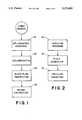
- FIG. 1is a flow chart of a typical wound healing process
- FIG. 2is a flow chart of a typical inflammatory response process
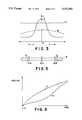
- FIG. 3is a cross sectional view of a surgical wound site illustrating the concentration of inflammatory components and a threshold concentration level
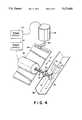
- FIG. 4is a diagrammatical view of an apparatus for wound healing
- FIG. 5is a diagrammatical layout of an experimental typical wound site of the method.
- FIG. 6is a healing versus time curve.
- FIGURESshown a method for accelerating the wound healing process.
- a typical wound healing processcomprises a number of distinct phases, wherein all wounds, regardless of the type, progress through the phases illustrated, the difference being only in the length of time within each phase for individual wounds.
- Phagocytosiscommences wherein leukocytes invade the injured area to ingest bacteria, necrotic tissue and other debris.
- Fibrinolytic enzymeis secreted by the epithelial cells to permit advancement of these cells across the wound.
- Capillariesare supported by and follow the fibrin network to reach capillaries on the opposite side of the wound to cannulize, and reinstitute blood flow across the wound.
- the first phase of wound healingcomprises blood clotting with fibrin deposition, inflammation, phagocytosis of microorganisms and debris, the layering of the epithelial cells over the wound, and the resumption of blood flow across the wound.
- the second phase 20 of the wound healing processcollagen, deposited by fibroblasts, begins replacing the fibrin network.
- the second phasebegins substantially during the first phase (day 3 to 7), overlapping the first phase in part, and extends to approximately fourteen days after the initial tissue damage.
- the epithelial tissue generated during the first phase of the wound healing processare regenerated within one week.
- the underlying, highly vascular new connective tissueis called granulation tissue and is visible through the thin, grayish epithelial layer.
- the second phase of the wound healing processends typically when sutures, staples, or metal skin clips are removed.
- the third phase 30 of the wound healing processwitnesses the build up of collagen to compress the numerous blood vessels restricting blood flow across the wound. This phase ends in the sixth week after surgery or injury.
- the final phase 40 of wound healingmay last for several months after the tissue damage. Collagen production continues during the final phase as the wound generally shrinks to become scar tissue which is relatively acellular, avascular collagen tissue.
- the bodyreacts with specific and nonspecific defense mechanisms to protect the body against invasion of microorganisms and other agents through the site of the wound.
- the mechanism which accomplishes the aboveis called the inflammatory response. It is postulated that the use of inflammatory response management as described below will be therapeutic in many other situations including inflammation such as for example arthritis. Regardless of the cause, the inflammatory response serves to protect against infection and to prepare the tissue for healing, and as such always precedes what is commonly viewed as the "healing process".
- FIG. 2illustrates a flow chart of the typical inflammatory response process which comprises the first phase 10 of the healing process shown in FIG. 1.
- the three major physiologic responses which occur during the inflammatory responseare the vascular response 12, fluid exudation 14, and cellular exudation 16.
- the vascular response 12stress response
- Histaminesare substances released at the wound site causing vaso-dilation and increased small-vessel permeability.
- Mast cellsare believed to be the source of histamine along with substances from platelets and leukocytes at the wound site.
- Kininsare also released at the injury site causing the vaso-dilation. Due to the vaso-dilation, the blood flow in the area is increased (hyperemia), which is observable as redness and heat.
- Serous fluidfills the interstitial spaces during the initial twenty-four (24) hours following the injury or invasion, comprising the fluid exudation step 14.
- increasing colloid osmotic pressureencourages further fluid exudation.
- Edemais the swelling of the tissue caused by the fluid filling the interstitial spaces.
- Cellular exudation 16occurs as the leukocytes migrate through the capillary walls and into the damaged area immediately adjacent the injured tissue. As chemotactic substances are released from the injured tissues, more and more leukocytes migrate into on the damaged area.
- Neutrophilswhich are polymorphonuclear leukocytes perform a phagocytotic function by ingesting bacteria and dead tissue cells. The neutrophils, having performed their function, die releasing proteolytic enzymes which, in turn, liquify dead neutrophils, bacteria, and other dead cells and collect as pus.
- This wound exudate, or puscontains enzymes which facilitate the breakdown of necrotic debris by the monocytes which then transform into macrophages which ingest materials not broken down by the polymorphonuclear leukocytes.
- FIG. 3shows a profile view of the concentration C of inflammatory components resulting from a typical surgical wound in a direction d transverse to the wound, wherein the wound itself is centered at O in the FIGURE.
- the breadth and intensity of the inflammatory responseis directly related to the quantity of inflammatory components located near the wound site.
- a typical wound site profile Acontains a large concentration of inflammatory components at the incision or abrasion itself, whose concentrations decrease exponentially as distance from the wound area is increased in the direction d.
- a threshold level This indicated on the FIGURE to indicate a level of inflammatory components below which the inflammatory response is negligible.
- the tissue surrounding the injurycontains inflammatory components whose concentrations are sufficiently high to elicit the inflammatory response.
- curve Brepresents the inflammatory component concentration profile in a wound after the method for inflammatory response management described below has been performed.
- the peak concentration at the wound siteis reduced below a threshold level and is less than that seen for a typical wound A.
- the exponential nature of the curveis greatly modified to minimize the amount of tissue targeted by the inflammatory response. Because no "healing" can occur until the inflammation has subsided and pus and dead tissue have been removed, the practice of the method of inflammatory response management described below reduces the time necessary for wound healing by eliminating or greatly reducing the time period required by the inflammatory response itself.
- a pair of small impulse wheels 51are driven by a first small D.C. motor 52 from three to twenty-two hundred revolutions per minute (300-2200 RPM), the impulse wheels each having four (4) protuberances 53 which can be made to impact tissue adjacent a wound as each wheel rotates.
- the impulse wheelsare separated on the shaft of the D.C. motor 52 by about three quarters (0.750) of an inch.
- Each of the impulse wheels 51are about one (1) inch in diameter with the protuberances 53 extending radially about one fourth (0.250) inch.
- a reciprocating transverse motion Tris also imparted to the slidable impulse wheel section 54 by a second D.C. motor 55 by means of the follower arrangement 56 shown, to "walk" the impulse wheels 51 and the associated tensioning vibrations generated in the target organic tissue thereby, along a straight path P against healthy tissue HT on either side and adjacent a wound E.
- the apparatus shownincreases the rate of wound healing by imparting mechanical energy impulses to the tissue immediately adjacent the wound E to affect the initial responses associated with the healing process.
- a pair of variable power supplies 57provides the necessary energy and control for the D.C. motors 52, 55. Control over the linear traverse rate of the impulse wheel section 54 is directly facilitated by one of the pair of variable power supplies 57 to obtain a range of linear traverse cycle rate (back and forth cycles) in the path P, adjustable for particular applications, such as thirty-six cycles per minute (36 CPM) for example. In the apparatus shown, the path P spans about four (4) inches of linear motion. Control of the rotational speed of the impulse wheels 51 in the rotational dimension R, is similarly facilitated through control over the other variable power supply of the pair 57.
- the path Pis shown as being linear, but may be modified to follow a curvlinear path to better follow the contours of a particular wound/organic structure combination, and may be made to travel distances longer than the four (4) inches shown.
- a stage 58 in the form of a troughis provided to receive an organic structure, such as a laboratory rat for treatment by the pair of impulse wheels 51.
- the stage 58is shown as a section of metal angle in alignment with the path P, but may be substituted with any form of apparatus for receiving any organic structure therein.
- the energy imparted into the tissue adjacent the woundtravels as ripples on a pond through the surrounding tissue including the damaged area itself to increase a permeation and diffusion of the inflammatory components. Along with the dispersion and increased permeation and diffusion, a more rapid drop in the concentration of the effector molecules results, which influences wound healing and inflammation.
- Power levels of the order of one watt per cubic centimeter (1 W/cm 2 ) of tissueis likely to simulate the motivational force of the apparatus of FIG. 4 and realize equivalent results.
- An improvement ultrasound provides over the device diagrammed in FIG. 4is the ability to accurately select a tissue target area for treatment, without affecting otherwise healthy tissue near the wound site and without unnecessary loss of energy in to those healthy tissues.
- permeation and diffusionmay be likened to that involved in the entropic process, wherein energy is applied to non-homogenous material with the resultant tendency toward entropy.
- Energy applied to a wound site immediately after injurypromotes the movement of inflammatory components away from areas of higher concentration to those of lower concentration. By minimizing the local severity of the inflammatory response, early onset of healing is ensured.
- tissue immediately adjacent the injury siteis more receptive and better prepared for the ensuing healing process.
- FIG. 5illustrates the practices followed during an experiment on laboratory rats.
- a linear incision Ewas made on the backs of each of the rats, followed by coapting with two surgical clips Cl. Histological samples were taken near the clips Cl at slice SLB, and in the center of the linear incision E at slice SLA.
- the anesthetized ratswere then placed in the trough 58 of the apparatus diagrammed in FIG. 4, the wound being positioned between the pair of impulse wheels 51 for treatment.
- the treatmentconsisted of the use of the first D.C. motor 52 rotating at twenty-two hundred revolutions per minute (2200 RPM) and traversing at a rate of thirty-six cycles per minute (36 CPM) for twenty-five (25) minutes along the path P.
- a plastic filmwas placed between the wound and the pair of impulse wheels 51.
- Another similar incisionwas made on the left side of the upper back of each rat. No machine treatment was performed on the second incision.
- the animalswere sacrificed at post operation times of 2, 4, 7, 10, and 14 days, the wounds together with sufficient amount of skin were excised and fixed with 10% formaldehyde.
- Incision "Intention” -a measure of the width of the incision. This is related to wound healing by first or second intention. It is related to the distance or space between the two sides of the incision.
- Inflammation -a measure of the degree of inflammatory response present in the incision site.
- Edema -a measure of the edema or extracellular fluid present within the incision site.
- Fibrosis -a measure of the fibrosis in the wound healing of the incision site. Note that the fibrosis scale gives a zero assigned score for severe or extensive fibrosis versus an assigned score of four for no fibrosis.
- Epidermal Overgrowtha measure of the overgrowth of the epidermis across the incision site. This occurs even though the dermis has not completely healed.
- Sample 62is a representation of a wound two (2) days following treatment using the above-described process. As indicated in the Tables, scab formation on the skin surface is minimal to moderate and the approximation of the two sides of the incision, incision intention, is minimal. This is an indication that the width of the incision following the treatment is minimal and the two sides of the wound have approximated excellently. Inflammation is minimal to none, no acute and/or chronic inflammation is identified in any of the levels of skin, edema is minimal to none, and fibrosis is minimal.
- Sample 65 in the Tables aboveindicates the incision site of an untreated rat two (2) days after the incision. Scab formation is marked and is obvious by a thick scab on the skin surface. The two sides of the incision have not approximated and the incision intention is marked, indicating that the width of the incision is markedly wide. Moderate acute inflammation is seen in the subdermal areas. Marked inflammation is also seen below the muscle layer. Moderate to minimal edema is seen within the wound site. However, no fibrosis is seen in the wound site. Comparison between samples 62 and 65 indicates that the untreated incision has a much slower healing response.
- Sample 71 in the Tables aboveindicates another incision site, but at seven (7) days following the treatment discussed above.
- Minimal scab formationis present on the skin surface and the width of the incision is minimal, that is, the incision intention is minimal.
- Minimal acute and chronic inflammationare seen within the incision site and no edema is present. Marked fibrosis and scar formation has occurred within the incision site. Complete epidermal overgrowth on the surface of the skin has occurred. It is clear that the incision site seven (7) days after treatment indicates progression of the wound into the final stages of wound healing.
- Sample 74 in the Tables aboveindicates an incision site of another rat seven (7) days after the incision, but without treatment. Scab formation is marked and a thick scab is present on the skin surface. The sides of the incision are still widely separated indicating marked incision intention. Within the wound site between the two sides of the incision, marked acute inflammation, marked edema, and minimal fibrosis are present. Comparison between samples 71 and 74 indicates that the treatment has increased the healing response, by decreasing inflammation, decreasing incision intention or width of the injury, decreasing edema, and increasing fibrosis.
- FIG. 6a simple healing versus time curve is illustrated.
- the ordinant axisforms a healing scale and the abscissa is a time scale.
- a typical healing response without the application of the above-described methodfollows the curve labeled C.
- a healing process approximating the curve labeled Tis obtainable resulting in an overall increase in wound healing.
Landscapes
- Health & Medical Sciences (AREA)
- Engineering & Computer Science (AREA)
- Biomedical Technology (AREA)
- Nuclear Medicine, Radiotherapy & Molecular Imaging (AREA)
- Radiology & Medical Imaging (AREA)
- Life Sciences & Earth Sciences (AREA)
- Animal Behavior & Ethology (AREA)
- General Health & Medical Sciences (AREA)
- Public Health (AREA)
- Veterinary Medicine (AREA)
- Medicines That Contain Protein Lipid Enzymes And Other Medicines (AREA)
- Surgical Instruments (AREA)
Abstract
Description
1. Field of the Invention
The present invention relates to the art of wound healing and in particular to management of the inflammatory response subsequent to laceration, elective incision, or impact trauma.
2. Description of Related Art
U.S. Pat. No. 4,048,989 describes a tissue pulsator capable of operating on an area to be treated with a tapping action. When applied to readily palpable tissue, the tapping action produces a pulsating motion in the tissue causing contraction and relaxation of the tissue at frequencies of about 5,000 cycles per minute. A beneficial result is an improved circulation, and a relaxation of tense and contracted tissues. In addition, the function of tissues injured by fractures, surgery, or trauma is restored usually after the healing process is established. Additional uses include low back strain or sprain, tendinitis, rotator cuff lesions, post-fracture edema and stiffness, and psychogenic rheumatism. The tissue pulsator operates in a plane perpendicular to the tissue surface.
A method and apparatus for treatment of organic structures and systems using ultrasonic energy is described in U.S. Pat. No. 3,499,437, wherein coherent wave energy is rapidly anticipated into thermal energy or heat and creates effects mainly due to temperature rise in the underlying hard or soft tissues. Typically, the dosage of energy is necessarily low so as to not damage the treated tissue due to extremes in temperature. Claimed therapeutic applications include increased blood circulation in a given area and more rapid healing of wounds through a so-called micromassage, which micromassage is a periodic compression and extension (or push and pull, pressure and tension) resulting from compressional waves. Other mechanical effects of coherent wave energy include microstreaming or a kind of vibrational pumping causing fluids in organic structures to undergo local circulations which are not ordinarily present. In U.S. Pat. No. 3,499,439, it is believed that the microstreaming effects affect the permeability of cell membranes to promote interchange of substances across those cell membrane boundaries.
Another example of the medical application of energy waves in the form of ultrasound is the kidney stone lithotripter manufactured by Dornier GmbH of the Federal Republic of Germany. In the case of the lithotripter, kidney and gallstones are fragmented without open surgery through the external application of a coherent ultrasound source directed to a point in the patient's body occupied by the kidney or gallstone.
The present invention contemplates a new method which obtains results heretofore not thought possible using the above referred to apparatus and further contemplates a method to provide a simple and safe approach to expediting the overall wound healing process.
It is an overall advantage of the present invention to provide for a reduction in swelling (edema), redness (erythema), and inflammation (defined pathologically) following laceration, incision, or impact trauma such that the overall rate of healing is increased. This is accomplished through a minimization of the level of inflammatory response to a point where it does not interfere with the healing process itself.
A reduction in pain due to the reduction in swelling and inflammation is also realized due to the reduction of mediators which cause pain. Since swelling near the injury is minimized, there is less stress in the injury locale. Therefore, pain receptors responsive to stretching and compression are not triggered. The fewer receptors which are activated, the less pain resultant from the injury experienced by the patient.
In general, disposal of dead cells is a constant on-going process. This process does not trigger what is commonly accepted as an inflammatory response. Further, concentrations of inflammatory components including dead cells, below a threshold level, do not trigger an inflammatory response sufficient to delay healing. Concentrations above the threshold level trigger response proportional to the amount in excess of the threshold. Thus generally, the more concentrated the necrotic and other debris, the more severe is the inflammatory response. The present invention works to diffuse and disperse the inflammatory components and substantially reduce the resulting inflammatory response.
The invention may take physical form in certain parts and arrangements of parts, a preferred embodiment of which will be described in detail in this specification and illustrated in the accompanying drawings which form a part hereof.
FIG. 1 is a flow chart of a typical wound healing process;
FIG. 2 is a flow chart of a typical inflammatory response process;
FIG. 3 is a cross sectional view of a surgical wound site illustrating the concentration of inflammatory components and a threshold concentration level;
FIG. 4 is a diagrammatical view of an apparatus for wound healing;
FIG. 5 is a diagrammatical layout of an experimental typical wound site of the method; and,
FIG. 6 is a healing versus time curve.
Referring to the drawings, wherein the showings are for the purposes of illustrating the preferred embodiment of the invention only and not for the purposes of limiting same, the FIGURES shown a method for accelerating the wound healing process.
Referring first to FIG. 1, a typical wound healing process comprises a number of distinct phases, wherein all wounds, regardless of the type, progress through the phases illustrated, the difference being only in the length of time within each phase for individual wounds.
The first phase, theinflammatory response 10, which commonly lasts for as much as two (2) or more weeks begins immediately following the injury or surgical incision and prepares the tissue so healing itself may take place. Phagocytosis commences wherein leukocytes invade the injured area to ingest bacteria, necrotic tissue and other debris. Fibrinolytic enzyme is secreted by the epithelial cells to permit advancement of these cells across the wound. Capillaries are supported by and follow the fibrin network to reach capillaries on the opposite side of the wound to cannulize, and reinstitute blood flow across the wound. In general then, the first phase of wound healing comprises blood clotting with fibrin deposition, inflammation, phagocytosis of microorganisms and debris, the layering of the epithelial cells over the wound, and the resumption of blood flow across the wound.
In thesecond phase 20 of the wound healing process, collagen, deposited by fibroblasts, begins replacing the fibrin network. The second phase begins substantially during the first phase (day 3 to 7), overlapping the first phase in part, and extends to approximately fourteen days after the initial tissue damage.
The epithelial tissue generated during the first phase of the wound healing process are regenerated within one week. The underlying, highly vascular new connective tissue is called granulation tissue and is visible through the thin, grayish epithelial layer. The second phase of the wound healing process ends typically when sutures, staples, or metal skin clips are removed.
Thethird phase 30 of the wound healing process witnesses the build up of collagen to compress the numerous blood vessels restricting blood flow across the wound. This phase ends in the sixth week after surgery or injury.
Thefinal phase 40 of wound healing may last for several months after the tissue damage. Collagen production continues during the final phase as the wound generally shrinks to become scar tissue which is relatively acellular, avascular collagen tissue.
When tissue undergoes injury, whether caused by invasion, cuts, abrasion, collision, heat, cold, chemicals, electricity, compression or stretching of tissue, skin grafts or transplants, or by any other means, the body reacts with specific and nonspecific defense mechanisms to protect the body against invasion of microorganisms and other agents through the site of the wound. The mechanism which accomplishes the above is called the inflammatory response. It is postulated that the use of inflammatory response management as described below will be therapeutic in many other situations including inflammation such as for example arthritis. Regardless of the cause, the inflammatory response serves to protect against infection and to prepare the tissue for healing, and as such always precedes what is commonly viewed as the "healing process".
FIG. 2 illustrates a flow chart of the typical inflammatory response process which comprises thefirst phase 10 of the healing process shown in FIG. 1. The three major physiologic responses which occur during the inflammatory response are thevascular response 12,fluid exudation 14, andcellular exudation 16. The vascular response 12 (stress response) is a short-lived transitory vaso-constriction followed by short-lived transitory vaso-constriction followed by vaso-dilation. Histamines are substances released at the wound site causing vaso-dilation and increased small-vessel permeability. Mast cells are believed to be the source of histamine along with substances from platelets and leukocytes at the wound site. Kinins are also released at the injury site causing the vaso-dilation. Due to the vaso-dilation, the blood flow in the area is increased (hyperemia), which is observable as redness and heat.
Serous fluid fills the interstitial spaces during the initial twenty-four (24) hours following the injury or invasion, comprising thefluid exudation step 14. As the capillaries begin to become more permeable, increasing colloid osmotic pressure encourages further fluid exudation. Edema is the swelling of the tissue caused by the fluid filling the interstitial spaces.
FIG. 3 shows a profile view of the concentration C of inflammatory components resulting from a typical surgical wound in a direction d transverse to the wound, wherein the wound itself is centered at O in the FIGURE. The breadth and intensity of the inflammatory response is directly related to the quantity of inflammatory components located near the wound site. As shown in the FIGURE, a typical wound site profile A contains a large concentration of inflammatory components at the incision or abrasion itself, whose concentrations decrease exponentially as distance from the wound area is increased in the direction d. A threshold level Th is indicated on the FIGURE to indicate a level of inflammatory components below which the inflammatory response is negligible. In a typical wound profile A, the tissue surrounding the injury contains inflammatory components whose concentrations are sufficiently high to elicit the inflammatory response.
Still referring to FIG. 3, curve B represents the inflammatory component concentration profile in a wound after the method for inflammatory response management described below has been performed. As illustrated in FIG. 3 the peak concentration at the wound site is reduced below a threshold level and is less than that seen for a typical wound A. In other words, the exponential nature of the curve is greatly modified to minimize the amount of tissue targeted by the inflammatory response. Because no "healing" can occur until the inflammation has subsided and pus and dead tissue have been removed, the practice of the method of inflammatory response management described below reduces the time necessary for wound healing by eliminating or greatly reducing the time period required by the inflammatory response itself.
Referring now to FIG. 4, a diagrammatical view of an apparatus for practicing a method for inflammatory response management is shown. A pair ofsmall impulse wheels 51 are driven by a firstsmall D.C. motor 52 from three to twenty-two hundred revolutions per minute (300-2200 RPM), the impulse wheels each having four (4)protuberances 53 which can be made to impact tissue adjacent a wound as each wheel rotates. The impulse wheels are separated on the shaft of theD.C. motor 52 by about three quarters (0.750) of an inch. Each of theimpulse wheels 51 are about one (1) inch in diameter with theprotuberances 53 extending radially about one fourth (0.250) inch. In addition to the rotational dimension R provided by thefirst motor 52, a reciprocating transverse motion Tr is also imparted to the slidableimpulse wheel section 54 by asecond D.C. motor 55 by means of thefollower arrangement 56 shown, to "walk" theimpulse wheels 51 and the associated tensioning vibrations generated in the target organic tissue thereby, along a straight path P against healthy tissue HT on either side and adjacent a wound E. The apparatus shown increases the rate of wound healing by imparting mechanical energy impulses to the tissue immediately adjacent the wound E to affect the initial responses associated with the healing process.
A pair of variable power supplies 57 provides the necessary energy and control for theD.C. motors impulse wheel section 54 is directly facilitated by one of the pair ofvariable power supplies 57 to obtain a range of linear traverse cycle rate (back and forth cycles) in the path P, adjustable for particular applications, such as thirty-six cycles per minute (36 CPM) for example. In the apparatus shown, the path P spans about four (4) inches of linear motion. Control of the rotational speed of theimpulse wheels 51 in the rotational dimension R, is similarly facilitated through control over the other variable power supply of thepair 57. The path P is shown as being linear, but may be modified to follow a curvlinear path to better follow the contours of a particular wound/organic structure combination, and may be made to travel distances longer than the four (4) inches shown.
With continued reference to FIG. 4, astage 58 in the form of a trough is provided to receive an organic structure, such as a laboratory rat for treatment by the pair ofimpulse wheels 51. Thestage 58 is shown as a section of metal angle in alignment with the path P, but may be substituted with any form of apparatus for receiving any organic structure therein.
The energy imparted into the tissue adjacent the wound travels as ripples on a pond through the surrounding tissue including the damaged area itself to increase a permeation and diffusion of the inflammatory components. Along with the dispersion and increased permeation and diffusion, a more rapid drop in the concentration of the effector molecules results, which influences wound healing and inflammation.
The dramatic results are achieved by transferring energy in the form of mechanical pulsations into the tissue surrounding the wound. An improvement over the mechanical apparatus diagrammed in FIG. 4 would be the use of ultrasound wherein the energy envelope is more easily transferrable to the deeper tissues without appreciably affecting the outer surface tissues. That is, being mechanical in character, ultrasonic energy dissipates as it propagates down through the tissues and essentially provides a "through-and-through" kind of effect. However, at frequencies in the range of one to ten million hertz (1-10 MHz), the sound waves can be focused by sound lenses as light waves to particularly select and define a treatment area. Of course, the energy applied to the tissue eventually attenuates to a minimal value as the wave travels through the tissue layers. Power levels of the order of one watt per cubic centimeter (1 W/cm2) of tissue is likely to simulate the motivational force of the apparatus of FIG. 4 and realize equivalent results. An improvement ultrasound provides over the device diagrammed in FIG. 4 is the ability to accurately select a tissue target area for treatment, without affecting otherwise healthy tissue near the wound site and without unnecessary loss of energy in to those healthy tissues.
In either case, application of energy prior to the inflammatory response by way of the rotating pulse wheels diagrammed in FIG. 4 or through ultrasonic, hydraulic, pneumatic, or electro-mechanical techniques, a reduction in the inflammatory response by the diffusion of the concentrations of inflammatory components is achievable. The increase in permeation and diffusion of necrotic and other debris achieves a drop in the concentration of inflammatory components and correspondingly reduces the inflammatory response.
The action of permeation and diffusion may be likened to that involved in the entropic process, wherein energy is applied to non-homogenous material with the resultant tendency toward entropy. Energy applied to a wound site immediately after injury promotes the movement of inflammatory components away from areas of higher concentration to those of lower concentration. By minimizing the local severity of the inflammatory response, early onset of healing is ensured. In addition, the tissue immediately adjacent the injury site is more receptive and better prepared for the ensuing healing process.
Because of the energy imparted to the wound area, tissues on either side of an incision tend to "align" themselves resulting in scars which appear flat, level, and have good alignment along the wound axis. The gross observable effects are minimal redness and swelling, neater and cleaner wounds with little observable exudate. By contrast, scars from untreated wounds show varying degrees of "lumpiness" and misalignment.
FIG. 5 illustrates the practices followed during an experiment on laboratory rats. A linear incision E was made on the backs of each of the rats, followed by coapting with two surgical clips Cl. Histological samples were taken near the clips Cl at slice SLB, and in the center of the linear incision E at slice SLA.
Experiments were performed on the laboratory rats using the appartus shown in FIG. 4. In the experimental study, three month old female Sprague-Dawley rats weighing 200 grams to 250 grams were used. The rats were anesthetized with ethyl ether inhalation and a toe pinch reflex was used to gauge proper depth of anesthesia. The rats were then shaved on the back and scrubbed with sterile alcohol prep pads before surgery, during which a four centimeter linear incision E was placed through the skin 1.5 centimeters deep on the right side of the rat's lower back midline. The wound was then coapted with two surgical clips Cl.
The anesthetized rats were then placed in thetrough 58 of the apparatus diagrammed in FIG. 4, the wound being positioned between the pair ofimpulse wheels 51 for treatment. The treatment consisted of the use of thefirst D.C. motor 52 rotating at twenty-two hundred revolutions per minute (2200 RPM) and traversing at a rate of thirty-six cycles per minute (36 CPM) for twenty-five (25) minutes along the path P. To avoid harsh abrasion, a plastic film was placed between the wound and the pair ofimpulse wheels 51. After treatment, another similar incision was made on the left side of the upper back of each rat. No machine treatment was performed on the second incision. The animals were sacrificed at post operation times of 2, 4, 7, 10, and 14 days, the wounds together with sufficient amount of skin were excised and fixed with 10% formaldehyde. The results of the above described experiments are set forth in the TABLES below.
TABLE I ______________________________________ RESULTS SAM- PLE DESCRIPTION ______________________________________ 61 Rat No. 1 - 2 Days - Treated Wound - Slice Location A 62 Rat No. 2 - 2 Days - Treated Wound - Slice Location A 63 Rat No. 3 - 2 Days - Treated Wound - Slice Location A 64 Rat No. 1 - 2 Days - Control Wound - Slice Location A 65 Rat No. 2 - 2 Days - Control Wound - Slice Location A 66 Rat No. 3 - 2 Days - Control Wound - Slice Location A 67 Rat No. 4 - 4 Days - Treated Wound - Slice Location A 68 Rat No. 4 - 4 Days - Control Wound - Slice Location A 69 Rat No. 7 - 7 Days - Treated Wound - Slice Location A 70 Rat No. 8 - 7 Days - Treated Wound - Slice Location A 71 Rat No. 9 - 7 Days - Treated Wound - Slice Location A 72 Rat No. 7 - 7 Days - Control Wound - Slice Location A 73 Rat No. 8 - 7 Days - Control Wound - Slice Location A 74 Rat No. 9 - 7 Days - Control Wound - Slice Location A 75 Rat No. 10 - 10 Days - Treated Wound - Slice Location A 76 Rat No. 11 - 10 Days - Treated Wound - Slice Location A 77 Rat No. 12 - 10 Days - Treated Wound - Slice Location A 78 Rat No. 10 - 10 Days - Control Wound - Slice Location A 79 Rat No. 11 - 10 Days - Control Wound - Slice Location A 80 Rat No. 12 - 10 Days - Control Wound - Slice Location A 81 Rat No. 14 - 14 Days - Treated Wound - Slice Location A 82 Rat No. 14 - 14 Days - Control Wound - Slice Location A ______________________________________
TABLE II ______________________________________ RESULTS SAM- PLE DESCRIPTION ______________________________________ 90 Rat No. 1 - 2 Days - Treated Wound - Slice Location B 91 Rat No. 2 - 2 Days - Treated Wound - Slice Location B 92 Rat No. 3 - 2 Days - Treated Wound - Slice Location B 93 Rat No. 1 - 2 Days - Control Wound - Slice Location B 94 Rat No. 2 - 2 Days - Control Wound - Slice Location B 95 Rat No. 3 - 2 Days - Control Wound - Slice Location B 96 Rat No. 4 - 4 Days - Treated Wound - Slice Location B 97 Rat No. 4 - 4 Days - Control Wound - Slice Location B 98 Rat No. 7 - 7 Days - Treated Wound - Slice Location B 99 Rat No. 8 - 7 Days - Treated Wound - Slice Location B 100 Rat No. 9 - 7 Days - Treated Wound - Slice Location B 101 Rat No. 7 - 7 Days - Control Wound - Slice Location B 102 Rat No. 8 - 7 Days - Control Wound - Slice Location B 103 Rat No. 9 - 7 Days - Control Wound - Slice Location B 104 Rat No. 10 - 10 Days - Treated Wound - Slice Location B 105 Rat No. 11 - 10 Days - Treated Wound - Slice Location B 106 Rat No. 12 - 10 Days - Treated Wound - Slice Location B 107 Rat No. 10 - 10 Days - Control Wound - Slice Location B 108 Rat No. 11 - 10 Days - Control Wound - Slice Location B 109 Rat No. 12 - 10 Days - Control Wound - Slice Location B 110 Rat No. 14 - 14 Days - Treated Wound - Slice Location B 111 Rat No. 14 - 14 Days - Control Wound - Slice Location ______________________________________ B
TABLE III __________________________________________________________________________HISTOLOGICAL EVALUATION TIME AFTER SCAB INCISION EPIDERMAL TREATMENT SAMPLE FORMATION "INTENTION" INFLAMMATION EDEMA FIBROSIS OVERGROWTH __________________________________________________________________________2 DAYS 61 2 1 2 2 3 1 62 2 2 2 3 3 1 63 2 2 2 2 3 1 64 4 4 4 4 4 0 65 3 4 4 4 3 0 66 3 3 4 4 4 1 4 DAYS 67 -- -- 2 2 3 -- 68 4 4 4 4 3 0 7 DAYS 69 2 2 2 1 2 4 70 2 2 1 0 1 4 71 1 1 1 0 1 4 72 2 2 2 1 3 4 73 1 2 3 2 3 4 74 3 3 3 3 3 1 10 DAYS 75 1 2 2 0 2 4 76 0 2 1 0 1 4 77 0 1 1 0 1 4 78 1 2 1 1 2 4 79 1 1 1 1 2 4 80 1 2 2 1 2 4 14 DAYS 81 0 1 1 0 1 4 82 1 2 1 1 2 4 __________________________________________________________________________
TABLE IV __________________________________________________________________________HISTOLOGICAL EVALUATION TIME AFTER SCAB INCISION EPIDERMAL TREATMENT SAMPLE FORMATION "INTENTION" INFLAMMATION EDEMA FIBROSIS OVERGROWTH __________________________________________________________________________2 DAYS 90 2 3 2 2 3 0 91 2 1 1 1 3 1 92 2 1 1 1 3 1 93 3 2 2 3 4 0 94 3 3 2 2 4 0 95 4 4 3 3 4 0 4 DAYS 96 2 2 2 1 3 3 97 4 4 4 3 0 1 7 DAYS 98 1 0 1 0 2 4 99 1 0 0 0 2 4 100 0 0 0 0 2 4 101 2 2 2 2 3 4 102 1 2 2 2 3 4 103 1 2 1 1 3 4 10 DAYS 104 1 1 0 0 1 4 105 0 1 0 0 1 4 106 0 1 0 0 1 4 107 1 1 0 0 2 4 108 0 0 0 0 3 4 109 0 1 0 0 3 4 14 DAYS 110 0 0 0 0 0 4 111 0 2 0 0 1 4 __________________________________________________________________________
TABLE V __________________________________________________________________________SCALE OF HISTOLOGICAL REACTION ASSIGNED SCAB INCISION EPIDERMAL SCORE FORMATION "INTENTION" INFLAMMATION EDEMA FIBROSIS* OVERGROWTH __________________________________________________________________________0 None Zero None None Severe None 1 Minimal Minimal Minimal Minimal Marked 25% 2 Moderate Moderate Moderate Moderate Moderate 50% 3 Marked Marked Marked Marked Minimal 75% 4 Severe Severe Severe Severe None Complete (Wide) __________________________________________________________________________
Scab Formation - a measure of the extent of scab formation.
Incision "Intention" - a measure of the width of the incision. This is related to wound healing by first or second intention. It is related to the distance or space between the two sides of the incision.
Inflammation - a measure of the degree of inflammatory response present in the incision site.
Edema - a measure of the edema or extracellular fluid present within the incision site.
Fibrosis - a measure of the fibrosis in the wound healing of the incision site. Note that the fibrosis scale gives a zero assigned score for severe or extensive fibrosis versus an assigned score of four for no fibrosis.
Epidermal Overgrowth - a measure of the overgrowth of the epidermis across the incision site. This occurs even though the dermis has not completely healed.
Sample 62 is a representation of a wound two (2) days following treatment using the above-described process. As indicated in the Tables, scab formation on the skin surface is minimal to moderate and the approximation of the two sides of the incision, incision intention, is minimal. This is an indication that the width of the incision following the treatment is minimal and the two sides of the wound have approximated excellently. Inflammation is minimal to none, no acute and/or chronic inflammation is identified in any of the levels of skin, edema is minimal to none, and fibrosis is minimal.
Sample 65 in the Tables above indicates the incision site of an untreated rat two (2) days after the incision. Scab formation is marked and is obvious by a thick scab on the skin surface. The two sides of the incision have not approximated and the incision intention is marked, indicating that the width of the incision is markedly wide. Moderate acute inflammation is seen in the subdermal areas. Marked inflammation is also seen below the muscle layer. Moderate to minimal edema is seen within the wound site. However, no fibrosis is seen in the wound site. Comparison between samples 62 and 65 indicates that the untreated incision has a much slower healing response.
Sample 71 in the Tables above indicates another incision site, but at seven (7) days following the treatment discussed above. Minimal scab formation is present on the skin surface and the width of the incision is minimal, that is, the incision intention is minimal. Minimal acute and chronic inflammation are seen within the incision site and no edema is present. Marked fibrosis and scar formation has occurred within the incision site. Complete epidermal overgrowth on the surface of the skin has occurred. It is clear that the incision site seven (7) days after treatment indicates progression of the wound into the final stages of wound healing.
Sample 74 in the Tables above indicates an incision site of another rat seven (7) days after the incision, but without treatment. Scab formation is marked and a thick scab is present on the skin surface. The sides of the incision are still widely separated indicating marked incision intention. Within the wound site between the two sides of the incision, marked acute inflammation, marked edema, and minimal fibrosis are present. Comparison between samples 71 and 74 indicates that the treatment has increased the healing response, by decreasing inflammation, decreasing incision intention or width of the injury, decreasing edema, and increasing fibrosis.
Referring now to FIG. 6, a simple healing versus time curve is illustrated. As seen in the curve, the ordinant axis forms a healing scale and the abscissa is a time scale. In general terms, the healing process begins at time t=0, immediately following injury or incision. A typical healing response without the application of the above-described method follows the curve labeled C. However, using the method of the present invention, a healing process approximating the curve labeled T is obtainable resulting in an overall increase in wound healing.
The invention has been described with reference to the preferred embodiment. Obviously, modifications and alterations will occur to others upon a reading and understanding of this specification. In addition, the treatment of laboratory rats and results are easily extrapolated to treatment of humans using techniques well known in the art of medicine. It is our intention to include all such modifications and alterations insofar as they come within the scope of the appended claims or the equivalents thereof.
Claims (19)
1. In an organic structure having tissue exhibiting a healing process comprising a plurality of sequential phases including an initial inflammatory response, a method of controlling said inflammatory response to minimize interference with regeneration and repair of said tissue in said organic structure subsequent to wound sustainment, the method comprising the steps of:
generating a vibrational wave energy flow by means of a vibrational wave energy source;
determining a treatment area of an organic structure expected to exhibit the inflammatory response; and,
subjecting the treatment area to the vibrational wave energy flow substantially immediately after said wound sustainment and during said inflammatory response for a predetermined period of time sufficient to diffuse inflammatory components, having accumulated in the treatment area, into the non-treatment area of the organic structure.
2. The method of claim 1 further comprising placing the organic structure immediately adjacent the vibrational wave energy source.
3. The method of claim 2 further comprising placing the organic structure immediately adjacent as to contact the vibrational wave energy source.
4. The method of claim 1 wherein the generating step comprises generating a coherent acoustic wave energy flow.
5. The method of claim 1 wherein the generating step comprises generating a coherent ultrasonic wave energy flow.
6. The method of claim 1 wherein the subjecting step further comprises subjecting the treatment area to the vibrational wave energy flow for a predetermined period of time sufficient to diffuse the inflammatory components to a concentration below a predetermined first threshold level below which the inflammatory response is determined to be negligible.
7. The method of claim 1 wherein the generating step comprises generating a mechanical wave energy flow by means of a mechanical wave energy source.
8. A method for diffusing and dispersing inflammatory components from a wound site area of an organic structure into a non-wound site area of the organic structure, the method comprising the steps of:
generating a wave energy flow by means of an energy source;
determining a treatment area of the organic structure expected to exhibit an inflammatory response; and,
subjecting the treatment area to the wave energy flow substantially immediately after wound sustainment to diffuse said inflammatory components having accumulated in the treatment area into the non-treatment area of the organic structure.
9. A method for maintaining alignment of tissue adjacent either side of a laceration of an organic structure substantially immediately after sustaining laceration comprising:
generating a vibrational wave energy flow by means of a vibrational wave energy source;
determining a treatment area of an organic structure expected to exhibit an inflammatory response; and,
subjecting the treatment area to the vibrational wave energy flow for a predetermined period of time during said inflammatory response and substantially immediately after said laceration sufficient to diffuse inflammatory components, that accumulate and cause a swelling in the treatment area, into the non-treatment area of the organic structure and sufficient to align tissue of the organic structure immediately adjacent the laceration.
10. The method of claim 1 wherein the subjecting step further comprises subjecting the treatment area to the vibrational wave energy flow during said inflammatory response and before said inflammatory components accumulate in the treatment area to a predetermined concentration level below which the inflammatory response is determined to be negligible.
11. The method of claim 1 wherein the subjecting step further comprises subjecting the treatment area to the vibrational wave energy flow substantially immediately after said wound sustainment and before said inflammatory response.
12. A method according to claim 8 wherein the subjecting step includes subjecting the treatment area to said mechanical wave energy flow substantially immediately after said wound sustainment and during said inflammatory response sufficient to diffuse said inflammatory components having accumulated in the treatment area into the non-treatment area of the organic structure.
13. A method according to claim 8 wherein the subjecting step includes subjecting the treatment area to said mechanical wave energy flow substantially immediately after said wound sustainment and during said inflammatory response sufficient to diffuse said inflammatory components having accumulated in the treatment area into the non-treatment area of the organic structure until the concentration of inflammatory components in the treatment area is below a predetermined threshold level.
14. A method according to claim 8 wherein the subjecting step includes subjecting the treatment area to a vibrational wave energy flow substantially immediately after said wound sustainment.
15. A method according to claim 14 wherein the subjecting step includes subjecting the treatment area to said vibrational wave energy flow substantially immediately after said wound sustainment and during said inflammatory response sufficient to diffuse said inflammatory components having accumulated in the treatment area into the non-treatment area of the organic structure.
16. A method according to claim 14 wherein the subjecting step includes subjecting the treatment area to said vibrational wave energy flow substantially immediately after said wound sustainment and during said inflammatory response sufficient to diffuse said inflammatory components having accumulated in the treatment area into the non-treatment area of the organic structure until the concentration of inflammatory components in the treatment area is below a predetermined threshold level.
17. A method according to claim 8 wherein the subjecting step includes subjecting the treatment area to a vibrational mechanical wave energy flow substantially immediately after said wound sustainment.
18. A method according to claim 17 wherein the subjecting step includes subjecting the treatment area to said vibrational mechanical wave energy flow substantially immediately after said wound sustainment and during said inflammatory response sufficient to diffuse said inflammatory components having accumulated in the treatment area into the non-treatment area of the organic structure.
19. A method according to claim 17 wherein the subjecting step includes subjecting the treatment area to said vibrational mechanical wave energy flow substantially immediately after said wound sustainment and throughout said inflammatory response sufficient to diffuse said inflammatory components having accumulated in the treatment area into the non-treatment area of the organic structure until the concentration of inflammatory components in the treatment area is below a predetermined threshold level.
Priority Applications (2)
| Application Number | Priority Date | Filing Date | Title |
|---|---|---|---|
| US07/622,769US5172692A (en) | 1990-12-05 | 1990-12-05 | Method for inflammatory response management |
| PCT/US1991/009094WO1992010233A1 (en) | 1990-12-05 | 1991-12-04 | Method for inflammatory response management |
Applications Claiming Priority (1)
| Application Number | Priority Date | Filing Date | Title |
|---|---|---|---|
| US07/622,769US5172692A (en) | 1990-12-05 | 1990-12-05 | Method for inflammatory response management |
Publications (1)
| Publication Number | Publication Date |
|---|---|
| US5172692Atrue US5172692A (en) | 1992-12-22 |
Family
ID=24495459
Family Applications (1)
| Application Number | Title | Priority Date | Filing Date |
|---|---|---|---|
| US07/622,769Expired - LifetimeUS5172692A (en) | 1990-12-05 | 1990-12-05 | Method for inflammatory response management |
Country Status (2)
| Country | Link |
|---|---|
| US (1) | US5172692A (en) |
| WO (1) | WO1992010233A1 (en) |
Cited By (39)
| Publication number | Priority date | Publication date | Assignee | Title |
|---|---|---|---|---|
| US5545124A (en)* | 1993-05-07 | 1996-08-13 | Siemens Aktiengesellschaft | Method for alleviating the sensation of pain |
| US5653679A (en)* | 1995-01-30 | 1997-08-05 | Belanchi; Robert | Massaging machine |
| WO1999048560A1 (en)* | 1998-03-26 | 1999-09-30 | Brigham And Women's Hospital | Method for the treatment of joint diseases characterized by unwanted pannus |
| US6190336B1 (en) | 1997-02-14 | 2001-02-20 | Exogen, Inc. | Ultrasonic treatment for wounds |
| US6368292B1 (en) | 1997-02-12 | 2002-04-09 | Healthtronics Inc. | Method for using acoustic shock waves in the treatment of medical conditions |
| US6390995B1 (en) | 1997-02-12 | 2002-05-21 | Healthtronics Surgical Services, Inc. | Method for using acoustic shock waves in the treatment of medical conditions |
| US6478754B1 (en) | 2001-04-23 | 2002-11-12 | Advanced Medical Applications, Inc. | Ultrasonic method and device for wound treatment |
| US6533803B2 (en) | 2000-12-22 | 2003-03-18 | Advanced Medical Applications, Inc. | Wound treatment method and device with combination of ultrasound and laser energy |
| US6585647B1 (en) | 1998-07-21 | 2003-07-01 | Alan A. Winder | Method and means for synthetic structural imaging and volume estimation of biological tissue organs |
| US6601581B1 (en) | 2000-11-01 | 2003-08-05 | Advanced Medical Applications, Inc. | Method and device for ultrasound drug delivery |
| US6623444B2 (en) | 2001-03-21 | 2003-09-23 | Advanced Medical Applications, Inc. | Ultrasonic catheter drug delivery method and device |
| US6761729B2 (en) | 2000-12-22 | 2004-07-13 | Advanced Medicalapplications, Inc. | Wound treatment method and device with combination of ultrasound and laser energy |
| US6932308B2 (en) | 2000-10-25 | 2005-08-23 | Exogen, Inc. | Transducer mounting assembly |
| US6960173B2 (en) | 2001-01-30 | 2005-11-01 | Eilaz Babaev | Ultrasound wound treatment method and device using standing waves |
| US6964647B1 (en) | 2000-10-06 | 2005-11-15 | Ellaz Babaev | Nozzle for ultrasound wound treatment |
| US20060025683A1 (en)* | 2004-07-30 | 2006-02-02 | Ahof Biophysical Systems Inc. | Hand-held imaging probe for treatment of states of low blood perfusion |
| US20060184022A1 (en)* | 2005-01-27 | 2006-08-17 | Johnson Lanny L | Ultrasound for the diagnosis and treatment of carpal tunnel and other localized nerve compression conditions |
| US7108663B2 (en) | 1997-02-06 | 2006-09-19 | Exogen, Inc. | Method and apparatus for cartilage growth stimulation |
| US7189209B1 (en) | 1996-03-29 | 2007-03-13 | Sanuwave, Inc. | Method for using acoustic shock waves in the treatment of a diabetic foot ulcer or a pressure sore |
| US7211060B1 (en) | 1998-05-06 | 2007-05-01 | Exogen, Inc. | Ultrasound bandages |
| US20080051693A1 (en)* | 2006-08-25 | 2008-02-28 | Bacoustics Llc | Portable Ultrasound Device for the Treatment of Wounds |
| US20080183200A1 (en)* | 2006-06-07 | 2008-07-31 | Bacoustics Llc | Method of selective and contained ultrasound debridement |
| US20080183109A1 (en)* | 2006-06-07 | 2008-07-31 | Bacoustics Llc | Method for debriding wounds |
| US7410469B1 (en) | 1999-05-21 | 2008-08-12 | Exogen, Inc. | Apparatus and method for ultrasonically and electromagnetically treating tissue |
| US7429248B1 (en) | 2001-08-09 | 2008-09-30 | Exogen, Inc. | Method and apparatus for controlling acoustic modes in tissue healing applications |
| US7429249B1 (en) | 1999-06-14 | 2008-09-30 | Exogen, Inc. | Method for cavitation-induced tissue healing with low intensity ultrasound |
| US7431704B2 (en) | 2006-06-07 | 2008-10-07 | Bacoustics, Llc | Apparatus and method for the treatment of tissue with ultrasound energy by direct contact |
| US20090069728A1 (en)* | 2004-07-30 | 2009-03-12 | Andrew Kenneth Hoffmann | Randomic vibration for treatment of blood flow disorders |
| US7517328B2 (en) | 2003-09-04 | 2009-04-14 | Ahof Biophysical Systems Inc. | Low frequency vibration assisted blood perfusion emergency system |
| US7713218B2 (en) | 2005-06-23 | 2010-05-11 | Celleration, Inc. | Removable applicator nozzle for ultrasound wound therapy device |
| US7785277B2 (en) | 2005-06-23 | 2010-08-31 | Celleration, Inc. | Removable applicator nozzle for ultrasound wound therapy device |
| US20100222723A1 (en)* | 2003-09-04 | 2010-09-02 | Ahof Biophysical Systems Inc. | Vibration method for clearing acute arterial thrombotic occlusions in the emergency treatment of heart attack and stroke |
| US7789841B2 (en) | 1997-02-06 | 2010-09-07 | Exogen, Inc. | Method and apparatus for connective tissue treatment |
| US7914470B2 (en) | 2001-01-12 | 2011-03-29 | Celleration, Inc. | Ultrasonic method and device for wound treatment |
| US8235919B2 (en) | 2001-01-12 | 2012-08-07 | Celleration, Inc. | Ultrasonic method and device for wound treatment |
| US8491521B2 (en) | 2007-01-04 | 2013-07-23 | Celleration, Inc. | Removable multi-channel applicator nozzle |
| US8721573B2 (en) | 2003-09-04 | 2014-05-13 | Simon Fraser University | Automatically adjusting contact node for multiple rib space engagement |
| US8734368B2 (en) | 2003-09-04 | 2014-05-27 | Simon Fraser University | Percussion assisted angiogenesis |
| US11224767B2 (en) | 2013-11-26 | 2022-01-18 | Sanuwave Health, Inc. | Systems and methods for producing and delivering ultrasonic therapies for wound treatment and healing |
Citations (17)
| Publication number | Priority date | Publication date | Assignee | Title |
|---|---|---|---|---|
| US2540792A (en)* | 1947-01-20 | 1951-02-06 | Edwin H Tompkins | Skin stimulating and massaging device |
| US2593982A (en)* | 1949-05-21 | 1952-04-22 | Cash Claude Denis | Rolling massager for increasing blood circulation |
| US2792830A (en)* | 1954-12-02 | 1957-05-21 | Dacey John Aden | Therapeutic device for applying vibration and heat |
| US3499437A (en)* | 1967-03-10 | 1970-03-10 | Ultrasonic Systems | Method and apparatus for treatment of organic structures and systems thereof with ultrasonic energy |
| US3862629A (en)* | 1973-05-02 | 1975-01-28 | Nicholas R Rotta | Fluid pressure controlled means for producing peristaltic operation of series-connected inflatable chambers in therapeutic devices, pumps and the like |
| US4069816A (en)* | 1975-04-12 | 1978-01-24 | Matsushita Electric Works, Ltd. | Shoulder patting instrument |
| US4089989A (en)* | 1975-04-04 | 1978-05-16 | White Ronald D | Method for preparing microscope slides by rotating during coating |
| US4102334A (en)* | 1976-12-14 | 1978-07-25 | Thomas Peter Muchisky | Massage unit |
| US4312340A (en)* | 1977-04-07 | 1982-01-26 | Franco Donadelli | Method for restoring optimum skin conditions, especially for partially or entirely healing intradermal tears |
| US4538596A (en)* | 1982-08-24 | 1985-09-03 | Colasante David A | Prophylaxis of adhesions with low frequency sound |
| US4549535A (en)* | 1982-12-06 | 1985-10-29 | Wing Thomas W | Linear motor massage apparatus |
| US4620543A (en)* | 1984-06-15 | 1986-11-04 | Richards Medical Company | Enhanced fracture healing and muscle exercise through defined cycles of electric stimulation |
| US4722326A (en)* | 1985-11-04 | 1988-02-02 | Ruderian Max J | Vibratory therapeutic device |
| US4845178A (en)* | 1985-11-21 | 1989-07-04 | Pony Industries, Inc. | Polymerization process |
| US4850340A (en)* | 1983-10-26 | 1989-07-25 | Nihondenjihachiryokikenkyusho Co., Ltd. | Therapeutic massage device |
| US4895154A (en)* | 1988-02-19 | 1990-01-23 | Staodynamics, Inc. | Electronic stimulating device for enhanced healing of soft tissue wounds |
| US4919138A (en)* | 1987-11-13 | 1990-04-24 | Nordenstrooem Bjoern | Method and apparatus for supplying electric energy to biological tissue for simulating the physiological healing process |
Family Cites Families (1)
| Publication number | Priority date | Publication date | Assignee | Title |
|---|---|---|---|---|
| US4048989A (en)* | 1976-04-27 | 1977-09-20 | Schaefer E Lowell | Tissue pulsator operating with a tapping action, and method |
- 1990
- 1990-12-05USUS07/622,769patent/US5172692A/ennot_activeExpired - Lifetime
- 1991
- 1991-12-04WOPCT/US1991/009094patent/WO1992010233A1/enactiveApplication Filing
Patent Citations (17)
| Publication number | Priority date | Publication date | Assignee | Title |
|---|---|---|---|---|
| US2540792A (en)* | 1947-01-20 | 1951-02-06 | Edwin H Tompkins | Skin stimulating and massaging device |
| US2593982A (en)* | 1949-05-21 | 1952-04-22 | Cash Claude Denis | Rolling massager for increasing blood circulation |
| US2792830A (en)* | 1954-12-02 | 1957-05-21 | Dacey John Aden | Therapeutic device for applying vibration and heat |
| US3499437A (en)* | 1967-03-10 | 1970-03-10 | Ultrasonic Systems | Method and apparatus for treatment of organic structures and systems thereof with ultrasonic energy |
| US3862629A (en)* | 1973-05-02 | 1975-01-28 | Nicholas R Rotta | Fluid pressure controlled means for producing peristaltic operation of series-connected inflatable chambers in therapeutic devices, pumps and the like |
| US4089989A (en)* | 1975-04-04 | 1978-05-16 | White Ronald D | Method for preparing microscope slides by rotating during coating |
| US4069816A (en)* | 1975-04-12 | 1978-01-24 | Matsushita Electric Works, Ltd. | Shoulder patting instrument |
| US4102334A (en)* | 1976-12-14 | 1978-07-25 | Thomas Peter Muchisky | Massage unit |
| US4312340A (en)* | 1977-04-07 | 1982-01-26 | Franco Donadelli | Method for restoring optimum skin conditions, especially for partially or entirely healing intradermal tears |
| US4538596A (en)* | 1982-08-24 | 1985-09-03 | Colasante David A | Prophylaxis of adhesions with low frequency sound |
| US4549535A (en)* | 1982-12-06 | 1985-10-29 | Wing Thomas W | Linear motor massage apparatus |
| US4850340A (en)* | 1983-10-26 | 1989-07-25 | Nihondenjihachiryokikenkyusho Co., Ltd. | Therapeutic massage device |
| US4620543A (en)* | 1984-06-15 | 1986-11-04 | Richards Medical Company | Enhanced fracture healing and muscle exercise through defined cycles of electric stimulation |
| US4722326A (en)* | 1985-11-04 | 1988-02-02 | Ruderian Max J | Vibratory therapeutic device |
| US4845178A (en)* | 1985-11-21 | 1989-07-04 | Pony Industries, Inc. | Polymerization process |
| US4919138A (en)* | 1987-11-13 | 1990-04-24 | Nordenstrooem Bjoern | Method and apparatus for supplying electric energy to biological tissue for simulating the physiological healing process |
| US4895154A (en)* | 1988-02-19 | 1990-01-23 | Staodynamics, Inc. | Electronic stimulating device for enhanced healing of soft tissue wounds |
Non-Patent Citations (11)
| Title |
|---|
| AMA Encyclopedia of Medicine, p. 588.* |
| CIBA clinical Symposia, Wound Healing, vol. 29, No. 3, 1977.* |
| Medical Surgical Nursing, Part Eight, Problems Related to Impaired Protective Mechanisms, pp. 1892 1895.* |
| Medical Surgical Nursing, Part Eight, Problems Related to Impaired Protective Mechanisms, pp. 1892-1895. |
| Oxford Companion to Medicine, p. 604.* |
| Postoperative Nursing, Chapter 24, p. 489.* |
| The Dornier Add.* |
| The Oxford Companion to Medicine, Ultrasonics in Medicine, Oxford University Press, pp. 1404 1406.* |
| The Oxford Companion to Medicine, Ultrasonics in Medicine, Oxford University Press, pp. 1404-1406. |
| Williams, et al., Ed., Gray s Anatomy, 37th Edition , Churchill, Livingstone, Edinburgh, 1989.* |
| Williams, et al., Ed., Gray's Anatomy, 37th Edition, Churchill, Livingstone, Edinburgh, 1989. |
Cited By (52)
| Publication number | Priority date | Publication date | Assignee | Title |
|---|---|---|---|---|
| US5545124A (en)* | 1993-05-07 | 1996-08-13 | Siemens Aktiengesellschaft | Method for alleviating the sensation of pain |
| US5653679A (en)* | 1995-01-30 | 1997-08-05 | Belanchi; Robert | Massaging machine |
| US7189209B1 (en) | 1996-03-29 | 2007-03-13 | Sanuwave, Inc. | Method for using acoustic shock waves in the treatment of a diabetic foot ulcer or a pressure sore |
| US7985189B1 (en) | 1996-03-29 | 2011-07-26 | Sanuwave, Inc. | Method for using acoustic shock waves in the treatment of medical conditions |
| US7789841B2 (en) | 1997-02-06 | 2010-09-07 | Exogen, Inc. | Method and apparatus for connective tissue treatment |
| US7108663B2 (en) | 1997-02-06 | 2006-09-19 | Exogen, Inc. | Method and apparatus for cartilage growth stimulation |
| US8123707B2 (en) | 1997-02-06 | 2012-02-28 | Exogen, Inc. | Method and apparatus for connective tissue treatment |
| US6368292B1 (en) | 1997-02-12 | 2002-04-09 | Healthtronics Inc. | Method for using acoustic shock waves in the treatment of medical conditions |
| US6390995B1 (en) | 1997-02-12 | 2002-05-21 | Healthtronics Surgical Services, Inc. | Method for using acoustic shock waves in the treatment of medical conditions |
| US6190336B1 (en) | 1997-02-14 | 2001-02-20 | Exogen, Inc. | Ultrasonic treatment for wounds |
| US7628764B2 (en) | 1997-02-14 | 2009-12-08 | Exogen, Inc. | Ultrasonic treatment for wounds |
| US6685656B1 (en) | 1997-02-14 | 2004-02-03 | Exogen, Inc. | Ultrasonic treatment for wounds |
| US6273864B1 (en) | 1997-02-14 | 2001-08-14 | Exogen, Inc. | Ultrasonic treatment for wounds |
| WO1999048560A1 (en)* | 1998-03-26 | 1999-09-30 | Brigham And Women's Hospital | Method for the treatment of joint diseases characterized by unwanted pannus |
| US6074352A (en)* | 1998-03-26 | 2000-06-13 | Brigham And Women's Hospital | Method for the treatment of joint diseases characterized by unwanted pannus |
| US7211060B1 (en) | 1998-05-06 | 2007-05-01 | Exogen, Inc. | Ultrasound bandages |
| US6585647B1 (en) | 1998-07-21 | 2003-07-01 | Alan A. Winder | Method and means for synthetic structural imaging and volume estimation of biological tissue organs |
| US7410469B1 (en) | 1999-05-21 | 2008-08-12 | Exogen, Inc. | Apparatus and method for ultrasonically and electromagnetically treating tissue |
| US7429249B1 (en) | 1999-06-14 | 2008-09-30 | Exogen, Inc. | Method for cavitation-induced tissue healing with low intensity ultrasound |
| US6964647B1 (en) | 2000-10-06 | 2005-11-15 | Ellaz Babaev | Nozzle for ultrasound wound treatment |
| US6932308B2 (en) | 2000-10-25 | 2005-08-23 | Exogen, Inc. | Transducer mounting assembly |
| US6601581B1 (en) | 2000-11-01 | 2003-08-05 | Advanced Medical Applications, Inc. | Method and device for ultrasound drug delivery |
| US6761729B2 (en) | 2000-12-22 | 2004-07-13 | Advanced Medicalapplications, Inc. | Wound treatment method and device with combination of ultrasound and laser energy |
| US6533803B2 (en) | 2000-12-22 | 2003-03-18 | Advanced Medical Applications, Inc. | Wound treatment method and device with combination of ultrasound and laser energy |
| US7914470B2 (en) | 2001-01-12 | 2011-03-29 | Celleration, Inc. | Ultrasonic method and device for wound treatment |
| US8235919B2 (en) | 2001-01-12 | 2012-08-07 | Celleration, Inc. | Ultrasonic method and device for wound treatment |
| US6960173B2 (en) | 2001-01-30 | 2005-11-01 | Eilaz Babaev | Ultrasound wound treatment method and device using standing waves |
| US6623444B2 (en) | 2001-03-21 | 2003-09-23 | Advanced Medical Applications, Inc. | Ultrasonic catheter drug delivery method and device |
| US6478754B1 (en) | 2001-04-23 | 2002-11-12 | Advanced Medical Applications, Inc. | Ultrasonic method and device for wound treatment |
| US6663554B2 (en) | 2001-04-23 | 2003-12-16 | Advanced Medical Applications, Inc. | Ultrasonic method and device for wound treatment |
| US7429248B1 (en) | 2001-08-09 | 2008-09-30 | Exogen, Inc. | Method and apparatus for controlling acoustic modes in tissue healing applications |
| US8870796B2 (en) | 2003-09-04 | 2014-10-28 | Ahof Biophysical Systems Inc. | Vibration method for clearing acute arterial thrombotic occlusions in the emergency treatment of heart attack and stroke |
| US8734368B2 (en) | 2003-09-04 | 2014-05-27 | Simon Fraser University | Percussion assisted angiogenesis |
| US7517328B2 (en) | 2003-09-04 | 2009-04-14 | Ahof Biophysical Systems Inc. | Low frequency vibration assisted blood perfusion emergency system |
| US8721573B2 (en) | 2003-09-04 | 2014-05-13 | Simon Fraser University | Automatically adjusting contact node for multiple rib space engagement |
| US20100222723A1 (en)* | 2003-09-04 | 2010-09-02 | Ahof Biophysical Systems Inc. | Vibration method for clearing acute arterial thrombotic occlusions in the emergency treatment of heart attack and stroke |
| US8079968B2 (en) | 2003-09-04 | 2011-12-20 | Ahof Biophysical Systems Inc. | Vibrator with a plurality of contact nodes for treatment of myocardial ischemia |
| US20090069728A1 (en)* | 2004-07-30 | 2009-03-12 | Andrew Kenneth Hoffmann | Randomic vibration for treatment of blood flow disorders |
| US20060025683A1 (en)* | 2004-07-30 | 2006-02-02 | Ahof Biophysical Systems Inc. | Hand-held imaging probe for treatment of states of low blood perfusion |
| US20060184022A1 (en)* | 2005-01-27 | 2006-08-17 | Johnson Lanny L | Ultrasound for the diagnosis and treatment of carpal tunnel and other localized nerve compression conditions |
| US7713218B2 (en) | 2005-06-23 | 2010-05-11 | Celleration, Inc. | Removable applicator nozzle for ultrasound wound therapy device |
| US7785277B2 (en) | 2005-06-23 | 2010-08-31 | Celleration, Inc. | Removable applicator nozzle for ultrasound wound therapy device |
| US7785278B2 (en) | 2006-06-07 | 2010-08-31 | Bacoustics, Llc | Apparatus and methods for debridement with ultrasound energy |
| US8562547B2 (en) | 2006-06-07 | 2013-10-22 | Eliaz Babaev | Method for debriding wounds |
| US20080183200A1 (en)* | 2006-06-07 | 2008-07-31 | Bacoustics Llc | Method of selective and contained ultrasound debridement |
| US7431704B2 (en) | 2006-06-07 | 2008-10-07 | Bacoustics, Llc | Apparatus and method for the treatment of tissue with ultrasound energy by direct contact |
| US20080183109A1 (en)* | 2006-06-07 | 2008-07-31 | Bacoustics Llc | Method for debriding wounds |
| US7878991B2 (en) | 2006-08-25 | 2011-02-01 | Bacoustics, Llc | Portable ultrasound device for the treatment of wounds |
| US20080051693A1 (en)* | 2006-08-25 | 2008-02-28 | Bacoustics Llc | Portable Ultrasound Device for the Treatment of Wounds |
| US8491521B2 (en) | 2007-01-04 | 2013-07-23 | Celleration, Inc. | Removable multi-channel applicator nozzle |
| US11224767B2 (en) | 2013-11-26 | 2022-01-18 | Sanuwave Health, Inc. | Systems and methods for producing and delivering ultrasonic therapies for wound treatment and healing |
| US11331520B2 (en) | 2013-11-26 | 2022-05-17 | Sanuwave Health, Inc. | Systems and methods for producing and delivering ultrasonic therapies for wound treatment and healing |
Also Published As
| Publication number | Publication date |
|---|---|
| WO1992010233A1 (en) | 1992-06-25 |
Similar Documents
| Publication | Publication Date | Title |
|---|---|---|
| US5172692A (en) | Method for inflammatory response management | |
| Morykwas et al. | Use of subatmospheric pressure to prevent progression of partial-thickness burns in a swine model | |
| Dymarek et al. | Extracorporeal shock wave therapy as an adjunct wound treatment: a systematic review of the literature | |
| CN101431940B (en) | System and method for surface acoustic wave treatment of skin | |
| Stadler et al. | 830‐nm irradiation increases the wound tensile strength in a diabetic murine model | |
| Breuing et al. | Early experience using low-frequency ultrasound in chronic wounds | |
| Kirsner et al. | Techniques of split-thickness skin grafting for lower extremity ulcerations | |
| Morykwas et al. | Use of subatmospheric pressure to prevent doxorubicin extravasation ulcers in a swine model | |
| Uhlemann et al. | Therapeutic ultrasound in lower extremity wound management | |
| Fyfe et al. | Therapeutic ultrasound: some historical background and development in knowledge of its effect on healing | |
| RU93031204A (en) | METHOD OF ULTRASOUND TREATMENT OF INFECTED RAS AND DEVICE FOR ITS IMPLEMENTATION | |
| Landscheidt et al. | Extracorporeal Shock Waves Therapy for the Treatment of Acute and Chronic Wounds—A Prospective, Monocentric Clinical Trial to Examine the Effect of Shock Waves on Wound Healing | |
| Leicht et al. | Treatment of donor sites—Duoderm or Omiderm? | |
| Fyfe et al. | The effect of single or repeated applications of “therapeutic” ultrasound on plasma extravasation during silver nitrate induced inflammation of the rat hindpaw ankle joint in vivo | |
| Altomare et al. | Ultrasound accelerates healing of normal wounds but not of ischemic ones | |
| Solovyev et al. | Ultrasound Treatment of Infected Wounds: Situation and Perspectives | |
| Hart | The use of ultrasound therapy in wound healing | |
| SU1103863A1 (en) | Method of treating nephrophthisis | |
| RU2062607C1 (en) | Method for treatment of unguinal panaritium | |
| RU2664177C1 (en) | Method of treatment of abscessed boils of upper and lower areas of face | |
| RU181767U1 (en) | DEVICE FOR PHOTODYNAMIC THERAPY OF PURULENT RAS | |
| Ernst | Ultrasound for cutaneous wound healing | |
| RU2708787C1 (en) | Method for distant ultrasonic treatment of purulent wounds | |
| Zharov et al. | Combined photoultrasonic treatment of infected wounds | |
| TWI899882B (en) | Acoustic subcision device, acoustic subcision system, method of using acoustic subcision device, and vacuum system |
Legal Events
| Date | Code | Title | Description |
|---|---|---|---|
| STCF | Information on status: patent grant | Free format text:PATENTED CASE | |
| FPAY | Fee payment | Year of fee payment:4 | |
| FPAY | Fee payment | Year of fee payment:8 | |
| FPAY | Fee payment | Year of fee payment:12 |