US3805793A - Anastomotic apparatus - Google Patents
Anastomotic apparatusDownload PDFInfo
- Publication number
- US3805793A US3805793AUS00343224AUS34322473AUS3805793AUS 3805793 AUS3805793 AUS 3805793AUS 00343224 AUS00343224 AUS 00343224AUS 34322473 AUS34322473 AUS 34322473AUS 3805793 AUS3805793 AUS 3805793A
- Authority
- US
- United States
- Prior art keywords
- tubular member
- vessel
- recipient
- outer tubular
- donor
- Prior art date
- Legal status (The legal status is an assumption and is not a legal conclusion. Google has not performed a legal analysis and makes no representation as to the accuracy of the status listed.)
- Expired - Lifetime
Links
- 238000005520cutting processMethods0.000claimsabstractdescription53
- 238000012360testing methodMethods0.000claimsabstractdescription14
- 238000010438heat treatmentMethods0.000claimsabstractdescription12
- 238000005461lubricationMethods0.000claimsdescription19
- 239000013060biological fluidSubstances0.000claimsdescription16
- 238000009413insulationMethods0.000claimsdescription15
- 238000003780insertionMethods0.000claimsdescription12
- 230000037431insertionEffects0.000claimsdescription12
- 230000008878couplingEffects0.000claimsdescription11
- 238000010168coupling processMethods0.000claimsdescription11
- 238000005859coupling reactionMethods0.000claimsdescription11
- 238000007789sealingMethods0.000claimsdescription8
- 238000004891communicationMethods0.000claimsdescription5
- 239000012530fluidSubstances0.000claimsdescription4
- 239000007787solidSubstances0.000claimsdescription3
- 230000000717retained effectEffects0.000claimsdescription2
- 239000000853adhesiveSubstances0.000abstractdescription14
- 230000001070adhesive effectEffects0.000abstractdescription14
- 230000003872anastomosisEffects0.000abstractdescription14
- 210000004204blood vesselAnatomy0.000abstractdescription10
- 238000000034methodMethods0.000description8
- 230000008901benefitEffects0.000description4
- 239000002253acidSubstances0.000description2
- 230000006378damageEffects0.000description2
- 230000008569processEffects0.000description2
- 239000000126substanceSubstances0.000description2
- 241001465754MetazoaSpecies0.000description1
- MWCLLHOVUTZFKS-UHFFFAOYSA-NMethyl cyanoacrylateChemical compoundCOC(=O)C(=C)C#NMWCLLHOVUTZFKS-UHFFFAOYSA-N0.000description1
- 208000027418Wounds and injuryDiseases0.000description1
- 230000004323axial lengthEffects0.000description1
- 230000015572biosynthetic processEffects0.000description1
- 239000003795chemical substances by applicationSubstances0.000description1
- FGBJXOREULPLGL-UHFFFAOYSA-Nethyl cyanoacrylateChemical compoundCCOC(=O)C(=C)C#NFGBJXOREULPLGL-UHFFFAOYSA-N0.000description1
- 208000014674injuryDiseases0.000description1
- 230000005923long-lasting effectEffects0.000description1
- 230000001050lubricating effectEffects0.000description1
- 239000000463materialSubstances0.000description1
- 230000004044responseEffects0.000description1
- 238000000926separation methodMethods0.000description1
- 210000003625skullAnatomy0.000description1
- 210000001519tissueAnatomy0.000description1
- 230000002792vascularEffects0.000description1
- 238000007631vascular surgeryMethods0.000description1
Images

Classifications
- A—HUMAN NECESSITIES
- A61—MEDICAL OR VETERINARY SCIENCE; HYGIENE
- A61B—DIAGNOSIS; SURGERY; IDENTIFICATION
- A61B17/00—Surgical instruments, devices or methods
- A61B17/32—Surgical cutting instruments
- A61B17/3205—Excision instruments
- A61B17/32053—Punch like cutting instruments, e.g. using a cylindrical or oval knife
- A—HUMAN NECESSITIES
- A61—MEDICAL OR VETERINARY SCIENCE; HYGIENE
- A61B—DIAGNOSIS; SURGERY; IDENTIFICATION
- A61B17/00—Surgical instruments, devices or methods
- A61B17/11—Surgical instruments, devices or methods for performing anastomosis; Buttons for anastomosis
- A—HUMAN NECESSITIES
- A61—MEDICAL OR VETERINARY SCIENCE; HYGIENE
- A61B—DIAGNOSIS; SURGERY; IDENTIFICATION
- A61B17/00—Surgical instruments, devices or methods
- A61B17/00491—Surgical glue applicators
- A—HUMAN NECESSITIES
- A61—MEDICAL OR VETERINARY SCIENCE; HYGIENE
- A61B—DIAGNOSIS; SURGERY; IDENTIFICATION
- A61B17/00—Surgical instruments, devices or methods
- A61B17/32—Surgical cutting instruments
- A—HUMAN NECESSITIES
- A61—MEDICAL OR VETERINARY SCIENCE; HYGIENE
- A61B—DIAGNOSIS; SURGERY; IDENTIFICATION
- A61B18/00—Surgical instruments, devices or methods for transferring non-mechanical forms of energy to or from the body
- A61B18/04—Surgical instruments, devices or methods for transferring non-mechanical forms of energy to or from the body by heating
- A61B18/08—Surgical instruments, devices or methods for transferring non-mechanical forms of energy to or from the body by heating by means of electrically-heated probes
- A61B18/082—Probes or electrodes therefor
- A—HUMAN NECESSITIES
- A61—MEDICAL OR VETERINARY SCIENCE; HYGIENE
- A61B—DIAGNOSIS; SURGERY; IDENTIFICATION
- A61B17/00—Surgical instruments, devices or methods
- A61B2017/00681—Aspects not otherwise provided for
- A61B2017/00707—Dummies, phantoms; Devices simulating patient or parts of patient
- A—HUMAN NECESSITIES
- A61—MEDICAL OR VETERINARY SCIENCE; HYGIENE
- A61B—DIAGNOSIS; SURGERY; IDENTIFICATION
- A61B17/00—Surgical instruments, devices or methods
- A61B2017/00681—Aspects not otherwise provided for
- A61B2017/00725—Calibration or performance testing
- A—HUMAN NECESSITIES
- A61—MEDICAL OR VETERINARY SCIENCE; HYGIENE
- A61B—DIAGNOSIS; SURGERY; IDENTIFICATION
- A61B17/00—Surgical instruments, devices or methods
- A61B17/11—Surgical instruments, devices or methods for performing anastomosis; Buttons for anastomosis
- A61B2017/1135—End-to-side connections, e.g. T- or Y-connections
- A—HUMAN NECESSITIES
- A61—MEDICAL OR VETERINARY SCIENCE; HYGIENE
- A61B—DIAGNOSIS; SURGERY; IDENTIFICATION
- A61B17/00—Surgical instruments, devices or methods
- A61B17/30—Surgical pincettes, i.e. surgical tweezers without pivotal connections
- A61B2017/306—Surgical pincettes, i.e. surgical tweezers without pivotal connections holding by means of suction
- A—HUMAN NECESSITIES
- A61—MEDICAL OR VETERINARY SCIENCE; HYGIENE
- A61B—DIAGNOSIS; SURGERY; IDENTIFICATION
- A61B18/00—Surgical instruments, devices or methods for transferring non-mechanical forms of energy to or from the body
- A61B2018/00053—Mechanical features of the instrument of device
- A61B2018/00273—Anchoring means for temporary attachment of a device to tissue
- A61B2018/00291—Anchoring means for temporary attachment of a device to tissue using suction
- Y—GENERAL TAGGING OF NEW TECHNOLOGICAL DEVELOPMENTS; GENERAL TAGGING OF CROSS-SECTIONAL TECHNOLOGIES SPANNING OVER SEVERAL SECTIONS OF THE IPC; TECHNICAL SUBJECTS COVERED BY FORMER USPC CROSS-REFERENCE ART COLLECTIONS [XRACs] AND DIGESTS
- Y10—TECHNICAL SUBJECTS COVERED BY FORMER USPC
- Y10T—TECHNICAL SUBJECTS COVERED BY FORMER US CLASSIFICATION
- Y10T408/00—Cutting by use of rotating axially moving tool
- Y10T408/68—Tool or tool-support with thrust-applying machine-engaging screw
Definitions
- An anastomotic apparatusincluding an outer tubular V member connected with a source of vacuum pressure for holding the open end of a donor blood vessel in contact with the side wall of a recipient vessel, thereby permitting adhesive joining of the vessels.
- a source of positive pressureis provided for pressurization of the interior of the outer tubular member.
- the anastomotic apparatusalso includes an inner tubular member concentrically mounted within the outer tubular member having a cutting head secured to the lower end thereof which may be advanced to remove that portion of the recipient vessel circumscribed by the sealed end of the donor vessel.
- the cutting headincludes a plurality of cutter blades attached to and extending axially from the lower end of the inner tubular member.
- the cutting headincludes an electrical resistance heating wire for cutting the recipient blood vessel by cauterization.
- a general object of this inventionis to provide an anastomotic appartus for joining the open end of a donor vessel to the side wall of the recipient vessel in which biological fluids are flowing. More particularly, the disclosed anastomotic apparatus is adapted to support the open end of a donor vesselin contact with a side Wall of a recipient vessel, whereby the contacting surfaces may be adhesively joined. After the adhesive has set, the anastomotic apparatus is adapted to test the seal under pressure and then to remove that portion of the side wall of the recipient vessel circumscribed by the interior edge of the sealed end of the donor vessel. Through use of the disclosed apparatus, anastomosis may be performed without compromising the flow of biological fluids within the recipient vessel in any way.
- a further advantageis that the full circumference of the recipient vessel need never be cut since adhesive joining permits the donor vessel to be integrally bonded with the side wall of the recipient vessel, thereby further eliminating the need for interruption of flow in the recipient vessel at any time. Due to the small size of the disclosed apparatus and the minimal manipulation required for operation thereof, anastomosis may be performed within extremely confined spaces of a living animal such as the intracraneal spaces of the human body.
- It is another object of this invention to provide an anastomotic apparatusincluding support means for supporting the open end of a donor vessel in contact with the side wall of a recipient vessel and including cutting means positioned within the support means for cutting through and removing that portion of the side wall of the recipient vessel circumscribed by the interior edge of the sealed end of the donor vessel, whereby the interior lumens of the vessels may be brought into communication.
- the support meansincludes an outer tubular member having a outer diameter approximately equal to the inside diameter of the donor vessel and a trocar tip removably connected with a first end of the outer tubular member.
- the trocar tipis rounded at the outer end to facilitate insertion of the tubular member into the interior of the donor vessel.
- Yet another object of this inventionis to provide an anastomotic apparatus wherein the outer tubular member includes a plurality of openings extending between the outer surface and the interior thereof and the trocar tip includes a plurality of channels extending between the interior of the outer tubular member and the outer surface of the trocar tip.
- the anastomotic device fur therincludes a vacuum pressure source, a positive pressure source, a pressurized lubrication source and coupling means for selectively connecting the vacuum pressure, the positive pressure and the pressurized lubrication sources with the interiors of the outer and inner tubular members.
- the donor vesselmay be drawn into tight engagement with the outer tubular member and with therecipient vessel when the vacuum source is connected with the interior of the outer tubular member to permit the donor vessel to be sealed to the recipient vessel andto permit the recipient vessel to be severed by the cutting means.
- the interior of the outer tubular membermay be connected with the positive pressure source by the above mentioned coupling means.
- Still another object of this inventionis to provide an anastomotic apparatus wherein the cutting means includes an inner tubular member mounted concentrically within the outer tubular member and having cutter head means located at a first end of a tubular member for severing the side wall of the recipient vessel.
- the inner tubular memberis movable between a retracted position wherein the trocar tip may be secured to the interior surface of the outer'tubular member adjacent the first end and an extended position in which the cutter head means may engage the side wall of the recipient vessel.
- Yet another object of the inventionis to provide an anastomotic apparatus wherein the cutter head means includes a plurality of cutter blades: mounted in an axially extended position on the first end of the inner tubular member.
- Yet another object of this inventionis to provide an anastomotic apparatus wherein the cutter head means includes a cauterizing means for severing a selected portion of the side wall of the recipient vessel.
- the cauterizing meansincludes an electrical resistance heating wire extending around the circumference of the inner tubular member and heat insulation means for insulating the donor vessel from the heat generated by the electrical resistance, heating wire during the cauterization process.
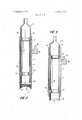
- FIG. 1is a cross sectional view of an anastomotic apparatus in accordance with this invention including inner and outer tubular members and a trocar tip coupled to sources of vacuum, positive pressure and lubrication;
- FIG. 2is a cross sectional view of the anastomotic apparatus of FIG. 1 wherein the trocar tip has been removed;
- FIG. 3is a cross sectional view of the anastomotic apparatus of FIG. 1 wherein the inner tubular member has been extended into the cutting position;
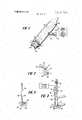
- FIG. 4is a perspective view of an anastomotic apparatus in accordance with this invention in combination with a prepared donor vessel illustrating the manner by which the donor vessel is dressed upon the anastomotic apparatus;
- FIG. 5is a perspective view of an anastomotic apparatus in accordance with the subject invention being used during the sealing and testing operation for joining a donor vessel to the side wall of a recipient vessel;
- FIG. 6is a perspective view of a second embodiment of an anastomotic apparatus of the subject invention including a cauterization means mounted on one end of the inner tubular member in combination with a power supply and control circuit;
- FIG. 7is a partial cross-sectional view of the cauterization means illustrated in FIG. 6 along lines 7-7 of FIG. 6;
- FIG. 8is a perspective view of suction support means for preventing a recipient blood vessel from turning.
- FIG. 9is a perspective view of the suction support means of FIG. 8 in actual use.
- an anastomotic apparatus 2including support means 4 for supporting the open end of a donor vessel in contact with the side wall of a recipient vessel to permit the open end of the donor vessel to be integrally sealed by adhesives to the side wall of the recipient vessel without interrupting the flow of biological fluid in the recipient vessel.
- Support means 4includes an outer tubular member 6 having an outer diameter approximately equal to the inside diameter of the donor vessel and containing a plurality of openings 8 extending between the outer surface and the interior of the outer tubular member 6.
- the support means 4also includes a trocar tip 10 connected by suitable means such as screw threads 11 with a first end of the outer tubular member 6.
- the trocar tipis rounded at the outer end 12 to facilitate insertion of the tubular member into the interior of the donor vessel.
- the trocar tipcontains a plurality of channels 14 extending between the inter ior of the outer tubular member 6 and the outer surface of the trocar tip.
- the proportions of the devicehave been exaggerated in FIGS. 1-3.
- Overall dimensionsof the outer tubular member of an anastomotic apparatus incorporating the features of this inventionmight be 4 inches in length by one-sixteenth to one-eighth inches in diameter.
- the cutting means 16Positioned within the outer tubular member 6 is cutting means 16 for cutting through and removing a portion of the side wall of a recipient vessel circumscribed by the interior edge of the sealed end of a donor vessel.
- the cutting means 16includes an inner tubular member 18 mounted concentrically within the outer tubular member 6 and having cutter head means 20 located at a first end of the inner tubular member 18 for severing the side of the recipient vessel.
- the inner tubular member 18may be movable between a retracted position illustrated in FIG. 1 and an extended position illustrated in FIG. 3 in which the cutter head means 16 is adapted to remove that portion of the side wall of the recipient vessel circumscribed by the sealed end of the donor vessel.
- the cutter head meansmay include a plurality of axially extending cutter blades 21 connected with the first end of the inner tubular member.
- a pair of sealing rings 22, 24mounted on the outer surface of the inner tubular member adjacent each end, respectively thereof, and in sealing engagement with the outer tubular member 6. Rings 22, 24 permit the inner tubular member 18 to be moved between the retracted and extended positions illustrated in FIGS. 1 and 3, respectively, while maintaining a sealed interconnection between the two tubular members. Once in the extended position the inner tubular member may be turned in a well controlled manner by a source of rotational energy 25 such as a dental drill power source.
- a source of rotational energy 25such as a dental drill power source.
- the outer tubular member 6includes a support appendage 26 integrally connected therewith.
- the support appendage 26may be connected with a solid stable support such as the skull when the anastomotic apparatus is employed to connect intracraneal blood vessels.
- the support appendagealso contains a through passage 28 communicating with the space 29 between the inner and outer tubular member and extending between the pair of sealing rings 22, 24.
- the inner tubular member 18includes a central passage 30 extending through the entire axial length of the inner tubular member 6. The central passage 30 extends entirely through the cutter head means 20 and communicates with the outer surface thereof.
- the anastomotic apparatus 2includes a source of vacuum 32, 'a
- passages 28 and 30may be connected with the lubrication source to force lubrication onto the outer surfaces of the anastomotic apparatus through space 29, openings 8 and channels 14, thereby to facilitate the insertion of the apparatus into the interior of a donor vessel.
- This arrangementvirtually eliminates the possibility of damaging the interior surface tissue of the donor vessel during the insertion step.
- the lower end 31 of the outer tubular member 6is concaved and has a radius of curvature R approximately equal to the radius of the recipient vessel.
- the lwer end 31includes a plurality of small prongs or sharp points 33 projecting axially of member 6 for preventing the recipient vessel from twisting during the cutting operation of the inner tubular member 18. Points 33 should not be so large as to damage or seriously injure the recipient vessel.
- the anastomotic apparatus illustrated in FIG. 2may be connected with the source of vacuum 32 to thereby draw a donor vessel, into which the outer tubular member has been inserted, into contact with a predetermined portion of the side wall of a recipient vessel and into tight engagement with the outer tubular member.
- the donor vesselmay be held in a fixed position to permit the setting of an adhesive to bring about a permanent connection between the donor and recipient vessels.
- passages 28, 30may be connected with the pressure source 34 by coupling means 38 to determine the integrity and completeness of the seal between the donor and recipient vessels.
- the vacuum sourceis reconnected with passages 28 and 30 by the coupling means 38 in order to again draw the donor vessel tightly against the outer tubular member, whereupon the inner tubular member may be advanced to an extended position as illustrated in FIG. 3 and rotated either manually or automatically to sever that position of the recipient vessel circumscribed by the sealed end of the donor vessel.
- FIG. 4illustrates a donor vessel 42 which has been prepared for connection with a recipient vessel by placing an opening 44 in the side wall of the donor vessel at a distance a from the open end 46 which is to be joined to the side wall of the recipient vessel.
- Distance acorresponds to the operative length b of the outer tubular member 6.
- the anastomotic apparatusis connected with a source of lubrication to force lubricating material through openings 8 and channels 14 in order to facilitate insertion of the anastomotic apparatus into the donor vessel without causing injury thereto.
- the trocar tip 10may be removed thereby exposing the concave end 31 of the outer tubular member 6 which allows the open end of the donor vessel to be prepared for joining with the side wall of the recipient vessel.
- the open end of the donor vesselis coated with adhesive and brought into contact with the side wall of the recipient vessel 48 whereupon passages 28, 30 are connected with the vacuum source 32 to draw the open end of the donor vessel into tight engagement with the side wall of the recipient vessel.
- the adhesive which has been placed between the open end of the donor vessel and the side wall of the vesselis now permitted to set thereby forming a bond between the subject vessels.
- Positive pressureis: introduced into passages 28 and 30 to test the integrity of the formed bond before the recipient vessel is severed by cutting means 16.
- a pressure ring 50may be tightened around the donor vessel at a point above openings 8 of the outer tubular member 6.
- the vacuum source 32may be reconnected with the passages 28 and 30 in order to again draw the donor vessel tightly against the outer tubular member 6, whereupon the inner tubular member is advanced to an extended position wherein rotation thereof permits cutting blades 21 to sever that portion. of the recipient vessel circumscribed by the sealed end of the donor vessel.
- the anastomosismay now be completed by withdrawing the anastomotic apparatus and closing opening 44 by any suitable means.
- FIG. 6illustrates a second embodiment of the subject invention which has been modified by replacement of the cutter blades 21 with cauterization means 52 at the lower end of the inner tubular member 18.
- Cauterization means 52includes a resistance heating wire 54 connected by means of electrical leads 56 to a pair of terminals 58 located on the upper end of the inner tubular member 18. The terminals are connected with a power supply and a control circuit 60 by means of electrical leads 62.
- the cauterization means 52includes a heat insulation means 64 for insulating the donor vessel from the heat generated by electrical resistance heating wire 54.
- the heat insulating meansincludes an insulation ring 66 mounted on the lower end of the inner tubular member 18 wherein the insulation ring 66 is shaped to formv a circumferential notch 68 on the inside of the ring for receiving and retaining the electrical resistance wire 54 and to form a ring of insulation 70 between the electrical resistance wire and the outer tubular member 6.
- inner tubular member 18is advanced beyond the normal extended position to reveal a plurality of openings 72 extending between theinterior and exterior surfaces of the tubular member.
- through passage 28may be eliminated and the vacuum, positive pressure and lubrication may all'be supplied through a central passage 30 of the inner tubular member.
- the entire anastomotic apparatusmay be supported by means of a ball joint connection 74 between the outer tubular member and a fixed support 76.
- the cauterization cutting means illustrated in FIGS. 6. and 7is preferred over the cutting blades employed in the embodiment of FIGS. 1-3 because cauterization prevents separation of the various layers of the vessel between which the biological fluids would otherwise enter.
- Suitable adhesives for forming the sealed joint between the donor and recipient vesselinclude methyl-2-cyanacrylate and alpha-ethyl cyanacrylate.
- the inner tubular membermay be eliminated altogether and replaced by chemical cutting means such as a strong acid. According to this method, the portion of the side wall of the recipient vessel circumscribed by the open end of the donor vessel would be dissolved or eaten away by a strong acid placed within the outer tubular member 6. Accordingly, the cutting means of the subject invention may be embodied in one or more cutting blades, electrical cutting means, or chemical means.
- a suction support means 78for supporting the outer tubular member 6 relative to a recipient blood vessel.
- the suction support 78includes an upright stem 79 and a U-shaped bottom portion 80 wherein each side of the bottom portion includes a pair of downwardly extending legs 82, 84. The legs are separated by a distance approximating the diameter of the recipient vessel.
- an arched surface 86is provided for frictionally contacting the surface of the recipient vessel. The frictional fit is assisted by a negative pressure, communicated to the arched surface by a passageway 88 (illustrated in dotted lines) extending from the upper end of the stem into each side of the U-shaped bottom portion 80.
- an attachment link 90which contains a through bore for slidingly receiving the outer tubular member 6 and which includes a clip 92 adapted for snap fitting around the upper stem 79 of the suction support means 78.
- a pair of knobs 94, 96may be provided for integral connection with the inner and outer tubular members, respectively, thereby permitting manual turning of the inner tubular member relative to the outer tubular member.
- the outer tubular memberis placed within the through bore of attachment link 90 and the suction support means 78 is brought into contact with the recipient vessel and held in frictional contact therewith by connecting passageway 88 with a source of vacuum.
- the donor vesselis placed on the outer tubular member 6 as previously discussed.
- the attachment linkmay now be snaped onto the upright stem 79 to secure the outer tubular member 6 relative to the recipient vessel.
- the outer tubular membermay now be advanced through the bore of the attachment link to bring the donor vessel into contact with the side wall of the recipient vessel.
- An anastomotic apparatuswhich provides the surgeon with an extremely efficient and easily manipulated device for joining a donor vessel to the side wall of a recipient vessel such as the blood vessels in the human body. Since the sealed joint may be tested before the recipient vessel is severed in any way, the risk due to improperly executed sealed joints is significantly reduced.
- This apparatushas the added advantage of permitting anastomosis interruption of the flow of biological fluids in the recipient vessel at any time before or after anastomosis.
- An anastomotic apparatusfor joining the open lumen end of a donor vessel to the side wall ofa recipient vessel in which biological fluids are flowing, comprising a. support means for supporting the open end of the donor vessel in contact with the side wall of the recipient vessel;
- hollow lumen cutting meanspositioned substantially within said support means for cutting through and removing a portion of the side wall of the recipient vessel circumscribed by the interior edge of the sealed end of the donor vessel;
- An anastomotic apparatus as defined in claim 17further including test means connected with said support means for pressurizing the interior of the donor vessel adjacent the seal to test the integrity of the seal between the donor vessel and the side wall of the recipient vessel.
- said support meansincludes a trocar tip removably connected with a first end of said tubular member, said trocar tip being rounded at the outer end to facilitate insertion of said outer tubular member into .the interior of the donor vessel.
- said cutting meansincludes an inner tubular member mounted concentrically within said outer tubular member and having cutter head means located at a first end of said inner tubular member for severing the side wall of the recipient vessel, said inner tubular member being movable between a retracted position in which said trocar tip may be secured to said outer tubular member and an extended position in which said cutter head means may engage the side wall of the recipient vessel circumscribed by the open end of the donor vessel.
- An anastomotic apparatus as defined in claim 4wherein said cutting means contains a central passage extending between the other end of said inner tubular member and the outer surface of said cutter head means, said central passage being connected with said source of vacuum when said inner tubular member is moved to said extended position, whereby the portion of the side wall of the recipient vessel removed by said cutter means may be retained against said cutter head means by a pressure differential created by said vacuum source.
- said inner tubular memberincludes a pair of sealing rings mounted on the outer surface thereof ad- 60 jacent each end. of said inner tubular member and wherein said outer tubular member includes a. a plurality of openings extending between the outer circumferential surface of the outer tubular member and the space between said inner and outer tubular member extending between said pair of sealing rings, and
- coupling meansfor connecting said space between said inner and outer tubular members selectively with sources of vacuum, positive pressure or lubrication.
- said cutter head meansincludes a plurality of cutter blades mounted in an axially extending position on said first end of said inner tubular member.
- an anastomotic apparatusas defined in claim 3 wherein said outer tubular member contains a plurality of apertures providing a passage between the interior and the circumferential surface of said tubular member and wherein said trocar tip contains a plurality of channels also providing a passage between the interior of said outer tubular member and the outer surface of said trocar tip.
- the open end of a donor vessel into which said outer tubular member has been insertedmay be placed in contact with a predetermined portion of the side wall of the recipient vessel and the donor vessel may be drawn into tight engagement with said tubular member and the recipient vessel whenever said source of vacuum is connected with the interior of said outer tubular member.
- said cutter head meansincludes cauterizing means for severing selected portions of the side wall of the recipient vessel by cauterization, said cauterizing means including a. an electrical resistance heating wire extending aroundthe circumference of said first end of said inner tubular member; and
- heat insulation meansfor insulating the donor ves' sel from the heat generated by said electrical resistance heating wire, said heat-insulation means including an insulation ring mounted on said first end of said inner tubular member, said insulation ring being shaped to form a circumferential notch on the inside of said ring for receiving said electrical resistance wire and to form a ring of insulation between said electrical resistance heating wire and said outer tubular member.
- a pressure sourceselectively connectable with the interior of said outer tubular member to apply a positive pressure in the space between the recipient vessel and the pressure clamp means to test the integrity of the seal before the recipient vessel is cut by said cutting means.
- An anastomotic apparatusfor joining an open end of a donor vessel to the side wall of a recipient vessel in which biological fluids are flowing, comprising a. support means for supporting the open end of the donor vessel in contact with the side wall of the recipient vessel, said support means including 1. means for holding the open end of the donor ves' sel in sealed contact with the side wall of the recipient vessel without interrupting the flow of biological fluids in the recipient vessel, said support means including 2.
- an outer tubular memberhaving an outer diameter approximately equal to the inside diameter of the donor vessel and having a plurality of openings extending between the outer surface and the interior of said outer tubular member, and a trocar tip removably connected with a first end of said outer tubular member, said trocar tip being rounded at the outer end to facilitate insertion of the tubular member into the interior of the donor vessel, said trocar tip having a plurality of channels extending between the interior of said outer tubular member and the outer surface of said trocar tip;
- cutting meansfor cutting through and removing a portion of the side wall of the recipient vessel circumscribed by the interior of the open end of the donor vessel which is in contact with the side wall of the recipient vessel, said cutting means including 1. an inner tubular member mounted concentrically within said outer tubular member, and
- cutter head meanslocated at a first end of said inner tubular member for severing and removing a portion of the side wall of the recipient vessel, said cutter head means containing an opening extending between the interior of said inner tubular member and the outer surface of said cutter head means, said inner tubular member being movable between a retracted position. wherein said trocar tip may be secured to the interior surface of said outer tubular member adjacent said first end and an extended position wherein the recipient vessel may be severed;
- coupling meansfor selectively connecting said selectively controlled suction means, said positive pressure and said pressurized lubrication sources with the interiors of said inner and outer tubular members, whereby the exterior circumferential surface of said outer tubular member and the outer surface of said trocar tip may be lubricated prior to insertion into the donor vessel by coupling said pressurized lubrication source to the interiors of said inner and outer tubular members and whereby the donor vessel may be drawn into tight engagement with said tubular member and with the recipient vessel when the selectively controlled suction means is connected with the interiors of said inner and outer tubular members to permit the donor vessel to be sealed to the recipient vessel and to permit the recipient vessel to be severed by the cutting head means and, further, whereby the integrity of the seal between the donor and recipient vessels may be tested before the recipient vessel is severed by connecting the interiors of the inner and outer tubular member with said positive pressure source.
- said support meansfurther includes suction support means for supporting said outer tubular member relative to a recipient vessel, said suction support means including means for frictionally engaging the recipient vessel and vacuum passageway means for maintaining said suction support means in frictional contact with said recipient vessel.
- An anastomotic apparatusfor joining the open lumen end of a donor vessel to the side wall ofa recipient vessel having a lumen in which biological fluids are flowing, comprising a. support means for supporting the open end of the donor vessel in contact with the side wall of the recipient vessel, said support means including 1. an outer member shaped to fit within the lumen of the donor vessel, 2. a source of vacuum, and 3. means for selectively connecting said source 0 vacuum with said outer member to hold the open end of the donor vessel in sealed Contact with the side wall of the recipient vessel without interrupting the flow of biological fluids in the recipient vessel; and b.
Landscapes
- Health & Medical Sciences (AREA)
- Life Sciences & Earth Sciences (AREA)
- Surgery (AREA)
- Heart & Thoracic Surgery (AREA)
- Engineering & Computer Science (AREA)
- Biomedical Technology (AREA)
- Nuclear Medicine, Radiotherapy & Molecular Imaging (AREA)
- Medical Informatics (AREA)
- Molecular Biology (AREA)
- Animal Behavior & Ethology (AREA)
- General Health & Medical Sciences (AREA)
- Public Health (AREA)
- Veterinary Medicine (AREA)
- Surgical Instruments (AREA)
Abstract
Description
United States Patent [1 1 Wright 1 Apr. 23, 1974 1 1 ANASTOMOTIC APPARATUS [76] Inventor: Sanford J. Wright, PO. Box 809,
Everett, Wash. 98206 [22] Filed: Mar. 21, 1973 [21] App]. No: 343,224
[52] US. Cl 128/334, 128/214 R, 128/305, 128/348, 408/138, 72/71 {51] Int. Cl.. A61b 17/04, A61b 17/32, A61m 5/00, A6lm 25/00 [58] Field of Search 128/348, 214 R, 334 R, 128/305; 72/71; 408/138; 137/318 [5 6] References Cited UNITED STATES PATENTS 3,472,231 10/1969 Niebel et al 128/334 R 3,638,652 1/1972 Kelley 128/334 R 3,019,789 2/1962 Whitehill et al. 128/305 3,313,315 4/1967 Rothwell 137/318 3,142,205 7/1964 Huslander 72/71 3,713,441 1/1973 Thomas 128/214 R SOURCE OF /ta Primary Examiner-Aldrich F. Medberry Attorney, Agent, or Firm-Gardiner, Sixbey, Bradford & Carlson [57] ABSTRACT An anastomotic apparatus including an outer tubular V member connected with a source of vacuum pressure for holding the open end of a donor blood vessel in contact with the side wall of a recipient vessel, thereby permitting adhesive joining of the vessels. To test the anastomosis seal, a source of positive pressure is provided for pressurization of the interior of the outer tubular member. The anastomotic apparatus also includes an inner tubular member concentrically mounted within the outer tubular member having a cutting head secured to the lower end thereof which may be advanced to remove that portion of the recipient vessel circumscribed by the sealed end of the donor vessel. In one embodiment, the cutting head includes a plurality of cutter blades attached to and extending axially from the lower end of the inner tubular member. In a second embodiment, the cutting head includes an electrical resistance heating wire for cutting the recipient blood vessel by cauterization.
18 Claims, 9 Drawing Figures LUBRICATION SOURCE f36 PATENTED APR 2 3 I974 sum 1 or 3 LUBRICATION SOURCE SOURCE OF ROTATIONAL FIG! ANASTOMOTIC APPARATUS BACKGROUND OF THE INVENTION 1. Field of the Invention This invention relates to apparatus for nonsuture adhesive anastomosis of tubular body elements.
2. Description of the Prior Art Interconnection of tubular body elements has traditionally been performed by suturing techniques which are, at best, tedious and time consuming. Numerous attempts have been made to improve such techniques by the use of specialized instruments adapted to assist the surgeon in obtaining a long lasting, highly reliable interconnection. For example, U.S. Pat. No. 3,561,448 to Peternel discloses a clamp assembly for positioning blood vessels to hold the blood vessels in engagement thereby facilitating interconnection. While such instruments are well suited for the purposes'intended, the particular requirements involved in small vascular surgery, particularly within intracraneal spaces, makes the manipulation of bulky equipment difficult if not impossible.
In response to this problem, it has been proposed to employ plastic adhesive in place of sutures thereby eliminating the need for suturing instruments. See, for example, Suzuki et al. A soluble Internal Splint for Experimental Vascular Anastomosis, Journal of Neurosurgery, Vol. 35, September 1971, pp. 35-58. However, the use of adhesives has not eliminated the need for severingrecipient vessels prior to formation of the anastomosis. A need, therefore, exists for providing the surgeon with a simple technique for performing highly reliable anastomosis including the capability of testing the anastomotic joint prior to incision of the recipient vessel. Techniques for establishing a joint with the side wall of an in service-conduit prior to opening of the conduit are well known in the plastic tubing art as disclosed in U. S. Pat. No. 2,736,335 issued Feb. 28, 1956 to Webber. However, no instrument known heretofore hasprovided this capability in the anastomosis art nor has any disclosure been made of an instrument which allows testing of the anastomosis joint prior to cutting of the recipient vessel.
SUMMARY OF THE INVENTION A general object of this invention is to provide an anastomotic appartus for joining the open end of a donor vessel to the side wall of the recipient vessel in which biological fluids are flowing. More particularly, the disclosed anastomotic apparatus is adapted to support the open end of a donor vesselin contact with a side Wall of a recipient vessel, whereby the contacting surfaces may be adhesively joined. After the adhesive has set, the anastomotic apparatus is adapted to test the seal under pressure and then to remove that portion of the side wall of the recipient vessel circumscribed by the interior edge of the sealed end of the donor vessel. Through use of the disclosed apparatus, anastomosis may be performed without compromising the flow of biological fluids within the recipient vessel in any way. Accordingly, the procedure is never committed until the sealed joint has been treated. A further advantage is that the full circumference of the recipient vessel need never be cut since adhesive joining permits the donor vessel to be integrally bonded with the side wall of the recipient vessel, thereby further eliminating the need for interruption of flow in the recipient vessel at any time. Due to the small size of the disclosed apparatus and the minimal manipulation required for operation thereof, anastomosis may be performed within extremely confined spaces of a living animal such as the intracraneal spaces of the human body.
It is another object of this invention to provide an anastomotic apparatus including support means for supporting the open end of a donor vessel in contact with the side wall of a recipient vessel and including cutting means positioned within the support means for cutting through and removing that portion of the side wall of the recipient vessel circumscribed by the interior edge of the sealed end of the donor vessel, whereby the interior lumens of the vessels may be brought into communication.
Another object of the invention is to provide an anastomotic apparatus wherein the support means includes an outer tubular member having a outer diameter approximately equal to the inside diameter of the donor vessel and a trocar tip removably connected with a first end of the outer tubular member. The trocar tip is rounded at the outer end to facilitate insertion of the tubular member into the interior of the donor vessel.
Yet another object of this invention is to provide an anastomotic apparatus wherein the outer tubular member includes a plurality of openings extending between the outer surface and the interior thereof and the trocar tip includes a plurality of channels extending between the interior of the outer tubular member and the outer surface of the trocar tip. The anastomotic device fur ther includes a vacuum pressure source, a positive pressure source, a pressurized lubrication source and coupling means for selectively connecting the vacuum pressure, the positive pressure and the pressurized lubrication sources with the interiors of the outer and inner tubular members. By this arrangement, the exterior circumferential surface of the outer tubular member and the outer surface of the trocar tip may be lubri. cated prior to insertion into the donor vessel by coupling the pressurized lubrication source to the interior of the outer tubular member. Furthermore, the donor vessel may be drawn into tight engagement with the outer tubular member and with therecipient vessel when the vacuum source is connected with the interior of the outer tubular member to permit the donor vessel to be sealed to the recipient vessel andto permit the recipient vessel to be severed by the cutting means. To test the integrity of the seal between the donor and recipient vessels, the interior of the outer tubular member may be connected with the positive pressure source by the above mentioned coupling means.
Still another object of this invention is to provide an anastomotic apparatus wherein the cutting means includes an inner tubular member mounted concentrically within the outer tubular member and having cutter head means located at a first end of a tubular member for severing the side wall of the recipient vessel. The inner tubular member is movable between a retracted position wherein the trocar tip may be secured to the interior surface of the outer'tubular member adjacent the first end and an extended position in which the cutter head means may engage the side wall of the recipient vessel.
Yet another object of the invention is to provide an anastomotic apparatus wherein the cutter head means includes a plurality of cutter blades: mounted in an axially extended position on the first end of the inner tubular member.
Yet another object of this invention is to provide an anastomotic apparatus wherein the cutter head means includes a cauterizing means for severing a selected portion of the side wall of the recipient vessel. The cauterizing means includes an electrical resistance heating wire extending around the circumference of the inner tubular member and heat insulation means for insulating the donor vessel from the heat generated by the electrical resistance, heating wire during the cauterization process.
Other objects and advantages of the invention will become apparent from a study of the following specification when viewed in light of the accompanying drawmgs.
BRIEF DESCRIPTION OF THE DRAWINGS FIG. 1 is a cross sectional view of an anastomotic apparatus in accordance with this invention including inner and outer tubular members and a trocar tip coupled to sources of vacuum, positive pressure and lubrication;
FIG. 2 is a cross sectional view of the anastomotic apparatus of FIG. 1 wherein the trocar tip has been removed;
FIG. 3 is a cross sectional view of the anastomotic apparatus of FIG. 1 wherein the inner tubular member has been extended into the cutting position;
FIG. 4 is a perspective view of an anastomotic apparatus in accordance with this invention in combination with a prepared donor vessel illustrating the manner by which the donor vessel is dressed upon the anastomotic apparatus;
FIG. 5 is a perspective view of an anastomotic apparatus in accordance with the subject invention being used during the sealing and testing operation for joining a donor vessel to the side wall of a recipient vessel;
FIG. 6 is a perspective view of a second embodiment of an anastomotic apparatus of the subject invention including a cauterization means mounted on one end of the inner tubular member in combination with a power supply and control circuit;
FIG. 7 is a partial cross-sectional view of the cauterization means illustrated in FIG. 6 along lines 7-7 of FIG. 6;
FIG. 8 is a perspective view of suction support means for preventing a recipient blood vessel from turning; and
FIG. 9 is a perspective view of the suction support means of FIG. 8 in actual use.
DESCRIPTION OF THE PREFERRED EMBODIMENT As illustrated in FIG. 1, an anastomotic apparatus 2 is disclosed including support means 4 for supporting the open end of a donor vessel in contact with the side wall of a recipient vessel to permit the open end of the donor vessel to be integrally sealed by adhesives to the side wall of the recipient vessel without interrupting the flow of biological fluid in the recipient vessel. Support means 4 includes an outertubular member 6 having an outer diameter approximately equal to the inside diameter of the donor vessel and containing a plurality ofopenings 8 extending between the outer surface and the interior of the outertubular member 6. The support means 4 also includes atrocar tip 10 connected by suitable means such as screw threads 11 with a first end of the outertubular member 6. The trocar tip is rounded at theouter end 12 to facilitate insertion of the tubular member into the interior of the donor vessel. Like the outer tubular member, the trocar tip contains a plurality ofchannels 14 extending between the inter ior of the outertubular member 6 and the outer surface of the trocar tip. The proportions of the device have been exaggerated in FIGS. 1-3. Overall dimensionsof the outer tubular member of an anastomotic apparatus incorporating the features of this invention might be 4 inches in length by one-sixteenth to one-eighth inches in diameter.
Positioned within the outertubular member 6 is cuttingmeans 16 for cutting through and removing a portion of the side wall of a recipient vessel circumscribed by the interior edge of the sealed end of a donor vessel. The cutting means 16 includes aninner tubular member 18 mounted concentrically within the outertubular member 6 and having cutter head means 20 located at a first end of theinner tubular member 18 for severing the side of the recipient vessel. Upon removal of thetrocar tip 10, theinner tubular member 18 may be movable between a retracted position illustrated in FIG. 1 and an extended position illustrated in FIG. 3 in which the cutter head means 16 is adapted to remove that portion of the side wall of the recipient vessel circumscribed by the sealed end of the donor vessel. The cutter head means may include a plurality of axially extendingcutter blades 21 connected with the first end of the inner tubular member.
Supporting theinner tubular member 18 within the outertubular member 6 for both longitudinal and rotational motion is a pair of sealing rings 22, 24 mounted on the outer surface of the inner tubular member adjacent each end, respectively thereof, and in sealing engagement with the outertubular member 6.Rings inner tubular member 18 to be moved between the retracted and extended positions illustrated in FIGS. 1 and 3, respectively, while maintaining a sealed interconnection between the two tubular members. Once in the extended position the inner tubular member may be turned in a well controlled manner by a source ofrotational energy 25 such as a dental drill power source.
The outertubular member 6 includes asupport appendage 26 integrally connected therewith. Thesupport appendage 26 may be connected with a solid stable support such as the skull when the anastomotic apparatus is employed to connect intracraneal blood vessels. The support appendage also contains a throughpassage 28 communicating with thespace 29 between the inner and outer tubular member and extending between the pair of sealing rings 22, 24. Theinner tubular member 18 includes acentral passage 30 extending through the entire axial length of the innertubular member 6. Thecentral passage 30 extends entirely through the cutter head means 20 and communicates with the outer surface thereof.
For the reasons described herein below, the anastomotic apparatus 2 includes a source ofvacuum 32, 'a
source ofpositive pressure 34 and a source of lubrication under pressure 36 selectively connectable with the anastomotic apparatus is assembled as illustrated in FIG. 1,passages space 29,openings 8 andchannels 14, thereby to facilitate the insertion of the apparatus into the interior of a donor vessel. This arrangement virtually eliminates the possibility of damaging the interior surface tissue of the donor vessel during the insertion step.
As disclosed in FIG. 2, thelower end 31 of the outertubular member 6 is concaved and has a radius of curvature R approximately equal to the radius of the recipient vessel. Thelwer end 31 includes a plurality of small prongs orsharp points 33 projecting axially ofmember 6 for preventing the recipient vessel from twisting during the cutting operation of theinner tubular member 18.Points 33 should not be so large as to damage or seriously injure the recipient vessel. The anastomotic apparatus illustrated in FIG. 2 may be connected with the source ofvacuum 32 to thereby draw a donor vessel, into which the outer tubular member has been inserted, into contact with a predetermined portion of the side wall of a recipient vessel and into tight engagement with the outer tubular member. In this manner, the donor vessel may be held in a fixed position to permit the setting of an adhesive to bring about a permanent connection between the donor and recipient vessels. After the adhesive has set but before the recipient vessel is severed by the cutting head means 20,passages pressure source 34 by coupling means 38 to determine the integrity and completeness of the seal between the donor and recipient vessels. The advantage of this arrangement is that the anastomotic joint may be tested prior to severing of the donor vessel, thereby eliminating the need for severing or cutting through the recipient vessel before the surgeon is assured that the adhesive bond is tight. To complete the anastomosis with the disclosed apparatus, the vacuum source is reconnected withpassages cen+ tral passage 30 of the inner tubular member with the vacuum source, the removed portion of the recipient vessel is forced against the cutter head means thereby eliminating the possibility that such portion will become lodged within the recipient vessel.
In order to explain more clearly the operation of the disclosed anastomotic apparatus, reference is now made to FIGS. 4 and 5 which disclose the subject invention in actual operation. FIG. 4 illustrates adonor vessel 42 which has been prepared for connection with a recipient vessel by placing anopening 44 in the side wall of the donor vessel at a distance a from theopen end 46 which is to be joined to the side wall of the recipient vessel. Distance a corresponds to the operative length b of the outertubular member 6. Asdescribed above, the anastomotic apparatus is connected with a source of lubrication to force lubricating material throughopenings 8 andchannels 14 in order to facilitate insertion of the anastomotic apparatus into the donor vessel without causing injury thereto.
Once the anastomotic apparatus has been inserted in the donor vessel, thetrocar tip 10 may be removed thereby exposing theconcave end 31 of the outertubular member 6 which allows the open end of the donor vessel to be prepared for joining with the side wall of the recipient vessel. The open end of the donor vessel is coated with adhesive and brought into contact with the side wall of therecipient vessel 48 whereuponpassages vacuum source 32 to draw the open end of the donor vessel into tight engagement with the side wall of the recipient vessel. The adhesive which has been placed between the open end of the donor vessel and the side wall of the vessel is now permitted to set thereby forming a bond between the subject vessels. Positive pressure is: introduced intopassages means 16. To aid in this process, apressure ring 50 may be tightened around the donor vessel at a point aboveopenings 8 of the outertubular member 6. Assuming the sealed connection to be free from leaks of any kind, thevacuum source 32 may be reconnected with thepassages tubular member 6, whereupon the inner tubular member is advanced to an extended position wherein rotation thereof permits cuttingblades 21 to sever that portion. of the recipient vessel circumscribed by the sealed end of the donor vessel. The anastomosis may now be completed by withdrawing the anastomotic apparatus and closingopening 44 by any suitable means.
Reference is now made to FIG. 6 which illustrates a second embodiment of the subject invention which has been modified by replacement of thecutter blades 21 with cauterization means 52 at the lower end of theinner tubular member 18. Cauterization means 52 includes aresistance heating wire 54 connected by means of electrical leads 56 to a pair ofterminals 58 located on the upper end of theinner tubular member 18. The terminals are connected with a power supply and acontrol circuit 60 by means of electrical leads 62.
As best illustrated in FIG. 7, the cauterization means 52 includes a heat insulation means 64 for insulating the donor vessel from the heat generated by electricalresistance heating wire 54. The heat insulating means includes aninsulation ring 66 mounted on the lower end of theinner tubular member 18 wherein theinsulation ring 66 is shaped to formv acircumferential notch 68 on the inside of the ring for receiving and retaining theelectrical resistance wire 54 and to form a ring ofinsulation 70 between the electrical resistance wire and the outertubular member 6.
Returing to FIG. 6, it should be noted that innertubular member 18 is advanced beyond the normal extended position to reveal a plurality ofopenings 72 extending between theinterior and exterior surfaces of the tubular member. By this arrangement, throughpassage 28 may be eliminated and the vacuum, positive pressure and lubrication may all'be supplied through acentral passage 30 of the inner tubular member. It should also be noted that the entire anastomotic apparatus may be supported by means of a balljoint connection 74 between the outer tubular member and a fixedsupport 76. The cauterization cutting means illustrated in FIGS. 6. and 7 is preferred over the cutting blades employed in the embodiment of FIGS. 1-3 because cauterization prevents separation of the various layers of the vessel between which the biological fluids would otherwise enter.
Examples of suitable adhesives for forming the sealed joint between the donor and recipient vessel include methyl-2-cyanacrylate and alpha-ethyl cyanacrylate.
The inner tubular member may be eliminated altogether and replaced by chemical cutting means such as a strong acid. According to this method, the portion of the side wall of the recipient vessel circumscribed by the open end of the donor vessel would be dissolved or eaten away by a strong acid placed within the outertubular member 6. Accordingly, the cutting means of the subject invention may be embodied in one or more cutting blades, electrical cutting means, or chemical means.
Referring now to FIG. 8, a suction support means 78 is disclosed for supporting the outertubular member 6 relative to a recipient blood vessel. Thesuction support 78 includes anupright stem 79 and aU-shaped bottom portion 80 wherein each side of the bottom portion includes a pair of downwardly extendinglegs arched surface 86 is provided for frictionally contacting the surface of the recipient vessel. The frictional fit is assisted by a negative pressure, communicated to the arched surface by a passageway 88 (illustrated in dotted lines) extending from the upper end of the stem into each side of theU-shaped bottom portion 80.
As illustrated in FIG. 9, anattachment link 90 is provided which contains a through bore for slidingly receiving the outertubular member 6 and which includes aclip 92 adapted for snap fitting around theupper stem 79 of the suction support means 78.
A pair ofknobs attachment link 90 and the suction support means 78 is brought into contact with the recipient vessel and held in frictional contact therewith by connectingpassageway 88 with a source of vacuum. Thereafter, the donor vessel is placed on the outertubular member 6 as previously discussed. The attachment link may now be snaped onto theupright stem 79 to secure the outertubular member 6 relative to the recipient vessel. The outer tubular member may now be advanced through the bore of the attachment link to bring the donor vessel into contact with the side wall of the recipient vessel.
An anastomotic apparatus has been disclosed which provides the surgeon with an extremely efficient and easily manipulated device for joining a donor vessel to the side wall of a recipient vessel such as the blood vessels in the human body. Since the sealed joint may be tested before the recipient vessel is severed in any way, the risk due to improperly executed sealed joints is significantly reduced. This apparatus has the added advantage of permitting anastomosis interruption of the flow of biological fluids in the recipient vessel at any time before or after anastomosis.
I claim:
1. An anastomotic apparatus for joining the open lumen end ofa donor vessel to the side wall ofa recipient vessel in which biological fluids are flowing, comprising a. support means for supporting the open end of the donor vessel in contact with the side wall of the recipient vessel;
b. selective actuable means for holding the support means and the open end of the donor vessel in sealed contact with the side wall of the recipient vessel without interrupting the flow of biological fluids in the recipient vessel;
c. hollow lumen cutting means positioned substantially within said support means for cutting through and removing a portion of the side wall of the recipient vessel circumscribed by the interior edge of the sealed end of the donor vessel; and
d. selectively controlled suction means connected to the support means for securing the removed wall portion, whereby the vessel lumens may be brought into fluid communication.
2. An anastomotic apparatus as defined in claim 17 further including test means connected with said support means for pressurizing the interior of the donor vessel adjacent the seal to test the integrity of the seal between the donor vessel and the side wall of the recipient vessel.
3. An anastomotic apparatus as defined inclaim 18 wherein said support means includes a trocar tip removably connected with a first end of said tubular member, said trocar tip being rounded at the outer end to facilitate insertion of said outer tubular member into .the interior of the donor vessel.
4. An anastomotic apparatus as defined in claim 3 wherein said cutting means includes an inner tubular member mounted concentrically within said outer tubular member and having cutter head means located at a first end of said inner tubular member for severing the side wall of the recipient vessel, said inner tubular member being movable between a retracted position in which said trocar tip may be secured to said outer tubular member and an extended position in which said cutter head means may engage the side wall of the recipient vessel circumscribed by the open end of the donor vessel.
5. An anastomotic apparatus as defined inclaim 4 wherein said cutting means contains a central passage extending between the other end of said inner tubular member and the outer surface of said cutter head means, said central passage being connected with said source of vacuum when said inner tubular member is moved to said extended position, whereby the portion of the side wall of the recipient vessel removed by said cutter means may be retained against said cutter head means by a pressure differential created by said vacuum source.
6. An anastomotic apparatus as defined inclaim 4 wherein said inner tubular member includes a pair of sealing rings mounted on the outer surface thereof ad- 60 jacent each end. of said inner tubular member and wherein said outer tubular member includes a. a plurality of openings extending between the outer circumferential surface of the outer tubular member and the space between said inner and outer tubular member extending between said pair of sealing rings, and
b. coupling means for connecting said space between said inner and outer tubular members selectively with sources of vacuum, positive pressure or lubrication.
7. An anastomotic apparatus as defined byclaim 4 wherein said cutter head means includes a plurality of cutter blades mounted in an axially extending position on said first end of said inner tubular member.
8. An anastomotic apparatus as defined inclaim 18 wherein said first end of said outer tubular member is concave with a radius of curvature approximately equal to the radius of curvature of the recipient vessel.
9. An anastomotic apparatus as defined in claim 3 wherein said outer tubular member contains a plurality of apertures providing a passage between the interior and the circumferential surface of said tubular member and wherein said trocar tip contains a plurality of channels also providing a passage between the interior of said outer tubular member and the outer surface of said trocar tip.
10. An anastomotic apparatus as defined inclaim 18 wherein said outer tubular member includes a support appendage adapted for connection with a solid stable support.
11. An anastomotic apparatus as defined inclaim 8 wherein said first end includes a plurality of sharp points projecting axially of said outer tubular member, whereby the recipient vessel is prevented from twisting during the cutting operation.
12. An anastomotic apparatus as defined inclaim 10 wherein said source of vacuum communicates selectively with the interior of said outer tubular member,
, whereby upon removal of said trocar tip the open end of a donor vessel into which said outer tubular member has been inserted may be placed in contact with a predetermined portion of the side wall of the recipient vessel and the donor vessel may be drawn into tight engagement with said tubular member and the recipient vessel whenever said source of vacuum is connected with the interior of said outer tubular member.
13. An anastomotic apparatus as defined byclaim 4 wherein said cutter head means includes cauterizing means for severing selected portions of the side wall of the recipient vessel by cauterization, said cauterizing means including a. an electrical resistance heating wire extending aroundthe circumference of said first end of said inner tubular member; and
b. heat insulation means for insulating the donor ves' sel from the heat generated by said electrical resistance heating wire, said heat-insulation means including an insulation ring mounted on said first end of said inner tubular member, said insulation ring being shaped to form a circumferential notch on the inside of said ring for receiving said electrical resistance wire and to form a ring of insulation between said electrical resistance heating wire and said outer tubular member.
14. An anastomotic apparatus as defined in claim.3
further including a. pressure clamp means for applying a circumferential'pressure to the exterior surface of the donor vessel at a location spaced from the sealed end thereof to form a circumferential seal between said outer tubular member and the donor vessel; and
b. a pressure source selectively connectable with the interior of said outer tubular member to apply a positive pressure in the space between the recipient vessel and the pressure clamp means to test the integrity of the seal before the recipient vessel is cut by said cutting means.
15. An anastomotic apparatus for joining an open end of a donor vessel to the side wall of a recipient vessel in which biological fluids are flowing, comprising a. support means for supporting the open end of the donor vessel in contact with the side wall of the recipient vessel, said support means including 1. means for holding the open end of the donor ves' sel in sealed contact with the side wall of the recipient vessel without interrupting the flow of biological fluids in the recipient vessel, said support means including 2. an outer tubular member having an outer diameter approximately equal to the inside diameter of the donor vessel and having a plurality of openings extending between the outer surface and the interior of said outer tubular member, and a trocar tip removably connected with a first end of said outer tubular member, said trocar tip being rounded at the outer end to facilitate insertion of the tubular member into the interior of the donor vessel, said trocar tip having a plurality of channels extending between the interior of said outer tubular member and the outer surface of said trocar tip;
b. cutting means for cutting through and removing a portion of the side wall of the recipient vessel circumscribed by the interior of the open end of the donor vessel which is in contact with the side wall of the recipient vessel, said cutting means including 1. an inner tubular member mounted concentrically within said outer tubular member, and
2. cutter head means located at a first end of said inner tubular member for severing and removing a portion of the side wall of the recipient vessel, said cutter head means containing an opening extending between the interior of said inner tubular member and the outer surface of said cutter head means, said inner tubular member being movable between a retracted position. wherein said trocar tip may be secured to the interior surface of said outer tubular member adjacent said first end and an extended position wherein the recipient vessel may be severed;
c. selectively controlled suction means connected to the support means for securing theremoved wall portion;
d. a positive pressure source;
e. a pressurized lubrication source; and
f. coupling means for selectively connecting said selectively controlled suction means, said positive pressure and said pressurized lubrication sources with the interiors of said inner and outer tubular members, whereby the exterior circumferential surface of said outer tubular member and the outer surface of said trocar tip may be lubricated prior to insertion into the donor vessel by coupling said pressurized lubrication source to the interiors of said inner and outer tubular members and whereby the donor vessel may be drawn into tight engagement with said tubular member and with the recipient vessel when the selectively controlled suction means is connected with the interiors of said inner and outer tubular members to permit the donor vessel to be sealed to the recipient vessel and to permit the recipient vessel to be severed by the cutting head means and, further, whereby the integrity of the seal between the donor and recipient vessels may be tested before the recipient vessel is severed by connecting the interiors of the inner and outer tubular member with said positive pressure source.
16. An anastomotic apparatus as defined inclaim 18 wherein said support means further includes suction support means for supporting said outer tubular member relative to a recipient vessel, said suction support means including means for frictionally engaging the recipient vessel and vacuum passageway means for maintaining said suction support means in frictional contact with said recipient vessel.
17. An anastomotic apparatus for joining the open lumen end ofa donor vessel to the side wall ofa recipient vessel having a lumen in which biological fluids are flowing, comprising a. support means for supporting the open end of the donor vessel in contact with the side wall of the recipient vessel, said support means including 1. an outer member shaped to fit within the lumen of the donor vessel, 2. a source of vacuum, and 3. means for selectively connecting said source 0 vacuum with said outer member to hold the open end of the donor vessel in sealed Contact with the side wall of the recipient vessel without interrupting the flow of biological fluids in the recipient vessel; and b. cutting means positioned substantially within said support means for cutting through and removing a portion of the side wall of the recipient vessel circumscribed by the interior edge of the sealed end of the donor vessel, whereby the vessel lumens may be brought into fluid communication. 18. An anastomotic apparatus as defined in claim 17 wherein said outer member includes an outer tubular member having an outer diameter approximately equal to the inside diameter of the donor vessel.
Claims (23)
1. An anastomotic apparatus for joining the open lumen end of a donor vessel to the side wall of a recipient vessel in which biological fluids are flowing, comprising a. support means for supporting the open end of the donor vessel in contact with the side wall of the recipient vessel; b. selective actuable means for holding the support means and the open end of the donor vessel in sealed contact with the side wall of the recipient vessel without interrupting the flow of biological fluids in the recipient vessel; c. hollow lumen cutting means positioned substantially within said support means for cutting through and removing a portion of the side wall of the recipient vessel circumscribed by the interior edge of the sealed end of the donor vessel; and d. selectively controlled suction means connected to the support means for securing the removed wall portion, whereby the vessel lumens may be brought into fluid communication.
2. a source of vacuum, and
2. An anastomotic apparatus as defined in claim 17 further including test means connected with said support means for pressurizing the interior of the donor vessel adjacent the seal to test the integrity of the seal between the donor vessel and the side wall of the recipient vessel.
2. cutter head means located at a first end of said inner tubular member for severing and removing a portion of the side wall of the recipient vessel, said cutter head means containing an opening extending between the interior of said inner tubular member and the outer surface of said cutter head means, said inner tubular member being movable between a retracted position wherein said trocar tip may be secured to the interior surface of said outer tubular member adjacent said first end and an extended position wherein the recipient vessel may be severed; c. selectively controlled suction means connected to the support means for securing the removed wall portion; d. a positive pressure source; e. a pressurized lubrication source; and f. coupling means for selectively connecting said selectively controlled suction means, said positive pressure and said pressurized lubrication sources with the interiors of said inner and outer tubular members, whereby the exterior circumferential surface of said outer tubular member and the outer surface of said trocar tip may be lubricated prior to insertion into the donor vessel by coupling said pressurized lubrication source to the interiors of said inner and outer tubular members and whereby the donor vessel may be drawn into tight engagement with said tubular member and with the recipient vessel when the selectively controlled suction means is connected with the interiors of said inner and outer tubular members to permit the donor vessel to be sealed to the recipient vessel and to permit the recipient vessel to be severed by the cutting head means and, further, whereby the integrity of the seal between the donor and recipient vessels may be tested before the recipient vessel is severed by connecting the interiors of the inner and outer tubular member with said positive pressure source.
2. an outer tubular member having an outer diameter approximately equal to the inside diameter of the donor vessel and having a plurality of openings extending between the outer surface and the interior of said outer tubular member, and
3. a trocar tip removably connected with a first end of said outer tubular member, said trocar tip being rounded at the outer end to facilitate insertion of the tubular member into the interior of the donor vessel, said trocar tip having a plurality of channels extending between the interior of said outer tubular member and the outer surface of said trocar tip; b. cutting means for cutting through and removing a portion of the side wall of the recipient vessel circumscribed by the interior of the open end of the donor vessel which is in contact with the side wall of the recipient vessel, said cutting means including
3. means for selectively connecting said source of vacuum with said outer member to hold the open end of the donor vessel in sealed contact with the side wall of the recipient vessel without interrupting the flow of biological fluids in the recipient vessel; and b. cutting means positioned substantially within said support means for cutting through and removing a portion of the side wall of the recipient vessel circumscribed by the interior edge of the sealed end of the donor vessel, whereby the vessel lumens may be brought into fluid communication.
3. An anastomotic apparatus as defined in claim 18 wherein said support means includes a trocar tip removably connected with a first end of said tubular member, said trocar tip being rounded at the outer end to facilitate insertion of said outer tubular member into the interior of the donor vessel.
4. An anastomotic apparatus as defined in claim 3 wherein said cutting means includes an inner tubular member mounted concentrically within said outer tubular member and having cutter head means located at a first end of said inner tubular member for severing the side wall of the recipient vessel, said inner tubular member being movable between a retracted position in which said trocar tip may be secured to said outer tubular member and an extended position in which said cutter head means may engage the side wall of the recipient vessel circumscribed by the open end of the donor vessel.
5. An anastomotic apparatus as defined in claim 4 wherein said cutting means contains a central passage extending between the other end of said inner tubular member and the outer surface of said cutter head means, said central passage being connected with said source of vacuum when said inner tubular member is moved to said extended position, whereby the portion of the side wall of the recipient vessel remOved by said cutter means may be retained against said cutter head means by a pressure differential created by said vacuum source.
6. An anastomotic apparatus as defined in claim 4 wherein said inner tubular member includes a pair of sealing rings mounted on the outer surface thereof adjacent each end of said inner tubular member and wherein said outer tubular member includes a. a plurality of openings extending between the outer circumferential surface of the outer tubular member and the space between said inner and outer tubular member extending between said pair of sealing rings, and b. coupling means for connecting said space between said inner and outer tubular members selectively with sources of vacuum, positive pressure or lubrication.
7. An anastomotic apparatus as defined by claim 4 wherein said cutter head means includes a plurality of cutter blades mounted in an axially extending position on said first end of said inner tubular member.
8. An anastomotic apparatus as defined in claim 18 wherein said first end of said outer tubular member is concave with a radius of curvature approximately equal to the radius of curvature of the recipient vessel.
9. An anastomotic apparatus as defined in claim 3 wherein said outer tubular member contains a plurality of apertures providing a passage between the interior and the circumferential surface of said tubular member and wherein said trocar tip contains a plurality of channels also providing a passage between the interior of said outer tubular member and the outer surface of said trocar tip.
10. An anastomotic apparatus as defined in claim 18 wherein said outer tubular member includes a support appendage adapted for connection with a solid stable support.
11. An anastomotic apparatus as defined in claim 8 wherein said first end includes a plurality of sharp points projecting axially of said outer tubular member, whereby the recipient vessel is prevented from twisting during the cutting operation.
12. An anastomotic apparatus as defined in claim 10 wherein said source of vacuum communicates selectively with the interior of said outer tubular member, whereby upon removal of said trocar tip the open end of a donor vessel into which said outer tubular member has been inserted may be placed in contact with a predetermined portion of the side wall of the recipient vessel and the donor vessel may be drawn into tight engagement with said tubular member and the recipient vessel whenever said source of vacuum is connected with the interior of said outer tubular member.
13. An anastomotic apparatus as defined by claim 4 wherein said cutter head means includes cauterizing means for severing selected portions of the side wall of the recipient vessel by cauterization, said cauterizing means including a. an electrical resistance heating wire extending around the circumference of said first end of said inner tubular member; and b. heat insulation means for insulating the donor vessel from the heat generated by said electrical resistance heating wire, said heat-insulation means including an insulation ring mounted on said first end of said inner tubular member, said insulation ring being shaped to form a circumferential notch on the inside of said ring for receiving said electrical resistance wire and to form a ring of insulation between said electrical resistance heating wire and said outer tubular member.
14. An anastomotic apparatus as defined in claim 3 further including a. pressure clamp means for applying a circumferential pressure to the exterior surface of the donor vessel at a location spaced from the sealed end thereof to form a circumferential seal between said outer tubular member and the donor vessel; and b. a pressure source selectively connectable with the interior of said outer tubular member to apply a positive pressure in the space between the recipient vessel and the pressure clamp means to test the integrity of the seal before the recipient vessel is cut by said cuttiNg means.
15. An anastomotic apparatus for joining an open end of a donor vessel to the side wall of a recipient vessel in which biological fluids are flowing, comprising a. support means for supporting the open end of the donor vessel in contact with the side wall of the recipient vessel, said support means including
16. An anastomotic apparatus as defined in claim 18 wherein said support means further includes suction support means for supporting said outer tubular member relative to a recipient vessel, said suction support means including means for frictionally engaging the recipient vessel and vacuum passageway means for maintaining said suction support means in frictional contact with said recipient vessel.
17. An anastomotic apparatus for joining the open lumen end of a donor vessel to the side wall of a recipient vessel having a lumen in which biological fluids are flowing, comprising a. support means for supporting the open end of the donor vessel in contact with the side wall of the recipient vessel, said support means including
18. An anastomotic apparatus as defined in claim 17 wherein said outer member includes an outer tubular member having an outer diameter approximately equal to the inside diameter of the donor vessel.
Priority Applications (1)
| Application Number | Priority Date | Filing Date | Title |
|---|---|---|---|
| US00343224AUS3805793A (en) | 1973-03-21 | 1973-03-21 | Anastomotic apparatus |
Applications Claiming Priority (1)
| Application Number | Priority Date | Filing Date | Title |
|---|---|---|---|
| US00343224AUS3805793A (en) | 1973-03-21 | 1973-03-21 | Anastomotic apparatus |
Publications (1)
| Publication Number | Publication Date |
|---|---|
| US3805793Atrue US3805793A (en) | 1974-04-23 |
Family
ID=23345210
Family Applications (1)
| Application Number | Title | Priority Date | Filing Date |
|---|---|---|---|
| US00343224AExpired - LifetimeUS3805793A (en) | 1973-03-21 | 1973-03-21 | Anastomotic apparatus |
Country Status (1)
| Country | Link |
|---|---|
| US (1) | US3805793A (en) |
Cited By (61)
| Publication number | Priority date | Publication date | Assignee | Title |
|---|---|---|---|---|
| US3960151A (en)* | 1973-11-09 | 1976-06-01 | Hemotec, Inc. | Method and means for the repair of peripheral nerves |
| US4304236A (en)* | 1977-05-26 | 1981-12-08 | United States Surgical Corporation | Stapling instrument having an anvil-carrying part of particular geometric shape |
| US4504264A (en)* | 1982-09-24 | 1985-03-12 | Kelman Charles D | Apparatus for and method of removal of material using ultrasonic vibraton |
| US4590935A (en)* | 1981-11-02 | 1986-05-27 | Optikon Oftalmologia, S.P.A. | Control system for intraocular surgical device |
| US4662884A (en)* | 1984-04-25 | 1987-05-05 | University Of Utah Research Foundation | Prostheses and methods for promoting nerve regeneration |
| EP0237021A1 (en)* | 1986-03-11 | 1987-09-16 | Radtech, Inc. | Stem assisted retrievable vascular stent |
| US4729763A (en)* | 1986-06-06 | 1988-03-08 | Henrie Rodney A | Catheter for removing occlusive material |
| US4778467A (en)* | 1984-04-25 | 1988-10-18 | The University Of Utah | Prostheses and methods for promoting nerve regeneration and for inhibiting the formation of neuromas |
| WO1990005489A1 (en)* | 1988-11-18 | 1990-05-31 | Immuno Sweden Ab | Instrument for anastomosis |
| WO1991007136A1 (en)* | 1989-11-17 | 1991-05-30 | Immuno Sweden Ab | Instrument for anastomosis |
| US5197947A (en)* | 1991-10-24 | 1993-03-30 | University Of New Mexico | Powered clysis and clyser |
| WO1995024869A3 (en)* | 1994-03-15 | 1995-11-09 | Medolas Ges Fuer Medizintechni | Laser catheter for bypass surgery |
| US5709335A (en)* | 1994-06-17 | 1998-01-20 | Heartport, Inc. | Surgical stapling instrument and method thereof |
| US5728129A (en)* | 1989-02-17 | 1998-03-17 | American Biomed, Inc. | Distal atherectomy catheter |
| US5732872A (en)* | 1994-06-17 | 1998-03-31 | Heartport, Inc. | Surgical stapling instrument |
| US5817113A (en)* | 1995-02-24 | 1998-10-06 | Heartport, Inc. | Devices and methods for performing a vascular anastomosis |
| US5881943A (en)* | 1994-06-17 | 1999-03-16 | Heartport, Inc. | Surgical anastomosis apparatus and method thereof |
| US5964750A (en)* | 1994-03-15 | 1999-10-12 | Medolas Gesellschaft Fuer Medizintechnik Gmbh | Laser catheter for bypass surgery |
| US5976159A (en)* | 1995-02-24 | 1999-11-02 | Heartport, Inc. | Surgical clips and methods for tissue approximation |
| WO2000048531A1 (en)* | 1999-02-18 | 2000-08-24 | Venpro | A bifurcated biological pulmonary valved conduit |
| US6110188A (en)* | 1998-03-09 | 2000-08-29 | Corvascular, Inc. | Anastomosis method |
| US6171321B1 (en) | 1995-02-24 | 2001-01-09 | Heartport, Inc. | Devices and methods for performing a vascular anastomosis |
| US20010001826A1 (en)* | 1998-01-23 | 2001-05-24 | Heartport, Inc. | System for performing vascular anastomoses |
| US6241741B1 (en) | 1998-03-09 | 2001-06-05 | Corvascular Surgical Systems, Inc. | Anastomosis device and method |
| US6280460B1 (en) | 1998-02-13 | 2001-08-28 | Heartport, Inc. | Devices and methods for performing vascular anastomosis |
| US20030055441A1 (en)* | 1997-10-24 | 2003-03-20 | Suyker Wilhelmus Joseph Leonardus | Mechanical anastomosis system for hollow structures |
| US20030130671A1 (en)* | 1999-11-23 | 2003-07-10 | Duhaylongsod Francis G. | Anastomosis device and method |
| US20030153946A1 (en)* | 2000-08-11 | 2003-08-14 | Edwards Lifesciences Ag | Device and method for treatment of atrioventricular regurgitation |
| US6626930B1 (en)* | 1999-10-21 | 2003-09-30 | Edwards Lifesciences Corporation | Minimally invasive mitral valve repair method and apparatus |
| US20030187467A1 (en)* | 2002-03-26 | 2003-10-02 | Stefan Schreck | Sequential heart valve leaflet repair device and method of use |
| US20030191482A1 (en)* | 1998-10-22 | 2003-10-09 | Suyker Wilhelmus Joseph Leonardus | Mechanical anastomosis system for hollow structures |
| US20040044365A1 (en)* | 2002-09-03 | 2004-03-04 | Bachman Alan B. | Single catheter mitral valve repair device and method for use |
| US20040092972A1 (en)* | 2000-11-09 | 2004-05-13 | Leonardus Suyker Wilhelmus Joseph | Connector, applicator and method for mechanically connecting hollow structures, in particular small blood vessels, as well a auxiliary devices |
| US20040181238A1 (en)* | 2003-03-14 | 2004-09-16 | David Zarbatany | Mitral valve repair system and method for use |
| US20040186467A1 (en)* | 2003-03-21 | 2004-09-23 | Swanson David K. | Apparatus for maintaining contact between diagnostic and therapeutic elements and tissue and systems including the same |
| US20050119648A1 (en)* | 2003-12-02 | 2005-06-02 | Swanson David K. | Surgical methods and apparatus for stimulating tissue |
| US20050119545A1 (en)* | 2003-12-02 | 2005-06-02 | Swanson David K. | Surgical methods and apparatus for maintaining contact between tissue and electrophysiology elements and confirming whether a therapeutic lesion has been formed |
| US20050187544A1 (en)* | 2004-02-19 | 2005-08-25 | Scimed Life Systems, Inc. | Cooled probes and apparatus for maintaining contact between cooled probes and tissue |
| WO2005096959A1 (en)* | 2004-04-07 | 2005-10-20 | The University Of Dundee | Apparatus and method for determining suture integrity |
| US20060142791A1 (en)* | 1998-03-09 | 2006-06-29 | Chapman Troy J | Anastomosis device and method |
| US20060149302A1 (en)* | 1999-03-15 | 2006-07-06 | Sergey Popov | Safety trocar assembly |
| US20060253160A1 (en)* | 2003-03-12 | 2006-11-09 | Transoma Medical, Inc. | Devices and methods for detecting and treating inadequate tissue perfusion |
| US20060271034A1 (en)* | 2005-05-28 | 2006-11-30 | Boston Scientific Scimed, Inc. | Fluid injecting devices and methods and apparatus for maintaining contact between fluid injecting devices and tissue |
| US20070021312A1 (en)* | 2005-07-20 | 2007-01-25 | Chevron Oronite Company Llc | Crankcase lubricating oil composition for protection of silver bearings in locomotive diesel engines |
| US20070232941A1 (en)* | 2005-10-27 | 2007-10-04 | Stan Rabinovich | System, apparatus, and method for imaging and treating tissue |
| US20080065156A1 (en)* | 2006-09-08 | 2008-03-13 | Hauser David L | Expandable clip for tissue repair |
| EP1908407A1 (en)* | 2006-10-04 | 2008-04-09 | Ethicon Endo-Surgery, Inc. | Device to treat intraluminal bleeding using an adhesive |
| US20080281356A1 (en)* | 2007-05-08 | 2008-11-13 | Mark Chau | Suture-fastening clip |
| US7513903B1 (en)* | 2004-05-08 | 2009-04-07 | Iris Ginron Zhao | Organ culture in situ |
| US20090198297A1 (en)* | 2004-08-18 | 2009-08-06 | Yongxing Zhang | Transeptal lead |
| US7867163B2 (en) | 1998-06-22 | 2011-01-11 | Maquet Cardiovascular Llc | Instrument and method for remotely manipulating a tissue structure |
| US7938842B1 (en) | 1998-08-12 | 2011-05-10 | Maquet Cardiovascular Llc | Tissue dissector apparatus |
| US7972265B1 (en) | 1998-06-22 | 2011-07-05 | Maquet Cardiovascular, Llc | Device and method for remote vessel ligation |
| US7981133B2 (en) | 1995-07-13 | 2011-07-19 | Maquet Cardiovascular, Llc | Tissue dissection method |
| US8241210B2 (en) | 1998-06-22 | 2012-08-14 | Maquet Cardiovascular Llc | Vessel retractor |
| WO2013105848A1 (en) | 2012-01-12 | 2013-07-18 | Amj B.V. | Blood vessel connectors and methods for blood vessel connection |
| US8777971B2 (en) | 2006-10-17 | 2014-07-15 | Amj Bv | Device and method for joining vessels in anastomosis |
| US9993243B2 (en) | 2014-09-09 | 2018-06-12 | Edwards Lifesciences Corporation | Finger-mounted surgical instruments and methods of use |
| US10299770B2 (en) | 2006-06-01 | 2019-05-28 | Maquet Cardiovascular Llc | Endoscopic vessel harvesting system components |
| US10507012B2 (en) | 2000-11-17 | 2019-12-17 | Maquet Cardiovascular Llc | Vein harvesting system and method |
| US11419971B2 (en)* | 2017-08-28 | 2022-08-23 | Surgical Design Corporation | Ocular surgical work tip adapter |
Citations (6)
| Publication number | Priority date | Publication date | Assignee | Title |
|---|---|---|---|---|
| US3019789A (en)* | 1958-06-30 | 1962-02-06 | Jules L Whitehill | Anastomosis clamp |
| US3142205A (en)* | 1962-11-15 | 1964-07-28 | Dresser Ind | Lubricated tapping t |
| US3313315A (en)* | 1964-01-07 | 1967-04-11 | Dresser Ind | Water main service valve |
| US3472231A (en)* | 1966-06-20 | 1969-10-14 | Benjamin W Niebel | Perfect circle hemorrhoidal excisor,stapler and excisor hemostatic dilator |
| US3638652A (en)* | 1970-06-01 | 1972-02-01 | James L Kelley | Surgical instrument for intraluminal anastomosis |
| US3713441A (en)* | 1970-10-22 | 1973-01-30 | Battelle Development Corp | Method of using an artery vein shunt applique |
- 1973
- 1973-03-21USUS00343224Apatent/US3805793A/ennot_activeExpired - Lifetime
Patent Citations (6)
| Publication number | Priority date | Publication date | Assignee | Title |
|---|---|---|---|---|
| US3019789A (en)* | 1958-06-30 | 1962-02-06 | Jules L Whitehill | Anastomosis clamp |
| US3142205A (en)* | 1962-11-15 | 1964-07-28 | Dresser Ind | Lubricated tapping t |
| US3313315A (en)* | 1964-01-07 | 1967-04-11 | Dresser Ind | Water main service valve |
| US3472231A (en)* | 1966-06-20 | 1969-10-14 | Benjamin W Niebel | Perfect circle hemorrhoidal excisor,stapler and excisor hemostatic dilator |
| US3638652A (en)* | 1970-06-01 | 1972-02-01 | James L Kelley | Surgical instrument for intraluminal anastomosis |
| US3713441A (en)* | 1970-10-22 | 1973-01-30 | Battelle Development Corp | Method of using an artery vein shunt applique |
Cited By (152)
| Publication number | Priority date | Publication date | Assignee | Title |
|---|---|---|---|---|
| US3960151A (en)* | 1973-11-09 | 1976-06-01 | Hemotec, Inc. | Method and means for the repair of peripheral nerves |
| US4304236A (en)* | 1977-05-26 | 1981-12-08 | United States Surgical Corporation | Stapling instrument having an anvil-carrying part of particular geometric shape |
| US4590935A (en)* | 1981-11-02 | 1986-05-27 | Optikon Oftalmologia, S.P.A. | Control system for intraocular surgical device |
| US4504264A (en)* | 1982-09-24 | 1985-03-12 | Kelman Charles D | Apparatus for and method of removal of material using ultrasonic vibraton |
| US4778467A (en)* | 1984-04-25 | 1988-10-18 | The University Of Utah | Prostheses and methods for promoting nerve regeneration and for inhibiting the formation of neuromas |
| US4662884A (en)* | 1984-04-25 | 1987-05-05 | University Of Utah Research Foundation | Prostheses and methods for promoting nerve regeneration |
| EP0237021A1 (en)* | 1986-03-11 | 1987-09-16 | Radtech, Inc. | Stem assisted retrievable vascular stent |
| US4729763A (en)* | 1986-06-06 | 1988-03-08 | Henrie Rodney A | Catheter for removing occlusive material |
| WO1990005489A1 (en)* | 1988-11-18 | 1990-05-31 | Immuno Sweden Ab | Instrument for anastomosis |
| US5728129A (en)* | 1989-02-17 | 1998-03-17 | American Biomed, Inc. | Distal atherectomy catheter |
| WO1991007136A1 (en)* | 1989-11-17 | 1991-05-30 | Immuno Sweden Ab | Instrument for anastomosis |
| US5197947A (en)* | 1991-10-24 | 1993-03-30 | University Of New Mexico | Powered clysis and clyser |
| WO1995024869A3 (en)* | 1994-03-15 | 1995-11-09 | Medolas Ges Fuer Medizintechni | Laser catheter for bypass surgery |
| US5964750A (en)* | 1994-03-15 | 1999-10-12 | Medolas Gesellschaft Fuer Medizintechnik Gmbh | Laser catheter for bypass surgery |
| US5732872A (en)* | 1994-06-17 | 1998-03-31 | Heartport, Inc. | Surgical stapling instrument |
| US7122044B2 (en) | 1994-06-17 | 2006-10-17 | Heartport, Inc. | Surgical stapling instrument and method thereof |
| US5881943A (en)* | 1994-06-17 | 1999-03-16 | Heartport, Inc. | Surgical anastomosis apparatus and method thereof |
| US5947363A (en)* | 1994-06-17 | 1999-09-07 | Heartport, Inc. | Surgical stapling instrument and method thereof |
| US5957363A (en)* | 1994-06-17 | 1999-09-28 | Elf Atochem S.A. | Method of performing vascular anastomosis |
| US6450390B2 (en) | 1994-06-17 | 2002-09-17 | Hearport, Inc. | Surgical anastomosis apparatus and method thereof |
| US20040200876A1 (en)* | 1994-06-17 | 2004-10-14 | Bolduc Lee R. | Surgical stapling instrument and method thereof |
| US6763993B2 (en) | 1994-06-17 | 2004-07-20 | Bolduc Lee R | Surgical stapling instrument and method thereof |
| US6659327B2 (en) | 1994-06-17 | 2003-12-09 | Heartport, Inc. | Surgical anastomosis apparatus and method thereof |
| US6631837B1 (en) | 1994-06-17 | 2003-10-14 | Heartport, Inc. | Surgical stapling instrument and method thereof |
| US6176413B1 (en) | 1994-06-17 | 2001-01-23 | Heartport, Inc. | Surgical anastomosis apparatus and method thereof |
| US6209773B1 (en) | 1994-06-17 | 2001-04-03 | Heartport, Inc. | Surgical stapling instrument and method thereof |
| US5709335A (en)* | 1994-06-17 | 1998-01-20 | Heartport, Inc. | Surgical stapling instrument and method thereof |
| US6588643B2 (en) | 1994-06-17 | 2003-07-08 | Hearport, Inc. | Surgical stapling instrument and method thereof |
| US6676678B2 (en) | 1995-02-24 | 2004-01-13 | Heartport, Inc. | Devices and methods for performing a vascular anastomosis |
| US20050149077A1 (en)* | 1995-02-24 | 2005-07-07 | Gifford Hanson S.Iii | Devices and methods for performing a vascular anastomosis |
| US6443965B1 (en)* | 1995-02-24 | 2002-09-03 | Heartport, Inc. | Devices and methods for performing a vascular anastomosis |
| US6451034B1 (en) | 1995-02-24 | 2002-09-17 | Gifford, Iii Hanson S. | Devices and methods for performing a vascular anastomosis |
| US5817113A (en)* | 1995-02-24 | 1998-10-06 | Heartport, Inc. | Devices and methods for performing a vascular anastomosis |
| US6461365B2 (en) | 1995-02-24 | 2002-10-08 | Heartport, Inc. | Surgical clips and methods for tissue approximation |
| US6491704B2 (en) | 1995-02-24 | 2002-12-10 | Heartport, Inc. | Devices and methods for performing a vascular anastomosis |
| US7112211B2 (en) | 1995-02-24 | 2006-09-26 | Heartport, Inc. | Devices and methods for performing avascular anastomosis |
| US20030114867A1 (en)* | 1995-02-24 | 2003-06-19 | Bolduc Lee R. | Surgical clips and methods for tissue approximation |
| US7763041B2 (en) | 1995-02-24 | 2010-07-27 | Heartport, Inc. | Surgical clips and methods for tissue approximation |
| US6984238B2 (en) | 1995-02-24 | 2006-01-10 | Gifford Iii Hanson S | Devices and methods for performing avascular anastomosis |
| US7935129B2 (en) | 1995-02-24 | 2011-05-03 | Heartport, Inc. | Device for engaging tissue having a preexisting opening |
| US20050251164A1 (en)* | 1995-02-24 | 2005-11-10 | Gifford Hanson S Iii | Devices and methods for performing avascular anastomosis |
| US20040167551A1 (en)* | 1995-02-24 | 2004-08-26 | Gifford Hanson S. | Devices and methods for performing a vascular anastomosis |
| US20040186490A1 (en)* | 1995-02-24 | 2004-09-23 | Gifford Hanson S. | Devices and methods for performing avascular anastomosis |
| US6899718B2 (en) | 1995-02-24 | 2005-05-31 | Heartport, Inc. | Devices and methods for performing avascular anastomosis |
| US6171321B1 (en) | 1995-02-24 | 2001-01-09 | Heartport, Inc. | Devices and methods for performing a vascular anastomosis |
| US6371965B2 (en) | 1995-02-24 | 2002-04-16 | Gifford, Iii Hanson S. | Devices and methods for performing a vascular anastomosis |
| US20050096676A1 (en)* | 1995-02-24 | 2005-05-05 | Gifford Hanson S.Iii | Devices and methods for performing a vascular anastomosis |
| US20050096675A1 (en)* | 1995-02-24 | 2005-05-05 | Gifford Hanson S.Iii | Devices and methods for performing avascular anastomosis |
| US5976159A (en)* | 1995-02-24 | 1999-11-02 | Heartport, Inc. | Surgical clips and methods for tissue approximation |
| US20040199188A1 (en)* | 1995-02-24 | 2004-10-07 | Gifford Hanson S. | Devices and methods for performing avascular anastomosis |
| US20040073240A1 (en)* | 1995-02-24 | 2004-04-15 | Bolduc Lee R. | Surgical clips and methods for tissue approximation |
| US8617190B2 (en) | 1995-02-24 | 2013-12-31 | Heartport, Inc. | Device for engaging tissue having a preexisting opening |
| US7981133B2 (en) | 1995-07-13 | 2011-07-19 | Maquet Cardiovascular, Llc | Tissue dissection method |
| US20030195534A1 (en)* | 1997-10-24 | 2003-10-16 | Suyker Wilhelmus Joseph Leonardus | Mechanical anastomosis system for hollow structures |
| US20040215221A1 (en)* | 1997-10-24 | 2004-10-28 | Suyker Wilhelmus Joseph Leonar | Mechanical anastomosis system for hollow structures |
| US7666198B2 (en) | 1997-10-24 | 2010-02-23 | Innovative Interventional Technologies B.V. | Mechanical anastomosis system for hollow structures |
| US7022127B2 (en) | 1997-10-24 | 2006-04-04 | Innovative Interventional Technologies Bv | Mechanical anastomosis system for hollow structures |
| US20030055441A1 (en)* | 1997-10-24 | 2003-03-20 | Suyker Wilhelmus Joseph Leonardus | Mechanical anastomosis system for hollow structures |
| US8182498B2 (en) | 1997-10-24 | 2012-05-22 | Innovative International Technologies B.V. | Mechanical anastomosis system for hollow structures |
| US7651510B2 (en) | 1998-01-23 | 2010-01-26 | Heartport, Inc. | System for performing vascular anastomoses |
| US20010001826A1 (en)* | 1998-01-23 | 2001-05-24 | Heartport, Inc. | System for performing vascular anastomoses |
| US6962596B2 (en) | 1998-01-23 | 2005-11-08 | Bolduc Lee R | System for performing vascular anastomoses |
| US6709441B2 (en) | 1998-02-13 | 2004-03-23 | Heartport, Inc. | Devices and methods for performing vascular anastomosis |
| US6280460B1 (en) | 1998-02-13 | 2001-08-28 | Heartport, Inc. | Devices and methods for performing vascular anastomosis |
| US20030176878A1 (en)* | 1998-02-13 | 2003-09-18 | Bolduc Lee R. | Devices and methods for performing vascular anastomosis |
| US7105002B2 (en) | 1998-03-09 | 2006-09-12 | Ethicon, Inc. | Anastomosis device and method |
| US6110188A (en)* | 1998-03-09 | 2000-08-29 | Corvascular, Inc. | Anastomosis method |
| US20060142791A1 (en)* | 1998-03-09 | 2006-06-29 | Chapman Troy J | Anastomosis device and method |
| US6241741B1 (en) | 1998-03-09 | 2001-06-05 | Corvascular Surgical Systems, Inc. | Anastomosis device and method |
| US8241210B2 (en) | 1998-06-22 | 2012-08-14 | Maquet Cardiovascular Llc | Vessel retractor |
| US7867163B2 (en) | 1998-06-22 | 2011-01-11 | Maquet Cardiovascular Llc | Instrument and method for remotely manipulating a tissue structure |
| US7972265B1 (en) | 1998-06-22 | 2011-07-05 | Maquet Cardiovascular, Llc | Device and method for remote vessel ligation |
| US9730782B2 (en) | 1998-08-12 | 2017-08-15 | Maquet Cardiovascular Llc | Vessel harvester |
| US7938842B1 (en) | 1998-08-12 | 2011-05-10 | Maquet Cardiovascular Llc | Tissue dissector apparatus |
| US8460331B2 (en) | 1998-08-12 | 2013-06-11 | Maquet Cardiovascular, Llc | Tissue dissector apparatus and method |
| US8986335B2 (en) | 1998-08-12 | 2015-03-24 | Maquet Cardiovascular Llc | Tissue dissector apparatus and method |
| US9700398B2 (en) | 1998-08-12 | 2017-07-11 | Maquet Cardiovascular Llc | Vessel harvester |
| US7018387B2 (en) | 1998-10-22 | 2006-03-28 | Innovative Interventional Technologies B.V. | Mechanical anastomosis system for hollow structures |
| US20030191482A1 (en)* | 1998-10-22 | 2003-10-09 | Suyker Wilhelmus Joseph Leonardus | Mechanical anastomosis system for hollow structures |
| WO2000048531A1 (en)* | 1999-02-18 | 2000-08-24 | Venpro | A bifurcated biological pulmonary valved conduit |
| US7022134B1 (en) | 1999-02-18 | 2006-04-04 | Medtronic, Inc. | Bifurcated biological pulmonary valved conduit |
| US20060149302A1 (en)* | 1999-03-15 | 2006-07-06 | Sergey Popov | Safety trocar assembly |
| US7731730B2 (en)* | 1999-03-15 | 2010-06-08 | Sergey Popov | Safety trocar assembly |
| US6626930B1 (en)* | 1999-10-21 | 2003-09-30 | Edwards Lifesciences Corporation | Minimally invasive mitral valve repair method and apparatus |
| US7758595B2 (en) | 1999-10-21 | 2010-07-20 | Edwards Lifesciences Corporation | Minimally invasive mitral valve repair method and apparatus |
| US7744609B2 (en) | 1999-10-21 | 2010-06-29 | Edwards Lifesciences Corporation | Minimally invasive mitral valve repair method and apparatus |
| US20060064116A1 (en)* | 1999-10-21 | 2006-03-23 | Allen William J | Minimally invasive mitral valve repair method and apparatus |
| US7112207B2 (en) | 1999-10-21 | 2006-09-26 | Edwards Lifesciences Corporation | Minimally invasive mitral valve repair method and apparatus |
| US8361086B2 (en) | 1999-10-21 | 2013-01-29 | Edwards Lifesciences Corporation | Minimally invasive mitral valve repair method and apparatus |
| US20040093023A1 (en)* | 1999-10-21 | 2004-05-13 | Allen William J. | Minimally invasive mitral valve repair method and apparatus |
| US20060064115A1 (en)* | 1999-10-21 | 2006-03-23 | Allen William J | Minimally invasive mitral valve repair method and apparatus |
| US20100234813A1 (en)* | 1999-10-21 | 2010-09-16 | Allen William J | Minimally invasive mitral valve repair method and apparatus |
| US20030130671A1 (en)* | 1999-11-23 | 2003-07-10 | Duhaylongsod Francis G. | Anastomosis device and method |
| US9999419B2 (en) | 2000-05-01 | 2018-06-19 | Edwards Lifesciences Corporation | Single catheter heart repair device and method for use |
| US9314242B2 (en) | 2000-05-01 | 2016-04-19 | Edwards Lifesciences Corporation | Single catheter heart repair device and method for use |
| US8062313B2 (en) | 2000-08-11 | 2011-11-22 | Edwards Lifesciences Corporation | Device and a method for treatment of atrioventricular regurgitation |
| US20060064118A1 (en)* | 2000-08-11 | 2006-03-23 | Kimblad Per O | Device and a method for treatment of atrioventricular regurgitation |
| US20030153946A1 (en)* | 2000-08-11 | 2003-08-14 | Edwards Lifesciences Ag | Device and method for treatment of atrioventricular regurgitation |
| US7011669B2 (en) | 2000-08-11 | 2006-03-14 | Edwards Lifesciences Corporation | Device and method for treatment of atrioventricular regurgitation |
| US8066723B2 (en) | 2000-11-09 | 2011-11-29 | De Vries & Metman | Connector, applicator and method for mechanically connecting hollow structures, in particular small blood vessels, as well as auxiliary devices |
| US6966917B1 (en) | 2000-11-09 | 2005-11-22 | Innovation Interventional Technologies B.V. | Deformable connector for mechanically connecting hollow structures |
| US20040092972A1 (en)* | 2000-11-09 | 2004-05-13 | Leonardus Suyker Wilhelmus Joseph | Connector, applicator and method for mechanically connecting hollow structures, in particular small blood vessels, as well a auxiliary devices |
| US20050288693A1 (en)* | 2000-11-09 | 2005-12-29 | Suyker Wilhemus J L | Connector, applicator and method for mechanically connecting hollow structures, in particular small blood vessels |
| US10507012B2 (en) | 2000-11-17 | 2019-12-17 | Maquet Cardiovascular Llc | Vein harvesting system and method |
| US7094244B2 (en) | 2002-03-26 | 2006-08-22 | Edwards Lifesciences Corporation | Sequential heart valve leaflet repair device and method of use |
| US20110093063A1 (en)* | 2002-03-26 | 2011-04-21 | Edwards Lifesciences Corporation | Sequential Heart Valve Leaflet Repair Device |
| US20030187467A1 (en)* | 2002-03-26 | 2003-10-02 | Stefan Schreck | Sequential heart valve leaflet repair device and method of use |
| US20040044365A1 (en)* | 2002-09-03 | 2004-03-04 | Bachman Alan B. | Single catheter mitral valve repair device and method for use |
| US20060287657A1 (en)* | 2002-09-03 | 2006-12-21 | Bachman Alan B | Single catheter mitral valve repair device and method for use |
| US7083628B2 (en) | 2002-09-03 | 2006-08-01 | Edwards Lifesciences Corporation | Single catheter mitral valve repair device and method for use |
| US7887552B2 (en) | 2002-09-03 | 2011-02-15 | Edwards Lifesciences Corporation | Single catheter mitral valve repair device and method for use |
| US20060253160A1 (en)* | 2003-03-12 | 2006-11-09 | Transoma Medical, Inc. | Devices and methods for detecting and treating inadequate tissue perfusion |
| US7967758B2 (en) | 2003-03-12 | 2011-06-28 | Data Sciences International, Inc. | Devices and methods for detecting and treating inadequate tissue perfusion |
| US7381210B2 (en) | 2003-03-14 | 2008-06-03 | Edwards Lifesciences Corporation | Mitral valve repair system and method for use |
| US20040181238A1 (en)* | 2003-03-14 | 2004-09-16 | David Zarbatany | Mitral valve repair system and method for use |
| US8777991B2 (en) | 2003-03-14 | 2014-07-15 | David Zarbatany | Mitral valve repair system and method for use |
| US20080228201A1 (en)* | 2003-03-14 | 2008-09-18 | Edwards Lifesciences Corporation | Mitral valve repair system and method for use |
| US8226666B2 (en) | 2003-03-14 | 2012-07-24 | Edwards Lifesciences Corporation | Mitral valve repair system and method for use |
| WO2004093698A1 (en)* | 2003-03-21 | 2004-11-04 | Boston Scientific Limited | Appatatus for maintaining contact between electrophysiology elements and tissue and systems including the same |
| US20040186467A1 (en)* | 2003-03-21 | 2004-09-23 | Swanson David K. | Apparatus for maintaining contact between diagnostic and therapeutic elements and tissue and systems including the same |
| US7608072B2 (en) | 2003-12-02 | 2009-10-27 | Boston Scientific Scimed, Inc. | Surgical methods and apparatus for maintaining contact between tissue and electrophysiology elements and confirming whether a therapeutic lesion has been formed |
| US20050119545A1 (en)* | 2003-12-02 | 2005-06-02 | Swanson David K. | Surgical methods and apparatus for maintaining contact between tissue and electrophysiology elements and confirming whether a therapeutic lesion has been formed |
| US20050119648A1 (en)* | 2003-12-02 | 2005-06-02 | Swanson David K. | Surgical methods and apparatus for stimulating tissue |
| US8052676B2 (en) | 2003-12-02 | 2011-11-08 | Boston Scientific Scimed, Inc. | Surgical methods and apparatus for stimulating tissue |
| US20050187544A1 (en)* | 2004-02-19 | 2005-08-25 | Scimed Life Systems, Inc. | Cooled probes and apparatus for maintaining contact between cooled probes and tissue |
| US7371233B2 (en) | 2004-02-19 | 2008-05-13 | Boston Scientific Scimed, Inc. | Cooled probes and apparatus for maintaining contact between cooled probes and tissue |
| WO2005096959A1 (en)* | 2004-04-07 | 2005-10-20 | The University Of Dundee | Apparatus and method for determining suture integrity |
| GB2429165A (en)* | 2004-04-07 | 2007-02-21 | Univ Dundee | Apparatus and method for determining suture integrity |
| US7513903B1 (en)* | 2004-05-08 | 2009-04-07 | Iris Ginron Zhao | Organ culture in situ |
| US8781604B2 (en) | 2004-08-18 | 2014-07-15 | Cardiac Pacemakers, Inc. | Method of implanting stimulation lead with biased curved section through the interatrial septum |
| US20090198297A1 (en)* | 2004-08-18 | 2009-08-06 | Yongxing Zhang | Transeptal lead |
| US8016822B2 (en) | 2005-05-28 | 2011-09-13 | Boston Scientific Scimed, Inc. | Fluid injecting devices and methods and apparatus for maintaining contact between fluid injecting devices and tissue |
| US20060271034A1 (en)* | 2005-05-28 | 2006-11-30 | Boston Scientific Scimed, Inc. | Fluid injecting devices and methods and apparatus for maintaining contact between fluid injecting devices and tissue |
| US20070021312A1 (en)* | 2005-07-20 | 2007-01-25 | Chevron Oronite Company Llc | Crankcase lubricating oil composition for protection of silver bearings in locomotive diesel engines |
| US20070232941A1 (en)* | 2005-10-27 | 2007-10-04 | Stan Rabinovich | System, apparatus, and method for imaging and treating tissue |
| US11134835B2 (en) | 2006-06-01 | 2021-10-05 | Maquet Cardiovascular Llc | Endoscopic vessel harvesting system components |
| US10299770B2 (en) | 2006-06-01 | 2019-05-28 | Maquet Cardiovascular Llc | Endoscopic vessel harvesting system components |
| US11141055B2 (en) | 2006-06-01 | 2021-10-12 | Maquet Cardiovascular Llc | Endoscopic vessel harvesting system components |
| US20080065156A1 (en)* | 2006-09-08 | 2008-03-13 | Hauser David L | Expandable clip for tissue repair |
| US9301749B2 (en) | 2006-09-08 | 2016-04-05 | Edwards Lifesciences Corporation | Expandable clip for tissue repair |
| US20090143818A1 (en)* | 2006-10-04 | 2009-06-04 | Faller Craig N | Use of an Adhesive to Treat Intraluminal Bleeding |
| EP1908407A1 (en)* | 2006-10-04 | 2008-04-09 | Ethicon Endo-Surgery, Inc. | Device to treat intraluminal bleeding using an adhesive |
| JP2008155005A (en)* | 2006-10-04 | 2008-07-10 | Ethicon Endo Surgery Inc | Use of adhesives to treat intracavitary bleeding |
| US8603138B2 (en) | 2006-10-04 | 2013-12-10 | Ethicon Endo-Surgery, Inc. | Use of an adhesive to treat intraluminal bleeding |
| US8777971B2 (en) | 2006-10-17 | 2014-07-15 | Amj Bv | Device and method for joining vessels in anastomosis |
| US20080281356A1 (en)* | 2007-05-08 | 2008-11-13 | Mark Chau | Suture-fastening clip |
| US8753373B2 (en) | 2007-05-08 | 2014-06-17 | Edwards Lifesciences Corporation | Suture-fastening clip |
| WO2013105848A1 (en) | 2012-01-12 | 2013-07-18 | Amj B.V. | Blood vessel connectors and methods for blood vessel connection |
| US9993243B2 (en) | 2014-09-09 | 2018-06-12 | Edwards Lifesciences Corporation | Finger-mounted surgical instruments and methods of use |
| US11419971B2 (en)* | 2017-08-28 | 2022-08-23 | Surgical Design Corporation | Ocular surgical work tip adapter |
| US20220347371A1 (en)* | 2017-08-28 | 2022-11-03 | Surgical Design Corporation | Ocular surgical work tip adapter |
| US12390574B2 (en)* | 2017-08-28 | 2025-08-19 | Surgical Design Corporation | Ocular surgical work tip adapter |
Similar Documents
| Publication | Publication Date | Title |
|---|---|---|
| US3805793A (en) | Anastomotic apparatus | |
| US6673085B1 (en) | Anastomosis techniques | |
| AU761693B2 (en) | A surgical forceps | |
| US6699256B1 (en) | Medical grafting apparatus and methods | |
| US4559039A (en) | Permanently placed transcutaneous access device to blood vessels | |
| US5893369A (en) | Procedure for bypassing an occlusion in a blood vessel | |
| US4230119A (en) | Micro-hemostat | |
| US9955972B1 (en) | Systems and methods for creating arteriovenous (AV) fistulas | |
| BR8800566A (en) | APPLIANCE FOR THE ANASTOMOSIS OF TWO Hollow TUBIFORM BODY MEMBERS BY FIRST AND SECOND CONNECTING COMPONENTS | |
| US20070066943A1 (en) | Cannula systems and methods of use | |
| US20020128672A1 (en) | Anastomosis system and related Methods | |
| JPS605301B2 (en) | Conduit surgical insert | |
| EP3174478A1 (en) | Coring dilator for defining an aperture in a tissue wall | |
| CN103747758A (en) | Laser catheters for bypass surgery, and assemblies comprising such catheters | |
| CN108992144A (en) | A kind of expansion sheath and the endoscope with expansion sheath | |
| GB2313316A (en) | Surgical devices for the use in the installation of thoracic drainage | |
| US20060025790A1 (en) | Operation element, operation set and method for use thereof | |
| US8617191B2 (en) | Probe coupler assembly | |
| CN109528258B (en) | A vascular anastomosis support dilator | |
| CN1468080A (en) | Distally narrowed vascular graft | |
| MXPA05002272A (en) | Double-y-shaped multi-lumen catheter with selectively attachable hubs. | |
| CN214595958U (en) | Microsurgery forceps | |
| CN211534657U (en) | Percutaneous nephroscope dilator capable of being directly viewed | |
| CN209203454U (en) | A kind of expansion sheath and the endoscope with expansion sheath | |
| CN203597993U (en) | Assembly of graft vessel and anastomosis connector |