US12142386B2 - Sensor-based machine learning in a health prediction environment - Google Patents
Sensor-based machine learning in a health prediction environmentDownload PDFInfo
- Publication number
- US12142386B2 US12142386B2US17/968,413US202217968413AUS12142386B2US 12142386 B2US12142386 B2US 12142386B2US 202217968413 AUS202217968413 AUS 202217968413AUS 12142386 B2US12142386 B2US 12142386B2
- Authority
- US
- United States
- Prior art keywords
- health
- target user
- latent
- data
- machine learning
- Prior art date
- Legal status (The legal status is an assumption and is not a legal conclusion. Google has not performed a legal analysis and makes no representation as to the accuracy of the status listed.)
- Active
Links
Images
Classifications
- G—PHYSICS
- G16—INFORMATION AND COMMUNICATION TECHNOLOGY [ICT] SPECIALLY ADAPTED FOR SPECIFIC APPLICATION FIELDS
- G16H—HEALTHCARE INFORMATICS, i.e. INFORMATION AND COMMUNICATION TECHNOLOGY [ICT] SPECIALLY ADAPTED FOR THE HANDLING OR PROCESSING OF MEDICAL OR HEALTHCARE DATA
- G16H50/00—ICT specially adapted for medical diagnosis, medical simulation or medical data mining; ICT specially adapted for detecting, monitoring or modelling epidemics or pandemics
- G16H50/80—ICT specially adapted for medical diagnosis, medical simulation or medical data mining; ICT specially adapted for detecting, monitoring or modelling epidemics or pandemics for detecting, monitoring or modelling epidemics or pandemics, e.g. flu
- G—PHYSICS
- G06—COMPUTING OR CALCULATING; COUNTING
- G06F—ELECTRIC DIGITAL DATA PROCESSING
- G06F3/00—Input arrangements for transferring data to be processed into a form capable of being handled by the computer; Output arrangements for transferring data from processing unit to output unit, e.g. interface arrangements
- G06F3/01—Input arrangements or combined input and output arrangements for interaction between user and computer
- G06F3/011—Arrangements for interaction with the human body, e.g. for user immersion in virtual reality
- G06F3/015—Input arrangements based on nervous system activity detection, e.g. brain waves [EEG] detection, electromyograms [EMG] detection, electrodermal response detection
- G—PHYSICS
- G06—COMPUTING OR CALCULATING; COUNTING
- G06N—COMPUTING ARRANGEMENTS BASED ON SPECIFIC COMPUTATIONAL MODELS
- G06N20/00—Machine learning
- G—PHYSICS
- G06—COMPUTING OR CALCULATING; COUNTING
- G06N—COMPUTING ARRANGEMENTS BASED ON SPECIFIC COMPUTATIONAL MODELS
- G06N20/00—Machine learning
- G06N20/10—Machine learning using kernel methods, e.g. support vector machines [SVM]
- G—PHYSICS
- G06—COMPUTING OR CALCULATING; COUNTING
- G06N—COMPUTING ARRANGEMENTS BASED ON SPECIFIC COMPUTATIONAL MODELS
- G06N20/00—Machine learning
- G06N20/20—Ensemble learning
- G—PHYSICS
- G06—COMPUTING OR CALCULATING; COUNTING
- G06N—COMPUTING ARRANGEMENTS BASED ON SPECIFIC COMPUTATIONAL MODELS
- G06N3/00—Computing arrangements based on biological models
- G06N3/02—Neural networks
- G06N3/04—Architecture, e.g. interconnection topology
- G06N3/044—Recurrent networks, e.g. Hopfield networks
- G06N3/0442—Recurrent networks, e.g. Hopfield networks characterised by memory or gating, e.g. long short-term memory [LSTM] or gated recurrent units [GRU]
- G—PHYSICS
- G06—COMPUTING OR CALCULATING; COUNTING
- G06N—COMPUTING ARRANGEMENTS BASED ON SPECIFIC COMPUTATIONAL MODELS
- G06N3/00—Computing arrangements based on biological models
- G06N3/02—Neural networks
- G06N3/04—Architecture, e.g. interconnection topology
- G06N3/0464—Convolutional networks [CNN, ConvNet]
- G—PHYSICS
- G06—COMPUTING OR CALCULATING; COUNTING
- G06N—COMPUTING ARRANGEMENTS BASED ON SPECIFIC COMPUTATIONAL MODELS
- G06N5/00—Computing arrangements using knowledge-based models
- G06N5/01—Dynamic search techniques; Heuristics; Dynamic trees; Branch-and-bound
- G—PHYSICS
- G06—COMPUTING OR CALCULATING; COUNTING
- G06N—COMPUTING ARRANGEMENTS BASED ON SPECIFIC COMPUTATIONAL MODELS
- G06N7/00—Computing arrangements based on specific mathematical models
- G06N7/01—Probabilistic graphical models, e.g. probabilistic networks
- G—PHYSICS
- G16—INFORMATION AND COMMUNICATION TECHNOLOGY [ICT] SPECIALLY ADAPTED FOR SPECIFIC APPLICATION FIELDS
- G16H—HEALTHCARE INFORMATICS, i.e. INFORMATION AND COMMUNICATION TECHNOLOGY [ICT] SPECIALLY ADAPTED FOR THE HANDLING OR PROCESSING OF MEDICAL OR HEALTHCARE DATA
- G16H20/00—ICT specially adapted for therapies or health-improving plans, e.g. for handling prescriptions, for steering therapy or for monitoring patient compliance
- G16H20/10—ICT specially adapted for therapies or health-improving plans, e.g. for handling prescriptions, for steering therapy or for monitoring patient compliance relating to drugs or medications, e.g. for ensuring correct administration to patients
- G—PHYSICS
- G16—INFORMATION AND COMMUNICATION TECHNOLOGY [ICT] SPECIALLY ADAPTED FOR SPECIFIC APPLICATION FIELDS
- G16H—HEALTHCARE INFORMATICS, i.e. INFORMATION AND COMMUNICATION TECHNOLOGY [ICT] SPECIALLY ADAPTED FOR THE HANDLING OR PROCESSING OF MEDICAL OR HEALTHCARE DATA
- G16H40/00—ICT specially adapted for the management or administration of healthcare resources or facilities; ICT specially adapted for the management or operation of medical equipment or devices
- G16H40/60—ICT specially adapted for the management or administration of healthcare resources or facilities; ICT specially adapted for the management or operation of medical equipment or devices for the operation of medical equipment or devices
- G16H40/67—ICT specially adapted for the management or administration of healthcare resources or facilities; ICT specially adapted for the management or operation of medical equipment or devices for the operation of medical equipment or devices for remote operation
- G—PHYSICS
- G16—INFORMATION AND COMMUNICATION TECHNOLOGY [ICT] SPECIALLY ADAPTED FOR SPECIFIC APPLICATION FIELDS
- G16H—HEALTHCARE INFORMATICS, i.e. INFORMATION AND COMMUNICATION TECHNOLOGY [ICT] SPECIALLY ADAPTED FOR THE HANDLING OR PROCESSING OF MEDICAL OR HEALTHCARE DATA
- G16H50/00—ICT specially adapted for medical diagnosis, medical simulation or medical data mining; ICT specially adapted for detecting, monitoring or modelling epidemics or pandemics
- G16H50/20—ICT specially adapted for medical diagnosis, medical simulation or medical data mining; ICT specially adapted for detecting, monitoring or modelling epidemics or pandemics for computer-aided diagnosis, e.g. based on medical expert systems
- G—PHYSICS
- G16—INFORMATION AND COMMUNICATION TECHNOLOGY [ICT] SPECIALLY ADAPTED FOR SPECIFIC APPLICATION FIELDS
- G16H—HEALTHCARE INFORMATICS, i.e. INFORMATION AND COMMUNICATION TECHNOLOGY [ICT] SPECIALLY ADAPTED FOR THE HANDLING OR PROCESSING OF MEDICAL OR HEALTHCARE DATA
- G16H50/00—ICT specially adapted for medical diagnosis, medical simulation or medical data mining; ICT specially adapted for detecting, monitoring or modelling epidemics or pandemics
- G16H50/70—ICT specially adapted for medical diagnosis, medical simulation or medical data mining; ICT specially adapted for detecting, monitoring or modelling epidemics or pandemics for mining of medical data, e.g. analysing previous cases of other patients
- G—PHYSICS
- G16—INFORMATION AND COMMUNICATION TECHNOLOGY [ICT] SPECIALLY ADAPTED FOR SPECIFIC APPLICATION FIELDS
- G16H—HEALTHCARE INFORMATICS, i.e. INFORMATION AND COMMUNICATION TECHNOLOGY [ICT] SPECIALLY ADAPTED FOR THE HANDLING OR PROCESSING OF MEDICAL OR HEALTHCARE DATA
- G16H40/00—ICT specially adapted for the management or administration of healthcare resources or facilities; ICT specially adapted for the management or operation of medical equipment or devices
- G16H40/60—ICT specially adapted for the management or administration of healthcare resources or facilities; ICT specially adapted for the management or operation of medical equipment or devices for the operation of medical equipment or devices
- G16H40/63—ICT specially adapted for the management or administration of healthcare resources or facilities; ICT specially adapted for the management or operation of medical equipment or devices for the operation of medical equipment or devices for local operation
- G—PHYSICS
- G16—INFORMATION AND COMMUNICATION TECHNOLOGY [ICT] SPECIALLY ADAPTED FOR SPECIFIC APPLICATION FIELDS
- G16H—HEALTHCARE INFORMATICS, i.e. INFORMATION AND COMMUNICATION TECHNOLOGY [ICT] SPECIALLY ADAPTED FOR THE HANDLING OR PROCESSING OF MEDICAL OR HEALTHCARE DATA
- G16H50/00—ICT specially adapted for medical diagnosis, medical simulation or medical data mining; ICT specially adapted for detecting, monitoring or modelling epidemics or pandemics
- G16H50/30—ICT specially adapted for medical diagnosis, medical simulation or medical data mining; ICT specially adapted for detecting, monitoring or modelling epidemics or pandemics for calculating health indices; for individual health risk assessment
Definitions
- This documentgenerally describes technology related to computer-based dynamic phenotyping of medical and/or behavioral data, such as activity tracker data for the purpose of characterizing an individual's health.
- Medical and behavioral dataincludes data that provides insights into a person's health and wellness (e.g., fitness level, medical conditions, health behavior). Medical and behavioral data is generated from a variety of different sources, such as mobile computing devices (e.g., smartphones), activity trackers (e.g., digital pedometers, heart rate monitors), wearable devices (e.g., smart watches, smart clothing), electronic scales (e.g., Wi-Fi scales), medical records (e.g., electronic medical records (EMR) systems), user-logged information (e.g., online food diary, activity log), and/or medical device information (e.g., data generated by an individual's medical devices).
- mobile computing devicese.g., smartphones
- activity trackerse.g., digital pedometers, heart rate monitors
- wearable devicese.g., smart watches, smart clothing
- electronic scalese.g., Wi-Fi scales
- medical recordse.g., electronic medical records (EMR) systems
- Such data sourcescan provide medical and behavioral data on an individual (a person or user) as large sets of temporally dense, multi-scale event streams.
- an individualmay have a Wi-Fi scale to measure body weight, an online food diary to record his/her diet, and a digital pedometer (e.g., FITBIT device) to record physical activity at a minute-by-minute granularity.
- data sourcescan provide an event stream of medical and behavioral data for the individual, such as daily weigh-in information, food and beverages consumed across meals, and numbers of steps taken during time intervals throughout each day.
- This documentgenerally describes computer-based technology for analyzing medical and behavioral data from a variety of different data sources, such as wearable devices, activity trackers, mobile computing devices, medical data (e.g., EMR, lab data), and/or user-logged information, to determine a variety of information regarding an individual's health.
- medical datae.g., EMR, lab data
- newer forms of behavioral and activity datacan be combined with more traditional medical data sources, such as medical claims, EMR, and lab data, to predict an individual's health risks in a more timely and accurate fashion, and to determine more appropriate and effective interventions to prevent or mitigate health risks.
- a computer-implemented methodincludes accessing, by a computer system, behavior data for an individual (a person or user), the behavior data includes one or more time series of events indicating health-related behaviors of the individual; determining, by the computer system, a behavior score for the individual based on the behavior data, the behavior score indicates a latent behavior state for the individual; augmenting, by the computer system, the behavioral score with medical data for the individual; identifying, by the computer system, a health-behavior phenotype for the individual based, at least in part, on a current position or trajectory of the augmented behavioral score within a latent health-behavior space, the latent health-behavior space correlates the individual's augmented behavioral score with the health-behavior phenotype for the individual; assigning, by the computer system, the individual to a particular population segment from among a plurality of population segments based, at least in part, on the current position or trajectory of the individual within the latent health-behavior space;
- the behavior datacan include data from one or more of: an activity tracking device that is associated with the individual, smart clothing with embedded sensors, wireless scale that provides weight measurements, mobile applications running on one or more mobile devices associated with the individual, an electronic dietary log associated with the individual, glucose meters, blood pressure monitors, heart rate monitors, heart rate variability monitors, and other health-related sensors.
- the behavior scorecan include an adherence behavior score that indicates how compliant the individual is with regard to a schedule or policy.
- the behavior scorecan include a consistency behavior score that indicates consistency of the individual with regard to following a schedule or policy.
- the behavior scorecan include a goal orientedness behavior score that indicates how well the individual completes goals that are set for the individual.
- the behavior scorecan include an activity level behavior score that indicates how physically active an individual is across one or more measured activities.
- the behavior scorecan include a receptivity behavior score that indicates how an extent to which the individual responds positively to messages or interventions to promote a healthier lifestyle.
- the behavior scorecan include a responsiveness behavior score that indicates how rapidly the individual responds to messages or interventions to promote a healthier lifestyle.
- the behavior scorecan include a habit formation behavior score that indicates a duration over which the individual changes his/her behavior in response to messages or interventions to promote a healthier lifestyle.
- the computer-implemented methodcan further include accessing, by the computer system, the medical data for the individual that indicates one or more health conditions of the individual; determining, by the computer system, the latent health state for the individual based, at least in part, on the medical data, wherein the behavioral score is augmented based on the determined latent health state for the individual.
- the medical datacan include one or more of: lab data for the individual, electronic medical records for the individual, and clinical data for the individual.
- the identifyingcan also include identifying a trajectory within the latent health-behavior space for the individual.
- the particular population segmentcan be assigned for the individual based additionally on the identified trajectory within the latent health-behavior space.
- the trajectorycan include a shape or trajectory of the individual's position within the latent health-behavior space over a period of time.
- the period of timecan include a rolling window of time that extends from a current time back a threshold length of time.
- the latent health-behavior spacecan include at least one medical-related dimension and at least one behavior-related dimension.
- the medical-related dimensioncan include one or more of: a future medical cost dimension that indicates a projected future medical cost for individuals, a sleep-related fatigue dimension that indicates levels of fatigue resulting from a lack of sleep, a risk of illness dimension that indicates a risk of contracting an illness within a threshold period of time, and a disease progression dimension that indicates a stage of a disease.
- the behavior-related dimensioncan include one or more of: a lifestyle healthiness dimension that indicates a level of lifestyle healthiness for an individual, a circadian rhythm disruption dimension that indicates a level at which an individual's circadian rhythm is disrupted, an immune system response dimension that indicates how well an individual's immune system fends off and recovers from illness, a mobility dimension that indicates a level of mobility for an individual, and a persuadability dimension that indicates how well an individual follows health-related direction to improve healthiness.
- a lifestyle healthiness dimensionthat indicates a level of lifestyle healthiness for an individual
- a circadian rhythm disruption dimensionthat indicates a level at which an individual's circadian rhythm is disrupted
- an immune system response dimensionthat indicates how well an individual's immune system fends off and recovers from illness
- a mobility dimensionthat indicates a level of mobility for an individual
- a persuadability dimensionthat indicates how well an individual follows health-related direction to improve healthiness.
- the computer-implemented methodcan further include determining, by the computer system, one or more interventions for the individual based, at least in part, on the particular population segment assigned to the individual; and outputting, by the computer system, information that identifies the one or more interventions.
- a computer systemincludes: one or more processors; and one or more storage devices storing instructions that, when executed, cause the one or more processors to perform operations including: accessing behavior data for an individual, wherein the behavior data includes one or more time series of events indicating health-related behaviors of the individual; determining a behavior score for the individual based on the behavior data, wherein the behavior score indicates a latent behavior state for the individual; augmenting the behavioral score with medical data for the individual; identifying a health-behavior phenotype for the individual based, at least in part, on a current position or trajectory of the augmented behavioral score within a latent health-behavior space, wherein the latent health-behavior space correlates the individual's augmented behavioral score with the health-behavior phenotype for the individual; assigning the individual to a particular population segment from among a plurality of population segments based, at least in part, on the current position or trajectory of the individual within the latent health-behavior space; and
- behavioral scoressuch as indexes measuring an individual's pattern of interacting with the external world (e.g., adherence to a schedule, likelihood to exercise), can be used to proactively identify symptoms of medical conditions before they arise.
- minute-based pedometer datasteps taken every minute
- minute-level sleep actigraphycan be used to identify sleep apnea (pauses in breathing during sleep, often accompanied by short arousals and movement), circadian rhythm disorders, and/or restless leg syndrome.
- Influenzacan be identified by a decrease in the level of activity as measured by pedometers and workout trackers.
- the evolution of exercise and activity pattern over timemay be used to characterize the progression of neurodegenerative diseases.
- Mobility patterns as sourced by activity trackerscan also be employed to detect acute episodes of depression and isolation or maniac events.
- Activity trackerscan provide mobility and wellbeing information for individuals during hospitalization (e.g., to assess if their circadian rhythm is disrupted) or immediately after it (e.g., to assess if a minimum level of exercise to is performed, to decrease the risk of readmissions).
- the increase of weightleading to obesity
- an individual's behavioral scores and medical datacan be used to model an individual health/behavior latent state (e.g., current position of the individual within a space that combines medical dimensions with behavior dimensions to derive a more complete and accurate assessment of the individual's overall health/wellness), and their trajectories in the latent health/behavior space (e.g., historical changes in position within a space combining medical dimensions with behavior dimensions to better infer the individual's trajectory and future health/wellness) can be used to identify patterns that relate change in behavior with change in underlying medical conditions.
- an individual health/behavior latent statee.g., current position of the individual within a space that combines medical dimensions with behavior dimensions to derive a more complete and accurate assessment of the individual's overall health/wellness
- their trajectories in the latent health/behavior spacee.g., historical changes in position within a space combining medical dimensions with behavior dimensions to better infer the individual's trajectory and future health/wellness
- the patterns that are identified in these spacescan be collectively called (health/behavior) “phenotypes” and can be used to devise behavioral therapies, to attain improvements in an individual's health outcome metrics (e.g., medical and pharmaceutical costs, healthcare utilization, etc.) or to assess eligibility for clinical trials.
- health/behaviore.g., medical and pharmaceutical costs, healthcare utilization, etc.
- individualscan be clustered in different segments based on, for example, their current health/behavior latent state and/or their trajectory in the latent health/behavior space.
- Segmentscan define cohorts of individuals who exhibit similarities (e.g., similar latent states, similar trajectory pattern through a latent health/behavior space) and can be used for a variety of purposes, such as to conduct studies and/or effectively deploy interventions.
- Such segmentscan dynamically vary over time. For example, different risk levels can be associated to different dynamic segments (i.e., segments that dynamically vary over time). Each segment can be prioritized in a different way with increasingly more effective (although more expensive) interventions.
- different segmentscan receive different kind of treatments. For instance, incentives can then be allocated to different segments of members identified by risk and likelihood in order to maximize overall outcome.
- technical problemscan be solved and/or computing performance can be improved.
- technical problemsabound regarding large quantities of data, which may be popularly referred to as “big data,” including how to process and make sense from such large data sets.
- Medical datae.g., EMR, lab data
- behavior datae.g., activity tracker data, food diaries
- Behavior score determiningprovides a way to more efficiently process, combine, and determine reliable behavior metrics for individuals-which can be more efficient than other computer-based techniques that may involve more computationally intensive (and potentially less accurate techniques).
- using health/behavior spaces to combine medical and behavioral informationcan allow for inferences into an individual's current and projected future health/wellness to be more efficiently determined.
- a methodcomprises accessing, by a machine learning prediction system, a set of training data for a plurality of users of a population, the training data representative of physical statistics and symptoms for the plurality of users for each of a plurality of time periods.
- the methodalso comprises training, by the machine learning prediction system, a machine learned model using the accessed set of training data, the machine learned model configured to predict, for a first acute health condition, acute health condition onset for a user based on physical statistics of the user.
- the methodalso comprises receiving, from a target user, physical statistics data for the target user.
- the methodalso comprises determining, by the machine learning prediction system, a probability of acute health condition onset for the user within a subsequent interval of time by applying the trained machine learned model to the received physical statistics data for the target user.
- the methodcomprises, in response to the determined probability of acute health condition onset for the user exceeding a threshold, performing one or more intervention actions on behalf of the target user.
- the one or more intervention actionscomprise modifying an interface displayed by a user device of the target user to display a notification with information warning the target user of the acute health condition.
- the one or more intervention actionscomprise automatically sending a test kit corresponding to the acute health condition to the target user.
- the one or more intervention actionscomprise automatically scheduling a doctor's appointment with the target user without input from the target user.
- each intervention of the one or more intervention actionsis associated with a corresponding probability threshold.
- receiving physical statistics data for the target usercomprises receiving time series measurements of a set of physical statistics from a wearable health sensor of the user.
- the set of training datafurther comprises acute health condition symptom data for the plurality of users.
- the methodfurther comprises sending, to the plurality of users, a survey requesting health condition symptom data.
- the acute health conditionis an influenza-like illness.
- the acute health conditionis COVID-19.
- the physical statistics datacomprises a measurement of a physical statistic selected from the group of resting heart rate, activity level, daily step count, and sleep time. In some embodiments, the physical statistics data comprises a measurement of a physical statistic selected from the group of respiration rate, heart rate variability, and galvanic skin response.
- a non-transitory computer-readable storage mediumcomprises instructions which, when executed by a processor, cause the processor to perform the steps of: accessing, by a machine learning prediction system, a set of training data for a plurality of users of a population, the training data representative of physical statistics and symptoms for the plurality of users for each of a plurality of time periods, training, by the machine learning prediction system, a machine learned model using the accessed set of training data, the machine learned model configured to predict, for a first acute health condition, acute health condition onset for a user based on physical statistics of the user, receiving, from a target user, physical statistics data for the target user, determining, by the machine learning prediction system, a probability of acute health condition onset for the user within a subsequent interval of time by applying the trained machine learned model to the received physical statistics data for the target user; and, in response to the determined probability of acute health condition onset for the user exceeding a threshold, performing one or more intervention actions on behalf
- the one or more intervention actionscomprise modifying an interface displayed by a user device of the target user to display a notification with information warning the target user of the acute health condition.
- the one or more intervention actionscomprise automatically sending a test kit corresponding to the acute health condition to the target user.
- the one or more intervention actionscomprise automatically scheduling a doctor's appointment with the target user without input from the target user.
- receiving physical statistics data for the target usercomprises receiving time series measurements of a set of physical statistics from a wearable health sensor of the user.
- the acute health conditionis an influenza-like illness.
- the physical statistics datacomprises a measurement of a physical statistic selected from the group of resting heart rate, activity level, daily step count, and sleep time. In some embodiments, the physical statistics data comprises a measurement of a physical statistic selected from the group of respiration rate, heart rate variability, and galvanic skin response.
- a training set of datacomprising behavior data and medical data for a population of a plurality of individuals, wherein the behavior data for an individual includes one or more time series of events representing health-related behaviors of the individual comprising data from one or more health-related sensors of the individual and wherein the medical data for an individual corresponds to medical assessments and treatment of the individual including one or more of: lab data, electronic medical records, and clinical data; training, based on the training set of data for the population, a machine-learned model configured to predict a trajectory of an individual within a latent health-behavior space, the latent health-behavior space comprising a multi-dimensional data space including a behavioral data dimension and a medical data dimension; receiving behavior data and medical data for a first individual; applying the machine-learned model to the received behavior data and medical data for the first individual; and predicting a trajectory of the first individual within the latent health-behavior space
- the behavior datacomprises data from one or more of: an activity tracking device that is associated with the individual, smart clothing with embedded sensors, a wireless scale that provides weight measurements, mobile applications running on one or more mobile devices associated with the individual, an electronic dietary log associated with the individual, glucose meters, blood pressure monitors, heart rate monitors, and heart rate variability monitors.
- training the machine-learned modelcomprises training a Markov Jump process based on the training data set.
- the trajectory of an individual within a latent health-behavior spacecomprises a shape or trajectory of the individual's position within the latent health-behavior space over a period of time.
- the period of timecomprises a rolling window of time that extends from a current time back a threshold length of time.
- the latent health-behavior spacecomprises at least one medical-related dimension and at least one behavior-related dimension.
- the medical-related dimensionincludes one or more of: a future medical cost dimension that indicates a projected future medical cost for individuals, a sleep-related fatigue dimension that indicates levels of fatigue resulting from a lack of sleep, a risk of illness dimension that indicates a risk of contracting an illness within a threshold period of time, and a disease progression dimension that indicates a stage of a disease.
- the behavior-related dimensionincludes one or more of: a lifestyle healthiness dimension that indicates a level of lifestyle healthiness for an individual, a circadian rhythm disruption dimension that indicates a level at which an individual's circadian rhythm is disrupted, an immune system response dimension that indicates how well an individual's immune system fends off and recovers from illness, a mobility dimension that indicates a level of mobility for an individual, and a persuadability dimension that indicates how well an individual follows health-related direction to improve healthiness.
- the methodfurther comprises: performing, by the computer system, one or more interventions for the individual based on the output of the machine learned model.
- non-transitory computer readable storage mediumcomprising instructions which, when executed by a (n) processor(s), cause the processor(s) to perform the steps of: gathering, by one or more processors, a training set of data comprising behavior data and medical data for a population of a plurality of individuals, wherein the behavior data for an individual includes one or more time series of events representing health-related behaviors of the individual comprising data from one or more health-related sensors of the individual and wherein the medical data for an individual corresponds to medical assessments and treatment of the individual including one or more of: lab data, electronic medical records, and clinical data; training, based on the training set of data for the population, a machine-learned model configured to predict a trajectory of an individual within a latent health-behavior space, the latent health-behavior space comprising a multi-dimensional data space including a behavioral data dimension and a medical data dimension; receiving behavior data and medical data for a first individual; applying the machine-learned model to the received behavior data
- the behavior datacomprises data from one or more of: an activity tracking device that is associated with the individual, smart clothing with embedded sensors, a wireless scale that provides weight measurements, mobile applications running on one or more mobile devices associated with the individual, an electronic dietary log associated with the individual, glucose meters, blood pressure monitors, heart rate monitors, heart rate variability monitors, and other health-related sensors.
- training the machine-learned modelcomprises training a Markov Jump process based on the training data set.
- the trajectory an individual within a latent health-behavior spacecomprises a shape or trajectory of the individual's position within the latent health-behavior space over a period of time.
- the period of timecomprises a rolling window of time that extends from a current time back a threshold length of time.
- the latent health-behavior spacecomprises at least one medical-related dimension and at least one behavior-related dimension.
- the medical-related dimensionincludes one or more of: a future medical cost dimension that indicates a projected future medical cost for individuals, a sleep-related fatigue dimension that indicates levels of fatigue resulting from a lack of sleep, a risk of illness dimension that indicates a risk of contracting an illness within a threshold period of time, and a disease progression dimension that indicates a stage of a disease.
- the behavior-related dimensionincludes one or more of: a lifestyle healthiness dimension that indicates a level of lifestyle healthiness for an individual, a circadian rhythm disruption dimension that indicates a level at which an individual's circadian rhythm is disrupted, an immune system response dimension that indicates how well an individual's immune system fends off and recovers from illness, a mobility dimension that indicates a level of mobility for an individual, and a persuadability dimension that indicates how well an individual follows health-related direction to improve healthiness.
- the instructionswhen executed by the processor(s), further cause the processor(s) to perform the steps of: determining, by the computer system, one or more interventions for the individual based on the output of the machine learned model.
- systemscomprising: a (n) processor(s); and a non-transitory computer readable storage medium comprising instructions which, when executed by the processor(s), cause the processor(s) to perform the steps of: gathering, by one or more processors, a training set of data comprising behavior data and medical data for a population of a plurality of individuals, wherein the behavior data for an individual includes one or more time series of events representing health-related behaviors of the individual comprising data from one or more health-related sensors of the individual and wherein the medical data for an individual corresponds to medical assessments and treatment of the individual including one or more of: lab data, electronic medical records, and clinical data; training, based on the training set of data for the population, a machine-learned model configured to predict a trajectory of an individual within a latent health-behavior space, the latent health-behavior space comprising a multi-dimensional data space including a behavioral data dimension and a medical data dimension; receiving behavior data and medical data for a first individual;
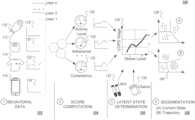
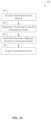
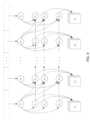
- FIG. 1is a conceptual diagram of an example computer system to perform dynamic health/behavioral phenotyping.
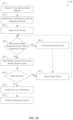
- FIGS. 2 A-Dare flowcharts of example techniques for determining adherence scores.
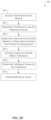
- FIGS. 3 A-Care flowcharts of example techniques for determining consistency scores.
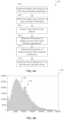
- FIG. 4 Ais flowchart of an example technique for determining goal orientedness scores.
- FIG. 4 Bis a chart that depicts an example distribution of a number of steps taken per day.
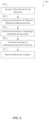
- FIG. 5is a flowchart of an example technique for determining usage variability scores.
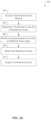
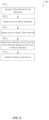
- FIG. 6is a flowchart of an example technique for determining activity level scores.
- FIG. 8depicts graphs showing example changes in consistency related to tracking activity.
- FIG. 9depicts an example disease progression model.
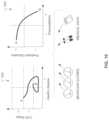
- FIG. 10depicts example latent health and behavioral spaces.
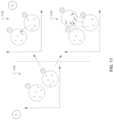
- FIG. 11depicts an example of individual segments changing over time.
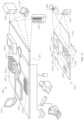
- FIG. 12is a block diagram of example computing devices that may be used to implement the systems and methods described in this document.
- This documentgenerally describes computer-based technology for combining and evaluating health data from medical and behavioral data sources to determine a variety of insights into individual health that may not be otherwise apparent or discernible from the data itself.
- medical and behavioral data from multiple different health data sourcescan be combined and evaluated to determine health risks more promptly, to identify interventions that will be most effective for individuals to mitigate health risks, and/or to identify segments of individuals to whom the same or similar interventions (and/or health prescriptions) are likely to have similar effects on individual health.
- a set of behavioral dimensions that capture fundamental traits of an individual's interaction with external touchpointscan be identified and scored. Scores can indicate an individual's performance along various behavioral dimensions, such as adherence (i.e., the likelihood to be compliant to a schedule or a policy), receptivity (i.e., the likelihood to follow up on a request), responsiveness (i.e., the rapidity of the response), fidelity (i.e., the likelihood to stick to the same tool to measure the same activity, e.g., the same drug to treat the same condition), shareability (i.e., likelihood to share their data), consistency (i.e., likelihood to use the same tracking tools in the same manner), and/or other dimensions.
- adherencei.e., the likelihood to be compliant to a schedule or a policy
- receptivityi.e., the likelihood to follow up on a request
- responsivenessi.e., the rapidity of the response
- fidelityi.e., the likelihood to stick to the
- Scorescan vary over time for individuals, and may be determined at various timescales (e.g., minutes, hours, daily, weekly, monthly). Additionally, scores can be comparable across a population and can provide standardized metrics that can be used to identify segments of individuals who exhibit similar behavior patterns.
- Scorescan represent the observable outcome of a person's behavior, but their current value and variation over time can collectively be a reflection of latent health and behavioral states for individuals (i.e., their current health/behavioral phenotype).
- the dimensions of the hidden state spacecan be predetermined and can represent medical conditions (e.g., COPD disease stage) or life state (e.g., stressed). Alternatively, latent dimensions can be inferred from the data.
- Internal health/behavioral statescan be inferred using any of a variety of appropriate techniques. For example, techniques form dynamical systems can be used to infer the trajectory of an individual in a state space that is most likely given observed scores and medical data for the individual. This can allow for individuals to be represented in the same reference state space of their health and behavior.
- Inferred health/behavioral statescan be used to cluster individuals into segments based on the trajectory on health/behavioral states occupied over time. This operation is referred to as “phenotyping”. For example, individuals who occupy states that are the same or similar (e.g., neighboring) at a given time (e.g., they are at the same stage in the progression of a chronic disease) or have occupied similar states over time (e.g., have moved from “smoker” to “non-smoker”) have a similar behavioral phenotype and can thus be grouped in the same segment. Such segments can be used in a variety of ways, such as to identify and target appropriate interventions to individuals that will have the greatest likelihood of being effective.
- phenotypingFor example, individuals who occupy states that are the same or similar (e.g., neighboring) at a given time (e.g., they are at the same stage in the progression of a chronic disease) or have occupied similar states over time (e.g., have
- Interventionscan be used to help individuals become healthier and to transition between health/behavioral states. Interventions can be varied along a number of dimensions, such as by type (e.g., motivation, incentive offer, reminder), delivery mode (e.g., text message, push notification, email), and/or time (e.g., morning, afternoon, evening, weekends, weekdays). Effective targeting of interventions across a population of diverse individuals in varied health/behavioral states can achieved by using health/behavioral states and segments to better inform the interventions that should be used for each individual.
- typee.g., motivation, incentive offer, reminder
- delivery modee.g., text message, push notification, email
- timee.g., morning, afternoon, evening, weekends, weekdays.
- FIG. 1is a conceptual diagram of an example computer system 100 to generate health/behavioral phenotypes and segments.
- the computer system 100can include any of a variety of appropriate computing devices, such as computer servers, cloud-based computer systems, desktop computers, mobile computing devices, and/or any combination thereof.
- the example system 100can be programmed to obtain, upon the individual's consent, behavioral data (indicated by step 102 ), determine scores (indicated by step 104 ), infer latent states (indicated by step 106 ), and cluster individuals into segments (indicated by step 108 ).
- the system 100can collect, upon the individual's authorization, behavioral signals from various devices, such as wearable sensors 110 (e.g., activity trackers), measuring devices 112 (e.g., Wi-Fi scales), smart clothing 114 (e.g., clothing with embedded sensors), mobile applications 116 (e.g., applications running in the foreground and/or background on mobile computing devices, such as smart phones), vehicles, other computer systems (e.g., cloud-based food diary system, interactions with websites), and/or other behavioral data sources.
- wearable sensors 110e.g., activity trackers
- measuring devices 112e.g., Wi-Fi scales
- smart clothing 114e.g., clothing with embedded sensors
- mobile applications 116e.g., applications running in the foreground and/or background on mobile computing devices, such as smart phones
- vehiclese.g., other computer systems (e.g., cloud-based food diary system, interactions with websites), and/or other behavioral data sources.
- the time series datacan vary from source to source in terms of frequency and scale.
- an activity tracker(example wearable device 110 ) may provide data on an individual's activity (example interaction) every second (example regular frequency) that indicates a number of steps taken by the individual (example scale), as indicated by time series data 118 .
- a Wi-Fi scale(example measuring device 112 ) may provide data that indicates an individual's weight (example scale) every time the individual weighs himself/herself (example variable frequency), as indicated by time series data 120 .
- the behavioral datacan be collected by the system 100 for a plurality of different individuals (e.g., individual 1-n) upon their authorization, each of which may have a different collection of behavioral data sources.
- the computer system 100can aggregate signals from behavior data sources and can use them to determine behavior scores, as indicated by step 104 .
- Behavior scorescan be determined based on usage pattern on any kind of repeated interaction of an individual with resources and/or services.
- Each type of interactioncan be represented as a time series—a sequence of labeled events.
- Each behavioral scorecan be determined based on time series events streams from one or more data sources (e.g., based on combinations of data from multiple data sources). Behavioral scores can change over time and can be determined iteratively by the computer system 100 (e.g., determined every second, minute, hour, day). Some behavioral scores may be determined more frequently than other behavioral scores. For example, the frequency with which behavioral scores the computer system 100 may determine particular behavioral scores can be based on the historical volatility of the scores being determined (e.g., scores that are more volatile may be determined more frequently).
- Example behavioral scoresare described with regard to FIGS. 2 - 7 , which are flowcharts of techniques for determining various behavioral scores. These example techniques can be performed by any of a variety of appropriate computer systems, such as the computer system 100 .
- the behavioral scorescan be determined as a function of the labeled time series event stream, such as from the data sources 110 - 116 .
- Example behavioral scores 126 - 130 for activity level, adherence, and consistencyare depicted in the example in FIG. 1 . Additional and/or alternative techniques to determine behavioral scores can also be used, such as machine learning techniques (described in more detail below).
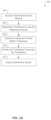
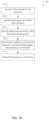
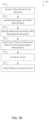
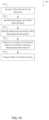
- FIGS. 2 A- 2 Dare flowcharts of example techniques 200 , 220 , 250 , and 280 for determining adherence scores, which are example behavioral scores that indicate how compliant an individual is with regard to a schedule and/or policy.
- the example technique 200determines the adherence score based on an average of the values for the events over a timeframe.
- each eventcan be a medication refill and the value can be the number of days that the refill contains, which can be averaged over the timeframe during which the refills were obtained.
- the example technique 200includes accessing a time series event stream ( 202 ), such as an event stream of medication refills for an individual; determining a timeframe to use for the adherence score ( 204 ); combining the values for events that fall within the timeframe ( 206 ), such as adding, multiplying, subtracting, weighting, etc.; dividing the combined values by the timeframe ( 208 ); and outputting the resulting value as the adherence score ( 210 ).
- a time series event streamsuch as an event stream of medication refills for an individual
- determining a timeframe to use for the adherence score( 204 )
- combining the values for events that fall within the timeframesuch as adding, multiplying, subtracting, weighting, etc.
- dividing the combined values by the timeframe208
- outputting the resulting value as the adherence score210 .
- the example technique 200can be represented by the following equation:
- a ⁇ ( K )⁇ i V i t e - t b ( 2 )
- V ithe event value (e.g., the number of days that the refill contains
- t ethe timestamp of the most recent event (e.g., refill)
- t bthe timestamp of the least recent event.
- the example technique 220determines how regularly an individual carried out an activity with a cadence represented by a time period (e.g., day, week), which can indicate an active ratio (ratio of time periods during which there was activity over all of the time periods during a timeframe).
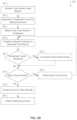
- the example technique 220includes accessing a time series event stream ( 222 ); determining a timeframe to use for the adherence score ( 224 ); selecting a first time period in the timeframe ( 226 ); and combining values for events that fall within the selected time period ( 228 ).
- a threshold value( 230 ) If the combined values are greater than (or equal to) a threshold value ( 230 ), then that time period can be considered to be “active” and the time period count keeping track of active time periods can be incremented ( 232 ). If there are more time periods ( 234 ), then the next time period can be selected ( 236 ) and the steps 228 - 236 can be repeated. If there are no more time periods, then the count can be divided by the overall number of time periods to determine the active ratio ( 238 ) and can be output as the adherence score ( 240 ).
- the example technique 220can be represented by the following equation:
- a ⁇ ( K )P a ( t e - t b ) / P ( 3 ) where P is the unit time period, P a is the number of active periods, or the periods (t e ⁇ t b )/P for which ⁇ i V i is larger than a certain threshold.
- the example technique 250determines an adherence score based on active streaks between events.
- the technique 250includes accessing a time series event stream ( 252 ), determining a timeframe to use for adherence scores ( 254 ), selecting a first event during the timeframe ( 256 ), and determining whether a next event after the selected event is within a threshold time period ( 258 ). If the next event is within the threshold time period, then the selected and next event can be determined to be part of a qualifying streak and a streak counter can be incremented ( 260 ). A next event can be selected ( 262 ) and the steps 258 - 262 can be repeated.
- the streak countcan be added to a sum and the streak count can be reset ( 264 ). If there are more events ( 266 ), then the steps 256 - 266 can be repeated. If there are no more events, then the sum can be divided by the timeframe ( 268 ) and output as the adherence score ( 270 ).
- the example technique 250can be represented by the following equation:
- a ⁇ ( K )⁇ j S j ( t e - t b ) ( 4 )
- an active streak S jis defined as the longest time series such that no two consecutive activities are temporally separated by a period longer than t gap and t gap can be, for example, a population constant or a value learned on a per-individual basis.
- the example technique 280can be used to determine an adherence score where the benefits of the activity can persist for a period of time after the activity has been performed.
- a time series event streamcan be accessed ( 282 ), a timeframe to use for the adherence score can be determined ( 284 ), and values for each event within the timeframe can be determined based on observations during a time period following each event ( 286 ).
- the benefits of the activitycan be observed during the time period after which the activity took place and used to determine a value for the activity (example event).
- the values for the eventscan be combined ( 288 ), divided by the timeframe ( 290 ), and output as an adherence score ( 292 ).
- the example technique 280can be represented by the following equation:
- a ⁇ ( K )⁇ i V ⁇ ( K ) i t e - t b ( 5 )
- V(K) iis a value associated with activity type K, which is evaluated as providing benefits over a period of time P after the activity has been performed.
- the example techniques for determining adherence scorescan be performed separately and/or in combination with each other. Additionally, other techniques for determining adherence scores can also be used.
- FIGS. 3 A- 3 Care flowcharts of example techniques 300 , 320 , and 350 for determining consistency scores, which are example behavioral scores that indicate the consistency of an individual with a generic “regular” schedule or predefined policy, that, unlike adherence scores, may or may not be imposed by an external entity.
- consistency scoresare example behavioral scores that indicate the consistency of an individual with a generic “regular” schedule or predefined policy, that, unlike adherence scores, may or may not be imposed by an external entity.
- a first example technique 300 for determining consistency scoresis presented for determining the score based on the autocorrelation function of the time series. For example, a time series event stream can be accessed ( 302 ), a timeframe for determining the consistency score can be determined ( 304 ), and an autocorrelation function can be computed for various different time gaps ( 306 ). The values from the autocorrelation function computed at the different time lags can be compared and a maximum value can be selected ( 308 ) and output as the consistency score ( 310 ).
- This example techniquecan be represented by the following equation:
- the example technique 320can be used to determine a consistency score based on how well on average a next event in a time series can be predicted using one or more models (e.g., predefined models, models trained on data for the individual and/or population at large, models trained on a portion of the time series data, such as a prefix of the time series data).
- modelse.g., predefined models, models trained on data for the individual and/or population at large, models trained on a portion of the time series data, such as a prefix of the time series data.
- a time series data streamcan be accessed ( 322 ), a timeframe to use for determining the consistency score can be determined ( 324 ), and a first event can be selected ( 326 ).
- One or more modelscan be accessed/determined and used to predict a next event value based on the selected event ( 328 ) and a difference between the predicted and actual value of the next event can be determined ( 330 ).
- This difference valuecan be combined (e.g., averaged, summed, weighted average) with other difference values determined across the time series ( 334 ). If there are more events ( 336 ), then the next event can be selected ( 338 ) and the steps 328 - 338 can be repeated. If there are no more events, then the combined difference values can be output as the consistency score ( 340 ).
- ⁇ circumflex over (d) ⁇ t ⁇ d i ] (7) where the time series for activity K is predicted by a model (e.g., ARIMA model trained on a prefix of the time series), ⁇ circumflex over (d) ⁇ t is the model's (e.g., ARIMA (q)) approximation of d it i+1 ⁇ t i as the delta time between consecutive events.
- a modele.g., ARIMA model trained on a prefix of the time series
- the consistency scorecan be determined based on an average of the information content of a time series, such as a number of bits per symbol used to compress the time series.
- a time series event streamcan be accessed ( 352 )
- a timeframe for the consistency scorecan be determined ( 354 )
- a number of bits per symbol that are used to compress the seriescan be determined ( 356 )
- output as a consistency score( 358 ).
- the example techniques for determining consistency scorescan be performed separately and/or in combination with each other. Additionally, other techniques for determining consistency scores can also be used.
- FIG. 4 Ais flowchart of an example technique 400 for determining goal orientedness scores, which are example behavioral scores that indicate how much an individual seeks to complete goals set for them, such as goal provided by a device (e.g., activity tracker) and/or mobile app.
- a devicee.g., activity tracker
- a goal orientedness scorecan provide a measure of how likely an individual is to seek out this goal, and can be determined by measuring how much the individual's historical daily steps are skewed by this goal.
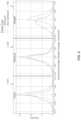
- FIG. 4 Bis a chart 450 that depicts an example distribution of a number of steps taken per day for a population of individuals incentivized to achieve 10,000 steps/day.
- this distributionthere is a first cluster 452 of events around 5,000 steps per day and a second cluster 454 of events around 10,000 steps per day, which is an example goal.
- Individuals that have more days with stepcount around 10,000can be more susceptible to be goal-oriented.
- the technique 400is one example for determining goal orientedness scores and can involve comparing how much of an individual's daily stepcount events belong to a distribution concentrated around the set goal.
- the distribution of daily stepcountsis assumed to be a mixture of two normal distributions, one non-goal-oriented, with normally distributed mean and variance that can be learned from the population ( 402 ), and one or more goal-based distributions with predetermined means for one or more specific goal sets (e.g., 10,000 steps/day) and variance normally distributed over the population.
- Time series data for an individualcan be accessed ( 406 ) and used to estimate the proportion (lambda_1) of daily stepcounts coming from the underlying non-goal-oriented distribution ( 408 ), as well as the proportion (lambda_2) of daily stepcounts coming from the one or more goal-based distributions ( 410 ).
- a goal orientedness scorecan be determined based on the first and second lambda values ( 412 ), such as the first lambda value being divided by the second lambda value (and/or vice versa), differences between the lambda values, weighted combinations of the lambda values, and/or other combinations/comparisons of the lambda values.
- FIG. 5is a flowchart of an example technique 500 for determining usage variability scores, which indicate the level of differentiation of an individual across different behavior measurements (e.g., pedometers, scales, sleep monitors) and/or preferred message channels employed.
- time series event streamscan be accessed ( 502 ) and, from the event streams, a number of different sources through which activities are reported can be determined ( 504 ) and/or a number of distinct channels through which the individuals elects to receive messages can be determined ( 506 ).
- the number of channels and/or measurementscan be combined ( 508 ) and/or outliers (e.g., values larger than the 9sth percentile) can be removed and/or minimized ( 510 ), such as by taking the logarithm of the resulting number to penalize outliers.
- the resulting valuecan be the variability score.
- FIG. 6is a flowchart of an example technique 600 for determining activity level scores, which can indicate how active an individual is in general.
- Activity level scorescan be based on data from multiple activities or a single activity. Activity level scores can also be measured as the average level of activity over different time periods, such as only over active days (e.g., an active day is a day for which at least an activity has been reported) and/or over all days the individual could have been active (e.g., days of potential activity).
- time series event streamscan be accessed ( 602 ), one or more activities can be selected ( 604 ), one or more time periods can be selected ( 606 ), and an activity level over the time periods can be determined from the one or more selected activities ( 608 ).
- the determined activity levelcan be provided as the activity level score ( 610 ).
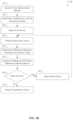
- FIGS. 7 ACare flowcharts of example techniques 700 , 720 , and 750 for determining habit-formation scores, which can include receptivity scores (how much an individual's behavior changes in response to a message or other intervention), responsiveness scores (how soon after receiving a message or other intervention that a change in behavior is detected), and habit formation potential scores (how long after receiving a message or other intervention a change in behavior can be expected to persist before the individual returns back to his/her pre-intervention value).
- receptivity scoreshow much an individual's behavior changes in response to a message or other intervention
- responsiveness scoreshow soon after receiving a message or other intervention that a change in behavior is detected
- habit formation potential scoreshow long after receiving a message or other intervention a change in behavior can be expected to persist before the individual returns back to his/her pre-intervention value.
- the example technique 700determines receptivity scores, which can determine causation between messages and other interventions, and activities that the messages and/or interventions are intended to positively affect (e.g., increase activity level, improve dietary choices). For example, when an individual is sent a nudge, or a small message or encouragement meant to positively affect their behavior, how much change is seen in the affected behavior in response thereto? Is the reception of an encouragement to walk more usually followed by a noticeable increase in walked steps? Receptivity scores can indicate whether an individual is receptive to such messages/interventions.
- the technique 700includes time series event streams being accessed ( 702 ), and messages and/or other interventions that were provided to an individual being identified ( 704 ). Activities that are intended to be affected by the messages and/or other interventions and that occur after the messages and/or other interventions are provided to the individual can be identified ( 706 ). From these messages/interventions and activities, the computer system 100 can determine one or more coefficients that represent impulse signals correlating messages/interventions to the resulting activities ( 708 ). For example, the computer system 100 can calculate coefficients such as the Granger causality coefficient and/or Convergent Cross Mapping coefficient, which can indicate the causal effect of the messages/interventions on the activities. The resulting coefficient can be output as the receptivity score ( 710 ).
- the example technique 720can be used to determine responsiveness scores, which can indicate how quickly a change in behavior is detected from the individual following a message/intervention.
- a responsiveness scorecan be based on how many days after a nudge incentivizing a person to walk more than 10,000 steps does the person actually logs 10,000 daily steps.
- the technique 720includes time series event streams being accessed ( 722 ), and messages and/or other interventions that were provided to an individual being identified ( 724 ). Activities that are intended to be affected by the messages and/or other interventions can be identified, along with the times at which they occur relative to the messages/interventions ( 726 ).
- the computer system 100can determine times for the measured effects following the messages/interventions ( 728 ) and can combine the determined times ( 730 ) to generate the responsiveness score ( 732 ). For example, the computer system 100 can average the times for the individual to respond to the messages/interventions.
- the computer system 100may limit performance of the technique 720 to instances when there is a measured effect size of at least E.
- the effect sizecan be one or more global constants for a population, and/or it can be learned based on the history of the individual.
- the responsiveness scorecan be the inverse of the logarithm of the average time after a nudge (message/intervention) that is necessary to perceive a change in behavior measured of effect size at least E.
- the example technique 750can be used to determine habit formation potential scores, which can indicate how likely an individual is to keep pursuing a newly adopted behavior following a message/intervention.
- habit formation scorescan indicate how many consecutive days an individual who has been nudged will maintain a daily step count within 5% of a 10,000 daily step goal.
- the technique 750includes time series event streams being accessed ( 752 ), and messages and/or other interventions that were provided to an individual being identified ( 754 ). Activities that are intended to be affected by the messages and/or other interventions can be identified ( 756 ) and can be used to determine a length of continued effect on activity following messages/interventions ( 758 ). Such effect may be within a margin of a target/goal effect, such as being with a threshold percentage (e.g., 5%, 10%) of a target activity level. Such length may be determined based on a number of consecutive events that are within a target/goal effect.
- the computer system 100can use the determination to generate the habit formation scores ( 760 ).
- the computer system 100can additionally and/or alternatively determine a variety of other behavior scores.
- the computer system 100can determine one or more activity-specific scores. Some activities can give rise to specific scores that are idiosyncratic to the specific activity and may not be directly generalized for other activities.
- sleep quality scorescan indicate how well the individual sleeps and how consistent their sleep schedule is. In case minute-level sleep data are present, sleep quality scores can be determined based on a variety of factors, such as the weighted average sleep lengths, average number of distinct sleep periods (e.g., if sleep is regularly broken during sleep period), standard deviation of nightly sleep, standard deviation of falling asleep, and/or standard deviation of waking up times.
- a geographic fingerprint scorecan indicate where an individual spends their time as measured by location sources, such as GPS trackers from various devices. For example, a geographic fingerprint score can indicate whether an individual lives/works/recreates in a high cost-of-living city, in a rural area, a polluted area, etc.
- Location variability scorescan also be determined. Such scores can indicate how likely an individual is to be found in the same or different places. For example, a location variability score can indicate whether an individual is spending most of his/her time at home, at work, equally distributed between the two, how frequently the individual travels, or other location variation details. Location variability scores can be measured in any of a variety of ways, such as being based on the percentage of time spent within a given threshold distance (e.g., 100 yards) from one or more frequently visited geographic locations, such as a person's home or work.
- a threshold distancee.g. 100 yards
- Seasonality scorescan additionally be determined. Seasonality scores can indicate how likely an individual is to display seasonal behavior patterns, such as weekly seasonality patterns, monthly seasonality patterns, quarterly seasonality patterns, etc. For example, seasonality scores can measure if the individual has a significant different pattern of activities during weekdays/weekend or summer/winter, such as the individual being more likely to run on weekdays rather than weekends. Seasonality scores can be determined with regard to a specific activity or to a set of activities. Seasonality scores can be measured using any of a variety of appropriate techniques, such as the top-k terms of an ACF (autocorrelation function) (to capture weekly/monthly seasonality) and time distributions (whether the activity is concentrated around days/nights, or weekdays/weekends).
- ACFautocorrelation function
- the computer system 100can also determine incentive sensitivity scores, which can estimate the marginal cost that need to be presented to the individual in order for the individual to accomplish an action, such as run an extra mile or add an extra app.
- Shareability/extraversion scorescan be determined and can provide a measure of how likely the individual is to share progress achieved with other individuals and to reach out to their social circle, such as through social media and/or social networks.
- the computer system 100can also determine fidelity scores, which indicate the likelihood of the individual sticking to one program, device, medication, etc., to achieve a specific purpose.
- Peer sensitivity scorescan also be determined and can provide a measure of a person's likelihood to be influenced by messages relayed by their social network.
- the peer sensitivity scorescan examine social network activity, such as posts, tweets, friend additions, likes, etc., to determine its effect on an individual's behavior.
- the scores described abovecan be determined by the computer system 100 alone, together, and/or in various combinations. Such combinations of scores can be individualized for each individual, and can be tailored based on a number of factors, such as a number and type of different behavior data sources that are available to the computer system 100 for an individual. Other scores and variations of the scores above are also possible.
- the scores described abovemay be computed only on the time window of the most recent k measurements or on all the measurements collected in a recent time interval.
- the current scoremay also be a weighted average between the windowed score and the score computed on the complete time series.
- Scorescan also be normalized to permit comparisons among individuals in a population.
- the scores described abovecan be determined using machine learning based approaches.
- event streamscan qualitatively be labeled based on, for example, whether they are perceived as being a high score (S H ) or a low score (S L ).
- S Hhigh score
- S Llow score
- Such labellingmay be automatically performed by the computer system 100 and/or can be performed with the assistance of one or more human operators.
- the computer system 100can use train a binary classifier on the event time series to recognize labels S H and S L .
- SVMEnsemble methods (e.g., random forest) can be used and trained on features computed on the event streams (e.g., mean, variance, etc.).
- the trained classifiercan then be evaluated on new individual event streams and the output probability of an event stream belonging to S H can then be used as normalized score S N for the individual.
- Behavioral scorescapture an individual's current state in their observed behavioral space. Scores can be a reflection of a latent, generally non-observable internal state. For example, upon entering a stressed out period at work, activity level and receptivity scores of an individual may likely decrease, whereas other scores, such as price and incentive sensitivity, can be expected to be less affected.
- a change in consistency in tracking activityis predictive of a change in body mass.
- the graph 800depicts the average weight change for individuals during adherent and non-adherent periods of weight logging
- the graph 802depicts the average weight change for individuals during adherent and non-adherent periods of food logging
- the graph 804depicts the average weight change for individuals during adherent and non-adherent periods of workout logging.
- Each of these graphs 800 - 804indicates that non-adherence tends to increase the likelihood of weight gain.
- Behavioral scorescan also be affected by changes in an individual's health, that is, changes in internal states that can be directly related to health. For example, consistency, activity level, and responsiveness scores are likely to decrease as an individual's health degrades, e.g., due to the progression of a chronic condition such as COPD or CKD. Behavioral scores can allow a better explanatory power in making inferences about an individual's behavior and health latent states.
- the computer system 100can use the behavior scores in combination with medical data to determine latent states of each individual in their health/behavior state space (latent state inference).
- the latent state spacecan be inferred based on behavioral scores, such as the example behavioral scores 126 - 130 for activity level, adhering, and consistency, as well as on medical data, such as lab data 132 and medical claims data 134 .
- An example of a 2-dimensional latent state space 136 that relates an individual's COPD stage with the individual's stress level over timeis depicted in FIG. 1 .
- the latent stateilluminates the progression of the individual's medical condition (progressing from COPD stage I to III) in conjunction to a change in the individual's stress level (progressing from Low to High).
- This behavioral latent dimensioncan add additional information to understand and better categorize an individual's health state, both in terms of disease states and in terms of behavioral parameters.
- Hidden internal statescan be identified at step 106 by combing behavioral scores with each other and/or with medical information. This leads to a model that more accurately identifies current states occupied by an individual, which can be used to better target interventions. For instance, latent state information can be used to better and more accurately cluster individuals into segments of similar individuals, which can aid in generating more effective interventions for the individuals.
- An individual trajectory in a latent health spacecan be determined from behavioral scores by the computer system 100 through a variety of techniques, such as dynamical system techniques and machine learning techniques like Hidden Markov Models, Markov Jump Processes, and particle filters.
- an individual's evolution in latent health spacecan be modeled as a Markov Jump Process.
- Markov jump processeshave been trained from a population of subjects with Chronic Kidney Disease (CKD) to infer the stage of the disease's progression (stage 1-V) in an unsupervised manner, such as the example disease progression model depicted in FIG. 9 , which is from Wang, Xiang, et al., “Unsupervised Learning of Disease Progression Models,” KOO '14 (Aug. 27-27, 2014, New York, NY).
- CKDChronic Kidney Disease
- KOO '14“Unsupervised Learning of Disease Progression Models”
- the latent state spacecan be composed of a single dimension (the disease stage) S and transitions within the model can be limited to adjacent states that increase from stage to stage (decreases along stages not permitted). Transitions in the model can be triggered by the change in health, such as the insurgence of new comorbidities, as indicated by X (comorbidity variable).
- the likelihood of a comorbiditycan be inferred by the model from the set of clinical observations, as indicated by O (e.g., diagnosis codes from claims) for example through a noisy-or network.
- Modelscan estimate the parameters from a population of individuals and to output distributions over any of a variety of stages S for each individual at any point in time. The greater the value of a current stage S[i] (stage i) for an individual, the more likely the individual is to be found at that point of the progression given the observations.
- Behavior scorescan serve as an additional input to the Markov Jump Process depicted in FIG. 9 , and allow to model the latent health state of an individual on two dimensions: CKD stage (as inferred by the medical history) and an example “healthiness of lifestyle” index, which can be a general measure of how healthy an individual's current lifestyle is.
- CKD stageas inferred by the medical history
- example “healthiness of lifestyle” indexwhich can be a general measure of how healthy an individual's current lifestyle is.
- the trajectory of an individual over timecan then be represented in the healthiness/CKD-stage space, which can illuminate a correlation between having a healthier lifestyle and the rate of the progression of CKD slowing—as indicated by the orbit of the trajectory stabilizing around an attractor when the trajectory occupies a space associated with a healthier lifestyle (moving from a healthy lifestyle of Low to High while at the same time seeing a decrease in the CKD stage from II to I).
- Such information and associationswould have not been available without augmenting the disease progression model with the behavioral scores.
- the value on the “healthiness of lifestyle” dimension of the latent spacecan be modeled as a function of behavioral scores. For example, one could model an increase in healthiness of lifestyle as occurring only when both an increase in activity level score and consistency score for weigh-ins is observed, denoting an individual's commitment to improving their lifestyle.
- a similar modelcan be used to infer the state of an individual in the predicted cost/persuadability space.
- the past medical history of an individual that is input to into a predictive cost model in isolationmay model the future patient predicted costs with only a moderate level of accuracy because it does not take into account patient potential to change their behavior, which heavily affect medical costs.
- the potential of an individual to be “persuaded” to change their behavior to, for instance, embrace a healthier lifestyleis incorporated into the model, the inference can become much more accurate.
- relationships and correlations between higher persuadability and lower predicted costcan become apparent, as indicated in the example graph 1002 .
- the value on the persuadability behavioral dimensioncan be modeled based on habit formation scores. Both high receptivity in conjunction with high responsiveness, or medium/high receptivity and habit formation potential can indicate that an individual is more likely to be persuaded to pursue a lifestyle more conducive of better health, hence lower associated medical costs.
- Another example of health/behavioral latent space dimensionscan include a level of circadian rhythm disruption (as inferred by sleep-related behavioral scores, such as advanced sleep phase, delayed sleep phase, irregular sleep phase, and/or non-24 hour sleep phase) with sleep-related fatigue.
- circadian rhythm disruptionas inferred by sleep-related behavioral scores, such as advanced sleep phase, delayed sleep phase, irregular sleep phase, and/or non-24 hour sleep phase
- Fatiguehas high sensitivity for circadian rhythm disruption but low specificity (it could depend on other factors). For this reason, the behavioral dimension related to circadian rhythm computed from sleep can help disambiguate the cause of an observed diagnosis of fatigue between sleep-related and non-sleep-related.
- health/behavior latent space dimensionscan include medical dimensions that measures the risk of an individual of getting sick (e.g., the flu) or having other medical ailments/problems/conditions (as inferred from demographics, previous medical history, and/or hospitalization records) and behavioral dimensions that indicate an “immune system response” (as inferred from regular level of activity scores and sleep quality) and persuadability (as inferred from receptivity and responsiveness score).
- Medical history, demographics and hospitalizationcan be observed medical data that affect the risk of an individual of getting sick (e.g., contracting the flu).
- the activity level and good sleep qualityimply a likely non-debilitated immune system, therefore decreasing the risk.
- a highly persuadable individualis more likely of respond to a vaccination reminder, therefore reducing the risk of contracting an illness (e.g., the flu).
- a health/behavior spacecan include the progression of Multiple Sclerosis (MS) (or other neurodegenerative disease), computed as function of the medical history, and a “mobility” behavioral dimension, that captures the ability of the individual of deambulate in a self-sufficient way.
- MSMultiple Sclerosis
- the mobility dimensioncan be inferred from the activity level score for stepcounts (how much the individual walks or exercise), and variability of geographic fingerprinting (how often the individual changes location).
- the mobility behavioral dimensioncan provide insights in the progression of MS even if the medical history is too coarse-grained to detect any change.
- a variety of other latent behavioral and health statescan be determined from the behavioral scores and medical data sources. Additional ways to infer the current latent space of an individual from behavioral scores and medical data include, but are not limited to: Tensor PCA, extended Kalman filters, etc.
- the computer system 100can use such inferred dynamic hidden states to segment the population into distinct groups based on similarities discovered between their current position in the latent state space 138 and/or their trajectories in the space 140 . For example, once individuals from a population are represented in the same reference latent state space, such as latent space 136 , their position and trajectory in the space constitute a phenotype that can be used to segment the population using clustering techniques that can place individuals with similar phenotypes in similar groups.
- One way to define similarity between individualsis from the state they currently occupy in the latent space. Segments can then be defined through any of a variety of appropriate techniques, such as nearest neighbor (k-means, spectral clustering are other options) clustering after defining a distance metric between phenotypes expressed in the reference latent space.
- nearest neighbork-means, spectral clustering are other options
- clusteringafter defining a distance metric between phenotypes expressed in the reference latent space.
- the distance metriccan be a distributional distance, such as EMO (Earth Mover's Distance).
- individualscan be segmented into groups based on their current latent states 138 within the example COPD/stress level latent space 136 . These groupings may or may not fall along different predefined regions within the space, such as the six different example regions that are depicted—(1) COPD stage I and stress level Low, (2) COPD stage II and stress level Low, (3) COPD stage Ill and stress level Low, (4) COPD stage I and stress level High, (5) COPD stage II and stress level High, and (6) COPD stage Ill and stress level High.
- An additional and/or alternative optionis to define similarity between individuals based on their trajectories over time in the state space (i.e., the computed phenotype captures the evolution of position in the latent space over time), rather than the state currently occupied.
- the distance metric between trajectoriescan be, for example, the Hausdorff distance, the DTW (dynamic time warping), or a measure of elastic diffeomorphism between the curves.
- individualscan be segmented into groups based on their trajectories in the space 140 , which in this example include linear trajectories (lower left corner), wavy trajectories (upper half), and circular trajectories (lower right corner). These groupings can be based on the trajectories and/or the shape of their trajectory within the latent space 136 , and can take into account historical and current trajectory within the space 136 .
- individuals who are exhibiting the same pattern of behavior with regard to their stress level increasing linearly with their COPD stagecan share commonality that may be beneficial in identifying appropriate interventions that will be helpful to this group, but which may not be helpful to other groups, such as the group with wavy trajectories or the group with circular trajectories.
- the computer system 100can use the segments to target individuals in the same segment with similar interventions, and/or to conduct a more in-depth analysis or a study on them. Other uses of the segments are also possible.
- FIG. 11depicts an example of segments changing over time. Not only can defined segments within the latent space change with time, but individual can dynamically transition between segments.
- time T 11100
- time T 2two potential evolutions of the population in the state space are shown: a first evolution ( 1102 ) in which clusters are unchanged, but an individual from group 2 has moved to group 1, and a second evolution ( 1104 ) in which individuals have collectively moved in the state space creating a new cluster (group 3).
- FIG. 12is a block diagram of computing devices 1200 , 1250 that may be used to implement the systems and methods described in this document, as either a client or as a server or plurality of servers.
- Computing device 1200is intended to represent various forms of digital computers, such as laptops, desktops, workstations, personal digital assistants, servers, blade servers, mainframes, and other appropriate computers.
- Computing device 1250is intended to represent various forms of mobile devices, such as personal digital assistants, cellular telephones, smartphones, and other similar computing devices.
- Additionally computing device 1200 or 1250can include Universal Serial Bus (USB) flash drives. The USB flash drives may store operating systems and other applications.
- USB flash drivesmay store operating systems and other applications.
- the USB flash drivescan include input/output components, such as a wireless transmitter or USB connector that may be inserted into a USB port of another computing device.
- input/output componentssuch as a wireless transmitter or USB connector that may be inserted into a USB port of another computing device.
- Computing device 1200includes a processor 1202 , memory 1204 , a storage device 1206 , a high-speed interface 1208 connecting to memory 1204 and high-speed expansion ports 1210 , and a low speed interface 1212 connecting to low speed bus 1214 and storage device 1206 .
- Each of the components 1202 , 1204 , 1206 , 1208 , 1210 , and 1212are interconnected using various busses, and may be mounted on a common motherboard or in other manners as appropriate.
- the processor 1202can process instructions for execution within the computing device 1200 , including instructions stored in the memory 1204 or on the storage device 1206 to display graphical information for a GUI on an external input/output device, such as display 1216 coupled to high speed interface 1208 .
- multiple processors and/or multiple busesmay be used, as appropriate, along with multiple memories and types of memory.
- multiple computing devices 1200may be connected, with each device providing portions of the necessary operations (e.g., as a server bank, a group of blade servers, or a multi-processor system).
- the memory 1204stores information within the computing device 1200 .
- the memory 1204is a volatile memory unit or units.
- the memory 1204is a non-volatile memory unit or units.
- the memory 1204may also be another form of computer-readable medium, such as a magnetic or optical disk.
- the storage device 1206is capable of providing mass storage for the computing device 1200 .
- the storage device 1206may be or contain a computer-readable medium, such as a floppy disk device, a hard disk device, an optical disk device, or a tape device, a flash memory or other similar solid state memory device, or an array of devices, including devices in a storage area network or other configurations.
- a computer program productcan be tangibly embodied in an information carrier.
- the computer program productmay also contain instructions that, when executed, perform one or more methods, such as those described above.
- the information carrieris a computer- or machine-readable medium, such as the memory 1204 , the storage device 1206 , or memory on processor 1202 .
- the high speed controller 1208manages bandwidth-intensive operations for the computing device 1200 , while the low speed controller 1212 manages lower bandwidth-intensive operations. Such allocation of functions is exemplary only.
- the high-speed controller 1208is coupled to memory 1204 , display 1216 (e.g., through a graphics processor or accelerator), and to high-speed expansion ports 1210 , which may accept various expansion cards (not shown).
- low-speed controller 1212is coupled to storage device 1206 and low-speed expansion port 1214 .
- the low-speed expansion portwhich may include various communication ports (e.g., USB, Bluetooth, Ethernet, wireless Ethernet) may be coupled to one or more input/output devices, such as a keyboard, a pointing device, a scanner, or a networking device such as a switch or router, e.g., through a network adapter.
- input/output devicessuch as a keyboard, a pointing device, a scanner, or a networking device such as a switch or router, e.g., through a network adapter.
- the computing device 1200may be implemented in a number of different forms, as shown in the figure. For example, it may be implemented as a standard server 1220 , or multiple times in a group of such servers. It may also be implemented as part of a rack server system 1224 . In addition, it may be implemented in a personal computer such as a laptop computer 1222 . Alternatively, components from computing device 1200 may be combined with other components in a mobile device (not shown), such as device 1250 . Each of such devices may contain one or more of computing device 1200 , 1250 , and an entire system may be made up of multiple computing devices 1200 , 1250 communicating with each other.
- Computing device 1250includes a processor 1252 , memory 1264 , an input/output device such as a display 1254 , a communication interface 1266 , and a transceiver 1268 , among other components.
- the device 1250may also be provided with a storage device, such as a microdrive or other device, to provide additional storage.
- a storage devicesuch as a microdrive or other device, to provide additional storage.
- Each of the components 1250 , 1252 , 1264 , 1254 , 1266 , and 1268are interconnected using various buses, and several of the components may be mounted on a common motherboard or in other manners as appropriate.
- the processor 1252can execute instructions within the computing device 1250 , including instructions stored in the memory 1264 .
- the processormay be implemented as a chipset of chips that include separate and multiple analog and digital processors. Additionally, the processor may be implemented using any of a number of architectures.
- the processor 410may be a CISC (Complex Instruction Set Computers) processor, a RISC (Reduced Instruction Set Computer) processor, or a MISC (Minimal Instruction Set Computer) processor.
- the processormay provide, for example, for coordination of the other components of the device 1250 , such as control of individual interfaces, applications run by device 1250 , and wireless communication by device 1250 .
- Processor 1252may communicate with an individual through control interface 1258 and display interface 1256 coupled to a display 1254 .
- the display 1254may be, for example, a TFT (Thin-Film-Transistor Liquid Crystal Display) display or an OLEO (Organic Light Emitting Diode) display, or other appropriate display technology.
- the display interface 1256may comprise appropriate circuitry for driving the display 1254 to present graphical and other information to an individual.
- the control interface 1258may receive commands from an individual and convert them for submission to the processor 1252 .
- an external interface 1262may be provided in communication with processor 1252 , so as to enable near area communication of device 1250 with other devices. External interface 1262 may provide, for example, for wired communication in some implementations, or for wireless communication in other implementations, and multiple interfaces may also be used.
- the memory 1264stores information within the computing device 1250 .
- the memory 1264can be implemented as one or more of a computer-readable medium or media, a volatile memory unit or units, or a non-volatile memory unit or units.
- Expansion memory 1274may also be provided and connected to device 1250 through expansion interface 1272 , which may include, for example, a SIMM (Single In Line Memory Module) card interface.
- SIMMSingle In Line Memory Module
- expansion memory 1274may provide extra storage space for device 1250 , or may also store applications or other information for device 1250 .
- expansion memory 1274may include instructions to carry out or supplement the processes described above, and may include secure information also.
- expansion memory 1274may be provided as a security module for device 1250 , and may be programmed with instructions that permit secure use of device 1250 .
- secure applicationsmay be provided via the SIMM cards, along with additional information, such as placing identifying information on the SIMM card in a non-hackable manner.
- the memorymay include, for example, flash memory and/or NVRAM memory, as discussed below.
- a computer program productis tangibly embodied in an information carrier.
- the computer program productcontains instructions that, when executed, perform one or more methods, such as those described above.
- the information carrieris a computer- or machine-readable medium, such as the memory 1264 , expansion memory 1274 , or memory on processor 1252 that may be received, for example, over transceiver 1268 or external interface 1262 .
- Device 1250may communicate wirelessly through communication interface 1266 , which may include digital signal processing circuitry where necessary. Communication interface 1266 may provide for communications under various modes or protocols, such as GSM voice calls, SMS, EMS, or MMS messaging, CDMA, TOMA, PDC, WCDMA, CDMA2000, or GPRS, among others. Such communication may occur, for example, through radio-frequency transceiver 1268 . In addition, short-range communication may occur, such as using a Bluetooth, Wi-Fi, or other such transceiver (not shown). In addition, GPS (Global Positioning System) receiver module 1270 may provide additional navigation- and location-related wireless data to device 1250 , which may be used as appropriate by applications running on device 1250 .
- GPSGlobal Positioning System
- Device 1250may also communicate audibly using audio codec 1260 , which may receive spoken information from an individual and convert it to usable digital information. Audio codec 1260 may likewise generate audible sound for an individual, such as through a speaker, e.g., in a handset of device 1250 . Such sound may include sound from voice telephone calls, may include recorded sound (e.g., voice messages, music files, etc.) and may also include sound generated by applications operating on device 1250 .
- Audio codec 1260may receive spoken information from an individual and convert it to usable digital information. Audio codec 1260 may likewise generate audible sound for an individual, such as through a speaker, e.g., in a handset of device 1250 . Such sound may include sound from voice telephone calls, may include recorded sound (e.g., voice messages, music files, etc.) and may also include sound generated by applications operating on device 1250 .
- the computing device 1250may be implemented in a number of different forms, as shown in the figure. For example, it may be implemented as a cellular telephone 1280 . It may also be implemented as part of a smartphone 1282 , personal digital assistant, or other similar mobile device.
- implementations of the systems and techniques described herecan be realized in digital electronic circuitry, integrated circuitry, specially designed ASICs (application specific integrated circuits), computer hardware, firmware, software, and/or combinations thereof.
- ASICsapplication specific integrated circuits
- These various implementationscan include implementation in one or more computer programs that are executable and/or interpretable on a programmable system including at least one programmable processor, which may be special or general purpose, coupled to receive data and instructions from, and to transmit data and instructions to, a storage system, at least one input device, and at least one output device.
- the systems and techniques described herecan be implemented on a computer having a display device (e.g., a CRT (cathode ray tube) or LCD (liquid crystal display) monitor) for displaying information to the individual and a keyboard and a pointing device (e.g., a mouse or a trackball) by which the individual can provide input to the computer.
- a display devicee.g., a CRT (cathode ray tube) or LCD (liquid crystal display) monitor
- a keyboard and a pointing devicee.g., a mouse or a trackball
- Other kinds of devicescan be used to provide for interaction with an individual as well; for example, feedback provided to the individual can be any form of sensory feedback (e.g., visual feedback, auditory feedback, or tactile feedback); and input from the individual can be received in any form, including acoustic, speech, or tactile input.
- the systems and techniques described herecan be implemented in a computing system that includes a back end component (e.g., as a data server), or that includes a middleware component (e.g., an application server), or that includes a front end component (e.g., a client computer having a graphical individual interface or a Web browser through which an individual can interact with an implementation of the systems and techniques described here), or any combination of such back end, middleware, or front end components.
- the components of the systemcan be interconnected by any form or medium of digital data communication (e.g., a communication network). Examples of communication networks include a local area network (“LAN”), a wide area network (“WAN”), peer-to-peer networks (having ad-hoc or static members), grid computing infrastructures, and the Internet.
- LANlocal area network
- WANwide area network
- peer-to-peer networkshaving ad-hoc or static members
- grid computing infrastructuresand the Internet.
- the computing systemcan include clients and servers.
- a client and serverare generally remote from each other and typically interact through a communication network.
- the relationship of client and serverarises by virtue of computer programs running on the respective computers and having a client-server relationship to each other.
Landscapes
- Engineering & Computer Science (AREA)
- Health & Medical Sciences (AREA)
- Theoretical Computer Science (AREA)
- Medical Informatics (AREA)
- Public Health (AREA)
- Data Mining & Analysis (AREA)
- Physics & Mathematics (AREA)
- Biomedical Technology (AREA)
- Software Systems (AREA)
- General Engineering & Computer Science (AREA)
- General Health & Medical Sciences (AREA)
- General Physics & Mathematics (AREA)
- Artificial Intelligence (AREA)
- Mathematical Physics (AREA)
- Evolutionary Computation (AREA)
- Computing Systems (AREA)
- Epidemiology (AREA)
- Primary Health Care (AREA)
- Databases & Information Systems (AREA)
- Pathology (AREA)
- Computer Vision & Pattern Recognition (AREA)
- Computational Linguistics (AREA)
- Human Computer Interaction (AREA)
- Neurosurgery (AREA)
- Neurology (AREA)
- Dermatology (AREA)
- Molecular Biology (AREA)
- Biophysics (AREA)
- Life Sciences & Earth Sciences (AREA)
- Medicinal Chemistry (AREA)
- Probability & Statistics with Applications (AREA)
- Algebra (AREA)
- Computational Mathematics (AREA)
- Mathematical Analysis (AREA)
- Mathematical Optimization (AREA)
- Pure & Applied Mathematics (AREA)
- Bioinformatics & Cheminformatics (AREA)
- Chemical & Material Sciences (AREA)
- General Business, Economics & Management (AREA)
- Business, Economics & Management (AREA)
Abstract
Description
T=<ti,Ki,Vi> (1)
where tiis a timestamp, Kiis the kind of event (e.g., daily step count, medication taken, food diary entry), and Viis a value associated with the reported event (e.g., the number of steps reported, the kind of medication taken).
where for the subset of T for which Ki=K represent an event (e.g., medication refill for a specific drug), Viis the event value (e.g., the number of days that the refill contains, teis the timestamp of the most recent event (e.g., refill), and tbis the timestamp of the least recent event.
where P is the unit time period, Pais the number of active periods, or the periods (te−tb)/P for which ΣiViis larger than a certain threshold.
where an active streak Sjis defined as the longest time series such that no two consecutive activities are temporally separated by a period longer than tgapand tgapcan be, for example, a population constant or a value learned on a per-individual basis.
where V(K)iis a value associated with activity type K, which is evaluated as providing benefits over a period of time P after the activity has been performed.
C(K)=E[|{circumflex over (d)}t−di] (7)
where the time series for activity K is predicted by a model (e.g., ARIMA model trained on a prefix of the time series), {circumflex over (d)}tis the model's (e.g., ARIMA (q)) approximation of di=ti+1−tias the delta time between consecutive events.
C(K)=bps(Q(di)) (8)
where the number of bits per symbol to compress the sequence is determined using standard data compression techniques (e.g., Huffman encoding, lz78). Q( ) is an exponential quantizer (e.g., Fibonacci: Q(x)=Fkiff Fk<x≤Fk+1) used to quantize the values of di=ti+1−ti, the delta time between consecutive events.
D(Vi)=λ1N(μ1,σ1)+λ2N(μ2,σ2) (9)
where parameters μ1, σ1, σ2are assumed being normally distributed for the population, and μ2is set to the specific goal set (e.g., 10,000 steps per day). Once the model is estimated, the goal orientedness score can be returned as:
G(K)=λ1/λ2 (10)
SN=Q(S,D(S)) (11)
Claims (24)
Priority Applications (2)
| Application Number | Priority Date | Filing Date | Title |
|---|---|---|---|
| US17/968,413US12142386B2 (en) | 2015-12-21 | 2022-10-18 | Sensor-based machine learning in a health prediction environment |
| US18/904,684US20250174364A1 (en) | 2015-12-21 | 2024-10-02 | Sensor-based machine learning in a health prediction environment |
Applications Claiming Priority (3)
| Application Number | Priority Date | Filing Date | Title |
|---|---|---|---|
| US201514977194A | 2015-12-21 | 2015-12-21 | |
| US16/953,256US20210151194A1 (en) | 2015-12-21 | 2020-11-19 | Dynamic Behavioral Phenotyping for Predicting Health Outcomes |
| US17/968,413US12142386B2 (en) | 2015-12-21 | 2022-10-18 | Sensor-based machine learning in a health prediction environment |
Related Parent Applications (2)
| Application Number | Title | Priority Date | Filing Date |
|---|---|---|---|
| US16/926,510Continuation-In-PartUS12033761B2 (en) | 2020-01-30 | 2020-07-10 | Sensor-based machine learning in a health prediction environment |
| US16/953,256Continuation-In-PartUS20210151194A1 (en) | 2015-12-21 | 2020-11-19 | Dynamic Behavioral Phenotyping for Predicting Health Outcomes |
Related Child Applications (1)
| Application Number | Title | Priority Date | Filing Date |
|---|---|---|---|
| US18/904,684ContinuationUS20250174364A1 (en) | 2015-12-21 | 2024-10-02 | Sensor-based machine learning in a health prediction environment |
Publications (2)
| Publication Number | Publication Date |
|---|---|
| US20230043921A1 US20230043921A1 (en) | 2023-02-09 |
| US12142386B2true US12142386B2 (en) | 2024-11-12 |
Family
ID=93376802
Family Applications (2)
| Application Number | Title | Priority Date | Filing Date |
|---|---|---|---|
| US17/968,413ActiveUS12142386B2 (en) | 2015-12-21 | 2022-10-18 | Sensor-based machine learning in a health prediction environment |
| US18/904,684PendingUS20250174364A1 (en) | 2015-12-21 | 2024-10-02 | Sensor-based machine learning in a health prediction environment |
Family Applications After (1)
| Application Number | Title | Priority Date | Filing Date |
|---|---|---|---|
| US18/904,684PendingUS20250174364A1 (en) | 2015-12-21 | 2024-10-02 | Sensor-based machine learning in a health prediction environment |
Country Status (1)
| Country | Link |
|---|---|
| US (2) | US12142386B2 (en) |
Families Citing this family (1)
| Publication number | Priority date | Publication date | Assignee | Title |
|---|---|---|---|---|
| CN116312958B (en)* | 2023-05-24 | 2023-09-15 | 成都市龙泉驿区中医医院 | Anesthesia risk early warning system, emergency management system and method |
Citations (114)
| Publication number | Priority date | Publication date | Assignee | Title |
|---|---|---|---|---|
| US20010003099A1 (en) | 1986-03-10 | 2001-06-07 | Henry Von Kohorn | Evaluation of responses of participatory broadcast audience with prediction of winning contestants; monitoring, checking and controlling of wagering, and automatic crediting and couponing |
| US6947953B2 (en) | 1999-11-05 | 2005-09-20 | The Board Of Trustees Of The Leland Stanford Junior University | Internet-linked system for directory protocol based data storage, retrieval and analysis |
| US20050228691A1 (en) | 2004-04-07 | 2005-10-13 | Michael Paparo | Automated wellness system managing personalized fitness programs |
| WO2006031888A2 (en) | 2004-09-13 | 2006-03-23 | Brigham Young University | Methods and systems for conducting internet marketing experiments |
| US20060084847A1 (en)* | 1999-11-05 | 2006-04-20 | Reed William C | System and method for medical information mining and delivery |
| US20070288277A1 (en) | 2005-12-20 | 2007-12-13 | Neuhauser Alan R | Methods and systems for gathering research data for media from multiple sources |
| US20080104167A1 (en) | 2000-12-20 | 2008-05-01 | Microsoft Corporation | Systems and methods for conducting internet content usage experiments |
| US20080146334A1 (en) | 2006-12-19 | 2008-06-19 | Accenture Global Services Gmbh | Multi-Player Role-Playing Lifestyle-Rewarded Health Game |
| US20080154707A1 (en) | 2002-12-17 | 2008-06-26 | International Business Machines Corporation | Method and System for Conducting Online Marketing Research in a Controlled Manner |
| US20080214903A1 (en) | 2005-02-22 | 2008-09-04 | Tuvi Orbach | Methods and Systems for Physiological and Psycho-Physiological Monitoring and Uses Thereof |
| US20080319786A1 (en) | 2007-02-16 | 2008-12-25 | Stivoric John M | Publishing and insurance applications of lifeotypes |
| US20090055854A1 (en) | 2006-05-18 | 2009-02-26 | David Howell Wright | Methods and apparatus for cooperator installed meters |
| US20090070797A1 (en) | 2006-03-31 | 2009-03-12 | Arun Ramaswamy | Methods, systems, and apparatus for multi-purpose metering |
| US20090138415A1 (en) | 2007-11-02 | 2009-05-28 | James Justin Lancaster | Automated research systems and methods for researching systems |
| US20090299767A1 (en) | 2006-04-27 | 2009-12-03 | 32 Mott Street Acquisition I Llc, D/B/A/Wellstat Vaccines | Automated systems and methods for obtaining, storing, processing and utilizing immunologic information of individuals and populations for various uses |
| US20110066464A1 (en) | 2009-09-15 | 2011-03-17 | Varughese George | Method and system of automated correlation of data across distinct surveys |
| US7937461B2 (en) | 2000-11-09 | 2011-05-03 | Intel-Ge Care Innovations Llc | Method for controlling a daily living activity monitoring system from a remote location |
| US20110184250A1 (en) | 2010-01-21 | 2011-07-28 | Asthma Signals, Inc. | Early warning method and system for chronic disease management |
| US20120046966A1 (en) | 2010-08-19 | 2012-02-23 | International Business Machines Corporation | Health Management Application Development and Deployment Framework |
| US20120124099A1 (en) | 2010-11-12 | 2012-05-17 | Lisa Ellen Stewart | Expert system for subject pool selection |
| US20120246102A1 (en) | 2011-03-24 | 2012-09-27 | WellDoc, Inc. | Adaptive analytical behavioral and health assistant system and related method of use |
| US20120278134A1 (en) | 2011-03-03 | 2012-11-01 | The Cleveland Clinic Foundation | System and method for operational and behavioral business intelligence |
| US20130004473A1 (en) | 2011-06-06 | 2013-01-03 | The Board Of Regents Of The University Of Texas System | Methods and Biomarkers for the Detection of Dengue Hemorrhagic Fever |
| US8392215B2 (en) | 2006-04-20 | 2013-03-05 | Jack Joseph Tawil | Method for measuring health care quality |
| US20130096943A1 (en) | 2011-10-17 | 2013-04-18 | Intertrust Technologies Corporation | Systems and methods for protecting and governing genomic and other information |
| US20130197894A1 (en) | 2011-11-18 | 2013-08-01 | Tomasz Sablinski | Systems and methods for drug development |
| US20130216989A1 (en) | 2012-02-22 | 2013-08-22 | Mgoodlife, Corp. | Personalization platform for behavioral change |
| US20140005502A1 (en) | 2008-05-01 | 2014-01-02 | Earlysense Ltd. | Monitoring, predicting and treating clinical episodes |
| WO2014039881A1 (en) | 2012-09-07 | 2014-03-13 | Life2, Inc. | Personalized health score generator |
| US20140095417A1 (en) | 2012-10-01 | 2014-04-03 | Frederick S.M. Herz | Sdi (sdi for epi-demics) |
| US20140129247A1 (en) | 2012-11-06 | 2014-05-08 | Koninklijke Philips N.V. | System and method for performing patient-specific cost-effectiveness analyses for medical interventions |
| US20140188512A1 (en) | 2012-12-14 | 2014-07-03 | Medicity, Inc. | Patient Consent and Confidentiality |
| US20140229418A1 (en) | 2005-12-29 | 2014-08-14 | 3M Innovative Properties Company | Systems and methods for designing experiments |
| US20140278449A1 (en) | 2013-03-12 | 2014-09-18 | ZocDoc, Inc. | Method and apparatus for guiding patients toward healthcare goals |
| US20140315168A1 (en) | 2013-02-12 | 2014-10-23 | Emotient | Facial expression measurement for assessment, monitoring, and treatment evaluation of affective and neurological disorders |
| US20140344013A1 (en) | 2013-03-15 | 2014-11-20 | Affinnova, Inc. | Method and apparatus for interactive evolutionary optimization of concepts |
| US20150006456A1 (en) | 2013-06-26 | 2015-01-01 | WellDoc, Inc. | Systems and methods for creating and selecting models for predicting medical conditions |
| US8930218B1 (en) | 2008-07-18 | 2015-01-06 | WAVi | Systems and methods for building medical diagnostic apparatus using a digital library |
| US20150163121A1 (en) | 2013-12-06 | 2015-06-11 | Lookout, Inc. | Distributed monitoring, evaluation, and response for multiple devices |
| US20150242518A1 (en) | 2012-10-04 | 2015-08-27 | Debbie Rosenbaum | Systems and methods for closed loop confirmation of user generated content |
| US20150243180A1 (en) | 2014-02-12 | 2015-08-27 | Pearson Education, Inc. | Dynamic content manipulation engine |
| US20160012194A1 (en)* | 2013-03-15 | 2016-01-14 | Adityo Prakash | Facilitating Integrated Behavioral Support Through Personalized Adaptive Data Collection |
| US20160089089A1 (en) | 2014-09-25 | 2016-03-31 | Aedio, Inc. | Systems and methods for digital predictive disease exacerbation and pre-emptive treatment |
| US20160142894A1 (en) | 2014-11-13 | 2016-05-19 | Mobiltron, Inc. | Systems and methods for real time detection and reporting of personal emergencies |
| US20160283686A1 (en) | 2015-03-23 | 2016-09-29 | International Business Machines Corporation | Identifying And Ranking Individual-Level Risk Factors Using Personalized Predictive Models |
| US20160328991A1 (en) | 2015-05-07 | 2016-11-10 | Dexcom, Inc. | System and method for educating users, including responding to patterns |
| US20160357173A1 (en) | 2015-06-08 | 2016-12-08 | Evidation Health | Evidence Generation and Data Interpretation Platform |
| US20160361020A1 (en) | 2014-02-28 | 2016-12-15 | Valencell, Inc. | Method and Apparatus for Generating Assessments Using Physical Activity and Biometric Parameters |
| US20170053091A1 (en) | 2009-10-19 | 2017-02-23 | Theranos, Inc. | Integrated health data capture and analysis system |
| US20170140109A1 (en) | 2014-02-04 | 2017-05-18 | Optimata Ltd. | Method and system for prediction of medical treatment effect |
| US20170188841A1 (en) | 2015-12-16 | 2017-07-06 | Siren Care, Inc. | System and method for detecting inflammation in a foot |
| US9710764B1 (en) | 2011-07-15 | 2017-07-18 | Sentient Technologies (Barbados) Limited | Data mining technique with position labeling |
| US20170206795A1 (en)* | 2012-10-09 | 2017-07-20 | Kc Holdings I | Personalized avatar responsive to user physical state and context |
| US20170245808A1 (en) | 2016-02-25 | 2017-08-31 | Samsung Electronics Co., Ltd. | Sensor-based detection of changes in health and ventilation threshold |
| US20170249434A1 (en) | 2016-02-26 | 2017-08-31 | Daniela Brunner | Multi-format, multi-domain and multi-algorithm metalearner system and method for monitoring human health, and deriving health status and trajectory |
| US9760422B2 (en) | 2010-06-30 | 2017-09-12 | Purdue Research Foundation | Interactive, constraint-network prognostics and diagnostics to control errors and conflicts (IPDN) |
| US20170293846A1 (en) | 2016-04-12 | 2017-10-12 | GOGO Band, Inc. | Urination Prediction and Monitoring |
| US20180330824A1 (en) | 2017-05-12 | 2018-11-15 | The Regents Of The University Of Michigan | Individual and cohort pharmacological phenotype prediction platform |
| US20180338733A1 (en) | 2017-05-24 | 2018-11-29 | Samsung Electronics Co., Ltd. | Determining a health status for a user |
| US20180344215A1 (en) | 2015-11-24 | 2018-12-06 | Dacadoo Ag | Automated health data acquisition, processing and communication system and method |
| US20180350451A1 (en) | 2015-11-24 | 2018-12-06 | David Leason | Automated health data acquisition, processing and communication system and method |
| US20190019581A1 (en) | 2015-12-18 | 2019-01-17 | Cognoa, Inc. | Platform and system for digital personalized medicine |
| US20190043337A1 (en) | 2017-04-05 | 2019-02-07 | Microsensor Labs, LLC | System and method for improving compliance with one or more protocols including hand hygiene and personal protective equipment protocols |
| US20190066845A1 (en) | 2017-08-29 | 2019-02-28 | The Charles Stark Draper Laboratory, Inc. | Distributed analytics system for identification of diseases and injuries |
| US20190076031A1 (en)* | 2013-12-12 | 2019-03-14 | Alivecor, Inc. | Continuous monitoring of a user's health with a mobile device |
| US10327697B1 (en) | 2018-12-20 | 2019-06-25 | Spiral Physical Therapy, Inc. | Digital platform to identify health conditions and therapeutic interventions using an automatic and distributed artificial intelligence system |
| US20190209022A1 (en)* | 2018-01-05 | 2019-07-11 | CareBand Inc. | Wearable electronic device and system for tracking location and identifying changes in salient indicators of patient health |
| US20190245824A1 (en) | 2007-11-08 | 2019-08-08 | Skype | Message Delivery System and Method |
| WO2019165004A1 (en) | 2018-02-21 | 2019-08-29 | Patchd, Inc. | Systems and methods for subject monitoring |
| US20190287669A1 (en) | 2018-03-13 | 2019-09-19 | International Business Machines Corporation | System and method for health data management with wearable devices |
| US20190287660A1 (en) | 2018-03-14 | 2019-09-19 | Koninklijke Philips N.V. | Generating and applying subject event timelines |
| US20190339291A1 (en) | 2016-06-30 | 2019-11-07 | Brainbox Solutions, Inc. | Circulating biomarker levels for diagnosis and risk-stratification of traumatic brain injury |
| US20190355472A1 (en) | 2018-05-18 | 2019-11-21 | John D. Kutzko | Computer-implemented system and methods for predicting the health and therapeutic behavior of individuals using artificial intelligence, smart contracts and blockchain |
| US20190385711A1 (en) | 2018-06-19 | 2019-12-19 | Ellipsis Health, Inc. | Systems and methods for mental health assessment |
| US10524697B2 (en) | 2015-12-01 | 2020-01-07 | Neuroanalytics Pty. Ltd. | System and method for monitoring motor recovery in a post acute stroke treatment |
| US20200034585A1 (en) | 2017-03-15 | 2020-01-30 | Hong Kong R&D Centre for Logistics and Supply Chain Management Enabling Technologies Limited | Wearable non-contact communication device |
| US20200135334A1 (en) | 2018-10-26 | 2020-04-30 | AIRx Health, Inc. | Devices and methods for remotely managing chronic medical conditions |
| US20200161005A1 (en) | 2018-11-21 | 2020-05-21 | Enlitic, Inc. | Location-based medical scan analysis system |
| US20200273578A1 (en)* | 2018-05-18 | 2020-08-27 | John D. Kutzko | Computer-implemented system and methods for predicting the health and therapeutic behavior of individuals using artificial intelligence, smart contracts and blockchain |
| US20200302775A1 (en) | 2017-04-05 | 2020-09-24 | Microsensor Labs, LLC | System and method for opportunity-based reminding or compliance with one or more health protocols |
| US20200372369A1 (en) | 2019-05-22 | 2020-11-26 | Royal Bank Of Canada | System and method for machine learning architecture for partially-observed multimodal data |
| US20210011443A1 (en) | 2019-07-12 | 2021-01-14 | Johnson Controls Technology Company | Heat mapping system |
| US20210012902A1 (en) | 2019-02-18 | 2021-01-14 | University Of Notre Dame Du Lac | Representation learning for wearable-sensor time series data |
| US20210038163A1 (en) | 2019-08-06 | 2021-02-11 | Medtronic Minimed, Inc. | Machine learning-based system for estimating glucose values based on blood glucose measurements and contextual activity data |
| US20210042667A1 (en) | 2018-04-30 | 2021-02-11 | Koninklijke Philips N.V. | Adapting a machine learning model based on a second set of training data |
| US20210118136A1 (en) | 2019-10-22 | 2021-04-22 | Novateur Research Solutions LLC | Artificial intelligence for personalized oncology |
| US20210117417A1 (en) | 2018-05-18 | 2021-04-22 | Robert Christopher Technologies Ltd. | Real-time content analysis and ranking |
| US20210113099A1 (en) | 2018-02-16 | 2021-04-22 | Northwestern University | Wireless medical sensors and methods |
| US20210151198A1 (en) | 2019-07-23 | 2021-05-20 | The Broad Institute, Inc. | Health data aggregation and outbreak modeling |
| US20210151194A1 (en) | 2015-12-21 | 2021-05-20 | Evidation Health, Inc. | Dynamic Behavioral Phenotyping for Predicting Health Outcomes |
| US20210158214A1 (en) | 2019-11-27 | 2021-05-27 | Ubimax Gmbh | Method of performing a process using artificial intelligence |
| US20210166803A1 (en) | 2019-12-02 | 2021-06-03 | International Business Machines Corporation | Recommending actions for avoidance of food intolerance symptoms |
| US20210174919A1 (en) | 2017-02-09 | 2021-06-10 | Cognoa, Inc. | Platform and system for digital personalized medicine |
| US20210182708A1 (en) | 2019-12-11 | 2021-06-17 | Electronics And Telecommunications Research Institute | Time series data processing device and operating method thereof |
| WO2021127566A1 (en) | 2019-12-20 | 2021-06-24 | Indevor Corporation | Devices and methods for measuring physiological parameters |
| US20210201129A1 (en) | 2019-12-29 | 2021-07-01 | International Business Machines Corporation | Combining point observations with raster data for machine learning |
| US11056242B1 (en)* | 2020-08-05 | 2021-07-06 | Vignet Incorporated | Predictive analysis and interventions to limit disease exposure |
| US20210204914A1 (en) | 2018-05-16 | 2021-07-08 | Koninklijke Philips N.V. | Automated tumor identification during surgery using machine-learning |
| US20210241923A1 (en) | 2020-01-30 | 2021-08-05 | Evidation Health, Inc. | Sensor-based machine learning in a health prediction environment |
| US11127506B1 (en)* | 2020-08-05 | 2021-09-21 | Vignet Incorporated | Digital health tools to predict and prevent disease transmission |
| US20210319887A1 (en) | 2015-05-20 | 2021-10-14 | Amuseneering Technologies, Llc | Method of treating diabetes informed by social determinants of health |
| WO2021222601A1 (en) | 2020-04-29 | 2021-11-04 | Lifeq B.V. | Epidemic monitoring system |
| US20220068494A1 (en) | 2020-09-01 | 2022-03-03 | Koninklijke Philips N.V. | Displaying a risk score |
| US11387000B2 (en) | 2016-02-08 | 2022-07-12 | OutcomeMD, Inc. | Systems and methods for determining and providing a display of a plurality of wellness scores for patients with regard to a medical condition and/or a medical treatment |
| WO2022200985A1 (en) | 2021-03-22 | 2022-09-29 | Ayur.Ai (Opc) Private Limited | Smart wearable device and method for estimating traditional medicine system parameters |
| US11468992B2 (en) | 2021-02-04 | 2022-10-11 | Harmonize Inc. | Predicting adverse health events using a measure of adherence to a testing routine |
| US11471115B2 (en) | 2021-01-21 | 2022-10-18 | Tracklet Inc. | System and method for using a wearable device with biofeedback sensors to mitigate disease transmission |
| US20220343160A1 (en) | 2021-04-22 | 2022-10-27 | Electronics And Telecommunications Research Institute | Time series data processing device configured to process time series data with irregularity |
| US20230033835A1 (en) | 2021-07-02 | 2023-02-02 | Tata Consultancy Services Limited | Method and system for self supervised training of deep learning based time series models |
| US20230090138A1 (en) | 2021-09-17 | 2023-03-23 | Evidation Health, Inc. | Predicting subjective recovery from acute events using consumer wearables |
| US20230187073A1 (en) | 2021-12-14 | 2023-06-15 | Evidation Health, Inc. | Systems and methods for predicting, detecting, and monitoring of acute illness |
| WO2023114779A1 (en) | 2021-12-14 | 2023-06-22 | Evidation Health, Inc. | Systems and methods for predicting, detecting, and monitoring of acute illness |
| US20230245777A1 (en) | 2022-02-03 | 2023-08-03 | Evidation Health, Inc. | Systems and methods for self-supervised learning based on naturally-occurring patterns of missing data |
| US20240047042A1 (en) | 2022-08-05 | 2024-02-08 | Evidation Health, Inc. | Methods and systems for generating personalized treatments via causal inference |
- 2022
- 2022-10-18USUS17/968,413patent/US12142386B2/enactiveActive
- 2024
- 2024-10-02USUS18/904,684patent/US20250174364A1/enactivePending
Patent Citations (118)
| Publication number | Priority date | Publication date | Assignee | Title |
|---|---|---|---|---|
| US20010003099A1 (en) | 1986-03-10 | 2001-06-07 | Henry Von Kohorn | Evaluation of responses of participatory broadcast audience with prediction of winning contestants; monitoring, checking and controlling of wagering, and automatic crediting and couponing |
| US6947953B2 (en) | 1999-11-05 | 2005-09-20 | The Board Of Trustees Of The Leland Stanford Junior University | Internet-linked system for directory protocol based data storage, retrieval and analysis |
| US20060084847A1 (en)* | 1999-11-05 | 2006-04-20 | Reed William C | System and method for medical information mining and delivery |
| US7937461B2 (en) | 2000-11-09 | 2011-05-03 | Intel-Ge Care Innovations Llc | Method for controlling a daily living activity monitoring system from a remote location |
| US20080104167A1 (en) | 2000-12-20 | 2008-05-01 | Microsoft Corporation | Systems and methods for conducting internet content usage experiments |
| US20080154707A1 (en) | 2002-12-17 | 2008-06-26 | International Business Machines Corporation | Method and System for Conducting Online Marketing Research in a Controlled Manner |
| US20050228691A1 (en) | 2004-04-07 | 2005-10-13 | Michael Paparo | Automated wellness system managing personalized fitness programs |
| WO2006031888A2 (en) | 2004-09-13 | 2006-03-23 | Brigham Young University | Methods and systems for conducting internet marketing experiments |
| US20080214903A1 (en) | 2005-02-22 | 2008-09-04 | Tuvi Orbach | Methods and Systems for Physiological and Psycho-Physiological Monitoring and Uses Thereof |
| US20070288277A1 (en) | 2005-12-20 | 2007-12-13 | Neuhauser Alan R | Methods and systems for gathering research data for media from multiple sources |
| US20140229418A1 (en) | 2005-12-29 | 2014-08-14 | 3M Innovative Properties Company | Systems and methods for designing experiments |
| US20090070797A1 (en) | 2006-03-31 | 2009-03-12 | Arun Ramaswamy | Methods, systems, and apparatus for multi-purpose metering |
| US8392215B2 (en) | 2006-04-20 | 2013-03-05 | Jack Joseph Tawil | Method for measuring health care quality |
| US20090299767A1 (en) | 2006-04-27 | 2009-12-03 | 32 Mott Street Acquisition I Llc, D/B/A/Wellstat Vaccines | Automated systems and methods for obtaining, storing, processing and utilizing immunologic information of individuals and populations for various uses |
| US20090055854A1 (en) | 2006-05-18 | 2009-02-26 | David Howell Wright | Methods and apparatus for cooperator installed meters |
| US20080146334A1 (en) | 2006-12-19 | 2008-06-19 | Accenture Global Services Gmbh | Multi-Player Role-Playing Lifestyle-Rewarded Health Game |
| US20090006457A1 (en) | 2007-02-16 | 2009-01-01 | Stivoric John M | Lifeotypes |
| US20080319786A1 (en) | 2007-02-16 | 2008-12-25 | Stivoric John M | Publishing and insurance applications of lifeotypes |
| US20090138415A1 (en) | 2007-11-02 | 2009-05-28 | James Justin Lancaster | Automated research systems and methods for researching systems |
| US20190245824A1 (en) | 2007-11-08 | 2019-08-08 | Skype | Message Delivery System and Method |
| US20140005502A1 (en) | 2008-05-01 | 2014-01-02 | Earlysense Ltd. | Monitoring, predicting and treating clinical episodes |
| US8930218B1 (en) | 2008-07-18 | 2015-01-06 | WAVi | Systems and methods for building medical diagnostic apparatus using a digital library |
| US20110066464A1 (en) | 2009-09-15 | 2011-03-17 | Varughese George | Method and system of automated correlation of data across distinct surveys |
| US20170053091A1 (en) | 2009-10-19 | 2017-02-23 | Theranos, Inc. | Integrated health data capture and analysis system |
| US20110184250A1 (en) | 2010-01-21 | 2011-07-28 | Asthma Signals, Inc. | Early warning method and system for chronic disease management |
| US9760422B2 (en) | 2010-06-30 | 2017-09-12 | Purdue Research Foundation | Interactive, constraint-network prognostics and diagnostics to control errors and conflicts (IPDN) |
| US20120046966A1 (en) | 2010-08-19 | 2012-02-23 | International Business Machines Corporation | Health Management Application Development and Deployment Framework |
| US20120124099A1 (en) | 2010-11-12 | 2012-05-17 | Lisa Ellen Stewart | Expert system for subject pool selection |
| US20120278134A1 (en) | 2011-03-03 | 2012-11-01 | The Cleveland Clinic Foundation | System and method for operational and behavioral business intelligence |
| US20120246102A1 (en) | 2011-03-24 | 2012-09-27 | WellDoc, Inc. | Adaptive analytical behavioral and health assistant system and related method of use |
| US20130004473A1 (en) | 2011-06-06 | 2013-01-03 | The Board Of Regents Of The University Of Texas System | Methods and Biomarkers for the Detection of Dengue Hemorrhagic Fever |
| US9710764B1 (en) | 2011-07-15 | 2017-07-18 | Sentient Technologies (Barbados) Limited | Data mining technique with position labeling |
| US20130096943A1 (en) | 2011-10-17 | 2013-04-18 | Intertrust Technologies Corporation | Systems and methods for protecting and governing genomic and other information |
| US20130197894A1 (en) | 2011-11-18 | 2013-08-01 | Tomasz Sablinski | Systems and methods for drug development |
| US20130216989A1 (en) | 2012-02-22 | 2013-08-22 | Mgoodlife, Corp. | Personalization platform for behavioral change |
| WO2014039881A1 (en) | 2012-09-07 | 2014-03-13 | Life2, Inc. | Personalized health score generator |
| US20140095417A1 (en) | 2012-10-01 | 2014-04-03 | Frederick S.M. Herz | Sdi (sdi for epi-demics) |
| US20150242518A1 (en) | 2012-10-04 | 2015-08-27 | Debbie Rosenbaum | Systems and methods for closed loop confirmation of user generated content |
| US20170206795A1 (en)* | 2012-10-09 | 2017-07-20 | Kc Holdings I | Personalized avatar responsive to user physical state and context |
| US20140129247A1 (en) | 2012-11-06 | 2014-05-08 | Koninklijke Philips N.V. | System and method for performing patient-specific cost-effectiveness analyses for medical interventions |
| US20140188512A1 (en) | 2012-12-14 | 2014-07-03 | Medicity, Inc. | Patient Consent and Confidentiality |
| US20140315168A1 (en) | 2013-02-12 | 2014-10-23 | Emotient | Facial expression measurement for assessment, monitoring, and treatment evaluation of affective and neurological disorders |
| US20140278449A1 (en) | 2013-03-12 | 2014-09-18 | ZocDoc, Inc. | Method and apparatus for guiding patients toward healthcare goals |
| US20140344013A1 (en) | 2013-03-15 | 2014-11-20 | Affinnova, Inc. | Method and apparatus for interactive evolutionary optimization of concepts |
| US20160012194A1 (en)* | 2013-03-15 | 2016-01-14 | Adityo Prakash | Facilitating Integrated Behavioral Support Through Personalized Adaptive Data Collection |
| US20150006456A1 (en) | 2013-06-26 | 2015-01-01 | WellDoc, Inc. | Systems and methods for creating and selecting models for predicting medical conditions |
| US20150163121A1 (en) | 2013-12-06 | 2015-06-11 | Lookout, Inc. | Distributed monitoring, evaluation, and response for multiple devices |
| US20190076031A1 (en)* | 2013-12-12 | 2019-03-14 | Alivecor, Inc. | Continuous monitoring of a user's health with a mobile device |
| US20170140109A1 (en) | 2014-02-04 | 2017-05-18 | Optimata Ltd. | Method and system for prediction of medical treatment effect |
| US20150243180A1 (en) | 2014-02-12 | 2015-08-27 | Pearson Education, Inc. | Dynamic content manipulation engine |
| US20160361020A1 (en) | 2014-02-28 | 2016-12-15 | Valencell, Inc. | Method and Apparatus for Generating Assessments Using Physical Activity and Biometric Parameters |
| US20160089089A1 (en) | 2014-09-25 | 2016-03-31 | Aedio, Inc. | Systems and methods for digital predictive disease exacerbation and pre-emptive treatment |
| US20160142894A1 (en) | 2014-11-13 | 2016-05-19 | Mobiltron, Inc. | Systems and methods for real time detection and reporting of personal emergencies |
| US20160283686A1 (en) | 2015-03-23 | 2016-09-29 | International Business Machines Corporation | Identifying And Ranking Individual-Level Risk Factors Using Personalized Predictive Models |
| US20160328991A1 (en) | 2015-05-07 | 2016-11-10 | Dexcom, Inc. | System and method for educating users, including responding to patterns |
| US20210319887A1 (en) | 2015-05-20 | 2021-10-14 | Amuseneering Technologies, Llc | Method of treating diabetes informed by social determinants of health |
| US20160357173A1 (en) | 2015-06-08 | 2016-12-08 | Evidation Health | Evidence Generation and Data Interpretation Platform |
| US20180344215A1 (en) | 2015-11-24 | 2018-12-06 | Dacadoo Ag | Automated health data acquisition, processing and communication system and method |
| US20180350451A1 (en) | 2015-11-24 | 2018-12-06 | David Leason | Automated health data acquisition, processing and communication system and method |
| US10524697B2 (en) | 2015-12-01 | 2020-01-07 | Neuroanalytics Pty. Ltd. | System and method for monitoring motor recovery in a post acute stroke treatment |
| US20170188841A1 (en) | 2015-12-16 | 2017-07-06 | Siren Care, Inc. | System and method for detecting inflammation in a foot |
| US20190019581A1 (en) | 2015-12-18 | 2019-01-17 | Cognoa, Inc. | Platform and system for digital personalized medicine |
| US20210151194A1 (en) | 2015-12-21 | 2021-05-20 | Evidation Health, Inc. | Dynamic Behavioral Phenotyping for Predicting Health Outcomes |
| US11387000B2 (en) | 2016-02-08 | 2022-07-12 | OutcomeMD, Inc. | Systems and methods for determining and providing a display of a plurality of wellness scores for patients with regard to a medical condition and/or a medical treatment |
| US20170245808A1 (en) | 2016-02-25 | 2017-08-31 | Samsung Electronics Co., Ltd. | Sensor-based detection of changes in health and ventilation threshold |
| US20170249434A1 (en) | 2016-02-26 | 2017-08-31 | Daniela Brunner | Multi-format, multi-domain and multi-algorithm metalearner system and method for monitoring human health, and deriving health status and trajectory |
| US20170293846A1 (en) | 2016-04-12 | 2017-10-12 | GOGO Band, Inc. | Urination Prediction and Monitoring |
| US20190339291A1 (en) | 2016-06-30 | 2019-11-07 | Brainbox Solutions, Inc. | Circulating biomarker levels for diagnosis and risk-stratification of traumatic brain injury |
| US20210174919A1 (en) | 2017-02-09 | 2021-06-10 | Cognoa, Inc. | Platform and system for digital personalized medicine |
| US20200034585A1 (en) | 2017-03-15 | 2020-01-30 | Hong Kong R&D Centre for Logistics and Supply Chain Management Enabling Technologies Limited | Wearable non-contact communication device |
| US20190043337A1 (en) | 2017-04-05 | 2019-02-07 | Microsensor Labs, LLC | System and method for improving compliance with one or more protocols including hand hygiene and personal protective equipment protocols |
| US20200302775A1 (en) | 2017-04-05 | 2020-09-24 | Microsensor Labs, LLC | System and method for opportunity-based reminding or compliance with one or more health protocols |
| US20180330824A1 (en) | 2017-05-12 | 2018-11-15 | The Regents Of The University Of Michigan | Individual and cohort pharmacological phenotype prediction platform |
| US20180338733A1 (en) | 2017-05-24 | 2018-11-29 | Samsung Electronics Co., Ltd. | Determining a health status for a user |
| US20190066845A1 (en) | 2017-08-29 | 2019-02-28 | The Charles Stark Draper Laboratory, Inc. | Distributed analytics system for identification of diseases and injuries |
| US20190209022A1 (en)* | 2018-01-05 | 2019-07-11 | CareBand Inc. | Wearable electronic device and system for tracking location and identifying changes in salient indicators of patient health |
| US20210113099A1 (en) | 2018-02-16 | 2021-04-22 | Northwestern University | Wireless medical sensors and methods |
| WO2019165004A1 (en) | 2018-02-21 | 2019-08-29 | Patchd, Inc. | Systems and methods for subject monitoring |
| US20190287669A1 (en) | 2018-03-13 | 2019-09-19 | International Business Machines Corporation | System and method for health data management with wearable devices |
| US20190287660A1 (en) | 2018-03-14 | 2019-09-19 | Koninklijke Philips N.V. | Generating and applying subject event timelines |
| US20210042667A1 (en) | 2018-04-30 | 2021-02-11 | Koninklijke Philips N.V. | Adapting a machine learning model based on a second set of training data |
| US20210204914A1 (en) | 2018-05-16 | 2021-07-08 | Koninklijke Philips N.V. | Automated tumor identification during surgery using machine-learning |
| US20200273578A1 (en)* | 2018-05-18 | 2020-08-27 | John D. Kutzko | Computer-implemented system and methods for predicting the health and therapeutic behavior of individuals using artificial intelligence, smart contracts and blockchain |
| US20190355472A1 (en) | 2018-05-18 | 2019-11-21 | John D. Kutzko | Computer-implemented system and methods for predicting the health and therapeutic behavior of individuals using artificial intelligence, smart contracts and blockchain |
| US20210117417A1 (en) | 2018-05-18 | 2021-04-22 | Robert Christopher Technologies Ltd. | Real-time content analysis and ranking |
| US20190385711A1 (en) | 2018-06-19 | 2019-12-19 | Ellipsis Health, Inc. | Systems and methods for mental health assessment |
| US20200135334A1 (en) | 2018-10-26 | 2020-04-30 | AIRx Health, Inc. | Devices and methods for remotely managing chronic medical conditions |
| US20200161005A1 (en) | 2018-11-21 | 2020-05-21 | Enlitic, Inc. | Location-based medical scan analysis system |
| US10327697B1 (en) | 2018-12-20 | 2019-06-25 | Spiral Physical Therapy, Inc. | Digital platform to identify health conditions and therapeutic interventions using an automatic and distributed artificial intelligence system |
| US20210012902A1 (en) | 2019-02-18 | 2021-01-14 | University Of Notre Dame Du Lac | Representation learning for wearable-sensor time series data |
| US20200372369A1 (en) | 2019-05-22 | 2020-11-26 | Royal Bank Of Canada | System and method for machine learning architecture for partially-observed multimodal data |
| US20210011443A1 (en) | 2019-07-12 | 2021-01-14 | Johnson Controls Technology Company | Heat mapping system |
| US20210151198A1 (en) | 2019-07-23 | 2021-05-20 | The Broad Institute, Inc. | Health data aggregation and outbreak modeling |
| US20210038163A1 (en) | 2019-08-06 | 2021-02-11 | Medtronic Minimed, Inc. | Machine learning-based system for estimating glucose values based on blood glucose measurements and contextual activity data |
| US20210118136A1 (en) | 2019-10-22 | 2021-04-22 | Novateur Research Solutions LLC | Artificial intelligence for personalized oncology |
| US20210158214A1 (en) | 2019-11-27 | 2021-05-27 | Ubimax Gmbh | Method of performing a process using artificial intelligence |
| US20210166803A1 (en) | 2019-12-02 | 2021-06-03 | International Business Machines Corporation | Recommending actions for avoidance of food intolerance symptoms |
| US20210182708A1 (en) | 2019-12-11 | 2021-06-17 | Electronics And Telecommunications Research Institute | Time series data processing device and operating method thereof |
| WO2021127566A1 (en) | 2019-12-20 | 2021-06-24 | Indevor Corporation | Devices and methods for measuring physiological parameters |
| US20210201129A1 (en) | 2019-12-29 | 2021-07-01 | International Business Machines Corporation | Combining point observations with raster data for machine learning |
| US20210241923A1 (en) | 2020-01-30 | 2021-08-05 | Evidation Health, Inc. | Sensor-based machine learning in a health prediction environment |
| WO2021154401A1 (en) | 2020-01-30 | 2021-08-05 | Evidation Health, Inc. | Sensor-based machine learning in a health prediction environment |
| WO2021222601A1 (en) | 2020-04-29 | 2021-11-04 | Lifeq B.V. | Epidemic monitoring system |
| US11127506B1 (en)* | 2020-08-05 | 2021-09-21 | Vignet Incorporated | Digital health tools to predict and prevent disease transmission |
| US11056242B1 (en)* | 2020-08-05 | 2021-07-06 | Vignet Incorporated | Predictive analysis and interventions to limit disease exposure |
| US20220068494A1 (en) | 2020-09-01 | 2022-03-03 | Koninklijke Philips N.V. | Displaying a risk score |
| US11471115B2 (en) | 2021-01-21 | 2022-10-18 | Tracklet Inc. | System and method for using a wearable device with biofeedback sensors to mitigate disease transmission |
| US11468992B2 (en) | 2021-02-04 | 2022-10-11 | Harmonize Inc. | Predicting adverse health events using a measure of adherence to a testing routine |
| WO2022200985A1 (en) | 2021-03-22 | 2022-09-29 | Ayur.Ai (Opc) Private Limited | Smart wearable device and method for estimating traditional medicine system parameters |
| US20220343160A1 (en) | 2021-04-22 | 2022-10-27 | Electronics And Telecommunications Research Institute | Time series data processing device configured to process time series data with irregularity |
| US20230033835A1 (en) | 2021-07-02 | 2023-02-02 | Tata Consultancy Services Limited | Method and system for self supervised training of deep learning based time series models |
| US20230090138A1 (en) | 2021-09-17 | 2023-03-23 | Evidation Health, Inc. | Predicting subjective recovery from acute events using consumer wearables |
| WO2023044052A1 (en) | 2021-09-17 | 2023-03-23 | Evidation Health, Inc. | Predicting subjective recovery from acute events using consumer wearables |
| US20230187073A1 (en) | 2021-12-14 | 2023-06-15 | Evidation Health, Inc. | Systems and methods for predicting, detecting, and monitoring of acute illness |
| WO2023114779A1 (en) | 2021-12-14 | 2023-06-22 | Evidation Health, Inc. | Systems and methods for predicting, detecting, and monitoring of acute illness |
| US20230245777A1 (en) | 2022-02-03 | 2023-08-03 | Evidation Health, Inc. | Systems and methods for self-supervised learning based on naturally-occurring patterns of missing data |
| WO2023150428A1 (en) | 2022-02-03 | 2023-08-10 | Evidation Health, Inc. | Systems and methods for self-supervised learning based on naturally-occurring patterns of missing data |
| US20240047042A1 (en) | 2022-08-05 | 2024-02-08 | Evidation Health, Inc. | Methods and systems for generating personalized treatments via causal inference |
Non-Patent Citations (196)
| Title |
|---|
| Abeler et al., Sleep characteristics in adults with and without chronic musculoskeletal pain: The role of mental distress and pain catastrophizing. Clin J Pain. 2020; 36(9):707-715. |
| Althouse et al.: Enhancing disease surveillance with novel data streams: challenges and opportunities. EPJ Data Sci. 4(1):17, pp. 1-8 doi:10.1140/epjds/s13688-015-0054-0 (2015). |
| Altman et al., Sleep Disturbance after Hospitalization and Critical Illness: A Systematic Review. Ann Am Thorac Soc. 2017; pp. 1457-1468. |
| Amin et al., Personalized health monitoring using predictive analytics. 2019 IEEE Fifth International Conference on Big Data Computing Service and Applications (BigDataService), 8 pages (2019). |
| Appelboom et al., Mobile Phone-Connected Wearable Motion Sensors to Assess Postoperative Mobilization. JMIR mHealth and uHealth. 2015; 3(3):e78, pp. 1-12. |
| Araujo et al., Understanding variation in sets of N-of-1 trials. PloS one. 2016; 11(12):e0167167, pp. 1-24. |
| Arlot et al., A survey of cross-validation procedures for model selection. Statistics surveys. 2010; 4:40-79. |
| Arnold et al., Does physical activity increase after total hip or knee arthroplasty for osteoarthritis? a systematic review. J Orthop Sports Phys Ther. Jun. 2016;46(6):431-442. |
| Aronow et al., Estimating average causal effects under interference between units. arXiv preprint arXiv:13056156. 2013; 3(4):16, pp. 1-40. |
| Athey et al., Machine learning methods for estimating heterogeneous causal effects.arXiv:150401132v1 [statML] Apr. 5, 2015. 2015:1-24. |
| Atito et al.: MC-SSL0.0: Towards Multi-Concept Self-Supervised Learning. arXiv:2111.15340, 2021; pp. 1-17. |
| Avati et al., Improving palliative care with deep learning. BMC Med Inform Decis Mak. 18(Suppl 4):122, pp. 1-10 (2018). |
| Backman et al., Case studies, single-subject research, and N of 1 randomized trials: comparisons and contrasts. Am J Phys Med Rehabil. 1999;78(2):170-176. |
| Balandat et al., New tools for econometric analysis of high-frequency time series data-application to demand-side management in electricity markets. University of California, Berkeley. 2016; 221 pages. |
| Bang et al., Doubly robust estimation in missing data and causal inference models. Biometrics. 2005; 61(4):962-973. |
| Bang et al., Total hip and total knee arthroplasties: trends and disparities revisited. Am J Orthop . Sep. 2010;39(9):E95-102. |
| Bartlett et al., Organizational research: determining appropriate sample size in survey research. Inf Tech Learn and Perf J. 2001; 19(1):43-50. |
| Bender et al., On the dangers of stochasticparrots: Can language models be too big? Proceedings of the 2021 ACM Conference onFairness, Accountability, and Transparency. 2021; 610-623. |
| Bindawas et al., Trajectories in functional recovery for patients receiving inpatient rehabilitation for unilateral hip or knee replacement. Arch Gerontol Geriatr. 2014;58(3):344-349. |
| Borbély, A two process model of sleep regulation. Hum neurobiol. 1982;1(3):195-204. |
| Bradshaw et al., Influenza Surveillance Using Wearable Mobile Health Devices. Online Journal of Public Health Informatics. 2019; 11(1):e249, pp. 1-4. |
| Brown et al., Language models are few-shot learners. Advances inneural information processing systems. 2020; 33:1877-1901. |
| Bühlmann, Invariance, causality and robustness. Statistical Science. 2020;35(3):404-426. |
| Burg et al., Does Stress Result in You Exercising Less? Or Does Exercising Result in You Being Less Stressed? Or Is It Both? Testing the Bi-directional Stress-Exercise Association at the Group and Person (N of 1) Level. Ann Behav Med. 2017; 51(6): 799-809. |
| C. Jia, Q., Guo, Y., Wang, G., & Barnes, S. J. (2020). Big data analytics in the fight against major public health incidents (including COVID-19): A conceptual framework. International Journal of Environmental Research and Public Health, 17(17), 6161. (Year: 2020).* |
| Cao et al.: DeepMood: Modeling Mobile Phone Typing Dynamics for Mood Detection. arXiv:1803.08986, pp. 1-9 doi:10.1145/3097983.3098086 (2018). |
| Carney et al., The consensus sleep diary: standardizing prospective sleep self-monitoring. Sleep. 2012;35(2):287-302. |
| Chen et al., A Scalable Tree Boosting System. Proceedings of the 22nd ACM SIGKDD International Conference on Knowledge Discovery and Data Mining. New York, NY, USA: ACM; 2016; pp. 785-794. |
| Chen et al., Making sense of mobile health data: an open architecture to improve individual- and population-level health. Journal of Medical Internet Research. 2012;14(4):e112, pp. 1-10. |
| Cheung et al., Are Nomothetic or Ideographic Approaches Superior in Predicting Daily Exercise Behaviors? Methods of Information in Medicine. 2017; 56(6):452-460. |
| Chevance, Day-to-day associations between sleep and physical activity: a set of person-specific analyses in adults with overweight and obesity. Journal of Behavioral Medicine. 2022;45(1):14-27. |
| Chinoy et al., Performance of seven consumer sleep-tracking devices compared with polysomnography. Sleep. 2021; 44(5):zsaa291, pp. 1-16. |
| Cohen et al., A digital health industry cohort across the health continuum. NPJ Digit Med. 2020; 3:68, pp. 1-10. |
| Co-pending U.S. Appl. No. 17/111,765, inventors Foschini; Luca et al., filed Dec. 4, 2020. |
| Co-pending U.S. Appl. No. 18/148,991, inventors Foschini; Luca et al., filed Dec. 30, 2022. |
| Co-pending U.S. Appl. No. 18/156,010, inventors Foschini; Luca et al., filed Jan. 18, 2023. |
| Coravos et al., Digital Medicine: A primer on measurement. Digit Biomark. 2019; 3(2):31-71. |
| Daly et al.: Risk stratification and daily symptom monitoring for oncology patients. Journal of Clinical Oncology 37(15)Suppl., p. 6535 DOI:10.1200/JCO.2019.37.15_suppl.6535 (2019). |
| Dawid et al., Identifying the consequences of dynamic treatment strategies. Research Report, University College London. 2005; 38 pages. |
| Dawid et al., Identifying the consequences of dynamic treatment strategies: A decision—theoretic overview. Statistics Surveys. 2010; 4:184-231. |
| Dawid, Influence diagrams for causal modelling and inference. International Statistical Review. 2002;70(2):161-189. |
| Daza et al., Effects of sleep deprivation on blood glucose, food cravings, and affect in a non-diabetic: An N-of-1 randomized pilot study. Healthcare (Basel). 2019; 8(1):6, pp. 1-17. |
| Daza, Causal analysis of self-tracked time series data using a counterfactual framework for N- of-1 trials. Methods Inf Med. 2018; (1):e10-e21. |
| Daza, Person as Population: A Longitudinal View of Single-Subject Causal Inference for Analyzing Self-Tracked Health Data. arXiv preprint arXiv:190103423. 2019, 18 pages. |
| Deering et al., Accelerating Research With Technology: Rapid Recruitment for a Large-Scale Web-Based Sleep Study. JMIR Res Protoc. 2019; 8(1):e10974, pp. 1-11. |
| Dolata et al., Influence of age on the outcome of rehabilitation after total hip replacement. Pol Orthop Traumatol. 2013; 78:109-113. |
| Dong et al., Familial natural short sleep mutations reduce Alzheimer pathology in mice. Iscience. 2022;25(4):103964, pp. 1-15. |
| Duan et al., Single-patient (n-of-1) trials: a pragmatic clinical decision methodology for patient-centered comparative effectiveness research. J Clin Epidemiol. 2013; 66(8):S21-S28. |
| Dyer et al., A critical review of the long-term disability outcomes following hip fracture. BMC Geriatr. 2016; 16:158, pp. 1-18. |
| Eichler, Causal inference in time series analysis. Causality: Statistical Perspectives and Applications. 2012:327-354. |
| Ei-Galaly et al., Can Machine-learning Algorithms Predict Early Revision TKA in the Danish Knee Arthroplasty Registry? Clin Orthop Relat Res. 2020; 478:2088-2101. |
| Element AI: Element AI makes its BAyesian Active Learning library open source. (Retrieved online on Jan. 21, 2021), pp. 1-6 URL: https://www.elementai.cominews/2019/element-ai-makes-its-bayesian-active-learning-library-open-source (2019). |
| Enshaeifar et al., Machine learning methods for detecting urinary tract infection and analysing daily living activities in people with dementia. PLoS One. 2019; 14(1):e0209909, pp. 1-22. |
| Estrin, Small data, where n= me. Communications of the ACM. 2014;57(4):32-34. |
| Evidation Health: Achievement. Publication Date Unknown, six pages, [Retrieved online Nov. 4, 2020] URL: https://www.myachievement.com/. |
| Gabler et al., N-of-1 trials in the medical literature: a systematic review. Med Care. 2011;49(8):761-768. |
| Gal et al.: Bayesian convolutional neural networks with Bernoulli approximate variational inference. ICLR workshop track arXiv:1506.02158, pp. 1-12 doi:10.48550/ARXIV.1506.02158 (2016). |
| Gal et al.: Deep Bayesian Active Learning with Image Data. arXiv:1703.02910, pp. 1-10 doi:10.48550/ARXIV.1703.02910 (2017). |
| Gal et al.: Dropout as a Bayesian approximation: Representing model uncertainty in deep learning. International Conference on Machine Learning, pp. 1-10 URL: http://proceedings.mlr.press/v48/gal16.pdf (2016). |
| Garfield, Sleep duration: A review of genome-wide association studies (GWAS) in adults from 2007 to 2020. Sleep Medicine Reviews. 2021; 56:101413, pp. 1-9. |
| Gastaldi, Shake-shake regularization. arXiv preprint arXiv: 1705.07485. 2017; pp. 1-10. |
| Goldsack et al., Verification, analytical validation, and clinical validation (V3): the foundation of determining fit-for-purpose for Biometric Monitoring Technologies (BioMeTs). NPJ Digit Med. 2020; 3:55, pp. 1-10. |
| Goldsmith et al., Generalized multilevel function-on-scalar regression and principal component analysis. Biometrics. 2015;71(2):344-353. |
| Greenland et al., Confounding and collapsibility in causal inference. Statistical science. 1999:29-46. |
| Greenland et al., Identifiability, exchangeability and confounding revisited. Epidemiologic Perspectives & Innovations. 2009;6(1):4; pp. 1-9. |
| Guyatt et al., Determining optimal therapy—randomized trials in individual patients. N Engl J Med. 1986;314(14):889-892. |
| Guyatt et al., The n-of-1 Randomized Controlled Trial: Clinical Usefulness: Our Three-Year Experience. Annals of Internal Medicine. 1990;112(4):293-299. |
| Haberkamp et al., European regulators' views on a wearable-derived performance measurement of ambulation for Duchenne muscular dystrophy regulatory trials. Neuromuscul Disord. 2019; 29(7):514-516. |
| Haghayegh et al., Accuracy of wristband Fitbit models in assessing sleep: systematic review and meta-analysis. Journal of medical Internet research. 2019; 21(11):e16273, pp. 1-7. |
| Hallgrimsson et al., Learning Individualized Cardiovascular Responses from Large-scale Wearable Sensors Data. arXiv preprint arXiv:1812.01696. 2018; pp. 1-5. |
| Hansen, The prognostic analogue of the propensity score. Biometrika. 2008;95(2):481-488. |
| He et al., The transcriptional repressor DEC2 regulates sleep length in mammals. Science. 2009;325(5942):866-870. |
| Hekler et al., Why we need a small data paradigm. BMC medicine. 2019;17(1):1-9. |
| Henning: What is Syndromic Surveillance?. MMWR Suppl. 53:5-11 (2004). |
| Hernan et al., Estimating causal effects from epidemiological data. Journal of Epidemiology and Community Health. 2006;60(7):578-586. |
| Hirano et al., Estimation of causal effects using propensity score weighting: An application to data on right heart catheterization. Health Services and Outcomes research methodology. 2001;2(3):259-278. |
| Hochreiter et al. Long Short-Term Memory. Neural Computation 9(8):1735-1780 (1997). |
| Holland et al., Statistics and causal inference. Journal of the American Statistical Association. 1986;81 (396) :945-960. |
| Homayounfar et al.: Data mining research trends in computerized patient records. 2011 Federated Conference on Computer Science and Information Systems (FedCSIS), pp. 133-139 (2011). |
| Horne et al., A self-assessment questionnaire to determine morningness-eveningness in human circadian rhythms. International journal of chronobiology. 1976; author manuscript, 13pages. |
| Horvitz et al., A generalization of sampling without replacement from a finite universe. Journal of the American Statistical Association. 1952;47(260):663-685. |
| Houlsby et al.: Bayesian Active Learning for Classification and Preference Learning. arXiv:1112.5745, pp. 1-17 doi:10.48550/ARXIV.1112.5745 (2011). |
| Hudgens et al., Toward causal inference with interference. J Am Stat Assoc. 2008; 103(482):832-842. |
| Jonker et al., Postoperative recovery of accelerometer-based physical activity in older cancer patients. Eur J Surg Oncol. 2020; 46(11):2083-2090. |
| Kalmbach et al., Genetic basis of chronotype in humans: insights from three landmark GWAS. Sleep. 2017;40(2) pp. 1-10. |
| Khosla et al., Consumer sleep technol-ogy: an American Academy of Sleep Medicine position statement. Journal of clinical sleep medicine. 2018; 14(5):877-880. |
| Kingma et al., Adam: A method for stochastic optimization. arXiv preprintarXiv: 1412.6980. 2014; pp. 1-15. |
| Kolbeinsson et al.: Self-supervision of wearable sensors time-series data for influenza detection. arXiv:2112.13755[cs.LG]. 2021; pp. 1-5. |
| Kravitz et al., Design and Implementation of N-of-1 Trials: A User's Guide. AHRQ Publication No. 13(14)-EHC122-EF. Rockville, MD: Agency for Healthcare Research and Quality; Feb. 2014. 94pages. |
| Kumar et al., Design, Recruitment, and Baseline Characteristics of a Virtual 1-Year Mental Health Study on Behavioral Data and Health Outcomes: Observational Study. JMIR Mental Health. 2020; 7(7):e17075, pp. 1-12. |
| Kuroda et al., Patient-related risk factors associated with less favourable outcomes following hip arthroscopy. Bone Joint J. 2020; 102-B(7):822-831. |
| Labrique et al., Best practices in scaling digital health in low and middle income countries. Global Health. 2018;14(1):103, pp. 1-8. |
| Li et al., Digital health: Tracking physiomes and activity using wearable biosensors reveals useful health-related information. PLOS Biology. 2017; 15(1): e2001402, pp. 1-30. |
| Li et al.: Digital Health: Tracking Physiomes and Activity Using Wearable Biosensors Reveals Useful Health-Related Information. PLoS Biology, pp. 1-30 DOI:10.1371/journal.pbio.2001402(2017). |
| Liang et al., Accuracy of Fitbit Wristbands in Measuring Sleep Stage Transitions and the Effect of User-Specific Factors. JMIR Mhealth Uhealth. 2019; 7(6):e13384, pp. 1-13. |
| Lillie et al., The n-of-1 clinical trial: the ultimate strategy for individualizing medicine? Per Med. 2011;8(2):161-173. |
| Lin et al., Surgical Strategy for the Chronic Achilles Tendon Rupture. Biomed Res Int. 2016; 2016:1416971, pp. 1-8. |
| Lunceford et al., Stratification and weighting via the propensity score in estimation of causal treatment effects: A comparative study. Statistics in Medicine. 2004;23(19):2937-2960. |
| Lzmailova et al., Remote digital monitoring for medical product development. Clin Transl Sci. 2020; 14(1): 94-101. |
| Magaziner et al., Recovery after hip fracture: interventions and their timing to address deficits and desired outcomes—evidence from The Baltimore Hip Studies. Nestle Nutr Inst Workshop Ser. 2015;83:71-81. |
| Mahendraratnam et al., Determining Real-World Data's Fitness for Use and the Role of Reliability. Duke Margolis center for health policy, 54 pages (2019) Available at: https://healthpolicy.duke.edu/sites/default/files/2019-11/rwd_reliability.pdf. |
| Malenica et al., Adaptive Sequential Design for a Single Time-Series. arXiv:2102.00102 [math.ST]. 2021; pp. 1-64. |
| Mallinson et al., Subjective sleep measurement: comparing sleep diary to questionnaire. Nature and Science of Sleep. 2019; 11:197-206. |
| Marinsek et al., Measuring COVID-19 and influenza in the real world via person-generated health data. bioRχiv medRxiv preprint. 23pages (2020). |
| Matthews, Multi-period crossover trials. Stat Methods Med Res. 1994; 3(4):383-405. |
| Merrill et al., Self-supervised pretraining and transfer learning enable flu andcovid-19 predictions in small mobile sensing datasets. arXiv preprint arXiv:2205.13607. 2022; 11 pages. |
| Mezlini et al., Precision recruitment for high-risk participants in a COVID-19 cohort study Contemp Clin Trials Commun. 2023; 33:101113, pp. 1-4. |
| Mezlini et al.: Estimating the Burden of Influenza-like Illness on Daily Activity at the Population Scale Using Commercial Wearable Sensors. JAMA Netw Open. 5(5):e2211958:1-12 doi:10.1001/jamanetworkopen.2022.11958 (2022). |
| Mitchell et al., Model cards for model reporting. arXiv:1810.03993. 2019; pp. 1-10. |
| Montes et al., Step count reliability and validity of five wear-able technology devices while walking and jogging in both a free motion setting and on a treadmill. International Journal of Exercise Science. 2020;13(7):410-426. |
| Moraffah et al., Causal inference for time series analysis: Problems, methods and evaluation. Knowledge and Information Systems. 2021:1-45. |
| Mueller et al., Continuous monitoring of patient mobility for 18 months using inertial sensors following traumatic knee injury: A Case Study. Digit Biomark. 2018; 2(2):79-89. |
| Naughton, A starter kit for undertaking n-of-1 trials. European Health Psychologist. 2014;16(5):196-205. |
| Nelson et al.: Continuous, objective measurement of physical activity during chemotherapy for breast cancer: the Activity in Treatment pilot study. Transl Behav Med. 10(4):1031-1038 doi:10.1093/tbm/ibz079 (2020). |
| Neto et al., On the analysis of personalized medication response and classification of case vs control patients in mobile health studies: the mPower case study. arXiv:1706.09574 [stat.AP]. 2017; pp. 1-27. |
| Neto et al., Towards personalized causal inference of medication response in mobile health: an instrumental variable approach for randomized trials with imperfect compliance. arXiv:1604.01055 [stat.AP]. 2016; pp. 1-38. |
| Neyman, On the application of probability theory to agricultural experiments. Essay on principles. Section 9. Statistical Science. 1923, tr 1990;5(4):465-480. Translated and edited by D.M. Dabrowska and T.P. Speed from the Polish original, which appeared in Roczniki Nauk Rolniczych Tom X (1923) 1-51 (Annals of Agricultural Sciences). |
| O'Driscoll et al., How well do activity monitors estimate energy expenditure? A systematic review and meta-analysis of the validity of current technologies. Br J Sports Med. Mar. 2020;54(6):332-340. |
| OECD. Health at a Glance 2019: OECD Indicators. Health at a Glance 2019. 2019; 243 pages DOI: 10.1787/19991312. |
| Orloff et al. The future of drug development: Advancing clinicaltrial design. Nature reviews Drug discovery, 2009; 8(12):949-957. |
| Passias et al., Total Knee Arthroplasty in Patients of Advanced Age: A Look at Outcomes and Complications. J Knee Surg. Jan. 2020;33(1):1-7. |
| Pavel et al.: Behavioral Informatics and Computational Modeling in Support of Proactive Health Management and Care. IEEE Transactions on Biomedical Engineering. 62(12):2763-2775 doi:10.1109/TBME.2015.2484286 (2015). |
| PCT/US2020/064369 International Search Report and Written Opinion dated Mar. 2, 2021. |
| PCT/US2022/043874 International Search Report and Written Opinion dated Nov. 17, 2022. |
| PCT/US2022/081465 Invitation to Pay Additional Fees dated Mar. 2, 2023. |
| Pearl et al., Probabilistic evaluation of sequential plans from causal models with hidden variables. Appears in Proceedings of the Eleventh Conference on Uncertainty in Artificial Intelligence (UAI1995). 1995; pp. 444-453. |
| Pearl, Causal diagrams for empirical research. Biometrika. 1995;82(4):669-688. |
| Pentland: Healthwear: medical technology becomes wearable. Computer 37(5), pp. 42-49 doi:10.1109/MC.2004.1297238 (2004). |
| Piau et al., Current state of digital biomarker technologies for real-life, home-based monitoring of cognitive function for mild cognitive impairment to mild alzheimer disease and implications for clinical care: systematic review. J Med Internet Res. 2019;21(8):e12785, pp. 1-13. |
| Ponterotto, Qualitative research in counseling psychology: A primer on research paradigms and philosophy of science. Journal of Counseling Psychology. 2005;52(2):126-136. |
| Qayyum et al.: Secure and Robust Machine Learning for Healthcare: A Survey. IEEE Reviews in Biomedical Engineering, vol. 14, pp. 156-188 doi:10.1109/RBME.2020.3013489 (2020). |
| Radin et al., Harnessing wearable device data to improve state-level real-time surveillance of influenza-like illness in the USA: a population-based study. The Lancet Digital Health. 2020; 2(2):E85-E93. |
| Radin et al: Harnessing wearable device data to improve state-level real-time surveillance of influenza-like illness in the USA: a population-based study. Lancet Digit Health 2(2):e85-e93 doi:10.1016/S2589-7500(19)30222-5 (2020). |
| Rae et al. Scaling language models: Methods, analysis & insightsfrom training gopher. arXiv preprint arXiv:2112.11446. 2021; pp. 1-120. |
| Ramesh et al., Hierarchical text-conditionalimage generation with clip latents. arXiv:2204.06125 [cs.CV]. 2022; 27 pages. |
| Ramirez et al., Continuous Digital Assessment for Weight Loss Surgery Patients. Digit Biomark. 2020;4(1):13-20. |
| Reed et al., A generalist agent. arXiv preprintarXiv:2205.06175. 2022; pp. 1-42. |
| Robins et al., Estimation of the causal effects of time-varying exposures. Longitudinal Data Analysis. 2009; Ch. 23, 553-599. |
| Robins et al., Marginal structural models and causal inference in epidemiology. Epidemiology. 2000; 11:550-560. |
| Robins, A new approach to causal inference in mortality studies with a sustained exposure period application to control of the healthy worker survivor effect. Mathematical Modelling. 1986;7(9-12):1393-1512. |
| Robins, Marginal structural models. 1997 Proceedings of the section on Bayesian statistical science. 1997:1-10. |
| Roenneberg et al., Life between clocks: daily temporal patterns of human chronotypes. Journal of biological rhythms. 2003;18(1):80-90. |
| Rombach, High-resolution image syn-thesis with latent diffusion models. Proceedings of the IEEE/CVF Conference on ComputerVision and Pattern Recognition. 2022; 10684-10695. |
| Rosenbaum et al., The central role of the propensity score in observational studies for causal effects. Biometrika. 1983;70(1):41-55. |
| Rubin, Comment: Neyman (1923) and causal inference in experiments and observational studies. Statistical Science. 1990;5(4):472-480. |
| Rubin, Estimating causal effects of treatments in randomized and nonrandomized studies. Journal of Educational Psychology. 1974;66(5):688-701. |
| Rubin, Randomization analysis of experimental data: The Fisher randomization test comment. Journal of the American statistical association. 1980;75(371):591-593. |
| Salinas et al., DeepAR: Probabilistic forecasting with autoregressive recurrent networks. International Journal of Forecasting. 2019; 36(2020):1181-1191. |
| Santa Mina et al., Effect of total-body prehabilitation on postoperative outcomes: a systematic review and meta-analysis. Physiotherapy. 2014; 100(3):196-207. |
| Savje, Average treatment effects in the presence of unknown interference. The Annals of Statistics. 2021;49(2):673-701. |
| Schmid, Marginal and dynamic regression models for longitudinal data. Statistics in Medicine. 2001;20(21):3295-3311. |
| Schork, Personalized medicine: Time for one-person trials. Nature. 2015;520(7549):609-611. |
| Schroeder et al.: Examining Self-Tracking by People with Migraine: Goals, Needs, and Opportunities in a Chronic Health Condition. DIS 2018, pp. 135-148 DOI:10.1145/3196709.3196738 (2018). |
| Senn, Mastering variation: variance components and personalised medicine 2016;35(7):966-977. |
| Shamseer et al., Consort extension for reporting N-of-1 trials (CENT) 2015: Explanation and elaboration. Journal of Clinical Epidemiology. 2016;76:18-46. |
| Shapiro et al., Characterizing COVID-19 and influenza illnesses in the real world via person-generated health data. Patterns (NY). 2020; 2(1):100188 pp. 1-14. |
| Shi et al., A rare mutation of /31-adrenergic receptor affects sleep/wake behaviors. Neuron. 2019;103(6):1044-1055. |
| Shillan et al., Use of Machine Learning to Analyse Routinely Collected Intensive Care Unit Data: A Systematic Review. Crit Care. 2019; 23(1):284, pp. 1-11. |
| Simonsen et al.: Infectious Disease Surveillance in the Big Data Era: Towards Faster and Locally Relevant Systems. J Infect Dis. 214(suppl_4):S380-S385 doi:10.1093/infdis/jiw376 (2016). |
| Soleimani etal., Treatment-response models for counterfactual reasoning with continuous-time, continuous-valued interventions. arXiv preprint arXiv:1704.02038. 2017; pp. 1-11. |
| Stevens-Lapsley et al., Comparison of self-reported knee injury and osteoarthritis outcome score to performance measures in patients after total knee arthroplasty. PM R. 2011; 3(6):541-549. |
| Su et al., Improve postoperative sleep: what can we do? Curr Opin Anaesthesiol. Feb. 2018;31(1):83-88. |
| Suo et al., GLIMA: Global and Local Time Series Imputation with Multi-directional Attention Learning. 2020 IEEE International Conference on Big Data (Big Data), Atlanta, GA, USA. 2020; pp. 798-807. |
| Tomakv et al., A clinically applicable approach to continuous prediction of future acute kidney injury. Nature. 2019; 572(7767):116-119. |
| Turner: New directions in communications (or Which way to the Information Age?). IEEE Communications Magazine 24(10):8-15 doi:10.1109/MCOM.1986.1092946 (1986). |
| U.S. Appl. No. 14/977,194 Final Office Action dated Dec. 16, 2016. |
| U.S. Appl. No. 14/977,194 Final Office Action dated Jul. 12, 2018. |
| U.S. Appl. No. 14/977,194 Final Office Action dated May 21, 2020. |
| U.S. Appl. No. 14/977,194 Non-Final Office Action dated Aug. 30, 2017. |
| U.S. Appl. No. 14/977,194 Non-Final Office Action dated Feb. 25, 2016. |
| U.S. Appl. No. 14/977,194 Non-Final Office Action dated Sep. 26, 2019. |
| U.S. Appl. No. 16/926,510 Non-Final Office Action dated Jul. 20, 2023. |
| U.S. Appl. No. 16/926,510 Non-Final Office Action dated Jul. 8, 2022. |
| U.S. Appl. No. 16/926,510 Notice of Allowance dated Mar. 13, 2024. |
| U.S. Appl. No. 16/953,256 Non-Final Office Action dated Jan. 5, 2023. |
| U.S. Appl. No. 17/111,765 Non-Final Office Action dated Feb. 17, 2023. |
| U.S. Appl. No. 17/946,975 Final Office Action dated May 5, 2023. |
| U.S. Appl. No. 17/946,975 Non-Final Office Action restarting Office Action dated Nov. 17, 2022, mailed on Jan. 11, 2023. |
| U.S. Appl. No. 17/946,975 Non-Final Office Acton dated Nov. 17, 2022. |
| U.S. Appl. No. 18/156,010 Non-Final Office Action dated Mar. 22, 2023. |
| U.S. Food & Drug Administration: Real-World Evidence, pp. 1-3 [Retrieved online Nov. 4, 2020] URL: https://www.fda.goviscience-research/science-and-research-special-topics/real-world-evidence (published Mar. 23, 2020). |
| Unknown, Estimated Influenza Illnesses, Medical visits, Hospitalizations, and Deaths in the United States—2018-2019 influenza season. CDC. 2020; 5 pages. Available at https://web.archive.org/web/20200128214342/https://www.cdc.gov/flu/about/burden/2018-2019.html. |
| Van Calster et al., Calibration: the Achilles heel of predictive analytics. BMC Med. 2019;17(1):230, pp. 1-7. |
| Van Den Oord et al., Pixel recurrent neural networks. Proceedings of the 33rd International Conference on Machine Learning, New York, NY, USA. 2016; 48:1747-1756. Available at https://arxiv.org/abs/1601.06759v3 (10 pages). |
| Van Den Oord et al., Wavenet: A generative model for raw audio. arXivpreprint arXiv: 1609.03499. 2016, pp. 1-15. |
| Vanderweele et al., Directed acyclic graphs, sufficient causes, and the properties of conditioning on a common effect. Am J Epidemiol. 2007; 166(9):1096-1104. |
| Vaswani et al., Attention is all you need. NeurIPS Proceedings. Advances in Neural Information Processing Systems 30 (NIPS 2017). 2017; 11 pages. Available at https://papers.nips.cc/paper_files/paper/2017/hash/3f5ee243547dee91fbd053c1c4a845aa-Abstract.html. |
| Viboud et al., Fitbit-informed influenza forecasts. Lancet Digit Health. 2020; 2(2):e54-e55. |
| Vieira et al., Dynamic modelling of n-of-1 data: powerful and flexible data analytics applied to individualised studies. Health Psychology Review. 2017;11(3):222-234. |
| Vohra et al., Consort extension for reporting N-of-1 trials (CENT) 2015 Statement. Journal of Clinical Epidemiology. 2016;76:9-17. |
| Wang et al.: Unsupervised learning of disease progression models. KDD '14: Proceedings of the 20th ACM SIGKDD international conference on Knowledge discovery and data mining, pp. 85-94 URL:https://doi.org/10.1145/2623330.2623754 (Aug. 2014). |
| Wang, Causal Inference under Temporal and Spatial Interference. arXiv:2106.15074 [stat.ME]. 2021; 57 pages. |
| Yang Y., Consistency of cross validation for comparing regression procedures. The Annals of Statistics. 2007;35(6):2450-2473. |
| Zeileis et al., strucchange: An R Package for Testing for Structural Change in Linear Regression Models. J Stat Softw. 2002; 7(2):1-38. |
| Zucker et al., Combining single patient (N-of-1) trials to estimate population treatment effects and to evaluate individual patient responses to treatment. J Clin Epidemiol. 1997;50(4):401-410. |
| Zucker, Individual (N-of-1) trials can be combined to give population comparative treatment effect estimates: methodologic considerations. J Clin Epidemiol. 2010;63(12):1312-1323. |
Also Published As
| Publication number | Publication date |
|---|---|
| US20250174364A1 (en) | 2025-05-29 |
| US20230043921A1 (en) | 2023-02-09 |
Similar Documents
| Publication | Publication Date | Title |
|---|---|---|
| US20210151194A1 (en) | Dynamic Behavioral Phenotyping for Predicting Health Outcomes | |
| US20230410166A1 (en) | Facilitating integrated behavioral support through personalized adaptive data collection | |
| US11195625B2 (en) | Method for modeling behavior and depression state | |
| US10102341B2 (en) | Method for managing patient quality of life | |
| US9990471B2 (en) | Systems and methods for facilitating integrated behavioral support | |
| US20190117143A1 (en) | Methods and Apparatus for Assessing Depression | |
| US20150148621A1 (en) | Methods and systems for creating a preventative care plan in mental illness treatment | |
| JP2018524750A (en) | Method and system for monitoring stress conditions | |
| KR20210008267A (en) | System for monitoring health condition of user and analysis method thereof | |
| US20210166816A1 (en) | Dynamic caregiver support | |
| KR20160043777A (en) | Method and apparatus for disease occurrence prediction | |
| Cook et al. | Detecting smartwatch-based behavior change in response to a multi-domain brain health intervention | |
| US20210383926A1 (en) | Mental health assessment system and method | |
| US20250174364A1 (en) | Sensor-based machine learning in a health prediction environment | |
| Khalid et al. | Sleepnet: Attention-enhanced robust sleep prediction using dynamic social networks | |
| US12220237B2 (en) | System and method of monitoring mental health conditions | |
| US12315604B2 (en) | Recurring remote monitoring with real-time exchange to analyze health data and generate action plans | |
| Alexander et al. | A behavioral sensing system that promotes positive lifestyle changes and improves metabolic control among adults with type 2 diabetes | |
| Lin et al. | Cost-effectiveness analysis of prognostic-based depression monitoring | |
| JP2023501785A (en) | Systems and methods for identification of asthma trigger conditions based on drug device monitoring of patients | |
| Yannam et al. | Research study and system design for evaluating student stress in Indian Academic Setting | |
| Khan et al. | Personal productivity monitoring through smartphones | |
| Joymangul et al. | Homecare interventions as a Service model for Obstructive sleep Apnea: Delivering personalised phone call using patient profiling and adherence predictions | |
| US20230307126A1 (en) | Computation of a quality of life metric | |
| Crochiere | Integrating sensor technology and machine learning to target dietary lapses |
Legal Events
| Date | Code | Title | Description |
|---|---|---|---|
| FEPP | Fee payment procedure | Free format text:ENTITY STATUS SET TO UNDISCOUNTED (ORIGINAL EVENT CODE: BIG.); ENTITY STATUS OF PATENT OWNER: SMALL ENTITY | |
| FEPP | Fee payment procedure | Free format text:ENTITY STATUS SET TO SMALL (ORIGINAL EVENT CODE: SMAL); ENTITY STATUS OF PATENT OWNER: SMALL ENTITY | |
| STPP | Information on status: patent application and granting procedure in general | Free format text:NON FINAL ACTION MAILED | |
| FEPP | Fee payment procedure | Free format text:PETITION RELATED TO MAINTENANCE FEES GRANTED (ORIGINAL EVENT CODE: PTGR); ENTITY STATUS OF PATENT OWNER: SMALL ENTITY | |
| STPP | Information on status: patent application and granting procedure in general | Free format text:FINAL REJECTION MAILED | |
| STPP | Information on status: patent application and granting procedure in general | Free format text:DOCKETED NEW CASE - READY FOR EXAMINATION | |
| STPP | Information on status: patent application and granting procedure in general | Free format text:NON FINAL ACTION MAILED | |
| AS | Assignment | Owner name:EVIDATION HEALTH, INC., CALIFORNIA Free format text:ASSIGNMENT OF ASSIGNORS INTEREST;ASSIGNORS:FOSCHINI, LUCA;CADDIGAN, EAMON;KAINKARYAM, RAGHUNANDAN MELKOTE;SIGNING DATES FROM 20230109 TO 20230406;REEL/FRAME:067326/0906 | |
| STPP | Information on status: patent application and granting procedure in general | Free format text:RESPONSE TO NON-FINAL OFFICE ACTION ENTERED AND FORWARDED TO EXAMINER | |
| STPP | Information on status: patent application and granting procedure in general | Free format text:NOTICE OF ALLOWANCE MAILED -- APPLICATION RECEIVED IN OFFICE OF PUBLICATIONS | |
| STPP | Information on status: patent application and granting procedure in general | Free format text:PUBLICATIONS -- ISSUE FEE PAYMENT VERIFIED | |
| STCF | Information on status: patent grant | Free format text:PATENTED CASE |