US11768927B2 - Systems and methods for safely storing an object - Google Patents
Systems and methods for safely storing an objectDownload PDFInfo
- Publication number
- US11768927B2 US11768927B2US17/898,276US202217898276AUS11768927B2US 11768927 B2US11768927 B2US 11768927B2US 202217898276 AUS202217898276 AUS 202217898276AUS 11768927 B2US11768927 B2US 11768927B2
- Authority
- US
- United States
- Prior art keywords
- user
- physical box
- box
- physical
- storage area
- Prior art date
- Legal status (The legal status is an assumption and is not a legal conclusion. Google has not performed a legal analysis and makes no representation as to the accuracy of the status listed.)
- Active, expires
Links
Images
Classifications
- G—PHYSICS
- G06—COMPUTING OR CALCULATING; COUNTING
- G06Q—INFORMATION AND COMMUNICATION TECHNOLOGY [ICT] SPECIALLY ADAPTED FOR ADMINISTRATIVE, COMMERCIAL, FINANCIAL, MANAGERIAL OR SUPERVISORY PURPOSES; SYSTEMS OR METHODS SPECIALLY ADAPTED FOR ADMINISTRATIVE, COMMERCIAL, FINANCIAL, MANAGERIAL OR SUPERVISORY PURPOSES, NOT OTHERWISE PROVIDED FOR
- G06Q10/00—Administration; Management
- G06Q10/08—Logistics, e.g. warehousing, loading or distribution; Inventory or stock management
- G—PHYSICS
- G06—COMPUTING OR CALCULATING; COUNTING
- G06F—ELECTRIC DIGITAL DATA PROCESSING
- G06F21/00—Security arrangements for protecting computers, components thereof, programs or data against unauthorised activity
- G06F21/30—Authentication, i.e. establishing the identity or authorisation of security principals
- G06F21/31—User authentication
- G06F21/34—User authentication involving the use of external additional devices, e.g. dongles or smart cards
- G—PHYSICS
- G06—COMPUTING OR CALCULATING; COUNTING
- G06K—GRAPHICAL DATA READING; PRESENTATION OF DATA; RECORD CARRIERS; HANDLING RECORD CARRIERS
- G06K7/00—Methods or arrangements for sensing record carriers, e.g. for reading patterns
- G06K7/08—Methods or arrangements for sensing record carriers, e.g. for reading patterns by means detecting the change of an electrostatic or magnetic field, e.g. by detecting change of capacitance between electrodes
- G06K7/082—Methods or arrangements for sensing record carriers, e.g. for reading patterns by means detecting the change of an electrostatic or magnetic field, e.g. by detecting change of capacitance between electrodes using inductive or magnetic sensors
- G06K7/087—Methods or arrangements for sensing record carriers, e.g. for reading patterns by means detecting the change of an electrostatic or magnetic field, e.g. by detecting change of capacitance between electrodes using inductive or magnetic sensors flux-sensitive, e.g. magnetic, detectors
- G—PHYSICS
- G06—COMPUTING OR CALCULATING; COUNTING
- G06K—GRAPHICAL DATA READING; PRESENTATION OF DATA; RECORD CARRIERS; HANDLING RECORD CARRIERS
- G06K7/00—Methods or arrangements for sensing record carriers, e.g. for reading patterns
- G06K7/10—Methods or arrangements for sensing record carriers, e.g. for reading patterns by electromagnetic radiation, e.g. optical sensing; by corpuscular radiation
- G06K7/14—Methods or arrangements for sensing record carriers, e.g. for reading patterns by electromagnetic radiation, e.g. optical sensing; by corpuscular radiation using light without selection of wavelength, e.g. sensing reflected white light
- G06K7/1404—Methods for optical code recognition
- G06K7/1408—Methods for optical code recognition the method being specifically adapted for the type of code
- G06K7/1417—2D bar codes
- G—PHYSICS
- G06—COMPUTING OR CALCULATING; COUNTING
- G06Q—INFORMATION AND COMMUNICATION TECHNOLOGY [ICT] SPECIALLY ADAPTED FOR ADMINISTRATIVE, COMMERCIAL, FINANCIAL, MANAGERIAL OR SUPERVISORY PURPOSES; SYSTEMS OR METHODS SPECIALLY ADAPTED FOR ADMINISTRATIVE, COMMERCIAL, FINANCIAL, MANAGERIAL OR SUPERVISORY PURPOSES, NOT OTHERWISE PROVIDED FOR
- G06Q20/00—Payment architectures, schemes or protocols
- G06Q20/30—Payment architectures, schemes or protocols characterised by the use of specific devices or networks
- G06Q20/34—Payment architectures, schemes or protocols characterised by the use of specific devices or networks using cards, e.g. integrated circuit [IC] cards or magnetic cards
- G06Q20/341—Active cards, i.e. cards including their own processing means, e.g. including an IC or chip
- G—PHYSICS
- G07—CHECKING-DEVICES
- G07F—COIN-FREED OR LIKE APPARATUS
- G07F7/00—Mechanisms actuated by objects other than coins to free or to actuate vending, hiring, coin or paper currency dispensing or refunding apparatus
- G07F7/08—Mechanisms actuated by objects other than coins to free or to actuate vending, hiring, coin or paper currency dispensing or refunding apparatus by coded identity card or credit card or other personal identification means
- G07F7/10—Mechanisms actuated by objects other than coins to free or to actuate vending, hiring, coin or paper currency dispensing or refunding apparatus by coded identity card or credit card or other personal identification means together with a coded signal, e.g. in the form of personal identification information, like personal identification number [PIN] or biometric data
- G—PHYSICS
- G06—COMPUTING OR CALCULATING; COUNTING
- G06F—ELECTRIC DIGITAL DATA PROCESSING
- G06F21/00—Security arrangements for protecting computers, components thereof, programs or data against unauthorised activity
- G06F21/30—Authentication, i.e. establishing the identity or authorisation of security principals
- G06F21/31—User authentication
Definitions
- a usermay want to store a spare key outside of the user's premises in the event that the user loses his/her primary key.
- the usermay want to store a spare key outside of the user's premises in the event that the user wants to grant a third party access to the spare key, but the user is not available to give the spare key to the third party in person.
- One optionis to store the object under a rock, plant, rug, etc. However, as will be appreciated, this is not a secure option. Another option is to store the object with a friend/neighbor. However, the friend/neighbor may not be available when the user needs the object back. Another option is to store the object in a safety deposit box. However, accessing an object in a safety deposit box may take an inordinate amount of time and be restricted to the business hours of a bank, among other drawbacks. Therefore, what is needed is an improved system and method for safely storing an object.
- a system for storing an objectincludes a card reader configured to receive a card from a user and to determine an identity of the user based on information on the card.
- the systemalso includes a secure storage area configured to store a plurality of physical boxes.
- the plurality of physical boxesincludes a first physical box that is assigned to the user.
- the first physical boxis configured to be dispensed from the secure storage area to the user outside of the secure storage area in response to the user requesting to physically receive the first physical box.
- Dispensing the first physical boxincludes moving the first physical box along a predetermined path in the secure storage area and presenting the first physical box for removal from the secure storage area.
- the first physical boxdefines an internal volume that is configured to store one or more physical objects.
- the first physical boxis configured to be returned to the secure storage area after the user adds the one or more physical objects to, or removes the one or more physical objects from, the internal volume of the first physical box.
- a method for storing an objectincludes providing a map to a user showing a plurality of secure storage areas at a plurality of geographic locations. The map indicates which of the secure storage areas have available physical boxes.
- the methodalso includes receiving a request from the user to have a physical box assigned to the user.
- the physical boxis one of the available physical boxes at one of the secure storage areas.
- the methodalso includes assigning the physical box to the user in response to the request to have the physical box assigned to the user.
- the methodalso includes receiving a request from the user to physically receive the physical box.
- the methodalso includes automatically dispensing the physical box to the user outside of the secure storage area in response to the request to physically receive the physical box.
- Dispensing the physical boxincludes moving the physical box along a predetermined path in the secure storage area and presenting the physical box for removal from the secure storage area.
- the physical boxdefines an internal volume that is configured to store one or more physical objects.
- the methodalso includes receiving the physical box from the user after the user adds the one or more physical objects to, or removes the one or more physical objects from, the internal volume of the physical box. The physical box is received into the secure storage area.
- the methodincludes receiving a request from a first user to authorize a second user to access a physical box.
- the physical boxis one of a plurality of physical boxes that are located in a secure storage area.
- the methodalso includes receiving a request from the second user to physically receive the physical box.
- the methodalso includes automatically dispensing the physical box to the second user in response to the request to physically receive the physical box.
- Dispensing the physical boxincludes moving the physical box along a predetermined path using a belt and presenting the physical box for detachment from the belt.
- the boxdefines an internal volume that is configured to store one or more physical objects.
- the methodalso includes receiving the physical box from the second user after the second user adds the one or more physical objects to, or removes the one or more physical objects from, the internal volume of the physical box.
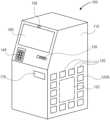
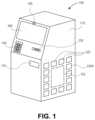
- FIG. 1is a diagram illustrating an example of a system for storing an object, consistent with certain disclosed embodiments
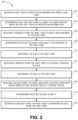
- FIG. 2is a diagram illustrating an example of a flowchart of a method for storing an object
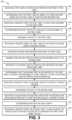
- FIG. 3is a diagram illustrating an example of a flowchart of another method for storing an object.
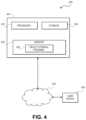
- FIG. 4is a diagram illustrating an example of a hardware system for performing at least a portion of the method(s) disclosed herein, consistent with certain disclosed embodiments.
- FIG. 1is a diagram illustrating an example of a system 100 for storing an object, consistent with certain disclosed embodiments.
- the system 100may be or include an automated teller machine (ATM) or a modified version thereof.
- ATMautomated teller machine
- the system 100may include a body 110 that defines an internal volume.
- the body 110may be made of a strong material, such as steel or the like.
- the internal volumemay be a secure storage area that may only be accessed by authorized personnel.
- a plurality of boxes 120may be stored in the internal volume of the body 110 . As shown, a wall of the body has been removed (or is shown as being transparent) so that the ends of the boxes 120 in the internal volume may be seen.
- the boxes 120may each have a length from about 6 cm to about 10 cm, a width from about 9 cm to about 22 cm, and a height from about 2 cm to about 5 cm.
- the boxes 120may each define an internal volume that is configured to store one or more objects.
- the object(s)may belong to the user or to another person that has been granted access to the user's box by the user. Thus, the object(s) may not belong to or be a part of the system 100 .
- the object(s)may be or include a key, paper (e.g., a contract), jewelry, a data storage device (e.g., a flash drive), or the like. As will be appreciated, this list is merely exemplary and is not intended to be limiting.
- Each of the boxes 120may have an identifier (e.g., on an outer surface thereof).
- the identifiermay be or include a barcode, a radio frequency identification (RFID) tag, a text label, or the like that may be read (e.g., scanned) and used to identify the particular box.
- RFIDradio frequency identification
- the boxes 120may be detachably coupled to a belt 122 within the internal volume of the body 110 .
- the belt 122may move along a predetermined path (e.g., in a loop), and may thus move the attached boxes 120 , to facilitate dispensing, receiving, and/or storing the boxes 120 .
- the body 110may also include a card reader 130 configured to receive and read a card (e.g., a credit card, a debit card, a driver's license card, an ATM card, etc.) belonging to the user.
- a carde.g., a credit card, a debit card, a driver's license card, an ATM card, etc.
- the information on the cardmay be used identify the user and/or to identify a user account that is linked to the user.
- the body 110may also include a keypad 140 configured to receive manual input from the user.
- the manual inputmay be or include authentication information (e.g., a password or key code).
- the authentication informationmay be used to authenticate the identity of the user and/or to confirm that the user is linked to the user account.
- the body 110may also or instead include a camera 150 configured to capture a picture or image of the user.
- the picturemay also or instead be used to authenticate the identity of the user and/or to confirm that the user is linked to the user account.
- the body 110may also include a display screen 160 configured to display information to the user.
- the body 110may also include an actuator 170 configured to automatically dispense or move the user's box 120 from the internal volume to the user, and to subsequently receive the user's box 120 A from the user.
- the user's box 120 Amay be detachable from the belt 122 when it is dispensed such that the user may walk away with the box 120 A.
- the user's box 120 Amay remain attached to the belt 122 when dispensed such that the user may not walk away with the box 120 A.
- FIG. 2is a diagram illustrating an example of a flowchart of a method 200 for storing an object.
- the method 200is from the perspective of the system 100 , such as an ATM, as opposed to the perspective of the user.
- the steps of the method 200are provided in an exemplary order below; however, the steps may be performed in a different order as well.
- the method 200may include receiving first user authentication information from a first user, as at 202 .
- the first usermay submit the first user authentication information remotely or in person.
- the first usermay use a personal device, such as personal computer, a smart phone, a tablet, etc. that is in (e.g., wireless) communication with the system 100 .
- a personal devicesuch as personal computer, a smart phone, a tablet, etc. that is in (e.g., wireless) communication with the system 100 .
- the first user authentication informationmay be or include a username, an account number, and/or a password.
- the first usermay interact directly (e.g., manually) with the system 100 , similar to using a conventional ATM.
- the first usermay enter a card into the card reader 130 .
- the cardmay be or include an ATM card, a credit card, a debit card, a driver's license card, etc. belonging to the first user.
- the first usermay also enter a password (e.g., a personal identification number (PIN number)) into the keypad 140 .
- the camera 150may capture a picture of the first user to use as authentication information.
- the method 200may also include determining that the first user is linked to a user account, (such as a bank account, a credit card account, a box usage account, or the like), based on the first user authentication information, as at 204 . This may include comparing the first user authentication information to corresponding authentication information associated with the user account. For example, the username, account number, and/or PIN or password submitted by the first user may be compared to a corresponding username, account number, and/or PIN or password associated with the user account, and if they match, the system 100 decides or determines that the first user is linked to the user account.
- a user accountsuch as a bank account, a credit card account, a box usage account, or the like
- the information on the card, the password (e.g., PIN number), and/or the picturemay be compared to corresponding card information, a password, and/or a picture associated with the user account, and if they match, the first user is determined to be linked to the user account. If the user does not have a user account, the user may be presented with the option to create a new account with which the first user is linked.
- the passworde.g., PIN number
- the picturemay be compared to corresponding card information, a password, and/or a picture associated with the user account, and if they match, the first user is determined to be linked to the user account. If the user does not have a user account, the user may be presented with the option to create a new account with which the first user is linked.
- the method 200may also include receiving a request from the first user to have a box 120 A assigned to the first user, as at 206 .
- the request at 206may come before or after the receiving at 202 and/or the determining at 204 .
- the first usermay submit the request remotely or in person. If the request is submitted remotely, the user may submit the request for a particular system 100 at a particular geographic location (e.g., an ATM close to the user's home or office).
- the method 200may also include determining whether the box 120 A is available in the system 100 to be assigned to the first user, as at 208 . This may include determining that at least one of the boxes 120 is currently unassigned.
- the system 100may keep an electronic record locally of which boxes 120 are free/assigned.
- the electronic recordmay be kept at a central server.
- somethingmay physically change in the boxes 120 when used (e.g., a mechanical or electrical switch or indicator), so that the system 100 can tell from the boxes 120 whether or not they are assigned.
- the method 200may also include assigning the box 120 A to the first user, as at 210 . This may include linking the identifier on the box 120 A to the user account. Once assigned, the user may pay for the rental of the box 120 A (e.g., by the hour or by the day). In some embodiments, the rental fee may be paid from the user account that the first user is linked to, such as from bank account or a credit card account. If no boxes 120 are available to be assigned at the particular system 100 , the user may be prompted to select a different system 100 at a different geographic location. In at least one embodiment, the user may be able to view a map of all systems 100 at various geographic locations (e.g., on the display screen 160 or on the user's remote device), and the map may show which systems have available boxes and which do not.
- the method 200may also include receiving a request from the first user to physically receive the box 120 A, as at 212 .
- the first usermay only submit this request in person (i.e., not remotely). If the first user authentication information was submitted remotely at 202 , then the first user may have to resubmit the authentication information in person (e.g., at the system 100 ) in order to request to physically receive the box 120 A.
- the method 200may also include automatically dispensing the box 120 A (from the system 100 ) to the first user, as at 214 .
- Automatically dispensing the box 120 Amay be in contrast to a person (e.g., the first user or a bank teller) manually retrieving the box (e.g., like a safe deposit box).
- the belt 122may move along the predetermined path, carrying the box 120 A with it.
- the actuator 170may engage the box 120 A and subsequently dispense the box 120 A to the first user.
- the box 120 Amay remain coupled to the belt 122 when dispensed.
- the box 120 Amay be decoupled form the belt 122 when dispensed.
- the first usermay open the box 120 A and add one or more objects to the box 120 A (e.g., the user may place an object into the box 120 A) and/or remove one or more objects from the box 120 A.
- the objectsmay belong to or be in the possession of the first user, (i.e., the objects do not belong to, or are not a part of, the system 100 ).
- the method 200may also include receiving the box 120 A from the first user after the first user adds and/or removes the one or more objects to/from the internal volume of the box 120 A, as at 216 .
- the first usermay return the box 120 A to the actuator 170 , which may engage the box 120 A and subsequently transfer the box 120 A to its spot on the belt 122 .
- the first usermay keep the box 120 A, or take the box 120 A with him/her, for a predetermined amount of time prior to returning the box 120 A. However, the user may then need to re-authenticate himself/herself when the user returns.
- the method 200may include determining whether the box 120 A is empty, as at 218 . This may include weighing the box 120 A and comparing the weight to the known weight of an empty box. If the box 120 A is determined to be empty, the first user may be asked (e.g., via a message on a user interface shown the display screen 160 ) if he/she wants to continue renting the box 120 A or to stop renting the box 120 A. Thus, if the box 120 A is determined to be empty, the method 200 may also include receiving a request from the first user to unassign the box 120 A from the first user, as at 220 . This may include changing the electronic record that associates the box 120 A with the user account.
- FIG. 3is a diagram illustrating an example of a flowchart of another method 300 for storing an object.
- the method 300may be similar to the method 200 .
- the method 300may include steps 202 , 204 , 206 , 208 , and/or 210 .
- the method 300may instead include receiving a request from the first user to authorize a second user to access the box 120 A, as at 312 .
- the first usermay be leaving town and want the second user to check on the first user's house (e.g., to water the plants, feed a pet, etc.).
- the first usermay leave an object (e.g., a key) to the first user's house in the box 120 A and authorize the second user to access or get the key from the box 120 A.
- an objecte.g., a key
- the method 300may also include receiving second user information, as at 314 , where the second user information identifies the person that is being given access to the box 120 A and/or identifies a communication channel (e.g., an email address or cell phone number) to the person that is being given access.
- the first user and/or the second usermay submit the second user information remotely (e.g., via a user device such as a personal computer, smart phone, or tablet) or in person (e.g., manually into the system 100 using the card reader 130 and/or the keypad 140 ).
- the second user informationmay include the second user's name, address, phone number, email address, social security number, credit card number, debit card number, driver's license number, picture, or the like, or a combination thereof.
- the second user informationmay be stored by the system 100 and/or transmitted to the second user, as described below.
- the method 300may also include transmitting second user authentication information to the second user, as at 316 .
- step 316may be omitted.
- the second user authentication informationmay be transmitted via text message, email, etc., or the second user authentication information may be transmitted by displaying it on the display screen 160 if the second user is present in person.
- the second user authentication information transmitted to the second usermay include the second user information and/or include an access code (e.g., a password, QR code, PIN number, or the like).
- the second user authentication informationmay include an application for the second user to generate a QR code using a web/mobile interface on a device such as a smart phone.
- a QR codemay be provided to the second user by the first user, e.g., printed on a piece of paper.
- the system 100 or the first usermay determine how long the QR code is valid. After the QR code expires, the system 100 will not provide access based on the QR code as the second user may no longer be authorized to access the box 120 A.
- the method 300may also include receiving the second user authentication information from the second user, as at 318 .
- the second user authentication informationmay be required to be submitted in person (i.e., not remotely).
- the second usermay insert a card belonging to the second user (e.g., a credit card or the like) into the card reader 130 and/or display the QR code to the camera 150 so that the system 100 can read the code and/or manually enter a name, address, password or other second user authentication information into the system 100 using the keypad 140 and/or the display screen 160 .
- the method 300may also include determining that the second user is authorized by the first user to access the box 120 A based at least partially upon the second user authentication information, as at 320 .
- Thismay include comparing the data from steps 312 , 314 , and/or 318 to determine if a match occurs (i.e., the second user is authorized and/or the authentication information submitted by the second user is valid and corresponds to authentication information stored in the user account). After the second user is determined to be authorized, the method 300 may also include receiving a request from the second user to physically receive or access the box 120 A, as at 322 .
- the method 300may also include automatically dispensing the box 120 A (from the system 100 ) to the second user, as at 324 .
- the box 120 Amay be dispensed as described above with respect to FIG. 2 .
- the second usermay open the box 120 A and add one or more objects to the box 120 A and/or remove one or more objects from the box 120 A.
- the objectsmay belong to the first user and/or to the second user (i.e., not to the system 100 ).
- the method 300may also include receiving the box 120 A from the second user after the second user adds and/or removes the one or more objects to/from the internal volume of the box 120 A, as at 326 .
- the box 120 Amay be received as described above with respect to FIG. 2 .
- the method 300may include determining whether the box 120 A is empty, as at 328 . This may include weighing the box 120 A and comparing the weight to the known weight of an empty box. If the box 120 A is determined to be empty, the first user and/or second user may be asked if he/she wants to continue renting the box 120 A or to stop renting the box 120 A. Thus, if the box 120 A is determined to be empty, the method 300 may also include receiving a request from the first user and/or the second user to unauthorize the second user to access the box or to unassign the first user from the box 120 A, as at 330 .
- FIG. 4is a diagram illustrating an example of a hardware system 400 for performing at least a portion of one or more of the methods 200 , 300 , consistent with certain disclosed embodiments.
- the example of a hardware system 400includes examples of system components that may be used. The components and arrangement, however, may be varied.
- the hardware system 400may include a computer 401 .
- the computer 401may include a processor 410 , a memory 420 , a storage 430 , and input/output (I/O) devices (not pictured).
- the computer 401may be implemented in various ways and can be configured to perform any of the embodiments described above.
- the computer 401can be a general-purpose computer such as, for example, a desktop computer, a laptop, a tablet device, a mobile device (e.g., a smartphone), etc.
- the computer 401can be a more capable computing device such as, for example, a data base server, a web server, a mainframe computer, etc.
- the computer 401may be standalone or may be part of a subsystem, which may, in turn, be part of a larger system.
- the computer 401can be in communication with or otherwise positioned within the system 100 .
- the processor 410may include one or more known processing devices, such as a microprocessor from the Intel CoreTM family manufactured by IntelTM, the PhenomTM family manufactured by AMDTM, or the like.
- the memory 420may include one or more storage devices configured to store information and/or instructions used or executed by the processor 410 to perform certain functions and operations related to the disclosed embodiments.
- the storage 430may include a volatile or non-volatile, magnetic, semiconductor, tape, optical, removable, non-removable, or other type of computer-readable medium used as a storage device. In some embodiments, the storage 430 can include or contain, for example, the information associated with the existing user accounts.
- the memory 420may include one or more programs or subprograms including instructions that may be loaded from the storage 430 or elsewhere that, when executed by the processor 410 of the computer 401 , perform various procedures, operations, stages, or processes consistent with disclosed embodiments.
- the memory 420may include an object storage program 425 for performing at least a portion of the methods 200 , 300 .
- the memory 420may also include other programs that perform other functions, operations, and processes, such as programs that provide communication support, Internet access, etc.
- the object storage program 425may be embodied as a single program, or alternatively, may include multiple sub-programs that, when executed, operate together to perform the function of the object storage program 425 according to disclosed embodiments.
- the computer 401may communicate over a link with a network 440 to, for example, a remote user device (e.g., a computer, a smart phone, a tablet, etc.) 450 .
- a remote user devicee.g., a computer, a smart phone, a tablet, etc.
- the linkmay be a direct communication link, a local area network (LAN), a wide area network (WAN), or other suitable connection.
- the network 440may include the internet, as well as other networks, which may be connected to various systems and devices.
- the computer 401may include one or more input/output (I/O) devices (not pictured) that allow data (information) to be received and/or transmitted by the computer 401 .
- the I/O devicesmay also include one or more digital and/or analog communication I/O devices that allow the computer 401 to communicate with other machines and devices.
- the I/O devicesmay also include input devices such as a keyboard or a mouse, and may include output devices such as a display or a printer.
- the computer 401may receive data (e.g., user name, account number, password, QR code, etc.) and then output data (e.g., on the display screen 160 ).
- the configuration and number of input and/or output devices incorporated in I/O devicesmay vary as appropriate for various embodiments. Example uses of the hardware system 400 can be described by way of example with reference to the embodiments described above.
Landscapes
- Engineering & Computer Science (AREA)
- Physics & Mathematics (AREA)
- Theoretical Computer Science (AREA)
- General Physics & Mathematics (AREA)
- Business, Economics & Management (AREA)
- Computer Security & Cryptography (AREA)
- Artificial Intelligence (AREA)
- Computer Vision & Pattern Recognition (AREA)
- Strategic Management (AREA)
- General Business, Economics & Management (AREA)
- Economics (AREA)
- Software Systems (AREA)
- Computer Hardware Design (AREA)
- Health & Medical Sciences (AREA)
- Electromagnetism (AREA)
- General Health & Medical Sciences (AREA)
- Toxicology (AREA)
- General Engineering & Computer Science (AREA)
- Entrepreneurship & Innovation (AREA)
- Marketing (AREA)
- Operations Research (AREA)
- Quality & Reliability (AREA)
- Human Resources & Organizations (AREA)
- Tourism & Hospitality (AREA)
- Development Economics (AREA)
- Microelectronics & Electronic Packaging (AREA)
- Computer Networks & Wireless Communication (AREA)
- Accounting & Taxation (AREA)
- Financial Or Insurance-Related Operations Such As Payment And Settlement (AREA)
- Lock And Its Accessories (AREA)
Abstract
Description
This application is a continuation of U.S. patent application Ser. No. 16/903,839, which was filed on Jun. 17, 2020, which is a continuation of U.S. patent application Ser. No. 16/420,267, which was filed on May 23, 2019, which is a continuation of U.S. patent application Ser. No. 16/198,411, which was filed on Nov. 21, 2018, the entirety of which are incorporated by reference.
Several options exist for a user to store an object outside of the user's premises. For example, the user may want to store a spare key outside of the user's premises in the event that the user loses his/her primary key. In another example, the user may want to store a spare key outside of the user's premises in the event that the user wants to grant a third party access to the spare key, but the user is not available to give the spare key to the third party in person.
One option is to store the object under a rock, plant, rug, etc. However, as will be appreciated, this is not a secure option. Another option is to store the object with a friend/neighbor. However, the friend/neighbor may not be available when the user needs the object back. Another option is to store the object in a safety deposit box. However, accessing an object in a safety deposit box may take an inordinate amount of time and be restricted to the business hours of a bank, among other drawbacks. Therefore, what is needed is an improved system and method for safely storing an object.
A system for storing an object is disclosed. The system includes a card reader configured to receive a card from a user and to determine an identity of the user based on information on the card. The system also includes a secure storage area configured to store a plurality of physical boxes. The plurality of physical boxes includes a first physical box that is assigned to the user. The first physical box is configured to be dispensed from the secure storage area to the user outside of the secure storage area in response to the user requesting to physically receive the first physical box. Dispensing the first physical box includes moving the first physical box along a predetermined path in the secure storage area and presenting the first physical box for removal from the secure storage area. The first physical box defines an internal volume that is configured to store one or more physical objects. The first physical box is configured to be returned to the secure storage area after the user adds the one or more physical objects to, or removes the one or more physical objects from, the internal volume of the first physical box.
A method for storing an object is also disclosed. The method includes providing a map to a user showing a plurality of secure storage areas at a plurality of geographic locations. The map indicates which of the secure storage areas have available physical boxes. The method also includes receiving a request from the user to have a physical box assigned to the user. The physical box is one of the available physical boxes at one of the secure storage areas. The method also includes assigning the physical box to the user in response to the request to have the physical box assigned to the user. The method also includes receiving a request from the user to physically receive the physical box. The method also includes automatically dispensing the physical box to the user outside of the secure storage area in response to the request to physically receive the physical box. Dispensing the physical box includes moving the physical box along a predetermined path in the secure storage area and presenting the physical box for removal from the secure storage area. The physical box defines an internal volume that is configured to store one or more physical objects. The method also includes receiving the physical box from the user after the user adds the one or more physical objects to, or removes the one or more physical objects from, the internal volume of the physical box. The physical box is received into the secure storage area.
Another method for storing an object is also disclosed. The method includes receiving a request from a first user to authorize a second user to access a physical box. The physical box is one of a plurality of physical boxes that are located in a secure storage area. The method also includes receiving a request from the second user to physically receive the physical box. The method also includes automatically dispensing the physical box to the second user in response to the request to physically receive the physical box. Dispensing the physical box includes moving the physical box along a predetermined path using a belt and presenting the physical box for detachment from the belt. The box defines an internal volume that is configured to store one or more physical objects. The method also includes receiving the physical box from the second user after the second user adds the one or more physical objects to, or removes the one or more physical objects from, the internal volume of the physical box.
The accompanying drawings, which are incorporated in and constitute a part of this specification, illustrate various embodiments of the present disclosure and together, with the description, serve to explain the principles of the present disclosure. In the drawings:
The following detailed description refers to the accompanying drawings. Wherever convenient, the same reference numbers are used in the drawings and the following description to refer to the same or similar parts. While several examples of embodiments and features of the present disclosure are described herein, modifications, adaptations, and other implementations are possible, without departing from the spirit and scope of the present disclosure. Accordingly, the following detailed description does not limit the present disclosure. Instead, the proper scope of the disclosure is defined by the appended claims.
A plurality ofboxes 120 may be stored in the internal volume of thebody 110. As shown, a wall of the body has been removed (or is shown as being transparent) so that the ends of theboxes 120 in the internal volume may be seen. Theboxes 120 may each have a length from about 6 cm to about 10 cm, a width from about 9 cm to about 22 cm, and a height from about 2 cm to about 5 cm. Theboxes 120 may each define an internal volume that is configured to store one or more objects. The object(s) may belong to the user or to another person that has been granted access to the user's box by the user. Thus, the object(s) may not belong to or be a part of thesystem 100. The object(s) may be or include a key, paper (e.g., a contract), jewelry, a data storage device (e.g., a flash drive), or the like. As will be appreciated, this list is merely exemplary and is not intended to be limiting.
Each of theboxes 120 may have an identifier (e.g., on an outer surface thereof). The identifier may be or include a barcode, a radio frequency identification (RFID) tag, a text label, or the like that may be read (e.g., scanned) and used to identify the particular box.
Theboxes 120 may be detachably coupled to abelt 122 within the internal volume of thebody 110. Thebelt 122 may move along a predetermined path (e.g., in a loop), and may thus move the attachedboxes 120, to facilitate dispensing, receiving, and/or storing theboxes 120.
Thebody 110 may also include acard reader 130 configured to receive and read a card (e.g., a credit card, a debit card, a driver's license card, an ATM card, etc.) belonging to the user. The information on the card may be used identify the user and/or to identify a user account that is linked to the user.
Thebody 110 may also include akeypad 140 configured to receive manual input from the user. The manual input may be or include authentication information (e.g., a password or key code). The authentication information may be used to authenticate the identity of the user and/or to confirm that the user is linked to the user account.
Thebody 110 may also or instead include acamera 150 configured to capture a picture or image of the user. The picture may also or instead be used to authenticate the identity of the user and/or to confirm that the user is linked to the user account.
Thebody 110 may also include adisplay screen 160 configured to display information to the user. Thebody 110 may also include anactuator 170 configured to automatically dispense or move the user'sbox 120 from the internal volume to the user, and to subsequently receive the user'sbox 120A from the user. In at least one embodiment, the user'sbox 120A may be detachable from thebelt 122 when it is dispensed such that the user may walk away with thebox 120A. In another embodiment, the user'sbox 120A may remain attached to thebelt 122 when dispensed such that the user may not walk away with thebox 120A.
To submit the first user authentication information remotely, the first user may use a personal device, such as personal computer, a smart phone, a tablet, etc. that is in (e.g., wireless) communication with thesystem 100. When submitting the first user authentication information remotely, the first user authentication information may be or include a username, an account number, and/or a password.
To submit the first user authentication information in person, the first user may interact directly (e.g., manually) with thesystem 100, similar to using a conventional ATM. When submitting the first user authentication information in person, the first user may enter a card into thecard reader 130. The card may be or include an ATM card, a credit card, a debit card, a driver's license card, etc. belonging to the first user. In at least one embodiment, the first user may also enter a password (e.g., a personal identification number (PIN number)) into thekeypad 140. In another embodiment, thecamera 150 may capture a picture of the first user to use as authentication information.
Themethod 200 may also include determining that the first user is linked to a user account, (such as a bank account, a credit card account, a box usage account, or the like), based on the first user authentication information, as at204. This may include comparing the first user authentication information to corresponding authentication information associated with the user account. For example, the username, account number, and/or PIN or password submitted by the first user may be compared to a corresponding username, account number, and/or PIN or password associated with the user account, and if they match, thesystem 100 decides or determines that the first user is linked to the user account. In another example, the information on the card, the password (e.g., PIN number), and/or the picture may be compared to corresponding card information, a password, and/or a picture associated with the user account, and if they match, the first user is determined to be linked to the user account. If the user does not have a user account, the user may be presented with the option to create a new account with which the first user is linked.
After the first user is determined to be linked to the user account, themethod 200 may also include receiving a request from the first user to have abox 120A assigned to the first user, as at206. In various implementations, the request at206 may come before or after the receiving at202 and/or the determining at204. The first user may submit the request remotely or in person. If the request is submitted remotely, the user may submit the request for aparticular system 100 at a particular geographic location (e.g., an ATM close to the user's home or office). Themethod 200 may also include determining whether thebox 120A is available in thesystem 100 to be assigned to the first user, as at208. This may include determining that at least one of theboxes 120 is currently unassigned. For example, thesystem 100 may keep an electronic record locally of whichboxes 120 are free/assigned. In another example, the electronic record may be kept at a central server. In another example, something may physically change in theboxes 120 when used (e.g., a mechanical or electrical switch or indicator), so that thesystem 100 can tell from theboxes 120 whether or not they are assigned.
If thebox 120A is available to be assigned, themethod 200 may also include assigning thebox 120A to the first user, as at210. This may include linking the identifier on thebox 120A to the user account. Once assigned, the user may pay for the rental of thebox 120A (e.g., by the hour or by the day). In some embodiments, the rental fee may be paid from the user account that the first user is linked to, such as from bank account or a credit card account. If noboxes 120 are available to be assigned at theparticular system 100, the user may be prompted to select adifferent system 100 at a different geographic location. In at least one embodiment, the user may be able to view a map of allsystems 100 at various geographic locations (e.g., on thedisplay screen 160 or on the user's remote device), and the map may show which systems have available boxes and which do not.
After thebox 120A is assigned to the first user, themethod 200 may also include receiving a request from the first user to physically receive thebox 120A, as at212. In various implementations, the first user may only submit this request in person (i.e., not remotely). If the first user authentication information was submitted remotely at202, then the first user may have to resubmit the authentication information in person (e.g., at the system100) in order to request to physically receive thebox 120A. In response to the request, themethod 200 may also include automatically dispensing thebox 120A (from the system100) to the first user, as at214. Automatically dispensing thebox 120A may be in contrast to a person (e.g., the first user or a bank teller) manually retrieving the box (e.g., like a safe deposit box). To dispense thebox 120A, thebelt 122 may move along the predetermined path, carrying thebox 120A with it. When thebox 120A is aligned with theactuator 170, theactuator 170 may engage thebox 120A and subsequently dispense thebox 120A to the first user. As described above, in one example, thebox 120A may remain coupled to thebelt 122 when dispensed. In another example, thebox 120A may be decoupled form thebelt 122 when dispensed.
After thebox 120A is dispensed to the first user, the first user may open thebox 120A and add one or more objects to thebox 120A (e.g., the user may place an object into thebox 120A) and/or remove one or more objects from thebox 120A. The objects may belong to or be in the possession of the first user, (i.e., the objects do not belong to, or are not a part of, the system100). Themethod 200 may also include receiving thebox 120A from the first user after the first user adds and/or removes the one or more objects to/from the internal volume of thebox 120A, as at216. More particularly, the first user may return thebox 120A to theactuator 170, which may engage thebox 120A and subsequently transfer thebox 120A to its spot on thebelt 122. In at least one embodiment, when thebox 120A is detachable from thebelt 122, the first user may keep thebox 120A, or take thebox 120A with him/her, for a predetermined amount of time prior to returning thebox 120A. However, the user may then need to re-authenticate himself/herself when the user returns.
In at least one embodiment, after thebox 120A is received, themethod 200 may include determining whether thebox 120A is empty, as at218. This may include weighing thebox 120A and comparing the weight to the known weight of an empty box. If thebox 120A is determined to be empty, the first user may be asked (e.g., via a message on a user interface shown the display screen160) if he/she wants to continue renting thebox 120A or to stop renting thebox 120A. Thus, if thebox 120A is determined to be empty, themethod 200 may also include receiving a request from the first user to unassign thebox 120A from the first user, as at220. This may include changing the electronic record that associates thebox 120A with the user account.
After the request to authorize the second user to access thebox 120A, themethod 300 may also include receiving second user information, as at314, where the second user information identifies the person that is being given access to thebox 120A and/or identifies a communication channel (e.g., an email address or cell phone number) to the person that is being given access. The first user and/or the second user may submit the second user information remotely (e.g., via a user device such as a personal computer, smart phone, or tablet) or in person (e.g., manually into thesystem 100 using thecard reader 130 and/or the keypad140). The second user information may include the second user's name, address, phone number, email address, social security number, credit card number, debit card number, driver's license number, picture, or the like, or a combination thereof. The second user information may be stored by thesystem 100 and/or transmitted to the second user, as described below.
After the second user information is received, themethod 300 may also include transmitting second user authentication information to the second user, as at316. In some embodiments,step 316 may be omitted. The second user authentication information may be transmitted via text message, email, etc., or the second user authentication information may be transmitted by displaying it on thedisplay screen 160 if the second user is present in person. The second user authentication information transmitted to the second user may include the second user information and/or include an access code (e.g., a password, QR code, PIN number, or the like). In some implementations, the second user authentication information may include an application for the second user to generate a QR code using a web/mobile interface on a device such as a smart phone. In another example, a QR code may be provided to the second user by the first user, e.g., printed on a piece of paper. In implementations that use a QR code, thesystem 100 or the first user may determine how long the QR code is valid. After the QR code expires, thesystem 100 will not provide access based on the QR code as the second user may no longer be authorized to access thebox 120A.
Themethod 300 may also include receiving the second user authentication information from the second user, as at318. In various implementations, the second user authentication information may be required to be submitted in person (i.e., not remotely). For example, the second user may insert a card belonging to the second user (e.g., a credit card or the like) into thecard reader 130 and/or display the QR code to thecamera 150 so that thesystem 100 can read the code and/or manually enter a name, address, password or other second user authentication information into thesystem 100 using thekeypad 140 and/or thedisplay screen 160. Themethod 300 may also include determining that the second user is authorized by the first user to access thebox 120A based at least partially upon the second user authentication information, as at320. This may include comparing the data fromsteps method 300 may also include receiving a request from the second user to physically receive or access thebox 120A, as at322.
In response to the request, themethod 300 may also include automatically dispensing thebox 120A (from the system100) to the second user, as at324. Thebox 120A may be dispensed as described above with respect toFIG.2 . After thebox 120A is dispensed to the second user, the second user may open thebox 120A and add one or more objects to thebox 120A and/or remove one or more objects from thebox 120A. The objects may belong to the first user and/or to the second user (i.e., not to the system100). Themethod 300 may also include receiving thebox 120A from the second user after the second user adds and/or removes the one or more objects to/from the internal volume of thebox 120A, as at326. Thebox 120A may be received as described above with respect toFIG.2 .
In at least one embodiment, after thebox 120A is received, themethod 300 may include determining whether thebox 120A is empty, as at328. This may include weighing thebox 120A and comparing the weight to the known weight of an empty box. If thebox 120A is determined to be empty, the first user and/or second user may be asked if he/she wants to continue renting thebox 120A or to stop renting thebox 120A. Thus, if thebox 120A is determined to be empty, themethod 300 may also include receiving a request from the first user and/or the second user to unauthorize the second user to access the box or to unassign the first user from thebox 120A, as at330.
As the example ofFIG.4 shows, thehardware system 400 may include acomputer 401. Thecomputer 401 may include aprocessor 410, amemory 420, astorage 430, and input/output (I/O) devices (not pictured). Thecomputer 401 may be implemented in various ways and can be configured to perform any of the embodiments described above. In some embodiments, thecomputer 401 can be a general-purpose computer such as, for example, a desktop computer, a laptop, a tablet device, a mobile device (e.g., a smartphone), etc. In other embodiments, thecomputer 401 can be a more capable computing device such as, for example, a data base server, a web server, a mainframe computer, etc. Thecomputer 401 may be standalone or may be part of a subsystem, which may, in turn, be part of a larger system. For example, thecomputer 401 can be in communication with or otherwise positioned within thesystem 100.
Theprocessor 410 may include one or more known processing devices, such as a microprocessor from the Intel Core™ family manufactured by Intel™, the Phenom™ family manufactured by AMD™, or the like. Thememory 420 may include one or more storage devices configured to store information and/or instructions used or executed by theprocessor 410 to perform certain functions and operations related to the disclosed embodiments. Thestorage 430 may include a volatile or non-volatile, magnetic, semiconductor, tape, optical, removable, non-removable, or other type of computer-readable medium used as a storage device. In some embodiments, thestorage 430 can include or contain, for example, the information associated with the existing user accounts.
In an embodiment, thememory 420 may include one or more programs or subprograms including instructions that may be loaded from thestorage 430 or elsewhere that, when executed by theprocessor 410 of thecomputer 401, perform various procedures, operations, stages, or processes consistent with disclosed embodiments. For example, thememory 420 may include anobject storage program 425 for performing at least a portion of themethods memory 420 may also include other programs that perform other functions, operations, and processes, such as programs that provide communication support, Internet access, etc. Theobject storage program 425 may be embodied as a single program, or alternatively, may include multiple sub-programs that, when executed, operate together to perform the function of theobject storage program 425 according to disclosed embodiments.
Thecomputer 401 may communicate over a link with anetwork 440 to, for example, a remote user device (e.g., a computer, a smart phone, a tablet, etc.)450. For example, the link may be a direct communication link, a local area network (LAN), a wide area network (WAN), or other suitable connection. Thenetwork 440 may include the internet, as well as other networks, which may be connected to various systems and devices.
Thecomputer 401 may include one or more input/output (I/O) devices (not pictured) that allow data (information) to be received and/or transmitted by thecomputer 401. The I/O devices may also include one or more digital and/or analog communication I/O devices that allow thecomputer 401 to communicate with other machines and devices. The I/O devices may also include input devices such as a keyboard or a mouse, and may include output devices such as a display or a printer. Thecomputer 401 may receive data (e.g., user name, account number, password, QR code, etc.) and then output data (e.g., on the display screen160). The configuration and number of input and/or output devices incorporated in I/O devices may vary as appropriate for various embodiments. Example uses of thehardware system 400 can be described by way of example with reference to the embodiments described above.
While the teachings have been described with reference to the example embodiments, those skilled in the art will be able to make various modifications to the described embodiments without departing from the true spirit and scope. The terms and descriptions used herein are set forth by way of illustration only and are not meant as limitations. In particular, although the method has been described by examples, the steps of the method may be performed in a different order than illustrated or simultaneously. Furthermore, to the extent that the terms “including”, “includes”, “having”, “has”, “with”, or variants thereof are used in either the detailed description and the claims, such terms are intended to be inclusive in a manner similar to the term “comprising.” As used herein, the term “one or more of” with respect to a listing of items such as, for example, A and B, means A alone, B alone, or A and B. Those skilled in the art will recognize that these and other variations are possible within the spirit and scope as defined in the following claims and their equivalents.
Claims (20)
1. A method comprising:
receiving, by at least one processor, a request for an account authorization to access a physical box, the request comprising user information associated with a user;
determining, by the at least one processor, a user account of the user based on the user information;
determining, by the at least one processor, a physical box of a plurality of physical boxes in a secure storage area that is assigned the user account; and
generating, by the at least one processor, the account authorization based at least in part on the user account of the user and the user information, wherein the account authorization authenticates user access to the user account; and
controlling, by the at least one processor automatically in response to the account authorization, an actuator in the secure storage area to automatically dispense the physical box towards an opening in the secure storage area so as to allow the user outside of the secure storage area to access at least a portion of the physical box;
wherein the physical box is assigned to the user account associated with the user.
2. The method ofclaim 1 , wherein the secure storage area is in an automated teller machine.
3. The method ofclaim 1 , wherein the actuator is configured to move the physical box along a predetermined path in the secure storage area.
4. The method ofclaim 1 , further comprising receiving, by the at least one processor, authentication information from the user, wherein the authentication information and the request are submitted in person by the user.
5. The method ofclaim 1 , further comprising determining, by the at least one processor, whether the physical box is empty by weighing the physical box after the user returns the physical box.
6. The method ofclaim 5 , further comprising:
generating, by the at least one processor upon determining that the physical box is empty, at least one notification configured to enable the user to select to remove the physical box from being assigned to the user account;
receiving, by the at least one processor, a user selection to remove the physical box from being assigned to the user account; and
updating, by the at least one processor, the user account to remove the physical box from being assigned to the user account.
7. The method ofclaim 1 , further comprising receiving, by the at least one processor, authentication information from the user, wherein the authentication information and the request are submitted remotely via a remote device associated with the user.
8. The method ofclaim 1 , wherein the physical box is configured to be removable from the secure storage area.
9. The method ofclaim 1 , wherein the physical box is configured to be non-removeable from the secure storage area.
10. The method ofclaim 1 , wherein the at least one processor is remote from the secure storage area.
11. A system comprising:
a dispensing device having a body and a secure storage area of the body;
at least one hardware processor, wherein, upon execution of software instructions, the at least one processor is configured to:
receive a request from a user to have a physical box assigned to the user, wherein the physical box is in the secure storage area of the body of the dispensing device;
wherein the request comprises user information associated with the user;
determine that the physical box is an available physical box of a plurality of physical boxes in the secure storage area;
generate an account authorization based at least in part on a user account of the user and the user information, wherein the account authorization authenticates user access to the user account; and
assign, automatically in response to the account authorization, the physical box to the user in response to the request such that upon the at least one hardware processor receiving the user information from a subsequent request from the user to physically receive the physical box, an actuator within the body of the dispensing device automatically moves at least a portion of the physical box towards an opening in the body so as to allow to the user outside of the body to access at least the portion of the physical box.
12. The system ofclaim 11 , wherein, upon execution of the software instructions, the at least one hardware processor is further configured to:
receive authentication information from the user, wherein the authentication information and the request to have the physical box assigned to the user are submitted in person by the user to the dispensing device.
13. The system ofclaim 11 , wherein, upon execution of the software instructions, the at least one hardware processor is further configured to receive authentication information from the user, wherein the authentication information and the request to have the physical box assigned to the user are submitted remotely by the user.
14. The system ofclaim 13 , wherein the dispensing device comprises an automated teller machine.
15. The system ofclaim 14 , wherein, upon execution of the software instructions, the at least one hardware processor is further configured to receive the authentication information a second time from the user in person after the physical box is assigned to the user and prior to receiving the request to physically receive the physical box.
16. The system ofclaim 11 , wherein, upon execution of the software instructions, the at least one hardware processor is further configured to determine whether the physical box is empty after the physical box is received from the user.
17. The system ofclaim 16 , wherein, upon execution of the software instructions, the at least one hardware processor is further configured to weigh the physical box so as to determine whether the physical box is empty.
18. The system ofclaim 16 , wherein, upon execution of the software instructions, the at least one hardware processor is further configured to receive a later request from the user to unassign the physical box from the user after the physical box is determined to be empty.
19. The system ofclaim 11 , wherein the physical box is configured to be non-removeable from the secure storage area.
20. The system ofclaim 11 , wherein the at least one hardware processor is remote from the dispensing device.
Priority Applications (1)
| Application Number | Priority Date | Filing Date | Title |
|---|---|---|---|
| US17/898,276US11768927B2 (en) | 2018-11-21 | 2022-08-29 | Systems and methods for safely storing an object |
Applications Claiming Priority (4)
| Application Number | Priority Date | Filing Date | Title |
|---|---|---|---|
| US16/198,411US10354058B1 (en) | 2018-11-21 | 2018-11-21 | Systems and methods for safely storing an object |
| US16/420,267US10789349B2 (en) | 2018-11-21 | 2019-05-23 | Systems and methods for safely storing an object |
| US16/903,839US11429705B2 (en) | 2018-11-21 | 2020-06-17 | Systems and methods for safely storing an object |
| US17/898,276US11768927B2 (en) | 2018-11-21 | 2022-08-29 | Systems and methods for safely storing an object |
Related Parent Applications (1)
| Application Number | Title | Priority Date | Filing Date |
|---|---|---|---|
| US16/903,839ContinuationUS11429705B2 (en) | 2018-11-21 | 2020-06-17 | Systems and methods for safely storing an object |
Publications (2)
| Publication Number | Publication Date |
|---|---|
| US20220414201A1 US20220414201A1 (en) | 2022-12-29 |
| US11768927B2true US11768927B2 (en) | 2023-09-26 |
Family
ID=67220531
Family Applications (4)
| Application Number | Title | Priority Date | Filing Date |
|---|---|---|---|
| US16/198,411ActiveUS10354058B1 (en) | 2018-11-21 | 2018-11-21 | Systems and methods for safely storing an object |
| US16/420,267ActiveUS10789349B2 (en) | 2018-11-21 | 2019-05-23 | Systems and methods for safely storing an object |
| US16/903,839Active2039-01-02US11429705B2 (en) | 2018-11-21 | 2020-06-17 | Systems and methods for safely storing an object |
| US17/898,276Active2038-11-21US11768927B2 (en) | 2018-11-21 | 2022-08-29 | Systems and methods for safely storing an object |
Family Applications Before (3)
| Application Number | Title | Priority Date | Filing Date |
|---|---|---|---|
| US16/198,411ActiveUS10354058B1 (en) | 2018-11-21 | 2018-11-21 | Systems and methods for safely storing an object |
| US16/420,267ActiveUS10789349B2 (en) | 2018-11-21 | 2019-05-23 | Systems and methods for safely storing an object |
| US16/903,839Active2039-01-02US11429705B2 (en) | 2018-11-21 | 2020-06-17 | Systems and methods for safely storing an object |
Country Status (3)
| Country | Link |
|---|---|
| US (4) | US10354058B1 (en) |
| EP (1) | EP3657453B1 (en) |
| CA (1) | CA3061918A1 (en) |
Families Citing this family (2)
| Publication number | Priority date | Publication date | Assignee | Title |
|---|---|---|---|---|
| JP6756503B2 (en)* | 2016-03-30 | 2020-09-16 | 株式会社ユニバーサルエンターテインメント | Information display device |
| CN115316800A (en)* | 2022-08-15 | 2022-11-11 | 广东电网有限责任公司 | Intelligent classified storage system for laboratory samples |
Citations (34)
| Publication number | Priority date | Publication date | Assignee | Title |
|---|---|---|---|---|
| US3685690A (en) | 1970-07-28 | 1972-08-22 | Docutel Corp | Credit card automatic currency dispenser |
| US4010824A (en) | 1975-12-24 | 1977-03-08 | Bavis Edward F | Conveyor system for drive-in banks and the like |
| US4085687A (en) | 1976-01-12 | 1978-04-25 | Diebold, Incorporated | Remote envelope depository construction |
| US4312277A (en) | 1980-04-02 | 1982-01-26 | Diebold Incorporated | Remote depository with sealed deposit container construction |
| US4789293A (en) | 1983-12-21 | 1988-12-06 | Itoki Co., Ltd. | Automatic rental safe-deposit box system |
| US4792270A (en) | 1983-03-16 | 1988-12-20 | Itoki Co., Ltd. | Automatic rental safe-depositing box system |
| US5475376A (en) | 1991-07-31 | 1995-12-12 | Itoki Co., Ltd. | Safety-deposit box system |
| US20020095238A1 (en)* | 1998-05-27 | 2002-07-18 | Ahlin Arnold C. | Automated pharmaceutical management and dispensing system |
| US6490893B1 (en) | 2000-08-11 | 2002-12-10 | Jessie K. Benion | Portable lockbox |
| US6502746B1 (en) | 1998-09-02 | 2003-01-07 | Citicorp Development Center, Inc. | Device, method, and system for extracting deposited items from an ATM/CAT safe |
| US6554105B2 (en) | 2001-02-05 | 2003-04-29 | E. F. Bavis & Associates, Inc. | Conveyor system with stabilized carrier |
| US20040243812A1 (en) | 2002-07-31 | 2004-12-02 | Yasuji Yui | Collective housing shared entrance device, collective housing door-to-door interphone device, door-to-door container box management device, and communication system |
| US20050264400A1 (en) | 2002-06-14 | 2005-12-01 | Sentrilock, Inc. | Electronic lock system and method for its use with a secure memory card |
| US20050269404A1 (en) | 2004-06-08 | 2005-12-08 | Landwirth Donald M | Business method of implementing an automated vault machine |
| US20060010069A1 (en)* | 2004-07-12 | 2006-01-12 | Shinichi Yamazaki | Transaction support method and system using same |
| US6990588B1 (en) | 1998-05-21 | 2006-01-24 | Yutaka Yasukura | Authentication card system |
| US20060293784A1 (en) | 2005-06-27 | 2006-12-28 | Braunstein Zachary L | Automatic distributed vending system |
| US7165767B2 (en) | 2002-12-16 | 2007-01-23 | Diebold Self-Service Systems A Division Of Diebold, Incorporated | Automated banking machine currency dispenser modules |
| US7216083B2 (en)* | 2001-03-07 | 2007-05-08 | Diebold, Incorporated | Automated transaction machine digital signature system and method |
| US20070250413A1 (en)* | 2006-03-31 | 2007-10-25 | Peter Godlewski | Automated inventory system |
| US20080195247A1 (en) | 2003-09-19 | 2008-08-14 | Vesta Medical, Llc | Method for Combined Disposal and Dispensing of Medical Items |
| WO2008136031A1 (en) | 2007-05-02 | 2008-11-13 | Riello Customade Robotic Dispenser S.P.A. | Device for handling small safe deposit boxes |
| US20100268380A1 (en)* | 2009-04-19 | 2010-10-21 | PCA Services Inc. | Automated Apparatus for Dispensing Medicaments |
| US20110035598A1 (en) | 2006-04-28 | 2011-02-10 | Ceelox, Inc. | Computer program and method for granting multiple users access to a secure repository |
| US8260692B1 (en) | 2009-01-07 | 2012-09-04 | Bank Of America Corporation | Online safety deposit box inventory system |
| US20120310410A1 (en) | 2008-07-07 | 2012-12-06 | Phc, Llc | Secure Cabinet for Dispensing Items |
| WO2013156956A1 (en) | 2012-04-18 | 2013-10-24 | Fourie Jurie Alexander | Mobile device charging station |
| US20130317986A1 (en) | 2012-05-24 | 2013-11-28 | Bank Of America Corporation | Digital safe deposit boxes |
| US9235740B1 (en) | 2014-12-15 | 2016-01-12 | Amazon Technologies, Inc. | Automatic drawer state detection |
| US9454869B1 (en) | 2013-01-17 | 2016-09-27 | Michael Martuch | Vending system with recyclable packaging having automated deposit and return |
| US20170124792A1 (en) | 2015-11-04 | 2017-05-04 | Latchable, Inc. | Systems and methods for controlling access to physical space |
| US9794253B2 (en) | 2013-03-14 | 2017-10-17 | Google Inc. | Device security utilizing continually changing QR codes |
| US20170297819A1 (en) | 2016-04-18 | 2017-10-19 | Brandon Andrews | Robotic Storage Assembly |
| US9846763B2 (en) | 2013-06-28 | 2017-12-19 | Elwha Llc | Medical support system including medical equipment case |
- 2018
- 2018-11-21USUS16/198,411patent/US10354058B1/enactiveActive
- 2019
- 2019-05-23USUS16/420,267patent/US10789349B2/enactiveActive
- 2019-11-15CACA3061918Apatent/CA3061918A1/enactivePending
- 2019-11-21EPEP19210657.3Apatent/EP3657453B1/enactiveActive
- 2020
- 2020-06-17USUS16/903,839patent/US11429705B2/enactiveActive
- 2022
- 2022-08-29USUS17/898,276patent/US11768927B2/enactiveActive
Patent Citations (35)
| Publication number | Priority date | Publication date | Assignee | Title |
|---|---|---|---|---|
| US3685690A (en) | 1970-07-28 | 1972-08-22 | Docutel Corp | Credit card automatic currency dispenser |
| US4010824A (en) | 1975-12-24 | 1977-03-08 | Bavis Edward F | Conveyor system for drive-in banks and the like |
| US4085687A (en) | 1976-01-12 | 1978-04-25 | Diebold, Incorporated | Remote envelope depository construction |
| US4312277A (en) | 1980-04-02 | 1982-01-26 | Diebold Incorporated | Remote depository with sealed deposit container construction |
| US4792270A (en) | 1983-03-16 | 1988-12-20 | Itoki Co., Ltd. | Automatic rental safe-depositing box system |
| US4789293A (en) | 1983-12-21 | 1988-12-06 | Itoki Co., Ltd. | Automatic rental safe-deposit box system |
| US5475376A (en) | 1991-07-31 | 1995-12-12 | Itoki Co., Ltd. | Safety-deposit box system |
| US6990588B1 (en) | 1998-05-21 | 2006-01-24 | Yutaka Yasukura | Authentication card system |
| US20020095238A1 (en)* | 1998-05-27 | 2002-07-18 | Ahlin Arnold C. | Automated pharmaceutical management and dispensing system |
| US6502746B1 (en) | 1998-09-02 | 2003-01-07 | Citicorp Development Center, Inc. | Device, method, and system for extracting deposited items from an ATM/CAT safe |
| US6490893B1 (en) | 2000-08-11 | 2002-12-10 | Jessie K. Benion | Portable lockbox |
| US6554105B2 (en) | 2001-02-05 | 2003-04-29 | E. F. Bavis & Associates, Inc. | Conveyor system with stabilized carrier |
| US7216083B2 (en)* | 2001-03-07 | 2007-05-08 | Diebold, Incorporated | Automated transaction machine digital signature system and method |
| US20050264400A1 (en) | 2002-06-14 | 2005-12-01 | Sentrilock, Inc. | Electronic lock system and method for its use with a secure memory card |
| US20040243812A1 (en) | 2002-07-31 | 2004-12-02 | Yasuji Yui | Collective housing shared entrance device, collective housing door-to-door interphone device, door-to-door container box management device, and communication system |
| US7165767B2 (en) | 2002-12-16 | 2007-01-23 | Diebold Self-Service Systems A Division Of Diebold, Incorporated | Automated banking machine currency dispenser modules |
| US20080195247A1 (en) | 2003-09-19 | 2008-08-14 | Vesta Medical, Llc | Method for Combined Disposal and Dispensing of Medical Items |
| US20050269404A1 (en) | 2004-06-08 | 2005-12-08 | Landwirth Donald M | Business method of implementing an automated vault machine |
| US20060010069A1 (en)* | 2004-07-12 | 2006-01-12 | Shinichi Yamazaki | Transaction support method and system using same |
| US20060293784A1 (en) | 2005-06-27 | 2006-12-28 | Braunstein Zachary L | Automatic distributed vending system |
| US20070250413A1 (en)* | 2006-03-31 | 2007-10-25 | Peter Godlewski | Automated inventory system |
| US20110035598A1 (en) | 2006-04-28 | 2011-02-10 | Ceelox, Inc. | Computer program and method for granting multiple users access to a secure repository |
| WO2008136031A1 (en) | 2007-05-02 | 2008-11-13 | Riello Customade Robotic Dispenser S.P.A. | Device for handling small safe deposit boxes |
| US20120310410A1 (en) | 2008-07-07 | 2012-12-06 | Phc, Llc | Secure Cabinet for Dispensing Items |
| US8260692B1 (en) | 2009-01-07 | 2012-09-04 | Bank Of America Corporation | Online safety deposit box inventory system |
| US20100268380A1 (en)* | 2009-04-19 | 2010-10-21 | PCA Services Inc. | Automated Apparatus for Dispensing Medicaments |
| WO2013156956A1 (en) | 2012-04-18 | 2013-10-24 | Fourie Jurie Alexander | Mobile device charging station |
| US20130317986A1 (en) | 2012-05-24 | 2013-11-28 | Bank Of America Corporation | Digital safe deposit boxes |
| US9454869B1 (en) | 2013-01-17 | 2016-09-27 | Michael Martuch | Vending system with recyclable packaging having automated deposit and return |
| US9794253B2 (en) | 2013-03-14 | 2017-10-17 | Google Inc. | Device security utilizing continually changing QR codes |
| US9846763B2 (en) | 2013-06-28 | 2017-12-19 | Elwha Llc | Medical support system including medical equipment case |
| US9235740B1 (en) | 2014-12-15 | 2016-01-12 | Amazon Technologies, Inc. | Automatic drawer state detection |
| US20170124792A1 (en) | 2015-11-04 | 2017-05-04 | Latchable, Inc. | Systems and methods for controlling access to physical space |
| US20170297819A1 (en) | 2016-04-18 | 2017-10-19 | Brandon Andrews | Robotic Storage Assembly |
| US9908703B2 (en) | 2016-04-18 | 2018-03-06 | Brandon Andrews | Robotic storage assembly |
Non-Patent Citations (2)
| Title |
|---|
| European Search Report from European Patent Application No. 19210657.3 dated Mar. 24, 2020. |
| Haupt et al., "Architecture for a Secure Distributed Repository", Sep. 2006, th IEEE/ACM International Conference on Grid Computing, pp. 200-206, 2006. |
Also Published As
| Publication number | Publication date |
|---|---|
| CA3061918A1 (en) | 2020-05-21 |
| US11429705B2 (en) | 2022-08-30 |
| US10354058B1 (en) | 2019-07-16 |
| US20200159901A1 (en) | 2020-05-21 |
| EP3657453A1 (en) | 2020-05-27 |
| US20220414201A1 (en) | 2022-12-29 |
| US10789349B2 (en) | 2020-09-29 |
| EP3657453B1 (en) | 2025-02-26 |
| US20200311242A1 (en) | 2020-10-01 |
Similar Documents
| Publication | Publication Date | Title |
|---|---|---|
| US8500012B2 (en) | Locker system using barcoded wristbands | |
| CA2934716C (en) | Payment container, method for creating, method for processing, corresponding devices and programs | |
| US20200050743A1 (en) | Electronic storage system | |
| US11710083B2 (en) | Storage compartment coordination and tracking | |
| US20180285966A1 (en) | Book self-borrowing system and method | |
| KR102436115B1 (en) | Mediating method for purchasing and selling item using vending machine | |
| WO2018231900A1 (en) | Systems and methods for facilitating parcel pickup | |
| US11768927B2 (en) | Systems and methods for safely storing an object | |
| JP6901648B1 (en) | Vending machine control system, vending machine, and information output method | |
| EP4008221A1 (en) | Self-service and video communication terminal | |
| JP4556545B2 (en) | Logistics authentication system | |
| KR20200024438A (en) | System for automatic sales of product | |
| JP2002226049A (en) | Information processing device for package delivery, device for package delivery, and delivery data processing method | |
| US12423646B2 (en) | Storage compartment coordination and tracking | |
| JP2006155264A (en) | Vending method and vending machine system | |
| JP2011060257A (en) | Reservation transaction processing system | |
| JP2016024472A (en) | Product sales system and product sales method | |
| KR20030080344A (en) | How to make a reservation and ticketing of airline using smartcard | |
| ITGE20130004A1 (en) | METHOD FOR BOOKING AND / OR PURCHASING GOODS AND / OR SERVICES, OPERATING SYSTEM ACCORDING TO THE METHOD AND DEVICE FOR IMPLEMENTING THIS METHOD |
Legal Events
| Date | Code | Title | Description |
|---|---|---|---|
| AS | Assignment | Owner name:CAPITAL ONE SERVICES, LLC, VIRGINIA Free format text:ASSIGNMENT OF ASSIGNORS INTEREST;ASSIGNORS:BENKREIRA, ABDELKADER M'HAMED;EDWARDS, JOSHUA;MOSSOBA, MICHAEL;SIGNING DATES FROM 20180531 TO 20180606;REEL/FRAME:060932/0293 | |
| FEPP | Fee payment procedure | Free format text:ENTITY STATUS SET TO UNDISCOUNTED (ORIGINAL EVENT CODE: BIG.); ENTITY STATUS OF PATENT OWNER: LARGE ENTITY | |
| STPP | Information on status: patent application and granting procedure in general | Free format text:NON FINAL ACTION MAILED | |
| STPP | Information on status: patent application and granting procedure in general | Free format text:NOTICE OF ALLOWANCE MAILED -- APPLICATION RECEIVED IN OFFICE OF PUBLICATIONS | |
| STPP | Information on status: patent application and granting procedure in general | Free format text:PUBLICATIONS -- ISSUE FEE PAYMENT VERIFIED | |
| STCF | Information on status: patent grant | Free format text:PATENTED CASE |