US11508387B2 - Selecting audio noise reduction models for non-stationary noise suppression in an information handling system - Google Patents
Selecting audio noise reduction models for non-stationary noise suppression in an information handling systemDownload PDFInfo
- Publication number
- US11508387B2 US11508387B2US16/996,476US202016996476AUS11508387B2US 11508387 B2US11508387 B2US 11508387B2US 202016996476 AUS202016996476 AUS 202016996476AUS 11508387 B2US11508387 B2US 11508387B2
- Authority
- US
- United States
- Prior art keywords
- information handling
- handling system
- noise reduction
- audio
- particular combination
- Prior art date
- Legal status (The legal status is an assumption and is not a legal conclusion. Google has not performed a legal analysis and makes no representation as to the accuracy of the status listed.)
- Active, expires
Links
Images
Classifications
- G—PHYSICS
- G10—MUSICAL INSTRUMENTS; ACOUSTICS
- G10L—SPEECH ANALYSIS TECHNIQUES OR SPEECH SYNTHESIS; SPEECH RECOGNITION; SPEECH OR VOICE PROCESSING TECHNIQUES; SPEECH OR AUDIO CODING OR DECODING
- G10L21/00—Speech or voice signal processing techniques to produce another audible or non-audible signal, e.g. visual or tactile, in order to modify its quality or its intelligibility
- G10L21/02—Speech enhancement, e.g. noise reduction or echo cancellation
- G10L21/0208—Noise filtering
- G10L21/0216—Noise filtering characterised by the method used for estimating noise
- G—PHYSICS
- G10—MUSICAL INSTRUMENTS; ACOUSTICS
- G10L—SPEECH ANALYSIS TECHNIQUES OR SPEECH SYNTHESIS; SPEECH RECOGNITION; SPEECH OR VOICE PROCESSING TECHNIQUES; SPEECH OR AUDIO CODING OR DECODING
- G10L21/00—Speech or voice signal processing techniques to produce another audible or non-audible signal, e.g. visual or tactile, in order to modify its quality or its intelligibility
- G10L21/02—Speech enhancement, e.g. noise reduction or echo cancellation
- G10L21/0208—Noise filtering
- G—PHYSICS
- G06—COMPUTING OR CALCULATING; COUNTING
- G06N—COMPUTING ARRANGEMENTS BASED ON SPECIFIC COMPUTATIONAL MODELS
- G06N20/00—Machine learning
- G—PHYSICS
- G06—COMPUTING OR CALCULATING; COUNTING
- G06N—COMPUTING ARRANGEMENTS BASED ON SPECIFIC COMPUTATIONAL MODELS
- G06N3/00—Computing arrangements based on biological models
- G06N3/02—Neural networks
- G06N3/04—Architecture, e.g. interconnection topology
- G06N3/0464—Convolutional networks [CNN, ConvNet]
- G—PHYSICS
- G06—COMPUTING OR CALCULATING; COUNTING
- G06N—COMPUTING ARRANGEMENTS BASED ON SPECIFIC COMPUTATIONAL MODELS
- G06N3/00—Computing arrangements based on biological models
- G06N3/02—Neural networks
- G06N3/08—Learning methods
- G—PHYSICS
- G10—MUSICAL INSTRUMENTS; ACOUSTICS
- G10L—SPEECH ANALYSIS TECHNIQUES OR SPEECH SYNTHESIS; SPEECH RECOGNITION; SPEECH OR VOICE PROCESSING TECHNIQUES; SPEECH OR AUDIO CODING OR DECODING
- G10L21/00—Speech or voice signal processing techniques to produce another audible or non-audible signal, e.g. visual or tactile, in order to modify its quality or its intelligibility
- G10L21/02—Speech enhancement, e.g. noise reduction or echo cancellation
- G10L21/0208—Noise filtering
- G10L21/0216—Noise filtering characterised by the method used for estimating noise
- G10L2021/02161—Number of inputs available containing the signal or the noise to be suppressed
- G10L2021/02163—Only one microphone
Definitions
- the disclosurerelates generally to an information handling system, and in particular, selecting audio noise reduction models for non-stationary noise suppression in an information handling system.
- An information handling systemgenerally processes, compiles, stores, and/or communicates information or data for business, personal, or other purposes thereby allowing users to take advantage of the value of the information.
- information handling systemsmay also vary regarding what information is handled, how the information is handled, how much information is processed, stored, or communicated, and how quickly and efficiently the information may be processed, stored, or communicated.
- the variations in information handling systemsallow for information handling systems to be general or configured for a specific user or specific use such as financial transaction processing, airline reservations, enterprise data storage, or global communications.
- information handling systemsmay include a variety of hardware and software components that may be configured to process, store, and communicate information and may include one or more computer systems, data storage systems, and networking systems.
- Immersive productivityfocuses on creating an immersive environment that allows a user of an information handling system to stay in his/her work flow.
- the creation of the immersive environmentcenters on the elimination of external distractions, providing assistance to the user on key tasks, and augmented capabilities to improve productivity.
- the elimination of distractionsincludes blocking interruptions such as notifications and alerts, as well as providing indications such as do-not-disturb to other parties.
- Assistance to the userincludes contextually-driven actions and performance enhancements based on the users' current tasks.
- a calibration and configuration of an audio noise reduction selection modelincluding identifying contextual data associated with contextual inputs to the information handling system, the contextual data including user settings contextual data, system settings contextual data, and environmental settings contextual data; training, based on the contextual data, the audio noise reduction selection model, including generating a configuration policy including configuration rules, the configuration rules for performing computer-implemented actions for selection of a combination of audio noise reduction models executing on the information handling system to reduce combinations of non-stationary noise sources associated with the information handling system; performing, at a second time, a steady-state monitoring of the information handling system, including: monitoring the contextual inputs of the information handling system; and in response to monitoring the contextual inputs: i) accessing the audio noise reduction selection model including the configuration policy, ii) identifying one or more of the configuration rules based on the monitored contextual inputs, iii) applying the one
- applying the particular combination of audio noise reduction models to reduce the particular combination of non-stationary noise sources associated with the information handling systemincludes applying the particular combination of audio noise reduction models to perform noise cancellation of the particular combination of non-stationary noise sources.
- Applying the particular combination of audio noise reduction models to reduce the particular combination of non-stationary noise sources associated with the information handling systemincludes applying the particular combination of audio noise reduction models to perform input noise cancellation of the particular combination of non-stationary noise sources.
- Applying the particular combination of audio noise reduction models to reduce the particular combination of non-stationary noise sources associated with the information handling systemincludes applying the particular combination of audio noise reduction models to perform output noise cancellation of the particular combination of non-stationary noise sources.
- Monitoring the contextual inputsincludes identifying a location of the information handling system. Monitoring the contextual inputs including identifying a current time. Monitoring the contextual inputs includes identifying environment ambient noise levels. Monitoring the contextual inputs includes identifying audio input source. Monitoring the contextual inputs includes identifying a computer-application being executed by the information handling system. Each audio noise reduction model reduces a particular non-stationary noise source associated with the information handling system.
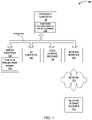
- FIG. 1is a block diagram of selected elements of an embodiment of an information handling system.
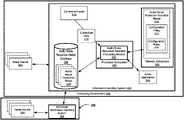
- FIG. 2illustrates a block diagram of an information handling system for selecting audio noise reduction models for non-stationary noise suppression in the information handling system.
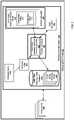
- FIG. 3illustrates a block diagram of the information handling system for selecting audio noise reduction models for non-stationary noise suppression in the information handling system, in a further implementation.
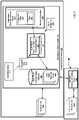
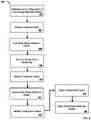
- FIG. 4illustrates a method for selecting audio noise reduction models for non-stationary noise suppression in an information handling system.
- This disclosurediscusses methods and systems for the identification and application of noise reduction models based on contextual information.
- noise interferencecan be present that can hinder use of the audio application by the user.
- Audio noise interferencecan affect the quality of voice and/or speech, not only for conferencing audio applications, but also for communications between the user and the information handling system (speech to text, voice commands).
- An audio noise reduction selection computing modulecan identify, based on a trained system and contextual information, audio noise reduction models and implement/apply such audio noise reduction models to suppress and/or minimize the audio noise interference.
- the audio noise reduction selection computing modulecan identify and predict, based on the user's environment, context, and behavior, the likely sources of non-stationary noises that occur, and enable accurate suppression of the noises by loading the correct (combination of) audio noise reduction models.
- the audio noise reduction selection computing modulecan learn, reinforce, and contextually switch audio noise reduction models to be implemented at the information handling system to suppress and/or minimize one or more stationary noises, based on user, environmental, system, and session attributes.
- this disclosurediscusses selecting audio noise reduction models for non-stationary noise suppression in an information handling system, including performing, by an audio noise reduction selection computing module and at a first time, a calibration and configuration of an audio noise reduction selection model, including: identifying contextual data associated with contextual inputs to the information handling system, the contextual data including user settings contextual data, system settings contextual data, and environmental settings contextual data; training, based on the contextual data, the audio noise reduction selection model, including generating a configuration policy including configuration rules, the configuration rules for performing computer-implemented actions for selection of a combination of audio noise reduction models executing on the information handling system to reduce combinations of non-stationary noise sources associated with the information handling system; performing, by the audio noise reduction selection computing module at a second time, a steady-state monitoring of the information handling system, including: monitoring the contextual inputs of the information handling system; and in response to monitoring the contextual inputs: i) accessing the audio noise reduction selection model including the configuration policy, ii) identifying one or more of the configuration rules based on the monitored contextual inputs,
- an information handling systemmay include an instrumentality or aggregate of instrumentalities operable to compute, classify, process, transmit, receive, retrieve, originate, switch, store, display, manifest, detect, record, reproduce, handle, or utilize various forms of information, intelligence, or data for business, scientific, control, entertainment, or other purposes.
- an information handling systemmay be a personal computer, a PDA, a consumer electronic device, a network storage device, or another suitable device and may vary in size, shape, performance, functionality, and price.
- the information handling systemmay include memory, one or more processing resources such as a central processing unit (CPU) or hardware or software control logic.
- CPUcentral processing unit
- Additional components of the information handling systemmay include one or more storage devices, one or more communications ports for communicating with external devices as well as various input and output (I/O) devices, such as a keyboard, a mouse, and a video display.
- the information handling systemmay also include one or more buses operable to transmit communication between the various hardware components.
- Computer-readable mediamay include an instrumentality or aggregation of instrumentalities that may retain data and/or instructions for a period of time.
- Computer-readable mediamay include, without limitation, storage media such as a direct access storage device (e.g., a hard disk drive or floppy disk), a sequential access storage device (e.g., a tape disk drive), compact disk, CD-ROM, DVD, random access memory (RAM), read-only memory (ROM), electrically erasable programmable read-only memory (EEPROM), and/or flash memory (SSD); as well as communications media such wires, optical fibers, microwaves, radio waves, and other electromagnetic and/or optical carriers; and/or any combination of the foregoing.
- storage mediasuch as a direct access storage device (e.g., a hard disk drive or floppy disk), a sequential access storage device (e.g., a tape disk drive), compact disk, CD-ROM, DVD, random access memory (RAM), read-only memory (ROM), electrically erasable programmable
- FIGS. 1-4wherein like numbers are used to indicate like and corresponding parts.
- FIG. 1illustrates a block diagram depicting selected elements of an information handling system 100 in accordance with some embodiments of the present disclosure.
- information handling system 100may represent different types of portable information handling systems, such as, display devices, head mounted displays, head mount display systems, smart phones, tablet computers, notebook computers, media players, digital cameras, 2-in-1 tablet-laptop combination computers, and wireless organizers, or other types of portable information handling systems.
- information handling system 100may also represent other types of information handling systems, including desktop computers, server systems, controllers, and microcontroller units, among other types of information handling systems.
- Components of information handling system 100may include, but are not limited to, a processor subsystem 120 , which may comprise one or more processors, and system bus 121 that communicatively couples various system components to processor subsystem 120 including, for example, a memory subsystem 130 , an I/O subsystem 140 , a local storage resource 150 , and a network interface 160 .
- System bus 121may represent a variety of suitable types of bus structures, e.g., a memory bus, a peripheral bus, or a local bus using various bus architectures in selected embodiments.
- such architecturesmay include, but are not limited to, Micro Channel Architecture (MCA) bus, Industry Standard Architecture (ISA) bus, Enhanced ISA (EISA) bus, Peripheral Component Interconnect (PCI) bus, PCI-Express bus, HyperTransport (HT) bus, and Video Electronics Standards Association (VESA) local bus.
- MCAMicro Channel Architecture
- ISAIndustry Standard Architecture
- EISAEnhanced ISA
- PCIPeripheral Component Interconnect
- PCI-ExpressPCI-Express
- HTHyperTransport
- VESAVideo Electronics Standards Association
- processor subsystem 120may comprise a system, device, or apparatus operable to interpret and/or execute program instructions and/or process data, and may include a microprocessor, microcontroller, digital signal processor (DSP), application specific integrated circuit (ASIC), or another digital or analog circuitry configured to interpret and/or execute program instructions and/or process data.
- processor subsystem 120may interpret and/or execute program instructions and/or process data stored locally (e.g., in memory subsystem 130 and/or another component of information handling system).
- processor subsystem 120may interpret and/or execute program instructions and/or process data stored remotely (e.g., in network storage resource 170 ).
- memory subsystem 130may comprise a system, device, or apparatus operable to retain and/or retrieve program instructions and/or data for a period of time (e.g., computer-readable media).
- Memory subsystem 130may comprise random access memory (RAM), electrically erasable programmable read-only memory (EEPROM), a PCMCIA card, flash memory, magnetic storage, opto-magnetic storage, and/or a suitable selection and/or array of volatile or non-volatile memory that retains data after power to its associated information handling system, such as system 100 , is powered down.
- I/O subsystem 140may comprise a system, device, or apparatus generally operable to receive and/or transmit data to/from/within information handling system 100 .
- I/O subsystem 140may represent, for example, a variety of communication interfaces, graphics interfaces, video interfaces, user input interfaces, and/or peripheral interfaces.
- I/O subsystem 140may be used to support various peripheral devices, such as a touch panel, a display adapter, a keyboard, an accelerometer, a touch pad, a gyroscope, an IR sensor, a microphone, a sensor, or a camera, or another type of peripheral device.
- Local storage resource 150may comprise computer-readable media (e.g., hard disk drive, floppy disk drive, CD-ROM, and/or other type of rotating storage media, flash memory, EEPROM, and/or another type of solid state storage media) and may be generally operable to store instructions and/or data.
- the network storage resourcemay comprise computer-readable media (e.g., hard disk drive, floppy disk drive, CD-ROM, and/or other type of rotating storage media, flash memory, EEPROM, and/or other type of solid state storage media) and may be generally operable to store instructions and/or data.
- network interface 160may be a suitable system, apparatus, or device operable to serve as an interface between information handling system 100 and a network 110 .
- Network interface 160may enable information handling system 100 to communicate over network 110 using a suitable transmission protocol and/or standard, including, but not limited to, transmission protocols and/or standards enumerated below with respect to the discussion of network 110 .
- network interface 160may be communicatively coupled via network 110 to a network storage resource 170 .
- Network 110may be a public network or a private (e.g. corporate) network.
- the networkmay be implemented as, or may be a part of, a storage area network (SAN), personal area network (PAN), local area network (LAN), a metropolitan area network (MAN), a wide area network (WAN), a wireless local area network (WLAN), a virtual private network (VPN), an intranet, the Internet or another appropriate architecture or system that facilitates the communication of signals, data and/or messages (generally referred to as data).
- Network interface 160may enable wired and/or wireless communications (e.g., NFC or Bluetooth) to and/or from information handling system 100 .
- network 110may include one or more routers for routing data between client information handling systems 100 and server information handling systems 100 .
- a devicee.g., a client information handling system 100 or a server information handling system 100
- network 110may be addressed by a corresponding network address including, for example, an Internet protocol (IP) address, an Internet name, a Windows Internet name service (WINS) name, a domain name or other system name.
- IPInternet protocol
- WINSWindows Internet name service
- network 110may include one or more logical groupings of network devices such as, for example, one or more sites (e.g. customer sites) or subnets.
- a corporate networkmay include potentially thousands of offices or branches, each with its own subnet (or multiple subnets) having many devices.
- One or more client information handling systems 100may communicate with one or more server information handling systems 100 via any suitable connection including, for example, a modem connection, a LAN connection including the Ethernet or a broadband WAN connection including DSL, Cable, Ti, T3, Fiber Optics, Wi-Fi, or a mobile network connection including GSM, GPRS, 3G, or WiMax.
- a modem connectionincluding the Ethernet or a broadband WAN connection including DSL, Cable, Ti, T3, Fiber Optics, Wi-Fi, or a mobile network connection including GSM, GPRS, 3G, or WiMax.
- Network 110may transmit data using a desired storage and/or communication protocol, including, but not limited to, Fibre Channel, Frame Relay, Asynchronous Transfer Mode (ATM), Internet protocol (IP), other packet-based protocol, small computer system interface (SCSI), Internet SCSI (iSCSI), Serial Attached SCSI (SAS) or another transport that operates with the SCSI protocol, advanced technology attachment (ATA), serial ATA (SATA), advanced technology attachment packet interface (ATAPI), serial storage architecture (SSA), integrated drive electronics (IDE), and/or any combination thereof.
- Network 110 and its various componentsmay be implemented using hardware, software, or any combination thereof.
- the information handling system 100can also include an audio noise reduction selection computing module 190 .
- the audio noise reduction selection computing module 190can be included by the processor subsystem 120 .
- the information handling system 100can also include an audio noise reduction model database 192 .
- the audio noise reduction model database 192can be included by the memory subsystem 130 .
- a user of the information handling system 100can implement an audio application that is executing at the information handling system 100 (e.g., implementing voice and speech communications at the information handling system 100 ).
- an audio applicatione.g., implementing voice and speech communications at the information handling system 100
- noise interferencecan be present hindering use of the audio application by the user. Audio noise interference can affect the quality of voice and/or speech, not only for conferencing audio applications, but also for communications between the user and the information handling system (speech to text, voice commands).
- the audio noise reduction model database 192can include audio noise reduction models. Each audio noise reduction model stored by the audio noise reduction model database 192 can be associated with a particular non-stationary noise source. Specifically, the audio noise reduction selection computing module 190 can implement/apply one or more of the audio noise reduction models stored by the audio noise reduction model database 192 to suppress and/or minimize one or more non-stationary noises.
- the audio noise reduction selection computing module 190can identify and predict, based on the user's environment, context, and behavior, the likely sources of the non-stationary noises that occur, and enable accurate suppression of the noises by applying the correct audio noise reduction models. In other words, the audio noise reduction selection computing module 190 can learn, reinforce, and contextually switch audio noise reduction models to be implemented at the information handling system 100 to suppress and/or minimize one or more stationary noises, based on user, environmental, system, and session attributes.
- FIG. 2illustrates a computing environment 200 including an information handling system 202 .
- the information handling system 202can include an audio noise reduction selection computing module 206 included by a processor subsystem 280 and an audio noise reduction model database 208 .
- the audio noise reduction selection computing module 206can be in communication with the audio noise reduction model database 208 .
- the IHS 202is similar to, or includes, the information handling system 100 of FIG. 1 .
- the processor subsystem 280is the same, or substantially the same, as the processor subsystem 120 of FIG. 1 .
- the audio noise reduction selection computing module 206is the same, or substantially the same, as the audio noise reduction selection computing module 190 of FIG. 1 .
- the audio noise reduction model database 208is the same, or substantially the same, as the audio noise reduction model database 192 of FIG. 1 .
- the audio noise reduction model database 208can store a plurality of audio noise reduction models 209 (e.g., tens or hundreds of noise reduction models). Each of the audio noise reduction models 209 can be associated with a particular non-stationery noise source 204 .
- the noise sources 204can be non-stationary noises associated with an environment of the information handling system 202 (e.g., ambient noises) and/or the computing environment 200 . For example, the non-stationary noises from the noise sources 204 can be unexpected (or atypical noises) associated with the environment of the information handling system 202 .
- Each audio noise reduction model 209can reduce, when applied, a particular non-stationary noise source 204 .
- the audio noise reduction selection computing module 206can suppress and/or minimize noise sources 204 .
- the audio noise reduction selection computing module 206can identify, based on learned contextual information of the information handling system 202 , a subset of the audio noise reduction models 209 . The audio noise reduction selection computing module 206 can then apply the subset of the audio noise reduction models 209 to suppress/minimize the non-stationary noises from the noise source 204 , described further herein.
- the audio noise reduction selection computing module 206can perform, at a first time, a calibration and configuration of an audio noise reduction selection model 210 , stored by a memory subsystem 282 .
- performing of the calibration and the configuration of the audio noise reduction selection model 210can include identifying contextual data 212 associated with contextual inputs 213 of the information handling system 202 .
- the contextual data 212can include such contextual data as user settings contextual data, system settings contextual data, and environment settings contextual data.
- the memory subsystem 282is the same, or substantially the same, as the memory subsystem 130 of FIG. 1 .
- the user settings contextual data of the contextual data 212can include such contextual data as a specific audio application 240 that is being executed (active) by the information handling system 202 (e.g., a presentation application, an audio conferencing application, a video conferencing application) and a duration of such execution (e.g., session length).
- the contextual data 212can include calendaring information associated with the user of the information handling system 202 and the information handling system 202 . That is, the user can have appointments/meetings associated with specific dates and times that serve as the contextual data 212 .
- the system settings contextual data of the contextual data 212can include such contextual data as a physical location of the information handling system 202 , and a current time associated with the information handling system 202 .
- the contextual data 212can include system settings of the information handling system 202 (e.g., audio/video/speech system settings).
- the contextual data 212can include such contextual data as types of devices/peripherals coupled/connected to the information handling system 202 .
- the contextual data 212can include a power state of the information handling system 202 (e.g., AC and/or DC state, battery state of charge).
- the contextual data 212can include an audio input source (e.g., associated with the audio application 240 ).
- the environmental settings contextual data of the contextual data 212can include such contextual data as ambient/environmental sounds (ambient/environmental noise levels) and ambient/environmental lighting associated with the environment of the information handling system 202 .
- the contextual data 212can further include other environmental parameters such as weather proximate to the location of the information handling system 202 (e.g., thunder, rain sounds).
- the audio noise reduction selection computing module 206can train, based on the contextual data 212 , the audio noise reduction selection model 210 . Specifically, the audio noise reduction selection computing module 206 can generate, based on the contextual data 212 identified at the first time, a configuration policy 214 that includes configuration rules 216 . In some examples, the configuration rules 216 are rules for performing computer-implemented actions for selection of a combination of audio noise reduction models 209 executing on the information handling system 202 to reduce combinations of non-stationary noise sources 204 associated with the information handling system 202 .
- the configuration rules 216are rules for accessing the audio noise reduction model database 208 , identifying and selecting a subset of the audio noise reduction models 209 as stored by the audio noise reduction model database 208 based on the contextual data 212 to reduce combinations of non-stationary noise sources 204 associated with the information handling system 202 (e.g., without user input, independent of user input).
- the audio noise reduction selection computing module 206can train the audio noise reduction selection model 210 to establish connections between the contextual data 212 and the configuration rules 216 .
- the audio noise reduction selection model 210can identify one or more configurations rules 216 to be applied based on a connection with the one or more of the contextual data 212 .
- the audio noise reduction selection computing module 206can train the audio noise reduction selection model 210 using a machine learning process, and/or a neural network (e.g., a convolution neural network).
- the audio noise reduction selection computing module 206can identify contextual data 212 that indicates during a calendared videoconferencing event for a user of the information handling system 202 (user associated with the information handling system 202 ) at 4 pm on Monday for 1 hour, the noise sources 204 include i) a train whistle of a train that passes by at approximately 4:30 pm on Monday's, and ii) a dog bark that occurs shortly after the train whistle.
- the audio noise reduction selection computing module 206can train the audio noise reduction selection model 210 to establish connections between this particular contextual data 212 and the configuration rules 216 .
- the audio noise reduction selection model 210can establish a particular configuration rule 216 associating the contextual data 212 of a calendared event for 4 pm on Mondays for a hour involving a videoconferencing application with a subset of the audio noise reduction models 209 for the noise sources 204 of i) a train whistle and ii) a dog bark.
- the audio noise reduction selection computing module 206can identify contextual data 212 that indicates when the information handling system 202 is physically located at a coffee shop, the audio application 240 being executed is a dictation audio application, and the audio input source is an internal microphone to the information handling system 202 , and the noise sources 204 include i) a cappuccino machine and ii) low-level crowd human voices.
- the audio noise reduction selection computing module 206can train the audio noise reduction selection model 210 to establish connections between this particular contextual data 212 and the configuration rules 216 .
- the audio noise reduction selection model 210can establish a particular configuration rule 216 associating the contextual data 212 of the physical location of the coffee shop and utilizing the dictation audio application and internal microphone as the audio input source with a subset of the audio noise reduction models 209 for the noise sources 204 of i) a cappuccino machine and ii) low-level crowd human voices.
- the non-stationary noise sources 204are external to the computing environment 200 .
- the information handling system 202can be in communication with an additional information handling system 302 of an additional computing environment 300 .
- the additional computing environment 300can include noise sources 304 that are associated with the additional information handling system 302 , similar to the noise sources 204 of FIG. 2 .
- the audio noise reduction selection computing module 206can identify contextual data 212 that indicates that calendaring information indicates that the user of the information handling system 202 (user associated with the information handling system 202 ) has a conference call at 3 pm on Tuesday, the audio application 240 will be a video conferencing application, that the meeting will be with a user of the additional information handling system 302 (user associated with the information handling system 302 ), and the noise sources 204 include i) a lawn mower and ii) a dog bark.
- the audio noise reduction selection computing module 206can train the audio noise reduction selection model 210 to establish connections between this particular contextual data 212 and the configuration rules 216 .
- the audio noise reduction selection model 210can establish a particular configuration rule 216 associating the contextual data 212 of a calendared event for 3 pm on Tuesdays involving a videoconferencing application conducted with the additional information handling system 302 with a subset of the audio noise reduction models 209 for the noise sources 204 of i) a lawn mower and ii) a dog bark.
- the audio noise reduction selection computing module 206can perform, at a second time after the first time, a steady-state monitoring of the information handling system 202 .
- the audio noise reduction selection computing module 206can monitor the information handling system 202 , and in particular, the contextual inputs 213 , for computer-related events that could trigger activation of the configuration rules 216 by the audio noise reduction selection computing module 206 .
- the audio noise reduction selection computing module 206can monitor the contextual inputs 213 of the information handling system 202 .
- the audio noise reduction selection computing module 206can monitor the contextual data 212 such as user settings contextual data, system settings contextual data, and environment settings contextual data.
- the audio noise reduction selection computing module 206can monitor execution of the audio application 240 and a duration of such execution; calendaring information (calendar metadata); a physical location of the information handling system 202 ; a current time associated with the information handling system 202 ; system settings (audio/video/speech system settings) of the information handling system 202 ; types of devices/peripherals coupled/connected to the information handling system 202 ; a power state of the information handling system 202 ; an audio input source associated with the execution of the audio application 240 ; ambient noise levels and ambient lighting levels associated with the information handling system 202 ; and ambient weather conditions proximate to the location of the information handling system 202 .
- the audio noise reduction selection computing module 206can, in response to monitoring the contextual inputs 213 , access the audio noise reduction selection model 210 including the configuration policy 214 .
- the audio noise reduction selection computing module 206can further identify one or more of the configuration rules 216 based on the monitored contextual inputs 213 .
- the audio noise reduction selection computing module 206can apply the configuration rules 216 to the information handling system 202 .
- the audio noise reduction selection computing module 206can apply appropriate configuration rules 216 based on the monitored contextual inputs 213 as provided by the audio noise reduction selection model 210 .
- the audio noise reduction selection computing module 206can apply the configuration rules 216 to automatically perform one or more computer-implemented actions for selection of a combination of audio noise reduction models 209 executing on the information handling system 202 to reduce combinations of non-stationary noise sources 204 associated with the information handling system 202 . That is, the audio noise reduction selection computing module 206 can apply the configuration rules 216 to identify a subset of the audio noise reduction models 209 based on the monitored contextual inputs 213 . For example, the audio noise reduction selection computing module 206 can identify the particular configuration rule 216 that corresponds to the monitored contextual input 213 . The particular configuration rule 216 can be associated with a particular combination of audio noise reduction models 209 .
- the audio noise reduction selection computing module 206can apply the configuration rules 216 to perform computer-implemented actions to select the subset of the audio noise reduction models 209 as the particular combination of audio noise reduction models 209 based on the monitored contextual inputs 213 .
- the particular combination of audio noise reduction models 209reduces a particular combination of non-stationary noise sources 204 , as discussed further herein.
- the audio noise reduction selection computing module 206can apply the combination of audio noise reduction models 209 to reduce the particular combination of non-stationary noise sources 204 . That is, based on the monitored contextual inputs 213 , the audio noise reduction selection computing module 206 can select the combination of audio noise reduction models 209 to apply to reduce the particular combination of non-stationary noise sources 204 . In some examples, applying the combination of audio noise reduction models 209 to reduce the particular combination of non-stationary noise sources 204 includes performing noise cancellation of the particular combination of non-stationary noise sources 204 . That is, based on the monitored contextual inputs 213 , the audio noise reduction selection computing module 206 can select the combination of audio noise reduction models 209 to apply to perform noise cancellation of the particular combination of non-stationary noise sources 204 .
- the audio noise reduction selection computing module 206applies the particular combination of audio noise reduction models 209 to perform input noise cancellation of the particular combination of non-stationary noise sources 204 .
- the audio noise reduction selection computing module 206can monitor the contextual inputs 213 and determine that the contextual data 212 indicates that the calendaring information indicates that i) the user of the information handling system 202 (user associated with the information handling system 202 ) has a conference call at 4 pm on Monday ii) the audio application 240 for the conference call will be a video conferencing application, iii) and that the meeting will last 1 hour.
- the contextual data 212can further indicate that particular noise sources 204 (e.g., environmental sounds) typically occur at 4:30 pm on Mondays.
- the particular noise sources 204can be i) a train whistle of a train that passes by at approximately 4:30 pm on Monday's, and ii) a dog bark that occurs shortly after the train whistle.
- the audio noise reduction selection computing module 206can access the audio noise reduction selection model 210 , identify the configuration rules 216 that are applicable to the contextual data 212 of a calendared event for 4 pm on Mondays for a hour involving a videoconferencing application, and apply such configuration rules 216 .
- the audio noise reduction selection computing module 206can applying configuration rules 216 such as identifying the subset of the audio noise reduction models 209 for the noise sources 204 of i) a train whistle and ii) a dog bark; and applying such audio noise reduction models 209 to perform noise cancellation of the particular combination of non-stationary noise sources 204 of the i) train whistle and ii) the dog bark.
- the audio noise reduction selection computing module 206can monitor the contextual inputs 213 and determine that the contextual data 212 indicates that i) the information handling system 202 is located at a coffee shop, ii) the audio application 240 being executed is a dictation audio application, and iii) the audio input source is an internal microphone to the information handling system 202 .
- the audio noise reduction selection computing module 206can access the audio noise reduction selection model 210 , identify the configuration rules 216 that are applicable to the contextual data 212 of a coffee house physical location, dictation audio application, and internal microphone for audio input source and apply such configuration rules 216 .
- the audio noise reduction selection computing module 206can apply configuration rules 216 such as identifying the subset of the audio noise reduction models 209 for the noise sources 204 of i) a cappuccino machine and ii) low-level crowd human voices; and applying such audio noise reduction models 209 to perform noise cancellation of the particular combination of non-stationary noise sources 204 of i) the cappuccino machine and ii) the low-level crowd human voices.
- the non-stationary noise sources 204are external to the computing environment 200 . That is, the audio noise reduction selection computing module 206 applies the particular combination of audio noise reduction models 209 to perform output noise cancellation of the particular combination of non-stationary noise sources 204 .
- the information handling system 202can be in communication with the additional information handling system 302 of the additional computing environment 300 .
- the environment 300can include the noise sources 304 that are associated with the additional information handling system 302 , similar to the noise source 204 of FIG. 2 .
- a user of the information handling system 202can be engaged with a videoconference with a user of the additional information handling system 302 .
- the additional information handling system 302lacks the computing resources to provide noise cancellation of the noise source 304 when conducting the videoconference.
- the videoconference audio provided by the additional information handling system 302is received by the information handling system 202 , including the non-stationary noise sources 304 .
- the audio noise reduction selection computing module 206can monitor the contextual inputs 213 and determine that the contextual data 212 indicates that that the calendaring information indicates that i) the user of the information handling system 202 has a conference call at 3 pm on Tuesday, ii) the audio application 240 for the conference call will be a video conferencing application, and iii) that the meeting will be with a user of the additional information handling system 302 (user associated with the information handling system 302 ).
- the audio noise reduction selection computing module 206can access the audio noise reduction selection model 210 , identify the configuration rules 216 that are applicable to the contextual data 212 of that the calendaring information indicates that i) the user of the information handling system 202 has a conference call at 3 pm on Tuesday, ii) the audio application 240 for the conference call will be a video conferencing application, and iii) that the meeting will be with a user of the additional information handling system 302 (user associated with the information handling system 302 ) and apply such configuration rules 216 .
- the audio noise reduction selection computing module 206can applying configuration rules 216 such as identifying the subset of the audio noise reduction models 209 for the noise sources 204 of i) a lawn mower and ii) a dog bark; and applying such audio noise reduction models 209 to perform noise cancellation of the particular combination of non-stationary noise sources 204 of i) a lawn mower and ii) a dog bark.
- FIG. 4illustrates a flowchart depicting selected elements of an embodiment of a method 400 for selecting audio noise reduction models for non-stationary noise suppression in an information handling system.
- the method 400may be performed by the information handling system 100 , the information handling system 202 and/or the audio noise reduction selection computing module 206 , and with reference to FIGS. 1-3 . It is noted that certain operations described in method 400 may be optional or may be rearranged in different embodiments.
- the audio noise reduction selection computing module 206can perform, at a first time, a calibration and configuration of the audio noise reduction selection model 210 ( 402 ).
- the audio noise reduction selection computing module 206can identify contextual data 212 associated with the contextual inputs 213 of the information handling system 202 ( 404 ).
- the contextual data 212can include such contextual data as user settings contextual data, system settings contextual data, and environment settings contextual data.
- the audio noise reduction selection computing module 206can train, based on the contextual data 212 , the audio noise reduction selection model 210 ( 406 ).
- the audio noise reduction selection computing module 206can generate, based on the contextual data 212 identified at the first time, a configuration policy 214 that includes configuration rules 216 .
- the configuration rules 216are rules for automatically performing computer-implemented actions for performing computer-implemented actions for selection of a combination of audio noise reduction models 209 executing on the information handling system 202 to reduce combinations of non-stationary noise sources 204 associated with the information handling system 202 .
- the audio noise reduction selection computing module 206can perform, at a second time after the first time, a steady-state monitoring of the information handling system 202 ( 408 ).
- the audio noise reduction selection computing module 206can monitor the contextual inputs 213 of the information handling system 202 ( 410 ).
- the audio noise reduction selection computing module 206can, in response to monitoring the contextual inputs 213 , access the audio noise reduction selection model 210 including the configuration policy 214 ( 412 ).
- the audio noise reduction selection computing module 206can further identify one or more of the configuration rules 216 based on the monitored contextual inputs 213 ( 414 ).
- the audio noise reduction selection computing module 206can apply the configuration rules 216 to the information handling system 202 ( 416 ).
- the audio noise reduction selection computing module 206can apply configuration rules 216 to perform one or more of the computer-implemented actions to select a particular combination of audio noise reduction models 209 executing on the information handling system 202 .
- the audio noise reduction selection computing module 206can apply the particular combination of audio noise reduction models 209 to reduce a particular combination of non-stationary noise sources 204 associated with the information handling system 202 ( 418 ).
- an apparatus or system or a component of an apparatus or systembeing adapted to, arranged to, capable of, configured to, enabled to, operable to, or operative to perform a particular function encompasses that apparatus, system, component, whether or not it or that particular function is activated, turned on, or unlocked, as long as that apparatus, system, or component is so adapted, arranged, capable, configured, enabled, operable, or operative.
Landscapes
- Engineering & Computer Science (AREA)
- Physics & Mathematics (AREA)
- Theoretical Computer Science (AREA)
- Software Systems (AREA)
- Computational Linguistics (AREA)
- Health & Medical Sciences (AREA)
- Quality & Reliability (AREA)
- Artificial Intelligence (AREA)
- Data Mining & Analysis (AREA)
- Evolutionary Computation (AREA)
- Multimedia (AREA)
- Acoustics & Sound (AREA)
- Computing Systems (AREA)
- General Engineering & Computer Science (AREA)
- General Physics & Mathematics (AREA)
- Mathematical Physics (AREA)
- Human Computer Interaction (AREA)
- Audiology, Speech & Language Pathology (AREA)
- Signal Processing (AREA)
- Computer Vision & Pattern Recognition (AREA)
- Medical Informatics (AREA)
- Life Sciences & Earth Sciences (AREA)
- Biophysics (AREA)
- Biomedical Technology (AREA)
- Molecular Biology (AREA)
- General Health & Medical Sciences (AREA)
- Circuit For Audible Band Transducer (AREA)
Abstract
Description
Claims (20)
Priority Applications (1)
| Application Number | Priority Date | Filing Date | Title |
|---|---|---|---|
| US16/996,476US11508387B2 (en) | 2020-08-18 | 2020-08-18 | Selecting audio noise reduction models for non-stationary noise suppression in an information handling system |
Applications Claiming Priority (1)
| Application Number | Priority Date | Filing Date | Title |
|---|---|---|---|
| US16/996,476US11508387B2 (en) | 2020-08-18 | 2020-08-18 | Selecting audio noise reduction models for non-stationary noise suppression in an information handling system |
Publications (2)
| Publication Number | Publication Date |
|---|---|
| US20220059112A1 US20220059112A1 (en) | 2022-02-24 |
| US11508387B2true US11508387B2 (en) | 2022-11-22 |
Family
ID=80268998
Family Applications (1)
| Application Number | Title | Priority Date | Filing Date |
|---|---|---|---|
| US16/996,476Active2041-06-05US11508387B2 (en) | 2020-08-18 | 2020-08-18 | Selecting audio noise reduction models for non-stationary noise suppression in an information handling system |
Country Status (1)
| Country | Link |
|---|---|
| US (1) | US11508387B2 (en) |
Families Citing this family (5)
| Publication number | Priority date | Publication date | Assignee | Title |
|---|---|---|---|---|
| US11621016B2 (en)* | 2021-07-31 | 2023-04-04 | Zoom Video Communications, Inc. | Intelligent noise suppression for audio signals within a communication platform |
| US11875811B2 (en)* | 2021-12-09 | 2024-01-16 | Lenovo (United States) Inc. | Input device activation noise suppression |
| US20240112690A1 (en)* | 2022-09-26 | 2024-04-04 | Cerence Operating Company | Switchable Noise Reduction Profiles |
| CN116469402A (en)* | 2023-04-23 | 2023-07-21 | 百果园技术(新加坡)有限公司 | Audio noise reduction method, device, equipment, storage medium and product |
| CN119694332B (en)* | 2024-12-19 | 2025-09-05 | 东风悦享科技有限公司 | A vehicle real-time voice call processing method and system based on intranet browser |
Citations (12)
| Publication number | Priority date | Publication date | Assignee | Title |
|---|---|---|---|---|
| US20150179184A1 (en)* | 2013-12-20 | 2015-06-25 | International Business Machines Corporation | Compensating For Identifiable Background Content In A Speech Recognition Device |
| US20160019904A1 (en)* | 2014-07-17 | 2016-01-21 | Ford Global Technologies, Llc | Adaptive Vehicle State-Based Hands-Free Phone Noise Reduction With Learning Capability |
| US20160049161A1 (en)* | 2013-02-12 | 2016-02-18 | Nec Corporation | Speech processing apparatus, speech processing method, speech processing program, method of attaching speech processing apparatus, ceiling member, and vehicle |
| US20160149547A1 (en)* | 2014-11-20 | 2016-05-26 | Intel Corporation | Automated audio adjustment |
| US20160174001A1 (en)* | 2013-08-20 | 2016-06-16 | Widex A/S | Hearing aid having a classifier |
| US20160240210A1 (en)* | 2012-07-22 | 2016-08-18 | Xia Lou | Speech Enhancement to Improve Speech Intelligibility and Automatic Speech Recognition |
| US9886954B1 (en)* | 2016-09-30 | 2018-02-06 | Doppler Labs, Inc. | Context aware hearing optimization engine |
| US20180350380A1 (en)* | 2015-11-24 | 2018-12-06 | Samsung Electronics Co., Ltd. | Voice signal processing method according to state of electronic device, and electronic device therefor |
| US10235128B2 (en)* | 2017-05-19 | 2019-03-19 | Intel Corporation | Contextual sound filter |
| US20200236466A1 (en)* | 2018-01-17 | 2020-07-23 | Bijing Xiaoniao Tingting Technology Co., LTD | Adaptive audio control device and method based on scenario identification |
| US10869154B2 (en)* | 2018-02-06 | 2020-12-15 | Bose Corporation | Location-based personal audio |
| US11276384B2 (en)* | 2019-05-31 | 2022-03-15 | Apple Inc. | Ambient sound enhancement and acoustic noise cancellation based on context |
- 2020
- 2020-08-18USUS16/996,476patent/US11508387B2/enactiveActive
Patent Citations (12)
| Publication number | Priority date | Publication date | Assignee | Title |
|---|---|---|---|---|
| US20160240210A1 (en)* | 2012-07-22 | 2016-08-18 | Xia Lou | Speech Enhancement to Improve Speech Intelligibility and Automatic Speech Recognition |
| US20160049161A1 (en)* | 2013-02-12 | 2016-02-18 | Nec Corporation | Speech processing apparatus, speech processing method, speech processing program, method of attaching speech processing apparatus, ceiling member, and vehicle |
| US20160174001A1 (en)* | 2013-08-20 | 2016-06-16 | Widex A/S | Hearing aid having a classifier |
| US20150179184A1 (en)* | 2013-12-20 | 2015-06-25 | International Business Machines Corporation | Compensating For Identifiable Background Content In A Speech Recognition Device |
| US20160019904A1 (en)* | 2014-07-17 | 2016-01-21 | Ford Global Technologies, Llc | Adaptive Vehicle State-Based Hands-Free Phone Noise Reduction With Learning Capability |
| US20160149547A1 (en)* | 2014-11-20 | 2016-05-26 | Intel Corporation | Automated audio adjustment |
| US20180350380A1 (en)* | 2015-11-24 | 2018-12-06 | Samsung Electronics Co., Ltd. | Voice signal processing method according to state of electronic device, and electronic device therefor |
| US9886954B1 (en)* | 2016-09-30 | 2018-02-06 | Doppler Labs, Inc. | Context aware hearing optimization engine |
| US10235128B2 (en)* | 2017-05-19 | 2019-03-19 | Intel Corporation | Contextual sound filter |
| US20200236466A1 (en)* | 2018-01-17 | 2020-07-23 | Bijing Xiaoniao Tingting Technology Co., LTD | Adaptive audio control device and method based on scenario identification |
| US10869154B2 (en)* | 2018-02-06 | 2020-12-15 | Bose Corporation | Location-based personal audio |
| US11276384B2 (en)* | 2019-05-31 | 2022-03-15 | Apple Inc. | Ambient sound enhancement and acoustic noise cancellation based on context |
Also Published As
| Publication number | Publication date |
|---|---|
| US20220059112A1 (en) | 2022-02-24 |
Similar Documents
| Publication | Publication Date | Title |
|---|---|---|
| US11508387B2 (en) | Selecting audio noise reduction models for non-stationary noise suppression in an information handling system | |
| US11721338B2 (en) | Context-based dynamic tolerance of virtual assistant | |
| JP2019121360A (en) | System and method for context recognition conversation type agent based on machine learning, method, system and program of context recognition journaling method, as well as computer device | |
| US11227583B2 (en) | Artificial intelligence voice response system having variable modes for interaction with user | |
| US20200219499A1 (en) | Methods and systems for managing voice commands and the execution thereof | |
| US11102354B2 (en) | Haptic feedback during phone calls | |
| US20200052920A1 (en) | Intelligent teleconference operations in an internet of things (iot) computing environment | |
| US11232366B2 (en) | System and method for managing information handling systems | |
| US11593670B2 (en) | System and method for managing a flow state of a user of an information handling system | |
| US11010125B1 (en) | Reducing audio-based distractions in an information handling system | |
| US11303649B2 (en) | Maintaining electronic communications session continuity during session inactivity | |
| US20200160844A1 (en) | Customizing a voice-based interface using surrounding factors | |
| US20230368113A1 (en) | Managing disruption between activities in common area environments | |
| US12374340B2 (en) | Individual recognition using voice detection | |
| US11340865B2 (en) | Communication device audio transmission modification | |
| US11429301B2 (en) | Data contextual migration in an information handling system | |
| US11146678B2 (en) | Determining the context of calls | |
| US10783798B2 (en) | Coaching system for guiding interactions | |
| US11086382B2 (en) | Compensating for low battery charge levels of a battery in an information handling system | |
| US20230297321A1 (en) | Handling of noise and interruption during online meetings | |
| US11804018B2 (en) | Management of devices in a smart environment | |
| US12229460B2 (en) | Systems and methods for providing indications during online meetings | |
| US11269391B2 (en) | System and method for setting a power state of an information handling system | |
| US20230131027A1 (en) | Managing virtual break sessions | |
| US11218828B1 (en) | Audio transparency mode in an information handling system |
Legal Events
| Date | Code | Title | Description |
|---|---|---|---|
| FEPP | Fee payment procedure | Free format text:ENTITY STATUS SET TO UNDISCOUNTED (ORIGINAL EVENT CODE: BIG.); ENTITY STATUS OF PATENT OWNER: LARGE ENTITY | |
| AS | Assignment | Owner name:DELL PRODUCTS L.P., TEXAS Free format text:ASSIGNMENT OF ASSIGNORS INTEREST;ASSIGNORS:IYER, VIVEK VISWANATHAN;GATSON, MICHAEL S.;REEL/FRAME:053540/0578 Effective date:20200813 | |
| AS | Assignment | Owner name:CREDIT SUISSE AG, CAYMAN ISLANDS BRANCH, NORTH CAROLINA Free format text:SECURITY AGREEMENT;ASSIGNORS:EMC IP HOLDING COMPANY LLC;DELL PRODUCTS L.P.;REEL/FRAME:054591/0471 Effective date:20201112 | |
| AS | Assignment | Owner name:THE BANK OF NEW YORK MELLON TRUST COMPANY, N.A., AS NOTES COLLATERAL AGENT, TEXAS Free format text:SECURITY INTEREST;ASSIGNORS:EMC IP HOLDING COMPANY LLC;DELL PRODUCTS L.P.;REEL/FRAME:054475/0523 Effective date:20201113 Owner name:THE BANK OF NEW YORK MELLON TRUST COMPANY, N.A., AS COLLATERAL AGENT, TEXAS Free format text:SECURITY INTEREST;ASSIGNORS:EMC IP HOLDING COMPANY LLC;DELL PRODUCTS L.P.;REEL/FRAME:054475/0609 Effective date:20201113 Owner name:THE BANK OF NEW YORK MELLON TRUST COMPANY, N.A., AS NOTES COLLATERAL AGENT, TEXAS Free format text:SECURITY INTEREST;ASSIGNORS:EMC IP HOLDING COMPANY LLC;DELL PRODUCTS L.P.;REEL/FRAME:054475/0434 Effective date:20201113 | |
| AS | Assignment | Owner name:EMC IP HOLDING COMPANY LLC, TEXAS Free format text:RELEASE OF SECURITY INTEREST AT REEL 054591 FRAME 0471;ASSIGNOR:CREDIT SUISSE AG, CAYMAN ISLANDS BRANCH;REEL/FRAME:058001/0463 Effective date:20211101 Owner name:DELL PRODUCTS L.P., TEXAS Free format text:RELEASE OF SECURITY INTEREST AT REEL 054591 FRAME 0471;ASSIGNOR:CREDIT SUISSE AG, CAYMAN ISLANDS BRANCH;REEL/FRAME:058001/0463 Effective date:20211101 | |
| AS | Assignment | Owner name:DELL PRODUCTS L.P., TEXAS Free format text:RELEASE OF SECURITY INTEREST IN PATENTS PREVIOUSLY RECORDED AT REEL/FRAME (054475/0609);ASSIGNOR:THE BANK OF NEW YORK MELLON TRUST COMPANY, N.A., AS NOTES COLLATERAL AGENT;REEL/FRAME:062021/0570 Effective date:20220329 Owner name:EMC IP HOLDING COMPANY LLC, TEXAS Free format text:RELEASE OF SECURITY INTEREST IN PATENTS PREVIOUSLY RECORDED AT REEL/FRAME (054475/0609);ASSIGNOR:THE BANK OF NEW YORK MELLON TRUST COMPANY, N.A., AS NOTES COLLATERAL AGENT;REEL/FRAME:062021/0570 Effective date:20220329 Owner name:DELL PRODUCTS L.P., TEXAS Free format text:RELEASE OF SECURITY INTEREST IN PATENTS PREVIOUSLY RECORDED AT REEL/FRAME (054475/0434);ASSIGNOR:THE BANK OF NEW YORK MELLON TRUST COMPANY, N.A., AS NOTES COLLATERAL AGENT;REEL/FRAME:060332/0740 Effective date:20220329 Owner name:EMC IP HOLDING COMPANY LLC, TEXAS Free format text:RELEASE OF SECURITY INTEREST IN PATENTS PREVIOUSLY RECORDED AT REEL/FRAME (054475/0434);ASSIGNOR:THE BANK OF NEW YORK MELLON TRUST COMPANY, N.A., AS NOTES COLLATERAL AGENT;REEL/FRAME:060332/0740 Effective date:20220329 Owner name:DELL PRODUCTS L.P., TEXAS Free format text:RELEASE OF SECURITY INTEREST IN PATENTS PREVIOUSLY RECORDED AT REEL/FRAME (054475/0523);ASSIGNOR:THE BANK OF NEW YORK MELLON TRUST COMPANY, N.A., AS NOTES COLLATERAL AGENT;REEL/FRAME:060332/0664 Effective date:20220329 Owner name:EMC IP HOLDING COMPANY LLC, TEXAS Free format text:RELEASE OF SECURITY INTEREST IN PATENTS PREVIOUSLY RECORDED AT REEL/FRAME (054475/0523);ASSIGNOR:THE BANK OF NEW YORK MELLON TRUST COMPANY, N.A., AS NOTES COLLATERAL AGENT;REEL/FRAME:060332/0664 Effective date:20220329 | |
| STPP | Information on status: patent application and granting procedure in general | Free format text:NON FINAL ACTION MAILED | |
| STPP | Information on status: patent application and granting procedure in general | Free format text:RESPONSE TO NON-FINAL OFFICE ACTION ENTERED AND FORWARDED TO EXAMINER | |
| STPP | Information on status: patent application and granting procedure in general | Free format text:NOTICE OF ALLOWANCE MAILED -- APPLICATION RECEIVED IN OFFICE OF PUBLICATIONS | |
| STCF | Information on status: patent grant | Free format text:PATENTED CASE |