US11496688B2 - Image capturing apparatus, control method of image capturing apparatus which determines charge accumulation time based on histogram of a pixel value for each area - Google Patents
Image capturing apparatus, control method of image capturing apparatus which determines charge accumulation time based on histogram of a pixel value for each areaDownload PDFInfo
- Publication number
- US11496688B2 US11496688B2US17/096,798US202017096798AUS11496688B2US 11496688 B2US11496688 B2US 11496688B2US 202017096798 AUS202017096798 AUS 202017096798AUS 11496688 B2US11496688 B2US 11496688B2
- Authority
- US
- United States
- Prior art keywords
- areas
- area
- setting
- charge accumulation
- image capturing
- Prior art date
- Legal status (The legal status is an assumption and is not a legal conclusion. Google has not performed a legal analysis and makes no representation as to the accuracy of the status listed.)
- Active
Links
Images



Classifications
- H04N5/2352—
- H—ELECTRICITY
- H04—ELECTRIC COMMUNICATION TECHNIQUE
- H04N—PICTORIAL COMMUNICATION, e.g. TELEVISION
- H04N23/00—Cameras or camera modules comprising electronic image sensors; Control thereof
- H04N23/60—Control of cameras or camera modules
- H—ELECTRICITY
- H04—ELECTRIC COMMUNICATION TECHNIQUE
- H04N—PICTORIAL COMMUNICATION, e.g. TELEVISION
- H04N23/00—Cameras or camera modules comprising electronic image sensors; Control thereof
- H04N23/70—Circuitry for compensating brightness variation in the scene
- H04N23/72—Combination of two or more compensation controls
- H—ELECTRICITY
- H04—ELECTRIC COMMUNICATION TECHNIQUE
- H04N—PICTORIAL COMMUNICATION, e.g. TELEVISION
- H04N23/00—Cameras or camera modules comprising electronic image sensors; Control thereof
- H04N23/70—Circuitry for compensating brightness variation in the scene
- H04N23/71—Circuitry for evaluating the brightness variation
- H—ELECTRICITY
- H04—ELECTRIC COMMUNICATION TECHNIQUE
- H04N—PICTORIAL COMMUNICATION, e.g. TELEVISION
- H04N23/00—Cameras or camera modules comprising electronic image sensors; Control thereof
- H04N23/70—Circuitry for compensating brightness variation in the scene
- H04N23/73—Circuitry for compensating brightness variation in the scene by influencing the exposure time
- H—ELECTRICITY
- H04—ELECTRIC COMMUNICATION TECHNIQUE
- H04N—PICTORIAL COMMUNICATION, e.g. TELEVISION
- H04N23/00—Cameras or camera modules comprising electronic image sensors; Control thereof
- H04N23/70—Circuitry for compensating brightness variation in the scene
- H04N23/741—Circuitry for compensating brightness variation in the scene by increasing the dynamic range of the image compared to the dynamic range of the electronic image sensors
- H—ELECTRICITY
- H04—ELECTRIC COMMUNICATION TECHNIQUE
- H04N—PICTORIAL COMMUNICATION, e.g. TELEVISION
- H04N23/00—Cameras or camera modules comprising electronic image sensors; Control thereof
- H04N23/70—Circuitry for compensating brightness variation in the scene
- H04N23/76—Circuitry for compensating brightness variation in the scene by influencing the image signals
- H—ELECTRICITY
- H04—ELECTRIC COMMUNICATION TECHNIQUE
- H04N—PICTORIAL COMMUNICATION, e.g. TELEVISION
- H04N25/00—Circuitry of solid-state image sensors [SSIS]; Control thereof
- H04N25/50—Control of the SSIS exposure
- H04N25/53—Control of the integration time
- H04N25/533—Control of the integration time by using differing integration times for different sensor regions
- H04N25/535—Control of the integration time by using differing integration times for different sensor regions by dynamic region selection
- H—ELECTRICITY
- H04—ELECTRIC COMMUNICATION TECHNIQUE
- H04N—PICTORIAL COMMUNICATION, e.g. TELEVISION
- H04N25/00—Circuitry of solid-state image sensors [SSIS]; Control thereof
- H04N25/70—SSIS architectures; Circuits associated therewith
- H04N25/76—Addressed sensors, e.g. MOS or CMOS sensors
- H—ELECTRICITY
- H04—ELECTRIC COMMUNICATION TECHNIQUE
- H04N—PICTORIAL COMMUNICATION, e.g. TELEVISION
- H04N25/00—Circuitry of solid-state image sensors [SSIS]; Control thereof
- H04N25/70—SSIS architectures; Circuits associated therewith
- H04N25/76—Addressed sensors, e.g. MOS or CMOS sensors
- H04N25/78—Readout circuits for addressed sensors, e.g. output amplifiers or A/D converters
- H04N5/2351—
- H04N5/2355—
Definitions
- the present inventionrelates to an image capturing apparatus, a control method of the image capturing apparatus, and a storage medium.
- a general network camera or an onboard cameracaptures an image of dark and bright areas such as near an exit of a tunnel and near an entrance of a building at the same time, blocked-up shadows or halation occurs, and only one area can be recognized in the image.
- a frame synthesis methodfor capturing images having different exposure times for a plurality of times and synthesizing the images
- a gain switching methoda method for generating a plurality of images having different gains in one image capturing and synthesizing the images.
- the frame synthesis methodcan realize a high dynamic range by increasing the number of image capturing times.
- the gain switching methodis effective for a moving object since the image capturing is performed once, but is difficult to realize a high dynamic range.
- Japanese Patent No. 5665907discusses an image capturing apparatus that can change an accumulation time for each area.
- the image capturing apparatuscan set different exposure times for a bright area and a dark area in an image and thus can obtain an image having a high dynamic range equivalent to or higher than that of the frame synthesis method.
- the image capturingis performed only once, so that an unnatural afterimage does not appear in the image even in the case of a moving object.
- An image capturing apparatusincludes an image capturing unit configured to change a charge accumulation time for each area, a histogram calculation unit configured to calculate a histogram of a pixel value for each area, an area increase/decrease unit configured to increase or decrease the number of divisions of the area based on the histogram calculated by the histogram calculation unit, and a determination unit configured to determine a charge accumulation time of each area of which number has been increased or decreased by the area increase/decrease unit.
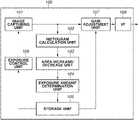
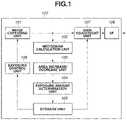
- FIG. 1is a block diagram illustrating a configuration example of an image capturing apparatus.
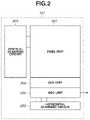
- FIG. 2is a block diagram illustrating a configuration example of an image capturing unit.
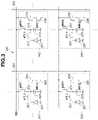
- FIG. 3is a circuit diagram illustrating a configuration example of a pixel unit.
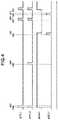
- FIG. 4is a timing chart illustrating a driving sequence of the pixel unit.
- FIG. 5is a flowchart illustrating processing for increasing and decreasing the number of divisions of an area.
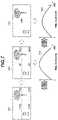
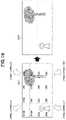
- FIG. 6illustrates an example of increasing the number of divisions of an area.
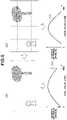
- FIG. 7illustrates an example of decreasing the number of divisions of an area.
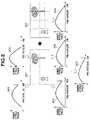
- FIG. 8illustrates an example of increasing the number of divisions.
- FIG. 9illustrates an example of decreasing the number of divisions.
- FIG. 10illustrates an example of decreasing the number of divisions.
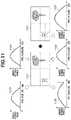
- FIG. 11illustrates an example of increasing the number of divisions.
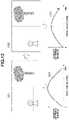
- FIG. 12illustrates an example of decreasing the number of divisions.
- FIG. 13illustrates an example of decreasing the number of divisions.
- the image capturing apparatus 100includes an image capturing unit 101 , a histogram calculation unit 102 , an area increase/decrease unit 103 , an exposure amount determination unit 104 , a storage unit 105 , an exposure control unit 106 , a gain adjustment unit 107 , and an interface (I/F) unit 108 .
- the image capturing unit 101is a complementary metal oxide semiconductor (CMOS) image sensor and includes a plurality of pixels, which store charges by photoelectrically converting light.
- CMOScomplementary metal oxide semiconductor
- the image capturing unit 101can change a charge accumulation time for each area. Further, the image capturing unit 101 performs analog-to-digital conversion and outputs a digital signal of a two-dimensional image.
- the histogram calculation unit 102calculates a histogram of a pixel value for each area of the image capturing unit 101 based on a digital value output from the image capturing unit 101 .
- the area increase/decrease unit 103increases and decreases a number of divisions of the area of the image capturing unit 101 .
- the exposure amount determination unit 104determines an appropriate charge accumulation time (an exposure map) of each area of the image capturing unit 101 based on the histogram generated by the histogram calculation unit 102 .
- the storage unit 105which stores the exposure map determined by the exposure amount determination unit 104 , is, for example, a static random access memory (SRAM).
- the exposure control unit 106controls the charge accumulation time of each area determined by the exposure amount determination unit 104 with respect to the image capturing unit 101 based on the exposure map stored in the storage unit 105 .
- the gain adjustment unit 107adjusts and amplifies a gain of the pixel value of each area of the image capturing unit 101 based on the exposure map stored in the storage unit 105 . If the image capturing unit 101 accumulates charges at the charge accumulation times different for each area, the gain adjustment unit 107 amplifies the gain for each area, so that an exposure amount of each area becomes the same in the entire image capturing apparatus 100 .
- the I/F unit 108converts the digital value output by the gain adjustment unit 107 into an electrical signal to be output to the outside of the image capturing apparatus 100 .
- the electrical signal to be outputis a low voltage differential signaling (LVDS), a Mobile Industry Processor Interface (MIPI), and the like.
- the image capturing unit 101includes a pixel unit 201 , a horizontal scanning circuit 202 , a vertical scanning circuit 203 , a correlated double sampling (CDS) unit 204 , and an analog-to-digital conversion (ADC) unit 205 .
- CDScorrelated double sampling
- ADCanalog-to-digital conversion
- the pixel unit 201 in which a plurality of pixels is arranged in a matrixoutputs a pixel signal to the CDS unit 204 in units of row.
- the vertical scanning circuit 203sequentially selects a plurality of pixel rows in the pixel unit 201 .
- the CDS unit 204reduces read noise generated in a pixel by subtracting a reset level from a signal level of the pixel.
- the ADC unit 205converts an analog signal output from the CDS unit 204 into a digital signal and stores the digital signal.
- the horizontal scanning circuit 202sequentially selects and outputs a plurality of columns of pixel signals stored in the ADC unit 205 . The order of the processing by the CDS unit 204 and the ADC unit 205 can be reversed.
- FIG. 3illustrates the pixel unit 201 including four pixels 341 to 344 .
- the pixel unit 201includes pixels more than four.
- the pixel 341includes elements 301 , 302 , 303 , 304 , 305 , and 306 .
- the pixel 342includes elements 311 , 312 , 313 , 314 , 315 , and 316 .
- the pixel 343includes elements 321 , 322 , 323 , 324 , 325 , and 326 .
- the pixel 344includes elements 331 , 332 , 333 , 334 , 335 , and 336 .
- Each of photoelectric conversion elements 301 , 311 , 321 , and 331is a photodiode and generates a charge (electron) from light.
- a transfer switch 302transfers the charge accumulated in the photoelectric conversion element 301 to a floating diffusion (FD) unit 303 according to a signal ⁇ TX_ 1 .
- a transfer switch 312transfers the charge accumulated in the photoelectric conversion element 311 to a FD unit 313 according to a signal ⁇ TX_ 2 .
- a transfer switch 322transfers the charge accumulated in the photoelectric conversion element 321 to a FD unit 323 according to a signal ⁇ TX_ 3 .
- a transfer switch 332transfers the charge accumulated in the photoelectric conversion element 331 to a FD unit 333 according to a signal ⁇ TX_ 4 .
- the vertical scanning circuit 203outputs the signals ⁇ TX_ 1 to ⁇ TX_ 4 .
- the transfer switchesare metal oxide semiconductor field effect transistors (MOSFETs). The vertical scanning circuit 203 controls exposure for each area and thus controls the transfer switches using a different signal if the pixel is in the different area.
- the vertical scanning circuit 203outputs signals ⁇ RST 1 and ⁇ RST 2 by row.
- a reset switch 304resets a charge amount of the FD unit 303 according to the signal (pRST 1 .
- a reset switch 314resets a charge amount of the FD unit 313 according to the signal ⁇ RST 1 .
- a reset switch 324resets a charge amount of the FD unit 323 according to the signal ⁇ RST 2 .
- a reset switch 334resets a charge amount of the FD unit 333 according to the signal ⁇ RST 2 .
- the reset switchesare MOSFETs.
- Amplifiers 305 , 315 , 325 , and 335are MOSFETs and respectively output voltages corresponding to the charge amounts accumulated in the PD units 303 , 313 , 323 , and 333 .
- the vertical scanning circuit 203outputs signals ⁇ SEL 1 and ⁇ SEL 2 by row.
- a selection switch 306outputs the output voltage of the amplifier 305 to the CDS unit 204 via a signal line 351 according to the signal ⁇ SEL 1 .
- a selection switch 316outputs the output voltage of the amplifier 315 to the CDS unit 204 via a signal line 352 according to the signal ⁇ SEL 1 .
- a selection switch 326outputs the output voltage of the amplifier 325 to the CDS unit 204 via the signal line 351 according to the signal ⁇ SEL 2 .
- a selection switch 336outputs the output voltage of the amplifier 335 to the CDS unit 204 via the signal line 352 according to the signal ⁇ SEL 2 .
- the selection switchesare MOSFETs.
- times for accumulating charges in the photoelectric conversion elements 301 , 311 , 321 , and 331are all the same. Further, in the general image capturing apparatus, the transfer switches 302 and 312 in the same row are controlled by the same signal ⁇ TX_ 1 , and the transfer switches 322 and 332 in the same row are controlled by the same signal ⁇ TX_ 2 .
- the transfer switches 302 , 312 , 322 , and 332uses the different signals ⁇ TX_ 1 to ⁇ TX_ 4 for each area. Accordingly, the charge accumulation times of the photoelectric conversion elements 301 , 311 , 321 , and 331 can be changed for each area.
- the pixels 341 , 342 , 343 , and 344can exist in respective different areas and can be set to respective different charge accumulation times.
- a timing chart indicating driving sequences of the pixels 341 and 342is described with reference to FIG. 4 .
- the transfer signals ⁇ TX_ 1 and ⁇ TX_ 2 and a reset signal ⁇ RSTshift from a low level to a high level. Accordingly, the photoelectric conversion elements 301 and 311 are each brought into a reset state.
- the transfer signals ⁇ TX_ 1 and ⁇ TX_ 2shift from the high level to the low level. Accordingly, the photoelectric conversion elements 301 and 311 start charge accumulation.
- the transfer signal ⁇ TX_ 2shifts from the low level to the high level. Accordingly, the photoelectric conversion element 311 is brought into the reset state.
- the transfer signal ⁇ TX_ 2shifts from the high level to the low level. Accordingly, the photoelectric conversion element 311 starts the charge accumulation again.
- the pixel 342can freely change the charge accumulation time independently of the pixel 341 .
- the pixel 341can set the charge accumulation time in a similar way, but the charge accumulation time is set to a maximum value in FIG. 4 .
- the signal ⁇ SEL 1shifts from the low level to the high level. Accordingly, the selection switches 306 and 316 respectively transfer the reset levels to the CDS unit 204 .
- the signals ⁇ RST 1 and ⁇ SEL 1shift from the high level to the low level.
- the transfer signals ⁇ TX_ 1 and ⁇ TX_ 2shift from the low level to the high level. Accordingly, the transfer switch 302 transfers the charge of the photoelectric conversion element 301 to the FD unit 303 , and the transfer switch 312 transfers the charge of the photoelectric conversion element 311 to the FD unit 313 .
- the transfer signals ⁇ TX_ 1 and ⁇ TX_ 2shift from the high level to the low level.
- the signal ⁇ SEL 1shifts from the low level to the high level. Accordingly, the selection switches 306 and 316 respectively transfer pixel signals based on the charge amounts of the PD units 303 and 313 to the CDS unit 204 .
- the CDS unit 204outputs, as a final pixel signal, a value obtained by subtracting a signal of the reset level transferred at the time t 406 from the pixel signal transferred at the time t 409 .
- the signal ⁇ SEL 1shifts from the high level to the low level.
- the driving sequences from the time t 401 to the time t 410are repeated again.
- the image capturing unit 101is driven by a rolling shutter operation and sequentially reads the pixel signal of each row by row.
- the pixels 343 and 344are read according to a similar timing chart at a timing delayed from that of the pixels 341 and 342 .
- step S 501the area increase/decrease unit 103 determines whether the number of divisions of a current area of the pixel unit 201 is a minimum.
- the minimum valueis determined based on a structure of the image capturing apparatus 100 , and as the minimum number of divisions is greater, a circuit of the image capturing apparatus 100 is more complicated.
- step S 501In a case where the area increase/decrease unit 103 determines that the number of divisions is not the minimum (NO in step S 501 ), the processing proceeds to step S 502 , whereas in a case where the area increase/decrease unit 103 determines that the number of divisions is the minimum (YES in step S 501 ), the processing proceeds to step S 505 .
- step S 502the area increase/decrease unit 103 simulatively generates an image in a case where the number of divisions of the area of the pixel unit 201 is decreased using a digital gain, and calculates a total number of pixels at a saturation level and a black level of the image.
- the processing in step S 502is described in detail with reference to FIG. 7 .
- step S 503in a case where the total number of pixels at the saturation level and the black level is a threshold value ⁇ 1 or less (YES in step S 503 ), the area increase/decrease unit 103 advances the processing to step S 504 . In a case where the total number of pixels at the saturation level and the black level is not the threshold value ⁇ 1 or less (NO in step S 503 ), the area increase/decrease unit 103 advances the processing to S 505 .
- step S 504the area increase/decrease unit 103 decreases the number of divisions of the area of the pixel unit 201 and ends the processing in FIG. 5 .
- step S 505the area increase/decrease unit 103 determines whether the number of divisions of the current area of the pixel unit 201 is a maximum.
- the maximum valuecan be the total number of pixels or can be freely set by a user of a device equipped with the image capturing apparatus 100 .
- the processingproceeds to step S 506 .
- the area increase/decrease unit 103ends the processing in FIG. 5 .
- step S 506the area increase/decrease unit 103 calculates the total number of pixels at the saturation level and the black level of an entire image of the image capturing unit 101 .
- step S 507in a case where the total number of pixels at the saturation level and the black level of the entire image of the image capturing unit 101 is a threshold value ⁇ 2 or more (YES in step S 507 ), the area increase/decrease unit 103 advances the processing to step S 508 . In a case where the total number of pixels at the saturation level and the black level of the entire image of the image capturing unit 101 is not the threshold value ⁇ 2 or more (NO in step S 507 ), the area increase/decrease unit 103 ends the processing in FIG. 5 .
- step S 508the area increase/decrease unit 103 increases the number of divisions of the area of the pixel unit 201 and ends the processing in FIG. 5 .
- An example of increasing the number of divisions of the areais described with reference to FIG. 6 .
- An image 601is output from the image capturing unit 101 before the number of divisions of the area is increased in step S 508 and is divided into 4 areas.
- An image 602is output from the image capturing unit 101 after the number of divisions of the area is increased in step S 508 and is divided into 16 areas.
- a histogram 603is a histogram of the entire image 601 .
- the area increase/decrease unit 103calculates the total number of pixels at the saturation level and the black level from the histogram 603 .
- a histogram 604is a histogram of the entire image 602 , and the total number of pixels at the saturation level and the black level is decreased by increasing the number of divisions.
- the area increase/decrease unit 103changes the number of areas from 4 to 16 in a case where the total number of pixels at the saturation level and the black level is the threshold value ⁇ 2 or more based on the histogram 603 . Accordingly, the total number of pixels at the saturation level and the black level is decreased in the entire image, and a dynamic range is expanded.
- An example of decreasing the number of divisions of the areais described with reference to FIG. 7 .
- An image 701is output from the image capturing unit 101 before the number of divisions of the area is decreased in step S 504 and is divided into 4 areas.
- An image 702is an image obtained by applying digital gains to the image 701 . The digital gain of 2 times is applied to upper left and lower left areas of the image 701 , and the digital gain of 0.5 times is applied to upper right and lower right areas of the image 701 .
- a histogram 703is a histogram of the entire image 702 .
- An image 704is output from the image capturing unit 101 after the number of divisions of the area is decreased in step S 504 and includes one area.
- a histogram 705is a histogram of the image 704 .
- a digital gain value of the image 702is controlled so that an average value of the histogram 703 becomes an intermediate value of the pixels ( 2048 in FIG. 7 ) as exposure of the entire image. Processing for virtually generating the image 702 using the digital gain value is performed in examples illustrated in FIGS. 9 and 12 , but descriptions thereof are omitted.
- the total number of pixels at the saturation level and the black levelis increased in the entire image by the control described according to FIG. 7 . However, if the threshold value 111 is set so that a sufficient dynamic range can be secured, an influence on the image is small.
- FIG. 8An example of increasing the number of divisions by calculating the total number of pixels at the saturation level and the black level for each area of the pixel unit 201 is described with reference to FIG. 8 .
- a method for calculating the total number of pixels at the saturation level and the black level in step S 506 and a method for determining whether to increase the number of divisions in step S 507are different from the methods in FIG. 6 .
- An image 801is output from the image capturing unit 101 before the number of divisions of the area is increased in step S 508 and is divided into 4 areas.
- An image 802is output from the image capturing unit 101 after the number of divisions of the area is increased in step S 508 and is divided into 16 areas.
- Histograms 803 , 804 , 805 , and 806are respective histograms of upper left, upper right, lower left, and lower right areas in the image 801 .
- a histogram 807is a histogram of the entire image 801 .
- a histogram 808is a histogram of the entire image 802 .
- the area increase/decrease unit 103calculates the total number of pixels at the saturation level and the black level for each of the upper left, upper right, lower left, and lower right areas in the image 801 using the histograms 803 , 804 , 805 , and 806 and calculates the number of areas of which the total number of pixels exceeds a threshold value ⁇ 3 .
- the area increase/decrease unit 103increases the number of divisions of the area and increases the number of areas from 4 to 16. In the example in FIG. 8 , it is easier to determine whether to increase the number of areas with respect to local pixels at the saturation level and the local black level (for example, light of a light bulb) as compared with the example in FIG. 6 . Therefore, in a case where the number of areas is increased, an image locally with halation or blocked-up shadows is less likely to be generated.
- FIG. 9An example of decreasing the number of divisions by calculating the total number of pixels at the saturation level and the black level for each area of the pixel unit 201 is described with reference to FIG. 9 .
- the method for calculating the total number of pixels at the saturation level and the black level in step S 502 and the method for determining whether to decrease the number of divisions in step S 503are different from the methods in FIG. 7 .
- An image 901is output from the image capturing unit 101 before the number of divisions of the area is decreased in step S 504 and is divided into 16 areas.
- An image 902is output from the image capturing unit 101 after the number of divisions of the area is decreased in step S 504 and is divided into 4 areas.
- Histograms 903 , 904 , 905 , and 906are respective histograms of upper left, upper right, lower left, and lower right areas in the image 901 in a case where the number of divisions of the area is decreased to 4.
- the area increase/decrease unit 103generates a virtual image obtained in a case where the number of divisions of the area in the image 901 is decreased to 4 by applying a digital gain or the like to the entire image 901 and calculates the histograms 903 , 904 , 905 , and 906 from the virtual image.
- a histogram 907is a histogram of the entire image 901 .
- a histogram 908is a histogram of the entire image 902 .
- the area increase/decrease unit 103calculates the total number of pixels at the saturation level and the black level for each of the upper left, upper right, lower left, and lower right areas in the virtual image using the histograms 903 , 904 , 905 , and 906 and calculates the number of areas of which the total number of pixels exceeds a threshold value ⁇ 4 . In a case where the number of areas of which the total number of pixels exceeds the threshold value ⁇ 4 is a threshold value ⁇ 2 or less, the area increase/decrease unit 103 decreases the number of divisions of the area and decreases the number of areas from 16 to 4. The example in FIG.
- the area increase/decrease unit 103determines whether to decrease the number of divisions based on not the number of pixels at the saturation level and the black level but the ratio of the maximum value and the minimum value of the charge accumulation time.
- a method for increasing the number of divisionsthe same method as in the first exemplary embodiment is used.
- whether to decrease the number of divisions in step S 503is determined not by the total number of pixels at the saturation level and the black level in step S 502 as in the case illustrated in FIG. 7 but by the ratio of the maximum value and the minimum value of the charge accumulation time.
- the charge accumulation timeis calculated by the exposure amount determination unit 104 using a value of one previous frame and is determined so that an average value of histograms calculated by the histogram calculation unit 102 is to be an intermediate value of the pixels ( 2048 in FIG. 10 ).
- An image 1001is output from the image capturing unit 101 before the number of divisions of the area is decreased in step S 504 and is divided into 16 areas.
- An image 1002is output from the image capturing unit 101 after the number of divisions of the area is decreased in step S 504 and is divided into 4 areas.
- the area increase/decrease unit 103calculates a ratio of the maximum value and the minimum value of the charge accumulation time of the photoelectric conversion elements of each area in a case where the number of divisions of the area in the image 1001 is decreased. In a case where a maximum value of the ratio of the maximum value and the minimum value of the charge accumulation time of each area is the threshold value ⁇ 2 or less, the area increase/decrease unit 103 decreases the number of divisions of the area and decreases the number of areas from 16 to 4.
- the method in FIG. 10does not require calculation of pixels at the saturation level and the black level and thus can determine whether to decrease the number of divisions by a small amount of calculation, as compared with the method in FIG. 9 .
- the number of divisions of the areais increased or decreased not in the entire image but in a part of the image.
- the method for calculating the total number of pixels at the saturation level and the black level in step S 506 and the method for determining whether to increase the number of divisions in step S 507are different from the methods in FIG. 6 .
- the number of divisionsis increased not in the entire image as in the case illustrated in FIG. 6 but only in the area in which the number of divisions needs to be increased.
- An image 1101is output from the image capturing unit 101 before the number of divisions of the area is increased in step S 508 and is divided into 4 areas.
- An image 1102is output from the image capturing unit 101 after the number of divisions of the area is increased in step S 508 and is divided into 7 areas.
- Histograms 1103 , 1104 , 1105 , and 1106are respective histograms of upper left, upper right, lower left, and lower right areas in the image 1101 .
- a histogram 1107is a histogram of four lower left areas in the image 1102 .
- the area increase/decrease unit 103calculates the total number of pixels at the saturation level and the black level for each of the upper left, upper right, lower left, and lower right areas in the image 1101 using the histograms 1103 , 1104 , 1105 , and 1106 .
- the area increase/decrease unit 103increases the number of divisions of the area of which the total number of pixels at the saturation level and the black level exceeds a threshold value ⁇ 5 .
- the total number of pixels at the saturation level and the black level calculated from the histogram 1105exceeds the threshold value ⁇ 5 , so that the area increase/decrease unit 103 increases the number of divisions of the lower left area in the image 1101 to 4.
- the number of divisionsis as illustrated in the image 1102 .
- the histogram 1105is compared with the histogram 1107 , the total number of pixels at the saturation level and the black level in the histogram 1107 is decreased, and an image having a wide dynamic range can be obtained.
- the number of divisionsis increased only in the area which needs to be divided as compared with FIG. 8 in which the number of divisions is increased or decreased in the entire image. Therefore, boundary portions of areas are decreased, and an unnatural level difference is reduced. Further, a calculation amount of the histogram calculation unit 102 is reduced, so that it is advantageous in terms of reducing power consumption.
- FIG. 12An example of decreasing the number of divisions by calculating the total number of pixels at the saturation level and the black level in the area of which the number of divisions is large according to the third exemplary embodiment is described with reference to FIG. 12 .
- the method for calculating the total number of pixels at the saturation level and the black level in step S 502 and the method for determining whether to decrease the number of divisions in step S 503are different from the methods in FIG. 7 .
- the number of divisionsis decreased not in the entire image as in the case illustrated in FIG. 7 but only in the area in which the number of divisions needs to be decreased.
- An image 1201is output from the image capturing unit 101 before the number of divisions of the area is decreased in step S 504 and is divided into 7 areas in which the number of divisions in the lower left area is particularly large.
- An image 1202is output from the image capturing unit 101 after the number of divisions of the area is decreased in step S 504 and is divided into 4 areas.
- a histogram 1203is a histogram calculated from an area obtained in a case where the number of divisions of the lower left area (a part of the area) in the image 1201 is decreased from four to one.
- the area increase/decrease unit 103generates a virtual image obtained in a case where the number of divisions of the lower left area in the image 1201 is decreased from four to one by applying a digital gain or the like to the image 1201 and calculates the histogram 1203 from the lower left area in the virtual image.
- a histogram 1204is a histogram of the lower left area in the image 1202 .
- the area increase/decrease unit 103calculates the total number of pixels at the saturation level and the black level from the histogram 1203 and determines whether the total number of pixels is a threshold value ⁇ 6 or less.
- the area increase/decrease unit 103decreases the number of divisions of the area from which the histogram 1203 is calculated, so that the number of divisions is as illustrated in the image 1202 .
- the histogram 1204the number of pixels at the saturation level and the black level is increased as compared with the histogram 1203 .
- the boundary portions of the areasare decreased, and the unnatural level difference is reduced.
- FIG. 13An example of decreasing the number of divisions by combining adjacent areas with each other in a case where the charge accumulation times of the adjacent areas are the same according to the third exemplary embodiment is described with reference to FIG. 13 .
- calculation of the number of pixels at the saturation level and the black level in step S 502 and determination in step S 503are not necessary, and, in a case where the charge accumulation times of the adjacent areas are the same in step S 504 , the number of divisions is decreased by combining the adjacent areas with each other.
- An image 1301is output from the image capturing unit 101 before the number of divisions of the area is decreased in step S 504 and is divided into 16 areas.
- An image 1302is output from the image capturing unit 101 after the number of divisions of the area is decreased in step S 504 and is divided into 7 areas.
- the area increase/decrease unit 103combines the adjacent areas to be the same area and thus decreases the number of divisions of the area. Accordingly, the number of divisions is as illustrated in the image 1302 .
- the boundary portions of the areasare decreased, and the unnatural level difference is reduced as compared with the method in FIG. 12 . Further, the calculation amount of the histogram calculation unit 102 is reduced, so that it is advantageous in terms of reducing power consumption.
- the image capturing apparatus 100can be applied to a smartphone, a tablet terminal, an industrial camera, a medical camera, an onboard camera, or the like in addition to a digital camera or a video camera.
- Embodiment(s) of the present inventioncan also be realized by a computer of a system or apparatus that reads out and executes computer executable instructions (e.g., one or more programs) recorded on a storage medium (which may also be referred to more fully as a ‘non-transitory computer-readable storage medium’) to perform the functions of one or more of the above-described embodiment(s) and/or that includes one or more circuits (e.g., application specific integrated circuit (ASIC)) for performing the functions of one or more of the above-described embodiment(s), and by a method performed by the computer of the system or apparatus by, for example, reading out and executing the computer executable instructions from the storage medium to perform the functions of one or more of the above-described embodiment(s) and/or controlling the one or more circuits to perform the functions of one or more of the above-described embodiment(s).
- computer executable instructionse.g., one or more programs
- a storage mediumwhich may also be referred to more fully as a
- the computermay comprise one or more processors (e.g., central processing unit (CPU), micro processing unit (MPU)) and may include a network of separate computers or separate processors to read out and execute the computer executable instructions.
- the computer executable instructionsmay be provided to the computer, for example, from a network or the storage medium.
- the storage mediummay include, for example, one or more of a hard disk, a random-access memory (RAM), a read only memory (ROM), a storage of distributed computing systems, an optical disk (such as a compact disc (CD), digital versatile disc (DVD), or Blu-ray Disc (BD)TM), a flash memory device, a memory card, and the like.
Landscapes
- Engineering & Computer Science (AREA)
- Multimedia (AREA)
- Signal Processing (AREA)
- Transforming Light Signals Into Electric Signals (AREA)
- Studio Devices (AREA)
Abstract
Description
Claims (22)
Applications Claiming Priority (3)
| Application Number | Priority Date | Filing Date | Title |
|---|---|---|---|
| JP2019-207912 | 2019-11-18 | ||
| JPJP2019-207912 | 2019-11-18 | ||
| JP2019207912AJP7362441B2 (en) | 2019-11-18 | 2019-11-18 | Imaging device and method of controlling the imaging device |
Publications (2)
| Publication Number | Publication Date |
|---|---|
| US20210152721A1 US20210152721A1 (en) | 2021-05-20 |
| US11496688B2true US11496688B2 (en) | 2022-11-08 |
Family
ID=75910151
Family Applications (1)
| Application Number | Title | Priority Date | Filing Date |
|---|---|---|---|
| US17/096,798ActiveUS11496688B2 (en) | 2019-11-18 | 2020-11-12 | Image capturing apparatus, control method of image capturing apparatus which determines charge accumulation time based on histogram of a pixel value for each area |
Country Status (2)
| Country | Link |
|---|---|
| US (1) | US11496688B2 (en) |
| JP (1) | JP7362441B2 (en) |
Families Citing this family (2)
| Publication number | Priority date | Publication date | Assignee | Title |
|---|---|---|---|---|
| JP7652502B2 (en) | 2021-05-17 | 2025-03-27 | ミネベアミツミ株式会社 | Sensor modules, battery packs |
| JP7665566B2 (en)* | 2022-08-03 | 2025-04-21 | キヤノン株式会社 | Imaging device and control method thereof |
Citations (6)
| Publication number | Priority date | Publication date | Assignee | Title |
|---|---|---|---|---|
| US20090002520A1 (en)* | 2007-06-29 | 2009-01-01 | Norikatsu Yoshida | Imaging apparatus, imaging method, storage medium storing program, and integrated circuit |
| US20110129149A1 (en)* | 2009-12-02 | 2011-06-02 | Samsung Electronics Co., Ltd. | Method and apparatus for processing digital image signal, recording medium having recorded thereon the method, and apparatus for processing digital image signal |
| US20110279710A1 (en)* | 2010-05-12 | 2011-11-17 | Samsung Electronics Co., Ltd. | Apparatus and method for automatically controlling image brightness in image photographing device |
| US20130128051A1 (en)* | 2011-11-18 | 2013-05-23 | Syracuse University | Automatic detection by a wearable camera |
| JP5665907B2 (en) | 2013-04-03 | 2015-02-04 | キヤノン株式会社 | Imaging apparatus and imaging method |
| US20180276783A1 (en)* | 2017-03-22 | 2018-09-27 | Canon Kabushiki Kaisha | Image capturing apparatus, method of controlling same, and storage medium |
Family Cites Families (6)
| Publication number | Priority date | Publication date | Assignee | Title |
|---|---|---|---|---|
| CN100568926C (en)* | 2006-04-30 | 2009-12-09 | 华为技术有限公司 | Obtaining method and control method of automatic exposure control parameters and imaging device |
| JP4974753B2 (en)* | 2007-04-27 | 2012-07-11 | キヤノン株式会社 | Imaging apparatus, control method therefor, and program |
| JP2011044966A (en)* | 2009-08-21 | 2011-03-03 | Samsung Electronics Co Ltd | Photographing apparatus and photographing method |
| EP2846538B1 (en)* | 2012-05-02 | 2021-06-23 | Nikon Corporation | Imaging device |
| JP6080579B2 (en)* | 2013-02-06 | 2017-02-15 | キヤノン株式会社 | Imaging apparatus and control method thereof |
| JP7075271B2 (en)* | 2018-04-20 | 2022-05-25 | キヤノン株式会社 | Image processing equipment, information display equipment, control methods, and programs |
- 2019
- 2019-11-18JPJP2019207912Apatent/JP7362441B2/enactiveActive
- 2020
- 2020-11-12USUS17/096,798patent/US11496688B2/enactiveActive
Patent Citations (6)
| Publication number | Priority date | Publication date | Assignee | Title |
|---|---|---|---|---|
| US20090002520A1 (en)* | 2007-06-29 | 2009-01-01 | Norikatsu Yoshida | Imaging apparatus, imaging method, storage medium storing program, and integrated circuit |
| US20110129149A1 (en)* | 2009-12-02 | 2011-06-02 | Samsung Electronics Co., Ltd. | Method and apparatus for processing digital image signal, recording medium having recorded thereon the method, and apparatus for processing digital image signal |
| US20110279710A1 (en)* | 2010-05-12 | 2011-11-17 | Samsung Electronics Co., Ltd. | Apparatus and method for automatically controlling image brightness in image photographing device |
| US20130128051A1 (en)* | 2011-11-18 | 2013-05-23 | Syracuse University | Automatic detection by a wearable camera |
| JP5665907B2 (en) | 2013-04-03 | 2015-02-04 | キヤノン株式会社 | Imaging apparatus and imaging method |
| US20180276783A1 (en)* | 2017-03-22 | 2018-09-27 | Canon Kabushiki Kaisha | Image capturing apparatus, method of controlling same, and storage medium |
Also Published As
| Publication number | Publication date |
|---|---|
| JP2021082909A (en) | 2021-05-27 |
| US20210152721A1 (en) | 2021-05-20 |
| JP7362441B2 (en) | 2023-10-17 |
Similar Documents
| Publication | Publication Date | Title |
|---|---|---|
| US9571742B2 (en) | Image capture apparatus and control method thereof | |
| US10791288B2 (en) | Image processing apparatus, image processing method, and computer-readable recording medium | |
| US20170359538A1 (en) | Image pickup apparatus, method for controlling image pickup apparatus, and image pickup system | |
| US11838649B2 (en) | Image capturing device and control method thereof and medium | |
| US10284796B2 (en) | Image capture apparatus and control method thereof | |
| US10638072B2 (en) | Control apparatus, image pickup apparatus, and control method for performing noise correction of imaging signal | |
| US11165978B2 (en) | Imaging device, control method thereof, and imaging apparatus | |
| US10863101B2 (en) | Image capturing apparatus and method of controlling the same | |
| US10158811B2 (en) | Image processing apparatus, image processing method, and computer-readable recording medium | |
| US9979910B2 (en) | Image capturing apparatus and control method thereof, and storage medium | |
| JP2011049892A (en) | Imaging apparatus | |
| US11515344B2 (en) | Image sensor, image capturing apparatus and image processing apparatus | |
| US11496688B2 (en) | Image capturing apparatus, control method of image capturing apparatus which determines charge accumulation time based on histogram of a pixel value for each area | |
| US10911699B2 (en) | Imaging apparatus, control method of imaging apparatus, and program | |
| US12086959B2 (en) | Image processing apparatus capable of ensuring wide dynamic range while reducing strangeness generated due to moving body, method of controlling same, and image capturing apparatus | |
| US20180295269A1 (en) | Imaging apparatus and control method of imaging apparatus | |
| US9787920B2 (en) | Image pickup apparatus and image pickup system | |
| US12389129B2 (en) | Apparatus, image processing method to combine images based on flicker, and storage medium | |
| US10425602B2 (en) | Image processing apparatus, image processing method, and computer-readable recording medium | |
| US11843870B2 (en) | Image processing apparatus, image processing method, and image capture apparatus | |
| US20240236501A1 (en) | Image processing apparatus, image processing method, and storage medium | |
| US20230386000A1 (en) | Image processing apparatus, control method thereof, and non-transitory computer-readable storage medium | |
| US20240155229A1 (en) | Image capturing apparatus and method for controlling the same | |
| JP2019004257A (en) | Imaging apparatus and control method of the same | |
| JP2019213047A (en) | Imaging element, imaging device, and control method of imaging element |
Legal Events
| Date | Code | Title | Description |
|---|---|---|---|
| FEPP | Fee payment procedure | Free format text:ENTITY STATUS SET TO UNDISCOUNTED (ORIGINAL EVENT CODE: BIG.); ENTITY STATUS OF PATENT OWNER: LARGE ENTITY | |
| AS | Assignment | Owner name:CANON KABUSHIKI KAISHA, JAPAN Free format text:ASSIGNMENT OF ASSIGNORS INTEREST;ASSIGNOR:OKAMOTO, SATOSHI;REEL/FRAME:055525/0727 Effective date:20210205 | |
| STPP | Information on status: patent application and granting procedure in general | Free format text:DOCKETED NEW CASE - READY FOR EXAMINATION | |
| STPP | Information on status: patent application and granting procedure in general | Free format text:NON FINAL ACTION MAILED | |
| STPP | Information on status: patent application and granting procedure in general | Free format text:RESPONSE TO NON-FINAL OFFICE ACTION ENTERED AND FORWARDED TO EXAMINER | |
| STPP | Information on status: patent application and granting procedure in general | Free format text:NOTICE OF ALLOWANCE MAILED -- APPLICATION RECEIVED IN OFFICE OF PUBLICATIONS | |
| STPP | Information on status: patent application and granting procedure in general | Free format text:DOCKETED NEW CASE - READY FOR EXAMINATION | |
| STPP | Information on status: patent application and granting procedure in general | Free format text:NOTICE OF ALLOWANCE MAILED -- APPLICATION RECEIVED IN OFFICE OF PUBLICATIONS | |
| STPP | Information on status: patent application and granting procedure in general | Free format text:PUBLICATIONS -- ISSUE FEE PAYMENT VERIFIED | |
| STCF | Information on status: patent grant | Free format text:PATENTED CASE |