US11308518B2 - Systems and methods for dynamically determining promotions associated with digital coupons - Google Patents
Systems and methods for dynamically determining promotions associated with digital couponsDownload PDFInfo
- Publication number
- US11308518B2 US11308518B2US14/226,002US201414226002AUS11308518B2US 11308518 B2US11308518 B2US 11308518B2US 201414226002 AUS201414226002 AUS 201414226002AUS 11308518 B2US11308518 B2US 11308518B2
- Authority
- US
- United States
- Prior art keywords
- promotion
- mobile device
- coupon
- server
- geographic location
- Prior art date
- Legal status (The legal status is an assumption and is not a legal conclusion. Google has not performed a legal analysis and makes no representation as to the accuracy of the status listed.)
- Active, expires
Links
Images



Classifications
- G—PHYSICS
- G06—COMPUTING OR CALCULATING; COUNTING
- G06Q—INFORMATION AND COMMUNICATION TECHNOLOGY [ICT] SPECIALLY ADAPTED FOR ADMINISTRATIVE, COMMERCIAL, FINANCIAL, MANAGERIAL OR SUPERVISORY PURPOSES; SYSTEMS OR METHODS SPECIALLY ADAPTED FOR ADMINISTRATIVE, COMMERCIAL, FINANCIAL, MANAGERIAL OR SUPERVISORY PURPOSES, NOT OTHERWISE PROVIDED FOR
- G06Q30/00—Commerce
- G06Q30/02—Marketing; Price estimation or determination; Fundraising
- G06Q30/0241—Advertisements
- G06Q30/0251—Targeted advertisements
- G06Q30/0261—Targeted advertisements based on user location
- G—PHYSICS
- G06—COMPUTING OR CALCULATING; COUNTING
- G06Q—INFORMATION AND COMMUNICATION TECHNOLOGY [ICT] SPECIALLY ADAPTED FOR ADMINISTRATIVE, COMMERCIAL, FINANCIAL, MANAGERIAL OR SUPERVISORY PURPOSES; SYSTEMS OR METHODS SPECIALLY ADAPTED FOR ADMINISTRATIVE, COMMERCIAL, FINANCIAL, MANAGERIAL OR SUPERVISORY PURPOSES, NOT OTHERWISE PROVIDED FOR
- G06Q30/00—Commerce
- G06Q30/02—Marketing; Price estimation or determination; Fundraising
- G06Q30/0241—Advertisements
- G06Q30/0251—Targeted advertisements
- G06Q30/0267—Wireless devices
Definitions
- the present disclosurerelates generally to digital coupons and, more particularly, to dynamically determining or modifying promotions associated with digital coupons based on a variety of factors.
- Couponsare standard marketing and advertising tools used to promote new products or the purchase of more products (e.g., buy two, get the second for half price). Coupons are also typically employed to increase periodic sales or consumer traffic. Coupons are often used to drive traffic to “brick and mortar” stores. The assumption is that consumers who take advantage of the coupon will also purchase full-price items during the same trip. (The discounted coupon items act as a “loss-leader”). Some coupons are used to smooth or predict demand. Such coupons typically work on a single day (e.g., a “Door-Buster Coupon Valid this Saturday Only!”) and may be sent to select customers for “early-bird” preview sales events.
- Digital couponsmay be delivered to consumers by a variety of means including e-mail, client applications, or even printed coupons that include a machine-readable bar code or QR code (some client applications allow consumers to take a digital photograph of a coupon, save it, share it, and use it at retailers with digital scanners).
- Embodimentsdisclose systems and methods for dynamically determining promotions associated with digital coupons based on a variety of factors.
- methodsfor delivering electronic coupons with dynamically determined promotions by providing a coupon with an undetermined promotion. It is determined whether the current geographic location of a mobile device associated with the coupon is within a geo-fence associated with the coupon. When the current geographic location of the mobile device is determined to be within the geo-fence associated with the coupon, a promotion is determined and the determined promotion is sent for display at the mobile device.
- One systemincludes a memory having processor-readable instructions stored therein and a processor configured to access the memory and execute the processor-readable instructions, which when executed by the processor configures the processor to perform a plurality of functions, including functions to: provide a coupon with an undetermined promotion; determine whether the current geographic location of a mobile device associated with the coupon is within a geo-fence associated with the coupon; determine the promotion and send the determined promotion to the mobile device.
- a computer readable mediumis disclosed as storing instructions that, when executed by a computer, cause the computer to perform functions to: provide a coupon with an undetermined promotion; determine whether the current geographic location of a mobile device associated with the coupon is within a geo-fence associated with the coupon; determine the promotion and send the coupon with a determined promotion for display at the mobile device.
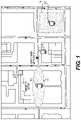
- FIG. 1is a view of a map showing multiple geo-fenced areas associated with a coupon
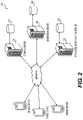
- FIG. 2is a block diagram of an exemplary communication system suitable for practicing an embodiment of the present disclosure
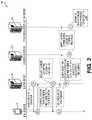
- FIG. 3is a communication flow diagram of an exemplary process for delivering dynamically determined promotions associated with digital coupons to a mobile device
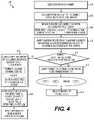
- FIG. 4is a block diagram of an exemplary processes for delivering dynamically determined promotions associated with digital coupons to the mobile device of FIG. 3
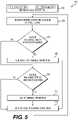
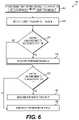
- FIGS. 5, 6, and 7are block diagrams of exemplary processes for dynamically determining a promotion associated with the digital coupon delivered in FIG. 4 ;
- FIG. 8is a block diagram of an exemplary computer system in which embodiments of the present disclosure may be implemented.
- Couponscan be used to entice consumers to go to a commercial establishment and spend money.
- the promotions associated with these couponsare usually decided before the coupon is even sent to the consumer. These promotions are thereby also determined before the consumer arrives at the commercial establish to redeem the coupon.
- advertisersrisk providing, in advance, coupons with too high or too low a value to produce the desired sales results. If the promotion is too small, the coupon will not have the desired effect, whether that be getting consumers to the store, or a certain profit driven by the coupon. However, if the promotion is too high, the consumers may have still come to the store or participated in the promotion if the advertiser would have given away less, hence the advertiser is giving away more than was necessary to produce the desired results.
- Conventional solutionsdo not provide ways to smooth demand or maximize the profit by dynamically determining the promotion, much less make such a determination based on real-time sales data, the consumer's location, and/or the time-of-day.
- the present disclosureis directed to overcoming one or more of the above referenced issues. Specifically, the present disclosure is directed to dynamically determining a promotion associated with digital coupons based on a variety of factors in order to maximize the advertiser's profits.
- a digital couponmay be delivered to the consumer in a variety of ways.
- a couponmay be printed and delivered via mail, newspaper, magazine, etc.
- the printed materialmay can include, for example, a machine-readable bar code or QR code.
- a consumermay take a digital photograph of a coupon, save it, share it, and use it at retailers with digital scanners.
- the printed materialmay contain an address to a website and prompt the consumer to visit that website to obtain and download the coupon.
- the couponcan be electronically delivered to the consumer.
- an advertisercan deliver interactive coupons to the consumer's desktop, enable SMS delivery of the coupons to mobile devices, and track the “desktop-to-mobile” redemption ratio.
- An advertisercan also send a link to the coupon via e-mail, in-app push notification, banner advertisement presented on a website, client application's graphical user interface, or other any other ways of electronically delivering content to a consumer.
- the exact promotion associated with that couponis undetermined by the advertiser and unknown to the consumer.
- the couponwill prompt the consumer to go to a location associated with the coupon, by explaining that the promotion will only be revealed at such a location.
- the couponmay say “Visit your favorite [company name] location to reveal the promotion.”
- Locations associated with couponsmay be, among other things, any commercial establishment, including, but not limited to, restaurants, stores, and event venues.
- the couponmay provide a link to a website listing all the locations associated with the coupons so the consumer can determine the location he or she wishes to visit.
- the couponmay also provide a list of the locations closest to the current location of the consumer or, if such information is known, a location associated with the consumer, such as a mailing or billing address, a location the mobile device frequents, or a location the mobile device spends above a threshold amount of time.
- a location associated with the consumersuch as a mailing or billing address, a location the mobile device frequents, or a location the mobile device spends above a threshold amount of time.
- having a promotion that is unknown to the consumer at the time of receiptmay also help to increase profit.
- the usermay not always go to the location in which the coupon is redeemable.
- the mystery involvedmay also entice the consumer to go to the location thereby helping to promote the sale and further increase profit.
- the advertisermay have some guidelines for the promotion. For example, the advertisers may know whether the promotion will be a discount, a deal, a rebate, or some other promotion. The advertiser may also know a range for the discount, for example, the advertiser may have already determined that each coupon will only provide a discount between 10% and 50%, that the coupon will be “buy one get the second between 50% and 100% off,” or that, if the consumer spends between $100 and $500, the consumer can receive a free gift. If such options are known to the advertiser at the time the coupon is delivered to the consumer, some or all of this information may be provided with the coupon so as to further entice the consumer to go to the location associated with the coupon. For example, the coupon could read “Discounts available up to 50%. Go to a [company name]'s to find out how much you've won.”
- the advertisercan designate certain locations as being associated with the coupon. For example, if the coupon is for a chain store, all store locations worldwide can be associated with the coupon or just those the advertiser decides to have participate in the promotion. The advertiser can also designate times when the location will be associated with the coupon. For example, the advertiser may not want the sale to start until after Christmas, or may be trying to drive up sales on weekdays or during typical nine to five working hours.
- a geographic location associated with the couponmay be, for example, a predetermined geographic area of any size and shape, e.g., as determined by the advertiser.
- the bounds of the geographic areamay be defined by, for example, a customized geo-fence or virtual perimeter surrounding the physical store, a certain radius around the store, the entire shopping center the store is located within, and/or the store's parking lot.
- a location associated with the coupon and its corresponding geo-fenceis not limited to stores, but can be created with respect to any establishment, including, but not limited to, restaurants and event venues. As with all geo-fences, these may be an invisible, virtual perimeter, the extent of which is not explicitly displayed or viewable.
- the couponwill not be activated and the promotion will not be determined until the current location of the consumer's mobile device is within a geo-fence associated with the coupon.
- the couponcan be activated in a variety of ways. First, the advertiser can automatically request updated location information from the consumer's mobile device. If the current location of the mobile device is determined to be within a geo-fence associated with the coupon, then, without consumer action, the promotion may be determined and an activated coupon containing the determined promotion may be delivered to the consumer. This delivery may be done by push-notifications, text message, e-mail, or other means.
- an action by the consumermay be required to activate the coupon.
- activating actionsmay include, but are not limited to, opening a client application associated with the coupon, interacting in any way with the coupon, playing a game, watching a video, downloading a client application, digital “scratching” a digital scratch off area of the screen, taking a survey, or posting on a social media site.
- the advertisermay then request the current geographic location of the mobile device. If the geographic location of the mobile device is within a geo-fence associated with the coupon, the promotion can be determined and then delivered to the mobile device.
- the consumercan gain access to the activated coupon containing the determined promotion by push-notifications, text message, e-mail, or other methods.
- the screenmay change to reveal an image containing the determined promotion. For example, with respect to the digital scratch off, a consumer may slide his or her finger over a designated area of the screen, and the display screen may appear as if the “top layer” of the designated area was being removed with each slide, revealing the promotion underneath.
- the advertisermay not have access to the consumer's current location.
- the advertisercan request access to the user's location at any time including, but not limited to, when a coupon is downloaded or installed, or when the user attempts to perform an activating action, as described above. For example, if the user attempts to activate the coupon, and the advertiser cannot determine if the mobile device is within a geo-fence associated with the coupon, a message may be sent to the consumer prompting them to allow the advertiser access to its current location.
- a messagecan be sent prompting the consumer to visit a specified location.
- This messagecan also include a link to all participating locations.
- the messagecan also include the address of and directions to the participating location(s) closest to the current location of the mobile device or participating location(s) closest to an address associated with the consumer (e.g., mailing and billing address).
- the promotioncan then be determined.
- the promotioncan be determined by any way the advertiser deems appropriate. For example, an initial promotion may be designated by the advertiser or selected at random. From this initial promotion, the value of the promotion may be increased or decreased to set values, by set values, by incremental steps, by exponential amounts, or any other way the advertiser decides. For example, the advertiser could set an initial promotion of 35% off at the beginning of the sale. If the advertiser determines that the promotion is too large, the advertiser may decrease the promotion to a preset discount of 20% off.
- the advertisercould have a set first promotion, but then have the remainder of the promotions based off the most recent promotion given or most recent promotion redeemed.
- the most recent coupon activatedhad a promotion for a $50 rebate, and it is determined that the promotion should be greater, the next promotion could be raised by $5 increments or exponentially until the advertiser determines that the promotion is producing the desired sales results.
- the factors and formulas that can be used to determine the promotion associated with the couponare limitless and can be set and weighed in any way the advertiser desires.
- a few examples of such factors that can be considered in making such determinationsare the time of day, day of the week, period of the year, historic consumer traffic or sales data, real-time data per a certain amount of time for profits, real-time data for the number of coupons redeemed, real-time data for total promotions redeemed, and real-time data for profits.
- promotionscan also be adjusted based on redemption statistics, as will be explained in further detail below.
- factorsmay be measured on any basis, including, but not limited to, per store, geographic region (e.g., Ohio, Midwest, United States, North America, etc.), department (e.g., men's wear versus shoes), division (e.g., Ann Taylor versus Ann Taylor Loft), or chain wide.
- geographic regione.g., Ohio, Midwest, United States, North America, etc.
- departmente.g., men's wear versus shoes
- divisione.g., Ann Taylor versus Ann Taylor Loft
- chain widee.g., a store in downtown Washington, D.C. has redeemed a large number of coupons, while a store in Cleveland has redeemed no coupons.
- consumers at the store in Washington, D.C.could receive coupons for 10% off
- customers at the other location in Clevelandcould receive coupons for 20% off. If too many customers take advantage of the 20% off coupon in Cleveland, the advertiser could later decrease the promotion, if necessary.
- the advertiserdetermines that the number of coupons redeemed in the next hour at the Washington, D.C. location is now below a threshold, the advertiser can increase the promotion available in that store. This allows the advertiser to use real-time data to dynamically determine the best discount rate by location or by time of day, and thus, maximize profits from the sale. These factors may relate to the specific mobile device associated with the coupon or consumer as well. For example, if the consumer is a heavy user, (i.e. redeeming a greater number of coupons than a threshold) it may be assumed this user will redeem the coupon regardless of promotion and smaller promotion may be sent.
- a promotion greater 45% offmay be needed to entice the user of the mobile device to redeem the coupon.
- All of the above listed factors and basescan be used alone or in combination with each other and/or others not listed to dynamically determine the promotion.
- Each factor used to dynamically determine the promotioncan be given equal or varying weights.
- Advertiserscan also provide the consumer with an opportunity to increase the promotion.
- the promotion itself or an increase in the initially provided promotioncan be determine based on a “boosting” action taken by the user of the mobile device. This provides the advertiser with the ability to dynamically change the value of the digital coupon in a way that is perceived as fair and thus attractive to consumers. This may increase the consumer's willingness to use the coupon, if the consumer believes he or she has control over the given promotion.
- This boosting actionmay have direct benefits for the advertiser.
- the actioncould be watching a video related to the advertiser and/or what the advertiser is selling, taking a survey, downloading a client application associated with the advertiser, liking or following the advertiser on a social media site, or posting about the advertiser on a social media site.
- the boosting actioncould also be a button that just automatically boosts/increases the promotion before or after it has been presented to the consumer or a game in which achieving a certain level or gaining enough points corresponds with different promotions.
- the advertisercould deliver the consumer with a promotion of buy one get one half off, but, if the user also watches a video about the restaurant's new dishes, the promotion can increase to buy one get one free.
- the advertiserhas not yet displayed the determined promotion to the consumer, but prompts the consumer to play a game in which, for every 500 points that the consumer can obtain, the advertiser will add an addition 5% off of the previously determined (but not yet revealed) promotion.
- the redemption statistic of the delivered couponscan also be tracked. If the delivered coupon is redeemed, the redemption statistics (e.g., a success rate) may be updated (e.g., increased or incremented by some predetermined value). If a delivered coupon has not been redeemed, for example, in a predetermined amount of time and/or the current location of the consumer's mobile device is no longer in the geo-fence associated with the coupon, the failure rate may be updated. The promotion associated with the redeemed (successful) and unredeemed (failed) coupons can also be stored. These redemption statistics may be used by the advertiser in a number of ways to determine future promotions.
- the advertisercould extrapolate that the average value of the unredeemed coupons is not sufficient to drive sales, and that future promotions should be higher than that average. In another example, if the success rate is above a threshold, all promotions may be decreased or only promotions below the average promotion of the redeemed coupons may be awarded.
- FIG. 1is a view of a map 100 showing a plurality of geo-fenced areas associated with coupons.
- map 100includes a geo-fenced area 102 and a geo-fenced area 104 .
- These geo-fenced areas 102 and 104may be in existence for any amount of time suitable for the advertiser's needs.
- the geo-fenced areasmay, for example, be permanent.
- the geo-fenced areasmay be temporary (e.g. in existence for a limited period of time, or only certain hours of the day).
- the areamay be outside of a business that has one or more promotions available for a consumer to activate.
- the areamay be a restaurant that desires to increase, e.g., lunch traffic on weekdays. This area might not involve a geo-fence activating coupons at all times, but rather, only from the hours of, e.g., 11 am until 2 pm, Monday through Friday.
- each of the geo-fenced areas 102 and 104may correspond to, for example, the shape and size of a building or other physical structure associated with the coupon (e.g., a restaurant, store, concert venue, or any other businesses likely to provide coupons).
- the size and shape of each geo-fenced areamay be any combination of the surface area of the business itself, a predetermined radius around the business, a shopping center the business is located in, or the business's parking lot.
- map 100indicates the geographic locations of a mobile device 110 a , a mobile device 110 b , and a mobile device 110 c .
- mobile devices 110 a , 110 b , and 110 cmay be implemented using, for example, any type of mobile computing device including, but not limited to, a laptop computer, tablet computer, mobile handset, smartphone, personal digital assistant (PDA), a dedicated portable Global Positioning System (GPS) navigation device, or similar type of mobile device.
- PDApersonal digital assistant
- GPSGlobal Positioning System
- each of mobile devices 110 a , 110 b , and 110 cmay be equipped with a GPS receiver or equivalent for registering GPS location data, e.g., latitude and longitude coordinates, at a particular point or over a period of time.
- each of mobile devices 110 a , 110 b , and 110 cmay be determined or estimated using any one or a combination of various well-known techniques for deriving such geographic location information.
- techniquesinclude, but are not limited to, GPS, cell identification (e.g., using Cell ID), cellular tower triangulation, multilateration, Wi-Fi, and any other network or handset based technique for deriving or estimating the physical or geographic location of a mobile device via a mobile communication network.
- Each of mobile devices 110 a , 110 b , and 110 cmay be configured to receive, display, activate, and redeem the coupon in some way, including, but not limited to, downloading the coupon, scanning the coupon from printed material, accessing an e-mail or a website containing coupon data, or executing a client application containing the coupon.
- the couponis delivered and displayed via a client application executable at each of mobile devices 110 a , 110 b , and 110 c .
- Each of mobile devices 110 a , 110 b , and 110 cmay be configured to receive a message notification for a user at each device at which the coupon has been activated or that they are within a geo-fence associated with the coupon (e.g., geo-fences 102 and 104 ) and the coupon is now available for activation. Such notifications may be sent to each of mobile devices 110 a , 110 b , and 110 c by an advertiser server via a mobile communications network. The notifications received at mobile devices 110 a , 110 b , and 110 c may be displayed in a general notifications window of a GUI provided by the operating system of mobile devices 110 a , 110 b , and 110 c .
- the techniques disclosed hereinare not limited to push notifications and that these techniques may be applied with any type of messaging scheme or protocol used to deliver coupons to mobile devices 110 a , 110 b , and 110 c .
- the above implementation incorporating client applications and message notificationsis only exemplary and any means can be used to display and deliver the coupon.
- the original coupon containing an undetermined promotioncould be displayed on the mobile device as a scanned picture, part of an email, a text message, and/or a website. After the coupon is activated and the promotion is determined, the promotion can be delivered to the consumer, for example, by email, text message, as a pop up webpage, or as a link to a new webpage.
- mobile device 110 a , 110 b , or 110 cmay be configured to periodically report its current geographic location to an advertiser, coupon, or promotion determination server as this location changes over a period of time.
- Mobile device 110 a , 110 b , or 110 cmay also be configured to report its current geographic location to the advertiser, coupon, or promotion determination server if the consumer attempts to activate the coupon.
- the coupon servermay query the advertiser server to determine whether the updated geographic location is within a geo-fence associated with the coupon. This determination may be made based on stored information identifying the locations and boundaries of various areas associated with the coupon.
- the coupon servermay provide the promotion determination server with the current geographic location of the mobile device and may query the promotion determination server to determine the promotion for mobile device 110 a , 110 b , or 110 c .
- the promotion determination servermay then send a promotion to the coupon server and the coupon server may then send a message containing the promotion to mobile device 110 a , 110 b , or 110 c.
- the current geographic location of mobile device 110 b in this examplemay not be within a geo-fence associated with the coupon, e.g., corresponding to either of geo-fenced areas 102 or 104 .
- the above-described advertising server provided by the advertisermay send a message prompting the user to visit a location associated with the coupon.
- the advertisermay also determine which geo-fence associated with the coupon (e.g., geo-fenced areas 102 or 104 ) is closest to the current location of mobile device 110 b and send the user directions to the closer of geo-fence-areas 102 or 104 from the current location of mobile device 110 b .
- the advertiser servermay use stored information about the user (e.g. the user's mailing or billing address) to determine the closest geo-fence associated with the coupon, and prompt the user to visit and/or provide user with directions to that geo-fence associated with the coupon.
- stored information about the usere.g. the user's mailing or billing address
- FIG. 2is a block diagram of an exemplary communication system 200 for practicing embodiments of the present disclosure.
- system 200includes mobile devices 210 a , 210 b , and 210 c , a coupon server 230 coupled to a database 235 , an advertiser server 240 coupled to a database 245 , and a promotion determination server 250 coupled to a database 255 , all of which may be communicatively coupled via an electronic communication network 220 .
- Network 220may be any type of electronic network or combination of networks used for communicating digital content and data between various computing devices.
- Network 220may include, for example, a local area network, a medium area network, or a wide area network, such as the Internet. While only mobile devices 210 a , 210 b , and 210 c are shown in FIG. 2 , system 200 may include any number of mobile devices. Similarly, while only a coupon server 230 , an advertiser server 240 , and a promotion determination server 250 are shown in FIG. 2 , it should be understood that system 200 may include additional or fewer servers, as desired for a particular implementation. Further, while not shown in FIG. 2 , network 220 may include various switches, routers, gateways, or other types of network devices used to facilitate communication between various computing devices via network 220 .
- mobile device 210 amay be a laptop, notebook, netbook, or similar type of mobile computing device.
- Mobile device 210 bmay be, for example, a tablet device or similar type of mobile device having a touchscreen display.
- Mobile device 210 cmay be, for example, a mobile handset, smartphone, or personal digital assistant (“PDA”).
- PDApersonal digital assistant
- each of mobile devices 210 a , 210 b , and 210 cmay be any type of mobile computing device configured to send and receive different types of data including, but not limited to, website data, multimedia content, electronic advertisements, and any other type of digital information, over network 220 .
- Examples of such mobile computing devicesinclude, but are not limited to, a laptop computer, a handheld computer, a personal digital assistant (PDA), a cellular telephone, a network appliance, a camera, a smart phone, an enhanced general packet radio service (EGPRS) mobile phone, a media player, a navigation device, a portable game console, or any combination of these computing devices or other types of mobile computing devices having at least one processor, a local memory, a display, one or more user input devices, and a network communication interface.
- the user input device(s)may include any type or combination of input/output devices, such as a display monitor, touchpad, touchscreen, microphone, camera, keyboard, and/or mouse.
- Each of coupon server 230 , advertiser server 240 , and promotion determination server 250may be any of various types of servers including, but not limited to, a web server, a proxy server, a network server, or other type of server configured to exchange electronic information with other servers or computing devices via a communication network, e.g., network 220 .
- a servermay be implemented using any general-purpose computer capable of serving data to other computing devices including, but not limited to, mobile devices 210 a , 210 b , and 210 c or any other computing device (not shown) via network 220 .
- Such a servermay include, for example and without limitation, a processor and memory for executing and storing processor-readable instructions.
- the memorymay include any type of random access memory (RAM) or read-only memory (ROM) embodied in a physical storage medium, such as magnetic storage including floppy disk, hard disk, or magnetic tape; semiconductor storage such as solid state disk (SSD) or flash memory; optical disc storage; or magneto-optical disc storage.
- Softwaremay include one or more applications and an operating system.
- Hardwarecan include, but is not limited to, a processor, memory and graphical user interface display.
- the servermay also be implemented using multiple processors and multiple shared or separate memory devices within, for example, a clustered computing environment or server farm.
- coupon server 230is communicatively coupled to databases 235 , 245 , and 255 , respectively.
- databases 235 , 245 , and 255may be a data store or memory accessible to the corresponding server and may be implemented using any type of data storage device or recording medium used to store various kinds of data or content.
- data or contentmay include, for example and without limitation, text or media content that may be later provided to each of mobile devices 210 a , 210 b , and 210 c via network 220 .
- the coupon and the determined promotionare stored and delivered to the user via the GUI of a client application. It should be noted that this is just an example, and that the coupon and determined promotion in part or in whole can be stored and/or delivered on any electronic medium, including, but not limited to, on the hardware of the mobile device, internet sites, or by e-mail.
- Each of mobile devices 210 a , 210 b , and 210 cmay execute a client application that communicates with the coupon server 230 , advertiser server 240 , and/or promotion determination server 250 via network 220 . Further, each of mobile devices 210 a , 210 b and 210 c may be configured to receive coupon and advertisement content through an interface provided by advertiser server 240 via network 220 .
- Coupon server 230may be configured to host a web service that provides users various types of functionality via a GUI of the client application or webpage executable at each of mobile devices 210 a , 210 b and 210 c .
- Such functionalitymay include, for example and without limitation, providing digital coupons and determined promotions distributed by an advertiser or other coupon provider.
- the coupons sent to each devicemay be displayed for the user via a message notifications interface of a mobile operating system at each of mobile devices 210 a , 210 b , and 210 c , in the GUI of a client application, on a webpage, or a text message.
- coupon server 230 and advertiser server 240may be configured to communicate with promotion determination server 250 or one or more other third-party content servers (not shown) to retrieve coupons with determined promotions via network 220 to be displayed in a number of ways to the user, including, within a content view of a client application executable at each of mobile devices 210 a , 210 b , and 210 c .
- coupon server 230 , advertiser server 240 , and promotion determination server 250may each interact with one another, mobile devices 210 a , 210 b , or 210 c , or any other servers or network devices (not shown) via network 220 . Examples of such other servers include, but are not limited to, DNS servers, ad servers, and content distribution servers.
- Advertiser server 240 in this examplemay be configured to control the activation of the coupon and the determination of the promotion until the current location of each of mobile devices 210 a , 210 b , and 210 c is within a geo-fence associated with the coupon, e.g., geo-fenced areas 102 and 104 , as described above.
- Coupon server 230may be configured query the advertiser server 240 via network 220 , to determine the current location of each of mobile devices 210 a , 210 b , and 210 c is within a geo-fence associated with the coupon.
- Promotion determination server 250may be configured to receive a request for a promotion including the current geographic location of mobile device 210 a , 210 b , or 210 c from coupon server 230 or advertiser server 240 and determine and send the appropriate promotion to each of mobile devices 210 a , 210 b , and 210 c or to either coupon server 230 or advertiser server.
- advertiser server 240 or promotion determination server 250may be implemented as a back-end components that interface with only other servers.
- advertiser server 240may be configured to act as an intermediary between coupon server 230 and promotion determination server 250 , without any direct communication with any of mobile devices 210 a , 210 b , or 210 c , in order to facilitate the promotion determinations described herein.
- coupon server 230 , advertiser server 240 , and promotion determination server 250may be configured to exchange information in the form of messages, requests, or responses that are passed between the servers.
- the communication between coupon server 230 , advertiser server 240 , and promotion determination server 250may be over network 220 or a virtual private network accessible to each server.
- coupon server 230may be implemented using a single server. Additional features and characteristics of the communication between mobile devices 210 a , 210 b , and 210 c , coupon server 230 , advertiser server 240 , and promotion determination server 250 will be described in further detail below with respect to FIG. 3 .
- FIG. 3is a communication flow diagram of an exemplary process 300 for maximizing profits by dynamically determining a promotion, as described above.
- the example shown in FIG. 3illustrates the communication flow between a mobile device 310 , a coupon server 330 , an advertiser server 340 , and a promotion determination server 350 .
- process 300will be described using map 100 of FIG. 1 and system 200 of FIG. 2 , as described above, but process 300 is not intended to be limited thereto.
- mobile device 310may be implemented using, for example, any of mobile devices 210 a , 210 b , or 210 c of FIG. 2 , as described above.
- coupon server 330 , advertiser server 340 , and promotion determination server 350may be implemented using, for example, coupon server 230 , advertiser server 240 , and promotion determination server 250 , respectively, as described above.
- coupon server 330may send a coupon to the consumer.
- the couponcan be delivered in a variety of ways including, but not limited to, the coupon server 330 directing coupons to be printed and mailed to consumers, an e-mail, a link on a webpage, and/or a message notification from a client application (e.g., a client application specifically designed for coupons) executable at mobile device 310 via a communication network, e.g., network 220 of FIG. 2 , as described above (step 301 ).
- client applicatione.g., a client application specifically designed for coupons
- the mobile devicecan connect to the coupon server 330 (step 302 ).
- the coupon servermay request access to the geographic location of mobile device 310 via a message notification or pop-up.
- coupon server 330may then (continuously or after the user attempts to activate the coupon) request a current geographic location of mobile device 310 (step 303 ).
- the requestmay also be sent by advertiser server 340 directly to mobile device 310 , or alternatively, advertiser server 340 may send the request to coupon server 330 , which may then request the geographic location information from mobile device 310 , if necessary.
- coupon server 330may respond to the request from advertiser server 340 by sending a last known or previously determined or estimated geographic location of mobile device 310 , e.g., which may be stored in a memory or data store (e.g., database 235 of FIG. 2 , as described above) coupled to coupon server 330 . Accordingly, mobile device 310 may send the requested location data (or current geographic location information) to coupon server 330 (step 304 ), or to whichever server (e.g., advertiser server 340 ) may have requested the information from mobile device 310 .
- a last known or previously determined or estimated geographic location of mobile device 310e.g., which may be stored in a memory or data store (e.g., database 235 of FIG. 2 , as described above) coupled to coupon server 330 . Accordingly, mobile device 310 may send the requested location data (or current geographic location information) to coupon server 330 (step 304 ), or to whichever server (e.g., advertiser server 340 ) may have requested
- Coupon server 330may be configured to query consumption advertiser server 340 to determine whether the current geographic location of mobile device 310 is within a geo-fence associated with the coupon, as described above (step 305 ). If the current geographic location of mobile device 310 is determined (e.g., by advertiser server 340 ) to be within a geo-fence associated with the coupon, advertiser server 340 send a message to the coupon server 330 so it may query the promotion determination server 350 or the advertiser server 340 may query the promotion determination server 350 itself to request a promotion (step 306 ). When coupon server 330 or advertiser server 340 queries the promotion determination server 350 , coupon server 330 or advertiser server 340 may, but need not, send the current location of mobile device 310 . The promotion determination server 340 may, for example, disregard this information, store it, or use is it as a factor to determine the promotion. Exemplary illustrations of the promotion determination process are described in further detail below and in FIGS. 5-7 .
- the results of the promotion determinationmay be sent in a response from promotion determination server 350 to coupon server 330 or advertiser server 340 (step 307 ).
- the determined promotionmay then be sent to mobile device by the coupon server 330 , advertiser server 340 , or the promotion determination server 350 .
- the determined promotionmay be sent to the mobile device 310 by any means, including but not limited to, text message, pop-up window, link to a webpage, and/or message notification.
- the determination of whether the device's location corresponds to a geo-fence associated with the couponmay be performed by coupon server 330 itself, e.g., based on information specifying one or more geographic areas associated with the coupon. Such information may be stored within a memory or data store (e.g., database 235 of FIG. 2 ) coupled to coupon server 330 , as described above.
- a memory or data storee.g., database 235 of FIG. 2
- FIG. 4is a process flow diagram of an exemplary method 400 for delivering dynamically determined promotions.
- method 400will be described using system 200 of FIG. 2 and the components of process 300 of FIG. 3 (including coupon server 330 , advertiser server 340 , and promotion determination server 350 ), as described above, but method 400 is not intended to be limited thereto.
- method 400includes steps 402 , 404 , 406 , 408 , 410 , 412 , 414 , 416 , 418 , and 420 .
- method 400may include more or fewer steps as desired for a particular implementation.
- one or more of the above-listed steps of method 400may be executed by advertiser server 240 of FIG. 2 or advertiser server 340 of FIG. 3 , as described above.
- method 400is not intended to be limited thereto, and the steps of method 400 may be performed by any server (e.g., coupon server 230 or promotion determination server 250 of FIG. 2 or coupon server 330 or promotion determination server of FIG. 3 ) or other type of computing device having at least one processor, a memory, and a network communication interface for sending and receiving information from one or more mobile devices.
- Method 400begins in step 402 , which includes a coupon server (e.g., coupon server 230 of FIG. 2 or coupon server 330 of FIG. 3 ) sending a coupon or a teaser for a coupon with an undetermined promotion to a consumer, by mail, e-mail, webpage, text message, or any other means.
- a coupon servere.g., coupon server 230 of FIG. 2 or coupon server 330 of FIG. 3
- the consumerperforms action which connects a mobile device (e.g., mobile device 210 of FIG. 2 or mobile device 310 of FIG. 3 , as described above) to the coupon server (e.g., the consumer downloads or attempts to access the coupon on the mobile device).
- the mobile devicemay now be associated with the coupon.
- the coupon servermay either continuously request and receive the current geographic location of the mobile device or, after an activating action is performed by the user, a current geographic location of the mobile device may be requested and received from the mobile device.
- Steps 408 and 410may include, for example, determining whether a current geographic location of the mobile device is within a geo-fenced area associated with the coupon. In some implementations, this determination may be based on a response received from querying an advertiser server (e.g., advertiser server 240 of FIG. 2 or advertiser server 340 of FIG. 3 ) using the geographic location information received from the mobile device.
- an advertiser servere.g., advertiser server 240 of FIG. 2 or advertiser server 340 of FIG. 3
- step 410If it is determined in step 410 that the current geographic location of the mobile device is within a geo-fence associated with the coupon (step 410 : Yes), method 400 may proceed to step 412 , which includes querying a promotion determination server (e.g., promotion determination server 250 of FIG. 2 or advertiser server 350 of FIG. 3 ) to determine the promotion.
- the promotionmay be determined in any way, including but not limited to, proceeding to step 502 of method 500 of FIG. 5 , step 602 of method 600 of FIG. 6 , and/or step 702 of method 700 of FIG. 7 , as will be described in further detail below. Methods 500 , 600 , and 700 , can be used either wholly or partially in combination with each other or other methods, or alone.
- the promotion determination servermay send the promotion directly to the mobile device for display (step 414 ) or to the advertiser server or coupon server for delivery to the mobile device (step 414 ).
- step 410may proceed to step 416 , which includes querying the advertiser server to determine the closest geo-fence associated with coupon to either 1) the current location of the mobile device or 2) a location associated with the user.
- locations associated with the mobile device or the consumer associated with the mobile devicemay include a billing or mailing address of the consumer associated with the mobile device, or a location where the mobile device frequents or spends a threshold period of time.
- the advertiser servermay then be queried to determine directions to the geo-fences associated with the coupon determined in step 418 .
- Method 400then proceeds to step 420 , which includes sending the directions to the mobile device for display.
- method 400may proceed to step 502 of method 500 , step 602 of method 600 , step 702 of method 700 , or any complete or partial combinations thereof.
- step 502 of method 500may proceed to step 502 of method 500 , step 602 of method 600 , step 702 of method 700 , or any complete or partial combinations thereof.
- FIGS. 5, 6, 7are presented for exemplary purposes only. It should be noted that the promotion can be determined by any means or formula the advertiser deems appropriate.
- the promotionmay be modified based on any formulas or factors. Some factors may indicate the need to decrease the promotion. This may be as simple as the advertiser deciding the promotion is too high. In more sophisticated examples, if the number of coupons redeemed is greater than a desired threshold, this may indicate that a smaller promotion would achieve the desired threshold and advertiser is “giving away” more than is necessary. Other examples of factors that indicate the need to decrease the promotion include a greater than threshold number of coupons redeemed, greater than a threshold number of coupons activated, it is currently historically determined peak hours, the location has profits historically greater than other locations, the current sales are greater than a threshold. Alternatively, some factors may indicate the need to increase the promotion.
- the number of mobile devices in a storemay be lower than a threshold, the mobile device or the consumer associated with the mobile device has never before or rarely redeems coupons, sales for the current time period have historically been low, sales are currently low, or the current location is designated as an under performer. All factors may be, but need not be, measured on any basis, including, but not limited to, per store, geographic region (e.g., Ohio, Midwest, United States, North America, etc.), department (e.g., men's wear versus shoes), division (e.g., Ann Taylor versus Ann Taylor Loft), or chain wide.
- the advertisermay determine how the promotions will be adjusted. For example, the adjustment can be done at random, as an adjustment to the most recent coupon determined or the most recent coupon redeemed (method 500 ), or simply adjusted to a plurality of predetermined promotions (method 600 ).
- method 500will be described using system 200 of FIG. 2 and the components of processes 300 of FIG. 3 , as described above, for discussion purposes only, but method 500 is not intended to be limited thereto.
- method 500includes steps 502 , 504 , 506 , 508 , 510 , 512 , and 514 .
- steps 502 , 504 , 506 , 508 , 510 , 512 , and 514may include more or fewer steps as desired for a particular implementation.
- one or more of the above-listed steps of method 500may be executed by promotion determination server 250 of FIG. 2 or promotion determination server 350 of FIG. 3 , as described above.
- method 500is not intended to be limited thereto, and the steps of method 500 may be performed by any server (e.g., coupon server 230 of FIG. 2 or coupon server 330 of FIG. 3 ) or other type of computing device having at least one processor, a memory, and a network communication interface for sending and receiving information from one or more mobile devices.
- Method 500begins in step 502 , in which the variable “Promotion” is defined. The advertiser can set the variable or it can be selected at random. Method 500 then proceeds to step 504 , which includes receiving the current location of the mobile device. It is first determined in step 506 whether there is a factor indicating the need to decrease the promotion, as described above.
- step 508subtracts from the variable “Promotion.”
- step 514which includes sending the variable “Promotion” to the mobile device 310 for display.
- step 514method 500 then loops to step 504 with an updated variable “Promotion.”
- step 510determines whether or not there is a factor indicating the need to increase the promotion, as described above. If it is determined that there is a factor indicating the need to increase the promotion, method 500 proceeds to step 512 , which adds to the variable “Promotion” and then proceeds to step 514 for display.
- step 510If it is determined in step 510 that there is not factor indicating the need to increase the promotion, method 500 proceeds to step 514 , and sends the variable “promotion” to mobile device 310 for display. If, for example, the advertiser had set or had advertised to the consumer a range of or guidelines for the promotion, the method of 500 may be designed so that the promotions stay within those set parameters.
- method 600will be described using system 200 of FIG. 2 and the components of processes 300 of FIG. 3 , as described above, for discussion purposes only, but method 600 is not intended to be limited thereto.
- method 600includes steps 602 , 604 , 606 , 608 , 610 , 612 , and 614 .
- steps 602 , 604 , 606 , 608 , 610 , 612 , and 614may include more or fewer steps as desired for a particular implementation.
- one or more of the above-listed steps of method 600may be executed by promotion determination server 240 of FIG. 2 or message server 340 of FIG. 3 , as described above.
- method 600is not intended to be limited thereto, and the steps of method 600 may be performed by any server or other type of computing device having at least one processor, a memory, and a network communication interface for sending and receiving information from one or more mobile devices.
- Method 600contains a plurality of determined promotions.
- FIG. 6illustrates an example of method 600 containing three determined promotions, but method 600 may include as little as two promotions or as many as advertisers designates.
- Method 600begins in step 602 , which includes receiving and storing a first promotion, second promotion, and/or third promotion, wherein the third promotion is greater than the second promotion and the second promotion is greater than the first promotion.
- the first, second, and third promotionsmay be set by the advertiser, or randomly by the promotion determination server 350 .
- Step 604then includes receiving the current geographic location of the mobile device. It is first determined in step 606 whether there is a factor indicating the need to decrease the promotion, as described above. If it is determined that there is a factor indicating the need to decrease the promotion, method 600 proceeds to step 608 , which sends the first promotion to the mobile device 310 for display.
- step 606determines whether there is a factor indicating the need to decrease the promotion. If it is determined that there is a factor indicating the need to increase the promotion, method 600 proceeds to step 612 , which the third promotion is sent to the mobile device 310 for display. If it is determined in step 610 that there is not factor indicating the need to increase the promotion, method 600 proceeds to step 612 , and sends the second promotion to the mobile device 310 for display. Additional promotions can be added to method 600 . For example, if more than one factor indicating a need to increase the promotion is present or is strongly weighed, an additional fourth promotion greater than the third promotion can be sent to the mobile device 310 .
- Method 700will be described using system 200 of FIG. 2 and the components of processes 300 of FIG. 3 , as described above, for discussion purposes only, but method 700 is not intended to be limited thereto. As shown in FIG. 7 , method 700 includes steps 702 , 704 , 706 , and 708 . However, it should be noted that method 700 may include more or fewer steps as desired for a particular implementation. In an example, one or more of the above-listed steps of method 500 may be executed by promotion determination server 250 of FIG. 2 or promotion determination server 350 of FIG. 3 , as described above. However, method 700 is not intended to be limited thereto, and the steps of method 700 may be performed by any server (e.g., coupon server 230 of FIG. 2 or coupon server 330 of FIG.
- servere.g., coupon server 230 of FIG. 2 or coupon server 330 of FIG.
- Method 700begins in step 702 , which includes storing information related to the geo-fence associated with the coupon, which may have been previously identified based on the current geographic location of the mobile device, e.g., as determined by the advertiser server pursuant to steps 406 and 408 of method 400 of FIG. 4 , a described above.
- Step 702may also include storing a record of the time that the coupon was sent to the mobile device (e.g., in step 414 of method 400 ).
- Method 700then proceeds to step 704 . It is first determined in step 704 whether the coupon has been redeemed. If the coupon was redeemed, method 700 proceeds to step 706 , in which a set of redemption statistics (e.g., a success rate) for the coupon may be updated (e.g., increased or incremented by some predetermined value). In an example, if the success rate is above a threshold, that may indicate that the promotion should be decreased. In another example, if the success rate is below a threshold that may indicate that the promotion should be increase in order to increase the likelihood the next consumer will redeem the coupon.
- a set of redemption statisticse.g., a success rate
- step 704if current geographic location of the mobile device is no longer in the geo-fence associated with the coupon and the coupon was not redeemed (in step 704 ), method 700 proceeds to step 708 , which also includes updating the redemption statistics, so that a failure rate is updated (e.g., increased or incremented by some predetermined value). The failure rate may therefore indicate that the promotion should be increased.
- the promotion associated with the redeemed (successful) and unredeemed (failed) couponscan also be stored.
- These redemption statisticsmay be used by the advertiser in a number of ways to determine future promotions. In a simplified example, the advertiser may extrapolate that the average promotion of the unredeemed coupons is not sufficient to drive sales and future promotions should be higher than that average. In another example, if the success rate is above a threshold, all promotions can be decreased or only promotions below the average promotion of the redeemed coupons should be awarded.
- FIG. 8provides a high-level functional block diagram illustrating an exemplary general purpose computer 800 .
- Computer 800may be used to implement, for example, any of coupon server 230 , advertiser server 240 , or promotion determination server 250 of FIG. 2 in addition to coupon server 330 , advertiser server 340 , or promotion determination server 350 of FIG. 3 , as described above. It is believed that those skilled in the art are familiar with the structure, programming and general operation of such computer equipment and as a result the drawings should be self-explanatory.
- computer 800may represent a computer hardware platform for a server or the like. Accordingly, computer 800 may include, for example, a data communication interface for packet data communication 860 .
- the platformmay also include a central processing unit (CPU) 820 , in the form of one or more processors, for executing program instructions.
- the platformtypically includes an internal communication bus 810 , program storage and data storage for various data files to be processed and/or communicated by the platform such as ROM 830 and RAM 840 , although the computer 800 often receives programming and data via network communications 870 .
- the hardware elements, operating systems and programming languages of such equipmentare conventional in nature, and it is presumed that those skilled in the art are adequately familiar therewith.
- Computer 800also may include input and output ports 850 to connect with input and output devices such as keyboards, mice, touchscreens, monitors, displays, etc.
- input and output devicessuch as keyboards, mice, touchscreens, monitors, displays, etc.
- server functionsmay be implemented in a distributed fashion on a number of similar platforms, to distribute the processing load.
- the serversmay be implemented by appropriate programming of one computer hardware platform.
- Storagetype media include any or all of the tangible memory of the computers, processors or the like, or associated modules thereof, such as various semiconductor memories, tape drives, disk drives and the like, which may provide non-transitory storage at any time for the software programming. All or portions of the software may at times be communicated through the Internet or various other telecommunication networks.
- Such communicationsmay enable loading of the software from one computer or processor into another, for example, from a management server or host computer of the mobile communication network into the computer platform of a server and/or from a server to the mobile device.
- another type of media that may bear the software elementsincludes optical, electrical and electromagnetic waves, such as used across physical interfaces between local devices, through wired and optical landline networks and over various air-links.
- the physical elements that carry such waves, such as wired or wireless links, optical links or the like,also may be considered as media bearing the software.
- terms such as computer or machine “readable medium”refer to any medium that participates in providing instructions to a processor for execution.
Landscapes
- Business, Economics & Management (AREA)
- Engineering & Computer Science (AREA)
- Strategic Management (AREA)
- Finance (AREA)
- Development Economics (AREA)
- Accounting & Taxation (AREA)
- Economics (AREA)
- Game Theory and Decision Science (AREA)
- Entrepreneurship & Innovation (AREA)
- Marketing (AREA)
- Physics & Mathematics (AREA)
- General Business, Economics & Management (AREA)
- General Physics & Mathematics (AREA)
- Theoretical Computer Science (AREA)
- Computer Networks & Wireless Communication (AREA)
- Management, Administration, Business Operations System, And Electronic Commerce (AREA)
- Information Transfer Between Computers (AREA)
Abstract
Description
Claims (18)
Priority Applications (1)
| Application Number | Priority Date | Filing Date | Title |
|---|---|---|---|
| US14/226,002US11308518B2 (en) | 2014-03-26 | 2014-03-26 | Systems and methods for dynamically determining promotions associated with digital coupons |
Applications Claiming Priority (1)
| Application Number | Priority Date | Filing Date | Title |
|---|---|---|---|
| US14/226,002US11308518B2 (en) | 2014-03-26 | 2014-03-26 | Systems and methods for dynamically determining promotions associated with digital coupons |
Publications (2)
| Publication Number | Publication Date |
|---|---|
| US20150278864A1 US20150278864A1 (en) | 2015-10-01 |
| US11308518B2true US11308518B2 (en) | 2022-04-19 |
Family
ID=54190995
Family Applications (1)
| Application Number | Title | Priority Date | Filing Date |
|---|---|---|---|
| US14/226,002Active2036-12-02US11308518B2 (en) | 2014-03-26 | 2014-03-26 | Systems and methods for dynamically determining promotions associated with digital coupons |
Country Status (1)
| Country | Link |
|---|---|
| US (1) | US11308518B2 (en) |
Families Citing this family (28)
| Publication number | Priority date | Publication date | Assignee | Title |
|---|---|---|---|---|
| US10192243B1 (en) | 2013-06-10 | 2019-01-29 | Groupon, Inc. | Method and apparatus for determining promotion pricing parameters |
| US10664861B1 (en) | 2012-03-30 | 2020-05-26 | Groupon, Inc. | Generating promotion offers and providing analytics data |
| US10255620B1 (en) | 2013-06-27 | 2019-04-09 | Groupon, Inc. | Fine print builder |
| US10304093B2 (en) | 2013-01-24 | 2019-05-28 | Groupon, Inc. | Method, apparatus, and computer readable medium for providing a self-service interface |
| US10147130B2 (en) | 2012-09-27 | 2018-12-04 | Groupon, Inc. | Online ordering for in-shop service |
| US11386461B2 (en)* | 2012-04-30 | 2022-07-12 | Groupon, Inc. | Deal generation using point-of-sale systems and related methods |
| US10664856B2 (en)* | 2014-05-21 | 2020-05-26 | Apple Inc. | Beacon-triggered code redemption for mobile devices |
| US10296950B2 (en) | 2014-09-30 | 2019-05-21 | Apple Inc. | Beacon triggered processes |
| US10210561B2 (en) | 2014-09-30 | 2019-02-19 | Apple Inc. | Beacon triggered device to device content transfer |
| US10650411B2 (en)* | 2014-11-14 | 2020-05-12 | United Services Automobile Association | System, method and apparatus for location based delivery of determined pertinent data |
| US9609479B1 (en)* | 2015-10-23 | 2017-03-28 | International Business Machines Corporation | Geo-fenced event alerts |
| WO2017072640A1 (en)* | 2015-10-27 | 2017-05-04 | Fatti 365 (Pty) Ltd. | A method and system for performing targeted marketing |
| EP3371762B1 (en)* | 2015-11-04 | 2020-07-01 | Xad, Inc. | Systems and methods for performance driven dynamic geo-fence based targeting |
| US10278014B2 (en) | 2015-11-04 | 2019-04-30 | xAd, Inc. | System and method for using geo-blocks and geo-fences to predict mobile device locations |
| US10455363B2 (en)* | 2015-11-04 | 2019-10-22 | xAd, Inc. | Systems and methods for using geo-blocks and geo-fences to discover lookalike mobile devices |
| US10547971B2 (en) | 2015-11-04 | 2020-01-28 | xAd, Inc. | Systems and methods for creating and using geo-blocks for location-based information service |
| US9838843B1 (en)* | 2016-10-13 | 2017-12-05 | Adobe Systems Incorporated | Generating data-driven geo-fences |
| US20180285893A1 (en)* | 2017-03-31 | 2018-10-04 | International Business Machines Corporation | Determining music to influence customer behavior |
| US10445779B2 (en)* | 2017-04-26 | 2019-10-15 | International Business Machines Corporation | Boundary-specific electronic offers |
| US10064007B1 (en)* | 2018-01-22 | 2018-08-28 | International Business Machines Corporation | Cognitive geofence updates |
| US11288700B2 (en)* | 2018-01-26 | 2022-03-29 | Walmart Apollo, Llc | Automatic personalized email triggers |
| US11134359B2 (en) | 2018-08-17 | 2021-09-28 | xAd, Inc. | Systems and methods for calibrated location prediction |
| US11172324B2 (en) | 2018-08-17 | 2021-11-09 | xAd, Inc. | Systems and methods for predicting targeted location events |
| US10349208B1 (en) | 2018-08-17 | 2019-07-09 | xAd, Inc. | Systems and methods for real-time prediction of mobile device locations |
| US11146911B2 (en) | 2018-08-17 | 2021-10-12 | xAd, Inc. | Systems and methods for pacing information campaigns based on predicted and observed location events |
| JP7177006B2 (en)* | 2019-06-13 | 2022-11-22 | ヤフー株式会社 | Information processing device, information processing method and information processing program |
| US12159294B2 (en) | 2021-04-29 | 2024-12-03 | Quanata, Llc | Systems and methods for predicting trip data |
| US11907971B2 (en)* | 2022-02-23 | 2024-02-20 | Joshua Ritzer | Systems, methods, and storage media for a social commerce platform |
Citations (14)
| Publication number | Priority date | Publication date | Assignee | Title |
|---|---|---|---|---|
| US5905246A (en)* | 1996-10-31 | 1999-05-18 | Fajkowski; Peter W. | Method and apparatus for coupon management and redemption |
| US20010049627A1 (en)* | 2000-02-29 | 2001-12-06 | Simpson William E. | Method and system for distribution of electronic coupons |
| US20070174259A1 (en)* | 2006-01-13 | 2007-07-26 | E-Centives, Inc. | Coupon and internet search method and system with mapping engine |
| US20090061884A1 (en)* | 2007-06-20 | 2009-03-05 | Rajan Rajeev D | Dynamic electronic coupon for a mobile environment |
| US20100042469A1 (en)* | 2008-08-18 | 2010-02-18 | Microsoft Corporation | Mobile device enhanced shopping experience |
| US20110190009A1 (en)* | 2010-02-01 | 2011-08-04 | Loc-Aid Technologies, Inc. | System and method for location privacy and location information management over wireless systems |
| US20110264491A1 (en)* | 2010-04-23 | 2011-10-27 | Immersion Corporation | Systems and Methods for Providing Haptic Effects |
| US20130217333A1 (en)* | 2012-02-22 | 2013-08-22 | Qualcomm Incorporated | Determining rewards based on proximity of devices using short-range wireless broadcasts |
| US20140180817A1 (en)* | 2012-06-11 | 2014-06-26 | RetailMeNot Inc. | Reminding users of offers |
| US20140315614A1 (en)* | 2013-03-13 | 2014-10-23 | William Granich | Online lottery scratcher system |
| US20150100398A1 (en)* | 2013-10-08 | 2015-04-09 | International Business Machines Corporation | Method for Dynamic Coupon Pricing |
| EP2866184A1 (en)* | 2013-10-25 | 2015-04-29 | Palo Alto Research Center Incorporated | Real-time local offer targeting and delivery system |
| US20150213496A1 (en) | 2014-01-24 | 2015-07-30 | Aol Inc. | Methods and systems for displaying electronic content to individuals in geographic zone having inner boundary |
| US10451432B2 (en)* | 2003-09-11 | 2019-10-22 | Catalina Marketing Corporation | Method and system for generating real-time directions associated with product promotions |
- 2014
- 2014-03-26USUS14/226,002patent/US11308518B2/enactiveActive
Patent Citations (15)
| Publication number | Priority date | Publication date | Assignee | Title |
|---|---|---|---|---|
| US5905246A (en)* | 1996-10-31 | 1999-05-18 | Fajkowski; Peter W. | Method and apparatus for coupon management and redemption |
| US20010049627A1 (en)* | 2000-02-29 | 2001-12-06 | Simpson William E. | Method and system for distribution of electronic coupons |
| US10451432B2 (en)* | 2003-09-11 | 2019-10-22 | Catalina Marketing Corporation | Method and system for generating real-time directions associated with product promotions |
| US20070174259A1 (en)* | 2006-01-13 | 2007-07-26 | E-Centives, Inc. | Coupon and internet search method and system with mapping engine |
| US20090061884A1 (en)* | 2007-06-20 | 2009-03-05 | Rajan Rajeev D | Dynamic electronic coupon for a mobile environment |
| US20100042469A1 (en)* | 2008-08-18 | 2010-02-18 | Microsoft Corporation | Mobile device enhanced shopping experience |
| US20110190009A1 (en)* | 2010-02-01 | 2011-08-04 | Loc-Aid Technologies, Inc. | System and method for location privacy and location information management over wireless systems |
| US20110264491A1 (en)* | 2010-04-23 | 2011-10-27 | Immersion Corporation | Systems and Methods for Providing Haptic Effects |
| US20130217333A1 (en)* | 2012-02-22 | 2013-08-22 | Qualcomm Incorporated | Determining rewards based on proximity of devices using short-range wireless broadcasts |
| US20140180817A1 (en)* | 2012-06-11 | 2014-06-26 | RetailMeNot Inc. | Reminding users of offers |
| US20140315614A1 (en)* | 2013-03-13 | 2014-10-23 | William Granich | Online lottery scratcher system |
| US20150100398A1 (en)* | 2013-10-08 | 2015-04-09 | International Business Machines Corporation | Method for Dynamic Coupon Pricing |
| EP2866184A1 (en)* | 2013-10-25 | 2015-04-29 | Palo Alto Research Center Incorporated | Real-time local offer targeting and delivery system |
| US20150213496A1 (en) | 2014-01-24 | 2015-07-30 | Aol Inc. | Methods and systems for displaying electronic content to individuals in geographic zone having inner boundary |
| US20210174394A1 (en) | 2014-01-24 | 2021-06-10 | Verizon Media Inc. | Methods and systems for displaying electronic content to individuals in geographic zone having inner boundary |
Non-Patent Citations (3)
| Title |
|---|
| Babakus, E., Tat, P. and Cunningham, W. (1988), "Coupon Redemption: a Motivational Perspective", Journal of Consumer Marketing, vol. 5 No. 2, pp. 37-43. https://doi.org/10.1108/eb008224 (Year: 1988).* |
| Gold, Lilly, "New Web 2.0 Site Allows Users to Create, Send Virtual Scratch-and-Win Game Cards for Free", prweb.com, Apr. 26, 2007, archived on Aug. 21, 2008, https://web.archive.org/web/20080821030336/https://www.prweb.com/releases/web2-0/sweepstakes/prweb522060.htm (Year: 2008).* |
| Spiekermann, S., Rothensee, M. and Klafft, M., 2011. Street marketing: how proximity and context drive coupon redemption. Journal of Consumer Marketing. DOI: 10.1108/07363761111143178 . arXiv:2005.06839 (Year: 2011).* |
Also Published As
| Publication number | Publication date |
|---|---|
| US20150278864A1 (en) | 2015-10-01 |
Similar Documents
| Publication | Publication Date | Title |
|---|---|---|
| US11308518B2 (en) | Systems and methods for dynamically determining promotions associated with digital coupons | |
| US11334919B2 (en) | Systems and methods for enabling access to digital content based on geographic locations visited by mobile device users | |
| US11348140B2 (en) | Systems and methods for transmitting establishment information | |
| US20130268353A1 (en) | System and methods for delivering targeted marketing content to mobile device users based on geolocation | |
| US20130275221A1 (en) | System and methods for delivering targeted marketing content to mobile device users based on geolocation | |
| US20130275198A1 (en) | System and methods for delivering targeted marketing content to mobile device users based on geolocation | |
| US20160098742A1 (en) | Geofencing system for obtaining personal location and preference data and automatic distribution of consumer specific data, benefits and incentives based on variable factor matrix determinations | |
| US20120054001A1 (en) | Geo-fenced Virtual Scratchcard | |
| US20120130796A1 (en) | Systems and Methods to Advertise a Physical Business Location with Digital Location-Based Coupons | |
| CN102713955A (en) | Method and system for presence detection | |
| US20190347690A1 (en) | Information provision apparatus, terminal, and information provision method | |
| US20160055536A1 (en) | Providing offers for purchase based on real-time user data |
Legal Events
| Date | Code | Title | Description |
|---|---|---|---|
| AS | Assignment | Owner name:AOL INC., VIRGINIA Free format text:ASSIGNMENT OF ASSIGNORS INTEREST;ASSIGNOR:MCDEVITT, PATRICK;REEL/FRAME:032541/0641 Effective date:20140320 | |
| AS | Assignment | Owner name:OATH INC., VIRGINIA Free format text:CHANGE OF NAME;ASSIGNOR:AOL INC.;REEL/FRAME:043052/0401 Effective date:20170612 | |
| STPP | Information on status: patent application and granting procedure in general | Free format text:RESPONSE TO NON-FINAL OFFICE ACTION ENTERED AND FORWARDED TO EXAMINER | |
| STPP | Information on status: patent application and granting procedure in general | Free format text:FINAL REJECTION MAILED | |
| STPP | Information on status: patent application and granting procedure in general | Free format text:RESPONSE AFTER FINAL ACTION FORWARDED TO EXAMINER | |
| STPP | Information on status: patent application and granting procedure in general | Free format text:ADVISORY ACTION MAILED | |
| STPP | Information on status: patent application and granting procedure in general | Free format text:DOCKETED NEW CASE - READY FOR EXAMINATION | |
| STPP | Information on status: patent application and granting procedure in general | Free format text:NON FINAL ACTION MAILED | |
| STPP | Information on status: patent application and granting procedure in general | Free format text:RESPONSE TO NON-FINAL OFFICE ACTION ENTERED AND FORWARDED TO EXAMINER | |
| AS | Assignment | Owner name:VERIZON MEDIA INC., NEW YORK Free format text:ASSIGNMENT OF ASSIGNORS INTEREST;ASSIGNOR:OATH INC.;REEL/FRAME:054258/0635 Effective date:20201005 | |
| STPP | Information on status: patent application and granting procedure in general | Free format text:DOCKETED NEW CASE - READY FOR EXAMINATION | |
| AS | Assignment | Owner name:VERIZON PATENT AND LICENSING INC., NEW JERSEY Free format text:ASSIGNMENT OF ASSIGNORS INTEREST;ASSIGNOR:VERIZON MEDIA INC.;REEL/FRAME:057453/0431 Effective date:20210801 | |
| STPP | Information on status: patent application and granting procedure in general | Free format text:NOTICE OF ALLOWANCE MAILED -- APPLICATION RECEIVED IN OFFICE OF PUBLICATIONS | |
| STPP | Information on status: patent application and granting procedure in general | Free format text:PUBLICATIONS -- ISSUE FEE PAYMENT RECEIVED | |
| STPP | Information on status: patent application and granting procedure in general | Free format text:AWAITING TC RESP., ISSUE FEE NOT PAID | |
| STPP | Information on status: patent application and granting procedure in general | Free format text:PUBLICATIONS -- ISSUE FEE PAYMENT VERIFIED | |
| STCF | Information on status: patent grant | Free format text:PATENTED CASE |