Movatterモバイル変換


[0]ホーム

URL:


US10891872B1 - Method and apparatus of music education - Google Patents

Method and apparatus of music education
Download PDF

Info

Publication number
US10891872B1
US10891872B1US16/443,961US201916443961AUS10891872B1US 10891872 B1US10891872 B1US 10891872B1US 201916443961 AUS201916443961 AUS 201916443961AUS 10891872 B1US10891872 B1US 10891872B1
Authority
US
United States
Prior art keywords
differing
students
song
songs
techniques
Prior art date
Legal status (The legal status is an assumption and is not a legal conclusion. Google has not performed a legal analysis and makes no representation as to the accuracy of the status listed.)
Active
Application number
US16/443,961
Other versions
US20200402417A1 (en
Inventor
Sam Dresser
Leonard A. Sitnick
Robert Lowell Price
Current Assignee (The listed assignees may be inaccurate. Google has not performed a legal analysis and makes no representation or warranty as to the accuracy of the list.)
School of Rock LLC
Original Assignee
School of Rock LLC
Priority date (The priority date is an assumption and is not a legal conclusion. Google has not performed a legal analysis and makes no representation as to the accuracy of the date listed.)
Filing date
Publication date
Application filed by School of Rock LLCfiledCriticalSchool of Rock LLC
Priority to US16/443,961priorityCriticalpatent/US10891872B1/en
Assigned to School of Rock, LLCreassignmentSchool of Rock, LLCASSIGNMENT OF ASSIGNORS INTEREST (SEE DOCUMENT FOR DETAILS).Assignors: SITNICK, LEONARD A
Assigned to School of Rock, LLCreassignmentSchool of Rock, LLCASSIGNMENT OF ASSIGNORS INTEREST (SEE DOCUMENT FOR DETAILS).Assignors: PRICE, ROB
Assigned to School of Rock, LLCreassignmentSchool of Rock, LLCASSIGNMENT OF ASSIGNORS INTEREST (SEE DOCUMENT FOR DETAILS).Assignors: DRESSER, Sam
Priority to PCT/US2020/038556prioritypatent/WO2020257535A1/en
Priority to EP20737729.2Aprioritypatent/EP3821420A1/en
Priority to PH1/2021/553119Aprioritypatent/PH12021553119A1/en
Priority to MX2021002022Aprioritypatent/MX2021002022A/en
Priority to AU2020297527Aprioritypatent/AU2020297527A1/en
Priority to EP24153427.0Aprioritypatent/EP4332855A3/en
Priority to BR112021003044Aprioritypatent/BR112021003044A2/en
Priority to PE2021002113Aprioritypatent/PE20221196A1/en
Priority to CA3109721Aprioritypatent/CA3109721C/en
Priority to CA3194171Aprioritypatent/CA3194171A1/en
Publication of US20200402417A1publicationCriticalpatent/US20200402417A1/en
Publication of US10891872B1publicationCriticalpatent/US10891872B1/en
Application grantedgrantedCritical
Priority to CL2021000422Aprioritypatent/CL2021000422A1/en
Priority to ZA2021/01308Aprioritypatent/ZA202101308B/en
Priority to CONC2021/0004391Aprioritypatent/CO2021004391A2/en
Priority to TW110122397Aprioritypatent/TW202213294A/en
Priority to US17/553,423prioritypatent/US12165534B2/en
Priority to AU2022202364Aprioritypatent/AU2022202364A1/en
Priority to US17/844,142prioritypatent/US12165535B2/en
Priority to BR112023026665Aprioritypatent/BR112023026665A2/en
Assigned to ARES CAPITAL CORPORATIONreassignmentARES CAPITAL CORPORATIONPATENT AND TRADEMARK SECURITY AGREEMENTAssignors: School of Rock, LLC
Priority to AU2024203732Aprioritypatent/AU2024203732A1/en
Priority to US18/894,218prioritypatent/US20250014475A1/en
Priority to US18/949,924prioritypatent/US20250078679A1/en
Activelegal-statusCriticalCurrent
Anticipated expirationlegal-statusCritical

Links

Images

Classifications

Definitions

Landscapes

Abstract

A computer-aided method of educating music students includes assembling an ensemble of at least three music students studying differing instruments at differing proficiency levels and focusing on differing musical techniques. The method further includes compiling a multidimensional database of songs, wherein dimensions of the database include three or more of instrumentation requirements, technique requirements, musical styles represented, proficiency levels, and show theme suitability; and searching the database for songs having instrumentations, techniques, styles, and proficiency levels matching those of the students, and also having suitability with a desired show theme.

Description

BACKGROUND
Current music education, whether performance-based or lesson-based, rely on method books and song catalogs that instructors use to lead each individual student stepwise from one level of skills and proficiency to another. Students are often grouped with others at similar levels, playing the same instrument, in an effort to make the process more efficient. Ensembles may then be assembled of students who have individually achieved the ability to play a particular song, and those ensembles then taught to perform together. This particular group learning technique can be demotivating for less proficient students and frustrating for more advanced students. Due to the long stretches of work on individual, isolated capabilities, students frequently lose interest in the learning process, or begin to lose old skills while focusing exclusively on new ones.
SUMMARY
The present invention addresses the identified problems with current music education, as well as additional problems not mentioned here. Using the invention, groups of students that are each working at different levels can work together as an ensemble. Using the invention, such a group learns new skills and improves existing skills through performance preparation and performance. By so doing, interest in the lessons, practice, and skills are enhanced, and ultimately skill retention is enhanced.
A computer-aided method of educating music students includes assembling an ensemble of at least three music students studying differing instruments at differing proficiency levels and focusing on differing musical techniques. The method further includes compiling a multidimensional database of songs, wherein dimensions of the database include three or more of instrumentation requirements, technique requirements, musical styles represented, proficiency levels, and show theme suitability; and searching the database for songs having instrumentations, techniques, styles, and proficiency levels matching those of the students, and also having suitability with a desired show theme. In a variation of the computer-aided method, searching further comprises: selecting songs by skills and techniques to be taught in individual lessons to individual students, wherein the selected songs can then be played by the ensemble of students using their differing instruments, differing proficiency levels, and differing musical techniques. In a further variation, searching further comprises: selecting songs that fit a common show theme. In an alternate further variation, searching further comprises: selecting additional songs by a combination of student preferences, skills, and techniques to be taught, that can then be played by the ensemble of students using their differing instruments, differing proficiency levels, and differing musical techniques. In another alternate further variation, searching further comprises: selecting additional songs by a combination of instructor preferences for demonstration purposes, and student skills and techniques to be taught, that can then be played by the ensemble of students using their differing instruments, differing proficiency levels, and differing musical techniques.
An improved music education system comprises: a server holding a multidimensional database of songs, wherein dimensions of the database include three or more of: instrumentation requirements, technique requirements, musical styles represented, proficiency levels, and show theme suitability; and a client for searching the database for songs having desired characteristics matching differing instruments, differing proficiency levels, and differing musical techniques of a group of students. In a variation, the music education system further comprises: selecting songs by skills and techniques to be taught in individual lessons to individual students, wherein the selected songs can then be played by the group of students using differing instruments, differing proficiency levels, and differing musical techniques. In a further variation, searching further comprises: selecting songs that fit a common show theme. In an alternate further variation, searching further comprises: selecting additional songs by a combination of student preferences, skills, and techniques to be taught, that can then be played by the group of students using differing instruments, differing proficiency levels, and differing musical techniques. In another further variation, searching further comprises: selecting additional songs by combination of instructor preferences for demonstration purposes, and student skills and techniques to be taught, that can then be played by the group of students using differing instruments, differing proficiency levels, and differing musical techniques.
In the following description reference is made to the accompanying drawings, which form a part hereof, and in which are shown example implementations. It should be understood that other implementations are possible, and that these example implementations are intended to be merely illustrative.
DESCRIPTION OF THE DRAWINGS
FIG. 1 is a process flow diagram showing an embodiment of the music education method of the invention;
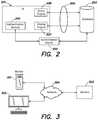
FIG. 2 is a block diagram of an embodiment of the computer-aided music education method of the invention;
FIG. 3 is a block diagram of an embodiment of the music education system of the invention;
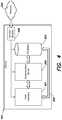
FIG. 4 is a block diagram of another embodiment of the music education system of the invention;
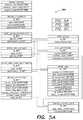
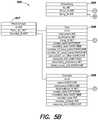
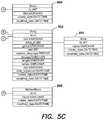
FIGS. 5A, 5B, and 5C taken together are a database schema diagram illustrating the various independent and dependent tables and relationships of the database of an embodiment of the invention; and
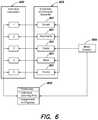
FIG. 6 is a block diagram showing an embodiment wherein the methods and structures of the invention facilitate collaboration between individual instructors and ensemble music directors/instructors.
DETAILED DESCRIPTION
Music education has critical societal benefits, and is of wide-spread interest. There is well-documented evidence that musical ability correlates to other skills and abilities. But, conventional music education is both linear and rigid, rendering it less sticky than desired. That is, students may not pick up new skills and performance levels, or retain old skills and performance levels as well as desired. Results are consequently poor at conventional music schools and programs; students drop music classes at an alarming frequency. In contrast, teaching and learning music is best done through immersion, through dialog with other students, and through dialog between students and teachers, all in both individual and ensemble settings. Immersion and dialog for the purposes of music education most often take place on a non-verbal level, through the common language and experience of the music, itself. One reason that conventional music schools do not simply change the balance between individual instruction and ensemble instruction is that simply switching to an ensemble model of learning poses substantial challenges. In addition to the complexities inherent in an ensemble of different instruments, it is rare that an ensemble can be assembled in which all members are at a common proficiency level, with common technical breadth and depth.
The present invention is practiced by a music studio having, or having access to, a database of music accessible using an app executing on a computer or device, or through a browser executing on a computer or device. The database includes plural layers of information relating songs and concepts, the selection of which is key. The layers may include such song-specific concepts as instrumentation requirements, techniques required, musical styles represented, and show theme suitability. Additional layers may include, but are not limited to, tempo, key, scales, time signatures, notable intervals, song form, and vocal range. Thus, an instructor can create a thematic performance for a group of musicians studying various instruments at different levels to build their skill sets and proficiency through experiential learning. Efficacy of the teaching and learning processes is improved by removing randomness from the educational journey. The journey is curated in a way to accommodate the variety of requirements of the group of students.
As shown inFIG. 1, an embodiment of the method of the invention includes several activities, some of which must be performed with the assistance of computing systems, while others may be performed by a variety of means.
For example, an instructor, administrator, or other person may assemble an ensemble,101, of students to learn, practice, and perform together. The choice of members in the ensemble may be somewhat arbitrary, depending on the desired result. A suitable mix of instruments (e.g., guitar, voice, drums, keyboards, etc.) may be a selection priority, while proficiency levels and skill sets may be subordinate considerations. The invention permits such mixing of levels by compensating when song selection for performance is addressed, later. A more important factor in assembling an ensemble,101, is that the ensemble be structured around the desire to perform a show together, perhaps on the basis of a common musical interest, theme, etc.
A computer implemented database of songs is assembled. The database is organized so as to have multiple dimensions through which songs can be selected. This database is now briefly described, and will be described in further detail below.
The database,102, may be stored in any conventional database server (FIG. 2, 203) supporting relational operations. For example, the database may be housed in a SQL server. The database server (FIG. 2, 203) may be housed at an individual music studio, at a centralized location serving plural music studios, or may be distributed. Copies of the database or portions thereof may be transferred to local storage or access devices, for offline access or faster operation, if desired.
We turn now to a brief description of the content and arrangement of the database, along with the query engine by which information is extracted. These features supply a unique ability to reduce friction in the pedagogical system, making it more effective and efficient.
Because performance-based music education captures the students' interests and engages them through immersion, the instructor begins the selection of songs,103, by determining what type of show to assemble. One slice of the database is therefore the suitability of each song for a musical show of a given theme. Songs can be rated as suitable or unsuitable for each theme, or can be rated on a suitability continuum against each theme. The instructor decides on one or more themes for a performance, and any other specific searchable characteristics desired, and enters that information,104. Another slice of the database is instrumentation requirements for each song. Instrumentation requirements may include which instruments are necessary to the performance of a song, as well as which instruments could be used if available, but may be omitted if unavailable. The instructor enters the instrumentation,104, available in a group of students.
Of course, each student has arrived at a current point in time having within the range of their instrument, different skill sets (ie, techniques used with their instrument), different proficiency levels for each technique, and perhaps different stylistic interests. For each available student, the instructor enters into the query engine values for these slices of the database corresponding to each student's capabilities and desires.
Additional layers or slices of the database may, of course, be used. The foregoing exemplify several that have been found by the present inventors to reduce pedagogical efficiency dramatically, producing faster learning that is better retained by the students.
The query engine (FIG. 2, 206) extracts songs corresponding to themes for groups of students that match their learning level based on instrument, skill set, and proficiency level. The instructor or query engine group the students into ensembles either according to typical instrumentation for performance ensembles, either manually or automatically using heuristics, to better match ensembles with available songs. Each ensemble is thus matched with a suitable show theme, from which songs are selected to engage each student to achieve that student's next level, either by increasing proficiency in current skills or by adding a new skill to the student's repertoire.
The selection of songs by the query engine (FIG. 2, 206) may be programmed to return a group of songs for each ensemble that each increase the level of one or more students in the ensemble by one level in one or more areas (eg, known skills or proficiency levels), or may be programmed to return a group of songs for each ensemble where each song within the theme builds on the skills and proficiency levels of an earlier song, such that the group practices them in sequence so as to build a performance several levels higher than the students' capabilities at the outset of the current training period.
Students then engage in both independent and ensemble practice and performance,105.
FIG. 2 shows the general arrangement of a user interface,201, authentication server,202, and database server,203, in which aspects of the invention may be embodied. In this embodiment, the instructor or student may enter credentials into an authentication module,204, of the user interface,201, in order to obtain specified access rights to the database,203. The authentication server,202, enables a channel,205, to be established through which the user interface,201, can communicate with the database,203. Thus, the user (e.g. instructor or student) can query the database through query engine,206, and receive results through display engine,207. Conventional authentication and access protocols and methods can provide the instructors, students, and other users each with appropriate levels of access to their requirements as defined by the needs of each within the overall educational environment and process. For example, students may be limited to searching for certain types, levels, or other groupings of materials, while instructors may be able to access, annotate, or otherwise modify the database. Alternatively, modification may be prohibited to all, or different types of annotation open to all. Numerous other combinations of access and database enhancements that permit more efficient educational use of the database are contemplated as within the scope of this aspect.
In general the system according to various embodiments, as shown inFIG. 3, include mobile devices,301, and fixed computing assets,302, that may include input or output devices, or may have other purposes such as local cacheing of at least portions of the database (FIG. 2, 203). The devices and other assets,301 and302, communicate with one or more servers,303, through anetwork304. Network,304, may include local or wide-area components. Thenetwork304, may include a combination of local connections allowing access to the global internet. Thus, servers,303, may be physically located locally to the devices and other assets,301 and302, that communicate with the servers,303, or may be physically remote therefrom.
In an alternate embodiment, as shown inFIG. 4, a stand-alone system may be implemented in a single device,401, or a local group of devices acting in concert as in a stand-alone mode. In such an implementation, the user interface,201, the authentication server,202, the database,203, and the channel,205, as well as the sub-components described above are all embodied in the local device,401, or group of devices acting in concert. Such a stand-alone device may receive database updates through a local updater module,402, connected when needed to a network,304, over which the database updates are communicated.
Additional details of the database are now described in connection withFIGS. 5A, 5B, and 5C. This embodiment is implemented on a SQL server using the Django framework. Other database backends and frameworks can be used. Django officially supports SQLite, as well as PostgreSQL, MySQL, and Oracle.
The database is preferably arranged in a multidimensional, relational structure, such as that shown inFIGS. 5A, 5B, and 5C. This structure better allows for expansion and/or contraction of the database as the catalog of songs available for performance, and therefore instrumentations, skills, and proficiency levels available to the instructor change, as well as permitting easier restructuring of the database to incorporate other levels or slices of the song catalog to accommodate new variables found to improve pedagogical efficacy.
In the exemplary database structure, the database includes a section of authentication-related content,501, and a section of pedagogical content,502. Songs,503, are linked to shows,504, through a show-song combining table,505. Songs,503, are also linked to the parts,506, required or optional for each. The parts,506, table also characterizes the song and part according to techniques, skills, and proficiency required to perform that song. By back-linking to a part-concept combiner,507, songs,503, can then be linked through concepts,508, to specific method books,509, in which the source material for student access and study is identified. Optionally, the source material may also be stored in the database, so students can use their devices to directly access assigned material published through the database to them.
In an embodiment in a music studio environment, as shown inFIG. 6, individual students studying at different proficiency levels,601, taught in private lessons by individual instructors,602, can coordinate as an ensemble,603, under the direction of an ensemble music director,604, also an instructor, using common tools,605, including the database (FIG. 1, 102;FIG. 2, 203) described above. Both the individual instructors,602, and the ensemble music director,604, determine the students' readiness, individual learning plans, and assessments of progress using the common tools,605, in a unified manner not achieved in conventional music schools.
For example, ensemble music director,604, employs the common tools,605, to select songs having parts requiring techniques and skill levels suitable to an ensemble of individual students,601. Based on progress levels fed back into the database through the common tools,605, the individual instructors,602, receive feedback about the capabilities and shortcomings of individual students,601. Knowing the individual capabilities and shortcomings of the individual students,601, the individual instructors,602, then adjust the training of the individual students,601, in their individual instruments, techniques, and skills necessary to achieve success both individually and in their ensemble.
Feedback can also run the other direction, that is, from the individual instructors,602, who make observations of the capabilities and shortcomings of the individual students,601, which are then entered into the common tools,605, from which the ensemble music director,604, then makes additional selections or places different pedagogical emphasis on the songs performed by the ensemble,603.
Numerous combinations and variations not specifically set forth herein will now be evident to the skilled artisan that are contemplated as within the scope of the invention claimed. Where considered reasonable and evident to the skilled artisan, elements of different variations described may be recombined to form additional embodiments where such come within the scope of the invention as claimed.

Claims (14)

What is claimed is:
1. A computer-aided method of educating music students comprising:
assembling an ensemble of at least three music students, the students using differing instruments at differing proficiency levels and focusing on differing musical techniques;
compiling a multidimensional database of songs, wherein dimensions of the database include three or more of: instrumentation requirements, technique requirements, musical styles represented, proficiency levels, and show theme suitability;
searching the database for songs having desired characteristics matching the differing instruments, differing proficiency levels, and differing musical techniques of the students;
selecting a first song for the students based on results from the searching of the database, the selected first song being playable by the students using the differing instruments;
receiving feedback regarding shortcomings of the students in regard to the students playing the first song; and
selecting a second song based at least in part on the feedback, the second song having one or more of: (i) a different proficiency level for at least one of the differing instruments when compared to the first song, (ii) a different technique requirement for at least one of the differing instruments when compared to the first song, or (iii) a different musical style when compared to the first song.
2. The computer-aided method ofclaim 1, further comprising:
selecting songs by skills and techniques to be taught in individual lessons to individual students of the ensemble of students, wherein the selected songs are playable by the ensemble of students using the differing instruments, differing proficiency levels, and differing musical techniques, and wherein the first song and the second song are included in the selected songs.
3. The computer-aided method ofclaim 2, wherein the selected songs fit a common show theme.
4. The computer-aided method ofclaim 2, further comprising:
selecting additional songs by a combination of student preferences, skills, and techniques to be taught, the additional songs being playable by the ensemble of students using their differing instruments, differing proficiency levels, and differing musical techniques.
5. The computer-aided method ofclaim 2, further comprising:
selecting additional songs by a combination of instructor preferences for demonstration purposes, and student skills and techniques to be taught, the additional songs being playable by the ensemble of students using their differing instruments, differing proficiency levels, and differing musical techniques.
6. The method ofclaim 1, wherein the feedback is based on individual performance of the students.
7. The method ofclaim 1, wherein the feedback is based on collective performance of the students.
8. An improved music education system comprising:
a server holding a multidimensional database of songs, wherein dimensions of the database include three or more of: instrumentation requirements, technique requirements, musical styles represented, proficiency levels, and show theme suitability; and
a client, in cooperation with the server, is configured to:
provide search parameters for searching the database for songs having desired characteristics matching differing instruments, differing proficiency levels, and differing musical techniques of a group of students;
receive search results from the server, the search results including a first song, the first song being playable by the students using the differing instruments;
select a second song based at least in part on feedback regarding shortcomings of the students in regard to the students playing the first song, the second song having one or more of: (i) a different proficiency level for at least one of the differing instruments when compared to the first song, (ii) a different technique requirement for at least one of the differing instruments when compared to the first song, or (iii) a different musical style when compared to the first song.
9. The music education system ofclaim 8, wherein the client is further configured to:
select songs by skills and techniques to be taught in individual lessons to individual students of the group of students, wherein the selected songs are playable by the group of students using the differing instruments, differing proficiency levels, and differing musical techniques, and wherein the first song and the second song are included in the selected songs.
10. The music education system ofclaim 9, wherein the selected songs fit a common show theme.
11. The music education system ofclaim 9, wherein the client is further configured to:
select additional songs by a combination of student preferences, skills, and techniques to be taught, the additional songs being playable by the group of students using differing instruments, differing proficiency levels, and differing musical techniques.
12. The music education system ofclaim 9, wherein the client is further configured to:
select additional songs by combination of instructor preferences for demonstration purposes, and student skills and techniques to be taught, the additional songs being playable by the group of students using the differing instruments, differing proficiency levels, and differing musical techniques.
13. The music education system ofclaim 8, wherein the feedback is based on individual performance of the students.
14. The music education system ofclaim 8, wherein wherein the feedback is based on collective performance of the students.
US16/443,9612019-06-182019-06-18Method and apparatus of music educationActiveUS10891872B1 (en)

Priority Applications (22)

Application NumberPriority DateFiling DateTitle
US16/443,961US10891872B1 (en)2019-06-182019-06-18Method and apparatus of music education
CA3194171ACA3194171A1 (en)2019-06-182020-06-18Method and apparatus of music education
CA3109721ACA3109721C (en)2019-06-182020-06-18Method and apparatus of music education
EP20737729.2AEP3821420A1 (en)2019-06-182020-06-18Method and apparatus of music education
PCT/US2020/038556WO2020257535A1 (en)2019-06-182020-06-18Method and apparatus of music education
PH1/2021/553119APH12021553119A1 (en)2019-06-182020-06-18Method and apparatus of music education
MX2021002022AMX2021002022A (en)2019-06-182020-06-18Method and apparatus of music education.
AU2020297527AAU2020297527A1 (en)2019-06-182020-06-18Method and apparatus of music education
EP24153427.0AEP4332855A3 (en)2019-06-182020-06-18Method and apparatus of music education
BR112021003044ABR112021003044A2 (en)2019-06-182020-06-18 Music education method and server comprising a processor and computer-readable media
PE2021002113APE20221196A1 (en)2019-06-182020-06-18 MUSIC EDUCATION SYSTEM AND APPARATUS
CL2021000422ACL2021000422A1 (en)2019-06-182021-02-18 Music education system and apparatus.
ZA2021/01308AZA202101308B (en)2019-06-182021-02-25Method and apparatus of music education
CONC2021/0004391ACO2021004391A2 (en)2019-06-182021-04-08 Music education system and apparatus
TW110122397ATW202213294A (en)2019-06-182021-06-18Method and apparatus of music education
US17/553,423US12165534B2 (en)2019-06-182021-12-16Method and apparatus of music education
AU2022202364AAU2022202364A1 (en)2019-06-182022-04-08Method and apparatus of music education
BR112023026665ABR112023026665A2 (en)2019-06-182022-06-20 COMPUTER-AIDED METHOD, SERVER AND SYSTEM
US17/844,142US12165535B2 (en)2019-06-182022-06-20System and method of facilitating live jam session with song recommendation engine to recommend a song to be played
AU2024203732AAU2024203732A1 (en)2019-06-182024-06-03Method and apparatus of music education
US18/894,218US20250014475A1 (en)2019-06-182024-09-24Method and apparatus of music education
US18/949,924US20250078679A1 (en)2019-06-182024-11-15System and method of facilitating live jam session with song recommendation engine to recommend a song to be played

Applications Claiming Priority (1)

Application NumberPriority DateFiling DateTitle
US16/443,961US10891872B1 (en)2019-06-182019-06-18Method and apparatus of music education

Related Child Applications (1)

Application NumberTitlePriority DateFiling Date
PCT/US2020/038556ContinuationWO2020257535A1 (en)2019-06-182020-06-18Method and apparatus of music education

Publications (2)

Publication NumberPublication Date
US20200402417A1 US20200402417A1 (en)2020-12-24
US10891872B1true US10891872B1 (en)2021-01-12

Family

ID=71527999

Family Applications (3)

Application NumberTitlePriority DateFiling Date
US16/443,961ActiveUS10891872B1 (en)2019-06-182019-06-18Method and apparatus of music education
US17/553,423Active2040-02-14US12165534B2 (en)2019-06-182021-12-16Method and apparatus of music education
US18/894,218PendingUS20250014475A1 (en)2019-06-182024-09-24Method and apparatus of music education

Family Applications After (2)

Application NumberTitlePriority DateFiling Date
US17/553,423Active2040-02-14US12165534B2 (en)2019-06-182021-12-16Method and apparatus of music education
US18/894,218PendingUS20250014475A1 (en)2019-06-182024-09-24Method and apparatus of music education

Country Status (13)

CountryLink
US (3)US10891872B1 (en)
EP (2)EP3821420A1 (en)
AU (3)AU2020297527A1 (en)
BR (2)BR112021003044A2 (en)
CA (2)CA3109721C (en)
CL (1)CL2021000422A1 (en)
CO (1)CO2021004391A2 (en)
MX (1)MX2021002022A (en)
PE (1)PE20221196A1 (en)
PH (1)PH12021553119A1 (en)
TW (1)TW202213294A (en)
WO (1)WO2020257535A1 (en)
ZA (1)ZA202101308B (en)

Cited By (2)

* Cited by examiner, † Cited by third party
Publication numberPriority datePublication dateAssigneeTitle
US20220172637A1 (en)*2019-06-182022-06-02School of Rock, LLCMethod and apparatus of music education
US20220319350A1 (en)*2019-06-182022-10-06School of Rock, LLCSystem and method of facilitating live jam session with song recommendation engine to recommend a song to be played

Families Citing this family (1)

* Cited by examiner, † Cited by third party
Publication numberPriority datePublication dateAssigneeTitle
CA3223067A1 (en)*2021-06-182022-12-22Sam DRESSERSystem and method of facilitating live jam session with song recommendation engine to recommend a song to be played

Citations (16)

* Cited by examiner, † Cited by third party
Publication numberPriority datePublication dateAssigneeTitle
US5585583A (en)*1993-10-141996-12-17Maestromedia, Inc.Interactive musical instrument instruction system
US20020002899A1 (en)*2000-03-222002-01-10Gjerdingen Robert O.System for content based music searching
US20020052933A1 (en)*2000-01-142002-05-02Gerd LeonhardMethod and apparatus for licensing media over a network
US6639138B1 (en)*2000-08-172003-10-28Timothy Eugene HesterMusic education system
US6678680B1 (en)*2000-01-062004-01-13Mark WooMusic search engine
US20040074376A1 (en)*2000-04-062004-04-22Rainbow Music CorporationSystem for playing music having multi-colored musical notation and instruments
US20060134590A1 (en)*2004-10-272006-06-22Timothy HuffmanVideo-based music learning tool
US20070131094A1 (en)*2005-11-092007-06-14Sony Deutschland GmbhMusic information retrieval using a 3d search algorithm
US20080190272A1 (en)*2007-02-142008-08-14Museami, Inc.Music-Based Search Engine
US20080302233A1 (en)*2007-01-032008-12-11Xiao-Yu DingDigital music systems
US20090132077A1 (en)*2007-11-162009-05-21National Institute Of Advanced Industrial Science And TechnologyMusic information retrieval system
US7890374B1 (en)2000-10-242011-02-15Rovi Technologies CorporationSystem and method for presenting music to consumers
US20150186419A1 (en)*2013-12-312015-07-02Vandana AgrawalStyle recommendation engine and method
US20170018202A1 (en)*2015-07-172017-01-19Giovanni Technologies, Inc.Musical notation, system, and methods
US20180341702A1 (en)*2017-05-252018-11-29J.W. Pepper & Son, Inc.Sheet Music Search and Discovery System
US20190012381A1 (en)2017-07-062019-01-10Sync Floor, Inc.System and Method for Natural Language Music Search

Family Cites Families (10)

* Cited by examiner, † Cited by third party
Publication numberPriority datePublication dateAssigneeTitle
US1238119A (en)1917-05-091917-08-28Ralph D EdmundsSupporting electric.
US5728960A (en)*1996-07-101998-03-17Sitrick; David H.Multi-dimensional transformation systems and display communication architecture for musical compositions
WO2012051605A2 (en)2010-10-152012-04-19Jammit Inc.Dynamic point referencing of an audiovisual performance for an accurate and precise selection and controlled cycling of portions of the performance
US20150254340A1 (en)*2014-03-102015-09-10JamKazam, Inc.Capability Scoring Server And Related Methods For Interactive Music Systems
US10008190B1 (en)*2016-12-152018-06-26Michael John ElsonNetwork musical instrument
GB2566008B (en)2017-08-232020-04-22Falmouth UnivCollaborative session over a network
US12165535B2 (en)*2019-06-182024-12-10School of Rock, LLCSystem and method of facilitating live jam session with song recommendation engine to recommend a song to be played
US10891872B1 (en)*2019-06-182021-01-12School of Rock, LLCMethod and apparatus of music education
US10885891B2 (en)*2020-01-232021-01-05Pallavi Ekaa DesaiSystem, method and apparatus for directing a presentation of a musical score via artificial intelligence
US11670188B2 (en)*2020-12-022023-06-06Joytunes Ltd.Method and apparatus for an adaptive and interactive teaching of playing a musical instrument

Patent Citations (18)

* Cited by examiner, † Cited by third party
Publication numberPriority datePublication dateAssigneeTitle
US5585583A (en)*1993-10-141996-12-17Maestromedia, Inc.Interactive musical instrument instruction system
US6678680B1 (en)*2000-01-062004-01-13Mark WooMusic search engine
US20020052933A1 (en)*2000-01-142002-05-02Gerd LeonhardMethod and apparatus for licensing media over a network
US20020002899A1 (en)*2000-03-222002-01-10Gjerdingen Robert O.System for content based music searching
US20040074376A1 (en)*2000-04-062004-04-22Rainbow Music CorporationSystem for playing music having multi-colored musical notation and instruments
US6639138B1 (en)*2000-08-172003-10-28Timothy Eugene HesterMusic education system
US7890374B1 (en)2000-10-242011-02-15Rovi Technologies CorporationSystem and method for presenting music to consumers
US20060134590A1 (en)*2004-10-272006-06-22Timothy HuffmanVideo-based music learning tool
US20070131094A1 (en)*2005-11-092007-06-14Sony Deutschland GmbhMusic information retrieval using a 3d search algorithm
US20080302233A1 (en)*2007-01-032008-12-11Xiao-Yu DingDigital music systems
US20080190272A1 (en)*2007-02-142008-08-14Museami, Inc.Music-Based Search Engine
US7838755B2 (en)*2007-02-142010-11-23Museami, Inc.Music-based search engine
US20080190271A1 (en)*2007-02-142008-08-14Museami, Inc.Collaborative Music Creation
US20090132077A1 (en)*2007-11-162009-05-21National Institute Of Advanced Industrial Science And TechnologyMusic information retrieval system
US20150186419A1 (en)*2013-12-312015-07-02Vandana AgrawalStyle recommendation engine and method
US20170018202A1 (en)*2015-07-172017-01-19Giovanni Technologies, Inc.Musical notation, system, and methods
US20180341702A1 (en)*2017-05-252018-11-29J.W. Pepper & Son, Inc.Sheet Music Search and Discovery System
US20190012381A1 (en)2017-07-062019-01-10Sync Floor, Inc.System and Method for Natural Language Music Search

Non-Patent Citations (1)

* Cited by examiner, † Cited by third party
Title
International Search Report and Written Opinion in International Application No. PCT/US2020/038556 dated Sep. 16, 2020 (9 pages).

Cited By (4)

* Cited by examiner, † Cited by third party
Publication numberPriority datePublication dateAssigneeTitle
US20220172637A1 (en)*2019-06-182022-06-02School of Rock, LLCMethod and apparatus of music education
US20220319350A1 (en)*2019-06-182022-10-06School of Rock, LLCSystem and method of facilitating live jam session with song recommendation engine to recommend a song to be played
US12165534B2 (en)*2019-06-182024-12-10School of Rock, LLCMethod and apparatus of music education
US12165535B2 (en)*2019-06-182024-12-10School of Rock, LLCSystem and method of facilitating live jam session with song recommendation engine to recommend a song to be played

Also Published As

Publication numberPublication date
BR112021003044A2 (en)2021-12-28
TW202213294A (en)2022-04-01
WO2020257535A1 (en)2020-12-24
PH12021553119A1 (en)2022-08-08
ZA202101308B (en)2022-01-26
CA3109721C (en)2023-05-16
EP4332855A3 (en)2024-04-10
AU2022202364A1 (en)2022-05-05
US12165534B2 (en)2024-12-10
US20200402417A1 (en)2020-12-24
US20250014475A1 (en)2025-01-09
CO2021004391A2 (en)2021-07-30
AU2020297527A1 (en)2021-03-11
CA3194171A1 (en)2020-12-24
BR112023026665A2 (en)2024-03-05
EP3821420A1 (en)2021-05-19
CL2021000422A1 (en)2021-09-03
MX2021002022A (en)2021-05-31
US20220172637A1 (en)2022-06-02
AU2024203732A1 (en)2024-07-11
CA3109721A1 (en)2020-12-24
EP4332855A2 (en)2024-03-06
PE20221196A1 (en)2022-08-09

Similar Documents

PublicationPublication DateTitle
ColsonConducting and rehearsing the instrumental music ensemble: Scenarios, priorities, strategies, essentials, and repertoire
US12165534B2 (en)Method and apparatus of music education
US20230368759A1 (en)Systems, methods, and apparatuses for systematically generating skill adapted musical arrangements on a per-user basis of a common musical piece for the collective performance by the users as an ad-hoc band
US12165535B2 (en)System and method of facilitating live jam session with song recommendation engine to recommend a song to be played
Bauer et al.ICT in music education
ZhouWeb-based music learning environment
Karkina et al.Performance practice in a pandemic: Training ensemble skills using E-tivities in music teacher education
Pacheco-CostaTeachers’ strategies for playing by ear in one-to-one instrumental lessons: a case-study in Spain
BernardDisciplinary discord: The implications of teacher training for K–12 music education
RosenbergPopular music in the college music theory class: Rhythm and meter
SpiginsTHEORETICAL FUNDAMENTALS OF THE PROCESS OF ACQUIRING THE DIDACTIC MODEL FOR STYLE MODELLING IN MUSICAL IMPROVISATION
ThompsonResearching Technological Advancements Through Alternative Methods of Music Education to Engage Students in the Digital Age
HanThe use of digital technologies in teaching the saxophone in a Chinese conservatory: learning based on the experience of saxophonists Du Yinjiao and Liu Yuan
De KokerCollaborative pianists in South Africa: comparative & practice-based perspectives with reference to musical theatre
CA3223067A1 (en)System and method of facilitating live jam session with song recommendation engine to recommend a song to be played
Ferm-AlmqvistPlanning for multi-modal listening and digital meaning making: Music stream-ing literacy as a didactic activity
FianoMiddle school music technology and composition club: Curriculum design and challenges to implementation
ReevesGateways to 20th century violin repertoire: Selections from Luciano Berio's Duetti per due Violini
BlackburnA Model For an Effective Note Teaching and Learning Strategy For Community Choirs, Incorporating Malay Folk and Childrens’ Song Material Exemplars
GradenMusic Technology and the Hybrid Classroom Model
Nenadic et al.Music Makers of the Future: West Midlands Music Research Report 2022
DaviesThe Digital Humanities and Teaching Iberian and Latin American Music History
ReistadbakkKnowledge for the Future Music Teacher: Authentic Learning Spaces for Teaching Songwriting and Production Using Music Technology
Whorton“I Don't Sing!” Teaching Music in After-School Settings With Untrained High School Male Voices
Eastern et al.Research Media and Information Exchang e

Legal Events

DateCodeTitleDescription
FEPPFee payment procedure

Free format text:ENTITY STATUS SET TO UNDISCOUNTED (ORIGINAL EVENT CODE: BIG.); ENTITY STATUS OF PATENT OWNER: LARGE ENTITY

ASAssignment

Owner name:SCHOOL OF ROCK, LLC, MASSACHUSETTS

Free format text:ASSIGNMENT OF ASSIGNORS INTEREST;ASSIGNOR:PRICE, ROB;REEL/FRAME:050714/0800

Effective date:20190625

Owner name:SCHOOL OF ROCK, LLC, MASSACHUSETTS

Free format text:ASSIGNMENT OF ASSIGNORS INTEREST;ASSIGNOR:SITNICK, LEONARD A;REEL/FRAME:050686/0151

Effective date:20190730

ASAssignment

Owner name:SCHOOL OF ROCK, LLC, MASSACHUSETTS

Free format text:ASSIGNMENT OF ASSIGNORS INTEREST;ASSIGNOR:DRESSER, SAM;REEL/FRAME:052414/0597

Effective date:20191015

STCFInformation on status: patent grant

Free format text:PATENTED CASE

ASAssignment

Owner name:ARES CAPITAL CORPORATION, NEW YORK

Free format text:PATENT AND TRADEMARK SECURITY AGREEMENT;ASSIGNOR:SCHOOL OF ROCK, LLC;REEL/FRAME:064807/0517

Effective date:20230901

MAFPMaintenance fee payment

Free format text:PAYMENT OF MAINTENANCE FEE, 4TH YEAR, LARGE ENTITY (ORIGINAL EVENT CODE: M1551); ENTITY STATUS OF PATENT OWNER: LARGE ENTITY

Year of fee payment:4


[8]ページ先頭

©2009-2025 Movatter.jp