KR20220080474A - Vehicle and method of controlling the same - Google Patents
Vehicle and method of controlling the sameDownload PDFInfo
- Publication number
- KR20220080474A KR20220080474AKR1020200169616AKR20200169616AKR20220080474AKR 20220080474 AKR20220080474 AKR 20220080474AKR 1020200169616 AKR1020200169616 AKR 1020200169616AKR 20200169616 AKR20200169616 AKR 20200169616AKR 20220080474 AKR20220080474 AKR 20220080474A
- Authority
- KR
- South Korea
- Prior art keywords
- vehicle
- passengers
- disembarking
- passenger
- board
- Prior art date
- Legal status (The legal status is an assumption and is not a legal conclusion. Google has not performed a legal analysis and makes no representation as to the accuracy of the status listed.)
- Pending
Links
Images



Classifications
- G—PHYSICS
- G06—COMPUTING OR CALCULATING; COUNTING
- G06V—IMAGE OR VIDEO RECOGNITION OR UNDERSTANDING
- G06V20/00—Scenes; Scene-specific elements
- G06V20/50—Context or environment of the image
- G06V20/59—Context or environment of the image inside of a vehicle, e.g. relating to seat occupancy, driver state or inner lighting conditions
- G06V20/593—Recognising seat occupancy
- B—PERFORMING OPERATIONS; TRANSPORTING
- B60—VEHICLES IN GENERAL
- B60K—ARRANGEMENT OR MOUNTING OF PROPULSION UNITS OR OF TRANSMISSIONS IN VEHICLES; ARRANGEMENT OR MOUNTING OF PLURAL DIVERSE PRIME-MOVERS IN VEHICLES; AUXILIARY DRIVES FOR VEHICLES; INSTRUMENTATION OR DASHBOARDS FOR VEHICLES; ARRANGEMENTS IN CONNECTION WITH COOLING, AIR INTAKE, GAS EXHAUST OR FUEL SUPPLY OF PROPULSION UNITS IN VEHICLES
- B60K35/00—Instruments specially adapted for vehicles; Arrangement of instruments in or on vehicles
- B—PERFORMING OPERATIONS; TRANSPORTING
- B60—VEHICLES IN GENERAL
- B60K—ARRANGEMENT OR MOUNTING OF PROPULSION UNITS OR OF TRANSMISSIONS IN VEHICLES; ARRANGEMENT OR MOUNTING OF PLURAL DIVERSE PRIME-MOVERS IN VEHICLES; AUXILIARY DRIVES FOR VEHICLES; INSTRUMENTATION OR DASHBOARDS FOR VEHICLES; ARRANGEMENTS IN CONNECTION WITH COOLING, AIR INTAKE, GAS EXHAUST OR FUEL SUPPLY OF PROPULSION UNITS IN VEHICLES
- B60K35/00—Instruments specially adapted for vehicles; Arrangement of instruments in or on vehicles
- B60K35/20—Output arrangements, i.e. from vehicle to user, associated with vehicle functions or specially adapted therefor
- B60K35/21—Output arrangements, i.e. from vehicle to user, associated with vehicle functions or specially adapted therefor using visual output, e.g. blinking lights or matrix displays
- B60K35/22—Display screens
- B—PERFORMING OPERATIONS; TRANSPORTING
- B60—VEHICLES IN GENERAL
- B60Q—ARRANGEMENT OF SIGNALLING OR LIGHTING DEVICES, THE MOUNTING OR SUPPORTING THEREOF OR CIRCUITS THEREFOR, FOR VEHICLES IN GENERAL
- B60Q3/00—Arrangement of lighting devices for vehicle interiors; Lighting devices specially adapted for vehicle interiors
- B60Q3/70—Arrangement of lighting devices for vehicle interiors; Lighting devices specially adapted for vehicle interiors characterised by the purpose
- B60Q3/74—Arrangement of lighting devices for vehicle interiors; Lighting devices specially adapted for vehicle interiors characterised by the purpose for overall compartment lighting; for overall compartment lighting in combination with specific lighting, e.g. room lamps with reading lamps
- B—PERFORMING OPERATIONS; TRANSPORTING
- B60—VEHICLES IN GENERAL
- B60Q—ARRANGEMENT OF SIGNALLING OR LIGHTING DEVICES, THE MOUNTING OR SUPPORTING THEREOF OR CIRCUITS THEREFOR, FOR VEHICLES IN GENERAL
- B60Q3/00—Arrangement of lighting devices for vehicle interiors; Lighting devices specially adapted for vehicle interiors
- B60Q3/80—Circuits; Control arrangements
- B—PERFORMING OPERATIONS; TRANSPORTING
- B60—VEHICLES IN GENERAL
- B60R—VEHICLES, VEHICLE FITTINGS, OR VEHICLE PARTS, NOT OTHERWISE PROVIDED FOR
- B60R16/00—Electric or fluid circuits specially adapted for vehicles and not otherwise provided for; Arrangement of elements of electric or fluid circuits specially adapted for vehicles and not otherwise provided for
- B60R16/02—Electric or fluid circuits specially adapted for vehicles and not otherwise provided for; Arrangement of elements of electric or fluid circuits specially adapted for vehicles and not otherwise provided for electric constitutive elements
- B60R16/023—Electric or fluid circuits specially adapted for vehicles and not otherwise provided for; Arrangement of elements of electric or fluid circuits specially adapted for vehicles and not otherwise provided for electric constitutive elements for transmission of signals between vehicle parts or subsystems
- B—PERFORMING OPERATIONS; TRANSPORTING
- B60—VEHICLES IN GENERAL
- B60W—CONJOINT CONTROL OF VEHICLE SUB-UNITS OF DIFFERENT TYPE OR DIFFERENT FUNCTION; CONTROL SYSTEMS SPECIALLY ADAPTED FOR HYBRID VEHICLES; ROAD VEHICLE DRIVE CONTROL SYSTEMS FOR PURPOSES NOT RELATED TO THE CONTROL OF A PARTICULAR SUB-UNIT
- B60W30/00—Purposes of road vehicle drive control systems not related to the control of a particular sub-unit, e.g. of systems using conjoint control of vehicle sub-units
- B60W30/18—Propelling the vehicle
- B60W30/18009—Propelling the vehicle related to particular drive situations
- B60W30/18054—Propelling the vehicle related to particular drive situations at stand still, e.g. engine in idling state
- B—PERFORMING OPERATIONS; TRANSPORTING
- B60—VEHICLES IN GENERAL
- B60W—CONJOINT CONTROL OF VEHICLE SUB-UNITS OF DIFFERENT TYPE OR DIFFERENT FUNCTION; CONTROL SYSTEMS SPECIALLY ADAPTED FOR HYBRID VEHICLES; ROAD VEHICLE DRIVE CONTROL SYSTEMS FOR PURPOSES NOT RELATED TO THE CONTROL OF A PARTICULAR SUB-UNIT
- B60W40/00—Estimation or calculation of non-directly measurable driving parameters for road vehicle drive control systems not related to the control of a particular sub unit, e.g. by using mathematical models
- B60W40/08—Estimation or calculation of non-directly measurable driving parameters for road vehicle drive control systems not related to the control of a particular sub unit, e.g. by using mathematical models related to drivers or passengers
- B—PERFORMING OPERATIONS; TRANSPORTING
- B60—VEHICLES IN GENERAL
- B60W—CONJOINT CONTROL OF VEHICLE SUB-UNITS OF DIFFERENT TYPE OR DIFFERENT FUNCTION; CONTROL SYSTEMS SPECIALLY ADAPTED FOR HYBRID VEHICLES; ROAD VEHICLE DRIVE CONTROL SYSTEMS FOR PURPOSES NOT RELATED TO THE CONTROL OF A PARTICULAR SUB-UNIT
- B60W50/00—Details of control systems for road vehicle drive control not related to the control of a particular sub-unit, e.g. process diagnostic or vehicle driver interfaces
- B60W50/08—Interaction between the driver and the control system
- B60W50/14—Means for informing the driver, warning the driver or prompting a driver intervention
- B—PERFORMING OPERATIONS; TRANSPORTING
- B60—VEHICLES IN GENERAL
- B60W—CONJOINT CONTROL OF VEHICLE SUB-UNITS OF DIFFERENT TYPE OR DIFFERENT FUNCTION; CONTROL SYSTEMS SPECIALLY ADAPTED FOR HYBRID VEHICLES; ROAD VEHICLE DRIVE CONTROL SYSTEMS FOR PURPOSES NOT RELATED TO THE CONTROL OF A PARTICULAR SUB-UNIT
- B60W60/00—Drive control systems specially adapted for autonomous road vehicles
- B60W60/001—Planning or execution of driving tasks
- G—PHYSICS
- G06—COMPUTING OR CALCULATING; COUNTING
- G06F—ELECTRIC DIGITAL DATA PROCESSING
- G06F7/00—Methods or arrangements for processing data by operating upon the order or content of the data handled
- G—PHYSICS
- G06—COMPUTING OR CALCULATING; COUNTING
- G06V—IMAGE OR VIDEO RECOGNITION OR UNDERSTANDING
- G06V40/00—Recognition of biometric, human-related or animal-related patterns in image or video data
- G06V40/10—Human or animal bodies, e.g. vehicle occupants or pedestrians; Body parts, e.g. hands
- G06V40/16—Human faces, e.g. facial parts, sketches or expressions
- G06V40/174—Facial expression recognition
- B60K2370/152—
- B—PERFORMING OPERATIONS; TRANSPORTING
- B60—VEHICLES IN GENERAL
- B60W—CONJOINT CONTROL OF VEHICLE SUB-UNITS OF DIFFERENT TYPE OR DIFFERENT FUNCTION; CONTROL SYSTEMS SPECIALLY ADAPTED FOR HYBRID VEHICLES; ROAD VEHICLE DRIVE CONTROL SYSTEMS FOR PURPOSES NOT RELATED TO THE CONTROL OF A PARTICULAR SUB-UNIT
- B60W40/00—Estimation or calculation of non-directly measurable driving parameters for road vehicle drive control systems not related to the control of a particular sub unit, e.g. by using mathematical models
- B60W40/08—Estimation or calculation of non-directly measurable driving parameters for road vehicle drive control systems not related to the control of a particular sub unit, e.g. by using mathematical models related to drivers or passengers
- B60W2040/0881—Seat occupation; Driver or passenger presence
- B—PERFORMING OPERATIONS; TRANSPORTING
- B60—VEHICLES IN GENERAL
- B60W—CONJOINT CONTROL OF VEHICLE SUB-UNITS OF DIFFERENT TYPE OR DIFFERENT FUNCTION; CONTROL SYSTEMS SPECIALLY ADAPTED FOR HYBRID VEHICLES; ROAD VEHICLE DRIVE CONTROL SYSTEMS FOR PURPOSES NOT RELATED TO THE CONTROL OF A PARTICULAR SUB-UNIT
- B60W50/00—Details of control systems for road vehicle drive control not related to the control of a particular sub-unit, e.g. process diagnostic or vehicle driver interfaces
- B60W50/08—Interaction between the driver and the control system
- B60W50/14—Means for informing the driver, warning the driver or prompting a driver intervention
- B60W2050/146—Display means
- B—PERFORMING OPERATIONS; TRANSPORTING
- B60—VEHICLES IN GENERAL
- B60W—CONJOINT CONTROL OF VEHICLE SUB-UNITS OF DIFFERENT TYPE OR DIFFERENT FUNCTION; CONTROL SYSTEMS SPECIALLY ADAPTED FOR HYBRID VEHICLES; ROAD VEHICLE DRIVE CONTROL SYSTEMS FOR PURPOSES NOT RELATED TO THE CONTROL OF A PARTICULAR SUB-UNIT
- B60W2420/00—Indexing codes relating to the type of sensors based on the principle of their operation
- B60W2420/40—Photo, light or radio wave sensitive means, e.g. infrared sensors
- B60W2420/403—Image sensing, e.g. optical camera
- B60W2420/42—
- B—PERFORMING OPERATIONS; TRANSPORTING
- B60—VEHICLES IN GENERAL
- B60W—CONJOINT CONTROL OF VEHICLE SUB-UNITS OF DIFFERENT TYPE OR DIFFERENT FUNCTION; CONTROL SYSTEMS SPECIALLY ADAPTED FOR HYBRID VEHICLES; ROAD VEHICLE DRIVE CONTROL SYSTEMS FOR PURPOSES NOT RELATED TO THE CONTROL OF A PARTICULAR SUB-UNIT
- B60W2520/00—Input parameters relating to overall vehicle dynamics
- B60W2520/04—Vehicle stop
- B—PERFORMING OPERATIONS; TRANSPORTING
- B60—VEHICLES IN GENERAL
- B60W—CONJOINT CONTROL OF VEHICLE SUB-UNITS OF DIFFERENT TYPE OR DIFFERENT FUNCTION; CONTROL SYSTEMS SPECIALLY ADAPTED FOR HYBRID VEHICLES; ROAD VEHICLE DRIVE CONTROL SYSTEMS FOR PURPOSES NOT RELATED TO THE CONTROL OF A PARTICULAR SUB-UNIT
- B60W2540/00—Input parameters relating to occupants
- B60W2540/01—Occupants other than the driver
- B—PERFORMING OPERATIONS; TRANSPORTING
- B60—VEHICLES IN GENERAL
- B60W—CONJOINT CONTROL OF VEHICLE SUB-UNITS OF DIFFERENT TYPE OR DIFFERENT FUNCTION; CONTROL SYSTEMS SPECIALLY ADAPTED FOR HYBRID VEHICLES; ROAD VEHICLE DRIVE CONTROL SYSTEMS FOR PURPOSES NOT RELATED TO THE CONTROL OF A PARTICULAR SUB-UNIT
- B60W2540/00—Input parameters relating to occupants
- B60W2540/049—Number of occupants
- B—PERFORMING OPERATIONS; TRANSPORTING
- B60—VEHICLES IN GENERAL
- B60W—CONJOINT CONTROL OF VEHICLE SUB-UNITS OF DIFFERENT TYPE OR DIFFERENT FUNCTION; CONTROL SYSTEMS SPECIALLY ADAPTED FOR HYBRID VEHICLES; ROAD VEHICLE DRIVE CONTROL SYSTEMS FOR PURPOSES NOT RELATED TO THE CONTROL OF A PARTICULAR SUB-UNIT
- B60W2540/00—Input parameters relating to occupants
- B60W2540/227—Position in the vehicle
- B—PERFORMING OPERATIONS; TRANSPORTING
- B60—VEHICLES IN GENERAL
- B60W—CONJOINT CONTROL OF VEHICLE SUB-UNITS OF DIFFERENT TYPE OR DIFFERENT FUNCTION; CONTROL SYSTEMS SPECIALLY ADAPTED FOR HYBRID VEHICLES; ROAD VEHICLE DRIVE CONTROL SYSTEMS FOR PURPOSES NOT RELATED TO THE CONTROL OF A PARTICULAR SUB-UNIT
- B60W2556/00—Input parameters relating to data
- B60W2556/45—External transmission of data to or from the vehicle
- B60W2556/50—External transmission of data to or from the vehicle of positioning data, e.g. GPS [Global Positioning System] data
- B—PERFORMING OPERATIONS; TRANSPORTING
- B60—VEHICLES IN GENERAL
- B60Y—INDEXING SCHEME RELATING TO ASPECTS CROSS-CUTTING VEHICLE TECHNOLOGY
- B60Y2300/00—Purposes or special features of road vehicle drive control systems
- B60Y2300/18—Propelling the vehicle
- B60Y2300/18008—Propelling the vehicle related to particular drive situations
- B60Y2300/1805—Propelling the vehicle related to particular drive situations at stand still, e.g. engine in idling state
- G—PHYSICS
- G06—COMPUTING OR CALCULATING; COUNTING
- G06V—IMAGE OR VIDEO RECOGNITION OR UNDERSTANDING
- G06V2201/00—Indexing scheme relating to image or video recognition or understanding
- G06V2201/07—Target detection
Landscapes
- Engineering & Computer Science (AREA)
- Mechanical Engineering (AREA)
- Automation & Control Theory (AREA)
- Transportation (AREA)
- Human Computer Interaction (AREA)
- Physics & Mathematics (AREA)
- Theoretical Computer Science (AREA)
- General Physics & Mathematics (AREA)
- Mathematical Physics (AREA)
- Combustion & Propulsion (AREA)
- Chemical & Material Sciences (AREA)
- Multimedia (AREA)
- General Engineering & Computer Science (AREA)
- Health & Medical Sciences (AREA)
- General Health & Medical Sciences (AREA)
- Oral & Maxillofacial Surgery (AREA)
- Traffic Control Systems (AREA)
- User Interface Of Digital Computer (AREA)
- Fittings On The Vehicle Exterior For Carrying Loads, And Devices For Holding Or Mounting Articles (AREA)
Abstract
Translated fromKoreanDescription
Translated fromKorean본 발명은 차량에 관한 것으로, 차량의 탑승 인원의 파악에 관한 것이다.The present invention relates to a vehicle, and relates to a grasp of the number of occupants of the vehicle.
다수의 승객이 하나의 차량을 이용하여 이동할 때 중간 지점에서 일부 승객이 하차 후 재탑승하는 상황이 발생할 수 있다. 또는 다수의 승객이 목적지에 도착하여 모든 승객이 하차하는 상황도 발생할 수 있다.When a plurality of passengers move using a single vehicle, a situation may occur in which some passengers get off and re-board at an intermediate point. Alternatively, a situation may occur in which a large number of passengers arrive at a destination and all passengers alight.
이와 같은 경우, 기존에는 차량 내부에 하차하지 않고 남아있는 승객의 유무를 확인하여 통보하는 기술이 공개되어 있다. 그러나, 최종 목적지가 아닌 중간 경유지에서 잠시 하차하였다가 다시 탑승하여 이동하는 경우, 재탑승해야 할 승객이 미처 재탑승하지 않은 상태에서 차량이 재출발하는 경우가 발생할 수 있어서, 이에 대한 대책이 요구된다.In such a case, conventionally, a technology for notifying the presence of remaining passengers without getting off the vehicle has been disclosed. However, if you get off at an intermediate stopover other than the final destination for a while and then get on again and move, the vehicle may restart without the passenger who needs to get on again.
본 발명의 일 측면에 따르면, 차량이 운행 중 잠시 정차한 상태에서 일부 승객이 하차 후 재탑승하지 않은 경우를 확인하고, 해당 승객과 통신하여 차량에 재탑승할 수 있도록 안내하는 것을 목적으로 한다.According to one aspect of the present invention, an object of the present invention is to check a case where some passengers do not re-board after getting off while the vehicle is temporarily stopped while driving, and communicate with the passengers to guide them to re-board the vehicle.
상술한 목적의 본 발명에 따른 차량 제어 방법은, 차량이 정차 상태로 진입할 때 차량의 내부를 촬영하여 획득한 제 1 이미지의 분석을 통해 상기 차량 내부의 승객의 수를 1차 확인하는 단계와; 상기 차량의 도어 신호가 발생하면 상기 차량의 내부를 촬영하여 획득한 제 2 이미지의 분석을 통해 상기 차량 내부의 승객의 수를 2차 확인하는 단계와; 상기 2차 확인된 승객의 수가 상기 1차 확인된 승객의 수보다 적으면 상기 차량의 표시 수단을 통해 상기 하차 후 재탑승할 승객이 존재함을 표시하는 단계를 포함한다. The vehicle control method according to the present invention for the above purpose includes the steps of first confirming the number of passengers in the vehicle through analysis of a first image obtained by photographing the interior of the vehicle when the vehicle enters a stopped state; ; secondly checking the number of passengers inside the vehicle through analysis of a second image obtained by photographing the interior of the vehicle when a door signal of the vehicle is generated; and if the number of the secondly confirmed passengers is less than the number of the firstly confirmed passengers, displaying through a display means of the vehicle that there are passengers to be re-boarded after getting off the vehicle.
상술한 차량 제어 방법에서, 상기 하차 후 재탑승할 승객이 존재하는 것으로 판단되면, 상기 하차 후 재탑승할 승객을 픽업하기 위해 주변의 정차 가능한 지점을 확인하고, 정차가 불가능한 지점일 때 정차 가능한 지점을 검색하는 단계를 더 포함한다.In the above-described vehicle control method, when it is determined that there is a passenger to re-board after disembarking, a nearby stopable point is checked to pick up a re-boarding passenger after disembarking, and when the stop is impossible, a stoppable point It further includes the step of searching for
상술한 차량 제어 방법은, 상기 차량을 상기 정차 가능한 지점으로 이동시키면서 상기 하차 후 재탑승할 승객에게 상기 차량의 현재 위치를 통보하는 단계를 더 포함한다.The above-described vehicle control method further includes the step of notifying the current location of the vehicle to a passenger to re-board after the vehicle is disembarked while moving the vehicle to the stopable point.
상술한 차량 제어 방법은, 상기 하차 후 재탑승할 승객의 픽업을 위해 재정차하는 단계와; 상기 차량의 도어 신호가 다시 발생하면 상기 차량의 내부를 촬영하여 획득한 제 3 이미지의 분석을 통해 상기 차량 내부의 승객의 수를 3차 확인하는 단계와; 상기 3차 확인된 승객의 수가 상기 1차 확인된 승객의 수보다 적으면 상기 차량에서 하차 후 재탑승할 승객이 존재하는 것으로 판단하는 단계를 더 포함한다.The above-described vehicle control method includes the steps of: re-parking to pick up a passenger to be re-boarded after disembarking; thirdly confirming the number of passengers inside the vehicle through analysis of a third image obtained by photographing the interior of the vehicle when the door signal of the vehicle is generated again; The method further includes determining that there are passengers to re-board after disembarking from the vehicle when the number of the thirdly confirmed passengers is less than the number of the firstly confirmed passengers.
상술한 차량 제어 방법에서, 상기 표시 수단은 표정과 제스처를 표현하고 음성 메시지를 출력하도록 마련되는 AI 에이전트이다.In the vehicle control method described above, the display means is an AI agent provided to express facial expressions and gestures and output a voice message.
상술한 차량 제어 방법은, 상기 차량의 내비게이션에 목적지가 설정되어 있고, 상기 차량이 상기 목적지에 도달하기 전에 상기 차량의 정차 상황이 발생하면 상기 하차 후 재탑승할 승객의 존재를 확인하도록 이루어진다.In the vehicle control method described above, if a destination is set in the navigation of the vehicle and the vehicle is stopped before the vehicle arrives at the destination, it is configured to check the presence of a passenger to re-board after getting off the vehicle.
상술한 차량 제어 방법은, 상기 차량에 탑승하고 있는 승객들을 촬영하여 획득한 이미지의 분석을 통해 상기 승객들의 페이스 ID를 확보하는 단계와; 상기 하차 후 재탑승할 승객이 존재하는 것으로 확인될 때 상기 페이스 ID를 통해 상기 하차 후 재탑승할 승객을 분류하여 상기 하차 후 재탑승할 승객에게만 상기 차량의 현재 위치를 통보하는 단계를 더 포함한다.The above-described vehicle control method includes the steps of: securing face IDs of the passengers through analysis of images obtained by photographing passengers riding in the vehicle; When it is confirmed that there are passengers to re-board after disembarking, classifying passengers to re-board after disembarking through the Face ID, and notifying only the passengers to re-board after disembarking of the current location of the vehicle .
상술한 차량 제어 방법은, 상기 차량이 운행하는 동안 승객의 하차 후 재탑승 이력을 저장하는 단계와; 상기 차량이 정차하여 승객의 하차 후 재탑승이 이루어질 때마다 상기 저장되어 있는 과거의 하차 후 재탑승 이력에 기초하여 상기 정차한 장소에서의 하차 후 재탑승할 승객의 존재 여부를 확인하는 단계를 더 포함한다.The above-described vehicle control method includes the steps of: storing a passenger's re-boarding history after disembarking while the vehicle is running; Each time the vehicle is stopped and a passenger is disembarked and then re-boarded, based on the stored past alighting and re-boarding history, the step of confirming whether or not there is a passenger to re-board include
상술한 차량 제어 방법에서, 상기 차량의 운전자가 현재 위치에서 재탑승에 대한 '긍정' 답변을 미리 설정된 회수 이상 반복하는 경우, 상기 차량의 현재 위치가 미리 설정된 재탑승 조건을 만족하는 장소인 것으로 판단하여 운전자 응답 확인을 생략하고 탑승자 비교를 실시한다.In the above-described vehicle control method, when the driver of the vehicle repeats the 'yes' answer to the re-boarding at the current location more than a preset number of times, it is determined that the current location of the vehicle is a place that satisfies the preset re-boarding condition Thus, the driver's response check is omitted and passenger comparison is performed.
상술한 차량 제어 방법에서, 상기 차량의 현재 위치가 하차 후 재탑승이 예상되는 장소로 미리 설정된 장소인 경우, 상기 차량의 현재 위치가 미리 설정된 재탑승 조건을 만족하는 장소인 것으로 판단하여 운전자 응답 확인을 생략하고 탑승자 비교를 실시한다.In the above-described vehicle control method, when the current location of the vehicle is a place preset as a place where re-boarding is expected after getting off, it is determined that the current location of the vehicle is a location that satisfies the preset re-boarding condition, and the driver's response is checked is omitted and passenger comparison is performed.
상술한 차량 제어 방법에서, 상기 차량의 현재 위치가 하차 후 재탑승이 예상되지 않는 장소로 미리 설정된 장소인 경우, 상기 차량의 현재 위치가 미리 설정된 재탑승 조건을 만족하지 않는 장소인 것으로 판단하여 운전자 응답 확인 및 탑승자 비교를 모두 생략한다.In the above-described vehicle control method, when the current location of the vehicle is a place preset as a place where re-boarding is not expected after getting off, it is determined that the current location of the vehicle is a location that does not satisfy the preset re-boarding condition, and the driver Both response confirmation and passenger comparison are omitted.
상술한 목적의 본 발명에 따른 차량은, 차량의 내부를 촬영하도록 마련되는 카메라와; 차량이 정차 상태로 진입할 때 차량의 내부를 촬영하여 획득한 제 1 이미지의 분석을 통해 상기 차량 내부의 승객의 수를 1차 확인하고, 상기 차량의 도어 신호가 발생하면 상기 차량의 내부를 촬영하여 획득한 제 2 이미지의 분석을 통해 상기 차량 내부의 승객의 수를 2차 확인하며, 상기 2차 확인된 승객의 수가 상기 1차 확인된 승객의 수보다 적으면 상기 차량의 표시 수단을 통해 상기 하차 후 재탑승할 승객이 존재함을 표시하는 제어부를 포함한다.A vehicle according to the present invention for the above purpose includes: a camera provided to photograph the interior of the vehicle; When the vehicle enters a stopped state, the number of passengers inside the vehicle is first confirmed through analysis of a first image obtained by photographing the interior of the vehicle, and when a door signal of the vehicle is generated, the interior of the vehicle is photographed The number of passengers in the vehicle is secondarily checked through the analysis of the second image obtained by and a control unit for displaying that there is a passenger to re-board after disembarking.
상술한 차량에서, 상기 제어부는, 상기 하차 후 재탑승할 승객이 존재하는 것으로 판단되면, 상기 하차 후 재탑승할 승객을 픽업하기 위해 주변의 정차 가능한 지점을 확인하고, 정차가 불가능한 지점일 때 정차 가능한 지점을 검색한다.In the above-described vehicle, when it is determined that there is a passenger to re-board after disembarking, the control unit checks a nearby stopable point to pick up a re-boarding passenger after disembarking, and stops when the stop is impossible Search for possible points.
상술한 차량에서, 상기 제어부는, 상기 차량을 상기 정차 가능한 지점으로 이동시키면서 상기 하차 후 재탑승할 승객에게 상기 차량의 현재 위치를 통보한다.In the above-described vehicle, the control unit notifies the current location of the vehicle to a passenger to re-board after the vehicle is disembarked while moving the vehicle to the stopable point.
상술한 차량에서, 상기 제어부는, 상기 하차 후 재탑승할 승객의 픽업을 위해 상기 차량을 재정차시키고; 상기 차량의 도어 신호가 발생하면 상기 차량의 내부를 촬영하여 획득한 제 3 이미지의 분석을 통해 상기 차량 내부의 승객의 수를 3차 확인하며; 상기 3차 확인된 승객의 수가 상기 1차 확인된 승객의 수보다 적으면 상기 차량에서 하차 후 재탑승할 승객이 여전히 존재하는 것으로 판단한다.In the vehicle described above, the control unit may re-park the vehicle to pick up a passenger to re-board after disembarking; when a door signal of the vehicle is generated, the number of passengers inside the vehicle is thirdly checked through analysis of a third image obtained by photographing the interior of the vehicle; When the number of the thirdly confirmed passengers is less than the number of the firstly confirmed passengers, it is determined that there are still passengers to re-board after disembarking from the vehicle.
상술한 차량에서, 상기 표시 수단은 표정과 제스처를 표현하고 음성 메시지를 출력하도록 마련되는 AI 에이전트이다.In the vehicle described above, the display means is an AI agent that is provided to express facial expressions and gestures and output a voice message.
상술한 차량에서, 상기 차량의 내비게이션에 목적지가 설정되어 있고, 상기 차량이 상기 목적지에 도달하기 전에 상기 차량의 정차 상황이 발생하면 상기 하차 후 재탑승할 승객의 존재를 확인하도록 이루어진다.In the above-described vehicle, if a destination is set in the navigation of the vehicle, and the vehicle is stopped before the vehicle arrives at the destination, it is configured to confirm the presence of a passenger to re-board after disembarking.
상술한 차량에서, 상기 제어부는, 상기 차량에 탑승하고 있는 승객들을 촬영하여 획득한 이미지의 분석을 통해 상기 승객들의 페이스 ID를 확보하고; 상기 하차 후 재탑승할 승객이 존재하는 것으로 확인될 때 상기 페이스 ID를 통해 상기 하차 후 재탑승할 승객을 분류하여 상기 하차 후 재탑승할 승객에게만 상기 차량의 현재 위치를 통보한다.In the vehicle described above, the control unit is configured to obtain the face IDs of the passengers through analysis of images obtained by photographing passengers riding in the vehicle; When it is confirmed that there are passengers to re-board after disembarking, the current location of the vehicle is notified only to passengers who will re-board after disembarking by classifying passengers to re-board through the Face ID.
상술한 차량에서, 상기 제어부는, 상기 차량이 운행하는 동안 승객의 하차 후 재탑승 이력을 저장하고;In the above-described vehicle, the control unit is configured to store a passenger's re-boarding history after disembarking while the vehicle is running;
상기 차량이 정차하여 승객의 하차 후 재탑승이 이루어질 때마다 상기 저장되어 있는 과거의 하차 후 재탑승 이력에 기초하여 상기 정차한 장소에서의 하차 후 재탑승할 승객의 존재 여부를 확인한다.Whenever the vehicle is stopped and a passenger is disembarked and then re-boarded, it is checked whether there is a passenger to re-board after disembarking at the stopped place based on the stored past alighting and re-boarding history.
상술한 차량에서, 상기 제어부는, 상기 차량의 운전자가 현재 위치에서 재탑승에 대한 '긍정' 답변을 미리 설정된 회수 이상 반복하는 경우, 상기 차량의 현재 위치가 미리 설정된 재탑승 조건을 만족하는 장소인 것으로 판단하여 운전자 응답 확인을 생략하고 탑승자 비교를 실시한다.In the above-described vehicle, the control unit is, when the driver of the vehicle repeats the 'yes' answer to the re-boarding at the current location more than a preset number of times, the current location of the vehicle is a place that satisfies the preset re-boarding condition It is determined that the driver's response is omitted and the passenger comparison is performed.
상술한 차량에서, 상기 제어부는, 상기 차량의 현재 위치가 하차 후 재탑승이 예상되는 장소로 미리 설정된 장소인 경우, 상기 차량의 현재 위치가 미리 설정된 재탑승 조건을 만족하는 장소인 것으로 판단하여 운전자 응답 확인을 생략하고 탑승자 비교를 실시한다.In the above-described vehicle, when the current location of the vehicle is a place preset as a place where re-boarding is expected after disembarking, the controller determines that the current location of the vehicle is a location that satisfies a preset re-boarding condition, so that the driver Skip the response check and perform passenger comparison.
상술한 차량에서, 상기 제어부는, 상기 차량의 현재 위치가 하차 후 재탑승이 예상되지 않는 장소로 미리 설정된 장소인 경우, 상기 차량의 현재 위치가 미리 설정된 재탑승 조건을 만족하지 않는 장소인 것으로 판단하여 운전자 응답 확인 및 탑승자 비교를 모두 생략한다.In the above-described vehicle, when the current location of the vehicle is a place preset as a place where re-boarding is not expected after disembarking, the controller determines that the current location of the vehicle is a location that does not satisfy the preset re-boarding condition Thus, both driver response confirmation and passenger comparison are omitted.
상술한 목적의 본 발명에 따른 또 다른 차량 제어 방법은, 차량이 정차 상태로 진입할 때 차량의 내부를 촬영하여 획득한 제 1 이미지의 분석을 통해 상기 차량 내부의 승객의 수를 1차 확인하는 단계와; 상기 차량의 도어 신호가 발생하면 상기 차량의 내부를 촬영하여 획득한 제 2 이미지의 분석을 통해 상기 차량 내부의 승객의 수를 2차 확인하는 단계와; 상기 2차 확인된 승객의 수가 상기 1차 확인된 승객의 수보다 적으면 상기 차량에서 하차 후 재탑승할 승객이 존재하는 것으로 판단하는 단계와; 상기 하차 후 재탑승할 승객이 존재하는 것으로 판단되면, 상기 차량에 마련되어 있는 AI 에이전트를 통해 표정과 제스처, 음성 메시지의 형태로 상기 하차 후 재탑승할 승객이 존재함을 표시하는 단계를 포함한다.Another vehicle control method according to the present invention for the above purpose is to first check the number of passengers inside the vehicle through analysis of a first image obtained by photographing the interior of the vehicle when the vehicle enters a stopped state step; secondly checking the number of passengers inside the vehicle through analysis of a second image obtained by photographing the interior of the vehicle when a door signal of the vehicle is generated; determining that there are passengers to be re-boarded after disembarking from the vehicle when the number of the second confirmed passengers is less than the number of the first confirmed passengers; When it is determined that there is a passenger to re-board after disembarking, displaying the presence of a passenger to re-board after disembarking in the form of facial expressions, gestures, and voice messages through an AI agent provided in the vehicle.
상술한 목적의 본 발명에 따른 또 다른 차량은, 차량의 내부를 촬영하도록 마련되는 카메라와; 차량이 정차 상태로 진입할 때 차량의 내부를 촬영하여 획득한 제 1 이미지의 분석을 통해 상기 차량 내부의 승객의 수를 1차 확인하고, 상기 차량의 도어 신호가 발생하면 상기 차량의 내부를 촬영하여 획득한 제 2 이미지의 분석을 통해 상기 차량 내부의 승객의 수를 2차 확인하며, 상기 2차 확인된 승객의 수가 상기 1차 확인된 승객의 수보다 적으면 상기 차량에서 하차 후 재탑승할 승객이 존재하는 것으로 판단하는 제어부와; 상기 하차 후 재탑승할 승객이 존재하는 것으로 판단되면, 표정과 제스처, 음성 메시지의 형태로 상기 하차 후 재탑승할 승객이 존재함을 표시하도록 상기 차량에 마련되는 AI 에이전트를 포함한다.Another vehicle according to the present invention for the above purpose, a camera provided to photograph the interior of the vehicle; When the vehicle enters a stopped state, the number of passengers inside the vehicle is first confirmed through analysis of a first image obtained by photographing the interior of the vehicle, and when a door signal of the vehicle is generated, the interior of the vehicle is photographed The number of passengers inside the vehicle is secondarily checked through the analysis of the second image obtained by a control unit that determines that a passenger is present; When it is determined that there is a passenger to be re-boarded after disembarking, an AI agent is provided in the vehicle to indicate that there is a passenger to re-board after disembarking in the form of a facial expression, a gesture, and a voice message.
본 발명의 일 측면에 따르면, 차량이 운행 중 잠시 정차한 상태에서 일부 승객이 하차 후 재탑승하지 않은 경우를 확인하고, 해당 승객과 통신하여 차량에 재탑승할 수 있도록 안내하는 효과를 제공한다.According to one aspect of the present invention, it is confirmed that some passengers do not re-board after getting off while the vehicle is temporarily stopped while driving, and communicates with the passengers to provide an effect of guiding them to re-board the vehicle.
도 1은 본 발명의 실시 예에 따른 차량의 내부를 나타낸 도면이다.
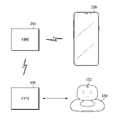
도 2는 본 발명의 실시 예에 따른 차량의 통신 연결을 나타낸 도면이다.
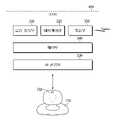
도 3은 본 발명의 실시 예에 따른 차량의 AVN의 구성을 나타낸 도면이다.
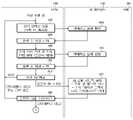
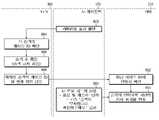
도 4 내지 도 6은 본 발명의 실시 예에 따른 차량 제어 방법의 제 1 실시 예를 나타낸 도면이다.
도 7은 본 발명의 실시 예에 따른 차량 제어 방법의 제 2 실시 예를 나타낸 도면이다.
도 8은 본 발명의 실시 예에 따른 차량 제어 방법의 제 3 실시 예를 나타낸 도면이다.
도 9는 본 발명의 실시 예에 따른 차량 제어 방법의 제 4 실시 예를 나타낸 도면이다.1 is a view showing the interior of a vehicle according to an embodiment of the present invention.
2 is a diagram illustrating a communication connection of a vehicle according to an embodiment of the present invention.
3 is a diagram illustrating the configuration of an AVN of a vehicle according to an embodiment of the present invention.
4 to 6 are views illustrating a first embodiment of a vehicle control method according to an embodiment of the present invention.
7 is a diagram illustrating a second embodiment of a vehicle control method according to an embodiment of the present invention.
8 is a diagram illustrating a third embodiment of a vehicle control method according to an embodiment of the present invention.
9 is a diagram illustrating a fourth embodiment of a vehicle control method according to an embodiment of the present invention.
도 1은 본 발명의 실시 예에 따른 차량의 내부를 나타낸 도면이다.1 is a view showing the interior of a vehicle according to an embodiment of the present invention.
도 1에 나타낸 바와 같이, 운전석의 전면에는 AVN(100)과 스티어링 휠(102)이 장착된다. AVN(100)은 오디오(Audio)/비디오(Video)/내비게이션(Navigation)에 통신 기능이 부가된 인포테인먼트 기기로서, 디스플레이(160)를 포함한다. AVN(100)은 음성 명령 기능을 지원한다. AVN(100)의 음성 인식 제어를 위해 스티어링 휠(102)에는 음성 인식 버튼(104)이 장착되고, 운전석의 상부에는 마이크로폰(106)이 장착된다. 운전석의 좌측 도어와 동반자석의 우측 도어에는 스피커(116)가 장착된다.As shown in FIG. 1 , the AVN 100 and the
도 1에서, 참조 부호 150이 지시하는 것은 AI 에이전트(AI robot)이다. 참조 부호 152가 지시하는 것은 AI 에이전트(150)에 장착되는 카메라이다. AI 에이전트(150)는 차량 내부의 상황을 검출하고, 검출된 상황에 맞는 동작을 수행하도록 마련된다. 예를 들면, 카메라(152)를 통해 차량의 내부를 촬영하여 승객의 수와 승객 각각의 안면 인식을 수행하고, 승객의 수 및 안면 인식 결과에 기초하여 그에 상응하는 제어를 수행한다. 차량의 내부를 촬영하여 승객의 수와 승객 각각의 안면 인식을 수행하기 위해, 인공 지능 로봇(150)의 카메라(152) 대신 차량의 내부에 마련되는 다른 카메라가 사용될 수도 있다. AI 에이전트(150)의 동작은 표정과 움직임, 소리(음성)를 통해 표현될 수 있다. 예를 들면 AI 에이전트(150)에 마련되어 있는 디스플레이 또는 LED 등의 점등을 통해 웃음이나 놀라움, 당황, 의문 등의 표정을 나타낼 수 있다. 또한 AI 에이전트(150)는 자체의 움직임을 통해 웃음이나 놀라움, 당황, 의문 등의 표정에 관련된 제스처를 표현할 수 있다. 또한 AI 에이전트(150)는 소리(음성)를 통해 소정의 내용을 포함하는 음성 메시지를 출력할 수 있다.In FIG. 1,
도 2는 본 발명의 실시 예에 따른 차량의 통신 연결을 나타낸 도면이다.2 is a diagram illustrating a communication connection of a vehicle according to an embodiment of the present invention.
도 2에 나타낸 바와 같이, 차량의 내부에서는 AVN(100)과 AI 에이전트(150)가 통신 가능하도록 연결된다. AVN(100)은 원격지의 서버(210)와 무선 통신이 가능하도록 연결된다. 원격지의 서버(210)는 차량의 승객이 휴대한 모바일 디바이스(220)와 무선 통신이 가능하도록 연결된다.As shown in FIG. 2 , the AVN 100 and the
서버(210)는 텔레매틱스 서버일 수 있다. 승객은, 반드시 차량 내에 탑승 중인 사람을 의미하는 것은 아니며, 차량에 승차했다가 잠시 하차한 사람도 승객의 범위에 포함될 수 있다. 승객은 자신의 페이스 ID 및 연락처를 서버(210)에 등록할 수 있다. 승객의 모바일 디바이스(220)는 승객이 서버(210)에 등록한 연락처에 연동된 단말기일 수 있다.The
도 3은 본 발명의 실시 예에 따른 차량의 AVN의 구성을 나타낸 도면이다.3 is a diagram illustrating the configuration of an AVN of a vehicle according to an embodiment of the present invention.
도 3에 나타낸 바와 같이, AVN(100)은 음성 인식부(310)와 내비게이션(320), 통신부(330), 제어부(340), AI 관리부(350)를 포함할 수 있다. 음성 인식부(310)는 승객(운전자) 또는 AI 에인전트(150)의 발화에 의해 발생하는 음성 신호를 수신하여 음성 인식을 위한 데이터 프로세싱을 수행한다. 내비게이션(320)은 AVN(100)의 내비게이션 기능을 담당하며, 맵 데이터를 포함할 수 있다. 통신부(330)는 원격지의 서버(210)와 무선 통신을 수행하도록 마련된다. AI 관리부(350)는 AI 에이전트(150)의 통신 및 제어를 수행하도록 마련된다.As shown in FIG. 3 , the AVN 100 may include a
제어부(340)는, 음성 인식부(310)와 내비게이션(320), 통신부(330), 제어부(340), AI 관리부(350)와의 협조를 통해 AVN(100)의 동작 전반을 제어하도록 마련된다. 제어부(340)는 특히 차량의 승객의 하차 후 재탑승 여부 등을 확인하고, 필요 시 재탑승할 승객에게 차량의 현재 위치를 통보할 수 있다.The
도 4 내지 도 6은 본 발명의 실시 예에 따른 차량 제어 방법의 제 1 실시 예를 나타낸 도면이다. 도 4 내지 도 6에 나타낸 차량 제어 방법은, 차량의 내비게이션에 특정한 목적지가 설정되어 있지 않은 상태에서 복수의 승객이 차량을 이용할 때 승객의 하차 후 재탑승 여부를 확인하고, 하차 후 재탑승할 승객이 존재하면 해당 승객에게 차량의 현재 위치를 통보하기 위한 것이다. 도 4 내지 도 6에는 하나의 실시 예를 세 개의 도면으로 나누어 도시하였다.4 to 6 are views showing a first embodiment of a vehicle control method according to an embodiment of the present invention. In the vehicle control method shown in FIGS. 4 to 6 , when a plurality of passengers use the vehicle in a state where a specific destination is not set in the vehicle navigation system, it is checked whether the passenger is re-boarding after dismounting, and the passenger to re-board after dismounting. This is to notify the passenger of the current location of the vehicle, if present. 4 to 6 show one embodiment divided into three drawings.
먼저, 도 4에 나타낸 바와 같이, 본 발명의 실시 예에 따른 차량이 주행 중일 때 AVN(100)의 제어부(340)는 차량이 정차 상태로 진입하는지를 확인한다(402). 제어부(340)는 차량이 미리 정해진 정차 조건을 만족할 때 차량이 정차 상태로 진입하는 것으로 판단할 수 있다. 예를 들면, 차량의 속도가 미리 정해진 차속인 3km/h 이하가 되면, 제어부(340)는 차량이 정차 상태로 진입하는 것으로 판단할 수 있다.First, as shown in FIG. 4 , when the vehicle according to an embodiment of the present invention is driving, the
차량이 정차 상태로 진입하면, 제어부(340)는 AI 에이전트(150)의 카메라(152)를 이용하여 차량의 실내를 촬영한다(404). 차량의 실내를 촬영하는 것은 차량에 현재 탑승하고 있는 승객의 수를 파악하기 위함이다. 차량의 실내에 다른 카메라가 설치되어 있다면, AI 에이전트(150)의 카메라(152) 대신 그 다른 카메라를 이용하여 차량의 실내를 촬영해도 좋다.When the vehicle enters a stopped state, the
AI 에이전트(150)의 카메라(152)를 이용한 차량의 실내의 첫 번째 촬영이 완료되면, 제어부(340)는 촬영된 첫 번째 이미지의 분석을 통해 차량에 현재 탑승하고 있는 승객의 수(P1)를 파악하여 저장한다(406).When the first photographing of the interior of the vehicle using the
이후 차량의 도어가 열렸다 닫히는 상황이 발생하면(즉, 탑승객의 하차가 발생한 것으로 판단되면)(408), 제어부(340)는 AI 에이전트(150)의 카메라(152)를 이용하여 차량의 실내를 다시 한 번 더 촬영한다(410). 차량의 실내를 다시 한 번 더 촬영하는 것은 도어가 열린 후 다시 닫히는 상황 발생 이후 차량에 탑승하고 있는 승객의 수를 파악하기 위함이다. 차량의 실내에 다른 카메라가 설치되어 있다면, AI 에이전트(150)의 카메라(152) 대신 그 다른 카메라를 이용하여 차량의 실내를 촬영해도 좋다. 탑승객의 하차 여부의 판단은, 차량의 도어가 열린 후 다시 닫히는 상황이 발생하면 탑승객의 하차가 발생한 것으로 판단할 수 있다. 도어의 열림/닫힘 여부는 차량의 도어 신호 즉 도어 열림/닫힘 신호의 발생으로부터 확인할 수 있다.Afterwards, when a situation in which the vehicle door is opened and closed occurs (that is, when it is determined that the passenger gets off) (408), the
AI 에이전트(150)의 카메라(152)를 이용한 차량의 실내의 두 번째 촬영이 완료되면, 제어부(340)는 촬영된 두 번째 이미지의 분석을 통해 차량에 현재 탑승하고 있는 승객의 수(P2)를 파악하여 저장한다(412).When the second photographing of the interior of the vehicle using the
AVN(100)의 제어부(340)는, 이와 같이 획득한 승객의 수 P1과 P2를 비교하여 서로 일치하는지를 확인한다(414). 제어부(340)는, 차량의 정차 상태 진입 후, 도어 열림 후 도어 닫힘이 발생하기 전의 승객 수(P1)와 도어 열림 후 도어 닫힘이 발생한 이후의 승객 수(P2)를 비교함으로써, 하차 후 재탑승할 승객이 있는지를 확인할 수 있다.The
만약 승객의 수 P1과 P2가 서로 일치하면, 제어부(340)는 하차 후 재탑승할 승객이 없다고 판단하여 특별한 후속 조치를 취하지 않는다. 반대로, 만약 승객의 수 P1과 P2가 서로 일치하지 않으면(P1 > P2), 제어부(340)는 하차 후 재탑승할 승객이 존재한다고 판단하여 AI 에이전트(150)로 하여금 재탑승할 승객이 존재하는 경우에 해당하는 피드백을 실시하도록 요청한다. 이 때 AI 에이전트(150)는 의문을 나타내는 표정 및 제스처를 표현하면서 "하차한 승객이 다시 승차하나요?"와 같은 질문을 음성 메시지 형태로 출력할 수 있다(416). 차량의 운전자는 AI 에이전트(150)의 이와 같은 일련의 동작을 통해 차량의 승객 중 일부가 하차 후 재탑승할 것이라는 사실을 인지할 수 있다.If the number of passengers P1 and P2 coincide with each other, the
차량의 운전자는 AI 에이전트(150)의 질문에 대해 응답할 수 있다. 운전자의 응답은 차량의 마이크로폰(106)을 통해 이루어질 수 있다. AVN(100)의 제어부(340)는 마이크로폰(106)을 통해 수신한 운전자의 응답으로부터 하차 후 재탑승할 승객의 존재를 확인하고, 그 확인 결과에 기초하여 특별한 후속 조치를 취하지 않거나 또는 도 5에 나타낸 것과 같은 후속 조치를 취할 수 있다(418). 도 4의 416에서의 AI 에이전트(150)의 질문에 대한 운전자의 응답은, i) 재탑승할 승객이 없다는 응답하는 것과, ii) 아무런 응답을 하지 않는 것, iii) 재탑승할 승객이 있다고 응답하는 것으로 구분할 수 있다. 제어부(340)는, 이 중에서 i)과 ii의 경우에 특별한 후속 조치를 취하지 않고, iii)의 경우 즉 재탑승할 승객이 존재하는 경우에 도 5에 나타낸 것과 같은 후속 조치를 취할 수 있다.The driver of the vehicle may respond to the questions of the
도 5에서, 제어부(340)는 운전자로부터 재탑승할 승객이 존재한다는 응답을 수신한 상태에서 차량의 현재 위치와 운전자의 응답 결과를 서버(210)로 전송한다(502). 즉, 제어부(240)는, 차량의 현재 위치의 정보와 함께 운전자가 응답한 '재탑승할 승객의 존재 여부'를 서버(210)로 전송한다.In FIG. 5 , the
서버(210)에서는, 차량의 현재 위치의 교통 상황 및 정차 가능 여부를 확인하여 차량으로 전송한다(504). 또한 서버(210)는 현재 위치에서의 운전자의 승차 또는 하차 여부도 저장한다(506). 운전자의 승차 또는 하차 여부는 차량의 운전석 도어의 열림/닫힘 등을 통해 파악할 수 있다.The
AVN(100)의 제어부(340)는, 서버(210)로부터 수신한 차량의 현재 위치의 교통 상황 및 정차 가능 여부에 기초하여 현재 위치에서 정차가 가능한지를 판단한다(508).The
만약 현재 위치에서 정차가 가능한 경우에는, AI 에이전트(150)는 차량의 정차가 가능한 상황인 것을 안내하기 위한 피드백을 실시할 수 있다(510). 예를 들면, AI 에이전트(150)는 웃음을 나타내는 표정 및 제스처를 표현하면서 "현재 위치에서 (00)분 동안 정차 가능합니다."와 같은 안내 멘트를 음성 메시지 형태로 출력할 수 있다. 차량의 운전자는 AI 에이전트(150)에서 출력되는 이와 같은 안내 멘트를 참조하여 현재 위치에서 차량을 정차시킬 것인지를 결정할 수 있다.If it is possible to stop the vehicle at the current location, the
반대로, 만약 현재 위치에서 정차가 불가능한 경우에는, AI 에이전트(150)는 차량의 정차가 불가능한 상황인 것을 안내하기 위한 피드백을 실시할 수 있다(512). 예를 들면, AI 에이전트(150)는 난처함을 나타내는 표정 및 제스처를 표현하면서 "현재 위치에서 정차가 불가능하니, 정차 가능한 지점을 안내하겠습니다."와 같은 안내 멘트를 음성 메시지 형태로 출력할 수 있다. 또한 AI 에이전트(150)는 서버(210)로 주변의 정차 가능한 지점의 정보를 요청할 수 있다. 서버(514)는 AI 에이전트(150)의 요청에 응답하여 차량의 현재 위치 주변에 정차 가능한 지점을 검색하고, 검색 결과를 차량의 AVN(100)으로 전송한다(514). AVN(100)은 서버(150)로부터 수신한 정차 가능 지점의 정보를 참조하여 해당 지점으로 차량의 경로를 안내한다(516). 운전자는 AVN(100)이 안내하는 경로를 따라 정차 가능 지점으로 차량을 이동시킬 수 있다.Conversely, if it is impossible to stop at the current location, the
도 6에서, 차량이 정차 가능 지점으로 이동하는 동안 AVN(100)의 제어부(340)는 차량이 정차 상태로 진입하는지를 확인한다(602). 제어부(340)는 차량이 미리 정해진 정차 조건을 만족할 때 차량이 정차 상태로 진입하는 것으로 판단할 수 있다. 예를 들면, 차량의 속도가 미리 정해진 차속인 3km/h 이하가 되면, 제어부(340)는 차량이 정차 상태로 진입하는 것으로 판단할 수 있다.In FIG. 6 , while the vehicle moves to a stopable point, the
차량이 정차 상태로 진입하는 것으로 판단되면, 제어부(340)는 차량의 현재 위치를 서버(210)로 전송한다(604).If it is determined that the vehicle enters the stopped state, the
서버(150)는 차량으로부터 수신한 차량의 현재 위치를 승객의 모바일 디바이스(220)로 전송한다(606). 차량에서 하차했다가 재탑승하지 못한 승객은 서버(210)로부터 제공되는 차량의 현재 위치 정보를 통해 차량의 현재 위치를 확인함으로써 차량이 자신을 픽업하기 위해 이동 중임을 확인하고 안심할 수 있다.The
이후 차량의 도어가 열렸다 닫히는 상황이 발생하면(즉, 탑승객의 하차가 발생한 것으로 판단되면)(608), 제어부(340)는 AI 에이전트(150)의 카메라(152)를 이용하여 차량의 실내를 촬영한다(610). 차량의 실내를 촬영하는 것은 도어가 열린 후 다시 닫히는 상황 발생 이후 차량에 탑승하고 있는 승객의 수를 파악하기 위함이다. 차량의 실내에 다른 카메라가 설치되어 있다면, AI 에이전트(150)의 카메라(152) 대신 그 다른 카메라를 이용하여 차량의 실내를 촬영해도 좋다. 탑승객의 하차 여부의 판단은, 차량의 도어가 열린 후 다시 닫히는 상황이 발생하면 탑승객의 하차가 발생한 것으로 판단할 수 있다. 도어의 열림/닫힘 여부는 차량의 도어 신호 즉 도어 열림/닫힘 신호의 발생으로부터 확인할 수 있다.Afterwards, when a situation in which the door of the vehicle is opened and closed occurs (that is, when it is determined that the passenger gets off) (608), the
AI 에이전트(150)의 카메라(152)를 이용한 차량의 실내의 세 번째 촬영이 완료되면, 제어부(340)는 촬영된 세 번째 이미지의 분석을 통해 차량에 현재 탑승하고 있는 승객의 수(P3)를 파악하여 저장한다(612).When the third photographing of the interior of the vehicle using the
AVN(100)의 제어부(340)는, 앞서 첫 번째 촬영을 통해 획득한 최초 승객의 수 P1과 세 번째 촬영을 통해 획득한 승객의 수 P3을 비교하여 서로 일치하는지를 확인한다(614). 이 비교를 통해 하차 후 재탑승할 승객이 모두 재탑승하였는지를 확인할 수 있다.The
만약 승객의 수 P1과 P3이 서로 일치하면, 하차 후 재탑승할 승객이 모두 재탑승한 경우이므로, 제어부(340)는 AI 에이전트(150)로 하여금 하차 후 재탑승할 승객이 모두 재탑승한 경우에 해당하는 피드백을 실시하도록 요청한다. 이 때 AI 에이전트(150)는 웃음을 나타내는 표정 및 제스처를 표현하면서 "전원 탑승했습니다. 출발해주세요."와 같은 안내 멘트를 음성 메시지 형태로 출력할 수 있다(616). 차량의 운전자는 AI 에이전트(150)의 이와 같은 피드백으로부터 차량의 최초 승객들이 모두 탑승하였음을 인지할 수 있다.If the number of passengers P1 and P3 coincide with each other, since it is a case that all passengers to re-board after disembarking are re-boarded, the
반대로, 만약 승객의 수 P1과 P3이 서로 일치하지 않으면(P1 > P3), 제어부(340)는 하차 후 재탑승할 승객이 여전히 존재한다고 판단하여 AI 에이전트(150)로 하여금 재탑승할 승객이 존재하는 경우에 해당하는 피드백을 실시하도록 요청한다. 이 때 AI 에이전트(150)는 난처함을 나타내는 표정 및 제스처를 표현하면서 "승객이 부족합니다. 확인해 주세요."와 같은 요청 멘트를 음성 메시지 형태로 출력할 수 있다(618). 차량의 운전자는 AI 에이전트(150)의 이와 같은 요청 멘트에 따라 모든 승객의 탑승 여부를 확인할 수 있다.Conversely, if the number of passengers P1 and P3 do not match each other (P1 > P3), the
이와 같은 도 4 내지 도 6의 차량 제어 방법에 따르면, 복수의 승객이 하나의 차량을 이용할 때 발생할 수 있는 미탑승 승객의 발생을 미리 방지하거나 또는 누락 없이 모두 재탑승할 수 있도록 조치할 수 있다.According to the vehicle control method of FIGS. 4 to 6 as described above, it is possible to prevent the occurrence of unboarded passengers, which may occur when a plurality of passengers use one vehicle, or to allow all passengers to reboard without omission.
도 7은 본 발명의 실시 예에 따른 차량 제어 방법의 제 2 실시 예를 나타낸 도면이다. 도 7에 나타낸 차량 제어 방법은, 차량의 내비게이션에 특정한 목적지가 설정되어 있는 상태에서 복수의 승객이 차량을 이용할 때 승객의 하차 후 재탑승 여부를 확인하고, 하차 후 재탑승할 승객이 존재하면 해당 승객에게 차량의 현재 위치를 통보하기 위한 것이다.7 is a diagram illustrating a second embodiment of a vehicle control method according to an embodiment of the present invention. In the vehicle control method shown in FIG. 7 , when a plurality of passengers use the vehicle in a state where a specific destination is set in the vehicle navigation system, it is checked whether the passenger gets off and then re-boards, and if there is a passenger to re-board after dismounting, the corresponding This is to notify passengers of the current location of the vehicle.
먼저, 도 7에 나타낸 바와 같이, 본 발명의 실시 예에 따른 차량이 주행 중일 때 AVN(100)의 제어부(340)는 차량이 정차 상태로 진입하는지를 확인한다(702). 제어부(340)는 차량이 미리 정해진 정차 조건을 만족할 때 차량이 정차 상태로 진입하는 것으로 판단할 수 있다. 예를 들면, 차량의 속도가 미리 정해진 차속인 3km/h 이하가 되면, 제어부(340)는 차량이 정차 상태로 진입하는 것으로 판단할 수 있다.First, as shown in FIG. 7 , when the vehicle according to the embodiment of the present invention is driving, the
차량이 정차 상태로 진입하면 제어부(340)는 차량이 AVN(100)에 설정되어 있는 목적지에 도착했는지를 확인한다(704). 차량이 목적지에 도착하면 운전자를 포함한 승객의 하차가 당연히 발생하겠지만, 목적지에 도착하기 전에 차량이 정차하는 경우에는 승객의 하차 후 재탑승을 모니터링할 필요가 있다.When the vehicle enters the stopped state, the
따라서, 차량이 아직 목적지에 도착할 상태에서 정차 상태로 진입하는 경우(704의 '아니오'), 제어부(340)는 AI 에이전트(150)의 카메라(152)를 이용하여 차량의 실내를 촬영한다(706). 차량의 실내를 촬영하는 것은 차량에 현재 탑승하고 있는 승객의 수를 파악하기 위함이다. 차량의 실내에 다른 카메라가 설치되어 있다면, AI 에이전트(150)의 카메라(152) 대신 그 다른 카메라를 이용하여 차량의 실내를 촬영해도 좋다.Accordingly, when the vehicle enters a stopped state while still arriving at the destination (No in 704), the
AI 에이전트(150)의 카메라(152)를 이용한 차량의 실내의 첫 번째 촬영이 완료되면, 제어부(340)는 촬영된 첫 번째 이미지의 분석을 통해 차량에 현재 탑승하고 있는 승객의 수(P1)를 파악하여 저장한다(708).When the first photographing of the interior of the vehicle using the
제어부(340)는 차량의 시동 오프 후 차량의 모든 도어가 열린 후 일부 또는 모든 도어가 다시 닫히는 상황이 발생하는지를 확인한다(710). 이는 모든 탑승객이 하차하는지를 확인하기 위함이다. 또한 제어부(340)는 차량의 시동 온 후 차량의 일부 또는 모든 도어가 열린 후 모든 도어가 다시 닫히는 상황이 발생하는지를 확인한다(712). 이는 하차한 모든 탑승객이 재탑승하는지를 확인하기 위함이다. 제어부(340)는 차량의 시동 오프 후 시동 온과 일부 또는 모든 도어의 열림 후 닫힘을 모두 고려함으로써 승객의 하차 후 재탑승 여부를 더욱 정확하게 판단할 수 있다. 탑승객의 하차 여부는, 시동 오프 후 차량의 도어가 열림 후 닫히는 것으로부터, 탑승객의 재탑승은 시동 온 후 차량의 도어가 열림 후 닫히는 것으로부터 판단할 수 있다. 도어의 열림/닫힘 여부는 차량의 도어 신호 즉 도어 열림/닫힘 신호의 발생으로부터 확인할 수 있다.The
따라서, 차량의 시동 온/오프 및 도어의 열림/닫힘에 관련된 710 및 712의 상황이 발생하면(408), 제어부(340)는 AI 에이전트(150)의 카메라(152)를 이용하여 차량의 실내를 다시 한 번 더 촬영한다(714). 차량의 실내를 다시 한 번 더 촬영하는 것은 차량의 시동 온/오프 및 도어의 열림/닫힘 상황 발생 이후 차량에 탑승하고 있는 승객의 수를 파악하기 위함이다. 차량의 실내에 다른 카메라가 설치되어 있다면, AI 에이전트(150)의 카메라(152) 대신 그 다른 카메라를 이용하여 차량의 실내를 촬영해도 좋다.Accordingly, when
AI 에이전트(150)의 카메라(152)를 이용한 차량의 실내의 두 번째 촬영이 완료되면, 제어부(340)는 촬영된 두 번째 이미지의 분석을 통해 차량에 현재 탑승하고 있는 승객의 수(P2)를 파악하여 저장한다(716).When the second photographing of the interior of the vehicle using the
AVN(100)의 제어부(340)는, 앞서 첫 번째 촬영을 통해 획득한 최초 승객의 수 P1과 두 번째 촬영을 통해 획득한 승객의 수 P2를 비교하여 서로 일치하는지를 확인한다(718). 이 비교를 통해, 차량이 목적지에 도착하기 전에 하차 후 재탑승할 승객이 모두 재탑승하였는지를 확인할 수 있다.The
만약 승객의 수 P1과 P2가 서로 일치하면, 하차했던 승객이 모두 재탑승한 경우이므로, 제어부(340)는 AI 에이전트(150)로 하여금 하차했던 승객이 모두 재탑승한 경우에 해당하는 피드백을 실시하도록 요청한다. 이 때 AI 에이전트(150)는 웃음을 나타내는 표정 및 제스처를 표현하면서 "전원 탑승했습니다. 출발해주세요."와 같은 안내 멘트를 음성 메시지 형태로 출력할 수 있다(720). 차량의 운전자는 AI 에이전트(150)의 이와 같은 피드백으로부터 차량의 최초 승객들이 모두 탑승하였음을 인지할 수 있다.If the number of passengers P1 and P2 coincide with each other, since it is the case that all passengers who got off are re-boarded, the
반대로, 만약 승객의 수 P1과 P2가 서로 일치하지 않으면(P1 > P2), 제어부(340)는 하차 후 재탑승할 승객이 존재한다고 판단하여 AI 에이전트(150)로 하여금 재탑승할 승객이 존재하는 경우에 해당하는 피드백을 실시하도록 요청한다. 이 때 AI 에이전트(150)는 난처함을 나타내는 표정 및 제스처를 표현하면서 "승객이 부족합니다. 확인해 주세요."와 같은 요청 멘트를 음성 메시지 형태로 출력할 수 있다(722). 차량의 운전자는 AI 에이전트(150)의 이와 같은 요청 멘트에 따라 모든 승객의 탑승 여부를 확인할 수 있다.Conversely, if the number of passengers P1 and P2 do not match each other (P1 > P2), the
또한, 서버(150)는 차량의 현재 위치를 승객의 모바일 디바이스(220)로 전송한다(724). 차량에서 하차했다가 재탑승하지 못한 승객은 서버(210)로부터 제공되는 차량의 현재 위치 정보를 통해 차량의 현재 위치를 확인할 수 있다.Also, the
이와 같은 도 7의 차량 제어 방법에 따르면, 목적지가 설정된 상태로 AVN(100)에 의해 경로를 안내받아 운행되는 경우, 운행 중 발생할 수 있는 미탑승 승객의 발생을 미리 방지하거나 또는 누락 없이 모두 재탑승할 수 있도록 조치할 수 있다.According to the vehicle control method of FIG. 7 as described above, when the route is guided by the
도 8은 본 발명의 실시 예에 따른 차량 제어 방법의 제 3 실시 예를 나타낸 도면이다. 도 8에 나타낸 차량 제어 방법은, 승객의 페이스 ID를 통해 하차 후 재탑승할 승객을 식별하고, 페이스 ID를 통한 식별 결과를 참조하여 하차 후 재탑승할 승객에게만 차량의 현재 위치를 통보하기 위한 것이다.8 is a diagram illustrating a third embodiment of a vehicle control method according to an embodiment of the present invention. The vehicle control method shown in FIG. 8 is to identify a passenger to re-board after disembarking through the passenger's face ID, and to notify the current location of the vehicle only to the passenger to re-board after disembarking by referring to the identification result through the face ID .
도 8에 나타낸 바와 같이, 차량의 운행이 시작되면 제어부(340)는 AI 에이전트(150)의 카메라(152)를 이용하여 차량의 실내를 촬영한다(802). 차량의 실내를 촬영하는 것은 차량에 현재 탑승하고 있는 승객의 수를 파악하기 위함이다. 차량의 실내에 다른 카메라가 설치되어 있다면, AI 에이전트(150)의 카메라(152) 대신 그 다른 카메라를 이용하여 차량의 실내를 촬영해도 좋다.As shown in FIG. 8 , when the driving of the vehicle starts, the
AVN(100)의 제어부(340)는 AI 에이전트(150)의 카메라(152)를 이용하여 촬영한 이미지의 분석을 통해 차량에 탑승하고 있는 승객들의 페이스 ID를 확인한다(804).The
이어서 AVN(100)의 제어부(340)는 촬영한 이미지의 분석 결과로부터 차량의 승객 수를 확인한다(806). 즉, 앞서 도 4 내지 도 6의 제 1 실시 예 또는 도 7의 제 2 실시 예에서 언급한 것과 같은 상황에서 하차 후 재탑승할 승객이 존재하는지를 확인한다.Next, the
만약 하차 후 재탑승할 승객이 존재하면, 하차 후 재탑승할 승객의 페이스 ID 및 차량의 현재 위치를 서버(210)로 전송한다(808).If there is a passenger to re-board after disembarking, the face ID of the passenger to re-board after disembarking and the current location of the vehicle are transmitted to the server 210 (808).
하차 후 재탑승할 승객이 존재하는 경우, 제어부(340)는 AI 에이전트(150)로 하여금 재탑승할 승객이 존재하는 경우에 해당하는 피드백을 실시하도록 요청한다. 이 때 AI 에이전트(150)는 난처함을 나타내는 표정 및 제스처를 표현하면서 "승객이 부족합니다. 확인해 주세요."와 같은 요청 멘트를 음성 메시지 형태로 출력할 수 있다(810).When there is a passenger to re-board after disembarking, the
서버(210)에서는 차량으로부터 전송된 페이스 ID의 승객 즉 하차 후 재탑승할 승객의 등록된 연락처를 확인한다(812).The
또한 서버(210)에서는 해당 페이스 ID의 승객 즉 하차 후 재탑승할 승객의 등록된 연락처로 차량의 현재 위치를 전송한다(814). 차량에서 하차했다가 재탑승하지 못한 승객은 서버(210)로부터 제공되는 차량의 현재 위치 정보를 통해 차량의 현재 위치를 확인할 수 있다.In addition, the
도 9는 본 발명의 실시 예에 따른 차량 제어 방법의 제 4 실시 예를 나타낸 도면이다. 도 9에 나타낸 차량 제어 방법은, 차량의 승객이 현재 하차 후 재탑승하는 장소가 과거에 하차 후 재탑승 이력이 있는 장소일 때 하차 후 재탑승할 승객의 존재 여부를 확인하기 위한 것이다.9 is a diagram illustrating a fourth embodiment of a vehicle control method according to an embodiment of the present invention. The vehicle control method illustrated in FIG. 9 is for confirming whether a passenger to re-board after disembarking is present when a place where a passenger of the vehicle currently disembarks and re-boards is a place with a history of re-boarding after dismounting in the past.
도 9에 나타낸 바와 같이, 차량의 운행이 시작되면 제어부(340)는 AI 에이전트(150)의 카메라(152)를 이용하여 차량의 실내를 촬영한다(902). 차량의 실내를 촬영하는 것은 차량에 현재 탑승하고 있는 승객의 수를 파악하기 위함이다. 차량의 실내에 다른 카메라가 설치되어 있다면, AI 에이전트(150)의 카메라(152) 대신 그 다른 카메라를 이용하여 차량의 실내를 촬영해도 좋다.As shown in FIG. 9 , when the driving of the vehicle starts, the
AVN(100)의 제어부(340)는 AI 에이전트(150)의 카메라(152)를 이용하여 촬영한 이미지의 분석을 통해 차량의 승객 수를 확인한다(904). 즉, 앞서 도 4 내지 도 6의 제 1 실시 예 또는 도 7의 제 2 실시 예에서 언급한 것과 같은 상황에서 하차 후 재탑승할 승객이 존재하는지를 확인한다.The
AVN(100)의 제어부(340)는 차량의 현재 위치에서 승객의 승차와 하차, 재탑승 여부에 대한 정보와 차량의 현재 위치의 정보를 서버(210)로 전송한다(906).The
서버(210)는, 차량으로부터 전송되는 승객의 승차와 하차, 재탑승 조건(재탑승 여부에 대한 정보)과 차량의 현재 위치의 정보를 분석 및 저장한다(908). 즉, 서버(210)는 차량의 현재 위치에서 승객의 하차 및 재탑승이 이루어진 것을 확인하고 그 하차 후 재탑승 이력을 위치 정보와 함께 저장한다.The
이후 해당 차량이 소정의 어느 장소에서 정차 후 승객이 하차하는 상황이 발생하면, AVN(100)의 제어부(340)는 차량의 현재 위치를 서버(210)로 전송한다(910).Thereafter, when a situation occurs in which the passenger gets off after the vehicle is stopped at a predetermined place, the
차량으로부터 현재 위치를 수신한 서버(210)는 차량의 현재 위치에서의 과거의 재탑승 이력을 검색하고 그 검색 결과를 차량의 AVN(100)으로 전송한다(912). 이는, 차량의 현재 위치가 과거에 하차 후 재탑승한 이력이 있는 장소인지를 차량의 AVN(100)이 확인할 수 있도록 하기 위함이다.After receiving the current location from the vehicle, the
제어부(340)는, 만약 차량의 현재 위치가 과거에 재탑승한 이력이 있는 장소이면(914의 '예'), AI 에이전트(150)로 하여금 재탑승과 관련된 AI 피드백을 실시하도록 요청한다. 이 때 AI 에이전트(150)는 하차 후 재탑승할 승객이 존재하는지, 또는 하차한 승객이 모두 재탑승했는지에 따라, 앞서 설명한 제 1 실시 예 내지 도 3 실시 예에서 설명한 것과 같은 표정과 제스처, 음성 메시지 등을 출력할 수 있다(916).If the current location of the vehicle is a place with a history of re-boarding (YES in 914), the
반대로, 만약 차량의 현재 위치가 과거에 재탑승한 이력이 없는 장소이면(914의 '아니오'), 제어부(340)는 관련 알고리즘을 종료한다(918).Conversely, if the current location of the vehicle is a location where there is no history of reboarding in the past (No in 914), the
도 9에 나타낸 재탑승 조건의 판단은, 다음과 같은 서로 다른 여러 상황들을 고려하여 다양한 방식으로 구현될 수 있다.The determination of the reboarding condition shown in FIG. 9 may be implemented in various ways in consideration of various different situations as follows.
<운전자가 현재 위치에서 재탑승에 대한 '긍정' 답변을 3회 연속 반복><The driver repeats the 'Yes' answer to re-boarding at the current location 3 times in a row>
이 조건을 만족하는 경우에는 현재 위치에서 재탑승이 진행되는 것으로 판단한다(재탑승 조건 만족). 따라서, 이 경우에는 향후 현재 위치에서 탑승자 수 비교 단계 실행 시 운전자에게 재탑승 장소인지를 묻지 않고, 도어가 열린 후 다시 닫히는 상황이 발생하면 곧바로 탑승자 비교 단계를 실시한다.If this condition is satisfied, it is determined that re-boarding is in progress at the current location (re-boarding condition is satisfied). Therefore, in this case, when the passenger comparison step is executed at the current location in the future, the passenger comparison step is performed immediately when the door is opened and then closed again without asking the driver whether it is a re-boarding location.
<운전자가 현재 위치에서 재탑승에 대한 '부정' 답변을 3회 연속 반복><The driver repeats the 'No' answer to re-boarding at the current location 3 times in a row>
이 조건을 만족하는 경우에는 현재 위치에서는 하차만 이루어지고 재탑승이 진행되지 않는 것으로 판단한다(재탑승 조건 불만족). 따라서, 이 경우에는 향후 현재 위치에서 탑승자 수 비교 단계 실행 시 운전자에게 재탑승 장소인지를 묻는 단계를 실행한다.If this condition is satisfied, it is determined that only disembarkation is made at the current location and re-boarding does not proceed (re-boarding condition dissatisfied). Accordingly, in this case, when the step of comparing the number of occupants is executed at the current location in the future, a step of asking the driver whether it is a re-boarding location is executed.
<운전자 문의 단계 생략 후 탑승자 비교 단계 실행><After omitting the driver inquiry step, the passenger comparison step is executed>
미리 정해진 특정 장소에 정차하여 도어가 열린 후 다시 닫히는 상황이 발생하면, 운전자에게 재탑승 장소인지를 묻는 단계를 생략하고 곧바로 탑승자 비교 단계를 실행한다(재탑승 조건 만족). 여기서 특정 장소는, 예를 들면, 카페나 음식점, 고속 도로 휴게소의 주변일수 있다. 카페나 음식점, 고속 도로 휴게소에서는 매우 높은 확률로 하차 후 재탑승할 것이므로, 재탑승 장소 여부를 묻지 않고 곧바로 탑승자 비교 단계를 실행해도 좋다.If a situation occurs that the door is opened and then closed again after stopping at a predetermined specific place, the step of asking the driver whether it is a re-boarding location is omitted and the passenger comparison step is immediately executed (re-boarding condition is satisfied). Here, the specific place may be, for example, around a cafe, restaurant, or highway rest area. At cafes, restaurants, and highway rest areas, there is a very high probability that you will get off and re-board, so you may immediately execute the passenger comparison step without asking whether you are re-boarding.
<운전자 문의 단계 및 탑승자 비교 단계를 모두 생략><Both the driver inquiry step and passenger comparison step are omitted>
미리 정해진 또 다른 특정 장소에 정차하여 도어가 열린 후 다시 닫히는 상황이 발생하면, 운전자에게 재탑승 장소인지를 묻는 단계는 물론 탑승자 비교 단계도 모두 생략한다(재탑승 조건 불만족). 여기서 또 다른 특정 장소는, 예를 들면, 학원이나 학교의 주변일수 있다. 학원이나 학교의 경우, 비교적 긴 시간 동안 수업이 이루어지므로, 매우 높은 확률로 하차 후 재탑승하지 않는다. 구체적으로는, 하차 후 재탑승하기까지는 비교적 긴 시간이 경과해야 한다. 따라서 이 경우에는, 재탑승 장소 여부를 묻지 않음은 물론 탑승자 비교 단계도 모두 생략하는 것이 바람직하다.When a situation occurs where the door is opened and then closed again after stopping at another specific location, the step of asking the driver whether it is a re-boarding location and the step of comparing the passengers as well as the step of comparing the passengers are all omitted (re-boarding condition unsatisfactory). Here, another specific place may be, for example, an academy or the vicinity of a school. In the case of academies or schools, classes are held for a relatively long time, so there is a very high probability that they do not get off and re-board. Specifically, a relatively long time must elapse between disembarking and reboarding. Therefore, in this case, it is preferable not to ask whether the re-boarding location is present, but also to omit all the occupant comparison steps.
위의 설명은 기술적 사상을 예시적으로 설명한 것에 불과한 것으로서, 본 발명의 기술 분야에서 통상의 지식을 가진 자라면 본질적인 특성에서 벗어나지 않는 범위 내에서 다양한 수정, 변경 및 치환이 가능할 것이다. 따라서 위에 개시된 실시 예 및 첨부된 도면들은 기술적 사상을 한정하기 위한 것이 아니라 설명하기 위한 것이고, 이러한 실시 예 및 첨부된 도면에 의하여 기술적 사상의 범위가 한정되는 것은 아니다. 그 보호 범위는 아래의 청구 범위에 의하여 해석되어야 하며, 그와 동등한 범위 내에 있는 모든 기술적 사상은 권리 범위에 포함되는 것으로 해석되어야 할 것이다.The above description is merely illustrative of the technical idea, and various modifications, changes and substitutions will be possible without departing from the essential characteristics by those skilled in the art of the present invention. Therefore, the embodiments disclosed above and the accompanying drawings are for explanation rather than limiting the technical idea, and the scope of the technical idea is not limited by these embodiments and the accompanying drawings. The scope of protection should be interpreted by the following claims, and all technical ideas within the scope equivalent thereto should be construed as being included in the scope of rights.
100 : AVN
102 : 스티어링 휠
104 : 음성 인식 버튼
106 : 마이크로폰
116 : 스피커
150 : AI 에이전트
152 : 카메라
160 : 디스플레이
210 : 서버
220 : 모바일 디바이스
310 : 음성 인식부
320 : 내비게이션
330 : 통신부
340 : 제어부
350 : AI 관리부100 : AVN
102: steering wheel
104: voice recognition button
106: microphone
116: speaker
150 : AI Agent
152: camera
160: display
210: server
220: mobile device
310: voice recognition unit
320: navigation
330: communication department
340: control unit
350: AI management department
Claims (24)
Translated fromKorean상기 차량의 도어 신호가 발생하면 상기 차량의 내부를 촬영하여 획득한 제 2 이미지의 분석을 통해 상기 차량 내부의 승객의 수를 2차 확인하는 단계와;
상기 2차 확인된 승객의 수가 상기 1차 확인된 승객의 수보다 적으면 상기 차량의 표시 수단을 통해 상기 하차 후 재탑승할 승객이 존재함을 표시하는 단계를 포함하는 차량 제어 방법.first confirming the number of passengers inside the vehicle through analysis of a first image obtained by photographing the interior of the vehicle when the vehicle enters a stopped state;
secondly checking the number of passengers inside the vehicle through analysis of a second image obtained by photographing the interior of the vehicle when a door signal of the vehicle is generated;
and displaying, through a display means of the vehicle, that there are passengers to be re-boarded after getting off the vehicle when the number of the second confirmed passengers is less than the number of the first confirmed passengers.
상기 하차 후 재탑승할 승객이 존재하는 것으로 판단되면, 상기 하차 후 재탑승할 승객을 픽업하기 위해 주변의 정차 가능한 지점을 확인하고, 정차가 불가능한 지점일 때 정차 가능한 지점을 검색하는 단계를 더 포함하는 차량 제어 방법.The method of claim 1,
If it is determined that there is a passenger to re-board after disembarking, checking a nearby stopping point to pick up a re-boarding passenger after disembarking, and searching for a stopping point when a stop is impossible how to control the vehicle.
상기 차량을 상기 정차 가능한 지점으로 이동시키면서 상기 하차 후 재탑승할 승객에게 상기 차량의 현재 위치를 통보하는 단계를 더 포함하는 차량 제어 방법.3. The method of claim 2,
and notifying a current location of the vehicle to a passenger who will re-board after the vehicle is disembarked while moving the vehicle to the stopable point.
상기 하차 후 재탑승할 승객의 픽업을 위해 재정차하는 단계와;
상기 차량의 도어 신호가 다시 발생하면 상기 차량의 내부를 촬영하여 획득한 제 3 이미지의 분석을 통해 상기 차량 내부의 승객의 수를 3차 확인하는 단계와;
상기 3차 확인된 승객의 수가 상기 1차 확인된 승객의 수보다 적으면 상기 차량에서 하차 후 재탑승할 승객이 존재하는 것으로 판단하는 단계를 더 포함하는 차량 제어 방법.4. The method of claim 3,
re-parking to pick up passengers to re-board after disembarking;
thirdly checking the number of passengers inside the vehicle through analysis of a third image obtained by photographing the interior of the vehicle when the vehicle door signal is generated again;
and determining that there are passengers to re-board after disembarking from the vehicle when the number of the thirdly confirmed passengers is less than the number of the firstly confirmed passengers.
상기 표시 수단은 표정과 제스처를 표현하고 음성 메시지를 출력하도록 마련되는 AI 에이전트인 차량 제어 방법.The method of claim 1,
The display means is an AI agent that expresses facial expressions and gestures and outputs a voice message.
상기 차량의 내비게이션에 목적지가 설정되어 있고, 상기 차량이 상기 목적지에 도달하기 전에 상기 차량의 정차 상황이 발생하면 상기 하차 후 재탑승할 승객의 존재를 확인하도록 이루어지는 차량 제어 방법.The method of claim 1,
A method for controlling a vehicle, wherein a destination is set in the navigation of the vehicle, and when the vehicle is stopped before the vehicle reaches the destination, it is configured to check the presence of a passenger to re-board after the vehicle gets off the vehicle.
상기 차량에 탑승하고 있는 승객들을 촬영하여 획득한 이미지의 분석을 통해 상기 승객들의 페이스 ID를 확보하는 단계와;
상기 하차 후 재탑승할 승객이 존재하는 것으로 확인될 때 상기 페이스 ID를 통해 상기 하차 후 재탑승할 승객을 분류하여 상기 하차 후 재탑승할 승객에게만 상기 차량의 현재 위치를 통보하는 단계를 더 포함하는 차량 제어 방법.The method of claim 1,
securing Face IDs of the passengers through analysis of images obtained by photographing passengers in the vehicle;
When it is confirmed that there are passengers to re-board after disembarking, classifying passengers to re-board after disembarking through the Face ID and notifying only passengers who will re-board after disembarking the current location of the vehicle How to control the vehicle.
상기 차량이 운행하는 동안 승객의 하차 후 재탑승 이력을 저장하는 단계와;
상기 차량이 정차하여 승객의 하차 후 재탑승이 이루어질 때마다 상기 저장되어 있는 과거의 하차 후 재탑승 이력에 기초하여 상기 정차한 장소에서의 하차 후 재탑승할 승객의 존재 여부를 확인하는 단계를 더 포함하는 차량 제어 방법.The method of claim 1,
storing a re-boarding history after disembarking of a passenger while the vehicle is operating;
Each time the vehicle is stopped and a passenger is disembarked and then re-boarded, based on the stored past alighting and re-boarding history, the step of confirming whether or not there is a passenger to re-board A vehicle control method comprising.
상기 차량의 운전자가 현재 위치에서 재탑승에 대한 '긍정' 답변을 미리 설정된 회수 이상 반복하는 경우, 상기 차량의 현재 위치가 미리 설정된 재탑승 조건을 만족하는 장소인 것으로 판단하여 운전자 응답 확인을 생략하고 탑승자 비교를 실시하는 차량 제어 방법.9. The method of claim 8,
If the driver of the vehicle repeats the 'positive' answer to re-boarding at the current location more than a preset number of times, it is determined that the current location of the vehicle is a place that meets the preset re-boarding condition, and the driver's response check is omitted, A vehicle control method for conducting occupant comparisons.
상기 차량의 현재 위치가 하차 후 재탑승이 예상되는 장소로 미리 설정된 장소인 경우, 상기 차량의 현재 위치가 미리 설정된 재탑승 조건을 만족하는 장소인 것으로 판단하여 운전자 응답 확인을 생략하고 탑승자 비교를 실시하는 차량 제어 방법.9. The method of claim 8,
If the current location of the vehicle is a location preset as a location where re-boarding is expected after disembarking, it is determined that the current location of the vehicle is a location that satisfies the preset re-boarding condition, and the driver's response check is omitted and occupant comparison is performed how to control the vehicle.
상기 차량의 현재 위치가 하차 후 재탑승이 예상되지 않는 장소로 미리 설정된 장소인 경우, 상기 차량의 현재 위치가 미리 설정된 재탑승 조건을 만족하지 않는 장소인 것으로 판단하여 운전자 응답 확인 및 탑승자 비교를 모두 생략하는 차량 제어 방법.9. The method of claim 8,
When the current location of the vehicle is a location preset as a location where re-boarding is not expected after disembarking, it is determined that the current location of the vehicle is a location that does not satisfy the preset re-boarding conditions, and both driver response check and passenger comparison are performed. Vehicle control method omitted.
차량이 정차 상태로 진입할 때 차량의 내부를 촬영하여 획득한 제 1 이미지의 분석을 통해 상기 차량 내부의 승객의 수를 1차 확인하고, 상기 차량의 도어 신호가 발생하면 상기 차량의 내부를 촬영하여 획득한 제 2 이미지의 분석을 통해 상기 차량 내부의 승객의 수를 2차 확인하며, 상기 2차 확인된 승객의 수가 상기 1차 확인된 승객의 수보다 적으면 상기 차량의 표시 수단을 통해 상기 하차 후 재탑승할 승객이 존재함을 표시하는 제어부를 포함하는 차량.a camera provided to photograph the interior of the vehicle;
When the vehicle enters a stopped state, the number of passengers inside the vehicle is first confirmed through analysis of a first image obtained by photographing the interior of the vehicle, and when a door signal of the vehicle is generated, the interior of the vehicle is photographed The number of passengers in the vehicle is secondarily checked through the analysis of the second image obtained by A vehicle including a control unit for indicating that there is a passenger to re-board after disembarking.
상기 하차 후 재탑승할 승객이 존재하는 것으로 판단되면, 상기 하차 후 재탑승할 승객을 픽업하기 위해 주변의 정차 가능한 지점을 확인하고, 정차가 불가능한 지점일 때 정차 가능한 지점을 검색하는 차량.13. The method of claim 12, wherein the control unit,
When it is determined that there is a passenger to re-board after disembarking, the vehicle checks a nearby stopable point to pick up a re-boarding passenger after disembarking, and searches for a stoppable point when the stop is impossible.
상기 차량을 상기 정차 가능한 지점으로 이동시키면서 상기 하차 후 재탑승할 승객에게 상기 차량의 현재 위치를 통보하는 차량.14. The method of claim 13, wherein the control unit,
A vehicle for notifying a current location of the vehicle to a passenger who will re-board after the vehicle is disembarked while moving the vehicle to the stopable point.
상기 하차 후 재탑승할 승객의 픽업을 위해 상기 차량을 재정차시키고;
상기 차량의 도어 신호가 발생하면 상기 차량의 내부를 촬영하여 획득한 제 3 이미지의 분석을 통해 상기 차량 내부의 승객의 수를 3차 확인하며;
상기 3차 확인된 승객의 수가 상기 1차 확인된 승객의 수보다 적으면 상기 차량에서 하차 후 재탑승할 승객이 여전히 존재하는 것으로 판단하는 차량.15. The method of claim 14, wherein the control unit,
re-parking the vehicle to pick up passengers to re-board after disembarking;
when a door signal of the vehicle is generated, the number of passengers inside the vehicle is thirdly checked through analysis of a third image obtained by photographing the interior of the vehicle;
When the number of the thirdly confirmed passengers is less than the number of the firstly confirmed passengers, it is determined that there are still passengers to re-board after disembarking from the vehicle.
상기 표시 수단은 표정과 제스처를 표현하고 음성 메시지를 출력하도록 마련되는 AI 에이전트인 차량.13. The method of claim 12,
The display means is an AI agent for expressing facial expressions and gestures and outputting a voice message.
상기 차량의 내비게이션에 목적지가 설정되어 있고, 상기 차량이 상기 목적지에 도달하기 전에 상기 차량의 정차 상황이 발생하면 상기 하차 후 재탑승할 승객의 존재를 확인하도록 이루어지는 차량.13. The method of claim 12,
A vehicle in which a destination is set in a navigation system of the vehicle, and when the vehicle is stopped before the vehicle arrives at the destination, the vehicle is configured to confirm the presence of a passenger to re-board after disembarking.
상기 차량에 탑승하고 있는 승객들을 촬영하여 획득한 이미지의 분석을 통해 상기 승객들의 페이스 ID를 확보하고;
상기 하차 후 재탑승할 승객이 존재하는 것으로 확인될 때 상기 페이스 ID를 통해 상기 하차 후 재탑승할 승객을 분류하여 상기 하차 후 재탑승할 승객에게만 상기 차량의 현재 위치를 통보하는 차량.13. The method of claim 12, wherein the control unit,
securing Face IDs of the passengers through analysis of images obtained by photographing passengers in the vehicle;
When it is confirmed that there are passengers to re-board after disembarking, the vehicle classifies passengers to re-board after disembarking through the Face ID, and notifies the current location of the vehicle only to passengers to re-board after disembarking.
상기 차량이 운행하는 동안 승객의 하차 후 재탑승 이력을 저장하고;
상기 차량이 정차하여 승객의 하차 후 재탑승이 이루어질 때마다 상기 저장되어 있는 과거의 하차 후 재탑승 이력에 기초하여 상기 정차한 장소에서의 하차 후 재탑승할 승객의 존재 여부를 확인하는 차량.13. The method of claim 12, wherein the control unit,
storing a record of re-boarding after disembarking of a passenger while the vehicle is operating;
Whenever the vehicle is stopped and a passenger is disembarked and then re-boarded, the vehicle checks whether or not there is a passenger to re-board after disembarking at the stopped place based on the stored past alighting and re-boarding history.
상기 차량의 운전자가 현재 위치에서 재탑승에 대한 '긍정' 답변을 미리 설정된 회수 이상 반복하는 경우, 상기 차량의 현재 위치가 미리 설정된 재탑승 조건을 만족하는 장소인 것으로 판단하여 운전자 응답 확인을 생략하고 탑승자 비교를 실시하는 차량.The method of claim 19, wherein the control unit,
If the driver of the vehicle repeats the 'positive' answer to re-boarding at the current location more than a preset number of times, it is determined that the current location of the vehicle is a place that meets the preset re-boarding condition, and the driver's response check is omitted, Vehicles that conduct occupant comparisons.
상기 차량의 현재 위치가 하차 후 재탑승이 예상되는 장소로 미리 설정된 장소인 경우, 상기 차량의 현재 위치가 미리 설정된 재탑승 조건을 만족하는 장소인 것으로 판단하여 운전자 응답 확인을 생략하고 탑승자 비교를 실시하는 차량.The method of claim 19, wherein the control unit,
If the current location of the vehicle is a location preset as a location where re-boarding is expected after disembarking, it is determined that the current location of the vehicle is a location that satisfies the preset re-boarding condition, and the driver's response check is omitted and occupant comparison is performed vehicle that does.
상기 차량의 현재 위치가 하차 후 재탑승이 예상되지 않는 장소로 미리 설정된 장소인 경우, 상기 차량의 현재 위치가 미리 설정된 재탑승 조건을 만족하지 않는 장소인 것으로 판단하여 운전자 응답 확인 및 탑승자 비교를 모두 생략하는 차량.The method of claim 19, wherein the control unit,
When the current location of the vehicle is a location preset as a location where re-boarding is not expected after disembarking, it is determined that the current location of the vehicle is a location that does not satisfy the preset re-boarding conditions, and both driver response check and passenger comparison are performed. omitted vehicle.
상기 차량의 도어 신호가 발생하면 상기 차량의 내부를 촬영하여 획득한 제 2 이미지의 분석을 통해 상기 차량 내부의 승객의 수를 2차 확인하는 단계와;
상기 2차 확인된 승객의 수가 상기 1차 확인된 승객의 수보다 적으면 상기 차량에서 하차 후 재탑승할 승객이 존재하는 것으로 판단하는 단계와;
상기 하차 후 재탑승할 승객이 존재하는 것으로 판단되면, 상기 차량에 마련되어 있는 AI 에이전트를 통해 표정과 제스처, 음성 메시지의 형태로 상기 하차 후 재탑승할 승객이 존재함을 표시하는 단계를 포함하는 차량 제어 방법.first confirming the number of passengers inside the vehicle through analysis of a first image obtained by photographing the interior of the vehicle when the vehicle enters a stopped state;
secondly checking the number of passengers inside the vehicle through analysis of a second image obtained by photographing the interior of the vehicle when a door signal of the vehicle is generated;
determining that there are passengers to be re-boarded after disembarking from the vehicle when the number of the second confirmed passengers is less than the number of the first confirmed passengers;
When it is determined that there is a passenger to re-board after disembarking, displaying the presence of a passenger to re-board after disembarking in the form of an expression, gesture, and voice message through an AI agent provided in the vehicle; control method.
차량이 정차 상태로 진입할 때 차량의 내부를 촬영하여 획득한 제 1 이미지의 분석을 통해 상기 차량 내부의 승객의 수를 1차 확인하고, 상기 차량의 도어 신호가 발생하면 상기 차량의 내부를 촬영하여 획득한 제 2 이미지의 분석을 통해 상기 차량 내부의 승객의 수를 2차 확인하며, 상기 2차 확인된 승객의 수가 상기 1차 확인된 승객의 수보다 적으면 상기 차량에서 하차 후 재탑승할 승객이 존재하는 것으로 판단하는 제어부와;
상기 하차 후 재탑승할 승객이 존재하는 것으로 판단되면, 표정과 제스처, 음성 메시지의 형태로 상기 하차 후 재탑승할 승객이 존재함을 표시하도록 상기 차량에 마련되는 AI 에이전트를 포함하는 차량.
a camera provided to photograph the interior of the vehicle;
When the vehicle enters a stopped state, the number of passengers inside the vehicle is first confirmed through analysis of a first image obtained by photographing the interior of the vehicle, and when a door signal of the vehicle is generated, the interior of the vehicle is photographed The number of passengers inside the vehicle is secondarily checked through the analysis of the second image obtained by a control unit that determines that a passenger is present;
When it is determined that there is a passenger to re-board after disembarking, an AI agent is provided in the vehicle to indicate that there is a passenger to re-board after disembarking in the form of a facial expression, a gesture, and a voice message.
Priority Applications (3)
| Application Number | Priority Date | Filing Date | Title |
|---|---|---|---|
| KR1020200169616AKR20220080474A (en) | 2020-12-07 | 2020-12-07 | Vehicle and method of controlling the same |
| US17/487,831US12054158B2 (en) | 2020-12-07 | 2021-09-28 | Vehicle configured to check number of passengers and method of controlling the same |
| CN202111253886.7ACN114655238A (en) | 2020-12-07 | 2021-10-27 | Vehicle configured to check number of passengers and control method thereof |
Applications Claiming Priority (1)
| Application Number | Priority Date | Filing Date | Title |
|---|---|---|---|
| KR1020200169616AKR20220080474A (en) | 2020-12-07 | 2020-12-07 | Vehicle and method of controlling the same |
Publications (1)
| Publication Number | Publication Date |
|---|---|
| KR20220080474Atrue KR20220080474A (en) | 2022-06-14 |
Family
ID=81849885
Family Applications (1)
| Application Number | Title | Priority Date | Filing Date |
|---|---|---|---|
| KR1020200169616APendingKR20220080474A (en) | 2020-12-07 | 2020-12-07 | Vehicle and method of controlling the same |
Country Status (3)
| Country | Link |
|---|---|
| US (1) | US12054158B2 (en) |
| KR (1) | KR20220080474A (en) |
| CN (1) | CN114655238A (en) |
Families Citing this family (1)
| Publication number | Priority date | Publication date | Assignee | Title |
|---|---|---|---|---|
| KR20220080474A (en)* | 2020-12-07 | 2022-06-14 | 현대자동차주식회사 | Vehicle and method of controlling the same |
Family Cites Families (20)
| Publication number | Priority date | Publication date | Assignee | Title |
|---|---|---|---|---|
| KR200273277Y1 (en) | 2001-11-16 | 2002-04-25 | 김종환 | system for sensing remainder in car |
| KR20130085833A (en) | 2012-01-20 | 2013-07-30 | 현대모비스 주식회사 | System for detection and alarm of the passenger and method thereof |
| US9965819B1 (en)* | 2015-11-25 | 2018-05-08 | John DeVries | Real-time school bus and student tracking |
| US9812151B1 (en)* | 2016-11-18 | 2017-11-07 | IPsoft Incorporated | Generating communicative behaviors for anthropomorphic virtual agents based on user's affect |
| JP6145210B1 (en)* | 2016-12-26 | 2017-06-07 | 株式会社スバルカーベル | Passenger management device and passenger management method |
| US10214219B2 (en)* | 2017-01-10 | 2019-02-26 | Ford Global Technologies, Llc | Methods and systems for powertrain NVH control in a vehicle |
| US11106927B2 (en)* | 2017-12-27 | 2021-08-31 | Direct Current Capital LLC | Method for monitoring an interior state of an autonomous vehicle |
| KR102142073B1 (en) | 2018-10-17 | 2020-08-06 | 김광일 | Checking system for passengers |
| BR102019000743A2 (en)* | 2019-01-14 | 2020-07-28 | Samsung Eletrônica da Amazônia Ltda. | system and method for providing automated digital assistant in autonomous vehicles |
| JP7275716B2 (en)* | 2019-03-22 | 2023-05-18 | 日本電気株式会社 | PASSENGER MANAGEMENT DEVICE, PASSENGER MANAGEMENT METHOD, AND PROGRAM |
| US12055936B2 (en)* | 2019-06-17 | 2024-08-06 | Toyota Research Institute, Inc. | Autonomous rideshare rebalancing |
| US11148671B2 (en)* | 2019-09-06 | 2021-10-19 | University Of Central Florida Research Foundation, Inc. | Autonomous systems human controller simulation |
| JP2021167497A (en)* | 2020-04-08 | 2021-10-21 | トヨタ自動車株式会社 | Control device for opening/closing door |
| KR20220080474A (en)* | 2020-12-07 | 2022-06-14 | 현대자동차주식회사 | Vehicle and method of controlling the same |
| JP7468411B2 (en)* | 2021-03-05 | 2024-04-16 | トヨタ自動車株式会社 | Autonomous vehicles, vehicle dispatch management devices, and terminal equipment |
| US11599617B2 (en)* | 2021-04-29 | 2023-03-07 | The Government of the United States of America, as represented by the Secretary of Homeland Security | Mobile screening vehicle and method for mobile security scanning |
| CN113392718A (en)* | 2021-05-21 | 2021-09-14 | 海南师范大学 | Shared automobile travel management system and method based on block chain |
| JP7739776B2 (en)* | 2021-06-14 | 2025-09-17 | 株式会社アイシン | Image analysis device and monitoring system |
| JP7528878B2 (en)* | 2021-06-29 | 2024-08-06 | トヨタ自動車株式会社 | Bus and operation management system |
| CN114489326B (en)* | 2021-12-30 | 2023-12-15 | 南京七奇智能科技有限公司 | Crowd-oriented virtual human interaction attention driven gesture control device and method |
- 2020
- 2020-12-07KRKR1020200169616Apatent/KR20220080474A/enactivePending
- 2021
- 2021-09-28USUS17/487,831patent/US12054158B2/enactiveActive
- 2021-10-27CNCN202111253886.7Apatent/CN114655238A/enactivePending
Also Published As
| Publication number | Publication date |
|---|---|
| CN114655238A (en) | 2022-06-24 |
| US20220176969A1 (en) | 2022-06-09 |
| US12054158B2 (en) | 2024-08-06 |
Similar Documents
| Publication | Publication Date | Title |
|---|---|---|
| US11302311B2 (en) | Artificial intelligence apparatus for recognizing speech of user using personalized language model and method for the same | |
| US10395457B2 (en) | User recognition system and methods for autonomous vehicles | |
| KR102498091B1 (en) | Operation control device, operation control method, and program | |
| EP3357780B1 (en) | Driving control device, driving control method, and program | |
| US20200001892A1 (en) | Passenger assisting apparatus, method, and program | |
| CN110103878B (en) | Method and apparatus for controlling an unmanned vehicle | |
| CN109715443A (en) | Method for running motor vehicle | |
| US10387737B1 (en) | Rider rating systems and methods for shared autonomous vehicles | |
| US20190051173A1 (en) | Method and apparatus for vehicle control hazard detection | |
| US11132995B2 (en) | Artificial intelligence server for setting language of robot and method for the same | |
| US20190369636A1 (en) | Control system, control method, and non-transitory storage medium | |
| US11364868B2 (en) | Vehicle control system and vehicle control method | |
| US11398222B2 (en) | Artificial intelligence apparatus and method for recognizing speech of user in consideration of user's application usage log | |
| JP2020154996A (en) | Information processing systems, agent systems, information processing methods, and programs | |
| US11904900B2 (en) | Autonomous vehicle for blind people | |
| JP2015089697A (en) | Voice recognition device for vehicles | |
| US11755033B2 (en) | Artificial intelligence device installed in vehicle and method therefor | |
| US10757248B1 (en) | Identifying location of mobile phones in a vehicle | |
| CN111902864A (en) | Method for operating a sound output device of a motor vehicle, speech analysis and control device, motor vehicle and server device outside the motor vehicle | |
| KR20220080474A (en) | Vehicle and method of controlling the same | |
| US20210245783A1 (en) | Control device of automated driving vehicle | |
| JP2020154809A (en) | Operation control device and vehicle | |
| US20250006200A1 (en) | Information processing device, information processing method, and information processing program | |
| JP7722114B2 (en) | Information provision method and information provision device | |
| JP2021157595A (en) | Traveling support system, traveling support method, and program |
Legal Events
| Date | Code | Title | Description |
|---|---|---|---|
| PA0109 | Patent application | Patent event code:PA01091R01D Comment text:Patent Application Patent event date:20201207 | |
| PG1501 | Laying open of application |