JP7673829B2 - Wireless communication system, wireless communication method, and wireless base station device - Google Patents
Wireless communication system, wireless communication method, and wireless base station deviceDownload PDFInfo
- Publication number
- JP7673829B2 JP7673829B2JP2023563482AJP2023563482AJP7673829B2JP 7673829 B2JP7673829 B2JP 7673829B2JP 2023563482 AJP2023563482 AJP 2023563482AJP 2023563482 AJP2023563482 AJP 2023563482AJP 7673829 B2JP7673829 B2JP 7673829B2
- Authority
- JP
- Japan
- Prior art keywords
- sensing
- wireless
- channel
- information
- channels
- Prior art date
- Legal status (The legal status is an assumption and is not a legal conclusion. Google has not performed a legal analysis and makes no representation as to the accuracy of the status listed.)
- Active
Links
Images

Classifications
- H—ELECTRICITY
- H04—ELECTRIC COMMUNICATION TECHNIQUE
- H04W—WIRELESS COMMUNICATION NETWORKS
- H04W24/00—Supervisory, monitoring or testing arrangements
- H04W24/10—Scheduling measurement reports ; Arrangements for measurement reports
- H—ELECTRICITY
- H04—ELECTRIC COMMUNICATION TECHNIQUE
- H04L—TRANSMISSION OF DIGITAL INFORMATION, e.g. TELEGRAPHIC COMMUNICATION
- H04L5/00—Arrangements affording multiple use of the transmission path
- H04L5/003—Arrangements for allocating sub-channels of the transmission path
- H04L5/0048—Allocation of pilot signals, i.e. of signals known to the receiver
- H—ELECTRICITY
- H04—ELECTRIC COMMUNICATION TECHNIQUE
- H04W—WIRELESS COMMUNICATION NETWORKS
- H04W72/00—Local resource management
- H04W72/04—Wireless resource allocation
- H—ELECTRICITY
- H04—ELECTRIC COMMUNICATION TECHNIQUE
- H04W—WIRELESS COMMUNICATION NETWORKS
- H04W72/00—Local resource management
- H04W72/04—Wireless resource allocation
- H04W72/044—Wireless resource allocation based on the type of the allocated resource
- H04W72/0446—Resources in time domain, e.g. slots or frames
- H—ELECTRICITY
- H04—ELECTRIC COMMUNICATION TECHNIQUE
- H04W—WIRELESS COMMUNICATION NETWORKS
- H04W74/00—Wireless channel access
- H04W74/08—Non-scheduled access, e.g. ALOHA
- H04W74/0808—Non-scheduled access, e.g. ALOHA using carrier sensing, e.g. carrier sense multiple access [CSMA]
- H—ELECTRICITY
- H04—ELECTRIC COMMUNICATION TECHNIQUE
- H04W—WIRELESS COMMUNICATION NETWORKS
- H04W84/00—Network topologies
- H04W84/02—Hierarchically pre-organised networks, e.g. paging networks, cellular networks, WLAN [Wireless Local Area Network] or WLL [Wireless Local Loop]
- H04W84/10—Small scale networks; Flat hierarchical networks
- H04W84/12—WLAN [Wireless Local Area Networks]
Landscapes
- Engineering & Computer Science (AREA)
- Signal Processing (AREA)
- Computer Networks & Wireless Communication (AREA)
- Mobile Radio Communication Systems (AREA)
Description
Translated fromJapaneseこの開示は、無線通信システム、無線通信方法および無線基地局装置に係り、特に、マルチリンク機能による高速通信を実現するうえで好適な無線通信システム、無線通信方法および無線基地局装置に関する。This disclosure relates to a wireless communication system, a wireless communication method, and a wireless base station device, and in particular to a wireless communication system, a wireless communication method, and a wireless base station device that are suitable for achieving high-speed communication using a multi-link function.
増加するモバイルトラヒックを捌くために無線容量の向上は重要である。近年では無線LANの次世代規格IEEE 802.11beにおいて、6GHz帯の利用が検討されている。IEEE 802.11beの規格では、下記非特許文献1に記載されている通り、マルチリンクデバイス(MLD: Multi-Link Device)を用いるマルチリンク機能が採用される。Increasing wireless capacity is important to handle the increasing mobile traffic. In recent years, the use of the 6 GHz band has been considered for the next-generation wireless LAN standard IEEE 802.11be. As described in Non-Patent Document 1 below, the IEEE 802.11be standard employs a multi-link function that uses a multi-link device (MLD).
MLDにおいては、一つの筐体の中に複数の無線周波数帯に対応する無線インターフェースが搭載される。マルチリンク機能によれば、それら複数の無線インターフェースが連携、協調されることで伝送路であるリンクが複数確立される。これにより、高速かつ高信頼な通信を実現することが可能となる。In MLD, a single housing is equipped with wireless interfaces that support multiple radio frequency bands. With the multi-link function, these multiple wireless interfaces work together to establish multiple links that serve as transmission paths. This makes it possible to achieve high-speed, highly reliable communications.
MLDを含む通信システムで、混雑しているチャネルが選択されると、そのチャネルを使用しているすべての無線端末において通信性能が低下する。このため、MLDを含む通信システムでは、個々のチャネルの混雑度合いをセンシングして、混雑していないチャネルを選んで通信に利用することが有効である。In a communication system that includes MLD, when a congested channel is selected, the communication performance of all wireless terminals using that channel decreases. For this reason, in a communication system that includes MLD, it is effective to sense the degree of congestion of each channel and select a channel that is not congested to use for communication.
チャネルのセンシングは、5GHz帯の無線LANに導入されているDFS(Dynamic Frequency Selection)のように、無線基地局装置APが自ら行うことも考えられる。しかし、APが自らセンシングを実行すると、その実行中は、APの配下に属する全ての無線端末が通信不可の状態となり、周波数の利用効率が低下する。It is possible that the wireless base station device AP itself performs channel sensing, as in the Dynamic Frequency Selection (DFS) introduced in 5 GHz wireless LAN. However, if the AP itself performs sensing, all wireless terminals under the control of the AP will be unable to communicate during the sensing, reducing the efficiency of frequency usage.
チャネルのセンシングは、APの配下に属する複数の無線端末の夫々に公平に分担させることも考えられる。しかし、APの配下には、スペックの高い無線端末とスペックの低い無線端末が混在して含まれることがある。このような環境下でセンシングの負担が公平に配分されれば、スペックの低い無線端末の負担が相対的に大きくなり、その端末の通信品質が著しく悪化する事態が生じ得る。It is possible to fairly distribute the channel sensing load among multiple wireless terminals under the control of an AP. However, an AP may contain a mixture of wireless terminals with high and low specifications. If the sensing load is distributed fairly in such an environment, the burden on the wireless terminals with low specifications will be relatively large, and the communication quality of those terminals may deteriorate significantly.
他方、スペックの高い無線端末に重いセンシング負担を負わせることとすれば、スペックの低い無線端末が相対的に優遇されることになる。このような事態は、無線端末間の公平を担保するうえで好ましくないと共に、低スペック機器から高スペック機器への切り替えを阻害する要因にもなる。On the other hand, if high-spec wireless devices were to shoulder a heavy sensing load, low-spec wireless devices would be relatively favored. This situation is not desirable in terms of ensuring fairness among wireless devices, and it could also be a factor that inhibits the switch from low-spec devices to high-spec devices.
本開示は、上記の課題に鑑みてなされたものであり、無線端末間の不公平を招くことなくチャネルのセンシングを実施して、マルチリンク機能のよる効率的な通信を実現する無線通信システムを提供することを第一の目的とする。
また、本開示は、無線端末間の不公平を招くことなくチャネルのセンシングを実施して、マルチリンク機能のよる効率的な通信を実現するための無線通信方法を提供することを第二の目的とする。
更に、本開示は、無線端末間の不公平を招くことなくチャネルのセンシングを実施して、マルチリンク機能のよる効率的な通信を実現するための無線基地局装置を提供することを第三の目的とする。 The present disclosure has been made in consideration of the above-mentioned problems, and has as its first objective to provide a wireless communication system that performs channel sensing without inviting unfairness among wireless terminals, thereby realizing efficient communication using a multi-link function.
A second object of the present disclosure is to provide a wireless communication method for implementing channel sensing without inviting unfairness among wireless terminals, thereby realizing efficient communication using a multi-link function.
Furthermore, a third object of the present disclosure is to provide a wireless base station device for implementing channel sensing without inviting unfairness among wireless terminals, thereby realizing efficient communication using a multi-link function.
本開示の第1の態様は、上記の目的を達成するため、周波数帯の異なる複数のチャネルに対応する複数の無線インターフェースを夫々が備える複数の無線端末と、前記無線端末との間に無線通信を確立する無線基地局装置とを含む無線通信システムであって、
前記無線端末は、
前記チャネルのセンシングを実施するセンシング部と、
センシングを実施したチャネルの識別子と、当該チャネルのセンシング結果と、当該無線端末の識別子とを含むセンシング情報を送信するセンシング情報送信部と、を備えるように構成され、
前記無線基地局装置は、
前記センシング情報を受信するセンシング情報受信部と、
無線端末がセンシングしたチャネルの数であるセンシングチャネル数を、前記センシング情報に基づいて無線端末毎に算出して記憶するセンシングチャネル数記憶部と、
前記センシングチャネル数に応じた報酬を、前記複数の無線端末の夫々に割り当てる割当部と、を備えるように構成されていることが望ましい。 In order to achieve the above object, a first aspect of the present disclosure is a wireless communication system including a plurality of wireless terminals, each of which has a plurality of wireless interfaces corresponding to a plurality of channels in different frequency bands, and a wireless base station device that establishes wireless communication between the wireless terminals,
The wireless terminal,
a sensing unit for performing sensing of the channel;
a sensing information transmitting unit configured to transmit sensing information including an identifier of a channel on which sensing has been performed, a sensing result of the channel, and an identifier of the wireless terminal;
The wireless base station device,
a sensing information receiving unit that receives the sensing information;
a sensing channel number storage unit that calculates and stores a sensing channel number, which is the number of channels sensed by the wireless terminal, for each wireless terminal based on the sensing information;
It is preferable that the system is configured to further include an allocation unit that allocates a reward according to the number of sensing channels to each of the plurality of wireless terminals.
また、本開示の第2の態様は、周波数帯の異なる複数のチャネルに対応する複数の無線インターフェースを夫々が備える複数の無線端末と、前記無線端末との間に無線通信を確立する無線基地局装置とを用いる無線通信方法であって、
前記無線端末が、前記チャネルのセンシングを実施するステップと、
前記無線端末が、センシングを実施したチャネルの識別子と、当該チャネルのセンシング結果と、当該無線端末の識別子とを含むセンシング情報を送信するステップと、
前記無線基地局装置が、前記センシング情報を受信するステップと、
前記無線基地局装置が、無線端末がセンシングしたチャネルの数であるセンシングチャネル数を、前記センシング情報に基づいて無線端末毎に算出して記憶するステップと、
前記無線基地局装置が、前記センシングチャネル数に応じた報酬を、前記複数の無線端末の夫々に割り当てるステップと、を含むことが望ましい。 A second aspect of the present disclosure is a wireless communication method using a plurality of wireless terminals, each of which has a plurality of wireless interfaces corresponding to a plurality of channels in different frequency bands, and a wireless base station device that establishes wireless communication between the wireless terminals, the method comprising:
said wireless terminal performing sensing of said channel;
a step of transmitting sensing information including an identifier of a channel on which sensing has been performed, a sensing result of the channel, and an identifier of the wireless terminal;
a step of receiving the sensing information by the wireless base station device;
a step of the wireless base station device calculating and storing a number of sensing channels, which is the number of channels sensed by the wireless terminal, for each wireless terminal based on the sensing information;
It is desirable for the method to further include a step in which the wireless base station device assigns a reward according to the number of sensing channels to each of the plurality of wireless terminals.
また、本開示の第3の態様は、周波数帯の異なる複数のチャネルに対応する複数の無線インターフェースを夫々が備える複数の無線端末との間に無線通信を確立する無線基地局装置であって、
前記無線端末が、センシングを実施したチャネルの識別子と、当該チャネルのセンシング結果と、当該無線端末の識別子とを含めて送信するセンシング情報を受信するセンシング情報受信部と、
無線端末がセンシングしたチャネルの数であるセンシングチャネル数を、前記センシング情報に基づいて無線端末毎に算出して記憶するセンシングチャネル数記憶部と、
前記センシングチャネル数に応じた報酬を、前記複数の無線端末の夫々に割り当てる割当部と、
を備えるように構成されていることが望ましい。 A third aspect of the present disclosure is a radio base station device that establishes radio communication with a plurality of radio terminals, each of which has a plurality of radio interfaces corresponding to a plurality of channels in different frequency bands, comprising:
a sensing information receiving unit that receives sensing information transmitted by the wireless terminal including an identifier of a channel on which sensing has been performed, a sensing result of the channel, and an identifier of the wireless terminal;
a sensing channel number storage unit that calculates and stores a sensing channel number, which is the number of channels sensed by the wireless terminal, for each wireless terminal based on the sensing information;
an allocation unit that allocates a reward according to the number of sensing channels to each of the plurality of wireless terminals;
It is preferable that the sensor is configured to include the following.
本開示の第1乃至第3の態様によれば、無線端末間の不公平を招くことなくチャネルのセンシングを実施して、マルチリンク機能のよる効率的な通信を実現することができる。According to the first to third aspects of the present disclosure, channel sensing can be performed without causing unfairness among wireless terminals, thereby realizing efficient communication using the multi-link function.
実施の形態1.
[実施の形態1の構成]
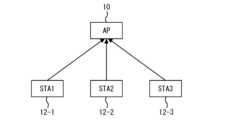
図1は、本開示の実施の形態1の無線通信システムの全体構成を示す。本実施形態の無線通信システムは、図1に示すように無線基地局装置(AP)10を有している。AP10は、無線LANの基地局として機能する装置であり、図示しないネットワークを介して上位の機器と通信できるように構成されている。Embodiment 1.
[Configuration of First Embodiment]
Fig. 1 shows an overall configuration of a wireless communication system according to a first embodiment of the present disclosure. As shown in Fig. 1, the wireless communication system according to the present embodiment has a wireless base station device (AP) 10. The AP 10 is a device that functions as a base station of a wireless LAN, and is configured to be able to communicate with a higher-level device via a network (not shown).
AP10の配下には、複数の無線端末(STA)12-1~12-3が配置されている。以下、個々のSTAを区別する必要がない場合は、符号の添え字を省略してそれらを「STA12」と称す。図1には、AP10の配下に三台のSTA12が存在しているが、STA12の台数はこれに限定されるものではなく、その数はより少数であっても、より多数であってもよい。A number of wireless terminals (STAs) 12-1 to 12-3 are placed under the AP 10. Hereinafter, when there is no need to distinguish between the individual STAs, the subscripts of the reference numbers will be omitted and they will be referred to as "STA 12." In FIG. 1, there are three STAs 12 under the
AP10とSTA12は、無線による伝送リンクを介して相互に通信することができる。AP10およびSTA12は、何れもマルチリンクデバイス(MLD)としての機能を有している。より具体的には、AP10およびSTA12には、何れも、例えば6GHz帯に設定されている複数の周波数帯に対応する複数の無線インターフェースが搭載されている。AP10およびSTA12は、それらの無線インターフェースを連携または協調させることにより、両者間に複数の伝送リンクを確立させることができる。これにより、AP10とSTA12とは、マルチリンク機能による高速かつ高信頼な通信を実現することができる。AP10 and STA12 can communicate with each other via a wireless transmission link. Both AP10 and STA12 have a function as a multi-link device (MLD). More specifically, both AP10 and STA12 are equipped with multiple wireless interfaces corresponding to multiple frequency bands set, for example, in the 6 GHz band. AP10 and STA12 can establish multiple transmission links between them by coordinating or coordinating their wireless interfaces. This allows AP10 and STA12 to realize high-speed and highly reliable communication using the multi-link function.
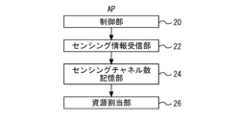
図2は、AP10の機能的な構成を説明するためのブロック図である。AP10は、専用に設けられたハードウェアに加えて、演算処理ユニットおよびメモリを有している。メモリ内には、演算処理ユニットで実行されるプログラムが格納されている。図2に示すブロック夫々の機能は、演算処理ユニットが、そのプログラムに沿って処理を進めることにより実現される。Figure 2 is a block diagram for explaining the functional configuration of
図2に示すように、AP10は制御部20を備えている。制御部20は、AP10が有する様々な機能を実現するために、以下に説明する各ブロックの機能を制御する部分である。As shown in Figure 2,
AP10は、センシング情報受信部22を有している。本実施形態では、後述の通り、無線通信に用いることが予定されている複数のチャネルの夫々について、STA12によるセンシングが行われる。例えば、6GHz帯においては、90程度のチャネルが準備されることが想定される。本実施形態では、AP10の配下に属する複数のSTA12に、夫々のチャネルの混雑度合いを分担してセンシングさせて、その結果をAP10に提供させる。センシング情報受信部22は、STA12から送信されてくるセンシングの結果を受信し、その結果をセンシング情報として格納する機能を有する。The
AP10は、センシングチャネル数記憶部24を備えている。センシング情報には、その情報を発したSTA12の識別子と、センシングされたチャネルの識別子とが含まれている。センシングチャネル数記憶部24は、それらの情報に基づいて、どのSTA12がどのチャネルをセンシングしたかを認識し、STA12毎にセンシングを実施したチャネルの数を記録する機能を有する。The
AP10は、更に、資源割当部26を備えている。複数のSTA12は、有限の通信資源を分け合って、夫々AP10との通信を確立する。例えば、上述したチャネルそのもの、更には、夫々のチャネルにおける占有時間等が通信資源に該当する。資源割当部26は、複数のSTA12夫々に対する資源の割り当てを決定し、その決定結果をSTA12夫々に指令する機能を有する。The
尚、AP10は、上位の機器との有線通信を確立するための通信インターフェース、並びにSTA12との無線通信を確立するための通信インターフェースを備えている。これらについては、便宜上図示を省略する。In addition, the
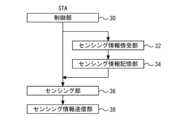
図3は、STA12の機能的な構成を説明するためのブロック図である。STA12も、AP10と同様に、専用のハードウェアに加えて、演算処理ユニットおよびメモリを有している。そして、図3に示すブロック夫々の機能は、演算処理ユニットが、メモリに格納されているプログラムに沿って処理を進めることにより実現される。Figure 3 is a block diagram for explaining the functional configuration of STA12. Like AP10, STA12 also has a calculation processing unit and memory in addition to dedicated hardware. The functions of each block shown in Figure 3 are realized by the calculation processing unit proceeding with processing according to a program stored in the memory.
図3に示すように、STA12は制御部30を備えている。制御部30は、STA12が有する様々な機能を実現するために、以下に説明する各ブロックの機能を制御する部分である。As shown in Figure 3, STA12 has a
STA12は、センシング情報傍受部32と、センシング情報記憶部34とを有している。本実施形態では、上記の通り、無線通信に用いるチャネルの夫々について、STA12によるセンシングが行われる。STA12の夫々は、センシングの結果をブロードキャストの手法で送信する。センシング情報傍受部32は、他のSTA12から発せられたセンシング情報を傍受するためのブロックである。また、センシング情報記憶部34は、傍受したセンシング情報を記録するためのブロックである。これらのブロックの機能により、一台のSTA12で実施されたセンシングの結果は、他の全てのSTA12において共有される。STA12 has a sensing information interception unit 32 and a sensing information storage unit 34. In this embodiment, as described above, STA12 performs sensing for each of the channels used for wireless communication. Each STA12 transmits the sensing results by broadcasting. The sensing information interception unit 32 is a block for intercepting sensing information emitted from other STA12. Furthermore, the sensing information storage unit 34 is a block for recording the intercepted sensing information. Due to the functions of these blocks, the results of sensing performed by one STA12 are shared by all other STA12.
STA12は、また、センシング部36を有している。センシング部36は、センシング情報記憶部34に格納されている情報に基づいてセンシングが未実施のチャネルを認識し、それらの一つについてセンシングを行う。センシングは、具体的には、一つのチャネルを監視して、そのチャネルに無線信号が流れている時間の割り合い、つまり、エアタイム占有率を計測することにより行われる。STA 12 also has a sensing unit 36. Sensing unit 36 recognizes channels for which sensing has not been performed based on the information stored in sensing information storage unit 34, and performs sensing on one of them. Specifically, sensing is performed by monitoring one channel and measuring the proportion of time that a wireless signal is flowing on that channel, that is, the airtime occupancy rate.
STA12は、センシング情報送信部38を備えている。センシング情報送信部38は、センシング情報を、上述したブロードキャストの手法で送信する機能を有している。センシング情報には、情報を送信するSTA12の識別子、監視したチャネルの識別子、およびそのチャネルで計測されたエアタイム占有率が含まれる。STA12 is equipped with a sensing information transmission unit 38. The sensing information transmission unit 38 has a function of transmitting sensing information by the above-mentioned broadcast method. The sensing information includes an identifier of the STA12 transmitting the information, an identifier of the monitored channel, and the airtime occupancy rate measured on that channel.
尚、STA12にも通信インターフェースが備わっているが、AP10の場合と同様に、便宜上その図示は省略する。Note that STA12 also has a communication interface, but as in the case of AP10, it is omitted from the illustration for convenience.
[実施の形態1における処理の流れ]
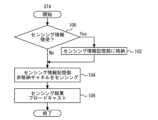
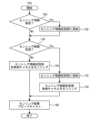
図4は、本実施形態においてチャネルをセンシングするためにSTA12が実行する処理の流れを説明するためのフローチャートである。図4に示すルーチンは、AP10の配下に属する全てのSTA12において繰り返し実行される。繰り返し周期は、STA12夫々のスペック等に応じて決定される。その結果、スペックの高いSTA12では、通常、スペックの低いSTA12に比して短い周期で図4に示すルーチンが繰り返される。[Processing flow in the first embodiment]
Fig. 4 is a flowchart for explaining the flow of processing executed by the STA 12 to sense a channel in this embodiment. The routine shown in Fig. 4 is repeatedly executed in all the STAs 12 subordinate to the
図4に示すルーチンでは、先ず、他のSTA12から発せられたセンシング情報を傍受したか否かが判別される(ステップ100)。センシング情報の傍受が認められなかった場合は、ステップ102がジャンプされ、次にステップ104の処理が実行される。In the routine shown in Figure 4, first, it is determined whether or not sensing information transmitted from another STA 12 has been intercepted (step 100). If interception of sensing information has not been confirmed, step 102 is skipped and processing in
一方、センシング情報の傍受が認められた場合は、傍受したセンシング情報がセンシング情報記憶部34に格納される(ステップ102)。センシング情報には、上記の通り、センシングされたチャネルの識別子や、そのチャネルの混雑度合いを示すエアタイム占有率等が含まれている。本ステップ102では、それらの情報のうち、少なくともチャネルの識別子がセンシング情報記憶部34に格納される。On the other hand, if the interception of the sensing information is confirmed, the intercepted sensing information is stored in the sensing information storage unit 34 (step 102). As described above, the sensing information includes the identifier of the sensed channel, the airtime occupancy rate indicating the degree of congestion of the channel, and the like. In this step 102, at least the channel identifier of the information is stored in the sensing information storage unit 34.
上記の処理が終わると、次に、センシングの対象とするチャネルが選択され、そのチャネルの混雑度合いがセンシングされる(ステップ104)。ここでは、先ず、センシング情報記憶部34に識別子が格納されていないチャネルが抽出される。次に、抽出されたチャネルの中から、既定のルールに従って、例えば周波数に基づく昇順或いは降順ルールに従って対象チャネルが決定される。そして、対象チャネルを規定時間監視することで、そのチャネルのエアタイム占有率がセンシングされる。Once the above process is completed, the channel to be sensed is selected, and the degree of congestion of that channel is sensed (step 104). First, channels whose identifiers are not stored in the sensing information storage unit 34 are extracted. Next, from among the extracted channels, a target channel is determined according to a predefined rule, for example, an ascending or descending rule based on frequency. Then, the target channel is monitored for a specified period of time, and the airtime occupancy rate of that channel is sensed.
対象チャネルのセンシングが終わると、ブロードキャストの手法でその結果が送信される(ステップ106)。この際、センシングを実施したチャネルの識別子は、上記ステップ102の場合と同様にセンシング情報記憶部34に格納される。このため、全てのSTA12において、センシング情報記憶部34には、何れかのSTA12においてセンシングが実施されたチャネルの識別子が累積して格納される。When sensing of the target channel is completed, the results are transmitted by broadcasting (step 106). At this time, the identifier of the channel on which sensing was performed is stored in the sensing information storage unit 34, as in step 102 above. Therefore, in all STAs 12, the identifiers of the channels on which sensing was performed in any of the STAs 12 are cumulatively stored in the sensing information storage unit 34.
上記の処理によれば、個々のSTA12は、他のSTA12で既にセンシングされたチャネル、および自らが既にセンシングしたチャネルを除外してセンシングの対象とするチャネルを決定することができる。このため、本実施形態によれば、重複した無駄なセンシングの実施を避けることができる。According to the above process, each STA 12 can determine the channels to be sensed by excluding channels already sensed by other STAs 12 and channels already sensed by itself. Therefore, according to this embodiment, it is possible to avoid redundant and unnecessary sensing.
尚、センシング情報記憶部34に格納された識別子は、一定時間の経過後に消去することとしてもよい。この場合、センシングが実施されたチャネルは、一定時間後にセンシング未実施のチャネルに戻され、再びセンシングの対象となる。これにより、古いセンシング情報が残ったままとなるのを防ぐことができる。The identifiers stored in the sensing information storage unit 34 may be erased after a certain period of time has passed. In this case, the channel on which sensing has been performed is returned to a channel on which sensing has not been performed after a certain period of time, and becomes the subject of sensing again. This makes it possible to prevent old sensing information from remaining.
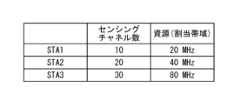
図5は、AP10の配下に属する三台のSTA夫々がセンシングを実施したチャネル数と、AP10が夫々のSTAに割り当てた通信資源との関係を示す。具体的には、図5は、STA12-1、12-2および12-3が、夫々10チャネル、20チャネルおよび30チャネルのセンシングを実施したことを示している。これらは、STA12-1~12-3夫々のスペックの差や、それらがチャネルセンシングに配分できた時間の差等に起因して異なる値となっている。Figure 5 shows the relationship between the number of channels on which each of the three STAs under
図5は、また、AP10が、STA12-1、12-2および12-3の夫々に、20MHz、40MHzまたは80MHzの帯域を割り当てたことを表している。つまり、AP10は、チャネルセンシングの実施に対する報酬として通信資源を割り当てており、センシング回数が最多のSTA12-3に最も多くの通信資源を割り当て、その回数が最少のSTA12-1には最も少ない通信資源を割り当てている。このような割り当てによれば、チャネルセンシングの負担に起因する端末間の不公平を、通信資源の形を取る報酬により解消することができる。Figure 5 also shows that
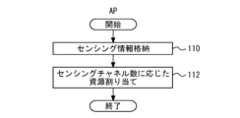
図6は、上記の機能を実現するための本実施形態においてAP10が実施する処理の流れを説明するためのフローチャートを示す。図6に示すルーチンは、何れかのSTA12からセンシング情報がブロードキャストされる毎に起動される。Figure 6 shows a flowchart to explain the flow of processing performed by AP10 in this embodiment to realize the above functions. The routine shown in Figure 6 is started each time sensing information is broadcast from any STA12.
図6に示すルーチンでは、先ず、ブロードキャストされたセンシング情報がAP10に格納される(ステップ110)。AP10は、センシング情報を蓄積することで、どの周波数帯がどの程度混雑しているのか、並びに、どのSTA12がチャネルセンシングを何回実施したかを把握する。In the routine shown in Figure 6, first, the broadcasted sensing information is stored in the AP 10 (step 110). By accumulating the sensing information, the
AP10は、次に、配下に属するSTA12の夫々に対して、センシングチャネル数に応じた通信資源の割り当てを行う(ステップ112)。具体的には、センシングチャネル数の多いSTA12には多くの通信資源を割り当て、また、その数の少ないSTA12には少ない通信資源を割り当てるための処理を行う。資源の多少は、図5を参照して説明した通り、周波数の帯域幅を異ならしめることにより実現できる。或いは、資源の多少は、帯域の占有時間を異ならしめることにより実現してもよい。The
以上説明した通り、本実施形態の無線通信システムでは、AP10においてチャネルのセンシングを実施する必要がない。このため、このシステムによれば、チャネルセンシングの実施に伴って、AP10の配下に属する全てのSTA12が通信不能となるような事態が生ずるのを確実に回避することができる。As described above, in the wireless communication system of this embodiment, there is no need to perform channel sensing in the
また、本実施形態のシステムでは、複数のSTA12が、夫々のスペック等に応じた負荷でチャネルセンシングを実施する。このため、スペックの低いSTA12が、相対的に重い負荷を負うことがなく、そのようなSTA12の通信品質が著しく悪化してしまうのを回避することができる。In addition, in the system of this embodiment, multiple STAs 12 perform channel sensing with a load according to their respective specifications, etc. Therefore, STAs 12 with low specifications do not bear a relatively heavy load, and it is possible to avoid a significant deterioration in the communication quality of such STAs 12.
更に、本実施形態のシステムでは、チャネルセンシングの報酬として、負荷に見合った通信資源がSTA12の夫々に与えられる。このため、STA12間の不公平が解消されると共に、低スペックな機器を高スペックな機器に切り替えるインセンティブが阻害されてしまうのも避けることができる。Furthermore, in the system of this embodiment, as a reward for channel sensing, communication resources commensurate with the load are given to each STA 12. This eliminates unfairness between STAs 12 and also prevents incentives to switch from low-spec devices to high-spec devices from being hindered.
実施の形態2.
[実施の形態2の特徴]
次に、図1と共に、図7乃至図10を参照して本開示の実施の形態2について説明する。本実施形態の無線通信システムは、実施の形態1の場合と同様に、図1に示す構成により実現することができる。Embodiment 2.
[Features of the second embodiment]
Next, a second embodiment of the present disclosure will be described with reference to Fig. 7 to Fig. 10 together with Fig. 1. The wireless communication system of the present embodiment can be realized by the configuration shown in Fig. 1, similarly to the first embodiment.
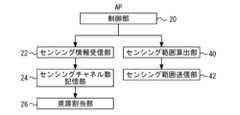
図7は、本実施形態で用いられるAP10の構成を機能的に説明するためのブロック図である。尚、図7において、図3に示す要素と同一または対応する要素については、共通する符号を付してその説明を省略または簡略する。また、実施の形態1の場合と同様に、AP10は、演算処理ユニットおよびメモリを備えており、図7に示す各要素は、演算処理ユニットがメモリに格納されているプログラムに沿って処理を進めることにより実現される。Figure 7 is a block diagram for functionally explaining the configuration of
図7に示すように、本実施形態で用いられるAP10は、センシング範囲算出部40を備えている。センシング範囲算出部40は、AP10が、特定のチャネルの混在状況を知りたい場合に、そのチャネルをセンシング範囲として設定する機能を有している。例えば、取得済みのセンシング情報が古く、その情報を更新しておきたいチャネルや、STA12に割り当てたい帯域のうちセンシング情報が得られていないチャネル等がセンシング範囲として設定される。As shown in FIG. 7, the
センシング範囲算出部40で設定されたセンシング範囲は、センシング範囲送信部42に提供される。より具体的には、センシング範囲に含まれるチャネルの識別子が、センシング範囲送信部42に提供される。そして、センシング範囲送信部42は、センシング範囲を構成するチャネルの識別子を、AP12配下の全てのSTA12に、ブロードキャストの手法で送信する。The sensing range set by the sensing
図8は、本実施形態で用いられるSTA12の構成を機能的に説明するためのブロック図である。尚、図8において、図2に示す要素と同一または対応する要素については、共通する符号を付してその説明を省略または簡略する。また、実施の形態1の場合と同様に、STA12が備える各ブロックの機能も、演算処理ユニットがメモリに格納されているプログラムに沿って処理を進めることにより実現される。Figure 8 is a block diagram for functionally explaining the configuration of STA12 used in this embodiment. In Figure 8, elements that are the same as or correspond to those shown in Figure 2 are given the same reference numerals and their explanations are omitted or simplified. As in the case of embodiment 1, the functions of each block provided in STA12 are also realized by the arithmetic processing unit proceeding with processing according to a program stored in memory.
図8に示すように、本実施形態で用いられるSTA12は、センシング範囲受信部50を備えている。センシング範囲受信部50は、AP10から送信されてきたセンシング範囲を受信する機能を有している。センシング範囲受信部50によって受信されたセンシング範囲は、センシング範囲記憶部52に格納される。As shown in FIG. 8, the STA 12 used in this embodiment is equipped with a sensing range receiving unit 50. The sensing range receiving unit 50 has a function of receiving the sensing range transmitted from the
つまり、本実施形態のSTA12では、AP10がセンシングを求めるチャネルの識別子がセンシング範囲記憶部52に格納される。そして、実施の形態1の場合と同様に、自身または他のSTA12によってセンシングされたチャネルの識別子が、センシング情報記憶部34に格納される。That is, in the STA 12 of this embodiment, the identifier of the channel for which the
本実施形態において、STA12のセンシング部36は、センシング範囲記憶部52に識別子が含まれている場合は、その識別子に対応するチャネルのセンシングを実施する。そして、センシング範囲記憶部52に識別子が含まれていない場合は、センシング情報記憶部34に識別子が格納されていないチャネルのセンシングを実施する。これにより、本実施形態では、AP10が求めるセンシングが優先的に実施されると共に、既にセンシングされたチャネルの重複するセンシングが、実施の形態1の場合と同様に有効に回避される。In this embodiment, if an identifier is included in the sensing range storage unit 52, the sensing unit 36 of the STA 12 performs sensing of the channel corresponding to the identifier. If the identifier is not included in the sensing range storage unit 52, the sensing unit 36 performs sensing of a channel whose identifier is not stored in the sensing information storage unit 34. As a result, in this embodiment, the sensing requested by the
[実施の形態2における処理の流れ]
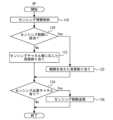
図9は、本実施形態においてAP10が実施する処理の流れを説明するためのフローチャートを示す。尚、図9において、図6に示すステップと同一または対応するステップについては、共通する符号を付して重複する説明を省略する。[Processing flow in the second embodiment]
Fig. 9 is a flowchart for explaining the flow of processing performed by the
図9に示すルーチンは、実施の形態1の場合と同様に、AP10が、何れかのSTA12からセンシング情報を受信することで起動される。本実施形態では、ステップ110でセンシング情報が格納されると、次に、そのセンシング情報に関わるチャネルが、AP10の指定したセンシング範囲に該当するものであるか否かが判別される(ステップ120)。9 is initiated by the
受信した情報に関わるチャネルが、センシング範囲に該当しないと判別された場合は、実施の形態1の場合と同様に資源の割り当てを進めるべく、ステップ112の処理が実行される。If it is determined that the channel related to the received information does not fall within the sensing range, processing of
一方、受信した情報に関わるチャネルがセンシング範囲に該当すると認められた場合は、そのチャネルのセンシングを実施したSTA12に、追加の報酬を加えた資源が割り当てられる(ステップ122)。つまり、AP10の要求に応えるセンシングを実施したことを評価して、そのセンシングを実施したSTA12に、ステップ112で決定される資源に、一定の割り合いを加えた資源が割り当てられる。On the other hand, if the channel related to the received information is determined to fall within the sensing range, the STA 12 that performed the sensing of that channel is assigned resources that include additional rewards (step 122). In other words, the STA 12 that performed the sensing is evaluated as having performed sensing in response to the request of the
上記の処理が終わると、次に、AP10にとってセンシングが必要なチャネルが存在するか否かが判別される(ステップ124)。例えば、判定基準を超えて情報が古くなってしまっているチャネルが存在するか、或いは、割り当て候補となっているがセンシング情報が得られていないチャネルが存在するか、などの判断がなされる。そして、そのようなチャネルの存在が認められると、センシングが必要なチャネルが存在する、と判断される。Once the above process is complete, it is then determined whether or not there are any channels for which sensing is required by AP 10 (step 124). For example, a determination is made as to whether or not there are any channels whose information has become outdated beyond the determination criteria, or whether or not there are any channels that are candidates for allocation but for which sensing information has not been obtained. If the existence of such channels is confirmed, it is determined that there are channels for which sensing is required.
上記ステップ124において、センシングが必要なチャネルが存在しないと判別された場合は、今回のルーチンがそのまま終了される。一方、センシングが必要なチャネルが存在すると判別された場合は、そのチャネルの範囲が、センシング範囲として配下のSTA12に送信される(ステップ126)。If it is determined in
図10は、本実施形態において、STA12が実施する処理の流れを説明するためのフローチャートを示す。尚、図10において、図4に示すステップと同一または対応するステップについては、共通する符号を付して重複する説明を省略する。Figure 10 shows a flowchart for explaining the flow of processing performed by STA12 in this embodiment. Note that in Figure 10, steps that are the same as or correspond to steps shown in Figure 4 are given the same reference numerals and duplicate explanations are omitted.
図10に示すように、本実施形態におけるSTA12は、ステップ100またはステップ102の処理に続いて、センシング範囲を受信したか否かを判別する(ステップ130)。つまり、センシングの実施を求めてAP10が発したセンシング範囲の情報を、STA12が受信したか否かが判別される。10, following the processing of
センシング範囲が受信されていない場合は、以後、実施の形態1の場合と同様に、ステップ104の処理が実行される。この場合、センシング情報記憶部34に識別子が格納されていないチャネル、つまり、STA12によるセンシングが未実施のチャネルについて、センシングが実施される。If the sensing range has not been received, the process of
一方、上記ステップ130で、センシング範囲の受信が認められた場合は、先ず、そのセンシング範囲に対応するチャネルの識別子が、センシング範囲記憶部52に格納される(ステップ132)。そして、センシング範囲記憶部52に格納された識別子に対応するチャネルのセンシングが実施される(ステップ134)。On the other hand, if reception of the sensing range is confirmed in
以上の処理が終わると、STA12は、ステップ106の処理により、センシングの結果をブロードキャストの手法で送信する。Once the above processing is completed, STA12 transmits the sensing results by broadcasting through processing in
上記の処理によれば、AP10は、優先的にセンシングしたいチャネルの範囲が存在する場合に、その要求を、配下のSTA12の全てに広く伝えることができる。そして、その要求に応える機能を有するSTA12は、その要求に応えてチャネルのセンシングを実施する。このため、本実施形態によれば、AP10に優れた情報収集能力を与えることができる。そして、AP10が優れた情報収集能力を持つことで、無線通信システムの通信効率を高めることができる。According to the above process, when there is a range of channels that the
また、上記の処理によれば、AP10が発するセンシング範囲に反応してチャネルセンシングを実施したSTA12には、センシング負荷に対する報酬と、AP10の要求に応えたことに対する報酬との合算に対応する通信資源が与えられる。このような規則によれば、AP10の要求に応える機能をSTA12に与えるインセンティブを発生させることができ、無線通信システムの効率化を促進することができる。Furthermore, according to the above process, STA12 that performs channel sensing in response to the sensing range emitted by AP10 is given communication resources corresponding to the sum of the reward for the sensing load and the reward for responding to the request of AP10. According to such a rule, an incentive can be generated to give STA12 the function of responding to the request of AP10, and the efficiency of the wireless communication system can be promoted.
[実施の形態1および2の変形例]
ところで、上述した実施の形態1および2は、無線通信の分野を無線LANに限定して説明しているが、本開示はこれに限定されるものではない。本開示の技術は、無線LANの他に、例えば、ブルートゥース(登録商標)のような無線通信、或いは、ライセンス帯を用いる無線通信等にも適用することが可能である。[Modifications of the First and Second Embodiments]
Incidentally, in the above-mentioned first and second embodiments, the field of wireless communication is limited to wireless LAN, but the present disclosure is not limited thereto. The technology of the present disclosure can be applied to wireless communication such as Bluetooth (registered trademark) or wireless communication using a licensed band, in addition to wireless LAN.
また、上述した実施の形態1および2では、チャネルセンシングの実施に対する報酬、或いはAP10の要求に応えたことに対する報酬を、通信資源の割り当てにより与えることとしている。しかしながら、本開示はこれに限定されるものではなく、それらの報酬は、例えば、STA12による無線通信の利用料金を引き下げる等、ユーザにとってのインセンティブとなる他の手法により実現することとしてもよい。In addition, in the above-described first and second embodiments, rewards for performing channel sensing or for responding to a request from AP10 are provided by allocating communication resources. However, the present disclosure is not limited to this, and such rewards may be realized by other methods that provide incentives to users, such as reducing the usage fee for wireless communication by STA12.
また、上述した実施の形態1および2では、STA12が、一つのチャネルのセンシングを終える毎にセンシング情報を送信することとしているが、本開示はこれに限定ものではない。例えば、STA12には、一定の時間継続してセンシングを実施させ、その間に得られた複数のセンシングの結果をまとめて送信させることとしてもよい。或いは、STA12には、既定数のチャネルのセンシングをまとめて実施させ、その結果をまとめて送信させてもよい。In addition, in the above-described first and second embodiments, the STA12 transmits sensing information each time it finishes sensing one channel, but the present disclosure is not limited to this. For example, the STA12 may be caused to perform sensing continuously for a certain period of time and transmit multiple sensing results obtained during that time together. Alternatively, the STA12 may be caused to perform sensing of a predetermined number of channels together and transmit the results together.
また、上述した実施の形態2では、AP10が、センシングの必要なチャネルをセンシング範囲としてSTA12に伝達する。そして、STA12が、その範囲をセンシング範囲記憶部52に格納し、そこに格納されているチャネルについて優先的にセンシングを実施する。しかしながら、センシング範囲の伝達手法はこれに限定されるものではない。例えば、AP10は、センシングが実施されたばかりのチャネル、或いはSTA12に割り当てる予定の無いチャネル等をセンシング不要のチャネルと判断し、センシングが不要な範囲をSTA12に伝達することとしてもよい。この場合、STA12は、センシング不要な範囲に対応する識別子をセンシング範囲記憶部52から削除する。これにより、結果として、AP10がセンシングの実施を希望するチャネルのセンシングを優先的に進めることができる。In the above-mentioned second embodiment, the
10 無線基地局装置(AP)
12-1、12-2、12-3、12 無線端末(STA)
20、30 制御部
22 センシング情報受信部
24 センシングチャネル数記憶部
26 資源割当部
32 センシング情報傍受部
34 センシング情報記憶部
36 センシング部
38 センシング情報送信部
40 センシング範囲算出部
42 センシング範囲送信部
50 センシング範囲受信部
52 センシング範囲記憶部10 Wireless base station equipment (AP)
12-1, 12-2, 12-3, 12 Wireless terminal (STA)
20, 30 Control unit 22 Sensing
Claims (8)
Translated fromJapanese前記無線端末は、
前記チャネルのセンシングを実施するセンシング部と、
センシングを実施したチャネルの識別子と、当該チャネルのセンシング結果と、当該無線端末の識別子とを含むセンシング情報を送信するセンシング情報送信部と、を備えるように構成され、
前記無線基地局装置は、
前記センシング情報を受信するセンシング情報受信部と、
無線端末がセンシングしたチャネルの数であるセンシングチャネル数を、前記センシング情報に基づいて無線端末毎に算出して記憶するセンシングチャネル数記憶部と、
前記センシングチャネル数に応じた報酬を、前記複数の無線端末の夫々に割り当てる割当部と、を備えるように構成された無線通信システム。 A wireless communication system including a plurality of wireless terminals, each of which has a plurality of wireless interfaces corresponding to a plurality of channels of different frequency bands, and a wireless base station device that establishes wireless communication between the wireless terminals,
The wireless terminal,
a sensing unit for performing sensing of the channel;
a sensing information transmitting unit configured to transmit sensing information including an identifier of a channel on which sensing has been performed, a sensing result of the channel, and an identifier of the wireless terminal;
The wireless base station device,
a sensing information receiving unit that receives the sensing information;
a sensing channel number storage unit that calculates and stores a sensing channel number, which is the number of channels sensed by the wireless terminal, for each wireless terminal based on the sensing information;
an allocation unit that allocates a reward according to the number of sensing channels to each of the plurality of wireless terminals.
前記無線端末は、他の無線端末からブロードキャストされた前記識別子の情報を傍受するセンシング情報傍受部を更に備えるように構成され、
前記センシング部は、自らがセンシングを実施したチャネルと、傍受した前記識別子に対応するチャネルとを除くチャネルの中から、センシングの対象とするチャネルを選択するように構成されている請求項1に記載の無線通信システム。 the sensing information transmission unit is configured to transmit, from the sensing information, at least an identifier of a channel on which sensing has been performed by a broadcast method;
The wireless terminal is further configured to include a sensing information interception unit that intercepts information of the identifier broadcast from another wireless terminal,
The wireless communication system according to claim 1 , wherein the sensing unit is configured to select a channel to be subjected to sensing from among channels excluding a channel on which the sensing unit has performed sensing and a channel corresponding to the intercepted identifier.
センシングの実施範囲を指定するセンシング範囲情報を算出するセンシング範囲算出部と、
前記センシング範囲情報を前記無線端末に向けて送信するセンシング範囲送信部と、を更に備え、
前記無線端末は、前記センシング範囲情報を受信するセンシング範囲受信部を更に備えるように構成され、
前記センシング部は、前記センシング範囲情報でセンシングの実施範囲が指定されている場合には、センシングの対象とするチャネルを当該実施範囲の中から選択するように構成されている請求項1乃至3の何れか1項に記載の無線通信システム。 The wireless base station device,
a sensing range calculation unit that calculates sensing range information that specifies a range in which sensing is performed;
a sensing range transmission unit that transmits the sensing range information to the wireless terminal,
The wireless terminal is further configured to include a sensing range receiving unit that receives the sensing range information,
The wireless communication system according to any one of claims 1 to 3, wherein the sensing unit is configured to select a channel to be subjected to sensing from within the sensing range when the sensing range information specifies a sensing implementation range.
前記センシング部は、前記センシング範囲情報によりセンシングの実施が不要なチャネルが指定されている場合には、当該チャネルをセンシングの対象とするチャネルから除外するように構成されている請求項4または5に記載の無線通信システム。 The sensing range information includes information specifying a channel on which sensing does not need to be performed,
The wireless communication system according to claim 4 or 5, wherein the sensing unit is configured to exclude a channel for which sensing does not need to be performed from channels to be subject to sensing when the sensing range information specifies the channel.
前記無線端末が、前記チャネルのセンシングを実施するステップと、
前記無線端末が、センシングを実施したチャネルの識別子と、当該チャネルのセンシング結果と、当該無線端末の識別子とを含むセンシング情報を送信するステップと、
前記無線基地局装置が、前記センシング情報を受信するステップと、
前記無線基地局装置が、無線端末がセンシングしたチャネルの数であるセンシングチャネル数を、前記センシング情報に基づいて無線端末毎に算出して記憶するステップと、
前記無線基地局装置が、前記センシングチャネル数に応じた報酬を、前記複数の無線端末の夫々に割り当てるステップと、
を含む無線通信方法。 A wireless communication method using a plurality of wireless terminals, each of which has a plurality of wireless interfaces corresponding to a plurality of channels in different frequency bands, and a wireless base station device that establishes wireless communication between the wireless terminals, the method comprising the steps of:
said wireless terminal performing sensing of said channel;
A step of transmitting sensing information including an identifier of a channel on which sensing was performed, a sensing result of the channel, and an identifier of the wireless terminal, by the wireless terminal;
receiving the sensing information by the wireless base station device;
a step of the wireless base station device calculating and storing a number of sensing channels, which is the number of channels sensed by the wireless terminal, for each wireless terminal based on the sensing information;
a step of the wireless base station device allocating a reward according to the number of sensing channels to each of the plurality of wireless terminals;
A wireless communication method comprising:
前記無線端末が、センシングを実施したチャネルの識別子と、当該チャネルのセンシング結果と、当該無線端末の識別子とを含めて送信するセンシング情報を受信するセンシング情報受信部と、
無線端末がセンシングしたチャネルの数であるセンシングチャネル数を、前記センシング情報に基づいて無線端末毎に算出して記憶するセンシングチャネル数記憶部と、
前記センシングチャネル数に応じた報酬を、前記複数の無線端末の夫々に割り当てる割当部と、
を備えるように構成された無線基地局装置。
A wireless base station device that establishes wireless communication with a plurality of wireless terminals, each of which has a plurality of wireless interfaces corresponding to a plurality of channels in different frequency bands, comprising:
a sensing information receiving unit that receives sensing information transmitted by the wireless terminal including an identifier of a channel on which sensing has been performed, a sensing result of the channel, and an identifier of the wireless terminal;
a sensing channel number storage unit that calculates and stores a sensing channel number, which is the number of channels sensed by the wireless terminal, for each wireless terminal based on the sensing information;
an allocation unit that allocates a reward according to the number of sensing channels to each of the plurality of wireless terminals;
A wireless base station device configured to include:
Applications Claiming Priority (1)
| Application Number | Priority Date | Filing Date | Title |
|---|---|---|---|
| PCT/JP2021/043632WO2023095334A1 (en) | 2021-11-29 | 2021-11-29 | Wireless communication system, wireless communication method, and wireless base station device |
Publications (2)
| Publication Number | Publication Date |
|---|---|
| JPWO2023095334A1 JPWO2023095334A1 (en) | 2023-06-01 |
| JP7673829B2true JP7673829B2 (en) | 2025-05-09 |
Family
ID=86539060
Family Applications (1)
| Application Number | Title | Priority Date | Filing Date |
|---|---|---|---|
| JP2023563482AActiveJP7673829B2 (en) | 2021-11-29 | 2021-11-29 | Wireless communication system, wireless communication method, and wireless base station device |
Country Status (3)
| Country | Link |
|---|---|
| US (1) | US20250016594A1 (en) |
| JP (1) | JP7673829B2 (en) |
| WO (1) | WO2023095334A1 (en) |
Citations (3)
| Publication number | Priority date | Publication date | Assignee | Title |
|---|---|---|---|---|
| US20130003591A1 (en) | 2010-09-23 | 2013-01-03 | Research In Motion Limited | System and Method for Dynamic Coordination of Radio Resources Usage in a Wireless Network Environment |
| JP2014502438A (en) | 2010-10-31 | 2014-01-30 | エルジー エレクトロニクス インコーポレイティド | Information acquisition method and apparatus using the same in coexistence system |
| WO2021187480A1 (en) | 2020-03-17 | 2021-09-23 | 日本電信電話株式会社 | Base station and terminal |
- 2021
- 2021-11-29WOPCT/JP2021/043632patent/WO2023095334A1/ennot_activeCeased
- 2021-11-29USUS18/712,721patent/US20250016594A1/enactivePending
- 2021-11-29JPJP2023563482Apatent/JP7673829B2/enactiveActive
Patent Citations (3)
| Publication number | Priority date | Publication date | Assignee | Title |
|---|---|---|---|---|
| US20130003591A1 (en) | 2010-09-23 | 2013-01-03 | Research In Motion Limited | System and Method for Dynamic Coordination of Radio Resources Usage in a Wireless Network Environment |
| JP2014502438A (en) | 2010-10-31 | 2014-01-30 | エルジー エレクトロニクス インコーポレイティド | Information acquisition method and apparatus using the same in coexistence system |
| WO2021187480A1 (en) | 2020-03-17 | 2021-09-23 | 日本電信電話株式会社 | Base station and terminal |
Also Published As
| Publication number | Publication date |
|---|---|
| JPWO2023095334A1 (en) | 2023-06-01 |
| WO2023095334A1 (en) | 2023-06-01 |
| US20250016594A1 (en) | 2025-01-09 |
Similar Documents
| Publication | Publication Date | Title |
|---|---|---|
| US11895507B2 (en) | Spectrum sharing optimization within a base station node | |
| US10264477B2 (en) | Multi-band wireless station having multiple radios in one band | |
| JP5559417B2 (en) | Method and apparatus for determining and allocating spectrum for wireless communication | |
| US10028149B2 (en) | Method and apparatus for managing network sharing | |
| CN101981990B (en) | For the channel allocation of Radio Access Network | |
| US9036518B2 (en) | Wireless base station apparatus, wireless communication system, wireless communication method, and program | |
| US20180084429A1 (en) | Frequency spectrum coordination device and method, and device and method in wireless communication system | |
| JPWO2008004561A1 (en) | Radio base station, load distribution apparatus, centralized control apparatus, radio communication system, load distribution method, and load distribution program | |
| CN111066337B (en) | Spectrum sharing for hierarchical switching between networks and/or devices | |
| US20240267964A1 (en) | Method for relay selection based on composite multi-interface load metric | |
| US20250119760A1 (en) | Methods and apparatus for integrated access backhaul with multiple parent base stations | |
| JP2002057699A (en) | Packet transmission method, packet transmission method, and recording medium | |
| JP2017515439A (en) | Resource allocation system and method adapted for implementation of inter-device communication in a wireless communication network | |
| US9253781B2 (en) | Scheduling in consideration of terminal groups in a mobile communication system | |
| JP2018098699A (en) | COMMUNICATION CONTROL DEVICE, COMMUNICATION SYSTEM, AND COMMUNICATION METHOD | |
| JP7673829B2 (en) | Wireless communication system, wireless communication method, and wireless base station device | |
| JP7673830B2 (en) | Wireless communication system, wireless communication method, and wireless base station device | |
| KR101172420B1 (en) | Apparatus for resource allocation of basestation based on traffic pattern information and method thereof | |
| WO2020105191A1 (en) | Communication device and wireless communication system | |
| JP7755161B2 (en) | Wireless communication device, wireless communication system, wireless beam allocation method, and wireless beam allocation program | |
| KR101709113B1 (en) | System of resource allocation in wireless lans and method of the same | |
| US20240306196A1 (en) | Communication scheduling in a network based on link quality | |
| JP4907462B2 (en) | Apparatus and related method for performing cell selection in packet radio communication system | |
| CN102017748A (en) | Management of transport resources | |
| Passiatore et al. | A fair MAC protocol for resource sharing in ad-hoc cognitive networks |
Legal Events
| Date | Code | Title | Description |
|---|---|---|---|
| A621 | Written request for application examination | Free format text:JAPANESE INTERMEDIATE CODE: A621 Effective date:20240507 | |
| TRDD | Decision of grant or rejection written | ||
| A01 | Written decision to grant a patent or to grant a registration (utility model) | Free format text:JAPANESE INTERMEDIATE CODE: A01 Effective date:20250325 | |
| A61 | First payment of annual fees (during grant procedure) | Free format text:JAPANESE INTERMEDIATE CODE: A61 Effective date:20250407 | |
| R150 | Certificate of patent or registration of utility model | Ref document number:7673829 Country of ref document:JP Free format text:JAPANESE INTERMEDIATE CODE: R150 | |
| S533 | Written request for registration of change of name | Free format text:JAPANESE INTERMEDIATE CODE: R313533 |