JP2016034038A - Semiconductor device - Google Patents
Semiconductor deviceDownload PDFInfo
- Publication number
- JP2016034038A JP2016034038AJP2015219561AJP2015219561AJP2016034038AJP 2016034038 AJP2016034038 AJP 2016034038AJP 2015219561 AJP2015219561 AJP 2015219561AJP 2015219561 AJP2015219561 AJP 2015219561AJP 2016034038 AJP2016034038 AJP 2016034038A
- Authority
- JP
- Japan
- Prior art keywords
- film
- metal oxide
- oxide semiconductor
- oxide film
- transistor
- Prior art date
- Legal status (The legal status is an assumption and is not a legal conclusion. Google has not performed a legal analysis and makes no representation as to the accuracy of the status listed.)
- Granted
Links
Images





Classifications
- H—ELECTRICITY
- H10—SEMICONDUCTOR DEVICES; ELECTRIC SOLID-STATE DEVICES NOT OTHERWISE PROVIDED FOR
- H10D—INORGANIC ELECTRIC SEMICONDUCTOR DEVICES
- H10D30/00—Field-effect transistors [FET]
- H10D30/60—Insulated-gate field-effect transistors [IGFET]
- H10D30/67—Thin-film transistors [TFT]
- H10D30/674—Thin-film transistors [TFT] characterised by the active materials
- H10D30/6755—Oxide semiconductors, e.g. zinc oxide, copper aluminium oxide or cadmium stannate
- H—ELECTRICITY
- H10—SEMICONDUCTOR DEVICES; ELECTRIC SOLID-STATE DEVICES NOT OTHERWISE PROVIDED FOR
- H10D—INORGANIC ELECTRIC SEMICONDUCTOR DEVICES
- H10D30/00—Field-effect transistors [FET]
- H10D30/01—Manufacture or treatment
- H10D30/021—Manufacture or treatment of FETs having insulated gates [IGFET]
- H10D30/031—Manufacture or treatment of FETs having insulated gates [IGFET] of thin-film transistors [TFT]
- H—ELECTRICITY
- H10—SEMICONDUCTOR DEVICES; ELECTRIC SOLID-STATE DEVICES NOT OTHERWISE PROVIDED FOR
- H10D—INORGANIC ELECTRIC SEMICONDUCTOR DEVICES
- H10D30/00—Field-effect transistors [FET]
- H10D30/01—Manufacture or treatment
- H10D30/021—Manufacture or treatment of FETs having insulated gates [IGFET]
- H10D30/031—Manufacture or treatment of FETs having insulated gates [IGFET] of thin-film transistors [TFT]
- H10D30/0312—Manufacture or treatment of FETs having insulated gates [IGFET] of thin-film transistors [TFT] characterised by the gate electrodes
- H—ELECTRICITY
- H10—SEMICONDUCTOR DEVICES; ELECTRIC SOLID-STATE DEVICES NOT OTHERWISE PROVIDED FOR
- H10D—INORGANIC ELECTRIC SEMICONDUCTOR DEVICES
- H10D30/00—Field-effect transistors [FET]
- H10D30/60—Insulated-gate field-effect transistors [IGFET]
- H10D30/67—Thin-film transistors [TFT]
- H10D30/6704—Thin-film transistors [TFT] having supplementary regions or layers in the thin films or in the insulated bulk substrates for controlling properties of the device
- H—ELECTRICITY
- H10—SEMICONDUCTOR DEVICES; ELECTRIC SOLID-STATE DEVICES NOT OTHERWISE PROVIDED FOR
- H10D—INORGANIC ELECTRIC SEMICONDUCTOR DEVICES
- H10D30/00—Field-effect transistors [FET]
- H10D30/60—Insulated-gate field-effect transistors [IGFET]
- H10D30/67—Thin-film transistors [TFT]
- H10D30/6704—Thin-film transistors [TFT] having supplementary regions or layers in the thin films or in the insulated bulk substrates for controlling properties of the device
- H10D30/6723—Thin-film transistors [TFT] having supplementary regions or layers in the thin films or in the insulated bulk substrates for controlling properties of the device having light shields
- H—ELECTRICITY
- H10—SEMICONDUCTOR DEVICES; ELECTRIC SOLID-STATE DEVICES NOT OTHERWISE PROVIDED FOR
- H10D—INORGANIC ELECTRIC SEMICONDUCTOR DEVICES
- H10D30/00—Field-effect transistors [FET]
- H10D30/60—Insulated-gate field-effect transistors [IGFET]
- H10D30/67—Thin-film transistors [TFT]
- H10D30/6729—Thin-film transistors [TFT] characterised by the electrodes
- H10D30/6737—Thin-film transistors [TFT] characterised by the electrodes characterised by the electrode materials
- H10D30/6739—Conductor-insulator-semiconductor electrodes
- H—ELECTRICITY
- H10—SEMICONDUCTOR DEVICES; ELECTRIC SOLID-STATE DEVICES NOT OTHERWISE PROVIDED FOR
- H10D—INORGANIC ELECTRIC SEMICONDUCTOR DEVICES
- H10D64/00—Electrodes of devices having potential barriers
- H10D64/60—Electrodes characterised by their materials
- H10D64/66—Electrodes having a conductor capacitively coupled to a semiconductor by an insulator, e.g. MIS electrodes
- H10D64/68—Electrodes having a conductor capacitively coupled to a semiconductor by an insulator, e.g. MIS electrodes characterised by the insulator, e.g. by the gate insulator
- H—ELECTRICITY
- H10—SEMICONDUCTOR DEVICES; ELECTRIC SOLID-STATE DEVICES NOT OTHERWISE PROVIDED FOR
- H10D—INORGANIC ELECTRIC SEMICONDUCTOR DEVICES
- H10D86/00—Integrated devices formed in or on insulating or conducting substrates, e.g. formed in silicon-on-insulator [SOI] substrates or on stainless steel or glass substrates
- H10D86/40—Integrated devices formed in or on insulating or conducting substrates, e.g. formed in silicon-on-insulator [SOI] substrates or on stainless steel or glass substrates characterised by multiple TFTs
- H10D86/421—Integrated devices formed in or on insulating or conducting substrates, e.g. formed in silicon-on-insulator [SOI] substrates or on stainless steel or glass substrates characterised by multiple TFTs having a particular composition, shape or crystalline structure of the active layer
- H10D86/423—Integrated devices formed in or on insulating or conducting substrates, e.g. formed in silicon-on-insulator [SOI] substrates or on stainless steel or glass substrates characterised by multiple TFTs having a particular composition, shape or crystalline structure of the active layer comprising semiconductor materials not belonging to the Group IV, e.g. InGaZnO
- H—ELECTRICITY
- H10—SEMICONDUCTOR DEVICES; ELECTRIC SOLID-STATE DEVICES NOT OTHERWISE PROVIDED FOR
- H10D—INORGANIC ELECTRIC SEMICONDUCTOR DEVICES
- H10D86/00—Integrated devices formed in or on insulating or conducting substrates, e.g. formed in silicon-on-insulator [SOI] substrates or on stainless steel or glass substrates
- H10D86/40—Integrated devices formed in or on insulating or conducting substrates, e.g. formed in silicon-on-insulator [SOI] substrates or on stainless steel or glass substrates characterised by multiple TFTs
- H10D86/60—Integrated devices formed in or on insulating or conducting substrates, e.g. formed in silicon-on-insulator [SOI] substrates or on stainless steel or glass substrates characterised by multiple TFTs wherein the TFTs are in active matrices
- H—ELECTRICITY
- H10—SEMICONDUCTOR DEVICES; ELECTRIC SOLID-STATE DEVICES NOT OTHERWISE PROVIDED FOR
- H10D—INORGANIC ELECTRIC SEMICONDUCTOR DEVICES
- H10D99/00—Subject matter not provided for in other groups of this subclass
Landscapes
- Thin Film Transistor (AREA)
- Electroluminescent Light Sources (AREA)
- Liquid Crystal (AREA)
- Devices For Indicating Variable Information By Combining Individual Elements (AREA)
Abstract
Translated fromJapaneseDescription
Translated fromJapanese半導体装置およびその作製方法に関する。The present invention relates to a semiconductor device and a manufacturing method thereof.
なお、本明細書中において、半導体装置とは、半導体特性を利用することで機能しうる装
置全般を指し、電気光学装置、半導体回路および電子機器は全て半導体装置である。Note that in this specification, a semiconductor device refers to all devices that can function by utilizing semiconductor characteristics, and an electro-optical device, a semiconductor circuit, and an electronic device are all semiconductor devices.
絶縁表面を有する基板上に形成された半導体薄膜を用いてトランジスタを構成する技術が
注目されている。該トランジスタは集積回路(IC)や画像表示装置(表示装置)のよう
な電子デバイスに広く応用されている。トランジスタに適用可能な半導体薄膜としてシリ
コン系半導体材料が広く知られているが、その他の材料として酸化物半導体が注目されて
いる。A technique for forming a transistor using a semiconductor thin film formed over a substrate having an insulating surface has attracted attention. The transistor is widely applied to electronic devices such as an integrated circuit (IC) and an image display device (display device). A silicon-based semiconductor material is widely known as a semiconductor thin film applicable to a transistor, but an oxide semiconductor has attracted attention as another material.
例えば、トランジスタの活性層として、電子キャリア濃度が1018/cm3未満である
インジウム(In)、ガリウム(Ga)、および亜鉛(Zn)を含む非晶質酸化物を用い
たトランジスタが開示されている(特許文献1参照)。For example, a transistor using an amorphous oxide containing indium (In), gallium (Ga), and zinc (Zn) having an electron carrier concentration of less than 1018 / cm3 as an active layer of the transistor is disclosed. (See Patent Document 1).
しかしながら、酸化物半導体は、酸素の不足などによる化学量論的組成からのずれや、デ
バイス作製工程において電子供与体を形成する水素や水の混入などが生じると、その電気
伝導度が変化する恐れがある。このような現象は、酸化物半導体を用いたトランジスタな
どの半導体装置にとって、電気的特性の変動要因となる。However, the electrical conductivity of an oxide semiconductor may change if it deviates from the stoichiometric composition due to oxygen deficiency or the like, or if hydrogen or water that forms an electron donor is mixed in the device manufacturing process. There is. Such a phenomenon becomes a factor of variation in electrical characteristics for a semiconductor device such as a transistor including an oxide semiconductor.
このような問題に鑑み、酸化物半導体を用いた半導体装置に安定した電気的特性を付与し
、信頼性を向上させることを目的の一とする。In view of such a problem, an object is to provide a semiconductor device including an oxide semiconductor with stable electrical characteristics and improve reliability.
開示する発明の一態様では、第13族元素および酸素を含む材料を用いて酸化物半導体膜
と接する絶縁膜を形成することにより、酸化物半導体膜との界面の状態を良好に保つこと
ができる。さらに該絶縁膜が、化学量論的組成比より酸素が多い領域を含むことにより、
酸化物半導体膜に酸素を供給し、酸化物半導体膜中の酸素欠陥を低減することができる。
また、酸化物半導体膜と接する絶縁膜を積層構造として、酸化物半導体膜の上下に、アル
ミニウムを含む膜を設けることで、酸化物半導体膜への水の侵入を防止することができる
。より具体的には、例えば、次のような構成を採用することができる。In one embodiment of the disclosed invention, an insulating film in contact with the oxide semiconductor film is formed using a material containing a Group 13 element and oxygen, whereby the state of the interface with the oxide semiconductor film can be kept favorable. . Further, the insulating film includes a region where oxygen is higher than the stoichiometric composition ratio,
Oxygen can be supplied to the oxide semiconductor film, so that oxygen defects in the oxide semiconductor film can be reduced.
In addition, when the insulating film in contact with the oxide semiconductor film has a stacked structure and the films containing aluminum are provided above and below the oxide semiconductor film, entry of water into the oxide semiconductor film can be prevented. More specifically, for example, the following configuration can be adopted.
本発明の一態様は、ゲート電極と、ゲート電極を覆い、第1の金属酸化物膜および第2の
金属酸化物膜の積層構造を含むゲート絶縁膜と、第2の金属酸化物膜と接し、ゲート電極
と重畳する領域に設けられた酸化物半導体膜と、酸化物半導体膜と電気的に接続するソー
ス電極およびドレイン電極と、酸化物半導体膜と接する第3の金属酸化物膜と、第3の金
属酸化物膜と接する第4の金属酸化物膜と、を有し、第1乃至第4の金属酸化物膜はそれ
ぞれ、第13族元素および酸素を含む、半導体装置である。One embodiment of the present invention is in contact with a gate electrode, a gate insulating film that covers the gate electrode and includes a stacked structure of a first metal oxide film and a second metal oxide film, and the second metal oxide film. An oxide semiconductor film provided in a region overlapping with the gate electrode, a source electrode and a drain electrode electrically connected to the oxide semiconductor film, a third metal oxide film in contact with the oxide semiconductor film, A fourth metal oxide film in contact with the third metal oxide film, and each of the first to fourth metal oxide films includes a group 13 element and oxygen.
また、上記の半導体装置において、第4の金属酸化物膜上であって、酸化物半導体膜と重
畳する領域に導電層を有していてもよい。In the above semiconductor device, a conductive layer may be provided over the fourth metal oxide film and in a region overlapping with the oxide semiconductor film.
また、本発明の別の一態様は、第1の金属酸化物膜と、第1の金属酸化物膜上に接して設
けられた第2の金属酸化物膜と、第2の金属酸化物膜に接する酸化物半導体膜と、酸化物
半導体膜と電気的に接続するソース電極およびドレイン電極と、酸化物半導体膜と接する
第3の金属酸化物膜、および第3の金属酸化物膜上に接して設けられた第4の金属酸化物
膜の積層構造を含むゲート絶縁膜と、ゲート絶縁膜上であって、酸化物半導体膜と重畳す
る領域に設けられたゲート電極と、を有し、第1乃至第4の金属酸化物膜はそれぞれ、第
13族元素および酸素を含む、半導体装置である。Another embodiment of the present invention is a first metal oxide film, a second metal oxide film provided in contact with the first metal oxide film, and a second metal oxide film. An oxide semiconductor film in contact with the oxide semiconductor film; a source electrode and a drain electrode electrically connected to the oxide semiconductor film; a third metal oxide film in contact with the oxide semiconductor film; and a third metal oxide film in contact with the oxide semiconductor film. A gate insulating film including a stacked structure of a fourth metal oxide film provided on the gate insulating film, and a gate electrode provided on the gate insulating film and in a region overlapping with the oxide semiconductor film, Each of the first to fourth metal oxide films is a semiconductor device containing a Group 13 element and oxygen.
また、上記の半導体装置のいずれか一において、第2の金属酸化物膜と、第3の金属酸化
物膜と、は、少なくとも一部が接して設けられるのが好ましい。In any one of the above semiconductor devices, it is preferable that at least a part of the second metal oxide film and the third metal oxide film are provided in contact with each other.
また、上記の半導体装置のいずれか一において、第1乃至第4の金属酸化物膜には、化学
量論的組成比より酸素が多い領域がそれぞれ含まれるのが好ましい。In any one of the above semiconductor devices, each of the first to fourth metal oxide films preferably includes a region where oxygen is higher than the stoichiometric composition ratio.
また、上記の半導体装置のいずれか一において、第1の金属酸化物膜および第4の金属酸
化物膜には、酸化アルミニウムまたは酸化アルミニウムガリウムのいずれか、または双方
がそれぞれ含まれるのが好ましい。In any one of the semiconductor devices described above, it is preferable that the first metal oxide film and the fourth metal oxide film each contain either or both of aluminum oxide and aluminum gallium oxide.
また、上記の半導体装置のいずれか一において、第2の金属酸化物膜および第3の金属酸
化物膜には、酸化ガリウムまたは酸化ガリウムアルミニウムのいずれか、または双方がそ
れぞれ含まれるのが好ましい。In any one of the semiconductor devices described above, it is preferable that the second metal oxide film and the third metal oxide film each contain either or both of gallium oxide and gallium aluminum oxide.
なお、第1、第2として付される序数詞は便宜上用いるものであり、工程順または積層順
を示すものではない。また、本明細書において発明を特定するための事項として固有の名
称を示すものではない。The ordinal numbers attached as the first and second are used for convenience and do not indicate the order of steps or the order of lamination. In addition, a specific name is not shown as a matter for specifying the invention in this specification.
本発明の一態様により、安定した電気特性を有するトランジスタが提供される。According to one embodiment of the present invention, a transistor having stable electrical characteristics is provided.
または、本発明の一態様により、電気特性が良好で信頼性の高いトランジスタを有する半
導体装置が提供される。Alternatively, according to one embodiment of the present invention, a semiconductor device including a transistor with favorable electric characteristics and high reliability is provided.
以下では、本発明の実施の形態について図面を用いて詳細に説明する。但し、本発明は以
下の説明に限定されず、その形態および詳細を様々に変更し得ることは、当業者であれば
容易に理解される。また、本発明は以下に示す実施の形態の記載内容に限定して解釈され
るものではない。Hereinafter, embodiments of the present invention will be described in detail with reference to the drawings. However, the present invention is not limited to the following description, and it is easily understood by those skilled in the art that the modes and details can be variously changed. In addition, the present invention is not construed as being limited to the description of the embodiments below.
(実施の形態1)
本実施の形態では、半導体装置および半導体装置の作製方法の一態様を、図1乃至図6を
用いて説明する。(Embodiment 1)
In this embodiment, one embodiment of a semiconductor device and a method for manufacturing the semiconductor device will be described with reference to FIGS.
〈半導体装置の構成例〉
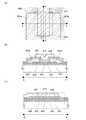
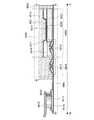
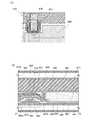
図1には、開示する発明の一態様に係る半導体装置の例として、トランジスタ310の平
面図及び断面図を示す。図1では、開示する発明の一態様に係るトランジスタとして、ボ
トムゲート型のトランジスタを示している。ここで、図1(A)は、平面図であり、図1
(B)および図1(C)は、それぞれ、図1(A)におけるA−B断面およびC−D断面
に係る断面図である。なお、図1(A)では、煩雑になることを避けるため、トランジス
タ310の構成要素の一部(例えば、第3の金属酸化物膜407、第4の金属酸化物膜4
09等)を省略している。<Configuration example of semiconductor device>
FIG. 1 is a plan view and a cross-sectional view of a
FIGS. 1B and 1C are cross-sectional views taken along lines AB and CD, respectively, in FIG. Note that in FIG. 1A, some components of the transistor 310 (e.g., the third
09 etc.) is omitted.
図1に示すトランジスタ310は、絶縁表面を有する基板400上に、ゲート電極401
と、第1の金属酸化物膜402および第2の金属酸化物膜404でなるゲート絶縁膜と、
酸化物半導体膜403と、ソース電極405aと、ドレイン電極405bと、第3の金属
酸化物膜407と、第4の金属酸化物膜409と、を含む。A
A gate insulating film composed of a first
The
図1に示すトランジスタ310において、第3の金属酸化物膜407は、ソース電極40
5aおよびドレイン電極405bを覆い、且つ第2の金属酸化物膜404および酸化物半
導体膜403と接して設けられている。また、図1に示すトランジスタ310において、
第3の金属酸化物膜407と、第2の金属酸化物膜404とは、酸化物半導体膜403が
存在しない領域において接している。つまり、酸化物半導体膜403は、第2の金属酸化
物膜404と第3の金属酸化物膜407とに囲まれて設けられている。In the
5a and the
The third
ここで、酸化物半導体膜403は水素や水などの不純物が十分に除去されることにより、
または、十分な酸素が供給されることにより、高純度化されたものであることが望ましい
。具体的には、例えば、酸化物半導体膜403の水素濃度は5×10¹⁹atoms/c
m3以下、望ましくは5×10¹⁸atoms/cm3以下、より望ましくは5×101
7atoms/cm3以下とする。なお、上述の酸化物半導体膜403中の水素濃度は、
二次イオン質量分析法(SIMS:Secondary Ion Mass Spect
roscopy)で測定されるものである。このように、水素濃度が十分に低減されて高
純度化され、十分な酸素の供給により酸素欠乏に起因するエネルギーギャップ中の欠陥準
位が低減された酸化物半導体膜403では、キャリア濃度が1×10¹²/cm3未満、
望ましくは、1×10¹¹/cm3未満、より望ましくは1.45×1010/cm3未
満となる。このように、i型化された酸化物半導体を用いることで、良好な電気特性のト
ランジスタを得ることができる。Here, when the
Alternatively, it is desirable that the material be purified by supplying sufficient oxygen. Specifically, for example, the hydrogen concentration of the
m3 or less, preferably 5 × 10¹⁸ atoms / cm3 or less, more preferably 5 × 101
7 atoms / cm3 or less. Note that the hydrogen concentration in the
Secondary ion mass spectrometry (SIMS: Secondary Ion Mass Spec
lossy). As described above, in the
Desirably, it is less than 1 × 10¹¹ / cm3 , more desirably less than 1.45 × 10¹⁰ / cm3 . In this manner, a transistor having favorable electric characteristics can be obtained by using an i-type oxide semiconductor.
酸化物半導体膜403と接する第2の金属酸化物膜404や第3の金属酸化物膜407に
は、酸素を含む絶縁膜を用いるのが望ましく、化学量論的組成比より酸素が多い領域(酸
素過剰領域とも表記する)が含まれる膜であるのがより望ましい。酸化物半導体膜403
と接する第2の金属酸化物膜404及び第3の金属酸化物膜407が酸素過剰領域を有す
ることにより、酸化物半導体膜403から第2の金属酸化物膜404または第3の金属酸
化物膜407への酸素の移動を防ぐことができる。また、第2の金属酸化物膜404また
は第3の金属酸化物膜407から酸化物半導体膜403への酸素の供給を行うこともでき
る。よって、第2の金属酸化物膜404および第3の金属酸化物膜407に挟持された酸
化物半導体膜403を、十分な量の酸素を含有する膜とすることができる。As the second
The second
なお、酸化物半導体膜403に用いられる酸化物半導体材料には、第13族元素を含むも
のが多い。このため、第13族元素および酸素を含む材料を用いて、酸化物半導体膜40
3と接する第2の金属酸化物膜404または第3の金属酸化物膜407を形成することで
、酸化物半導体膜との界面の状態を良好に保つことができる。これは、第13族元素およ
び酸素を含む材料と、酸化物半導体材料との相性が良いことによる。Note that many oxide semiconductor materials used for the
By forming the second
例えば、ガリウムを含有する酸化物半導体膜を形成する場合には、酸化ガリウムを含む材
料を第2の金属酸化物膜404または第3の金属酸化物膜407に用いることで、酸化物
半導体膜と、該酸化物半導体膜に接する金属酸化物膜との界面特性を良好に保つことがで
きる。酸化物半導体膜と、酸化ガリウムを含む金属酸化物膜と、を接して設けることによ
り、酸化物半導体膜と金属酸化物膜の界面における水素のパイルアップを低減することが
できる。なお、酸化物半導体の成分元素と同じ族の元素を用いる場合には、同様の効果を
得ることが可能である。つまり、酸化アルミニウムなどを含む材料を用いて第2の金属酸
化物膜404または第3の金属酸化物膜407を形成することも有効である。なお、酸化
アルミニウムは、水を透過させにくいという特性を有しているため、当該材料を用いるこ
とは、酸化物半導体膜への水の侵入防止という点においても好ましい。For example, in the case of forming an oxide semiconductor film containing gallium, a material containing gallium oxide is used for the second
また、第2の金属酸化物膜404または第3の金属酸化物膜407に含まれる第13族元
素は、二種類以上であっても良い。例えば、上述のガリウムとアルミニウムを含有する酸
化ガリウムアルミニウム(または酸化アルミニウムガリウム)などの材料を、第2の金属
酸化物膜404または第3の金属酸化物膜407に用いても良い。この場合、ガリウムを
含有することに起因する効果と、アルミニウムを含有することに起因する効果を合わせて
得ることができるため、好適である。例えば、酸化物半導体膜と、ガリウムとアルミニウ
ムを含む金属酸化物膜とを接して設けることにより、酸化物半導体膜への水の侵入を防ぎ
、且つ、酸化物半導体膜と金属酸化物膜の界面における水素(水素イオンを含む)のパイ
ルアップを十分に低減することができる。Two or more Group 13 elements included in the second
ここで、酸化アルミニウムガリウムとは、ガリウムの含有量(原子%)よりアルミニウム
の含有量(原子%)が多いものを示し、酸化ガリウムアルミニウムとは、アルミニウムの
含有量(原子%)よりガリウムの含有量(原子%)が多いものを示す。Here, aluminum gallium oxide indicates that the aluminum content (atomic%) is higher than gallium content (atomic%), and gallium aluminum oxide means that the gallium aluminum content is higher than the aluminum content (atomic%). Indicates a large amount (atomic%).
なお、アルミニウムはガリウムと比較して電気陰性度が小さいため、アルミニウムの方が
ガリウムよりも水素を吸着しやすいことがある。したがって、酸化物半導体膜との界面に
おける水素のパイルアップを抑制するためには、酸化物半導体膜に接する金属酸化物膜と
しては、ガリウムの含有量の多い膜である、酸化ガリウム膜または酸化ガリウムアルミニ
ウム膜を用いるのがより好ましい。Note that aluminum has a lower electronegativity than gallium, and thus aluminum may adsorb hydrogen more easily than gallium. Therefore, in order to suppress hydrogen pileup at the interface with the oxide semiconductor film, the metal oxide film in contact with the oxide semiconductor film is a gallium oxide film or a gallium oxide film having a high gallium content. It is more preferable to use an aluminum film.
また、第2の金属酸化物膜404および第3の金属酸化物膜407を同じ材料を用いて成
膜することで、酸化物半導体膜403が存在しない領域において、第2の金属酸化物膜4
04と第3の金属酸化物膜407とが接する構成とする場合に、その密着性を向上させる
ことができるため好ましい。また、第2の金属酸化物膜404の構成元素の比率と第3の
金属酸化物膜407の構成元素の比率を等しくするのがより好ましい。例えば、第2また
は第3の金属酸化物膜として酸化ガリウム膜または酸化ガリウムアルミニウム膜を用いた
場合、GaxAl2−xO3+α(1<x≦2、0<α<1)とすることが好ましい。Further, the second
04 and the third
トランジスタ310において、第1の金属酸化物膜402は、第2の金属酸化物膜404
と積層され、ゲート絶縁膜として機能する膜である。また、トランジスタ310において
、第4の金属酸化物膜409は、第3の金属酸化物膜407と積層され、保護膜として機
能する膜である。第1の金属酸化物膜402および第4の金属酸化物膜409を、第13
族元素および酸素を含む材料を用いて形成することで、第2の金属酸化物膜404または
第3の金属酸化物膜407との界面の状態をそれぞれ良好に保つことができるため好まし
い。なお、上述したように、酸化アルミニウムは、水を透過させにくいという特性を有し
ているため、トランジスタ310の上下を覆う第1または第4の金属酸化物膜として、ア
ルミニウムの含有量の多い酸化アルミニウムガリウム膜を適用することは、酸化物半導体
膜への水の侵入防止という点においても好ましい。In the
And function as a gate insulating film. In the
It is preferable to use a material containing a group element and oxygen because the state of the interface with the second
また、第1の金属酸化物膜402および第4の金属酸化物膜409は、化学量論的組成比
より酸素が多い領域を含むことが好ましい。これにより、酸化物半導体膜403と接する
金属酸化物膜または酸化物半導体膜403に酸素を供給し、酸化物半導体膜403中、ま
たは酸化物半導体膜403とそれに接する金属酸化物膜との界面における酸素欠陥を低減
することができる。例えば、第1または第4の金属酸化物膜として酸化アルミニウムガリ
ウム膜を用いた場合、GaxAl2−xO3+α(0<x<1、0<α<1)とすること
が好ましい。In addition, the first
なお、欠陥(酸素欠陥)のない酸化物半導体膜を用いる場合であれば、第1乃至第4の金
属酸化物膜等には、化学量論的組成に一致した量の酸素が含まれていれば良いが、トラン
ジスタのしきい値電圧の変動を抑えるなどの信頼性を確保するためには、酸化物半導体膜
に酸素欠損の状態が生じ得ることを考慮して、金属酸化物膜には化学量論的組成比より多
く酸素を含有させておくのが好ましい。Note that in the case where an oxide semiconductor film having no defects (oxygen defects) is used, the first to fourth metal oxide films and the like may contain oxygen in an amount corresponding to the stoichiometric composition. However, in order to ensure reliability, such as suppressing fluctuations in the threshold voltage of the transistor, the metal oxide film has a chemical structure in consideration of the fact that an oxygen deficient state may occur in the oxide semiconductor film. It is preferable to contain oxygen more than the stoichiometric composition ratio.
また、トランジスタ310上には、さらに絶縁物が設けられていても良い。また、酸化物
半導体膜403と電気的に接続しているソース電極405aやドレイン電極405bと、
配線とを電気的に接続させるために、第1乃至第4の金属酸化物膜などには開口が形成さ
れていても良い。なお、酸化物半導体膜403は島状に加工されていることが望ましいが
、島状に加工されていなくても良い。Further, an insulator may be provided over the
In order to electrically connect the wiring, openings may be formed in the first to fourth metal oxide films or the like. Note that although the
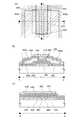
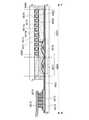
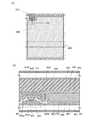
また、図2にトランジスタ310とは異なる構成のトランジスタ320の断面図及び平面
図を示す。図2では、開示する発明の一態様に係るトランジスタとして、トップゲート型
のトランジスタを示している。図2(A)は平面図であり、図2(B)及び図2(C)は
、図2(A)におけるE−F断面およびG−H断面に係る断面図である。なお、図2(A
)では、煩雑になることを避けるため、トランジスタ320の構成要素の一部(例えば、
第3の金属酸化物膜407および第4の金属酸化物膜409など)を省略している。2A and 2B are a cross-sectional view and a plan view of a
), Some of the components of the transistor 320 (e.g.,
The third
図2に示すトランジスタ320は、絶縁表面を有する基板400上に、第1の金属酸化物
膜402と、第2の金属酸化物膜404と、酸化物半導体膜403と、ソース電極405
aと、ドレイン電極405bと、第3の金属酸化物膜407および第4の金属酸化物膜4
09でなるゲート絶縁膜と、ゲート電極414と、を含む。2 includes a first
a, the
09 and a
図2に示すトランジスタ320において、第3の金属酸化物膜407は、ソース電極40
5aおよびドレイン電極405bを覆い、且つ第2の金属酸化物膜404および酸化物半
導体膜403の一部と接して設けられている。また、図1に示すトランジスタ310と同
様に、図2に示すトランジスタ320において、第3の金属酸化物膜407と、第2の金
属酸化物膜404とは、酸化物半導体膜403が存在しない領域において接している。つ
まり、酸化物半導体膜403は、第2の金属酸化物膜404と第3の金属酸化物膜407
とに囲まれて設けられている。その他の構成要素については、図1のトランジスタ310
と同様である。詳細は、図1に関する記載を参酌することができる。In the
5a and the
Surrounded by and. For other components, the
It is the same. For details, the description regarding FIG. 1 can be referred to.
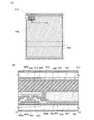
また、図3にトランジスタ310、トランジスタ320とは異なる構成のトランジスタ3
30の断面図及び平面図を示す。ここで、図3(A)は、平面図であり、図3(B)およ
び図3(C)は、それぞれ、図3(A)におけるI−J断面およびK−L断面に係る断面
図である。なお、図3(A)では、煩雑になることを避けるため、トランジスタ330の
構成要素の一部(例えば、第3の金属酸化物膜407、第4の金属酸化物膜409等)を
省略している。In FIG. 3, the transistor 3 having a different configuration from the
30 is a cross-sectional view and a plan view. Here, FIG. 3A is a plan view, and FIG. 3B and FIG. 3C are cross-sectional views of the IJ cross section and the KL cross section in FIG. 3A, respectively. is there. Note that in FIG. 3A, some components of the transistor 330 (eg, the third
図3に示すトランジスタ330は、絶縁表面を有する基板400上に、ゲート電極401
と、第1の金属酸化物膜402および第2の金属酸化物膜404でなるゲート絶縁膜と、
酸化物半導体膜403と、ソース電極405aと、ドレイン電極405bと、第3の金属
酸化物膜407と、第4の金属酸化物膜409と、酸化物半導体膜403と重畳する領域
に設けられた導電層410と、を含む。3 includes a
A gate insulating film composed of a first
The
図3に示すトランジスタ330において、第3の金属酸化物膜407は、ソース電極40
5aおよびドレイン電極405bを覆い、且つ第2の金属酸化物膜404および酸化物半
導体膜403と接して設けられている。また、図1に示すトランジスタ310と同様に、
図3に示すトランジスタ330において、第3の金属酸化物膜407と、第2の金属酸化
物膜404とは、酸化物半導体膜403が存在しない領域において接している。つまり、
酸化物半導体膜403は、第2の金属酸化物膜404と第3の金属酸化物膜407とに囲
まれて設けられている。In the
5a and the
In the
The
また、トランジスタ330において導電層410は、第2のゲート電極として機能させる
こともできる。その場合において、第3の金属酸化物膜407および第4の金属酸化物膜
409は、ゲート絶縁膜として機能する。その他の構成要素については、図1のトランジ
スタ310と同様である。詳細は、図1に関する記載を参酌することができる。In the
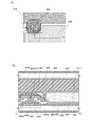
また、図4(A)乃至図4(F)に、上述のトランジスタとは異なる構成のトランジスタ
の断面図を示す。なお、図4の構成は、図1乃至図3の構成と適宜組み合わることができ
るものとする。4A to 4F are cross-sectional views of transistors having different structures from the above transistors. Note that the configuration in FIG. 4 can be combined with the configurations in FIGS. 1 to 3 as appropriate.
図4(A)に示すトランジスタ340は、絶縁表面を有する基板400上に、ゲート電極
401と、第1の金属酸化物膜402および第2の金属酸化物膜404でなるゲート絶縁
膜と、酸化物半導体膜403と、ソース電極405aと、ドレイン電極405bと、第3
の金属酸化物膜407と、第4の金属酸化物膜409と、を含む点で、トランジスタ31
0と共通している。トランジスタ340とトランジスタ310との相違は、酸化物半導体
膜403と、ソース電極405aやドレイン電極405bが接続する位置である。すなわ
ち、トランジスタ340では、酸化物半導体膜403の下部において、酸化物半導体膜4
03と、ソース電極405aやドレイン電極405bとが接している。その他の構成要素
については、図1のトランジスタ310と同様である。詳細は、図1に関する記載を参酌
することができる。A
Transistor 31 in that the
Common to 0. A difference between the
03 is in contact with the
図4(B)に示すトランジスタ350は、絶縁表面を有する基板400上に、第1の金属
酸化物膜402と、第2の金属酸化物膜404と、酸化物半導体膜403と、ソース電極
405aと、ドレイン電極405bと、第3の金属酸化物膜407および第4の金属酸化
物膜409でなるゲート絶縁膜と、ゲート電極414と、を含む点で、トランジスタ32
0と共通している。トランジスタ350とトランジスタ320との相違は、酸化物半導体
膜403と、ソース電極405aやドレイン電極405bが接続する位置である。すなわ
ち、トランジスタ350では、酸化物半導体膜403の下部において、酸化物半導体膜4
03と、ソース電極405aやドレイン電極405bとが接している。その他の構成要素
については、図2のトランジスタ320と同様である。詳細は、図2に関する記載を参酌
することができる。A
Common to 0. A difference between the
03 is in contact with the
図4(C)に示すトランジスタ360は、絶縁表面を有する基板400上に、ゲート電極
401と、第1の金属酸化物膜402および第2の金属酸化物膜404でなるゲート絶縁
膜と、酸化物半導体膜403と、ソース電極405aと、ドレイン電極405bと、第3
の金属酸化物膜407と、第4の金属酸化物膜409と、酸化物半導体膜403と重畳す
る領域に設けられた導電層410と、を含む点で、トランジスタ330と共通している。
トランジスタ360とトランジスタ330との相違は、酸化物半導体膜403と、ソース
電極405aやドレイン電極405bが接続する位置である。すなわち、トランジスタ3
60では、酸化物半導体膜403の下部において、酸化物半導体膜403と、ソース電極
405aやドレイン電極405bとが接している。その他の構成要素については、図3の
トランジスタ330と同様である。詳細は、図3に関する記載を参酌することができる。A
The
A difference between the
In 60, the
図4(D)に示すトランジスタ370は、絶縁表面を有する基板400上に、ゲート電極
401と、第1の金属酸化物膜402および第2の金属酸化物膜404でなるゲート絶縁
膜と、酸化物半導体膜403と、ソース電極405aと、ドレイン電極405bと、第3
の金属酸化物膜407と、第4の金属酸化物膜409と、を含む点で、トランジスタ31
0と共通している。トランジスタ370とトランジスタ310との相違は、トランジスタ
370において、第3の金属酸化物膜407および第2の金属酸化物膜404、ならびに
、第1の金属酸化物膜402および第4の金属酸化物膜409が、酸化物半導体膜403
の存在しない領域において接している点である。トランジスタ370においては、第2の
金属酸化物膜404および第3の金属酸化物膜407に加えて、第1の金属酸化物膜40
2および第4の金属酸化物膜409によっても酸化物半導体膜403が囲まれた構成とな
るため、より水素または水分等の不純物の混入を防止することができる。なお、図4(D
)に示すトランジスタ370の構成は、例えば、第3の金属酸化物膜407成膜後に、該
第3の金属酸化物膜407および第2の金属酸化物膜404をパターニングすることで形
成することができる。また、第1の金属酸化物膜402と第2の金属酸化物膜404とは
、エッチングの選択比がとれる材料を選択するのが好ましい。その他の構成要素について
は、図1のトランジスタ310と同様である。詳細は、図1に関する記載を参酌すること
ができる。A
Transistor 31 in that the
Common to 0. The difference between the
It is a point touching in a region where no. In the
Since the
The structure of the
なお、金属酸化物膜は、必ずしも酸化物半導体膜403の上層および下層に2層ずつ設け
なくともよい。例えば、図4(E)に示すトランジスタ380は、トランジスタ310に
おける第3の金属酸化物膜407および第4の金属酸化物膜409の積層構造を、金属酸
化物膜413の単層構造とした例であり、図4(F)に示すトランジスタ390は、トラ
ンジスタ310における第1の金属酸化物膜402および第2の金属酸化物膜404の積
層構造を、金属酸化物膜411の単層構造とした例である。金属酸化物膜413または金
属酸化物膜411としては、第13族元素および酸素を含む材料を用いて形成することが
でき、例えば、酸化ガリウム、酸化アルミニウム、酸化アルミニウムガリウム、酸化ガリ
ウムアルミニウムのいずれか一または複数を含む材料などを用いることができる。また、
金属酸化物膜413または金属酸化物膜411は、上述の第1乃至第4の金属酸化物膜と
同様に酸素過剰領域を有しているのが好ましい。その他の構成要素については、図1のト
ランジスタ310と同様である。詳細は、図1に関する記載を参酌することができる。Note that two metal oxide films are not necessarily provided above and below the
The
〈トランジスタの作製工程の例〉
以下、図5および図6を用いて、本実施の形態に係るトランジスタの作製工程の例につい
て説明する。<Example of transistor manufacturing process>
Hereinafter, an example of a manufacturing process of the transistor according to this embodiment will be described with reference to FIGS.
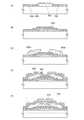
〈トランジスタ330の作製工程〉
図5(A)乃至図5(E)を用いて、図3に示すトランジスタ330の作製工程の一例に
ついて説明する。なお、図1に示すトランジスタ310は、トランジスタ330の構成か
ら導電層410を省略した構成を有し、導電層410を設ける点を除きトランジスタ33
0の作製工程と同様に作製することができる。<Manufacturing Process of
An example of a manufacturing process of the
It can be manufactured in the same manner as the manufacturing process of 0.
まず、絶縁表面を有する基板400上に導電膜を形成した後、第1のフォトリソグラフィ
工程によりゲート電極401を形成する。なお、レジストマスクをインクジェット法で形
成してもよい。レジストマスクをインクジェット法で形成するとフォトマスクを使用しな
いため、製造コストを低減できる。First, after a conductive film is formed over the
絶縁表面を有する基板400に使用することができる基板に大きな制限はないが、少なく
とも、後の加熱処理に耐えうる程度の耐熱性を有していることが必要となる。例えば、ガ
ラス基板、セラミック基板、石英基板、サファイア基板などの基板を用いることができる
。また、絶縁表面を有していれば、シリコンや炭化シリコンなどの単結晶半導体基板、多
結晶半導体基板、シリコンゲルマニウムなどの化合物半導体基板、SOI基板などを適用
することも可能であり、これらの基板上に半導体素子が設けられていてもよい。また、基
板400として、可撓性基板を用いてもよい。There is no particular limitation on a substrate that can be used as the
下地膜となる絶縁膜を基板400とゲート電極401との間に設けてもよい。下地膜は、
基板400からの不純物元素の拡散を防止する機能があり、窒化シリコン膜、酸化シリコ
ン膜、窒化酸化シリコン膜、又は酸化窒化シリコン膜から選ばれた一又は複数の膜による
積層構造により形成することができる。An insulating film serving as a base film may be provided between the
It has a function of preventing diffusion of an impurity element from the
また、ゲート電極401は、モリブデン、チタン、タンタル、タングステン、アルミニウ
ム、銅、ネオジム、スカンジウム等の金属材料又はこれらを主成分とする合金材料を用い
て、単層で又は積層して形成することができる。In addition, the
次いで、ゲート電極401上に第1の金属酸化物膜402を形成する。第1の金属酸化物
膜402は、第13族元素および酸素を含む材料を用いて形成することができ、例えば、
酸化ガリウム、酸化アルミニウム、酸化アルミニウムガリウム、酸化ガリウムアルミニウ
ムのいずれか一または複数を含む材料などを用いることができる。なお、後に成膜する第
2の金属酸化物膜404との界面の状態を良好に保ち、且つ、酸化物半導体膜への水の侵
入を防止するために、第1の金属酸化物膜402として酸化アルミニウムガリウム膜を適
用するのがより好ましい。Next, a first
A material containing one or more of gallium oxide, aluminum oxide, aluminum gallium oxide, and gallium aluminum oxide can be used. Note that in order to maintain a favorable state of the interface with the second
または、第1の金属酸化物膜402には、第13族元素の他に、イットリウムなどの第3
族元素、ハフニウムなどの第4族元素、シリコンなどの第14族元素、または、窒素など
の水素以外の不純物元素を含ませることができる。このような不純物元素を、例えば0を
超えて20原子%以下程度含ませることで、第1の金属酸化物膜402のエネルギーギャ
ップを、該元素の添加量により制御することができる。Alternatively, the first
Group elements, Group 4 elements such as hafnium, Group 14 elements such as silicon, or impurity elements other than hydrogen such as nitrogen can be included. By including such an impurity element, for example, exceeding about 0 and about 20 atomic% or less, the energy gap of the first
第1の金属酸化物膜402は、水素、水などの不純物を混入させない方法を用いて成膜す
ることが好ましい。第1の金属酸化物膜402に水素、水などの不純物が含まれると、後
に形成される酸化物半導体膜に水素、水などの不純物の侵入や、水素、水などの不純物に
よる酸化物半導体膜中の酸素の引き抜き、などによって酸化物半導体膜が低抵抗化(n型
化)してしまい、寄生チャネルが形成されるおそれがあるためである。第1の金属酸化物
膜402は、例えば、スパッタリング法によって成膜するのが好ましい。成膜する際に用
いるスパッタガスとしては、水素、水などの不純物が除去された高純度ガスを用いること
が好ましい。The first
スパッタリング法としては、直流電源を用いるDCスパッタリング法、パルス的に直流バ
イアスを加えるパルスDCスパッタリング法、又はACスパッタリング法などを用いるこ
とができる。As the sputtering method, a DC sputtering method using a DC power source, a pulse DC sputtering method in which a DC bias is applied in a pulsed manner, an AC sputtering method, or the like can be used.
なお、第1の金属酸化物膜402として、酸化アルミニウムガリウム膜または酸化ガリウ
ムアルミニウム膜を形成する際には、スパッタリング法に用いるターゲットとして、アル
ミニウムパーティクルが添加された酸化ガリウムターゲットを適用してもよい。アルミニ
ウムパーティクルが添加された酸化ガリウムターゲットを用いることにより、ターゲット
の導電性を高めることができるため、スパッタリング時の放電を容易なものとすることが
できる。このようなターゲットを用いることで、量産化に適した金属酸化物膜を作製する
ことができる。Note that when an aluminum gallium oxide film or a gallium aluminum oxide film is formed as the first
次いで、第1の金属酸化物膜402に酸素を供給する処理を行うことが望ましい。酸素を
供給する処理としては、酸素雰囲気における熱処理、酸素ドープ処理等がある。または、
電界で加速した酸素イオンを照射して、酸素を添加しても良い。なお、本明細書等におい
て、酸素ドープ処理とは、酸素をバルクに添加することをいい、当該バルクの用語は、酸
素を薄膜表面のみでなく薄膜内部に添加することを明確にする趣旨で用いている。また、
酸素ドープには、プラズマ化した酸素をバルクに添加する酸素プラズマドープが含まれる
。Next, treatment for supplying oxygen to the first
Oxygen may be added by irradiation with oxygen ions accelerated by an electric field. Note that in this specification and the like, oxygen doping treatment means adding oxygen to the bulk, and the term bulk is used to clarify that oxygen is added not only to the surface of the thin film but also to the inside of the thin film. ing. Also,
The oxygen dope includes oxygen plasma dope in which plasma oxygen is added to the bulk.
第1の金属酸化物膜402に対して、酸素ドープ処理等の酸素を供給する処理を行うこと
により、第1の金属酸化物膜402には化学量論的組成比より酸素が多い領域が形成され
る。このような領域を備えることにより、後に成膜される第2の金属酸化物膜または酸化
物半導体膜に酸素を供給し、酸化物半導体膜中または界面の酸素欠陥を低減することがで
きる。By performing a process of supplying oxygen such as an oxygen doping process on the first
または、スパッタリング法を用いて第1の金属酸化物膜402を成膜する際に、酸素ガス
または、不活性気体(例えば、アルゴン等の希ガス、または、窒素)と酸素の混合ガスを
導入することで、第1の金属酸化物膜402に酸素過剰領域を形成することもできる。な
お、スパッタリング法による成膜後、熱処理を加えても良い。Alternatively, when the first
例えば、第1の金属酸化物膜402として酸化アルミニウムガリウム膜を用いた場合、酸
素ドープ処理等の酸素を供給する処理を行うことにより、GaxAl2−xO3+α(0
<x<1、0<α<1)とすることができる。For example, in the case where an aluminum gallium oxide film is used as the first
<X <1, 0 <α <1).
次いで、第1の金属酸化物膜402上に第2の金属酸化物膜404を形成する(図5(A
))。これにより、第1の金属酸化物膜402および第2の金属酸化物膜404よりなる
ゲート絶縁膜(第1のゲート絶縁膜)が形成される。第2の金属酸化物膜404は、第1
3族元素および酸素を含む材料を用いて形成することができ、例えば、酸化ガリウム、酸
化アルミニウム、酸化アルミニウムガリウム、酸化ガリウムアルミニウムのいずれか一ま
たは複数を含む材料などを用いることができる。なお、上述のように、後に成膜する酸化
物半導体膜との界面の状態を良好に保ち、且つ、酸化物半導体膜との界面における水素の
パイルアップを抑制するために、第2の金属酸化物膜404として酸化ガリウムアルミニ
ウム膜を適用するのがより好ましい。Next, a second
)). As a result, a gate insulating film (first gate insulating film) made of the first
For example, a material containing any one or more of gallium oxide, aluminum oxide, aluminum gallium oxide, and gallium aluminum oxide can be used. Note that, as described above, in order to maintain a favorable state of the interface with the oxide semiconductor film to be formed later and to suppress hydrogen pileup at the interface with the oxide semiconductor film, the second metal oxide is used. It is more preferable to use a gallium aluminum oxide film as the
なお、第1の金属酸化物膜402と同様に、第2の金属酸化物膜404には、第13族元
素の他に、イットリウムなどの第3族元素、ハフニウムなどの第4族元素、シリコンなど
の第14族元素、または窒素などの水素以外の不純物元素を含ませてもよい。Similar to the first
また、第2の金属酸化物膜404の成膜は、水素、水などの不純物を混入させない方法を
用いることが好ましく、例えばスパッタリング法を適用することができる。詳細は、第1
の金属酸化物膜402と同様であり、第1の金属酸化物膜402の形成方法を参酌するこ
とができる。The second
The formation method of the first
次いで、第2の金属酸化物膜404に酸素を供給する処理を行うことが望ましい。酸素を
供給する処理としては、酸素雰囲気における熱処理、酸素ドープ処理等がある。または、
電界で加速した酸素イオンを照射して、酸素を添加しても良い。Next, treatment for supplying oxygen to the second
Oxygen may be added by irradiation with oxygen ions accelerated by an electric field.
または、スパッタリング法を用いて第2の金属酸化物膜404を成膜する際に、酸素ガス
、または、不活性気体(例えば、アルゴン等の希ガス、または、窒素)と酸素の混合ガス
を導入することで、第2の金属酸化物膜404に酸素を供給してもよい。例えば、酸化ガ
リウム膜を成膜する際に、基板とターゲットの間の距離を60mmとし、圧力を0.4P
aとし、RF電源を1kWとし、成膜温度を室温とし、アルゴンガスの流量を25scc
mとし、酸素ガスの流量を25sccmとすることができる。なお、成膜温度は室温に限
られず、例えば400℃としてもよい。また、アルゴンガスを導入せずに、酸素ガスの流
量を50sccmとしてもよい。または、スパッタリング法による成膜後に、熱処理(例
えば、超乾燥空気中において、450℃以上650℃以下で1時間)を行っても良い。こ
れらの成膜方法によって、化学量論的組成比より酸素が多い酸化ガリウム膜を成膜するこ
とができ、Ga2O3+α(0<α<1、例えば、0.32≦α≦0.48)とすること
できる。Alternatively, when the second
a, the RF power source is 1 kW, the film forming temperature is room temperature, and the flow rate of argon gas is 25 scc.
m, and the flow rate of oxygen gas can be 25 sccm. The film forming temperature is not limited to room temperature, and may be 400 ° C., for example. Further, the flow rate of oxygen gas may be 50 sccm without introducing argon gas. Alternatively, heat treatment (for example, 450 ° C. to 650 ° C. for 1 hour in ultra-dry air) may be performed after film formation by a sputtering method. By these film formation methods, a gallium oxide film containing more oxygen than the stoichiometric composition ratio can be formed, and Ga2 O3 + α (0 <α <1, for example, 0.32 ≦ α ≦ 0.48). ).
第2の金属酸化物膜404に対して、酸素ドープ処理等の酸素を供給する処理(以下、酸
素供給処理とも表記する)を行うことにより、第2の金属酸化物膜404には化学量論的
組成比より酸素が多い領域が形成される。このような領域を備えることにより、後に成膜
される酸化物半導体膜に酸素を供給し、酸化物半導体膜中または界面の酸素欠陥を低減す
ることができる。なお、第2の金属酸化物膜404への酸素供給処理を、先に示した第1
の金属酸化物膜402への酸素供給処理と兼ねさせても良い。By performing treatment for supplying oxygen such as oxygen doping treatment (hereinafter also referred to as oxygen supply treatment) to the second
The oxygen supply treatment to the
第2の金属酸化物膜404として酸化ガリウム膜または酸化ガリウムアルミニウム膜を用
いた場合、酸素ドープ処理等の酸素供給処理を行うことにより、GaxAl2−xO3+
α(1<x≦2、0<α<1)とすることが好ましい。In the case where a gallium oxide film or a gallium aluminum oxide film is used as the second
α (1 <x ≦ 2, 0 <α <1) is preferable.
次いで、第2の金属酸化物膜404上に、膜厚3nm以上30nm以下の酸化物半導体膜
403をスパッタリング法で形成する。酸化物半導体膜403の膜厚を大きくしすぎると
(例えば、膜厚を50nm以上とすると)、トランジスタがノーマリーオンとなってしま
うおそれがあるため、上述の膜厚とするのが好ましい。なお、第1の金属酸化物膜402
、第2の金属酸化物膜404および酸化物半導体膜403は、大気に触れさせることなく
連続して成膜するのが好ましい。Next, an
The second
酸化物半導体膜403に用いる酸化物半導体としては、四元系金属の酸化物であるIn−
Sn−Ga−Zn−O系酸化物半導体や、三元系金属の酸化物であるIn−Ga−Zn−
O系酸化物半導体、In−Sn−Zn−O系酸化物半導体、In−Al−Zn−O系酸化
物半導体、Sn−Ga−Zn−O系酸化物半導体、Al−Ga−Zn−O系酸化物半導体
、Sn−Al−Zn−O系酸化物半導体や、二元系金属の酸化物であるIn−Zn−O系
酸化物半導体、Sn−Zn−O系酸化物半導体、Al−Zn−O系酸化物半導体、Zn−
Mg−O系酸化物半導体、Sn−Mg−O系酸化物半導体、In−Mg−O系酸化物半導
体、In−Ga−O系酸化物半導体や、In−O系酸化物半導体、Sn−O系酸化物半導
体、Zn−O系酸化物半導体などを用いることができる。また、上記酸化物半導体にSi
O2を含んでもよい。ここで、例えば、In−Ga−Zn−O系酸化物半導体とは、イン
ジウム(In)、ガリウム(Ga)、亜鉛(Zn)を有する酸化物膜、という意味であり
、その組成比はとくに問わない。また、InとGaとZn以外の元素を含んでもよい。As an oxide semiconductor used for the
Sn—Ga—Zn—O-based oxide semiconductors and In—Ga—Zn— which are oxides of ternary metals
O-based oxide semiconductor, In-Sn-Zn-O-based oxide semiconductor, In-Al-Zn-O-based oxide semiconductor, Sn-Ga-Zn-O-based oxide semiconductor, Al-Ga-Zn-O-based Oxide semiconductors, Sn—Al—Zn—O-based oxide semiconductors, In—Zn—O-based oxide semiconductors that are binary metal oxides, Sn—Zn—O-based oxide semiconductors, Al—Zn— O-based oxide semiconductor, Zn-
Mg-O-based oxide semiconductor, Sn-Mg-O-based oxide semiconductor, In-Mg-O-based oxide semiconductor, In-Ga-O-based oxide semiconductor, In-O-based oxide semiconductor, Sn-O A series oxide semiconductor, a Zn-O series oxide semiconductor, or the like can be used. In addition, Si oxide
O2 may be included. Here, for example, an In—Ga—Zn—O-based oxide semiconductor means an oxide film containing indium (In), gallium (Ga), and zinc (Zn), and the composition ratio thereof is not particularly limited. Absent. Moreover, elements other than In, Ga, and Zn may be included.
また、酸化物半導体膜403は、化学式InMO3(ZnO)m(m>0)で表記される
薄膜を用いることができる。ここで、Mは、Ga、Al、MnおよびCoから選ばれた一
または複数の金属元素を示す。例えばMとして、Ga、Ga及びAl、Ga及びMn、ま
たはGa及びCoなどがある。The
また、酸化物半導体膜403として、In−Zn−O系の材料を用いる場合、用いるター
ゲットの組成比は、原子数比で、In:Zn=50:1〜1:2(モル数比に換算すると
In2O3:ZnO=25:1〜1:4)、好ましくはIn:Zn=20:1〜1:1(
モル数比に換算するとIn2O3:ZnO=10:1〜1:2)、さらに好ましくはIn
:Zn=15:1〜1.5:1(モル数比に換算するとIn2O3:ZnO=15:2〜
3:4)とする。例えば、In−Zn−O系酸化物半導体の形成に用いるターゲットは、
原子数比がIn:Zn:O=X:Y:Zのとき、Z>1.5X+Yとする。In the case where an In—Zn—O-based material is used for the
In2 O3 : ZnO = 10: 1 to 1: 2) in terms of molar ratio, more preferably In
: Zn = 15: 1 to 1.5: 1 (in terms of molar ratio, In2 O3 : ZnO = 15: 2
3: 4). For example, a target used to form an In—Zn—O-based oxide semiconductor is
When the atomic ratio is In: Zn: O = X: Y: Z, Z> 1.5X + Y.
本実施の形態では、酸化物半導体膜403としてIn−Ga−Zn−O系ターゲットを用
いてスパッタリング法により成膜する。また、酸化物半導体膜403は、希ガス(代表的
にはアルゴン)雰囲気下、酸素雰囲気下、又は希ガスと酸素の混合雰囲気下においてスパ
ッタリング法により形成することができる。In this embodiment, the
酸化物半導体膜403としてIn−Ga−Zn−O膜をスパッタリング法で作製するため
のターゲットとしては、例えば、組成比として、In2O3:Ga2O3:ZnO=1:
1:1[mol数比]のターゲットを用いることができる。また、このターゲットの材料
及び組成に限定されず、例えば、In2O3:Ga2O3:ZnO=1:1:2[mol
数比]のターゲットを用いてもよい。As a target for forming an In—Ga—Zn—O film as the
A 1: 1 [molar ratio] target can be used. Without limitation to the material and the composition of the target, forexample, In 2 O 3: Ga 2 O 3: ZnO = 1: 1: 2 [mol
Number ratio target may be used.
また、ターゲットの充填率は90%以上100%以下、好ましくは95%以上99.9%
以下である。充填率の高いターゲットを用いることにより、成膜した酸化物半導体膜40
3は緻密な膜とすることができる。The filling rate of the target is 90% or more and 100% or less, preferably 95% or more and 99.9%.
It is as follows. By using a target with a high filling rate, the oxide semiconductor film 40 is formed.
3 can be a dense film.
酸化物半導体膜403を成膜する際に用いるスパッタガスとしては、水素、水、水酸基又
は水素化物などの不純物が除去された高純度ガスを用いることが好ましい。As a sputtering gas used for forming the
酸化物半導体膜403の成膜は、減圧状態に保持された成膜室内に基板400を保持し、
基板温度を100℃以上600℃以下好ましくは200℃以上400℃以下として行う。
基板400を加熱しながら成膜することにより、成膜した酸化物半導体膜403に含まれ
る不純物濃度を低減することができる。また、スパッタリングによる損傷が軽減される。
そして、成膜室内の残留水分を除去しつつ水素及び水が除去されたスパッタガスを導入し
、上記ターゲットを用いて基板400上に酸化物半導体膜403を成膜する。成膜室内の
残留水分を除去するためには、吸着型の真空ポンプ、例えば、クライオポンプ、イオンポ
ンプ、チタンサブリメーションポンプを用いることが好ましい。また、排気手段は、ター
ボポンプにコールドトラップを加えたものであってもよい。クライオポンプを用いて排気
した成膜室は、例えば、水素原子、水(H2O)など水素原子を含む化合物(より好まし
くは炭素原子を含む化合物も)等が排気されるため、当該成膜室で成膜した酸化物半導体
膜403に含まれる不純物の濃度を低減できる。The
The substrate temperature is 100 ° C. or higher and 600 ° C. or lower, preferably 200 ° C. or higher and 400 ° C. or lower.
By forming the
Then, a sputtering gas from which hydrogen and water are removed is introduced while moisture remaining in the deposition chamber is removed, and the
成膜条件の一例としては、基板とターゲットの間との距離を100mm、圧力0.6Pa
、直流(DC)電源0.5kW、酸素(酸素流量比率100%)雰囲気下の条件が適用さ
れる。なお、パルス直流電源を用いると、成膜時に発生する粉状物質(パーティクル、ご
みともいう)が軽減でき、膜厚分布も均一となるために好ましい。As an example of film formation conditions, the distance between the substrate and the target is 100 mm, and the pressure is 0.6 Pa.
A condition under a direct current (DC) power supply of 0.5 kW and an oxygen (oxygen flow rate 100%) atmosphere is applied. Note that a pulse direct current power source is preferable because powder substances (also referred to as particles or dust) generated in film formation can be reduced and the film thickness can be made uniform.
その後、酸化物半導体膜403に対して、熱処理(第1の熱処理)を行うことが望ましい
。この第1の熱処理によって酸化物半導体膜403中の、過剰な水素(水や水酸基を含む
)を除去することができる。さらに、この第1の熱処理によって、第1の金属酸化物膜4
02または第2の金属酸化物膜404中の過剰な水素(水や水酸基を含む)を除去するこ
とも可能である。第1の熱処理の温度は、250℃以上700℃以下、好ましくは450
℃以上600℃以下、または基板の歪み点未満とする。After that, heat treatment (first heat treatment) is preferably performed on the
02 or excess hydrogen (including water and hydroxyl groups) in the second
It is set to be not lower than 600 ° C. and lower than the strain point of the substrate.
熱処理は、例えば、抵抗発熱体などを用いた電気炉に被処理物を導入し、窒素雰囲気下、
450℃、1時間の条件で行うことができる。この間、酸化物半導体膜403は大気に触
れさせず、水や水素の混入が生じないようにする。In the heat treatment, for example, an object to be processed is introduced into an electric furnace using a resistance heating element, and under a nitrogen atmosphere,
It can be performed at 450 ° C. for 1 hour. During this time, the
熱処理装置は電気炉に限られず、加熱されたガスなどの媒体からの熱伝導、または熱輻射
によって、被処理物を加熱する装置を用いても良い。例えば、GRTA(Gas Rap
id Thermal Anneal)装置、LRTA(Lamp Rapid The
rmal Anneal)装置等のRTA(Rapid Thermal Anneal
)装置を用いることができる。LRTA装置は、ハロゲンランプ、メタルハライドランプ
、キセノンアークランプ、カーボンアークランプ、高圧ナトリウムランプ、高圧水銀ラン
プなどのランプから発する光(電磁波)の輻射により、被処理物を加熱する装置である。
GRTA装置は、高温のガスを用いて熱処理を行う装置である。ガスとしては、アルゴン
などの希ガス、または窒素のような、熱処理によって被処理物と反応しない不活性気体が
用いられる。The heat treatment apparatus is not limited to an electric furnace, and an apparatus for heating an object to be processed by heat conduction or heat radiation from a medium such as a heated gas may be used. For example, GRTA (Gas Rap
id Thermal Anneal) device, LRTA (Lamp Rapid The
RTA (Rapid Thermal Anneal) equipment, etc.
) Device can be used. The LRTA apparatus is an apparatus that heats an object to be processed by radiation of light (electromagnetic waves) emitted from a lamp such as a halogen lamp, a metal halide lamp, a xenon arc lamp, a carbon arc lamp, a high pressure sodium lamp, or a high pressure mercury lamp.
The GRTA apparatus is an apparatus that performs heat treatment using a high-temperature gas. As the gas, an inert gas that does not react with an object to be processed by heat treatment, such as nitrogen or a rare gas such as argon, is used.
例えば、第1の熱処理として、熱せられた不活性ガス雰囲気中に被処理物を投入し、数分
間熱した後、当該不活性ガス雰囲気から被処理物を取り出すGRTA処理を行ってもよい
。GRTA処理を用いると短時間での高温熱処理が可能となる。また、被処理物の耐熱温
度を超える温度条件であっても適用が可能となる。なお、処理中に、不活性ガスを、酸素
を含むガスに切り替えても良い。酸素を含む雰囲気において第1の熱処理を行うことで、
酸素欠損に起因するエネルギーギャップ中の欠陥準位を低減することができるためである
。For example, as the first heat treatment, a GRTA process may be performed in which an object to be processed is put in a heated inert gas atmosphere and heated for several minutes, and then the object to be processed is extracted from the inert gas atmosphere. When GRTA treatment is used, high-temperature heat treatment can be performed in a short time. In addition, application is possible even under temperature conditions exceeding the heat resistance temperature of the object to be processed. Note that the inert gas may be switched to a gas containing oxygen during the treatment. By performing the first heat treatment in an atmosphere containing oxygen,
This is because defect levels in the energy gap due to oxygen vacancies can be reduced.
なお、不活性ガス雰囲気としては、窒素、または希ガス(ヘリウム、ネオン、アルゴン等
)を主成分とする雰囲気であって、水、水素などが含まれない雰囲気を適用するのが望ま
しい。例えば、熱処理装置に導入する窒素や、ヘリウム、ネオン、アルゴン等の希ガスの
純度を、6N(99.9999%)以上、好ましくは7N(99.99999%)以上(
すなわち、不純物濃度が1ppm以下、好ましくは0.1ppm以下)とする。Note that as the inert gas atmosphere, an atmosphere containing nitrogen or a rare gas (such as helium, neon, or argon) as a main component and not including water, hydrogen, or the like is preferably used. For example, the purity of nitrogen or a rare gas such as helium, neon, or argon introduced into the heat treatment apparatus is 6N (99.9999%) or more, preferably 7N (99.99999%) or more (
That is, the impurity concentration is 1 ppm or less, preferably 0.1 ppm or less.
ところで、上述の熱処理(第1の熱処理)には水素や水などを除去する効果があるから、
当該熱処理を、脱水化処理や、脱水素化処理などと呼ぶこともできる。当該脱水化処理や
、脱水素化処理は、例えば、酸化物半導体膜403を島状に加工した後などのタイミング
において行うことも可能である。また、このような脱水化処理、脱水素化処理は、一回に
限らず複数回行っても良い。By the way, the above heat treatment (first heat treatment) has an effect of removing hydrogen, water, and the like.
This heat treatment can also be referred to as dehydration treatment, dehydrogenation treatment, or the like. The dehydration treatment or dehydrogenation treatment can be performed at a timing, for example, after the
また、酸化物半導体膜403に接するゲート絶縁膜(第1の金属酸化物膜402および第
2の金属酸化物膜404の積層)は、酸素ドープ処理等によって酸素を供給されており、
酸素過剰領域を有する。したがって、酸化物半導体膜403から、ゲート絶縁膜への酸素
の移動を抑制することができる。また、酸素を供給されたゲート絶縁膜と接して酸化物半
導体膜403を積層することで、ゲート絶縁膜から酸化物半導体膜403へ酸素を供給す
ることができる。また、酸化物半導体膜403と接する第2の金属酸化物膜404として
、酸素過剰領域を有する酸化ガリウムアルミニウム膜を設けることで、酸化物半導体膜4
03との界面の状態を良好に保ち、且つ、該界面における水素のパイルアップを低減する
ことができる。さらに、第1の金属酸化物膜402として、酸素過剰領域を有する酸化ア
ルミニウムガリウム膜を設けることで、酸化物半導体膜403への水の侵入を防止するこ
とができる。The gate insulating film in contact with the oxide semiconductor film 403 (a stack of the first
It has an oxygen excess region. Accordingly, movement of oxygen from the
The state of the interface with 03 can be kept good, and the pileup of hydrogen at the interface can be reduced. Further, by providing an aluminum gallium oxide film having an oxygen-excess region as the first
なお、酸素過剰領域を有するゲート絶縁膜からの酸化物半導体膜403への酸素の供給は
、ゲート絶縁膜と、酸化物半導体膜403とが接した状態で熱処理を行うことにより、よ
り促進される。また、ゲート絶縁膜に添加され、酸化物半導体膜403へ供給される酸素
の少なくとも一部は、酸素の未結合手を酸化物半導体中で有することが好ましい。未結合
手を有することにより、酸化物半導体膜中に残存しうる水素と結合して、水素を固定化(
非可動イオン化)することができるためである。Note that supply of oxygen from the gate insulating film having an oxygen-excess region to the
This is because non-movable ionization can be performed.
次いで、酸化物半導体膜403を第2のフォトリソグラフィ工程により島状の酸化物半導
体膜403に加工するのが好ましい(図5(B))。また、島状の酸化物半導体膜403
を形成するためのレジストマスクをインクジェット法で形成してもよい。レジストマスク
をインクジェット法で形成するとフォトマスクを使用しないため、製造コストを低減でき
る。ここでの酸化物半導体膜403のエッチングは、ドライエッチングでもウェットエッ
チングでもよく、両方を用いてもよい。Next, the
A resist mask for forming the film may be formed by an inkjet method. When the resist mask is formed by an ink-jet method, a manufacturing cost can be reduced because a photomask is not used. The etching of the
次いで、第2の金属酸化物膜404及び酸化物半導体膜403上に、ソース電極及びドレ
イン電極(これと同じ層で形成される配線を含む)を形成するための導電膜を形成する。
ソース電極及びドレイン電極に用いる導電膜としては、例えば、Al、Cr、Cu、Ta
、Ti、Mo、Wから選ばれた元素を含む金属膜、または上述した元素を成分とする金属
窒化物膜(窒化チタン膜、窒化モリブデン膜、窒化タングステン膜)等を用いることがで
きる。また、Al、Cuなどの金属膜の下側又は上側の一方または双方にTi、Mo、W
などの高融点金属膜またはそれらの金属窒化物膜(窒化チタン膜、窒化モリブデン膜、窒
化タングステン膜)を積層させた構成としても良い。また、ソース電極及びドレイン電極
に用いる導電膜は、導電性の金属酸化物で形成しても良い。導電性の金属酸化物としては
酸化インジウム(In2O3)、酸化スズ(SnO2)、酸化亜鉛(ZnO)、酸化イン
ジウム酸化スズ合金(In2O3−SnO2、ITOと略記する)、酸化インジウム酸化
亜鉛合金(In2O3−ZnO)またはこれらの金属酸化物材料に酸化シリコンを含ませ
たものを用いることができる。Next, a conductive film for forming a source electrode and a drain electrode (including a wiring formed using the same layer) is formed over the second
As the conductive film used for the source electrode and the drain electrode, for example, Al, Cr, Cu, Ta
A metal film containing an element selected from Ti, Mo, W, or a metal nitride film (a titanium nitride film, a molybdenum nitride film, or a tungsten nitride film) containing the above-described element as a component can be used. Also, Ti, Mo, W on one or both of the lower side or the upper side of a metal film such as Al, Cu, etc.
Alternatively, a high melting point metal film such as a metal nitride film (titanium nitride film, molybdenum nitride film, tungsten nitride film) may be stacked. Further, the conductive film used for the source electrode and the drain electrode may be formed using a conductive metal oxide. As the conductive metal oxide, indium oxide (In2 O3 ), tin oxide (SnO2 ), zinc oxide (ZnO), indium oxide tin oxide alloy (In2 O3 —SnO2 , abbreviated as ITO), An indium oxide-zinc oxide alloy (In2 O3 —ZnO) or a metal oxide material containing silicon oxide can be used.
第3のフォトリソグラフィ工程により導電膜上にレジストマスクを形成し、選択的にエッ
チングを行ってソース電極405a、ドレイン電極405bを形成した後、レジストマス
クを除去する(図5(C))。第3のフォトリソグラフィ工程でのレジストマスク形成時
の露光には、紫外線やKrFレーザ光やArFレーザ光を用いるとよい。酸化物半導体膜
403上で隣り合うソース電極405aの下端部とドレイン電極405bの下端部との間
隔幅によって後に形成されるトランジスタのチャネル長Lが決定される。なお、チャネル
長L=25nm未満の露光を行う場合には、例えば、数nm〜数10nmと極めて波長が
短い超紫外線(Extreme Ultraviolet)を用いて第3のフォトリソグ
ラフィ工程でのレジストマスク形成時の露光を行うとよい。超紫外線による露光は、解像
度が高く焦点深度も大きい。従って、後に形成されるトランジスタのチャネル長Lを微細
化することが可能であり、回路の動作速度を高速化できる。A resist mask is formed over the conductive film by a third photolithography step, and selective etching is performed to form the
また、フォトリソグラフィ工程で用いるフォトマスク数及び工程数を削減するため、透過
した光が複数の強度となる露光マスクである多階調マスクによって形成されたレジストマ
スクを用いてエッチング工程を行ってもよい。多階調マスクを用いて形成したレジストマ
スクは複数の膜厚を有する形状となり、エッチングを行うことでさらに形状を変形するこ
とができるため、異なるパターンに加工する複数のエッチング工程に用いることができる
。よって、一枚の多階調マスクによって、少なくとも二種類以上の異なるパターンに対応
するレジストマスクを形成することができる。よって露光マスク数を削減することができ
、対応するフォトリソグラフィ工程も削減できるため、工程の簡略化が可能となる。In order to reduce the number of photomasks used in the photolithography process and the number of processes, the etching process may be performed using a resist mask formed by a multi-tone mask that is an exposure mask in which transmitted light has a plurality of intensities. Good. A resist mask formed using a multi-tone mask has a shape with a plurality of thicknesses, and the shape can be further deformed by etching. Therefore, the resist mask can be used for a plurality of etching processes for processing into different patterns. . Therefore, a resist mask corresponding to at least two kinds of different patterns can be formed by using one multi-tone mask. Therefore, the number of exposure masks can be reduced, and the corresponding photolithography process can be reduced, so that the process can be simplified.
なお、導電膜のエッチングの際に、酸化物半導体膜403がエッチングされ、分断するこ
とのないようエッチング条件を最適化することが望まれる。しかしながら、導電膜のみを
エッチングし、酸化物半導体膜403を全くエッチングしないという条件を得ることは難
しく、導電膜のエッチングの際に酸化物半導体膜403は一部のみがエッチングされ、例
えば、酸化物半導体膜403の膜厚の5%乃至50%がエッチングされ、溝部(凹部)を
有する酸化物半導体膜403となることもある。Note that it is preferable that etching conditions be optimized so that the
次いで、N2O、N2、またはArなどのガスを用いたプラズマ処理を行い、露出してい
る酸化物半導体膜403の表面に付着した吸着水などを除去してもよい。プラズマ処理を
行った場合、当該プラズマ処理に続けて大気に触れることなく、酸化物半導体膜403に
接する第3の金属酸化物膜407を形成することが望ましい。Next, plasma treatment using a gas such as N2 O, N2 , or Ar may be performed to remove adsorbed water or the like attached to the exposed surface of the
第3の金属酸化物膜407は、第2の金属酸化物膜404と同様の材料、同様の工程で形
成することができる。なお、酸化物半導体膜との界面の状態を良好に保ち、且つ、酸化物
半導体膜との界面における水素のパイルアップを抑制するために、第2の金属酸化物膜4
04と同様に、第3の金属酸化物膜407として酸化ガリウムアルミニウム膜を適用する
のがより好ましい。The third
Similarly to 04, it is more preferable to use a gallium aluminum oxide film as the third
次いで、第3の金属酸化物膜407に酸素ドープ処理等の酸素を供給する処理を行うこと
が望ましい。なお、スパッタリング法を用いて第3の金属酸化物膜407を成膜する際に
、酸素ガス、または、不活性気体(例えば、アルゴン等の希ガス、または、窒素)と酸素
の混合ガスを導入することで、第3の金属酸化物膜407に酸素を供給してもよい。Next, treatment for supplying oxygen such as oxygen doping treatment is preferably performed on the third
次に、第3の金属酸化物膜407上に、第4の金属酸化物膜409を成膜する(図5(D
))。トランジスタ330において、第3の金属酸化物膜407および第4の金属酸化物
膜409は、ゲート絶縁膜(第2のゲート絶縁膜)として機能する。第4の金属酸化物膜
409は、第1の金属酸化物膜402と同様の材料、同様の工程で形成することができる
。なお、第3の金属酸化物膜407との界面の状態を良好に保ち、且つ、酸化物半導体膜
への水の侵入を防止するために、第4の金属酸化物膜409として酸化アルミニウムガリ
ウム膜を適用するのがより好ましい。Next, a fourth
)). In the
次いで、第4の金属酸化物膜409に対して、酸素ドープ処理等の酸素を供給する処理を
行うことが望ましい。なお、スパッタリング法を用いて第4の金属酸化物膜409を成膜
する際に、酸素ガス、または、不活性気体(例えば、アルゴン等の希ガス、または、窒素
)と酸素の混合ガスを導入することで、第4の金属酸化物膜409に酸素を供給してもよ
い。なお、第4の金属酸化物膜409へ酸素を供給する処理を、第3の金属酸化物膜40
7へ酸素を供給する処理と兼ねさせても良い。Next, treatment for supplying oxygen such as oxygen doping treatment is preferably performed on the fourth
7 may be combined with the process of supplying oxygen to the gas.
次に酸化物半導体膜403が、第3の金属酸化物膜407と一部(チャネル形成領域)が
接した状態で第2の熱処理を行うのが好ましい。第2の熱処理の温度は、250℃以上7
00℃以下、好ましくは450℃以上600℃以下、または基板の歪み点未満とする。Next, second heat treatment is preferably performed in a state where the
00 ° C. or lower, preferably 450 ° C. or higher and 600 ° C. or lower, or lower than the strain point of the substrate.
第2の熱処理は、窒素、酸素、超乾燥空気(水の含有量が20ppm以下、好ましくは1
ppm以下、より好ましくは10ppb以下の空気)、または希ガス(アルゴン、ヘリウ
ムなど)の雰囲気下で行えばよいが、上記窒素、酸素、超乾燥空気、または希ガス等の雰
囲気に水、水素などが含まれないことが好ましい。また、加熱処理装置に導入する窒素、
酸素、または希ガスの純度を、6N(99.9999%)以上好ましくは7N(99.9
9999%)以上(即ち不純物濃度を1ppm以下、好ましくは0.1ppm以下)とす
ることが好ましい。The second heat treatment is performed using nitrogen, oxygen, ultra-dry air (water content is 20 ppm or less, preferably 1
ppm or less, more preferably 10 ppb or less) or a rare gas (argon, helium, etc.) atmosphere, but water, hydrogen, etc. in the atmosphere of nitrogen, oxygen, ultra-dry air, or rare gas. Is preferably not included. Nitrogen introduced into the heat treatment apparatus,
The purity of oxygen or a rare gas is 6N (99.9999%) or more, preferably 7N (99.9).
999%) or more (that is, the impurity concentration is 1 ppm or less, preferably 0.1 ppm or less).
第2の熱処理においては、酸化物半導体膜403と、酸素過剰領域を有する第2の金属酸
化物膜404および第3の金属酸化物膜407と、が接した状態で加熱される。したがっ
て、上述の脱水化(または脱水素化)処理によって同時に減少してしまう可能性のある酸
化物半導体を構成する主成分材料の一つである酸素を、酸素を含む第2の金属酸化物膜4
04および第3の金属酸化物膜407の少なくとも一方より酸化物半導体膜403へ供給
することができる。これによって、酸化物半導体膜403中の電荷捕獲中心を低減するこ
とができる。以上の工程で高純度化し、電気的にi型(真性)化された酸化物半導体膜4
03を形成することができる。また、この加熱処理によって、第1乃至第4の金属酸化物
膜も同時に不純物が除去され、高純度化されうる。In the second heat treatment, heating is performed in a state where the
04 and the third
03 can be formed. Further, this heat treatment can remove impurities from the first to fourth metal oxide films at the same time, and can be highly purified.
なお、本実施の形態では、第4の金属酸化物膜409の形成後に第2の熱処理を行ってい
るが、第2の熱処理のタイミングは第3の金属酸化物膜407の形成後であればこれに特
に限定されない。例えば、第3の金属酸化物膜407の形成後に第2の熱処理を行っても
良い。Note that in this embodiment, the second heat treatment is performed after the formation of the fourth
上述のように、第1の熱処理及び第2の熱処理を適用することで、酸化物半導体膜403
を、その主成分以外の不純物が極力含まれないように高純度化することができる。高純度
化された酸化物半導体膜403中にはドナーに由来するキャリアが極めて少なく(ゼロに
近い)、キャリア濃度は1×10¹⁴/cm3未満、好ましくは1×1012/cm3未
満、さらに好ましくは1×10¹¹/cm3未満である。As described above, by applying the first heat treatment and the second heat treatment, the
Can be highly purified so that impurities other than its main component are not contained as much as possible. In the highly purified
次いで、第4の金属酸化物膜409上であって、酸化物半導体膜403のチャネル形成領
域と重畳する領域に導電層410を設けることで、図5(E)に示すトランジスタ330
を形成することができる。導電層410は、第2のゲート電極として機能させることがで
き、ゲート電極401と同様の材料、同様の工程で形成することができる。なお、導電層
410を第2のゲート電極として用いる場合には、第3の金属酸化物膜407および第4
の金属酸化物膜409よりなる積層膜が第2のゲート絶縁膜として機能する。Next, the
Can be formed. The
A stacked film made of the
導電層410を第2のゲート電極として機能させ、該導電層410を酸化物半導体膜40
3のチャネル形成領域と重なる位置に設けることによって、トランジスタ330の信頼性
を調べるためのバイアス−熱ストレス試験(以下、BT試験という)において、BT試験
前後におけるトランジスタ330のしきい値電圧の変化量をより低減することができる。
なお、第2のゲート電極は、電位がゲート電極401(第1のゲート電極)と同じでもよ
いし、異なっていても良い。また、第2のゲート電極の電位は、GND、0V、或いはフ
ローティング状態であってもよい。The
3 in a position overlapping with the channel formation region 3, the amount of change in the threshold voltage of the
Note that the potential of the second gate electrode may be the same as or different from that of the gate electrode 401 (first gate electrode). Further, the potential of the second gate electrode may be GND, 0 V, or a floating state.
以上の工程でトランジスタ330が形成される。トランジスタ330は、水素、水、水酸
基又は水素化物(水素化合物ともいう)などの不純物を酸化物半導体膜403より意図的
に排除し、高純度化された酸化物半導体膜403を含むトランジスタである。さらに、第
1乃至第4の金属酸化物膜を設けることによって、水や水素などの不純物の酸化物半導体
膜403への再混入、または、酸化物半導体膜403及び該界面からの酸素の放出を低減
または防止することが可能となる。よって、トランジスタ330は、電気的特性変動が抑
制されており、電気的に安定である。Through the above process, the
なお、図示しないが、トランジスタ330を覆うようにさらに保護絶縁膜を形成しても良
い。保護絶縁膜としては、窒化珪素膜、窒化酸化珪素膜、または窒化アルミニウム膜など
を用いることができる。Note that although not illustrated, a protective insulating film may be further formed so as to cover the
また、トランジスタ330上に平坦化絶縁膜を設けても良い。平坦化絶縁膜としては、ア
クリル、ポリイミド、ベンゾシクロブテン、ポリアミド、エポキシ等の、耐熱性を有する
有機材料を用いることができる。また上記有機材料の他に、低誘電率材料(low−k材
料)、シロキサン系樹脂、PSG(リンガラス)、BPSG(リンボロンガラス)等を用
いることができる。なお、これらの材料で形成される絶縁膜を複数積層させてもよい。Further, a planarization insulating film may be provided over the
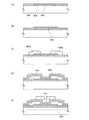
〈トランジスタ320の作製工程〉
図6(A)乃至図6(E)を用いて、図2に示すトランジスタ320の作製工程の一例に
ついて説明する。なお、トランジスタ320の作製工程は、多くの部分でトランジスタ3
30と共通している。したがって、以下においては、重複する部分の説明は省略すること
がある。<Manufacturing Process of
An example of a manufacturing process of the
30. Therefore, in the following, description of the overlapping part may be omitted.
まず、絶縁表面を有する基板400上に第1の金属酸化物膜402を形成する。その後、
第1の金属酸化物膜402に酸素ドープ処理等の酸素を供給する処理を行うのが好ましい
。First, the first
It is preferable to perform treatment for supplying oxygen, such as oxygen doping treatment, on the first
なお、下地膜となる絶縁膜を基板400と第1の金属酸化物膜402との間に設けてもよ
い。下地膜は、基板400からの不純物元素の拡散を防止する機能があり、窒化シリコン
膜、酸化シリコン膜、窒化酸化シリコン膜、又は酸化窒化シリコン膜から選ばれた一又は
複数の膜による積層構造により形成することができる。Note that an insulating film serving as a base film may be provided between the
次いで、第1の金属酸化物膜402上に第2の金属酸化物膜404を成膜する(図6(A
))。第2の金属酸化物膜404の成膜後には、酸素ドープ処理等の酸素を供給する処理
を行うのが好ましい。なお、第1の金属酸化物膜402への酸素供給処理を、第2の金属
酸化物膜404への酸素供給処理と兼ねさせてもよい。Next, a second
)). After the second
次に、第2の金属酸化物膜404上に、酸化物半導体膜403を形成し、当該酸化物半導
体膜403を島状に加工する(図6(B))。Next, the
なお、酸化物半導体膜403の形成後、または、酸化物半導体膜403を島状に加工した
後には、熱処理(脱水化処理、脱水素化処理)を行うことが好ましい。詳細は、トランジ
スタ330と同様である。Note that heat treatment (dehydration treatment or dehydrogenation treatment) is preferably performed after the
次いで、酸化物半導体膜403上に、ソース電極およびドレイン電極(これと同じ層で形
成される配線を含む)を形成するための導電膜を形成し、当該導電膜を加工して、ソース
電極405aおよびドレイン電極405bを形成する(図6(C))。Next, a conductive film for forming a source electrode and a drain electrode (including a wiring formed using the same layer) is formed over the
次に、ソース電極405aおよびドレイン電極405bを覆い、且つ、酸化物半導体膜4
03の一部と接するように、第3の金属酸化物膜407を形成する。その後、第3の金属
酸化物膜407に酸素ドープ処理等の酸素を供給する処理を行うのが好ましい。Next, the
A third
次いで、第3の金属酸化物膜407上に、第4の金属酸化物膜409を成膜し、第3の金
属酸化物膜407と第4の金属酸化物膜409との積層よりなるゲート絶縁膜を形成する
(図6(D))。なお、第4の金属酸化物膜409の成膜後には、酸素ドープ等の酸素を
供給する処理を行うのが好ましい。また、第3の金属酸化物膜407への酸素供給処理を
、第4の金属酸化物膜409への酸素供給処理と兼ねさせてもよい。Next, a fourth
また、第3の金属酸化物膜407へ酸素供給処理を行った後に、熱処理を行うのが好まし
い。当該熱処理によって、酸素を含む第2の金属酸化物膜404および第3の金属酸化物
膜407の少なくとも一方から、酸化物半導体膜403へ酸素を供給することができる。In addition, heat treatment is preferably performed after the oxygen supply treatment is performed on the third
次いで、第4の金属酸化物膜409上に導電膜を形成し、当該導電膜を加工して、ゲート
電極414を形成する。ゲート電極414は、トランジスタ330におけるゲート電極4
01と同様の材料、同様の工程で形成することができる。Next, a conductive film is formed over the fourth
It can be formed by the same material and the same process as 01.
以上の工程で、トランジスタ320を形成することができる(図6(E))。Through the above steps, the
以上、本実施の形態において示すように、第13族元素および酸素を含む材料を用いて、
酸化物半導体膜と接する絶縁膜を形成することにより、酸化物半導体膜と該絶縁膜との界
面の状態を良好に保つことができる。As described above, as described in this embodiment, using a material including a Group 13 element and oxygen,
By forming the insulating film in contact with the oxide semiconductor film, the state of the interface between the oxide semiconductor film and the insulating film can be kept favorable.
特に、酸化物半導体膜と接する絶縁膜を、ガリウムの含有量の多い膜である、酸化ガリウ
ム膜または酸化ガリウムアルミニウム膜とすることで、絶縁膜と酸化物半導体膜との界面
における水素のパイルアップを効果的に抑制することができる。さらに、酸化物半導体膜
と接する絶縁膜を積層構造として、酸化ガリウム膜または酸化ガリウムアルミニウム膜に
接して(すなわち、酸化物半導体膜の外側に)、アルミニウムの含有量の多い膜である酸
化アルミニウムガリウム膜等を設けることで、酸化物半導体膜への水の侵入を防止するこ
とができる。また、酸化物半導体膜の上下に、アルミニウムを含む膜を設け、さらに、当
該アルミニウムを含む膜同士を密着させる構造とすることで、水の侵入の防止効果をより
向上させることができる。In particular, when the insulating film in contact with the oxide semiconductor film is a gallium oxide film or a gallium aluminum oxide film that has a high gallium content, hydrogen is piled up at the interface between the insulating film and the oxide semiconductor film. Can be effectively suppressed. Furthermore, the insulating film in contact with the oxide semiconductor film has a stacked structure, and is in contact with the gallium oxide film or the gallium aluminum oxide film (that is, outside the oxide semiconductor film) and is a film containing a large amount of aluminum. By providing a film or the like, water can be prevented from entering the oxide semiconductor film. In addition, by providing a film containing aluminum above and below the oxide semiconductor film and further bringing the film containing aluminum into close contact with each other, the effect of preventing entry of water can be further improved.
また、酸化物半導体膜と接する絶縁膜が化学量論的組成比より酸素が多い領域を含むこと
により、酸化物半導体膜の脱水化(または脱水素化)処理によって同時に減少してしまう
可能性のある酸素を、酸化物半導体膜へ供給することができる。これによって、酸化物半
導体膜中の酸素欠陥を低減することができるため、酸化物半導体膜中の電荷捕獲中心を低
減することができる。以上の工程で高純度化し、電気的にi型(真性)化された酸化物半
導体膜を形成することができる。In addition, since the insulating film in contact with the oxide semiconductor film includes a region where oxygen is higher than the stoichiometric composition ratio, the oxide semiconductor film may be simultaneously reduced by dehydration (or dehydrogenation) treatment of the oxide semiconductor film. A certain amount of oxygen can be supplied to the oxide semiconductor film. Accordingly, oxygen defects in the oxide semiconductor film can be reduced, so that charge trapping centers in the oxide semiconductor film can be reduced. Through the above steps, an oxide semiconductor film which is highly purified and electrically i-type (intrinsic) can be formed.
本発明の一態様に係る半導体装置では、高純度化された酸化物半導体膜を活性層として用
いることで、トランジスタのオフ電流密度を、ソース電極とドレイン電極間の電圧によっ
ては、10zA/μm以下、好ましくは1zA/μm以下、更に好ましくは1yA/μm
以下にすることができる。従って、高純度化された酸化物半導体膜を活性層として用いた
トランジスタは、オフ電流が、結晶性を有するシリコンを用いたトランジスタに比べて著
しく低い。In the semiconductor device according to one embodiment of the present invention, the off-state current density of the transistor is 10 zA / μm or less depending on the voltage between the source electrode and the drain electrode by using a highly purified oxide semiconductor film as an active layer. , Preferably 1 zA / μm or less, more preferably 1 yA / μm
It can be: Therefore, a transistor using a highly purified oxide semiconductor film as an active layer has a significantly lower off-state current than a transistor using crystalline silicon.
また、高純度化された酸化物半導体を用いることで、トランジスタのオフ電流の温度依存
性を著しく低減することができる。これは、酸化物半導体中で電子供与体(ドナー)とな
る不純物を除去して、酸化物半導体が高純度化することによって、導電型が限りなく真性
型に近づき、フェルミ準位が禁制帯の中央に位置するためと言える。また、これは、酸化
物半導体のエネルギーギャップが3eV以上であり、熱励起キャリアが極めて少ないこと
にも起因する。また、ソース電極及びドレイン電極が縮退した状態にあることも、温度依
存性を低減する要因となっている。トランジスタの動作は、縮退したソース電極から酸化
物半導体に注入されたキャリアによるものがほとんどであり、キャリア密度には温度依存
性がないことから、オフ電流の温度依存性を著しく低減可能であることを説明することが
できる。In addition, the use of a highly purified oxide semiconductor can significantly reduce the temperature dependence of off-state current of the transistor. This is because impurities that become electron donors (donors) in the oxide semiconductor are removed, and the oxide semiconductor is highly purified, so that the conductivity type approaches the intrinsic type as much as possible, and the Fermi level is in the forbidden band. It can be said that it is located in the center. This is also because the energy gap of the oxide semiconductor is 3 eV or more and the number of thermally excited carriers is extremely small. Moreover, the fact that the source electrode and the drain electrode are in a degenerated state is also a factor for reducing the temperature dependence. Most of the operation of the transistor is due to carriers injected from the degenerated source electrode into the oxide semiconductor, and the carrier density has no temperature dependence, so that the temperature dependence of off-state current can be significantly reduced. Can be explained.
また、水素濃度が十分に低減されて高純度化され、十分な酸素の供給により酸素欠乏に起
因するエネルギーギャップ中の欠陥準位が低減された酸化物半導体膜では、キャリア濃度
が十分に少なく、このような酸化物半導体膜を活性層として用いることで、しきい値電圧
のシフトを抑制し、トランジスタをノーマリーオフとすることができる。In the oxide semiconductor film in which the hydrogen concentration is sufficiently reduced to be highly purified and the defect level in the energy gap due to oxygen deficiency is reduced by supplying sufficient oxygen, the carrier concentration is sufficiently low, By using such an oxide semiconductor film as an active layer, a shift in threshold voltage can be suppressed and the transistor can be normally off.
以上示したように、本発明の一態様によって、安定した電気的特性を有する酸化物半導体
を用いた半導体装置を提供することができる。よって、信頼性の高い半導体装置を提供す
ることができる。As described above, according to one embodiment of the present invention, a semiconductor device including an oxide semiconductor having stable electrical characteristics can be provided. Therefore, a highly reliable semiconductor device can be provided.
以上、本実施の形態に示す構成、方法などは、他の実施の形態に示す構成、方法などと適
宜組み合わせて用いることができる。The structures, methods, and the like described in this embodiment can be combined as appropriate with any of the structures, methods, and the like described in the other embodiments.
(実施の形態2)
実施の形態1で例示したトランジスタを用いて表示機能を有する半導体装置(表示装置と
もいう)を作製することができる。また、トランジスタを含む駆動回路の一部または全体
を、画素部と同じ基板上に一体形成し、システムオンパネルを形成することができる。(Embodiment 2)
A semiconductor device (also referred to as a display device) having a display function can be manufactured using the transistor exemplified in Embodiment 1. In addition, part or the whole of a driver circuit including a transistor can be formed over the same substrate as the pixel portion to form a system-on-panel.
図7(A)において、第1の基板4001上に設けられた画素部4002を囲むようにし
て、シール材4005が設けられ、第2の基板4006によって封止されている。図7(
A)においては、第1の基板4001上のシール材4005によって囲まれている領域と
は異なる領域に、別途用意された基板上に単結晶半導体膜又は多結晶半導体膜で形成され
た走査線駆動回路4004、信号線駆動回路4003が実装されている。また別途形成さ
れた信号線駆動回路4003と、走査線駆動回路4004または画素部4002に与えら
れる各種信号及び電位は、FPC(Flexible printed circuit
)4018a、4018bから供給されている。In FIG. 7A, a
In A), a scan line driver formed using a single crystal semiconductor film or a polycrystalline semiconductor film over a separately prepared substrate in a region different from the region surrounded by the
) 4018a and 4018b.
図7(B)及び図7(C)において、第1の基板4001上に設けられた画素部4002
と、走査線駆動回路4004とを囲むようにして、シール材4005が設けられている。
また画素部4002と、走査線駆動回路4004の上に第2の基板4006が設けられて
いる。よって画素部4002と、走査線駆動回路4004とは、第1の基板4001とシ
ール材4005と第2の基板4006とによって、表示素子と共に封止されている。図7
(B)及び図7(C)においては、第1の基板4001上のシール材4005によって囲
まれている領域とは異なる領域に、別途用意された基板上に単結晶半導体膜又は多結晶半
導体膜で形成された信号線駆動回路4003が実装されている。図7(B)及び図7(C
)においては、別途形成された信号線駆動回路4003と、走査線駆動回路4004また
は画素部4002に与えられる各種信号及び電位は、FPC4018から供給されている
。7B and 7C, the
A
A
7B and 7C, a single crystal semiconductor film or a polycrystalline semiconductor film is formed over a separately prepared substrate in a region different from the region surrounded by the
), A signal
また図7(B)及び図7(C)においては、信号線駆動回路4003を別途形成し、第1
の基板4001に実装している例を示しているが、この構成に限定されない。走査線駆動
回路を別途形成して実装しても良いし、信号線駆動回路の一部または走査線駆動回路の一
部のみを別途形成して実装しても良い。In FIG. 7B and FIG. 7C, a signal
Although the example mounted on the
なお、別途形成した駆動回路の接続方法は、特に限定されるものではなく、COG(Ch
ip On Glass)方法、ワイヤボンディング方法、或いはTAB(Tape A
utomated Bonding)方法などを用いることができる。図7(A)は、C
OG方法により信号線駆動回路4003、走査線駆動回路4004を実装する例であり、
図7(B)は、COG方法により信号線駆動回路4003を実装する例であり、図7(C
)は、TAB方法により信号線駆動回路4003を実装する例である。Note that a connection method of a separately formed drive circuit is not particularly limited, and COG (Ch
ip On Glass) method, wire bonding method, or TAB (Tape A)
(automated bonding) method or the like can be used. FIG. 7A shows C
In this example, the signal
FIG. 7B illustrates an example in which the signal
) Is an example in which the signal
また、表示装置は、表示素子が封止された状態にあるパネルと、該パネルにコントローラ
を含むIC等を実装した状態にあるモジュールとを含む。The display device includes a panel in which the display element is sealed, and a module in which an IC including a controller is mounted on the panel.
なお、本明細書中における表示装置とは、画像表示デバイス、表示デバイス、もしくは光
源(照明装置含む)を指す。また、コネクター、例えばFPCもしくはTABテープもし
くはTCPが取り付けられたモジュール、TABテープやTCPの先にプリント配線板が
設けられたモジュール、または表示素子にCOG方式によりIC(集積回路)が直接実装
されたモジュールも全て表示装置に含むものとする。Note that a display device in this specification means an image display device, a display device, or a light source (including a lighting device). Further, an IC (integrated circuit) is directly mounted on a connector, for example, a module with an FPC or TAB tape or TCP attached, a module with a printed wiring board provided on the end of the TAB tape or TCP, or a display element by the COG method. All modules are included in the display device.
また第1の基板上に設けられた画素部及び走査線駆動回路は、トランジスタを複数有して
おり、実施の形態1で一例を示したトランジスタを適用することができる。The pixel portion and the scan line driver circuit provided over the first substrate include a plurality of transistors, and the transistor described as an example in Embodiment 1 can be used.
表示装置に設けられる表示素子としては液晶素子(液晶表示素子ともいう)、発光素子(
発光表示素子ともいう)、を用いることができる。発光素子は、電流または電圧によって
輝度が制御される素子をその範疇に含んでおり、具体的には無機EL(Electro
Luminescence)、有機EL等が含まれる。また、電子インクなど、電気的作
用によりコントラストが変化する表示媒体も適用することができる。As a display element provided in the display device, a liquid crystal element (also referred to as a liquid crystal display element), a light-emitting element (
A light-emitting display element). A light-emitting element includes an element whose luminance is controlled by current or voltage, specifically, an inorganic EL (Electro Electrode).
Luminescence), organic EL, and the like. In addition, a display medium whose contrast is changed by an electric effect, such as electronic ink, can be used.
半導体装置の一形態について、図8乃至図10を用いて説明する。図8乃至図10は、図
7(B)のM−Nにおける断面図に相当する。One mode of a semiconductor device is described with reference to FIGS. 8 to 10 correspond to cross-sectional views taken along line MN in FIG. 7B.
図8乃至図10で示すように、半導体装置は接続端子電極4015及び端子電極4016
を有しており、接続端子電極4015及び端子電極4016はFPC4018が有する端
子と異方性導電膜4019を介して、電気的に接続されている。As shown in FIGS. 8 to 10, the semiconductor device includes a
The
接続端子電極4015は、第1の電極層(第1の電極)4030と同じ導電膜から形成さ
れ、端子電極4016は、トランジスタ4010、トランジスタ4011のソース電極及
びドレイン電極と同じ導電膜で形成されている。The
また第1の基板4001上に設けられた画素部4002と、走査線駆動回路4004は、
トランジスタを複数有しており、図8乃至図10では、画素部4002に含まれるトラン
ジスタ4010と、走査線駆動回路4004に含まれるトランジスタ4011とを例示し
ている。In addition, the
8 to 10 illustrate a
本実施の形態では、トランジスタ4010、トランジスタ4011として、実施の形態1
で示したトランジスタを適用することができる。なお、図8乃至図10においては、実施
の形態1で示したトランジスタ330を用いる例を示しているが、本実施の形態はこれに
限られるものではなく、トランジスタ310、320、340、350、360、370
、380または390等を適宜用いることが可能である。また、トランジスタ4010と
トランジスタ4011とを必ずしも同じ構造のトランジスタとしなくともよい。トランジ
スタ4010、トランジスタ4011は、電気的特性変動が抑制されており、電気的に安
定である。よって、図8乃至図10で示す本実施の形態の半導体装置として信頼性の高い
半導体装置を提供することができる。In this embodiment, the
The transistor shown by can be applied. 8 to 10 illustrate an example in which the
380 or 390 can be used as appropriate. In addition, the
画素部4002に設けられたトランジスタ4010は表示素子と電気的に接続し、表示パ
ネルを構成する。表示素子は表示を行うことができれば特に限定されず、様々な表示素子
を用いることができる。A
図8に表示素子として液晶素子を用いた液晶表示装置の例を示す。図8において、表示素
子である液晶素子4013は、第1の電極層4030、第2の電極層(第2の電極)40
31、及び液晶層4008を含む。なお、液晶層4008を挟持するように配向膜として
機能する絶縁膜4032、4033が設けられている。第2の電極層4031は第2の基
板4006側に設けられ、第1の電極層4030と第2の電極層4031とは液晶層40
08を介して積層する構成となっている。FIG. 8 shows an example of a liquid crystal display device using a liquid crystal element as a display element. In FIG. 8, a
31 and a
It is the structure which laminates | stacks through 08.
また4035は絶縁膜を選択的にエッチングすることで得られる柱状のスペーサであり、
液晶層4008の膜厚(セルギャップ)を制御するために設けられている。なお球状のス
ペーサを用いていても良い。4035 is a columnar spacer obtained by selectively etching the insulating film,
It is provided to control the film thickness (cell gap) of the
表示素子として、液晶素子を用いる場合、サーモトロピック液晶、低分子液晶、高分子液
晶、高分子分散型液晶、強誘電性液晶、反強誘電性液晶等を用いることができる。これら
の液晶材料は、条件により、コレステリック相、スメクチック相、キュービック相、カイ
ラルネマチック相、等方相等を示す。When a liquid crystal element is used as the display element, a thermotropic liquid crystal, a low molecular liquid crystal, a polymer liquid crystal, a polymer dispersed liquid crystal, a ferroelectric liquid crystal, an antiferroelectric liquid crystal, or the like can be used. These liquid crystal materials exhibit a cholesteric phase, a smectic phase, a cubic phase, a chiral nematic phase, an isotropic phase, and the like depending on conditions.
また、配向膜を用いないブルー相を示す液晶を用いてもよい。ブルー相は液晶相の一つで
あり、コレステリック液晶を昇温していくと、コレステリック相から等方相へ転移する直
前に発現する相である。ブルー相は狭い温度範囲でしか発現しないため、温度範囲を改善
するために5重量%以上のカイラル剤を混合させた液晶組成物を用いて液晶層に用いる。
ブルー相を示す液晶とカイラル剤とを含む液晶組成物は、応答速度が1msec以下と短
く、光学的等方性であるため配向処理が不要であり、視野角依存性が小さい。また配向膜
を設けなくてもよいのでラビング処理も不要となるため、ラビング処理によって引き起こ
される静電破壊を防止することができ、作製工程中の液晶表示装置の不良や破損を軽減す
ることができる。よって液晶表示装置の生産性を向上させることが可能となる。Alternatively, a liquid crystal exhibiting a blue phase for which an alignment film is unnecessary may be used. The blue phase is one of the liquid crystal phases. When the temperature of the cholesteric liquid crystal is increased, the blue phase appears immediately before the transition from the cholesteric phase to the isotropic phase. Since the blue phase appears only in a narrow temperature range, in order to improve the temperature range, a liquid crystal composition mixed with 5% by weight or more of a chiral agent is used for the liquid crystal layer.
A liquid crystal composition containing a liquid crystal exhibiting a blue phase and a chiral agent has a response speed as short as 1 msec or less and is optically isotropic, so alignment treatment is unnecessary and viewing angle dependence is small. Further, since it is not necessary to provide an alignment film, a rubbing process is not required, so that electrostatic breakdown caused by the rubbing process can be prevented, and defects or breakage of the liquid crystal display device during the manufacturing process can be reduced. . Therefore, the productivity of the liquid crystal display device can be improved.
また、液晶材料の固有抵抗率は、1×10⁹Ω・cm以上であり、好ましくは1×101
1Ω・cm以上であり、さらに好ましくは1×10¹²Ω・cm以上である。なお、本明
細書における固有抵抗率の値は、20℃で測定した値とする。The specific resistivity of the liquid crystal material is 1 × 10⁹ Ω · cm or more, preferably 1 × 101.
1 Ω · cm or more, more preferably 1 × 10¹² Ω · cm or more. In addition, the value of the specific resistivity in this specification shall be the value measured at 20 degreeC.
液晶表示装置に設けられる保持容量の大きさは、画素部に配置されるトランジスタのリー
ク電流等を考慮して、所定の期間の間電荷を保持できるように設定される。高純度の酸化
物半導体膜を有するトランジスタを用いることにより、各画素における液晶容量に対して
1/3以下、好ましくは1/5以下の容量の大きさを有する保持容量を設ければ充分であ
る。The size of the storage capacitor provided in the liquid crystal display device is set so that charges can be held for a predetermined period in consideration of a leakage current of a transistor arranged in the pixel portion. By using a transistor including a high-purity oxide semiconductor film, it is sufficient to provide a storage capacitor having a capacity of 1/3 or less, preferably 1/5 or less of the liquid crystal capacity of each pixel. .
本実施の形態で用いる高純度化された酸化物半導体膜を用いたトランジスタは、オフ状態
における電流値(オフ電流値)を低くすることができる。よって、画像信号等の電気信号
の保持時間を長くすることができ、電源オン状態では書き込み間隔も長く設定できる。よ
って、リフレッシュ動作の頻度を少なくすることができるため、消費電力を抑制する効果
を奏する。In the transistor including the highly purified oxide semiconductor film used in this embodiment, the current value in an off state (off-state current value) can be reduced. Therefore, the holding time of an electric signal such as an image signal can be increased, and the writing interval can be set longer in the power-on state. Therefore, since the frequency of the refresh operation can be reduced, there is an effect of suppressing power consumption.
また、本実施の形態で用いる高純度化された酸化物半導体膜を用いたトランジスタは、比
較的高い電界効果移動度が得られるため、高速駆動が可能である。よって、液晶表示装置
の画素部に上記トランジスタを用いることで、高画質な画像を提供することができる。ま
た、上記トランジスタは、同一基板上に駆動回路部または画素部に作り分けて作製するこ
とができるため、液晶表示装置の部品点数を削減することができる。In addition, the transistor including the highly purified oxide semiconductor film used in this embodiment can have a relatively high field-effect mobility and can be driven at high speed. Therefore, a high-quality image can be provided by using the transistor in the pixel portion of the liquid crystal display device. In addition, since the transistor can be manufactured separately over the same substrate in a driver circuit portion or a pixel portion, the number of parts of the liquid crystal display device can be reduced.
液晶表示装置には、TN(Twisted Nematic)モード、IPS(In−P
lane−Switching)モード、FFS(Fringe Field Swit
ching)モード、ASM(Axially Symmetric aligned
Micro−cell)モード、OCB(Optical Compensated B
irefringence)モード、FLC(Ferroelectric Liqui
d Crystal)モード、AFLC(AntiFerroelectric Liq
uid Crystal)モードなどを用いることができる。Liquid crystal display devices include TN (Twisted Nematic) mode, IPS (In-P
lane-Switching) mode, FFS (Fringe Field Switch)
ching) mode, ASM (Axial Symmetrical aligned)
Micro-cell mode, OCB (Optical Compensated B)
irefringence mode, FLC (Ferroelectric Liquid)
d Crystal) mode, AFLC (Antiferroelectric Liq)
uid Crystal) mode or the like can be used.
また、ノーマリーブラック型の液晶表示装置、例えば垂直配向(VA)モードを採用した
透過型の液晶表示装置としてもよい。ここで、垂直配向モードとは、液晶表示パネルの液
晶分子の配列を制御する方式の一種であり、電圧が印加されていないときにパネル面に対
して液晶分子が垂直方向を向く方式である。垂直配向モードとしては、いくつか挙げられ
るが、例えば、MVA(Multi−Domain Vertical Alignme
nt)モード、PVA(Patterned Vertical Alignment)
モード、ASVモードなどを用いることができる。また、画素(ピクセル)をいくつかの
領域(サブピクセル)に分け、それぞれ別の方向に分子を倒すよう工夫されているマルチ
ドメイン化あるいはマルチドメイン設計といわれる方法を用いることができる。Alternatively, a normally black liquid crystal display device such as a transmissive liquid crystal display device employing a vertical alignment (VA) mode may be used. Here, the vertical alignment mode is a type of method for controlling the alignment of liquid crystal molecules of the liquid crystal display panel, and is a method in which the liquid crystal molecules are oriented in the vertical direction with respect to the panel surface when no voltage is applied. There are several examples of the vertical alignment mode. For example, MVA (Multi-Domain Vertical Alignment)
nt) mode, PVA (Patterned Vertical Alignment)
Mode, ASV mode, and the like can be used. Further, a method called multi-domain or multi-domain design in which pixels (pixels) are divided into several regions (sub-pixels) and molecules are tilted in different directions can be used.
また、表示装置において、ブラックマトリクス(遮光層)、偏光部材、位相差部材、反射
防止部材などの光学部材(光学基板)などは適宜設ける。例えば、偏光基板及び位相差基
板による円偏光を用いてもよい。また、光源としてバックライト、サイドライトなどを用
いてもよい。In the display device, a black matrix (light shielding layer), a polarizing member, a retardation member, an optical member (an optical substrate) such as an antireflection member, and the like are provided as appropriate. For example, circularly polarized light using a polarizing substrate and a retardation substrate may be used. Further, a backlight, a sidelight, or the like may be used as the light source.
また、バックライトとして複数の発光ダイオード(LED)を用いて、時間分割表示方式
(フィールドシーケンシャル駆動方式)を行うことも可能である。フィールドシーケンシ
ャル駆動方式を適用することで、カラーフィルタを用いることなく、カラー表示を行うこ
とができる。In addition, a time division display method (field sequential drive method) can be performed using a plurality of light emitting diodes (LEDs) as a backlight. By applying the field sequential driving method, color display can be performed without using a color filter.
また、画素部における表示方式は、プログレッシブ方式やインターレース方式等を用いる
ことができる。また、カラー表示する際に画素で制御する色要素としては、RGB(Rは
赤、Gは緑、Bは青を表す)の三色に限定されない。例えば、RGBW(Wは白を表す)
、又はRGBに、イエロー、シアン、マゼンタ等を一色以上追加したものがある。なお、
色要素のドット毎にその表示領域の大きさが異なっていてもよい。ただし、本発明はカラ
ー表示の表示装置に限定されるものではなく、モノクロ表示の表示装置に適用することも
できる。As a display method in the pixel portion, a progressive method, an interlace method, or the like can be used. Further, the color elements controlled by the pixels when performing color display are not limited to three colors of RGB (R represents red, G represents green, and B represents blue). For example, RGBW (W represents white)
In addition, there are RGB colors in which one or more colors of yellow, cyan, magenta, and the like are added. In addition,
The size of the display area may be different for each dot of the color element. However, the present invention is not limited to a display device for color display, and can also be applied to a display device for monochrome display.
また、図12(A)に、実施の形態1で示したトランジスタ310を適用した液晶表示装
置における一画素の平面図を示す。また、図12(B)は図12(A)の線X1−X2に
おける断面図である。FIG. 12A is a plan view of one pixel in a liquid crystal display device to which the
図12(A)において、複数のソース配線(ソース電極405aを含む)が互いに平行(
図中上下方向に延伸)かつ互いに離間した状態で配置されている。複数のゲート配線(ゲ
ート電極401を含む)は、ソース配線に略直交する方向(図中左右方向)に延伸し、か
つ互いに離間するように配置されている。容量配線408は、複数のゲート配線それぞれ
に隣接する位置に配置されており、ゲート配線に概略平行な方向、つまり、ソース配線に
概略直交する方向(図中左右方向)に延伸している。ソース配線と、容量配線408及び
ゲート配線とによって、略長方形の空間が囲まれているが、この空間に液晶表示装置の画
素電極、共通電極が液晶層444を介して配置されている。画素電極を駆動するトランジ
スタ310は、図中左上の角に配置されている。画素電極及びトランジスタは、マトリク
ス状に複数配置されている。In FIG. 12A, a plurality of source wirings (including a
They are arranged in a state of extending in the vertical direction in FIG. The plurality of gate wirings (including the gate electrode 401) are arranged so as to extend in a direction substantially orthogonal to the source wiring (left and right direction in the drawing) and to be separated from each other. The
図12の液晶表示装置において、トランジスタ310に電気的に接続する第1の電極44
6が画素電極として機能し、第2の電極447が共通電極として機能する。また、第1の
電極446と液晶層444との間、または、第2の電極447と液晶層444との間には
、配向膜が設けられていてもよい。また、図12に示す画素は、第1の電極446と第2
の電極447が重畳しない領域では、対向基板である第2の基板442側に遮光層450
(ブラックマトリクス)が設けられている。また、第2の基板442は、遮光層450上
に、絶縁層455が設けられている。In the liquid crystal display device in FIG. 12, the first electrode 44 that is electrically connected to the
6 functions as a pixel electrode, and the
In the region where the
(Black matrix) is provided. The
なお、遮光層450は、液晶層444を挟持して固着される一対の基板の内側(液晶層4
44側)に設けてもよいし、基板の外側(液晶層444と反対側)に設けてもよい。Note that the light-
44 side) or outside the substrate (on the opposite side of the liquid crystal layer 444).
トランジスタ310は、ゲート電極401と、第1の金属酸化物膜402および第2の金
属酸化物膜404の積層構造からなるゲート絶縁膜と、酸化物半導体膜403と、ソース
電極405aと、ドレイン電極405bと、第3の金属酸化物膜407と、第4の金属酸
化物膜409と、を含む。また、トランジスタ310上には、層間膜417が形成されて
いる。The
また、図示しないが、光源としてバックライト、サイドライトなどを用いることができる
。光源からの光は素子基板である第1の基板441側から、視認側である第2の基板44
2へと透過するように照射される。Although not shown, a backlight, a sidelight, or the like can be used as a light source. Light from the light source is from the
Irradiate to 2 through.
また、図12においては、第1の基板441の外側(液晶層444と反対側)に偏光板4
43aを、第2の基板442の外側(液晶層444と反対側)に偏光板443bを設ける
。In FIG. 12, the polarizing plate 4 is placed outside the first substrate 441 (on the side opposite to the liquid crystal layer 444).
A
図12に示す構成においては、ゲート電極401が酸化物半導体膜403の下側を覆う形
で配置されており、また、遮光層450が酸化物半導体膜403の上側を覆う形で配置さ
れる。従って、トランジスタ310は上側及び下側で光の遮光ができる構造とすることが
できる。当該遮光により、トランジスタ特性の劣化を低減することができる。In the structure illustrated in FIG. 12, the
また、図13(A)に、実施の形態1で示したトランジスタ310を適用した別の液晶表
示装置における一画素の一部を拡大した平面図を示す。また、図13(B)は図13(A
)の線Y1−Y2における断面図である。FIG. 13A is a plan view in which part of one pixel in another liquid crystal display device to which the
Is a cross-sectional view taken along line Y1-Y2.
図13の液晶表示装置の形態は、複数の画素がマトリクス状に設けられ、画素に実施の形
態1で示した酸化物半導体膜を含むトランジスタ310と、遮光層451と、平坦化膜と
して設けられた層間膜417と、画素電極として用いる第1の電極446と、画素電極上
に液晶層444とを有している。なお、図13においては、実施の形態1で示したボトム
ゲート型のトランジスタ310を適用する例を示すが、本実施の形態はこれに限られるも
のではない。In the liquid crystal display device in FIG. 13, a plurality of pixels are provided in a matrix, and the
図13においては、トランジスタ310を覆うように、少なくとも、酸化物半導体膜40
3と重畳する領域に遮光層451(ブラックマトリクス)が設けられている。遮光層45
1はトランジスタ310の酸化物半導体膜403への光の入射を遮断することができるた
め、酸化物半導体膜403の光感度によるトランジスタ310の電気特性の変動を防止し
安定化する効果がある。また、遮光層451は隣り合う画素への光漏れを防止することも
できるため、より高コントラスト及び高精細な表示を行うことが可能になる。よって、液
晶表示装置の高精細、高信頼性を達成することができる。In FIG. 13, at least the oxide semiconductor film 40 covers the
3 is provided with a light shielding layer 451 (black matrix). Light shielding layer 45
1 can block light from entering the
液晶表示装置の対向基板側にさらに遮光層を形成してもよい。その場合、よりコントラス
ト向上やトランジスタの安定化の効果を高めることができる。遮光層を対向基板側に形成
する場合、液晶層を介してトランジスタと対応する領域(少なくともトランジスタの半導
体層と重畳する領域)に形成すれば、対向基板から入射する光によるトランジスタの電気
特性の変動をより防止することができる。A light shielding layer may be further formed on the counter substrate side of the liquid crystal display device. In that case, the effect of improving the contrast and stabilizing the transistor can be enhanced. When the light-blocking layer is formed on the counter substrate side, if it is formed in a region corresponding to the transistor through the liquid crystal layer (at least a region overlapping with the semiconductor layer of the transistor), variation in electric characteristics of the transistor due to light incident from the counter substrate Can be prevented more.
遮光層451は、光を反射、又は吸収し、遮光性を有する材料を用いる。例えば、黒色の
有機樹脂を用いることができ、感光性又は非感光性のポリイミドなどの樹脂材料に、顔料
系の黒色樹脂やカーボンブラック、チタンブラック等を混合させて形成すればよい。また
、遮光性の金属膜を用いることもでき、例えばクロム、モリブデン、ニッケル、チタン、
コバルト、銅、タングステン、又はアルミニウムなどを用いればよい。The light-
Cobalt, copper, tungsten, aluminum, or the like may be used.
遮光層451の形成方法は特に限定されず、材料に応じて、蒸着法、スパッタ法、CVD
法などの乾式法、又はスピンコート、ディップ、スプレー塗布、液滴吐出法(インクジェ
ット法、スクリーン印刷、オフセット印刷等)などの湿式法を用い、必要に応じてエッチ
ング法(ドライエッチング又はウエットエッチング)により所望のパターンに加工すれば
よい。The formation method of the
Etching method (dry etching or wet etching) as necessary using dry methods such as spin coating, or wet methods such as spin coating, dipping, spray coating, and droplet discharge methods (inkjet method, screen printing, offset printing, etc.) Can be processed into a desired pattern.
なお、図13に示すように、層間膜417の一部として遮光層を形成する場合、遮光層と
画素領域の位置あわせの誤差問題が生じず、より精密な形成領域の制御ができ、微細なパ
ターンの画素にも対応することができる。また、遮光層451を第1の基板441側に設
けることで、液晶層444への高分子安定化のための光照射時に、遮光層451によって
対向基板側から照射される光が吸収、遮断されることがないために、液晶層444全体に
均一に照射することができる。よって、光重合の不均一による液晶の配向乱れやそれに伴
う表示ムラなどを防止することができる。As shown in FIG. 13, in the case where the light shielding layer is formed as a part of the
また、図14(A)および図14(B)に示すように、遮光層451および層間膜417
上であって、酸化物半導体膜403のチャネル形成領域と重畳する領域に、第1の電極4
46と同じ層で形成される導電層420を形成してもよい。導電層420は、第2のゲー
ト電極として機能させることができる。なお、図14(B)は図14(A)の線Z1−Z
2における断面図である。Further, as shown in FIGS. 14A and 14B, the
In the region overlapping with the channel formation region of the
A
FIG.
図13および図14に示す構成では、ゲート電極401が酸化物半導体膜403の下側を
覆う形で配置されており、また、遮光層451が酸化物半導体膜403の上側を覆う形で
配置される。従って、トランジスタは上側及び下側で光の遮光ができる構造とすることが
できる。これによって、酸化物半導体膜403への迷光の照射を、遮光層を設けない場合
の10分の一程度、好ましくは100分の一程度にまで低減することができる。また、当
該遮光により、トランジスタ特性の劣化を低減することができる。13 and 14, the
また、図14に示す構成においては、導電層420を酸化物半導体膜403のチャネル形
成領域と重なる位置に設けることによって、トランジスタの信頼性を調べるためのBT試
験において、BT試験前後におけるトランジスタのしきい値電圧の変化量をより低減する
ことができる。In the structure illustrated in FIG. 14, the
また、層間膜に有彩色の透光性樹脂層を用いることもできる。図15(A)および図15
(B)に、実施の形態1で示したトランジスタ310を適用し、層間膜に有彩色の透光性
樹脂層を用いた液晶表示装置を示す。なお、図15(B)は図15(A)の線W1−W2
における断面図である。Moreover, a chromatic translucent resin layer can also be used for the interlayer film. 15A and 15
FIG. 5B illustrates a liquid crystal display device in which the
FIG.
図15の液晶表示装置の形態は、複数の画素がマトリクス状に設けられ、画素に酸化物半
導体膜を含むトランジスタ310と、トランジスタ上に層間膜452と、層間膜452上
に絶縁層453と、絶縁層453上に画素電極として機能する第1の電極446と、画素
電極上に液晶層444とを有し、層間膜452は有彩色の透光性樹脂層である。The liquid crystal display device in FIG. 15 includes a plurality of pixels provided in a matrix, a
トランジスタ310は、ゲート電極401と、第1の金属酸化物膜402および第2の金
属酸化物膜404でなるゲート絶縁膜と、酸化物半導体膜403と、ソース電極405a
と、ドレイン電極405bと、第3の金属酸化物膜407と、第4の金属酸化物膜409
と、を含む。The
A
And including.
図15の液晶表示装置は、層間膜452に、透過する可視光の光強度を減衰させる機能を
有する膜として、有彩色の透光性樹脂層を用いる。有彩色の透光性樹脂層の可視光の光透
過率は、酸化物半導体膜403の可視光の光透過率より低い。In the liquid crystal display device in FIG. 15, a chromatic light-transmitting resin layer is used for the
トランジスタ310上に設ける層間膜452として、有彩色の透光性樹脂層の着色層を用
いると、画素の開口率を低下させることなくトランジスタ310の酸化物半導体膜403
へ入射する光の強度を減衰させることができ、酸化物半導体の光感度によるトランジスタ
310の電気特性の変動を防止し安定化する効果を得られる。また、有彩色の透光性樹脂
層は、カラーフィルタ層として機能させることができる。カラーフィルタ層を対向基板側
に設ける場合、トランジスタが形成される素子基板との、正確な画素領域の位置合わせが
難しく画質を損なう恐れがあるが、層間膜をカラーフィルタ層として直接素子基板側に形
成するのでより精密な形成領域の制御ができ、微細なパターンの画素にも対応することが
できる。また、層間膜とカラーフィルタ層を同一の絶縁層で兼ねるので、工程が簡略化し
より低コストで液晶表示装置を作製可能となる。When a colored layer of a chromatic light-transmitting resin layer is used as the
The intensity of light incident on the
有彩色は、黒、灰、白などの無彩色を除く色であり、着色層はカラーフィルタとして機能
させるため、その着色された有彩色の光のみを透過する材料で形成される。有彩色として
は、赤色、緑色、青色などを用いることができる。また、シアン、マゼンダ、イエロー(
黄)などを用いてもよい。着色された有彩色の光のみを透過するとは、着色層において透
過する光は、その有彩色の光の波長にピークを有するということである。The chromatic color is a color excluding achromatic colors such as black, gray, and white, and the colored layer is formed of a material that transmits only the colored chromatic light in order to function as a color filter. As the chromatic color, red, green, blue, or the like can be used. Also, cyan, magenta, yellow (
Yellow) or the like may be used. To transmit only colored chromatic light means that light transmitted through the colored layer has a peak at the wavelength of the chromatic light.
有彩色の透光性樹脂層は、着色層(カラーフィルタ)として機能させるため、含ませる着
色材料の濃度と光の透過率の関係に考慮して、最適な膜厚を適宜制御するとよい。層間膜
452を複数の薄膜で積層する場合、少なくとも一層が有彩色の透光性樹脂層であれば、
カラーフィルタとして機能させることができる。Since the chromatic translucent resin layer functions as a colored layer (color filter), the optimum film thickness may be appropriately controlled in consideration of the relationship between the concentration of the coloring material to be included and the light transmittance. When laminating the
It can function as a color filter.
有彩色の色によって有彩色の透光性樹脂層の膜厚が異なる場合や、遮光層、トランジスタ
に起因する凹凸を有する場合は、可視光領域の波長の光を透過する(いわゆる無色透明)
絶縁層を積層し、層間膜表面を平坦化してもよい。層間膜の平坦性を高めるとその上に形
成される画素電極や共通電極の被覆性もよく、かつ液晶層のギャップ(膜厚)を均一にす
ることができるため、より液晶表示装置の視認性を向上させ、高画質化が可能になる。When the film thickness of the chromatic color translucent resin layer differs depending on the chromatic color, or when the light shielding layer or the unevenness caused by the transistor is present, light having a wavelength in the visible light region is transmitted (so-called colorless and transparent).
An insulating layer may be stacked to planarize the interlayer film surface. When the flatness of the interlayer film is increased, the coverage of the pixel electrode and common electrode formed on the interlayer film is improved, and the gap (film thickness) of the liquid crystal layer can be made uniform. To improve image quality.
なお、図12乃至図15おいて、図示しないが、配向膜や、位相差板または反射防止膜な
どの光学フィルムなどを適宜設けるものとする。例えば、偏光板及び位相差板による円偏
光を用いてもよい。Although not shown in FIGS. 12 to 15, an alignment film, an optical film such as a phase difference plate or an antireflection film, and the like are appropriately provided. For example, circularly polarized light using a polarizing plate and a retardation plate may be used.
また、表示装置に含まれる表示素子として、エレクトロルミネッセンスを利用する発光素
子を適用することができる。エレクトロルミネッセンスを利用する発光素子は、発光材料
が有機化合物であるか、無機化合物であるかによって区別され、一般的に、前者は有機E
L素子、後者は無機EL素子と呼ばれている。In addition, as a display element included in the display device, a light-emitting element utilizing electroluminescence can be used. A light-emitting element using electroluminescence is distinguished depending on whether the light-emitting material is an organic compound or an inorganic compound. In general, the former is organic E
The L element, the latter is called an inorganic EL element.
有機EL素子は、発光素子に電圧を印加することにより、一対の電極から電子および正孔
がそれぞれ発光性の有機化合物を含む層に注入され、電流が流れる。そして、それらキャ
リア(電子および正孔)が再結合することにより、発光性の有機化合物が励起状態を形成
し、その励起状態が基底状態に戻る際に発光する。このようなメカニズムから、このよう
な発光素子は、電流励起型の発光素子と呼ばれる。In the organic EL element, by applying a voltage to the light emitting element, electrons and holes are respectively injected from the pair of electrodes into the layer containing the light emitting organic compound, and a current flows. Then, these carriers (electrons and holes) recombine, whereby the light-emitting organic compound forms an excited state, and emits light when the excited state returns to the ground state. Due to such a mechanism, such a light-emitting element is referred to as a current-excitation light-emitting element.
無機EL素子は、その素子構成により、分散型無機EL素子と薄膜型無機EL素子とに分
類される。分散型無機EL素子は、発光材料の粒子をバインダ中に分散させた発光層を有
するものであり、発光メカニズムはドナー準位とアクセプター準位を利用するドナー−ア
クセプター再結合型発光である。薄膜型無機EL素子は、発光層を誘電体層で挟み込み、
さらにそれを電極で挟んだ構造であり、発光メカニズムは金属イオンの内殻電子遷移を利
用する局在型発光である。なお、ここでは、発光素子として有機EL素子を用いて説明す
る。Inorganic EL elements are classified into a dispersion-type inorganic EL element and a thin-film inorganic EL element depending on the element structure. The dispersion-type inorganic EL element has a light-emitting layer in which particles of a light-emitting material are dispersed in a binder, and the light emission mechanism is donor-acceptor recombination light emission using a donor level and an acceptor level. The thin-film inorganic EL element has a light emitting layer sandwiched between dielectric layers,
Furthermore, it has a structure in which it is sandwiched between electrodes, and the light emission mechanism is localized light emission that utilizes inner-shell electron transition of metal ions. Note that description is made here using an organic EL element as a light-emitting element.
発光素子は発光を取り出すために少なくとも一対の電極の一方が透明であればよい。そし
て、基板上にトランジスタ及び発光素子を形成し、基板とは逆側の面から発光を取り出す
上面射出や、基板側の面から発光を取り出す下面射出や、基板側及び基板とは反対側の面
から発光を取り出す両面射出構造の発光素子があり、どの射出構造の発光素子も適用する
ことができる。In order to extract light emitted from the light-emitting element, at least one of the pair of electrodes may be transparent. Then, a transistor and a light emitting element are formed over the substrate, and a top emission that extracts light from a surface opposite to the substrate, a bottom emission that extracts light from a surface on the substrate side, and a surface opposite to the substrate side and the substrate. There is a light-emitting element having a dual emission structure in which light emission is extracted from the light-emitting element, and any light-emitting element having an emission structure can be applied.
図9に表示素子として発光素子を用いた発光装置の例を示す。表示素子である発光素子4
513は、画素部4002に設けられたトランジスタ4010と電気的に接続している。
なお発光素子4513の構成は、第1の電極層4030、電界発光層4511、第2の電
極層4031の積層構造であるが、示した構成に限定されない。発光素子4513から取
り出す光の方向などに合わせて、発光素子4513の構成は適宜変えることができる。FIG. 9 illustrates an example of a light-emitting device using a light-emitting element as a display element. Light-emitting element 4 which is a display element
Reference numeral 513 is electrically connected to a
Note that although the structure of the light-emitting
隔壁4510は、有機絶縁材料、又は無機絶縁材料を用いて形成する。特に感光性の樹脂
材料を用い、第1の電極層4030上に開口部を形成し、その開口部の側壁が連続した曲
率を持って形成される傾斜面となるように形成することが好ましい。A
電界発光層4511は、単数の層で構成されていても、複数の層が積層されるように構成
されていてもどちらでも良い。The
発光素子4513に酸素、水素、水、二酸化炭素等が侵入しないように、第2の電極層4
031及び隔壁4510上に保護膜を形成してもよい。保護膜としては、窒化シリコン膜
、窒化酸化シリコン膜、DLC膜等を形成することができる。また、第1の基板4001
、第2の基板4006、及びシール材4005によって封止された空間には充填材451
4が設けられ密封されている。このように外気に曝されないように気密性が高く、脱ガス
の少ない保護フィルム(貼り合わせフィルム、紫外線硬化樹脂フィルム等)やカバー材で
パッケージング(封入)することが好ましい。The second electrode layer 4 is used so that oxygen, hydrogen, water, carbon dioxide, or the like does not enter the light-emitting
A protective film may be formed over 031 and the
In the space sealed by the
4 is provided and sealed. Thus, it is preferable to package (enclose) with a protective film (bonded film, ultraviolet curable resin film, etc.) or a cover material that has high air tightness and little degassing so as not to be exposed to the outside air.
充填材4514としては窒素やアルゴンなどの不活性な気体の他に、紫外線硬化樹脂また
は熱硬化樹脂を用いることができ、PVC(ポリビニルクロライド)、アクリル樹脂、ポ
リイミド、エポキシ樹脂、シリコーン樹脂、PVB(ポリビニルブチラル)またはEVA
(エチレンビニルアセテート)を用いることができる。例えば充填材として窒素を用いれ
ばよい。As the
(Ethylene vinyl acetate) can be used. For example, nitrogen may be used as the filler.
また、必要であれば、発光素子の射出面に偏光板、又は円偏光板(楕円偏光板を含む)、
位相差板(λ/4板、λ/2板)、カラーフィルタなどの光学フィルムを適宜設けてもよ
い。また、偏光板又は円偏光板に反射防止膜を設けてもよい。例えば、表面の凹凸により
反射光を拡散し、映り込みを低減できるアンチグレア処理を施すことができる。In addition, if necessary, a polarizing plate or a circularly polarizing plate (including an elliptical polarizing plate) on the emission surface of the light emitting element,
An optical film such as a retardation plate (λ / 4 plate, λ / 2 plate) or a color filter may be provided as appropriate. Further, an antireflection film may be provided on the polarizing plate or the circularly polarizing plate. For example, anti-glare treatment can be performed that diffuses reflected light due to surface irregularities and reduces reflection.
また、表示装置として、電子インクを駆動させる電子ペーパーを提供することも可能であ
る。電子ペーパーは、電気泳動表示装置(電気泳動ディスプレイ)とも呼ばれており、紙
と同じ読みやすさ、他の表示装置に比べ低消費電力、薄くて軽い形状とすることが可能と
いう利点を有している。In addition, as a display device, electronic paper that drives electronic ink can be provided. Electronic paper is also called an electrophoretic display device (electrophoretic display), and has the same readability as paper, low power consumption compared to other display devices, and the advantage that it can be made thin and light. ing.
電気泳動表示装置は、様々な形態が考えられ得るが、プラスの電荷を有する第1の粒子と
、マイナスの電荷を有する第2の粒子とを含むマイクロカプセルが溶媒または溶質に複数
分散されたものであり、マイクロカプセルに電界を印加することによって、マイクロカプ
セル中の粒子を互いに反対方向に移動させて一方側に集合した粒子の色のみを表示するも
のである。なお、第1の粒子または第2の粒子は染料を含み、電界がない場合において移
動しないものである。また、第1の粒子の色と第2の粒子の色は異なるもの(無色を含む
)とする。The electrophoretic display device may have various forms, and a plurality of microcapsules including first particles having a positive charge and second particles having a negative charge are dispersed in a solvent or a solute. By applying an electric field to the microcapsule, the particles in the microcapsule are moved in opposite directions to display only the color of the particles assembled on one side. Note that the first particle or the second particle contains a dye and does not move in the absence of an electric field. In addition, the color of the first particles and the color of the second particles are different (including colorless).
このように、電気泳動表示装置は、誘電定数の高い物質が高い電界領域に移動する、いわ
ゆる誘電泳動的効果を利用したディスプレイである。As described above, the electrophoretic display device is a display using a so-called dielectrophoretic effect in which a substance having a high dielectric constant moves to a high electric field region.
上記マイクロカプセルを溶媒中に分散させたものが電子インクと呼ばれるものであり、こ
の電子インクはガラス、プラスチック、布、紙などの表面に印刷することができる。また
、カラーフィルタや色素を有する粒子を用いることによってカラー表示も可能である。A solution in which the above microcapsules are dispersed in a solvent is referred to as electronic ink. This electronic ink can be printed on a surface of glass, plastic, cloth, paper, or the like. Color display is also possible by using particles having color filters or pigments.
なお、マイクロカプセル中の第1の粒子および第2の粒子は、導電体材料、絶縁体材料、
半導体材料、磁性材料、液晶材料、強誘電性材料、エレクトロルミネセント材料、エレク
トロクロミック材料、磁気泳動材料から選ばれた一種の材料、またはこれらの複合材料を
用いればよい。Note that the first particle and the second particle in the microcapsule are a conductor material, an insulator material,
A material selected from semiconductor materials, magnetic materials, liquid crystal materials, ferroelectric materials, electroluminescent materials, electrochromic materials, and magnetophoretic materials, or a composite material thereof may be used.
また、電子ペーパーとして、ツイストボール表示方式を用いる表示装置も適用することが
できる。ツイストボール表示方式とは、白と黒に塗り分けられた球形粒子を表示素子に用
いる電極層である第1の電極層及び第2の電極層の間に配置し、第1の電極層及び第2の
電極層に電位差を生じさせて球形粒子の向きを制御することにより、表示を行う方法であ
る。In addition, a display device using a twisting ball display system can be used as the electronic paper. The twist ball display method is a method in which spherical particles separately painted in white and black are arranged between a first electrode layer and a second electrode layer which are electrode layers used for a display element, and the first electrode layer and the second electrode layer are arranged. In this method, a potential difference is generated in the two electrode layers to control the orientation of the spherical particles.
図10に、半導体装置の一形態としてアクティブマトリクス型の電子ペーパーを示す。図
10の電子ペーパーは、ツイストボール表示方式を用いた表示装置の例である。FIG. 10 illustrates active matrix electronic paper as one embodiment of a semiconductor device. The electronic paper in FIG. 10 is an example of a display device using a twisting ball display system.
トランジスタ4010と接続する第1の電極層4030と、第2の基板4006に設けら
れた第2の電極層4031との間には黒色領域4615a及び白色領域4615bを有し
、周りに液体で満たされているキャビティ4612を含む球形粒子4613が設けられて
おり、球形粒子4613の周囲は樹脂等の充填材4614で充填されている。第2の電極
層4031が共通電極(対向電極)に相当する。第2の電極層4031は、共通電位線と
電気的に接続される。A
なお、図8乃至図10において、第1の基板4001、第2の基板4006としては、ガ
ラス基板の他、可撓性を有する基板も用いることができ、例えば透光性を有するプラスチ
ック基板などを用いることができる。プラスチックとしては、FRP(Fibergla
ss−Reinforced Plastics)板、PVF(ポリビニルフルオライド
)フィルム、ポリエステルフィルムまたはアクリル樹脂フィルムを用いることができる。
また、アルミニウムホイルをPVFフィルムやポリエステルフィルムで挟んだ構造のシー
トを用いることもできる。8A to 10B, as the
An ss-Reinforced Plastics) plate, a PVF (polyvinyl fluoride) film, a polyester film, or an acrylic resin film can be used.
A sheet having a structure in which an aluminum foil is sandwiched between PVF films or polyester films can also be used.
絶縁層4021は、無機絶縁材料又は有機絶縁材料を用いて形成することができる。なお
、アクリル樹脂、ポリイミド、ベンゾシクロブテン樹脂、ポリアミド、エポキシ樹脂等の
、耐熱性を有する有機絶縁材料を用いると、平坦化絶縁膜として好適である。また上記有
機絶縁材料の他に、低誘電率材料(low−k材料)、シロキサン系樹脂、PSG(リン
ガラス)、BPSG(リンボロンガラス)等を用いることができる。なお、これらの材料
で形成される絶縁膜を複数積層させることで、絶縁層を形成してもよい。The insulating
絶縁層4021の形成法は、特に限定されず、その材料に応じて、スパッタリング法、ス
ピンコート法、ディッピング法、スプレー塗布、液滴吐出法(インクジェット法、スクリ
ーン印刷、オフセット印刷等)、ロールコーティング、カーテンコーティング、ナイフコ
ーティング等を用いることができる。The formation method of the insulating
表示装置は光源又は表示素子からの光を透過させて表示を行う。よって光が透過する画素
部に設けられる基板、絶縁膜、導電膜などの薄膜はすべて可視光の波長領域の光に対して
透光性とする。The display device performs display by transmitting light from a light source or a display element. Therefore, thin films such as a substrate, an insulating film, and a conductive film provided in the pixel portion where light is transmitted have light-transmitting properties with respect to light in the visible wavelength region.
表示素子に電圧を印加する第1の電極層4030及び第2の電極層4031(画素電極層
、共通電極層、対向電極層などともいう)においては、取り出す光の方向、電極層が設け
られる場所、及び電極層のパターン構造によって透光性、反射性を選択すればよい。In the
第1の電極層4030、第2の電極層4031は、酸化タングステンを含むインジウム酸
化物、酸化タングステンを含むインジウム亜鉛酸化物、酸化チタンを含むインジウム酸化
物、酸化チタンを含むインジウム錫酸化物、インジウム錫酸化物(ITO)、インジウム
亜鉛酸化物、酸化ケイ素を添加したインジウム錫酸化物などの透光性を有する導電性材料
を用いることができる。The
また、第1の電極層4030、第2の電極層4031はタングステン(W)、モリブデン
(Mo)、ジルコニウム(Zr)、ハフニウム(Hf)、バナジウム(V)、ニオブ(N
b)、タンタル(Ta)、クロム(Cr)、コバルト(Co)、ニッケル(Ni)、チタ
ン(Ti)、白金(Pt)、アルミニウム(Al)、銅(Cu)、銀(Ag)等の金属、
又はその合金、若しくはその窒化物から一つ、又は複数種を用いて形成することができる
。The
b) Metals such as tantalum (Ta), chromium (Cr), cobalt (Co), nickel (Ni), titanium (Ti), platinum (Pt), aluminum (Al), copper (Cu), silver (Ag) ,
Alternatively, it can be formed by using one or plural kinds thereof from an alloy thereof or a nitride thereof.
また、第1の電極層4030、第2の電極層4031として、導電性高分子(導電性ポリ
マーともいう)を含む導電性組成物を用いて形成することができる。導電性高分子として
は、いわゆるπ電子共役系導電性高分子を用いることができる。例えば、ポリアニリンま
たはその誘導体、ポリピロールまたはその誘導体、ポリチオフェンまたはその誘導体、若
しくはアニリン、ピロールおよびチオフェンの2種以上からなる共重合体若しくはその誘
導体等が挙げられる。Alternatively, the
また、トランジスタは静電気などにより破壊されやすいため、駆動回路保護用の保護回路
を設けることが好ましい。保護回路は、非線形素子を用いて構成することが好ましい。In addition, since the transistor is easily broken by static electricity or the like, it is preferable to provide a protective circuit for protecting the driving circuit. The protection circuit is preferably configured using a non-linear element.
以上のように実施の形態1で例示したトランジスタを適用することで、信頼性の高い半導
体装置を提供することができる。なお、実施の形態1で例示したトランジスタは上述の表
示機能を有する半導体装置のみでなく、電源回路に搭載されるパワーデバイス、LSI等
の半導体集積回路、対象物の情報を読み取るイメージセンサ機能を有する半導体装置など
様々な機能を有する半導体装置に適用することが可能である。As described above, by using the transistor exemplified in Embodiment 1, a highly reliable semiconductor device can be provided. Note that the transistor exemplified in Embodiment 1 has not only the above-described semiconductor device having a display function but also a power device mounted on a power supply circuit, a semiconductor integrated circuit such as an LSI, and an image sensor function for reading information on an object. The present invention can be applied to a semiconductor device having various functions such as a semiconductor device.
本実施の形態は、他の実施の形態に記載した構成と適宜組み合わせて実施することが可能
である。This embodiment can be implemented in appropriate combination with the structures described in the other embodiments.
(実施の形態3)
本明細書に開示する半導体装置は、さまざまな電子機器(遊技機も含む)に適用すること
ができる。電子機器としては、例えば、テレビジョン装置(テレビ、またはテレビジョン
受信機ともいう)、コンピュータ用などのモニタ、デジタルカメラ、デジタルビデオカメ
ラ等のカメラ、デジタルフォトフレーム、携帯電話機(携帯電話、携帯電話装置ともいう
)、携帯型ゲーム機、携帯情報端末、音響再生装置、パチンコ機などの大型ゲーム機など
が挙げられる。上記実施の形態で説明した液晶表示装置を具備する電子機器の例について
説明する。(Embodiment 3)
The semiconductor device disclosed in this specification can be applied to a variety of electronic devices (including game machines). Examples of the electronic device include a television device (also referred to as a television or a television receiver), a monitor for a computer, a camera such as a digital camera or a digital video camera, a digital photo frame, a mobile phone (a mobile phone or a mobile phone). Large-sized game machines such as portable game machines, portable information terminals, sound reproduction apparatuses, and pachinko machines. Examples of electronic devices each including the liquid crystal display device described in the above embodiment will be described.
図11(A)は、ノート型のパーソナルコンピュータであり、本体3001、筐体300
2、表示部3003、キーボード3004などによって構成されている。実施の形態1ま
たは2で示した半導体装置を適用することにより、信頼性の高いノート型のパーソナルコ
ンピュータとすることができる。FIG. 11A illustrates a laptop personal computer, which includes a
2, a
図11(B)は、携帯情報端末(PDA)であり、本体3021には表示部3023と、
外部インターフェイス3025と、操作ボタン3024等が設けられている。また操作用
の付属品としてスタイラス3022がある。実施の形態1または2で示した半導体装置を
適用することにより、より信頼性の高い携帯情報端末(PDA)とすることができる。FIG. 11B illustrates a personal digital assistant (PDA). A
An
図11(C)は、電子書籍の一例を示している。例えば、電子書籍2700は、筐体27
01および筐体2703の2つの筐体で構成されている。筐体2701および筐体270
3は、軸部2711により一体とされており、該軸部2711を軸として開閉動作を行う
ことができる。このような構成により、紙の書籍のような動作を行うことが可能となる。FIG. 11C illustrates an example of an electronic book. For example, the
It is composed of two housings 01 and 2703. A
3 is integrated with a
筐体2701には表示部2705が組み込まれ、筐体2703には表示部2707が組み
込まれている。表示部2705および表示部2707は、続き画面を表示する構成として
もよいし、異なる画面を表示する構成としてもよい。異なる画面を表示する構成とするこ
とで、例えば右側の表示部(図11(C)では表示部2705)に文章を表示し、左側の
表示部(図11(C)では表示部2707)に画像を表示することができる。実施の形態
1または2で示した半導体装置を適用することにより、信頼性の高い電子書籍2700と
することができる。A
また、図11(C)では、筐体2701に操作部などを備えた例を示している。例えば、
筐体2701において、電源2721、操作キー2723、スピーカー2725などを備
えている。操作キー2723により、頁を送ることができる。なお、筐体の表示部と同一
面にキーボードやポインティングデバイスなどを備える構成としてもよい。また、筐体の
裏面や側面に、外部接続用端子(イヤホン端子、USB端子など)、記録媒体挿入部など
を備える構成としてもよい。さらに、電子書籍2700は、電子辞書としての機能を持た
せた構成としてもよい。FIG. 11C illustrates an example in which the
A
また、電子書籍2700は、無線で情報を送受信できる構成としてもよい。無線により、
電子書籍サーバから、所望の書籍データなどを購入し、ダウンロードする構成とすること
も可能である。Further, the
It is also possible to purchase desired book data from an electronic book server and download it.
図11(D)は、携帯電話であり、筐体2800及び筐体2801の二つの筐体で構成さ
れている。筐体2801には、表示パネル2802、スピーカー2803、マイクロフォ
ン2804、ポインティングデバイス2806、カメラ用レンズ2807、外部接続端子
2808などを備えている。また、筐体2800には、携帯型情報端末の充電を行う太陽
電池セル2810、外部メモリスロット2811などを備えている。また、アンテナは筐
体2801内部に内蔵されている。実施の形態1または2で示した半導体装置を適用する
ことにより、信頼性の高い携帯電話とすることができる。FIG. 11D illustrates a mobile phone, which includes two housings, a
また、表示パネル2802はタッチパネルを備えており、図11(D)には映像表示され
ている複数の操作キー2805を点線で示している。なお、太陽電池セル2810で出力
される電圧を各回路に必要な電圧に昇圧するための昇圧回路も実装している。The
表示パネル2802は、使用形態に応じて表示の方向が適宜変化する。また、表示パネル
2802と同一面上にカメラ用レンズ2807を備えているため、テレビ電話が可能であ
る。スピーカー2803及びマイクロフォン2804は音声通話に限らず、テレビ電話、
録音、再生などが可能である。さらに、筐体2800と筐体2801は、スライドし、図
11(D)のように展開している状態から重なり合った状態とすることができ、携帯に適
した小型化が可能である。In the
Recording, playback, etc. are possible. Further, the
外部接続端子2808はACアダプタ及びUSBケーブルなどの各種ケーブルと接続可能
であり、充電及びパーソナルコンピュータなどとのデータ通信が可能である。また、外部
メモリスロット2811に記録媒体を挿入し、より大量のデータ保存及び移動に対応でき
る。The
また、上記機能に加えて、赤外線通信機能、テレビ受信機能などを備えたものであっても
よい。In addition to the above functions, an infrared communication function, a television reception function, or the like may be provided.
図11(E)は、デジタルビデオカメラであり、本体3051、表示部(A)3057、
接眼部3053、操作スイッチ3054、表示部(B)3055、バッテリー3056な
どによって構成されている。実施の形態1または2で示した半導体装置を適用することに
より、信頼性の高いデジタルビデオカメラとすることができる。FIG. 11E illustrates a digital video camera including a
The
図11(F)は、テレビジョン装置の一例を示している。テレビジョン装置9600は、
筐体9601に表示部9603が組み込まれている。表示部9603により、映像を表示
することが可能である。また、ここでは、スタンド9605により筐体9601を支持し
た構成を示している。実施の形態1または2で示した半導体装置を適用することにより、
信頼性の高いテレビジョン装置9600とすることができる。FIG. 11F illustrates an example of a television set. The
A
A highly
テレビジョン装置9600の操作は、筐体9601が備える操作スイッチや、別体のリモ
コン操作機により行うことができる。また、リモコン操作機に、当該リモコン操作機から
出力する情報を表示する表示部を設ける構成としてもよい。The
なお、テレビジョン装置9600は、受信機やモデムなどを備えた構成とする。受信機に
より一般のテレビ放送の受信を行うことができ、さらにモデムを介して有線または無線に
よる通信ネットワークに接続することにより、一方向(送信者から受信者)または双方向
(送信者と受信者間、あるいは受信者間同士など)の情報通信を行うことも可能である。Note that the
本実施の形態は、他の実施の形態に記載した構成と適宜組み合わせて実施することが可能
である。This embodiment can be implemented in appropriate combination with the structures described in the other embodiments.
310 トランジスタ
320 トランジスタ
330 トランジスタ
340 トランジスタ
350 トランジスタ
360 トランジスタ
370 トランジスタ
380 トランジスタ
390 トランジスタ
400 基板
401 ゲート電極
402 第1の金属酸化物膜
403 酸化物半導体膜
404 第2の金属酸化物膜
405a ソース電極
405b ドレイン電極
407 第3の金属酸化物膜
408 容量配線
409 第4の金属酸化物膜
410 導電層
411 金属酸化物膜
413 金属酸化物膜
414 ゲート電極
417 層間膜
420 導電層
441 基板
442 基板
443a 偏光板
443b 偏光板
444 液晶層
446 電極
447 電極
450 遮光層
451 遮光層
452 層間膜
453 絶縁層
455 絶縁層
2700 電子書籍
2701 筐体
2703 筐体
2705 表示部
2707 表示部
2711 軸部
2721 電源
2723 操作キー
2725 スピーカー
2800 筐体
2801 筐体
2802 表示パネル
2803 スピーカー
2804 マイクロフォン
2805 操作キー
2806 ポインティングデバイス
2807 カメラ用レンズ
2808 外部接続端子
2810 太陽電池セル
2811 外部メモリスロット
3001 本体
3002 筐体
3003 表示部
3004 キーボード
3021 本体
3022 スタイラス
3023 表示部
3024 操作ボタン
3025 外部インターフェイス
3051 本体
3053 接眼部
3054 操作スイッチ
3055 表示部(B)
3056 バッテリー
3057 表示部(A)
4001 基板
4002 画素部
4003 信号線駆動回路
4004 走査線駆動回路
4005 シール材
4006 基板
4008 液晶層
4010 トランジスタ
4011 トランジスタ
4013 液晶素子
4015 接続端子電極
4016 端子電極
4018 FPC
4019 異方性導電膜
4021 絶縁層
4030 電極層
4031 電極層
4032 絶縁膜
4510 隔壁
4511 電界発光層
4513 発光素子
4514 充填材
4612 キャビティ
4613 球形粒子
4614 充填材
4615a 黒色領域
4615b 白色領域
9600 テレビジョン装置
9601 筐体
9603 表示部
9605 スタンド310
3056
4001
4019 Anisotropic
Claims (1)
Translated fromJapanese前記ゲート電極を覆い、第1の金属酸化物膜および第2の金属酸化物膜の積層構造を含むゲート絶縁膜と、
前記第2の金属酸化物膜と接し、前記ゲート電極と重畳する領域に設けられた酸化物半導体膜と、
前記酸化物半導体膜と電気的に接続するソース電極およびドレイン電極と、
前記酸化物半導体膜と接する第3の金属酸化物膜と、
前記第3の金属酸化物膜と接する第4の金属酸化物膜と、を有し、
前記第1乃至第4の金属酸化物膜はそれぞれ、第13族元素および酸素を含む、半導体装置。A gate electrode;
A gate insulating film covering the gate electrode and including a stacked structure of a first metal oxide film and a second metal oxide film;
An oxide semiconductor film provided in a region in contact with the second metal oxide film and overlapping with the gate electrode;
A source electrode and a drain electrode electrically connected to the oxide semiconductor film;
A third metal oxide film in contact with the oxide semiconductor film;
A fourth metal oxide film in contact with the third metal oxide film,
Each of the first to fourth metal oxide films includes a group 13 element and oxygen.
Priority Applications (1)
| Application Number | Priority Date | Filing Date | Title |
|---|---|---|---|
| JP2015219561AJP6092987B2 (en) | 2010-07-02 | 2015-11-09 | Semiconductor device |
Applications Claiming Priority (3)
| Application Number | Priority Date | Filing Date | Title |
|---|---|---|---|
| JP2010152342 | 2010-07-02 | ||
| JP2010152342 | 2010-07-02 | ||
| JP2015219561AJP6092987B2 (en) | 2010-07-02 | 2015-11-09 | Semiconductor device |
Related Parent Applications (1)
| Application Number | Title | Priority Date | Filing Date |
|---|---|---|---|
| JP2011143681ADivisionJP5838051B2 (en) | 2010-07-02 | 2011-06-29 | Semiconductor device |
Related Child Applications (1)
| Application Number | Title | Priority Date | Filing Date |
|---|---|---|---|
| JP2017021822ADivisionJP6360575B2 (en) | 2010-07-02 | 2017-02-09 | Method for manufacturing semiconductor device |
Publications (2)
| Publication Number | Publication Date |
|---|---|
| JP2016034038Atrue JP2016034038A (en) | 2016-03-10 |
| JP6092987B2 JP6092987B2 (en) | 2017-03-08 |
Family
ID=45399021
Family Applications (4)
| Application Number | Title | Priority Date | Filing Date |
|---|---|---|---|
| JP2011143681AExpired - Fee RelatedJP5838051B2 (en) | 2010-07-02 | 2011-06-29 | Semiconductor device |
| JP2015219561AActiveJP6092987B2 (en) | 2010-07-02 | 2015-11-09 | Semiconductor device |
| JP2017021822AExpired - Fee RelatedJP6360575B2 (en) | 2010-07-02 | 2017-02-09 | Method for manufacturing semiconductor device |
| JP2018118519AActiveJP6532577B2 (en) | 2010-07-02 | 2018-06-22 | Semiconductor device |
Family Applications Before (1)
| Application Number | Title | Priority Date | Filing Date |
|---|---|---|---|
| JP2011143681AExpired - Fee RelatedJP5838051B2 (en) | 2010-07-02 | 2011-06-29 | Semiconductor device |
Family Applications After (2)
| Application Number | Title | Priority Date | Filing Date |
|---|---|---|---|
| JP2017021822AExpired - Fee RelatedJP6360575B2 (en) | 2010-07-02 | 2017-02-09 | Method for manufacturing semiconductor device |
| JP2018118519AActiveJP6532577B2 (en) | 2010-07-02 | 2018-06-22 | Semiconductor device |
Country Status (6)
| Country | Link |
|---|---|
| US (2) | US8878173B2 (en) |
| JP (4) | JP5838051B2 (en) |
| KR (2) | KR101995851B1 (en) |
| CN (3) | CN107195686B (en) |
| TW (2) | TWI612672B (en) |
| WO (1) | WO2012002292A1 (en) |
Families Citing this family (85)
| Publication number | Priority date | Publication date | Assignee | Title |
|---|---|---|---|---|
| KR101862808B1 (en)* | 2010-06-18 | 2018-05-30 | 가부시키가이샤 한도오따이 에네루기 켄큐쇼 | Semiconductor device |
| WO2012002040A1 (en) | 2010-07-01 | 2012-01-05 | Semiconductor Energy Laboratory Co., Ltd. | Driving method of liquid crystal display device |
| TWI624878B (en) | 2011-03-11 | 2018-05-21 | 半導體能源研究所股份有限公司 | Semiconductor device manufacturing method |
| TWI521612B (en) | 2011-03-11 | 2016-02-11 | 半導體能源研究所股份有限公司 | Semiconductor device manufacturing method |
| US8541266B2 (en) | 2011-04-01 | 2013-09-24 | Semiconductor Energy Laboratory Co., Ltd. | Method for manufacturing semiconductor device |
| US9111795B2 (en) | 2011-04-29 | 2015-08-18 | Semiconductor Energy Laboratory Co., Ltd. | Semiconductor device with capacitor connected to memory element through oxide semiconductor film |
| US8709922B2 (en) | 2011-05-06 | 2014-04-29 | Semiconductor Energy Laboratory Co., Ltd. | Semiconductor device |
| US8901554B2 (en) | 2011-06-17 | 2014-12-02 | Semiconductor Energy Laboratory Co., Ltd. | Semiconductor device including channel formation region including oxide semiconductor |
| US9660092B2 (en) | 2011-08-31 | 2017-05-23 | Semiconductor Energy Laboratory Co., Ltd. | Oxide semiconductor thin film transistor including oxygen release layer |
| KR102108572B1 (en) | 2011-09-26 | 2020-05-07 | 가부시키가이샤 한도오따이 에네루기 켄큐쇼 | Semiconductor device and method for manufacturing the same |
| CN102832226B (en) | 2011-10-06 | 2016-06-01 | 友达光电股份有限公司 | Active element array substrate and manufacturing method thereof |
| US8785258B2 (en)* | 2011-12-20 | 2014-07-22 | Semiconductor Energy Laboratory Co., Ltd. | Method for manufacturing semiconductor device |
| US8916424B2 (en) | 2012-02-07 | 2014-12-23 | Semiconductor Energy Laboratory Co., Ltd. | Method for manufacturing semiconductor device |
| US9859114B2 (en)* | 2012-02-08 | 2018-01-02 | Semiconductor Energy Laboratory Co., Ltd. | Oxide semiconductor device with an oxygen-controlling insulating layer |
| TWI498974B (en)* | 2012-03-03 | 2015-09-01 | Chunghwa Picture Tubes Ltd | Method for making pixel structure and pixel structure |
| US8999773B2 (en)* | 2012-04-05 | 2015-04-07 | Semiconductor Energy Laboratory Co., Ltd. | Processing method of stacked-layer film and manufacturing method of semiconductor device |
| JP2013236068A (en)* | 2012-04-12 | 2013-11-21 | Semiconductor Energy Lab Co Ltd | Semiconductor device and manufacturing method therefor |
| CN102683423A (en)* | 2012-05-08 | 2012-09-19 | 东莞彩显有机发光科技有限公司 | Metal oxide thin film transistor with top gate structure and manufacturing method thereof |
| CN102751240B (en) | 2012-05-18 | 2015-03-11 | 京东方科技集团股份有限公司 | Thin film transistor array substrate, manufacturing method thereof, display panel and display device |
| KR101965167B1 (en)* | 2012-05-21 | 2019-04-03 | 엘지디스플레이 주식회사 | Liquid Crystal Display Device |
| KR102113160B1 (en)* | 2012-06-15 | 2020-05-20 | 가부시키가이샤 한도오따이 에네루기 켄큐쇼 | Semiconductor device |
| WO2014002920A1 (en) | 2012-06-29 | 2014-01-03 | Semiconductor Energy Laboratory Co., Ltd. | Semiconductor device |
| CN103579354B (en)* | 2012-07-25 | 2017-09-29 | 群康科技(深圳)有限公司 | Thin film transistor base plate and the display device for possessing thin film transistor base plate |
| KR102100290B1 (en)* | 2012-08-14 | 2020-05-27 | 삼성디스플레이 주식회사 | Thin film transistor and method of manufacturing the same and display device including the same |
| TWI799011B (en) | 2012-09-14 | 2023-04-11 | 日商半導體能源研究所股份有限公司 | Semiconductor device and method for fabricating the same |
| US9166021B2 (en)* | 2012-10-17 | 2015-10-20 | Semiconductor Energy Laboratory Co., Ltd. | Semiconductor device and method for manufacturing the same |
| KR102220279B1 (en)* | 2012-10-19 | 2021-02-24 | 가부시키가이샤 한도오따이 에네루기 켄큐쇼 | Method for forming multilayer film including oxide semiconductor film and method for manufacturing semiconductor device |
| US9287411B2 (en) | 2012-10-24 | 2016-03-15 | Semiconductor Energy Laboratory Co., Ltd. | Semiconductor device and method for manufacturing the same |
| TWI637517B (en) | 2012-10-24 | 2018-10-01 | 半導體能源研究所股份有限公司 | Semiconductor device and method of manufacturing same |
| TWI661553B (en) | 2012-11-16 | 2019-06-01 | 日商半導體能源研究所股份有限公司 | Semiconductor device |
| TWI620323B (en)* | 2012-11-16 | 2018-04-01 | 半導體能源研究所股份有限公司 | Semiconductor device |
| US9263531B2 (en)* | 2012-11-28 | 2016-02-16 | Semiconductor Energy Laboratory Co., Ltd. | Oxide semiconductor film, film formation method thereof, and semiconductor device |
| TWI624949B (en) | 2012-11-30 | 2018-05-21 | 半導體能源研究所股份有限公司 | Semiconductor device |
| JP6320009B2 (en) | 2012-12-03 | 2018-05-09 | 株式会社半導体エネルギー研究所 | Semiconductor device and manufacturing method thereof |
| DE112013006219T5 (en) | 2012-12-25 | 2015-09-24 | Semiconductor Energy Laboratory Co., Ltd. | Semiconductor device and its manufacturing method |
| JP6329762B2 (en)* | 2012-12-28 | 2018-05-23 | 株式会社半導体エネルギー研究所 | Semiconductor device |
| JP2014143410A (en)* | 2012-12-28 | 2014-08-07 | Semiconductor Energy Lab Co Ltd | Semiconductor device and manufacturing method of the same |
| TWI614813B (en) | 2013-01-21 | 2018-02-11 | 半導體能源研究所股份有限公司 | Semiconductor device manufacturing method |
| TWI618252B (en)* | 2013-02-12 | 2018-03-11 | 半導體能源研究所股份有限公司 | Semiconductor device |
| US9276125B2 (en) | 2013-03-01 | 2016-03-01 | Semiconductor Energy Laboratory Co., Ltd. | Semiconductor device and method for manufacturing the same |
| US9368636B2 (en)* | 2013-04-01 | 2016-06-14 | Semiconductor Energy Laboratory Co., Ltd. | Method for manufacturing a semiconductor device comprising a plurality of oxide semiconductor layers |
| US9312392B2 (en)* | 2013-05-16 | 2016-04-12 | Semiconductor Energy Laboratory Co., Ltd. | Semiconductor device |
| US9343579B2 (en) | 2013-05-20 | 2016-05-17 | Semiconductor Energy Laboratory Co., Ltd. | Semiconductor device |
| CN109888022A (en)* | 2013-05-20 | 2019-06-14 | 株式会社半导体能源研究所 | semiconductor device |
| KR102522133B1 (en) | 2013-06-27 | 2023-04-17 | 가부시키가이샤 한도오따이 에네루기 켄큐쇼 | Semiconductor device |
| TWI632688B (en)* | 2013-07-25 | 2018-08-11 | 半導體能源研究所股份有限公司 | Semiconductor device and method of manufacturing the same |
| WO2015060203A1 (en)* | 2013-10-22 | 2015-04-30 | Semiconductor Energy Laboratory Co., Ltd. | Display device |
| JP2016001712A (en) | 2013-11-29 | 2016-01-07 | 株式会社半導体エネルギー研究所 | Method for manufacturing semiconductor device |
| US20150155313A1 (en)* | 2013-11-29 | 2015-06-04 | Semiconductor Energy Laboratory Co., Ltd. | Semiconductor device |
| KR102264987B1 (en)* | 2013-12-02 | 2021-06-16 | 가부시키가이샤 한도오따이 에네루기 켄큐쇼 | Display device |
| KR102132697B1 (en) | 2013-12-05 | 2020-07-10 | 엘지디스플레이 주식회사 | Curved Display Device |
| US9472678B2 (en) | 2013-12-27 | 2016-10-18 | Semiconductor Energy Laboratory Co., Ltd. | Semiconductor device |
| WO2015132694A1 (en)* | 2014-03-07 | 2015-09-11 | Semiconductor Energy Laboratory Co., Ltd. | Touch sensor, touch panel, and manufacturing method of touch panel |
| WO2015136427A1 (en)* | 2014-03-14 | 2015-09-17 | 株式会社半導体エネルギー研究所 | Semiconductor device |
| WO2015141777A1 (en)* | 2014-03-20 | 2015-09-24 | シャープ株式会社 | Light detection device |
| TWI772799B (en)* | 2014-05-09 | 2022-08-01 | 日商半導體能源研究所股份有限公司 | Semiconductor device |
| DE102014111140B4 (en)* | 2014-08-05 | 2019-08-14 | Infineon Technologies Austria Ag | Semiconductor device with field effect structures with different gate materials and method for the production thereof |
| KR102182828B1 (en)* | 2014-08-14 | 2020-11-26 | 엘지디스플레이 주식회사 | Organic light emitting display panel |
| US10032888B2 (en) | 2014-08-22 | 2018-07-24 | Semiconductor Energy Laboratory Co., Ltd. | Semiconductor device, method for manufacturing semiconductor device, and electronic appliance having semiconductor device |
| US9722091B2 (en) | 2014-09-12 | 2017-08-01 | Semiconductor Energy Laboratory Co., Ltd. | Method for manufacturing semiconductor device |
| US9704704B2 (en)* | 2014-10-28 | 2017-07-11 | Semiconductor Energy Laboratory Co., Ltd. | Semiconductor device and display device including the same |
| CN113793872A (en) | 2014-12-10 | 2021-12-14 | 株式会社半导体能源研究所 | Semiconductor device and method of manufacturing the same |
| KR102669385B1 (en)* | 2015-02-04 | 2024-05-28 | 가부시키가이샤 한도오따이 에네루기 켄큐쇼 | Semiconductor device, method of manufacturing a semiconductor device, or display device including a semiconductor device |
| US9722092B2 (en)* | 2015-02-25 | 2017-08-01 | Semiconductor Energy Laboratory Co., Ltd. | Semiconductor device having a stacked metal oxide |
| JP6662665B2 (en)* | 2015-03-19 | 2020-03-11 | 株式会社半導体エネルギー研究所 | Liquid crystal display device and electronic equipment using the liquid crystal display device |
| KR102582523B1 (en) | 2015-03-19 | 2023-09-26 | 가부시키가이샤 한도오따이 에네루기 켄큐쇼 | Semiconductor device and electronic device |
| WO2016166635A1 (en)* | 2015-04-13 | 2016-10-20 | 株式会社半導体エネルギー研究所 | Semiconductor device and method for manufacturing same |
| CN105070729A (en)* | 2015-08-31 | 2015-11-18 | 京东方科技集团股份有限公司 | Array substrate and display device |
| WO2017081579A1 (en) | 2015-11-13 | 2017-05-18 | Semiconductor Energy Laboratory Co., Ltd. | Semiconductor device and method for manufacturing the same |
| JP6887243B2 (en)* | 2015-12-11 | 2021-06-16 | 株式会社半導体エネルギー研究所 | Transistors, semiconductor devices, electronic devices and semi-conducting wafers |
| JP6851814B2 (en) | 2015-12-29 | 2021-03-31 | 株式会社半導体エネルギー研究所 | Transistor |
| CN105514120B (en)* | 2016-01-21 | 2018-07-20 | 京东方科技集团股份有限公司 | A kind of double grid tft array substrate and its manufacturing method and display device |
| KR102320483B1 (en) | 2016-04-08 | 2021-11-02 | 가부시키가이샤 한도오따이 에네루기 켄큐쇼 | Semiconductor device and method for manufacturing the same |
| US9978879B2 (en)* | 2016-08-31 | 2018-05-22 | Semiconductor Energy Laboratory Co., Ltd. | Semiconductor device |
| US10411003B2 (en) | 2016-10-14 | 2019-09-10 | Semiconductor Energy Laboratory Co., Ltd. | Semiconductor device and method for manufacturing the same |
| KR102642016B1 (en)* | 2016-11-29 | 2024-02-28 | 엘지디스플레이 주식회사 | Display device having a reflecting area |
| JP7126823B2 (en) | 2016-12-23 | 2022-08-29 | 株式会社半導体エネルギー研究所 | Manufacturing method of semiconductor device |
| CN107910331B (en)* | 2017-11-17 | 2020-07-28 | 南方科技大学 | Nonvolatile memory unit and preparation method thereof |
| KR102451538B1 (en)* | 2017-12-05 | 2022-10-07 | 삼성디스플레이 주식회사 | Display panel and manufacturing method thereof |
| US11031506B2 (en) | 2018-08-31 | 2021-06-08 | Semiconductor Energy Laboratory Co., Ltd. | Semiconductor device including transistor using oxide semiconductor |
| CN110911840B (en)* | 2018-09-14 | 2021-06-11 | 群创光电股份有限公司 | Antenna device |
| WO2020084406A1 (en) | 2018-10-26 | 2020-04-30 | 株式会社半導体エネルギー研究所 | Semiconductor device and method for producing semiconductor device |
| US10978563B2 (en)* | 2018-12-21 | 2021-04-13 | Semiconductor Energy Laboratory Co., Ltd. | Semiconductor device and method for manufacturing semiconductor device |
| JP7587210B2 (en)* | 2019-09-20 | 2024-11-20 | ナショナル ユニヴァーシティー オブ シンガポール | Electronic devices including one or more monoatomic layer amorphous films and methods for forming such electronic devices |
| US11491469B2 (en)* | 2020-03-31 | 2022-11-08 | Toyota Research Institute, Inc. | Kirigami derived metal catalysts |
Citations (5)
| Publication number | Priority date | Publication date | Assignee | Title |
|---|---|---|---|---|
| JP2005033172A (en)* | 2003-06-20 | 2005-02-03 | Sharp Corp | Semiconductor device, manufacturing method thereof, and electronic device |
| JP2010016348A (en)* | 2008-06-30 | 2010-01-21 | Samsung Mobile Display Co Ltd | Thin film transistor and method of manufacturing the same, and flat panel display device having thin film transistor |
| JP2010067954A (en)* | 2008-08-14 | 2010-03-25 | Fujifilm Corp | Thin film field effect transistor |
| JP2010114413A (en)* | 2008-10-08 | 2010-05-20 | Sony Corp | Thin-film transistor and display device |
| JP2010123939A (en)* | 2008-10-24 | 2010-06-03 | Semiconductor Energy Lab Co Ltd | Semiconductor device and method of manufacturing the same |
Family Cites Families (134)
| Publication number | Priority date | Publication date | Assignee | Title |
|---|---|---|---|---|
| JPS60198861A (en) | 1984-03-23 | 1985-10-08 | Fujitsu Ltd | Thin film transistor |
| JPH0244256B2 (en) | 1987-01-28 | 1990-10-03 | Kagaku Gijutsucho Mukizaishitsu Kenkyushocho | INGAZN2O5DESHIMESARERUROTSUHOSHOKEINOSOJOKOZOOJUSURUKAGOBUTSUOYOBISONOSEIZOHO |
| JPH0244258B2 (en) | 1987-02-24 | 1990-10-03 | Kagaku Gijutsucho Mukizaishitsu Kenkyushocho | INGAZN3O6DESHIMESARERUROTSUHOSHOKEINOSOJOKOZOOJUSURUKAGOBUTSUOYOBISONOSEIZOHO |
| JPS63210023A (en) | 1987-02-24 | 1988-08-31 | Natl Inst For Res In Inorg Mater | Compound having a hexagonal layered structure represented by InGaZn↓4O↓7 and its manufacturing method |
| JPH0244260B2 (en) | 1987-02-24 | 1990-10-03 | Kagaku Gijutsucho Mukizaishitsu Kenkyushocho | INGAZN5O8DESHIMESARERUROTSUHOSHOKEINOSOJOKOZOOJUSURUKAGOBUTSUOYOBISONOSEIZOHO |
| JPH0244262B2 (en) | 1987-02-27 | 1990-10-03 | Kagaku Gijutsucho Mukizaishitsu Kenkyushocho | INGAZN6O9DESHIMESARERUROTSUHOSHOKEINOSOJOKOZOOJUSURUKAGOBUTSUOYOBISONOSEIZOHO |
| JPH0244263B2 (en) | 1987-04-22 | 1990-10-03 | Kagaku Gijutsucho Mukizaishitsu Kenkyushocho | INGAZN7O10DESHIMESARERUROTSUHOSHOKEINOSOJOKOZOOJUSURUKAGOBUTSUOYOBISONOSEIZOHO |
| JPH05251705A (en) | 1992-03-04 | 1993-09-28 | Fuji Xerox Co Ltd | Thin-film transistor |
| JP3479375B2 (en) | 1995-03-27 | 2003-12-15 | 科学技術振興事業団 | Metal oxide semiconductor device in which a pn junction is formed with a thin film transistor made of a metal oxide semiconductor such as cuprous oxide, and methods for manufacturing the same |
| KR100394896B1 (en) | 1995-08-03 | 2003-11-28 | 코닌클리케 필립스 일렉트로닉스 엔.브이. | A semiconductor device including a transparent switching element |
| JP3625598B2 (en) | 1995-12-30 | 2005-03-02 | 三星電子株式会社 | Manufacturing method of liquid crystal display device |
| JP4170454B2 (en) | 1998-07-24 | 2008-10-22 | Hoya株式会社 | Article having transparent conductive oxide thin film and method for producing the same |
| JP2000150861A (en) | 1998-11-16 | 2000-05-30 | Tdk Corp | Oxide thin film |
| JP3276930B2 (en) | 1998-11-17 | 2002-04-22 | 科学技術振興事業団 | Transistor and semiconductor device |
| TW460731B (en) | 1999-09-03 | 2001-10-21 | Ind Tech Res Inst | Electrode structure and production method of wide viewing angle LCD |
| JP2001291594A (en)* | 2000-04-07 | 2001-10-19 | Canon Inc | Conductive liquid crystal element |
| JP4089858B2 (en) | 2000-09-01 | 2008-05-28 | 国立大学法人東北大学 | Semiconductor device |
| KR20020038482A (en) | 2000-11-15 | 2002-05-23 | 모리시타 요이찌 | Thin film transistor array, method for producing the same, and display panel using the same |
| JP3997731B2 (en) | 2001-03-19 | 2007-10-24 | 富士ゼロックス株式会社 | Method for forming a crystalline semiconductor thin film on a substrate |
| JP2002289859A (en) | 2001-03-23 | 2002-10-04 | Minolta Co Ltd | Thin film transistor |
| JP3925839B2 (en) | 2001-09-10 | 2007-06-06 | シャープ株式会社 | Semiconductor memory device and test method thereof |
| JP4090716B2 (en) | 2001-09-10 | 2008-05-28 | 雅司 川崎 | Thin film transistor and matrix display device |
| WO2003040441A1 (en) | 2001-11-05 | 2003-05-15 | Japan Science And Technology Agency | Natural superlattice homologous single crystal thin film, method for preparation thereof, and device using said single crystal thin film |
| JP4164562B2 (en) | 2002-09-11 | 2008-10-15 | 独立行政法人科学技術振興機構 | Transparent thin film field effect transistor using homologous thin film as active layer |
| JP4083486B2 (en) | 2002-02-21 | 2008-04-30 | 独立行政法人科学技術振興機構 | Method for producing LnCuO (S, Se, Te) single crystal thin film |
| CN1445821A (en) | 2002-03-15 | 2003-10-01 | 三洋电机株式会社 | Forming method of ZnO film and ZnO semiconductor layer, semiconductor element and manufacturing method thereof |
| JP3933591B2 (en) | 2002-03-26 | 2007-06-20 | 淳二 城戸 | Organic electroluminescent device |
| US7339187B2 (en) | 2002-05-21 | 2008-03-04 | State Of Oregon Acting By And Through The Oregon State Board Of Higher Education On Behalf Of Oregon State University | Transistor structures |
| JP2004022625A (en) | 2002-06-13 | 2004-01-22 | Murata Mfg Co Ltd | Semiconductor device and method of manufacturing the semiconductor device |
| US7105868B2 (en) | 2002-06-24 | 2006-09-12 | Cermet, Inc. | High-electron mobility transistor with zinc oxide |
| US7067843B2 (en) | 2002-10-11 | 2006-06-27 | E. I. Du Pont De Nemours And Company | Transparent oxide semiconductor thin film transistors |
| JP4166105B2 (en) | 2003-03-06 | 2008-10-15 | シャープ株式会社 | Semiconductor device and manufacturing method thereof |
| JP2004273732A (en) | 2003-03-07 | 2004-09-30 | Sharp Corp | Active matrix substrate and manufacturing method thereof |
| CN1806322A (en)* | 2003-06-20 | 2006-07-19 | 夏普株式会社 | Semiconductor device, manufacturing method thereof, and electronic device |
| US7262463B2 (en) | 2003-07-25 | 2007-08-28 | Hewlett-Packard Development Company, L.P. | Transistor including a deposited channel region having a doped portion |
| US7642573B2 (en)* | 2004-03-12 | 2010-01-05 | Hewlett-Packard Development Company, L.P. | Semiconductor device |
| US7242039B2 (en) | 2004-03-12 | 2007-07-10 | Hewlett-Packard Development Company, L.P. | Semiconductor device |
| CN1998087B (en) | 2004-03-12 | 2014-12-31 | 独立行政法人科学技术振兴机构 | Amorphous oxide and thin film transistor |
| US7297977B2 (en)* | 2004-03-12 | 2007-11-20 | Hewlett-Packard Development Company, L.P. | Semiconductor device |
| US7282782B2 (en) | 2004-03-12 | 2007-10-16 | Hewlett-Packard Development Company, L.P. | Combined binary oxide semiconductor device |
| US7145174B2 (en) | 2004-03-12 | 2006-12-05 | Hewlett-Packard Development Company, Lp. | Semiconductor device |
| US7211825B2 (en) | 2004-06-14 | 2007-05-01 | Yi-Chi Shih | Indium oxide-based thin film transistors and circuits |
| JP2006100760A (en) | 2004-09-02 | 2006-04-13 | Casio Comput Co Ltd | Thin film transistor and manufacturing method thereof |
| US7285501B2 (en) | 2004-09-17 | 2007-10-23 | Hewlett-Packard Development Company, L.P. | Method of forming a solution processed device |
| US7298084B2 (en) | 2004-11-02 | 2007-11-20 | 3M Innovative Properties Company | Methods and displays utilizing integrated zinc oxide row and column drivers in conjunction with organic light emitting diodes |
| EP2453481B1 (en) | 2004-11-10 | 2017-01-11 | Canon Kabushiki Kaisha | Field effect transistor with amorphous oxide |
| AU2005302964B2 (en) | 2004-11-10 | 2010-11-04 | Canon Kabushiki Kaisha | Field effect transistor employing an amorphous oxide |
| US7863611B2 (en) | 2004-11-10 | 2011-01-04 | Canon Kabushiki Kaisha | Integrated circuits utilizing amorphous oxides |
| KR100953596B1 (en) | 2004-11-10 | 2010-04-21 | 캐논 가부시끼가이샤 | Light emitting device |
| US7829444B2 (en) | 2004-11-10 | 2010-11-09 | Canon Kabushiki Kaisha | Field effect transistor manufacturing method |
| JP5126729B2 (en) | 2004-11-10 | 2013-01-23 | キヤノン株式会社 | Image display device |
| US7791072B2 (en) | 2004-11-10 | 2010-09-07 | Canon Kabushiki Kaisha | Display |
| US7453065B2 (en) | 2004-11-10 | 2008-11-18 | Canon Kabushiki Kaisha | Sensor and image pickup device |
| US7579224B2 (en) | 2005-01-21 | 2009-08-25 | Semiconductor Energy Laboratory Co., Ltd. | Method for manufacturing a thin film semiconductor device |
| TWI505473B (en) | 2005-01-28 | 2015-10-21 | Semiconductor Energy Lab | Semiconductor device, electronic device, and method of manufacturing semiconductor device |
| TWI445178B (en) | 2005-01-28 | 2014-07-11 | Semiconductor Energy Lab | Semiconductor device, electronic device, and method of manufacturing semiconductor device |
| US7858451B2 (en) | 2005-02-03 | 2010-12-28 | Semiconductor Energy Laboratory Co., Ltd. | Electronic device, semiconductor device and manufacturing method thereof |
| US7948171B2 (en) | 2005-02-18 | 2011-05-24 | Semiconductor Energy Laboratory Co., Ltd. | Light emitting device |
| US20060197092A1 (en) | 2005-03-03 | 2006-09-07 | Randy Hoffman | System and method for forming conductive material on a substrate |
| US8681077B2 (en) | 2005-03-18 | 2014-03-25 | Semiconductor Energy Laboratory Co., Ltd. | Semiconductor device, and display device, driving method and electronic apparatus thereof |
| US7544967B2 (en) | 2005-03-28 | 2009-06-09 | Massachusetts Institute Of Technology | Low voltage flexible organic/transparent transistor for selective gas sensing, photodetecting and CMOS device applications |
| US7645478B2 (en) | 2005-03-31 | 2010-01-12 | 3M Innovative Properties Company | Methods of making displays |
| US8300031B2 (en) | 2005-04-20 | 2012-10-30 | Semiconductor Energy Laboratory Co., Ltd. | Semiconductor device comprising transistor having gate and drain connected through a current-voltage conversion element |
| JP2006344849A (en) | 2005-06-10 | 2006-12-21 | Casio Comput Co Ltd | Thin film transistor |
| US7691666B2 (en) | 2005-06-16 | 2010-04-06 | Eastman Kodak Company | Methods of making thin film transistors comprising zinc-oxide-based semiconductor materials and transistors made thereby |
| US7402506B2 (en) | 2005-06-16 | 2008-07-22 | Eastman Kodak Company | Methods of making thin film transistors comprising zinc-oxide-based semiconductor materials and transistors made thereby |
| US7507618B2 (en) | 2005-06-27 | 2009-03-24 | 3M Innovative Properties Company | Method for making electronic devices using metal oxide nanoparticles |
| JP4984446B2 (en)* | 2005-07-11 | 2012-07-25 | 大日本印刷株式会社 | Method for forming light emitting layer, hole injection layer, and method for manufacturing organic light emitting device using them |
| KR100711890B1 (en) | 2005-07-28 | 2007-04-25 | 삼성에스디아이 주식회사 | OLED display and manufacturing method thereof |
| JP2007059128A (en) | 2005-08-23 | 2007-03-08 | Canon Inc | Organic EL display device and manufacturing method thereof |
| JP2007073698A (en)* | 2005-09-06 | 2007-03-22 | Canon Inc | Transistor |
| JP4850457B2 (en) | 2005-09-06 | 2012-01-11 | キヤノン株式会社 | Thin film transistor and thin film diode |
| JP5116225B2 (en) | 2005-09-06 | 2013-01-09 | キヤノン株式会社 | Manufacturing method of oxide semiconductor device |
| JP2007073705A (en) | 2005-09-06 | 2007-03-22 | Canon Inc | Oxide semiconductor channel thin film transistor and method for manufacturing the same |
| JP4280736B2 (en) | 2005-09-06 | 2009-06-17 | キヤノン株式会社 | Semiconductor element |
| EP1770788A3 (en)* | 2005-09-29 | 2011-09-21 | Semiconductor Energy Laboratory Co., Ltd. | Semiconductor device having oxide semiconductor layer and manufacturing method thereof |
| CN101278403B (en) | 2005-10-14 | 2010-12-01 | 株式会社半导体能源研究所 | Semiconductor device and manufacturing method thereof |
| JP5037808B2 (en) | 2005-10-20 | 2012-10-03 | キヤノン株式会社 | Field effect transistor using amorphous oxide, and display device using the transistor |
| CN101577231B (en) | 2005-11-15 | 2013-01-02 | 株式会社半导体能源研究所 | Semiconductor device and method of manufacturing the same |
| TWI292281B (en) | 2005-12-29 | 2008-01-01 | Ind Tech Res Inst | Pixel structure of active organic light emitting diode and method of fabricating the same |
| US7867636B2 (en) | 2006-01-11 | 2011-01-11 | Murata Manufacturing Co., Ltd. | Transparent conductive film and method for manufacturing the same |
| JP4977478B2 (en) | 2006-01-21 | 2012-07-18 | 三星電子株式会社 | ZnO film and method of manufacturing TFT using the same |
| JP5177954B2 (en)* | 2006-01-30 | 2013-04-10 | キヤノン株式会社 | Field effect transistor |
| JP4179327B2 (en)* | 2006-01-31 | 2008-11-12 | エプソンイメージングデバイス株式会社 | LCD panel |
| US7576394B2 (en) | 2006-02-02 | 2009-08-18 | Kochi Industrial Promotion Center | Thin film transistor including low resistance conductive thin films and manufacturing method thereof |
| US7977169B2 (en) | 2006-02-15 | 2011-07-12 | Kochi Industrial Promotion Center | Semiconductor device including active layer made of zinc oxide with controlled orientations and manufacturing method thereof |
| KR20070101595A (en) | 2006-04-11 | 2007-10-17 | 삼성전자주식회사 | ZnO TFT |
| US20070252928A1 (en) | 2006-04-28 | 2007-11-01 | Toppan Printing Co., Ltd. | Structure, transmission type liquid crystal display, reflection type display and manufacturing method thereof |
| JP5028033B2 (en) | 2006-06-13 | 2012-09-19 | キヤノン株式会社 | Oxide semiconductor film dry etching method |
| JP4609797B2 (en) | 2006-08-09 | 2011-01-12 | Nec液晶テクノロジー株式会社 | Thin film device and manufacturing method thereof |
| JP4999400B2 (en) | 2006-08-09 | 2012-08-15 | キヤノン株式会社 | Oxide semiconductor film dry etching method |
| JP5127183B2 (en) | 2006-08-23 | 2013-01-23 | キヤノン株式会社 | Thin film transistor manufacturing method using amorphous oxide semiconductor film |
| JP4332545B2 (en) | 2006-09-15 | 2009-09-16 | キヤノン株式会社 | Field effect transistor and manufacturing method thereof |
| JP4274219B2 (en) | 2006-09-27 | 2009-06-03 | セイコーエプソン株式会社 | Electronic devices, organic electroluminescence devices, organic thin film semiconductor devices |
| JP5164357B2 (en) | 2006-09-27 | 2013-03-21 | キヤノン株式会社 | Semiconductor device and manufacturing method of semiconductor device |
| US7622371B2 (en) | 2006-10-10 | 2009-11-24 | Hewlett-Packard Development Company, L.P. | Fused nanocrystal thin film semiconductor and method |
| US7772021B2 (en) | 2006-11-29 | 2010-08-10 | Samsung Electronics Co., Ltd. | Flat panel displays comprising a thin-film transistor having a semiconductive oxide in its channel and methods of fabricating the same for use in flat panel displays |
| JP2008140684A (en) | 2006-12-04 | 2008-06-19 | Toppan Printing Co Ltd | Color EL display and manufacturing method thereof |
| JP5258277B2 (en)* | 2006-12-26 | 2013-08-07 | 株式会社半導体エネルギー研究所 | Liquid crystal display |
| KR101303578B1 (en) | 2007-01-05 | 2013-09-09 | 삼성전자주식회사 | Etching method of thin film |
| US8207063B2 (en) | 2007-01-26 | 2012-06-26 | Eastman Kodak Company | Process for atomic layer deposition |
| KR100851215B1 (en) | 2007-03-14 | 2008-08-07 | 삼성에스디아이 주식회사 | Thin film transistor and organic light emitting display device using same |
| JP5320746B2 (en) | 2007-03-28 | 2013-10-23 | 凸版印刷株式会社 | Thin film transistor |
| US8173487B2 (en)* | 2007-04-06 | 2012-05-08 | Sharp Kabushiki Kaisha | Semiconductor element, method for manufacturing same, and electronic device including same |
| US7795613B2 (en) | 2007-04-17 | 2010-09-14 | Toppan Printing Co., Ltd. | Structure with transistor |
| KR101325053B1 (en) | 2007-04-18 | 2013-11-05 | 삼성디스플레이 주식회사 | Thin film transistor substrate and manufacturing method thereof |
| KR20080094300A (en) | 2007-04-19 | 2008-10-23 | 삼성전자주식회사 | Thin film transistors and methods of manufacturing the same and flat panel displays comprising thin film transistors |
| KR101334181B1 (en) | 2007-04-20 | 2013-11-28 | 삼성전자주식회사 | Thin Film Transistor having selectively crystallized channel layer and method of manufacturing the same |
| CN101663762B (en) | 2007-04-25 | 2011-09-21 | 佳能株式会社 | Oxynitride semiconductor |
| KR101345376B1 (en) | 2007-05-29 | 2013-12-24 | 삼성전자주식회사 | Fabrication method of ZnO family Thin film transistor |
| US8202365B2 (en) | 2007-12-17 | 2012-06-19 | Fujifilm Corporation | Process for producing oriented inorganic crystalline film, and semiconductor device using the oriented inorganic crystalline film |
| KR20090077280A (en)* | 2008-01-10 | 2009-07-15 | 삼성전자주식회사 | Resin composition for light shielding member, and display panel containing same |
| US20100039208A1 (en)* | 2008-01-15 | 2010-02-18 | Epstein Richard I | High-frequency, thin-film liquid crystal thermal switches |
| JP2009224737A (en)* | 2008-03-19 | 2009-10-01 | Fujifilm Corp | Insulating film formed of metal oxide mainly containing gallium oxide, and manufacturing method thereof |
| JP4555358B2 (en) | 2008-03-24 | 2010-09-29 | 富士フイルム株式会社 | Thin film field effect transistor and display device |
| KR100941850B1 (en) | 2008-04-03 | 2010-02-11 | 삼성모바일디스플레이주식회사 | Thin film transistor, its manufacturing method, and flat panel display device comprising thin film transistor |
| KR101423970B1 (en)* | 2008-04-15 | 2014-08-01 | 삼성디스플레이 주식회사 | Thin film transistor array panel and method for manufacturing the same |
| KR100963026B1 (en) | 2008-06-30 | 2010-06-10 | 삼성모바일디스플레이주식회사 | Thin film transistor, its manufacturing method, and flat panel display device comprising thin film transistor |
| KR100963104B1 (en)* | 2008-07-08 | 2010-06-14 | 삼성모바일디스플레이주식회사 | Thin film transistor, its manufacturing method, and flat panel display device comprising thin film transistor |
| US8129718B2 (en)* | 2008-08-28 | 2012-03-06 | Canon Kabushiki Kaisha | Amorphous oxide semiconductor and thin film transistor using the same |
| US9082857B2 (en)* | 2008-09-01 | 2015-07-14 | Semiconductor Energy Laboratory Co., Ltd. | Semiconductor device comprising an oxide semiconductor layer |
| JP5537787B2 (en)* | 2008-09-01 | 2014-07-02 | 株式会社半導体エネルギー研究所 | Method for manufacturing semiconductor device |
| JP5627071B2 (en)* | 2008-09-01 | 2014-11-19 | 株式会社半導体エネルギー研究所 | Method for manufacturing semiconductor device |
| JP4623179B2 (en) | 2008-09-18 | 2011-02-02 | ソニー株式会社 | Thin film transistor and manufacturing method thereof |
| JP5451280B2 (en) | 2008-10-09 | 2014-03-26 | キヤノン株式会社 | Wurtzite crystal growth substrate, manufacturing method thereof, and semiconductor device |
| KR20160072845A (en)* | 2008-10-24 | 2016-06-23 | 가부시키가이샤 한도오따이 에네루기 켄큐쇼 | Semiconductor device and method for manufacturing the same |
| TWI749283B (en)* | 2008-11-28 | 2021-12-11 | 日商半導體能源研究所股份有限公司 | Liquid crystal display device |
| WO2011052384A1 (en) | 2009-10-30 | 2011-05-05 | Semiconductor Energy Laboratory Co., Ltd. | Semiconductor device and method for manufacturing the same |
| JP2011138934A (en) | 2009-12-28 | 2011-07-14 | Sony Corp | Thin film transistor, display device, and electronic equipment |
| KR102276768B1 (en) | 2010-04-02 | 2021-07-13 | 가부시키가이샤 한도오따이 에네루기 켄큐쇼 | Semiconductor device |
| KR101806271B1 (en) | 2010-05-14 | 2017-12-07 | 가부시키가이샤 한도오따이 에네루기 켄큐쇼 | Method for manufacturing semiconductor device |
| WO2011155302A1 (en) | 2010-06-11 | 2011-12-15 | Semiconductor Energy Laboratory Co., Ltd. | Semiconductor device |
| WO2011158704A1 (en) | 2010-06-18 | 2011-12-22 | Semiconductor Energy Laboratory Co., Ltd. | Method for manufacturing semiconductor device |
| KR101862808B1 (en) | 2010-06-18 | 2018-05-30 | 가부시키가이샤 한도오따이 에네루기 켄큐쇼 | Semiconductor device |
- 2011
- 2011-06-20KRKR1020137002603Apatent/KR101995851B1/ennot_activeExpired - Fee Related
- 2011-06-20WOPCT/JP2011/064601patent/WO2012002292A1/enactiveApplication Filing
- 2011-06-20KRKR1020197018489Apatent/KR102220873B1/ennot_activeExpired - Fee Related
- 2011-06-20CNCN201710266672.0Apatent/CN107195686B/ennot_activeExpired - Fee Related
- 2011-06-20CNCN201180033141.8Apatent/CN102959713B/ennot_activeExpired - Fee Related
- 2011-06-20CNCN201710265723.8Apatent/CN107452630B/ennot_activeExpired - Fee Related
- 2011-06-28USUS13/171,029patent/US8878173B2/enactiveActive
- 2011-06-29TWTW105102505Apatent/TWI612672B/ennot_activeIP Right Cessation
- 2011-06-29JPJP2011143681Apatent/JP5838051B2/ennot_activeExpired - Fee Related
- 2011-06-29TWTW100122817Apatent/TWI529934B/ennot_activeIP Right Cessation
- 2014
- 2014-10-30USUS14/527,915patent/US9449991B2/ennot_activeExpired - Fee Related
- 2015
- 2015-11-09JPJP2015219561Apatent/JP6092987B2/enactiveActive
- 2017
- 2017-02-09JPJP2017021822Apatent/JP6360575B2/ennot_activeExpired - Fee Related
- 2018
- 2018-06-22JPJP2018118519Apatent/JP6532577B2/enactiveActive
Patent Citations (5)
| Publication number | Priority date | Publication date | Assignee | Title |
|---|---|---|---|---|
| JP2005033172A (en)* | 2003-06-20 | 2005-02-03 | Sharp Corp | Semiconductor device, manufacturing method thereof, and electronic device |
| JP2010016348A (en)* | 2008-06-30 | 2010-01-21 | Samsung Mobile Display Co Ltd | Thin film transistor and method of manufacturing the same, and flat panel display device having thin film transistor |
| JP2010067954A (en)* | 2008-08-14 | 2010-03-25 | Fujifilm Corp | Thin film field effect transistor |
| JP2010114413A (en)* | 2008-10-08 | 2010-05-20 | Sony Corp | Thin-film transistor and display device |
| JP2010123939A (en)* | 2008-10-24 | 2010-06-03 | Semiconductor Energy Lab Co Ltd | Semiconductor device and method of manufacturing the same |
Also Published As
| Publication number | Publication date |
|---|---|
| JP5838051B2 (en) | 2015-12-24 |
| KR101995851B1 (en) | 2019-07-03 |
| JP6092987B2 (en) | 2017-03-08 |
| JP2012033908A (en) | 2012-02-16 |
| JP2018186279A (en) | 2018-11-22 |
| JP6360575B2 (en) | 2018-07-18 |
| TW201616657A (en) | 2016-05-01 |
| CN102959713B (en) | 2017-05-10 |
| US9449991B2 (en) | 2016-09-20 |
| JP6532577B2 (en) | 2019-06-19 |
| CN102959713A (en) | 2013-03-06 |
| TW201205814A (en) | 2012-02-01 |
| KR102220873B1 (en) | 2021-02-25 |
| KR20190077622A (en) | 2019-07-03 |
| CN107452630A (en) | 2017-12-08 |
| WO2012002292A1 (en) | 2012-01-05 |
| US8878173B2 (en) | 2014-11-04 |
| TWI529934B (en) | 2016-04-11 |
| CN107195686A (en) | 2017-09-22 |
| KR20130030296A (en) | 2013-03-26 |
| CN107195686B (en) | 2021-02-09 |
| TWI612672B (en) | 2018-01-21 |
| JP2017103480A (en) | 2017-06-08 |
| CN107452630B (en) | 2020-11-27 |
| US20120001170A1 (en) | 2012-01-05 |
| US20150053978A1 (en) | 2015-02-26 |
Similar Documents
| Publication | Publication Date | Title |
|---|---|---|
| JP6360575B2 (en) | Method for manufacturing semiconductor device | |
| JP6505294B2 (en) | Semiconductor device | |
| JP6360224B2 (en) | Semiconductor device | |
| JP6305581B2 (en) | Semiconductor device | |
| JP6273330B2 (en) | Liquid crystal display device and method for manufacturing semiconductor device | |
| JP6131300B2 (en) | Method for manufacturing semiconductor device | |
| JP6049973B2 (en) | Method for manufacturing semiconductor device and semiconductor device | |
| JP6212583B2 (en) | Semiconductor device | |
| JP2018197867A (en) | Light emitting display device |
Legal Events
| Date | Code | Title | Description |
|---|---|---|---|
| A977 | Report on retrieval | Free format text:JAPANESE INTERMEDIATE CODE: A971007 Effective date:20161027 | |
| A131 | Notification of reasons for refusal | Free format text:JAPANESE INTERMEDIATE CODE: A131 Effective date:20161129 | |
| A521 | Request for written amendment filed | Free format text:JAPANESE INTERMEDIATE CODE: A523 Effective date:20170110 | |
| TRDD | Decision of grant or rejection written | ||
| A01 | Written decision to grant a patent or to grant a registration (utility model) | Free format text:JAPANESE INTERMEDIATE CODE: A01 Effective date:20170124 | |
| A61 | First payment of annual fees (during grant procedure) | Free format text:JAPANESE INTERMEDIATE CODE: A61 Effective date:20170209 | |
| R150 | Certificate of patent or registration of utility model | Ref document number:6092987 Country of ref document:JP Free format text:JAPANESE INTERMEDIATE CODE: R150 | |
| R250 | Receipt of annual fees | Free format text:JAPANESE INTERMEDIATE CODE: R250 | |
| R250 | Receipt of annual fees | Free format text:JAPANESE INTERMEDIATE CODE: R250 | |
| R250 | Receipt of annual fees | Free format text:JAPANESE INTERMEDIATE CODE: R250 | |
| R250 | Receipt of annual fees | Free format text:JAPANESE INTERMEDIATE CODE: R250 | |
| R250 | Receipt of annual fees | Free format text:JAPANESE INTERMEDIATE CODE: R250 | |
| R250 | Receipt of annual fees | Free format text:JAPANESE INTERMEDIATE CODE: R250 |