JP2014170926A - Vibration body, manufacturing method thereof, and vibration type drive device - Google Patents
Vibration body, manufacturing method thereof, and vibration type drive deviceDownload PDFInfo
- Publication number
- JP2014170926A JP2014170926AJP2014014570AJP2014014570AJP2014170926AJP 2014170926 AJP2014170926 AJP 2014170926AJP 2014014570 AJP2014014570 AJP 2014014570AJP 2014014570 AJP2014014570 AJP 2014014570AJP 2014170926 AJP2014170926 AJP 2014170926A
- Authority
- JP
- Japan
- Prior art keywords
- layer
- piezoelectric
- substrate
- vibrating body
- ceramic layer
- Prior art date
- Legal status (The legal status is an assumption and is not a legal conclusion. Google has not performed a legal analysis and makes no representation as to the accuracy of the status listed.)
- Pending
Links
Images


Classifications
- H—ELECTRICITY
- H02—GENERATION; CONVERSION OR DISTRIBUTION OF ELECTRIC POWER
- H02N—ELECTRIC MACHINES NOT OTHERWISE PROVIDED FOR
- H02N2/00—Electric machines in general using piezoelectric effect, electrostriction or magnetostriction
- H02N2/22—Methods relating to manufacturing, e.g. assembling, calibration
- H—ELECTRICITY
- H02—GENERATION; CONVERSION OR DISTRIBUTION OF ELECTRIC POWER
- H02N—ELECTRIC MACHINES NOT OTHERWISE PROVIDED FOR
- H02N2/00—Electric machines in general using piezoelectric effect, electrostriction or magnetostriction
- H02N2/0005—Electric machines in general using piezoelectric effect, electrostriction or magnetostriction producing non-specific motion; Details common to machines covered by H02N2/02 - H02N2/16
- H02N2/001—Driving devices, e.g. vibrators
- H02N2/0015—Driving devices, e.g. vibrators using only bending modes
- H—ELECTRICITY
- H02—GENERATION; CONVERSION OR DISTRIBUTION OF ELECTRIC POWER
- H02N—ELECTRIC MACHINES NOT OTHERWISE PROVIDED FOR
- H02N2/00—Electric machines in general using piezoelectric effect, electrostriction or magnetostriction
- H02N2/0005—Electric machines in general using piezoelectric effect, electrostriction or magnetostriction producing non-specific motion; Details common to machines covered by H02N2/02 - H02N2/16
- H02N2/001—Driving devices, e.g. vibrators
- H02N2/002—Driving devices, e.g. vibrators using only longitudinal or radial modes
- H—ELECTRICITY
- H02—GENERATION; CONVERSION OR DISTRIBUTION OF ELECTRIC POWER
- H02N—ELECTRIC MACHINES NOT OTHERWISE PROVIDED FOR
- H02N2/00—Electric machines in general using piezoelectric effect, electrostriction or magnetostriction
- H02N2/02—Electric machines in general using piezoelectric effect, electrostriction or magnetostriction producing linear motion, e.g. actuators; Linear positioners ; Linear motors
- H02N2/026—Electric machines in general using piezoelectric effect, electrostriction or magnetostriction producing linear motion, e.g. actuators; Linear positioners ; Linear motors by pressing one or more vibrators against the driven body
- H—ELECTRICITY
- H02—GENERATION; CONVERSION OR DISTRIBUTION OF ELECTRIC POWER
- H02N—ELECTRIC MACHINES NOT OTHERWISE PROVIDED FOR
- H02N2/00—Electric machines in general using piezoelectric effect, electrostriction or magnetostriction
- H02N2/10—Electric machines in general using piezoelectric effect, electrostriction or magnetostriction producing rotary motion, e.g. rotary motors
- H02N2/103—Electric machines in general using piezoelectric effect, electrostriction or magnetostriction producing rotary motion, e.g. rotary motors by pressing one or more vibrators against the rotor
- H—ELECTRICITY
- H10—SEMICONDUCTOR DEVICES; ELECTRIC SOLID-STATE DEVICES NOT OTHERWISE PROVIDED FOR
- H10N—ELECTRIC SOLID-STATE DEVICES NOT OTHERWISE PROVIDED FOR
- H10N30/00—Piezoelectric or electrostrictive devices
- H10N30/01—Manufacture or treatment
- H10N30/07—Forming of piezoelectric or electrostrictive parts or bodies on an electrical element or another base
- H10N30/074—Forming of piezoelectric or electrostrictive parts or bodies on an electrical element or another base by depositing piezoelectric or electrostrictive layers, e.g. aerosol or screen printing
- H—ELECTRICITY
- H10—SEMICONDUCTOR DEVICES; ELECTRIC SOLID-STATE DEVICES NOT OTHERWISE PROVIDED FOR
- H10N—ELECTRIC SOLID-STATE DEVICES NOT OTHERWISE PROVIDED FOR
- H10N30/00—Piezoelectric or electrostrictive devices
- H10N30/704—Piezoelectric or electrostrictive devices based on piezoelectric or electrostrictive films or coatings
- H10N30/706—Piezoelectric or electrostrictive devices based on piezoelectric or electrostrictive films or coatings characterised by the underlying bases, e.g. substrates
- H10N30/708—Intermediate layers, e.g. barrier, adhesion or growth control buffer layers
- H—ELECTRICITY
- H10—SEMICONDUCTOR DEVICES; ELECTRIC SOLID-STATE DEVICES NOT OTHERWISE PROVIDED FOR
- H10N—ELECTRIC SOLID-STATE DEVICES NOT OTHERWISE PROVIDED FOR
- H10N30/00—Piezoelectric or electrostrictive devices
- H10N30/80—Constructional details
- H10N30/85—Piezoelectric or electrostrictive active materials
- H10N30/853—Ceramic compositions
- H10N30/8548—Lead-based oxides
- H10N30/8554—Lead-zirconium titanate [PZT] based
- H—ELECTRICITY
- H10—SEMICONDUCTOR DEVICES; ELECTRIC SOLID-STATE DEVICES NOT OTHERWISE PROVIDED FOR
- H10N—ELECTRIC SOLID-STATE DEVICES NOT OTHERWISE PROVIDED FOR
- H10N30/00—Piezoelectric or electrostrictive devices
- H10N30/80—Constructional details
- H10N30/87—Electrodes or interconnections, e.g. leads or terminals
- H10N30/877—Conductive materials
- Y—GENERAL TAGGING OF NEW TECHNOLOGICAL DEVELOPMENTS; GENERAL TAGGING OF CROSS-SECTIONAL TECHNOLOGIES SPANNING OVER SEVERAL SECTIONS OF THE IPC; TECHNICAL SUBJECTS COVERED BY FORMER USPC CROSS-REFERENCE ART COLLECTIONS [XRACs] AND DIGESTS
- Y10—TECHNICAL SUBJECTS COVERED BY FORMER USPC
- Y10T—TECHNICAL SUBJECTS COVERED BY FORMER US CLASSIFICATION
- Y10T29/00—Metal working
- Y10T29/42—Piezoelectric device making
Landscapes
- Engineering & Computer Science (AREA)
- Manufacturing & Machinery (AREA)
- Chemical & Material Sciences (AREA)
- Ceramic Engineering (AREA)
- General Electrical Machinery Utilizing Piezoelectricity, Electrostriction Or Magnetostriction (AREA)
Abstract
Translated fromJapaneseDescription
Translated fromJapanese本発明は、振動体とその製造方法及び振動型駆動装置に関し、特に基板上に圧電素子を固定した振動体とその製造方法及びその振動体を用いた振動型駆動装置に関するものである。 The present invention relates to a vibrating body, a manufacturing method thereof, and a vibration type driving device, and more particularly to a vibrating body having a piezoelectric element fixed on a substrate, a manufacturing method thereof, and a vibration type driving device using the vibrating body.
従来、振動型駆動装置(例えば振動波アクチュエータ)では、振動体(振動子ともいう)の振動源として一般に圧電素子が用いられている。この圧電素子としては、単一の板状の圧電素子や最近は多数の圧電層と電極層を交互に積層した積層圧電素子が使われている(特許文献1参照)。 Conventionally, in a vibration type driving device (for example, a vibration wave actuator), a piezoelectric element is generally used as a vibration source of a vibrating body (also referred to as a vibrator). As this piezoelectric element, a single plate-like piezoelectric element or recently a laminated piezoelectric element in which a large number of piezoelectric layers and electrode layers are alternately laminated is used (see Patent Document 1).
図7は、特許文献1に係るリニア型の振動型駆動装置20(超音波アクチュエータ)の外観斜視図である。 FIG. 7 is an external perspective view of a linear vibration type driving device 20 (ultrasonic actuator) according to
このリニア型の振動型駆動装置20は、振動体21及び加圧接触された駆動体であるリニアスライダ26を有している。 The linear vibration
振動体21は積層圧電素子23と振動板22を有し、積層圧電素子23は圧電層と電極層が交互に複着剤により接着されている。 The vibrating
金属からなる振動板22は矩形状に形成された板部と、この板部の上面に対して凸状に形成された2つの突起部24を有している。突起部24の先端面には接触部25が形成されている。接触(摩擦)部25は被駆動体としてのリニアスライダ26と直接接触する部材であるため、耐磨耗性を有したセラミックスであるアルミナ(酸化アルミニウム)からできている。 The diaphragm 22 made of metal has a plate portion formed in a rectangular shape and two
このリニア型の振動型駆動装置20の振動体21は、長軸方向の2次の曲げ振動モードと短軸方向の1次の曲げ振動モードの2つの曲げ振動モードの共振周波数が略一致するような形状に選択されている。そして、位相がπ/2ほど異なる所定の高周波電圧を入力することで、振動体21は励起し突起部24に円運動または楕円運動を励起させる。 The vibrating
この円運動や楕円運動は、振動体21に対して加圧状態で接触されているリニアスライダ26に対して、振動体21との間に摩擦力により相対的な移動力を発生させる。この相対的な移動力により、リニアスライダ26は矢印の方向のような直線の往復駆動が可能となる。 This circular motion or elliptical motion generates a relative moving force by a frictional force between the
このような積層圧電素子23の製造は、初めに圧電材料粉末と有機バインダからドクターブレード法などの方法により圧電層となるグリーンシートを作り、このグリーンシート上の所定位置に電極材料ペーストを印刷して電極層とする。 In manufacturing such a laminated
そして、このグリーンシートを所定の枚数平面状に重ね、加圧して積層化する。この後、圧電層と電極層を同時焼成により一体化し、その後に分極処理を施し、最終的に機械加工を行い所定の寸法に仕上げる。 Then, a predetermined number of the green sheets are stacked in a planar shape and pressed to be stacked. Thereafter, the piezoelectric layer and the electrode layer are integrated by simultaneous firing, followed by polarization treatment, and finally machined to finish to a predetermined dimension.
また、特許文献2では、基板の少なくとも一方の面上に、電極材料と圧電材料を順次層状に積層し、熱処理によって一体化した一体積層構造を有する圧電電歪膜型アクチュエータが提案されている。 Further,
さらに、特許文献3は、基板に圧電層と電極層を有する圧電素子が固定され、その圧電素子の振動エネルギーによって基板を振動させる振動体が提案されている。
ここでは、圧電素子と基板の間にはガラス粉末を含むセラミックス層からなる接合層を介し、焼成により圧電素子を基板に固定するようにされている。Further,
Here, the piezoelectric element is fixed to the substrate by firing through a bonding layer made of a ceramic layer containing glass powder between the piezoelectric element and the substrate.
上記した図7に示す従来例の振動型駆動装置の振動体21では、積層圧電素子23と金属からなる振動板(以後、基板と呼ぶ)22は、樹脂からなる接着剤で接着されている。しかし、樹脂の接着剤は圧電素子や金属に比べ柔軟であるため、振動体の振動減衰は大きくなり、特に樹脂の温度が高くなると、振動型駆動装置は効率の低下を起こしていた。 In the vibrating
また、小型化した場合に、接着剤の接着層の厚さのばらつきや接着による位置精度が小型の振動型駆動装置の性能に与える影響も大きくなり、小型の振動型駆動装置の性能のばらつきも大きくなっていた。 In addition, when the size is reduced, the variation in the thickness of the adhesive layer of the adhesive and the positional accuracy due to the adhesion also have an effect on the performance of the small vibration type driving device, and the performance of the small vibration type driving device also varies. It was getting bigger.
さらに、従来の積層圧電素子の製造方法は、圧電材料粉末から作るグリーンシート成形機や積層用プレス、機械加工機など製造装置の設備投資額が大きく、製造コストを高くする一因となっていた。 Furthermore, the conventional method for manufacturing a laminated piezoelectric element has a large capital investment in a manufacturing apparatus such as a green sheet molding machine, a laminating press, and a machining machine made from piezoelectric material powder, which has been a factor in increasing the manufacturing cost. .
そこで、上記した従来例の特許文献2のように、積層圧電素子の製造と同時に、接着剤による接着層を設けずに基板に積層圧電素子を直接に固定(接合)することが考えられた。 Therefore, as in the above-described
しかし、セラミックス基板と貴金属である電極層とは化学反応が少なく接合強度が低い。そのため、圧電素子は焼成時にセラミックスの基板から剥離を起こし易く、またアクチュエータの振動により剥離が生じる、等の課題を有していた。 However, there is little chemical reaction between the ceramic substrate and the noble metal electrode layer, and the bonding strength is low. For this reason, the piezoelectric element has problems such as easy peeling from the ceramic substrate during firing and peeling due to vibration of the actuator.
そこで、上記した従来例の特許文献3のように、圧電素子と基板の間にガラス粉末を含む接合層を設け、圧電素子とセラミックス基板の同時焼成を行い、ガラス粉末を溶融させて圧電素子と基板を接合した振動体が提案されている。しなしながら、これらによっても接合層と圧電素子の界面付近で剥離やクラックが発生し、本来の振動体の性能が得られないという課題を有している。また、焼成温度が高いことから、電極材料として銀100重量%の材料を用いることが難しい。 Therefore, as in
本発明の一様態は、安価な構成で小型化に伴う振動の減衰を抑制し、振動減衰による振動エネルギーの損失が少なく、効率良く振動エネルギーを出力することが可能となる振動体、その製造方法、または振動型駆動装置に関する。また、電極材料として100重量%の銀のような、融点の比較的低い材料を用いることができる振動体、その製造方法または、振動型駆動装置に関する。なお、本明細書において、100重量%の銀とは、純粋な銀のみでなく、製造上必然的に含まれてしまう量の不純物を含有する銀も含む。 According to one aspect of the present invention, a vibration body that suppresses vibration attenuation due to downsizing with a low-cost configuration, reduces vibration energy loss due to vibration attenuation, and can efficiently output vibration energy, and a method for manufacturing the same Or, it relates to a vibration type driving device. The present invention also relates to a vibrating body that can use a material having a relatively low melting point such as 100% by weight of silver as an electrode material, a manufacturing method thereof, or a vibration type driving device. In the present specification, 100% by weight of silver includes not only pure silver but also silver containing an amount of impurities that are inevitably included in production.
本発明の一様態は、基板と、前記基板上設けられ、ガラスを含んでいるセラミックス層と、前記セラミックス層を介して前記基板に固定された電極層と圧電層とを有する圧電年と、を有し、前記圧電素子が前記基板に固定された構造が、前記圧電層、前記電極層、前記基板、及び前記セラミックス層とが、800℃以上940℃以下の焼成温度により同時に焼成され、基板上に一体化して構成されていることを特徴とする振動体に関する。 According to one aspect of the present invention, there is provided a substrate, a ceramic layer provided on the substrate and containing glass, and a piezoelectric year having an electrode layer and a piezoelectric layer fixed to the substrate through the ceramic layer. The piezoelectric element is fixed to the substrate, and the piezoelectric layer, the electrode layer, the substrate, and the ceramic layer are simultaneously fired at a firing temperature of 800 ° C. to 940 ° C. It is related with the vibrating body characterized by being comprised integrally.
また、本発明の一様態は、基板と、前記基板上に設けられ、ガラスを含んでいるセラミックス層と、前記セラミックス層を介して前記基板に固定された電極層と、圧電層とを有する圧電素子と、を有し、前記圧電層が、酸化銅を0.5重量%以下含む圧電材料により構成されていることを特徴とする振動体に関する。 One embodiment of the present invention is a piezoelectric device including a substrate, a ceramic layer provided on the substrate and containing glass, an electrode layer fixed to the substrate through the ceramic layer, and a piezoelectric layer. And a piezoelectric layer made of a piezoelectric material containing 0.5% by weight or less of copper oxide.
また、本発明の一様態は、基板上に、ガラスを含んでいるセラミックス層を形成する工程と、前記セラミックス層上に電極層と、圧電材料を含む圧電層と、を有する前記圧電素子を積層する工程と、前記圧電層、前記電極層、前記基板、及び前記セラミックス層を、800℃以上940℃以下の焼成温度により同時に焼成し、これらを一体化する工程と、を有する振動体の製造方法に関する。 In one embodiment of the present invention, the piezoelectric element including a step of forming a ceramic layer containing glass on a substrate, an electrode layer, and a piezoelectric layer containing a piezoelectric material is stacked on the ceramic layer. And a step of simultaneously firing the piezoelectric layer, the electrode layer, the substrate, and the ceramic layer at a firing temperature of 800 ° C. or more and 940 ° C. or less and integrating them, About.
本発明によれば、安価な構成で小型化に伴う振動の減衰を抑制し、振動減衰による振動エネルギーの損失が少なく、効率良く振動エネルギーを出力することが可能となる振動体とその製造方法及び振動型駆動装置を実現することができる。
また、焼成温度を低くすることができるため、振動体の電極材料に100重量%の銀のような、融点の比較的低い材料を用いることができる。Advantageous Effects of Invention According to the present invention, a vibration body capable of suppressing vibration attenuation associated with downsizing with an inexpensive configuration, reducing vibration energy loss due to vibration attenuation, and efficiently outputting vibration energy, and a manufacturing method thereof, and A vibration type driving device can be realized.
Further, since the firing temperature can be lowered, a material having a relatively low melting point such as 100% by weight of silver can be used for the electrode material of the vibrator.
本発明を実施するための形態を、以下の実施例により説明する。 The mode for carrying out the present invention will be described with reference to the following examples.
[実施例1]
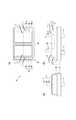
実施例1として、振動体の構成例について、図1を用いて説明する。具体的には、本実施例の振動体は図1に示すように、振動体1aは振動型駆動装置に適用することを想定した縦振動を起こす振動体として構成されている。図1(b)は、図1(c)に示した中心線(一点鎖線)の断面が示されている。[Example 1]
As Example 1, a configuration example of a vibrating body will be described with reference to FIG. Specifically, as shown in FIG. 1, the vibrating body according to the present embodiment is configured as a vibrating body that causes longitudinal vibration that is assumed to be applied to a vibration type driving device. FIG. 1B shows a cross section of the center line (dashed line) shown in FIG.
本実施例の振動体1aは、基板2aに、圧電層と電極層を有する圧電素子3aが接合され、圧電素子3aの振動エネルギーによって基板2aを振動させ、振動体1aの振動エネルギーを出力するように構成されている。 In the vibrating
この振動体1aは板状の基板2aと圧電素子3aとを有し、両者の間には、焼成時にガラス粉末が溶融したガラス溶融物を含んだセラミックス層4aを設けている。圧電素子3aは、電極層5a、圧電層6a、電極層7aが順次積層され、電極層5aと7aは圧電層6aを挟んで対向している。 This vibrating
この振動体1aは後述するように、基板2a上のセラミックス層4aと、圧電素子3aである電極層5a、圧電層6a、電極層7aとが一緒に同時焼成される。よって、圧電素子3aが焼成されると共に、圧電素子3aが、接合層であるセラミックス層4aを介して基板2aに接合され一体化される。 As will be described later, in the vibrating
すなわち、振動エネルギーの発生源である圧電素子3aと、その振動エネルギーにより振動する振動板である基板2aとが、接合のためのセラミックス層4aを介して接合され、振動体1aとして一体化される。 That is, the
また、外部電源との電気的な導通は電極層5a、7aに、2本の導電線8を導電ペーストやハンダ等で接合することにより図られる。 Further, electrical continuity with an external power source is achieved by joining two
図1に示すように、圧電素子3aは基板2aの中央部にある。基板2aは長さ25mm、幅10mmで、厚さは0.25mmである。セラミックス層4aは、縦11mm、横8.5mmで、その厚さは10μmである。圧電層6aは、縦9mm、横8.5mmで、その厚さは10μmである。 As shown in FIG. 1, the
電極層7aは、縦横8mmで、その厚さは通常の積層圧電素子の電極層の厚さである2〜3μmである。 The
そして、電極層5aは、縦10mm、横8mmで、その厚さは5μmとした。各層の厚さの公差は出来るだけ少なくしたが、±2μm程度を有する。 The
圧電素子3aがセラミックス層4aを介して基板2aと一体となっている振動体1aには、後述の分極処理が施されている。 The vibrating
電極層5a、7aに、圧電素子3aの振動を制御する外部電源から高周波電圧が供給されれば、この高周波電圧により圧電層6aの圧電活性部(後述の圧電層のうち分極処理が施され圧電性を呈する部分)が伸縮(歪み)する。 If a high-frequency voltage is supplied to the electrode layers 5a and 7a from an external power source that controls the vibration of the
その結果、その伸縮が基板2aと一体となり振動体1aから振動エネルギーとして外部に出力される。 As a result, the expansion and contraction is integrated with the
例えば、ある一定の周波数の電圧を電極層5a、7aに印加することで、周波数に応じ縦方向の振動を起こすことができる。そして、この縦方向の振動を利用して、図2のようにアクチュエータの振動体として利用することもできる。 For example, by applying a voltage having a certain frequency to the electrode layers 5a and 7a, vibration in the vertical direction can be caused according to the frequency. And it can also utilize as a vibrating body of an actuator like FIG. 2 using this vertical vibration.
図2は、振動体1aを用いた振動型駆動装置であり、本発明の振動体1aを駆動動力源として用いて、回転軸10を有する円盤11を回転させる例である。 FIG. 2 shows a vibration type driving apparatus using the vibrating
図2において、振動体1aを矢印Tの方向の縦方向の縦振動を起こさせ、振動体1aの角部が円盤の表面に接触するように配置すれば、円盤11は矢印Rの方向に回転させることが可能となる。 In FIG. 2, if the vibrating
図3は、振動体1aの中心部を2本のコンタクトピン12で挟んで保持し、振動体1aの縦方向の振動(矢印Tの方向)の振動速度をレーザードプラー計のレーザー光13により測定する振動体の評価方法を示している。 In FIG. 3, the center of the vibrating
振動体1aにおいて、電極層5a、7aに導通した導電線8を介して高周波電圧Vを印加し、その高周波電圧Vの周波数を縦方向の振動の共振周波数(約190KHz)よりも大きな周波数から小さな周波数へ掃引する。 In the vibrating
そして、振動体1aの共振時の縦振動の最大となる振動速度vを測定して、振動体1aの振動特性(振動性能)の評価とした。 Then, the vibration speed v at which the longitudinal vibration at the time of resonance of the
つぎに、振動体1aの製造方法について説明する。 Next, a method for manufacturing the vibrating
まず図1において、板状の焼成済みのセラミックスを研削加工や切断加工により所定の寸法に仕上げ基板2aとする。 First, in FIG. 1, a plate-like fired ceramic is formed into a
そして、セラミックス粉末と後述するガラス粉末と有機溶剤、有機バインダからなる有機ビヒクルを混合して作った厚膜形成可能なセラミックス粉末ペーストを、基板2aの片面の表面にスクリーン印刷法で印刷塗布する。 Then, a ceramic powder paste capable of forming a thick film formed by mixing ceramic powder, glass powder described later, an organic solvent composed of an organic solvent, and an organic binder is printed on the surface of one side of the
そして、この塗布されたガラス粉末を混ぜたセラミックス粉末ペーストを約150℃で10分間ほど加熱し、有機溶剤を除去し乾燥させて、セラミックス層4aを形成する。 Then, the ceramic powder paste mixed with the applied glass powder is heated at about 150 ° C. for about 10 minutes to remove the organic solvent and dry to form the
ここで、セラミックス層4aを形成するセラミックスの基板2aの表面粗さ(JIS B0601−2001)は、十点平均粗さ(JIS B0601−2001)Rzで2μm以下とした平滑面が望ましい。 Here, the surface roughness (JIS B0601-2001) of the
これは、基板2aの表面粗さRzが2μm以上であると、セラミックス層4aの表面の粗さも1μm以上となり、電極層5aを平坦に形成することを妨げる原因のひとつになるからである。 This is because if the surface roughness Rz of the
そして、このセラミックス層上に電極層5aを次のように形成する。圧電粉末を予め混ぜた導電材料粉末、有機溶剤、及び有機バインダからなる有機ビヒクルを混合して作った導電材料粉末ペーストをセラミックス層4aの上にスクリーン印刷法で塗布、約150℃で10分間ほど加熱し乾燥して、電極層5aを形成する。 Then, the
さらに、圧電材料粉末、有機溶剤、及び有機バインダからなる有機ビヒクルを混合して作った厚膜形成可能な圧電材料粉末ペーストを、電極層5aの表面にスクリーン印刷法で印刷塗布する。なお、電極層5aをはじめとする電極層、圧電層、及びセラミックス層の各層の厚さは、スクリーン印刷の版のメッシュ厚みや開口率、印刷条件を変えることで可能である。 Further, a piezoelectric material powder paste capable of forming a thick film formed by mixing an organic vehicle composed of a piezoelectric material powder, an organic solvent, and an organic binder is printed on the surface of the
そして、この塗布された圧電材料粉末ペーストを約150℃で10分間ほど加熱することにより、有機溶剤を除去して乾燥させて、圧電層6aを形成する。そして、電極層5aと同様に、導電材料粉末ペーストを圧電層6aの上にスクリーン印刷法で塗布、乾燥し、電極層7aを形成する。 The applied piezoelectric material powder paste is heated at about 150 ° C. for about 10 minutes to remove the organic solvent and dry to form the piezoelectric layer 6a. Then, like the
以上のように順次、塗布と乾燥を繰り返し、基板2a上にセラミックス層4a、電極層5a、圧電層6a、電極層7aを形成する。 As described above, coating and drying are sequentially repeated to form the
このようにして形成された基板2a上のセラミック層4a、積層化された電極層5a、圧電層6a、電極層7aからなる圧電素子3aは、まだ未焼成状態で、各層とも互いに接合していない。 The
そこで、電気炉を用いて室温から500℃まで加熱して有機バインダを除去した後、鉛雰囲気中で一定の焼成温度で(ここで焼成温度とは焼成時の最高温度のことを意味する)2時間かけて焼成した。なお、焼成温度については、後で詳しく説明する。 Therefore, after removing the organic binder by heating from room temperature to 500 ° C. using an electric furnace, at a constant firing temperature in a lead atmosphere (here, the firing temperature means the highest temperature during firing) 2 Baking over time. The firing temperature will be described later in detail.
すなわち、未焼成状態における電極層5a、圧電層6a、電極層7a及び基板2aとセラミックス層4aを、同時に焼成することにより圧電素子の焼成による製造と圧電素子3aとセラミックス層4a、基板2aとの接合(一体化)も同時に行った。 That is, the
その後、電極層5a、7aに導電線8を導電ペーストやハンダ等で固定し導通させ、導電線8を介して電極層5a、7aの間に電圧を印加し、圧電層6aに分極処理を施した。 Thereafter, the
分極処理の条件は、温度170〜200℃の高温にしたホットプレート上で、電極層5aをグランド(G)とし、電極層7aをプラス(+)として、所定の直流電圧(圧電層6aの厚さ当たり約1V/μm相当)を印加して、約30分間かけて分極処理を行った。 The polarization treatment is performed on a hot plate at a temperature of 170 to 200 ° C. with the
ここで、圧電層6aのうち、実際に分極処理が施され、圧電性の活性を示す圧電活性部は、圧電層6aを挟む対向している2つの電極層5a、7aで挟まれ、分極処理時に電圧が印加された部分である。 Here, in the piezoelectric layer 6a, the polarization process is actually performed, and the piezoelectric active portion showing the piezoelectric activity is sandwiched between the two
分極処理が施された部分は、圧電活性部として変位を発生させることができる層であり、この圧電層内の圧電活性部の圧電特性が、振動板の振動特性や振動型駆動装置の性能に直接関係する。 The portion subjected to the polarization treatment is a layer capable of generating displacement as a piezoelectric active portion, and the piezoelectric characteristics of the piezoelectric active portion in the piezoelectric layer depend on the vibration characteristics of the diaphragm and the performance of the vibration type driving device. Directly related.
基板2aの材質としては、入手し易く安価である、焼成済みのセラミックスであるアルミナ(酸化アルミニウム)が、金属よりも振動の減衰が少ない材料(振動体としてエネルギー損失が少ない材料)であり、好ましい。 As the material of the
アルミナは純度が低くなると機械的な強度が劣り、振動体としての振動の減衰も大きくなるので、基板2aはアルミナの純度が99.5重量%以上、99.99重量%以下の高純度のアルミナにより構成するのがより好ましい。また、アルミナは硬質で耐摩耗性に優れているので、振動型駆動装置における振動体1aの接触(摩擦)部としても適している。また、基板2aは、ガラス粉末をあらかじめ混ぜてあるセラミック層4aと安定な結合が起こる材質であれば良い。 When the purity of alumina is low, the mechanical strength is inferior and the vibration damping as a vibrating body is also increased. Therefore, the
アルミナのほかにも基板としては、ジルコニア、炭化ケイ素、窒化アルミ、窒化ケイ素など汎用のセラミックスであっても、セラミック層4aにはガラス粉末をあらかじめ混ぜてあるため、焼成により溶融したガラス成分は、基板2や電極層5aとの密着強度を高め、接合が可能となる。 In addition to alumina, as a substrate, even if it is general-purpose ceramics such as zirconia, silicon carbide, aluminum nitride, and silicon nitride, glass powder is premixed in the
本実施例では、接合のための接合層であるセラミックス層4aは、圧電層6aと同じ圧電材料粉末にガラス粉末が添加されたセラミックス粉末から作成されたセラミックス粉末ペーストを用いて形成できる。 In this embodiment, the
但し、セラミックス層4aのセラミックス粉末としては、圧電素子の焼成温度でセラミックスの焼結が起こり、かつ、基板と圧電素子との結合に対して有効な機械的な強度を有しているセラミックスなら、使用は可能である。例えば、基板の材質と同じ材質のセラミックス粉末(本例であればアルミナを主成分とした粉末)でも、基板との相性が良いので好ましい。ガラス粉末は、酸化ケイ素、酸化ボロン(酸化ホウ素)を含み、その他に、酸化ビスマス、アルミナ、アルカリ金属酸化物やアルカリ土類金属酸化物が混ざっていてもよい。そして、一度溶融させ、溶融したガラスを平均粒径1〜2μmに微粉砕したガラス粉末(ガラスフリットとも呼ぶ)を使用することができる。 However, as the ceramic powder of the
このガラス粉末を、圧電材料粉末の0.2重量%から10重量%ほど添加し、セラミックス粉末ペーストとした。酸化ケイ素、酸化ボロンの配合比率を変えることで、ガラスの軟化点を圧電セラミックスの焼成温度に応じて変えることができる。 This glass powder was added in an amount of 0.2 to 10% by weight of the piezoelectric material powder to obtain a ceramic powder paste. By changing the compounding ratio of silicon oxide and boron oxide, the softening point of the glass can be changed according to the firing temperature of the piezoelectric ceramic.
また、添加元素を選ぶことで、基板の材質に応じて、化学反応を増し接合強度を上げることも可能である。 Further, by selecting an additive element, it is possible to increase the chemical reaction and increase the bonding strength according to the material of the substrate.
セラミックス層4aに含まれたガラス粉末は焼結時に軟化し溶融し流動化する。そして、ガラス粉末の溶融したガラス溶融物は、基板2aとの界面に比較的多く集まり、化学的に反応を起こして強固に結合する。 The glass powder contained in the
ガラス粉末は、セラミックス粉末の重量に対して0.5重量%未満では基板2aとの接合の効果が少ない。ただし、10重量%を越えると、ガラス粉末の欠点として、基板2aへの溶融したガラス成分の拡散が大きくなり、基板2aの機械的な特性を劣化させ、セラミックス層4a自体の機械的な性質も劣化させる。 If the glass powder is less than 0.5% by weight with respect to the weight of the ceramic powder, the effect of bonding to the
このようなことから、このガラス粉末は、セラミックス層4aのセラミックス粉末の重量に対して0.5重量%以上、10重量%以下とすることが好ましい。 For this reason, the glass powder is preferably 0.5% by weight or more and 10% by weight or less based on the weight of the ceramic powder of the
接合用のセラミックス層にガラス粉末を利用する利点は、焼成温度や機械強度に合わせて、ガラス粉末の化学組成分が容易に調整可能であることであり、多種の材質の基板に適用が可能である。 The advantage of using glass powder for the ceramic layer for bonding is that the chemical composition of the glass powder can be easily adjusted according to the firing temperature and mechanical strength, and can be applied to substrates of various materials. is there.
この振動体1aは、前述のように、基板2a上のセラミックス層4aと、圧電素子3aである電極層5a、圧電層6a、電極層7aとが一緒に同時焼成される。これによって、圧電素子3aが焼成されると共に、圧電素子3aが接合層であるセラミックス層4aを介して基板2aに接合され、一体化される。つまり、圧電素子3aの焼成温度で、圧電素子3aと基板2aの接合が行われる。圧電材料としては、鉛を含んだペロブスカイト型の結晶構造を有するジルコン酸鉛とチタン酸鉛(PbZrO3−PbTiO3)を主成分とし、複数の金属元素からなる化合物を少量添加して固溶させた三成分系や多成分系の圧電材料粉末を使用した。As described above, in the vibrating
ここで、電極層5a、圧電層6a、電極層7a及び基板2aとセラミックス層4aを、同時に焼成する際における焼成温度を変えて、振動体1aを作り、図4に示す振動速度による振動特性の評価を行った。 Here, the
ここでは、つぎのように焼成温度の低温化を行った。 Here, the firing temperature was lowered as follows.
従来における焼成温度は1150℃(±20℃)であるが、圧電層の圧電材料である圧電粉末に酸化銅を適量添加することで、焼成温度を下げることが可能である。 The conventional firing temperature is 1150 ° C. (± 20 ° C.), but the firing temperature can be lowered by adding an appropriate amount of copper oxide to the piezoelectric powder that is the piezoelectric material of the piezoelectric layer.
ここでは、酸化銅を添加していない従来例の圧電材料のものと、酸化銅を0.25重量%添加した比較例の圧電材料のものと、酸化銅を0.5重量%添加した本実施例を適用した圧電材料のものとを、つぎのように比較した。 Here, the piezoelectric material of the conventional example to which copper oxide is not added, the piezoelectric material of the comparative example to which 0.25% by weight of copper oxide is added, and the present embodiment in which 0.5% by weight of copper oxide is added. The piezoelectric material to which the example was applied was compared as follows.
すなわち、これらの圧電材料により振動子1aを製作し、図4に示した測定方法で振動速度を測定して、つぎのように比較して評価した。 That is, the
図4は、印加電圧V(実効電圧Vrms)と最大の振動速度v(m/s)の関係を示したグラフである。 FIG. 4 is a graph showing the relationship between the applied voltage V (effective voltage Vrms) and the maximum vibration speed v (m / s).
図4において、Aは酸化銅を添加していない圧電材料を用い、焼成温度を1150℃(±20℃)とした従来例の振動子である。 In FIG. 4, A is a conventional vibrator using a piezoelectric material to which copper oxide is not added and having a firing temperature of 1150 ° C. (± 20 ° C.).
また、Bは酸化銅を0.25重量%添加した圧電材料を用い焼成温度1040℃(±20℃)とした比較例の振動子である。 B is a vibrator of a comparative example using a piezoelectric material added with 0.25% by weight of copper oxide and having a firing temperature of 1040 ° C. (± 20 ° C.).
また、Cは酸化銅を0.5重量%添加した圧電材料を用い焼成温度を920℃(±20℃)とした本実施例を適用した振動子である。 C is a vibrator to which this embodiment is applied using a piezoelectric material added with 0.5% by weight of copper oxide and having a firing temperature of 920 ° C. (± 20 ° C.).
A、B、Cとも電極層を形成する導電材料の銀とパラジウムの混合比は銀70%パラジウム30%である銀・パラジウム合金粉末を用いた。 For all of A, B, and C, a silver / palladium alloy powder in which the mixing ratio of silver and palladium of the conductive material forming the electrode layer was 70% silver and 30% palladium was used.
振動速度vは、印加電圧Vを上げると大きくなり、Cでは電圧Vを4V近くに上げると振動速度vは2m/s以上に達するものの、AとBは2m/sの半分以下の振動速度である。 The vibration speed v increases as the applied voltage V is increased. In C, when the voltage V is increased to nearly 4 V, the vibration speed v reaches 2 m / s or more, but A and B are vibration speeds less than half of 2 m / s. is there.
すなわち、焼成温度920℃(±20℃)の振動子Cは振動速度vは大きく、焼成温度1150℃である振動子Aと、焼成温度1040℃である振動子Bは、振動速度vが低い結果となった。 That is, the vibrator C having a firing temperature of 920 ° C. (± 20 ° C.) has a large vibration speed v, and the vibrator A having a firing temperature of 1150 ° C. and the vibrator B having a firing temperature of 1040 ° C. have a low vibration speed v. It became.
ここで、多数測定すると振動子Aと振動子Bは、バラツキが大きいので、図4では、振動子Aと振動子Bは平均的な代表例を示した。 Here, when a large number of measurements are made, the vibrator A and the vibrator B have large variations. Therefore, FIG. 4 shows an average representative example of the vibrator A and the vibrator B.
なお、図4には示していないが、振動子Cでは、印加電圧Vをさらに上げ、入力エネルギーを増やすことで、振動速度vは3m/s近くまで達する。 Although not shown in FIG. 4, in the vibrator C, the vibration speed v reaches nearly 3 m / s by further increasing the applied voltage V and increasing the input energy.
また、振動子AとBにおいても、印加電圧を4V以上に上げて入力エネルギーをさらに増やせば、振動速度vは増加する。しかし、振動子AとBとも、印加電圧Vに対する振動速度vの傾きは、振動子Cと比べ小さく、振動子Cと比べ振動体1aの発熱(温度の上昇)が大きい。 In the vibrators A and B, if the applied voltage is increased to 4 V or more to further increase the input energy, the vibration speed v increases. However, in both the vibrators A and B, the inclination of the vibration speed v with respect to the applied voltage V is smaller than that of the vibrator C, and the heat generation (temperature rise) of the
この振動子AとB、Cとの振動速度vの差異の原因を探るため、振動体1aを切断し、その断面を研磨して、電子顕微鏡で基板、セラミックス層、電極層、圧電層の観察を行った。 In order to find the cause of the difference in the vibration velocity v between the vibrators A, B, and C, the
以上では、酸化銅を0.5重量%添加した本実施例を挙げたが、酸化銅をさらに増やすことで、焼成温度のさらなる低温化が可能である。一方、酸化銅をさらに増やすことで圧電特性の低下が起こるため、現状の焼成温度1150℃とほぼ同じ圧電特性が得られる酸化銅の添加量は、最大で約0.5重量%であった。つまり、酸化銅が0.5重量%以下で添加された圧電粉末を用いて圧電層を形成することができる。 In the above, although the present Example which added 0.5 weight% of copper oxide was given, the further lowering of a calcination temperature is possible by further increasing a copper oxide. On the other hand, since the piezoelectric characteristics are lowered by further increasing the copper oxide, the amount of copper oxide added that can obtain the same piezoelectric characteristics as the current firing temperature of 1150 ° C. was about 0.5% by weight at the maximum. That is, a piezoelectric layer can be formed using piezoelectric powder to which copper oxide is added at 0.5 wt% or less.
その観察の結果、振動子AとBとは、共に圧電層6aと電極層5aの間やセラミックス層4aと電極層5aとの間に剥離(隙間)が起こっていた。 As a result of the observation, peeling (gap) occurred between the vibrators A and B between the piezoelectric layer 6a and the
さらに、その剥離が延長して圧電層6aの層内やセラミックス層4aの層内へもクラックが進展している場合もあった。多数観察してみると、振動子Bの方が振動子Aよりも比較的、剥離の発生箇所が少なく、その長さも短かった。 Further, the peeling may be extended, and cracks may have developed in the piezoelectric layer 6a or the
図4の振動子AやBのように振動速度が大きくならない原因としては、このような剥離やクラックが存在するため、エネルギーの損失が大きくなるためと考えられる。なお、剥離やクラックは不規則に発生するため、多数個の振動体を測定すると振動子AとBはバラツキが大きくなると思われる。 The reason why the vibration speed does not increase like the vibrators A and B in FIG. 4 is considered to be because energy loss increases because of such peeling and cracks. Since peeling and cracks occur irregularly, it is considered that when a large number of vibrators are measured, the vibrators A and B have large variations.
逆に言えば、このように振動速度を測定すれば、振動体のセラミックス層4aや圧電素子3aの剥離やクラックの評価や検査に利用することができる。 Conversely, if the vibration speed is measured in this way, it can be used for evaluation and inspection of peeling and cracking of the
本来、振動体1aは、基板2aの上には基板2a側から、セラミックス層4aと電極層5a、圧電層6a、電極層7aとが、後述のスクリーン印刷法により積層化され、そして、同時焼成されて、これら各層のセラミックス層と電極層、圧電層は焼成収縮を起こす。 Originally, the vibrating
そして、金属からなる電極層5aの方がセラミックス層4aや圧電層6aよりも低温で早く収縮を起こし、緻密な金属層を焼成時の初期(約200〜500℃)に形成する。 The
その後、セラミックス層4aと圧電層6aの焼結が開始し、そして、ほぼ同時にセラミックス層に含まれるガラスも溶融して、セラミックス層4aと圧電層6aも収縮を起こすものと思われる。このとき、ガラス中の酸化ケイ素及び酸化ボロンの配合比率を変えることで、軟化点を700±50℃(600℃乃至750℃)に調節したガラスを用いることができる。これにより、低い焼成温度(940℃以下)でも、ガラスが溶融することになる。流動化したガラス溶融物は、電極層5aが完全に緻密な金属からなる層を形成すれば、圧電層6aには侵入しない。 Thereafter, sintering of the
焼成時には、圧電層6aは長さあたり約20%ほど収縮を起こす。一方、基板2aは基本的に収縮しないものの、その中間にあるセラミックス層4aが圧電素子3aの収縮と基板との緩和を図ることで接合が可能となる。 During firing, the piezoelectric layer 6a contracts by about 20% per length. On the other hand, although the
そして、電極層5aの単独での収縮は圧電層6aに比べ大きいものの、圧電層6aやセラミックス層4aと隣接した電極層5aは、金属なのである程度塑性変形を起こし、圧電層6aやセラミックス層4aの収縮とほぼ同じ収縮率になり、剥離は起こらない。 Although the contraction of the
焼成の最高温度である焼成温度が違っても、圧電材料の収縮率はほぼ同じであり、圧電特性もほぼ同じである。 Even if the firing temperature which is the highest firing temperature is different, the shrinkage rate of the piezoelectric material is almost the same, and the piezoelectric characteristics are also almost the same.
しかし、電極層5aは焼成温度が高いほど収縮が大きくなる傾向がある。このため、焼成温度が高いほど電極層5aは収縮し、圧電層6aと電極層5aとの間やセラミックス層4aと電極層5aとの間に発生する歪や応力は大きくなり、剥離が起き易くなり接合には不利と考えられる。 However, the
実際のところ、焼成温度が高いと、表面の電極層7aが圧電層6aから剥離する傾向が見られ、電極面積が少なくなり圧電特性の低下も起こる。 Actually, when the firing temperature is high, the
以上のように本実施例では、焼成温度が920℃(±20℃)、すなわち焼成温度が900℃以上、940℃以下であれば、セラミックス層4aと電極層5aとの間に剥離が起こらず、振動速度も大きく健全な振動子振動体1aを作ることができる。 As described above, in this example, when the firing temperature is 920 ° C. (± 20 ° C.), that is, when the firing temperature is 900 ° C. or more and 940 ° C. or less, no peeling occurs between the
また、焼成温度が下げられれば別の効果として、ガラス溶融物の基板への拡散や、圧電層の侵入による材料特性の劣化も少なくなる。さらには、低温での焼成は、製造においても電気炉の電力使用量が少なくなり、電気炉の炉壁や焼成用の工具の寿命なども長くなり、製造コストの低減に繋がる。 Further, if the firing temperature is lowered, other effects such as diffusion of the glass melt into the substrate and deterioration of material properties due to penetration of the piezoelectric layer are reduced. Furthermore, firing at a low temperature also reduces the amount of electric power used by the electric furnace in production, and increases the life of the furnace wall and firing tool, leading to a reduction in production cost.
電極層を形成する貴金属は高価であるので一般に、導電材料の銀とパラジウムの混合比は圧電材料の焼成温度に応じて、パラジウムの混合比を調整する。 Since the noble metal forming the electrode layer is expensive, generally, the mixing ratio of silver and palladium of the conductive material is adjusted according to the firing temperature of the piezoelectric material.
焼成温度が高いと、パラジウムの混合比を増やして、銀・パラジウム合金の溶融温度を上げる必要があった。 When the firing temperature was high, it was necessary to increase the melting ratio of the silver / palladium alloy by increasing the mixing ratio of palladium.
しかし、本実施例での焼成温度は以上のように900℃以上、940℃以下が用いられるので、パラジウムがない銀100重量%でも、銀の溶融温度が約960℃であるので焼成は可能となる。 However, since the firing temperature in this example is 900 ° C. or more and 940 ° C. or less as described above, even with 100% by weight of silver without palladium, the melting temperature of silver is about 960 ° C., so that firing is possible. Become.
銀だけでパラジウムを添加しない電極材料を用いて振動子を作り振動速度を測定し評価した結果は、図4における銀70%パラジウム30%を使用した振動子Cとほぼ同じ結果となった。 The result of measuring and evaluating the vibration speed using an electrode material containing only silver and not added with palladium was almost the same as that of the vibrator C using 30% silver 30% palladium in FIG.
銀100重量%でも通常の環境下で問題なく使用可能であるが、使用環境下で高湿度の影響を受けるような特殊な条件では、電気的なマイグレーションの発生を考慮し、パラジウムを多少添加しても良い。実用上は効果とコストを考慮して、パラジウムの添加量を最大とした場合、パラジウム5重量%、銀95重量%の材料が適切である。したがって、本発明の一様態における振動子の電極材料としては、銀100重量%のほか、パラジウム5重量%以下銀95%以上や、パラジウム1〜5重量%かつ銀99〜95重量%の組成を用いることができる。なお、銀100重量%とは、製造上必然的に含まれる量の不純物を含有した銀も含む。焼成温度を940℃以下とすることができるため、電極材料として100重量%の銀を用いることができる。 Even when silver is 100% by weight, it can be used without any problems under normal conditions. However, in special conditions that are affected by high humidity in the usage environment, some palladium is added in consideration of the occurrence of electrical migration. May be. In practice, considering the effect and cost, when the addition amount of palladium is maximized, a material of 5 wt% palladium and 95 wt% silver is appropriate. Therefore, as the electrode material of the vibrator according to an embodiment of the present invention, the composition of 100% by weight of silver, 5% by weight of palladium or less, 95% or more of silver, or 1 to 5% by weight of palladium and 99 to 95% by weight of silver. Can be used. In addition, 100 weight% of silver includes the silver containing the quantity of impurities necessarily contained in manufacture. Since the firing temperature can be 940 ° C. or lower, 100% by weight of silver can be used as the electrode material.
電極層5a、7aを形成するための導電材料粉末ペーストとしては、銀もしくは銀とパラジウムを主成分とする導電材料の他に予め圧電材料粉末を15重量%添加したものを使用した。 As the conductive material powder paste for forming the electrode layers 5a and 7a, a paste obtained by adding 15% by weight of a piezoelectric material powder in advance to a conductive material mainly composed of silver or silver and palladium was used.
これは、導電材料粉末ペーストは金属であるので低温で早く焼結し易く、さらに収縮が大きいのためである。したがって、電極層5aに圧電粉末を混ぜることで導電材料粉末の焼成による収縮をわずかではあるが抑制し、セラミックス層4aや圧電層6aと剥離し難くなるようにしている。 This is because since the conductive material powder paste is a metal, it is easy to sinter quickly at a low temperature and the shrinkage is large. Therefore, by mixing the piezoelectric powder into the
添加する圧電材料粉末は、圧電層6aと同一成分か、または主成分が同じジルコン酸鉛とチタン酸鉛(PbZrO3−PbTiO3)であっても同様の効果が得られる。上記の方法により圧電材料の低温化は800℃代でも可能である。そして、今後、省エネルギーのニーズとコストの要求から、圧電材料の低温化はさらに進むと思われる。しかしながら、焼成温度を低温化すると圧電特性の低下が起こり、現在、例えば焼成温度1150℃で焼成した圧電材料と同じ圧電特性にすることはかなり難しい。従って、圧電材料の焼成は、940℃以下で行うことが可能であり、800℃以上940℃以下とすることがより好ましい。更に、900℃以上940℃以下とすることが好ましい。ただし、低温化が800℃代やこれ以下であっても、圧電特性の低下が実用上(使用上)の問題にならないならば、圧電材料として使用可能である。よって、そのような場合には、本実施例と同様に焼成温度を940℃以下として、銀100%の導電材料の使用を可能とすることができる。The same effect can be obtained even if the piezoelectric material powder to be added is the same component as the piezoelectric layer 6a or the same main component, that is, lead zirconate and lead titanate (PbZrO3 -PbTiO3 ). The temperature of the piezoelectric material can be lowered by the above method even in the 800 ° C. range. In the future, the temperature of piezoelectric materials will be further lowered due to energy saving needs and cost requirements. However, when the firing temperature is lowered, the piezoelectric characteristics are lowered. At present, for example, it is quite difficult to obtain the same piezoelectric characteristics as a piezoelectric material fired at a firing temperature of 1150 ° C. Accordingly, the firing of the piezoelectric material can be performed at 940 ° C. or lower, and more preferably 800 ° C. or higher and 940 ° C. or lower. Furthermore, it is preferable to set it as 900 degreeC or more and 940 degrees C or less. However, even if the temperature is lowered to the 800 ° C. range or lower, it can be used as a piezoelectric material if the deterioration of the piezoelectric characteristics does not become a problem in practical use. Therefore, in such a case, it is possible to use a conductive material of 100% silver by setting the firing temperature to 940 ° C. or lower as in this embodiment.
[実施例2]
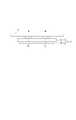
実施例2として、実施例1と異なる形態の振動体の構成例を図5を用いて説明する。なお、(a)は正面図、(b)は側面図、(c)は平面図である。[Example 2]
As a second embodiment, a configuration example of a vibrator having a different form from the first embodiment will be described with reference to FIG. In addition, (a) is a front view, (b) is a side view, and (c) is a plan view.
図5に示す振動体1bは、従来例で示したリニア駆動する振動型駆動装置に適用することを想定したものである。 The vibrating
なお、製造方法や用いた基板、圧電層、電極層、セラミックス層は実施例1と基本的に同じで圧電層を多層化している。 The manufacturing method, the substrate used, the piezoelectric layer, the electrode layer, and the ceramic layer were basically the same as in Example 1, and the piezoelectric layer was multilayered.
この振動体1bは、板状の基板2bと圧電素子3bとを有し、両者の間にはガラス粉末を含んだセラミックスからなるセラミックス層4bを設けている。 This vibrating
この基板2bと圧電素子3bはセラミックス層4bを介して、後述するように同時焼成により固定され一体化されたものである。 The
すなわち、振動エネルギー発生源として機能する圧電素子3bは、その振動エネルギーにより振動する基板2bと、セラミックス層4bを介して固定され一体化され、振動体1bとして機能する圧電素子3bにおいては、電極層5b−1、5b−2、圧電層6b、電極層7b−1、7b−2が順次積層されている。 That is, the
電極層5bは2つの電極層5b−1、5b−2に分割され絶縁状態にある。同様に、電極層7bも同様に2つの電極層7b−1、7b−2に分割されて絶縁状態にある。2つに分割されたそれぞれの電極層5b−1、5b−2と電極層7b−1、7b−2は圧電層6bを挟んで対向している。 The
また、外部電源との電気的な導通と分極処理は、2つに分割された電極層5b−1、5b−2と7b−1、7b−2のそれぞれの表面上に導電線8を導電ペーストやハンダ等に固定することにより行われる。 In addition, the electrical continuity with the external power source and the polarization treatment are performed by placing the
その後、実施例1と基本的に同じように、電極層5b−1と7b−1、5b−2と7b−2に、導電線8を介してそれぞれグランド(G)とプラス(+)となるよう電圧を印加し、圧電層6bのこれらの電極層が対向する部分(圧電活性部)に分極処理を施した。 After that, basically in the same manner as in Example 1, the electrode layers 5b-1 and 7b-1, 5b-2 and 7b-2 become ground (G) and plus (+) through the
分極処理の条件は、温度170〜200℃の高温にしたホットプレート上で、グランド(G)とプラス(+)間に所定の直流電圧(圧電層6bの厚さ当たり約1V/μm相当)を印加して、約30分間かけて分極処理を行った。 The polarization treatment is performed by applying a predetermined DC voltage (equivalent to about 1 V / μm per
分極処理の施された圧電層で挟まれた部分は、圧電活性部として変位を発生させる層であり、この層の圧電特性が振動板の振動特性や振動型駆動装置の性能に直接関係する。 The portion sandwiched between the polarization-treated piezoelectric layers is a layer that generates displacement as a piezoelectric active portion, and the piezoelectric characteristics of this layer are directly related to the vibration characteristics of the diaphragm and the performance of the vibration type driving device.
基板2bは、長さ9mm、幅6mm、厚さ0.25mmであり、圧電素子3bを設けた面と反対側には高さ0.25mmの2個の突起部15をブラスト加工により突起部15以外部分を削り取ることにより形成した。 The
圧電素子3bは電極層5b−1と5b−2、圧電層6b、電極層7b−1と7b−2からなっている。 The
セラミックス層4bは、縦8.5mm、横5.5mmで厚さは10μm、電極層5b−1と5b−2は、縦3.3mm、横5mmで厚さはそれぞれ6μmで、中央部に縦方向に幅0.4mmの電極非形成部がある。 The
圧電層6bは、縦6mm、横5.5mmで厚さは10μmで、電極層7b−1と7b−2は、縦2.2mm、横4.8mmで厚さはそれぞれ3μmで、中央部に幅0.6mmの電極非形成部がある。 The
実施例1の結果を踏まえて、図5(c)平面図から見て、電極層5b−1と5b−2は、電極層7b−1と7b−2よりも縦方向で0.2mmほど大きくなっている。これは圧電層の圧電活性部へのガラスの溶融物の侵入があっても圧電特性の劣化を防ぐためである。2つに分割された電極層5b−1と7b−1、5b−2と7b−2の間にはあらかじめ分極処理が施され後に、圧電素子3bの振動を制御する外部電源から位相の異なる2つの高周波電圧が供給される。 Based on the result of Example 1, the electrode layers 5b-1 and 5b-2 are larger than the electrode layers 7b-1 and 7b-2 by about 0.2 mm in the vertical direction when viewed from the plan view of FIG. It has become. This is to prevent deterioration of the piezoelectric characteristics even if glass melt enters the piezoelectric active portion of the piezoelectric layer. The electrode layers 5b-1 and 7b-1, 5b-2 and 7b-2 divided in two are subjected to polarization processing in advance, and then the phase is different from the
これらの高周波電圧により2つに分割された電極層5b−1と7b−1、5b−2と7b−2の対向する圧電層6bの圧電活性部がそれぞれ伸縮し、その伸縮がセラミックス層4bを介して基板2bに伝わり、全体として振動体1bが振動する。 The piezoelectric active portions of the opposing
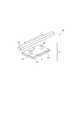
図6は実施例2の振動板1bを組込んだリニア型振動型駆動装置の構成を示す図である。 FIG. 6 is a diagram illustrating a configuration of a linear vibration type driving apparatus in which the
リニア駆動の原理は従来例と同じである。 The principle of linear drive is the same as in the conventional example.
リニアスライダ16は加圧された状態で突起部15に接触する。そして、圧電素子3bの振動で振動板1bが振動し突起部15に励起された楕円運動により、被駆動体であるリニアスライダ16が矢印の方向に往復駆動する。突起部15も振動板1bと同じアルミナからなり、耐摩耗性を有している。 The linear slider 16 contacts the
上記実施例では電極層と外部電源との導通は導電線8を用いて行ったが、導電線8の代わりに例えば、フレキシブル回路基板で電極層と外部電源との導通を図るようにしても良い。 In the above-described embodiment, the conduction between the electrode layer and the external power source is performed by using the
基板上に層を形成するスクリーン印刷法は、前述のグリーンシートによる積層に比べて、より薄くて高精度な厚さの層の形成が容易であるばかりでなく、塗布位置を高精度に制御可能であり焼結後の機械加工も必要としない。 The screen printing method that forms a layer on a substrate not only makes it easier to form a thinner and more accurate layer than the above-mentioned lamination with a green sheet, but also enables the application position to be controlled with high accuracy. No machining after sintering is required.
そして、製造設備も安価であり、これらの結果として製造コストは従来の圧電素子と比べたいへんに安価となる。 The manufacturing equipment is also inexpensive, and as a result, the manufacturing cost is much lower than that of the conventional piezoelectric element.
1a、1b 振動体
2a、2b 基板
3a、3b 圧電素子
4a、4b セラミックス層
5a、5b 電極層
6a、6b 圧電層
7a、7b 電極層
8 導電線1a,
Claims (14)
Translated fromJapanese前記基板上設けられ、ガラスを含んでいるセラミックス層と、
前記セラミックス層を介して前記基板に固定された電極層と圧電層とを有する圧電年と、を有し、
前記圧電素子が前記基板に固定された構造が、前記圧電層、前記電極層、前記基板、及び前記セラミックス層とが、800℃以上940℃以下の焼成温度により同時に焼成され、基板上に一体化して構成されていることを特徴とする振動体。A substrate,
A ceramic layer provided on the substrate and containing glass;
A piezoelectric year having an electrode layer and a piezoelectric layer fixed to the substrate via the ceramic layer;
In the structure in which the piezoelectric element is fixed to the substrate, the piezoelectric layer, the electrode layer, the substrate, and the ceramic layer are simultaneously fired at a firing temperature of 800 ° C. or more and 940 ° C. or less and integrated on the substrate. A vibrating body characterized by being configured.
前記基板上に設けられ、ガラスを含んでいるセラミックス層と、
前記セラミックス層を介して前記基板に固定された電極層と、圧電層とを有する圧電素子と、を有し、
前記圧電層が、酸化銅を0.5重量%以下含む圧電材料により構成されていることを特徴とする振動体。A substrate,
A ceramic layer provided on the substrate and containing glass;
A piezoelectric element having an electrode layer fixed to the substrate via the ceramic layer, and a piezoelectric layer;
A vibrating body, wherein the piezoelectric layer is made of a piezoelectric material containing 0.5% by weight or less of copper oxide.
前記ガラス成分が、前記セラミックス層のセラミックス粉末の重量に対して0.5重量%以上、10重量%以下、添加されていることを特徴とする請求項1乃至5のいずれか1項に記載の振動体。The glass component in the glass melt of the ceramic layer is composed mainly of silicon oxide and boron oxide,
6. The glass component according to claim 1, wherein the glass component is added in an amount of 0.5 wt% or more and 10 wt% or less based on the weight of the ceramic powder of the ceramic layer. Vibrating body.
前記セラミックス層上に電極層及び、圧電材料を含む圧電層を有する前記圧電素子を積層する工程と、
前記電極層、前記圧電層、前記基板、及び前記セラミックス層を、800℃以上940℃以下の焼成温度により同時に焼成し、これらを一体化する工程と、
を有する振動体の製造方法。Forming a ceramic layer containing glass on the substrate;
Laminating the piezoelectric element having an electrode layer and a piezoelectric layer containing a piezoelectric material on the ceramic layer;
Firing the electrode layer, the piezoelectric layer, the substrate, and the ceramic layer simultaneously at a firing temperature of 800 ° C. or more and 940 ° C. or less, and integrating them;
A method of manufacturing a vibrating body having
Priority Applications (1)
| Application Number | Priority Date | Filing Date | Title |
|---|---|---|---|
| JP2014014570AJP2014170926A (en) | 2013-02-08 | 2014-01-29 | Vibration body, manufacturing method thereof, and vibration type drive device |
Applications Claiming Priority (3)
| Application Number | Priority Date | Filing Date | Title |
|---|---|---|---|
| JP2013023670 | 2013-02-08 | ||
| JP2013023670 | 2013-02-08 | ||
| JP2014014570AJP2014170926A (en) | 2013-02-08 | 2014-01-29 | Vibration body, manufacturing method thereof, and vibration type drive device |
Publications (2)
| Publication Number | Publication Date |
|---|---|
| JP2014170926Atrue JP2014170926A (en) | 2014-09-18 |
| JP2014170926A5 JP2014170926A5 (en) | 2017-03-02 |
Family
ID=51297014
Family Applications (1)
| Application Number | Title | Priority Date | Filing Date |
|---|---|---|---|
| JP2014014570APendingJP2014170926A (en) | 2013-02-08 | 2014-01-29 | Vibration body, manufacturing method thereof, and vibration type drive device |
Country Status (2)
| Country | Link |
|---|---|
| US (1) | US9837938B2 (en) |
| JP (1) | JP2014170926A (en) |
Cited By (1)
| Publication number | Priority date | Publication date | Assignee | Title |
|---|---|---|---|---|
| WO2023286758A1 (en)* | 2021-07-14 | 2023-01-19 | 京セラ株式会社 | Bonded body |
Families Citing this family (2)
| Publication number | Priority date | Publication date | Assignee | Title |
|---|---|---|---|---|
| WO2022094993A1 (en)* | 2020-11-07 | 2022-05-12 | 宁德时代新能源科技股份有限公司 | Power generation apparatus, suspension, vehicle, and device and method for producing power generation apparatus |
| CN113242499A (en)* | 2021-06-18 | 2021-08-10 | 江苏波速传感器有限公司 | Ultra-thin twin crystal multilayer piezoceramics speaker unit |
Citations (8)
| Publication number | Priority date | Publication date | Assignee | Title |
|---|---|---|---|---|
| JPH0558720A (en)* | 1991-08-29 | 1993-03-09 | Nec Corp | Multi-layer glass ceramic substrate |
| JP2001063048A (en)* | 1999-08-26 | 2001-03-13 | Kyocera Corp | Piezoelectric / electrostrictive film type actuator and ink jet printer head using the same |
| JP2003008092A (en)* | 2001-06-20 | 2003-01-10 | Mutsuo Munekata | Laminated piezoelectric element, method of manufacturing the same, and sealing material for laminated piezoelectric element |
| JP2008254936A (en)* | 2007-03-30 | 2008-10-23 | Tdk Corp | Dielectric ceramic composition, composite electronic component and multilayer ceramic capacitor |
| JP2011045869A (en)* | 2009-07-28 | 2011-03-10 | Canon Inc | Oscillator and oscillatory wave actuator |
| JP2011217493A (en)* | 2010-03-31 | 2011-10-27 | Canon Inc | Vibrator and vibration wave actuator |
| JP2011254569A (en)* | 2010-05-31 | 2011-12-15 | Canon Inc | Vibrator, method for manufacturing the same, and vibration wave actuator |
| JP2012191733A (en)* | 2011-03-10 | 2012-10-04 | Canon Inc | Piezoelectric element, piezoelectric actuator having piezoelectric element, and vibration wave motor |
Family Cites Families (9)
| Publication number | Priority date | Publication date | Assignee | Title |
|---|---|---|---|---|
| JP2842448B2 (en) | 1989-07-11 | 1999-01-06 | 日本碍子株式会社 | Piezoelectric / electrostrictive film type actuator |
| JP2004200382A (en) | 2002-12-18 | 2004-07-15 | Ngk Insulators Ltd | Piezoelectric / electrostrictive film type element |
| JP2004304887A (en) | 2003-03-28 | 2004-10-28 | Canon Inc | Vibration type driving device |
| CA2561615A1 (en)* | 2005-10-04 | 2007-04-04 | Tdk Corporation | Piezoelectric ceramic composition and laminated piezoelectric element |
| JP2009124791A (en) | 2007-11-12 | 2009-06-04 | Canon Inc | Vibration body and vibration wave actuator |
| JP5597368B2 (en) | 2009-07-29 | 2014-10-01 | 京セラ株式会社 | Multilayer electronic component and manufacturing method thereof |
| JP2012015758A (en) | 2010-06-30 | 2012-01-19 | Nec Casio Mobile Communications Ltd | Oscillator, method for manufacturing the same and electronic device |
| JP5588771B2 (en) | 2010-07-16 | 2014-09-10 | Fdk株式会社 | Piezoelectric material and method for manufacturing piezoelectric material |
| JP5665522B2 (en) | 2010-12-20 | 2015-02-04 | キヤノン株式会社 | Vibrating body and vibration type driving device |
- 2014
- 2014-01-29JPJP2014014570Apatent/JP2014170926A/enactivePending
- 2014-02-07USUS14/175,448patent/US9837938B2/enactiveActive
Patent Citations (8)
| Publication number | Priority date | Publication date | Assignee | Title |
|---|---|---|---|---|
| JPH0558720A (en)* | 1991-08-29 | 1993-03-09 | Nec Corp | Multi-layer glass ceramic substrate |
| JP2001063048A (en)* | 1999-08-26 | 2001-03-13 | Kyocera Corp | Piezoelectric / electrostrictive film type actuator and ink jet printer head using the same |
| JP2003008092A (en)* | 2001-06-20 | 2003-01-10 | Mutsuo Munekata | Laminated piezoelectric element, method of manufacturing the same, and sealing material for laminated piezoelectric element |
| JP2008254936A (en)* | 2007-03-30 | 2008-10-23 | Tdk Corp | Dielectric ceramic composition, composite electronic component and multilayer ceramic capacitor |
| JP2011045869A (en)* | 2009-07-28 | 2011-03-10 | Canon Inc | Oscillator and oscillatory wave actuator |
| JP2011217493A (en)* | 2010-03-31 | 2011-10-27 | Canon Inc | Vibrator and vibration wave actuator |
| JP2011254569A (en)* | 2010-05-31 | 2011-12-15 | Canon Inc | Vibrator, method for manufacturing the same, and vibration wave actuator |
| JP2012191733A (en)* | 2011-03-10 | 2012-10-04 | Canon Inc | Piezoelectric element, piezoelectric actuator having piezoelectric element, and vibration wave motor |
Cited By (3)
| Publication number | Priority date | Publication date | Assignee | Title |
|---|---|---|---|---|
| WO2023286758A1 (en)* | 2021-07-14 | 2023-01-19 | 京セラ株式会社 | Bonded body |
| JPWO2023286758A1 (en)* | 2021-07-14 | 2023-01-19 | ||
| JP7692042B2 (en) | 2021-07-14 | 2025-06-12 | 京セラ株式会社 | zygote |
Also Published As
| Publication number | Publication date |
|---|---|
| US20140225479A1 (en) | 2014-08-14 |
| US9837938B2 (en) | 2017-12-05 |
Similar Documents
| Publication | Publication Date | Title |
|---|---|---|
| JP6184182B2 (en) | Vibrating body, method for manufacturing the same, and vibration type driving device | |
| JP5669443B2 (en) | Vibrating body, manufacturing method thereof, and vibration wave actuator | |
| JP5669452B2 (en) | Manufacturing method of vibrator | |
| US8749117B2 (en) | Vibrating body of vibratory drive unit and vibratory drive unit | |
| JP2009124791A (en) | Vibration body and vibration wave actuator | |
| US6114798A (en) | Stacked element and vibration drive device | |
| US6323582B1 (en) | Piezoelectric/Electrostrictive device | |
| JP5298999B2 (en) | Multilayer piezoelectric element | |
| US6476539B1 (en) | Piezoelectric/electrostrictive device | |
| JP3466550B2 (en) | Piezoelectric / electrostrictive device | |
| JP2014170926A (en) | Vibration body, manufacturing method thereof, and vibration type drive device | |
| JP4015820B2 (en) | Wiring board and manufacturing method thereof | |
| US6570297B1 (en) | Piezoelectric/electrostrictive device | |
| JP5717975B2 (en) | Vibration body and vibration wave actuator | |
| JP2004014951A (en) | Piezoelectric / electrostrictive device and manufacturing method thereof | |
| JP2014155350A (en) | Vibrator, manufacturing method thereof and vibration-type driving device | |
| JP2014117014A (en) | Vibrator and manufacturing method therefor and vibration wave drive unit | |
| JP4067491B2 (en) | Method for manufacturing piezoelectric / electrostrictive device | |
| JP2010199271A (en) | Multilayer piezoelectric element, manufacturing method thereof, and vibrator | |
| JP5754879B2 (en) | Vibrator | |
| JP3466551B2 (en) | Piezoelectric / electrostrictive device | |
| JP2010171360A (en) | Laminated piezoelectric element, method of manufacturing the same, and vibrator | |
| JP2010199272A (en) | Laminated piezoelectric element, method of manufacturing the same, and vibrating body | |
| JP2011155126A (en) | Piezoelectric laminated component | |
| JP2001037262A (en) | Piezoelectric transducer and actuator using piezoelectric transducer |
Legal Events
| Date | Code | Title | Description |
|---|---|---|---|
| A521 | Request for written amendment filed | Free format text:JAPANESE INTERMEDIATE CODE: A523 Effective date:20170127 | |
| A621 | Written request for application examination | Free format text:JAPANESE INTERMEDIATE CODE: A621 Effective date:20170127 | |
| A977 | Report on retrieval | Free format text:JAPANESE INTERMEDIATE CODE: A971007 Effective date:20171108 | |
| A131 | Notification of reasons for refusal | Free format text:JAPANESE INTERMEDIATE CODE: A131 Effective date:20171219 | |
| A521 | Request for written amendment filed | Free format text:JAPANESE INTERMEDIATE CODE: A523 Effective date:20180213 | |
| A131 | Notification of reasons for refusal | Free format text:JAPANESE INTERMEDIATE CODE: A131 Effective date:20180731 | |
| A02 | Decision of refusal | Free format text:JAPANESE INTERMEDIATE CODE: A02 Effective date:20190312 |