JP2010193598A - Contactless power supply equipment and contactless power supply system - Google Patents
Contactless power supply equipment and contactless power supply systemDownload PDFInfo
- Publication number
- JP2010193598A JP2010193598AJP2009034301AJP2009034301AJP2010193598AJP 2010193598 AJP2010193598 AJP 2010193598AJP 2009034301 AJP2009034301 AJP 2009034301AJP 2009034301 AJP2009034301 AJP 2009034301AJP 2010193598 AJP2010193598 AJP 2010193598A
- Authority
- JP
- Japan
- Prior art keywords
- power
- frequency
- power supply
- resonator
- coil
- Prior art date
- Legal status (The legal status is an assumption and is not a legal conclusion. Google has not performed a legal analysis and makes no representation as to the accuracy of the status listed.)
- Pending
Links
Images
Classifications
- B—PERFORMING OPERATIONS; TRANSPORTING
- B60—VEHICLES IN GENERAL
- B60L—PROPULSION OF ELECTRICALLY-PROPELLED VEHICLES; SUPPLYING ELECTRIC POWER FOR AUXILIARY EQUIPMENT OF ELECTRICALLY-PROPELLED VEHICLES; ELECTRODYNAMIC BRAKE SYSTEMS FOR VEHICLES IN GENERAL; MAGNETIC SUSPENSION OR LEVITATION FOR VEHICLES; MONITORING OPERATING VARIABLES OF ELECTRICALLY-PROPELLED VEHICLES; ELECTRIC SAFETY DEVICES FOR ELECTRICALLY-PROPELLED VEHICLES
- B60L53/00—Methods of charging batteries, specially adapted for electric vehicles; Charging stations or on-board charging equipment therefor; Exchange of energy storage elements in electric vehicles
- B60L53/10—Methods of charging batteries, specially adapted for electric vehicles; Charging stations or on-board charging equipment therefor; Exchange of energy storage elements in electric vehicles characterised by the energy transfer between the charging station and the vehicle
- B60L53/12—Inductive energy transfer
- B—PERFORMING OPERATIONS; TRANSPORTING
- B60—VEHICLES IN GENERAL
- B60L—PROPULSION OF ELECTRICALLY-PROPELLED VEHICLES; SUPPLYING ELECTRIC POWER FOR AUXILIARY EQUIPMENT OF ELECTRICALLY-PROPELLED VEHICLES; ELECTRODYNAMIC BRAKE SYSTEMS FOR VEHICLES IN GENERAL; MAGNETIC SUSPENSION OR LEVITATION FOR VEHICLES; MONITORING OPERATING VARIABLES OF ELECTRICALLY-PROPELLED VEHICLES; ELECTRIC SAFETY DEVICES FOR ELECTRICALLY-PROPELLED VEHICLES
- B60L50/00—Electric propulsion with power supplied within the vehicle
- B60L50/10—Electric propulsion with power supplied within the vehicle using propulsion power supplied by engine-driven generators, e.g. generators driven by combustion engines
- B60L50/16—Electric propulsion with power supplied within the vehicle using propulsion power supplied by engine-driven generators, e.g. generators driven by combustion engines with provision for separate direct mechanical propulsion
- B—PERFORMING OPERATIONS; TRANSPORTING
- B60—VEHICLES IN GENERAL
- B60L—PROPULSION OF ELECTRICALLY-PROPELLED VEHICLES; SUPPLYING ELECTRIC POWER FOR AUXILIARY EQUIPMENT OF ELECTRICALLY-PROPELLED VEHICLES; ELECTRODYNAMIC BRAKE SYSTEMS FOR VEHICLES IN GENERAL; MAGNETIC SUSPENSION OR LEVITATION FOR VEHICLES; MONITORING OPERATING VARIABLES OF ELECTRICALLY-PROPELLED VEHICLES; ELECTRIC SAFETY DEVICES FOR ELECTRICALLY-PROPELLED VEHICLES
- B60L50/00—Electric propulsion with power supplied within the vehicle
- B60L50/50—Electric propulsion with power supplied within the vehicle using propulsion power supplied by batteries or fuel cells
- B60L50/60—Electric propulsion with power supplied within the vehicle using propulsion power supplied by batteries or fuel cells using power supplied by batteries
- B60L50/61—Electric propulsion with power supplied within the vehicle using propulsion power supplied by batteries or fuel cells using power supplied by batteries by batteries charged by engine-driven generators, e.g. series hybrid electric vehicles
- H—ELECTRICITY
- H02—GENERATION; CONVERSION OR DISTRIBUTION OF ELECTRIC POWER
- H02J—CIRCUIT ARRANGEMENTS OR SYSTEMS FOR SUPPLYING OR DISTRIBUTING ELECTRIC POWER; SYSTEMS FOR STORING ELECTRIC ENERGY
- H02J50/00—Circuit arrangements or systems for wireless supply or distribution of electric power
- H02J50/10—Circuit arrangements or systems for wireless supply or distribution of electric power using inductive coupling
- H02J50/12—Circuit arrangements or systems for wireless supply or distribution of electric power using inductive coupling of the resonant type
- B—PERFORMING OPERATIONS; TRANSPORTING
- B60—VEHICLES IN GENERAL
- B60L—PROPULSION OF ELECTRICALLY-PROPELLED VEHICLES; SUPPLYING ELECTRIC POWER FOR AUXILIARY EQUIPMENT OF ELECTRICALLY-PROPELLED VEHICLES; ELECTRODYNAMIC BRAKE SYSTEMS FOR VEHICLES IN GENERAL; MAGNETIC SUSPENSION OR LEVITATION FOR VEHICLES; MONITORING OPERATING VARIABLES OF ELECTRICALLY-PROPELLED VEHICLES; ELECTRIC SAFETY DEVICES FOR ELECTRICALLY-PROPELLED VEHICLES
- B60L2220/00—Electrical machine types; Structures or applications thereof
- B60L2220/10—Electrical machine types
- B60L2220/14—Synchronous machines
- Y—GENERAL TAGGING OF NEW TECHNOLOGICAL DEVELOPMENTS; GENERAL TAGGING OF CROSS-SECTIONAL TECHNOLOGIES SPANNING OVER SEVERAL SECTIONS OF THE IPC; TECHNICAL SUBJECTS COVERED BY FORMER USPC CROSS-REFERENCE ART COLLECTIONS [XRACs] AND DIGESTS
- Y02—TECHNOLOGIES OR APPLICATIONS FOR MITIGATION OR ADAPTATION AGAINST CLIMATE CHANGE
- Y02T—CLIMATE CHANGE MITIGATION TECHNOLOGIES RELATED TO TRANSPORTATION
- Y02T10/00—Road transport of goods or passengers
- Y02T10/60—Other road transportation technologies with climate change mitigation effect
- Y02T10/62—Hybrid vehicles
- Y—GENERAL TAGGING OF NEW TECHNOLOGICAL DEVELOPMENTS; GENERAL TAGGING OF CROSS-SECTIONAL TECHNOLOGIES SPANNING OVER SEVERAL SECTIONS OF THE IPC; TECHNICAL SUBJECTS COVERED BY FORMER USPC CROSS-REFERENCE ART COLLECTIONS [XRACs] AND DIGESTS
- Y02—TECHNOLOGIES OR APPLICATIONS FOR MITIGATION OR ADAPTATION AGAINST CLIMATE CHANGE
- Y02T—CLIMATE CHANGE MITIGATION TECHNOLOGIES RELATED TO TRANSPORTATION
- Y02T10/00—Road transport of goods or passengers
- Y02T10/60—Other road transportation technologies with climate change mitigation effect
- Y02T10/70—Energy storage systems for electromobility, e.g. batteries
- Y—GENERAL TAGGING OF NEW TECHNOLOGICAL DEVELOPMENTS; GENERAL TAGGING OF CROSS-SECTIONAL TECHNOLOGIES SPANNING OVER SEVERAL SECTIONS OF THE IPC; TECHNICAL SUBJECTS COVERED BY FORMER USPC CROSS-REFERENCE ART COLLECTIONS [XRACs] AND DIGESTS
- Y02—TECHNOLOGIES OR APPLICATIONS FOR MITIGATION OR ADAPTATION AGAINST CLIMATE CHANGE
- Y02T—CLIMATE CHANGE MITIGATION TECHNOLOGIES RELATED TO TRANSPORTATION
- Y02T10/00—Road transport of goods or passengers
- Y02T10/60—Other road transportation technologies with climate change mitigation effect
- Y02T10/7072—Electromobility specific charging systems or methods for batteries, ultracapacitors, supercapacitors or double-layer capacitors
- Y—GENERAL TAGGING OF NEW TECHNOLOGICAL DEVELOPMENTS; GENERAL TAGGING OF CROSS-SECTIONAL TECHNOLOGIES SPANNING OVER SEVERAL SECTIONS OF THE IPC; TECHNICAL SUBJECTS COVERED BY FORMER USPC CROSS-REFERENCE ART COLLECTIONS [XRACs] AND DIGESTS
- Y02—TECHNOLOGIES OR APPLICATIONS FOR MITIGATION OR ADAPTATION AGAINST CLIMATE CHANGE
- Y02T—CLIMATE CHANGE MITIGATION TECHNOLOGIES RELATED TO TRANSPORTATION
- Y02T90/00—Enabling technologies or technologies with a potential or indirect contribution to GHG emissions mitigation
- Y02T90/10—Technologies relating to charging of electric vehicles
- Y02T90/12—Electric charging stations
- Y—GENERAL TAGGING OF NEW TECHNOLOGICAL DEVELOPMENTS; GENERAL TAGGING OF CROSS-SECTIONAL TECHNOLOGIES SPANNING OVER SEVERAL SECTIONS OF THE IPC; TECHNICAL SUBJECTS COVERED BY FORMER USPC CROSS-REFERENCE ART COLLECTIONS [XRACs] AND DIGESTS
- Y02—TECHNOLOGIES OR APPLICATIONS FOR MITIGATION OR ADAPTATION AGAINST CLIMATE CHANGE
- Y02T—CLIMATE CHANGE MITIGATION TECHNOLOGIES RELATED TO TRANSPORTATION
- Y02T90/00—Enabling technologies or technologies with a potential or indirect contribution to GHG emissions mitigation
- Y02T90/10—Technologies relating to charging of electric vehicles
- Y02T90/14—Plug-in electric vehicles
Landscapes
- Engineering & Computer Science (AREA)
- Power Engineering (AREA)
- Transportation (AREA)
- Mechanical Engineering (AREA)
- Computer Networks & Wireless Communication (AREA)
- Life Sciences & Earth Sciences (AREA)
- Sustainable Development (AREA)
- Sustainable Energy (AREA)
- Electric Propulsion And Braking For Vehicles (AREA)
- Current-Collector Devices For Electrically Propelled Vehicles (AREA)
- Charge And Discharge Circuits For Batteries Or The Like (AREA)
Abstract
Description
Translated fromJapaneseこの発明は、非接触給電設備および非接触給電システムに関し、特に、給電設備と給電設備から受電する受電装置との各々に設けられる共鳴器を電磁場を介して共鳴させることにより受電装置へ非接触で給電を行なう非接触給電設備および非接触給電システムに関する。 The present invention relates to a non-contact power supply facility and a non-contact power supply system, and more particularly, a resonator provided in each of a power supply facility and a power receiving device that receives power from the power supply facility resonates via an electromagnetic field without contact with the power receiving device. The present invention relates to a non-contact power supply facility and a non-contact power supply system that perform power supply.
環境に配慮した車両として、電気自動車やハイブリッド自動車などの電動車両が大きく注目されている。これらの車両は、走行駆動力を発生する電動機と、その電動機に供給される電力を蓄える再充電可能な蓄電装置とを搭載する。なお、ハイブリッド自動車は、電動機とともに内燃機関をさらに動力源として搭載した自動車や、車両駆動用の直流電源として蓄電装置とともに燃料電池をさらに搭載した自動車である。 Electric vehicles such as electric vehicles and hybrid vehicles have attracted a great deal of attention as environmentally friendly vehicles. These vehicles are equipped with an electric motor that generates driving force and a rechargeable power storage device that stores electric power supplied to the electric motor. The hybrid vehicle is a vehicle in which an internal combustion engine is further mounted as a power source together with an electric motor, or a fuel cell is further mounted as a direct current power source for driving the vehicle together with a power storage device.
ハイブリッド自動車においても、電気自動車と同様に、車両外部の電源から車載の蓄電装置を充電可能な車両が知られている。たとえば、家屋に設けられた電源コンセントと車両に設けられた充電口とを充電ケーブルで接続することにより、一般家庭の電源から蓄電装置を充電可能ないわゆる「プラグイン・ハイブリッド自動車」が知られている。 In hybrid vehicles, as in the case of electric vehicles, vehicles that can charge an in-vehicle power storage device from a power source outside the vehicle are known. For example, a so-called “plug-in hybrid vehicle” is known in which a power storage device can be charged from a general household power source by connecting a power outlet provided in a house and a charging port provided in a vehicle with a charging cable. Yes.
一方、送電方法として、電源コードや送電ケーブルを用いないワイヤレス送電が近年注目されている。このワイヤレス送電技術としては、有力なものとして、電磁誘導を用いた送電、マイクロ波を用いた送電、および共鳴法による送電の3つの技術が知られている。 On the other hand, as a power transmission method, wireless power transmission that does not use a power cord or a power transmission cable has recently attracted attention. As this wireless power transmission technology, three technologies known as power transmission using electromagnetic induction, power transmission using microwaves, and power transmission using a resonance method are known.
このうち、共鳴法は、一対の共鳴器(たとえば一対の自己共振コイル)を電磁場(近接場)において共鳴させ、電磁場を介して送電する非接触の送電技術であり、数kWの大電力を比較的長距離(たとえば数m)送電することも可能である(たとえば、特許文献1や非特許文献1参照)。 Among them, the resonance method is a non-contact power transmission technique in which a pair of resonators (for example, a pair of self-resonant coils) are resonated in an electromagnetic field (near field) and transmitted through the electromagnetic field. It is also possible to transmit power over a long distance (for example, several meters) (see, for example, Patent Document 1 and Non-Patent Document 1).
送電時に発生する電磁界の強度は、周囲への影響を考慮して上限値がEMC関連規格で定められている。ここで、上記の共鳴法を用いた非接触給電をたとえば大電力の給電を要求される電動車両に適用する場合、単一の周波数(たとえば共振周波数)を用いて給電を行なうと、その周波数において電磁界強度の大きなピークが発生し、規格を満たすことができなくなる可能性がある。しかしながら、規格を満たすために給電電力を抑えることは、給電時間の長時間化を招き、ユーザの利便性を阻害する。そこで給電電力を大きく低下させることなく電磁界強度のピークを抑制することが望まれるところ、上記文献では、そのような課題については特に検討されていない。 The upper limit of the intensity of the electromagnetic field generated during power transmission is determined by EMC-related standards in consideration of the influence on the surroundings. Here, when the non-contact power supply using the resonance method described above is applied to, for example, an electric vehicle that is required to supply a large amount of power, if power is supplied using a single frequency (for example, a resonance frequency), There is a possibility that a large peak of the electromagnetic field intensity occurs and the standard cannot be satisfied. However, suppressing the power supply to satisfy the standard causes a long power supply time and hinders user convenience. Therefore, it is desired to suppress the peak of the electromagnetic field intensity without greatly reducing the feed power. However, the above-mentioned document does not particularly examine such a problem.
それゆえに、この発明の目的は、給電電力を大きく低下させることなく電磁界強度のピークを抑制可能な非接触給電設備および非接触給電システムを提供することである。 SUMMARY OF THE INVENTION Therefore, an object of the present invention is to provide a non-contact power supply facility and a non-contact power supply system that can suppress the peak of the electromagnetic field intensity without greatly reducing the power supply.
この発明によれば、非接触給電設備は、送電用共鳴器と、電源装置と、制御装置とを備える。送電用共鳴器は、受電装置の受電用共鳴器と電磁場を介して共鳴することにより受電装置へ非接触で送電する。電源装置は、送電用共鳴器に接続され、所定の高周波電力を送電用共鳴器へ供給する。制御装置は、送電用共鳴器および受電用共鳴器によって形成される回路のS21パラメータに基づいて周波数拡散の周波数範囲を設定し、その周波数範囲を有する高周波電力を送電用共鳴器へ供給するように電源装置を制御する。 According to this invention, the non-contact power supply facility includes a power transmission resonator, a power supply device, and a control device. The power transmitting resonator transmits power to the power receiving device in a non-contact manner by resonating with the power receiving resonator of the power receiving device via an electromagnetic field. The power supply device is connected to the power transmission resonator and supplies predetermined high-frequency power to the power transmission resonator. The control device sets the frequency range of the frequency spread based on the S21 parameter of the circuit formed by the power transmission resonator and the power reception resonator, and supplies the high frequency power having the frequency range to the power transmission resonator. Control the power supply.
好ましくは、制御装置は、S21パラメータの振幅特性が相対的に増大する周波数帯に基づいて周波数拡散の周波数範囲を設定する。 Preferably, the control device sets a frequency range of frequency spreading based on a frequency band in which the amplitude characteristic of the S21 parameter relatively increases.
好ましくは、制御装置は、S21パラメータの振幅特性に表われる2つの共振周波数を交互に切替えることによって周波数拡散を行なう。 Preferably, the control device performs frequency spreading by alternately switching two resonance frequencies appearing in the amplitude characteristic of the S21 parameter.
また、好ましくは、制御装置は、S21パラメータの振幅特性に表われる2つの共振周波数の少なくとも一方を含む周波数帯を周波数拡散の周波数範囲とする。 Preferably, the control device sets a frequency band including at least one of two resonance frequencies expressed in the amplitude characteristic of the S21 parameter as a frequency range of frequency spreading.
また、好ましくは、制御装置は、S21パラメータの振幅特性に表われる2つの共振周波数の間であって、かつ、その2つの共振周波数を含まない周波数帯を周波数拡散の周波数範囲とする。 Preferably, the control device sets a frequency band between two resonance frequencies expressed in the amplitude characteristic of the S21 parameter and not including the two resonance frequencies as a frequency range of frequency spreading.
また、好ましくは、制御装置は、S21パラメータの振幅特性に表われる共振周波数に基づき算出されるQ値に基づいて周波数拡散の周波数範囲を設定する。 Preferably, the control device sets a frequency range of frequency spreading based on a Q value calculated based on a resonance frequency appearing in the amplitude characteristic of the S21 parameter.
好ましくは、送電用共鳴器は、一次コイルと、一次自己共振コイルとを含む。一次コイルは、電源装置に接続される。一次自己共振コイルは、一次コイルから電磁誘導により給電され、電磁場を発生する。 Preferably, the power transmission resonator includes a primary coil and a primary self-resonant coil. The primary coil is connected to the power supply device. The primary self-resonant coil is fed by electromagnetic induction from the primary coil and generates an electromagnetic field.
また、この発明によれば、非接触給電システムは、所定の高周波電力を出力可能な給電設備と、給電設備から非接触で受電可能な受電装置とを備える。受電装置は、受電用共鳴器を含む。受電用共鳴器は、給電設備との間に生成される電磁場を介して給電設備から非接触で受電する。給電設備は、送電用共鳴器と、電源装置と、制御装置とを含む。送電用共鳴器は、受電用共鳴器と電磁場を介して共鳴することにより受電用共鳴器へ非接触で送電する。電源装置は、送電用共鳴器に接続され、所定の高周波電力を送電用共鳴器へ供給する。制御装置は、送電用共鳴器および受電用共鳴器によって形成される回路のS21パラメータに基づいて周波数拡散の周波数範囲を設定し、その周波数範囲を有する高周波電力を送電用共鳴器へ供給するように電源装置を制御する。 According to this invention, the non-contact power feeding system includes a power feeding facility that can output predetermined high-frequency power and a power receiving device that can receive power from the power feeding facility in a contactless manner. The power receiving device includes a power receiving resonator. The power receiving resonator receives power from the power feeding facility in a non-contact manner through an electromagnetic field generated between the power feeding facility and the power feeding facility. The power supply facility includes a power transmission resonator, a power supply device, and a control device. The power transmission resonator transmits power to the power reception resonator in a non-contact manner by resonating with the power reception resonator via an electromagnetic field. The power supply device is connected to the power transmission resonator and supplies predetermined high-frequency power to the power transmission resonator. The control device sets the frequency range of the frequency spread based on the S21 parameter of the circuit formed by the power transmission resonator and the power reception resonator, and supplies the high frequency power having the frequency range to the power transmission resonator. Control the power supply.
好ましくは、送電用共鳴器は、一次コイルと、一次自己共振コイルとを含む。一次コイルは、電源装置に接続される。一次自己共振コイルは、一次コイルから電磁誘導により給電され、電磁場を発生する。受電用共鳴器は、二次自己共振コイルと、二次コイルとを含む。二次自己共振コイルは、電磁場を介して一次自己共振コイルと共鳴することにより一次自己共振コイルから受電する。二次コイルは、二次自己共振コイルによって受電された電力を電磁誘導により取出す。 Preferably, the power transmission resonator includes a primary coil and a primary self-resonant coil. The primary coil is connected to the power supply device. The primary self-resonant coil is fed by electromagnetic induction from the primary coil and generates an electromagnetic field. The power receiving resonator includes a secondary self-resonant coil and a secondary coil. The secondary self-resonant coil receives power from the primary self-resonant coil by resonating with the primary self-resonant coil via the electromagnetic field. The secondary coil takes out the electric power received by the secondary self-resonant coil by electromagnetic induction.
この発明においては、送電用共鳴器および受電用共鳴器によって形成される回路のS21パラメータに基づいて周波数拡散の周波数範囲を設定し、その周波数範囲で周波数拡散を行なって送電するようにしたので、伝達効率(送電効率)の高い周波数帯を使用しつつ、特定の周波数における電磁界スペクトルのピークを低減できる。したがって、この発明によれば、給電電力を大きく低下させることなく電磁界強度のピークを抑制することができる。 In the present invention, since the frequency range of the frequency spread is set based on the S21 parameter of the circuit formed by the power transmitting resonator and the power receiving resonator, and power transmission is performed by performing frequency spreading in the frequency range. The peak of the electromagnetic field spectrum at a specific frequency can be reduced while using a frequency band with high transmission efficiency (power transmission efficiency). Therefore, according to the present invention, it is possible to suppress the peak of the electromagnetic field intensity without greatly reducing the feed power.
以下、本発明の実施の形態について、図面を参照しながら詳細に説明する。なお、図中同一または相当部分には同一符号を付してその説明は繰返さない。 Hereinafter, embodiments of the present invention will be described in detail with reference to the drawings. In the drawings, the same or corresponding parts are denoted by the same reference numerals and description thereof will not be repeated.
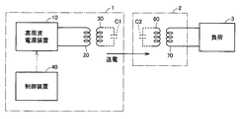
図1は、この発明の実施の形態による非接触給電システムの全体構成図である。図1を参照して、非接触給電システムは、給電設備1と、受電装置2とを備える。給電設備1は、高周波電源装置10と、一次コイル20と、一次自己共振コイル30と、制御装置40とを含む。 FIG. 1 is an overall configuration diagram of a non-contact power feeding system according to an embodiment of the present invention. Referring to FIG. 1, the non-contact power feeding system includes a power feeding facility 1 and a
高周波電源装置10は、一次コイル20に接続され、制御装置40から受ける駆動信号に基づいて所定の高周波電圧(たとえば数MHz〜10数MHz程度)を発生することができる。高周波電源装置10は、たとえば正弦波インバータ回路から成り、制御装置40によって制御される。 The high frequency
一次コイル20は、一次自己共振コイル30と概ね同軸上に配設され、電磁誘導により一次自己共振コイル30と磁気的に結合可能に構成される。そして、一次コイル20は、高周波電源装置10から供給される高周波電力を電磁誘導により一次自己共振コイル30へ給電する。 The
一次自己共振コイル30は、両端がオープン(非接続)のLC共振コイルであり、受電装置2の二次自己共振コイル60(後述)と電磁場を介して共鳴することにより受電装置2へ非接触で電力を送電する。なお、C1は、一次自己共振コイル30の浮遊容量を示すが、コンデンサを実際に設けてもよい。 The primary self-
制御装置40は、高周波電源装置10を制御するための駆動信号を生成し、その生成した駆動信号を高周波電源装置10へ出力する。そして、制御装置40は、高周波電源装置10を制御することによって一次自己共振コイル30から受電装置2の二次自己共振コイル60への給電を制御する。 The
ここで、制御装置40は、共鳴法による送電を実現する、一次コイル20、一次自己共振コイル30、ならびに受電装置2の二次自己共振コイル60および二次コイル70(後述)から成る回路のS21パラメータに基づいて周波数拡散の周波数範囲を設定し、その周波数範囲を有する高周波電力を出力するように高周波電源装置10を制御する。 Here, the
詳しく説明すると、上述のように、単一の周波数を用いて給電を行なうと、その周波数において電磁界強度の大きなピークが発生し、所定の規格を満たすことができなくなる可能性がある。そこで、この実施の形態では、給電時に発生する電磁界強度のピークを抑制するために、周波数拡散技術を用いて所定の周波数範囲に送電電力を拡散させる。 More specifically, as described above, when power is supplied using a single frequency, a large peak of the electromagnetic field intensity occurs at that frequency, and it may not be possible to satisfy a predetermined standard. Therefore, in this embodiment, in order to suppress the peak of the electromagnetic field intensity generated at the time of power feeding, the transmission power is spread in a predetermined frequency range using a frequency spreading technique.
ここで、給電電力を大きく低下させることなく電磁界強度のピークを抑制するために、この実施の形態では、共鳴法による送電を実現する回路のS21パラメータの振幅特性が相対的に増大する周波数帯に基づいて周波数拡散の周波数範囲を設定する。すなわち、S21パラメータは、一次コイル20、一次自己共振コイル30、ならびに受電装置2の二次自己共振コイル60および二次コイル70から成る回路の入力ポート(一次コイル20の入力)から出力ポート(二次コイル70の出力)への伝達係数を示す。したがって、S21パラメータの振幅特性が相対的に増大する周波数帯に基づいて周波数拡散の周波数範囲を設定することにより、給電電力を大きく低下させることなく電磁界強度のピークを抑制することができる。 Here, in order to suppress the peak of the electromagnetic field intensity without greatly reducing the feed power, in this embodiment, the frequency band in which the amplitude characteristic of the S21 parameter of the circuit that realizes power transmission by the resonance method is relatively increased. The frequency range of frequency spread is set based on That is, the S21 parameter is changed from the input port (input of the primary coil 20) to the output port (secondary coil 20) of the circuit including the
なお、共鳴法による送電を実現する回路におけるS21パラメータの特性、および制御装置40の機能構成については、後ほど説明する。 The characteristics of the S21 parameter and the functional configuration of the
一方、受電装置2は、二次自己共振コイル60と、二次コイル70とを含む。二次自己共振コイル60も、上述した一次自己共振コイル30と同様に両端がオープン(非接続)のLC共振コイルであり、給電設備1の一次自己共振コイル30と電磁場を介して共鳴することにより給電設備1から非接触で受電する。なお、C2は、二次自己共振コイル60の浮遊容量を示すが、コンデンサを実際に設けてもよい。 On the other hand, the
二次コイル70は、二次自己共振コイル60と概ね同軸上に配設され、電磁誘導により二次自己共振コイル60と磁気的に結合可能に構成される。そして、二次コイル70は、二次自己共振コイル60により受電された電力を電磁誘導により取出し、その取出された電力を負荷3へ出力する。 The
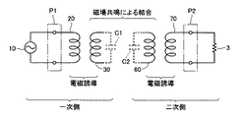
図2は、共鳴法による送電に関する部分の等価回路図である。図2を参照して、この共鳴法では、2つの音叉が共鳴するのと同様に、同じ固有振動数を有する2つのLC共振コイルが電磁場(近接場)において共鳴することによって、一方のコイルから他方のコイルへ電磁場を介して電力が伝送される。 FIG. 2 is an equivalent circuit diagram of a portion related to power transmission by the resonance method. Referring to FIG. 2, in this resonance method, in the same way as two tuning forks resonate, two LC resonance coils having the same natural frequency resonate in an electromagnetic field (near field), and thereby, from one coil. Electric power is transmitted to the other coil via an electromagnetic field.
具体的には、一次コイル20に高周波電源装置10を接続し、電磁誘導により一次コイル20と磁気的に結合される一次自己共振コイル30へたとえば数MHz〜10数MHz程度の高周波電力を給電する。一次自己共振コイル30は、コイル自身のインダクタンスと浮遊容量C1とによるLC共振器であり、一次自己共振コイル30と同じ共振周波数を有する二次自己共振コイル60と電磁場(近接場)を介して共鳴する。そうすると、一次自己共振コイル30から二次自己共振コイル60へ電磁場を介してエネルギー(電力)が移動する。二次自己共振コイル60へ移動したエネルギー(電力)は、電磁誘導により二次自己共振コイル60と磁気的に結合される二次コイル70によって取出され、負荷3へ供給される。 Specifically, the high frequency
なお、上記のS21パラメータは、ポートP1,P2間に形成される、一次コイル20、一次自己共振コイル30、二次自己共振コイル60および二次コイル70から成る回路について、ポートP1への入力電力(高周波電源装置10から出力される電力)がポートP2に到達する比率、すなわちポートP1からポートP2への伝達係数に対応する。 Note that the above S21 parameter is the input power to the port P1 for the circuit formed between the ports P1 and P2 and including the
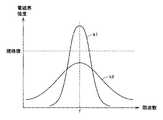
図3は、給電設備1から受電装置2への給電時の電磁界強度を示した図である。図3を参照して、縦軸は給電時の電磁界強度を示し、横軸は給電設備1から受電装置2へ供給される高周波電力の周波数を示す。曲線k1は、単一の周波数fで給電を行なった場合の電磁界強度を示し、曲線k2は、周波数拡散を行なって給電した場合の電磁界強度を示す。 FIG. 3 is a diagram illustrating the electromagnetic field strength when power is supplied from the power supply facility 1 to the
図3に示されるように、単一の周波数fで給電を行なうと、その周波数fにおいて電磁界強度の大きなピークが立ち、発生する電磁界強度が規格値を超えてしまう。一方、周波数拡散が行なわれると電磁界強度のピークが抑えられ、発生する電磁界強度を規格値以下に抑えることができる。 As shown in FIG. 3, when power is supplied at a single frequency f, a large peak of the electromagnetic field strength appears at the frequency f, and the generated electromagnetic field strength exceeds the standard value. On the other hand, when frequency spreading is performed, the peak of the electromagnetic field intensity is suppressed, and the generated electromagnetic field intensity can be suppressed to a standard value or less.
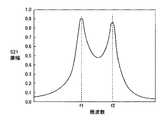
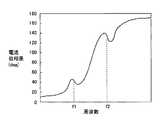
図4は、図2に示す回路のS21パラメータの振幅特性を示した図である。図4を参照して、縦軸はS21パラメータの振幅を示し、横軸は高周波電源装置10から回路に供給される高周波電力の周波数を示す。 FIG. 4 is a diagram showing the amplitude characteristics of the S21 parameter of the circuit shown in FIG. Referring to FIG. 4, the vertical axis indicates the amplitude of the S21 parameter, and the horizontal axis indicates the frequency of the high frequency power supplied from the high frequency
図4に示されるように、共鳴法による送電を実現する図2に示した回路のS21パラメータの振幅特性には、周波数f1,f2において2つのピークが存在することにより、振幅が相対的に増大する周波数帯が広いという特徴を有する。すなわち、周波数f1,f2間の周波数においても、S21パラメータが増大する。そこで、この実施の形態においては、このS21パラメータの振幅が増大する周波数帯を含むように、周波数拡散の周波数範囲を設定する。これにより、伝達効率(送電効率)の高い周波数帯を使用しつつ周波数拡散により電磁界強度のピークが抑制される。 As shown in FIG. 4, the amplitude characteristic of the S21 parameter of the circuit shown in FIG. 2 that realizes power transmission by the resonance method has a relatively large amplitude due to the presence of two peaks at frequencies f1 and f2. It has a feature that a wide frequency band is used. That is, the S21 parameter also increases at the frequency between the frequencies f1 and f2. Therefore, in this embodiment, the frequency range of the frequency spread is set so as to include the frequency band in which the amplitude of the S21 parameter increases. Thereby, the peak of the electromagnetic field intensity is suppressed by frequency spreading while using a frequency band with high transmission efficiency (power transmission efficiency).
なお、周波数拡散の変調方式は、直接拡散方式であっても周波数ホッピング方式であってもよい。この実施の形態では、S21パラメータの振幅特性における共振周波数f1,f2を使用する周波数ホッピング方式が採用される。 The frequency spread modulation method may be a direct spread method or a frequency hopping method. In this embodiment, a frequency hopping method using resonance frequencies f1 and f2 in the amplitude characteristic of the S21 parameter is adopted.
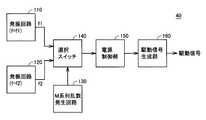
図5は、図1に示した制御装置40の機能ブロック図である。図5を参照して、制御装置40は、発振回路110,120と、M系列乱数発生回路130と、選択スイッチ140と、電源制御部150と、駆動信号生成部160とを含む。 FIG. 5 is a functional block diagram of the
発振回路110は、予め求められたS21パラメータの振幅特性における共振周波数f1を有する信号を発生する。発振回路120は、S21パラメータの振幅特性における共振周波数f2を有する信号を発生する。M系列乱数発生回路130は、0と1とから成る乱数信号を発生する。 The
選択スイッチ140は、発振回路110から出力される周波数f1の信号、および発振回路120から出力される周波数f2の信号を受ける。そして、選択スイッチ140は、M系列乱数発生回路130から受ける乱数信号に従って、発振回路110から受ける周波数f1の信号、および発振回路120から受ける周波数f2の信号のいずれかを選択し、その選択された信号を電源制御部150へ出力する。 The
電源制御部150は、選択スイッチ140から受ける信号の周波数を有する高周波電力を高周波電源装置10(図1)から出力するための制御指令を生成し、その生成した制御指令を駆動信号生成部160へ出力する。そして、駆動信号生成部160は、電源制御部150から受ける制御指令に基づいて、高周波電源装置10を駆動するための信号を生成し、その生成した信号を高周波電源装置10へ出力する。 The power
この制御装置40においては、周波数f1を有する信号と周波数f2を有する信号とが選択スイッチ140によりランダムに切換えられて電源制御部150に与えられる。そして、電源制御部150は、その与えられる信号の周波数を有する高周波電力を出力するように高周波電源装置10を制御する。これにより、高周波電源装置10からは、周波数f1,f2にランダムに周波数が切換わる(周波数ホッピング)、周波数拡散された高周波電力が出力される。 In this
なお、上記の制御を行なうにあたって、S21パラメータを算出するために、ネットワークアナライザのように方向性結合器を用いた手法でも同様に実現できる。また、Sパラメータの代わりに、ZパラメータやYパラメータなどを用いても同様に実現できる。 In performing the above-described control, a method using a directional coupler such as a network analyzer can be similarly realized in order to calculate the S21 parameter. Further, the same can be realized by using a Z parameter or a Y parameter instead of the S parameter.
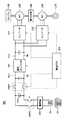
図6は、図1に示した受電装置2を搭載した電動車両の一例として示されるハイブリッド自動車の構成図である。図6を参照して、ハイブリッド自動車200は、蓄電装置210と、システムメインリレーSMR1と、昇圧コンバータ220と、インバータ230,232と、モータジェネレータ240,242と、エンジン250と、動力分割装置260と、駆動輪270とを含む。また、ハイブリッド自動車200は、二次自己共振コイル60と、二次コイル70と、整流器280と、システムメインリレーSMR2と、車両ECU290とをさらに含む。 FIG. 6 is a configuration diagram of a hybrid vehicle shown as an example of an electric vehicle on which the
ハイブリッド自動車200は、エンジン250およびモータジェネレータ242を動力源として搭載する。エンジン250およびモータジェネレータ240,242は、動力分割装置260に連結される。そして、ハイブリッド自動車200は、エンジン250およびモータジェネレータ242の少なくとも一方が発生する駆動力によって走行する。エンジン250が発生する動力は、動力分割装置260によって2経路に分割される。すなわち、一方は駆動輪270へ伝達される経路であり、もう一方はモータジェネレータ240へ伝達される経路である。
モータジェネレータ240は、交流回転電機であり、たとえばロータに永久磁石が埋設された三相交流同期電動機から成る。モータジェネレータ240は、動力分割装置260を介してエンジン250の運動エネルギーを用いて発電する。たとえば、蓄電装置210の充電状態(「SOC(State Of Charge)」とも称される。)が予め定められた値よりも低くなると、エンジン250が始動してモータジェネレータ240により発電が行なわれ、蓄電装置210が充電される。
モータジェネレータ242も、交流回転電機であり、モータジェネレータ240と同様に、たとえばロータに永久磁石が埋設された三相交流同期電動機から成る。モータジェネレータ242は、蓄電装置210に蓄えられた電力およびモータジェネレータ240により発電された電力の少なくとも一方を用いて駆動力を発生する。そして、モータジェネレータ242の駆動力は、駆動輪270に伝達される。 The
また、車両の制動時や下り斜面での加速度低減時には、運動エネルギーや位置エネルギーとして車両に蓄えられた力学的エネルギーが駆動輪270を介してモータジェネレータ242の回転駆動に用いられ、モータジェネレータ242が発電機として作動する。これにより、モータジェネレータ242は、走行エネルギーを電力に変換して制動力を発生する回生ブレーキとして作動する。そして、モータジェネレータ242により発電された電力は、蓄電装置210に蓄えられる。 In addition, when braking the vehicle or reducing acceleration on a downward slope, mechanical energy stored in the vehicle as kinetic energy or positional energy is used for rotational driving of the
動力分割装置260は、サンギヤと、ピニオンギヤと、キャリアと、リングギヤとを含む遊星歯車から成る。ピニオンギヤは、サンギヤおよびリングギヤと係合する。キャリアは、ピニオンギヤを自転可能に支持するとともに、エンジン250のクランクシャフトに連結される。サンギヤは、モータジェネレータ240の回転軸に連結される。リングギヤはモータジェネレータ242の回転軸および駆動輪270に連結される。 Power split device 260 includes a planetary gear including a sun gear, a pinion gear, a carrier, and a ring gear. The pinion gear engages with the sun gear and the ring gear. The carrier supports the pinion gear so as to be capable of rotating, and is connected to the crankshaft of engine 250. The sun gear is coupled to the rotation shaft of
システムメインリレーSMR1は、蓄電装置210と昇圧コンバータ220との間に配設され、車両ECU290からの信号に応じて蓄電装置210を昇圧コンバータ220に電気的に接続する。昇圧コンバータ220は、正極線PL2の電圧を蓄電装置210の出力電圧以上の電圧に昇圧する。なお、昇圧コンバータ220は、たとえば直流チョッパ回路から成る。インバータ230,232は、それぞれモータジェネレータ240,242を駆動する。なお、インバータ230,232は、たとえば三相ブリッジ回路から成る。 System main relay SMR1 is arranged between
二次自己共振コイル60および二次コイル70は、図1で説明したとおりである。整流器280は、二次コイル70によって取出された交流電力を整流する。システムメインリレーSMR2は、整流器280と蓄電装置210との間に配設され、車両ECU290からの信号に応じて整流器280を蓄電装置210に電気的に接続する。 The secondary self-
車両ECU290は、走行モード時、システムメインリレーSMR1,SMR2をそれぞれオン,オフにする。そして、車両ECU290は、車両の走行時、アクセル開度や車両速度、その他種々のセンサからの信号に基づいて、昇圧コンバータ220およびモータジェネレータ240,242を駆動するための信号を生成し、その生成した信号を昇圧コンバータ220およびインバータ230,232へ出力する。
また、給電設備1(図1)からハイブリッド自動車200への給電が行なわれるとき、車両ECU290は、システムメインリレーSMR2をオンにする。これにより、二次自己共振コイル60によって受電された電力が蓄電装置210へ供給される。なお、整流器280と蓄電装置210との間に、整流器280により整流された直流電力を蓄電装置210の電圧レベルに電圧変換するDC/DCコンバータを設けてもよい。 In addition, when power is supplied from the power supply facility 1 (FIG. 1) to the
なお、システムメインリレーSMR1,SMR2をともにオンさせることによって、車両の走行中に給電設備1から受電することも可能である。 It is also possible to receive power from power supply facility 1 while the vehicle is running by turning on system main relays SMR1 and SMR2.
以上のように、この実施の形態においては、共鳴法による送電を実現する、一次コイル20、一次自己共振コイル30、二次自己共振コイル60および二次コイル70から成る回路のS21パラメータに基づいて周波数拡散の周波数範囲を設定し、その周波数範囲で周波数拡散を行なって送電するようにしたので、伝達効率(送電効率)の高い周波数帯を使用しつつ、特定の周波数における電磁界スペクトルのピークを低減できる。したがって、この実施の形態によれば、給電設備1から受電装置2への給電電力を大きく低下させることなく電磁界強度のピークを抑制することができる。 As described above, in this embodiment, based on the S21 parameter of the circuit that includes the
なお、上記の実施の形態においては、周波数拡散の変調方式は、周波数ホッピング方式としたが、直接拡散方式であってもよい。直接拡散方式を採用する場合、周波数拡散の周波数範囲としては、図4に示した共振周波数f1,f2の双方を含む周波数帯に設定してもよいし、周波数f1,f2のいずれか一方を含む周波数帯に設定してもよいし、あるいは、周波数f1,f2の間の周波数帯に設定してもよい。 In the above embodiment, the frequency spread modulation method is the frequency hopping method, but it may be a direct spread method. When the direct spreading method is adopted, the frequency range of the frequency spreading may be set to a frequency band including both the resonance frequencies f1 and f2 shown in FIG. 4 or includes either one of the frequencies f1 and f2. It may be set to a frequency band, or may be set to a frequency band between the frequencies f1 and f2.
ここで、周波数f1,f2のいずれか一方を含む周波数範囲で直接拡散方式により周波数拡散を行なう場合、その周波数範囲をQ値に基づいて決定してもよい。 Here, when frequency spreading is performed by the direct spreading method in a frequency range including either one of the frequencies f1 and f2, the frequency range may be determined based on the Q value.
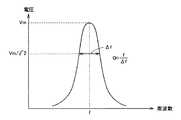
図7は、Q値を説明するための図である。図7を参照して、給電設備1から受電装置2へ周波数fの高周波電力を送電する場合、Q値は次式にて表される。 FIG. 7 is a diagram for explaining the Q value. Referring to FIG. 7, when transmitting high-frequency power of frequency f from power supply facility 1 to
Q値=f/Δf …(1)
ここで、Δfは、負荷3(図1)に印加される電圧をVmとしたとき、電圧がVm/√2となる周波数帯の幅である。そこで、たとえば、負荷に印加される電圧の周波数特性において、図4に示される共振周波数f1におけるピークから求めたQ値をQ1として、周波数拡散の周波数範囲を次式のように設定する。Q value = f / Δf (1)
Here, Δf is the width of the frequency band where the voltage is Vm / √2, where Vm is the voltage applied to the load 3 (FIG. 1). Therefore, for example, in the frequency characteristic of the voltage applied to the load, the Q value obtained from the peak at the resonance frequency f1 shown in FIG. 4 is set as Q1, and the frequency range of frequency spreading is set as the following equation.
Δf1=α(f1/Q1) …(2)
ここで、αは調整係数である。Δf1 = α (f1 / Q1) (2)
Here, α is an adjustment coefficient.
あるいは、負荷に印加される電圧の周波数特性において、図4に示されるもう一つの共振周波数f2におけるピークから求めたQ値をQ2として、周波数拡散の周波数範囲を次式のように設定してもよい。 Alternatively, in the frequency characteristic of the voltage applied to the load, the Q value obtained from the peak at the other resonant frequency f2 shown in FIG. Good.
Δf2=β(f2/Q2) …(3)
ここで、βは調整係数である。Δf2 = β (f2 / Q2) (3)
Here, β is an adjustment coefficient.
なお、αおよびβは、規格の上限値を超えないように設定される。
こうすることで、周波数拡散の周波数範囲をQ値に基づいて適切に設定することができる。Α and β are set so as not to exceed the upper limit value of the standard.
By doing so, the frequency range of frequency spreading can be set appropriately based on the Q value.
また、給電設備1から受電装置2へ供給される高周波電力の周波数を変えることによって、給電設備1から受電装置2への給電時に周囲に発生する電磁界強度の分布を変えることができる。 Further, by changing the frequency of the high-frequency power supplied from the power supply facility 1 to the
図8は、一次自己共振コイル30に流れる電流と二次自己共振コイル60に流れる電流との位相差を示した図である。図8を参照して、横軸は、給電設備1から受電装置2へ供給される高周波電力の周波数を示す。図8に示されるように、一次自己共振コイル30に流れる電流と二次自己共振コイル60に流れる電流との位相差は、給電電力の周波数によって変化する。 FIG. 8 is a diagram showing the phase difference between the current flowing through the primary self-
ここで、各コイルの周囲に発生する電磁界の分布は、そのコイルに流れる電流に応じて変化する。そして、給電設備1から受電装置2への給電時に周囲に発生する電磁界強度の分布は、一次自己共振コイル30に流れる電流によって一次自己共振コイル30の周囲に発生する電磁界と、二次自己共振コイル60に流れる電流によって二次自己共振コイル60の周囲に発生する電磁界とを重ね合わせたものである。 Here, the distribution of the electromagnetic field generated around each coil changes according to the current flowing through the coil. The distribution of the electromagnetic field intensity generated around the power supply from the power supply facility 1 to the
そこで、上述のように、一次自己共振コイル30に流れる電流と二次自己共振コイル60に流れる電流との位相差が給電電力の周波数により変化することを利用して、給電設備1から受電装置2へ供給される高周波電力の周波数を変えることによって、給電設備1から受電装置2への給電時に周囲に発生する電磁界強度の分布を変えることができる。これにより、給電電力の周波数を適切に選択することによって、所望の場所における電磁界強度を低減させることも可能である。 Therefore, as described above, the
なお、上記の実施の形態においては、一次コイル20を用いて電磁誘導により一次自己共振コイル30への給電を行ない、二次コイル70を用いて電磁誘導により二次自己共振コイル60から電力を取出すものとしたが、一次コイル20を設けることなく高周波電源装置10から一次自己共振コイル30へ直接給電し、二次コイル70を設けることなく二次自己共振コイル60から電力を直接取出してもよい。 In the above embodiment, power is supplied to the primary self-
また、上記においては、一対の自己共振コイルを共鳴させることによって送電するものとしたが、共鳴体として一対の自己共振コイルに代えて一対の高誘電体ディスクを用いてもよい。高誘電体ディスクは、高誘電率材から成り、たとえばTiO2やBaTi4O9、LiTaO3等が用いられる。In the above description, power is transmitted by resonating a pair of self-resonant coils. However, a pair of high dielectric disks may be used as the resonator instead of the pair of self-resonant coils. The high dielectric disk is made of a high dielectric constant material, and for example, TiO2 , BaTi4 O9 , LiTaO3 or the like is used.
また、上記においては、受電装置2を搭載した電動車両の一例として、動力分割装置260によりエンジン250の動力を分割して駆動輪270とモータジェネレータ240とに伝達可能なシリーズ/パラレル型のハイブリッド自動車について説明したが、この発明は、その他の形式のハイブリッド自動車にも適用可能である。すなわち、たとえば、モータジェネレータ240を駆動するためにのみエンジン250を用い、モータジェネレータ242でのみ車両の駆動力を発生する、いわゆるシリーズ型のハイブリッド自動車や、エンジン250が生成した運動エネルギーのうち回生エネルギーのみが電気エネルギーとして回収されるハイブリッド自動車、エンジンを主動力として必要に応じてモータがアシストするモータアシスト型のハイブリッド自動車などにもこの発明は適用可能である。また、この発明は、エンジン250を備えずに電力のみで走行する電気自動車や、直流電源として蓄電装置210に加えて燃料電池をさらに備える燃料電池車にも適用可能である。 Further, in the above, as an example of an electric vehicle equipped with the
なお、上記において、一次自己共振コイル30および一次コイル20は、この発明における「送電用共鳴器」の一実施例を形成し、二次自己共振コイル60および二次コイル70は、この発明における「受電用共鳴器」の一実施例を形成する。また、発振回路110,120、M系列乱数発生回路130および選択スイッチ140は、この発明における「周波数設定部」の一実施例を形成する。 In the above, primary self-
今回開示された実施の形態は、すべての点で例示であって制限的なものではないと考えられるべきである。本発明の範囲は、上記した実施の形態の説明ではなくて特許請求の範囲によって示され、特許請求の範囲と均等の意味および範囲内でのすべての変更が含まれることが意図される。 The embodiment disclosed this time should be considered as illustrative in all points and not restrictive. The scope of the present invention is shown not by the above description of the embodiments but by the scope of claims for patent, and is intended to include meanings equivalent to the scope of claims for patent and all modifications within the scope.
1 給電設備、2 受電装置、3 負荷、10 高周波電源装置、20 一次コイル、30 一次自己共振コイル、40 制御装置、60 二次自己共振コイル、70 二次コイル、110,120 発振回路、130 M系例乱数発生回路、140 選択スイッチ、150 電源制御部、160 駆動信号生成部、200 ハイブリッド自動車、210 蓄電装置、220 昇圧コンバータ、230,232 インバータ、240,242 モータジェネレータ、250 エンジン、260 動力分割装置、270 駆動輪、280 整流器、290 車両ECU、C1,C2 浮遊容量、SMR1,SMR2 システムメインリレー、PL1,PL2 正極線、NL 負極線。 DESCRIPTION OF SYMBOLS 1 Feeding equipment, 2 Power receiving apparatus, 3 loads, 10 High frequency power supply apparatus, 20 Primary coil, 30 Primary self-resonance coil, 40 Control apparatus, 60 Secondary self-resonance coil, 70 Secondary coil, 110,120 Oscillation circuit, 130 M System example random number generation circuit, 140 selection switch, 150 power supply control unit, 160 drive signal generation unit, 200 hybrid vehicle, 210 power storage device, 220 boost converter, 230, 232 inverter, 240, 242 motor generator, 250 engine, 260 power split Device, 270 Drive wheel, 280 Rectifier, 290 Vehicle ECU, C1, C2 stray capacitance, SMR1, SMR2 system main relay, PL1, PL2 positive line, NL negative line.
Claims (9)
Translated fromJapanese前記送電用共鳴器に接続され、所定の高周波電力を前記送電用共鳴器へ供給する電源装置と、
前記送電用共鳴器および前記受電用共鳴器によって形成される回路のS21パラメータに基づいて周波数拡散の周波数範囲を設定し、その周波数範囲を有する高周波電力を前記送電用共鳴器へ供給するように前記電源装置を制御する制御装置とを備える非接触給電設備。A power transmitting resonator that transmits power to the power receiving device in a non-contact manner by resonating with a power receiving resonator of the power receiving device via an electromagnetic field;
A power supply device connected to the power transmission resonator and supplying a predetermined high frequency power to the power transmission resonator;
The frequency range of the frequency spread is set based on the S21 parameter of the circuit formed by the power transmission resonator and the power reception resonator, and the high frequency power having the frequency range is supplied to the power transmission resonator. A non-contact power supply facility comprising a control device for controlling a power supply device.
前記電源装置に接続される一次コイルと、
前記一次コイルから電磁誘導により給電され、前記電磁場を発生する一次自己共振コイルとを含む、請求項1から請求項6のいずれかに記載の非接触給電設備。The power transmission resonator includes:
A primary coil connected to the power supply;
The non-contact power feeding equipment according to any one of claims 1 to 6, further comprising a primary self-resonant coil that is fed by electromagnetic induction from the primary coil and generates the electromagnetic field.
前記給電設備から非接触で受電可能な受電装置とを備え、
前記受電装置は、前記給電設備との間に生成される電磁場を介して前記給電設備から非接触で受電する受電用共鳴器を含み、
前記給電設備は、
前記受電用共鳴器と電磁場を介して共鳴することにより前記受電用共鳴器へ非接触で送電する送電用共鳴器と、
前記送電用共鳴器に接続され、所定の高周波電力を前記送電用共鳴器へ供給する電源装置と、
前記送電用共鳴器および前記受電用共鳴器によって形成される回路のS21パラメータに基づいて周波数拡散の周波数範囲を設定し、その周波数範囲を有する高周波電力を前記送電用共鳴器へ供給するように前記電源装置を制御する制御装置とを含む、非接触給電システム。A power supply facility capable of outputting a predetermined high-frequency power;
A power receiving device capable of receiving power from the power supply facility in a contactless manner;
The power receiving device includes a power receiving resonator that receives power from the power feeding facility in a non-contact manner through an electromagnetic field generated between the power feeding facility and the power feeding facility.
The power supply equipment is
A power transmitting resonator that transmits power to the power receiving resonator in a non-contact manner by resonating with the power receiving resonator via an electromagnetic field;
A power supply device connected to the power transmission resonator and supplying a predetermined high frequency power to the power transmission resonator;
The frequency range of the frequency spread is set based on the S21 parameter of the circuit formed by the power transmission resonator and the power reception resonator, and the high frequency power having the frequency range is supplied to the power transmission resonator. A non-contact power supply system including a control device that controls the power supply device.
前記電源装置に接続される一次コイルと、
前記一次コイルから電磁誘導により給電され、前記電磁場を発生する一次自己共振コイルとを含み、
前記受電用共鳴器は、
前記電磁場を介して前記一次自己共振コイルと共鳴することにより前記一次自己共振コイルから受電する二次自己共振コイルと、
前記二次自己共振コイルによって受電された電力を電磁誘導により取出す二次コイルとを含む、請求項8に記載の非接触給電システム。The power transmission resonator includes:
A primary coil connected to the power supply;
A primary self-resonant coil that is fed by electromagnetic induction from the primary coil and generates the electromagnetic field;
The power receiving resonator includes:
A secondary self-resonant coil that receives power from the primary self-resonant coil by resonating with the primary self-resonant coil via the electromagnetic field;
The non-contact electric power feeding system of Claim 8 containing the secondary coil which takes out the electric power received by the said secondary self-resonance coil by electromagnetic induction.
Priority Applications (5)
| Application Number | Priority Date | Filing Date | Title |
|---|---|---|---|
| JP2009034301AJP2010193598A (en) | 2009-02-17 | 2009-02-17 | Contactless power supply equipment and contactless power supply system |
| US12/993,885US20120032521A1 (en) | 2009-02-17 | 2009-04-17 | Non-contact electric power feeding equipment and non-contact electric power feeding system |
| PCT/JP2009/057733WO2010095281A1 (en) | 2009-02-17 | 2009-04-17 | Contactless power sourcing equipment and contactless power sourcing system |
| CN2009801427853ACN102197567A (en) | 2009-02-17 | 2009-04-17 | Contactless power sourcing equipment and contactless power sourcing system |
| EP09840385AEP2400631A1 (en) | 2009-02-17 | 2009-04-17 | Contactless power sourcing equipment and contactless power sourcing system |
Applications Claiming Priority (1)
| Application Number | Priority Date | Filing Date | Title |
|---|---|---|---|
| JP2009034301AJP2010193598A (en) | 2009-02-17 | 2009-02-17 | Contactless power supply equipment and contactless power supply system |
Publications (1)
| Publication Number | Publication Date |
|---|---|
| JP2010193598Atrue JP2010193598A (en) | 2010-09-02 |
Family
ID=42633579
Family Applications (1)
| Application Number | Title | Priority Date | Filing Date |
|---|---|---|---|
| JP2009034301APendingJP2010193598A (en) | 2009-02-17 | 2009-02-17 | Contactless power supply equipment and contactless power supply system |
Country Status (5)
| Country | Link |
|---|---|
| US (1) | US20120032521A1 (en) |
| EP (1) | EP2400631A1 (en) |
| JP (1) | JP2010193598A (en) |
| CN (1) | CN102197567A (en) |
| WO (1) | WO2010095281A1 (en) |
Cited By (33)
| Publication number | Priority date | Publication date | Assignee | Title |
|---|---|---|---|---|
| JP2010200563A (en)* | 2009-02-27 | 2010-09-09 | Sony Corp | Power supplying apparatus and power transmission system |
| JP2010239847A (en)* | 2009-03-31 | 2010-10-21 | Fujitsu Ltd | Power transmission device, power transmission / reception device, and power transmission method |
| JP2012050322A (en)* | 2010-07-30 | 2012-03-08 | Semiconductor Energy Lab Co Ltd | Wireless power feeding system, and wireless power feeding method |
| JPWO2011064879A1 (en)* | 2009-11-27 | 2013-04-11 | 富士通株式会社 | Power transmission device and power transmission device |
| WO2013061441A1 (en) | 2011-10-27 | 2013-05-02 | トヨタ自動車株式会社 | Non-contact power receiving apparatus, non-contact power transmitting apparatus, and non-contact power transmitting/receiving system |
| JP2013141387A (en)* | 2011-12-07 | 2013-07-18 | Semiconductor Energy Lab Co Ltd | Non-contact power transmission device, non-contact power reception device, and non-contact power supply system |
| DE112011103929T5 (en) | 2010-11-26 | 2013-08-22 | Semiconductor Energy Laboratory Co.,Ltd. | Power transmission device and system for wireless transmission of power containing them |
| JP2014183660A (en)* | 2013-03-19 | 2014-09-29 | Nitto Denko Corp | Wireless power transmission device, heating control method of wireless power transmission device and manufacturing method of wireless power transmission device |
| JP2015033316A (en)* | 2013-08-07 | 2015-02-16 | パイオニア株式会社 | Non-contact power supply device and computer program |
| WO2015029297A1 (en) | 2013-08-30 | 2015-03-05 | パナソニックIpマネジメント株式会社 | Wireless power receiving device |
| US8981599B2 (en) | 2010-12-24 | 2015-03-17 | Semiconductor Energy Laboratory Co., Ltd. | Power feeding device and contactless power feeding system provided with power feeding device |
| JP2015080295A (en)* | 2013-10-15 | 2015-04-23 | 日東電工株式会社 | Wireless power transmission device capable of forming magnetic field space, and formation method thereof |
| US9024482B2 (en) | 2011-01-20 | 2015-05-05 | Semiconductor Energy Laboratory Co., Ltd. | Power feeding device and wireless power feeding system |
| US9054544B2 (en) | 2010-12-22 | 2015-06-09 | Semiconductor Energy Laboratory Co., Ltd. | Power feeding device, power receiving device, and wireless power feed system |
| US9054548B2 (en) | 2011-09-16 | 2015-06-09 | Semiconductor Energy Laboratory Co., Ltd. | Contactless power feeding system |
| US9065302B2 (en) | 2010-12-24 | 2015-06-23 | Semiconductor Energy Laboratory Co., Ltd. | Wireless power feeding system |
| US9099885B2 (en) | 2011-06-17 | 2015-08-04 | Semiconductor Energy Laboratory Co., Ltd. | Wireless power feeding system |
| US9143011B2 (en) | 2011-09-29 | 2015-09-22 | Semiconductor Energy Laboratory Co., Ltd. | Power receiving device and contactless power feeding system |
| JP2015173587A (en)* | 2014-02-18 | 2015-10-01 | パナソニック株式会社 | Wireless power transmission system and power transmission device |
| US9231429B2 (en) | 2011-12-23 | 2016-01-05 | Semiconductor Energy Laboratory Co., Ltd. | Power receiving device and wireless power supply system |
| US9325205B2 (en) | 2011-03-04 | 2016-04-26 | Semiconductor Energy Laboratory Co., Ltd. | Method for driving power supply system |
| US9477249B2 (en) | 2011-12-16 | 2016-10-25 | Semiconductor Energy Laboratory Co., Ltd. | DC-DC converter, power receiving device, and power feeding system |
| US9641223B2 (en) | 2012-03-26 | 2017-05-02 | Semiconductor Enegry Laboratory Co., Ltd. | Power receiving device and power feeding system |
| JP2017163841A (en)* | 2012-04-17 | 2017-09-14 | 日東電工株式会社 | Wireless power supply system, power supply device, and power receiving device |
| US9847675B2 (en) | 2011-12-16 | 2017-12-19 | Semiconductor Energy Laboratory Co., Ltd. | Power receiving device and power feeding system |
| JP2018157614A (en)* | 2017-03-15 | 2018-10-04 | 株式会社東芝 | Power transmission device and power transmission system |
| KR101912692B1 (en) | 2012-07-06 | 2018-10-29 | 엘지전자 주식회사 | Method and apparatus for periodically changing frequency in wireless power transfer |
| JP2019161866A (en)* | 2018-03-13 | 2019-09-19 | 株式会社東芝 | Power transmission device and power transmission system |
| JP2019161860A (en)* | 2018-03-13 | 2019-09-19 | 株式会社東芝 | Power transmission device and power transmission system |
| KR20190137795A (en)* | 2017-03-07 | 2019-12-11 | 파워매트 테크놀로지스 엘티디. | Wireless power charging system |
| JP2020010578A (en)* | 2018-07-12 | 2020-01-16 | 株式会社東芝 | Power transmission device and power transmission system |
| US11095161B2 (en) | 2019-07-01 | 2021-08-17 | Kabushiki Kaisha Toshiba | Power transmission apparatus, wireless power transfer system, and power transmission method |
| US11190051B2 (en) | 2019-03-15 | 2021-11-30 | Kabushiki Kaisha Toshiba | Apparatus, system and method |
Families Citing this family (16)
| Publication number | Priority date | Publication date | Assignee | Title |
|---|---|---|---|---|
| JP5348322B2 (en)* | 2010-05-28 | 2013-11-20 | 株式会社村田製作所 | Power transmission system |
| US9058928B2 (en) | 2010-12-14 | 2015-06-16 | Tdk Corporation | Wireless power feeder and wireless power transmission system |
| US20120146424A1 (en)* | 2010-12-14 | 2012-06-14 | Takashi Urano | Wireless power feeder and wireless power transmission system |
| JP5732870B2 (en)* | 2011-01-25 | 2015-06-10 | 株式会社明電舎 | Non-contact power supply apparatus and non-contact power supply method |
| US9270124B2 (en) | 2011-06-30 | 2016-02-23 | Semiconductor Energy Laboratory Co., Ltd. | Contactless power supply device |
| EP2551988A3 (en)* | 2011-07-28 | 2013-03-27 | General Electric Company | Dielectric materials for power transfer system |
| EP2551250B1 (en)* | 2011-07-28 | 2016-12-07 | General Electric Company | Dielectric materials for power tranfer system |
| WO2013057786A1 (en)* | 2011-10-18 | 2013-04-25 | トヨタ自動車株式会社 | Power feeding device, and power feeding method |
| JP2013158589A (en)* | 2012-02-08 | 2013-08-19 | Toshiba Corp | Medical image diagnosis apparatus |
| JP5714528B2 (en)* | 2012-03-19 | 2015-05-07 | 株式会社豊田中央研究所 | Power converter and power system |
| JP2015133834A (en)* | 2014-01-14 | 2015-07-23 | 日東電工株式会社 | Wireless power transmission device and manufacturing method thereof |
| JP6233780B2 (en)* | 2014-01-31 | 2017-11-22 | アルプス電気株式会社 | Wireless power transmission system |
| FR3032312B1 (en) | 2015-01-30 | 2017-02-10 | Continental Automotive France | MAGNETIC INDUCTION LOADING DEVICE |
| JP6773902B2 (en)* | 2016-10-13 | 2020-10-21 | アナログ・ディヴァイシス・グローバル・アンリミテッド・カンパニー | Systems and methods for transmitting power across insulation barriers |
| WO2018163177A1 (en) | 2017-03-07 | 2018-09-13 | Powermat Technologies Ltd. | System for wireless power charging |
| US11018660B2 (en) | 2018-09-07 | 2021-05-25 | Analog Devices Global Unlimited Company | Multi-mode feedback control through digital isolator |
Citations (4)
| Publication number | Priority date | Publication date | Assignee | Title |
|---|---|---|---|---|
| WO2007008646A2 (en)* | 2005-07-12 | 2007-01-18 | Massachusetts Institute Of Technology | Wireless non-radiative energy transfer |
| JP2008236917A (en)* | 2007-03-20 | 2008-10-02 | Seiko Epson Corp | Non-contact power transmission device |
| WO2008118178A1 (en)* | 2007-03-27 | 2008-10-02 | Massachusetts Institute Of Technology | Wireless energy transfer |
| JP2008263710A (en)* | 2007-04-11 | 2008-10-30 | Olympus Corp | Wireless power supply system |
Family Cites Families (6)
| Publication number | Priority date | Publication date | Assignee | Title |
|---|---|---|---|---|
| US5300922A (en)* | 1990-05-29 | 1994-04-05 | Sensormatic Electronics Corporation | Swept frequency electronic article surveillance system having enhanced facility for tag signal detection |
| JP3692541B2 (en)* | 1997-02-03 | 2005-09-07 | ソニー株式会社 | Power transmission device and power transmission method |
| US6955078B2 (en)* | 2001-03-30 | 2005-10-18 | Xidex Corporation | Caliper method, system, and apparatus |
| JP4359301B2 (en)* | 2006-10-04 | 2009-11-04 | 本田技研工業株式会社 | Charger |
| US8610312B2 (en)* | 2007-09-17 | 2013-12-17 | Hideo Kikuchi | Induced power transmission circuit |
| JP5287863B2 (en)* | 2008-10-09 | 2013-09-11 | トヨタ自動車株式会社 | Non-contact power receiving apparatus and vehicle equipped with the same |
- 2009
- 2009-02-17JPJP2009034301Apatent/JP2010193598A/enactivePending
- 2009-04-17USUS12/993,885patent/US20120032521A1/ennot_activeAbandoned
- 2009-04-17CNCN2009801427853Apatent/CN102197567A/enactivePending
- 2009-04-17EPEP09840385Apatent/EP2400631A1/ennot_activeWithdrawn
- 2009-04-17WOPCT/JP2009/057733patent/WO2010095281A1/ennot_activeCeased
Patent Citations (6)
| Publication number | Priority date | Publication date | Assignee | Title |
|---|---|---|---|---|
| WO2007008646A2 (en)* | 2005-07-12 | 2007-01-18 | Massachusetts Institute Of Technology | Wireless non-radiative energy transfer |
| JP2009501510A (en)* | 2005-07-12 | 2009-01-15 | マサチューセッツ インスティテュート オブ テクノロジー | Wireless non-radiative energy transfer |
| JP2008236917A (en)* | 2007-03-20 | 2008-10-02 | Seiko Epson Corp | Non-contact power transmission device |
| WO2008118178A1 (en)* | 2007-03-27 | 2008-10-02 | Massachusetts Institute Of Technology | Wireless energy transfer |
| JP2012502602A (en)* | 2007-03-27 | 2012-01-26 | マサチューセッツ インスティテュート オブ テクノロジー | Wireless energy transfer device |
| JP2008263710A (en)* | 2007-04-11 | 2008-10-30 | Olympus Corp | Wireless power supply system |
Non-Patent Citations (1)
| Title |
|---|
| JPN6008063139; Andre Kurs, Aristeidis Karalis, Robert Moffatt, J.D.Joannopoulous, Peter Fisher, Marin Soljacic: 'Wireless Power Transfer via Strongly Coupled Magnetic Resonances' SCIENCE Vol. 317, 20070706, p.83-86* |
Cited By (62)
| Publication number | Priority date | Publication date | Assignee | Title |
|---|---|---|---|---|
| JP2010200563A (en)* | 2009-02-27 | 2010-09-09 | Sony Corp | Power supplying apparatus and power transmission system |
| JP2010239847A (en)* | 2009-03-31 | 2010-10-21 | Fujitsu Ltd | Power transmission device, power transmission / reception device, and power transmission method |
| JPWO2011064879A1 (en)* | 2009-11-27 | 2013-04-11 | 富士通株式会社 | Power transmission device and power transmission device |
| KR101822066B1 (en) | 2010-07-30 | 2018-01-25 | 가부시키가이샤 한도오따이 에네루기 켄큐쇼 | Wireless power feeding system and wireless power feeding method |
| JP2012050322A (en)* | 2010-07-30 | 2012-03-08 | Semiconductor Energy Lab Co Ltd | Wireless power feeding system, and wireless power feeding method |
| DE112011103929T5 (en) | 2010-11-26 | 2013-08-22 | Semiconductor Energy Laboratory Co.,Ltd. | Power transmission device and system for wireless transmission of power containing them |
| US9461476B2 (en) | 2010-11-26 | 2016-10-04 | Semiconductor Energy Laboratory Co., Ltd. | Power transmission device and wireless power transmission system including the same |
| US11843259B2 (en) | 2010-12-22 | 2023-12-12 | Semiconductor Energy Laboratory Co., Ltd. | Power feeding device, power receiving device, and wireless power feed system |
| KR20220166767A (en) | 2010-12-22 | 2022-12-19 | 가부시키가이샤 한도오따이 에네루기 켄큐쇼 | Power feeding device, power receiving device, and wireless power feed system |
| US11424622B2 (en) | 2010-12-22 | 2022-08-23 | Semiconductor Energy Laboratory Co., Ltd. | Power feeding device, power receiving device, and wireless power feed system |
| KR20210082416A (en) | 2010-12-22 | 2021-07-05 | 가부시키가이샤 한도오따이 에네루기 켄큐쇼 | Power feeding device, power receiving device, and wireless power feed system |
| KR20180041102A (en) | 2010-12-22 | 2018-04-23 | 가부시키가이샤 한도오따이 에네루기 켄큐쇼 | Power feeding device, power receiving device, and wireless power feed system |
| KR20190010699A (en) | 2010-12-22 | 2019-01-30 | 가부시키가이샤 한도오따이 에네루기 켄큐쇼 | Power feeding device, power receiving device, and wireless power feed system |
| US9054544B2 (en) | 2010-12-22 | 2015-06-09 | Semiconductor Energy Laboratory Co., Ltd. | Power feeding device, power receiving device, and wireless power feed system |
| US9912170B2 (en) | 2010-12-22 | 2018-03-06 | Semiconductor Energy Laboratory Co., Ltd. | Power feeding device, power receiving device, and wireless power feed system |
| US8981599B2 (en) | 2010-12-24 | 2015-03-17 | Semiconductor Energy Laboratory Co., Ltd. | Power feeding device and contactless power feeding system provided with power feeding device |
| US9065302B2 (en) | 2010-12-24 | 2015-06-23 | Semiconductor Energy Laboratory Co., Ltd. | Wireless power feeding system |
| US9876395B2 (en) | 2010-12-24 | 2018-01-23 | Semiconductor Energy Laboratory Co., Ltd. | Power feeding device and contactless power feeding system provided with power feeding device |
| US10374463B2 (en) | 2010-12-24 | 2019-08-06 | Semiconductor Energy Laboratory Co., Ltd. | Power feeding device and contactless power feeding system provided with power feeding device |
| US9024482B2 (en) | 2011-01-20 | 2015-05-05 | Semiconductor Energy Laboratory Co., Ltd. | Power feeding device and wireless power feeding system |
| US10491183B2 (en) | 2011-01-20 | 2019-11-26 | Semiconductor Energy Laboratory Co., Ltd. | Power feeding device and wireless power feeding system |
| US9837977B2 (en) | 2011-01-20 | 2017-12-05 | Semiconductor Energy Laboratory Co., Ltd. | Power feeding device and wireless power feeding system |
| US9325205B2 (en) | 2011-03-04 | 2016-04-26 | Semiconductor Energy Laboratory Co., Ltd. | Method for driving power supply system |
| US9923417B2 (en) | 2011-06-17 | 2018-03-20 | Semiconductor Energy Laboratory Co., Ltd. | Wireless power feeding system |
| US9099885B2 (en) | 2011-06-17 | 2015-08-04 | Semiconductor Energy Laboratory Co., Ltd. | Wireless power feeding system |
| US9054548B2 (en) | 2011-09-16 | 2015-06-09 | Semiconductor Energy Laboratory Co., Ltd. | Contactless power feeding system |
| US9143011B2 (en) | 2011-09-29 | 2015-09-22 | Semiconductor Energy Laboratory Co., Ltd. | Power receiving device and contactless power feeding system |
| US9697952B2 (en) | 2011-10-27 | 2017-07-04 | Toyota Jidosha Kabushiki Kaisha | Non-contact electric power reception device, non-contact electric power transmission device, and non-contact electric power transmission and reception system |
| WO2013061441A1 (en) | 2011-10-27 | 2013-05-02 | トヨタ自動車株式会社 | Non-contact power receiving apparatus, non-contact power transmitting apparatus, and non-contact power transmitting/receiving system |
| JP2017225349A (en)* | 2011-12-07 | 2017-12-21 | 株式会社半導体エネルギー研究所 | Non-contact power transmission device |
| US9246357B2 (en) | 2011-12-07 | 2016-01-26 | Semiconductor Energy Laboratory Co., Ltd. | Contactless power feeding system |
| JP2013141387A (en)* | 2011-12-07 | 2013-07-18 | Semiconductor Energy Lab Co Ltd | Non-contact power transmission device, non-contact power reception device, and non-contact power supply system |
| JP2018198535A (en)* | 2011-12-07 | 2018-12-13 | 株式会社半導体エネルギー研究所 | Non-contact power transmission device |
| US9564760B2 (en) | 2011-12-07 | 2017-02-07 | Semiconductor Energy Laboratory Co., Ltd. | Contactless power feeding system |
| JP2016220540A (en)* | 2011-12-07 | 2016-12-22 | 株式会社半導体エネルギー研究所 | Contactless power transmission equipment |
| US9477249B2 (en) | 2011-12-16 | 2016-10-25 | Semiconductor Energy Laboratory Co., Ltd. | DC-DC converter, power receiving device, and power feeding system |
| US9998003B2 (en) | 2011-12-16 | 2018-06-12 | Semiconductor Energy Laboratory Co., Ltd. | DC-DC converter, power receiving device, and power feeding system |
| US9847675B2 (en) | 2011-12-16 | 2017-12-19 | Semiconductor Energy Laboratory Co., Ltd. | Power receiving device and power feeding system |
| US9231429B2 (en) | 2011-12-23 | 2016-01-05 | Semiconductor Energy Laboratory Co., Ltd. | Power receiving device and wireless power supply system |
| US10020670B2 (en) | 2011-12-23 | 2018-07-10 | Semiconductor Energy Laboratory Co., Ltd. | Power receiving device and wireless power supply system |
| US10615849B2 (en) | 2012-03-26 | 2020-04-07 | Semiconductor Energy Laboratory Co., Ltd. | Power receiving device and power feeding system |
| US9641223B2 (en) | 2012-03-26 | 2017-05-02 | Semiconductor Enegry Laboratory Co., Ltd. | Power receiving device and power feeding system |
| JP2017163841A (en)* | 2012-04-17 | 2017-09-14 | 日東電工株式会社 | Wireless power supply system, power supply device, and power receiving device |
| KR101912692B1 (en) | 2012-07-06 | 2018-10-29 | 엘지전자 주식회사 | Method and apparatus for periodically changing frequency in wireless power transfer |
| JP2014183660A (en)* | 2013-03-19 | 2014-09-29 | Nitto Denko Corp | Wireless power transmission device, heating control method of wireless power transmission device and manufacturing method of wireless power transmission device |
| JP2015033316A (en)* | 2013-08-07 | 2015-02-16 | パイオニア株式会社 | Non-contact power supply device and computer program |
| WO2015029297A1 (en) | 2013-08-30 | 2015-03-05 | パナソニックIpマネジメント株式会社 | Wireless power receiving device |
| US10305328B2 (en) | 2013-10-15 | 2019-05-28 | Nitto Denko Corporation | Wireless power transmission device capable of forming magnetic field space, and magnetic field space formation method |
| JP2015080295A (en)* | 2013-10-15 | 2015-04-23 | 日東電工株式会社 | Wireless power transmission device capable of forming magnetic field space, and formation method thereof |
| JP2015173587A (en)* | 2014-02-18 | 2015-10-01 | パナソニック株式会社 | Wireless power transmission system and power transmission device |
| KR102561310B1 (en) | 2017-03-07 | 2023-07-27 | 파워매트 테크놀로지스 엘티디. | wireless power charging system |
| KR20190137795A (en)* | 2017-03-07 | 2019-12-11 | 파워매트 테크놀로지스 엘티디. | Wireless power charging system |
| JP2018157614A (en)* | 2017-03-15 | 2018-10-04 | 株式会社東芝 | Power transmission device and power transmission system |
| JP2019161860A (en)* | 2018-03-13 | 2019-09-19 | 株式会社東芝 | Power transmission device and power transmission system |
| JP7002372B2 (en) | 2018-03-13 | 2022-01-20 | 株式会社東芝 | Transmission equipment and power transmission system |
| US11005284B2 (en) | 2018-03-13 | 2021-05-11 | Kabushiki Kaisha Toshiba | Electric power transmission device and electric power transmission system |
| US10978919B2 (en) | 2018-03-13 | 2021-04-13 | Kabushiki Kaisha Toshiba | Electric power transmission device and electric power transmission system |
| JP2019161866A (en)* | 2018-03-13 | 2019-09-19 | 株式会社東芝 | Power transmission device and power transmission system |
| US11223241B2 (en) | 2018-07-12 | 2022-01-11 | Kabushiki Kaisha Toshiba | Electric power transmission device and electric power transmission system |
| JP2020010578A (en)* | 2018-07-12 | 2020-01-16 | 株式会社東芝 | Power transmission device and power transmission system |
| US11190051B2 (en) | 2019-03-15 | 2021-11-30 | Kabushiki Kaisha Toshiba | Apparatus, system and method |
| US11095161B2 (en) | 2019-07-01 | 2021-08-17 | Kabushiki Kaisha Toshiba | Power transmission apparatus, wireless power transfer system, and power transmission method |
Also Published As
| Publication number | Publication date |
|---|---|
| US20120032521A1 (en) | 2012-02-09 |
| EP2400631A1 (en) | 2011-12-28 |
| CN102197567A (en) | 2011-09-21 |
| WO2010095281A1 (en) | 2010-08-26 |
Similar Documents
| Publication | Publication Date | Title |
|---|---|---|
| JP2010193598A (en) | Contactless power supply equipment and contactless power supply system | |
| JP5146488B2 (en) | Power feeding system and vehicle | |
| JP4865001B2 (en) | Non-contact power supply equipment, non-contact power receiving device and non-contact power supply system | |
| JP4868077B2 (en) | Power feeding system and electric vehicle | |
| CN102848924B (en) | Elec. vehicle and vehicle electric supply installation | |
| US8418823B2 (en) | Electrically powered vehicle | |
| JP5016069B2 (en) | Power transmission system and vehicle power supply device | |
| JP4947241B2 (en) | Coil unit, contactless power receiving device, contactless power transmitting device, contactless power feeding system, and vehicle | |
| CN102177042B (en) | Non-contact power transmission device and vehicle with non-contact power transmission device | |
| US8380380B2 (en) | Electric power reception apparatus and electrical powered vehicle | |
| EP2716488B1 (en) | Vehicle, electric device, and power transmission/reception system | |
| CN103650289A (en) | Power transmitting device, power receiving device, vehicle, and contactless power supply system and control method for contactless power supply system | |
| KR20140067134A (en) | Contactless power transmission device, contactless power receiving device and contactless power transceiver system | |
| JP2011167036A (en) | Electric power feed device for vehicle, and electric power reception device | |
| JP5287115B2 (en) | Vehicle power reception control device and vehicle including the same | |
| CN103522902A (en) | Non-contact powered device and vehicle provided with non-contact powered device | |
| JP2015027224A (en) | Non-contact power receiving device |
Legal Events
| Date | Code | Title | Description |
|---|---|---|---|
| A131 | Notification of reasons for refusal | Free format text:JAPANESE INTERMEDIATE CODE: A131 Effective date:20120703 | |
| A02 | Decision of refusal | Free format text:JAPANESE INTERMEDIATE CODE: A02 Effective date:20121106 |