JP2005050969A - Electrical circuit component and manufacturing method thereof - Google Patents
Electrical circuit component and manufacturing method thereofDownload PDFInfo
- Publication number
- JP2005050969A JP2005050969AJP2003204902AJP2003204902AJP2005050969AJP 2005050969 AJP2005050969 AJP 2005050969AJP 2003204902 AJP2003204902 AJP 2003204902AJP 2003204902 AJP2003204902 AJP 2003204902AJP 2005050969 AJP2005050969 AJP 2005050969A
- Authority
- JP
- Japan
- Prior art keywords
- substrate
- groove structure
- groove
- electroless plating
- electric circuit
- Prior art date
- Legal status (The legal status is an assumption and is not a legal conclusion. Google has not performed a legal analysis and makes no representation as to the accuracy of the status listed.)
- Pending
Links
- 238000004519manufacturing processMethods0.000titleclaimsdescription30
- 239000000758substrateSubstances0.000claimsabstractdescription86
- 238000000034methodMethods0.000claimsabstractdescription81
- 238000007772electroless platingMethods0.000claimsabstractdescription55
- 238000000059patterningMethods0.000claimsabstractdescription17
- 238000000151depositionMethods0.000claimsabstractdescription11
- 238000005516engineering processMethods0.000claimsabstractdescription8
- 239000003054catalystSubstances0.000claimsdescription54
- 229920005989resinPolymers0.000claimsdescription45
- 239000011347resinSubstances0.000claimsdescription45
- 230000003287optical effectEffects0.000claimsdescription19
- 239000004020conductorSubstances0.000claimsdescription18
- 239000000463materialSubstances0.000claimsdescription15
- 238000000206photolithographyMethods0.000claimsdescription10
- 238000009713electroplatingMethods0.000claimsdescription7
- 230000001678irradiating effectEffects0.000claimsdescription7
- PCHJSUWPFVWCPO-UHFFFAOYSA-NgoldChemical compound[Au]PCHJSUWPFVWCPO-UHFFFAOYSA-N0.000claimsdescription6
- 229910052737goldInorganic materials0.000claimsdescription6
- 239000010931goldSubstances0.000claimsdescription6
- 239000000126substanceSubstances0.000abstractdescription4
- 239000000243solutionSubstances0.000description49
- 229910052751metalInorganic materials0.000description22
- 239000002184metalSubstances0.000description22
- 239000012298atmosphereSubstances0.000description7
- 238000007747platingMethods0.000description7
- PXHVJJICTQNCMI-UHFFFAOYSA-NnickelSubstances[Ni]PXHVJJICTQNCMI-UHFFFAOYSA-N0.000description6
- 238000010521absorption reactionMethods0.000description5
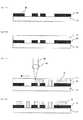
- 229910003481amorphous carbonInorganic materials0.000description5
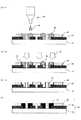
- 239000000919ceramicSubstances0.000description5
- BASFCYQUMIYNBI-UHFFFAOYSA-NplatinumSubstances[Pt]BASFCYQUMIYNBI-UHFFFAOYSA-N0.000description5
- 230000008021depositionEffects0.000description4
- 239000002904solventSubstances0.000description4
- WSFSSNUMVMOOMR-UHFFFAOYSA-NFormaldehydeChemical compoundO=CWSFSSNUMVMOOMR-UHFFFAOYSA-N0.000description3
- 229910052802copperInorganic materials0.000description3
- 239000010949copperSubstances0.000description3
- 238000005520cutting processMethods0.000description3
- 238000005530etchingMethods0.000description3
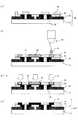
- 238000010438heat treatmentMethods0.000description3
- 238000002347injectionMethods0.000description3
- 239000007924injectionSubstances0.000description3
- 229910000765intermetallicInorganic materials0.000description3
- XEEYBQQBJWHFJM-UHFFFAOYSA-NironSubstances[Fe]XEEYBQQBJWHFJM-UHFFFAOYSA-N0.000description3
- 239000007788liquidSubstances0.000description3
- 230000008018meltingEffects0.000description3
- 238000002844meltingMethods0.000description3
- 150000002739metalsChemical class0.000description3
- 229910052759nickelInorganic materials0.000description3
- 239000012811non-conductive materialSubstances0.000description3
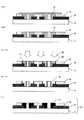
- 229910052697platinumInorganic materials0.000description3
- 229910052709silverInorganic materials0.000description3
- QGZKDVFQNNGYKY-UHFFFAOYSA-NAmmoniaChemical compoundNQGZKDVFQNNGYKY-UHFFFAOYSA-N0.000description2
- 101100434165Arabidopsis thaliana ACR10 geneProteins0.000description2
- XKRFYHLGVUSROY-UHFFFAOYSA-NArgonChemical compound[Ar]XKRFYHLGVUSROY-UHFFFAOYSA-N0.000description2
- IJGRMHOSHXDMSA-UHFFFAOYSA-NAtomic nitrogenChemical compoundN#NIJGRMHOSHXDMSA-UHFFFAOYSA-N0.000description2
- RYGMFSIKBFXOCR-UHFFFAOYSA-NCopperChemical compound[Cu]RYGMFSIKBFXOCR-UHFFFAOYSA-N0.000description2
- BQCADISMDOOEFD-UHFFFAOYSA-NSilverChemical compound[Ag]BQCADISMDOOEFD-UHFFFAOYSA-N0.000description2
- 238000006243chemical reactionMethods0.000description2
- 239000011248coating agentSubstances0.000description2
- 238000000576coating methodMethods0.000description2
- 150000004696coordination complexChemical class0.000description2
- 238000005553drillingMethods0.000description2
- 238000001035dryingMethods0.000description2
- 239000003822epoxy resinSubstances0.000description2
- 238000010304firingMethods0.000description2
- -1ironChemical class0.000description2
- 229910052742ironInorganic materials0.000description2
- 238000000465mouldingMethods0.000description2
- 239000005011phenolic resinSubstances0.000description2
- 229920000647polyepoxidePolymers0.000description2
- 238000007493shaping processMethods0.000description2
- 229920002379silicone rubberPolymers0.000description2
- 239000004332silverSubstances0.000description2
- BGHCVCJVXZWKCC-UHFFFAOYSA-NtetradecaneChemical compoundCCCCCCCCCCCCCCBGHCVCJVXZWKCC-UHFFFAOYSA-N0.000description2
- XLYOFNOQVPJJNP-UHFFFAOYSA-NwaterSubstancesOXLYOFNOQVPJJNP-UHFFFAOYSA-N0.000description2
- VXQBJTKSVGFQOL-UHFFFAOYSA-N2-(2-butoxyethoxy)ethyl acetateChemical compoundCCCCOCCOCCOC(C)=OVXQBJTKSVGFQOL-UHFFFAOYSA-N0.000description1
- 229910018072Al 2 O 3Inorganic materials0.000description1
- 239000004641Diallyl-phthalateSubstances0.000description1
- LFQSCWFLJHTTHZ-UHFFFAOYSA-NEthanolChemical compoundCCOLFQSCWFLJHTTHZ-UHFFFAOYSA-N0.000description1
- 229910005329FeSi 2Inorganic materials0.000description1
- 229910000943NiAlInorganic materials0.000description1
- CTQNGGLPUBDAKN-UHFFFAOYSA-NO-XyleneChemical compoundCC1=CC=CC=C1CCTQNGGLPUBDAKN-UHFFFAOYSA-N0.000description1
- NPXOKRUENSOPAO-UHFFFAOYSA-NRaney nickelChemical compound[Al].[Ni]NPXOKRUENSOPAO-UHFFFAOYSA-N0.000description1
- 229910010038TiAlInorganic materials0.000description1
- 229910045601alloyInorganic materials0.000description1
- 239000000956alloySubstances0.000description1
- 229920003180amino resinPolymers0.000description1
- 229910021529ammoniaInorganic materials0.000description1
- 229910052786argonInorganic materials0.000description1
- QVGXLLKOCUKJST-UHFFFAOYSA-Natomic oxygenChemical compound[O]QVGXLLKOCUKJST-UHFFFAOYSA-N0.000description1
- QUDWYFHPNIMBFC-UHFFFAOYSA-Nbis(prop-2-enyl) benzene-1,2-dicarboxylateChemical compoundC=CCOC(=O)C1=CC=CC=C1C(=O)OCC=CQUDWYFHPNIMBFC-UHFFFAOYSA-N0.000description1
- 238000005266castingMethods0.000description1
- 230000003197catalytic effectEffects0.000description1
- 238000000748compression mouldingMethods0.000description1
- 230000000694effectsEffects0.000description1
- 238000005323electroformingMethods0.000description1
- 238000004049embossingMethods0.000description1
- 239000012530fluidSubstances0.000description1
- 239000007849furan resinSubstances0.000description1
- 229920005546furfural resinPolymers0.000description1
- 239000011521glassSubstances0.000description1
- 239000011261inert gasSubstances0.000description1
- 238000001746injection mouldingMethods0.000description1
- 238000010884ion-beam techniqueMethods0.000description1
- 150000001247metal acetylidesChemical class0.000description1
- 229910021645metal ionInorganic materials0.000description1
- 239000002082metal nanoparticleSubstances0.000description1
- 238000003801millingMethods0.000description1
- 239000006082mold release agentSubstances0.000description1
- 229910001000nickel titaniumInorganic materials0.000description1
- 150000004767nitridesChemical class0.000description1
- 229910052757nitrogenInorganic materials0.000description1
- 239000001301oxygenSubstances0.000description1
- 229910052760oxygenInorganic materials0.000description1
- 229910052763palladiumInorganic materials0.000description1
- 229920001721polyimidePolymers0.000description1
- 239000009719polyimide resinSubstances0.000description1
- 230000000379polymerizing effectEffects0.000description1
- 229920005749polyurethane resinPolymers0.000description1
- 230000001376precipitating effectEffects0.000description1
- 229910052710siliconInorganic materials0.000description1
- 229920002050silicone resinPolymers0.000description1
- 239000010944silver (metal)Substances0.000description1
- 238000005245sinteringMethods0.000description1
- 238000004528spin coatingMethods0.000description1
- 239000007921spraySubstances0.000description1
- 239000010935stainless steelSubstances0.000description1
- 229910001220stainless steelInorganic materials0.000description1
- 238000010301surface-oxidation reactionMethods0.000description1
- 229920005992thermoplastic resinPolymers0.000description1
- 238000001721transfer mouldingMethods0.000description1
- 238000005406washingMethods0.000description1
- 239000008096xyleneSubstances0.000description1
Images

Landscapes
- Chemically Coating (AREA)
- Manufacturing Of Printed Wiring (AREA)
Abstract
Description
Translated fromJapanese【0001】
【発明の属する技術分野】
本発明は、三次元電気回路を有する部品およびその製造方法に関する。
【0002】
【従来の技術】
光硬化性樹脂溶液中で光の照射位置を所定のパターンに沿って移動させて三次元の構造物を製造する、光造形法が知られている(特許文献1参照)。この方法では、光の照射によって、光硬化性樹脂が硬化して固体となった硬化部分と未硬化の液状部分とを生じさせ、この未硬化の液状部分を除去することにより、3次元構造物を得ることができる。さらに、紫外線を用いる1光子吸収光造形法の代わりに、2光子吸収光造形法を行うことにより、光造形法の精度をより高くすることもできる(特許文献2参照)。
【0003】
このような光造形法によって得られた三次元構造物に電気回路を設ける方法も知られている(特許文献3参照)。この特許文献3の方法では、光造形法によって得られた三次元構造物の表面をメッキし、レジストを塗布し、エッチングを行って、電気回路を形成している。しかし、この方法では、電気回路は、構造物の表面上に設けられるのみである。一般には、三次元電気回路を形成するためには、電気回路を厚さ方向で接続しなければならず、上下の電気回路間に存在する非導電性構造物への穿孔および金属ピンの埋め込みなどの工程が必要となる。
【0004】
【特許文献1】
特開昭56−144478号公報
【特許文献2】
特公昭63−40650号公報
【特許文献3】
特開平10−12995号公報
【0005】
【発明が解決しようとする課題】
本発明は、三次元電気回路を有する部品およびその製造方法を提供することを目的とする。
【0006】
【課題を解決するための手段】
本発明は、電気回路部品の製造方法を提供し、この方法は、以下の工程:
(a)基板上に非導電性の溝構造を形成する工程;
(b)インクジェット技術によって、該基板上の溝に無電解メッキ触媒含有溶液をパターニングする工程;および
(c)無電解メッキ法または無電解メッキ法に続く電解メッキ法により、該溝構造の開口部に導電性物質を析出させる工程;
を含む。
【0007】
好適な実施態様では、上記工程(a)は、(a1)光造形法により前記基板上の所望の位置で光硬化性樹脂を硬化させて、前記溝構造を形成する工程、(a2)前記溝構造のパターンを有する金型を用いて硬化性材料に転写することによって該溝構造を形成する工程、および(a3)光硬化性樹脂をフォトリソグラフィーによってパターニング露光して、前記溝構造を形成する工程、からなる群より選択される。
【0008】
上記工程(b)において無電解メッキ触媒溶液を塗布した後に、その触媒機能を向上させるために、乾燥および光照射することによってあるいは該基板を還元性雰囲気に曝露することによって、該溝の底面および側面に金属触媒を析出させることもできる。
【0009】
より好適な実施態様では、上記工程(a)から上記工程(c)までを含む工程を所定回数繰り返す工程をさらに含む。
【0010】
本発明はまた、電気回路部品の他の製造方法を提供し、この方法は、以下の工程:
(a)基板上に非導電性の溝構造を形成する工程;
(b1)該溝構造を有する基板の表面全体に、無電解メッキ触媒含有溶液を塗布する工程;
(b2)該基板の表面をワイプすることにより、該無電解メッキ触媒含有溶液を該溝内のみに残す工程;および
(c)無電解メッキ法または無電解メッキ法に続く電解メッキ法により、該溝構造の開口部に導電性物質を析出させる工程;
を含む。
【0011】
好適な実施態様では、上記工程(a)は、(a1)光造形法により前記基板上の所望の位置で光硬化性樹脂を硬化させて、前記溝構造を形成する工程、(a2)前記溝構造のパターンを有する金型を用いて硬化性材料に転写することによって該溝構造を形成する工程、および(a3)光硬化性樹脂をフォトリソグラフィーによってパターニング露光して、前記溝構造を形成する工程、からなる群より選択される。
【0012】
より好適な実施態様では、上記工程(a)から上記工程(c)までを含む工程を所定回数繰り返す工程をさらに含む。
【0013】
本発明はまた、上記の工程(a)から工程(c)までを含むいずれかの方法によって製造された、電気回路部品を提供する。
【0014】
本発明はさらに、電気回路部品の別の製造方法を提供し、この方法は、以下の工程:
(a)基板上に非導電性の溝構造を形成する工程;
(b’)インクジェット技術によって、該基板上の溝に導電性インクをパターニングする工程;および
(c’)該溝内の該導電性インクにレーザーを照射して、導電パターンを形成する工程;
を含む。
【0015】
好適な実施態様では、上記工程(a)は、(a1)光造形法により前記基板上の所望の位置で光硬化性樹脂を硬化させて、前記溝構造を形成する工程、(a2)前記溝構造のパターンを有する金型を用いて硬化性材料に転写することによって該溝構造を形成する工程、および(a3)光硬化性樹脂をフォトリソグラフィーによってパターニング露光して、前記溝構造を形成する工程、からなる群より選択される。
【0016】
より好適な実施態様では、上記工程(a)から上記工程(c’)までを所定回数繰り返す工程をさらに含む。
【0017】
本発明はまた、上記の工程(a)から工程(c’)を含むいずれかの方法によって製造された、電気回路部品を提供する。
【0018】
【発明の実施の形態】
本発明の電気回路部品の第1の製造方法は、以下の工程:
(a)基板上に非導電性の溝構造を形成する工程;
(b)インクジェット技術によって、該基板上の溝に無電解メッキ触媒含有溶液をパターニングする工程;および
(c)無電解メッキ法または無電解メッキ法に続く電解メッキ法により、該溝構造の開口部に導電性物質を析出させる工程;
を含む。
【0019】
まず、工程(a)では、基板上に非導電性の溝構造を形成する。
【0020】
本発明において、基板とは、電気回路部品を構成する部材であって、その表面に電気回路を形成しようとする部材をいい、その形状は特に限定されない。導電性物質でも非導電性物質でもよく、それらが混在していてもよい。例えば、予めその表面に電極や電気回路が形成されていてもよい。
【0021】
上記工程(a)においては、どのような手段で溝構造を形成してもよい。好ましくは、溝構造の形成工程は、(a1)光造形法により基板上の所望の位置で光硬化性樹脂を硬化させて、溝構造を形成する工程、(a2)溝構造のパターンを有する金型を用いて硬化性材料に転写することによって溝構造を形成する工程、および(a3)光硬化性樹脂をフォトリソグラフィーによってパターニング露光して、溝構造を形成する工程、からなる群より選択される。
【0022】
工程(a1)の光造形法に用いられる光硬化性樹脂は、非導電性であれば特に限定されない。例えば、AZ CTP−100(クラリアントジャパン(株)製)およびACR10(東洋合成工業(株)製)が挙げられる。
【0023】
光造形法において光硬化性樹脂に照射される光は、樹脂を硬化させるに必要な波長およびエネルギーレベルを有していればよく、その種類は特に限定されない。光硬化性樹脂は、一般に、紫外線波長に大きな吸収を有するため、例えば、紫外線を集光照射する。光造形の加工精度を高めるためには、レーザーを用いることが好ましい。例えば、1光子の吸収により光硬化性樹脂の硬化反応が誘起されるレーザーとしては、He−Cdレーザー、Arイオンレーザー、YAGレーザー、エキシマレーザーが挙げられる。また多光子吸収現象により光硬化性樹脂の硬化反応が誘起されるレーザーとしては、例えば、フェムト秒レーザー(例えば、TiドープAl2O3レーザー)が挙げられる。集光照射による多光子過程によりビームスポットよりも小さなポイントを硬化することができる点で、フェムト秒レーザーを使用することがより好ましい。
【0024】
工程(a1)では、このような光造形法により、基板上で電気回路を形成しようとする位置が溝となるように、光硬化性樹脂で溝構造を形成する。溝構造を形成する工程において、基板上の所望の位置で光硬化性樹脂を硬化させることから、この位置は溝にはなり得ず、したがって「基板上の所望の位置」とは、後の工程で電気回路が形成されない部分を意図する。溝構造の形成の際、基板は、光硬化性樹脂溶液に浸した状態で光照射を行ってもよい。あるいは、スピンコートなどによって光硬化性樹脂を基板上に薄くコーティングすれば、溝の深さを浅くすることもできる。溝の深さおよび幅は、その目的に応じて適宜決定され、通常、それぞれ5〜100μmおよび0.1〜5μmである。
【0025】
工程(a2)で用いられる硬化性材料は、金型から転写され得る材料であれば特に限定されず、非導電性材料が用いられる。基板に用いられ得る非導電性材料としては、ガラス、エポキシ樹脂、ポリウレタン樹脂、シリコーン樹脂、ジアリルフタレート樹脂、ホルムアルデヒド樹脂、フェノール樹脂、アミノ樹脂、セラミックスなどが挙げられる。必要に応じて、離型剤が含まれていてもよい。
【0026】
溝構造のパターンを有する金型は、金型材料に微細金型加工を施して、所定のパターンを有する金型を製造するか、あるいは上記工程(a1)のような光造形法で得られた溝構造物をそのまま用いるか、あるいは電鋳などにより溝構造物のレプリカをとって製造してもよい。
【0027】
金型材料としては、金属、セラミックス、金属間化合物、およびアモルファスカーボン挙げられる。金属としては、Fe、Ni、Cu、Ag、Au、W、Siなど、またはこれらの合金あるいはステンレス鋼などが挙げられる。セラミックスとしては、酸化物、炭化物、窒化物、ホウ化物などのセラミックスが挙げられる。金属間化合物としては、TiAl、Ni3Al、NiAl、NiTi、FeSi2、WC(超硬合金)が挙げられる。アモルファスカーボンは、例えば、フェノール樹脂、ポリイミド樹脂、エポキシ樹脂、ポリカルボジイミド樹脂、フラン樹脂、フルフラール樹脂などの樹脂を成形し、非酸素雰囲気下(真空中、あるいは窒素、アルゴンなどの不活性ガス雰囲気下)、500〜3000℃で焼成することにより得られる。焼成後のアモルファスカーボン含量が65重量%以上であることが、金型の平坦性を保つ上で、好ましい。特にアモルファスカーボンは、基板の離型性に優れている。
【0028】
微細金型加工は、レーザー加工、集束イオンビーム(FIB)加工、切削加工、および放電加工からなる群より選択される少なくとも1つの加工手段により行われる。形成すべきパターンの大きさなどに応じて、適宜組み合わせて行うことが好ましい。レーザー加工としては、エキシマレーザー加工、フェムト秒レーザー加工、ArレーザーやHe−Cdレーザーを用いたフォトリソグラフィー加工とエッチング加工との組み合わせ、Siなどの異方性エッチングなどが挙げられる。切削加工としては、ミーリング、シェイビングなどが挙げられる。特にFIB加工は、切削加工、放電加工、レーザー加工などに比べて、微細かつシャープな形状のパターンが得られるため、配線を形成すべき溝の型となる部分の加工に、特に好適である。また、上記レーザーを用いたレジスト材料のフォトリソグラフィーの後、熱処理によりレジスト材料を硬化させ、型として用いることもできる。
【0029】
FIB装置としては、例えば、(株)日立ハイテクノロジーズ製のFIB加工観察装置(例えば、FB−2000Aなど)が用いられる。これらの装置の可変絞りを調整して、マイクロメートルサイズ、並びにナノメートルサイズのパターンを形成することができる。例えば、FIB装置を用いてパターンを刻設する場合には、上記セラミックス、金属間化合物、およびアモルファスカーボンが、鉄などの金属に比べて、表面酸化を受けにくく、その精度を維持することができるので好ましい。
【0030】
このようにして、所定の溝構造のパターンを有する金型が得られる。
【0031】
次いで、上記金型を転写して、基板上に溝構造を形成する。転写は、どのような手段で行ってもよいが、好ましくは、エンボス加工、圧縮成形、トランスファ成形、射出成形、または注型により行われる。
【0032】
具体的には、上記の硬化性材料を、必要に応じて適切な溶媒に溶解または分散させてあるいは加熱によって溶融させて、上記金型を用いて、それぞれの材料に適した方法、例えば、溶媒の除去、固化、硬化、重合、溶融、焼結などの方法を、単独でまたは組合せて転写した後、金型から剥離する。金型への材料の供給は、上記転写手段に応じて通常当業者が用いる手段で行われる。例えば、予め所定の寸法に切断した熱可塑性樹脂を、基板と所定の温度に加熱した金型との間に挿入し、加圧した後、離型することにより基板上に溝構造を形成する。
【0033】
工程(a3)で用いられる光硬化性樹脂は、上記工程(a1)と同様に、非導電性であれば特に限定されない。例えば、AZ CTP−100(クラリアントジャパン(株)製)およびACR10(東洋合成工業(株)製)が挙げられる。
【0034】
工程(a3)では、当業者が通常行うフォトリソグラフィーによってパターニング露光して、溝構造を形成する。具体的には、基板上に光硬化性樹脂溶液を塗布し、所定のパターンのマスクを介して露光(例えば、紫外線)して露光部分の樹脂を硬化させ、未硬化の液状の樹脂を除去することによって、基板上に溝構造を形成する。
【0035】
次に、工程(b)では、インクジェット技術によって、基板上の溝に無電解メッキ触媒含有溶液をパターニングする。
【0036】
無電解メッキ触媒含有溶液としては、例えば、金属イオン含有溶液、金属錯体溶液が挙げられ、触媒としてPd、Ptなどを含む溶液が使用され得る。パターニングの後に、光照射を行う場合は、感光性の触媒含有溶液を用いることが好ましく、そして還元性雰囲気に曝露する場合は、1液法で使用される市販の触媒液を用いることが好ましい。
【0037】
インクジェット技術によって上記無電解メッキ触媒含有溶液をパターニングすべき溝は、非常に狭い開口幅であるため、好ましくは、微細構造のノズルを有するインクジェットヘッドを用いて行われる。より好ましくは、インクジェットヘッドからの射出量は、4pL以下、さらに好ましくは2pL以下である。
【0038】
次いで、基板に光を照射することによってまたは基板を還元性雰囲気に曝露することによって、溝の底面および側面に無電解メッキ触媒含有溶液中の金属触媒を析出させることにより触媒機能を向上させることができる。具体的には、無電解メッキ触媒含有溶液がパターニングされた基板全体に、光、例えば、紫外線を照射するか、あるいはこの基板全体を、還元性雰囲気、例えば、アンモニア雰囲気に曝露する。照射または曝露の条件は、使用する無電解メッキ触媒含有溶液に応じて適宜決定される。
【0039】
次に、工程(c)でのメッキの析出状態を良好にするために、金属触媒析出後に溝に残存している無電解メッキ触媒含有溶液を除去する。例えば、水洗することによって除去する。
【0040】
工程(c)では、無電解メッキ法または無電解メッキ法に続く電解メッキ法により、金属触媒が析出した位置の溝構造の開口部に導電性物質を析出させる。工程が少ない点で、無電解メッキ法が好ましい。析出させる導電性物質は、金属であり、好ましくは、銅、銀、金、白金、ニッケルなどが挙げられる。メッキ法は、当業者が通常行う条件で行われる。代表的には、これらの金属を含むメッキ液に基板全体を浸漬して、溝内に底部から開口部まで金属を析出させる。
【0041】
このようにして、基板上の溝構造の溝内に、導電性物質からなる電気回路が形成され、電気回路部品が得られる。
【0042】
さらに、上記工程(a)から(c)までのサイクルを繰り返すことによって、三次元電気回路を製造することができる。すなわち、上記工程(a)から(c)までの1回目のサイクルにより形成された電気回路部品を基板として、上記工程(a)から(c)までのサイクルを行うと、最初のサイクルで形成された電気回路の上に、新たな電気回路が形成され得る。通常、電気回路は、先のサイクルで形成されたものとは異なるパターンで形成される。このサイクルを数回繰り返すことによって、三次元的に複雑な構造の電気回路を有する電気回路部品を製造することができる。
【0043】
以下、図面を用いて、本発明の第1の方法をより具体的に説明する。ただし、図面には例示にすぎず、本発明は、この図面によって限定されない。
【0044】
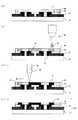
図1の(a)−1に示すように、この例においては、基板10上に予め平面電極20が設けられている。この平面電極20が設けられた基板10上に、図1の(a)−2に示すように、光硬化性樹脂溶液30をコーティングする。次いで、フェムト秒レーザー80をレンズ82を通して、例えば矢印の方向にスキャンさせながら集光照射し、基板上の所望の位置で光硬化性樹脂を硬化させて、光硬化性樹脂成形体40を形成する(図1の(a)−3)。次いで、未硬化の光硬化性樹脂溶液30を除去して、光硬化性樹脂成形体40からなる溝構造を有する基板を得る(図1の(a)−4)。この図1に示す工程が、本発明の第1の方法における光造形の工程(a)に相当する。
【0045】
次に、図2の(b)−1に示すように、インクジェットヘッド90を用いて、基板上の溝に無電解メッキ触媒含有溶液50をパターニングする。次いで、無電解メッキ触媒含有溶液50がパターニングされた表面全体に、例えば、紫外線95を照射することによって、溝の底面および側面にメッキ触媒含有溶液中の金属触媒60を析出させる(図2(b)−2)。金属触媒60の析出後、無電解メッキ触媒含有溶液50を除去し、触媒を溝の底面および側面に有する基板を得る(図2(b)−3)。次いで、この基板を、無電解メッキ液に浸漬し、溝内に導電性物質70を析出させて、電気回路を形成する(図2(c))。このようにして、基板10上の溝構造の溝内に、導電性物質70からなる電気回路が形成された電気回路部品100が得られる。
【0046】
さらに、図3の(a)2に示すように、第1回目のサイクルで得られた電気回路部品100(図2(c))を基板として用い、工程(a)2の光造形法によって、光硬化性樹脂成形体40からなる溝構造を形成する。次いで、無電解メッキ触媒含有溶液50をパターニングし(図3(b)2−1)、紫外線95を基板表面全体に照射することによって金属触媒60を析出させる(図3(b)2−2)。無電解メッキ触媒含有溶液50を除去した後、無電解メッキ溶液に浸漬して導電性物質70を析出させ、三次元的な電気回路を有する電気回路部品1002が得られる(図3(c)2)。同様に、光造形の工程(a)から無電解メッキの工程(c)までを繰り返すことにより、さらに複雑な電気回路を形成することができる。
【0047】
本発明の電気回路部品の第2の製造方法は、以下の工程:
(a)基板上に非導電性の溝構造を形成する工程;
(b1)該溝構造を有する基板の表面全体に、無電解メッキ触媒含有溶液を塗布する工程;
(b2)該基板の表面をワイプすることにより、該無電解メッキ触媒含有溶液を該溝内のみに残す工程;および
(c)無電解メッキ法または無電解メッキ法に続く電解メッキ法により、該溝構造の開口部に導電性物質を析出させる工程;
を含む。
【0048】
この第2の製造方法では、上記第1の製造方法とは、工程(b)の代わりに、以下の工程:
(b1)溝構造を有する基板の表面全体に、無電解メッキ触媒含有溶液を塗布する工程;および
(b2)基板の表面をワイプすることにより、無電解メッキ触媒含有溶液を溝内のみに残す工程;を含むことのみが異なり、他の工程(a)および(c)は、全く同様である。また、触媒機能を向上させるために、工程(b2)の後、上記第1の製造方法における工程(b)−2および(b)−3を行い得ることも同様である。
【0049】
上記工程(b1)において用いられる無電解メッキ触媒含有溶液は、上記第1の製造方法の工程(b)について説明したものと同様である。工程(b1)においては、無電解メッキ触媒含有溶液を、当該技術分野で通常用いられる手段によって、溝構造を有する基板表面全体に薄く塗布する。このとき、無電解メッキ触媒含有溶液は、溝の底部まで侵入する。
【0050】
次いで、工程(b2)では、溝内のみに無電解メッキ触媒含有溶液を残すように、基板の表面をワイプする。ワイプするための手段は、シリコンゴムスキージによるスライドである。この工程は、基板上の溝ではない部分に、無電解メッキ触媒含有溶液が残存しないように注意して行う必要がある。
【0051】
このようにして、基板上の溝構造の溝内に、導電性物質からなる電気回路が形成され、電気回路部品が得られる。第2の製造方法の場合も、上記工程(a)から(c)までのサイクルを繰り返すことによって、三次元電気回路を製造することができる。
【0052】
図面を用いて、本発明の第2の方法をより具体的に説明する。ただし、図面には例示にすぎず、本発明は、この図面によって限定されない。
【0053】
工程(a)は、上記第1の製造方法と全く同様であり、例えば、図1に示すように、光造形法によって光硬化性樹脂成形体40からなる溝構造を有する基板を得る。
【0054】
次に、図4の(b1)に示すように、溝構造を有する基板の表面全体に、例えば、スプレーを用いて無電解メッキ触媒含有溶液50を塗布する。次いで、図4の(b2)に示すように、基板の表面をシリコンゴムスキージを用いてワイプすることにより、無電解メッキ触媒含有溶液50を溝内のみに残す。無電解メッキ触媒含有溶液50が溝内にのみ残された表面全体に、例えば、紫外線95を照射することによって、溝の底面および側面にメッキ触媒含有溶液中の金属触媒60を析出させる(図4(b)−2)。金属触媒60の析出後、無電解メッキ触媒含有溶液50を除去し、触媒を溝の底面および側面に有する基板を得る(図4(b)−3)。次いで、この基板を、無電解メッキ液に浸漬し、溝内に導電性物質70を析出させて、電気回路を形成する(図4(c))。このようにして、基板10上の溝構造の溝内に、導電性物質70からなる電気回路が形成された電気回路部品100が得られる。以下の繰り返し工程については、上記第1の製造方法と同様である。
【0055】
本発明の第2の方法では、インクジェット技術を用いる代わりに、単に無電解メッキ触媒含有溶液を塗布してワイプするだけなので、工程(b)が、より簡便に行うことができる。
【0056】
本発明の電気回路部品の第3の製造方法は、以下の工程:
(a)基板上に非導電性の溝構造を形成する工程;
(b’)インクジェット技術によって、該基板上の溝に導電性インクをパターニングする工程;および
(c’)該溝内の該導電性インクにレーザーを照射して、導電パターンを形成する工程;
を含む。
【0057】
第3の方法における工程(a)は、上記第1の方法の工程(a)と同様である。
【0058】
次の工程(b’)では、インクジェット技術によって、基板上の溝に導電性インクをパターニングする。
【0059】
ここで用いられる導電性インクとしては、金属ナノ粒子分散インク、金属錯体インク、低融点金属などが挙げられる。これらに含有される金属としては、銅、銀、金、白金、ニッケルなどが挙げられる。これらは、適切な溶媒に溶解させて、あるいは低融点金属の場合は加熱によって溶融させて、流動体としてインクジェット技術による注入に用いる。適切な溶媒としては、ブチルカルビトールアセテート、3−ジメチル−2−イミダゾリジン、テトラデカン、アルコール、水、キシレンなどが挙げられる。
【0060】
パターニングすべき溝は非常に狭い開口幅であるため、好ましくは、微細構造のノズルを有するインクジェットヘッドを用いて行われる。より好ましくは、インクジェットヘッドからの射出量は、4pL以下、さらに好ましくは2pL以下である。
【0061】
次いで、工程(c’)において、溝内の導電性インクにレーザーを照射して、導電パターンを形成する。この工程では、レーザーによって導電性インクを焼き付けて、インクに含有される金属を溝内に析出させる。この焼き付けに用いられるレーザーとしては、He−Cdレーザー、Arイオンレーザー、YAGレーザー、エキシマレーザー、フェムト秒レーザーなどが挙げられる。レーザーの照射条件は、使用される導電性インクに応じて適宜決定され得る。また、加熱乾燥を併用してもよい。
【0062】
このようにして、基板上の溝構造の溝内に、導電性物質からなる電気回路が形成され、電気回路部品が得られる。第3の製造方法の場合も、上記工程(a)から(c’)までのサイクルを繰り返すことによって、三次元電気回路を製造することができる。
【0063】
図面を用いて、本発明の第3の方法をより具体的に説明する。ただし、図面には例示にすぎず、本発明は、この図面によって限定されない。
【0064】
工程(a)は、上記第1の製造方法と全く同様であり、例えば、図1に示すように、光造形法によって光硬化性樹脂成形体40からなる溝構造を有する基板を得る。
【0065】
次に、図5(b’)に示すように、インクジェットヘッド90を用いて、該基板上の溝に導電性インク55をパターニングする。次いで、溝内の導電性インク55に、フェムト秒レーザー80をレンズ82を通して、例えば矢印の方向にスキャンさせながら集光照射し(図5(c’)−1)、導電性物質70を析出させて、導電パターンを形成する(図5(c’)−2)。このようにして、基板10上の溝構造の溝内に、導電性物質70からなる電気回路が形成された電気回路部品100が得られる。
【0066】
さらに、図6の(a)2に示すように、光造形法によって、第1回目のサイクルで得られた電気回路部品100を基板上に光硬化性樹脂成形体40からなる溝構造を形成する。次いで、導電性インク55をパターニングし(図6(b’)2)、フェムト秒レーザー80を集光照射して導電性物質70を析出させ(図6(c’)2−1)、三次元的な電気回路を有する電気回路部品1002が得られる(図6(c’)2−2)。同様に、光造形の工程(a)からレーザー照射の工程(c’)までを繰り返すことにより、さらに複雑な電気回路を形成することができる。
【0067】
【発明の効果】
本発明によれば、穿孔などを行うことなく、三次元的複雑な電気回路を有する電気回路部品を製造することができる。また、レーザーなどを用いて形成すべき回路の幅や深さを精度よく調節できるため、非常に微細な三次元構造の電気回路を形成することができる。したがって、高密度の三次元電気回路を有する電気回路部品の製造が可能である。
【図面の簡単な説明】
【図1】本発明の電気回路部品の第1の製造方法の工程(a)である光造形法の手順を説明するための、電気回路部品の断面模式図である。
【図2】本発明の電気回路部品の第1の製造方法の工程(b)から(c)までを説明するための、電気回路部品の断面模式図である。
【図3】本発明の第1の製造方法の工程(a)から(c)までの繰り返しに電気回路部品の製造過程を表す、電気回路部品の断面模式図である。
【図4】本発明の電気回路部品の第2の製造方法の工程(b1)から(c)までを説明するための、電気回路部品の断面模式図である。
【図5】本発明の電気回路部品の第3の製造方法の工程(b’)から(c’)までを説明するための、電気回路部品の断面模式図である。
【図6】本発明の第3の製造方法の工程(a)から(c’)までの繰り返しの電気回路部品の製造過程を表す、電気回路部品の断面模式図である。
【符号の説明】
10 基板
20 平面電極
30 光硬化性樹脂溶液
40 光硬化性樹脂成形体
50 メッキ触媒含有溶液のコート膜
55 導電性インク
60 金属触媒
70 導電性物質
80 フェムト秒レーザー
82 レンズ
90 インクジェットノズル
100 電気回路が形成された電気回路部品
100’ 三次元的な電気回路を有する電気回路部品[0001]
BACKGROUND OF THE INVENTION
The present invention relates to a component having a three-dimensional electric circuit and a method for manufacturing the same.
[0002]
[Prior art]
There is known an optical modeling method in which a three-dimensional structure is manufactured by moving a light irradiation position in a photocurable resin solution along a predetermined pattern (see Patent Document 1). In this method, a light-cured resin is cured to form a cured portion and an uncured liquid portion which are solidified by light irradiation, and the uncured liquid portion is removed to remove a three-dimensional structure. Can be obtained. Furthermore, the accuracy of the optical modeling method can be further increased by performing the two-photon absorption optical modeling method instead of the one-photon absorption optical modeling method using ultraviolet rays (see Patent Document 2).
[0003]
A method of providing an electric circuit on a three-dimensional structure obtained by such an optical shaping method is also known (see Patent Document 3). In the method of
[0004]
[Patent Document 1]
JP 56-144478 A [Patent Document 2]
Japanese Patent Publication No. 63-40650 [Patent Document 3]
Japanese Patent Laid-Open No. 10-12995
[Problems to be solved by the invention]
An object of this invention is to provide the components which have a three-dimensional electrical circuit, and its manufacturing method.
[0006]
[Means for Solving the Problems]
The present invention provides a method of manufacturing an electrical circuit component, which method comprises the following steps:
(A) forming a non-conductive groove structure on the substrate;
(B) patterning an electroless plating catalyst-containing solution into the groove on the substrate by inkjet technology; and (c) an opening of the groove structure by electroless plating or electroplating subsequent to electroless plating. Depositing a conductive material on the substrate;
including.
[0007]
In a preferred embodiment, the step (a) includes (a1) a step of curing the photocurable resin at a desired position on the substrate by an optical modeling method to form the groove structure, and (a2) the groove. A step of forming the groove structure by transferring it to a curable material using a mold having a structure pattern, and (a3) a step of patterning exposure of a photocurable resin by photolithography to form the groove structure. , Selected from the group consisting of
[0008]
After applying the electroless plating catalyst solution in the step (b), in order to improve the catalytic function, the bottom surface of the groove and the substrate are exposed by drying and irradiating light or by exposing the substrate to a reducing atmosphere. A metal catalyst can be deposited on the side surface.
[0009]
In a more preferred embodiment, the method further includes a step of repeating the steps including the step (a) to the step (c) a predetermined number of times.
[0010]
The present invention also provides another method of manufacturing an electrical circuit component, which method comprises the following steps:
(A) forming a non-conductive groove structure on the substrate;
(B1) A step of applying an electroless plating catalyst-containing solution to the entire surface of the substrate having the groove structure;
(B2) wiping the surface of the substrate to leave the electroless plating catalyst-containing solution only in the groove; and (c) the electroless plating method or the electroplating method following the electroless plating method, Depositing a conductive material in the opening of the groove structure;
including.
[0011]
In a preferred embodiment, the step (a) includes (a1) a step of curing the photocurable resin at a desired position on the substrate by an optical modeling method to form the groove structure, and (a2) the groove. A step of forming the groove structure by transferring it to a curable material using a mold having a structure pattern, and (a3) a step of patterning exposure of a photocurable resin by photolithography to form the groove structure. , Selected from the group consisting of
[0012]
In a more preferred embodiment, the method further includes a step of repeating the steps including the step (a) to the step (c) a predetermined number of times.
[0013]
The present invention also provides an electric circuit component manufactured by any method including the steps (a) to (c).
[0014]
The present invention further provides another method of manufacturing an electrical circuit component, which method comprises the following steps:
(A) forming a non-conductive groove structure on the substrate;
(B ′) patterning a conductive ink in a groove on the substrate by inkjet technology; and (c ′) irradiating the conductive ink in the groove with a laser to form a conductive pattern;
including.
[0015]
In a preferred embodiment, the step (a) includes (a1) a step of curing the photocurable resin at a desired position on the substrate by an optical modeling method to form the groove structure, and (a2) the groove. A step of forming the groove structure by transferring it to a curable material using a mold having a structure pattern, and (a3) a step of patterning exposure of a photocurable resin by photolithography to form the groove structure. , Selected from the group consisting of
[0016]
In a more preferred embodiment, the method further includes the step of repeating the step (a) to the step (c ′) a predetermined number of times.
[0017]
The present invention also provides an electric circuit component manufactured by any method including the steps (a) to (c ′).
[0018]
DETAILED DESCRIPTION OF THE INVENTION
The first manufacturing method of the electric circuit component of the present invention includes the following steps:
(A) forming a non-conductive groove structure on the substrate;
(B) patterning an electroless plating catalyst-containing solution into the groove on the substrate by inkjet technology; and (c) an opening of the groove structure by electroless plating or electroplating subsequent to electroless plating. Depositing a conductive material on the substrate;
including.
[0019]
First, in step (a), a non-conductive groove structure is formed on the substrate.
[0020]
In the present invention, the substrate is a member constituting an electric circuit component and means a member for forming an electric circuit on the surface thereof, and its shape is not particularly limited. A conductive material or a non-conductive material may be used, or they may be mixed. For example, an electrode or an electric circuit may be formed on the surface in advance.
[0021]
In the step (a), the groove structure may be formed by any means. Preferably, the groove structure forming step includes (a1) a step of curing the photocurable resin at a desired position on the substrate by an optical modeling method to form the groove structure, and (a2) a gold having a groove structure pattern. Selected from the group consisting of: forming a groove structure by transferring to a curable material using a mold; and (a3) patterning exposure of a photocurable resin by photolithography to form the groove structure. .
[0022]
The photocurable resin used in the optical shaping method in the step (a1) is not particularly limited as long as it is non-conductive. Examples thereof include AZ CTP-100 (manufactured by Clariant Japan Co., Ltd.) and ACR10 (manufactured by Toyo Gosei Co., Ltd.).
[0023]
The light irradiated to the photocurable resin in the optical modeling method is not particularly limited as long as it has a wavelength and an energy level necessary for curing the resin. Since the photocurable resin generally has a large absorption at the ultraviolet wavelength, for example, the ultraviolet ray is condensed and irradiated. In order to increase the processing accuracy of stereolithography, it is preferable to use a laser. For example, as a laser in which a curing reaction of a photocurable resin is induced by absorption of one photon, a He—Cd laser, an Ar ion laser, a YAG laser, and an excimer laser can be given. Examples of the laser in which the curing reaction of the photocurable resin is induced by the multiphoton absorption phenomenon include a femtosecond laser (for example, a Ti-doped Al2 O3 laser). It is more preferable to use a femtosecond laser in that a point smaller than the beam spot can be cured by a multiphoton process by focused irradiation.
[0024]
In the step (a1), the groove structure is formed with a photocurable resin so that the position where the electric circuit is to be formed on the substrate becomes the groove by such an optical modeling method. In the step of forming the groove structure, since the photocurable resin is cured at a desired position on the substrate, this position cannot be a groove. Therefore, the “desired position on the substrate” means a subsequent step. The part where the electric circuit is not formed is intended. When forming the groove structure, the substrate may be irradiated with light in a state of being immersed in a photocurable resin solution. Alternatively, the groove depth can be reduced by thinly coating a photocurable resin on the substrate by spin coating or the like. The depth and width of the groove are appropriately determined according to the purpose, and are usually 5 to 100 μm and 0.1 to 5 μm, respectively.
[0025]
The curable material used in the step (a2) is not particularly limited as long as it can be transferred from the mold, and a non-conductive material is used. Examples of non-conductive materials that can be used for the substrate include glass, epoxy resin, polyurethane resin, silicone resin, diallyl phthalate resin, formaldehyde resin, phenol resin, amino resin, and ceramics. A mold release agent may be included as necessary.
[0026]
A mold having a groove structure pattern is obtained by subjecting a mold material to fine mold processing to produce a mold having a predetermined pattern, or by an optical modeling method as in the above step (a1). The groove structure may be used as it is, or may be manufactured by taking a replica of the groove structure by electroforming or the like.
[0027]
Examples of the mold material include metals, ceramics, intermetallic compounds, and amorphous carbon. Examples of the metal include Fe, Ni, Cu, Ag, Au, W, Si, and alloys thereof, stainless steel, and the like. Ceramics include ceramics such as oxides, carbides, nitrides and borides. Examples of the intermetallic compound include TiAl, Ni3 Al, NiAl, NiTi, FeSi2 , and WC (Cemented Carbide). Amorphous carbon is formed by molding a resin such as phenol resin, polyimide resin, epoxy resin, polycarbodiimide resin, furan resin, furfural resin, etc. in a non-oxygen atmosphere (in a vacuum or in an inert gas atmosphere such as nitrogen or argon). ), And is obtained by firing at 500 to 3000 ° C. In order to maintain the flatness of the mold, it is preferable that the amorphous carbon content after firing is 65% by weight or more. In particular, amorphous carbon is excellent in substrate releasability.
[0028]
The fine mold processing is performed by at least one processing means selected from the group consisting of laser processing, focused ion beam (FIB) processing, cutting processing, and electric discharge processing. It is preferable to carry out an appropriate combination according to the size of the pattern to be formed. Examples of laser processing include excimer laser processing, femtosecond laser processing, a combination of photolithography processing using an Ar laser or He—Cd laser and etching processing, and anisotropic etching such as Si. Examples of the cutting process include milling and shaving. In particular, the FIB processing is particularly suitable for processing a portion that becomes a mold of a groove in which a wiring is to be formed because a pattern having a finer and sharper shape can be obtained as compared with cutting processing, electric discharge processing, laser processing, and the like. Further, after photolithography of the resist material using the laser, the resist material can be cured by heat treatment and used as a mold.
[0029]
As the FIB apparatus, for example, an FIB processing observation apparatus (for example, FB-2000A) manufactured by Hitachi High-Technologies Corporation is used. The variable apertures of these devices can be adjusted to form micrometer-sized as well as nanometer-sized patterns. For example, when a pattern is engraved using an FIB apparatus, the ceramics, intermetallic compound, and amorphous carbon are less susceptible to surface oxidation than metals such as iron, and the accuracy can be maintained. Therefore, it is preferable.
[0030]
In this way, a mold having a predetermined groove structure pattern is obtained.
[0031]
Next, the mold is transferred to form a groove structure on the substrate. The transfer may be performed by any means, but is preferably performed by embossing, compression molding, transfer molding, injection molding, or casting.
[0032]
Specifically, the above-described curable material is dissolved or dispersed in an appropriate solvent as necessary, or melted by heating, and using the mold, a method suitable for each material, for example, a solvent The method of removing, solidifying, curing, polymerizing, melting, sintering, etc. is transferred alone or in combination, and then peeled off from the mold. The material is supplied to the mold by means usually used by those skilled in the art depending on the transfer means. For example, a groove structure is formed on the substrate by inserting a thermoplastic resin previously cut into a predetermined dimension between the substrate and a mold heated to a predetermined temperature, pressurizing, and releasing.
[0033]
The photocurable resin used in the step (a3) is not particularly limited as long as it is non-conductive as in the step (a1). Examples thereof include AZ CTP-100 (manufactured by Clariant Japan Co., Ltd.) and ACR10 (manufactured by Toyo Gosei Co., Ltd.).
[0034]
In the step (a3), patterning exposure is performed by photolithography which is usually performed by those skilled in the art to form a groove structure. Specifically, a photo-curable resin solution is applied onto a substrate, and exposure (for example, ultraviolet rays) is applied through a mask having a predetermined pattern to cure the exposed resin, thereby removing the uncured liquid resin. Thus, a groove structure is formed on the substrate.
[0035]
Next, in the step (b), the electroless plating catalyst-containing solution is patterned in the groove on the substrate by an ink jet technique.
[0036]
Examples of the electroless plating catalyst-containing solution include a metal ion-containing solution and a metal complex solution, and a solution containing Pd, Pt or the like as a catalyst can be used. When light irradiation is performed after patterning, it is preferable to use a photosensitive catalyst-containing solution. When exposed to a reducing atmosphere, it is preferable to use a commercially available catalyst solution used in a one-component method.
[0037]
Since the groove in which the electroless plating catalyst-containing solution is to be patterned by an ink jet technique has a very narrow opening width, it is preferably performed using an ink jet head having a fine structure nozzle. More preferably, the amount of injection from the inkjet head is 4 pL or less, more preferably 2 pL or less.
[0038]
Then, by irradiating the substrate with light or exposing the substrate to a reducing atmosphere, the catalyst function can be improved by precipitating the metal catalyst in the electroless plating catalyst-containing solution on the bottom and side surfaces of the groove. it can. Specifically, the entire substrate on which the electroless plating catalyst-containing solution is patterned is irradiated with light, for example, ultraviolet rays, or the entire substrate is exposed to a reducing atmosphere, for example, an ammonia atmosphere. Irradiation or exposure conditions are appropriately determined according to the electroless plating catalyst-containing solution to be used.
[0039]
Next, in order to improve the deposition state of the plating in the step (c), the electroless plating catalyst-containing solution remaining in the groove after the metal catalyst deposition is removed. For example, it is removed by washing with water.
[0040]
In the step (c), a conductive substance is deposited on the opening of the groove structure at the position where the metal catalyst is deposited by an electroless plating method or an electroplating method subsequent to the electroless plating method. The electroless plating method is preferable in that there are few steps. The conductive substance to deposit is a metal, Preferably, copper, silver, gold | metal | money, platinum, nickel etc. are mentioned. The plating method is performed under the conditions normally performed by those skilled in the art. Typically, the entire substrate is immersed in a plating solution containing these metals, and the metal is deposited in the groove from the bottom to the opening.
[0041]
In this way, an electric circuit made of a conductive material is formed in the groove of the groove structure on the substrate, and an electric circuit component is obtained.
[0042]
Furthermore, a three-dimensional electric circuit can be manufactured by repeating the cycle from the steps (a) to (c). That is, when the cycle from step (a) to (c) is performed using the electric circuit component formed by the first cycle from step (a) to (c) as a substrate, the circuit is formed in the first cycle. A new electric circuit can be formed on the electric circuit. Usually, the electrical circuit is formed in a pattern different from that formed in the previous cycle. By repeating this cycle several times, an electric circuit component having an electric circuit with a three-dimensionally complicated structure can be manufactured.
[0043]
Hereinafter, the first method of the present invention will be described more specifically with reference to the drawings. However, the drawings are only examples, and the present invention is not limited to the drawings.
[0044]
As shown in FIG. 1A-1, in this example, the
[0045]
Next, as shown in FIG. 2B-1, the electroless plating catalyst-containing
[0046]
Further, as shown in (a)2 of FIG. 3, the electric circuit component 100 (FIG. 2 (c)) obtained in the first cycle is used as a substrate, and the stereolithography of the step (a)2 is performed. A groove structure made of the photocurable resin molded
[0047]
The second manufacturing method of the electric circuit component of the present invention includes the following steps:
(A) forming a non-conductive groove structure on the substrate;
(B1) A step of applying an electroless plating catalyst-containing solution to the entire surface of the substrate having the groove structure;
(B2) wiping the surface of the substrate to leave the electroless plating catalyst-containing solution only in the groove; and (c) the electroless plating method or the electroplating method following the electroless plating method, Depositing a conductive material in the opening of the groove structure;
including.
[0048]
In the second manufacturing method, the first manufacturing method is different from the step (b) in the following steps:
(B1) a step of applying an electroless plating catalyst-containing solution to the entire surface of the substrate having a groove structure; and (b2) a step of leaving the electroless plating catalyst-containing solution only in the groove by wiping the surface of the substrate. The other steps (a) and (c) are exactly the same. Moreover, in order to improve a catalyst function, it is the same that the process (b) -2 and (b) -3 in the said 1st manufacturing method can be performed after a process (b2).
[0049]
The electroless plating catalyst-containing solution used in the step (b1) is the same as that described for the step (b) of the first production method. In the step (b1), the electroless plating catalyst-containing solution is thinly applied to the entire substrate surface having a groove structure by means usually used in the technical field. At this time, the electroless plating catalyst-containing solution penetrates to the bottom of the groove.
[0050]
Next, in step (b2), the surface of the substrate is wiped so as to leave the electroless plating catalyst-containing solution only in the grooves. The means for wiping is a slide with a silicon rubber squeegee. This step needs to be performed with care so that the electroless plating catalyst-containing solution does not remain in a portion that is not a groove on the substrate.
[0051]
In this way, an electric circuit made of a conductive material is formed in the groove of the groove structure on the substrate, and an electric circuit component is obtained. Also in the case of the second manufacturing method, a three-dimensional electric circuit can be manufactured by repeating the cycle from the steps (a) to (c).
[0052]
The second method of the present invention will be described more specifically with reference to the drawings. However, the drawings are only examples, and the present invention is not limited to the drawings.
[0053]
Step (a) is exactly the same as the first manufacturing method described above. For example, as shown in FIG. 1, a substrate having a groove structure made of a photocurable resin molded
[0054]
Next, as shown in FIG. 4B1, the electroless plating catalyst-containing
[0055]
In the second method of the present invention, instead of using the inkjet technique, the electroless plating catalyst-containing solution is simply applied and wiped, so that the step (b) can be performed more easily.
[0056]
The third manufacturing method of the electric circuit component of the present invention includes the following steps:
(A) forming a non-conductive groove structure on the substrate;
(B ′) patterning a conductive ink in a groove on the substrate by inkjet technology; and (c ′) irradiating the conductive ink in the groove with a laser to form a conductive pattern;
including.
[0057]
Step (a) in the third method is the same as step (a) in the first method.
[0058]
In the next step (b ′), conductive ink is patterned in the groove on the substrate by an ink jet technique.
[0059]
Examples of the conductive ink used here include metal nanoparticle dispersed ink, metal complex ink, and low melting point metal. Examples of the metal contained in these include copper, silver, gold, platinum, and nickel. These are dissolved in an appropriate solvent, or in the case of a low melting point metal, melted by heating and used as a fluid for injection by an ink jet technique. Suitable solvents include butyl carbitol acetate, 3-dimethyl-2-imidazolidine, tetradecane, alcohol, water, xylene and the like.
[0060]
Since the groove to be patterned has a very narrow opening width, it is preferably performed using an inkjet head having a fine-structure nozzle. More preferably, the amount of injection from the inkjet head is 4 pL or less, more preferably 2 pL or less.
[0061]
Next, in step (c ′), the conductive ink in the groove is irradiated with a laser to form a conductive pattern. In this step, the conductive ink is baked by a laser to deposit the metal contained in the ink in the groove. Examples of the laser used for the baking include a He—Cd laser, an Ar ion laser, a YAG laser, an excimer laser, and a femtosecond laser. Laser irradiation conditions can be appropriately determined according to the conductive ink used. Moreover, you may use heat drying together.
[0062]
In this way, an electric circuit made of a conductive material is formed in the groove of the groove structure on the substrate, and an electric circuit component is obtained. Also in the case of the third manufacturing method, a three-dimensional electric circuit can be manufactured by repeating the cycle from the above steps (a) to (c ′).
[0063]
The third method of the present invention will be described more specifically with reference to the drawings. However, the drawings are only examples, and the present invention is not limited to the drawings.
[0064]
Step (a) is exactly the same as the first manufacturing method described above. For example, as shown in FIG. 1, a substrate having a groove structure made of a photocurable resin molded
[0065]
Next, as shown in FIG. 5B ′, the
[0066]
Further, as shown in FIG. 6 (a)2 , a groove structure composed of the photocurable resin molded
[0067]
【The invention's effect】
According to the present invention, an electric circuit component having a three-dimensional complicated electric circuit can be manufactured without drilling or the like. In addition, since the width and depth of a circuit to be formed can be accurately adjusted using a laser or the like, an extremely fine three-dimensional electrical circuit can be formed. Therefore, it is possible to manufacture an electric circuit component having a high-density three-dimensional electric circuit.
[Brief description of the drawings]
BRIEF DESCRIPTION OF DRAWINGS FIG. 1 is a schematic cross-sectional view of an electric circuit component for explaining a procedure of stereolithography, which is step (a) of the first manufacturing method of the electric circuit component of the present invention.
FIG. 2 is a schematic cross-sectional view of an electric circuit component for explaining steps (b) to (c) of the first manufacturing method of the electric circuit component of the present invention.
FIG. 3 is a schematic cross-sectional view of an electric circuit component, showing the manufacturing process of the electric circuit component by repeating steps (a) to (c) of the first manufacturing method of the present invention.
FIG. 4 is a schematic cross-sectional view of an electric circuit component for explaining steps (b1) to (c) of the second manufacturing method of the electric circuit component of the present invention.
FIG. 5 is a schematic cross-sectional view of an electric circuit component for explaining steps (b ′) to (c ′) of a third manufacturing method of the electric circuit component of the present invention.
FIG. 6 is a schematic cross-sectional view of an electric circuit component showing a process of repeatedly manufacturing the electric circuit component from steps (a) to (c ′) of the third manufacturing method of the present invention.
[Explanation of symbols]
DESCRIPTION OF
Claims (11)
Translated fromJapanese(a)基板上に非導電性の溝構造を形成する工程;
(b)インクジェット技術によって、該基板上の溝に無電解メッキ触媒含有溶液をパターニングする工程;および
(c)無電解メッキ法または無電解メッキ法に続く電解メッキ法により、該溝構造の開口部に導電性物質を析出させる工程;
を含む、方法。An electrical circuit component manufacturing method comprising the following steps:
(A) forming a non-conductive groove structure on the substrate;
(B) patterning an electroless plating catalyst-containing solution into the groove on the substrate by inkjet technology; and (c) an opening of the groove structure by electroless plating or electroplating subsequent to electroless plating. Depositing a conductive material on the substrate;
Including a method.
(a)基板上に非導電性の溝構造を形成する工程;
(b1)該溝構造を有する基板の表面全体に、無電解メッキ触媒含有溶液を塗布する工程;
(b2)該基板の表面をワイプすることにより、該無電解メッキ触媒含有溶液を該溝内のみに残す工程;および
(c)無電解メッキ法または無電解メッキ法に続く電解メッキ法により、該溝構造の開口部に導電性物質を析出させる工程;
を含む、方法。An electrical circuit component manufacturing method comprising the following steps:
(A) forming a non-conductive groove structure on the substrate;
(B1) A step of applying an electroless plating catalyst-containing solution to the entire surface of the substrate having the groove structure;
(B2) wiping the surface of the substrate to leave the electroless plating catalyst-containing solution only in the groove; and (c) the electroless plating method or the electroplating method following the electroless plating method, Depositing a conductive material in the opening of the groove structure;
Including a method.
(a)基板上に非導電性の溝構造を形成する工程;
(b’)インクジェット技術によって、該基板上の溝に導電性インクをパターニングする工程;および
(c’)該溝内の該導電性インクにレーザーを照射して、導電パターンを形成する工程;
を含む、方法。An electrical circuit component manufacturing method comprising the following steps:
(A) forming a non-conductive groove structure on the substrate;
(B ′) patterning a conductive ink in a groove on the substrate by inkjet technology; and (c ′) irradiating the conductive ink in the groove with a laser to form a conductive pattern;
Including a method.
Priority Applications (1)
| Application Number | Priority Date | Filing Date | Title |
|---|---|---|---|
| JP2003204902AJP2005050969A (en) | 2003-07-31 | 2003-07-31 | Electrical circuit component and manufacturing method thereof |
Applications Claiming Priority (1)
| Application Number | Priority Date | Filing Date | Title |
|---|---|---|---|
| JP2003204902AJP2005050969A (en) | 2003-07-31 | 2003-07-31 | Electrical circuit component and manufacturing method thereof |
Publications (1)
| Publication Number | Publication Date |
|---|---|
| JP2005050969Atrue JP2005050969A (en) | 2005-02-24 |
Family
ID=34263762
Family Applications (1)
| Application Number | Title | Priority Date | Filing Date |
|---|---|---|---|
| JP2003204902APendingJP2005050969A (en) | 2003-07-31 | 2003-07-31 | Electrical circuit component and manufacturing method thereof |
Country Status (1)
| Country | Link |
|---|---|
| JP (1) | JP2005050969A (en) |
Cited By (9)
| Publication number | Priority date | Publication date | Assignee | Title |
|---|---|---|---|---|
| WO2006100790A1 (en)* | 2005-03-22 | 2006-09-28 | Cluster Technology Co., Ltd. | Process for producing wiring board, and wiring board |
| JP2007173399A (en)* | 2005-12-20 | 2007-07-05 | Fujifilm Corp | Electrical wiring component manufacturing method, electrical wiring component, and liquid discharge head |
| WO2008023666A1 (en)* | 2006-08-23 | 2008-02-28 | Cluster Technology Co., Ltd. | Wiring board manufacturing method and wiring board |
| JP2008544479A (en)* | 2005-05-12 | 2008-12-04 | エルジー・ケム・リミテッド | High resolution pattern formation method using direct pattern method |
| JP2008544478A (en)* | 2005-05-12 | 2008-12-04 | エルジー・ケム・リミテッド | High resolution pattern forming method and substrate on which pre-pattern is formed by the method |
| JP2013540629A (en)* | 2010-10-27 | 2013-11-07 | ユージーン ギラー | 3D object modeling process and modeling equipment |
| US8703602B2 (en) | 2010-12-02 | 2014-04-22 | Qualcomm Incorporated | Selective seed layer treatment for feature plating |
| JP2014512098A (en)* | 2011-04-01 | 2014-05-19 | ネーデルランツ オルガニサティー フォール トゥーゲパストナトゥールヴェテンシャッペリーク オンデルズーク テーエンオー | Apparatus and method for providing embedded structure and photoelectric device including the same |
| JP2018149813A (en)* | 2011-07-13 | 2018-09-27 | ヌボトロニクス、インク. | Method for manufacturing electronic and mechanical structure |
- 2003
- 2003-07-31JPJP2003204902Apatent/JP2005050969A/enactivePending
Cited By (13)
| Publication number | Priority date | Publication date | Assignee | Title |
|---|---|---|---|---|
| WO2006100790A1 (en)* | 2005-03-22 | 2006-09-28 | Cluster Technology Co., Ltd. | Process for producing wiring board, and wiring board |
| JP2008544479A (en)* | 2005-05-12 | 2008-12-04 | エルジー・ケム・リミテッド | High resolution pattern formation method using direct pattern method |
| JP2008544478A (en)* | 2005-05-12 | 2008-12-04 | エルジー・ケム・リミテッド | High resolution pattern forming method and substrate on which pre-pattern is formed by the method |
| JP2007173399A (en)* | 2005-12-20 | 2007-07-05 | Fujifilm Corp | Electrical wiring component manufacturing method, electrical wiring component, and liquid discharge head |
| WO2008023666A1 (en)* | 2006-08-23 | 2008-02-28 | Cluster Technology Co., Ltd. | Wiring board manufacturing method and wiring board |
| US10265910B2 (en) | 2010-10-27 | 2019-04-23 | Rize Inc. | Process and apparatus for fabrication of three-dimensional objects |
| JP2013540629A (en)* | 2010-10-27 | 2013-11-07 | ユージーン ギラー | 3D object modeling process and modeling equipment |
| US11148354B2 (en) | 2010-10-27 | 2021-10-19 | Rize, Inc. | Process and apparatus for fabrication of three dimensional objects |
| US10357918B2 (en) | 2010-10-27 | 2019-07-23 | Rize Inc. | Process and apparatus for fabrication of three dimensional objects |
| US8703602B2 (en) | 2010-12-02 | 2014-04-22 | Qualcomm Incorporated | Selective seed layer treatment for feature plating |
| US9554473B2 (en) | 2011-04-01 | 2017-01-24 | Nederlandse Organisatie Voor Toegepastnatuurwetenschappelijk Onderzoek Tno | Apparatus and method for providing an embedded structure and for providing an electro-optical device including the same |
| JP2014512098A (en)* | 2011-04-01 | 2014-05-19 | ネーデルランツ オルガニサティー フォール トゥーゲパストナトゥールヴェテンシャッペリーク オンデルズーク テーエンオー | Apparatus and method for providing embedded structure and photoelectric device including the same |
| JP2018149813A (en)* | 2011-07-13 | 2018-09-27 | ヌボトロニクス、インク. | Method for manufacturing electronic and mechanical structure |
Similar Documents
| Publication | Publication Date | Title |
|---|---|---|
| JP6784350B2 (en) | Controlling surface properties of printed 3D structures | |
| JP4486660B2 (en) | Method for manufacturing printed circuit board | |
| KR101114256B1 (en) | Method of fabricating pattern | |
| Park et al. | Two‐photon stereolithography for realizing ultraprecise three‐dimensional nano/microdevices | |
| Fischer et al. | Inkjet printing, laser-based micromachining, and micro–3D printing technologies for MEMS | |
| Wolfe et al. | Customization of poly (dimethylsiloxane) stamps by micromachining using a femtosecond‐pulsed laser | |
| US5358604A (en) | Method for producing conductive patterns | |
| JP2003534651A (en) | Method for producing template and template produced by the method | |
| WO2005033798A2 (en) | Electrochemical micromanufacturing system and method | |
| TWI756888B (en) | Method for manufacturing a horological component | |
| JP2005050969A (en) | Electrical circuit component and manufacturing method thereof | |
| JP7112472B2 (en) | Method for making timepiece components and components resulting from this method | |
| JP4591053B2 (en) | Processing method and processing apparatus | |
| JP4500962B2 (en) | Manufacturing method of microstructure | |
| US20040247732A1 (en) | Method and apparatus for forming an imprinting tool | |
| KR101294642B1 (en) | Pattern forming method, substrate manufacturing method, and mold manufacturing method | |
| JP4307794B2 (en) | Mold having fine structure and method for producing molded body using this mold | |
| KR100321017B1 (en) | Manufacturing method of step forming inserts, step forming inserts and high precision step microstructures formed using the same | |
| JP7112470B2 (en) | Method for making watch components and components manufactured according to said method | |
| US11554541B2 (en) | Method for a photon induced material deposition and a device therefor | |
| KR20170136803A (en) | Method for forming conductive layer patterns by inkjet-printing | |
| JP4680824B2 (en) | Method for forming plated film of polymer substrate and polymer substrate | |
| KR100601263B1 (en) | Micro pattern formation method using rapid heating nano molding | |
| JP2004356255A (en) | Method for manufacturing high-density wiring board | |
| KR100601474B1 (en) | Manufacturing method of high resolution printed circuit board using imprint method |
Legal Events
| Date | Code | Title | Description |
|---|---|---|---|
| A621 | Written request for application examination | Free format text:JAPANESE INTERMEDIATE CODE: A621 Effective date:20050913 | |
| A977 | Report on retrieval | Free format text:JAPANESE INTERMEDIATE CODE: A971007 Effective date:20070727 | |
| A131 | Notification of reasons for refusal | Free format text:JAPANESE INTERMEDIATE CODE: A131 Effective date:20070807 | |
| A02 | Decision of refusal | Free format text:JAPANESE INTERMEDIATE CODE: A02 Effective date:20071204 |