CN116133581A - Determining fall risk in response to detecting body position movement - Google Patents
Determining fall risk in response to detecting body position movementDownload PDFInfo
- Publication number
- CN116133581A CN116133581ACN202180059191.7ACN202180059191ACN116133581ACN 116133581 ACN116133581 ACN 116133581ACN 202180059191 ACN202180059191 ACN 202180059191ACN 116133581 ACN116133581 ACN 116133581A
- Authority
- CN
- China
- Prior art keywords
- patient
- processing circuitry
- data
- signals
- fall risk
- Prior art date
- Legal status (The legal status is an assumption and is not a legal conclusion. Google has not performed a legal analysis and makes no representation as to the accuracy of the status listed.)
- Pending
Links
Images

Classifications
- A—HUMAN NECESSITIES
- A61—MEDICAL OR VETERINARY SCIENCE; HYGIENE
- A61B—DIAGNOSIS; SURGERY; IDENTIFICATION
- A61B5/00—Measuring for diagnostic purposes; Identification of persons
- A61B5/0002—Remote monitoring of patients using telemetry, e.g. transmission of vital signals via a communication network
- A61B5/0031—Implanted circuitry
- A—HUMAN NECESSITIES
- A61—MEDICAL OR VETERINARY SCIENCE; HYGIENE
- A61B—DIAGNOSIS; SURGERY; IDENTIFICATION
- A61B5/00—Measuring for diagnostic purposes; Identification of persons
- A61B5/72—Signal processing specially adapted for physiological signals or for diagnostic purposes
- A61B5/7271—Specific aspects of physiological measurement analysis
- A61B5/7275—Determining trends in physiological measurement data; Predicting development of a medical condition based on physiological measurements, e.g. determining a risk factor
- A—HUMAN NECESSITIES
- A61—MEDICAL OR VETERINARY SCIENCE; HYGIENE
- A61B—DIAGNOSIS; SURGERY; IDENTIFICATION
- A61B5/00—Measuring for diagnostic purposes; Identification of persons
- A61B5/02—Detecting, measuring or recording for evaluating the cardiovascular system, e.g. pulse, heart rate, blood pressure or blood flow
- A61B5/0205—Simultaneously evaluating both cardiovascular conditions and different types of body conditions, e.g. heart and respiratory condition
- A—HUMAN NECESSITIES
- A61—MEDICAL OR VETERINARY SCIENCE; HYGIENE
- A61B—DIAGNOSIS; SURGERY; IDENTIFICATION
- A61B5/00—Measuring for diagnostic purposes; Identification of persons
- A61B5/103—Measuring devices for testing the shape, pattern, colour, size or movement of the body or parts thereof, for diagnostic purposes
- A61B5/11—Measuring movement of the entire body or parts thereof, e.g. head or hand tremor or mobility of a limb
- A61B5/1116—Determining posture transitions
- A61B5/1117—Fall detection
- A—HUMAN NECESSITIES
- A61—MEDICAL OR VETERINARY SCIENCE; HYGIENE
- A61B—DIAGNOSIS; SURGERY; IDENTIFICATION
- A61B5/00—Measuring for diagnostic purposes; Identification of persons
- A61B5/24—Detecting, measuring or recording bioelectric or biomagnetic signals of the body or parts thereof
- A61B5/316—Modalities, i.e. specific diagnostic methods
- A61B5/318—Heart-related electrical modalities, e.g. electrocardiography [ECG]
- A61B5/346—Analysis of electrocardiograms
- A61B5/349—Detecting specific parameters of the electrocardiograph cycle
- A—HUMAN NECESSITIES
- A61—MEDICAL OR VETERINARY SCIENCE; HYGIENE
- A61B—DIAGNOSIS; SURGERY; IDENTIFICATION
- A61B5/00—Measuring for diagnostic purposes; Identification of persons
- A61B5/68—Arrangements of detecting, measuring or recording means, e.g. sensors, in relation to patient
- A61B5/6846—Arrangements of detecting, measuring or recording means, e.g. sensors, in relation to patient specially adapted to be brought in contact with an internal body part, i.e. invasive
- A61B5/6847—Arrangements of detecting, measuring or recording means, e.g. sensors, in relation to patient specially adapted to be brought in contact with an internal body part, i.e. invasive mounted on an invasive device
- A61B5/6861—Capsules, e.g. for swallowing or implanting
- A—HUMAN NECESSITIES
- A61—MEDICAL OR VETERINARY SCIENCE; HYGIENE
- A61B—DIAGNOSIS; SURGERY; IDENTIFICATION
- A61B5/00—Measuring for diagnostic purposes; Identification of persons
- A61B5/72—Signal processing specially adapted for physiological signals or for diagnostic purposes
- A61B5/7235—Details of waveform analysis
- A61B5/7264—Classification of physiological signals or data, e.g. using neural networks, statistical classifiers, expert systems or fuzzy systems
- A—HUMAN NECESSITIES
- A61—MEDICAL OR VETERINARY SCIENCE; HYGIENE
- A61B—DIAGNOSIS; SURGERY; IDENTIFICATION
- A61B5/00—Measuring for diagnostic purposes; Identification of persons
- A61B5/02—Detecting, measuring or recording for evaluating the cardiovascular system, e.g. pulse, heart rate, blood pressure or blood flow
- A61B5/021—Measuring pressure in heart or blood vessels
- A—HUMAN NECESSITIES
- A61—MEDICAL OR VETERINARY SCIENCE; HYGIENE
- A61B—DIAGNOSIS; SURGERY; IDENTIFICATION
- A61B5/00—Measuring for diagnostic purposes; Identification of persons
- A61B5/02—Detecting, measuring or recording for evaluating the cardiovascular system, e.g. pulse, heart rate, blood pressure or blood flow
- A61B5/021—Measuring pressure in heart or blood vessels
- A61B5/02108—Measuring pressure in heart or blood vessels from analysis of pulse wave characteristics
- A61B5/02125—Measuring pressure in heart or blood vessels from analysis of pulse wave characteristics of pulse wave propagation time
- A—HUMAN NECESSITIES
- A61—MEDICAL OR VETERINARY SCIENCE; HYGIENE
- A61B—DIAGNOSIS; SURGERY; IDENTIFICATION
- A61B5/00—Measuring for diagnostic purposes; Identification of persons
- A61B5/02—Detecting, measuring or recording for evaluating the cardiovascular system, e.g. pulse, heart rate, blood pressure or blood flow
- A61B5/026—Measuring blood flow
- A61B5/0285—Measuring or recording phase velocity of blood waves
- A—HUMAN NECESSITIES
- A61—MEDICAL OR VETERINARY SCIENCE; HYGIENE
- A61B—DIAGNOSIS; SURGERY; IDENTIFICATION
- A61B5/00—Measuring for diagnostic purposes; Identification of persons
- A61B5/07—Endoradiosondes
- A61B5/076—Permanent implantation
- A—HUMAN NECESSITIES
- A61—MEDICAL OR VETERINARY SCIENCE; HYGIENE
- A61B—DIAGNOSIS; SURGERY; IDENTIFICATION
- A61B5/00—Measuring for diagnostic purposes; Identification of persons
- A61B5/145—Measuring characteristics of blood in vivo, e.g. gas concentration or pH-value ; Measuring characteristics of body fluids or tissues, e.g. interstitial fluid or cerebral tissue
- A61B5/14542—Measuring characteristics of blood in vivo, e.g. gas concentration or pH-value ; Measuring characteristics of body fluids or tissues, e.g. interstitial fluid or cerebral tissue for measuring blood gases
- A—HUMAN NECESSITIES
- A61—MEDICAL OR VETERINARY SCIENCE; HYGIENE
- A61B—DIAGNOSIS; SURGERY; IDENTIFICATION
- A61B5/00—Measuring for diagnostic purposes; Identification of persons
- A61B5/24—Detecting, measuring or recording bioelectric or biomagnetic signals of the body or parts thereof
- A61B5/25—Bioelectric electrodes therefor
- A61B5/279—Bioelectric electrodes therefor specially adapted for particular uses
- A61B5/28—Bioelectric electrodes therefor specially adapted for particular uses for electrocardiography [ECG]
- A61B5/283—Invasive
- A61B5/287—Holders for multiple electrodes, e.g. electrode catheters for electrophysiological study [EPS]
- A—HUMAN NECESSITIES
- A61—MEDICAL OR VETERINARY SCIENCE; HYGIENE
- A61B—DIAGNOSIS; SURGERY; IDENTIFICATION
- A61B5/00—Measuring for diagnostic purposes; Identification of persons
- A61B5/24—Detecting, measuring or recording bioelectric or biomagnetic signals of the body or parts thereof
- A61B5/316—Modalities, i.e. specific diagnostic methods
- A61B5/318—Heart-related electrical modalities, e.g. electrocardiography [ECG]
- A61B5/346—Analysis of electrocardiograms
- A61B5/349—Detecting specific parameters of the electrocardiograph cycle
- A61B5/361—Detecting fibrillation
- A—HUMAN NECESSITIES
- A61—MEDICAL OR VETERINARY SCIENCE; HYGIENE
- A61B—DIAGNOSIS; SURGERY; IDENTIFICATION
- A61B5/00—Measuring for diagnostic purposes; Identification of persons
- A61B5/68—Arrangements of detecting, measuring or recording means, e.g. sensors, in relation to patient
- A61B5/6846—Arrangements of detecting, measuring or recording means, e.g. sensors, in relation to patient specially adapted to be brought in contact with an internal body part, i.e. invasive
- A61B5/6847—Arrangements of detecting, measuring or recording means, e.g. sensors, in relation to patient specially adapted to be brought in contact with an internal body part, i.e. invasive mounted on an invasive device
- A61B5/686—Permanently implanted devices, e.g. pacemakers, other stimulators, biochips
Landscapes
- Health & Medical Sciences (AREA)
- Life Sciences & Earth Sciences (AREA)
- Engineering & Computer Science (AREA)
- Physics & Mathematics (AREA)
- Animal Behavior & Ethology (AREA)
- General Health & Medical Sciences (AREA)
- Veterinary Medicine (AREA)
- Public Health (AREA)
- Surgery (AREA)
- Biophysics (AREA)
- Pathology (AREA)
- Biomedical Technology (AREA)
- Heart & Thoracic Surgery (AREA)
- Medical Informatics (AREA)
- Molecular Biology (AREA)
- Physiology (AREA)
- Cardiology (AREA)
- Artificial Intelligence (AREA)
- Computer Vision & Pattern Recognition (AREA)
- Psychiatry (AREA)
- Signal Processing (AREA)
- Dentistry (AREA)
- Oral & Maxillofacial Surgery (AREA)
- Pulmonology (AREA)
- Evolutionary Computation (AREA)
- Fuzzy Systems (AREA)
- Mathematical Physics (AREA)
- Computer Networks & Wireless Communication (AREA)
- Measuring And Recording Apparatus For Diagnosis (AREA)
- Measurement Of The Respiration, Hearing Ability, Form, And Blood Characteristics Of Living Organisms (AREA)
- Emergency Alarm Devices (AREA)
- Alarm Systems (AREA)
Abstract
Translated fromChinese
Description
Translated fromChinese技术领域technical field
本公开大体上涉及医疗装置系统,并且更具体地涉及被配置成监测患者参数的医疗装置系统。The present disclosure relates generally to medical device systems, and more particularly to medical device systems configured to monitor patient parameters.
背景技术Background technique
一些类型的医疗装置可用于监测患者的一个或多个生理参数。此类医疗装置可以包括或可以是包括检测与此类生理参数相关联的信号的传感器的系统的一部分。基于此类信号确定的值可用于帮助检测患者状况的变化,评估治疗的功效,或大体上评估患者健康。Some types of medical devices can be used to monitor one or more physiological parameters of a patient. Such medical devices may include or may be part of a system that includes sensors that detect signals associated with such physiological parameters. Values determined based on such signals can be used to help detect changes in a patient's condition, assess the efficacy of treatment, or generally assess patient health.
发明内容Contents of the invention
一般来讲,本公开涉及用于监测患者的跌倒风险的装置、系统和技术。在一些情况下,跌倒风险可指示患者将在参考时间之后的时间段内跌倒的可能性。如本文所用,术语“跌倒”是指由重力引起的不自主的身体位置变化,诸如从站立位置跌倒或从坐下位置跌倒。医疗装置系统可通过在一段时间内监测一个或多个患者参数并且分析该一个或多个患者参数对某些事件的响应来确定对应于患者的跌倒风险。例如,医疗装置系统可确定一个或多个患者参数如何响应于身体位置变化(例如,坐-站移动)或响应于心脏事件(例如,室性早搏(PVC))而变化,并且基于所确定的变化来确定患者的跌倒风险。Generally, the present disclosure relates to devices, systems, and techniques for monitoring a patient's risk of falls. In some cases, the risk of falls may indicate the likelihood that the patient will fall within a time period after the reference time. As used herein, the term "fall" refers to an involuntary change in body position caused by gravity, such as falling from a standing position or falling from a sitting position. A medical device system may determine fall risk for a patient by monitoring one or more patient parameters over a period of time and analyzing the response of the one or more patient parameters to certain events. For example, a medical device system may determine how one or more patient parameters change in response to a change in body position (e.g., sit-stand movement) or in response to a cardiac event (e.g., a premature ventricular contraction (PVC)), and based on the determined changes to determine a patient's risk of falls.
植入式医疗装置(IMD)可包括被配置为测量患者的电描记图(EGM)的一个或多个电极。在一些情况下,EGM可指示患者心脏的心室去极化(例如,R波)和患者的心率。另外,IMD可基于经由电极感测的阻抗和/或使用光学传感器的氧饱和度来确定组织灌注。处理电路系统可基于EGM、阻抗、测量的氧饱和度或它们的任何组合来确定与患者相关联的脉搏传导时间(PTT)。PTT与血压相关。因此,处理电路系统可被配置为使用由IMD执行的PTT测量作为患者血压的表示。这样,处理电路系统可被配置为在一段时间内跟踪患者的血压和心率。An implantable medical device (IMD) may include one or more electrodes configured to measure a patient's electrogram (EGM). In some instances, the EGM can be indicative of ventricular depolarization (eg, R waves) of the patient's heart and the patient's heart rate. Additionally, the IMD may determine tissue perfusion based on impedance sensed via electrodes and/or oxygen saturation using optical sensors. Processing circuitry may determine a pulse transit time (PTT) associated with the patient based on EGM, impedance, measured oxygen saturation, or any combination thereof. PTT is associated with blood pressure. Accordingly, the processing circuitry may be configured to use the PTT measurement performed by the IMD as an indication of the patient's blood pressure. As such, the processing circuitry may be configured to track the patient's blood pressure and heart rate over a period of time.
另外,作为示例,IMD可包括3轴加速度计,该加速度计生成指示患者的姿势、患者的活动水平、患者的步态和患者的身体角度的加速度计信号。处理电路系统可使用该加速度计信号来执行跌倒风险分析。例如,处理电路系统可被配置为识别一个或多个身体位置变化并且确定一个或多个患者参数如何响应于一个或多个身体位置变化中的每个身体位置变化而变化。例如,可以预期的是,患者的心率和血压响应于由患者进行的坐-站移动而增加。如果患者的坐-站移动之后的血压增加和心率增加小于预期增加,则处理电路系统可确定患者有增加的跌倒风险。另外或替代地,处理电路系统可响应于患者的步态随时间的变化、患者的站立速度随时间的变化、或患者参数随时间的任何其他可确定的变化,来确定患者有增加的跌倒风险。Additionally, as an example, an IMD may include a 3-axis accelerometer that generates accelerometer signals indicative of the patient's posture, the patient's activity level, the patient's gait, and the patient's body angle. Processing circuitry may use the accelerometer signal to perform a fall risk analysis. For example, the processing circuitry may be configured to identify one or more body position changes and determine how one or more patient parameters change in response to each of the one or more body position changes. For example, it may be expected that a patient's heart rate and blood pressure increase in response to sit-stand movements performed by the patient. If the increase in blood pressure and increase in heart rate following the patient's sit-stand movement is less than expected, the processing circuitry may determine that the patient is at increased risk of falling. Additionally or alternatively, the processing circuitry may determine that the patient is at increased risk of falling in response to a change in the patient's gait over time, a change in the patient's standing speed over time, or any other determinable change in a patient parameter over time .
本公开的技术可以提供一个或多个优点。例如,可能有利的是,创建用于评估由IMD收集的数据以便确定患者的跌倒风险的一个或多个“库”(bin),诸如坐-站库、躺-坐库和躺-站库。处理电路系统可分析坐-站库中的每次坐-站移动之后的心率和血压(和/或其他参数),分析躺-坐库中的每次躺-坐移动之后的心率和血压,并且分析躺-站库中的每次躺-站移动。基于对每个库的分析,例如基于一个或多个库中随时间的显著参数值变化,处理电路系统可确定患者的跌倒风险。对于不同的移动或事件,将数据分离到不同的库中可促进更有意义地比较患者随时间对事件的反应以及更准确地识别跌倒风险。The techniques of this disclosure may provide one or more advantages. For example, it may be beneficial to create one or more "bins" for evaluating data collected by the IMD to determine a patient's risk of falls, such as sit-stand bins, lie-sit bins, and lie-stand bins. The processing circuitry can analyze heart rate and blood pressure (and/or other parameters) after each sit-stand movement in the sit-stand library, analyze heart rate and blood pressure after each lie-sit movement in the lie-sit library, and Analyze every lie-stand movement in the lie-stand library. Based on the analysis of each bank, eg, based on significant parameter value changes over time in one or more banks, the processing circuitry may determine the patient's risk of falls. Separating data into different pools for different movements or events facilitates more meaningful comparisons of patient responses to events over time and more accurate identification of fall risk.
在一些示例中,医疗装置系统包括医疗装置,该医疗装置包括被配置为感测一组信号的一组传感器,其中该组传感器包括被配置为生成指示患者的运动的运动传感器信号的运动传感器,其中该组信号包括运动传感器信号。另外,医疗装置系统包括处理电路系统,该处理电路系统被配置为基于该组信号中的至少一个信号来识别对应于患者的事件的时间;基于事件的时间来设置时间窗口;以及将包括该组信号中的一个或多个信号的一组数据保存到存储器中的跌倒风险数据库,使得能够分析跌倒风险数据库以便确定对应于患者的跌倒风险评分,其中该组数据对应于时间窗口。In some examples, the medical device system includes a medical device including a set of sensors configured to sense a set of signals, wherein the set of sensors includes a motion sensor configured to generate a motion sensor signal indicative of a motion of the patient, Wherein the set of signals includes motion sensor signals. Additionally, the medical device system includes processing circuitry configured to identify a time of an event corresponding to the patient based on at least one of the set of signals; set a time window based on the time of the event; and include the set of A set of data for one or more of the signals is saved to a fall risk database in memory such that the fall risk database can be analyzed to determine a fall risk score for the patient, wherein the set of data corresponds to a time window.
在一些示例中,一种方法包括:由包括一组传感器的医疗装置来感测一组信号,其中该组传感器包括被配置为生成指示患者的运动的运动传感器信号的运动传感器,其中该组信号包括运动传感器信号;由处理电路系统基于该组信号中的至少一个信号来识别对应于患者的事件的时间;以及由处理电路系统基于事件的时间来设置时间窗口。另外,该方法包括由处理电路系统将包括该组信号中的一个或多个信号的一组数据保存到存储器中的跌倒风险数据库,使得能够分析跌倒风险数据库以便确定对应于患者的跌倒风险评分,其中该组数据对应于时间窗口。In some examples, a method includes sensing, by a medical device including a set of sensors, a set of signals, wherein the set of sensors includes a motion sensor configured to generate a motion sensor signal indicative of movement of a patient, wherein the set of signals A motion sensor signal is included; a time of an event corresponding to the patient is identified by the processing circuitry based on at least one of the set of signals; and a time window is set by the processing circuitry based on the time of the event. Additionally, the method includes storing, by the processing circuitry, a set of data comprising one or more of the set of signals into a fall risk database in memory such that the fall risk database can be analyzed to determine a fall risk score corresponding to the patient, Wherein the set of data corresponds to a time window.
在一些示例中,一种非暂态计算机可读介质包括指令,该指令用于致使一个或多个处理器由包括一组传感器的医疗装置来感测一组信号,其中该组传感器包括被配置为生成指示患者的运动的运动传感器信号的运动传感器,其中该组信号包括运动传感器信号并且基于该组信号中的至少一个信号来识别对应于患者的事件的时间。另外,该指令致使一个或多个处理器基于事件的时间来设置时间窗口;以及将包括该组信号中的一个或多个信号的一组数据保存到存储器中的跌倒风险数据库,使得能够分析跌倒风险数据库以便确定对应于患者的跌倒风险评分,其中该组数据对应于时间窗口。In some examples, a non-transitory computer-readable medium includes instructions for causing one or more processors to sense a set of signals from a medical device including a set of sensors, wherein the set of sensors includes a set of sensors configured to is a motion sensor that generates a motion sensor signal indicative of motion of a patient, wherein the set of signals includes the motion sensor signal and a time corresponding to an event of the patient is identified based on at least one signal in the set of signals. Additionally, the instructions cause the one or more processors to set a time window based on the time of the event; and save a set of data including one or more of the set of signals to a fall risk database in memory, enabling analysis of falls A risk database for determining a fall risk score for a patient, wherein the set of data corresponds to a time window.
本发明内容旨在提供对本公开中所描述的主题的概述。本发明内容并不旨在提供对以下附图和说明书内详细描述的系统、装置和方法的排他性或详尽解释。在附图和以下具体实施方式中阐述了本公开的一个或多个示例的进一步细节。根据说明书和附图以及权利要求书,其他特征、目标和优点将是显而易见的。This Summary is intended to provide an overview of the subject matter described in this disclosure. This summary is not intended to provide an exclusive or exhaustive explanation of the systems, devices and methods described in detail in the following figures and specification. Further details of one or more examples of the disclosure are set forth in the accompanying drawings and the detailed description below. Other features, objects, and advantages will be apparent from the description and drawings, and from the claims.
附图说明Description of drawings
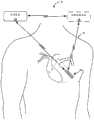
图1是示出根据本公开的一种或多种技术的结合患者的示例性医疗装置系统的环境的概念图。FIG. 1 is a conceptual diagram illustrating the environment of an exemplary medical device system incorporating a patient according to one or more techniques of this disclosure.
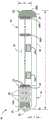
图2是示出根据本文所述的一种或多种技术的图1的医疗装置系统的植入式医疗装置(IMD)的示例性配置的概念图。2 is a conceptual diagram illustrating an exemplary configuration of an implantable medical device (IMD) of the medical device system of FIG. 1 in accordance with one or more techniques described herein.
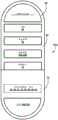
图3是示出根据本文所述的一种或多种技术的图1和图2的IMD的示例性配置的功能框图。3 is a functional block diagram illustrating an example configuration of the IMD of FIGS. 1 and 2 in accordance with one or more techniques described herein.
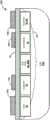
图4A和图4B示出根据本文所述的一种或多种技术的可以基本上类似于图1至图3的IMD但可以包括一个或多个附加特征的两个附加示例性IMD。4A and 4B illustrate two additional exemplary IMDs that may be substantially similar to the IMDs of FIGS. 1-3 but may include one or more additional features, according to one or more techniques described herein.
图5是示出根据本公开的一种或多种技术的外部装置的部件的示例性配置的框图。FIG. 5 is a block diagram illustrating an exemplary configuration of components of an external device according to one or more techniques of the present disclosure.
图6是示出根据本文所述的一种或多种技术的示例性系统的框图,该示例性系统包括接入点、网络、如服务器的外部计算装置以及一个或多个其他计算装置,这些计算装置可以经由网络耦接到IMD、外部装置和处理电路系统。6 is a block diagram illustrating an example system including an access point, a network, an external computing device, such as a server, and one or more other computing devices, in accordance with one or more techniques described herein. The computing device may be coupled to the IMD, external devices, and processing circuitry via a network.
图7是示出根据本文所述的一种或多种技术的加速度计信号曲线图和生理参数曲线图的图。7 is a graph showing an accelerometer signal graph and a physiological parameter graph, according to one or more techniques described herein.
图8是示出根据本公开的一种或多种技术的用于生成可被分析以确定跌倒风险评分的数据的示例性操作的流程图。8 is a flowchart illustrating example operations for generating data that may be analyzed to determine a fall risk score, according to one or more techniques of this disclosure.
具体实施方式Detailed ways
本公开描述了用于监测患者的跌倒风险的技术。例如,植入式医疗装置(IMD)可在一段时间内测量一组患者参数。处理电路系统可基于由IMD生成的一个或多个信号来识别与患者相关联的一个或多个事件,诸如一个或多个身体位置变化和/或一个或多个心脏事件。处理电路系统可分析其中一组患者参数中的至少一个患者参数响应一个或多个事件中的每个事件的方式。处理电路系统可基于患者参数对所识别的身体位置变化的响应来确定患者的跌倒风险。This disclosure describes techniques for monitoring a patient's risk of falls. For example, an implantable medical device (IMD) may measure a set of patient parameters over a period of time. The processing circuitry may identify one or more events associated with the patient based on the one or more signals generated by the IMD, such as one or more body position changes and/or one or more cardiac events. The processing circuitry may analyze a manner in which at least one patient parameter of the set of patient parameters responds to each of the one or more events. The processing circuitry may determine the patient's fall risk based on the response of the patient parameter to the identified change in body position.
跌倒对一些患者而言可能代表着重大挑战。因此,可能有利的是监测一个或多个患者参数,诸如由医疗装置收集的信号所指示的一个或多个患者参数,以便确定患者是否在将来有跌倒的风险。在一些情况下,跌倒是由心律不齐引起的,诸如心搏停止心律不齐、心动过速心律不齐、心动过缓心律不齐或心房纤颤(AF)中的任一种或组合。例如,患有心动过缓的患者可能具有异常低的血压或异常低的心率。因此,患有心动过缓的患者在站立、行走或以其他方式用力时可能经历头晕。在一些情况下,这种头晕可能致使患者跌倒。其他疾病或病症诸如心力衰竭、慢性阻塞性肺病(COPD)、癫痫和痴呆(例如,帕金森氏病、多发性硬化症和阿尔茨海默病)也可能导致跌倒。此外,年长患者可能有增加的跌倒风险。Falls can represent a significant challenge for some patients. Accordingly, it may be desirable to monitor one or more patient parameters, such as indicated by signals collected by the medical device, in order to determine whether the patient is at risk of falling in the future. In some instances, the fall is caused by a cardiac arrhythmia, such as any or a combination of asystole arrhythmia, tachycardia arrhythmia, bradycardia arrhythmia, or atrial fibrillation (AF). For example, a patient with bradycardia may have abnormally low blood pressure or an abnormally low heart rate. As a result, patients with bradycardia may experience dizziness when standing, walking, or otherwise exerting effort. In some cases, this dizziness may cause the patient to fall. Other diseases or conditions such as heart failure, chronic obstructive pulmonary disease (COPD), epilepsy, and dementia (eg, Parkinson's disease, multiple sclerosis, and Alzheimer's disease) may also cause falls. In addition, older patients may be at increased risk of falls.
在任何情况下,可能有利的是,分析由一个或多个医疗装置记录的信号以便跟踪患者的跌倒风险。如果确定患者将有增加的跌倒风险,则处理电路系统可输出警报、输出治疗建议并且/或者致使一个或多个医疗装置向患者递送治疗。在一些示例中,处理电路系统监测并且存储包括血压、心率、组织灌注、运动数据和陀螺数据的一个或多个参数。处理电路系统可分析一个或多个参数以便确定患者的跌倒风险。In any event, it may be advantageous to analyze signals recorded by one or more medical devices in order to track a patient's risk of falls. If it is determined that the patient will be at increased risk of falling, the processing circuitry may output an alarm, output a treatment recommendation, and/or cause one or more medical devices to deliver treatment to the patient. In some examples, the processing circuitry monitors and stores one or more parameters including blood pressure, heart rate, tissue perfusion, motion data, and gyroscopic data. Processing circuitry may analyze one or more parameters in order to determine the patient's risk of falling.
图1是示出根据本公开的一种或多种技术的结合患者4的示例性医疗装置系统2的环境的概念图。示例技术可以与IMD 10一起使用,所述IMD 10可以与外部装置12和图1中未绘出的其他装置中的至少一个装置进行无线通信。处理电路系统14在图1中概念性地示出为与IMD 10和外部装置12分开但可以是IMD 10的处理电路系统和/或外部装置12的处理电路系统。一般来讲,本公开的技术可由系统的一个或多个装置如包括提供信号的传感器的一个或多个装置的处理电路系统14,或不包括传感器但仍然使用本文所述的技术分析信号的一个或多个装置的处理电路系统执行。例如,另一外部装置(图1中未示出)可包括处理电路系统14的至少一部分,所述另一外部装置被配置用于经由网络与IMD 10和/或外部装置12远程通信。FIG. 1 is a conceptual diagram illustrating the environment of an exemplary
在一些示例中,IMD 10可以植入在患者4的胸腔的外部(例如,皮下植入图1所说明的胸肌位置中)。IMD 10可位于患者4心脏水平附近或正下方的胸骨附近,例如至少部分在心脏轮廓内。在一些示例中,IMD 10采用可从爱尔兰都柏林的美敦力公司(Medtronic plc,Dublin,Ireland)获得的LINQTM插入式心脏监测器(ICM)的形式。In some examples,
临床医生有时基于由如电极、光学传感器、化学传感器、温度传感器、声学传感器和运动传感器的生理传感器收集的一个或多个观察到的生理信号来诊断具有医疗状况的患者。在一些情况下,临床医生将非侵入式传感器应用于患者,以便在患者在诊所进行医疗预约时感测一个或多个生理信号。然而,在一些示例中,患者状况的生理标记(例如,不规则心跳和长期呼吸趋势)是罕见的或难以在相对短的时间段内观察到。因此,在这些示例中,临床医生可能无法观察诊断具有医疗状况的患者所需的生理标记,同时在医疗预约期间监测患者的一个或多个生理信号。另外,可能有利的是,对一个或多个患者参数进行延长的时间段(例如,数天、数周或数月)的监测,使得能够分析一个或多个参数以识别在该延长的时间段内的一个或多个变化或趋势。在图1所示的示例中,IMD 10被植入患者4内以在延长的时间段内连续地记录患者4的一个或多个生理信号。Clinicians sometimes diagnose patients with medical conditions based on one or more observed physiological signals collected by physiological sensors such as electrodes, optical sensors, chemical sensors, temperature sensors, acoustic sensors, and motion sensors. In some cases, clinicians apply non-invasive sensors to patients to sense one or more physiological signals while the patient is in the clinic for a medical appointment. However, in some examples, physiological markers of a patient's condition (eg, irregular heartbeat and long-term breathing trends) are rare or difficult to observe within a relatively short period of time. Thus, in these examples, a clinician may not be able to observe physiological markers needed to diagnose a patient with a medical condition while monitoring one or more physiological signals of the patient during a medical appointment. In addition, it may be advantageous to monitor one or more patient parameters for an extended period of time (eg, days, weeks, or months) so that one or more parameters can be analyzed to identify One or more changes or trends within. In the example shown in FIG. 1 ,
在一些示例中,IMD 10包括被配置为检测患者4的生理信号的一个或多个传感器。例如,IMD 10包括一组电极(图1中未示出)。该组电极被配置为检测与患者4的心脏功能和/或肺功能相关联的一个或多个信号。在一些示例中,IMD 10可经由该组电极来感测电描记图(EGM)。EGM可表示对应于患者4的心脏的一个或多个生理电信号。例如,EGM可指示心室去极化(R波)、心房去极化(P波)、心室复极化(T波)以及其他事件。与前述事件有关的信息,如分离一个或多个事件的时间,可用于多种目的,如确定是否正在发生心律失常和/或预测是否可能发生心律失常。在一些示例中,IMD 10可被配置为经由该组电极来检测组织阻抗信号。组织阻抗信号可表示该组电极中的一个或多个电极与患者4的皮下组织之间的阻抗值。组织阻抗可应用于多种目的,诸如确定是否正在发生心律失常并且/或者预测是否可能发生心律失常。In some examples,
此外,IMD 10可另外或替代地包括一个或多个光学传感器、运动传感器(例如,加速度计)、温度传感器、化学传感器、压力传感器或它们的任何组合。此类传感器可以检测指示患者状况的一个或多个生理参数。Additionally,
例如,IMD 10包括一个或多个加速度计。IMD 10的加速度计可以收集反映患者4的运动测幅值的加速度计信号。在一些情况下,加速度计可以收集指示患者4在三维笛卡尔空间内的移动的三轴加速度计信号。例如,加速度计信号可以包括竖轴加速度计信号向量、横轴加速度计信号向量和正面轴加速度计信号向量。竖轴加速度计信号向量可表示患者4沿着竖轴的加速度,横轴加速度计信号向量可表示患者4沿着横轴的加速度,而正面轴加速度计信号向量可表示患者4沿着正面轴的加速度。在一些情况下,竖轴基本上沿着患者4的躯干从患者4的颈部延伸到患者4的腰部,横轴垂直于竖轴延伸跨过患者4的胸部,并且正面轴从患者4的胸部向外延伸并延伸穿过患者的胸部,所述正面轴垂直于竖轴和横轴。For example,
IMD 10可包括光学传感器。在一些情况下,光学传感器可以包含两个或更多个光发射器以及一个或多个光检测器。光学传感器可执行一个或多个测量以便确定患者4的组织的氧合度。例如,光学传感器可执行一个或多个组织氧饱和度(StO2)测量。在一些示例中,StO2可以表示动脉血氧饱和度(SaO2)与静脉血氧饱和度(SvO2)之间的加权平均值。在一些示例中,光学传感器可执行一个或多个脉搏血氧测定(SpO2)测量。在一些情况下,SpO2可以表示SaO2的近似值。氧饱和度(例如,StO2、SaO2、SvO2和SpO2)趋势可以指示一种或多种患者病状,例如心力衰竭、睡眠呼吸暂停或COPD。例如,StO2值在一段时间内稳步下降可以指示患者心力衰竭加重的风险加剧。如此,IMD可以在一段时间(例如,几小时、几天、几周或几个月)内执行若干次StO2测量,并且处理电路系统可以使用来自StO2测量的数据识别StO2值的趋势。基于所识别的趋势,在一些情况下,处理电路系统可以识别患者体内存在的医疗病状或监测已知存在于患者体内的病状。
在相应StO2测量期间,光学传感器的光发射器可以向IMD附近的组织区域输出光,所述光包含第一组频率分量。一个或多个光检测器可以感测包含第二组频率分量的光。处理电路系统被配置成将第一组频率分量与第二组频率分量进行比较,以识别对应于相应StO2测量的StO2值,其中StO2值表示定位在组织区域中的氧饱和血红蛋白与定位在组织区域中的血红蛋白总量的比率。During a correspondingStO2 measurement, a light emitter of the optical sensor may output light to a tissue region near the IMD, the light comprising the first set of frequency components. The one or more photodetectors can sense light comprising the second set of frequency components. The processing circuitry is configured to compare the first set of frequency components to the second set of frequency components to identify aStO2 value corresponding to a correspondingStO2 measurement, wherein theStO2 value represents oxygen-saturated hemoglobin localized in the tissue region relative to the localized The ratio of the total amount of hemoglobin in a tissue area.
外部装置12可以是被配置为在诸如家庭、诊所或医院的设置中使用的计算装置,并且还可以被配置为经由无线遥测与IMD 10通信。例如,外部装置12可以耦接到远程患者监测系统,诸如可从爱尔兰都柏林的美敦力公司获得的
在其他示例中,外部装置12可以是较大的工作站或另一多功能装置内的单独应用,而不是专用计算装置。例如,多功能装置可以是笔记本计算机、平板计算机、工作站、一个或多个服务器、蜂窝电话、个人数字助理或可以操作使计算装置能够作为安全装置操作的应用的另一个计算装置。In other examples,
当外部装置12被配置为由临床医生使用时,外部装置12可用于向IMD 10传输指令。示例性指令可包括设置用于感测的电极组合和可用于编程到IMD 10中的任何其他信息的请求。临床医生还可以在外部装置12的帮助下在IMD 10内配置和存储IMD 10的操作参数。在一些示例中,外部装置12通过提供用于识别潜在有益的操作参数值的系统来帮助临床医生配置IMD 10。
无论外部装置12是否被配置用于临床医生或患者使用,外部装置12都被配置为通过无线通信与IMD 10通信,并且任选地与另一计算装置(图1中未示出)通信。例如,外部装置12可以通过近场通信技术(例如可在小于10cm-20cm的范围内操作的电感耦接或其他通信技术)和远场通信技术(例如,根据802.11的射频(RF)遥测或
在一些示例中,处理电路系统14可包括被配置为实现用于在IMD 10、外部装置12、一个或多个其他装置或它们的任何组合内执行的功能和/或处理指令的一个或多个处理器。例如,处理电路系统14可能够处理存储在存储器中的指令。处理电路系统14可包括例如微处理器、数字信号处理器(DSP)、专用集成电路(ASIC)、现场可编程门阵列(FPGA)或等效离散或集成逻辑电路,或前述装置或电路中的任一者的组合。因此,处理电路系统14可以包括任何合适的结构,无论是硬件、软件、固件还是其任何组合,以执行本文所述的处理电路系统14的功能。In some examples, processing
处理电路系统14可以表示位于IMD 10和外部装置12的任何组合内的处理电路系统。在一些示例中,处理电路系统14可以完全位于IMD 10的壳体内。在其他示例中,处理电路系统14可以完全位于外部装置12的壳体内。在其他示例中,处理电路系统14可位于IMD10、外部装置12和图1中未示出的另一装置或装置组的任何组合内。因此,本文中归于处理电路系统14的技术和能力可归于IMD 10、外部装置12和图1中未示出的其他装置的任何组合。
存储器(图1中未示出)可被配置为在操作期间在医疗装置系统2内存储信息。存储器可包括计算机可读存储介质或计算机可读存储装置。在一些示例中,存储器包括短期存储器或长期存储器中的一者或两者。存储器可包括例如随机存取存储器(RAM)、动态随机存取存储器(DRAM)、静态随机存取存储器(SRAM)、磁盘、光盘、闪存存储器,或者电可编程存储器(EPROM)或电可擦除可编程存储器(EEPROM)的形式。在一些示例中,存储器用于存储由处理电路系统14执行的程序指令。Memory (not shown in FIG. 1 ) may be configured to store information within
存储器可表示位于IMD 10和外部装置12中的任何一者或两者内的存储器。在一些示例中,存储器可完全位于IMD 10的壳体内。在其他示例中,存储器可完全位于外部装置12的壳体内。在其他示例中,存储器可位于IMD 10、外部装置12和图1中未示出的另一装置或装置组的任何组合内。因此,本文中归于存储器的技术和能力可归于IMD 10、外部装置12和图1中未示出的其他装置的任何组合。Memory may represent memory located within either or both of
图1的医疗装置系统2可以是用于根据本公开的一种或多种技术收集一组信号的系统的示例。例如,IMD 10可经由一个或多个电极来收集EGM。处理电路系统14可包括EGM分析电路系统,该EGM分析电路系统被配置为确定EGM的一个或多个参数或事件(例如,P波、R波和T波)。可被实施为处理电路系统14的一部分的心脏信号分析电路系统可执行信号处理技术以提取指示EGM的一个或多个参数或事件的信息。经由IMD 10的一个或多个电极测量的EGM可包括由各种心脏和非心脏源引入EGM的噪声。IMD 10可包括被配置为消除或减少EGM中的至少一些噪声的预滤波电路系统。
处理电路系统14可基于由IMD 10的加速度计收集的加速度计信号来识别患者4的一个或多个身体位置变化。处理电路系统14可在加速度计信号中识别的身体位置变化的示例包括坐-站移动、躺-坐移动、躺-站移动、站-坐移动、站-躺移动、坐-躺移动以及其他身体位置变化。例如,处理电路系统14可识别加速度计信号的一个或多个轴的幅度的变化,并且基于该变化识别一个或多个身体位置变化。
在一些示例中,处理电路系统14可识别患者4的身体角度。如本文所用,术语“身体角度”可指患者4的躯干的角度。例如,IMD 10可被植入患者4的躯干中。因此,由IMD 10生成的加速度计信号反映了患者躯干的身体角度。在一些情况下,零度身体角度可表示躯干平行于地面时的身体角度(例如,当患者4躺下时)。在一些情况下,九十度身体角度可表示躯干垂直于地面时的身体角度(例如,当患者4站立时或当患者4以直立姿势坐着时)。因此,处理电路系统14可能够通过识别由加速度计信号指示的身体角度的变化,来识别患者4何时在站立时向前倾斜或何时在坐着时向前弯曲躯干。In some examples, processing
处理电路系统14可被配置为基于患者4行走或跑步时由IMD 10收集的加速度计信号来确定患者4的步态。例如,处理电路系统14可被配置为确定患者4迈步时的迈步速率。另外或替代地,处理电路系统14可被配置为基于加速度计信号来计算对应于患者4的步态的稳定性评分。
因此,IMD 10可被配置为测量一组生理参数并且生成指示患者4的物理位置和移动的一个或多个方面的加速度计信号。处理电路系统14可被配置为分析由IMD 10收集的数据,以便确定患者4的一个或多个状态和风险因素,诸如患者4将在当前时间之后的时间段内跌倒的风险。例如,处理电路系统14可维护跌倒风险数据库,该跌倒风险数据库存储多组数据,每组数据对应于相应的身体位置移动或身体角度变化。处理电路系统14可滚动地更新跌倒风险数据库。例如,当处理电路系统14检测到身体位置移动或身体角度变化时,处理电路系统14可将一组数据添加到存储在跌倒风险数据库中的多组数据。在一些情况下,处理电路系统14可从跌倒风险数据库中移除一组或多组数据。Accordingly,
处理电路系统14可分析当前由跌倒风险数据库存储的多组数据,以便确定与患者4相关联的跌倒风险评分。在一些示例中,处理电路系统14可定期地(例如,每小时、每天、每周或任何其他时间间隔)分析当前由跌倒风险数据库存储的多组数据。另外或替代地,处理电路系统14可响应于接收到用于分析数据的指令(例如,来自外部装置12或另一用户装置)来分析当前由跌倒风险数据库存储的多组数据。在任何情况下,当处理电路系统14确定患者4所关联的跌倒风险评分时,处理电路系统14可基于当前存储在跌倒风险数据库中的一组或多组数据来确定跌倒风险评分。在一些示例中,跌倒风险评分可被称为“跌倒风险指数”。
由跌倒风险数据库存储的每组数据可包括由IMD 10、其他植入式装置、其他外部装置或它们的任何组合测量的信号的一个或多个部分。例如,IMD 10可收集加速度计信号、EGM、一个或多个组织氧合度信号(StO2和/或SpO2)和一个或多个其他信号中的一者或多者。当IMD 10收集信号时,IMD 10可收集对应于相应信号的一系列样本,并且该一系列样本可表示信号本身。因此,信号的“部分”可表示信号的连续样本的集合。由跌倒风险数据库存储的每组数据可包括一组信号中的每个信号的一部分,其中每个相应的部分对应于相应的时间窗口。在一些示例中,时间窗口对应于其中处理电路系统14检测到加速度计信号中的身体位置变化或身体角度变化的时间。Each set of data stored by the fall risk database may include one or more portions of signals measured by
处理电路系统14可被配置为基于由IMD 10收集的加速度计信号来识别患者的身体位置变化。另外,处理电路系统14可被配置为识别身体位置变化发生的时间或时间段。处理电路系统14可识别身体位置移动的类型。例如,处理电路系统14可确定身体位置移动表示坐-站移动、躺-坐移动、躺-站移动、站-坐移动、站-躺移动、坐-躺移动或另一类型的移动。另外或替代地,处理电路系统14可基于与身体位置移动相关联的身体角度变化来识别身体位置移动的类型。在一个示例中,处理电路系统14可确定身体位置移动表示从40度身体角度到90度身体角度的变化。
处理电路系统14可基于身体位置变化发生的时间或时间段来设置时间窗口。例如,处理电路系统14可将时间窗口设置为在第一时间开始并且在第二时间结束,其中第一时间和第二时间相对于身体位置变化发生的时间或时间段被识别。在一些示例中,第一时间表示相应身体位置变化开始的时间。在一些示例中,第一时间表示相应身体位置变化结束的时间。在一些示例中,第一时间表示身体位置变化开始的时间与身体位置变化结束的时间之间的时间。在一些示例中,第一时间是在发生相应身体位置变化的时间或时间段之前的预定时间量。在一些示例中,第一时间是在发生相应身体位置变化的时间或时间段之后的预定时间量。在一些示例中,第二时间是在发生相应身体位置变化的时间或时间段之后的预定时间量,其中第二时间在第一时间之后。在任何情况下,时间窗口可包括在相应身体位置移动之后的至少一部分时间。
在一些情况下,处理电路系统14可将包括对应于与相应身体位置移动相关联的时间的一个或多个信号的一组数据保存到存储在存储器(图1中未示出)中的跌倒风险数据库。这允许处理电路系统14分析跌倒风险数据库,以便确定对应于患者4的最新跌倒风险评分。该组数据可包括一组信号部分。该组信号部分中的每个信号部分对应于由IMD 10或另一装置收集的相应信号,并且该组信号部分中的每个信号部分包括对应于由处理电路系统14基于身体位置变化发生的时间或时间段选择的时间窗口的数据。例如,该组数据可包括加速度计信号的从第一时间到第二时间的一部分、EGM的由IMD 10从第一时间到第二时间收集的一部分、组织阻抗信号的由IMD 10从第一时间到第二时间收集的一部分以及组织氧信号的由IMD 10从第一时间到第二时间收集的一部分。In some cases, processing
跌倒风险数据库可包括多组数据,每组数据对应于相应的身体位置移动,并且跌倒风险数据库可包括被配置为存储多组数据中的一组或多组数据的多个“库”。例如,多个库中的每个库可与多个分类中的相应分类相关联。当处理电路系统14识别身体位置变化时,处理电路系统14可将一个或多个分类分配给所识别的身体位置变化。在一些示例中,多个分类可包括坐-站分类、躺-坐分类、躺-站分类、站-坐分类、站-躺分类和坐-躺分类。在一些示例中,多个分类可包括一个或多个身体角度变化分类,其中该一个或多个身体角度变化分类中的每个身体角度变化分类与身体角度的第一范围和身体角度的第二范围相关联。如果第一身体角度落在与分类相关联的身体角度的第一范围内并且如果第二身体角度落在与分类相关联的身体角度的第二范围内,则表示从第一身体角度到第二身体角度的变化的身体角度变化可符合身体角度变化分类。在一些示例中,多个分类可包括一个或多个其他类型的分类,诸如一天中的时间分类。The fall risk database may include multiple sets of data, each set corresponding to a corresponding body position movement, and the fall risk database may include multiple "libraries" configured to store one or more of the multiple sets of data. For example, each library of the plurality of libraries can be associated with a corresponding category of the plurality of categories. When processing
在一个示例中,当处理电路系统14检测到表示从零度到九十度的身体角度变化的躺-站移动时,处理电路系统14可将躺-站分类和相应的身体角度变化分类分配给检测到的躺-站移动。当处理电路系统14生成对应于躺-站移动的一组数据时,处理电路系统14可将该组数据保存到与分配给躺-站移动的分类相关联的多个库中的每个库。In one example, when processing
对于响应于检测到身体位置变化而生成的每组数据,处理电路系统14可将该组数据保存到与分配给检测到的身体位置变化的分类相关联的多个库中的每个库。这允许处理电路系统14选择多个库中的一个或多个库用于跌倒风险分析。即,处理电路系统14可基于多个库中的一个或多个库来确定跌倒风险评分。在一些示例中,处理电路系统14可为一个或多个库中的每个库计算跌倒风险子评分,并且基于每个相应的跌倒风险子评分来计算跌倒风险评分。换句话讲,处理电路系统14可为多个度量中的每个度量确定跌倒风险证据水平。“度量”可对应于跌倒风险数据库的库。“证据水平”可指患者4有跌倒风险的证据的量。处理电路系统14可基于对应于多个度量中的每个度量的跌倒风险证据水平来确定患者4的总体跌倒风险评分。For each set of data generated in response to a detected change in body position, processing
处理电路系统14可被配置为基于由IMD 10或其他装置测量的生理信号来识别一个或多个患者参数。在一些示例中,处理电路系统14可被配置为基于经由IMD 10的一个或多个电极测量的EGM信号来确定患者4的心率。在一些示例中,处理电路系统14可基于EGM、阻抗信号、组织灌注信号(例如,由光学传感器收集的)或它们的任何组合来确定患者4的血压或对应于患者4的血压的一个或多个值。另外或替代地,处理电路系统14能够:确定在加速度计信号中检测到的一个或多个身体位置移动的速度;识别在加速度计信号中识别的步态的稳定性;确定在由IMD 10经由光学传感器感测的光学信号中识别的一个或多个组织灌注值;基于由IMD 10或其他装置收集的信号确定一个或多个其他患者参数;或它们的任何组合。
在一些示例中,为了确定患者4的心率,处理电路系统14可基于由IMD 10收集的EGM中检测到的两个或更多个R波来确定心率。例如,EGM可包括一个或多个R波,每个R波表示患者4的心脏的心室去极化。EGM中的R波的速率可表示患者4的心率。因此,处理电路系统14可通过确定一段时间内EGM中R波的速率来确定一段时间内患者4的心率。在一些示例中,处理电路系统14可确定第一R波和与第一波连续的第二R波之间的时间量。基于第一R波与第二R波之间的时间量,处理电路系统14可确定患者4在第二R波时的心率。处理电路系统14可计算对应于EGM中每对连续R波的相应心率。因此,处理电路系统14可随时间监测患者4的心率。In some examples, to determine the heart rate of patient 4, processing
可以预期的是,患者4的血压和/或心率将响应于诸如坐-站移动的身体位置移动而增加。如果患者4的血压和/或心率并未响应于身体位置移动而增加至少预期的量,则患者4可在完成坐-站移动不久之后经历头晕。在一些示例中,这种头晕可能导致患者4失去知觉和/或跌倒。因此,可能有利的是,处理电路系统14分析对应于在加速度计信号中检测到的每个坐-站移动的各组数据。即,处理电路系统14可分析跌倒风险数据库中的坐-站库,以便确定患者4的跌倒风险评分。当处理电路系统14确定响应于相应的坐-站移动的心率的增加和血压的增加在一段时间内减小或已经减小到低于阈值预期增加时,处理电路系统14可确定患者在将来有跌倒的风险。除了血压和心率之外或作为对其的替代,处理电路系统14可分析由跌倒风险数据库内的数据的相应库所指示的一个或多个其他患者参数,以便确定患者4的跌倒风险评分。It is expected that the blood pressure and/or heart rate of patient 4 will increase in response to body position movements such as sit-stand movements. If patient 4's blood pressure and/or heart rate do not increase by at least the expected amount in response to the body position movement, patient 4 may experience dizziness shortly after completing the sit-stand movement. In some examples, such dizziness may cause patient 4 to lose consciousness and/or fall. Accordingly, it may be advantageous for processing
尽管本文所述的一种或多种技术包括基于检测到身体位置变化和/或检测到身体角度变化来生成用于跌倒风险分析的数据组,但处理电路系统14还可基于一个或多个其他事件来生成用于跌倒风险分析的数据组。例如,处理电路系统14可响应于检测到诸如室性早搏(PVC)的心脏事件而生成一组数据,并且将该组数据保存到跌倒风险数据库。在一些示例中,处理电路系统14可将一个或多个分类分配给响应于检测到心脏事件而生成的一组数据,并且将该组数据保存到对应于所分配的分类的跌倒风险数据库的一个或多个库。继而,处理电路系统14可分析一个或多个库,以便确定患者4的跌倒风险评分。While one or more of the techniques described herein include generating a data set for fall risk analysis based on detected changes in body position and/or detected changes in body angles, processing
如上文所讨论的,处理电路系统14可针对患者4的一个或多个身体位置移动(例如,坐-站移动、躺-坐移动、躺-站移动、站-坐移动、站-躺移动和坐-躺移动)来监测加速度计信号。另外或替代地,处理电路系统14可监测加速度计信号,以便确定患者4所经过的行走距离。在一些示例中,处理电路系统14可确定在每次检测到身体位置移动之后患者4所经过的行走距离,并且将该信息存储在存储器中。As discussed above, processing
处理电路系统14可基于由IMD 10测量的加速度计信号来确定患者4完成由处理电路系统14检测到的每个身体位置移动所花费的时间量。例如,在坐-站移动的情况下,处理电路系统14可基于加速度计信号来确定患者4开始站立的第一时间和患者4结束站立的第二时间。第一时间与第二时间之间的差值表示患者4完成坐-站移动所花费的时间。处理电路系统14可将完成每个检测到的身体位置移动所花费的时间量保存在跌倒风险数据库中。随后,处理电路系统14可分析患者4在一段时间内完成一个或多个身体位置变化所花费的时间量。例如,处理电路系统14可分析一周过程中的几个坐-站移动,并且确定患者4正逐渐花费更长的时间来完成这些坐-站移动。在该示例中,处理电路系统14可确定患者4有增加的跌倒风险。在一些示例中,患者4可执行五个坐-站(FTSTS)测试,并且处理电路系统14可保存患者4完成FTSTS移动的每个坐-站移动所花费的时间量。
由IMD 10收集的加速度计信号可指示一个或多个身体角度变化(例如,一个或多个躯干角位移(TAD))。另外或替代地,当患者4行走或跑步时,加速度计信号可指示患者4的步态速度(例如,4米步态速度(4MGS)),并且加速度计信号可指示患者4的步态稳定性。处理电路系统14可通过跟踪一段时间内加速度计信号的可变性来确定步态稳定性。加速计信号的较大可变性可表示患者4的步态的较大不稳定性,并且指示患者4跌倒的较大风险。Accelerometer signals collected by
处理电路系统14可在患者4每次站立时测量在患者4完成站立之后患者4开始移动(例如,开始行走)所花费的时间量。在站立与移动之间的这个时间在本文中可被称为扩展的定时起身和走动(ETGUG)。如果患者4在站立之后开始移动所花费的时间量在加速度计信号中检测到的整个坐-站移动序列中增加,则与其中患者4在站立之后开始移动所花费的时间量在整个坐-站移动序列中保持相同或减少的示例相比,处理电路系统14可确定患者4跌倒的风险正在增加。例如,当患者4在站立之后停顿时,这可指示患者4在站立之后正在经历头晕,这与患者4在站立之后并未经历头晕相比增加了跌倒的风险。
相对于检测到加速度计信号中的身体位置移动,处理电路系统14被配置为在对应于检测到身体位置移动的时间窗口(例如,在身体位置移动之后在5秒到60秒的范围内延伸的时间窗口)内监测血压(例如,PTT)、心率、组织灌注变化或它们的任何组合。具体地,处理电路系统14可监测正立挑战之后的心率恢复并且监测正立挑战之后的血压恢复。With respect to detecting body position movement in the accelerometer signal, processing
在一些示例中,处理电路系统14可计算多个PTT间隔,以便在一段时间内跟踪患者4的血压。例如,处理电路系统14被配置为针对存储在跌倒风险数据库中的一组数据识别多个PTT间隔。在一些示例中,多个PTT间隔中的每个PTT间隔表示由EGM的相应部分指示的去极化与由阻抗信号的相应部分指示的阻抗特征之间的时间量,该阻抗信号的相应部分发生在由EGM的相应部分指示的相应去极化之后和随后的去极化之前。在一些示例中,多个PTT间隔中的每个PTT间隔表示由EGM的相应部分指示的去极化与由组织氧合度信号(例如,StO2和/或SpO2)的相应部分指示的组织氧合度特征之间的时间量,该组织氧合度信号的相应部分发生在由EGM的相应部分指示的相应去极化之后和随后的去极化之前。In some examples, processing
在任何情况下,PTT可表示指示血液从心脏流到心血管系统内的外围位置所花费的时间量的参数。例如,EGM指示患者4的心室收缩从而迫使血液流出心脏的时间。由IMD 10测量的阻抗信号指示IMD 10附近的组织的组织灌注。组织灌注随着血液流向IMD 10附近的组织而增加(例如,在由血液流出患者4的心脏引起的脉搏期间)。此外,组织氧合度(例如,StO2和/或SpO2)随着血液流向IMD 10附近的组织而增加(例如,在脉搏期间)。因此,在EGM中检测到的R波与在由IMD 10收集的阻抗信号中检测到的阻抗信号特征之间的时间量可表示PTT间隔。另外或替代地,在EGM中检测到的R波与在组织氧合度信号中检测到的组织氧合度特征之间的时间量可表示PTT间隔。PTT间隔可与血压具有反比关系。例如,较短的PTT间隔表示较大的血液流速,这指示较高的血压。或者,较长的PTT间隔表示较小的血液流速,这指示较低的血压。在任何情况下,在患者4的血压与PTT间隔之间可能存在关系。因此,PTT间隔值可被处理电路系统14用作血压值的替代或代理。In any event, PTT may represent a parameter indicative of the amount of time it takes for blood to flow from the heart to peripheral locations within the cardiovascular system. For example, the EGM indicates when the ventricles of patient 4 contract, forcing blood out of the heart. The impedance signal measured by
处理电路系统14可基于对应于相应一组数据的多个PTT间隔来确定对应于与该组数据相关联的时间窗口的PTT变化值。PTT变化值表示相应时间窗口的第一区段中的一个或多个PTT间隔与该时间窗口的第二区段中的一个或多个PTT间隔之间的变化。处理电路系统14可基于对应于存储在跌倒风险数据库中的一组或多组数据的PTT变化值来计算对应于患者4的跌倒风险评分。
尽管在一个示例中,IMD 10采用ICM的形式,但在其他示例中,IMD 10采用带有血管内或血管外引线的植入式心脏复律除颤器(ICD)、起搏器、心脏再同步疗法装置(CRT-D)、神经调节装置、左心室辅助装置(LVAD)、植入式传感器、骨科装置或药泵的任何组合的形式,作为示例。此外,尽管在IMD的上下文中进行了描述,但本公开的技术可由另外或替代地包括一个或多个外部传感器装置的系统来实施,诸如可穿戴患者监测器、智能手表或Fitbit。While in one
图2是示出根据本文所述的一种或多种技术的图1的医疗装置系统2的IMD 10的示例性配置的概念图。在图2所示的示例中,IMD 10可包括具有壳体15、近侧电极16A和远侧电极16B的无引线可皮下植入的监测装置。壳体15可进一步包括第一主表面18、第二主表面20、近侧端部22和远侧端部24。在一些示例中,IMD 10可以包括位于IMD 10的一个或两个主表面18、20上的一个或多个附加电极16C、16D。壳体15包封定位在IMD 10内的电子电路系统,并且保护容纳在其中的电路系统免受如体液的流体的影响。在一些示例中,电馈通提供电极16A至16D和天线26到壳体15内的电路系统的电连接。在一些示例中,电极16B可以由导电壳体15的未绝缘部分形成。FIG. 2 is a conceptual diagram illustrating an exemplary configuration of
在图2所示的示例中,IMD 10由长度L、宽度W和厚度或深度D定义。在此示例中,IMD10呈细长矩形棱柱的形式,其中长度L显著大于宽度W,并且其中宽度W大于深度D。然而,设想了IMD 10的其他配置,如其中长度L、宽度W和深度D的相对比例与图2中所示和所述的那些不同那些配置。在一些示例中,可选择IMD 10的几何形状,例如宽度W大于深度D,以允许使用微创程序将IMD 10插入患者的皮肤下并在插入期间保持在期望的取向。另外,IMD 10可包括沿IMD 10的纵向轴线的径向不对称(例如,矩形形状),这可有助于在植入后将装置保持在期望的取向。In the example shown in FIG. 2,
在一些示例中,近侧电极16A与远侧电极16B之间的间隔可以在从约30mm至55mm、约35mm至55mm,或约40mm至55mm,或更一般地从约25mm至60mm的范围内。总的来说,IMD 10可具有约20mm至30mm、约40mm至60mm或约45mm至60mm的长度L。在一些示例中,主表面18的宽度W可以在约3mm至10mm的范围内,并且可以是在约3mm至10mm之间的任何单个宽度或宽度范围。在一些示例中,IMD 10的深度D可在约2mm至9mm的范围内。在其他示例中,IMD 10的深度D可以在约2mm至5mm的范围内,并且可以是约2mm至9mm的任何单个深度或深度范围。在任何此类示例中,IMD 10足够紧凑以植入于患者4的胸肌区域中的皮下空间内。In some examples, the spacing between
根据本公开的示例,IMD 10可以具有为便于植入和患者舒适而设计的几何形状和尺寸。本公开中描述的IMD 10的示例的体积可以为3立方厘米(cm3)或更小、1.5cm3或更小或其间的任何体积。此外,在图2所示的示例中,近端22和远端24是圆形的,以减小一旦植入患者4的皮肤下对周围组织的不适和刺激。According to examples of the present disclosure,
在图2所示的示例中,当IMD 10插入患者4内时,IMD 10的第一主表面18面向外朝向皮肤,而第二主表面20面向内朝向患者4的肌肉组织。因此,第一主表面18和第二主表面20可以面向沿着患者4的矢状轴的方向(见图1)并且由于IMD 10的尺寸,在植入时可以保持该取向。In the example shown in FIG. 2, when
当IMD 10皮下植入患者4中时,近侧电极16A和远侧电极16B可用于感测心脏EGM(例如,心脏ECG)。在一些示例中,IMD 10的处理电路系统还可确定患者4的心脏EGM是否指示心律失常或其他异常,IMD 10的处理电路系统可在确定患者4的医疗状况(例如,心力衰竭、睡眠呼吸暂停或COPD)是否已改变时进行评估。心脏EGM可存储在IMD 10的存储器中。在一些示例中,从EGM导出的数据可经由集成天线26传输到另一医疗装置,诸如外部装置12。在一些示例中,IMD 10还可使用电极16A和16B中的一者或两者来在由IMD 10执行的阻抗测量期间收集一个或多个阻抗信号(例如,皮下组织阻抗)。在一些示例中,由IMD 10检测到的此类阻抗值可以反映与电极16A、16B和患者4的目标组织之间的接触相关联的阻抗值。另外,在一些示例中,IMD 10的通信电路系统可将电极16A、16B用于与外部装置12或另一装置的组织电导通信(TCC)通信。When
在图2所示的示例中,近侧电极16A靠近IMD 10的近端22,而远侧电极16B靠近IMD的远端24。在该示例中,远侧电极16B不限于平坦的面向外的表面,而是可以从第一主表面18围绕圆形边缘28或端表面30延伸,并且以三维弯曲构造延伸到第二主表面20上。如图所示,近端电极16A位于第一主表面18上并且基本上是平的且面向外。然而,在此处未示出的其他示例中,近侧电极16A和远侧电极16B两者可以被配置为类似于图2中所示的近侧电极16A,或者两者可以被配置为类似于图2中所示的远侧电极16B。在一些示例中,附加电极16C和16D可定位在第一主表面18和第二主表面20中的一个或两个上,使得IMD 10上包括总共四个电极。电极16A-16D中的任何一个可以由生物相容性导电材料形成。例如,电极16A-16D中的任一个可由不锈钢,钛,铂,铱或其合金中的任一种形成。此外,IMD 10的电极可涂覆有例如氮化钛或分形氮化钛的材料,尽管也可使用用于这种电极的其他合适的材料和涂层。In the example shown in FIG. 2,
在图2所示的示例中,IMD 10的近端22包括具有近侧电极16A、集成天线26、抗迁移突出部34和缝合孔36中的一个或多个的头座组合件32。集成天线26位于与近侧电极16A相同的主表面(例如,第一主表面18)上,并且可以是头部组合件32的一体部分。在其他示例中,集成天线26可形成于与近侧电极16A相对的主表面上,或者在其他示例中,所述集成天线可结合在IMD 10的壳体15内。天线26可被配置为发射或接收用于通信的电磁信号。例如,天线26可被配置为经由电感耦合、电磁耦合、组织电导、近场通信(NFC)、射频识别(RFID)、
IMD 10可以包括用于一旦IMD 10皮下植入在患者4体内就将其保持在适当位置的若干特征。例如,如图2所示,壳体15可以包括定位在集成天线26附近的抗迁移突出部34。抗迁移突出部34可以包括远离第一主表面18延伸的多个隆起或突出部并且可以有助于防止IMD 10在植入在患者4体内之后的纵向移动。在其他示例中,抗迁移突起34可以位于与近侧电极16A和/或集成天线26相对的主表面上。另外,在图2所示的示例子中,头部组合件32包括缝合孔36,该缝合孔提供将IMD 10固定到患者以防止在插入之后移动的另一手段。在所示的示例中,缝线孔36位于近侧电极16A附近。在一些示例中,头部组合件32可包括由聚合物或塑料材料制成的模制头部组合件,所述模制头部组合件可与IMD 10的主要部分集成或分离。
电极16A和16B可用于感测心脏EGM,如上所述。在一些示例中,除了电极16A、16B之外或代替所述电极,可以使用附加电极16C和16D来感测皮下组织阻抗。在一些示例中,IMD10的处理电路系统可基于从电极16A至16D中的至少两个接收的信号来确定患者4的阻抗值。例如,IMD 10的处理电路系统可生成电流或电压信号中的一个,通过电极16A至16D中选定的两个或更多个递送信号,并测量得到的电流或电压中的另一个。IMD 10的处理电路系统可基于递送的电流或电压和测量的电压或电流来确定阻抗值。
在图2所示的示例中,IMD 10包含定位在IMD 10的壳体15上的光发射器38以及近侧光检测器40A和远侧光检测器40B(统称为“光检测器40”)。光检测器40A可以定位在距光发射器38的距离为S的位置处,而远侧光检测器40B可以定位在距光发射器38的距离为S+N的位置处。在其他示例中,IMD 10可仅包括光检测器40A、40B中的一个光检测器,或者可以包括附加的光发射器和/或附加的光检测器。总之,光发射器38和光检测器40A、40B可以包含光学传感器,所述光学传感器可以在本文所述的技术中用于确定患者4的StO2或SpO2值。尽管光发射器38和光检测器40A、40B在本文中被描述为定位在IMD 10的壳体15上,但是在其他示例中,光发射器38和光检测器40A、40B中的一个或多个可以定位在患者4体内如经静脉、皮下或血管外起搏器或ICD等另一种类型的IMD的壳体上,或者通过引线连接到此类装置。光发射器38包含光源,如LED,所述光源可以发射可见光(VIS)和/或近红外(NIR)光谱内的一种或多种波长的光。例如,光发射器38可以发射约660纳米(nm)、720nm、760nm、800nm中的一种或多种或任何其他合适的波长的光。In the example shown in FIG. 2 ,
在一些示例中,用于确定StO2的技术可以包含使用光发射器38来发射一种或多种VIS波长(例如,大约660nm)和一种或多种NIR波长(例如,大约850nm-890nm)的光。VIS和NIR波长的组合可以有助于使IMD 10的处理电路系统能够区分患者4的组织中的氧合血红蛋白与脱氧血红蛋白,因为随着血红蛋白变得较少氧合,VIS光的衰减增加并且NIR的衰减减少。通过将光检测器40A、40B检测到的VIS光的量与光检测器40A、40B检测到的NIR光的量进行比较,IMD 10的处理电路系统可以确定患者4组织中氧合血红蛋白和脱氧血红蛋白的相对量。例如,如果患者4的组织中氧合血红蛋白的量减少,则光检测器40A、40B检测到的VIS光的量增加,并且光检测器40A、40B检测到的NIR光的量减少。类似地,如果患者4的组织中氧合血红蛋白的量增加,则光检测器40A、40B检测到的VIS光的量减少,并且光检测器40A、40B检测到的NIR光的量增加。In some examples, techniques for determiningStO can include using
如图2中所示,光发射器38可以定位在头座组合件32上,但是在其他示例中,光检测器40A、40B中的一者或两者可以另外或可替代地定位在头座组合件32上。在一些示例中,光发射器38可以定位在IMD 10的中间区段上,如近端22与远端24之间的部分。尽管光发射器38和光检测器40A、40B被展示为定位在第一主表面18上,但光发射器38和光检测器40A、40B也可以可替代地定位在第二主表面20上。在一些示例中,可以植入IMD,使得当植入IMD10时,光发射器38和光检测器40A、40B向内面向患者4的肌肉,这可以有助于最小化来自患者4身体外部的背景光的干扰。光检测器40A、40B可以包括玻璃或蓝宝石窗口,如下面参照图4B所述,或可定位在IMD 10的壳体15的由玻璃或蓝宝石或其他透明或半透明材料制成的部分之下。As shown in FIG. 2, the
在用于确定患者4的StO2值的技术期间,光发射器38可以将光发射到患者4的目标部位。当IMD 10植入患者4体内时,目标部位通常可以包含IMD 10周围的间质空间。光发射器38可以定向地发射光,因为光发射器38可以将信号引导到IMD 10的一侧,如当光发射器38安置在包含第一主表面18的IMD 10的一侧时。目标部位可以包含与患者4体内的IMD 10邻近的皮下组织。
用于确定StO2值的技术可以基于血液灌注组织的光学性质,所述光学性质根据组织微循环中氧合血红蛋白和脱氧血红蛋白的相对量而变化。这些光学性质至少部分地归因于氧合血红蛋白和脱氧血红蛋白的不同光学吸收光谱。因此,患者组织的氧饱和度水平可以影响邻近IMD 10的组织内的血液所吸收的光的量以及组织所反射的光的量。光检测器40A、40B各自可以接收来自光发射器38的由组织反射的光,并产生指示由光检测器40A、40B检测到的光的强度的电信号。然后,IMD 10的处理电路系统可以评估来自光检测器40A、40B的电信号,以确定患者4的StO2值。Techniques for determiningStO2 values can be based on the optical properties of blood-perfused tissue that vary according to the relative amounts of oxyhemoglobin and deoxygenated hemoglobin in the tissue microcirculation. These optical properties are due at least in part to the different optical absorption spectra of oxyhemoglobin and deoxyhemoglobin. Accordingly, the oxygen saturation level of the patient's tissue may affect the amount of light absorbed by blood in tissue adjacent to
在一些示例中,由光检测器40A、40B产生的电信号之间的差异可以增强由IMD 10确定的StO2值的准确性。例如,因为组织吸收了由光发射器38发射的光中的一些光,所以由组织反射的光的强度随着光发射器38与光检测器40A、40B之间的距离(和组织量)增加而衰减。因此,因为光检测器40B距光发射器38的距离(距离S+N)比光检测器40A(距离S)更远,所以光检测器40B检测到的光的强度应该小于光检测器40A检测到的光的强度。由于检测器40A、40B彼此非常接近,因此光检测器40A检测到的光的强度与光检测器40B检测到的光的强度之间的差异应仅归因于与光发射器38的距离的差异。在一些示例中,除了电信号本身之外,IMD 10的处理电路系统可以使用光检测器40A、40B产生的电信号之间的差异来确定患者4的StO2值。In some examples, the difference between the electrical signals generated by
在一些示例中,IMD 10可包括一个或多个附加传感器,诸如一个或多个加速度计(图2中未示出)。此类加速度计可以是3D加速度计,其被配置为生成指示患者的一种或多种类型的移动的信号,如患者的整个身体移动(例如,运动)、患者姿势、与心脏跳动相关的移动,或咳嗽、啰音或其他呼吸异常。由IMD 10监测的参数(例如阻抗、EGM)中的一个或多个参数可响应于一种或多种这类类型的移动的变化而波动。例如,参数值的改变有时可归因于增加的患者运动(例如,锻炼或与不动性相比的其他物理运动)或归因于患者姿势的改变,而不必归因于医疗状况的改变。因此,在一些识别或跟踪患者4的医疗状况的方法中,当确定参数的变化是否指示医疗状况的变化时考虑此类波动可能是有利的。In some examples,
在一些示例中,IMD 10可以使用光发射器38和光检测器40来执行SpO2测量。例如,IMD 10可以通过使用光发射器38发射一个或多个VIS波长、一个多个NIR波长或者一个或多个VIS波长和一个多个NIR波长的组合的光来执行SpO2测量。通过将光检测器40A、40B检测到的VIS光的量与光检测器40A、40B检测到的NIR光的量进行比较,IMD 10的处理电路系统可以确定患者4组织中氧合血红蛋白和脱氧血红蛋白的相对量。例如,如果患者4的组织中氧合血红蛋白的量减少,则光检测器40A、40B检测到的VIS光的量增加,并且光检测器40A、40B检测到的NIR光的量减少。类似地,如果患者4的组织中氧合血红蛋白的量增加,则光检测器40A、40B检测到的VIS光的量减少,并且光检测器40A、40B检测到的NIR光的量增加。In some examples,
虽然SpO2测量和StO2测量两者均可以采用IMD 10的光学传感器(例如,光发射器38和光检测器40)来发射和感测光,但是SpO2测量可能比StO2测量消耗显著更多的能量。在一些示例中,SpO2测量可能比StO2测量多消耗至多3个数量级(1,000倍)的电力。能量消耗不一致的原因包含SpO2测量可能需要光发射器38被激活至多30秒,其中StO2测量可能需要光发射器38被激活至多5秒。另外,SpO2测量可能需要高达70Hz的采样率,而StO2测量可能需要至多4Hz的采样率。While bothSpO2 measurement andStO2 measurement can employ the optical sensors (e.g.,
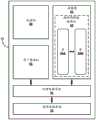
图3是示出根据本文所述的一种或多种技术的图1和图2的IMD 10的示例性配置的功能框图。如图3所见,IMD 10包括电极16A-16D(统称为“电极16”)、天线26、处理电路系统50、感测电路系统52、通信电路系统54、存储器56、开关电路系统58、包括光检测器40和运动传感器42的传感器62和电源64。存储器56被配置为存储包括库68A-68N(统称为“库68”)的跌倒风险数据库66。尽管存储器56被示出为存储跌倒风险数据库66,但一个或多个其他存储器可另外或替代地存储跌倒风险数据库66的至少一部分。例如,图1的外部装置12的存储器可被配置为存储跌倒风险数据库66的至少一部分。在一些示例中,另一存储器可被配置为存储跌倒风险数据库66的至少一部分。FIG. 3 is a functional block diagram illustrating an exemplary configuration of
处理电路系统50可包括固定功能电路系统和/或可编程处理电路系统。处理电路系统50可包括例如微处理器、DSP、ASIC、FPGA、等效的离散或集成逻辑电路系统或前述装置或电路系统中的任何一种的组合。因此,处理电路系统50可以包括任何合适的结构,无论是硬件、软件、固件还是其任意组合,以执行本文赋予IMD 10的功能。在一些示例中,处理电路系统50可表示图1的处理电路系统14的至少一部分,但这不是必需的。在一些示例中,处理电路系统50可与图1的处理电路系统14分开。
感测电路系统52和通信电路系统54能够经由可由处理电路系统50控制的开关电路系统58选择性地耦接到电极16。感测电路系统52可以监测来自电极16的信号,以便监测心脏的电活动(例如,以产生EGM)和/或皮下组织阻抗,所述阻抗指示患者4的心脏活动和/或呼吸模式的至少一些方面。感测电路系统52还可监测来自传感器62的信号,该传感器可包括光检测器40、运动传感器42和可定位在IMD 10上的任何附加传感器。在一些示例中,感测电路系统52可以包括用于对从电极16和/或传感器62中的一个或多个接收到的信号进行滤波和放大的一个或多个滤波器和放大器。
通信电路系统54可以包含用于与如外部装置12等另一装置或如压力感测装置等另一装置或传感器进行通信的任何合适的硬件、固件、软件或它们的任何组合。在处理电路系统50的控制下,通信电路系统54可借助于例如天线26的内部或外部天线从外部装置12或另一装置接收下行链路遥测,以及向所述装置发送上行链路遥测。另外,处理电路系统50可以通过外部装置(例如,外部装置12)和如由爱尔兰都柏林的美敦力公司开发的美敦力
临床医生或其他用户可以使用外部装置12或通过使用被配置为通过通信电路系统54与处理电路系统50进行通信的另一个本地或联网计算装置来从IMD 10检索数据。临床医生还可以使用外部装置12或另一本地或联网计算装置来编程IMD 10的参数。A clinician or other user may retrieve data from
在一些示例中,存储器56包括计算机可读指令,该计算机可读指令在由处理电路系统50执行时致使IMD 10和处理电路系统50执行本文中归因于IMD 10和处理电路系统50的各种功能。存储器56可包括短期存储器或长期存储器中的一者或两者。存储器可包括例如RAM、DRAM、SRAM、磁盘、光盘、闪存存储器或各种形式的EPROM或EEPROM。在一些示例中,存储器用于存储由处理电路系统50执行的程序指令。In some examples,
存储器56被配置为存储跌倒风险数据库66的至少一部分。跌倒风险数据库66包括多组数据。在一些示例中,多组数据中的每组数据可对应于在由IMD 10收集的数据中检测到的事件。例如,多组数据中的至少一组数据可对应于在由IMD 10收集的加速度计信号中检测到的身体位置变化或身体角度变化。另外或替代地,多组数据中的至少一组数据可对应于在由IMD 10收集的一个或多个信号(例如,EMG、阻抗信号、光信号或它们的任何组合)中检测到的心脏事件。
在一些示例中,多组数据中的每组数据包括一个或多个信号的相应部分,其中该一个或多个信号的相应部分对应于相应的时间窗口。例如,第一组数据可包括对应于第一时间窗口的一组信号,并且第二组数据可包括对应于第二时间窗口的一组信号,其中第一时间窗口不同于第二时间窗口。第一组数据可包括与第二组数据相同的信号中的至少一个信号。因此,第一组数据和第二组数据可包括至少一个重叠信号,但第一组数据对应于第一时间窗口,并且第二组数据对应于第二时间窗口。In some examples, each of the sets of data includes a respective portion of one or more signals, where the respective portions of the one or more signals correspond to respective time windows. For example, a first set of data may include a set of signals corresponding to a first time window, and a second set of data may include a set of signals corresponding to a second time window, where the first time window is different than the second time window. The first set of data may include at least one of the same signals as the second set of data. Thus, the first set of data and the second set of data may comprise at least one overlapping signal, but the first set of data corresponds to a first time window and the second set of data corresponds to a second time window.
跌倒风险数据库66包括库68。在一些示例中,库68中的每个库可对应于一个或多个分类。可基于与一组数据相关联的一个或多个分类将该组数据分类到库68中。例如,库68A可与坐-站分类相关联,并且库68B可与躺-站分类相关联。库68C-68N可各自与多个分类中的一个或多个分类相关联。当第一组数据与坐-站分类相关联时,存储器56可将第一组数据存储在库68A中。在一些示例中,处理电路系统(例如,图1的处理电路系统14)可分析一个或多个库68,以便确定与患者4相关联的跌倒风险评分。
电源64被配置为将操作功率递送至IMD 10的部件。电源64可以包括电池和用于产生操作功率的发电电路。在一些示例中,电池是可再充电的,以允许长期操作。在一些示例中,再充电是通过外部充电器与外部装置12内的感应充电线圈之间的近侧感应相互作用来实现的。电源64可以包括多种不同电池类型中的任何一种或多种,诸如镍镉电池和锂离子电池。不可再充电电池可以被选择为持续数年,而可再充电电池可以例如在每天或每周的基础上从外部装置感应地充电。Power supply 64 is configured to deliver operating power to components of
图4A和图4B示出了根据本文所述的一种或多种技术的两个附加示例性IMD,所述示例性IMD可与图1至图3的IMD 10基本相似但是可以包括一个或多个附加特征。图4A和图4B的部件可以不必按比例绘制,而是可以放大以示出细节。图4A是IMD 10A的示例配置的顶视图的框图。图4B是示例性IMD 10B的侧视图的框图,其可以包括如下所述的绝缘层。4A and 4B illustrate two additional exemplary IMDs that may be substantially similar to
图4A是示出了可以基本上类似于图1的IMD 10A的另一个示例性IMD 10的概念图。除了图1至图3所示的部件之外,图4A所示的IMD 10的示例还可以包括主体部分72和附接板74。附接板74可被配置为将头部组合件32机械地耦接到IMD 10A的主体部分72。IMD 10A的主体部分72可被配置为容纳图3所示IMD 10的内部部件中的一个或多个内部部件,诸如处理电路系统50、感测电路系统52、通信电路系统54、存储器56、开关电路系统58、传感器62的内部部件和电源64中的一者或多者。在一些示例中,主体部分72可由钛、陶瓷或任何其他合适的生物相容性材料中的一种或多种形成。FIG. 4A is a conceptual diagram illustrating another
图4B是示出了可以包括基本上类似于图1的IMD 10的部件的示例性IMD 10B的概念图。除了图1-3中所示出的部件之外,图4B中所示出的IMD 10B的示例还可以包括晶片级绝缘覆盖件76,所述晶片级绝缘覆盖件可以有助于使在壳体15B上的电极16A-16D和/或光检测器40A、40B与处理电路系统50之间传递的电信号绝缘。在一些示例中,绝缘覆盖件76可以定位在开口壳体15之上,以形成用于IMD 10B的部件的壳体。IMD 10B的一个或多个部件(例如,天线26、光发射器38、光检测器40A、40B、处理电路系统50、感测电路系统52、通信电路系统54、开关电路系统58和/或电源64)可例如通过使用倒装芯片技术形成在绝缘覆盖件76的底侧上。绝缘覆盖件76可以翻转到壳体15B上。当翻转并放置到壳体15B上时,IMD 10B的形成在绝缘覆盖件76的底侧上的部件可以定位在由壳体15B限定的间隙78中。FIG. 4B is a conceptual diagram illustrating an
图5是示出根据本公开的一种或多种技术的外部装置12的部件的示例性配置的框图。在图5的示例中,外部装置12包含处理电路系统80、通信电路系统82、存储器84、用户界面86和电源88。存储器84被配置为存储包括库68的跌倒风险数据库66。尽管存储器86被示出为存储跌倒风险数据库66,但一个或多个其他存储器可另外或替代地存储跌倒风险数据库66的至少一部分。例如,IMD 10的存储器56可被配置为存储跌倒风险数据库66的至少一部分。在一些示例中,另一存储器可被配置为存储跌倒风险数据库66的至少一部分。FIG. 5 is a block diagram illustrating an exemplary configuration of components of
处理电路系统80可包括固定功能电路系统和/或可编程处理电路系统。处理电路系统80可包括例如微处理器、DSP、ASIC、FPGA、等效的离散或集成逻辑电路系统或前述装置或电路系统中的任何一种的组合。因此,处理电路系统80可包括任何合适的结构,无论是在硬件、软件、固件还是它们的任何组合中,以执行本文中归因于外部装置12的功能。在一些示例中,处理电路系统80可表示图1的处理电路系统14的至少一部分,但这不是必需的。在一些示例中,处理电路系统50可与图1的处理电路系统14分开。
通信电路系统82可以包含用于与另一装置(如IMD 10)进行通信的任何合适的硬件、固件、软件或其任何组合。在处理电路系统80的控制下,通信电路系统82可以从IMD 10或另一装置接收下行链路遥测,以及向其发送上行链路遥测。
在一些示例中,存储器84包括计算机可读指令,该计算机可读指令在由处理电路系统80执行时致使外部装置12和处理电路系统80执行本文中归因于IMD 10和处理电路系统80的各种功能。存储器84可包括短期存储器或长期存储器中的一者或两者。存储器可包括例如RAM、DRAM、SRAM、磁盘、光盘、闪存存储器或各种形式的EPROM或EEPROM。在一些示例中,存储器用于存储由处理电路系统80执行的程序指令。存储器84可以由在外部装置12上运行的软件或应用程序使用,以在程序执行期间临时存储信息。在一些示例中,跌倒风险数据库66可包括从IMD 10接收并分类到库68中的一组或多组数据。In some examples,
在外部装置12与IMD 10之间交换的数据可以包含操作参数。外部装置12可以传输包括计算机可读指令的数据,该计算机可读指令在由IMD 10实施时可以控制IMD 10改变一个或多个操作参数和/或导出收集到的数据。例如,处理电路系统80可向IMD 10传输指令,请求IMD 10将收集的数据(例如,对应于ECG信号和加速度计信号中的一者或两者的数据)输出到外部装置12。进而,外部装置12可以从IMD 10接收收集到的数据,并且将收集到的数据存储在存储器84中。另外或替代地,处理电路系统80可以将请求IMD 10更新电极组合以进行刺激或感测的指令导出到IMD 10。Data exchanged between
用户诸如临床医师或患者4可以通过用户界面86与外部装置12进行交互。用户界面86包括显示器(未示出),诸如LCD或LED显示器或其他类型的屏幕,处理电路系统80可利用该显示器呈现与IMD 10相关的信息(例如,从至少一个电极或至少一个电极组合获得的EGM信号、阻抗信号、运动信号、与患者4随时间相关联的跌倒风险评分或它们的任何组合)。另外,用户界面86可包括用于接收来自用户的输入的输入机构。输入机构可以包括例如按钮、小键盘(例如,字母数字小键盘)、外围定点装置、触摸屏或允许用户通过由外部装置12的处理电路系统80呈现的用户界面导航并且提供输入的另一个输入机构中的任何一种或多种。在其他示例中,用户界面86还包括音频电路系统,所述音频电路系统用于向患者4提供听觉通知、指令或其他声音,接收来自患者4的语音命令或两者。存储器84可以包含用于操作用户界面86以及用于管理电源88的指令。A user such as a clinician or patient 4 may interact with the
电源88被配置为向外部装置12的部件递送操作功率。电源88可以包括电池和用于产生操作功率的发电电路。在一些示例中,电池是可再充电的,以允许长期操作。再充电可通过将电源88电耦合到与交流电(AC)插座连接的支架或插头来实现。另外,通过外部充电器与外部装置12内的感应充电线圈之间的近端感应相互作用可以实现再充电。在其他示例中,可使用传统的电池(例如,镍镉或锂离子电池)。此外,外部装置12可以直接耦接到交流插座以进行操作。The
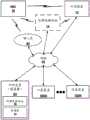
图6是示出了根据本文描述的一种或多种技术的示例系统的框图,所述示例系统包括接入点90、网络92、如服务器94之类的外部计算装置以及一个或多个其他计算装置100A至100N,这些计算装置可通过网络92耦合到IMD 10、外部装置12和处理电路系统14。在该示例中,IMD 10可以使用通信电路系统54经由第一无线连接与外部装置12进行通信并且经由第二无线连接与接入点90进行通信。在图6的示例中,接入点90、外部装置12、服务器94和计算装置100A–100N互连并且可以通过网络92彼此通信。6 is a block diagram illustrating an example system including an
接入点90可以包括通过各种连接中的任何连接(诸如电话拨号、数字用户线(DSL)或电缆调制解调器连接)连接到网络92的装置。在其他示例中,接入点90可以通过不同形式的连接(包括有线连接或无线连接)耦接到网络92。在一些示例中,接入点90可以是可以与患者共同定位的用户装置,诸如平板计算机或智能手机。如上文所讨论的,IMD 10可被配置为向外部装置12传输数据,诸如要在跌倒风险分析中分析的一组或多组数据。此外,接入点90可例如周期性地或响应于来自患者或网络92的命令询问IMD 10,以便检索由IMD 10的处理电路系统50确定的参数值或来自IMD 10的其他操作或患者数据。然后,接入点90可以经由网络92将检索到的数据传送到服务器94。
在一些情况下,服务器94可以被配置为提供用于已经从IMD 10和/或外部装置12收集到的数据的安全存储站点。在一些情况下,服务器94可以将数据汇集在网页或其他文档中,以供通过训练的专业人员(例如临床医生)经由计算装置100A–100N查看。图6的所示出的系统的一个或多个方面可以用可以类似于由爱尔兰都柏林的美敦力公司开发的Medtronic
服务器94可包括处理电路系统96。处理电路系统96可包括固定功能电路系统和/或可编程处理电路系统。处理电路系统96可以包括微处理器、控制器、DSP、ASIC、FPGA或等效的离散或模拟逻辑电路系统中的任何一个或多个。在一些示例中,处理电路系统96可包括多个部件(诸如一个或多个微处理器、一个或多个控制器、一个或多个DSP、一个或多个ASIC或一个或多个FPGA的任何组合),以及其他离散的或集成的逻辑电路系统。本文中归属于处理电路系统96的功能可体现为软件、固件、硬件或它们的任何组合。在一些示例中,作为示例,处理电路系统96可基于从IMD 10接收的一组或多组数据来执行本文所述的一种或多种技术。
服务器94可以包括存储器98。存储器98包括计算机可读指令,所述计算机可读指令在由处理电路系统96执行时使IMD 10和处理电路系统96执行归因于本文中的IMD 10和处理电路系统96的各种功能。存储器98可包括任何易失性、非易失性、磁、光或电介质,诸如RAM、ROM、NVRAM、EEPROM、闪速存储器或任何其他数字介质。
在一些示例中,计算装置100A-100N(例如,装置100A)中的一个或多个计算装置可以是与临床医生一起定位的平板计算机或其他智能装置,临床医生可以通过所述平板计算机或其他智能装置进行编程,从中接收警报和/或询问IMD 10。例如,临床医生可存取对应于诸如当患者4在临床医生访视之间时由IMD 10通过装置100A收集的EGM、阻抗信号、组织灌注信号、加速度计信号和其他类型的信号中的任何一者或多者的数据,以检查诸如跌倒风险评分的医疗状况的状态。在一些示例中,临床医生可以诸如基于由IMD 10、外部装置12、处理电路系统14或其任何组合确定的跌倒风险评分,或基于临床医生已知的其他患者数据,将用于患者4的医疗干预的指令输入到装置100A中的app中。然后,装置100A可以将用于医疗干预的指令传输到位于患者4或患者4的护理者身上的另一计算装置100A至100N(例如,装置100B)。例如,此类用于医疗干预的指令可以包括改变药物剂量、时序或选择的指令、安排临床医师访视的指令或寻求医疗照顾的指令。在另外的示例中,装置100B可基于由IMD 10、外部装置12、处理电路系统14或它们的任何组合确定的患者4的跌倒风险评分的状态来生成对患者4的警报,这可使得患者4能够在接收用于医疗干预的指令之前主动寻求医疗看护。以此方式,患者4可以被授权根据需要采取行动来解决他或她的医疗状态,这可以帮助改善患者4的临床结果。In some examples, one or more of
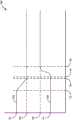
图7是示出根据本文所述的一种或多种技术的加速度计信号曲线图710和生理参数曲线图720的图。如图7所见,加速度计信号曲线图710在从时间T1到时间T2的时间段内从加速度计信号值A1转变为加速度计信号值A2。随后,生理参数曲线图720在从T3到时间T4的时间段内从参数值P1增加到参数值P2。7 is a graph illustrating an
加速度计信号曲线图710中从加速度计信号值A1到加速度计信号值A2的变化可表示患者4的身体位置移动或身体角度移动。在一些示例中,加速度计信号曲线图710可表示由运动传感器42生成的三轴加速度计信号的一个轴的曲线图。在一些示例中,加速度计信号曲线图710可指示由运动传感器42生成的加速计信号的两个或更多个轴的向量的幅度。在任何情况下,加速度计信号曲线图710可在时间T1之前的加速度计信号值A1处基本上恒定,并且加速度计信号曲线图710可在时间T2之后的加速度计信号值A2处基本上恒定,其中值A2低于值A1。处理电路系统14可确定加速度计信号从A1到A2的变化表示身体位置变化,并且处理电路系统14可生成包括指示由生理参数曲线图720表示的生理参数的一个或多个信号的一组数据。A change in the
在一些情况下,响应于加速度计信号曲线图710从加速度计信号值A1变化为加速度计信号值A2,生理参数曲线图720从参数值P1增加到参数值P2。由于从加速度计信号值A1到加速度计信号值A2的变化可表示患者4的身体位置变化,因此从参数值P1到参数值P2的生理参数变化可响应于由处理电路系统14在加速度计信号曲线图710中示出的加速度计信号中检测到的身体位置移动而发生。在一些示例中,处理电路系统14可分析从参数值P1到参数值P2的生理参数变化,以便确定生理参数变化是否满足预期的参数变化。例如,“预期的”参数变化可表示响应于由加速度计信号曲线图710指示的身体位置变化的参数值的最小变化,该身体位置变化从加速度计信号值A1变化为加速度计信号值A2。当P1与P2之间的差值大于预期的参数变化时,处理电路系统14可确定从P1到P2的参数变化满足预期的参数变化。当P1与P2之间的差值不大于预期的参数变化时,处理电路系统14可确定从P1到P2的参数变化不满足预期的参数变化。In some cases,
在一些示例中,生理参数曲线图720可指示诸如血压、心率、组织灌注、运动数据或陀螺数据的参数。当由从加速度计信号值A1到加速度计信号值A2的变化所指示的身体位置变化表示坐-站或躺-站身体移动时,可以预期的是,诸如血压和心率的一些生理参数将增加以便补偿与这些身体位置移动相关联的增加的用力。另外,处理电路系统14可确定患者4完成身体位置移动所花费的时间(例如,从T1到T2的时间)在相同类型的一系列身体位置移动上变化。处理电路系统14可基于完成身体位置移动所花费的时间量的变化来确定与患者4相关联的跌倒风险评分。例如,患者4可完成一系列的坐-站移动。如果患者4花费的时间量从该序列的开始到坐-站移动序列的结束增加,则处理电路系统14可确定患者4有增加的跌倒风险。In some examples,
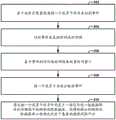
图8是示出根据本公开的一种或多种技术的用于生成可被分析以确定跌倒风险评分的数据的示例性操作的流程图。图8关于图1至图6的IMD 10、外部装置12和处理电路系统14进行描述。然而,图8的技术可由IMD 10的不同部件、外部装置12、处理电路系统14或由附加的或替代的医疗装置系统来执行。处理电路系统14在图1中概念性地示出为与IMD 10和外部装置12分开但可以是IMD 10的处理电路系统和/或外部装置12的处理电路系统。一般来讲,本公开的技术可由系统的一个或多个装置如包括提供信号的传感器的一个或多个装置的处理电路系统14,或不包括传感器但仍然使用本文所述的技术分析信号的一个或多个装置的处理电路系统执行。例如,另一外部装置(图1中未示出)可包括处理电路系统14的至少一部分,所述另一外部装置被配置用于经由网络与IMD 10和/或外部装置12远程通信。8 is a flowchart illustrating example operations for generating data that may be analyzed to determine a fall risk score, according to one or more techniques of this disclosure. FIG. 8 is described with respect to
处理电路系统14可基于由IMD 10和/或其他医疗装置或传感器收集的数据来识别一个或多个事件。当由处理电路系统14识别时,这些事件可表示用于分析由IMD 10和/或其他装置收集的数据的参考点。例如,处理电路系统14可确定每个识别的事件发生的时间,并且生成对应于每个相应事件的一组数据。另外,处理电路系统14可根据一个或多个分类对每个识别的事件进行分类,并且将对应于每个事件的一组数据分类到与分配给相应事件的一个或多个分类相关联的一个或多个库中。继而,处理电路系统14可分析这些数据组以便确定跌倒风险评分。
处理电路系统14可基于由医疗装置收集的一个或多个信号来识别事件(802)。在一些示例中,该一个或多个信号包括加速度计信号、阻抗信号(例如,皮下阻抗信号、胸内阻抗信号和/或心内阻抗信号),并且该事件表示由处理电路系统14在加速度计信号中识别的身体位置移动事件。在一些示例中,该一个或多个信号包括EGM、阻抗信号(例如,皮下阻抗信号、胸内阻抗信号和/或心内阻抗信号)、组织氧合度信号或它们的任何组合,并且该事件表示由处理电路系统14在一个或多个信号中识别的心脏事件。在一些示例中,该事件表示在加速度计信号、EGM、阻抗信号、组织氧合度信号、另一信号或它们的任何组合中识别的另一类型的事件。
处理电路系统14可识别事件的时间或时间段(804)。例如,当事件是身体位置变化时,处理电路系统14可在加速度计信号中确定身体位置变化开始的时间和身体位置变化结束的时间。这些时间表示身体位置变化发生的时间段。当事件是心脏事件时,处理电路系统14可确定心脏事件开始的时间和心脏事件结束的时间。这些时间表示心脏事件发生的时间段。
处理电路系统14可基于事件的时间或时间段来设置时间窗口(806)。在一些示例中,时间窗口可包括事件发生的时间或时间段之后的至少一部分时间。在一些示例中,整个时间窗口在事件发生的时间或时间段之后。在一些示例中,时间窗口的至少一部分发生在事件发生的时间或时间窗口之前。处理电路系统14可将一个或多个分类分配给事件(808)。该一个或多个分类可指示检测到的事件的方面。例如,该一个或多个分类可包括至少一种类型的身体位置移动、至少一种类型的身体角度变化、检测到事件的至少一天中的某个时间、或至少一种类型的心脏事件。
处理电路系统14可将包括一个或多个信号中的至少一些信号的一组数据保存到存储器中的跌倒风险数据库,使得能够分析跌倒风险数据库以便确定对应于患者4的跌倒风险评分(810)。例如,处理电路系统14可保存由IMD 10或另一医疗装置收集的一个或多个信号的一部分,其中每个相应信号的该部分对应于由处理电路系统14选择的时间窗口。处理电路系统14可基于分配给与该组数据相关联的事件的一个或多个分类来将该组数据保存到跌倒风险数据库的一个或多个库中。这允许处理电路系统14分析该一个或多个库,以便确定与患者4相关联的跌倒风险评分。
本公开中描述的技术可以至少部分地以硬件、软件、固件或其任何组合的形式实施。例如,这些技术的各个方面可在一个或多个处理器、DSP、ASIC、FPGA或任何其他等效的集成或离散逻辑QRS电路系统以及这类部件的任何组合中实施,这类部件体现在外部装置(诸如医生或患者编程器、模拟器或其他装置)中。术语“处理器”和“处理电路系统”通常可以是指单独的或与其他逻辑电路系统组合的前述逻辑电路系统中的任何逻辑电路系统或单独的或与其他数字或模拟电路系统组合的任何其他等效电路系统。The techniques described in this disclosure may be implemented at least in part in hardware, software, firmware, or any combination thereof. For example, various aspects of these techniques may be implemented in one or more processors, DSPs, ASICs, FPGAs, or any other equivalent integrated or discrete logic QRS circuitry, and any combination of such components embodied in an external device such as a physician or patient programmer, simulator or other device. The terms "processor" and "processing circuitry" may generally refer to any of the foregoing logic circuitry alone or in combination with other logic circuitry or any other logic circuitry alone or in combination with other digital or analog circuitry. Equivalent circuit system.
对于以软件实施的各个方面,归因于本公开中描述的系统和装置的功能中的至少一些可以体现为计算机可读存储介质上的指令,如RAM、DRAM、SRAM、磁盘、光盘、闪速存储器或各种形式的EPROM或EEPROM。可以执行指令以支持本公开中所述的功能的一个或多个方面。For aspects implemented in software, at least some of the functionality attributed to the systems and apparatus described in this disclosure may be embodied as instructions on a computer-readable storage medium, such as RAM, DRAM, SRAM, magnetic disk, optical disk, flash memory Memory or various forms of EPROM or EEPROM. Instructions may be executed to support one or more aspects of the functionality described in this disclosure.
另外,在一些方面,本文所述的功能可以设置在专用硬件和/或软件模块内。将不同特征描述为模块或单元旨在突出不同的功能方面,并且不一定暗示此类模块或单元必须由单独的硬件或软件部件来实现。相反,与一个或多个模块或单元相关联的功能可以由单独的硬件或软件组件来执行,或者集成在共同的或单独的硬件或软件组件中。另外,本技术可在一个或多个电路或逻辑元件中完全实现。本公开的技术可在各种装置或设备中实现,包括IMD、外部编程器、IMD和外部编程器的组合、集成电路(IC)或一组IC和/或驻留在IMD和/或外部编程器中的离散电路系统。Additionally, in some aspects the functionality described herein may be implemented within dedicated hardware and/or software modules. Depiction of different features as modules or units is intended to highlight different functional aspects and does not necessarily imply that such modules or units must be realized by separate hardware or software components. Rather, the functions associated with one or more modules or units may be performed by separate hardware or software components, or integrated in common or separate hardware or software components. Additionally, the technology may be fully implemented in one or more circuits or logic elements. The techniques of the present disclosure can be implemented in a variety of devices or devices, including an IMD, an external programmer, a combination of an IMD and an external programmer, an integrated circuit (IC) or a group of ICs and/or resident in an IMD and/or externally programmed discrete circuitry in the device.
Claims (15)
Applications Claiming Priority (3)
| Application Number | Priority Date | Filing Date | Title |
|---|---|---|---|
| US16/940,817US11602313B2 (en) | 2020-07-28 | 2020-07-28 | Determining a fall risk responsive to detecting body position movements |
| US16/940,817 | 2020-07-28 | ||
| PCT/US2021/041742WO2022026195A1 (en) | 2020-07-28 | 2021-07-15 | Determining a fall risk responsive to detecting body position movements |
Publications (1)
| Publication Number | Publication Date |
|---|---|
| CN116133581Atrue CN116133581A (en) | 2023-05-16 |
Family
ID=77265250
Family Applications (1)
| Application Number | Title | Priority Date | Filing Date |
|---|---|---|---|
| CN202180059191.7APendingCN116133581A (en) | 2020-07-28 | 2021-07-15 | Determining fall risk in response to detecting body position movement |
Country Status (4)
| Country | Link |
|---|---|
| US (4) | US11602313B2 (en) |
| EP (1) | EP4188193A1 (en) |
| CN (1) | CN116133581A (en) |
| WO (1) | WO2022026195A1 (en) |
Families Citing this family (5)
| Publication number | Priority date | Publication date | Assignee | Title |
|---|---|---|---|---|
| US11602313B2 (en) | 2020-07-28 | 2023-03-14 | Medtronic, Inc. | Determining a fall risk responsive to detecting body position movements |
| US12232851B2 (en) | 2021-03-08 | 2025-02-25 | Medtronic, Inc. | Acute health event monitoring |
| DE202022002907U1 (en) | 2021-03-08 | 2024-02-03 | Medtronic Inc. | Monitoring and verification of acute health events |
| US12257060B2 (en) | 2021-03-29 | 2025-03-25 | Pacesetter, Inc. | Methods and systems for predicting arrhythmia risk utilizing machine learning models |
| US20230148964A1 (en)* | 2021-11-16 | 2023-05-18 | Analog Devices, Inc. | Audible and visual cues in chest-worn sensor device |
Citations (3)
| Publication number | Priority date | Publication date | Assignee | Title |
|---|---|---|---|---|
| CN105873499A (en)* | 2013-11-04 | 2016-08-17 | 心脏起搏器股份公司 | Heart failure detection and risk stratification system |
| CN109863561A (en)* | 2016-08-24 | 2019-06-07 | 皇家飞利浦有限公司 | Equipment, system and method for patient-monitoring to predict and prevent bed from falling |
| US20200187864A1 (en)* | 2018-12-17 | 2020-06-18 | Medtronic, Inc. | Modification of heart failure monitoring algorithm to address false determinations |
Family Cites Families (260)
| Publication number | Priority date | Publication date | Assignee | Title |
|---|---|---|---|---|
| DE469951C (en) | 1929-01-02 | Julie Boehm Geb Bruglocher | Device for introducing cones in body cavities | |
| US2009393A (en) | 1930-06-12 | 1935-07-30 | Failla Gioacchino | Means for effecting therapeutic implantations |
| US4374382A (en) | 1981-01-16 | 1983-02-15 | Medtronic, Inc. | Marker channel telemetry system for a medical device |
| DE3774332D1 (en) | 1986-06-16 | 1991-12-12 | Siemens Ag | DEVICE FOR IMPEDANCE MEASUREMENT ON BODY TISSUES. |
| ATE71543T1 (en) | 1987-08-18 | 1992-02-15 | Akzo Nv | INJECTION DEVICE FOR AN IMPLANT. |
| US5354319A (en) | 1990-01-22 | 1994-10-11 | Medtronic, Inc. | Telemetry system for an implantable medical device |
| US5127404A (en) | 1990-01-22 | 1992-07-07 | Medtronic, Inc. | Telemetry format for implanted medical device |
| US5107833A (en) | 1990-11-02 | 1992-04-28 | Medtronic, Inc. | Telemetry gain adjustment algorithm and signal strength indication in a noisy environment |
| US5168871A (en) | 1990-11-09 | 1992-12-08 | Medtronic, Inc. | Method and apparatus for processing quasi-transient telemetry signals in noisy environments |
| US5117824A (en) | 1990-11-14 | 1992-06-02 | Medtronic, Inc. | Apparatus for monitoring electrical physiologic signals |
| US5271395A (en) | 1992-04-17 | 1993-12-21 | Medtronic, Inc. | Method and apparatus for rate-responsive cardiac pacing |
| DE4243641A1 (en) | 1992-12-22 | 1994-09-29 | Implantalon Sa Hairimplant Sys | Device for implanting hair |
| US5383909A (en) | 1993-01-29 | 1995-01-24 | Medtronic, Inc. | Diagnostic telemetry system for an apparatus for detection and treatment of tachycardia and fibrillation |
| US5304119A (en) | 1993-06-24 | 1994-04-19 | Monsanto Company | Instrument for injecting implants through animal hide |
| US5324315A (en) | 1993-08-12 | 1994-06-28 | Medtronic, Inc. | Closed-loop downlink telemetry and method for implantable medical device |
| US5484403A (en) | 1994-04-05 | 1996-01-16 | Avid Marketing, Inc. | Hypodermic syringe for implanting solid objects |
| US5954670A (en) | 1994-10-05 | 1999-09-21 | Baker; Gary H. | Mandrel-guided tandem multiple channel biopsy guide device and method of use |
| US5545186A (en) | 1995-03-30 | 1996-08-13 | Medtronic, Inc. | Prioritized rule based method and apparatus for diagnosis and treatment of arrhythmias |
| EP0959945B1 (en) | 1995-05-08 | 2001-08-08 | Pacesetter AB | Therapy device for venous pooling detection |
| DE19609382A1 (en) | 1996-03-04 | 1997-09-11 | Biotronik Mess & Therapieg | Activity-controlled pacemaker |
| DE69718523T2 (en) | 1996-05-14 | 2003-11-20 | Medtronic, Inc. | Priority device for cardiac arrhythmia diagnosis and treatment |
| EP0944414B1 (en) | 1996-07-11 | 2005-11-09 | Medtronic, Inc. | Minimally invasive implantable device for monitoring physiologic events |
| US5842999A (en) | 1996-07-31 | 1998-12-01 | C.R. Bard, Inc. | Automated tissue sampling device |
| US6159214A (en) | 1996-07-31 | 2000-12-12 | Michelson; Gary K. | Milling instrumentation and method for preparing a space between adjacent vertebral bodies |
| IL128986A (en) | 1996-09-27 | 2004-08-31 | Wyeth Corp | Medical device for the placement of solid materials |
| US5836975A (en) | 1996-12-19 | 1998-11-17 | Medtronic, Inc. | Method and apparatus for diagnosis and treatment of arrhythmias |
| US5772671A (en) | 1997-01-13 | 1998-06-30 | Mark L. Anderson | Device for implanting articles under skin |
| US5957861A (en) | 1997-01-31 | 1999-09-28 | Medtronic, Inc. | Impedance monitor for discerning edema through evaluation of respiratory rate |
| US5876353A (en) | 1997-01-31 | 1999-03-02 | Medtronic, Inc. | Impedance monitor for discerning edema through evaluation of respiratory rate |
| US6148233A (en) | 1997-03-07 | 2000-11-14 | Cardiac Science, Inc. | Defibrillation system having segmented electrodes |
| DE19804843A1 (en) | 1998-01-29 | 1999-08-05 | Biotronik Mess & Therapieg | Self-calibrating rate-adaptive pacemaker |
| US6076015A (en) | 1998-02-27 | 2000-06-13 | Cardiac Pacemakers, Inc. | Rate adaptive cardiac rhythm management device using transthoracic impedance |
| US6045513A (en) | 1998-05-13 | 2000-04-04 | Medtronic, Inc. | Implantable medical device for tracking patient functional status |
| US6104949A (en) | 1998-09-09 | 2000-08-15 | Vitatron Medical, B.V. | Medical device |
| US6160478A (en) | 1998-10-27 | 2000-12-12 | Sarcos Lc | Wireless health monitoring system |
| US6473640B1 (en) | 1999-01-25 | 2002-10-29 | Jay Erlebacher | Implantable device and method for long-term detection and monitoring of congestive heart failure |
| US6821249B2 (en) | 1999-03-08 | 2004-11-23 | Board Of Regents, The University Of Texas | Temperature monitoring of congestive heart failure patients as an indicator of worsening condition |
| US6230059B1 (en) | 1999-03-17 | 2001-05-08 | Medtronic, Inc. | Implantable monitor |
| US6190324B1 (en) | 1999-04-28 | 2001-02-20 | Medtronic, Inc. | Implantable medical device for tracking patient cardiac status |
| DE19928659A1 (en) | 1999-06-23 | 2000-12-28 | Biotronik Mess & Therapieg | Method for determining a variable control parameter of a medical device implant |
| US6512949B1 (en) | 1999-07-12 | 2003-01-28 | Medtronic, Inc. | Implantable medical device for measuring time varying physiologic conditions especially edema and for responding thereto |
| US6221011B1 (en) | 1999-07-26 | 2001-04-24 | Cardiac Intelligence Corporation | System and method for determining a reference baseline of individual patient status for use in an automated collection and analysis patient care system |
| CA2314517A1 (en) | 1999-07-26 | 2001-01-26 | Gust H. Bardy | System and method for determining a reference baseline of individual patient status for use in an automated collection and analysis patient care system |
| US6761725B1 (en) | 1999-09-08 | 2004-07-13 | Jeffrey Grayzel | Percutaneous entry system and method |
| US7127290B2 (en) | 1999-10-01 | 2006-10-24 | Cardiac Pacemakers, Inc. | Cardiac rhythm management systems and methods predicting congestive heart failure status |
| US6459929B1 (en) | 1999-11-04 | 2002-10-01 | Cardiac Pacemakers, Inc. | Implantable cardiac rhythm management device for assessing status of CHF patients |
| US6480733B1 (en) | 1999-11-10 | 2002-11-12 | Pacesetter, Inc. | Method for monitoring heart failure |
| US6336903B1 (en) | 1999-11-16 | 2002-01-08 | Cardiac Intelligence Corp. | Automated collection and analysis patient care system and method for diagnosing and monitoring congestive heart failure and outcomes thereof |
| US20010039504A1 (en) | 2000-03-15 | 2001-11-08 | Linberg Kurt R. | Individualized, integrated and informative internet portal for holistic management of patients with implantable devices |
| EP1142608A2 (en) | 2000-04-05 | 2001-10-10 | Pacesetter, Inc. | System and method for prevention of recurrent vasovagal syncope using cardiac pacing |
| US7815649B2 (en) | 2000-04-07 | 2010-10-19 | Kyphon SÀRL | Insertion devices and method of use |
| US6572557B2 (en) | 2000-05-09 | 2003-06-03 | Pacesetter, Inc. | System and method for monitoring progression of cardiac disease state using physiologic sensors |
| US6647295B2 (en) | 2000-05-15 | 2003-11-11 | Pacesetter, Inc. | Implantable cardiac stimulation device with detection and therapy for patients with vasovagal syncope |
| US6625492B2 (en) | 2000-05-15 | 2003-09-23 | Pacesetter, Inc. | Implantable cardiac stimulation device with detection and therapy for patients with vasovagal syncope |
| JP4872147B2 (en) | 2000-07-25 | 2012-02-08 | Dic株式会社 | Liquid crystal composition and liquid crystal display element |
| US7736330B2 (en) | 2000-08-24 | 2010-06-15 | Bardy Gust H | Subcutaneous implantation instrument with dissecting tool and method of construction |
| US8251946B2 (en) | 2000-08-24 | 2012-08-28 | Cardiac Science, Inc. | Method for constructing an instrument with a two-part plunger for subcutaneous implantation |
| US6449509B1 (en) | 2000-08-30 | 2002-09-10 | Pacesetter, Inc. | Implantable stimulation device having synchronous sampling for a respiration sensor |
| EP1195139A1 (en) | 2000-10-05 | 2002-04-10 | Ecole Polytechnique Féderale de Lausanne (EPFL) | Body movement monitoring system and method |
| US6522915B1 (en) | 2000-10-26 | 2003-02-18 | Medtronic, Inc. | Surround shroud connector and electrode housings for a subcutaneous electrode array and leadless ECGS |
| US6512940B1 (en) | 2000-10-31 | 2003-01-28 | Medtronic, Inc. | Subcutaneous spiral electrode for sensing electrical signals of the heart |
| US6438408B1 (en) | 2000-12-28 | 2002-08-20 | Medtronic, Inc. | Implantable medical device for monitoring congestive heart failure |
| AU2002255568B8 (en) | 2001-02-20 | 2014-01-09 | Adidas Ag | Modular personal network systems and methods |
| GB0106037D0 (en) | 2001-03-12 | 2001-05-02 | Univ Strathclyde | Activity monitor |
| US20020132044A1 (en) | 2001-03-19 | 2002-09-19 | Quarles James H. | Scratch repair procedure |
| US6907288B2 (en) | 2001-04-10 | 2005-06-14 | Cardiac Pacemakers, Inc. | Cardiac rhythm management system adjusting rate response factor for treating hypotension |
| US6622046B2 (en) | 2001-05-07 | 2003-09-16 | Medtronic, Inc. | Subcutaneous sensing feedthrough/electrode assembly |
| US6595927B2 (en) | 2001-07-23 | 2003-07-22 | Medtronic, Inc. | Method and system for diagnosing and administering therapy of pulmonary congestion |
| US7191000B2 (en) | 2001-07-31 | 2007-03-13 | Cardiac Pacemakers, Inc. | Cardiac rhythm management system for edema |
| US6625493B2 (en) | 2001-08-24 | 2003-09-23 | Pacesetter, Inc. | Orientation of patient's position sensor using external field |
| DE10148440A1 (en) | 2001-10-01 | 2003-04-17 | Inflow Dynamics Inc | Implantable medical device for monitoring congestive heart failure comprises electrodes for measuring lung and heart tissue impedance, with an increase in impedance above a threshold value triggering an alarm |
| US20060106415A1 (en) | 2004-11-12 | 2006-05-18 | Shlomo Gabbay | Apparatus to facilitate implantation |
| US6671549B2 (en) | 2001-11-16 | 2003-12-30 | Medtronic, Inc. | Pacemaker utilizing QT dynamics to diagnose heart failure |
| US6895275B2 (en) | 2002-01-22 | 2005-05-17 | Medtronic, Inc. | Methods and apparatus for detection and treatment of syncope |
| US6719701B2 (en) | 2002-01-28 | 2004-04-13 | Pacesetter, Inc. | Implantable syncope monitor and method of using the same |
| US6645153B2 (en) | 2002-02-07 | 2003-11-11 | Pacesetter, Inc. | System and method for evaluating risk of mortality due to congestive heart failure using physiologic sensors |
| US8321036B2 (en) | 2002-02-15 | 2012-11-27 | Data Sciences International, Inc. | Cardiac rhythm management device |
| US8391989B2 (en) | 2002-12-18 | 2013-03-05 | Cardiac Pacemakers, Inc. | Advanced patient management for defining, identifying and using predetermined health-related events |
| US7783354B2 (en) | 2002-04-29 | 2010-08-24 | Medtronic, Inc. | Method and apparatus for identifying cardiac and non-cardiac oversensing using intracardiac electrograms |
| US6892094B2 (en) | 2002-04-30 | 2005-05-10 | Medtronic, Inc. | Combined anti-tachycardia pacing (ATP) and high voltage therapy for treating ventricular arrhythmias |
| US7123967B2 (en) | 2002-05-13 | 2006-10-17 | Pacesetter, Inc. | Implantable neural stimulation device providing activity, rest, and long term closed-loop peripheral vascular disease therapy and method |
| US8630702B2 (en) | 2002-09-20 | 2014-01-14 | Angel Medical Systems, Inc. | System for detection of different types of cardiac events |
| US7056329B2 (en) | 2002-10-23 | 2006-06-06 | Intellimed Surgical Solutions, Llc | Laparoscopic direct vision dissecting port |
| SE0203483D0 (en) | 2002-11-21 | 2002-11-21 | Wespot Ab | Method and device for fall detection |
| US7313434B2 (en) | 2002-11-25 | 2007-12-25 | Regents Of The University Of Minnesota | Impedance monitoring for detecting pulmonary edema and thoracic congestion |
| US7986994B2 (en) | 2002-12-04 | 2011-07-26 | Medtronic, Inc. | Method and apparatus for detecting change in intrathoracic electrical impedance |
| US7149584B1 (en) | 2002-12-23 | 2006-12-12 | Pacesetter, Inc. | System and method for determining patient posture based on 3-D trajectory using an implantable medical device |
| US7272442B2 (en) | 2002-12-30 | 2007-09-18 | Cardiac Pacemakers, Inc. | Automatically configurable minute ventilation sensor |
| US20040193154A1 (en) | 2003-02-21 | 2004-09-30 | Osteobiologics, Inc. | Bone and cartilage implant delivery device |
| US7035684B2 (en) | 2003-02-26 | 2006-04-25 | Medtronic, Inc. | Method and apparatus for monitoring heart function in a subcutaneously implanted device |
| US7027865B2 (en) | 2003-04-16 | 2006-04-11 | Medtronic, Inc. | Pacemaker with vasovagal syncope detection and therapy |
| US7647106B2 (en) | 2003-04-23 | 2010-01-12 | Medtronic, Inc. | Detection of vasovagal syncope |
| US6931272B2 (en) | 2003-04-29 | 2005-08-16 | Medtronic, Inc. | Method and apparatus to monitor pulmonary edema |
| CN2621634Y (en) | 2003-05-30 | 2004-06-30 | 上海橡胶制品研究所 | Hypodermic implanting device |
| US7177684B1 (en) | 2003-07-03 | 2007-02-13 | Pacesetter, Inc. | Activity monitor and six-minute walk test for depression and CHF patients |
| EP1670547B1 (en)* | 2003-08-18 | 2008-11-12 | Cardiac Pacemakers, Inc. | Patient monitoring system |
| US20050096645A1 (en) | 2003-10-31 | 2005-05-05 | Parris Wellman | Multitool surgical device |
| WO2005044116A2 (en) | 2003-11-07 | 2005-05-19 | Novo Nordisk A/S | Cutting device for blunt needle |
| US6949091B2 (en) | 2003-11-17 | 2005-09-27 | Pin Huang Ting | Method for inserting solid object into skin |
| US7184821B2 (en) | 2003-12-03 | 2007-02-27 | Regents Of The University Of Minnesota | Monitoring thoracic fluid changes |
| US9318012B2 (en) | 2003-12-12 | 2016-04-19 | Steve Gail Johnson | Noise correcting patient fall risk state system and method for predicting patient falls |
| US9311540B2 (en) | 2003-12-12 | 2016-04-12 | Careview Communications, Inc. | System and method for predicting patient falls |
| AU2004300445B2 (en) | 2003-12-12 | 2009-02-12 | Advanced Bionics Ag | Surgical instrument set and procedure for implanting sound transducer proximate to patient's outer ear canal |
| CN2702718Y (en) | 2004-05-28 | 2005-06-01 | 上海堡丽洋科技发展有限公司 | Implanting electronic marking injector |
| US7610092B2 (en) | 2004-12-21 | 2009-10-27 | Ebr Systems, Inc. | Leadless tissue stimulation systems and methods |
| US7480528B2 (en) | 2004-07-23 | 2009-01-20 | Cardiac Pacemakers, Inc. | Method and apparatus for monitoring heart failure patients with cardiopulmonary comorbidities |
| US7269458B2 (en) | 2004-08-09 | 2007-09-11 | Cardiac Pacemakers, Inc. | Cardiopulmonary functional status assessment via heart rate response detection by implantable cardiac device |
| US7389143B2 (en) | 2004-08-12 | 2008-06-17 | Cardiac Pacemakers, Inc. | Cardiopulmonary functional status assessment via metabolic response detection by implantable cardiac device |
| US7387610B2 (en) | 2004-08-19 | 2008-06-17 | Cardiac Pacemakers, Inc. | Thoracic impedance detection with blood resistivity compensation |
| US20060074434A1 (en) | 2004-09-27 | 2006-04-06 | Wenstrom Richard F Jr | Triangular handle surgical drill guide |
| US8062230B1 (en) | 2004-10-14 | 2011-11-22 | Suros Surgical Systems, Inc. | Surgical site marker delivery system |
| JP4969822B2 (en) | 2004-12-06 | 2012-07-04 | 株式会社デンソー | Sensor device |
| FR2880113B1 (en) | 2004-12-23 | 2007-02-09 | Seb Sa | APPARATUS FOR MEASURING THE BODY COMPOSITION |
| US7308309B1 (en) | 2005-01-11 | 2007-12-11 | Pacesetter, Inc. | Diagnosing cardiac health utilizing parameter trend analysis |
| US8888745B2 (en) | 2005-01-24 | 2014-11-18 | Merck Sharp & Dohme B.V. | Applicator for inserting an implant |
| US8594790B2 (en) | 2005-01-27 | 2013-11-26 | Medtronic, Inc. | System and method for monitoring a ventricular pressure index to predict worsening heart failure |
| US20060174898A1 (en) | 2005-02-10 | 2006-08-10 | Team Brown Enterprises, Llc | Defibrillator insertion device and method |
| US8187209B1 (en) | 2005-03-17 | 2012-05-29 | Great Lakes Neurotechnologies Inc | Movement disorder monitoring system and method |
| US7991467B2 (en) | 2005-04-26 | 2011-08-02 | Medtronic, Inc. | Remotely enabled pacemaker and implantable subcutaneous cardioverter/defibrillator system |
| FR2885512B1 (en) | 2005-05-10 | 2007-08-10 | Biocoral Inc | SYRINGE FOR BIO-MATERIAL |
| US9089275B2 (en) | 2005-05-11 | 2015-07-28 | Cardiac Pacemakers, Inc. | Sensitivity and specificity of pulmonary edema detection when using transthoracic impedance |
| US7340296B2 (en) | 2005-05-18 | 2008-03-04 | Cardiac Pacemakers, Inc. | Detection of pleural effusion using transthoracic impedance |
| US7310551B1 (en) | 2005-06-02 | 2007-12-18 | Pacesetter, Inc. | Diagnostic gauge for cardiac health analysis |
| US7430447B2 (en) | 2005-06-06 | 2008-09-30 | Pacesetter, Inc. | Evoked response and impedance measures for monitoring heart failure and respiration |
| US20070021678A1 (en) | 2005-07-19 | 2007-01-25 | Cardiac Pacemakers, Inc. | Methods and apparatus for monitoring physiological responses to steady state activity |
| US20070063850A1 (en) | 2005-09-13 | 2007-03-22 | Devaul Richard W | Method and system for proactive telemonitor with real-time activity and physiology classification and diary feature |
| US7561912B2 (en) | 2005-09-19 | 2009-07-14 | Cardiac Pacemakers, Inc. | Use of periodicity in medical data analysis |
| JP2007097604A (en) | 2005-09-30 | 2007-04-19 | Manii Kk | Medical knife |
| EP1948296B2 (en) | 2005-10-14 | 2017-10-11 | Pacesetter, Inc. | Leadless cardiac pacemaker and system |
| US9168383B2 (en) | 2005-10-14 | 2015-10-27 | Pacesetter, Inc. | Leadless cardiac pacemaker with conducted communication |
| US7761158B2 (en) | 2005-12-20 | 2010-07-20 | Cardiac Pacemakers, Inc. | Detection of heart failure decompensation based on cumulative changes in sensor signals |
| US8442627B2 (en) | 2005-12-30 | 2013-05-14 | Medtronic, Inc. | Advanced thoracic fluid monitoring capability with impedance |
| US7991471B2 (en) | 2006-03-29 | 2011-08-02 | Medtronic, Inc. | Method and apparatus for detecting arrhythmias in a subcutaneous medical device |
| US8055335B2 (en) | 2006-07-28 | 2011-11-08 | Medtronic, Inc. | Adaptations to intra-thoracic fluid monitoring algorithm |
| US8700143B2 (en) | 2006-07-28 | 2014-04-15 | Medtronic, Inc. | Adaptations to optivol alert algorithm |
| US7945307B2 (en) | 2006-08-04 | 2011-05-17 | Senorx, Inc. | Marker delivery system with obturator |
| US8343049B2 (en) | 2006-08-24 | 2013-01-01 | Cardiac Pacemakers, Inc. | Physiological response to posture change |
| US8033998B2 (en) | 2006-12-28 | 2011-10-11 | Medtronic, Inc. | Device and method for automatic threshold setting |
| US7844336B2 (en) | 2007-04-10 | 2010-11-30 | Cardiac Pacemakers, Inc. | Implantable medical device configured as a pedometer |
| US7937135B2 (en) | 2007-05-01 | 2011-05-03 | Medtronic, Inc. | Method and apparatus for adjusting a sensing parameter |
| US20080281550A1 (en) | 2007-05-11 | 2008-11-13 | Wicab, Inc. | Systems and methods for characterizing balance function |
| US7634379B2 (en) | 2007-05-18 | 2009-12-15 | Ultimate Balance, Inc. | Newtonian physical activity monitor |
| US7970462B2 (en) | 2007-05-29 | 2011-06-28 | Biotronik Crm Patent Ag | Implantable medical devices evaluating thorax impedance |
| AU2008279384A1 (en) | 2007-07-24 | 2009-01-29 | Innovative Medical Devices, Llc | Catheter tunneler |
| US20090036917A1 (en) | 2007-07-31 | 2009-02-05 | Anderson Kenneth M | Tools and method for implanting a subcutaneous device |
| CN101108125B (en)* | 2007-08-02 | 2010-06-16 | 无锡微感科技有限公司 | Dynamic monitoring system of body sign |
| US8206325B1 (en) | 2007-10-12 | 2012-06-26 | Biosensics, L.L.C. | Ambulatory system for measuring and monitoring physical activity and risk of falling and for automatic fall detection |
| US8152745B2 (en)* | 2008-02-25 | 2012-04-10 | Shriners Hospitals For Children | Activity monitoring |
| US8688201B2 (en) | 2008-04-24 | 2014-04-01 | Medtronic, Inc. | System and method to monitor ejection time and QT interval to alert patients before syncopal events |
| US20170155877A1 (en) | 2008-05-06 | 2017-06-01 | Careview Communications, Inc. | System and method for predicting patient falls |
| EP2281205B1 (en) | 2008-05-13 | 2011-07-20 | Koninklijke Philips Electronics N.V. | Fall detection system |
| EP2135549B1 (en) | 2008-06-17 | 2013-03-13 | Biotronik CRM Patent AG | Night respiration rate for heart failure monitoring |
| US9538919B2 (en) | 2008-07-09 | 2017-01-10 | Medtronic, Inc. | System and method for improved ischemia and acute myocardial infarction detection |
| JP2010020712A (en) | 2008-07-14 | 2010-01-28 | Canon Inc | Information processing apparatus, method for controlling information processing apparatus, storage medium, and program |
| US9713701B2 (en) | 2008-07-31 | 2017-07-25 | Medtronic, Inc. | Using multiple diagnostic parameters for predicting heart failure events |
| US8255046B2 (en)* | 2008-07-31 | 2012-08-28 | Medtronic, Inc. | Detecting worsening heart failure based on impedance measurements |
| US20100030227A1 (en) | 2008-07-31 | 2010-02-04 | Medtronic, Inc. | Medical lead implantation |
| EP2317913B1 (en) | 2008-08-01 | 2013-11-20 | Cardiac Pacemakers, Inc. | Apparatus for detection of myocardial ischemia upon exertion |
| US10070824B2 (en) | 2008-09-12 | 2018-09-11 | Physiovoyance, Llc | Method of detecting and predicting neurocardiogenic syncope |
| US20110166616A1 (en) | 2008-09-12 | 2011-07-07 | Lelorier Paul | Pacemaker with neurocardiogenic syncope detection and therapy utilizing minute ventilation input |
| US9662502B2 (en) | 2008-10-14 | 2017-05-30 | Great Lakes Neurotechnologies Inc. | Method and system for tuning of movement disorder therapy devices |
| US9622778B2 (en) | 2008-10-14 | 2017-04-18 | Medtronic, Inc. | Subcutaneous delivery tool |
| US20110172545A1 (en) | 2008-10-29 | 2011-07-14 | Gregory Zlatko Grudic | Active Physical Perturbations to Enhance Intelligent Medical Monitoring |
| EP2370168B1 (en) | 2008-10-31 | 2012-10-03 | Medtronic, Inc. | Interference mitigation for implantable device recharging |
| US20100210975A1 (en) | 2009-01-21 | 2010-08-19 | SwimSense, LLC | Multi-state performance monitoring system |
| US8632473B2 (en) | 2009-01-30 | 2014-01-21 | Medtronic, Inc. | Detecting worsening heart failure based on fluid accumulation with respiratory confirmation |
| US20100198140A1 (en) | 2009-02-05 | 2010-08-05 | Kevin Jon Lawson | Percutaneous tools and bone pellets for vertebral body reconstruction |
| WO2010126878A1 (en) | 2009-04-27 | 2010-11-04 | Mayo Foundation For Medical Education And Research | Fall detection |
| US8491504B2 (en) | 2009-08-04 | 2013-07-23 | University Of South Carolina | Devices and methods for monitoring sit to stand transfers |
| EP2467811A4 (en) | 2009-08-17 | 2014-04-30 | Zin Technologies Inc | Method and system for monitoring and managing patient care |
| US20110082350A1 (en) | 2009-10-05 | 2011-04-07 | Pacesetter, Inc. | Assessing a degree of vascular blockage or risk of ischemia |
| JP5706081B2 (en) | 2009-10-28 | 2015-04-22 | 株式会社ジェノミックス | Implantable biomaterial collection device |
| US20110106201A1 (en) | 2009-10-30 | 2011-05-05 | Sourav Bhunia | Implantable heart failure monitor |
| EP2338414B1 (en) | 2009-12-22 | 2012-11-28 | Biotronik CRM Patent AG | Position sensor for MRT detection |
| US9167991B2 (en) | 2010-09-30 | 2015-10-27 | Fitbit, Inc. | Portable monitoring devices and methods of operating same |
| US8509893B2 (en) | 2010-10-27 | 2013-08-13 | Medtronic, Inc. | Supraventricular stimulation to control ventricular rate |
| US20120109235A1 (en) | 2010-10-27 | 2012-05-03 | Medtronic, Inc. | Capture detection in response to lead related conditions |
| US8428720B2 (en) | 2010-10-29 | 2013-04-23 | Medtronic, Inc. | Posture-induced changes to physiological parameters |
| JP5759015B2 (en)* | 2010-12-15 | 2015-08-05 | カーディアック ペースメイカーズ, インコーポレイテッド | Posture detection using chest impedance |
| GB201101087D0 (en) | 2011-01-21 | 2011-03-09 | Glide Pharmaceutical Technologies Ltd | Drug delivery technology |
| US9933450B2 (en) | 2011-01-24 | 2018-04-03 | Anagog Ltd. | Mobility determination |
| US9452101B2 (en) | 2011-04-11 | 2016-09-27 | Walkjoy, Inc. | Non-invasive, vibrotactile medical device to restore normal gait for patients suffering from peripheral neuropathy |
| US9427177B2 (en) | 2011-04-11 | 2016-08-30 | Fidelity Investment Corporation | Fall detection methods and devices |
| US9295405B2 (en)* | 2011-04-25 | 2016-03-29 | Cardiac Pacemakers, Inc. | SV/CO trending via intracardiac impedance |
| US9456755B2 (en)* | 2011-04-29 | 2016-10-04 | Medtronic, Inc. | Method and device to monitor patients with kidney disease |
| US9848778B2 (en)* | 2011-04-29 | 2017-12-26 | Medtronic, Inc. | Method and device to monitor patients with kidney disease |
| US20120283705A1 (en) | 2011-05-05 | 2012-11-08 | Medtronic, Inc. | Percutaneous delivery tool |
| WO2013010040A1 (en) | 2011-07-13 | 2013-01-17 | Zero2One | System and method of biomechanical posture detection and feedback |
| CN103997962A (en)* | 2011-08-08 | 2014-08-20 | 伊索尼亚(以色列)有限公司 | Event sequencing using acoustic respiratory markers and methods |
| US9248300B2 (en) | 2011-09-09 | 2016-02-02 | Medtronic, Inc. | Controlling wireless communication in an implanted cardiac device |
| US9101281B2 (en) | 2011-09-27 | 2015-08-11 | Medtronic, Inc. | IMD stability monitor |
| US8818505B2 (en) | 2011-09-28 | 2014-08-26 | Medtronic, Inc. | Physiological perturbations for measuring heart failure |
| US20130085677A1 (en) | 2011-09-30 | 2013-04-04 | Apple Inc. | Techniques for improved pedometer readings |
| US10945641B2 (en) | 2011-10-09 | 2021-03-16 | The Medical Research, Infrastructure and Health Services Fund of the Tel Aviv Medical Center | Virtual reality for movement disorder diagnosis and/or treatment |
| CN202342097U (en) | 2011-10-19 | 2012-07-25 | 上海橡胶制品研究所 | Hypodermic implantation device for two long-acting hypodermic implants |
| US9403000B2 (en) | 2011-11-11 | 2016-08-02 | National University Of Ireland, Galway | Apparatus and methods for prevention of syncope |
| US9907959B2 (en) | 2012-04-12 | 2018-03-06 | Medtronic, Inc. | Velocity detection for posture-responsive therapy |
| US8736453B2 (en) | 2012-07-17 | 2014-05-27 | GlobeStar Systems, Inc. | Preemptive notification of patient fall risk condition |
| US20140024971A1 (en) | 2012-07-17 | 2014-01-23 | Frank E. Bunn | Assessment and cure of brain concussion and medical conditions by determining mobility |
| US9999376B2 (en) | 2012-11-02 | 2018-06-19 | Vital Connect, Inc. | Determining body postures and activities |
| US9675456B2 (en) | 2012-11-02 | 2017-06-13 | Medtronic, Inc. | Transcatheter valve prosthesis delivery system with recapturing feature and method |
| EP2925213B1 (en) | 2012-11-30 | 2018-10-17 | Koninklijke Philips N.V. | Method and apparatus for identifying transitions between sitting and standing postures |
| JP6253660B2 (en) | 2012-11-30 | 2017-12-27 | コーニンクレッカ フィリップス エヌ ヴェKoninklijke Philips N.V. | Computer program, apparatus, device and system for estimating user's fall risk |
| US8744572B1 (en) | 2013-01-31 | 2014-06-03 | Medronic, Inc. | Systems and methods for leadless pacing and shock therapy |
| US9706949B2 (en) | 2013-02-27 | 2017-07-18 | The Board Of Trustees Of The University Of Alabama, For And On Behalf Of The University Of Alabama In Huntsville | Systems and methods for automatically quantifying mobility |
| US11311312B2 (en) | 2013-03-15 | 2022-04-26 | Medtronic, Inc. | Subcutaneous delivery tool |
| JP6075198B2 (en) | 2013-05-10 | 2017-02-08 | オムロンヘルスケア株式会社 | Walking posture meter and program |
| US9591996B2 (en) | 2013-06-07 | 2017-03-14 | Lumo BodyTech, Inc | System and method for detecting transitions between sitting and standing states |
| ES2744423T3 (en) | 2013-09-11 | 2020-02-25 | Koninklijke Philips Nv | Fall detection method and system |
| US10433751B2 (en)* | 2013-09-25 | 2019-10-08 | Bardy Diagnostics, Inc. | System and method for facilitating a cardiac rhythm disorder diagnosis based on subcutaneous cardiac monitoring data |
| US9028407B1 (en) | 2013-12-13 | 2015-05-12 | Safer Care LLC | Methods and apparatus for monitoring patient conditions |
| CN103712632B (en) | 2013-12-31 | 2016-08-24 | 英华达(上海)科技有限公司 | A kind of step-recording method based on 3 axle accelerometers and pedometer |
| US20150342540A1 (en) | 2014-05-30 | 2015-12-03 | Cardiac Pacemakers, Inc. | Heart failure event detection and risk stratification using heart rate trend |
| KR102141367B1 (en) | 2014-05-30 | 2020-08-05 | 닛토덴코 가부시키가이샤 | Device and method for classifying the activity and/or counting steps of a user |
| US10172568B2 (en) | 2014-07-14 | 2019-01-08 | Medtronic, Inc. | Determining prospective risk of heart failure hospitalization |
| US9918646B2 (en) | 2014-09-02 | 2018-03-20 | Apple Inc. | Sensor fusion approach to energy expenditure estimation |
| US9952675B2 (en) | 2014-09-23 | 2018-04-24 | Fitbit, Inc. | Methods, systems, and apparatuses to display visibility changes responsive to user gestures |
| US20160175007A1 (en) | 2014-12-18 | 2016-06-23 | Pacesetter, Inc. | Systems and methods for implanting an implantable cardiac monitor |
| US20160192890A1 (en)* | 2015-01-02 | 2016-07-07 | Cardiac Pacemakers, Inc. | Methods and system for monitoring physical activities |
| US10197416B2 (en) | 2015-01-21 | 2019-02-05 | Quicklogic Corporation | Multiple axis wrist worn pedometer |
| US10052062B2 (en) | 2015-02-12 | 2018-08-21 | Hrl Laboratories, Llc | System and method for assistive gait intervention and fall prevention |
| US10485452B2 (en) | 2015-02-25 | 2019-11-26 | Leonardo Y. Orellano | Fall detection systems and methods |
| CN107530002B (en)* | 2015-03-04 | 2021-04-30 | 心脏起搏器股份公司 | System and method for treating cardiac arrhythmias |
| US10264997B1 (en) | 2015-04-27 | 2019-04-23 | Capsule Technologies, Inc. | Systems and methods for selecting accelerometer data to store on computer-readable media |
| US10206630B2 (en) | 2015-08-28 | 2019-02-19 | Foresite Healthcare, Llc | Systems for automatic assessment of fall risk |
| US10226631B2 (en)* | 2015-08-28 | 2019-03-12 | Cardiac Pacemakers, Inc. | Systems and methods for infarct detection |
| US9702899B2 (en) | 2015-09-04 | 2017-07-11 | Apple Inc. | Pedometer with lag correction |
| US10166001B2 (en)* | 2015-10-27 | 2019-01-01 | Cardiac Pacemakers, Inc. | Trending S1 heart sounds amplitudes in ambulatory patients for worsening HF detection |
| US10692011B2 (en)* | 2016-01-21 | 2020-06-23 | Verily Life Sciences Llc | Adaptive model-based system to automatically quantify fall risk |
| WO2017142488A1 (en) | 2016-02-17 | 2017-08-24 | Loke Kar Kit Bernard | System for the prediction and prevention of patient falls |
| US20170344919A1 (en) | 2016-05-24 | 2017-11-30 | Lumo BodyTech, Inc | System and method for ergonomic monitoring in an industrial environment |
| US10463295B2 (en) | 2016-06-13 | 2019-11-05 | Medtronic, Inc. | Multi-parameter prediction of acute cardiac episodes and attacks |
| US10335047B2 (en) | 2016-08-02 | 2019-07-02 | Medtronic, Inc. | Automatic heart rate diagnostics |
| US10952686B2 (en) | 2016-08-02 | 2021-03-23 | Medtronic, Inc. | Mobile application to prompt physical action to measure physiologic response in implantable device |
| US20180035924A1 (en) | 2016-08-02 | 2018-02-08 | Medtronic, Inc. | Accelerometer signal change as a measure of patient functional status |
| US20180035898A1 (en) | 2016-08-02 | 2018-02-08 | Medtronic, Inc. | Change in physiological parameter in response to exertion event |
| US10610132B2 (en) | 2016-08-02 | 2020-04-07 | Medtronic, Inc. | Step detection using accelerometer axis |
| JP2019537082A (en)* | 2016-08-24 | 2019-12-19 | コーニンクレッカ フィリップス エヌ ヴェKoninklijke Philips N.V. | Devices, systems and methods for patient monitoring to predict and prevent bed falling |
| US10182729B2 (en)* | 2016-08-31 | 2019-01-22 | Medtronics, Inc. | Systems and methods for monitoring hemodynamic status |
| US10506990B2 (en)* | 2016-09-09 | 2019-12-17 | Qualcomm Incorporated | Devices and methods for fall detection based on phase segmentation |
| US10143395B2 (en)* | 2016-09-28 | 2018-12-04 | Medtronic Monitoring, Inc. | System and method for cardiac monitoring using rate-based sensitivity levels |
| JP7197473B2 (en) | 2016-10-13 | 2022-12-27 | マシモ・コーポレイション | System and method for patient fall detection |
| US9795322B1 (en) | 2016-10-14 | 2017-10-24 | Right Posture Pte. Ltd. | Methods and systems for monitoring posture with alerts and analytics generated by a smart seat cover |
| US10542939B2 (en)* | 2016-11-14 | 2020-01-28 | Medtronic Monitoring, Inc. | System and methods of processing accelerometer signals |
| US10765359B2 (en)* | 2016-12-16 | 2020-09-08 | Medtronic, Inc. | Device-based detection and monitoring of sleep apnea conditions |
| US20180168460A1 (en)* | 2016-12-20 | 2018-06-21 | Medtronic, Inc. | Measuring cardiovascular pressure based on patient state |
| US20180177436A1 (en) | 2016-12-22 | 2018-06-28 | Lumo BodyTech, Inc | System and method for remote monitoring for elderly fall prediction, detection, and prevention |
| CA3062317A1 (en)* | 2017-05-04 | 2018-11-08 | Modjoul, Inc. | Wearable electronic belt device |
| US10952681B2 (en) | 2017-09-05 | 2021-03-23 | Medtronic, Inc. | Differentiation of heart failure risk scores for heart failure monitoring |
| US10629048B2 (en)* | 2017-09-29 | 2020-04-21 | Apple Inc. | Detecting falls using a mobile device |
| US10863948B2 (en)* | 2017-12-06 | 2020-12-15 | Cardiac Pacemakers, Inc. | Heart failure stratification based on respiratory pattern |
| EP3815109A1 (en) | 2018-06-29 | 2021-05-05 | Koninklijke Philips N.V. | System and method that optimizes physical activity recommendations based on risks of falls |
| US11129993B2 (en)* | 2018-08-09 | 2021-09-28 | Pacesetter, Inc. | Implantable medical device utilizing posture and heart sounds and method of using same |
| US11602298B2 (en)* | 2019-03-18 | 2023-03-14 | Cardiac Pacemakers, Inc. | Systems and methods for predicting atrial arrhythmia |
| US11717186B2 (en) | 2019-08-27 | 2023-08-08 | Medtronic, Inc. | Body stability measurement |
| US20210093253A1 (en)* | 2019-09-27 | 2021-04-01 | Medtronic, Inc. | Determining heart condition statuses using subcutaneous impedance measurements |
| US11375905B2 (en)* | 2019-11-21 | 2022-07-05 | Medtronic, Inc. | Performing one or more pulse transit time measurements based on an electrogram signal and a photoplethysmography signal |
| US20210345891A1 (en)* | 2020-05-08 | 2021-11-11 | Pacesetter, Inc. | Method and device for detecting respiration anomaly from low frequency component of electrical cardiac activity signals |
| US11911177B2 (en)* | 2020-07-01 | 2024-02-27 | Medtronic, Inc. | Determining an efficacy of a treatment program |
| US11602313B2 (en) | 2020-07-28 | 2023-03-14 | Medtronic, Inc. | Determining a fall risk responsive to detecting body position movements |
- 2020
- 2020-07-28USUS16/940,817patent/US11602313B2/enactiveActive
- 2021
- 2021-07-15CNCN202180059191.7Apatent/CN116133581A/enactivePending
- 2021-07-15WOPCT/US2021/041742patent/WO2022026195A1/ennot_activeCeased
- 2021-07-15EPEP21752358.8Apatent/EP4188193A1/enactivePending
- 2022
- 2022-09-30USUS17/937,127patent/US11737713B2/enactiveActive
- 2023
- 2023-08-09USUS18/446,713patent/US12226238B2/enactiveActive
- 2025
- 2025-01-27USUS19/038,630patent/US20250169767A1/enactivePending
Patent Citations (3)
| Publication number | Priority date | Publication date | Assignee | Title |
|---|---|---|---|---|
| CN105873499A (en)* | 2013-11-04 | 2016-08-17 | 心脏起搏器股份公司 | Heart failure detection and risk stratification system |
| CN109863561A (en)* | 2016-08-24 | 2019-06-07 | 皇家飞利浦有限公司 | Equipment, system and method for patient-monitoring to predict and prevent bed from falling |
| US20200187864A1 (en)* | 2018-12-17 | 2020-06-18 | Medtronic, Inc. | Modification of heart failure monitoring algorithm to address false determinations |
Also Published As
| Publication number | Publication date |
|---|---|
| WO2022026195A1 (en) | 2022-02-03 |
| US20250169767A1 (en) | 2025-05-29 |
| US11737713B2 (en) | 2023-08-29 |
| US12226238B2 (en) | 2025-02-18 |
| US11602313B2 (en) | 2023-03-14 |
| EP4188193A1 (en) | 2023-06-07 |
| US20230380773A1 (en) | 2023-11-30 |
| US20220031253A1 (en) | 2022-02-03 |
| US20230021724A1 (en) | 2023-01-26 |
Similar Documents
| Publication | Publication Date | Title |
|---|---|---|
| US12226238B2 (en) | Determining a risk or occurrence of health event responsive to determination of patient parameters | |
| EP4061207B1 (en) | Performing one or more pulse transit time measurements based on an electrogram signal and a photoplethysmography signal | |
| CN112087967B (en) | Sensing for Heart Failure Management | |
| CN113950287B (en) | Performing measurements using sensors in medical device systems | |
| CN114554961A (en) | Detecting one or more patient coughs based on electrogram signals and accelerometer signals | |
| US12048516B2 (en) | Body stability measurement using pulse transit time | |
| WO2024123547A1 (en) | Prediction or detection of major adverse cardiac events via disruption in sympathetic response | |
| CN116472585A (en) | Symptom recorder | |
| WO2023203411A1 (en) | Closed loop care system based on compliance with a prescribed medication plan | |
| CN116096288A (en) | Dynamic Bioimpedance Range Adjustment for Medical Devices | |
| US20250281127A1 (en) | Identification of disordered breathing during sleep | |
| US20250185975A1 (en) | Estimation of serum potassium and/or glomerular filtration rate from electrocardiogram for management of heart failure patients | |
| US20250262482A1 (en) | Exercise tolerance using an implantable or wearable heart monitor | |
| US20250248605A1 (en) | Sensing and diagnosing adverse health event risk | |
| CN117241726A (en) | Cough detection using frontal accelerometer |
Legal Events
| Date | Code | Title | Description |
|---|---|---|---|
| PB01 | Publication | ||
| PB01 | Publication | ||
| SE01 | Entry into force of request for substantive examination | ||
| SE01 | Entry into force of request for substantive examination |