Movatterモバイル変換


[0]ホーム

URL:


CN116114223A - Virtual gateway in cloud exchange - Google Patents

Virtual gateway in cloud exchange
Download PDF

Info

Publication number
CN116114223A
CN116114223ACN202180049004.7ACN202180049004ACN116114223ACN 116114223 ACN116114223 ACN 116114223ACN 202180049004 ACN202180049004 ACN 202180049004ACN 116114223 ACN116114223 ACN 116114223A
Authority
CN
China
Prior art keywords
network
cloud
virtual gateway
customer
exchange
Prior art date
Legal status (The legal status is an assumption and is not a legal conclusion. Google has not performed a legal analysis and makes no representation as to the accuracy of the status listed.)
Granted
Application number
CN202180049004.7A
Other languages
Chinese (zh)
Other versions
CN116114223B (en
Inventor
M·杜拉尼
R·贾马尔
D·麦卡洛
M·Z·N·赛耶德
M·T·瓦拉费尔
S·加内施瓦尔
V·班萨尔
Current Assignee (The listed assignees may be inaccurate. Google has not performed a legal analysis and makes no representation or warranty as to the accuracy of the list.)
Equinix Inc
Original Assignee
Equinix Inc
Priority date (The priority date is an assumption and is not a legal conclusion. Google has not performed a legal analysis and makes no representation as to the accuracy of the date listed.)
Filing date
Publication date
Application filed by Equinix IncfiledCriticalEquinix Inc
Publication of CN116114223ApublicationCriticalpatent/CN116114223A/en
Application grantedgrantedCritical
Publication of CN116114223BpublicationCriticalpatent/CN116114223B/en
Activelegal-statusCriticalCurrent
Anticipated expirationlegal-statusCritical

Links

Images

Classifications

Landscapes

Abstract

In an example, a system includes a first cloud exchange network for a first cloud exchange, the first cloud exchange network located within a first data center and configured with a first dedicated virtual gateway configured to interface with a first virtual connector to a customer network, with a second virtual connector to a first Cloud Service Provider (CSP) network, and with a third virtual connector to a second CSP network. Network traffic between the customer network, the first CSP network, and the second CSP network is routed through the first dedicated virtual gateway. The first dedicated virtual gateway dynamically polices network traffic based on an aggregate bandwidth subscription configured in the first cloud switching network that limits a total bandwidth that may be used on the first cloud switching network between the customer network, the first CSP network, and the second CSP network.

Description

Translated fromChinese
云交换中的虚拟网关Virtual Gateway in Cloud Exchange

本申请要求于2020年5月15日提交的美国临时申请号63/025,352的权益,其全部内容通过引用并入本文。This application claims the benefit of U.S. Provisional Application No. 63/025,352, filed May 15, 2020, the entire contents of which are incorporated herein by reference.

技术领域technical field

本公开涉及计算机网络,并且更具体地涉及针对云服务的云交换。This disclosure relates to computer networking, and more particularly to cloud switching for cloud services.

背景技术Background technique

云计算是指使用可经由诸如互联网的经由网络可接入的动态可扩展计算资源。计算资源(常常被称为“云”)为用户提供一项或多项服务。这些服务可以根据服务类型进行归类,例如其可以包括应用/软件、平台、基础设施、虚拟化以及服务器和数据存储。服务类型的名称常常以短语“即服务”为后缀,例如使得应用/软件和基础设施的递送可以被称为软件即服务(SaaS)、平台即服务(PaaS)和基础设施即服务(IaaS)。Cloud computing refers to the use of dynamically scalable computing resources accessible via a network, such as the Internet. A computing resource (often referred to as a "cloud") provides one or more services to a user. These services can be categorized by service type, which can include, for example, applications/software, platforms, infrastructure, virtualization, and servers and data storage. The name of the service type is often suffixed with the phrase "as a service", such that the delivery of applications/software and infrastructure can be referred to as software as a service (SaaS), platform as a service (PaaS), and infrastructure as a service (IaaS).

术语“基于云的服务”或更简单地说,“云服务”,不仅指代由云提供的服务,而且指代一种服务提供形式,其中云客户与云服务提供商签订由云提供的服务在线递送的合同。云服务提供商管理公共云、私有云或混合云,以促进向一个或多个云客户在线递送云服务。The term "cloud-based services", or more simply, "cloud services", refers not only to services provided by the cloud, but also to a form of service provision in which a cloud customer contracts with a cloud service provider for services provided by the cloud Contract delivered online. A cloud service provider manages a public cloud, private cloud, or hybrid cloud to facilitate online delivery of cloud services to one or more cloud customers.

发明内容Contents of the invention

总的来说,本公开描述了在一个或多个云交换中为客户建立一个或多个专用虚拟网关,以促进服务递送模型具有管理针对多个虚拟连接的客户的网络业务的带宽使用的统一方法。云交换提供商可以向客户供应并提供服务递送模型。在一些示例中,虚拟网关被配置作为云交换的一个或多个网络设备内的路由实例。云交换提供商管理云交换,例如以便促进在多个云服务提供商与客户网络之间、在位于不同云交换中的针对客户的客户网络之间、在针对客户的服务业务的云服务提供商网络之间的虚拟连接,以及传送归因于客户的网络业务的其他虚拟连接。云交换使得客户能够经由在云交换中操作的专用路由实例来请求多个云服务提供商之间的直接连接,以绕过公共互联网。例如,多个服务提供商之间的连接可以允许客户在云服务提供商之间传送大量数据。通常,这些云服务提供商对去往和来自云服务提供商网络的网络业务建立带宽限制。In general, this disclosure describes establishing one or more dedicated virtual gateways for customers in one or more cloud exchanges to facilitate a service delivery model with unification of managing bandwidth usage for network traffic for multiple virtual connected customers method. A cloud exchange provider may offer and provide a service delivery model to customers. In some examples, a virtual gateway is configured as a routing instance within one or more network devices of a cloud exchange. The cloud exchange provider manages the cloud exchange, for example, to facilitate communication between multiple cloud service providers and customer networks, between customer-specific customer networks located in different cloud exchanges, between cloud service providers for customer-specific service business Virtual connections between networks, and other virtual connections that carry network traffic attributable to Customer. Cloud Exchange enables customers to request direct connections between multiple cloud service providers via a dedicated routing instance operating in Cloud Exchange, bypassing the public Internet. For example, connections between multiple service providers may allow customers to transfer large amounts of data between cloud service providers. Typically, these cloud service providers establish bandwidth limits on network traffic to and from the cloud service provider's network.

针对云交换的专用虚拟网关通过为云交换内的客户业务建立单点连接和管理来促进管理和监测跨云交换的客户聚合网络业务。专用虚拟网关基于业务的目的地来监管通过专用虚拟网关的业务。因此,不是客户分离地管理每个服务提供商网络的带宽使用,而是可以重新提供专用路由实例以基于需求动态地平衡带宽使用,因为客户网络和云服务提供商网络之间的网络业务在具有虚拟网关的本地云交换内以及本地云交换和远程云交换的虚拟网关之间是变化的。这些技术可以促进在客户网络和服务提供商网络之间动态和直接地路由网络业务,并且鉴于不断变化的业务模式和云服务提供商带宽限制来简化管理网络业务所需的网络资源。这些技术还可以为云交换提供商实现简化的第3层服务模型,在该模型中,客户可以请求单个聚合带宽,其然后由云交换在多个虚拟连接之间动态地分配并进行限制速率,从而改善客户体验。The dedicated virtual gateway for Cloud Exchange facilitates the management and monitoring of customer aggregated network traffic across Cloud Exchange by establishing a single point of connectivity and management for customer traffic within Cloud Exchange. The private virtual gateway polices traffic passing through the private virtual gateway based on the destination of the traffic. Thus, instead of customers managing bandwidth usage for each service provider network separately, dedicated routing instances can be re-provisioned to dynamically balance bandwidth usage based on demand as network traffic between customer networks and cloud service provider networks There are changes within the virtual gateway's local cloud exchange and between the local cloud exchange and the remote cloud exchange's virtual gateway. These technologies can facilitate the dynamic and direct routing of network traffic between customer networks and service provider networks, and simplify the network resources required to manage network traffic in view of changing business models and cloud service provider bandwidth constraints. These technologies can also enable a simplified Layer 3 service model for cloud exchange providers, in which customers can request a single aggregated bandwidth, which is then dynamically allocated and rate limited by cloud exchange across multiple virtual connections, thereby improving customer experience.

在一个示例中,系统包括针对第一云交换的第一云交换网络,第一云交换网络位于第一数据中心内并配置有第一专用虚拟网关,第一专用虚拟网关配置为与到客户网络的第一虚拟连接器、与到第一云服务提供商网络的第二虚拟连接器、以及与到第二云服务提供商网络的第三虚拟连接器对接,其中客户网络、第一云服务提供商网络和第二云服务提供商网络之间的网络业务通过第一专用虚拟网关来路由,并且其中第一专用虚拟网关基于在第一云交换网络中配置的聚合带宽订阅来动态地监管网络业务,该聚合带宽订阅限制可以在客户网络、第一云服务提供商网络和第二云服务提供商网络之间的第一云交换网络上使用的总带宽。In one example, the system includes a first cloud exchange network for a first cloud exchange, the first cloud exchange network is located in a first data center and configured with a first dedicated virtual gateway configured to communicate with a customer network interface with a first virtual connector to a first cloud service provider network, and a third virtual connector to a second cloud service provider network, where the customer network, the first cloud service provider Network traffic between the provider network and the second cloud service provider network is routed through the first dedicated virtual gateway, and wherein the first dedicated virtual gateway dynamically polices the network traffic based on aggregated bandwidth subscriptions configured in the first cloud switching network , the aggregate bandwidth subscription limits the total bandwidth that can be used on the first cloud exchange network between the customer network, the first cloud service provider network, and the second cloud service provider network.

在一个示例中,系统包括第一云交换的第一云交换网络,第一云交换网络位于第一数据中心内并配置有存储到客户网络的第一路由的第一专用虚拟网关;以及第二云交换的第二云交换网络,第二云交换网络位于在地理上远离第一数据中心的第二数据中心内,并配置有存储到云服务提供商网络的第二路由的第二专用虚拟网关,其中第一专用虚拟网关监管基于被配置在第一云交换网络中的第一聚合带宽订阅的第一路由上的网络业务和在第一专用虚拟网关与第二专用虚拟网关之间的网络业务,并且其中第二专用虚拟网关监管基于由第二云交换网络建立的第二聚合带宽订阅的第二路由上的网络业务和在第一专用虚拟网关与第二专用虚拟网关之间的网络业务。In one example, the system includes a first cloud exchange network of a first cloud exchange, the first cloud exchange network being located in a first data center and configured with a first dedicated virtual gateway storing a first route to a customer network; and a second a second cloud exchange network of the cloud exchange, the second cloud exchange network being located in a second data center geographically remote from the first data center and configured with a second dedicated virtual gateway storing a second route to the cloud service provider network , wherein the first dedicated virtual gateway supervises the network traffic on the first route based on the first aggregated bandwidth subscription configured in the first cloud switching network and the network traffic between the first dedicated virtual gateway and the second dedicated virtual gateway , and wherein the second dedicated virtual gateway supervises network traffic on a second route based on a second aggregated bandwidth subscription established by the second cloud switching network and network traffic between the first dedicated virtual gateway and the second dedicated virtual gateway.

在一个示例中,一种方法包括:由可编程网络平台配置位于第一数据中心内的第一云交换网络中的第一专用虚拟网关,以与到客户网络的第一虚拟连接器、与到第一云服务提供商网络的第二虚拟连接器、以及与到第二云服务提供商网络的第三虚拟连接器对接,其中客户网络、第一云服务提供商网络和第二云服务提供商网络之间的网络业务通过第一专用虚拟网关来路由;以及由第一专用虚拟网关基于聚合带宽订阅来动态地监管网络业务,该聚合带宽订阅限制可以在客户网络、第一云服务提供商网络和第二云服务提供商网络之间的第一云交换网络上使用的总带宽。In one example, a method includes configuring, by a programmable network platform, a first dedicated virtual gateway located in a first cloud switching network within a first data center to communicate with a first virtual connector to a customer network, and to A second virtual connector of the first cloud service provider network, and interfacing with a third virtual connector to the second cloud service provider network, wherein the customer network, the first cloud service provider network and the second cloud service provider Network traffic between the networks is routed through the first dedicated virtual gateway; and the network traffic is dynamically supervised by the first dedicated virtual gateway based on an aggregate bandwidth subscription limit that may be in the customer network, the first cloud service provider network The total bandwidth used on the first cloud exchange network between and the second cloud service provider network.

在附图和下面的说明书中阐述了一个或多个示例的细节。其他特征、目的和优点将从说明书和附图以及权利要求中显而易见。The details of one or more examples are set forth in the accompanying drawings and the description below. Other features, objects, and advantages will be apparent from the description and drawings, and from the claims.

附图说明Description of drawings

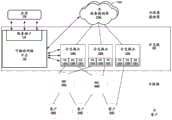
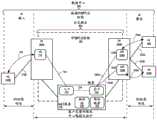
图1是图示了根据本文所描述的技术的具有跨多个云交换点提供虚拟网关的基于城域的云交换的系统的概念视图的框图。1 is a block diagram illustrating a conceptual view of a system with metro-based cloud switching that provides virtual gateways across multiple cloud switching points in accordance with the techniques described herein.

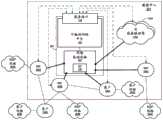
图2是图示了根据本文所描述的技术的为基于云的服务交换提供操作环境的数据中心的高级视图的框图。2 is a block diagram illustrating a high-level view of a data center providing an operating environment for cloud-based service exchange in accordance with the techniques described herein.

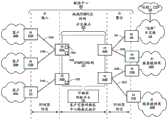
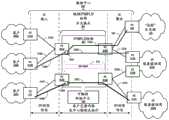
图3A至图3B是图示了根据本公开中描述的技术的针对云交换的示例网络基础设施和由可编程网络平台提供的服务供应的框图,该云交换聚合用于多个云服务提供商和云交换提供商的客户之间的虚拟连接的带宽。3A-3B are block diagrams illustrating example network infrastructure and service offerings provided by a programmable network platform for a cloud exchange aggregated for multiple cloud service providers in accordance with the techniques described in this disclosure The bandwidth of the virtual connection between the customer and the cloud exchange provider.

图4是图示了根据本文所描述的技术的基于数据中心的云交换点的示例的框图,其中云交换点的路由器由可编程网络平台配置,其中虚拟网关用于在多个云服务提供商网络和客户网络之间路由和转发聚合的服务业务。4 is a block diagram illustrating an example of a data center-based cloud exchange point in which the routers of the cloud exchange point are configured by a programmable network platform with virtual gateways used in multiple cloud service providers in accordance with the techniques described herein. Routing and forwarding aggregated service traffic between network and customer networks.

图5是图示了根据本文所描述的技术的基于数据中心的云交换点的示例的框图,其中云交换点被配置为应用网络地址转换并经由虚拟网关在多个云服务提供商网络和客户网络之间路由和转发聚合的服务业务。5 is a block diagram illustrating an example of a data center-based cloud exchange point configured to apply network address translation and communicate across multiple cloud service provider networks and customers via a virtual gateway in accordance with the techniques described herein. Routing and forwarding aggregated services between networks.

图6是图示了根据本公开的技术的一个或多个方面的示例用例的框图。6 is a block diagram illustrating an example use case in accordance with one or more aspects of the techniques of this disclosure.

图7是图示了根据本文所描述的技术的示例系统的框图,其中CSP和客户散布在多个城域数据中心,其中数据中心处和数据中心之间的业务以聚合的方式进行管理。7 is a block diagram illustrating an example system in which CSPs and customers are spread across multiple metro data centers, where traffic at and between data centers is managed in an aggregated manner, in accordance with the techniques described herein.

贯穿附图和文本,相似的参考字符标示相似的元素。Throughout the drawings and text, like reference characters designate like elements.

具体实施方式Detailed ways

位于城域位置的云交换包括专用虚拟网关,该专用虚拟网关用作云交换处客户的路由实例。专用虚拟网关路由与客户相关的网络业务。例如,专用虚拟网关在云服务提供商和协同定位的客户路由器之间路由网络业务。协同定位的客户路由器不是根据云服务提供商维护物理连接,而是维护与专用虚拟网关的单个连接器,该专用虚拟网关被配置作为云交换的网络设备上的路由实例。通过订阅,专用虚拟网关维护与一个或多个云服务提供商的连接器。云交换提供商的“客户”可以包括企业和云服务提供商。A cloud exchange at a metro location includes a dedicated virtual gateway that acts as a routing instance for cloud exchange customers. A dedicated virtual gateway routes customer-related web traffic. For example, a dedicated virtual gateway routes network traffic between a cloud service provider and co-located customer routers. Rather than maintaining a physical connection to the cloud service provider, the co-located customer router maintains a single connector to a dedicated virtual gateway configured as a routing instance on the cloud-exchanged network device. By subscription, a dedicated virtual gateway maintains connectors to one or more cloud service providers. "Customers" of a cloud exchange provider may include enterprises and cloud service providers.

当客户订阅云服务提供商和/或在多个云交换处拥有设备(例如,边缘金属、协同定位的路由器等)时,专用虚拟网关用作该云交换处的针对客户的路由实例。不同云交换的虚拟网关集合形成了针对客户的网络业务主干。专用虚拟网关进行互连以使得云交换之间的业务通过专用虚拟网关进行路由。专用虚拟网关自动交换路由。此外,当客户订阅位于新城域位置处的云服务提供商的服务时,会在对应的云交换处为客户自动提供专用虚拟网关,并将该专用虚拟网关添加到针对客户的专用虚拟网关集合中。When a customer subscribes to a cloud service provider and/or has equipment (eg, edge metal, co-located routers, etc.) at multiple cloud exchanges, the dedicated virtual gateway acts as a routing instance for the customer at that cloud exchange. The collection of virtual gateways of different cloud exchanges forms the network business backbone for customers. The dedicated virtual gateways are interconnected so that traffic between cloud exchanges is routed through the dedicated virtual gateways. Dedicated virtual gateways automatically switch routes. In addition, when a customer subscribes to the service of a cloud service provider located at a new metro location, a dedicated virtual gateway will be automatically provided to the customer at the corresponding cloud exchange, and the dedicated virtual gateway will be added to the set of dedicated virtual gateways for the customer .

根据云交换提供商的客户的统一订阅模型,客户许可每个专用虚拟网关的网络业务。该许可业务限定了可以通过专用虚拟网关路由的最大带宽,即速率,并且因此限定了客户可用于其所有服务的许可带宽总量。该许可带宽可以包括位于不同城域的不同云交换处的专用虚拟网关之间的业务。然后,专用虚拟网关对业务进行监管,以确保专用虚拟网关与云服务提供商之间的业务不超过客户订阅的带宽限制。这为客户提供了单个界面来监控和管理所有客户订阅的带宽使用情况。According to the unified subscription model of the cloud exchange provider's customer, the customer licenses network traffic for each dedicated virtual gateway. This licensed service defines the maximum bandwidth, ie rate, that can be routed through the dedicated virtual gateway, and thus limits the total amount of licensed bandwidth available to the customer for all its services. This licensed bandwidth may include traffic between dedicated virtual gateways located at different cloud exchanges in different metropolitan areas. The dedicated virtual gateway then polices the traffic to ensure that the traffic between the dedicated virtual gateway and the cloud service provider does not exceed the bandwidth limit of the customer's subscription. This provides customers with a single interface to monitor and manage bandwidth usage across all customer subscriptions.

专用虚拟网关可以使用基于目的地的速率限制,其中例如到一个或多个目的地的集合的网络业务被速率限制。在一些示例中,专用虚拟网关使用目的地类别使用(DCU)来执行基于目的地的速率限制。DCU通过执行对目的地地址的查找来对来自客户的分组进行计数。例如,DCU使得可以追踪起源于客户并发往特定云服务提供商的业务。例如,这促进了业务整形,使得发往云服务提供商的业务不超过客户的订阅,并且不会有被云服务提供商丢弃的风险。通过监管到客户目的地的聚合业务,专用虚拟网关可以确保聚合业务的带宽不超过客户的许可带宽。如本文中所使用的,聚合/被聚合业务可以指的是在虚拟网关和多个网络之间交换的针对客户的业务,使得去往/来自多个网络的业务在与另一个网络的公共连接器上交换。A dedicated virtual gateway may use destination-based rate limiting, where network traffic, for example, to a set of one or more destinations is rate limited. In some examples, the dedicated virtual gateway uses destination class usage (DCU) to perform destination-based rate limiting. The DCU counts packets from clients by performing a lookup of the destination address. For example, the DCU makes it possible to trace traffic originating at a customer and destined for a particular cloud service provider. For example, this facilitates traffic shaping so that traffic sent to the cloud service provider does not exceed the customer's subscription and does not risk being dropped by the cloud service provider. By policing the aggregated traffic to the customer's destination, the dedicated virtual gateway can ensure that the aggregated traffic's bandwidth does not exceed the customer's licensed bandwidth. As used herein, aggregated/aggregated traffic may refer to customer-specific traffic exchanged between a virtual gateway and multiple networks such that traffic to/from multiple networks is over a common connection with another network switch on the device.

图1是图示了根据本文所描述的技术的具有跨多个云交换点提供虚拟网关的基于城域的云交换的系统的概念视图的框图。基于云的服务交换点100(“云交换点100”)的每个基于云的服务交换点128A-128D(以下被描述为“云交换点”,并且统称为“云交换点128”)可以表示在地理上位于同一城域(“基于城域的”,例如,在纽约州纽约市;加利福尼亚州硅谷;华盛顿州西雅图-塔科马;明尼苏达州明尼阿波利斯-圣保罗;英国伦敦等)的不同数据中心,以提供弹性和独立的基于云的服务交换,基于云的服务客户(“云客户”)和基于云的服务提供商(“云提供商”)通过该基于云的服务交换来连接以分别接收和提供云服务。在各种示例中,云交换100可以包括更多或更少的云交换点128。在一些实例中,云交换100仅包括一个云交换点128。如本文中所使用的,对“云交换”或“基于云的服务”的引用可以指的是云交换点。云交换提供商可以在多个不同的城域中部署云交换100的实例,每个云交换100的实例具有一个或多个云交换点128。1 is a block diagram illustrating a conceptual view of a system with metro-based cloud switching that provides virtual gateways across multiple cloud switching points in accordance with the techniques described herein. Each cloud-based service exchange point 128A-128D of cloud-based service exchange point 100 ("cloud exchange point 100") (hereinafter described as a "cloud exchange point" and collectively referred to as "cloud exchange point 128") may represent Geographically within the same metro area ("metro-based", for example, in New York, NY; Silicon Valley, CA; Seattle-Tacoma, WA; Minneapolis-St. Paul, MN; London, UK, etc.) different data centers to provide a resilient and independent cloud-based service exchange through which cloud-based service customers (“cloud customers”) and cloud-based service providers (“cloud providers”) are connected to receive and provide cloud services, respectively. In various examples,cloud exchange 100 may include more or fewer cloud exchange points 128 . In some instances,cloud exchange 100 includes only one cloud exchange point 128 . As used herein, reference to "cloud exchange" or "cloud-based service" may refer to a cloud exchange point. A cloud exchange provider may deploy instances ofcloud exchange 100 in multiple different metro areas, each instance ofcloud exchange 100 having one or more cloud exchange points 128 .

云交换点128中每一个包括网络基础设施和操作环境,通过该操作环境,云客户108A-108D(统称为”云客户108”)从多个云服务提供商110A-110N(统称为“云服务提供商110”)接收云服务。云交换100为交换的客户(例如,企业、网络运营商、网络服务提供商和SaaS客户)提供与全球多个云服务提供商(CSP)的安全、私有、虚拟连接。多个CSP凭借其在云交换中具有至少一个可接入端口来参与云交换,客户可以通过该端口分别连接到由CSP提供的一个或多个云服务。云交换100允许任何客户的专用网络在公共点处被直接交叉连接到任何其他客户,从而允许在客户的网络之间直接交换网络业务。Each of cloud exchange points 128 includes a network infrastructure and an operating environment through whichcloud customers 108A-108D (collectively "cloud customers 108") receive data from a plurality ofcloud service providers 110A-110N (collectively "cloud service providers"). Provider 110") receives cloud services.Cloud Exchange 100 provides customers of the exchange (eg, enterprises, network operators, network service providers, and SaaS customers) with secure, private, virtual connections to multiple cloud service providers (CSPs) around the world. Multiple CSPs participate in the cloud exchange by virtue of having at least one accessible port in the cloud exchange, through which customers can respectively connect to one or more cloud services provided by the CSP.Cloud exchange 100 allows any customer's private network to be directly cross-connected to any other customer at a common point, allowing network traffic to be exchanged directly between customers' networks.

当连接到云交换100时,CSP 110为客户108建立服务配置文件以订阅CSP 100的服务。服务配置文件由云交换100维护。服务配置文件限定例如与通过云交换100连接到CPS110相关联的规则和参数。此外,服务配置文件指定一个或多个带宽限制以供客户108在订阅CSP 110时选择。如下所述,云交换100基于服务配置文件中选择的带宽限制对被订阅的CPS 110和客户108之间的业务进行监管。When connected tocloud exchange 100, CSP 110 establishes a service profile for customer 108 to subscribe to the services ofCSP 100. Service configuration files are maintained bycloud exchange 100 . A service profile defines, for example, rules and parameters associated with connecting to CPS 110 throughcloud exchange 100 . Additionally, the service profile specifies one or more bandwidth limits for the customer 108 to select when subscribing to the CSP 110. As described below, thecloud exchange 100 polices the traffic between the subscribed CPS 110 and the customer 108 based on the bandwidth limit selected in the service profile.

云客户108可以经由与云交换点128中的一个的第3层对等和物理连接直接接收基于云的服务,或者经由网络服务提供商106A-106B中的一个(统称为“NSP 106”,或者备选地,“运营商106”)间接地接收基于云的服务。NSP 106通过在一个或多个云交换点128中维持物理存在并聚合来自一个或多个客户108的第3层接入来提供“云传输”。NSP 106可以在第3层处直接与一个或多个云交换点128对等操作并且在这样做时向一个或多个客户108提供间接的第3层连接和对等操作,客户108可以通过这些连接和对等操作来从云交换100获得云服务。在图1的示例中,云交换点128中的每一个被分配了不同的自治系统号(ASN)。例如,云交换点128A被分配ASN 1,云交换点128B被分配ASN 2,等等。因此,每个云交换点128是从云服务提供商110到客户108的路径矢量路由协议(例如,BGP)路径中的下一跳。结果,尽管不是具有一个或多个广域网链路以及伴随的互联网接入和转接策略的转接网络,但是每个云交换点128可以经由外部BGP(eBGP)或其他外部网关路由协议来与多个不同的自治系统对等操作,以便将服务业务110从一个或多个云服务提供商交换、聚合和路由到客户。换言之,云交换点128可以内部化云服务提供商110和客户108将在成对基础上维持的eBGP对等关系。相反,客户108可以配置与云交换点128的单个eBGP对等关系,并经由云交换从一个或多个云服务提供商110接收多个云服务。虽然本文主要针对云交换点与客户、NSP或云服务提供商网络之间的eBGP或其他第3层路由协议对等操作进行描述,但是云交换点可以通过其他方式从这些网络获悉路由,诸如通过静态配置,或者经由路由信息协议(RIP)、开放最短路径第一(OSPF)、中间系统到中间系统(IS-IS)或其他路由分发协议。Cloud customer 108 may receive cloud-based services directly via a Layer 3 peering and physical connection to one of cloud exchange points 128, or via one ofnetwork service providers 106A-106B (collectively "NSP 106," or Alternatively, "Carrier 106") receives cloud-based services indirectly. NSP 106 provides "cloud transport" by maintaining a physical presence in one or more cloud exchange points 128 and aggregating Layer 3 access from one or more customers 108. NSP 106 may directly peer at layer 3 with one or more cloud exchange points 128 and in doing so provide indirect layer 3 connectivity and peering to one or more customers 108, through which customers 108 may Connection and peering operations to obtain cloud services fromcloud exchange 100. In the example of FIG. 1 , each of cloud exchange points 128 is assigned a different autonomous system number (ASN). For example, cloud exchange point 128A is assigned ASN 1,cloud exchange point 128B is assigned ASN 2, and so on. Thus, each cloud exchange point 128 is the next hop in a path vector routing protocol (eg, BGP) path from cloud service provider 110 to customer 108 . As a result, although not a transit network with one or more WAN links and accompanying Internet access and transit policies, each cloud exchange point 128 can communicate with multiple cloud exchanges via external BGP (eBGP) or other external gateway routing protocols. different autonomous system peering operations to exchange, aggregate, and route service traffic 110 from one or more cloud service providers to customers. In other words, cloud exchange point 128 may internalize the eBGP peering relationship that cloud service provider 110 and customer 108 will maintain on a pair-wise basis. Instead, customer 108 may configure a single eBGP peering relationship with cloud exchange point 128 and receive multiple cloud services from one or more cloud service providers 110 via the cloud exchange. While this article is primarily described for eBGP or other Layer 3 routing protocol peering between cloud exchange points and customer, NSP, or cloud service provider networks, cloud exchange points can learn routes from these networks in other ways, such as through Static configuration, or via Routing Information Protocol (RIP), Open Shortest Path First (OSPF), Intermediate System-to-Intermediate System (IS-IS), or other route distribution protocols.

作为上述的示例,客户108C被图示为已经与云交换100的云交换提供商签订合同,以经由云交换点128C直接接入第3层云服务。以这种方式,客户108C接收到例如到云服务提供商110A的冗余第3层连接性。相比之下,客户108C被图示为已与云交换100的云交换提供商签订合同,以经由云交换点128C直接接入第3层云服务,并且还与NSP 106B签订合同,以经由NSP 106B的转接网络接入第3层云服务。客户108B被图示为已与多个NSP 106A、106B签订合同,以经由NSP 106A、106B的对应转接网络对云交换点128A、128B进行冗余云接入。上述合同在云交换点128的网络基础设施中通过NSP 106的交换设备内的L3对等操作配置以及云交换点128和L3连接而被实例化,其在云交换点128内被建立以将云服务提供商110网络互连到NSP 106网络和客户108网络,所有这些都具有在一个或多个云交换点128内提供连接性的至少一个端口。As an example of the above, customer 108C is illustrated as having contracted with the cloud exchange provider ofcloud exchange 100 to directly access layer 3 cloud services viacloud exchange point 128C. In this manner, customer 108C receives redundant layer 3 connectivity, eg, to cloudservice provider 110A. In contrast, customer 108C is illustrated as having contracted with the cloud exchange provider ofcloud exchange 100 for direct access to layer 3 cloud services viacloud exchange point 128C, and is also contracted with NSP 106B for direct access to layer 3 cloud services via NSP The transit network of 106B accesses the layer 3 cloud service. Customer 108B is illustrated as having contracted withmultiple NSPs 106A, 106B for redundant cloud access to cloud exchange points 128A, 128B via corresponding transit networks ofNSPs 106A, 106B. The above-mentioned contract is instantiated in the network infrastructure of the cloud exchange point 128 through the L3 peer operation configuration within the switching equipment of the NSP 106 and the cloud exchange point 128 and L3 connection, which is established within the cloud exchange point 128 to connect the cloud The service provider 110 network is interconnected to the NSP 106 network and the customer 108 network, all of which have at least one port providing connectivity within one or more cloud exchange points 128.

云交换点128配置有专用虚拟网关130A-130C(统称为“专用虚拟网关130”)。专用虚拟网关130是专用于特定客户108的网络业务的虚拟路由实例。例如,专用虚拟网关130A可以是去往客户108A的网络业务的目的地。客户108A的客户网络的网络业务可以通过专用虚拟网关130A而被路由到CSP 110。云交换100允许任何网络服务提供商(NSP)或“运营商”106A-106B(统称为“运营商106”)或包括客户108C在内的其他云客户经由其专用虚拟网关而连接到任何其他客户网络和/或连接到任何CSP 110。这允许在客户网络和CSP 110之间经由专用虚拟网关130交换网络业务,使得所有网络业务都流经专用虚拟网关130。在一些示例中,连接可以是IP-VPN或其他类型的附接电路,并且在本文中可以被称为虚拟连接器或简称为连接器。例如,虚拟连接器可以将客户网络连接到虚拟网关,将云服务提供商网络连接到客户网络的虚拟网关,将客户网络的虚拟网关连接到云服务提供商网络的虚拟网关,将第一基于城域的云交换中的客户的虚拟网关连接到不同的第二基于城域的云交换中的客户的虚拟网关。同样,云交换提供商的客户可以包括云服务提供商。专用虚拟网关130可以消除客户108为L2和L3接入建立分离的网络配置文件。在一些示例中,专用虚拟网关130可以提供L2和L3连接,使得专用虚拟网关130和CSP 110之间的虚拟连接器的类型与专用虚拟网关130和客户108之间的虚拟连接器的类型无关。Cloud exchange point 128 is configured with privatevirtual gateways 130A- 130C (collectively "privatevirtual gateways 130"). A dedicatedvirtual gateway 130 is a virtual routing instance dedicated to a particular customer's 108 network traffic. For example, privatevirtual gateway 130A may be the destination of web traffic destined forcustomer 108A. Network traffic for the customer network ofcustomer 108A may be routed to CSP 110 through privatevirtual gateway 130A.Cloud exchange 100 allows any network service provider (NSP) or "carrier" 106A-106B (collectively "carriers 106") or other cloud customer, including customer 108C, to connect to any other customer via its dedicated virtual gateway network and/or connect to any CSP 110. This allows network traffic to be switched between the customer network and the CSP 110 via the dedicatedvirtual gateway 130 such that all network traffic flows through the dedicatedvirtual gateway 130. In some examples, the connection may be an IP-VPN or other type of attached circuit, and may be referred to herein as a virtual connector or simply a connector. For example, a virtual connector can connect a customer network to a virtual gateway, a cloud provider network to a virtual gateway on a customer network, a virtual gateway on a customer network to a virtual gateway on a cloud A customer's virtual gateway in the domain's cloud exchange is connected to a customer's virtual gateway in a second, different metro-based cloud exchange. Likewise, customers of a cloud exchange provider may include cloud service providers. Dedicatedvirtual gateway 130 can eliminate customers 108 from creating separate network profiles for L2 and L3 access. In some examples, privatevirtual gateway 130 may provide L2 and L3 connectivity such that the type of virtual connector between privatevirtual gateway 130 and CSP 110 is independent of the type of virtual connector between privatevirtual gateway 130 and customer 108.

通常,客户108订阅云交换100以及客户经由云交换100连接到的每个CSP 110。这些订阅规定了客户108可以使用的经许可的业务。例如,客户108许可云交换100中的每个专用虚拟网关130的业务。该经许可的业务限定了可以通过专用虚拟网关130路由的最大带宽(例如,速率等),并且因此限定了针对通过云交换100去往CSP 100的所有网络业务的对客户108可用的经许可的带宽总量。类似地,对CSP 110的订阅可以限定客户108可以使用的最大入口和/或出口网络业务。专用虚拟网关130为客户108提供统一订阅模型。专用虚拟网关130监控和管理(例如,监管、整形等)客户108在云交换100处的网络业务,以计算对云交换100的经许可的业务订阅以及对各种CSP 110的经许可的业务订阅。专用虚拟网关130监管网络业务以确保专用虚拟网关130和CSP 110之间的业务不超过客户订阅CSP 110的带宽限制。专用虚拟网关130为客户108提供了单个界面来监控和管理所有客户订阅的带宽使用情况。在一些示例中,专用虚拟网关130促进CSP到CSP的网络业务,使得来自一个CSP(例如,CSP 110A)的数据可以被提供给另一个CSP(例如,CSP 110N)而不通过客户网络转接。专用虚拟网关130可以动态地提供网络业务以响应于动态变化的网络使用,同时根据客户108的订阅来管理网络业务。可以跨云交换100内的多个云交换点128而为特定客户108配置专用虚拟网关130,以使得根据本公开的技术统一地监控和管理网络业务,而不管网络业务通过哪个云交换点128被路由。Typically, a customer 108 subscribes to thecloud exchange 100 and each CSP 110 that the customer connects to via thecloud exchange 100. These subscriptions specify the licensed services that customers 108 can use. For example, customer 108 licenses traffic for each dedicatedvirtual gateway 130 incloud exchange 100 . This licensed traffic defines the maximum bandwidth (e.g., rate, etc.) Total bandwidth. Similarly, a subscription to a CSP 110 can limit the maximum ingress and/or egress network traffic that a client 108 can use. Privatevirtual gateway 130 provides customers 108 with a unified subscription model. Dedicatedvirtual gateway 130 monitors and manages (e.g., polices, shapes, etc.) network traffic of customers 108 atcloud exchange 100 to account for licensed traffic subscriptions to cloudexchange 100 and licensed traffic subscriptions to various CSPs 110 . Privatevirtual gateway 130 supervises network traffic to ensure that traffic between privatevirtual gateway 130 and CSP 110 does not exceed the bandwidth limit of the customer's subscription to CSP 110. Dedicatedvirtual gateway 130 provides customers 108 with a single interface to monitor and manage bandwidth usage for all customer subscriptions. In some examples, dedicatedvirtual gateway 130 facilitates CSP-to-CSP network traffic such that data from one CSP (e.g.,CSP 110A) can be provided to another CSP (e.g.,CSP 110N) without transiting through the customer network. Privatevirtual gateway 130 can dynamically provide network traffic in response to dynamically changing network usage while managing network traffic according to customer 108 subscriptions. Dedicatedvirtual gateway 130 may be configured for a particular customer 108 across multiple cloud exchange points 128 withincloud exchange 100 such that network traffic is uniformly monitored and managed in accordance with the techniques of this disclosure regardless of which cloud exchange point 128 through which network traffic is routed. routing.

运营商106可以各自表示与转接网络相关联的网络服务提供商,运营商106的网络订户可以通过转接网络接入由CSP 110经由云交换100提供的云服务。一般地,CSP 110的客户可以包括网络运营商、大型企业、托管服务提供商(MSP)以及软件即服务(SaaS)、平台即服务(PaaS)、基础设施即服务(IaaS)、虚拟化即服务(VaaS)和数据存储即服务(dSaaS)客户,以用于CSP 110经由云交换100提供的此类基于云的服务。Operators 106 may each represent a network service provider associated with a transit network through which network subscribers of operator 106 may access cloud services provided by CSP 110 viacloud exchange 100. Generally, customers of CSP 110 may include network operators, large enterprises, managed service providers (MSPs), and software-as-a-service (SaaS), platform-as-a-service (PaaS), infrastructure-as-a-service (IaaS), virtualization-as-a-service (VaaS) and data storage as a service (dSaaS) customers for such cloud-based services provided by CSP 110 viacloud exchange 100.

以这种方式,云交换100以透明和中性的方式流线化和简化了CSP 110和客户(经由运营商106或直接)合作的过程。云交换100的一个示例应用是协同定位和互连数据中心,其中CSP 110和运营商106和/或客户108可能已经具有网络存在,诸如通过在数据中心内具有可用于互连的一个或多个可接入端口,其可以表示任何云交换点128。这允许参与的运营商、客户和CSP在同一设施内具有广泛的互连性选项。以这种方式,运营商/客户可在仅一次挂钩到一个或多个云交换点128的情况下具有创建多对多互连的选项。换句话说,云交换100允许客户互连到多个CSP和云服务,而不是必须在转接网络上建立分离连接以接入不同的云服务提供商或一个或多个云服务提供商的不同云服务。In this way,Cloud Exchange 100 streamlines and simplifies the process of CSP 110 and customers (via carrier 106 or directly) working together in a transparent and neutral manner. An example application ofcloud exchange 100 is co-location and interconnection of data centers, where CSP 110 and operator 106 and/or customer 108 may already have a network presence, such as by having one or more Internet-connected servers within the data center available for interconnection. Accessible port, which may represent any cloud exchange point 128 . This allows participating operators, customers and CSPs to have a wide range of interconnectivity options within the same facility. In this way, an operator/customer may have the option to create many-to-many interconnections with only one hook into one or more cloud exchange points 128 . In other words, thecloud exchange 100 allows customers to interconnect to multiple CSPs and cloud services, rather than having to establish separate connections over a transit network to access different cloud service providers or different CSPs of one or more cloud service providers. cloud service.

云交换100包括可编程网络平台120,用于对云交换100进行动态编程,从而响应地并确保地满足服务请求,该服务请求封装了对由云交换100和/或耦合到云交换100的云服务提供商110提供的服务的商业要求。结果,根据明确限定的服务策略、服务质量策略、服务级别协议和成本,并且进一步根据用于商业级别服务的服务拓扑,可编程网络平台120可以跨异构云服务提供商110而协调商业级别服务。Thecloud exchange 100 includes aprogrammable network platform 120 for dynamically programming thecloud exchange 100 to responsively and assuredly satisfy service requests that encapsulate requests to thecloud exchange 100 and/or to cloud services coupled to thecloud exchange 100. A business requirement for the service provided by the service provider 110 . As a result,programmable network platform 120 can coordinate business-level services across heterogeneous cloud service providers 110 according to well-defined service policies, service quality policies, service-level agreements, and costs, and further according to service topology for business-level services .

可编程网络平台120使得管理云交换100的云服务提供商能够动态地配置和管理云交换100,以例如促进用于从多个云服务提供商110通过专用虚拟网关130到一个或多个云客户108的基于云的服务递送的虚拟连接。云交换100可以使得云客户108能够绕过公共互联网以通过专用虚拟网关130连接到云服务提供商110,从而提高性能、降低成本、增加连接的安全性和隐私性、并且利用云计算以用于附加应用。以这种方式,例如,企业、网络运营商和SaaS客户至少可以在一些方面将云服务与它们的内部应用集成,就好像这样的服务是它们自己的数据中心网络的一部分或好像以其他方式直接耦合到它们自己的数据中心网络一样。此外,专用虚拟网关130可以通过在云交换100内提供单个实体来监控和管理网络业务来简化云交换100和云服务提供商110的业务订阅的管理。Programmable network platform 120 enables a cloud service provider managingcloud exchange 100 to dynamically configure and managecloud exchange 100, for example, to facilitate communication from multiple cloud service providers 110 to one or more cloud customers through dedicatedvirtual gateway 130. 108 virtual connections delivered by cloud-based services.Cloud exchange 100 can enable cloud customers 108 to bypass the public Internet to connect to cloud service providers 110 through privatevirtual gateways 130, thereby improving performance, reducing costs, increasing security and privacy of connections, and leveraging cloud computing for Additional applications. In this way, for example, enterprises, network operators, and SaaS customers can at least in some respects integrate cloud services with their internal applications as if such services were part of their own data center network or as if otherwise directly coupled to their own data center network. Furthermore, dedicatedvirtual gateway 130 can simplify the management of business subscriptions forcloud exchange 100 and cloud service provider 110 by providing a single entity withincloud exchange 100 to monitor and manage network traffic.

可编程网络平台120可以表示在云交换100的一个或多个数据中心内执行的应用,或者备选地,可以表示(例如)在云提供商的后台或分支机构的场外执行的应用。可编程网络平台120可以全部或部分地分布在数据中心之中,每个数据中心与不同的云交换点128相关联以组成云交换100。虽然被示为管理单个云交换100,但是可编程网络平台120可以控制针对多个不同云交换的服务供应。备选地或附加地,可编程网络平台120的多个分离实例可以控制针对相应的多个不同云交换的服务供应。Programmable network platform 120 may represent an application executing within one or more data centers ofcloud exchange 100, or alternatively may represent an application executing off-site, eg, in a cloud provider's back office or branch office. Theprogrammable network platform 120 may be distributed in whole or in part among data centers, and each data center is associated with a different cloud exchange point 128 to form thecloud exchange 100 . Although shown as managing asingle cloud exchange 100, theprogrammable network platform 120 may control the provisioning of services for multiple different cloud exchanges. Alternatively or additionally, multiple separate instances ofprogrammable network platform 120 may control service provisioning for respective multiple different cloud exchanges.

在所图示的示例中,可编程网络平台120包括服务接口(或“服务API”)114,其限定诸如客户门户的应用130可以通过其调用可编程网络平台120的方法、字段和/或其他软件原语。服务接口114可以允许运营商106、客户108、云服务提供商110和/或云交换提供商根据本文所描述的技术对云交换100的能力和资产进行可编程接入。In the illustrated example,programmable network platform 120 includes a service interface (or "service API") 114 that defines methods, fields, and/or other information through which anapplication 130, such as a customer portal, can callprogrammable network platform 120. software primitives.Service interface 114 may allow operator 106, customer 108, cloud service provider 110, and/or cloud exchange provider programmatic access to the capabilities and assets ofcloud exchange 100 in accordance with the techniques described herein.

例如,服务接口114可以促进机器对机器通信,以实现云交换中的虚拟连接器的动态供应,以用于互连客户和/或云服务提供商网络。以这种方式,可编程网络平台120实现了云服务供应的各方面的自动化。例如,服务接口114可以为客户提供自动化和无缝的方式来建立、卸载和管理参与云交换的多个不同云提供商之间的互连。For example,service interface 114 may facilitate machine-to-machine communication to enable dynamic provisioning of virtual connectors in cloud exchanges for interconnecting customer and/or cloud service provider networks. In this manner,programmable network platform 120 automates various aspects of cloud service provisioning. For example,service interface 114 may provide customers with an automated and seamless way to set up, offload, and manage interconnections between multiple different cloud providers participating in a cloud exchange.

基于云的服务交换的更多示例细节可以在如下文献中找到:2006年4月14日提交的题为“CLOUD-BASED SERVICES EXCHANGE”的美国专利申请号15/099,407;2005年10月29日提交的题为“INTERCONNECTION PLATFORM FOR REAL-TIME CONFIGURATION ANDMANAGEMENT OF A CLOUD-BASED SERVICES EXCHANGE”的美国专利申请号14/927,451;2015年10月29日提交的题为“ORCHESTRATION ENGINE FOR REAL-TIME CONFIGURATION ANDMANAGEMENT OF INTERCONNECTIONS WITHIN A CLOUD-BASED SERVICES EXCHANGE”的美国专利申请号14/927,306;以及2016年12月30日提交的题为“LAYER THREE INSTANCES FOR ACLOUD-BASED SERVICES EXCHANGE”的美国专利申请号15/396,349;其每一个通过引用以其各自的整体并入本文。Further example details of cloud-based services exchange can be found in U.S. Patent Application No. 15/099,407, filed April 14, 2006, entitled "CLOUD-BASED SERVICES EXCHANGE"; filed October 29, 2005 U.S. Patent Application No. 14/927,451, entitled "INTERCONNECTION PLATFORM FOR REAL-TIME CONFIGURATION ANDMANAGEMENT OF A CLOUD-BASED SERVICES EXCHANGE"; TION AND MANAGEMENT OF INTERCONNECTIONS WITHIN A CLOUD-BASED SERVICES EXCHANGE," U.S. Patent Application No. 14/927,306; and U.S. Patent Application No. 15/396,349, filed December 30, 2016, entitled "LAYER THREE INSTANCES FOR ACLOUD-BASED SERVICES EXCHANGE"; One is incorporated herein by reference in its respective entirety.

图2是图示了根据本文所描述的技术的为基于云的服务交换200提供操作环境的数据中心201的高级视图的框图。基于云的服务交换200(“云交换200”)允许任何NSP 106A-106C或其他云客户(包括客户108A、108B)的客户网络204D、204E和NSP网络204A-204C(统称为“‘私有’或‘运营商’网络204”)中的对应一个经由专用虚拟网关130而直接连接到任何其他客户网络和/或任何云服务提供商110A-110N,从而允许在客户网络和/或CSP 110之间交换服务业务。数据中心201可以完全位于集中式区域内(诸如仓库或本地化数据中心联合体),并向NSP、客户和云服务提供商提供电力、布线、安全和其他服务,该NSP、客户和云服务提供商将其相应的网络定位在位置数据中心201内(例如,用于协同定位)和/或通过一个或多个外部链接而连接到数据中心201。2 is a block diagram illustrating a high-level view of adata center 201 that provides an operating environment for a cloud-basedservice exchange 200 in accordance with the techniques described herein. Cloud-based service exchange 200 ("cloud exchange 200") allowscustomer networks 204D, 204E andNSP networks 204A-204C (collectively "'private' or 'operator' network 204") is directly connected to any other customer network and/or anycloud service provider 110A-110N via a dedicatedvirtual gateway 130, thereby allowing switching between customer networks and/or CSP 110 service business.Data center 201 may be located entirely within a centralized area (such as a warehouse or a localized data center complex) and provide power, cabling, security, and other services to NSPs, customers, and cloud service providers that provide Vendors locate their respective networks within location data center 201 (eg, for co-location) and/or connect todata center 201 through one or more external links.

网络服务提供商106可以各自表示与转接网络相关联的网络服务提供商,NSP 106的网络订户可以通过转接网络接入由CSP 110经由云交换200提供的云服务。一般来说,CSP110的客户可以包括网络运营商、大型企业、托管服务提供商(MSP)以及软件即服务(SaaS)、平台即服务(PaaS)、基础设施即服务(IaaS)、虚拟化即服务(VaaS)、和数据存储即服务(dSaaS)客户,用于由CSP 110经由云交换200提供的此类基于云的服务。Network service providers 106 may each represent a network service provider associated with a transit network through which network subscribers of NSP 106 may access cloud services provided by CSP 110 viacloud exchange 200. Generally speaking, customers of CSP110 can include network operators, large enterprises, managed service providers (MSPs), and software as a service (SaaS), platform as a service (PaaS), infrastructure as a service (IaaS), virtualization as a service (VaaS), and Data Storage as a Service (dSaaS) customers for such cloud-based services provided by CSP 110 viacloud exchange 200.

以这种方式,云交换200以透明和中性的方式流线化和简化了CSP 110和客户108(间接地经由NSP 106或直接地)合作的过程。此外,云交换200促进基于客户108的统一订阅模型以统一的方式管理CSP 110和客户108之间的网络业务。云交换200的一个示例应用是协同定位和互连数据中心,其中CSP 110、NSP 106和/或客户108可能已经具有网络存在,诸如通过在数据中心内具有可用于互连的一个或多个可接入端口。这允许参与的运营商、客户和CSP在同一设施中具有广泛的互连性选项。In this way,Cloud Exchange 200 streamlines and simplifies the process by which CSP 110 and Customer 108 cooperate (either indirectly via NSP 106 or directly) in a transparent and neutral manner. Furthermore,cloud exchange 200 facilitates managing network traffic between CSP 110 and customers 108 in a unified manner based on a unified subscription model for customers 108. An example application ofcloud exchange 200 is co-location and interconnection of data centers, where CSP 110, NSP 106 and/or customer 108 may already have a network presence, such as by having one or more available for interconnection within the data center. access port. This allows participating operators, customers and CSPs to have a wide range of interconnectivity options within the same facility.

数据中心201的云交换200包括提供L2/L3交换结构的网络基础设施222,CSP 110和客户/NSP由该交换结构通过对L2/L3业务进行路由的专用虚拟网关130来互连。这使得NSP/客户可在仅一次挂钩到交换网络和为云交换200呈现互连平台的底层网络基础设施222的情况下具有创建多对多互连的选项。换句话说,代替必须在转接网络上建立分离的连接以接入不同的云服务提供商或一个或多个云服务提供商的不同云服务,云交换200允许客户使用数据中心201内的网络基础设施222经由专用虚拟网关130互连到多个CSP和云服务,这可以至少部分地表示本公开中描述的任何边缘网络。Thecloud exchange 200 of thedata center 201 includes anetwork infrastructure 222 that provides an L2/L3 switching fabric by which CSPs 110 and customers/NSPs are interconnected through a dedicatedvirtual gateway 130 that routes L2/L3 traffic. This allows NSPs/customers to have the option to create many-to-many interconnections with only one hook into the exchange network and theunderlying network infrastructure 222 presenting the interconnection platform to cloudexchange 200 . In other words, instead of having to establish separate connections over the transit network to access different cloud service providers or different cloud services of one or more cloud service providers,cloud exchange 200 allows customers to use the network withindata center 201Infrastructure 222 is interconnected to multiple CSPs and cloud services via dedicatedvirtual gateway 130, which may represent at least in part any edge network described in this disclosure.

通过使用云交换200,客户可以购买服务并接触到多个不同地理区域中的多个终端用户,而不会招致通常与安装和维护与多个CSP 110的多个虚拟连接相关联的相同费用。例如,NSP 106A可以使用NSP 106B的网络204B来扩展其服务。通过连接到云交换200,NSP106可能能够通过向其他运营商提供其网络服务来生成附加的收益。例如,NSP 106C可以向其他NSP提供使用NSP网络204C的机会。By using thecloud exchange 200, customers can purchase services and reach multiple end users in multiple different geographic regions without incurring the same costs typically associated with installing and maintaining multiple virtual connections to multiple CSPs 110. For example,NSP 106A may use NSP 106B's network 204B to extend its services. By connecting to cloudexchange 200, NSP 106 may be able to generate additional revenue by offering its network services to other operators. For example, NSP 106C may offer other NSPs the opportunity to use NSP network 204C.

云交换200包括暴露至少一个服务接口的可编程网络平台120,其在一些示例中可以包括并且在本文中备选地被称为应用编程接口(API),因为API限定了应用通过其可以调用可编程网络平台120的方法、字段和/或其他软件原语。软件接口允许NSP 206和客户108对云交换200的能力和资产进行可编程接入。可编程网络平台120可以备选地被称为控制器、供应平台、供应系统、服务协调系统等,用于根据本文所描述的技术建立端到端服务,包括例如客户与云服务提供商之间的连接性。Cloud exchange 200 includesprogrammable network platform 120 that exposes at least one service interface, which in some examples may include and is alternatively referred to herein as an application programming interface (API), because an API defines the available Methods, fields and/or other software primitives ofprogramming network platform 120. The software interface allows the NSP 206 and the client 108 to programmatically access the capabilities and assets of thecloud exchange 200.Programmable network platform 120 may alternatively be referred to as a controller, provisioning platform, provisioning system, service orchestration system, etc., for establishing end-to-end services in accordance with the techniques described herein, including, for example, between customers and cloud service providers connectivity.

在买方侧,由底层互连平台所呈现的软件接口提供了可扩展框架,其允许与云交换200的客户(例如,客户108和NSP 206)相关联的软件开发人员创建允许和利用对可编程网络平台120的接入的软件应用,应用可以通过该平台请求云交换200在客户和任何CSP110所提供的云服务之间建立连接性。例如,这些买方侧的软件接口可以允许针对NSP和企业客户的客户应用,例如以便获得接入云交换的授权,获得有关可用云服务的信息,获得客户的活动端口和城域详细信息,创建不同带宽的虚拟连接器以接入云服务,包括基于所购买的云服务动态地选择带宽以创建连接到云服务提供商的或在云服务提供商之间的按需和基于需求的虚拟连接器,删除虚拟连接器,获得活动虚拟连接器信息,获得有关与云交换提供商合作的CSP的详细信息,获得定制分析数据,验证合作伙伴对互连资产的接入,并确保服务递送。On the buyer's side, the software interfaces presented by the underlying interconnect platform provide an extensible framework that allows software developers associated with customers of the cloud exchange 200 (e.g., customers 108 and NSP 206) to create and exploit a pair of programmable The access software application of thenetwork platform 120 through which the application can request thecloud exchange 200 to establish connectivity between the customer and any of the cloud services provided by the CSP 110 . For example, these buyer-side software interfaces could allow customer applications for NSP and enterprise customers, for example, to obtain authorization to access cloud exchanges, obtain information about available cloud services, obtain customer active port and metro details, create different bandwidth virtual connectors to access cloud services, including dynamically selecting bandwidth based on purchased cloud services to create on-demand and demand-based virtual connectors to or between cloud service providers, Delete virtual connectors, get active virtual connector information, get details about CSPs working with cloud exchange providers, get custom analytics data, verify partner access to interconnected assets, and ensure service delivery.

在云服务提供商卖方侧,软件接口可以允许与云提供商相关联的软件开发者管理他们的云服务并使得客户能够连接到他们的云服务。例如,这些卖方侧的软件接口可以允许云服务提供商应用获得接入云交换的授权,获得有关可用云服务的信息,获得提供商的活动端口和城域详细信息,获得给定数据中心中针对该提供商的活动端口详细信息,批准或拒绝客户为了接入云服务而创建的不同带宽的虚拟连接器,获得待添加虚拟连接器并确认添加虚拟连接器,获得待删除虚拟连接器并确认删除虚拟连接器,获得定制分析数据,验证合作伙伴对互连资产的接入,并确保服务递送。On the cloud service provider seller side, the software interface may allow software developers associated with the cloud provider to manage their cloud services and enable customers to connect to their cloud services. For example, these vendor-side software interfaces could allow cloud service provider applications to obtain authorization to access a cloud exchange, obtain information about available cloud services, obtain the provider's active port and metro The provider's active port details, approve or reject the virtual connectors of different bandwidths created by customers to access cloud services, obtain virtual connectors to be added and confirm adding virtual connectors, obtain virtual connectors to be deleted and confirm deletion Virtual Connectors to gain custom analytics to authenticate partner access to connected assets and ensure service delivery.

服务接口114促进机器对机器通信以实现动态服务供应和服务递送保证。以这种方式,可编程网络平台120实现云服务供应的各方面的自动化。例如,软件接口可以为客户提供自动化和无缝的方式来建立、卸载和管理与参与云交换的多个不同的云提供商的互连、以及在它们之间的互连。在各种示例中,可编程网络平台120可以在数据中心201的一个或多个虚拟机和/或真实服务器上执行,或场外执行。Theservice interface 114 facilitates machine-to-machine communication to enable dynamic service provisioning and service delivery assurance. In this manner,programmable network platform 120 automates various aspects of cloud service provisioning. For example, a software interface may provide customers with an automated and seamless way to set up, offload, and manage interconnections to and between multiple different cloud providers participating in the cloud exchange. In various examples,programmable network platform 120 may execute on one or more virtual machines and/or real servers indata center 201 , or execute off-site.

在图2的示例中,网络基础设施222表示云交换交换结构并且包括多个端口,这些端口可以通过例如调用可编程网络平台120的服务接口114而与虚拟连接器动态互连。每个端口都与运营商106、客户108和CSP 110中的一个相关联。In the example of FIG. 2 ,network infrastructure 222 represents a cloud switching fabric and includes a plurality of ports that can be dynamically interconnected with virtual connectors by, for example, invokingservice interface 114 ofprogrammable network platform 120 . Each port is associated with one of the carrier 106, customer 108 and CSP 110.

在一些示例中,云交换卖方(例如,嵌套在CSP中的CSP或企业)可以请求并获得L3实例,然后可以创建与L3实例相关联的卖方配置文件,并且随后作为云交换上的卖方进行操作。本公开的技术使得多个CSP能够参与企业的L3实例(例如,L3“路由实例”或L2“桥接实例”),而无需用企业设备锚定每个CSP流。In some examples, a cloud exchange seller (e.g., a CSP or enterprise nested within a CSP) can request and obtain an L3 instance, can then create a seller profile associated with the L3 instance, and subsequently act as a seller on the cloud exchange operate. The techniques of this disclosure enable multiple CSPs to participate in an enterprise's L3 instance (eg, L3 "routing instance" or L2 "bridging instance") without anchoring each CSP flow with an enterprise device.

在一些方面,可编程网络平台120可以供应云交换以递送由多个不同云服务提供商提供的多个组成服务所构成的服务,其中这是作为本文所描述的服务经由L3实例提供的。这些组成服务中的每一个在本文中被称为“微服务”,因为它是被应用于服务业务的整体服务的一部分。也就是说,可以以特定的“布置”、“排序”或“拓扑”将多个微服务应用于服务业务,以便构成服务业务的整体服务。微服务本身可以由云服务提供商110应用或提供。In some aspects,programmable network platform 120 may provision a cloud exchange to deliver a service comprised of multiple component services provided by multiple different cloud service providers, where this is provided via an L3 instance as a service described herein. Each of these constituent services is referred to herein as a "microservice" because it is part of an overall service that is applied to the service business. That is to say, multiple microservices can be applied to a service business in a specific "arrangement", "ordering" or "topology" so as to constitute the overall service of the service business. The microservice itself may be applied or provided by the cloud service provider 110 .

当客户108订阅云交换200(例如,建立直接或间接连接并为通过云交换200的业务许可带宽等)时,可编程网络平台120可以供应专用于客户108的虚拟网关130,以使得流向和起源于与客户108相关联的端口的网络业务通过对应的专用虚拟网关130来进行路由。在一些示例中,当客户108没有与网络基础设施的物理端口连接时,虚拟网关130促进CSP 100和客户108的网络之间的连接。虚拟网关130可以促进客户108从基于另一个实体的物理端口的虚拟端口进行操作。When a customer 108 subscribes to the cloud exchange 200 (e.g., establishes a direct or indirect connection and licenses bandwidth for traffic passing through thecloud exchange 200, etc.), theprogrammable network platform 120 can provision avirtual gateway 130 dedicated to the customer 108 so that flows to and from Network traffic for ports associated with customers 108 is routed through corresponding dedicatedvirtual gateways 130 . In some examples,virtual gateway 130 facilitates connectivity betweenCSP 100 and customer 108's network when customer 108 is not connected to a physical port of the network infrastructure.Virtual gateway 130 may facilitate client 108 to operate from a virtual port based on another entity's physical port.

图3A至图3B是图示了根据本公开中描述的技术的针对云交换的示例网络基础设施(例如,图2的网络基础设施122)和由可编程网络平台的框图,该云交换将聚合带宽整形到供应给云交换提供商的客户的多个云服务提供商。在此示例中,每个与不同客户相关联的客户网络308A-308C(统称为“客户网络308”)接入数据中心300内的云交换点,以便从一个或多个云服务提供商网络320接收聚合云服务,每个网络与不同的云服务提供商110相关联。此外,在一些示例中,客户网络308可以访问数据中心300内的云交换点以便从一个或多个远程云服务提供商网络324接收聚合的云服务,这些网络直接连接到远程云交换326(例如,在不同数据中心运行的云交换)。在一些示例中,客户网络308各自都包括消费由云服务提供商网络320和324所提供的云服务的端点设备。示例端点设备包括服务器、智能电话、电视机顶盒、工作站、笔记本/平板计算机、视频游戏系统、电话会议系统、媒体播放器等等。FIGS. 3A-3B are block diagrams illustrating an example network infrastructure (e.g., network infrastructure 122 of FIG. 2 ) and a programmable network platform for a cloud exchange that will aggregate Bandwidth shaping to multiple cloud service providers provisioned to the cloud exchange provider's customers. In this example, each ofcustomer networks 308A-308C associated with a different customer (collectively "customer networks 308") accesses a cloud exchange point within data center Receiving aggregated cloud services, each network is associated with a different cloud service provider 110 . Additionally, in some examples, customer network 308 may access a cloud exchange point withindata center 300 to receive aggregated cloud services from one or more remote cloudservice provider networks 324 that are directly connected to remote cloud exchange 326 (e.g., , a cloud exchange running in a different data center). In some examples, customer networks 308 each include endpoint devices that consume cloud services provided by cloudservice provider networks 320 and 324 . Example endpoint devices include servers, smartphones, television set-top boxes, workstations, notebook/tablet computers, video game systems, teleconferencing systems, media players, and the like.

客户网络308A-308B包括相应的提供商边缘/自治系统边界路由器(PE/ASBR)310A-310B。PE/ASBR 310A、310B中的每一个都可以执行外部网关路由协议,以通过接入链路316A-316B中的一个(统称为“接入链路316”)来执行外部网关路由协议以与PE路由器302A-302B中的一个对等操作。在所图示的示例中,每个接入链路316表示客户网络308的边缘路由器与云交换点303的边缘路由器(或自治系统边界路由器)之间的转接链路。例如,PE310A和PE 302A可以经由外部网关协议(例如,外部BGP)直接对等操作,以通过接入链路316A交换L3路由,并在客户网络308A和云服务提供商网络320之间交换L3数据业务。接入链路316在一些情况下可以表示并且备选地被称作配置在IP/MPLS结构301中的IP-VPN的附接电路,如下面更详细描述的那样。IP/MPLS结构301是云交换网络的示例。接入链路316在一些情况下可以各自包括客户网络308的至少一个端口和云交换点303的至少一个端口之间的直接物理连接,没有中间转接网络。接入链路316可以在VLAN或堆叠式VLAN(例如,QinQ)、VxLAN、LSP、GRE隧道或其他类型的隧道上操作。Customer networks 308A-308B include respective Provider Edge/Autonomous System Border Routers (PE/ASBR) 310A-310B. Each of the PE/ASBRs 310A, 310B may execute an exterior gateway routing protocol to communicate with the PE over one of the access links 316A-316B (collectively "access links 316") A peer-to-peer operation amongrouters 302A-302B. In the illustrated example, each access link 316 represents a transit link between an edge router of customer network 308 and an edge router (or autonomous system border router) ofcloud exchange point 303 . For example,PE 310A andPE 302A may directly peer via an external gateway protocol (e.g., external BGP) to exchange L3 routes overaccess link 316A and to exchange L3 data betweencustomer network 308A and cloud service provider network 320 business. Access link 316 may represent, and alternatively be referred to as, an attachment circuit of an IP-VPN configured in IP/MPLS fabric 301 in some cases, as described in more detail below. IP/MPLS fabric 301 is an example of a cloud switched network. Access links 316 may each include, in some cases, a direct physical connection between at least one port of customer network 308 and at least one port ofcloud exchange point 303 , without intervening transit networks. Access link 316 may operate over a VLAN or stacked VLAN (eg, QinQ), VxLAN, LSP, GRE tunnel, or other type of tunnel.

虽然针对L3连接性进行了说明和描述,但是PE路由器302此外还可以经由接入链路316经由专用虚拟网关130提供客户网络308和云服务提供商网络320之间的L2连接性。例如,PE路由器302A的端口可以配置有L2接口,该L2接口经由接入链路316A向客户网络308A提供到云服务提供商320A的L2连接性,其中云服务提供商320A路由器312A耦合到也配置有L2接口的PE路由器304A的端口。PE路由器302A的端口可以另外配置有L3接口,该L3接口经由接入链路316A经由虚拟网关130向客户网络308A提供到云服务提供商320B的L3连接性。PE 302A可以配置有多个L2和/或L3子接口,使得可以由云交换提供商向客户308A提供到多个云服务提供商320的一对多连接。Although illustrated and described with respect to L3 connectivity, PE router 302 may additionally provide L2 connectivity between customer network 308 and cloud service provider network 320 via privatevirtual gateway 130 via access link 316 . For example, a port ofPE router 302A may be configured with an L2 interface that providescustomer network 308A with L2 connectivity to cloudservice provider 320A viaaccess link 316A, wherecloud serviceprovider 320A router 312A is coupled to arouter 312A also configured with Port ofPE router 304A with L2 interface. The ports ofPE router 302A may additionally be configured with an L3 interface that provides L3 connectivity to cloudservice provider 320B tocustomer network 308A viavirtual gateway 130 viaaccess link 316A.PE 302A may be configured with multiple L2 and/or L3 sub-interfaces such thatcustomer 308A may be provided by a cloud exchange provider with one-to-many connections to multiple cloud service providers 320.

为了在客户网络308和云服务提供商网络320之间创建L2互连,在一些示例中,IP/MPLS结构301配置有L2桥接域(例如,L2虚拟专用网络(L2VPN),诸如虚拟专用LAN服务(VPLS)、E-LINE或E-LAN)以在PE 302的面向客户端口和云服务提供商320的面向CSP端口之间桥接L2业务。在一些情况下,云服务提供商320和客户308可以具有到同一PE路由器302、304的接入链路,其使用桥接域来桥接L2业务。To create L2 interconnection between customer network 308 and cloud service provider network 320, in some examples IP/MPLS fabric 301 is configured with an L2 bridging domain (e.g., L2 virtual private network (L2VPN), such as a virtual private LAN service (VPLS), E-LINE or E-LAN) to bridge L2 traffic between the customer-facing port of PE 302 and the CSP-facing port of cloud service provider 320. In some cases, cloud service provider 320 and customer 308 may have access links to the same PE router 302, 304, which uses a bridging domain to bridge L2 traffic.

为了在客户网络308和云服务提供商网络320之间创建L3互连,在一些示例中,IP/MPLS结构301配置有L3虚拟路由和转发实例(VRF),如下面关于图4进一步详细描述的。在一些情况下,IP/MPLS结构301可以配置一个包括一个或多个VRF的L3实例,并且L3实例可以链接多个云服务提供商网络320。在这种情况下,客户网络308可能不需要互连或在云交换或数据中心中具有任何物理存在。To create L3 interconnection between customer network 308 and cloud service provider network 320, in some examples IP/MPLS fabric 301 is configured with a L3 virtual routing and forwarding instance (VRF), as described in further detail below with respect to FIG. 4 . In some cases, IP/MPLS fabric 301 may configure one L3 instance including one or more VRFs, and the L3 instance may link multiple cloud service provider networks 320 . In this case, customer network 308 may not need to be interconnected or have any physical presence in a cloud exchange or data center.

接入链路316和聚合链路322中的每一个都可以包括网络接口设备(NID),其将客户网络308或云服务提供商328连接到PE路由器302、304中的一个与NID之间的网络链路。每个接入链路316和聚合链路322可以表示或包括提供L2和/或L3连接性的多种不同类型的链路中的任何一种。Each of access link 316 and aggregation link 322 may include a network interface device (NID) that connects customer network 308 orcloud service provider 328 to a network between one of PE routers 302, 304 and the NID. network link. Each access link 316 and aggregated link 322 may represent or include any of a number of different types of links that provide L2 and/or L3 connectivity.

在此示例中,客户网络308C表示具有自治系统编号的自治系统。客户网络308C可以表示企业、网络服务提供商或在云交换点的路由覆盖区内的其他客户网络。客户网络包括客户边缘(CE)设备311,其可以执行外部网关路由协议以通过接入链路316C来与PE路由器302B对等操作。在各种示例中,PE 310A-310B中的任何一个可以备选地是或以其他方式表示CE设备。In this example,customer network 308C represents an autonomous system with an autonomous system number.Customer network 308C may represent an enterprise, network service provider, or other customer network within the routing footprint of the cloud exchange point. The customer network includes a customer edge (CE)device 311 that can execute an exterior gateway routing protocol to peer withPE router 302B overaccess link 316C. In various examples, any ofPEs 310A-310B may alternatively be or otherwise represent a CE device.

接入链路316包括物理链路。PE/ASBR 310A-310B、CE设备311和PE路由器302A-302B经由接入链路316来交换L2/L3分组。在这方面,接入链路316构成用于经由云交换点303进行云接入的传送链路。云交换点303可以表示任何云交换点128的示例。数据中心300可以表示数据中心201的示例。Access link 316 includes a physical link. PE/ASBR 310A-310B,CE device 311 andPE router 302A-302B exchange L2/L3 packets via access link 316. In this regard, access link 316 constitutes a transport link for cloud access viacloud exchange point 303 .Cloud exchange point 303 may represent an example of any cloud exchange point 128 .Data center 300 may represent an example ofdata center 201 .

在一些示例中,云交换点303聚合客户308对云交换点303的接入,并因此聚合对任何一个或多个云服务提供商320的接入。例如,图3A至图3B图示了将相应的客户网络308A-308B连接到云交换点303的PE路由器302A的接入链路316A-316B和将客户网络308C连接到PE路由器302B的接入链路316C。PE路由器302、304中的任何一个或多个可以包括ASBR。PE路由器302、304和IP/MPLS架构301可以根据本文所描述的技术被配置为将任何接入链路316互连到任何云聚合链路322。因此,云服务提供商网络320A例如只需要配置单个云聚合链路(在这里,接入链路322A)以便向多个客户网络308提供服务。也就是说,例如为了向每个客户网络308提供服务,操作云服务提供商网络320A的云服务提供商不需要从云服务提供商网络320A向每个PE路由器310、311供应和配置分离的服务链路。云交换点303可以改为将云服务提供商网络320A的云聚合链路322A和PE 312A连接到多个云接入链路316以便为云服务递送提供第3层对等和网络可达性。在一些示例中,为了提供连接以移除云交换326的服务提供商网络324(并且在一些示例中是客户网络)之间的互连性,PE路由器302、304、328和IP/MPLS结构301可以根据本文所描述的技术被配置为将任何接入链路316进行互连以交换互连链路330。In some examples,cloud exchange point 303 aggregates customer 308 access tocloud exchange point 303 , and thus aggregates access to any one or more cloud service providers 320 . For example, FIGS. 3A-3B illustrateaccess links 316A-316B connectingrespective customer networks 308A-308B toPE router 302A ofcloud exchange point 303 and access links connectingcustomer network 308C toPE router 302B.Road 316C. Any one or more of PE routers 302, 304 may include an ASBR. PE routers 302, 304 and IP/MPLS fabric 301 may be configured to interconnect any access link 316 to any cloud aggregation link 322 according to the techniques described herein. Thus, cloudservice provider network 320A, for example, only needs to configure a single cloud aggregation link (here,access link 322A) in order to provide service to multiple customer networks 308 . That is, the cloud service provider operating cloudservice provider network 320A need not provision and configure separate services from cloudservice provider network 320A to eachPE router 310, 311 in order to provide services to each customer network 308, for example. link.Cloud exchange point 303 may instead connectcloud aggregation link 322A andPE 312A of cloudservice provider network 320A to multiple cloud access links 316 in order to provide layer 3 peering and network reachability for cloud service delivery. In some examples, to provide interconnectivity between service provider networks 324 (and in some examples customer networks) connected to removecloud exchange 326,PE routers 302, 304, 328 and IP/MPLS fabric 301 Any of the access links 316 may be configured to interconnect to exchangeinterconnect links 330 according to the techniques described herein.

此外,单个客户网络,例如客户网络308A,只需要配置到数据中心300内的云交换点303的单个云接入链路(在这里,接入链路316A),以便从经由云交换点303提供云服务的多个云服务提供商网络320和324获得服务。也就是说,例如为了从多个云服务提供商网络320和324获得服务,操作客户网络308A的客户或网络服务提供商不需要供应和配置将客户网络308A连接到不同PE路由器312的分离服务链路。云交换点303可以改为将云接入链路316A(再次作为一个示例)连接到多个云聚合链路322和/或交换互连链路330以提供第3层对等操作和网络可达性,以用于经由专用虚拟网关130向客户网络308A递送云服务。去往和来自云接入链路316A(再次作为一个示例)的业务经由专用虚拟网关130A被路由。Furthermore, a single customer network, such ascustomer network 308A, only needs to configure a single cloud access link (here,access link 316A) to cloudexchange point 303 withindata center 300 in order to provide A plurality of cloudservice provider networks 320 and 324 of cloud services obtain services. That is, a customer or network service provideroperating customer network 308A need not provision and configure separate service chains connectingcustomer network 308A to different PE routers 312 in order to obtain service from multiple cloudservice provider networks 320 and 324, for example road.Cloud exchange point 303 may instead connectcloud access link 316A (again, as an example) to multiple cloud aggregation links 322 and/orexchange interconnect links 330 to provide layer 3 peering and network reachability characteristics for delivering cloud services tocustomer network 308A via privatevirtual gateway 130. Traffic to and fromcloud access link 316A (again, as an example) is routed via privatevirtual gateway 130A.

云服务提供商网络320各自包括被配置为向用户提供一个或多个云服务的服务器。这些服务可以根据服务类型来进行归类,其例如可以包括应用/软件、平台、基础设施、虚拟化以及服务器和数据存储。示例云服务可以包括内容/媒体递送、基于云的存储、云计算、在线游戏、IT服务等。Cloud service provider networks 320 each include servers configured to provide one or more cloud services to users. These services can be categorized by service type, which can include, for example, applications/software, platforms, infrastructure, virtualization, and servers and data storage. Example cloud services may include content/media delivery, cloud-based storage, cloud computing, online gaming, IT services, and the like.

云服务提供商网络320包括PE路由器312A-312C,其各自执行外部网关路由协议(例如,eBGP)以与云交换点303的PE路由器304A-304B(统称为“PE路由器304”)交换路由。云服务提供商网络320中的每一个可以表示公共云、私有云或混合云。每个云服务提供商网络320可以具有分配的自治系统编号或者是云交换点303的自治系统覆盖区的部分。Cloud service provider network 320 includesPE routers 312A-312C, each implementing an exterior gateway routing protocol (eg, eBGP) to exchange routes withPE routers 304A-304B of cloud exchange point 303 (collectively "PE routers 304"). Each of cloud service provider networks 320 may represent a public cloud, a private cloud, or a hybrid cloud. Each cloud service provider network 320 may have an assigned autonomous system number or be part of the autonomous system footprint ofcloud exchange point 303 .

在所图示的示例中,互联网协议/多协议标签交换(IP/MPLS)结构301互连PE 302和PE 304。IP/MPLS结构301包括一个或多个交换和路由设备,包括PE 302、304,其提供IP分组的IP/MPLS交换和路由以形成IP骨干网。在一些示例中,IP/MPLS结构301可以实现一种或多种不同的隧道协议(即,不同于MPLS)以在PE路由器之间路由业务和/或将业务与不同的IP-VPN相关联。根据本文所描述的技术,IP/MPLS结构301实现IP虚拟专用网络(IP-VPN)以将任何客户308与多个云服务提供商网络320连接,以提供基于数据中心的“传送”和第3层连接。In the illustrated example, Internet Protocol/Multiprotocol Label Switching (IP/MPLS)fabric 301 interconnects PE 302 and PE 304. The IP/MPLS fabric 301 includes one or more switching and routing devices, including PEs 302, 304, which provide IP/MPLS switching and routing of IP packets to form an IP backbone. In some examples, IP/MPLS fabric 301 may implement one or more different tunneling protocols (ie, other than MPLS) to route traffic between PE routers and/or associate traffic with different IP-VPNs. According to the techniques described herein, IP/MPLS fabric 301 implements an IP virtual private network (IP-VPN) to connect any customer 308 with multiple cloud service provider networks 320 to provide data center-based "delivery" and 3rd layer connections.

尽管基于服务提供商的IP骨干网络需要具有有限带宽的广域网(WAN)连接以将服务业务从第3层服务提供商传送到客户,但是如本文所述的云交换点303‘传送’服务业务并在由基于数据中心的IP/MPLS结构301所提供的数据中心300的高带宽本地环境中将云服务提供商320连接到客户308。在一些示例中,IP/MPLS结构301使用Rosen&Rekhter的如下文献中的所描述的计数来实现IP=VPN:“BGP/MPLS IP Virtual Private Networks(VPNs)”(征求意见4364,2006年2月,互联网工程任务组(IETF)网络工作组),其全部内容通过引用并入本文。在一些示例配置中,客户网络308和云服务提供商网络320可以经由相应的链路连接到IP/MPLS结构301的同一PE路由器。While a service provider based IP backbone network requires a Wide Area Network (WAN) connection with limited bandwidth to deliver service traffic from a Layer 3 service provider to a customer, the cloud exchange point 303 'delivers' service traffic as described herein and does not The cloud service provider 320 is connected to the customer 308 in the high bandwidth local environment of thedata center 300 provided by the data center based IP/MPLS fabric 301 . In some examples, IP/MPLS fabric 301 implements IP=VPN using counts described in Rosen & Rekhter's: "BGP/MPLS IP Virtual Private Networks (VPNs)" (Comment 4364, February 2006, Internet Engineering Task Force (IETF) Networking Working Group), the entire contents of which are incorporated herein by reference. In some example configurations, customer network 308 and cloud service provider network 320 may be connected to the same PE router of IP/MPLS fabric 301 via respective links.

接入链路316和聚合链路322可以包括附接电路,其将与已连接的客户网络308或云服务提供商网络320交换的业务与在PE 302、304中配置并与在IP/MPLS结构301上操作的IP-VPN相对应的虚拟路由和转发实例(VRF)。例如,PE 302A可以在通过接入链路316A操作的双向标签交换路径(LSP)上与PE 310A交换IP分组,LSP是针对配置在PE 302A中的VRF的附接电路。作为另一个示例,PE 304A可以在通过接入链路322A操作的双向标签交换路径(LSP)上与PE 312A交换IP分组,LSP是针对配置在PE 304A中的VRF的附接电路。每个VRF可以包括或表示不同路由和具有不同路由的转发表。Access link 316 and aggregation link 322 may include attachment circuits that connect traffic exchanged with connected customer network 308 or cloud service provider network 320 with those configured in PE 302, 304 and with the IP/MPLS fabric The virtual routing and forwarding instance (VRF) corresponding to the IP-VPN operating on 301. For example,PE 302A may exchange IP packets withPE 310A over a bidirectional Label Switched Path (LSP) operating overaccess link 316A, which is an attachment circuit for a VRF configured inPE 302A. As another example,PE 304A may exchange IP packets withPE 312A over a bidirectional Label Switched Path (LSP) operating overaccess link 322A, which is an attachment circuit for a VRF configured inPE 304A. Each VRF may contain or represent different routes and forwarding tables with different routes.

IP/MPLS结构301的PE路由器302、304可以在相应的中心辐射式布置中被配置以用于云服务,其中PE 304实现云服务轴并且PE 302被配置作为轴的辐条(针对各种中心辐射式实例/布置)。中心辐射式布置确保使得服务业务能够在中心PE和任何辐条PE之间流动,但是不能直接在不同辐条PE之间流动。如下文进一步描述的,在基于数据中心的IP/MPLS结构301的中心辐射式布置中并且对于南向服务业务(即,从CSP到客户),PE 302将从PE 310接收的路由通告给PE 304,PE 304将路由通告给PE 312。对于北向服务业务(即,从客户到CSP),PE 304将从PE 312接收的路由通告给PE 302,PE 302将路由通告给PE 310。The PE routers 302, 304 of the IP/MPLS fabric 301 can be configured for cloud services in respective hub-and-spoke arrangements, where PE 304 implements the cloud service hub and PEs 302 are configured as spokes of the hub (for various hub-and-spoke formula instance/arrangement). The hub-and-spoke arrangement ensures that service traffic can flow between the central PE and any spoke PEs, but cannot directly flow between different spoke PEs. As described further below, in a hub-and-spoke arrangement of data center-based IP/MPLS fabric 301 and for southbound service traffic (i.e., from CSP to customer), PE 302 advertises routes received from PE 310 to PE 304 , PE 304 advertises the route to PE 312. For northbound service traffic (i.e., from the customer to the CSP), PE 304 advertises the route received from PE 312 to PE 302, and PE 302 advertises the route to PE 310.

对于云交换点303的一些客户,云交换点303提供商可以配置完整网格布置,由此PE 302、304的集合各自耦合到客户的不同客户站点网络。在这种情况下,IP/MPLS结构301为网箱到网箱或冗余业务(也称为东西向或水平业务)实现第3层VPN(L3VPN)。L3VPN可以实施封闭用户组,由此每个客户站点网络可以相互发送业务,但是不能发送或接收L3VPN之外的业务。For some customers of thecloud exchange point 303, thecloud exchange point 303 provider may configure a complete mesh arrangement whereby the collection of PEs 302, 304 are each coupled to a different customer site network of the customer. In this case, the IP/MPLS fabric 301 implements a Layer 3 VPN (L3VPN) for cage-to-cage or redundant traffic (also known as east-west or horizontal traffic). L3VPN can implement a closed user group, whereby each customer site network can send traffic to each other, but cannot send or receive traffic outside the L3VPN.

PE路由器可以在不使用覆盖网络的情况下根据对等模型相互耦合。也就是说,PE310与PE 312和328可能不彼此直接对等操作以交换路由,而是经由IP/MPLS架构301而间接交换路由。在图3B的示例中,云交换点303被配置为实现多个第3层虚拟连接器332A-332C(统称为“虚拟连接器332”)以利用端到端IP路径将客户网络308互连到专用于客户和云服务提供商网络322的虚拟网关130。专用虚拟连接器334A和334B(统称为“专用虚拟连接器334”)通过专用虚拟网关130在云交换点303和客户网络308之间进行限定。这些虚拟连接器332和334被配置为使得客户网络308、云服务提供商网络320和远程云交换328之间的所有网络业务通过专用虚拟网关130进行路由。云服务提供商320和虚拟网关130中的每一个都可以是用于多个虚拟连接器330的端点,其中多个虚拟连接器330穿越针对IP/MPLS结构301和CSP/客户的PE/PE或PE/CE对之间的一个或多个附接电路。虚拟连接器330表示虚拟网关130和将云服务提供商网络连接到结构301的附接电路之间通过IP/MPLS结构301的第3层路径。专用虚拟连接器334表示虚拟网关130和将客户网络连接到架构301的接入链路316之间的路径。每个虚拟连接器330可以包括至少一个隧道(例如,LSP和/或通用路由封装(GRE)隧道),其在PE 302、304处具有端点。PE 302、304可以建立彼此互连的完整网格隧道。PE routers can be coupled to each other according to a peer-to-peer model without using an overlay network. That is, PE 310 andPEs 312 and 328 may not directly peer with each other to exchange routes, but instead exchange routes indirectly via IP/MPLS fabric 301. In the example of FIG. 3B,cloud exchange point 303 is configured to implement a plurality of layer 3virtual connectors 332A-332C (collectively "virtual connectors 332") to interconnect customer network 308 with an end-to-end IP path to Avirtual gateway 130 dedicated to customer and cloud service provider networks 322 . Privatevirtual connectors 334A and 334B (collectively “private virtual connectors 334 ”) are defined betweencloud exchange point 303 and customer network 308 through privatevirtual gateway 130 . These virtual connectors 332 and 334 are configured such that all network traffic between customer network 308 , cloud service provider network 320 , andremote cloud exchange 328 is routed through privatevirtual gateway 130 . Each of cloud service provider 320 andvirtual gateway 130 may be an endpoint for multiplevirtual connectors 330 traversing PE/PE or One or more attached circuits between a PE/CE pair.Virtual connector 330 represents a layer 3 path through IP/MPLS fabric 301 betweenvirtual gateway 130 and the attached circuit connecting the cloud service provider network tofabric 301 . Dedicated virtual connector 334 represents the path betweenvirtual gateway 130 and access link 316 connecting the customer network tofabric 301 . Eachvirtual connector 330 may include at least one tunnel (eg, LSP and/or Generic Routing Encapsulation (GRE) tunnel) having endpoints at PEs 302, 304. PEs 302, 304 can establish complete mesh tunnels interconnecting each other.

每个虚拟连接器330可以包括配置在IP/MPLS网络301中的不同的中心辐射式网络,该网络具有PE路由器302、304,PE路由器302、304使用边界网关协议对等会话的完整或部分网格来交换路由,在该示例中是多协议内部边界网关协议(MP-iBGP)对等会话的完整网格。MP-iBGP或简称MP-BGP是路由器通过其交换经标记的路由以实现基于MPLS的VPN的协议的示例。然而,PE 302、304可以使用其他技术和/或协议来交换路由以实现IP-VPN。Eachvirtual connector 330 may comprise a different hub-and-spoke network configured in the IP/MPLS network 301 with PE routers 302, 304 using a full or partial network of Border Gateway Protocol peer-to-peer sessions. A mesh to exchange routes, in this example a full mesh of Multiprotocol Interior Border Gateway Protocol (MP-iBGP) peering sessions. MP-iBGP, or MP-BGP for short, is an example of a protocol by which routers exchange labeled routes to implement MPLS-based VPNs. However, PEs 302, 304 may use other techniques and/or protocols to exchange routes to implement IP-VPN.

在虚拟连接器332A的示例中,云服务提供商网络320A的PE路由器312A可以经由与PE 304A的路由协议(例如,eBGP)对等连接而向PE 304A发送针对云服务提供商网络320A的路由。PE 304A将该路由与中心辐射式网络相关联,该中心辐射式网络可以具有关联的VRF,其包括辐条PE路由器302A。PE 304A然后将路由导出到在PE路由器302A上操作的虚拟网关130A。虚拟网关130A可以导出将虚拟网关130A指定为下一跳路由器的路由以及标识中心辐射式网络的标签。虚拟网关130A经由与PE 310B的路由协议连接而将路由发送到PE路由器310B。虚拟网关130A可以在添加云交换点303的自治系统编号(例如,到BGP自治系统路径(AS_PATH)属性)并指定PE路由器302A作为下一跳路由器之后发送路由。因此,云交换点303是自治系统路径中从客户308到云服务提供商320(反之亦然)的自治系统“跳转”,即使云交换点303可以位于数据中心内。PE路由器310B将路由安装到路由数据库,诸如BGP路由信息库(RIB),以提供到云服务提供商网络320A的第3层可达性。以这种方式,云交换点303“漏出”从云服务提供商网络320到客户网络308的路由,而不需要云服务提供商网络320到客户网络308的直接层对等连接。In the example ofvirtual connector 332A,PE router 312A of cloudservice provider network 320A may send a route for cloudservice provider network 320A toPE 304A via a routing protocol (e.g., eBGP) peering connection withPE 304A.PE 304A associates this route with a hub-and-spoke network, which may have an associated VRF that includes spokePE router 302A.PE 304A then exports the route tovirtual gateway 130A operating onPE router 302A.Virtual gateway 130A may derive a route designatingvirtual gateway 130A as the next-hop router and a label identifying the hub-and-spoke network.Virtual gateway 130A sends the route toPE router 310B via a routing protocol connection withPE 310B.Virtual gateway 130A may send the route after adding the autonomous system number of cloud exchange point 303 (eg, to the BGP autonomous system path (AS_PATH) attribute) and specifyingPE router 302A as the next-hop router. Thus,cloud exchange point 303 is an autonomous system "hop" in the autonomous system path from customer 308 to cloud service provider 320 (and vice versa), even thoughcloud exchange point 303 may be located within a data center.PE router 310B installs routes into a routing database, such as a BGP Routing Information Base (RIB), to provide Layer 3 reachability to cloudservice provider network 320A. In this way, thecloud exchange point 303 "leaks out" the route from the cloud service provider network 320 to the customer network 308 without requiring a direct layer peering of the cloud service provider network 320 to the customer network 308 .

PE路由器310B、302A、304A和312A可以在相反方向上执行类似的操作以将由客户网络308B发起的路由转发到PE 312A并且因此提供从云服务提供商网络320A到客户网络308B的连接性。在虚拟连接器332B和334A的示例中,PE路由器312B、304A和310B以及虚拟网关130A以类似于上述用于建立虚拟连接器332B和334A的方式为客户网络308B和云服务提供商320B交换路由。结果,数据中心300内的云交换点303将否则将在PE 310B和PE 312A、312B中的每一个之间建立的对等连接内部化,以便针对由不同云服务提供商网络320A、320B提供的多个第3层云服务执行云聚合,并将多个聚合的第3层云服务递送给具有到云交换点303的单个接入链路316B的客户网络308B。PE routers 310B, 302A, 304A, and 312A may perform similar operations in the opposite direction to forward routes initiated bycustomer network 308B toPE 312A and thus provide connectivity from cloudservice provider network 320A tocustomer network 308B. In the example ofvirtual connectors 332B and 334A,PE routers 312B, 304A, and 310B andvirtual gateway 130A exchange routes forcustomer network 308B andcloud service provider 320B in a manner similar to that described above for establishingvirtual connectors 332B and 334A. As a result, thecloud exchange point 303 within thedata center 300 internalizes the peering connections that would otherwise be established between thePE 310B and each of thePEs 312A, 312B for the purposes of the peering connections provided by the different cloudservice provider networks 320A, 320B The plurality of layer 3 cloud services perform cloud aggregation, and the plurality of aggregated layer 3 cloud services are delivered to thecustomer network 308B with asingle access link 316B to thecloud exchange point 303 .

在IP/MPLS结构301实现BGP/MPLS IP VPN或其他使用路由目标来控制IP骨干网内的路由分发的IP-VPN的示例中,PE 304可以被配置为使用不同的非对称路由目标从PE 302的虚拟网关130导入路由并导出从PE 312接收的路由。同样,PE 302的虚拟网关130可以被配置为使用非对称路由目标从PE 304导入路由并导出从PE 310接收的路由。因此,PE 302、304可以被配置为实现高级L3VPN,其每一个都包括IP/MPLS结构301的基本骨干L3VPN以及附接到基本骨干L3VPN的任何云服务提供商网络320和任何客户网络308的外联网。In the example where the IP/MPLS fabric 301 implements a BGP/MPLS IP VPN or other IP-VPN that uses route targets to control route distribution within the IP backbone, the PE 304 can be configured to Thevirtual gateway 130 imports routes and exports routes received from PE 312. Likewise,virtual gateway 130 of PE 302 may be configured to import routes from PE 304 and export routes received from PE 310 using asymmetric route targets. Thus, the PEs 302, 304 can be configured to implement an advanced L3VPN, each of which includes the basic backbone L3VPN of the IP/MPLS fabric 301 and the exterior of any cloud service provider network 320 and any customer network 308 attached to the basic backbone L3VPN. networking.

每个高级L3VPN构成从云服务提供商网络320到一个或多个客户网络308的云服务递送网络,反之亦然。以这种方式,云交换点303使得任何云服务提供商网络320能够与任何客户网络308交换云服务业务,同时内部化否则针对给定对之间的任何云服务连接将在客户网络308和云服务提供商网络对之间建立的第3层路由协议对等连接320。换句话说,云交换点303允许客户网络308和云服务提供商网络320中的每一个建立到基于数据中心的第3层连接的单个(或出于冗余或其他原因的多个)第3层路由协议对等连接。通过过滤从云服务提供商网络320到客户网络308的路由,反之亦然,PE 302、304从而控制虚拟连接器330的建立以及关联的云服务业务在数据中心300内在客户网络308和云服务提供商网络320之间的流动。分发到MP-iBGP网格318中的路由可以是VPN-IPv4路由并且与路由区分符相关联以区分来自具有重叠地址空间的不同站点的路由。Each advanced L3VPN constitutes a cloud service delivery network from cloud service provider network 320 to one or more customer networks 308, and vice versa. In this way, thecloud exchange point 303 enables any cloud service provider network 320 to exchange cloud service traffic with any customer network 308, while internalizing any cloud service connections that would otherwise be between the customer network 308 and the cloud for a given pair. Layer 3 routing protocol peering connection 320 established between the service provider network pair. In other words,cloud exchange point 303 allows each of customer network 308 and cloud service provider network 320 to establish a single (or multiple, for redundancy or other reasons) Layer 3 connection to a data center-based Layer 3 connection. layer routing protocol peering connection. By filtering the routes from the cloud service provider network 320 to the customer network 308, and vice versa, the PEs 302, 304 thereby control the establishment of thevirtual connector 330 and the provision of associated cloud service traffic within thedata center 300 between the customer network 308 and the cloud service. flow between merchant networks 320. Routes distributed into MP-iBGP mesh 318 may be VPN-IPv4 routes and are associated with route discriminators to distinguish routes from different sites with overlapping address spaces.

可编程网络平台120可以接收用于创建、读取、更新和/或删除云交换点303的端到端服务的服务请求。作为响应,可编程网络平台120可以配置PE 302的虚拟网关130并且可以配置PE 304和/或IP/MPLS结构301的其他网络基础设施以供应或获得关于该服务的性能或其他操作信息。用于供应服务并由可编程网络平台120执行的操作可以包括配置或更新VRF、安装SDN转发信息、配置LSP或其他隧道、配置BGP、配置接入链路316和聚合链路322、或以其他方式修改IP/MPLS结构301的配置。其他操作可以包括向云服务提供商网络320的协调系统发出服务请求,如下面进一步详细描述的。Programmable network platform 120 may receive a service request for an end-to-end service to create, read, update, and/or deletecloud exchange point 303 . In response,programmable network platform 120 may configurevirtual gateway 130 of PE 302 and may configure PE 304 and/or other network infrastructure of IP/MPLS fabric 301 to provision or obtain performance or other operational information regarding the service. Operations for provisioning services and performed byprogrammable network platform 120 may include configuring or updating VRFs, installing SDN forwarding information, configuring LSPs or other tunnels, configuring BGP, configuring access links 316 and aggregated links 322, or otherwise Modify the configuration of the IP/MPLS fabric 301 in a manner. Other operations may include issuing service requests to the coordination system of cloud service provider network 320, as described in further detail below.

图4是图示了根据本文所描述的技术的基于数据中心的云交换点的示例的框图,其中云交换点的路由器由可编程网络平台120配置,其中VPN路由和转发实例用于将聚合的服务业务从多个云服务提供商网络路由和转发到客户网络。在此示例中,为了建立虚拟连接器332A-332B,PE路由器302A配置有虚拟网关103,并且PE路由器304A配置有VRF 402和404。VRF 402和404被配置为导入由虚拟网关130导出的路由。配置可以包括用于在VRF 402和404与虚拟网关130之间进行导入/导出的非对称路由目标。这种配置由此使客户可以接入来自不同CSP的多个第3层服务,每个CSP都与分离的VRF相关联以接入第3层服务,从而提供了所交换的相应的业务与CSP的隔离。正如上面关于图3A至图3B所提到的,PE路由器302、304还可以被配置为桥接客户308B和云服务提供商320之间的第2层业务。4 is a block diagram illustrating an example of a data center-based cloud exchange point in which the routers of the cloud exchange point are configured by aprogrammable network platform 120 with VPN routing and forwarding instances used to integrate aggregated Service traffic is routed and forwarded from multiple cloud service provider networks to customer networks. In this example, to establishvirtual connectors 332A-332B,PE router 302A is configured with virtual gateway 103, andPE router 304A is configured withVRFs 402 and 404.VRFs 402 and 404 are configured to import routes exported byvirtual gateway 130. The configuration may include asymmetric routing targets for import/export betweenVRFs 402 and 404 andvirtual gateway 130. This configuration thus enables customers to access multiple Layer 3 services from different CSPs, each of which is associated with a separate VRF for accessing Layer 3 services, thus providing the corresponding services exchanged with the CSP isolation. As mentioned above with respect to FIGS. 3A-3B , PE routers 302 , 304 may also be configured to bridge Layer 2 traffic betweencustomer 308B and cloud service provider 320 .

在此示例中,PE路由器304A操作BGP或与相应的PE路由器312A、312B的其他路由分发协议对等连接406B、408B,以与相应的云服务提供商网络320A、320B交换路由。PE路由器302A操作BGP或与PE路由器310B的其他路由分发协议对等连接410,以与客户网络308B交换路由。在一些示例中,PE路由器302A、304A可以静态地配置有针对站点网络的路由。In this example,PE router 304A operates BGP or other route distributionprotocol peering connections 406B, 408B withrespective PE routers 312A, 312B to exchange routes with respective cloudservice provider networks 320A, 320B.PE router 302A operates BGP or other route distributionprotocol peering connection 410 withPE router 310B to exchange routes withcustomer network 308B. In some examples,PE routers 302A, 304A may be statically configured with routes for the site networks.

本文所描述的针对云交换点303的管理员或可编程网络平台可以用虚拟网关130配置PE路由器302A并且用VRF 402和404配置PE路由器304A以便漏出PE路由器312和PE路由器310B之间的路由并且促进用于在此处由虚拟连接器332和334图示的端到端IP路径的第3层连接性,同时可能通过促进基于数据中心或至少基于城域的连接性来优化端到端IP路径。因此,云交换点303可以通过针对云服务提供商网络320的私有和/或公共路由来提供对客户网络308B的专用云服务提供商接入。在北向方向上,云交换点303可以通过针对客户网络308的专用和/或公共路由向多个客户网络308提供专用云服务提供商分发。PE路由器310B和任何PE路由器302A、304A都不需要接入完整的互联网BGP路由表以到达云服务提供商网络320或客户网络308。此外,PE路由器302A、304A可以被配置为基于物理、IP、服务和VRF中的任何一个或多个来聚合客户/CSP路由和/或服务业务。An administrator or programmable network platform described herein forcloud exchange point 303 may configurePE router 302A withvirtual gateway 130 andPE router 304A withVRFs 402 and 404 to leak routes between PE router 312 andPE router 310B and Facilitates Layer 3 connectivity for end-to-end IP paths illustrated here by virtual connectors 332 and 334, while possibly optimizing end-to-end IP paths by facilitating data center-based or at least metro-based connectivity . Accordingly,cloud exchange point 303 may provide dedicated cloud service provider access tocustomer network 308B through private and/or public routing to cloud service provider network 320 . In a northbound direction,cloud exchange point 303 may provide private cloud service provider distribution to multiple customer networks 308 via private and/or public routes for customer networks 308 . NeitherPE router 310B nor anyPE routers 302A, 304A need access to the full Internet BGP routing table to reach cloud service provider network 320 or customer network 308 . Additionally,PE routers 302A, 304A may be configured to aggregate customer/CSP routing and/or service traffic based on any one or more of physical, IP, service, and VRF.

图5是图示了根据本文所描述的技术的基于数据中心的云交换点的示例的框图,其中云交换点被配置为应用网络地址转换并将聚合的服务业务从多个云服务提供商网络路由和转发到客户网络。5 is a block diagram illustrating an example of a data center-based cloud exchange point configured to apply network address translation and transfer aggregated service traffic from multiple cloud service provider networks in accordance with the techniques described herein. Routing and forwarding to customer network.

为了便于说明,图5中未示出云服务提供商网络320、远程云交换网络326和客户网络308。在这些示例中,基于数据中心的云交换点303应用网络地址转换(NAT)服务719以部分地强制在经由云聚合链路322可接入的云服务层与经由云接入链路316可接入的云接入层之间进行网络地址分离。For ease of illustration, cloud service provider network 320, remotecloud exchange network 326, and customer network 308 are not shown in FIG. In these examples, data center-basedcloud exchange point 303 applies network address translation (NAT)service 719 to enforce, in part, a layer of cloud services accessible via cloud aggregation link 322 that is accessible via cloud access link 316 Network addresses are separated between the incoming cloud access layers.

应用NAT服务719的(多个)云交换点303NAT设备执行NAT(或NAPT),其还可以或备选地包括运营商级NAT(“CG-NAT”或“CGN”),以转换云交换点303地址和CSP路由和/或转换云交换点303地址和客户路由。应用NAT服务719的(多个)云交换点303NAT设备(在本文中也被称为“NAT服务719设备”)可以包括一个或多个专用NAT设备、在(多个)真实服务器上执行并被配置为使用网络功能虚拟化(NFV)来应用NAT的一个或多个虚拟机、被配置为应用NAT服务719并被插入在PE 302、304中的一个或多个或(多个)其他设备收件箱或发件箱中的一个或多个服务卡。The cloud exchange point(s) 303 NAT device applying theNAT service 719 performs NAT (or NAPT), which may also or alternatively include carrier-grade NAT ("CG-NAT" or "CGN"), to translate thecloud exchange point 303 address and CSP routing and/or translatecloud exchange point 303 address and customer routing. The cloud exchange point(s) 303 NAT device(s) applying the NAT service 719 (also referred to herein as a "NAT service 719 device") may include one or more dedicated NAT devices, executing on real server(s) and being One or more virtual machines configured to apply NAT using Network Functions Virtualization (NFV), configured to applyNAT service 719 and received by one or more or other device(s) inserted in the PE 302, 304 One or more service cards in your outbox or outbox.

图5的NAT服务719可以被实现在一个或多个NAT服务设备中。在图5中,NAT服务719与地址池720相关联,地址池720配置有针对云交换点303自治系统的路由,并且NAT服务719可以从地址池720中进行提取以出于NAT目的而向客户和/或云服务提供商自动供应和映射分别经由对等会话700和708A-708B接收的路由。地址池720(或“NAT池720”)中用于配置路由的网络地址可以是公共的、私有的或其组合,并且可以表示IPv4和/或IPv6路由。在一些示例中,网络地址是公共的以便为网络地址提供全球唯一性。TheNAT service 719 of FIG. 5 may be implemented in one or more NAT service devices. In FIG. 5, theNAT service 719 is associated with anaddress pool 720 configured with routes for thecloud exchange point 303 autonomous system, and from which theNAT service 719 can draw for NAT purposes to customers And/or the cloud service provider automatically provisions and maps the routes received via peer-to-peer sessions 700 and 708A-708B, respectively. The network addresses used to configure routes in address pool 720 (or "NAT pool 720") may be public, private, or a combination thereof, and may represent IPv4 and/or IPv6 routes. In some examples, the network address is public to provide global uniqueness for the network address.

地址映射722可以指定一个或多个NAT映射和/或网络地址和端口转换(NAPT),其将来自云交换点303的地址池720的路由与云交换点303路由器从PE 310、312中的任何一个接收的路由相关联。从PE 310、312中的任何一个接收的用于转换并在端到端服务递送中使用的路由可以包括来自云交换提供商的企业/NSP客户的任何IP地址/前缀,此类地址包括私有和/或公共IPv4和/或IPv6地址,并在由云交换提供商所管理的任何一个或多个云交换点处被接收。Address mapping 722 may specify one or more NAT mappings and/or Network Address and Port Translation (NAPT) that connects routes fromaddress pool 720 ofcloud exchange point 303 withcloud exchange point 303 routers from any ofPEs 310, 312 A received route is associated. Routes received from any of the PEs 310, 312 for translation and use in end-to-end service delivery may include any IP address/prefix from the cloud exchange provider's enterprise/NSP customer, such addresses including private and and/or public IPv4 and/or IPv6 addresses and is received at any one or more cloud exchange points managed by the cloud exchange provider.

如上面所指出,NAT服务719可以执行NAT来转换针对客户网络308B(图5中未示出)的客户路由和通告给PE 312A、328的云交换点303路由以用于聚合的云接入。结果,CSP网络320(图5中未示出)接收从地址池720提取的云交换点303路由而不是客户路由。云交换点303因此能够从CSP中过滤客户网络信息,并且CSP接收与单个自治系统相关联的云交换点303路由(即,云交换点303和每个云交换点一个ASN),而不是与针对不同客户(企业和/或NSP)的多个不同自治系统(以及对应的ASN,其可能有数百个)相关联的客户路由(其可能有数百万个)。As noted above,NAT service 719 may perform NAT to translate customer routes forcustomer network 308B (not shown in FIG. 5 ) andcloud exchange point 303 routes advertised toPEs 312A, 328 for aggregated cloud access. As a result, CSP network 320 (not shown in FIG. 5 ) receivescloud exchange point 303 routes extracted fromaddress pool 720 instead of customer routes. Thecloud exchange point 303 is thus able to filter customer network information from the CSP, and the CSP receivescloud exchange point 303 routes associated with a single autonomous system (i.e.,cloud exchange point 303 and one ASN per cloud exchange point), rather than with Customer routes (of which there may be millions) associated with multiple different autonomous systems (and corresponding ASNs, of which there may be hundreds) for different customers (enterprises and/or NSPs).

此外,由于云交换点303除了向客户和CSP之外不通告它的路由,所以云交换点303不向互联网通告它的路由,这可以提高安全性并降低拒绝服务(DoS)的可能性或针对云交换点303以及与云交换点303具有对等关系的客户/CSP的其他恶意活动。此外,上述技术可以通过确保在本地(在云交换点303内)处理本地业务来简化端到端云服务递送处理并提高性能。In addition, since thecloud exchange point 303 does not advertise its routes except to customers and CSPs, thecloud exchange point 303 does not advertise its routes to the Internet, which can improve security and reduce the possibility of denial of service (DoS) or for Other malicious activities of thecloud exchange point 303 and customers/CSPs that have a peering relationship with thecloud exchange point 303 . Furthermore, the techniques described above can simplify the end-to-end cloud service delivery process and improve performance by ensuring that local traffic is processed locally (within the cloud exchange point 303).

在所图示的示例中,NAT服务719与入口服务VRF 712(“入口712”)和出口服务VRF714(“出口714”)相关联,用于吸引与客户网络308B相关联的服务业务,也就是被NAT(被网络地址转换)。入口712和出口714构成客户网络308B和CSP网络320A、320B之间的云服务业务的客户服务链的部分。关联客户网络308B的专用虚拟网关710经由对等会话700从客户PE310B接收路由。专用虚拟网关710可以被配置为与在云交换点303中分发的入口服务VRF处于VPN完整网格关系(然而,只图示了一个对等会话702)。In the illustrated example,NAT service 719 is associated with ingress service VRF 712 ("ingress 712") and egress service VRF 714 ("egress 714") for attracting service traffic associated withcustomer network 308B, i.e. Be NAT (translated by network address).Ingress 712 andegress 714 form part of the customer service chain for cloud service traffic betweencustomer network 308B andCSP networks 320A, 320B. Privatevirtual gateway 710 associated withcustomer network 308B receives routes fromcustomer PE 310B via peer-to-peer session 700 . Privatevirtual gateway 710 may be configured in a VPN full mesh relationship with the ingress service VRF distributed in cloud exchange point 303 (however, only onepeering session 702 is illustrated).

在一些示例中,PE 302A针对专用虚拟网关710将经由对等会话700接收到的客户路由分发到NAT服务719,NAT服务719将客户路由前缀动态地映射到从地址池720中提取的云交换点路由前缀。客户路由被安装到入口服务VRF 712。NAT服务719将映射安装到地址映射722,并安装到出口服务VRF 714,云交换点路由指定云交换点路由前缀和NAT服务719作为下一跳。以这种方式,NAT服务719,并且更特定地,出口服务VRF 714吸引来自CSP网络320的下游业务,该下游业务旨在客户网络308B,但是目的地为安装到出口服务VRF 714的云交换点路由。入口服务VRF 712和出口服务VRF 714可以建立对等会话704并且配置有路由目标以使VRF 712、714例如经由iBGP向彼此漏出路由。In some examples,PE 302A distributes customer routes received viapeering session 700 for privatevirtual gateway 710 toNAT service 719, which dynamically maps customer route prefixes to cloud exchange points drawn fromaddress pool 720 routing prefix. Customer routes are installed to theingress service VRF 712.NAT service 719 installs mapping to addressmapping 722 and toegress service VRF 714, cloud exchange point routing specifies cloud exchange point route prefix andNAT service 719 as next hop. In this way, theNAT service 719, and more specifically, theegress service VRF 714, attracts downstream traffic from the CSP network 320 that is intended for thecustomer network 308B, but destined for the cloud exchange point installed to theegress service VRF 714 routing. Theingress service VRF 712 and theegress service VRF 714 may establish apeering session 704 and be configured with routing targets to cause theVRFs 712, 714 to leak routes to each other, eg, via iBGP.

出口服务VRF 714可以以类似于在图4的示例中操作的PE 302A的专用虚拟网关710的方式作为对应的集线器VRFR 730A、730B的辐条VRF操作。也就是说,出口服务VRF 714和VRF 730A、730B配置有相互的路由目标,使得出口服务VRF 714通告针对出口服务VRF714的路由以安装到VRF 730A、730B,而VRF 730A、730B向出口服务VRF 714通告用针对对应CSP网络320A和远程云交换326的路由。目的地为CSP网络320A和远程云交换326中的任何一个的被NAT(被网络地址转换)的上游服务业务通过对应的中心VRF 730A、730B。对等会话706A、706B中的每一个可以以这种方式被用来为相应的CSP网络320A、320B创建中心辐射式VPN。Egress service VRF 714 may operate as a spoke VRF for acorresponding hub VRFR 730A, 730B in a manner similar to dedicatedvirtual gateway 710 ofPE 302A operating in the example of FIG. 4 . That is,egress service VRF 714 andVRFs 730A, 730B are configured with mutual routing targets such thategress service VRF 714 advertises a route foregress service VRF 714 to install toVRF 730A, 730B, whileVRF 730A, 730B routes toegress service VRF 714 Routes for thecorresponding CSP network 320A andremote cloud exchange 326 are advertised. The NATed (network address translated) upstream service traffic destined for any one of theCSP network 320A and theremote cloud exchange 326 passes through the correspondingcentral VRF 730A, 730B. Each of the peer-to-peer sessions 706A, 706B can be used in this manner to create a hub-and-spoke VPN for thecorresponding CSP network 320A, 320B.

PE 302、304可以与NAT服务719设备建立隧道。经由对等会话702和706A、706B交换的路由可以包括用于根据上文并入的RFC 4364来实现MPLS/BGPIP-VPN的经标记的路由。PE 302, 304 can establish tunnel withNAT service 719 equipment. Routes exchanged via peer-to-peer sessions 702 and 706A, 706B may include marked routes for implementing MPLS/BGPIP-VPN in accordance with RFC 4364 incorporated above.

如下,云交换点303可以转发NAT服务719并将其应用到来自PE 312A的下游服务业务,其旨在客户网络308A。PE 304A在聚合链路322A上接收服务分组。分组的目的地地址是从地址池720中提取的云交换点303地址。与聚合链路322A相关联的VRF 730A存储针对目的地地址的路由,该路由指定NAT服务719设备的地址,并且PE 304A使用VRF 730A将分组隧道传输到NAT服务719设备,以用于应用NAT服务。As follows,cloud exchange point 303 may forwardNAT service 719 and apply it to downstream service traffic fromPE 312A, which is intended forcustomer network 308A.PE 304A receives service packets on aggregatedlink 322A. The packet's destination address is thecloud exchange point 303 address extracted from theaddress pool 720 .VRF 730A associated with aggregatedlink 322A stores a route for the destination address specifying the address of theNAT service 719 device, andPE 304A usesVRF 730A to tunnel the packet to theNAT service 719 device for use in applying the NAT service .

NAT服务719使用为客户网络308A的路由动态地供应并从PE 302A接收的地址映射722来执行NAT,并且利用客户网络308A中的目的地地址来替换服务分组目的地地址。NAT服务719设备可以在入口服务VRF 712中确定到PE 302A的经标记的路由(标识专用虚拟网关710的标签),并且隧道传输经修改的服务分组PE 302A,其可以从附加到经修改的服务分组的标签中标识专用虚拟网关710。PE 302A经由接入链路316B将经修改的服务分组转发给PE310B。以这种方式,云交换点303为客户提供NAT服务,以将客户与云服务层分离。以类似的方式,云交换点303可以将NAT应用于上行业务以将云服务提供商与客户网络接入云交换点的云或网络接入层分开。NAT service 719 performs NAT usingaddress map 722 dynamically provisioned for the route ofcustomer network 308A and received fromPE 302A, and replaces the service packet destination address with the destination address incustomer network 308A. TheNAT service 719 device may determine a tagged route (label identifying the private virtual gateway 710) toPE 302A in theingress service VRF 712, and tunnel the modifiedservice packet PE 302A, which may be routed from the modified service attached to thePE 302A The dedicatedvirtual gateway 710 is identified in the packet's label.PE 302A forwards the modified service packet toPE 310B viaaccess link 316B. In this way,cloud exchange point 303 provides NAT services to customers to separate customers from the cloud service layer. In a similar manner, thecloud exchange point 303 can apply NAT to upstream traffic to separate the cloud or network access layer of the cloud service provider from the customer network access cloud exchange point.

图6是图示了根据本公开的技术的一个或多个方面的示例用例的框图。本公开的技术可以允许当前托管在其他公共IaaS提供商内的SaaS和/或PaaS提供商成为云交换504上的卖方。在此示例中,服务提供商购买云交换504内的L3实例512并成为云交换504中的卖方。客户510可以从经由云交换504提供的服务中购买服务(例如,数据存储和/或数据分析服务)。在后端,在一些示例中服务提供商可以使用由CSP 320A提供的直接连接服务来经由专用虚拟网关130将客户510的数据传输回到其在CSP 320A中运行的主要计算服务。因此,客户510不需要为了与服务提供商建立关系而与CSP 320建立关系。这促进SaaS提供商在第三方IaaS(在此处为CSP 320A)上操作。6 is a block diagram illustrating an example use case in accordance with one or more aspects of the techniques of this disclosure. Techniques of the present disclosure may allow SaaS and/or PaaS providers currently hosted within other public IaaS providers to become sellers oncloud exchange 504 . In this example, a service providerpurchases L3 instances 512 withincloud exchange 504 and becomes a seller incloud exchange 504 . Customers 510 may purchase services (eg, data storage and/or data analysis services) from services offered viacloud exchange 504 . On the back end, the service provider may in some examples use the direct connect service provided byCSP 320A to transfer customer 510's data via privatevirtual gateway 130 back to its primary computing service running inCSP 320A. Accordingly, a customer 510 does not need to establish a relationship with a CSP 320 in order to establish a relationship with a service provider. This facilitates the SaaS provider to operate on a third party IaaS (hereCSP 320A).

到CSP 320A的底层CSP连接性可以被“链接”到由服务提供商拥有的L3实例512。L3实例512允许云交换504被配置为支持服务提供商。在一些示例中,如果服务端口的主所有者已被指定为CSP主机,则云交换504可以被配置为终止到属于除服务配置文件的所有者之外的实体的物理端口的服务配置文件。托管服务提供商提供有关其环境的信息,并且云交换504的系统可以根据该信息进行验证。以这种方式,使用L3实例512可以允许附加的物理端口和来自端口所有者以外的提供商的协议书(LOA)。例如,当驻留在CSP 320A上的服务提供商想要端口时,云交换504将端口递送给CSP 320A的设施并将LOA递送给服务提供商。The underlying CSP connectivity toCSP 320A may be "linked" toL3 instance 512 owned by the service provider.L3 instance 512 allowscloud exchange 504 to be configured to support service providers. In some examples,cloud exchange 504 may be configured to terminate a service profile to a physical port belonging to an entity other than the owner of the service profile if the primary owner of the service port has been designated as the CSP host. The hosting provider provides information about its environment, and the systems of thecloud exchange 504 can authenticate against this information. In this manner, use ofL3 instance 512 may allow for additional physical ports and Letters of Agreement (LOAs) from providers other than the port owner. For example, when a service provider residing onCSP 320A wants a port,cloud exchange 504 delivers the port to the facility ofCSP 320A and delivers the LOA to the service provider.

在一些示例中,服务提供商的利用和报告仅限于终止于服务提供商的那些服务,或者在相同端口上供应的情况下的它们的虚拟端口通道(VPC)。在一些示例中,主端口的所有者可以对主端口设置限制,例如关于服务提供商可以使用多少已售出的带宽的限制。CSP320A可以被认为是云交换资产(例如,物理端口或虚拟端口通道)的“转售商”,并且CSP320A可以使用2017年1月25日提交的题为“ASSET-BASED PERMISSIONS MANAGEMENT FORRESELLERS OF CLOUD EXCHANGE ASSETS”的美国专利申请号15/414,697中描述的技术来控制基于资产的权限管理,其全部内容通过引用并入本文。In some examples, service provider utilization and reporting is limited to only those services that terminate at the service provider, or their virtual port channel (VPC) if provisioned on the same port. In some examples, the owner of the master port can place restrictions on the master port, such as a limit on how much sold bandwidth the service provider can use. CSP320A may be considered a "reseller" of cloud exchange assets (e.g., physical ports or virtual port channels), and CSP320A may use the ASSET-BASED PERMISSIONS MANAGEMENT FORRESELLERS OF CLOUD EXCHANGE ASSETS, filed January 25, 2017 15/414,697 to control asset-based rights management, the entire contents of which are incorporated herein by reference.

L3实例512可以表示由PE(例如,与CSP 320A相关联的PE)配置的VRF,以在服务提供商和客户510的虚拟网关130之间建立虚拟连接器。服务提供商通过L3实例512的端到端L3连接518和专用虚拟网关130来连接到客户510。在一些示例中,连接518可以是如上所述的虚拟连接器。L3 instance 512 may represent a VRF configured by a PE (eg, the PE associated withCSP 320A) to establish a virtual connector between the service provider andvirtual gateway 130 of customer 510. The service provider is connected to the customer 510 through the end-to-end L3 connection 518 of theL3 instance 512 and the dedicatedvirtual gateway 130 . In some examples,connection 518 may be a virtual connector as described above.

图7是图示了示例系统800的框图,其中云服务提供商(例如,CSP 802A-802C)存在于一个或多个城域数据中心816A-816C中。城域数据中心816A-816C可以在地理上彼此分开。例如,城域数据中心816A可以位于芝加哥,而城域数据中心816B可以位于达拉斯。城域数据中心816A-816C相互连接。7 is a block diagram illustrating anexample system 800 in which cloud service providers (eg,CSPs 802A-802C) reside in one or more metropolitan data centers 816A-816C. Metro data centers 816A-816C may be geographically separated from each other. For example, metro data center 816A may be located in Chicago, whilemetro data center 816B may be located in Dallas. Metro data centers 816A-816C are interconnected.

在图7的示例中,CSP A 802A具有物理上位于城域数据中心816A中的CSP A设备810A(例如,共同处于由云交换提供商操作的数据中心中的机架)。CSP B 802B具有物理上位于城域数据中心816B中的CSP B设备810B(例如,共同处于由云交换提供商操作的数据中心中的机架)。此外,CSP C 802C具有物理上位于城域数据中心816C中的CSP C设备810C(例如,共同处于由云交换提供商操作的数据中心中的机架)。另外,在所图示的示例中,客户在城域数据中心B 816B中具有客户设备812A(例如,共同处于由云交换提供商操作的数据中心中的机架)并且在城域数据中心B 816B中具有客户设备812B。In the example of FIG. 7,CSP A 802A has CSP A equipment 810A physically located in a metro data center 816A (e.g., co-located in a rack in a data center operated by a cloud exchange provider).CSP B 802B hasCSP B equipment 810B physically located in ametro data center 816B (e.g., co-located in a rack in a data center operated by a cloud exchange provider). In addition, theCSP C 802C has aCSPC device 810C physically located in ametro data center 816C (eg, co-located in a rack in a data center operated by a cloud exchange provider). Additionally, in the illustrated example, the customer has customer equipment 812A (e.g., co-located in a rack in a data center operated by the cloud exchange provider) in metrodata center B 816B and There is client device 812B in .

客户可以订阅连接在不同城域数据中心816A-816C处的CSP 802A-802C,以供客户网络经由连接在不同城域数据中心816A-816C处的客户设备812A和812B接入。当客户订阅城域数据中心816A-816C中的CSP 802A-802C时,对应的城域云交换820A-820C在相应的PE路由器814A-814C中配置专用虚拟网关804A-804C,与该客户相关的业务通过该网关通过城域云交换820A-802C流转接。例如,当客户订阅CSP B 802B时,城域云交换820B配置专用虚拟网关804B。当客户订阅位于另一个城域数据中心816A-816C处的CSP 802A-802C时,专用虚拟网关804-804C自动交换路由。到该客户的云内交换业务(例如,CSP B设备810B和客户设备812A之间的网络业务等)和交换间业务(例如,城域云交换820A和城域云交换820B之间的网络业务等)通过专用虚拟网关804A来路由。例如,当来自客户设备812A的业务以CSP C设备810C为目的地时,网络业务通过专用虚拟网关814C和专用虚拟网关814C来路由。也就是说,通过与城域云交换820C中的专用虚拟网关804C建立虚拟连接器,CSP C 802C可以在城域数据中心816C中的CSP C设备810C与城域B数据中心816B中的客户设备812A之间建立端到端连接822。Customers may subscribe toCSPs 802A-802C connected at different metro data centers 816A-816C for access by customer networks via customer devices 812A and 812B connected at different metro data centers 816A-816C. When a customer subscribes to theCSP 802A-802C in the metropolitan area data center 816A-816C, the corresponding metropolitan area cloud exchange 820A-820C configures the dedicatedvirtual gateway 804A-804C in thecorresponding PE router 814A-814C, and the business related to the customer Switch 820A-802C streams through the gateway through the metro cloud. For example, when a customer subscribes toCSP B 802B, metro cloud exchange 820B configures dedicatedvirtual gateway 804B. When a customer subscribes to aCSP 802A-802C located at another metro data center 816A-816C, the dedicated virtual gateways 804-804C automatically switch routes. Exchange business (for example, the network business etc. betweenCSP B equipment 810B and customer equipment 812A) and inter-exchange business (for example, the network business etc. ) are routed through dedicatedvirtual gateway 804A. For example, when traffic from customer device 812A is destined forCSPC device 810C, network traffic is routed through privatevirtual gateway 814C and privatevirtual gateway 814C. That is to say, by establishing a virtual connector with the dedicatedvirtual gateway 804C in the metropolitanarea cloud exchange 820C, theCSP C 802C can communicate between theCSP C device 810C in the metropolitanarea data center 816C and the client device 812A in the metropolitan areaB data center 816B An end-to-end connection 822 is established between them.

专用虚拟网关814A-814C监控和管理城域云交换820A-820C的网络业务。客户许可每个城域数据中心816A-816C的双向业务。该许可业务限定了可以通过在城域数据中心816A-816C处的(多个)专用虚拟网关804A-804C进行路由的最大带宽,即速率,并且因此限定了客户可用于其所有服务的许可带宽总量。这种双向业务订阅包括交换间网络业务和交换内网络业务。例如,城域数据中心816A的许可可以将最大带宽限定为2Gbps。通常,当客户订阅云服务提供商时,订阅包括云服务业务许可。例如,CSP A 802A的许可可以将最大带宽限定为500Mbps。Dedicatedvirtual gateways 814A-814C monitor and manage network services of metro cloud switches 820A-820C. The customer licenses bi-directional traffic for each metro data center 816A-816C. This licensed service defines the maximum bandwidth, i.e. rate, that can be routed through the dedicated virtual gateway(s) 804A-804C at the metro data center 816A-816C, and thus limits the total licensed bandwidth available to the customer for all of its services. quantity. This two-way service subscription includes inter-exchange network services and intra-exchange network services. For example, the license for metro data center 816A may limit the maximum bandwidth to 2Gbps. Typically, when a customer subscribes to a cloud service provider, the subscription includes a cloud service business license. For example, a license for CSP A 802A may limit the maximum bandwidth to 500Mbps.

专用虚拟网关814A-814B为客户监管网络业务,以确保专用虚拟网关814A-814B之间的业务(例如,交换间网络业务)以及去往和来自云服务提供商802A-802C的业务不超过客户订阅的带宽限制。这为客户提供了单个界面来监控和管理所有客户订阅的带宽使用情况。例如,通过专用虚拟网关804C的网络业务可以包括CSP C设备810C和客户设备812B之间的网络业务、专用虚拟网关804C和专用虚拟网关804A之间的网络业务以及专用虚拟网关804C和专用虚拟网关804B之间的网络业务。例如,如果对城域C数据中心816C的客户订阅是1Gbps,并且专用虚拟网关804C和专用虚拟网关804A之间的网络业务是200Mbps,则在城域C数据中心816C处的本地业务(例如,交换内业务)上限可能为800Mbps。随着业务需求随着交换间业务和交换内业务的变化而变化,专用虚拟网关804A-804C动态地整形业务以符合客户的订阅。Privatevirtual gateways 814A-814B oversee network traffic for customers to ensure that traffic between privatevirtual gateways 814A-814B (e.g., inter-exchange network traffic) and traffic to and fromcloud service providers 802A-802C does not exceed customer subscriptions bandwidth limit. This provides customers with a single interface to monitor and manage bandwidth usage across all customer subscriptions. For example, network traffic through privatevirtual gateway 804C may include network traffic betweenCSPC device 810C and customer device 812B, network traffic between privatevirtual gateway 804C and privatevirtual gateway 804A, and privatevirtual gateway 804C and privatevirtual gateway 804B Internet business between. For example, if the customer subscription to MetroC data center 816C is 1 Gbps, and the network traffic between privatevirtual gateway 804C and privatevirtual gateway 804A is 200 Mbps, then local traffic (e.g., switching internal business) may be capped at 800Mbps. As traffic requirements change with inter-exchange traffic and intra-exchange traffic, dedicatedvirtual gateways 804A-804C dynamically shape traffic to conform to customer subscriptions.

在一些示例中,专用虚拟网关804A-804C可以使用目的地类别使用(DCU)来使用基于目的地的速率限制。DCU通过执行对目的地地址的查找对来自客户的分组进行计数。DCU使得可以追踪起源于客户并发往特定云服务提供商的业务。例如,这促进了业务整形,使得发往云服务提供商(例如,CSP 802A-802C等)的业务不超过客户的订阅,并且不会有被云服务提供商丢弃的风险。通过监管到客户目的地的聚合业务,专用虚拟网关可以确保聚合业务的带宽不超过客户的许可带宽。In some examples, dedicatedvirtual gateways 804A-804C may employ destination-based rate limiting using destination class usage (DCU). The DCU counts packets from clients by performing a lookup on the destination address. The DCU makes it possible to trace traffic originating from a customer and destined for a specific cloud service provider. For example, this facilitates traffic shaping so that traffic destined for a cloud service provider (eg,CSP 802A-802C, etc.) does not exceed the customer's subscription and does not risk being dropped by the cloud service provider. By policing the aggregated traffic to the customer's destination, the dedicated virtual gateway can ensure that the aggregated traffic's bandwidth does not exceed the customer's licensed bandwidth.

例如,针对云交换的可编程网络平台820可以将由VG 804C通告的CSP网络802C的相应边界网关协议社区映射到用于VG 804A的单个监管器,然后在PE 814A的804A中向单个监管器配置基于客户的聚合带宽订阅的远程带宽限制,该客户的聚合带宽订阅限制VG804A和VG 804C之间的带宽。For example, the programmable network platform 820 for cloud switching can map the corresponding Border Gateway Protocol community of theCSP network 802C advertised by theVG 804C to a single policer for theVG 804A, and then configure the individual policer in 804A of thePE 814A based on The remote bandwidth limit of the customer's aggregate bandwidth subscription that limits the bandwidth between VG804A andVG 804C.

与按虚拟链路订阅和网络业务的管理相比,这种使用专用虚拟网关804A-804C的按数据中心订阅和网络业务的管理简化了订阅管理。例如,代替针对如下(i)到(ix)管理订阅和网络业务:(i)客户设备812A和CSP B设备810B之间的虚拟连接器,(ii)客户设备812A和CSP A设备810A之间的虚拟连接器,(iii)客户设备812A和CSP B设备810C之间的虚拟连接器,(iv)客户设备812B和CSP B设备810B之间的虚拟连接器,(v)客户设备812B和CSP A设备810A之间的虚拟连接器,(vi)客户设备812B和CSP B设备810C之间的虚拟连接器,(vii)CSP A设备810A和CSP B设备810B之间的虚拟连接器,(viii)CSP A设备810A和CSP C设备810C之间的虚拟连接器,以及(ix)CSP B设备810B和CSP C设备810C之间的虚拟连接器,专用虚拟网关804A-804C促进针对如下(i)到(vi)管理订阅和网络业务:(i)城域A订阅,(ii)城域B订阅,(iii)城域C订阅,(iv)CSP A订阅,(v)CSP B订阅,以及(vi)CSP C订阅。此外,例如,如果客户要订阅在都会区A数据中心816处的附加CSP,则仅需在专用虚拟网关804A处配置附加订阅。This per-datacenter management of subscription and network traffic using dedicatedvirtual gateways 804A-804C simplifies subscription management as compared to per-virtual link subscription and network traffic management. For example, instead of managing subscriptions and web traffic for (i) through (ix) as follows: (i) a virtual connector between client device 812A andCSP B device 810B, (ii) a virtual connector between client device 812A and CSP A device 810A Virtual connector, (iii) virtual connector between customer device 812A andCSP B device 810C, (iv) virtual connector between customer device 812B andCSP B device 810B, (v) customer device 812B and CSP A device Virtual connector between 810A, (vi) virtual connector between customer device 812B andCSP B device 810C, (vii) virtual connector between CSP A device 810A andCSP B device 810B, (viii) CSP A A virtual connector between device 810A andCSP C device 810C, and (ix) a virtual connector betweenCSP B device 810B andCSP C device 810C, dedicatedvirtual gateways 804A-804C facilitate targeting (i) through (vi) as follows Manage subscriptions and network services: (i) Metro A subscription, (ii) Metro B subscription, (iii) Metro C subscription, (iv) CSP A subscription, (v) CSP B subscription, and (vi) CSP C subscription. Also, for example, if a customer wants to subscribe to an additional CSP at the Metro A data center 816, then the additional subscription only needs to be configured at the dedicatedvirtual gateway 804A.

本文所描述的技术可以以硬件、软件、固件或其任何组合来实现。被描述为模块、单元或组件的各种特征可以一起被实现在集成逻辑器件中,或分离被实现为离散但可互操作的逻辑器件或其它硬件设备。在一些情况下,电子电路的各种特征可以被实现为一个或多个集成电路器件,例如集成电路芯片或芯片组。The techniques described herein may be implemented in hardware, software, firmware, or any combination thereof. Various features described as modules, units or components may be implemented together in an integrated logic device or separately as discrete but interoperable logic devices or other hardware devices. In some cases, various features of an electronic circuit may be implemented as one or more integrated circuit devices, such as an integrated circuit chip or chipset.

如果以硬件来实现,那么本公开可以涉及诸如处理器或集成电路设备(诸如集成电路芯片或芯片组)的装置。备选地或附加地,如果以软件或固件来实现,则该技术可以至少部分地通过包括指令的计算机可读数据存储介质来实现,指令在被执行时使处理器执行上述方法中的一个或多个。例如,计算机可读数据存储介质可以存储由处理器执行的这些指令。If implemented in hardware, the present disclosure may refer to means such as a processor or an integrated circuit device such as an integrated circuit chip or chipset. Alternatively or additionally, if implemented in software or firmware, the technology may be implemented at least in part by a computer-readable data storage medium comprising instructions that, when executed, cause a processor to perform one or more of the above methods. Multiple. For example, a computer readable data storage medium may store these instructions for execution by a processor.

计算机可读介质可以形成计算机程序产品的一部分,其可以包括包装材料。计算机可读介质可以包括计算机数据存储介质,诸如随机存取存储器(RAM)、只读存储器(ROM)、非易失性随机存取存储器(NVRAM)、电可擦除可编程只读存储器(EEPROM)、闪存、磁性或光学数据存储介质等等。在一些示例中,制品可以包括一个或多个计算机可读存储介质。The computer readable medium may form part of a computer program product, which may include packaging materials. The computer readable medium may include computer data storage media such as random access memory (RAM), read only memory (ROM), nonvolatile random access memory (NVRAM), electrically erasable programmable read only memory (EEPROM) ), flash memory, magnetic or optical data storage media, and more. In some examples, an article of manufacture may include one or more computer-readable storage media.

在一些示例中,计算机可读存储介质可以包括非暂态介质。术语“非暂态”可以指示存储介质未被体现在载波或传播的信号中。在某些示例中,非暂态存储介质可以存储可以随时间变化的数据(例如,在RAM或高速缓存中)。In some examples, computer readable storage media may include non-transitory media. The term "non-transitory" may indicate that the storage medium is not embodied in a carrier wave or propagated signal. In some examples, non-transitory storage media may store data that may change over time (eg, in RAM or cache memory).

代码或指令可以是由处理电路执行的软件和/或固件,处理电路包括一个或多个处理器,诸如一个或多个数字信号处理器(DSP)、通用微处理器、专用集成电路(ASIC)、现场可编程门阵列(FPGA)或其他等效的集成或分立逻辑电路。因此,如本文中所使用的术语“处理器”可以指代前述结构中的任一个或适合于实现本文所描述的技术的任何其他结构。此外,在一些方面,可以在软件模块或硬件模块内提供本公开中所描述的功能性。The code or instructions may be software and/or firmware executed by processing circuitry including one or more processors, such as one or more digital signal processors (DSPs), general purpose microprocessors, application specific integrated circuits (ASICs) , Field Programmable Gate Array (FPGA), or other equivalent integrated or discrete logic circuits. Accordingly, the term "processor," as used herein may refer to any of the foregoing structure or any other structure suitable for implementation of the techniques described herein. Furthermore, in some aspects the functionality described in this disclosure may be provided within software modules or hardware modules.

Claims (21)

Translated fromChinese
1.一种系统,包括:1. A system comprising:用于第一云交换的第一云交换网络,所述第一云交换网络位于第一数据中心内并且被配置有第一专用虚拟网关,所述第一专用虚拟网关被配置为与到客户网络的第一虚拟连接器、与到第一云服务提供商网络的第二虚拟连接器、以及与到第二云服务提供商网络的第三虚拟连接器对接,A first cloud exchange network for a first cloud exchange, the first cloud exchange network being located in a first data center and configured with a first dedicated virtual gateway configured to communicate with a customer network interfacing with a first virtual connector to the first cloud service provider network, and with a third virtual connector to the second cloud service provider network,其中所述客户网络、所述第一云服务提供商网络和所述第二云服务提供商网络之间的网络业务通过所述第一专用虚拟网关来被路由,并且wherein network traffic between the customer network, the first cloud service provider network, and the second cloud service provider network is routed through the first dedicated virtual gateway, and其中所述第一专用虚拟网关基于被配置在所述第一云交换网络中的聚合带宽订阅来动态地监管所述网络业务,所述聚合带宽订阅限制可以在所述客户网络、所述第一云服务提供商网络和所述第二云服务提供商网络之间的所述第一云交换网络上被使用的总带宽。Wherein the first dedicated virtual gateway dynamically supervises the network traffic based on an aggregated bandwidth subscription configured in the first cloud switching network, and the aggregated bandwidth subscription limit may be in the customer network, the first The total bandwidth used on the first cloud exchange network between the cloud service provider network and the second cloud service provider network.2.根据权利要求1所述的系统,还包括用于第二云交换的第二云交换网络,所述第二云交换网络位于在地理上远离所述第一数据中心的第二数据中心内,其中所述第一专用虚拟网关包括到被配置在所述第二云交换网络上的第二专用虚拟网关的第四虚拟连接器。2. The system of claim 1, further comprising a second cloud exchange network for a second cloud exchange, the second cloud exchange network being located in a second data center geographically remote from the first data center , wherein the first dedicated virtual gateway includes a fourth virtual connector to a second dedicated virtual gateway configured on the second cloud switching network.3.根据权利要求2所述的系统,其中所述第一专用虚拟网关基于所述聚合带宽订阅来动态地监管所述网络业务,所述聚合带宽订阅限制可以在所述客户网络、所述第一云服务提供商网络、所述第二云服务提供商网络和所述第二专用虚拟网关之间的所述第一云交换网络上被使用的所述总带宽。3. The system of claim 2, wherein the first dedicated virtual gateway dynamically polices the network traffic based on the aggregated bandwidth subscription, the aggregated bandwidth subscription limit is available on the customer network, the second The total bandwidth used on the first cloud switching network between a cloud service provider network, the second cloud service provider network, and the second private virtual gateway.4.根据权利要求2所述的系统,其中所述第一专用虚拟网关与所述第二专用虚拟网关交换路由。4. The system of claim 2, wherein the first private virtual gateway exchanges routes with the second private virtual gateway.5.根据权利要求1所述的系统,其中为了动态地监管所述网络业务,所述第一专用虚拟网关执行基于目的地的速率限制。5. The system of claim 1, wherein to dynamically police the network traffic, the first dedicated virtual gateway performs destination-based rate limiting.6.根据权利要求5所述的系统,其中基于所述基于目的地的速率限制,所述第一专用虚拟网关被配置有第一监管器和第二监管器,所述第一监管器用以整形所述第一专用虚拟网关与所述第一云服务提供商网络之间的网络业务,所述第二监管器用以整形所述第一专用虚拟网关和所述客户网络之间的网络业务。6. The system of claim 5, wherein based on the destination-based rate limiting, the first dedicated virtual gateway is configured with a first policer and a second policer, the first policer to shape For network traffic between the first dedicated virtual gateway and the first cloud service provider network, the second hypervisor is configured to shape network traffic between the first dedicated virtual gateway and the customer network.7.根据权利要求6所述的系统,其中所述第一专用虚拟网关不直接整形所述第一云服务提供商网络和所述客户网络之间的网络业务。7. The system of claim 6, wherein the first dedicated virtual gateway does not directly shape network traffic between the first cloud service provider network and the customer network.8.根据权利要求1所述的系统,还包括用于第二云交换的第二云交换网络,所述第二云交换网络位于在地理上远离所述第一数据中心的第二数据中心内,其中所述第一专用虚拟网关被配置为基于所述第一专用虚拟网关和在所述第二云交换网络中操作的第二专用虚拟网关之间的交换间业务来动态地整形所述第一云交换网络上的网络业务。8. The system of claim 1 , further comprising a second cloud exchange network for a second cloud exchange, the second cloud exchange network being located in a second data center geographically remote from the first data center , wherein the first private virtual gateway is configured to dynamically shape the first private virtual gateway based on inter-exchange traffic between the first private virtual gateway and a second private virtual gateway operating in the second cloud switching network A network service on a cloud switching network.9.根据权利要求1所述的系统,还包括用于第二云交换的第二云交换网络,所述第二云交换网络位于在地理上远离所述第一数据中心的第二数据中心内,其中在所述客户网络被订阅到连接到所述第二云交换网络的第三云服务提供商时,所述第一专用虚拟网关自动地建立与被配置在所述第二云交换网络上的第二专用虚拟网关的第四虚拟连接器。9. The system of claim 1 , further comprising a second cloud exchange network for a second cloud exchange, the second cloud exchange network being located in a second data center geographically remote from the first data center , wherein the first dedicated virtual gateway is automatically established and configured on the second cloud exchange network when the customer network is subscribed to a third cloud service provider connected to the second cloud exchange network The fourth virtual connector of the second dedicated virtual gateway.10.根据权利要求1所述的系统,还包括:10. The system of claim 1, further comprising:可编程网络平台,所述可编程网络平台包括处理电路并且被配置为:A programmable network platform including processing circuitry and configured to:获得针对所述聚合带宽订阅的聚合带宽;obtaining the aggregated bandwidth subscribed for the aggregated bandwidth;获得针对由所述第一专用虚拟网关转发到所述第一云服务提供商网络的网络业务的本地带宽;obtaining local bandwidth for network traffic forwarded by the first dedicated virtual gateway to the first cloud service provider network;设置针对由所述第一专用虚拟网关转发到所述第二云服务提供商网络或所述客户网络的网络业务的远程带宽限制,所述远程带宽限制基于所述聚合带宽和所述本地带宽之间的差异;以及setting a remote bandwidth limit for network traffic forwarded by the first dedicated virtual gateway to the second cloud service provider network or the customer network, the remote bandwidth limit being based on a difference between the aggregated bandwidth and the local bandwidth the difference between; and利用所述远程带宽限制来配置所述第一专用虚拟网关,以使所述第一专用虚拟网关限制针对被转发到所述第二云服务提供商网络或所述客户网络的所述网络业务的所述远程带宽。Configuring the first dedicated virtual gateway with the remote bandwidth limit such that the first dedicated virtual gateway limits access to the network traffic forwarded to the second cloud service provider network or the customer network The remote bandwidth.11.一种系统,包括:11. A system comprising:第一云交换的第一云交换网络,所述第一云交换网络位于第一数据中心内,并且被配置有存储到客户网络的第一路由的第一专用虚拟网关;以及a first cloud exchange network of a first cloud exchange, the first cloud exchange network being located in a first data center and configured with a first dedicated virtual gateway storing a first route to the customer network; and第二云交换的第二云交换网络,所述第二云交换网络位于在地理上远离所述第一数据中心的第二数据中心内,并且被配置有存储到云服务提供商网络的第二路由的第二专用虚拟网关,A second cloud exchange network of a second cloud exchange, the second cloud exchange network being located in a second data center geographically remote from the first data center and configured with a second cloud exchange network stored to a cloud service provider network routed second private virtual gateway,其中所述第一专用虚拟网关基于被配置在所述第一云交换网络中的第一聚合带宽订阅和在所述第一专用虚拟网关与所述第二专用虚拟网关之间的网络业务来监管在所述第一路由上的网络业务,以及wherein the first dedicated virtual gateway is managed based on a first aggregated bandwidth subscription configured in the first cloud switching network and network traffic between the first dedicated virtual gateway and the second dedicated virtual gateway network traffic on said first route, and其中所述第二专用虚拟网关基于由所述第二云交换网络建立的第二聚合带宽订阅和在所述第一专用虚拟网关与所述第二专用虚拟网关之间的网络业务来监管在所述第二路由上的网络业务。wherein the second dedicated virtual gateway is based on a second aggregated bandwidth subscription established by the second cloud switching network and network traffic between the first dedicated virtual gateway and the second dedicated virtual gateway overseeing network traffic between the first dedicated virtual gateway and the second dedicated virtual gateway network services on the second route.12.根据权利要求11所述的系统,还包括:12. The system of claim 11, further comprising:可编程网络平台,所述可编程网络平台包括处理电路并且被配置为:A programmable network platform including processing circuitry and configured to:获得针对所述第一聚合带宽订阅的第一聚合带宽;obtaining a first aggregated bandwidth subscribed to for the first aggregated bandwidth;获得针对由所述第一专用虚拟网关转发到被协同定位在所述第一数据中心中的网络的网络业务的本地带宽;obtaining local bandwidth for network traffic forwarded by the first private virtual gateway to a network co-located in the first data center;基于所述第一聚合带宽和所述本地带宽之间的差异,设置针对由所述第一专用虚拟网关转发到所述第二专用虚拟网关的网络业务的远程带宽限制;以及setting a remote bandwidth limit for network traffic forwarded by the first dedicated virtual gateway to the second dedicated virtual gateway based on a difference between the first aggregated bandwidth and the local bandwidth; and利用所述远程带宽限制来配置所述第一专用虚拟网关,以使所述第一专用虚拟网关限制针对被转发到所述第二专用虚拟网关的网络业务的所述远程带宽。The first dedicated virtual gateway is configured with the remote bandwidth limit such that the first dedicated virtual gateway limits the remote bandwidth for network traffic forwarded to the second dedicated virtual gateway.13.根据权利要求12所述的系统,其中被配置有所述远程带宽限制的所述第一专用虚拟网关执行基于目的地的速率限制,以监管所述网络业务从而限制被转发到所述第二专用虚拟网关的所述网络业务。13. The system of claim 12, wherein the first private virtual gateway configured with the remote bandwidth limiting performs destination-based rate limiting to police the network traffic to limit traffic forwarded to the second Two dedicated virtual gateways for said network traffic.14.根据权利要求12所述的系统,其中所述可编程网络平台被配置为:14. The system of claim 12, wherein the programmable network platform is configured to:将由所述第二专用虚拟网关通告的针对一个或多个网络的相应边界网关协议社区映射到针对所述第一专用虚拟网关的单个监管器;以及mapping respective Border Gateway Protocol communities for one or more networks advertised by the second dedicated virtual gateway to a single policer for the first dedicated virtual gateway; and在所述第一专用虚拟网关中,利用基于所述第一聚合带宽订阅的远程带宽限制来配置针对所述第一专用虚拟网关的所述单个监管器。In the first dedicated virtual gateway, the single policer for the first dedicated virtual gateway is configured with a remote bandwidth limit based on the first aggregated bandwidth subscription.15.一种方法,包括:15. A method comprising:由可编程网络平台配置位于第一数据中心内的第一云交换网络中的第一专用虚拟网关,以与到客户网络的第一虚拟连接器、与到第一云服务提供商网络的第二虚拟连接器、以及与到第二云服务提供商网络的第三虚拟连接器对接,其中所述客户网络、所述第一云服务提供商网络和所述第二云服务提供商网络之间的网络业务通过所述第一专用虚拟网关来被路由;以及Configuring, by the programmable network platform, a first dedicated virtual gateway located in a first cloud switching network within a first data center to communicate with a first virtual connector to a customer network, and a second virtual connector to a first cloud service provider network. a virtual connector, and interfacing with a third virtual connector to a second cloud service provider network, wherein the customer network, the first cloud service provider network, and the second cloud service provider network network traffic is routed through the first dedicated virtual gateway; and由所述第一专用虚拟网关基于聚合带宽订阅来动态地监管所述网络业务,所述聚合带宽订阅限制可以在所述客户网络、所述第一云服务提供商网络和所述第二云服务提供商网络之间的第一云交换网络上被使用的总带宽。said network traffic is dynamically policed by said first dedicated virtual gateway based on an aggregated bandwidth subscription that limits Total bandwidth used on the first cloud exchange network between provider networks.16.根据权利要求15所述的方法,其中所述第一专用虚拟网关包括到被配置在第二云交换的第二云交换网络上的第二专用虚拟网关的第四虚拟连接器,所述第二云交换网络位于在地理上远离所述第一数据中心的第二数据中心内。16. The method of claim 15, wherein the first dedicated virtual gateway comprises a fourth virtual connector to a second dedicated virtual gateway configured on a second cloud exchange network of a second cloud exchange, the The second cloud switching network is located in a second data center geographically away from the first data center.17.根据权利要求16所述的方法,其中基于所述聚合带宽订阅来动态地监管所述网络业务包括:限制可以在所述客户网络、所述第一云服务提供商网络、所述第二云服务提供商网络和所述第二专用虚拟网关之间的所述第一云交换网络上使用的所述总带宽。17. The method of claim 16, wherein dynamically regulating the network traffic based on the aggregated bandwidth subscription comprises: The total bandwidth used on the first cloud switching network between a cloud service provider network and the second private virtual gateway.18.根据权利要求16所述的方法,还包括:18. The method of claim 16, further comprising:由所述第一专用虚拟网关从所述第二专用虚拟网关接收路由,所述路由指示经由所述第二专用虚拟网关可到达的网络。A route is received by the first private virtual gateway from the second private virtual gateway, the route indicating networks reachable via the second private virtual gateway.19.根据权利要求18所述的方法,其中动态地监管所述网络业务包括基于来自所述第二专用虚拟网关的所述路由来执行基于目的地的速率限制。19. The method of claim 18, wherein dynamically policing the network traffic comprises performing destination-based rate limiting based on the route from the second private virtual gateway.20.根据权利要求19所述的方法,还包括:20. The method of claim 19, further comprising:由所述可编程网络平台将所述第一专用虚拟网关配置有第一监管器和第二监管器,所述第一监管器用以执行基于目的地的速率限制从而整形所述第一专用虚拟网关与所述第一云服务提供商网络之间的网络业务,所述第二监管器用以执行基于目的地的速率限制从而整形所述第一专用虚拟网关与所述客户网络之间的网络业务。configuring, by the programmable network platform, the first private virtual gateway with a first policer and a second policer, the first policer to enforce destination-based rate limiting to shape the first private virtual gateway For network traffic with the first cloud service provider network, the second policer is configured to perform destination-based rate limiting to shape network traffic between the first dedicated virtual gateway and the customer network.21.根据权利要求15所述的方法,还包括:21. The method of claim 15, further comprising:由所述可编程网络平台配置所述第一专用虚拟网关,以基于所述第一专用虚拟网关与在第二云交换网络中操作的第二专用虚拟网关之间的交换间业务来动态地整形所述第一云交换网络上的网络业务。configuring, by the programmable network platform, the first dedicated virtual gateway to dynamically shape inter-exchange traffic based on inter-exchange traffic between the first dedicated virtual gateway and a second dedicated virtual gateway operating in a second cloud switching network Network traffic on the first cloud switching network.
CN202180049004.7A2020-05-152021-05-14Virtual gateway in cloud exchangeActiveCN116114223B (en)

Applications Claiming Priority (3)

Application NumberPriority DateFiling DateTitle
US202063025352P2020-05-152020-05-15
US63/025,3522020-05-15
PCT/US2021/032605WO2021231964A1 (en)2020-05-152021-05-14Virtual gateways in a cloud exchange

Publications (2)

Publication NumberPublication Date
CN116114223Atrue CN116114223A (en)2023-05-12
CN116114223B CN116114223B (en)2025-10-17

Family

ID=

Cited By (1)

* Cited by examiner, † Cited by third party
Publication numberPriority datePublication dateAssigneeTitle
CN117014371A (en)*2023-07-052023-11-07曙光云计算集团有限公司Network traffic processing method and device, electronic equipment and storage medium

Citations (6)

* Cited by examiner, † Cited by third party
Publication numberPriority datePublication dateAssigneeTitle
US20120185586A1 (en)*2011-01-182012-07-19Nomadix, Inc.Systems and methods for group bandwidth management in a communication systems network
CA2951940A1 (en)*2015-04-172016-10-20Equinix, Inc.Cloud-based services exchange
US20170201585A1 (en)*2016-01-112017-07-13Equinix, Inc.Distributed edge processing of internet of things device data in co-location facilities
US10382266B1 (en)*2016-03-162019-08-13Equinix, Inc.Interconnection platform with event-driven notification for a cloud exchange
US10523631B1 (en)*2016-04-142019-12-31Equinix, Inc.Communities of interest in a cloud exchange
CN110636123A (en)*2014-10-302019-12-31环球互连及数据中心公司 Cloud exchange and method

Patent Citations (6)

* Cited by examiner, † Cited by third party
Publication numberPriority datePublication dateAssigneeTitle
US20120185586A1 (en)*2011-01-182012-07-19Nomadix, Inc.Systems and methods for group bandwidth management in a communication systems network
CN110636123A (en)*2014-10-302019-12-31环球互连及数据中心公司 Cloud exchange and method
CA2951940A1 (en)*2015-04-172016-10-20Equinix, Inc.Cloud-based services exchange
US20170201585A1 (en)*2016-01-112017-07-13Equinix, Inc.Distributed edge processing of internet of things device data in co-location facilities
US10382266B1 (en)*2016-03-162019-08-13Equinix, Inc.Interconnection platform with event-driven notification for a cloud exchange
US10523631B1 (en)*2016-04-142019-12-31Equinix, Inc.Communities of interest in a cloud exchange

Cited By (1)

* Cited by examiner, † Cited by third party
Publication numberPriority datePublication dateAssigneeTitle
CN117014371A (en)*2023-07-052023-11-07曙光云计算集团有限公司Network traffic processing method and device, electronic equipment and storage medium

Also Published As

Publication numberPublication date
AU2021273280A1 (en)2023-01-19
AU2024220069A1 (en)2024-10-17
EP4150866A1 (en)2023-03-22
US12335132B2 (en)2025-06-17
US20210359948A1 (en)2021-11-18
WO2021231964A1 (en)2021-11-18
AU2021273280B2 (en)2024-06-27

Similar Documents

PublicationPublication DateTitle
AU2021273280B2 (en)Virtual gateways in a cloud exchange
US11973686B1 (en)Virtual performance hub
CN106464592B (en)Exchange of cloud-based services
CN111371669B (en)Programmable network platform for cloud-based service exchange
US11881963B2 (en)Service-based transport classes for mapping services to tunnels
US11588731B1 (en)Cloud-to-cloud interface
CN115941391A (en) service peer exchange
US11711317B1 (en)Remote port for network connectivity for non-colocated customers of a cloud exchange
CN116057895A (en)Virtual domains within shared devices
US10523631B1 (en)Communities of interest in a cloud exchange
US11757928B2 (en)Distributed denial-of-service mitigation
CN116114223B (en)Virtual gateway in cloud exchange
WO2025042699A1 (en)Tenant-specific virtual tunnel endpoints for vxlans
HK1236700B (en)Cloud-based services exchange
HK1236700A1 (en)Cloud-based services exchange
BR112016029187B1 (en) CLOUD-BASED SERVICE EXCHANGE

Legal Events

DateCodeTitleDescription
PB01Publication
PB01Publication
SE01Entry into force of request for substantive examination
GR01Patent grant

[8]ページ先頭

©2009-2025 Movatter.jp