CN112771591B - Method for evaluating the influence of an object in the environment of a vehicle on the driving maneuver of the vehicle - Google Patents
Method for evaluating the influence of an object in the environment of a vehicle on the driving maneuver of the vehicleDownload PDFInfo
- Publication number
- CN112771591B CN112771591BCN201980064170.7ACN201980064170ACN112771591BCN 112771591 BCN112771591 BCN 112771591BCN 201980064170 ACN201980064170 ACN 201980064170ACN 112771591 BCN112771591 BCN 112771591B
- Authority
- CN
- China
- Prior art keywords
- vehicle
- distance
- ultrasonic sensor
- evaluation unit
- account
- Prior art date
- Legal status (The legal status is an assumption and is not a legal conclusion. Google has not performed a legal analysis and makes no representation as to the accuracy of the status listed.)
- Active
Links
Images

Classifications
- G—PHYSICS
- G01—MEASURING; TESTING
- G01S—RADIO DIRECTION-FINDING; RADIO NAVIGATION; DETERMINING DISTANCE OR VELOCITY BY USE OF RADIO WAVES; LOCATING OR PRESENCE-DETECTING BY USE OF THE REFLECTION OR RERADIATION OF RADIO WAVES; ANALOGOUS ARRANGEMENTS USING OTHER WAVES
- G01S15/00—Systems using the reflection or reradiation of acoustic waves, e.g. sonar systems
- G01S15/88—Sonar systems specially adapted for specific applications
- G01S15/93—Sonar systems specially adapted for specific applications for anti-collision purposes
- G01S15/931—Sonar systems specially adapted for specific applications for anti-collision purposes of land vehicles
- B—PERFORMING OPERATIONS; TRANSPORTING
- B60—VEHICLES IN GENERAL
- B60W—CONJOINT CONTROL OF VEHICLE SUB-UNITS OF DIFFERENT TYPE OR DIFFERENT FUNCTION; CONTROL SYSTEMS SPECIALLY ADAPTED FOR HYBRID VEHICLES; ROAD VEHICLE DRIVE CONTROL SYSTEMS FOR PURPOSES NOT RELATED TO THE CONTROL OF A PARTICULAR SUB-UNIT
- B60W30/00—Purposes of road vehicle drive control systems not related to the control of a particular sub-unit, e.g. of systems using conjoint control of vehicle sub-units
- B60W30/08—Active safety systems predicting or avoiding probable or impending collision or attempting to minimise its consequences
- B60W30/095—Predicting travel path or likelihood of collision
- B60W30/0956—Predicting travel path or likelihood of collision the prediction being responsive to traffic or environmental parameters
- G—PHYSICS
- G01—MEASURING; TESTING
- G01S—RADIO DIRECTION-FINDING; RADIO NAVIGATION; DETERMINING DISTANCE OR VELOCITY BY USE OF RADIO WAVES; LOCATING OR PRESENCE-DETECTING BY USE OF THE REFLECTION OR RERADIATION OF RADIO WAVES; ANALOGOUS ARRANGEMENTS USING OTHER WAVES
- G01S15/00—Systems using the reflection or reradiation of acoustic waves, e.g. sonar systems
- G01S15/86—Combinations of sonar systems with lidar systems; Combinations of sonar systems with systems not using wave reflection
- G—PHYSICS
- G01—MEASURING; TESTING
- G01S—RADIO DIRECTION-FINDING; RADIO NAVIGATION; DETERMINING DISTANCE OR VELOCITY BY USE OF RADIO WAVES; LOCATING OR PRESENCE-DETECTING BY USE OF THE REFLECTION OR RERADIATION OF RADIO WAVES; ANALOGOUS ARRANGEMENTS USING OTHER WAVES
- G01S15/00—Systems using the reflection or reradiation of acoustic waves, e.g. sonar systems
- G01S15/87—Combinations of sonar systems
- G01S15/876—Combination of several spaced transmitters or receivers of known location for determining the position of a transponder or a reflector
- G—PHYSICS
- G01—MEASURING; TESTING
- G01S—RADIO DIRECTION-FINDING; RADIO NAVIGATION; DETERMINING DISTANCE OR VELOCITY BY USE OF RADIO WAVES; LOCATING OR PRESENCE-DETECTING BY USE OF THE REFLECTION OR RERADIATION OF RADIO WAVES; ANALOGOUS ARRANGEMENTS USING OTHER WAVES
- G01S7/00—Details of systems according to groups G01S13/00, G01S15/00, G01S17/00
- G01S7/52—Details of systems according to groups G01S13/00, G01S15/00, G01S17/00 of systems according to group G01S15/00
- G01S7/54—Details of systems according to groups G01S13/00, G01S15/00, G01S17/00 of systems according to group G01S15/00 with receivers spaced apart
- G—PHYSICS
- G08—SIGNALLING
- G08G—TRAFFIC CONTROL SYSTEMS
- G08G1/00—Traffic control systems for road vehicles
- G08G1/16—Anti-collision systems
- G08G1/165—Anti-collision systems for passive traffic, e.g. including static obstacles, trees
- B—PERFORMING OPERATIONS; TRANSPORTING
- B60—VEHICLES IN GENERAL
- B60W—CONJOINT CONTROL OF VEHICLE SUB-UNITS OF DIFFERENT TYPE OR DIFFERENT FUNCTION; CONTROL SYSTEMS SPECIALLY ADAPTED FOR HYBRID VEHICLES; ROAD VEHICLE DRIVE CONTROL SYSTEMS FOR PURPOSES NOT RELATED TO THE CONTROL OF A PARTICULAR SUB-UNIT
- B60W30/00—Purposes of road vehicle drive control systems not related to the control of a particular sub-unit, e.g. of systems using conjoint control of vehicle sub-units
- B60W30/06—Automatic manoeuvring for parking
- B—PERFORMING OPERATIONS; TRANSPORTING
- B60—VEHICLES IN GENERAL
- B60W—CONJOINT CONTROL OF VEHICLE SUB-UNITS OF DIFFERENT TYPE OR DIFFERENT FUNCTION; CONTROL SYSTEMS SPECIALLY ADAPTED FOR HYBRID VEHICLES; ROAD VEHICLE DRIVE CONTROL SYSTEMS FOR PURPOSES NOT RELATED TO THE CONTROL OF A PARTICULAR SUB-UNIT
- B60W30/00—Purposes of road vehicle drive control systems not related to the control of a particular sub-unit, e.g. of systems using conjoint control of vehicle sub-units
- B60W30/08—Active safety systems predicting or avoiding probable or impending collision or attempting to minimise its consequences
- B60W30/09—Taking automatic action to avoid collision, e.g. braking and steering
- G—PHYSICS
- G01—MEASURING; TESTING
- G01S—RADIO DIRECTION-FINDING; RADIO NAVIGATION; DETERMINING DISTANCE OR VELOCITY BY USE OF RADIO WAVES; LOCATING OR PRESENCE-DETECTING BY USE OF THE REFLECTION OR RERADIATION OF RADIO WAVES; ANALOGOUS ARRANGEMENTS USING OTHER WAVES
- G01S15/00—Systems using the reflection or reradiation of acoustic waves, e.g. sonar systems
- G01S15/88—Sonar systems specially adapted for specific applications
- G01S15/93—Sonar systems specially adapted for specific applications for anti-collision purposes
- G01S15/931—Sonar systems specially adapted for specific applications for anti-collision purposes of land vehicles
- G01S2015/937—Sonar systems specially adapted for specific applications for anti-collision purposes of land vehicles sensor installation details
Landscapes
- Engineering & Computer Science (AREA)
- Radar, Positioning & Navigation (AREA)
- Remote Sensing (AREA)
- Physics & Mathematics (AREA)
- General Physics & Mathematics (AREA)
- Computer Networks & Wireless Communication (AREA)
- Acoustics & Sound (AREA)
- Automation & Control Theory (AREA)
- Transportation (AREA)
- Mechanical Engineering (AREA)
- Traffic Control Systems (AREA)
- Measurement Of Velocity Or Position Using Acoustic Or Ultrasonic Waves (AREA)
- Control Of Position, Course, Altitude, Or Attitude Of Moving Bodies (AREA)
Abstract
Translated fromChinese
Description
Translated fromChinese技术领域technical field
本发明涉及一种用于评价在运输工具的环境中的对象对所述运输工具的行驶机动动作的影响的方法和设备,并且尤其涉及运输工具在对象的下方的可通行性的评价。The invention relates to a method and a device for evaluating the influence of an object in the environment of a vehicle on the driving maneuver of the vehicle, and in particular to evaluating the traversability of the vehicle underneath the object.
背景技术Background technique
由现有技术已知用于运输工具的泊车及操纵辅助系统,该泊车及操纵辅助系统尤其使用超声波信号以感测运输工具的环境。使用超声波信号的原因在于近距离范围或超近距离范围中的与该技术相关联的高测量精度。在感测运输工具的环境时更好的范围覆盖的意义上,通常组合式地使用多个超声波传感器。为了尽可能完全地填补感测时可能存在的死角,例如在运输工具的保险杆区域中的死角,始终进一步改善超声波传感器的最小探测有效范围和孔径角以及灵敏度。因此,现代超声波传感器能够覆盖10cm至7m的探测范围,其中,同时实现用于在运输工具的环境中的大对象的高达85°的探测角度。由于现代超声波传感器的高灵敏度,通常也感测到在运输工具的环境中的、对于运输工具的行驶机动动作来说不关键或不相关的对象,例如桥形标志牌、车库上棱边或地下车库中的天花板梁,由此需要适合的方法用以识别并且屏蔽所述不关键或不相关的对象。Parking and handling assistance systems for vehicles are known from the prior art, which use in particular ultrasonic signals to sense the environment of the vehicle. The reason for using ultrasonic signals is the high measurement accuracy associated with this technique in the close range or ultra-short range. In the sense of better range coverage when sensing the environment of the vehicle, multiple ultrasonic sensors are often used in combination. In order to fill possible dead spaces during sensing as completely as possible, for example in the area of the bumper of a vehicle, the minimum detection range and the aperture angle as well as the sensitivity of the ultrasonic sensors are always further improved. Modern ultrasonic sensors are therefore able to cover a detection range of 10 cm to 7 m, wherein simultaneously a detection angle of up to 85° for large objects in the environment of the vehicle is achieved. Due to the high sensitivity of modern ultrasonic sensors, objects in the vehicle's environment that are not critical or relevant for the vehicle's maneuvering maneuvers are often detected, such as bridge signs, garage upper edges or underground Ceiling beams in garages therefore require suitable methods for identifying and shielding said non-critical or irrelevant objects.
DE102016213377A1说明了一种用于基于单目摄像机确定车辆能从竖直狭窄部位下方通行的穿行高度,其中,在由摄像机拍摄的图像序列中辨识车辆周围环境的显著特征。进一步说明了,相对于车辆坐标系由所辨识的特征产生车辆周围环境的虚拟3D成像,其方式是,所辨识的特征在图像序列中的位移允许推断出该特征的对应位置。DE 10 2016 213 377 A1 describes a method for determining the travel height at which a vehicle can pass under a vertical constriction on the basis of a monocular camera, wherein salient features of the vehicle's surroundings are detected in a sequence of images recorded by the camera. It is further explained that a virtual 3D image of the vehicle surroundings is generated from the detected features relative to the vehicle coordinate system in that a displacement of the recognized features in the image sequence allows the corresponding position of the features to be deduced.
DE 102011113077A1说明了一种用于借助3D摄像机确定对象对于行驶工具的可穿行性的方法和设备,其中,由3D摄像机的图像数据来求取用于确定的相应信息。进一步说明了,尤其在考虑3D摄像机的基于车辆运动的运动的情况下能够求取应被穿行的面或者空间的尺寸和形状。为此,有利地由3D摄像机的图像数据能够例如借助光流法实施3D场景重建。DE 102011113077A1 describes a method and a device for determining the traversability of an object for a vehicle by means of a 3D camera, wherein the corresponding information for the determination is ascertained from the image data of the 3D camera. It is further explained that, in particular taking into account the movement of the 3D camera based on the vehicle movement, the size and shape of the area or space to be traversed can be ascertained. For this purpose, a 3D scene reconstruction can advantageously be carried out from the image data of the 3D camera, for example by means of optical flow methods.
DE 102012211034A1说明了一种用于求取车辆相对于车辆上方的障碍物的间距以求取障碍物下方的穿行高度的驾驶员辅助系统,其中,能够借助于超声波传感器求取间距,该超声波传感器优选这样布置在车辆上,使得间距测量在竖直方向上实施。借助于传感器的间距测量基于回波测深方法通过分析评价超声波脉冲到障碍物的传播时间和由障碍物反射的回波脉冲回到传感器的传播时间来实现。由此能够确定与障碍物的间距,因为传感器在行驶工具上的位置是已知的。DE 102012211034A1 describes a driver assistance system for ascertaining the distance of a vehicle relative to an obstacle above the vehicle in order to ascertain the travel height below the obstacle, wherein the distance can be ascertained by means of an ultrasonic sensor, which is preferably The arrangement on the vehicle is such that the distance measurement is carried out in the vertical direction. The distance measurement with the aid of sensors is carried out based on the echo sounding method by evaluating the propagation times of the ultrasonic pulses to the obstacle and the propagation times of the echo pulses reflected by the obstacle back to the sensor. The distance to obstacles can thus be determined since the position of the sensor on the vehicle is known.
发明内容Contents of the invention
根据第一方面,本发明提出一种用于评价在运输工具的环境中的对象对所述运输工具的行驶机动动作的影响的方法,并且尤其用于评价运输工具从对象下方的可通行性。例如,运输工具能够是道路行驶工具(例如区间车、公交车、摩托车、电动自行车、乘用车、运输车、载重车)或者是水上行驶工具。在根据本发明的方法的第一步骤中,借助于运输工具的第一超声波传感器求取对象与运输工具的第一位置、或更准确地在运输工具的第一位置处的第一超声波传感器的位置之间的第一距离,其中,能够基于通过第一超声波传感器发射的超声波信号的直接回波来测量第一距离。在上下文中,第一超声波传感器以及其他用于根据本发明的方法的超声波传感器尤其可以是高灵敏超声波传感器并且优选是具有10cm至7m的探测范围和高达85°的探测角度的超声波传感器。应指出,这些规格不是限制性的,而是不仅能够使用具有更大探测范围和更大探测角度的超声波传感器,而且能够使用具有更小探测范围和更小探测角度的超声波传感器。另外,第一超声波传感器和必要时使用的其他超声波传感器优选能够是运输工具的现有驾驶员辅助系统的一部分并且能够布置在运输工具的任意合适位置上。优选,第一超声波传感器和其他超声波传感器能够基本上布置在运输工具的前部区域中和/或运输工具的后部区域中,使得在向前行驶或倒车行驶时能够借助于这些超声波传感器以适合的方式监测运输工具的环境。当然,这不排除:替代地或者附加地,超声波传感器能够布置在运输工具的其它位置上,例如布置在运输工具的侧面上。According to a first aspect, the invention proposes a method for evaluating the influence of an object in the environment of a vehicle on the driving maneuver of the vehicle, and in particular for evaluating the traversability of the vehicle from underneath the object. For example, the vehicle can be a road vehicle (such as a shuttle bus, a bus, a motorcycle, an electric bicycle, a passenger car, a transport vehicle, a truck) or a water vehicle. In the first step of the method according to the invention, the first position of the object and the transport means, or more precisely the first ultrasonic sensor at the first position of the transport means, is ascertained by means of the first ultrasonic sensor of the transport means. A first distance between the locations, wherein the first distance can be measured based on direct echoes of ultrasonic signals emitted by the first ultrasonic sensor. In this context, the first ultrasonic sensor and the further ultrasonic sensors used for the method according to the invention can especially be highly sensitive ultrasonic sensors and preferably ultrasonic sensors with a detection range of 10 cm to 7 m and a detection angle of up to 85°. It should be noted that these specifications are not restrictive, but that not only ultrasonic sensors with larger detection ranges and larger detection angles can be used, but also ultrasonic sensors with smaller detection ranges and smaller detection angles. Furthermore, the first ultrasonic sensor and optionally the further ultrasonic sensors used can preferably be part of an existing driver assistance system of the vehicle and can be arranged at any suitable location on the vehicle. Preferably, the first ultrasonic sensor and the further ultrasonic sensors can be arranged substantially in the front region of the vehicle and/or in the rear region of the vehicle, so that when driving forward or reversing, a suitable to monitor the environment of the means of transport. Of course, this does not exclude that, alternatively or additionally, the ultrasonic sensors can be arranged at other locations on the vehicle, for example on the side of the vehicle.
基于根据本发明的分析评价单元可以求取第一距离并且实施后面所说明的方法步骤,该分析评价单元设置为用于,借助于数据输入端接收第一超声波传感器的信号和必要时其他超声波传感器的信号。分析评价单元例如能够构型为处理器、数字信号处理器、微控制器或类似物。用于实施根据本发明的各方法步骤的逻辑例如能够以计算机程序的形式实现,该计算机程序可以通过分析评价单元来执行。优选地,分析评价单元能够包括信息技术上附接到分析评价单元上的内部存储单元和/或外部存储单元,以便存储例如通过分析评价单元所产生和/或接收的数据。此外,分析评价单元或通过分析评价单元执行的计算机程序能够是现有驾驶员辅助系统的组成部分或者是运输工具的其他控制器的组成部分。The evaluation unit according to the invention can ascertain the first distance and carry out the method steps described below, which evaluation unit is designed to receive the signal of the first ultrasonic sensor and possibly other ultrasonic sensors by means of a data input. signal of. The analysis and evaluation unit can be configured, for example, as a processor, digital signal processor, microcontroller or the like. The logic for carrying out the individual method steps according to the invention can be realized, for example, in the form of a computer program which can be executed by the evaluation unit. Preferably, the evaluation unit can comprise an internal storage unit and/or an external storage unit attached to the evaluation unit for information technology, in order to store data generated and/or received, for example, by the evaluation unit. Furthermore, the evaluation unit or the computer program executed by the evaluation unit can be a component of an existing driver assistance system or a component of another controller of the vehicle.
通过超声波传感器所求取的第一距离的值能够借助于分析评价单元保存在存储单元中。此外,关于运输工具的第一位置的信息也能够保存在存储单元中,在所述第一位置处测量第一距离。例如,该信息能够从运输工具的测距控制器经由运输工具的车载电网被分析评价单元接收。测距控制器能够例如基于对运输工具的一个或者多个轮子的转动的分析评价结合对运输工具的一个或者多个轮子的对应转向角度的分析评价来计算相对位置变化。替代地或者附加地,也能够基于运输工具的GPS系统或者基于其它位置确定方法(例如WLAN定位等)确定第一位置。The value of the first distance ascertained by the ultrasonic sensor can be stored in the storage unit by means of the evaluation unit. Furthermore, information about a first position of the transport means at which the first distance was measured can also be stored in the memory unit. For example, this information can be received by the evaluation unit from the distance measuring controller of the vehicle via the on-board electrical system of the vehicle. The odometry controller is able to calculate the relative change in position eg based on an analytical evaluation of the rotation of the one or more wheels of the vehicle in combination with an analytical evaluation of the corresponding steering angle of the one or more wheels of the vehicle. Alternatively or additionally, the first position can also be determined on the basis of the GPS system of the vehicle or on the basis of other position determination methods (eg WLAN positioning etc.).
在根据本发明的方法的第二步骤中,借助于第一超声波传感器求取对象与运输工具的与第一位置有偏差的第二位置之间的第二距离。优选,能够与求取第一距离和第一位置类似地求取第二距离和第二位置。对第二距离所求取的值和关于第二位置的信息也能够保存在存储单元中。In a second step of the method according to the invention, a second distance between the object and a second position of the vehicle which deviates from the first position is ascertained by means of the first ultrasonic sensor. Preferably, the second distance and the second position can be ascertained similarly to the ascertainment of the first distance and the first position. The value determined for the second distance and the information about the second position can also be stored in the memory unit.
在根据本发明的方法的第三步骤中,计算第一距离与第二距离之间的关于路程的变化,该路程相应于运输工具在第一位置与第二位置之间所经过的路程。对于基于测距数据求取第一位置和第二位置的情况,则通过将对于第一位置和第二位置的对应值相减能够计算在这两个位置之间所经过的路程。第一距离与第二距离关于所经过的路程的变化能够通过下述公式来表述和计算:D2d=(d1-d2)/s,其中,D2d代表“Distance to DriveDistance Coefficient(距离与行驶距离系数)”并且代表根据本发明的用于评价运输工具在对象下方的可通行性和/或可经过性的商,其中,d1和d2分别代表第一距离和第二距离,其中,s代表在第一位置与第二位置之间所经过的路程。如果在下方的可通行性和/或可经过性方面待评价的对象在超声波传感器或者说运输工具前方或多或少地正好位于第一超声波传感器的主辐射轴线或者说主接收轴线(在下面也被称为“传感器轴线”)的区域中,则第一距离与第二距离之间的变化的值(d1-d2)相当于所经过的路程的值。因此,这些值的商得出为1的值并且因此代表与布置在运输工具的高度上的对象的最大碰撞风险。对象与传感器轴线距离越远,则在针对第一距离和第二距离所进行的两次测量之间第一距离与第二距离之间的关于所经过的路程的变化的值越小。也就是说,对象在水平方向和/或竖直方向上与传感器轴线距离越远,则商D2d越小并且运输工具与对象的碰撞风险可以被划分得越低。In the third step of the method according to the invention, the change between the first distance and the second distance is calculated with respect to the distance which corresponds to the distance covered by the transport means between the first position and the second position. For the case where the first position and the second position are determined based on distance measurement data, the distance traveled between the two positions can be calculated by subtracting the corresponding values for the first position and the second position. The change of the first distance and the second distance can be expressed and calculated by the following formula about the distance traveled: D2d=(d1-d2)/s, wherein, D2d represents "Distance to DriveDistance Coefficient (distance and driving distance coefficient) ” and represents the quotient for evaluating the traversability and/or passability of the vehicle under the object according to the present invention, wherein d1 and d2 represent the first distance and the second distance respectively, and s represents the distance between the first distance and the second distance. The distance traveled between the location and the second location. If the object to be assessed with regard to the traversability and/or passability below is located more or less exactly in front of the ultrasonic sensor or the vehicle on the main radiation axis or the main reception axis of the first ultrasonic sensor (also in the following In the region called "sensor axis"), the value of the change (d1-d2) between the first distance and the second distance corresponds to the value of the distance traveled. The quotient of these values therefore yields a value of 1 and thus represents the maximum collision risk with objects arranged at the height of the transport means. The greater the distance of the object from the sensor axis, the smaller the value of the change between the first distance and the second distance with respect to the distance traveled between the two measurements made for the first distance and the second distance. That is to say, the farther the object is from the sensor axis in the horizontal and/or vertical direction, the smaller the quotient D2d and the lower the collision risk of the vehicle with the object can be classified.
在根据本发明的方法的第四步骤中,在实施运输工具的行驶机动动作时根据在第三方法步骤中的上述计算的结果考虑或者不考虑该对象。行驶机动动作例如能够是在停车楼中的泊车过程,其中,优选,与碰撞不相关的对象、例如通过第一超声波传感器所感测的天花板梁不应导致输出警告通知(例如通过运输工具的声音系统的声学警告和/或在运输工具的显示屏中的视觉警告)。In a fourth step of the method according to the invention, the object is taken into account or not taken into account when carrying out the driving maneuver of the vehicle, depending on the results of the above-mentioned calculations in the third method step. The driving maneuver can be, for example, a parking procedure in a parking garage, wherein preferably objects not relevant to the collision, for example ceiling beams sensed by the first ultrasonic sensor, should not lead to the output of warning notifications (for example by the sound of the vehicle system's acoustic warning and/or a visual warning in the vehicle's display screen).
对碰撞相关性的评价能够通过根据本发明的分析评价单元来完成,其方式是,将先前求取的、用于在运输工具的环境中的所感测的对应对象的D2d值与预定义阈值相比较,该预定义阈值能够保存在存储单元中。该预定义阈值优选能够是行驶工具特定阈值,该行驶工具特定阈值能够在考虑运输工具的最大延展尺度(高度、宽度以及必要时长度)和第一超声波传感器相对于运输工具的布置和定向的情况下被求取。优选地,确定在第一位置与第二位置之间的预定义距离方面的阈值,使得规定了用于求取对应的对象的碰撞相关性的所有参考参量。也就是说,优选,能够在考虑第一位置与第二位置之间的预定义距离的情况下对于对应的对象实施第一距离测量和第二距离测量。The evaluation of the crash correlation can be carried out by the evaluation unit according to the invention by comparing the previously ascertained D2d value for the sensed corresponding object in the environment of the vehicle with a predefined threshold value. In comparison, the predefined threshold can be stored in the storage unit. This predefined threshold value can preferably be a vehicle-specific threshold value, which can take into account the maximum extent of the vehicle (height, width and optionally length) and the arrangement and orientation of the first ultrasonic sensor relative to the vehicle is requested below. Preferably, the threshold value for the predefined distance between the first position and the second position is determined such that all reference variables for ascertaining the collision correlation of the corresponding object are specified. That is to say, preferably, the first distance measurement and the second distance measurement can be carried out for the corresponding object taking into account a predefined distance between the first position and the second position.
通过根据本发明的分析评价单元能够以碰撞信息的形式将对对应的对象的碰撞相关性以这种方式进行的评价传递给泊车和/或机动动作辅助系统,使得驾驶员辅助系统能够根据所述评价考虑或者不考虑该对象。替代地或者附加地,该碰撞信息也能够传递给用于运输工具的部分自动的或全自动的行驶运行的控制器,使得该控制器能够使当前待实施的行驶机动动作以合适的方式适配于该碰撞信息。The evaluation unit according to the invention can transmit the evaluation of the collision relevance of the corresponding object in the form of collision information to the parking and/or maneuvering assistance system in this way, so that the driver assistance system can be based on the desired The above evaluation considers or does not consider the object. Alternatively or additionally, this collision information can also be transmitted to the controller for the partially automatic or fully automatic driving operation of the vehicle, so that the controller can suitably adapt the driving maneuver currently to be carried out on the collision information.
上述方法的前提是,在运输工具的环境中的、通过第一超声波传感器所感测的对象在第一位置上的第一距离测量与第二位置上的第二距离测量之间能够被辨识为同一对象,使得所测量的各距离能够相互关联。为此目的,由现有技术已知多种用于对象辨识或对象识别和对象定位的方法,这些方法可以使用在这方面中并且与此相应地在这里不再详细阐述。The method described above presupposes that an object sensed by the first ultrasonic sensor in the environment of the vehicle can be identified as identical between a first distance measurement at a first position and a second distance measurement at a second position. object so that the distances measured can be related to each other. For this purpose, various methods for object recognition or object recognition and object localization are known from the prior art, which can be used in this context and accordingly will not be explained in detail here.
从属权利要求示出本发明的优选扩展方案。The dependent claims show preferred refinements of the invention.
在本发明的另一有利的构型中,基于至少一个第二超声波传感器和对象定位算法求取对象关于运输工具的轨迹的水平位置。第二超声波传感器例如在水平方向上能够在第一超声波传感器旁边地布置在运输工具的前部区域中。由于第一超声波传感器和第二超声波传感器沿运输工具的行驶方向基本上平行地定向,通常能够不仅通过第一超声波传感器而且通过第二超声波传感器感测潜在地与碰撞相关的对象。另外,优选,第二超声波传感器能够与第一超声波传感器类似地与根据本发明的分析评价单元在信息技术上连接。也就是说,在运输工具的各位置上进行环境感测的过程中,分析评价单元能够接收第一超声波传感器的测量信号和第二超声波传感器的测量信号。借助于合适的算法,在理想情况下,分析评价单元能够在第一超声波传感器的测量信号中并且在第二超声波传感器的测量信号中明确地辨识同一对象。此外,分析评价单元已知第一超声波传感器与第二超声波传感器之间的间距(例如通过保存在存储单元中的、关于超声波传感器在运输工具上的布置和定向的值),所以该分析评价单元能够通过随后使用合适的对象定位算法(该对象定位算法例如可以是最小二乘法算法)求取对应的对象关于运输工具的轨迹的水平位置和间距。基于关于对应的对象的水平位置的所求取信息,也能够评价对应的对象的侧面可经过性并且能够与上述方法步骤类似地使用由此推导出的、关于碰撞相关性的信息。接下来,能够借助于根据本发明的方法步骤在下方的可通行性方面评价保留下的对象,即基于运输工具的当前轨迹并且基于其水平位置潜在地与碰撞相关的对象。In a further advantageous embodiment of the invention, the horizontal position of the object relative to the trajectory of the vehicle is ascertained on the basis of at least one second ultrasonic sensor and an object localization algorithm. For example, the second ultrasonic sensor can be arranged in the front region of the vehicle next to the first ultrasonic sensor in the horizontal direction. Since the first ultrasonic sensor and the second ultrasonic sensor are aligned substantially parallel in the direction of travel of the vehicle, potentially collision-relevant objects can generally be sensed not only by the first ultrasonic sensor but also by the second ultrasonic sensor. Furthermore, preferably, the second ultrasonic sensor can be connected to the analysis and evaluation unit according to the invention in an information-technical manner similar to the first ultrasonic sensor. That is to say, the analysis and evaluation unit can receive the measurement signal of the first ultrasonic sensor and the measurement signal of the second ultrasonic sensor during the environment sensing at various positions of the vehicle. With the aid of suitable algorithms, the evaluation unit is ideally able to unambiguously detect the same object in the measurement signal of the first ultrasonic sensor and in the measurement signal of the second ultrasonic sensor. Furthermore, the analyzing and evaluating unit knows the distance between the first ultrasonic sensor and the second ultrasonic sensor (for example via values stored in the storage unit with respect to the arrangement and orientation of the ultrasonic sensors on the vehicle), so the analyzing and evaluating unit The horizontal position and distance of the corresponding object with respect to the trajectory of the transport means can be ascertained by subsequent use of a suitable object localization algorithm, which can be, for example, a least squares algorithm. Based on the ascertained information about the horizontal position of the corresponding object, the lateral traversability of the corresponding object can also be evaluated and the information derived therefrom about the collision correlation can be used in a similar manner to the method steps described above. Subsequently, remaining objects, ie objects potentially relevant to a collision based on the current trajectory of the vehicle and on the basis of their horizontal position, can be evaluated in terms of underlying traversability by means of the method steps according to the invention.
应指出,上述所有方法步骤不限于使用第一超声波传感器和/或第二超声波传感器,而是也能够使用其他(例如第三、第四或者更多)超声波传感器,以便还改善对象定位和/或通过多个超声波传感器确保更大的感测范围。It should be pointed out that all the method steps described above are not limited to the use of the first ultrasonic sensor and/or the second ultrasonic sensor, but that other (e.g. third, fourth or more) ultrasonic sensors can also be used in order to also improve object positioning and/or Larger sensing range is ensured by multiple ultrasonic sensors.
同样应指出,优选基于第一超声波传感器的和第二超声波传感器的为确定水平位置所使用的测量信号来评价运输工具在对象下方的可通行性和/或可经过性,所述测量信号能够暂存在存储单元中并且能从那里相应地被调用,用以后续评价下方的可通行性和/或可经过性。以这种方式,无需在第一位置和第二位置上重新测量第一距离和第二距离。It should likewise be pointed out that the evaluation of the traversability and/or passability of the vehicle under the object is preferably based on the measurement signals of the first ultrasonic sensor and of the second ultrasonic sensor which can temporarily It is stored in the storage unit and can be correspondingly called up from there for the subsequent evaluation of the traversability and/or traversability below. In this way, the first distance and the second distance need not be remeasured at the first location and the second location.
在本方面的另一有利构型中,根据第一距离和/或第二距离不超过预定义距离来进行第一距离与第二距离之间的关于经过的路程的变化的计算。换言之,当所求取的第一距离和第二距离大于预定义距离时,能够省略通过根据本发明的分析评价单元对于特定对象的D2d值计算。预定义距离同样能够保存在存储单元中并且相当于例如代表6m或者7m的距离的值。此外,能够根据运输工具的当前速度来适配预定义距离。以这种方式,只要距离运输工具较远的对象离得比预定义距离远,则这些对象能够被分析评价单元划分为与碰撞不相关。In a further advantageous embodiment of the present aspect, the calculation of the change between the first distance and the second distance with respect to the distance covered is carried out as a function of the fact that the first distance and/or the second distance do not exceed a predefined distance. In other words, when the obtained first distance and the second distance are greater than the predefined distance, the calculation of the D2d value for the specific object by the analysis and evaluation unit according to the present invention can be omitted. A predefined distance can also be stored in the memory unit and corresponds to a value representing a distance of 6 m or 7 m, for example. Furthermore, the predefined distance can be adapted according to the current speed of the vehicle. In this way, objects that are further away from the vehicle can be classified as not relevant for a collision by the evaluation unit as long as these objects are farther away than a predefined distance.
在本发明的另一有利构型中,运输工具在经过第一位置与第二位置之间的路程时基本上在保持当前行驶方向的情况下朝向对象运动。以这种方式能够实现:在下方的可通行性和/或可经过性方面能够更可靠地评价在运输工具的环境中所辨识的对象,因为运输工具以预定义的方式接近。运输工具的频繁方向变化可能使在第一距离测量的测量信号和第二距离测量的测量信号中辨识同一对象变得困难,因为看向对象的视角和运输工具关于对象的位置在各测量之间相应地改变。尤其对于与自主行驶的运输工具相关联地使用根据本发明的方法的情况,优选能够以如下方式适配用于自主行驶的控制器:运输工具接近潜在地与碰撞相关的对象—如果可能的话—伴随着运输工具的基本上直线延伸的轨迹。In a further advantageous embodiment of the invention, the means of transport is moved towards the object while substantially maintaining the current direction of travel while traversing the distance between the first position and the second position. In this way it can be achieved that objects detected in the environment of the vehicle can be evaluated more reliably with respect to the underlying traversability and/or passability, since the vehicle approaches in a predefined manner. The frequent direction changes of the vehicle may make it difficult to discern the same object in the measurement signal of the first distance measurement and the measurement signal of the second distance measurement, because the viewing angle to the object and the position of the vehicle with respect to the object vary between measurements Change accordingly. Especially in the case of using the method according to the invention in connection with an autonomously driving vehicle, it is preferably possible to adapt the controller for autonomous driving in such a way that the vehicle approaches potentially collision-relevant objects—if possible— A substantially rectilinearly extending trajectory with the means of transport.
在本发明的另一有利构型中,计算的结果包括关于在考虑对象关于运输工具的轨迹和延展尺度的位置的情况下在对象下方的可通行性和/或可经过性的信息。该信息能够通过分析评价单元传递给泊车和/或机动动作辅助系统,使得泊车和/或机动动作辅助系统在运输工具中输出用于与碰撞相关的对象的相应警告提示和/或能够建议和/或驶向运输工具的经适配的轨迹。对对象的可经过性的评价也能够包含下述情况:对象直接布置在被运输工具驶过的车道表面上并且由于高度低(例如路边石)而能够被运输工具轧过。这种信息同样能够基于根据本发明的方法来求取并且传递给驾驶员辅助系统。In a further advantageous embodiment of the invention, the result of the calculation includes information about the traversability and/or passability beneath the object, taking into account the position of the object with respect to the trajectory and extent of the vehicle. This information can be passed on to the parking and/or maneuvering assistance system via the evaluation unit, so that the parking and/or maneuvering assistance system outputs corresponding warning messages for collision-related objects in the vehicle and/or can advise and/or towards the adapted trajectory of the transport. The evaluation of the passability of an object can also include the case where the object is arranged directly on the surface of a roadway over which a vehicle travels and can be run over by a vehicle due to its low height (eg a curb). Such information can likewise be ascertained based on the method according to the invention and passed on to the driver assistance system.
此外,根据本发明的方法能够通过使用附加的和/或替代的用于环境感测的传感器来辅助,所述传感器所感测的环境信息能够纳入到对运输工具在对象下方的可通行性和/或可经过性的评价中。在这方面,尤其能够考虑激光雷达传感器和雷达传感器、摄像机以及其他传感器类型。Furthermore, the method according to the invention can be assisted by the use of additional and/or alternative sensors for environmental sensing, the environmental information sensed by which sensors can be incorporated into the traversability and/or Or passability evaluation. In this context, lidar sensors and radar sensors, cameras and other sensor types are especially conceivable.
在本发明的另一有利构型中,在根据本发明的方法方面,考虑关于运输工具的改变了的延展尺度的信息。换言之,例如能够借助于用户输入关使适配于对应运输工具的、关于最大高度、最大宽度和最大长度的预定义信息(该预定义信息优选保存在存储单元中)适配于该对应运输工具的改变了的延展尺度。尤其当例如运输工具的高度由于使用车顶行李架而随运输工具变化或运输工具的宽度、高度和长度由于使用挂车(例如房车)而随运输工具变化时,这能够是有利的。响应于由用户输入这种用于运输工具延展尺度的改变了的值,分析评价单元能够求取用于评价下方的可通行性和/或可经过性的经适配的预定义阈值。替代地或者附加地,存储单元也能够包括表格,该表格针对多个用于运输工具的延展尺度的高度、宽度和长度组合提供相应的预定义阈值。In a further advantageous embodiment of the invention, information about the changed extent of the vehicle is taken into account in the method according to the invention. In other words, predefined information about maximum height, maximum width and maximum length, which is preferably stored in a memory unit, which is adapted to the corresponding means of transport, can be adapted to the corresponding means of transport, for example by means of user input. The changed extension scale of . This can be advantageous especially when, for example, the height of the vehicle varies from vehicle to vehicle due to the use of roof racks or the width, height and length of the vehicle varies from vehicle to vehicle due to the use of trailers (eg motorhomes). In response to the input of such changed values for the extent of the vehicle by the user, the evaluation unit can ascertain an adapted predefined threshold value for evaluating the underlying traversability and/or passability. Alternatively or additionally, the memory unit can also contain a table which provides corresponding predefined threshold values for a plurality of combinations of height, width and length for the extent of the vehicle.
根据本发明的第二方面,提出一种用于评价在运输工具的环境中的对象对运输工具的行驶机动动作的影响的设备。该设备包括具有数据输入端和数据输出端的分析评价单元。分析评价单元例如能够构型为处理器、数字信号处理器、微控制器或者类似物。用于实施根据本发明的各方法步骤的逻辑例如能够以计算机程序的形式实现,该计算机程序由分析评价单元执行。优选地,分析评价单元能够包括信息技术上附接到分析评价单元上的内部存储单元和/或外部存储单元,以便存储例如通过分析评价单元产生和/或接收的数据。此外,分析评价单元或由分析评价单元执行的计算机程序能够是现有驾驶员辅助系统的组成部分或运输工具的另外的控制器的组成部分。另外,分析评价单元设置为用于,与数据输入端相结合地,借助于第一超声波传感器求取对象与运输工具的第一位置之间的第一距离并且借助于运输工具的第一超声波传感器求取对象与运输工具的与第一位置有偏差的第二位置之间的第二距离。此外,分析评价单元设置为用于,计算第一距离与第二距离之间关于路程的变化,该路程相应于运输工具的第一位置与第二位置之间所经过的路程。分析评价单元附加地设置为用于,与数据输出端相结合地,在实施运输工具的行驶机动动作时,根据所述计算的结果考虑或者不考虑所述对象。According to a second aspect of the invention, a device for evaluating the influence of objects in the environment of a vehicle on a driving maneuver of a vehicle is proposed. The device includes an evaluation unit with a data input and a data output. The evaluation unit can be designed, for example, as a processor, digital signal processor, microcontroller or the like. The logic for carrying out the individual method steps according to the invention can be realized, for example, in the form of a computer program which is executed by the evaluation unit. Preferably, the evaluation unit can comprise an internal storage unit and/or an external storage unit attached to the evaluation unit for information technology, in order to store data generated and/or received, for example, by the evaluation unit. Furthermore, the evaluation unit or the computer program executed by the evaluation unit can be a component of an existing driver assistance system or a component of another controller of the vehicle. In addition, the evaluation unit is configured to determine, in conjunction with the data input, a first distance between the object and the first position of the vehicle by means of the first ultrasonic sensor and to determine by means of the first ultrasonic sensor of the vehicle A second distance is determined between the object and a second position of the vehicle that deviates from the first position. Furthermore, the evaluation unit is designed to calculate a change between the first distance and the second distance with respect to the distance which corresponds to the distance covered between the first position and the second position of the transport means. The evaluation unit is additionally designed, in conjunction with the data output, to take into account or not to take into account the object when carrying out a driving maneuver of the vehicle, depending on the result of the calculation.
附图说明Description of drawings
下面参照附图详细地说明本发明的实施例。在此示出:Embodiments of the present invention will be described in detail below with reference to the accompanying drawings. Shown here:
图1说明根据本发明的方法的实施例的步骤的流程图;Figure 1 illustrates a flow chart of the steps of an embodiment of the method according to the invention;
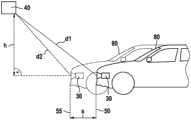
图2用于求取对象在运输工具下方的可通行性的示例;和Figure 2 is used to obtain an example of the traversability of an object under a conveyance; and
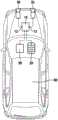
图3根据本发明的设备结合运输工具的框图。Figure 3 is a block diagram of a device in combination with a vehicle according to the invention.
具体实施方式Detailed ways
图1示出说明根据本发明的方法的实施例的步骤的流程图。在步骤100中,借助于第一超声波传感器30和第二超声波传感器35结合对象定位算法来求取对象40关于运输工具80的当前轨迹的水平位置。基于根据本发明的分析评价单元10进行该求取,该分析评价单元在该实施例中是微控制器。在步骤200中,基于通过第一超声波传感器30产生的、关于求取对象40的水平位置的测量信号来求取对象40与运输工具80的第一位置50之间的第一距离d1。类似地,在步骤300中,求取对象40与运输工具80的第二位置55之间的第二距离d2。在步骤400中,计算第一距离d1与第二距离d2之间关于路程s的变化,该路程相应于运输工具80在第一位置50与第二位置55之间所经过的路程s。基于运输工具80的测距控制器的、被分析评价单元10所接收的信号来计算经过的路程s。在步骤500中,在实施运输工具80的当前行驶机动动作时,根据该计算的结果,考虑或不考虑对象40。如果对象40对于运输工具80而言潜在地与碰撞相关,将关于对象40的相应信息传送给运输工具80的泊车和机动动作辅助系统。Figure 1 shows a flowchart illustrating the steps of an embodiment of the method according to the invention. In
图2示出用于求取运输工具80在对象40下方的可通行性的示例,其中,对象40关于运输工具80的第一超声波传感器30位于高度h上,该高度使得运输工具80能够从对象40下方通行。沿运输工具80的行驶方向布置在运输工具80的保险杠上的第一超声波传感器30构型为具有10cm至7m的探测范围和高达85°的探测角度的高灵敏超声波传感器。另外,运输工具80包括分析评价单元10,该分析评价单元借助于数据输入端12与第一超声波传感器30在信息技术上连接。由于第一超声波传感器30的灵敏度相对较高并且由于探测角度相对较大,也通过第一超声波传感器30来感测在运输工具80的环境中的对象40,所述对象在运输工具80的从下方的可通行性和/或可经过性方面是不关键的或是不相关的。出于这个理由,借助于分析评价单元10,通过分析评价单元10以计算机程序形式实施根据本发明的算法,该算法能够求取这些不关键或不相关的对象40,以便在通过与分析评价单元10耦合的驾驶员辅助系统90进行的后续处理中不考虑这些对象。以这种方式防止驾驶员辅助系统90由于这些不相关的对象40而向运输工具80的驾驶员输出不必要的警告和/或提示,和/或防止不必要地自动适配运输工具80的行驶运行(例如制动或改变行驶方向)。FIG. 2 shows an example for ascertaining the traversability of a
为了该目的,在处于运动中的运输工具80的第一位置50处,根据本发明的分析评价单元10通过第一超声波传感器30接收第一值,该第一值代表所测量的、对象40与第一超声波传感器30的传感器面之间的第一距离d1。借助于分析评价单元10将该第一值保存在附接到分析评价单元上的外部存储单元20中。在运输工具80经过预定义的路程s(例如50cm)之后,与对象40的距离测量类似地,在运输工具80的第二位置55处在使用第一超声波传感器30的情况下重新实施对象40与运输工具80之间的间距测量。以这种方式求取的并且由分析评价单元10接收的、关于对象40与运输工具80之间的第二距离d2的第二值也保存在存储单元20中。附加地,分析评价单元10通过运输工具80的车载电网与测距控制器连接,该测距控制器通过CAN总线系统给分析评价单元10提供关于由运输工具80经过的路程s的信息。以这种方式,分析评价单元10能够求取关于第一位置50与第二位置55之间所经过的路程s的值,以便将该值也保存在存储单元20中。接下来,通过分析评价单元10求取第一距离d1与第二距离d2的呈值d形式的变化:d=d1-d2。将该值与经过的路程s相比,用于计算根据本发明的商D2d(Distance to Drive Distance Coefficient,距离与行驶距离系数):D2d=d/s。分析评价单元10将商D2d与预定义阈值相比较,该预定义阈值代表针对运输工具80从下方的可通行性的行驶工具特定值,该行驶工具特定值保存在存储单元20中。对于D2d值小于或等于预定义阈值的情况,则能够相应地认为能从对象40的下方通行。由于能从对象40的下方通行,该对象不被传递给驾驶员辅助系统90用以进一步处理并因此该对象不被用于运输工具80的当前行驶运行或当前行驶机动动作。For this purpose, at the first position 50 of the moving
图3示出根据本发明的设备结合运输工具80的框图。该设备包括分析评价单元10,该分析评价单元在本示例中是微控制器。通过微控制器执行计算机程序,该计算机程序能实施根据本发明的方法步骤。分析评价单元10具有数据输入端12,分析评价单元10通过该数据输入端与第一超声波传感器30和第二超声波传感器35在信息技术上连接。以这种方式,分析评价单元10设置为用于接收并且处理代表运输工具80的环境的信号。接收到的信号和/或计算结果和必要时其他数据保存在外部存储单元20中,该外部存储单元在信息技术上附接到分析评价单元10上。此外,分析评价单元10具有数据输出端14,分析评价单元10通过该数据输出端与运输工具80的驾驶员辅助系统90在信息技术上连接。分析评价单元10设置为用于评价从运输工具80的环境中的对象下方的可通行性并且仅将关于与碰撞相关的对象40的信息转发给驾驶员辅助系统90。FIG. 3 shows a block diagram of a device combined with a
Claims (9)
Applications Claiming Priority (3)
| Application Number | Priority Date | Filing Date | Title |
|---|---|---|---|
| DE102018216790.7ADE102018216790A1 (en) | 2018-09-28 | 2018-09-28 | Method for evaluating an impact of an object in the environment of a means of transportation on a driving maneuver of the means of transportation |
| DE102018216790.7 | 2018-09-28 | ||
| PCT/EP2019/075428WO2020064576A1 (en) | 2018-09-28 | 2019-09-20 | Method for evaluating an effect of an object in the surroundings of a means of transport on a driving manoeuvre of the means of transport |
Publications (2)
| Publication Number | Publication Date |
|---|---|
| CN112771591A CN112771591A (en) | 2021-05-07 |
| CN112771591Btrue CN112771591B (en) | 2023-04-11 |
Family
ID=68072355
Family Applications (1)
| Application Number | Title | Priority Date | Filing Date |
|---|---|---|---|
| CN201980064170.7AActiveCN112771591B (en) | 2018-09-28 | 2019-09-20 | Method for evaluating the influence of an object in the environment of a vehicle on the driving maneuver of the vehicle |
Country Status (7)
| Country | Link |
|---|---|
| US (1) | US20220035029A1 (en) |
| EP (1) | EP3857532A1 (en) |
| JP (1) | JP7109661B2 (en) |
| KR (1) | KR20210063395A (en) |
| CN (1) | CN112771591B (en) |
| DE (1) | DE102018216790A1 (en) |
| WO (1) | WO2020064576A1 (en) |
Families Citing this family (5)
| Publication number | Priority date | Publication date | Assignee | Title |
|---|---|---|---|---|
| CN113085854A (en)* | 2021-05-10 | 2021-07-09 | 东风汽车集团股份有限公司 | System and method for identifying obstacle above vehicle through radar camera |
| JP7563317B2 (en)* | 2021-07-09 | 2024-10-08 | 株式会社アイシン | OBJECT DETECTION DEVICE, OBJECT DETECTION METHOD, AND PROGRAM |
| DE102021210849A1 (en) | 2021-09-28 | 2023-03-30 | Robert Bosch Gesellschaft mit beschränkter Haftung | Method for adapting the ground clearance of a vehicle |
| DE102022206123A1 (en) | 2022-06-20 | 2023-12-21 | Robert Bosch Gesellschaft mit beschränkter Haftung | Method for determining an approximate object position of a dynamic object, computer program, device and vehicle |
| US12349616B2 (en) | 2023-01-09 | 2025-07-08 | Kubota Corporation | Implement automation system |
Family Cites Families (22)
| Publication number | Priority date | Publication date | Assignee | Title |
|---|---|---|---|---|
| JPH07191141A (en)* | 1993-12-24 | 1995-07-28 | Calsonic Corp | Obstacle detecting device for vehicle |
| JP2007139665A (en)* | 2005-11-21 | 2007-06-07 | Toyota Motor Corp | Object detection apparatus and object detection method |
| CN2935181Y (en)* | 2006-07-20 | 2007-08-15 | 中国人民武装警察部队学院 | Altitude alarm for fire fighting vehicles |
| JP4880712B2 (en)* | 2009-02-27 | 2012-02-22 | 株式会社日本自動車部品総合研究所 | Obstacle detection device |
| US20110006916A1 (en)* | 2009-07-07 | 2011-01-13 | Salvador Toledo | Assistance in Parking a Vehicle Between Front and Rear Objects |
| EP2588881A1 (en)* | 2011-06-11 | 2013-05-08 | Engimec S.r.l. | Improvements in obstacle detection for vehicles |
| DE102011113077A1 (en) | 2011-09-07 | 2013-03-07 | Conti Temic Microelectronic Gmbh | Method for determining a passability of an object for a vehicle by means of a 3D camera |
| DE102012211034A1 (en) | 2012-06-27 | 2014-01-02 | Robert Bosch Gmbh | Driver assistance system for determining distance of vehicle to obstacle above vehicle for determining clearance height below obstacle, has sensor, which is arranged on vehicle such that distance is measured in vertical direction |
| JP6153111B2 (en)* | 2013-07-25 | 2017-06-28 | パナソニックIpマネジメント株式会社 | Parking assistance system |
| DE102013223240B3 (en)* | 2013-11-14 | 2014-10-30 | Volkswagen Aktiengesellschaft | Motor vehicle with occlusion detection for ultrasonic sensors |
| DE102014114999A1 (en)* | 2014-10-15 | 2016-04-21 | Valeo Schalter Und Sensoren Gmbh | Method for detecting at least one object in an environmental region of a motor vehicle, driver assistance system and motor vehicle |
| JP6474228B2 (en)* | 2014-10-22 | 2019-02-27 | 株式会社デンソー | Object detection device |
| JP6404679B2 (en)* | 2014-10-22 | 2018-10-10 | 株式会社デンソー | Object detection device |
| JP6292184B2 (en)* | 2015-07-06 | 2018-03-14 | トヨタ自動車株式会社 | Collision avoidance device |
| CN105047020B (en)* | 2015-08-26 | 2018-03-09 | 惠州华阳通用电子有限公司 | A kind of current avoiding collision of bridge based on radar and device |
| DE102016213377B4 (en) | 2016-07-21 | 2023-11-16 | Volkswagen Aktiengesellschaft | Method for clearance height detection |
| DE102016113736A1 (en)* | 2016-07-26 | 2018-02-01 | Valeo Schalter Und Sensoren Gmbh | Method for detecting an object in an environment of a vehicle with height determination, driver assistance system and vehicle |
| JP7007049B2 (en)* | 2016-12-26 | 2022-02-10 | ダイハツ工業株式会社 | Obstacle detection device |
| US11292483B2 (en)* | 2018-02-28 | 2022-04-05 | VayaVision Sensing, Ltd. | Managing a change in a physical property of a vehicle due to an external object |
| EP3774473A4 (en)* | 2018-03-31 | 2021-10-27 | Intel Corporation | Vehicle and method for avoiding a collision of a vehicle with one or more obstacles |
| DE102018207274A1 (en)* | 2018-05-09 | 2019-11-14 | Robert Bosch Gmbh | Ultrasonic sensor system and method for detecting objects in the vicinity of a vehicle, and vehicle with an ultrasonic sensor system |
| KR102333240B1 (en)* | 2019-12-18 | 2021-12-01 | 현대모비스 주식회사 | Apparatus and method for identifying object |
- 2018
- 2018-09-28DEDE102018216790.7Apatent/DE102018216790A1/enactivePending
- 2019
- 2019-09-20USUS17/278,468patent/US20220035029A1/enactivePending
- 2019-09-20WOPCT/EP2019/075428patent/WO2020064576A1/ennot_activeCeased
- 2019-09-20EPEP19778906.8Apatent/EP3857532A1/ennot_activeWithdrawn
- 2019-09-20CNCN201980064170.7Apatent/CN112771591B/enactiveActive
- 2019-09-20JPJP2021517186Apatent/JP7109661B2/enactiveActive
- 2019-09-20KRKR1020217012137Apatent/KR20210063395A/enactivePending
Also Published As
| Publication number | Publication date |
|---|---|
| JP2022502642A (en) | 2022-01-11 |
| EP3857532A1 (en) | 2021-08-04 |
| KR20210063395A (en) | 2021-06-01 |
| CN112771591A (en) | 2021-05-07 |
| US20220035029A1 (en) | 2022-02-03 |
| JP7109661B2 (en) | 2022-07-29 |
| DE102018216790A1 (en) | 2020-04-02 |
| WO2020064576A1 (en) | 2020-04-02 |
Similar Documents
| Publication | Publication Date | Title |
|---|---|---|
| EP3929046B1 (en) | Vertical parking method | |
| CN112771591B (en) | Method for evaluating the influence of an object in the environment of a vehicle on the driving maneuver of the vehicle | |
| US10705220B2 (en) | System and method for ground and free-space detection | |
| US9714034B2 (en) | Vehicle control device | |
| US10466714B2 (en) | Depth map estimation with stereo images | |
| KR102614323B1 (en) | Create a 3D map of a scene using passive and active measurements | |
| US10119812B2 (en) | Trailer parameter identification system | |
| JP6441455B2 (en) | Method for generating a surrounding map of a surrounding area of a vehicle, a driving support system, and a vehicle | |
| US20200057897A1 (en) | Obstacle sensing device | |
| CN105551302B (en) | Method for assisting a parking process and parking assistance device | |
| US20210031795A1 (en) | Correcting a position of a vehicle with slam | |
| US20180114436A1 (en) | Lidar and vision vehicle sensing | |
| JP2004531424A5 (en) | ||
| US11607999B2 (en) | Method and apparatus for invisible vehicle underbody view | |
| JP7323326B2 (en) | PARKING ASSIST DEVICE AND CONTROL METHOD FOR PARKING ASSIST DEVICE | |
| JP2002228734A (en) | Ambient object recognition device | |
| US20240118424A1 (en) | Systems and methods for detecting water along driving routes | |
| KR101712399B1 (en) | Obstacle display method of vehicle | |
| US12403913B2 (en) | Systems and methods for detecting water along driving routes | |
| CN111580066A (en) | Steering angle detection method, device and system | |
| US9132858B2 (en) | Method and device for assisting a driver of a motor vehicle during a driving maneuver | |
| US20250074460A1 (en) | Autonomous driving vehicle and control method thereof | |
| US20230186638A1 (en) | Device for determining a topography of a vehicle environment, vehicle and method | |
| JP2023516014A (en) | Method for radar detection of targets | |
| US12441325B2 (en) | Systems and methods for detecting water along driving routes |
Legal Events
| Date | Code | Title | Description |
|---|---|---|---|
| PB01 | Publication | ||
| PB01 | Publication | ||
| SE01 | Entry into force of request for substantive examination | ||
| SE01 | Entry into force of request for substantive examination | ||
| GR01 | Patent grant | ||
| GR01 | Patent grant |