CN112689749A - Optical method for gingivitis detection - Google Patents
Optical method for gingivitis detectionDownload PDFInfo
- Publication number
- CN112689749A CN112689749ACN201980059255.6ACN201980059255ACN112689749ACN 112689749 ACN112689749 ACN 112689749ACN 201980059255 ACN201980059255 ACN 201980059255ACN 112689749 ACN112689749 ACN 112689749A
- Authority
- CN
- China
- Prior art keywords
- tissue
- wavelength
- contribution
- wavelengths
- light
- Prior art date
- Legal status (The legal status is an assumption and is not a legal conclusion. Google has not performed a legal analysis and makes no representation as to the accuracy of the status listed.)
- Granted
Links
- 238000001514detection methodMethods0.000titleclaimsabstractdescription35
- 238000000034methodMethods0.000titleclaimsdescription50
- 208000007565gingivitisDiseases0.000titleclaimsdescription38
- 230000003287optical effectEffects0.000titledescription7
- 206010061218InflammationDiseases0.000claimsabstractdescription39
- 230000004054inflammatory processEffects0.000claimsabstractdescription39
- 230000003595spectral effectEffects0.000claimsabstractdescription30
- 108010054147HemoglobinsProteins0.000claimsabstractdescription26
- 102000001554HemoglobinsHuman genes0.000claimsabstractdescription26
- 238000010521absorption reactionMethods0.000claimsabstractdescription17
- 239000008280bloodSubstances0.000claimsdescription24
- 210000004369bloodAnatomy0.000claimsdescription24
- 239000000523sampleSubstances0.000claimsdescription13
- 238000000926separation methodMethods0.000claimsdescription10
- 230000001419dependent effectEffects0.000claimsdescription6
- 238000001055reflectance spectroscopyMethods0.000claimsdescription5
- 210000001519tissueAnatomy0.000description69
- 238000006213oxygenation reactionMethods0.000description11
- 238000004364calculation methodMethods0.000description7
- 238000006392deoxygenation reactionMethods0.000description6
- 238000013213extrapolationMethods0.000description6
- 239000000835fiberSubstances0.000description6
- 239000000463materialSubstances0.000description5
- 238000001228spectrumMethods0.000description5
- 238000005259measurementMethods0.000description4
- 238000010586diagramMethods0.000description3
- 238000005070samplingMethods0.000description3
- 230000035945sensitivityEffects0.000description3
- XUMBMVFBXHLACL-UHFFFAOYSA-NMelaninChemical compoundO=C1C(=O)C(C2=CNC3=C(C(C(=O)C4=C32)=O)C)=C2C4=CNC2=C1CXUMBMVFBXHLACL-UHFFFAOYSA-N0.000description2
- 238000000862absorption spectrumMethods0.000description2
- 238000004458analytical methodMethods0.000description2
- QVGXLLKOCUKJST-UHFFFAOYSA-Natomic oxygenChemical compound[O]QVGXLLKOCUKJST-UHFFFAOYSA-N0.000description2
- 230000036541healthEffects0.000description2
- 229910052760oxygenInorganic materials0.000description2
- 239000001301oxygenSubstances0.000description2
- 238000012545processingMethods0.000description2
- 238000000985reflectance spectrumMethods0.000description2
- 238000009877renderingMethods0.000description2
- 230000008961swellingEffects0.000description2
- 230000007704transitionEffects0.000description2
- XLYOFNOQVPJJNP-UHFFFAOYSA-NwaterSubstancesOXLYOFNOQVPJJNP-UHFFFAOYSA-N0.000description2
- INGWEZCOABYORO-UHFFFAOYSA-N2-(furan-2-yl)-7-methyl-1h-1,8-naphthyridin-4-oneChemical compoundN=1C2=NC(C)=CC=C2C(O)=CC=1C1=CC=CO1INGWEZCOABYORO-UHFFFAOYSA-N0.000description1
- 206010030113OedemaDiseases0.000description1
- 108010064719OxyhemoglobinsProteins0.000description1
- OAICVXFJPJFONN-UHFFFAOYSA-NPhosphorusChemical compound[P]OAICVXFJPJFONN-UHFFFAOYSA-N0.000description1
- 230000010398acute inflammatory responseEffects0.000description1
- 238000003491arrayMethods0.000description1
- 210000002565arterioleAnatomy0.000description1
- 230000002238attenuated effectEffects0.000description1
- 230000001580bacterial effectEffects0.000description1
- 230000009286beneficial effectEffects0.000description1
- 230000000740bleeding effectEffects0.000description1
- 230000036770blood supplyEffects0.000description1
- 210000004204blood vesselAnatomy0.000description1
- 230000001680brushing effectEffects0.000description1
- 230000001684chronic effectEffects0.000description1
- 210000003298dental enamelAnatomy0.000description1
- 239000004053dental implantSubstances0.000description1
- 108010002255deoxyhemoglobinProteins0.000description1
- 201000010099diseaseDiseases0.000description1
- 208000037265diseases, disorders, signs and symptomsDiseases0.000description1
- 238000011156evaluationMethods0.000description1
- 210000004195gingivaAnatomy0.000description1
- 208000024693gingival diseaseDiseases0.000description1
- 238000005286illuminationMethods0.000description1
- 230000028709inflammatory responseEffects0.000description1
- 230000002427irreversible effectEffects0.000description1
- 238000012886linear functionMethods0.000description1
- 238000012986modificationMethods0.000description1
- 230000004048modificationEffects0.000description1
- 210000000214mouthAnatomy0.000description1
- 239000013307optical fiberSubstances0.000description1
- 201000001245periodontitisDiseases0.000description1
- 230000001902propagating effectEffects0.000description1
- 230000009467reductionEffects0.000description1
- 230000002040relaxant effectEffects0.000description1
- 210000000329smooth muscle myocyteAnatomy0.000description1
- 239000003053toxinSubstances0.000description1
- 231100000765toxinToxicity0.000description1
- 108700012359toxinsProteins0.000description1
- 230000024883vasodilationEffects0.000description1
- 230000000007visual effectEffects0.000description1
Images

Classifications
- G—PHYSICS
- G01—MEASURING; TESTING
- G01N—INVESTIGATING OR ANALYSING MATERIALS BY DETERMINING THEIR CHEMICAL OR PHYSICAL PROPERTIES
- G01N21/00—Investigating or analysing materials by the use of optical means, i.e. using sub-millimetre waves, infrared, visible or ultraviolet light
- G01N21/17—Systems in which incident light is modified in accordance with the properties of the material investigated
- G01N21/25—Colour; Spectral properties, i.e. comparison of effect of material on the light at two or more different wavelengths or wavelength bands
- G01N21/31—Investigating relative effect of material at wavelengths characteristic of specific elements or molecules, e.g. atomic absorption spectrometry
- G01N21/314—Investigating relative effect of material at wavelengths characteristic of specific elements or molecules, e.g. atomic absorption spectrometry with comparison of measurements at specific and non-specific wavelengths
- A—HUMAN NECESSITIES
- A61—MEDICAL OR VETERINARY SCIENCE; HYGIENE
- A61B—DIAGNOSIS; SURGERY; IDENTIFICATION
- A61B5/00—Measuring for diagnostic purposes; Identification of persons
- A61B5/0059—Measuring for diagnostic purposes; Identification of persons using light, e.g. diagnosis by transillumination, diascopy, fluorescence
- A61B5/0082—Measuring for diagnostic purposes; Identification of persons using light, e.g. diagnosis by transillumination, diascopy, fluorescence adapted for particular medical purposes
- A61B5/0088—Measuring for diagnostic purposes; Identification of persons using light, e.g. diagnosis by transillumination, diascopy, fluorescence adapted for particular medical purposes for oral or dental tissue
- G—PHYSICS
- G01—MEASURING; TESTING
- G01N—INVESTIGATING OR ANALYSING MATERIALS BY DETERMINING THEIR CHEMICAL OR PHYSICAL PROPERTIES
- G01N21/00—Investigating or analysing materials by the use of optical means, i.e. using sub-millimetre waves, infrared, visible or ultraviolet light
- G01N21/17—Systems in which incident light is modified in accordance with the properties of the material investigated
- G01N21/25—Colour; Spectral properties, i.e. comparison of effect of material on the light at two or more different wavelengths or wavelength bands
- G01N21/31—Investigating relative effect of material at wavelengths characteristic of specific elements or molecules, e.g. atomic absorption spectrometry
- G01N21/314—Investigating relative effect of material at wavelengths characteristic of specific elements or molecules, e.g. atomic absorption spectrometry with comparison of measurements at specific and non-specific wavelengths
- G01N21/3151—Investigating relative effect of material at wavelengths characteristic of specific elements or molecules, e.g. atomic absorption spectrometry with comparison of measurements at specific and non-specific wavelengths using two sources of radiation of different wavelengths
- G—PHYSICS
- G01—MEASURING; TESTING
- G01N—INVESTIGATING OR ANALYSING MATERIALS BY DETERMINING THEIR CHEMICAL OR PHYSICAL PROPERTIES
- G01N21/00—Investigating or analysing materials by the use of optical means, i.e. using sub-millimetre waves, infrared, visible or ultraviolet light
- G01N21/17—Systems in which incident light is modified in accordance with the properties of the material investigated
- G01N21/47—Scattering, i.e. diffuse reflection
- G—PHYSICS
- G01—MEASURING; TESTING
- G01N—INVESTIGATING OR ANALYSING MATERIALS BY DETERMINING THEIR CHEMICAL OR PHYSICAL PROPERTIES
- G01N21/00—Investigating or analysing materials by the use of optical means, i.e. using sub-millimetre waves, infrared, visible or ultraviolet light
- G01N21/17—Systems in which incident light is modified in accordance with the properties of the material investigated
- G01N21/47—Scattering, i.e. diffuse reflection
- G01N21/4738—Diffuse reflection, e.g. also for testing fluids, fibrous materials
Landscapes
- Health & Medical Sciences (AREA)
- Physics & Mathematics (AREA)
- Life Sciences & Earth Sciences (AREA)
- Spectroscopy & Molecular Physics (AREA)
- General Health & Medical Sciences (AREA)
- Pathology (AREA)
- Chemical & Material Sciences (AREA)
- Analytical Chemistry (AREA)
- Biochemistry (AREA)
- General Physics & Mathematics (AREA)
- Immunology (AREA)
- Oral & Maxillofacial Surgery (AREA)
- Molecular Biology (AREA)
- Dentistry (AREA)
- Veterinary Medicine (AREA)
- Biophysics (AREA)
- Engineering & Computer Science (AREA)
- Biomedical Technology (AREA)
- Heart & Thoracic Surgery (AREA)
- Medical Informatics (AREA)
- Audiology, Speech & Language Pathology (AREA)
- Surgery (AREA)
- Animal Behavior & Ethology (AREA)
- Public Health (AREA)
- Toxicology (AREA)
- Measurement Of The Respiration, Hearing Ability, Form, And Blood Characteristics Of Living Organisms (AREA)
- Investigating Or Analysing Materials By Optical Means (AREA)
- Dental Tools And Instruments Or Auxiliary Dental Instruments (AREA)
Abstract
Description
Technical Field
The present disclosure is generally directed to oral care systems and methods for detecting the presence of tissue inflammation and particularly gingivitis using diffuse reflected light.
Background
Currently, gingivitis detection using Diffuse Reflectance Spectroscopy (DRS) is performed using small, angled probes that are configured around one or more optical fibers that transmit light, due to the limited space in the oral cavity. Such a small probe can be used to measure the interproximal areas where gingivitis usually originates. However, such small probes, when in contact, exert a great pressure on the tissue, thereby pushing blood aside, thus disrupting the DRS measurement of blood properties. Therefore, DRS measurements are preferably performed in a non-contact mode. In addition to the desired diffuse reflection component, the desired non-contact mode also leads to the detection of undesired specularly reflected light. These unwanted specular components become relatively large because the diffuse reflected light (i.e., the light propagating through the tissue) is highly attenuated.
Furthermore, an important property of a DRS probe is the source-detection separation, as it affects the sampling depth of the probe (i.e., the depth at which the measured light source is self-organized). However, source-detection separation increases the risk of illuminating and/or detecting light from non-gingival tissue (e.g., teeth and/or dental implants). For example, because the papilla ends are small pointed, the desired papilla signal may be at least partially contaminated by the enamel signal due to fiber separation.
In addition to source-detector separation, the sampling depth is also limited by the wavelength used. Short wavelengths (e.g., blue) are highly absorbed by hemoglobin, so they limit the length/depth of the optical path. Long wavelengths (e.g., NIR) give low scattering coefficients from tissue, limiting the amount of light reaching the detector by diffuse scattering (i.e., most of the forward travel). Therefore, in order to measure blood properties from the correct depth, both source-detector distance and wavelength must be considered. Since gingivitis starts primarily from the gingival sulcus (pocket) and thus does not directly enter the inflamed site, a certain source-detector separation needs to be combined with a certain wavelength. Moreover, these wavelengths must be located at specific hemoglobin absorption characteristics. However, due to the cost and space constraints of oral care systems for consumers, it is desirable to keep the number of wavelengths required as small as possible.
Accordingly, there is a continuing need in the art for oral care systems and methods of the present invention for detecting moderate tissue inflammation using the DRS method which is insensitive to specular reflections and uses a limited number of wavelengths.
Disclosure of Invention
The present disclosure is directed to inventive systems and methods for detecting tissue inflammation, particularly gingivitis, using Diffuse Reflectance Spectroscopy (DRS). Various embodiments and implementations herein are directed to methods for accurately detecting gingivitis that are robust to specular reflection and use only a minimum number of wavelengths. Additionally, methods that can accurately detect gingivitis from DRS signals have lower sensitivity to light originating from hard tissue of the teeth and can have some freedom in wavelength selection.
In general, in one aspect, a system for detecting tissue inflammation is provided. The system comprises: a light emitter configured to emit light towards tissue; at least one light detector configured to detect diffusely reflected light reflected from tissue; and a controller having a tissue inflammation detection unit, the controller configured to analyze the detected diffuse reflected light in terms of spectral components of the detected diffuse reflected light. The tissue inflammation detection unit is configured to: determining a tissue contribution from a first wavelength region of the diffuse reflectance spectral signal in which the diffuse reflectance spectral signal is dominated by tissue; extrapolating the tissue contribution to a second wavelength region in which the diffuse reflectance spectral signal includes at least one detectable hemoglobin absorption characteristic according to a predetermined wavelength-dependent function; subtracting the extrapolated tissue contribution from the diffuse reflectance signal; and determining the degree of tissue inflammation. In various embodiments, the system is configured to detect gingivitis.
In one embodiment, the tissue inflammation detection unit is configured to determine tissue contributions at a first wavelength and a second wavelength larger than 665nm within a first wavelength region.
In one embodiment, the tissue inflammation detection unit is configured to extrapolate tissue contributions to a third wavelength and a fourth wavelength within a second wavelength region, wherein the second wavelength region is lower than the first wavelength region.
In one embodiment, the system further comprises a diffuse reflectance spectroscopy probe having a source-detector separation greater than 300 μm.
In general, in another aspect, a method for detecting tissue inflammation is provided. The method comprises the following steps: determining, by a controller, tissue contributions at a first wavelength and a second wavelength within a first wavelength region of a diffuse reflectance spectral signal, the diffuse reflectance spectral signal being dominated by tissue in the first wavelength region; extrapolating, by the controller, the tissue contribution to a third wavelength and a fourth wavelength within a second wavelength region, the second wavelength region being different from the first wavelength region, wherein the diffuse reflectance spectral signal includes at least one detectable hemoglobin absorption characteristic; subtracting, by the controller, the extrapolated tissue contribution from the diffuse reflectance spectral signals at the third and fourth wavelengths; and determining, by the controller, a degree of tissue inflammation. In various embodiments, the tissue inflammation is gingivitis.
In one embodiment, the method further comprises emitting light towards the tissue using a light emitter.
In one embodiment, the method further comprises detecting diffusely reflected light at least the first wavelength, the second wavelength, and the third wavelength by at least three wavelength sensitive detectors prior to the step of determining the tissue contribution.
In one embodiment, the method further comprises measuring the diffuse reflectance spectral signal by a diffuse reflectance spectral probe having a source-detector separation greater than 300 μm.
In one embodiment, the first and second wavelengths are longer than the third and fourth wavelengths.
In one embodiment, the step of extrapolating the tissue contribution involves a predetermined wavelength dependent function.
In one embodiment, the method further comprises emitting light towards the tissue using at least three light sources emitting light at the first, second and third wavelengths, and detecting diffusely reflected light emitted by the at least three light emitters by a single detector.
As used herein for the purposes of this disclosure, the term "controller" is used generally to describe various devices relating to the operation of the device, system or method. The controller can be implemented in numerous ways (e.g., such as with dedicated hardware) to perform the various functions discussed herein. A "processor" is one example of a controller employing one or more microprocessors that may be programmed using software (e.g., microcode) to perform the various functions discussed herein. The controller may be implemented with or without a processor, and may also be implemented as a combination of dedicated hardware to perform some functions and a processor (e.g., one or more programmed microprocessors and associated circuitry) to perform other functions. Examples of controller components that may be employed in various embodiments of the present disclosure include, but are not limited to, conventional microprocessors, Application Specific Integrated Circuits (ASICs), and Field Programmable Gate Arrays (FPGAs).
It should be understood that all combinations of the foregoing concepts and additional concepts discussed in greater detail below (provided that such concepts do not contradict each other) are considered a part of the inventive subject matter disclosed herein. In particular, all combinations of claimed subject matter appearing at the end of this disclosure are considered part of the inventive subject matter disclosed herein.
These and other aspects of the invention will be apparent from and elucidated with reference to the embodiment(s) described hereinafter.
Drawings
In the drawings, like reference numerals generally refer to like parts throughout the different views. Moreover, the drawings are not necessarily to scale, emphasis instead generally being placed upon illustrating the principles of the invention.
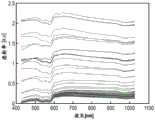
FIG. 1A is a graphical representation of diffuse reflectance spectra measured using different probe-target angles according to one embodiment.
FIG. 1B is a graphical representation of calculated blood oxygenation values according to one embodiment.
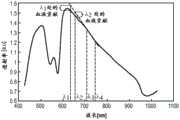
FIG. 2 shows a graphical representation of a diffuse reflectance spectrum according to one embodiment.
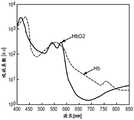
FIG. 3 shows a graphical representation of an absorption spectrum according to an embodiment.
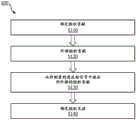
Fig. 4 is a flow diagram of a method for determining tissue inflammation to detect gingivitis, according to one embodiment.
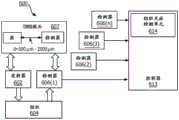
Figure 5 is a schematic diagram of a system for detecting gingivitis, according to one embodiment.
Detailed Description
The present disclosure describes various embodiments of systems and methods for using diffuse reflected light to improve detection of tissue inflammation and gingivitis. More generally, applicants have recognized and appreciated that it would be beneficial to provide such systems and methods that are insensitive to unwanted specular reflections and that use a limited number of wavelengths. Accordingly, the systems and methods described or otherwise contemplated herein provide an oral care device configured to obtain measurements of gingival tissue. The oral care device comprises a light emitter, at least one light detector and a controller programmed to analyze received light in terms of its spectral components using a dedicated algorithm. The controller is broadly configured to: (i) using the wavelength at which the blood contribution is minimal to determine the tissue contribution, (ii) extrapolating the contribution to another wavelength region in which the DRS signal shows a clear hemoglobin absorption characteristic, (iii) subtracting the extracted tissue contribution from the reflected signal to obtain the blood contribution, and (iv) using the blood contribution to determine one or more hemoglobin parameters.
The embodiments and implementations disclosed or otherwise envisioned herein may be used with any suitable oral care device. Examples of suitable oral care devices include toothbrushes, flossing devices, oral irrigators, tongue cleaners or other personal care devices or dental professional oral care devices. However, the present disclosure is not limited to these oral care devices, and thus the disclosure and embodiments disclosed herein may encompass any oral care device.
Gingivitis is an inflammation of the gums characterized by swelling, edema and redness of the gums, mostly caused by plaque build-up in the gingival sulcus (pocket). Such gum disease is often found in hard-to-reach areas, such as interproximal areas between and around the posterior teeth.
In fact, it is estimated that 50% -70% of the adult population is affected by gingivitis. However, consumers are often unable to detect early signs of gingivitis. Normally, gingivitis develops until the individual finds the gums bleeding easily when brushing their teeth. Therefore, gingivitis can only be detected when the disease has progressed and is apparently difficult to treat. Although improving oral hygiene readily reverses gingivitis, it is important to maintain good oral health and to find the gingivitis as soon as possible, as gingivitis can spread to irreversible periodontitis.
Gingivitis can be visually diagnosed by detecting redness and swelling of the gums. (see RR. Lobene et al, "A modified gingival index for use in clinical trials", Clin. Prev. Dent.8:3-6, (1986) describing non-contact gingivitis index based on redness and inflammation of the gums). However, this index has a limited sensitivity and is highly dependent on the color rendering index of the light source used. Thus, modern phosphor converted LEDs may have a lower Color Rendering Index (CRI), resulting in poor visual judgment.
Redness of the gum is an acute inflammatory response to bacterial biofilm toxins from plaque in the gingival sulcus or along the gum line area. This inflammatory response causes vasodilation in the short term, relaxing smooth muscle cells in the arterioles and widening the blood vessels, thereby increasing the blood supply to the capillary bed. This can cause the gums to turn red and the temperature to rise slightly, making measurement difficult. Additionally, the capillaries become more permeable, which results in increased fluid loss from the capillaries to the interstitial spaces, resulting in swollen gums. If the inflammation is chronic, additional reddening occurs by increasing vascularization of the tissue, where additional capillaries can be formed to address the additional blood demand of the tissue.
These factors enable detection of gingivitis based on Diffuse Reflectance Spectroscopy (DRS). DRS is an optical method involving, for example, emitting white light toward a target and analyzing the spectral properties of diffusely reflected (rather than specularly reflected) light. Due to the difference of chromophores in the gingival tissue, the spectral properties of the diffusely reflected light are significantly different from the spectral properties of the source light. The increase in total Hemoglobin concentration and decrease in blood oxygenation associated with gingivitis detection can be determined as described in T.Handoka et al, "Hemoglobin concentration and oxygenation evaluation of clinical health and inflated gingiva in human subjects", J.Periodotal Res.25:93-98 (1990)). The method uses six fixed wavelengths and calculates deoxygenation, oxygenation, and total hemoglobin concentration. The latter two are used to calculate oxygen saturation.
Fig. 1A and 1B show DRS spectra measured using different probe-target angles. In fig. 1A, the specular reflection is achromatic and results in a shift of each DRS spectrum. In fig. 1B, blood oxygenation values are calculated according to the example method described in Hanioka. For angles close to the surface normal, the specular reflection is about ten times the diffuse component. In fig. 1B, the oxygenation values calculated according to this method produce large variations. Obviously, specular reflection can lead to large errors.
According to embodiments using wavelength detection, some systems include a spectrometer to analyze the spectral shape of received light. Other systems include tunable filters for received and/or emitted light (e.g., MEMS Fabry-perot filters). While it is desirable to use a spectrometer or tunable optical filter due to the large number of wavelengths available for processing, currently available systems are too large and/or expensive for consumer products. Alternatively, other systems include color sequential illumination, where each color includes spectral bands required for analysis. Another option is to divide the received light into different paths and apply band pass filters to achieve the desired spectral bands. With respect to these other options, it is desirable to keep the number of wavelengths required as small as possible due to the cost and space constraints on the oral care system imposed by the consumer.
A particular object with certain embodiments of the present disclosure is to enable accurate gingivitis detection from DRS signals that are insensitive to specular reflections, have a lower sensitivity to light originating from the hard tissue of the teeth, use a minimum number of wavelengths and allow a degree of freedom in wavelength selection.
Referring to fig. 2, 3 and 4, in one embodiment, is a method for detecting gingivitis using diffuse reflected light. Fig. 2 shows the measured DRS spectrum. Fig. 3 shows the absorption spectra of hemoglobin for both oxyhemoglobin and deoxyhemoglobin. Figure 4 shows a flow chart of the steps of using diffuse reflected light to detect gingivitis. Since the specular reflection is achromatic, it shows a DC offset in the DRS signal. Obviously, given some errors, the tissue contribution (i.e. scattering and melanin absorption below 940nm and water) can be modeled using a suitable linear function. For longer wavelengths, the reflected signal is dominated by tissue (i.e., blood absorption has a significantly lower contribution). Based on the above, it is proposed to use the wavelength at which the blood contribution is minimal to determine the tissue contribution, extrapolate this contribution to another wavelength region where the DRS signal shows a clear hemoglobin absorption characteristic, subtract the extracted tissue contribution from the reflected signal to obtain the blood contribution, and use the tissue blood contribution to calculate the hemoglobin parameter.
As can be seen in fig. 3, the region between 600nm and 650nm shows a large difference between oxygenated and deoxygenated hemoglobin absorption, while still reasonably relevant absorption levels. Starting from about 650nm, the absorption of hemoglobin becomes so low that the DRS spectrum is dominated by tissue. Starting at about 915nm, water begins to dominate. Referring to fig. 2, in this example, four wavelengths are selected from the red/Near Infrared (NIR) region; two in the first wavelength region and two in the second wavelength region. By taking two wavelength readings in each zone, the comparison calculation can be easily performed. However, it should be understood that the calculations may be compared using a total of at least three wavelengths or even more than four wavelengths. The longer two wavelengths (709nm and 745nm in the example shown in fig. 2) are used to extrapolate the assumed tissue contribution to the red region. Then, at the shorter two wavelengths (632nm and 655nm), the blood contribution can be calculated by subtracting the DRS signal from the extrapolated tissue contribution. Next, using the known hemoglobin absorption coefficients and the calculated blood contributions, the desired deoxygenated and oxygenated hemoglobin concentrations [ Hb ] and [ HbO2] can be calculated.
Referring to fig. 4, in one embodiment, is a flow diagram of the steps of amethod 100 for detecting gingivitis using diffuse reflected light. According to one embodiment, asystem 600 such as that shown in fig. 5 having one or more light emitters and light detectors, thesystem 600 is provided to detect diffuse reflected light from the gums, and the detected light is communicated or otherwise transmitted to a controller for processing or analysis. At step S110 of the method, the controller or analyzer 613 (as shown in fig. 5) determines the tissue contribution from the wavelength region where hemoglobin has relatively low absorption. The tissue slope can be calculated as follows:

wherein RpλDenotes the diffuse reflectance measured at a wavelength λ, and λ1..λnDenotes a sample wavelength of n.gtoreq.4. Using the example shown in fig. 2, two longer wavelengths (709nm and 745nm) may be used.
In step S120 of the method, the controller or analyzer extrapolates the tissue contribution to another region of the spectrum having one or more detectable hemoglobin absorption characteristics according to a predetermined wavelength-dependent function. Using the example shown in fig. 2, the tissue contribution is extrapolated to two shorter wavelengths (632nm and 655 nm). The extrapolation may be calculated as follows:

wherein Is shown at λbThe extrapolated tissue contribution of (a).

At step S130 of the method, the controller or analyzer subtracts the extrapolated tissue contributions at the shorter two wavelengths from the measured diffuse reflectance signals to obtain tissue blood contributions at the two shorter wavelengths according to the following calculation:

wherein Expressed at a wavelength λbThe calculated tissue blood contribution. In the example shown in fig. 2, the two shorter wavelengths are 632nm and 655 nm. Since both terms in the subtraction in equation (3) contain equal specular reflection contributions, the calculated blood contribution does not include specular reflection contributions.

At step S140 of the method, the controller or analyzer determines a hemoglobin parameter to determine tissue inflammation. For example, oxygenation and deoxygenation concentrations may be determined using known hemoglobin absorption coefficients and calculated tissue blood contributions at 632nm and 655 nm. The following calculations can be used to determine the oxygenation and deoxygenation concentrations, respectively:


to obtain the total hemoglobin concentration, the determined oxygenation and deoxygenation concentrations may be added as follows:
[Hbt]=[Hb]+[HbO2] (6)
oxygen saturation may be determined from the following calculation:
SO2=100%*[HbO2]/[Hbt] (7)
according to one embodiment, as described in (4) and (5) above, as an alternative to determining oxygenation and deoxygenation concentrations from the residual blood contributions at 632nm and 655nm, the isoabsorption wavelength λ isIE.g. 584nm and 800nm (the choice of wavelength can be limited), and alsoTo be used to determine total hemoglobin concentration and oxygenation and deoxygenation concentrations as follows:


all calculations (except for intermediate interpolated tissue values) are independent of offset (specular reflection). In all calculations, the optical path lengths are assumed to be equal everywhere. Additionally, the calculated value is not true, but represents a distinct value. Advantageously, therefore, the systems and methods of the invention described herein enable accurate gingivitis detection from DRS signals that are insensitive to specular reflections. Thus, the systems and methods of the invention described herein are less sensitive to light originating from non-gingival or hard tooth tissue.
The number of wavelengths selected may be equal to or greater than four (≧ 4) to improve accuracy, for example, by noise reduction and/or the use of higher-order polynomials for tissue extrapolation. Advantageously, while the inventive systems and methods described herein enable accurate gingivitis detection from DRS signals using, for example, four wavelengths, which is more cost effective than conventional systems using more wavelengths, systems using three wavelengths may also use the inventive systems and methods described herein. Additionally, the inventive systems and methods described herein have some freedom in selecting the wavelengths used.
As described herein, for detection of gingivitis, it is desirable to use lower hemoglobin that absorbs red/NIR wavelengths, i.e., without using highly absorbing blue and green wavelength regions, to detect gingivitis>A source-detector separation of 300 μm to achieve a sufficiently deep sampling depth. Referring to FIG. 5, in one implementationIn an example, anexample system 600 for detecting tissue inflammation and gingivitis.System 600 includes anoptical transmitter 602 and a plurality of discrete wavelength-sensitive detectors 6061-n. The examples described herein relate to systems and methods using four discrete wavelengths, but systems using more than four wavelength sensitive detectors may be used, and systems using three wavelengths may also be used. In the examples described herein, four separate wavelength sensitive detectors are described-two in the first wavelength region and two in the second wavelength region. Theemitter 602 comprises a single broadband source configured to emit light toward the tissue 604. According to embodiments utilizing four wavelengths,detector 6061-nConfigured to detect diffusely reflected light from the tissue 604 at wavelengths of 655nm, 632nm, 709nm, and 745nm, respectively.Detector 6061Can be configured to detectλ 1 at 709nm,detector 6062Can be configured to detectλ 2 at 745nm,detector 6063Can be configured to detectλ 3 at 632nm, anddetector 6064May be configured to detect λ 4 at 655 nm. It is understood that any two different wavelengths within the first and second wavelength regions may be used. Thesystem 600 further comprises a controller 613 having a tissueinflammation detection unit 614 and an algorithm such as described above.
According to one embodiment, thesystem 600 includes a DRS probe 607 having a source-detector separation greater than 300 μm. A source of the probe may be coupled with theemitter 602 and a detector of the probe may be configured to transmit detected light to thedetector 606, e.g., via a splitter1-n. Many DRS probe configurations are possible, but the most common configuration consists of one source fiber and one detection fiber. Other configurations are, for example, one central source fiber surrounded by six detection fibers, or only a single fiber acting as both source and detector.
According to one embodiment, thesystem 600 may include three wavelengths for tissue extrapolation to reduce extrapolation errors, or four wavelengths, five wavelengths, or more. Alternatively,system 600 may include a second order polynomial for tissue extrapolation to reduce extrapolation errors.
According to one embodiment, instead of a plurality of discrete detectors, thesystem 600 may include a tunable bandpass filter (with a photodetector), a spectrometer, or any suitable alternative form of single detector.
According to one embodiment, instead of a single broadband source, thesystem 600 may include four or more separate sources or emitters with desired spectral properties and a single detector at the receiver end.
Advantageously, the systems and methods of the invention described herein enable accurate gingivitis detection using a DRS method that is insensitive to specular reflections and uses a limited number of wavelengths.
All definitions, as defined and used herein, should be understood to control dictionary definitions, definitions in documents incorporated by reference, and/or ordinary meanings of the defined terms.
The indefinite articles "a" and "an" used in the specification and claims are to be understood as meaning "at least one" unless explicitly indicated to the contrary.
The phrase "and/or" as used herein in the specification and claims should be understood to mean "one or two" of the elements so combined, that is, the elements are present in combination in some cases and separately in other cases. The use of "and/or" listed elements should be construed in the same way, i.e., "one or more" of the elements so connected. In addition to elements explicitly identified by the "and/or" clause, other elements may optionally be present, whether related or unrelated to those elements specifically identified.
As used herein in the specification and claims, "or" should be understood to have the same meaning as "and/or" as defined above. For example, when an item in a list is separated, "or" and/or "should be interpreted as being inclusive, i.e., including at least one of a plurality of elements or a list of elements, but also including more than one, as well as including (optionally) other unlisted items. To the contrary, terms such as "only one" or "exactly one," or "consisting of," when used in the claims, are intended to mean including only one of the plurality or list of elements. In general, the term "or" as used herein should be interpreted as an exclusive alternative (i.e., "one or the other, but not both") only when preceded by an exclusive term (such as "one of," "only one of," or "exactly one of").
As used herein in the specification and claims, the phrase "at least one," when referring to a list of one or more elements, should be understood to mean at least one element selected from any one or more of the elements in the list of elements, but not necessarily including at least one of each element specifically listed within the list of elements, and not excluding any combinations of elements in the list of elements. This definition also allows that, in addition to elements specifically identified within the list of elements to which the phrase "at least one" refers, other elements may optionally be present, whether related or unrelated to those specifically identified elements.
It is to be understood that, unless explicitly stated to the contrary, in any methods claimed herein, including a plurality of steps or acts, the order of the steps or acts of the method is not necessarily limited to the order in which the steps or acts of the method are recited.
In the claims, as well as in the specification above, all transitional phrases such as "comprising," "carrying," "having," "containing," "involving," "holding," "consisting of," and the like are to be understood to be open-ended, i.e., to mean including but not limited to. The transition phrases "consisting of …" and "consisting essentially of …" alone should be closed or semi-closed transition phrases, respectively.
While several inventive embodiments have been described and illustrated herein, one of ordinary skill in the art will readily envision a variety of other means and/or structures for performing the function and/or obtaining the results and/or one or more of the advantages described herein, and each of such variations and/or modifications is deemed to be within the scope of the inventive embodiments described herein. More generally, those skilled in the art will readily appreciate that all parameters, dimensions, materials, and configurations described herein are meant to be exemplary and that the actual parameters, dimensions, materials, and/or configurations will depend upon the specific application or applications for which the teachings of the present invention is/are used. Those skilled in the art will recognize, or be able to ascertain using no more than routine experimentation, many equivalents to the specific embodiments of the invention described herein. It is, therefore, to be understood that the foregoing embodiments are presented by way of example only and that, within the scope of the appended claims and equivalents thereto, embodiments of the invention may be practiced otherwise than as specifically described and claimed. Inventive embodiments of the present disclosure are directed to each individual feature, system, article, material, kit, and/or method described herein. Additionally, any combination comprising two or more such features, systems, articles, materials, kits, and/or methods, if such features, systems, articles, materials, kits, and/or methods are not mutually inconsistent, is included within the scope of the present disclosure.
Claims (14)
1. A system (600) for detecting tissue inflammation, comprising:
a light emitter (602) configured to emit light towards tissue (604);
at least one light detector (606) configured to detect diffusely reflected light reflected from the tissue; and
a controller (613) comprising a tissue inflammation detection unit (614), the controller being configured to analyze the detected diffuse reflected light in terms of spectral components of the detected diffuse reflected light, the tissue inflammation detection unit being configured to:
determining a tissue contribution from a first wavelength region of a diffuse reflectance spectral signal in which the diffuse reflectance spectral signal is dominated by tissue;
extrapolating the tissue contribution to a second wavelength region in which the diffuse reflectance spectral signal includes at least one detectable hemoglobin absorption characteristic according to a predetermined wavelength-dependent function;
subtracting the extrapolated tissue contribution from the diffuse reflectance signal; and
determining the degree of tissue inflammation.
2. The tissue inflammation detection system of claim 1, wherein the system is configured to detect gingivitis.
3. The tissue inflammation detection system of claim 1, wherein the tissue inflammation detection unit is configured to: determining the tissue contribution at first and second wavelengths greater than 665nm within the first wavelength region.
4. The tissue inflammation detection system of claim 3, wherein the tissue inflammation detection unit is configured to extrapolate the tissue contribution to a third wavelength and a fourth wavelength within the second wavelength region, wherein the wavelengths within the second wavelength region are shorter than the wavelengths within the first wavelength region.
5. The tissue inflammation detection system of claim 4, wherein the second wavelength region is 400nm to 600 nm.
6. The tissue inflammation detection system of claim 1, further comprising a diffuse reflectance spectroscopy probe having a source-detector separation greater than 300 μ ι η.
7. The tissue inflammation detection system of claim 1, wherein the at least one light detector is at least four wavelength sensitive detectors (606)1、6062、6063、6064) The at least four wavelength sensitive detectors are configured to detect diffusely reflected light at least the first, second, and third wavelengths reflected from the tissue.
8. A method (100) for detecting tissue inflammation, comprising:
determining (S110), by a controller, tissue contributions at least a first wavelength and a second wavelength within a first wavelength region of a diffuse reflectance spectral signal, in which first wavelength region the diffuse reflectance spectral signal is dominated by tissue;
extrapolating (S120), by the controller, the tissue contribution to at least a third wavelength and a fourth wavelength within a second wavelength region in which the diffuse reflectance spectral signal includes at least one detectable hemoglobin absorption characteristic;
subtracting (S130), by the controller, the extrapolated tissue contribution from the diffuse reflectance spectral signals at least the third and fourth wavelengths to provide a blood contribution at least the third and fourth wavelengths; and
determining (S140), by the controller, a degree of tissue inflammation based on the first blood contribution and the second blood contribution.
9. The method of claim 8, wherein the tissue inflammation is gingivitis.
10. The method of claim 8, further comprising the steps of: passing through four wavelength sensitive detectors (606) prior to the step of determining the tissue contribution1、6062、60636064) To detect diffusely reflected light at least the first, second, third, and fourth wavelengths.
11. The method of claim 8, wherein the first and second wavelengths are longer than the third and fourth wavelengths.
12. The method of claim 8, wherein the step of extrapolating the tissue contribution involves a predetermined wavelength-dependent function.
13. The method of claim 8, further comprising the steps of: emitting light towards tissue (604) using at least four light sources emitting light at the first, second, third, and fourth wavelengths.
14. The method of claim 13, further comprising the steps of: the diffusely reflected light emitted by the at least four light emitters is detected by at least one detector.
Applications Claiming Priority (3)
| Application Number | Priority Date | Filing Date | Title |
|---|---|---|---|
| US201862729446P | 2018-09-11 | 2018-09-11 | |
| US62/729,446 | 2018-09-11 | ||
| PCT/EP2019/073534WO2020053042A1 (en) | 2018-09-11 | 2019-09-04 | Optical method for gingivitis detection |
Publications (2)
| Publication Number | Publication Date |
|---|---|
| CN112689749Atrue CN112689749A (en) | 2021-04-20 |
| CN112689749B CN112689749B (en) | 2024-08-23 |
Family
ID=67851141
Family Applications (1)
| Application Number | Title | Priority Date | Filing Date |
|---|---|---|---|
| CN201980059255.6AActiveCN112689749B (en) | 2018-09-11 | 2019-09-04 | Optical method for gingivitis detection |
Country Status (6)
| Country | Link |
|---|---|
| US (1) | US11998300B2 (en) |
| EP (1) | EP3850338B1 (en) |
| JP (1) | JP7420792B2 (en) |
| CN (1) | CN112689749B (en) |
| BR (1) | BR112021004319A2 (en) |
| WO (1) | WO2020053042A1 (en) |
Cited By (1)
| Publication number | Priority date | Publication date | Assignee | Title |
|---|---|---|---|---|
| TWI850872B (en)* | 2022-11-28 | 2024-08-01 | 財團法人金屬工業研究發展中心 | Gingivitis spectrum analysing method and gingivitis evaluating device |
Families Citing this family (1)
| Publication number | Priority date | Publication date | Assignee | Title |
|---|---|---|---|---|
| US11998300B2 (en) | 2018-09-11 | 2024-06-04 | Koninklijke Philips N.V. | Optical method for gingivitis detection |
Citations (8)
| Publication number | Priority date | Publication date | Assignee | Title |
|---|---|---|---|---|
| US5282467A (en)* | 1992-08-13 | 1994-02-01 | Duke University | Non-invasive method for detecting deep venous thrombosis in the human body |
| US20040181131A1 (en)* | 2003-02-25 | 2004-09-16 | Maynard John D. | Determination of pH including hemoglobin correction |
| WO2011068998A2 (en)* | 2009-12-02 | 2011-06-09 | Duke University | Systems and methods for determining hemoglobin concentration utilizing diffuse reflectance at isosbestic wavelengths |
| CN104066372A (en)* | 2012-01-27 | 2014-09-24 | 皇家飞利浦有限公司 | An apparatus for optical analysis of an associated tissue |
| RU2539367C1 (en)* | 2013-11-05 | 2015-01-20 | Белорусский Государственный Университет (Бгу) | Method for photodynamic therapy of oncological diseases |
| CN104884932A (en)* | 2012-11-01 | 2015-09-02 | 莱卡生物系统墨尔本私人有限公司 | fluid delivery system |
| US20160270716A1 (en)* | 2013-11-06 | 2016-09-22 | Carestream Health, Inc. | Periodontal disease detection system and method |
| US20170224260A1 (en)* | 2014-03-21 | 2017-08-10 | Hypermed Imaging, Inc. | Systems and methods for measuring tissue oxygenation |
Family Cites Families (22)
| Publication number | Priority date | Publication date | Assignee | Title |
|---|---|---|---|---|
| DE3889733T2 (en)* | 1987-07-24 | 1994-09-08 | Terumo Corp | DEVICE FOR MEASURING THE CONCENTRATION AND OXYGEN SATURATION OF HEMOGLOBIN. |
| US5284137A (en)* | 1988-07-26 | 1994-02-08 | Manfred Kessler | Process and device for the determination of local dye concentrations and of scattering parameters in animal and human tissues |
| US5040539A (en)* | 1989-05-12 | 1991-08-20 | The United States Of America | Pulse oximeter for diagnosis of dental pulp pathology |
| US5413100A (en)* | 1991-07-17 | 1995-05-09 | Effets Biologiques Exercice | Non-invasive method for the in vivo determination of the oxygen saturation rate of arterial blood, and device for carrying out the method |
| US5570182A (en) | 1994-05-27 | 1996-10-29 | Regents Of The University Of California | Method for detection of dental caries and periodontal disease using optical imaging |
| US5692503A (en)* | 1995-03-10 | 1997-12-02 | Kuenstner; J. Todd | Method for noninvasive (in-vivo) total hemoglobin, oxyhemogolobin, deoxyhemoglobin, carboxyhemoglobin and methemoglobin concentration determination |
| US6122042A (en)* | 1997-02-07 | 2000-09-19 | Wunderman; Irwin | Devices and methods for optically identifying characteristics of material objects |
| US7474906B2 (en)* | 2001-05-22 | 2009-01-06 | Alfred E. Mann Institute For Biomedical Engineering At The University Of Southern California | Method for dye injection for the transcutaneous measurement of cardiac output |
| US7329274B2 (en) | 2001-11-29 | 2008-02-12 | Palomar Medical Technologies, Inc. | Conforming oral phototherapy applicator |
| KR100455289B1 (en)* | 2002-03-16 | 2004-11-08 | 삼성전자주식회사 | Method of diagnosing using a ray and apparatus thereof |
| US7993580B2 (en)* | 2004-08-24 | 2011-08-09 | Baxter International Inc. | Methods for the inactivation of microorganisms in biological fluids, flow through reactors and methods of controlling the light sum dose to effectively inactivate microorganisms in batch reactors |
| US9204830B2 (en)* | 2005-04-15 | 2015-12-08 | Surgisense Corporation | Surgical instruments with sensors for detecting tissue properties, and system using such instruments |
| BRPI0715104A2 (en)* | 2006-07-25 | 2013-06-04 | Procter & Gamble | Methods and Products for Analyzing Gingival Tissues |
| US20140073891A1 (en)* | 2007-04-25 | 2014-03-13 | Neurophysics Corporation | Instrument for measuring carbon monoxide poisoning of humans using in vivo nirs technology |
| WO2009036561A1 (en)* | 2007-09-21 | 2009-03-26 | National Research Council Of Canada | Method and apparatus for periodontal diagnosis |
| JP5594786B2 (en)* | 2008-04-21 | 2014-09-24 | ドレクセル・ユニバーシティー | Measure changes in optical properties of wound tissue to determine whether the wound is healing and correlate near infrared absorption (fNIR) and diffuse reflectance spectral scattering (DRS) with tissue neovascularization and collagen concentration Method |
| WO2012032536A2 (en)* | 2010-09-06 | 2012-03-15 | Abhishek Sen | System and method for non-invasive determination of hemoglobin concentration in blood |
| US8489168B2 (en)* | 2010-11-18 | 2013-07-16 | Medtronic, Inc. | Coefficent determination for blood oxygen saturation and total hemoglobin concentration indices |
| US9500649B2 (en)* | 2010-12-28 | 2016-11-22 | Arkray, Inc. | Analytical tool and method for determining a condition of an oral cavity |
| US20120184831A1 (en)* | 2011-01-18 | 2012-07-19 | Radiation Monitoring Devices, Inc. | Systems, devices and methods for monitoring hemodynamics |
| WO2013056154A1 (en)* | 2011-10-13 | 2013-04-18 | University Of Houston System | Apparatus and method for improving training threshold |
| US11998300B2 (en)* | 2018-09-11 | 2024-06-04 | Koninklijke Philips N.V. | Optical method for gingivitis detection |
- 2019
- 2019-09-04USUS17/275,216patent/US11998300B2/enactiveActive
- 2019-09-04BRBR112021004319-5Apatent/BR112021004319A2/ennot_activeApplication Discontinuation
- 2019-09-04CNCN201980059255.6Apatent/CN112689749B/enactiveActive
- 2019-09-04WOPCT/EP2019/073534patent/WO2020053042A1/ennot_activeCeased
- 2019-09-04JPJP2021512940Apatent/JP7420792B2/enactiveActive
- 2019-09-04EPEP19762967.8Apatent/EP3850338B1/enactiveActive
Patent Citations (8)
| Publication number | Priority date | Publication date | Assignee | Title |
|---|---|---|---|---|
| US5282467A (en)* | 1992-08-13 | 1994-02-01 | Duke University | Non-invasive method for detecting deep venous thrombosis in the human body |
| US20040181131A1 (en)* | 2003-02-25 | 2004-09-16 | Maynard John D. | Determination of pH including hemoglobin correction |
| WO2011068998A2 (en)* | 2009-12-02 | 2011-06-09 | Duke University | Systems and methods for determining hemoglobin concentration utilizing diffuse reflectance at isosbestic wavelengths |
| CN104066372A (en)* | 2012-01-27 | 2014-09-24 | 皇家飞利浦有限公司 | An apparatus for optical analysis of an associated tissue |
| CN104884932A (en)* | 2012-11-01 | 2015-09-02 | 莱卡生物系统墨尔本私人有限公司 | fluid delivery system |
| RU2539367C1 (en)* | 2013-11-05 | 2015-01-20 | Белорусский Государственный Университет (Бгу) | Method for photodynamic therapy of oncological diseases |
| US20160270716A1 (en)* | 2013-11-06 | 2016-09-22 | Carestream Health, Inc. | Periodontal disease detection system and method |
| US20170224260A1 (en)* | 2014-03-21 | 2017-08-10 | Hypermed Imaging, Inc. | Systems and methods for measuring tissue oxygenation |
Non-Patent Citations (1)
| Title |
|---|
| T.HANIOKA等: "Hemoglobin concentration and oxygen satruration of clinically healthy and inflamed gingiva in human subjects", 《J.PERIODONTAL RES》, 31 December 1990 (1990-12-31), pages 93 - 98* |
Cited By (1)
| Publication number | Priority date | Publication date | Assignee | Title |
|---|---|---|---|---|
| TWI850872B (en)* | 2022-11-28 | 2024-08-01 | 財團法人金屬工業研究發展中心 | Gingivitis spectrum analysing method and gingivitis evaluating device |
Also Published As
| Publication number | Publication date |
|---|---|
| US20220054015A1 (en) | 2022-02-24 |
| WO2020053042A1 (en) | 2020-03-19 |
| EP3850338B1 (en) | 2023-06-07 |
| BR112021004319A2 (en) | 2021-07-20 |
| US11998300B2 (en) | 2024-06-04 |
| EP3850338C0 (en) | 2023-06-07 |
| JP7420792B2 (en) | 2024-01-23 |
| CN112689749B (en) | 2024-08-23 |
| EP3850338A1 (en) | 2021-07-21 |
| JP2022503665A (en) | 2022-01-12 |
Similar Documents
| Publication | Publication Date | Title |
|---|---|---|
| JP3365227B2 (en) | Method and apparatus for measuring optical properties of skin surface condition | |
| KR100376649B1 (en) | Oxygen Saturation Meters and Sensors Optimized for Low Saturation | |
| CN112689749B (en) | Optical method for gingivitis detection | |
| AU2025202257A1 (en) | Intraoral diagnostic device and method of using same | |
| JP7343569B2 (en) | System and method for measurement selection and probe guidance in a gingivitis detector | |
| CN112867917B (en) | System and method for providing an indication of a person's gum health | |
| CN112672680B (en) | High dynamic range detector for gingivitis detection | |
| US12245869B2 (en) | Wavelength and bandwidth selection for diffuse reflective spectroscopy based gingivitis detection | |
| RU2783816C2 (en) | System for detection of gingivitis, using diffuse reflection spectroscopy | |
| CN109157224B (en) | A pulse oximeter monitoring system and method with increased reference light source calibration |
Legal Events
| Date | Code | Title | Description |
|---|---|---|---|
| PB01 | Publication | ||
| PB01 | Publication | ||
| SE01 | Entry into force of request for substantive examination | ||
| SE01 | Entry into force of request for substantive examination | ||
| GR01 | Patent grant | ||
| GR01 | Patent grant |