CN112041024A - Method and apparatus for delivering anti-tachycardia pacing pulses - Google Patents
Method and apparatus for delivering anti-tachycardia pacing pulsesDownload PDFInfo
- Publication number
- CN112041024A CN112041024ACN201980028713.XACN201980028713ACN112041024ACN 112041024 ACN112041024 ACN 112041024ACN 201980028713 ACN201980028713 ACN 201980028713ACN 112041024 ACN112041024 ACN 112041024A
- Authority
- CN
- China
- Prior art keywords
- atp
- pulse
- time interval
- wave
- interval
- Prior art date
- Legal status (The legal status is an assumption and is not a legal conclusion. Google has not performed a legal analysis and makes no representation as to the accuracy of the status listed.)
- Granted
Links
Images

Classifications
- A—HUMAN NECESSITIES
- A61—MEDICAL OR VETERINARY SCIENCE; HYGIENE
- A61N—ELECTROTHERAPY; MAGNETOTHERAPY; RADIATION THERAPY; ULTRASOUND THERAPY
- A61N1/00—Electrotherapy; Circuits therefor
- A61N1/18—Applying electric currents by contact electrodes
- A61N1/32—Applying electric currents by contact electrodes alternating or intermittent currents
- A61N1/36—Applying electric currents by contact electrodes alternating or intermittent currents for stimulation
- A61N1/362—Heart stimulators
- A61N1/365—Heart stimulators controlled by a physiological parameter, e.g. heart potential
- A61N1/36507—Heart stimulators controlled by a physiological parameter, e.g. heart potential controlled by gradient or slope of the heart potential
- A—HUMAN NECESSITIES
- A61—MEDICAL OR VETERINARY SCIENCE; HYGIENE
- A61N—ELECTROTHERAPY; MAGNETOTHERAPY; RADIATION THERAPY; ULTRASOUND THERAPY
- A61N1/00—Electrotherapy; Circuits therefor
- A61N1/18—Applying electric currents by contact electrodes
- A61N1/32—Applying electric currents by contact electrodes alternating or intermittent currents
- A61N1/38—Applying electric currents by contact electrodes alternating or intermittent currents for producing shock effects
- A61N1/39—Heart defibrillators
- A61N1/3987—Heart defibrillators characterised by the timing or triggering of the shock
- A—HUMAN NECESSITIES
- A61—MEDICAL OR VETERINARY SCIENCE; HYGIENE
- A61B—DIAGNOSIS; SURGERY; IDENTIFICATION
- A61B5/00—Measuring for diagnostic purposes; Identification of persons
- A61B5/24—Detecting, measuring or recording bioelectric or biomagnetic signals of the body or parts thereof
- A61B5/316—Modalities, i.e. specific diagnostic methods
- A61B5/318—Heart-related electrical modalities, e.g. electrocardiography [ECG]
- A61B5/339—Displays specially adapted therefor
- A61B5/341—Vectorcardiography [VCG]
- A—HUMAN NECESSITIES
- A61—MEDICAL OR VETERINARY SCIENCE; HYGIENE
- A61B—DIAGNOSIS; SURGERY; IDENTIFICATION
- A61B5/00—Measuring for diagnostic purposes; Identification of persons
- A61B5/24—Detecting, measuring or recording bioelectric or biomagnetic signals of the body or parts thereof
- A61B5/316—Modalities, i.e. specific diagnostic methods
- A61B5/318—Heart-related electrical modalities, e.g. electrocardiography [ECG]
- A61B5/346—Analysis of electrocardiograms
- A61B5/349—Detecting specific parameters of the electrocardiograph cycle
- A61B5/352—Detecting R peaks, e.g. for synchronising diagnostic apparatus; Estimating R-R interval
- A—HUMAN NECESSITIES
- A61—MEDICAL OR VETERINARY SCIENCE; HYGIENE
- A61B—DIAGNOSIS; SURGERY; IDENTIFICATION
- A61B5/00—Measuring for diagnostic purposes; Identification of persons
- A61B5/24—Detecting, measuring or recording bioelectric or biomagnetic signals of the body or parts thereof
- A61B5/316—Modalities, i.e. specific diagnostic methods
- A61B5/318—Heart-related electrical modalities, e.g. electrocardiography [ECG]
- A61B5/346—Analysis of electrocardiograms
- A61B5/349—Detecting specific parameters of the electrocardiograph cycle
- A61B5/355—Detecting T-waves
- A—HUMAN NECESSITIES
- A61—MEDICAL OR VETERINARY SCIENCE; HYGIENE
- A61B—DIAGNOSIS; SURGERY; IDENTIFICATION
- A61B5/00—Measuring for diagnostic purposes; Identification of persons
- A61B5/24—Detecting, measuring or recording bioelectric or biomagnetic signals of the body or parts thereof
- A61B5/316—Modalities, i.e. specific diagnostic methods
- A61B5/318—Heart-related electrical modalities, e.g. electrocardiography [ECG]
- A61B5/346—Analysis of electrocardiograms
- A61B5/349—Detecting specific parameters of the electrocardiograph cycle
- A61B5/363—Detecting tachycardia or bradycardia
- A—HUMAN NECESSITIES
- A61—MEDICAL OR VETERINARY SCIENCE; HYGIENE
- A61N—ELECTROTHERAPY; MAGNETOTHERAPY; RADIATION THERAPY; ULTRASOUND THERAPY
- A61N1/00—Electrotherapy; Circuits therefor
- A61N1/18—Applying electric currents by contact electrodes
- A61N1/32—Applying electric currents by contact electrodes alternating or intermittent currents
- A61N1/38—Applying electric currents by contact electrodes alternating or intermittent currents for producing shock effects
- A61N1/39—Heart defibrillators
- A61N1/3925—Monitoring; Protecting
- A—HUMAN NECESSITIES
- A61—MEDICAL OR VETERINARY SCIENCE; HYGIENE
- A61N—ELECTROTHERAPY; MAGNETOTHERAPY; RADIATION THERAPY; ULTRASOUND THERAPY
- A61N1/00—Electrotherapy; Circuits therefor
- A61N1/18—Applying electric currents by contact electrodes
- A61N1/32—Applying electric currents by contact electrodes alternating or intermittent currents
- A61N1/38—Applying electric currents by contact electrodes alternating or intermittent currents for producing shock effects
- A61N1/39—Heart defibrillators
- A61N1/3956—Implantable devices for applying electric shocks to the heart, e.g. for cardioversion
- A—HUMAN NECESSITIES
- A61—MEDICAL OR VETERINARY SCIENCE; HYGIENE
- A61N—ELECTROTHERAPY; MAGNETOTHERAPY; RADIATION THERAPY; ULTRASOUND THERAPY
- A61N1/00—Electrotherapy; Circuits therefor
- A61N1/18—Applying electric currents by contact electrodes
- A61N1/32—Applying electric currents by contact electrodes alternating or intermittent currents
- A61N1/36—Applying electric currents by contact electrodes alternating or intermittent currents for stimulation
- A61N1/362—Heart stimulators
- A61N1/3621—Heart stimulators for treating or preventing abnormally high heart rate
- A—HUMAN NECESSITIES
- A61—MEDICAL OR VETERINARY SCIENCE; HYGIENE
- A61N—ELECTROTHERAPY; MAGNETOTHERAPY; RADIATION THERAPY; ULTRASOUND THERAPY
- A61N1/00—Electrotherapy; Circuits therefor
- A61N1/18—Applying electric currents by contact electrodes
- A61N1/32—Applying electric currents by contact electrodes alternating or intermittent currents
- A61N1/36—Applying electric currents by contact electrodes alternating or intermittent currents for stimulation
- A61N1/362—Heart stimulators
- A61N1/365—Heart stimulators controlled by a physiological parameter, e.g. heart potential
- A61N1/36585—Heart stimulators controlled by a physiological parameter, e.g. heart potential controlled by two or more physical parameters
- A—HUMAN NECESSITIES
- A61—MEDICAL OR VETERINARY SCIENCE; HYGIENE
- A61N—ELECTROTHERAPY; MAGNETOTHERAPY; RADIATION THERAPY; ULTRASOUND THERAPY
- A61N1/00—Electrotherapy; Circuits therefor
- A61N1/18—Applying electric currents by contact electrodes
- A61N1/32—Applying electric currents by contact electrodes alternating or intermittent currents
- A61N1/36—Applying electric currents by contact electrodes alternating or intermittent currents for stimulation
- A61N1/362—Heart stimulators
- A61N1/37—Monitoring; Protecting
- A61N1/3702—Physiological parameters
- A—HUMAN NECESSITIES
- A61—MEDICAL OR VETERINARY SCIENCE; HYGIENE
- A61N—ELECTROTHERAPY; MAGNETOTHERAPY; RADIATION THERAPY; ULTRASOUND THERAPY
- A61N1/00—Electrotherapy; Circuits therefor
- A61N1/18—Applying electric currents by contact electrodes
- A61N1/32—Applying electric currents by contact electrodes alternating or intermittent currents
- A61N1/38—Applying electric currents by contact electrodes alternating or intermittent currents for producing shock effects
- A61N1/39—Heart defibrillators
- A61N1/3956—Implantable devices for applying electric shocks to the heart, e.g. for cardioversion
- A61N1/3962—Implantable devices for applying electric shocks to the heart, e.g. for cardioversion in combination with another heart therapy
- A61N1/39622—Pacing therapy
Landscapes
- Health & Medical Sciences (AREA)
- Cardiology (AREA)
- Life Sciences & Earth Sciences (AREA)
- Heart & Thoracic Surgery (AREA)
- Engineering & Computer Science (AREA)
- General Health & Medical Sciences (AREA)
- Biomedical Technology (AREA)
- Veterinary Medicine (AREA)
- Public Health (AREA)
- Animal Behavior & Ethology (AREA)
- Biophysics (AREA)
- Radiology & Medical Imaging (AREA)
- Nuclear Medicine, Radiotherapy & Molecular Imaging (AREA)
- Pathology (AREA)
- Surgery (AREA)
- Molecular Biology (AREA)
- Medical Informatics (AREA)
- Physics & Mathematics (AREA)
- Physiology (AREA)
- Electrotherapy Devices (AREA)
- Measurement And Recording Of Electrical Phenomena And Electrical Characteristics Of The Living Body (AREA)
Abstract
Translated fromChinese
Description
Translated fromChinese技术领域technical field
本公开涉及一种在存在T波交替(TWA)的情况下递送抗心动过速起搏(ATP)的医疗设备和方法。The present disclosure relates to a medical device and method for delivering anti-tachycardia pacing (ATP) in the presence of T wave alternation (TWA).
背景技术Background technique
用于递送治疗、监测患者的生理状况或其组合的各种植入式医疗设备(IMD)已经临床植入或提出用于临床植入患者体内。一些IMD可采用携载刺激电极、感测电极、和/或其它传感器的一根或多根细长电引线。IMD可向各种器官、神经、肌肉或组织(诸如心脏、脑部、胃、脊髓、盆骨底等)递送治疗或监测它们的状况。植入式医疗电引线可以被配置成将电极或其他传感器定位在所期望的位置处,以便递送电刺激或感测生理状况。例如,电极或传感器可以沿着引线的远侧部分被携载,该引线在皮下、在肌肉下或经静脉被延伸。引线的近侧部分可以被耦合至植入式医疗设备壳体,该植入式医疗设备壳体包含电路系统,诸如信号生成电路系统和/或感测电路系统。Various implantable medical devices (IMDs) have been clinically implanted or proposed for clinical implantation in patients for use in delivering therapy, monitoring a patient's physiological condition, or a combination thereof. Some IMDs may employ one or more elongated electrical leads that carry stimulation electrodes, sensing electrodes, and/or other sensors. IMDs can deliver therapy or monitor the condition of various organs, nerves, muscles or tissues such as the heart, brain, stomach, spinal cord, pelvic floor, etc. Implantable medical electrical leads can be configured to position electrodes or other sensors at desired locations in order to deliver electrical stimulation or to sense physiological conditions. For example, electrodes or sensors may be carried along a distal portion of a lead that extends subcutaneously, submuscularly, or intravenously. The proximal portion of the lead can be coupled to an implantable medical device housing that contains circuitry, such as signal generation circuitry and/or sensing circuitry.
一些IMD(诸如心脏起搏器或植入式复律除颤器(ICD))经由一根或多根植入式引线所携载的电极和/或起搏器或ICD的壳体来将治疗电刺激提供到患者的心脏。该引线可以是经静脉的,例如,通过一条或多条静脉推进到心脏中,以便将心内膜电极定位成与心脏组织紧密接触。其他引线可以是植入在心脏外部(例如,在心外膜、心包膜或皮下植入)的非经静脉的引线。这些电极用于向心脏递送电脉冲以解决异常心律。Some IMDs, such as pacemakers or implantable cardioverter-defibrillators (ICDs), deliver therapy via electrodes carried by one or more implantable leads and/or the pacemaker or ICD housing. Electrical stimulation is delivered to the patient's heart. The lead may be transvenous, eg, advanced into the heart through one or more veins to position the endocardial electrode in intimate contact with cardiac tissue. Other leads may be non-transvenous leads implanted outside the heart (eg, implanted in the epicardium, pericardium, or subcutaneously). These electrodes are used to deliver electrical impulses to the heart to resolve abnormal heart rhythms.
能够递送电脉冲以用于医治异常心律的IMD通常感测表示心脏的固有去极化的信号,并分析感测到的信号以标识异常节律。在检测到异常节律时,设备可以递送适当的电刺激治疗以恢复更正常的节律。例如,在检测到心动过缓或心动过速时,起搏器或ICD可以向心脏递送起搏脉冲。在检测到快室性心动过速或纤颤时,ICD可以向心脏递送高电压复律或除颤电击。IMDs capable of delivering electrical pulses for the treatment of abnormal heart rhythms typically sense signals indicative of the intrinsic depolarization of the heart, and analyze the sensed signals to identify the abnormal rhythm. When an abnormal rhythm is detected, the device can deliver appropriate electrical stimulation therapy to restore a more normal rhythm. For example, a pacemaker or ICD may deliver pacing pulses to the heart upon detection of bradycardia or tachycardia. When fast ventricular tachycardia or fibrillation is detected, the ICD can deliver high-voltage cardioversion or defibrillation shocks to the heart.
发明内容SUMMARY OF THE INVENTION
本公开的技术总体上涉及在存在T波交替(TWA)的情况下递送抗心动过速起搏(ATP)的医疗设备和方法。ATP脉冲由交替的ATP时间间期分开,该交替的ATP时间间期对应于TWA期间存在的Q-T或R-T时间间期的交替阶段。在一些示例中,可以在ATP脉冲的发作之前和/或之后检测TWA,以建立交替的ATP时间间期。在其他示例中,在ATP递送期间感测T波使ATP脉冲能够在感测到的T波之后被递送,从而在存在TWA的情况下导致交替的ATP时间间期。The techniques of the present disclosure generally relate to medical devices and methods for delivering anti-tachycardia pacing (ATP) in the presence of T wave alternation (TWA). ATP pulses are separated by alternating ATP time intervals that correspond to alternating phases of the Q-T or R-T time intervals present during TWA. In some examples, TWA can be detected before and/or after the onset of the ATP pulse to establish alternating ATP time intervals. In other examples, sensing the T wave during ATP delivery enables ATP pulses to be delivered after the sensed T wave, resulting in alternating ATP time intervals in the presence of TWA.
在一个示例中,本公开提供了一种医疗设备,该医疗设备包括感测电路、治疗递送电路和控制电路。感测电路被配置为接收来自患者心脏的心脏电信号,并从心脏电信号中感测R波和T波。治疗递送电路被配置为经由耦合到治疗递送电路的电极生成ATP脉冲并将ATP脉冲递送到患者的心脏。控制电路耦合到感测电路并耦合到治疗递送电路,并且被配置为从由感测电路接收到的心脏电信号中检测室性快速性心律失常。响应于检测到的室性快速性心律失常,控制电路控制治疗递送电路递送一系列ATP脉冲,这一系列ATP脉冲包括将ATP脉冲分开的交替的ATP时间间期。交替的ATP时间间期至少包括将第一对的ATP脉冲分开的第一ATP时间间期和将第二对的ATP脉冲分开的第二ATP时间间期。第二ATP时间间期与第一ATP时间间期不同并且连续地跟随第一ATP时间间期。In one example, the present disclosure provides a medical device that includes a sensing circuit, a therapy delivery circuit, and a control circuit. The sensing circuit is configured to receive cardiac electrical signals from the patient's heart, and to sense R and T waves from the cardiac electrical signals. The therapy delivery circuit is configured to generate and deliver ATP pulses to the patient's heart via electrodes coupled to the therapy delivery circuit. The control circuit is coupled to the sensing circuit and to the therapy delivery circuit and is configured to detect ventricular tachyarrhythmia from cardiac electrical signals received by the sensing circuit. In response to the detected ventricular tachyarrhythmia, the control circuit controls the therapy delivery circuit to deliver a series of ATP pulses comprising alternating ATP time intervals that separate the ATP pulses. The alternating ATP time intervals include at least a first ATP time interval separating the ATP pulses of the first pair and a second ATP time interval separating the ATP pulses of the second pair. The second ATP time interval is different from the first ATP time interval and continuously follows the first ATP time interval.
在另一个示例中,本公开提供了一种方法,该方法包括:检测来自心脏电信号设备的患者心脏的室性快速性心律失常,并响应于检测到室性快速性心律失常而递送多个ATP脉冲,这些ATP脉冲包括将系列中的ATP脉冲分开的交替的时间间期。交替的ATP时间间期至少包括将第一对的ATP脉冲分开的第一ATP时间间期和将第二对的ATP脉冲分开的第二ATP时间间期。第二ATP时间间期与第一ATP时间间期不同并且连续地跟随第一ATP时间间期。In another example, the present disclosure provides a method comprising: detecting a ventricular tachyarrhythmia in a patient's heart from a cardiac electrical signaling device, and delivering a plurality of ventricular tachyarrhythmias in response to detecting the ventricular tachyarrhythmia ATP pulses comprising alternating time intervals separating the ATP pulses in the series. The alternating ATP time intervals include at least a first ATP time interval separating the ATP pulses of the first pair and a second ATP time interval separating the ATP pulses of the second pair. The second ATP time interval is different from the first ATP time interval and continuously follows the first ATP time interval.
在又一示例中,本公开提供了一种非瞬态计算机可读介质,其存储了一组指令,该组指令在由医疗设备的控制电路执行时,使得医疗设备从由医疗设备接收的心脏电信号中检测出室性快速性心律失常,并响应于检测到的室性快速性心律失常而控制医疗设备的治疗递送电路递送一系列ATP脉冲,这一系列ATP脉冲包括交替的ATP时间间期,这些ATP时间间期将系列中的ATP脉冲分开。交替的ATP时间间期至少包括将第一对的ATP脉冲分开的第一ATP时间间期和将第二对的ATP脉冲分开的第二ATP时间间期。第二ATP时间间期与第一ATP时间间期不同并且连续地跟随第一ATP时间间期。In yet another example, the present disclosure provides a non-transitory computer-readable medium storing a set of instructions that, when executed by a control circuit of a medical device, cause the medical device to receive a signal from a heart received by the medical device. A ventricular tachyarrhythmia is detected in the electrical signal, and in response to the detected ventricular tachyarrhythmia, a therapy delivery circuit of the medical device is controlled to deliver a series of ATP pulses, the series of ATP pulses including alternating ATP time intervals , these ATP time intervals separate the ATP pulses in the series. The alternating ATP time intervals include at least a first ATP time interval separating the ATP pulses of the first pair and a second ATP time interval separating the ATP pulses of the second pair. The second ATP time interval is different from the first ATP time interval and continuously follows the first ATP time interval.
在下面的所附附图和说明书中阐述了本公开的一个或多个方面的细节。本公开中描述的技术的其他特征、目的以及优点将从描述、附图以及权利要求书中显而易见。The details of one or more aspects of the disclosure are set forth in the accompanying drawings and the description below. Other features, objects, and advantages of the techniques described in this disclosure will be apparent from the description, drawings, and claims.
附图说明Description of drawings
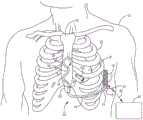
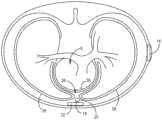
图1A和图1B是根据一个示例的能够递送ATP的心血管外ICD系统的概念图。1A and 1B are conceptual diagrams of an extracardiovascular ICD system capable of delivering ATP, according to one example.
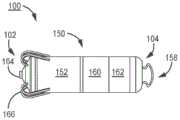
图2是可被配置为执行本文所公开的ATP技术的起搏器的概念图。2 is a conceptual diagram of a pacemaker that may be configured to perform the ATP techniques disclosed herein.
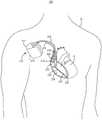
图3是根据另一个示例的植入有IMD的患者的概念图。3 is a conceptual diagram of a patient implanted with an IMD according to another example.
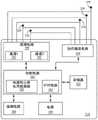
图4是根据一个示例的ICD的示意图。4 is a schematic diagram of an ICD according to one example.
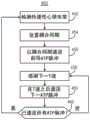
图5是根据一个示例的用于递送ATP的方法的流程图。5 is a flow diagram of a method for delivering ATP, according to one example.
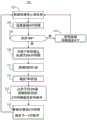
图6是根据另一示例的用于由医疗设备控制ATP脉冲的方法的流程图。6 is a flowchart of a method for controlling ATP pulses by a medical device according to another example.
图7是根据另一示例的用于在检测到TWA之后控制ATP递送的方法的流程图。7 is a flowchart of a method for controlling ATP delivery after detection of TWA, according to another example.
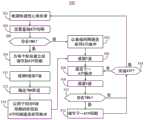
图8是根据又一示例的在存在TWA的情况下用于控制ATP脉冲的方法的流程图。8 is a flowchart of a method for controlling ATP pulses in the presence of TWA, according to yet another example.
图9是根据本文所公开的技术的一个示例的由医疗设备递送的ATP治疗的时序图。9 is a timing diagram of ATP therapy delivered by a medical device according to one example of the techniques disclosed herein.
具体实施方式Detailed ways
通常,本公开描述了用于在TWA存在的情况下递送ATP的技术。心脏电信号(例如,表面心电图、胸腔内电图或心内电图信号)中的T波是伴随心室心肌复极化的信号。TWA是T波的振幅、形状和时序的逐搏动变化。因此,TWA可代表心肌复极化的时间和空间分散。TWA可在快速性心律失常期间存在,并且可在ATP递送期间被改变或引入以治疗快速性心律失常。Generally, this disclosure describes techniques for delivering ATP in the presence of TWA. T waves in cardiac electrical signals (eg, surface ECG, intrathoracic, or intracardiac signals) are signals that accompany repolarization of the ventricular myocardium. TWA is the beat-to-beat variation in the amplitude, shape, and timing of the T wave. Therefore, TWA may represent the temporal and spatial dispersion of myocardial repolarization. TWA can be present during tachyarrhythmias and can be altered or introduced during ATP delivery to treat tachyarrhythmias.
ATP脉冲的时序对于成功地终止室性心动过速(VT)可能是重要的。为了增加终止VT的可能性,每个ATP脉冲在心肌可能处于快速性心律失常去极化波前之间的不应的(non-refractory)、易激动(excitable)状态的时间间期期间递送。该时间间期被称为“易激动间隙”。在易激动间隙期间,夺获心肌组织的ATP脉冲引起心肌去极化,该心肌去极化与正在传播的心动过速去极化波前冲突并阻塞心动过速的重入电路,从而重置重入电路或终止VT。易激动间隙的时序和持续时间可能由于TWA而逐搏动变化,这可能潜在地降低以固定脉冲间间期递送的ATP脉冲的有效性。本文提出了用于递送ATP的技术,以将由于TWA引起的易激动间隙时序和持续时间的变化考虑在内,从而增加即使在存在TWA的情况下成功终止VT的可能性。Timing of ATP pulses may be important for successful termination of ventricular tachycardia (VT). To increase the likelihood of terminating VT, each ATP pulse is delivered during a time interval when the myocardium may be in a non-refractory, excitable state between tachyarrhythmic depolarizing wavefronts. This time interval is called the "excitable gap". During the excitability gap, ATP pulses that capture myocardial tissue cause myocardial depolarization that collides with the propagating tachycardia depolarization wavefront and blocks the tachycardia's reentrant circuit, thereby resetting Re-enter the circuit or terminate the VT. The timing and duration of excitable gaps may vary from beat to beat due to TWA, which may potentially reduce the effectiveness of ATP pulses delivered with a fixed interpulse interval. This paper presents techniques for delivering ATP to take into account changes in excitability gap timing and duration due to TWA, thereby increasing the likelihood of successful VT termination even in the presence of TWA.
图1A和图1B是根据一个示例的心血管外ICD系统10的概念图。图1A是植入在患者12体内的ICD系统10的正视图。图1B是植入在患者12体内的ICD系统10的横向截面图。ICD系统10包括连接至心血管外电刺激和感测引线16的ICD 14。如参考本文所使用的“心血管外”引线指植入在患者的心血管系统的心脏和血管外部的引线。例如,心血管外引线可以在皮下、在肌肉下或在胸腔内延伸。在能够提供除颤/心脏复律(CV/DF)电击和起搏脉冲(包括ATP脉冲)的ICD系统10的上下文下描述了图1A和1B。1A and 1B are conceptual diagrams of an
ICD 14包括壳体15,壳体15形成保护ICD 14的内部部件的气密密封。ICD 14的壳体15可由导电材料(诸如钛或钛合金)形成。壳体15可以充当壳体电极(有时被称为罐电极)。在本文中描述的示例中,壳体15可以用作在递送使用高电压治疗电路所递送的CV/DF电击或其他高电压脉冲时所使用的主动式(active)罐电极。在其他示例中,壳体15可以连同基于引线的阴极电极用于递送单极、低电压心脏起搏脉冲。在其他实例中,ICD 14的壳体15可以包括在壳体的外部部分上的多个电极。壳体15的充当(多个)电极的(多个)外部部分可以涂覆有材料(诸如氮化钛),以用于减少刺激后极化伪影。The
ICD 14包括连接器组件17(也被称为连接器块或头部),连接器组件17包括跨越壳体15的电馈通件(feedthrough),以提供在引线16的引线体18内延伸的导体与被包括在ICD14的壳体15内的电子部件之间的电连接。如本文将进一步详细描述的,壳体15可容纳一个或多个处理器、存储器、收发器、传感器、电感测电路系统、治疗递送电路系统、电源和用于感测心脏电信号、检测心律和控制并递送电刺激脉冲以治疗异常的心律的其他部件。The
引线16包括具有近端27和远侧部分25的细长引线体18,近端27包括被配置成连接至ICD连接器组件17的引线连接器(未显示),并且远侧部分25包括一个或多个电极。在图1A和图1B所示的示例中,引线16的远侧部分25包括除颤电极24和26以及起搏/感测电极28和30。在一些情况下,除颤电极24和26可被配置为同时被激活。替代地或附加地,电极24和26中的每一个可以独立地被激活。The
电极24和26(以及在一些示例中,壳体15)在本文中被称为除颤电极,因为它们单独或共同地用于递送高电压刺激治疗(例如,心脏复律或除颤电击)。电极24和26可以是细长的线圈电极,并且与低电压起搏和感测电极28和30相比,通常具有相对高的表面积以用于递送高电压电刺激脉冲。然而,除了高电压刺激治疗之外或代替高电压刺激治疗,电极24和26以及壳体15还可以用于提供起搏功能、感测功能、或者起搏和感测功能两者。在这个意义上,本文中对术语“除颤电极”的使用不应当被视为将电极24和26限制成仅用于高电压CV/DF电击治疗应用。电极24和26可用于起搏电极向量以用于递送心血管外起搏脉冲(诸如ATP脉冲)和/或可用在被用于感测心脏电信号并检测室性心动过速(VT)和室性纤颤(VF)的感测向量中。Electrodes 24 and 26 (and in some examples, housing 15) are referred to herein as defibrillation electrodes because they are used individually or collectively to deliver high voltage stimulation therapy (eg, cardioversion or defibrillation shocks). Electrodes 24 and 26 may be elongated coil electrodes and typically have relatively high surface areas for delivering high voltage electrical stimulation pulses compared to low voltage pacing and sensing electrodes 28 and 30. However, electrodes 24 and 26 and housing 15 may be used to provide pacing, sensing, or both pacing and sensing functions in addition to or instead of high voltage stimulation therapy. In this sense, the use of the term "defibrillation electrodes" herein should not be viewed as limiting electrodes 24 and 26 to only high voltage CV/DF shock therapy applications. Electrodes 24 and 26 may be used in pacing electrode vectors for delivering extra-cardiovascular pacing pulses (such as ATP pulses) and/or may be used in sensing cardiac electrical signals and detecting ventricular tachycardia (VT) and ventricular In the sensing vector of fibrillation (VF).
电极28和30是具有相对较小的表面积的电极,以用于递送相对较低的电压起搏脉冲并用于感测心脏电信号。电极28和30在本文中被称为起搏/感测电极,因为它们通常被配置用于低电压应用,例如,用作用于递送起搏脉冲(其可包括ATP脉冲)和/或感测心脏电信号的阴极或者阳极。在一些实例中,电极28和30可以提供仅起搏功能、仅感测功能、或起搏功能和感测功能两者。Electrodes 28 and 30 are electrodes with relatively small surface areas for delivering relatively low voltage pacing pulses and for sensing cardiac electrical signals. Electrodes 28 and 30 are referred to herein as pacing/sensing electrodes because they are typically configured for low voltage applications, eg, for use in delivering pacing pulses (which may include ATP pulses) and/or sensing the heart The cathode or anode of an electrical signal. In some examples, electrodes 28 and 30 may provide only pacing functionality, only sensing functionality, or both pacing and sensing functionality.
在图1A中示出的示例中,电极28位于除颤电极24的近侧,并且电极30位于除颤电极24与26之间。在其他示例中,电极28和30可沿引线16放置在其他位置,该电极28和30可包括一个或多个起搏/感测电极。电极28和30被示出为环形电极,然而,电极28和30可包括多种不同类型电极中的任一种,包括环形电极、短线圈电极、半球形电极、有向电极等。In the example shown in FIG. 1A , electrode 28 is located proximal to defibrillation electrode 24 and electrode 30 is located between defibrillation electrodes 24 and 26 . In other examples, electrodes 28 and 30 may be placed at other locations along
引线16在皮下或肌肉下在胸腔32上方从ICD 14的连接器组件17朝着患者12的躯干中心(例如,朝着患者12的剑突20)居中地延伸。在剑突20附近的位置处,引线16弯曲或转向并且在前纵隔36内在胸骨下位置中向上地延伸。前纵隔36(参见图1B中)可被视为由胸膜39横向界定、由心包膜38从后面界定、并且由胸骨22从前面界定。在一些实例中,前纵膈36的前壁也可以由胸横肌和一根或多根肋软骨形成。前纵隔36包括一定量的疏松结缔组织(诸如蜂窝组织)、脂肪组织、一些淋巴管、淋巴腺、胸骨下肌肉组织、胸廓内动脉或静脉的小侧分支以及胸腺。在一个示例中,引线16的远侧部分25基本上在前纵隔36的疏松结缔组织和/或胸骨下肌肉组织内沿着胸骨22的后侧延伸。
被植入成使得远侧部分25基本上在前纵隔36内的引线可以被称为“胸骨下引线”。在图1A和图1B所示出的示例中,引线16基本上居中地位于胸骨22之下。然而,在其他实例中,引线16可被植入成使得它从胸骨22的中心侧向地偏移。在一些实例中,引线16可以侧向地延伸,使得引线16的远侧部分25处于除了处于胸骨22之下外还处于胸腔32下方/以下,或处于胸腔32下方/以下而不是处于胸骨22之下。在其他示例中,引线16的远侧部分25可以被植入在其他心血管外、胸内位置中,包括胸膜腔或心脏8的心包膜38的周边并且与心脏8的心包膜38相邻。在美国公开第2015/0306375号(Marshall等人)和美国专利第9,855,414中(Marshall等人)中总体上公开了可结合本文所描述的ATP技术使用的其他植入位置以及引线和电极布置。例如,引线16可以在皮下或在肌肉下在胸腔和/或胸骨22上方延伸而不是在胸骨下延伸。替代地,引线16可以沿着其他皮下路径或肌肉下路径被放置。引线16的路径可以取决于ICD 14的位置、由引线远侧部分25携载的电极的布置和位置、和/或其他因素。A lead implanted such that the
在所示出的示例中,引线体18包括曲线形远侧部分25,该曲线形远侧部分25具有两个“C”形曲线,它们一起可与希腊字母epsilon“ε”相似。除颤电极24以及26各自由引线体远侧部分25的两个相应的C形部分中的一个携载。该两个C形曲线看起来在远离引线体18的中心轴线的相同的方向上延伸或弯曲,起搏/感测电极28和30沿着该引线体18的中心轴线被定位。在一些实例中,起搏/感测电极28和30可以大致与引线体18的笔直近侧部分的中心轴线对齐,使得除颤电极24和26的中点与起搏/感测电极28和30侧向地偏移。In the example shown, lead body 18 includes a curvilinear
在美国专利公开第2016/0158567号(Marshall等人)中大体上公开了可利用本文中描述的技术来实现的心血管外引线的其他示例,该心血管外引线包括由引线体18的曲线形、蜿蜒、波形或锯齿形远侧部分携载的一个或多个除颤电极以及一个或多个起搏和感测电极。然而,本文中所公开的技术并不限于任何特定的引线体设计。在其他示例中,引线体18是不具有任何预形成的形状、弯曲或曲线的柔性细长引线体。Other examples of cardiovascular outer leads that can be implemented using the techniques described herein, including a curved shape formed by a lead body 18, are generally disclosed in US Patent Publication No. 2016/0158567 (Marshall et al.) , one or more defibrillation electrodes and one or more pacing and sensing electrodes carried by the serpentine, wavy, or sawtooth distal portion. However, the techniques disclosed herein are not limited to any particular lead body design. In other examples, the lead body 18 is a flexible elongated lead body that does not have any pre-formed shapes, bends or curves.
导电体(未示出)从引线近端27延伸通过引线16的细长引线体18的一个或多个内腔到达沿着引线体18的远侧部分25定位的电极24、26、28和30。导体经由连接器组件17中的连接(包括跨越壳体15的相关联的电馈通件)将电极24、26、28和30中相应的一个电耦合至ICD 14的电路系统(诸如治疗递送电路和/或感测电路)。导电体将治疗从ICD 14内的治疗电路发射至除颤电极24和26和/或起搏/感测电极28和30中的一者或多者,并且将由患者的心脏8产生的感测到的电信号从除颤电极24和26和/或起搏/感测电极28和30中的一者或多者发射至ICD 14内的感测电路。Electrical conductors (not shown) extend from the proximal end 27 of the lead through one or more lumens of the elongated lead body 18 of the
ICD 14可以经由包括电极28和30的组合的感测向量的组合来获得与心脏8的电活动对应的电信号。在一些示例中,ICD 14的壳体15与感测电极向量中的电极28和/或30中的一个或多个电极相组合地使用。ICD 14甚至可以使用包括一个或两个除颤电极24和/或26的感测向量(例如,在电极24与26之间,或在电极24或26中的一个电极与电极28、30中的一个电极和/或壳体15组合之间)来获得心脏电信号。The
ICD 14对从感测向量中的一个或多个感测向量接收的心脏电信号进行分析,以监测异常心律,诸如心动过缓、VT和VF。ICD 14可以对心率和/或心脏电信号的形态进行分析,以根据多种快速性心律失常检测技术中的任一种技术来监测快速性心律失常。在美国专利第7,761,150号(Ghanem等人)中描述了用于检测快速性心律失常的一项示例技术。The
ICD 14响应于检测到快速性心律失常(例如,VT或VF)而生成并递送电刺激治疗。ICD 14可以响应于VT检测而递送ATP,并且在一些情况下,可以在CV/DF电击之前或者在高电压电容器充电期间递送ATP,以试图避免递送CV/DF电击的需要。可以使用从电极24、26、28、30中的任何一个和/或壳体15选定的心血管外起搏电极向量来递送ATP。起搏电极向量可以与感测电极向量不同。在一个示例中,在起搏/感测电极28与30之间感测心脏电信号,并且在用作阴极电极的起搏/感测电极30与用作返回阳极电极的除颤电极24之间递送ATP脉冲。在其他示例中,可以在起搏/感测电极28与除颤电极24或26的任一者(或两者)之间或在除颤电极24与除颤电极26之间递送ATP脉冲。这些示例不旨在是限制性的,并且认识到可以根据个体患者需要来选择其他感测电极向量和ATP电极向量。The
由选定的心血管外起搏电极向量所递送的ATP脉冲首先夺获的心肌部位在本文中被称为“夺获部位”,该夺获部位与起搏阴极电极和起搏阳极电极间隔开,在心血管外ICD系统(诸如系统10)中,该起搏阴极电极和起搏阳极电极不与心肌直接接触。为了成功地终止检测到的VT,期望所有ATP脉冲夺获心肌,以将心脏往回超控(overdrive)起搏到正常窦性节律中。为了超控起搏心脏,ATP序列中的每个起搏脉冲应当在易激动间隙期间并在下一个预期的固有心室去极化之前到达夺获部位处。在TWA期间,易激动间隙的发作和持续时间可以随着搏动而变化。TWA可在检测到VT时存在,并且可在ATP递送期间持续存在,无论是否被更改。在其他实例中,TWA在VT检测时可能不存在,但可能在ATP递送期间出现。如下所述,ICD 14被配置为以时间间期递送ATP脉冲,该时间间期将由于TWA引起的易激动间隙的时序中随搏动的变化考虑在内。The myocardial site first captured by the ATP pulse delivered by the selected external cardiovascular pacing electrode vector is referred to herein as the "capture site" and is spaced apart from the pacing cathodic and pacing anode electrodes , in an extracardiovascular ICD system such as
如果ATP未成功终止VT或者在检测到VF时,则ICD 14可以经由除颤电极24和26中的一者和两者和/或壳体15递送一个或多个心脏复律或除颤(CV/DF)电击。ICD 14可以单独地使用电极24和26、或将电极24和26一起地用作阴极(或阳极)并且将壳体15用作阳极(或阴极)来递送CV/DF电击。ICD 14可以使用包括电极24、26、28、30以及ICD 14的壳体15中的一个或多个的起搏电极向量来生成并递送其他类型的电刺激脉冲(诸如电击后起搏脉冲或心动过缓起搏脉冲)。If ATP does not successfully terminate VT or upon detection of VF,
图1A和图1B在本质上是说明性的,并且不应当被认为是限制对本文所公开的技术的实践。例如,ICD 14被示出为沿着胸腔32在皮下植入在患者12的左侧。在其他实例中,ICD14可被植入在患者12的左侧腋后线与左侧腋前线之间。ICD 14可被植入在患者12中的其他皮下或肌肉下位置处(诸如胸部区域中的皮下袋(pocket)中)。在这种情况下,引线16可以在皮下或肌肉下从ICD 14朝胸骨22的胸骨柄延伸,并且在皮下或肌肉下从胸骨柄向下弯曲或转向并且延伸到期望位置。在又一示例中,ICD 14可以放置于腹部。引线16也可植入在其他心血管外位置中,并且包括其他电极和引线体配置。1A and 1B are illustrative in nature and should not be considered as limiting the practice of the techniques disclosed herein. For example,
外部设备40被示出为通过通信链路42与ICD 14遥测通信。外部设备40可以包括处理器、显示器、用户接口、遥测单元和用于与ICD 14进行通信以用于经由通信链路42传输和接收数据的其他部件。可以使用射频(RF)链路(诸如
外部设备40可被具体化为在医院、诊所或医师的办公室中使用的编程器,以从ICD14检取数据并将操作参数和算法编程在ICD 14中以用于控制ICD功能。外部设备40可以用于编程由ICD 14使用的心律检测参数和治疗控制参数。可以使用外部设备40将用于根据本文所公开的技术生成并递送ATP的控制参数编程到ICD 14中。External device 40 may be embodied as a programmer used in a hospital, clinic, or physician's office to retrieve data from
由ICD 14存储或获取的数据(包括生理信号或从其中导出的相关联数据、设备诊断的结果、以及检测到的节律发作和递送的治疗的历史)可以在询问命令之后由外部设备40从ICD 14中检取。外部设备40可以替代地被具体化为家用监测器或手持式设备。Data stored or acquired by ICD 14 (including physiological signals or associated data derived therefrom, results of device diagnosis, and history of detected rhythm onset and therapy delivered) may be retrieved from the ICD by external device 40 following an interrogation command. 14 retrieved. External device 40 may alternatively be embodied as a home monitor or a handheld device.
在一些示例中,ICD 14可以与心内起搏器100共同植入。例如,当在皮下植入引线16时,ATP治疗的起搏脉冲可能需要使患者不舒服或痛苦的振幅。心内起搏器100可以是可完全植入心脏腔室内(例如,在右心室或左心室中)的无引线设备,用于经由耦合至起搏器100的壳体的电极来递送包括ATP的电刺激脉冲。起搏器100可能能够响应于检测VT或VF或者响应于从ICD 14接收通信信号而递送ATP治疗。In some examples,
如图2中所示,起搏器100包括沿其壳体150间隔开的电极162和164,以用于感测心脏电信号并递送起搏脉冲。电极164被示为从起搏器14的远端102延伸的尖端电极,并且电极162被示为沿着壳体150的中间部分(例如,邻近近端104)的环形电极。远端102被称作“远侧的”,因为预期在起搏器14被推进穿过递送工具(诸如导管)并抵靠目标起搏部位放置时远端102是前端(leading end)。As shown in FIG. 2,
电极162和164形成阳极和阴极对,以用于双极心脏起搏与感测。在替代的示例中,起搏器100可包括两个或更多个环形电极、两个尖端电极、和/或沿着起搏器壳体150暴露的其他类型的电极,以用于将电刺激递送到心脏8并感测心脏电信号。电极162和164可以是但不限于钛、铂、铱或其合金,并且可以包括低偏振涂层(诸如氮化钛、氧化铱、氧化钌、铂黑等)。电极162和164可被定位在沿着起搏器14的除了所示位置之外的位置处。
壳体150由生物相容性材料(诸如不锈钢或钛合金)形成。在一些示例中,壳体150可包括绝缘涂层。绝缘涂层的示例包括聚对二甲苯、聚氨酯、聚醚醚酮(PEEK)或聚酰亚胺等。壳体150的整体可以是绝缘的,但是仅电极162和164是未绝缘的。电极164可以用作阴极电极,并且可经由跨越壳体150的电馈通件被耦合到被壳体150所封围的内部电路系统(例如,起搏脉冲发生器和心脏电信号感测电路系统)。电极162可以形成为壳体150的导电部分,作为环形电极。在其他示例中,壳体150的整体周边可用作与尖端电极164电隔绝的电极,而非提供局部环形电极(诸如阳极电极162)。沿着壳体150的导电部分形成的电极162在起搏和感测期间用作返回阳极。The
壳体150包括控制电子器件子组件152,其容纳用于感测心脏信号、产生起搏脉冲并控制治疗递送以及起搏器100的其他功能的电子器件,这些功能归因于IMD执行本文所述的ATP递送技术。壳体150进一步包括电池子组件160,该电池子组件160向控制电子器件子组件152提供电力。
起搏器100可包括一组固定尖齿166,以例如通过主动与心室心内膜啮合和/或与心室小梁交互来将起搏器100固定到患者组织。固定尖齿166被配置成锚定起搏器100以将电极164定位成可操作地邻近目标组织,以用于递送治疗性电刺激脉冲。可采用多种类型的主动式和/或被动式固定构件来将起搏器100锚定或稳定在植入位置中。The
起搏器100可以可选地包括递送工具接口158。递送工具接口158可位于起搏器100的近端104处,并被配置为连接到递送设备(诸如导管),该递送设备用于在植入过程期间将起搏器100定位在例如在心脏腔室内(诸如右心室或左心室)的植入位置处。The
在一些示例中,起搏器100可以是响应于由ICD 14发送的触发信号而递送起搏脉冲的触发起搏器。起搏器100可以从ICD 14接收命令以发起ATP治疗并根据从ICD 14接收到的时序间期数据来递送ATP脉冲。在其他示例中,起搏器100可以分析经由电极162和164接收到的心脏信号,以确定何时需要起搏脉冲,包括检测VT或VF并递送ATP治疗。因此,起搏器100可被配置为检测TWA并且根据本文所公开的技术来调节ATP脉冲时序。In some examples,
图3是根据另一示例的植入有ICD 214的患者12的概念图。在该示例中,ICD 214耦合到携载电极的一根或多根经静脉引线,以用于感测心脏电信号并递送电刺激治疗(例如,心动过缓起搏、ATP、心脏再同步治疗(CRT)和/或CV/DF)。ICD 214在图3中被示为被植入在右胸位置中,然而,应认识到,ICD 214可被植入左胸位置中,特别是当ICD 214包括将壳体215用作电极的感测、起搏、心脏复律和除颤能力时。FIG. 3 is a conceptual diagram of a patient 12 implanted with an
ICD 214被示为用于在心脏8的心房腔202和心室腔204中感测和治疗递送的双腔设备。因此,ICD 214包括具有两个连接器孔的连接器组件217,用于接收右心房(RA)引线210和右心室(RV)引线220的近侧连接器。在其他示例中,ICD 214可以是单腔设备,例如只可连接到RV引线220,或者也可以是包括第三连接器孔的多腔设备,例如用于接收冠状窦引线以使ICD 214能够感测左心室信号并将电刺激脉冲递送到LV。The
RA引线210可以携载远侧尖端电极216和与尖端电极216近距离地间隔开的环形电极218,用于将起搏脉冲递送到右心房202并获得心房电信号以用于由ICD 124产生心房的心内电描记图(EGM)信号。RV引线220可以携载起搏和感测电极228和230,用于将RV起搏脉冲递送到右心室204并获得心室电信号以用于由ICD 214产生RV EGM信号。RV引线220还可携载RV除颤电极224和上腔静脉(SVC)除颤电极226。除颤电极224和226被示为与远侧起搏和感测电极228和230近距离地间隔开的线圈电极。
ICD壳体215封围如下进一步所述的电路系统,该电路系统被配置成用于使用经静脉引线210和220的电极216、218、224、226、228和230来检测心律失常并提供电刺激治疗,诸如心动过缓起搏、电击后起搏、ATP、CRT和/或CV/DF电击治疗。如下所述,ICD 214可以基于检测TWA并识别TWA的阶段来逐脉冲地调整ATP脉冲递送的时间。
图4是根据一个示例的ICD 314的示意图。封闭在壳体315(在图4中示意性地示出为电极)内的电子电路系统包括协作地监测一个或多个心脏电信号、确定何时需要电刺激治疗以及根据编程的治疗递送算法和控制参数按照需要递送治疗的软件、固件和硬件。软件、固件和硬件被配置成检测VT和VF,以用于确定何时需要ATP或CV/DF电击。在图4中示意性示出的ICD 314通常可以对应于图1A和图1B中所示的耦合到心血管外引线(诸如携载心血管外电极24、26、28和30的引线16)的ICD 14或图3中所示的耦合到至少一根经静脉引线(例如,携载除颤电极224和226以及起搏/感测电极228和230的引线220)的ICD 214。归因于结合图4所描述的电路系统的功能可以根据需要适配为检测VT和VF,并经由心血管外电极或经由心内膜电极递送ATP。此外,所设想的是,可以在心内起搏器(例如,图2中所示的起搏器100)中实现用于递送经调节以将由于TWA引起的易激动间隙的时序变化考虑在内的ATP脉冲的功能,该心内起搏器可包括图4中所图示的示例部件的全部或一部分。FIG. 4 is a schematic diagram of
ICD 314包括控制电路380、存储器382、治疗递送电路384、感测电路386和遥测电路388。电源398根据需要向ICD 314的电路系统(包括部件380、382、384、386和388中的每一个)提供电力。电源398可以包括一个或多个能量储存设备,诸如一个或多个可再充电或不可再充电的电池。电源398与其他部件380、382、384、386和388中的每一个之间的连接将从图3的总体框图来理解,但是为了清楚起见未被示出。例如,电源398可被耦合到被包括在治疗递送电路384中的一个或多个充电电路,所述充电电路用于对被包括在治疗递送电路384中的保持电容器充电,所述保持电容器在控制电路380的控制下在适当的时刻放电,以用于根据治疗方案产生电脉冲,诸如用于心动过缓起搏、CRT、电击后起搏、ATP和/或CV/DF电击脉冲。电源398还可被耦合到感测电路386的部件(诸如感测放大器、模数转换器、切换电路系统等)、遥测电路388和存储器382,以根据需要提供电力。
图4中所示出的功能框表示被包括在ICD中的功能,该ICD被配置成用于感测心脏电信号并递送心脏电刺激治疗,并且可以包括实现能够产生归因于本文的ICD(或起搏器)的功能的模拟电路和/或数字电路的任何分立和/或集成电子电路部件。各种部件可以包括专用集成电路(ASIC)、电子电路、执行一个或多个软件或固件程序的处理器(共享的、专用的、或群组)和存储器、组合逻辑电路、状态机、或提供所描述的功能的其他合适的部件或部件的组合。被采用来实现本文公开的功能的软件、硬件和/或固件的特定形式将主要由ICD中所采用的特定系统架构以及由ICD所采用的特定检测和治疗递送方法来确定。鉴于本文的公开,在任何现代IMD系统的上下文中提供用于实现所描述的功能的软件、硬件和/或固件在本领域技术人员的能力范围内。The functional blocks shown in FIG. 4 represent functions included in an ICD configured to sense cardiac electrical signals and deliver cardiac electrical stimulation therapy, and may include implementing an ICD ( or pacemaker) any discrete and/or integrated electronic circuit component of an analog circuit and/or a digital circuit. The various components may include application specific integrated circuits (ASICs), electronic circuits, processors (shared, dedicated, or group) executing one or more software or firmware programs and memory, combinational logic circuits, state machines, or provide Other suitable components or combinations of components for the described functionality. The particular form of software, hardware and/or firmware employed to implement the functions disclosed herein will be primarily determined by the particular system architecture employed in the ICD and the particular detection and treatment delivery method employed by the ICD. In view of the disclosure herein, it is within the ability of those skilled in the art to provide software, hardware, and/or firmware for implementing the described functions in the context of any modern IMD system.
控制电路380例如经由数据总线与治疗递送电路384以及感测电路386通信。治疗递送电路384和感测电路386被电耦合到电极324、326、328和330以及壳体315,电极324、326、328和330以及壳体315可用作公共电极或接地电极或用作用于递送CV/DF电击脉冲或心脏起搏脉冲的主动式罐电极。感测电路386可以被选择性地耦合到电极328、330和/或壳体315,以便监测患者的心脏的电活动。感测电路386可附加地选择性地耦合至除颤电极324和/或326,该除颤电极324和/或326用于在感测电极向量中一起使用或与电极328、330和/或壳体315中的一个或多个组合使用。感测电路386可被启用以选择性地从来自可用电极324、326、328、330和壳体315的至少两个感测电极向量接收心脏电信号。例如,感测电路386可包括切换电路系统(未示出),该切换电路系统用于选择电极324、326、328、330以及壳体315中的哪些耦合至感测电路386的第一感测通道383并且哪些耦合至感测电路386的第二感测通道385。切换电路系统可以包括切换阵列、切换矩阵、多路复用器、或适用于选择性地将感测电路386的部件耦合到选定电极的任何其他类型的切换设备。在其他实例中,ICD314可包括仅单个感测通道。
在两个感测通道的情况下,来自两个不同的感测电极向量的两个心脏电信号可同时由感测电路386接收。两个感测电极向量可以包括两个不同的心室感测电极向量,每个心室感测电极向量耦合到相应的感测通道383和385。在其他示例中,当心房感测电极向量是可用的,例如,当存在携载心房起搏和感测电极216和218(如图3所示)的RA引线210时,一个感测通道383可以是心房感测通道,而一个感测通道385可以是心室感测通道。In the case of two sensing channels, two cardiac electrical signals from two different sensing electrode vectors may be received by the
感测电路386可监测心脏电信号中的一个或两个以感测心脏电事件,例如,伴随心房心肌去极化的P波、伴随心室心肌去极化的R波、和伴随心室中心肌复极化的T波。感测电路386可产生数字化心脏信号波形,以供控制电路380分析,以用于检测心律,包括检测TWA。The
在一些示例中,一个感测通道(例如,通道383)可被配置为从使用选自可用电极324、326、328、330和壳体315的第一感测电极向量所获得的心脏电信号感测R波。第二感测通道385可被配置为从相同的心脏电信号或使用与第一向量不同的第二感测电极向量获得的不同的心脏电信号感测T波。在一些示例中,T波感测包括基于由第一感测通道感测到的R波的时序来拒绝R波。In some examples, one sensing channel (eg, channel 383 ) may be configured to sense cardiac electrical signals obtained using a first sensing electrode vector selected from
每个感测通道383和385可被配置成对从耦合到相应感测通道的选定的电极所接收的心脏电信号进行放大、滤波和数字化,以改善用于检测心脏电事件(诸如R波和T波)或执行其他信号分析的信号质量。感测电路386内的心脏事件检测电路系统可以包括一个或多个感测放大器、滤波器、整流器、阈值检测器、比较器、模数转换器(ADC)、计时器或其他模拟或数字部件。可在控制电路380的控制下基于由控制电路380确定的、存储在存储器382中的、和/或由控制电路380和/或感测电路386的硬件、固件、和/或软件控制的时序间期和感测阈值,由感测电路386自动地调整心脏事件感测阈值。例如,R波感测阈值和T波感测阈值可各自存储在存储器382中,并由感测电路386作为包括一个或多个衰减率和/或步长调整的自调整阈值应用。当心脏电信号越过相应感测阈值时,感测到了心脏事件。例如,当心脏电信号越过R波感测阈值时,感测到了R波。作为另一示例,当心电信号越过T波感测阈值并且与感测到的R波不同时发生时,感测电路可以感测T波。这些T波可用于如本文进一步所描述地由控制电路380检测TWA。Each
在基于感测阈值越过而感测到心脏电事件(例如,R波、T波或P波)时,感测电路386可以产生被传递到控制电路380的感测的事件信号,诸如R波感测的事件信号、T波感测的事件信号或P波感测的事件信号或。R波感测的事件信号可被控制电路380用于确定心室事件间期(在本文被称为“RR间期”或“RRI”),以用于检测快速性心律失常并确定对治疗的需要。心室事件间期或RRI是两个连续感测到的R波之间的时间间期,并且可以在从感测电路386接收到的两个连续R波感测的事件信号之间确定。例如,控制电路380可以包括计时电路390,以用于确定从感测电路386接收到的连续的R波感测的事件信号之间的RRI,并且用于对用来控制由治疗递送电路384进行的治疗递送进行计时(包括本文所述的ATP脉冲的计时)的各个计时器和/或计数器进行控制。计时电路390可以附加地设置时间窗口(诸如形态模板窗口、形态分析窗口),或者执行ICD 314的其他计时相关功能,包括使由治疗递送电路384递送的CV/DF电击或其他治疗与感测到的心脏事件同步。
T波感测的事件信号可从感测电路386传递到控制电路380,以用于检测和表征TWA。在一些示例中,计时电路390可以从感测电路386接收R波感测的事件信号和T波感测的事件信号,以用于确定R-T间期。可以响应于R-T间期中的逐搏动变化而由控制电路380检测TWA。R-T间期是使用从感测电路386接收的感测到的事件信号确定的心动周期的感测到的R波与随后感测到的T波之间的时间间期。可以基于R-T间期来确定TWA的阶段。例如,R-T间期可以在第一阶段与第二阶段之间交替,第一阶段可以是相对较长的R-T间期,第二阶段可以是相对较短的R-T间期。可由控制电路380可以使用TWA的检测和基于R-T间期的阶段识别(例如,短阶段或长阶段)来控制由治疗递送电路384递送的ATP脉冲的时序。The T-wave sensed event signal may be communicated from the
快速性心律失常检测器392被配置成用于分析从感测电路386接收的信号以用于检测快速性心律失常发作。快速性心律失常检测器392可在控制电路380中实现为软件、硬件和/或固件,其处理和分析从感测电路386接收的信号以用于检测VT和/或VF。在一些示例中,快速性心律失常检测器392可包括比较器和计数器,所述比较器和计数器用于对由计时电路390确定的落入各种频率检测区域中的RRI进行计数,以便确定心室率或执行用于检测和区分VT和VF的其他基于频率或基于间期的评估。例如,快速性心律失常检测器392可以将由计时电路390确定的RRI与一个或多个快速性心律失常检测间期区域(诸如心动过速检测间期区域和纤颤检测间期区域)进行比较。落入检测间期区域中的RRI由相应VT间期计数器或VF间期计数器进行计数,并且在一些情况下在被包括在快速性心律失常检测器392中的组合VT/VF间期计数器中进行计数。Tachyarrhythmia detector 392 is configured to analyze signals received from sensing
当VT或VF间期计数器达到阈值计数值(被称为“要检测的间期数量”或“NID”)时,可由控制电路380检测到室性快速性心律失常。快速性心律失常检测器392可被配置成用于执行其他信号分析,以用于在已经达到NID时检测到VT或VF之前确定是否满足其他检测标准。例如,可执行心脏信号分析以用于确定是否满足R波形态标准、起始标准、以及噪声和过感测拒绝标准,以便于确定是否应当进行VT/VF检测或抑制VT/VF检测。A ventricular tachyarrhythmia may be detected by the
为支持由快速性心律失常检测器392所执行的附加的心脏信号分析,感测电路386可向控制电路380传递数字化心脏电信号。来自选定的感测通道,例如来自第一感测通道383和/或第二感测通道385的心脏电信号可以被传递通过滤波器和放大器,被提供给多路复用器并且在此后由模数转换器转换为多位数字信号以存储于存储器382中,该滤波器、放大器、多路复用器和模数转换器全都被包括在感测电路386中。附加的信号分析可以包括心脏电信号或QRS波形的预定时间段的形态分析。在一些示例中,可以基于心室电信号的T波的变化来执行附加分析以检测TWA,T波的变化诸如T波幅度、极性、Q-T间期、R-T间期等的变化。在一些示例中,由控制电路380执行的对TWA的检测可能发生在ATP递送之前和/或期间。To support additional cardiac signal analysis performed by tachyarrhythmia detector 392 ,
治疗递送电路384包括充电电路系统、一个或多个电荷储存设备(诸如一个或多个高电压电容器和/或低电压电容器)、以及控制(多个)电容器何时跨选定的起搏电极向量或CV/DF电击向量放电的切换电路系统。可以由治疗递送电路384根据从控制电路380接收到的控制信号,执行将电容器充电至所编程的脉冲振幅以及对电容器进行放电达所编程的脉冲宽度。控制电路380的计时电路390包括控制何时递送ATP或其他心脏起搏脉冲的各种计时器或计数器。例如,计时电路390可以包括可编程数字计数器,该可编程数字计数器由控制电路380的微处理器设置以用于控制与由ICD 314递送的各种起搏模式或ATP序列相关联的基础起搏时间间期。控制电路380的微处理器还可以设置心脏起搏脉冲的振幅、脉冲宽度、极性或其他特性,这些参数可以基于存储在存储器382中的编程值。The
响应于检测到VT或VF,控制电路380可控制治疗递送电路384递送治疗(诸如ATP和/或CV/DF治疗)。可通过发起经由充电电路对高电压电容器充电来递送治疗,该高电压电容器以及充电电路两者均被包括在治疗递送电路384中。充电由控制电路380控制,该控制电路380监测高电压电容器上的电压,该电压经由充电控制线被传递到控制电路380。当电压达到由控制电路380设置的预定值时,逻辑信号在电容器全线上生成并且被传递至治疗递送电路384以终止充电。在计时电路390的控制下由治疗递送电路384的输出电路经由控制总线将CV/DF脉冲递送到心脏。输出电路可以包括输出电容器,经充电的高电压电容器通过该输出电容器经由切换电路系统(例如,H桥)放电,该切换电路系统确定用于递送心脏复律或除颤脉冲的电极并确定脉冲波形。在一些示例中,被配置成用于递送CV/DF电击脉冲的高电压治疗电路可由控制电路380控制以递送起搏脉冲(例如,用于递送ATP或电击后起搏脉冲)。在其他示例中,治疗递送电路384可包括低电压治疗电路,以用于生成并且递送用于各种起搏需求的相对较低电压的起搏脉冲(包括ATP)。In response to detecting VT or VF,
由控制电路380用于检测心脏心律失常和控制治疗递送的控制参数可以经由遥测电路388被编程到存储器382中。遥测电路388可包括如上所描述的用于使用RF通信与外部设备40(图1A中所示)进行通信的收发器和天线。在控制电路380的控制下,遥测电路388可以从外部设备40接收下行链路遥测并向外部设备40发送上行链路遥测。遥测电路388可用于向/从植入患者12的另一个医疗设备(诸如起搏器100)发送并接收通信信号。Control parameters used by
图5是根据一个示例的用于递送ATP的方法的流程图400。结合图4的ICD 314的电路系统描述了本文呈现的图5和其他流程图(例如,图6-8)。如上文所指示,ICD 314可以对应于图1A和1B的耦合至心血管外引线的ICD 14或图3的耦合至一根或多根经静脉引线的ICD 214。然而,应理解,结合本文呈现的流程图描述的ATP递送技术不限于由ICD使用。起搏器(诸如图2的心内起搏器100)可以能够递送ATP治疗,并且可被配置为使用本文公开的技术在存在TWA的情况下控制ATP脉冲的时序。在其他示例中,包括外部起搏器和除颤器的任何能够递送ATP的设备可适用于执行本文所公开的技术。5 is a
在框402处,控制电路380检测室性快速性心律失常,其中ICD 314被编程为递送ATP。ATP可以被编程为响应于检测到VT而递送的治疗,但是也可以被编程为响应于检测到VF而递送的治疗,因为有时在高电压电容器充电期间递送ATP,以尝试避免CV/DF电击递送的需要。可以根据ICD 314中实现的检测方案来检测室性快速性心律失常。如本文呈现的用于控制ATP递送的技术的实践不限于与特定的快速性心律失常检测方案一起使用。At
在框404处,控制电路380确定由感测电路386感测的T波的时序。在框406处,由感测电路386感测的T波的时序由控制电路380用于控制治疗递送电路384递送ATP。治疗递送电路384被配置为以交替的ATP时间间期递送ATP脉冲,该交替的ATP时间间期基于在框404处确定的T波时序而被控制。如下面将更详细描述的,T波时序可以在ATP递送之前在框404处确定。在ATP递送之前确定的T波时序可用于检测TWA,并用于建立分隔连续的ATP脉冲的至少两个交替的ATP间期。交替的ATP间期在ATP递送期间TWA持续存在的情况下,在每个T波之后的易激动间隙期间的早期提供每个ATP脉冲的递送。At
在其他示例中,可以在框404处与ATP递送的同时确定T波时序。在至少两个连续的ATP脉冲中的每一个脉冲之后,可由感测电路386感测T波。可以基于从每个递送的脉冲到随后的T波确定的两个不同的时间来建立两个不同的ATP时间间期。两个ATP时间间期可用于以交替的ATP时间间期来递送ATP脉冲,该交替的ATP时间间期对应于在TWA持续存在期间或在ATP递送期间出现的T波的交替时序。仍在其他示例中,可以在框404处执行确定ATP递送之前的T波时序和确定ATP递送期间的T波时序的组合,以便在框406处基于在TWA存在的情况下的T波时序来控制治疗递送电路384以交替的ATP时间间期递送ATP脉冲。In other examples, T-wave timing may be determined concurrently with ATP delivery at
基于T波时序,控制电路380控制治疗递送电路384以交替的时间间期递送一系列ATP脉冲。交替的时间间期可以至少包括第一ATP时间间期和第二ATP时间间期,该第一ATP时间间期分隔最早出现的一对ATP脉冲,该第二ATP时间间期不同于第一ATP时间间期并且连续地跟随第一ATP时间间期。第二ATP时间间期分隔连续跟随最早出现的对的第二对ATP脉冲。例如,第一ATP时间间期可以分隔一系列ATP脉冲中的第一ATP脉冲和第二ATP脉冲,并且与第一ATP时间间期不同的第二ATP时间间期可以分隔这一系列ATP脉冲中的第二ATP脉冲和第三ATP脉冲。第一ATP间期和第二ATP间期可以继续在这些系列的连续递送的ATP脉冲之间交替,直到已经递送了这些系列中编程数量的ATP脉冲。在另一个示例中,在不再检测TWA时,交替的ATP时间间期可能停止。Based on the T wave timing,
取决于在发起ATP的心动周期期间TWA的阶段,第一ATP时间间期可以比第二ATP时间间期长或短。在一些示例中,如下所述,TWA可以在递送ATP之前被检测。可以确定TWA的每个阶段的R-T间期。在这种情况下,可以由控制电路380确定在正在递送第一ATP脉冲的周期上的TWA的阶段(例如,短R-T间期阶段或长R-T间期阶段)。附加地或替代地,可以在在其期间将递送第一ATP脉冲的周期之前的周期上确定TWA的阶段,使得可以相对高的置信度预测在其期间递送第一ATP脉冲的心动周期的TWA阶段。可以基于检测到的TWA的预期阶段和R-T间期来设置第一前导ATP脉冲之后的第一ATP间期。在其他示例中,不需要在先前确定TWA的阶段和R-T间期。在递送ATP之前,可不存在或未检测到TWA。在这些情况下,可由控制电路380使用在ATP递送期间对T波的感测来控制以与ATP递送期间存在的TWA的交替阶段相对应的交替的ATP时间间期的ATP脉冲的时序。The first ATP time interval may be longer or shorter than the second ATP time interval, depending on the phase of the TWA during the cardiac cycle in which the ATP is initiated. In some examples, as described below, TWA can be detected prior to delivery of ATP. The R-T interval can be determined for each phase of TWA. In this case, the phase of the TWA (eg, the short R-T interval phase or the long R-T interval phase) over the period in which the first ATP pulse is being delivered may be determined by the
交替的ATP时间间期可以是短-长-短-长等,直到完成ATP脉冲系列为止。在其他实例中,取决于第一ATP脉冲之后的第一周期的TWA阶段,交替的ATP时间间期可以是长-短-长-短等,直到完成ATP脉冲系列为止。此外,应当理解,交替的ATP时间间期通常可以遵循短-长-短-长或长-短-长-短的交替模式,该交替模式不一定要求每个短的ATP时间间期等于每个其他短的ATP时间间期,也不要求每个长的ATP时间间期等于每个其他长的ATP时间间期。在TWA的每个短阶段和长阶段期间,T波时序的某些变化发生。ATP递送期间的T波感测可以使控制电路380能够基于ATP递送期间的T波感测来逐周期地调节ATP脉冲的时序。然而,只要存在TWA,这些逐周期的调节仍可能产生交替周期的相对较短的ATP间期和相对较长的ATP间期。Alternating ATP time intervals can be short-long-short-long, etc., until the ATP pulse train is completed. In other examples, depending on the TWA phase of the first cycle following the first ATP pulse, alternating ATP time intervals may be long-short-long-short, etc., until the series of ATP pulses is completed. Furthermore, it should be understood that alternating ATP time intervals can generally follow a short-long-short-long or long-short-long-short alternating pattern that does not necessarily require that each short ATP time interval equals each Other short ATP time intervals, nor does it require that each long ATP time interval be equal to each other long ATP time interval. During each short and long phase of TWA, certain changes in T-wave timing occur. T-wave sensing during ATP delivery may enable
在递送ATP之后,如果未由ATP成功地终止,则控制电路380可以返回到框402以重新检测快速性心律失常,或者控制电路380检测下一个快速性心律失常发作。如果未成功地终止快速性心律失常,则可以根据编程的治疗菜单执行另一ATP尝试。在第一ATP治疗后,可以进行使用可包括交替的ATP时间间期的ATP来终止快速性心律失常的一次或多次附加尝试。可以对随后的ATP治疗尝试进行调节。在某些情况下,如果最大数量的ATP治疗尝试未能终止快速性心律失常,则递送心脏复律/除颤电击。After delivery of the ATP, if not successfully terminated by the ATP, the
图6是根据另一示例的用于通过医疗设备控制ATP脉冲的方法的流程图450。在框452处,ICD 314的控制电路380检测室性快速性心律失常。在框454处,控制电路380可以通过确定检测到的快速性心律失常的周期长度(例如,检测到的快速性心律失常的中位数、最小值或最近的RR间期)来设置耦合间期。耦合间期可以是设置为小于心律失常周期长度的百分比或预定间期的时间间期。在框456处,一系列ATP脉冲中的第一前导ATP脉冲能以由感测电路386感测到的R波之后的耦合间期递送。6 is a
在另一示例中,在框454处,控制电路380可以基于在第一ATP脉冲之前感测到的T波的时序来设置耦合间期。感测电路382可将R波感测的事件信号传递到控制电路380,随后将紧接连续的T波感测的事件信号传递到控制电路380。在框456处,控制电路380能以基于紧接在前的T波的时序来设置的耦合间期相对于感测到的T波连续地递送第一前导ATP脉冲。这样,可以将耦合间期设置为跟随感测到的T波的固定时间间期。In another example, at
在框458处,在递送第一前导ATP脉冲之后,感测电路386被配置为感测在第一ATP脉冲之后的T波。在框460处,控制电路380在感测到的T波之后递送下一ATP脉冲,使得基于在第一ATP脉冲之后感测到的T波的时序来以第一ATP间期在第一ATP脉冲之后递送第二ATP脉冲。如在框462处确定的,如果尚未递送编程的ATP治疗的所有ATP脉冲,则在框458处,感测电路386感测连续地跟随第二ATP脉冲的下一T波,并且在框460处,控制治疗递送电路384以第二ATP间期递送第三ATP脉冲,该第二ATP间期连续地跟随第一ATP间期并且分隔第二ATP脉冲和第三ATP脉冲。取决于在ATP脉冲递送期间已出现或持续存在的TWA的阶段,第二ATP间期将比第一ATP间期长或短。At
感测连续地跟随每个ATP脉冲的T波并在每个感测到的T波之后以固定的间期递送ATP脉冲的过程继续进行,直到这些系列的ATP脉冲中的所有ATP脉冲均已递送为止。在存在TWA的情况下,分隔被连续递送的ATP脉冲的ATP间期基于感测到的T波的时序而在相对较长的ATP间期与相对较短的ATP间期之间交替。在ATP递送之前检测TWA不需要建立交替的ATP间期。ATP脉冲可以在感测到T波之后以固定的间期递送。由于在存在TWA的情况下T波以交替的R-T间期发生,因此在连续的ATP脉冲之间的所得到的ATP时间间期将在相对较长的ATP时间间期与相对较短的ATP时间间期之间交替。The process of sensing the T wave that continuously follows each ATP pulse and delivering ATP pulses at fixed intervals after each sensed T wave continues until all ATP pulses in these series of ATP pulses have been delivered until. In the presence of TWA, the ATP intervals separating the continuously delivered ATP pulses alternate between relatively long and relatively short ATP intervals based on the timing of the sensed T waves. The establishment of alternating ATP intervals is not required to detect TWA prior to ATP delivery. ATP pulses can be delivered at fixed intervals after the T wave is sensed. Since T waves occur with alternating R-T intervals in the presence of TWA, the resulting ATP time interval between successive ATP pulses will be between relatively long ATP time intervals and relatively short ATP time intervals Alternate between intervals.
图7是根据另一示例的用于在检测到TWA之后控制ATP递送的方法的流程图500。在框502处,控制电路380检测被编程为对其递送ATP治疗的室性快速性心律失常发作。在框504处,控制电路380可以通过确定检测到的VT或VF的周期长度来设置基础ATP间期。基础ATP间期可以是小于所确定的周期长度的固定的间期或者百分比。基础ATP间期可以是在不存在TWA的情况下用于递送ATP脉冲的ATP间期。7 is a
在框506处,控制电路380可以分析从感测电路386接收到的(多个)心脏电信号以用于检测TWA。控制电路380可以确定从感测电路386接收的连续的R波感测的事件信号与T波感测的事件信号之间的R-T间期。如果连续的R-T间期之间的差大于阈值差并且表示交替的R-T间期,则可以检测到TWA。可以将各种TWA检测标准应用于从感测电路386接收的(多个)心脏电信号。用于在递送ATP之前检测TWA的存在的技术不限于任何特定的TWA检测技术。但是,用于检测TWA的技术通常包括检测R-T或Q-T时间间期的逐搏动变化,或更一般地,检测心动周期中T波的相对时序,这指示易激动间隙的发生并且其持续时间可能逐搏动变化。At
在框505处,如果不存在TWA,则可以使用在框504处确定的基础ATP间期来递送ATP。在以可以等于或不等于基础ATP间期的耦合间期递送前导ATP脉冲之后,每个ATP脉冲能以前一ATP脉冲之后的基础ATP间期递送、以从基础ATP间期开始的逐渐变短的(递减的)间期(例如,斜变ATP治疗)、或以基于不包括交替的ATP时间间期的基础ATP间期的其他ATP方案递送,以将TWA考虑在内。At
响应于在框506处检测到TWA,在框508处,控制电路380可以建立经调节的ATP时间间期,以在存在TWA的情况下递送ATP。在框508处可以确定针对TWA的每个短阶段和长阶段的R-T时间间期。可以通过以下方式确定R-T时间间期:对多个交替的短R-T间期和多个交替的长R-T间期求平均,或确定多个交替的短R-T间期和多个交替的长R-T间期的中位数、众数、最小范围、最大范围或其他表征。在一些示例中,TWA检测可以与快速性心律失常检测同时发生,使得不需要在框504处设置基础ATP间期。相反,可以响应于在检测到快速性心律失常的同时检测到TWA而在框508处建立两个不同的ATP时间间期。In response to detecting the TWA at
在框510处,控制电路380从感测电路386接收R波感测的事件信号,接着是T波感测的事件信号。在框512处,控制电路380确定包括感测到的R波和T波(框510)的当前心动周期是否是TWA的短阶段或长阶段。基于对TWA阶段的这种确定,可以在框514处以在下一R波感测的事件信号之后的两个已建立的ATP时间间期之一递送ATP治疗的前导脉冲。例如,如果当前的R-T时间间期是TWA的短阶段,则期望下一个心动周期具有相对较长的R-T时间间期。通过在框508处建立的两个ATP间期中的较长一个之后的下一个感测到的R波之后递送前导ATP脉冲,可以将前导ATP脉冲与下一个感测到的R波同步(“同步”R波)。如果在框512处确定的R-T间期是TWA的长阶段,则可以在下一个感测到的同步R波之后的较短ATP时间间期之后安排ATP序列的前导脉冲。At
根据所建立的交替ATP时间间期,在框516处递送随后的ATP脉冲,以提供与在ATP发作之前检测到的TWA的交替的短阶段和长阶段的对应关系。建立了两个不同的ATP时间间期,以使ATP脉冲在易激动间隙期间尽可能早地递送,而无需在任一阶段期间被递送到T波中。在ATP递送之后,控制电路380可以返回到框502,以继续监测心律,并根据需要并根据快速性心律失常治疗的编程序列来递送附加的治疗。Based on the established alternating ATP time intervals, subsequent ATP pulses are delivered at
在图7中所示方法的变型中,可以在框514处以由控制电路380基于检测到的室性快速性心律失常的周期长度确定的耦合间期递送前导ATP脉冲。基于从第二ATP脉冲开始的周期的TWA的预期阶段,在前导ATP脉冲之后,能以设置为或短或长的两个所建立的ATP间期中的一个ATP间期递送第二ATP脉冲。通过确定前导ATP脉冲之前的心动周期的TWA阶段,可以知道TWA的预期阶段。In a variation of the method shown in FIG. 7 , the lead ATP pulse may be delivered at
为了说明,可以基于快速性心律失常周期长度设置的耦合间期在同步R波之后递送前导ATP脉冲。耦合间期可以不同于在框508处基于检测到的TWA的交替阶段所建立的两个ATP时间间期。可以确定紧接在前导ATP脉冲之前的R-T间期对应于TWA的短阶段。在该示例中,前导ATP脉冲开始TWA的预期长阶段,因为短阶段紧接在它之前。这样,能以前导ATP脉冲之后的长ATP间期递送第二ATP脉冲以对应于TWA的预期长阶段。第二ATP脉冲标记TWA的预期的短阶段的开始。以在框508处建立的短ATP间期递送第三ATP脉冲以对应于TWA的短阶段。第三ATP脉冲与第二ATP脉冲被建立的ATP时间间期中的较短者分开,以与在ATP递送的开始之前检测到的TWA的预测的短阶段相一致。随后的ATP脉冲以交替的短ATP时间间期和长ATP时间间期递送,以对应于如基于紧接在前导ATP脉冲之前确定的TWA阶段来预测的TWA的阶段。To illustrate, a leading ATP pulse may be delivered after a synchronized R-wave based on a coupling interval set based on the tachyarrhythmic cycle length. The coupling interval may be different from the two ATP time intervals established at
图8是根据另一示例的用于在存在TWA的情况下控制ATP脉冲的方法的流程图600。框502至514对应于以上结合图7描述的相同编号的框。然而,与仅应用基于在发起ATP之前检测到的R-T间期和TWA阶段而建立的ATP间期不同,ICD 314可以在ATP递送期间继续监测TWA,以根据需要逐周期调节ATP间期。如果在开始ATP之前检测到TWA(框506的“是”分支),则可以在框508处通过控制电路380建立针对TWA的每个阶段的ATP间期。可以基于确定R-T间期而在框512处确定在第一前导ATP脉冲之前的周期的TWA阶段。在框514处,控制电路380以选定的耦合间期递送与感测到的R波同步的前导ATP脉冲,该选定的耦合间期可以是针对从同步R波开始的心动周期的阶段建立的ATP间期。在一些情况下,能以在框508处建立的较短的ATP间期递送前导ATP脉冲以增加TWA不稳定性,这可以帮助终止快速性心律失常。在其他情况下,能以在框508处建立的较长的ATP间期递送前导ATP脉冲以促进通过前导ATP脉冲进行的心脏夺获。在其他示例中,在框514处,可以使用与两个已建立的ATP间期之一不同的耦合间期来将前导ATP脉冲与感测到的R波同步。可以基于快速性心律失常的周期长度来设置耦合间期以促进通过前导ATP脉冲进行的心脏夺获。8 is a
如果在发起ATP之前未检测到TWA(框506的“否”分支),则在框602处,可基于快速性心律失常周期长度、以在框504处设置的ATP间期将前导ATP脉冲与感测到的R波同步。前导脉冲能以基础ATP间期或耦合间期在感测到的R波之后递送,该耦合间期可比基础ATP间期短。If TWA is not detected prior to initiating ATP ("NO" branch of block 506), then at
在框514或框502处递送的前导ATP脉冲之后,在框604处,感测电路386感测在前导ATP脉冲之后的T波,并确定前导ATP脉冲与感测到的T波之间的时间间期。在框606处,控制电路380控制治疗递送电路384以在前导ATP脉冲之后以选定ATP间期递送下一个ATP脉冲。如果在前导ATP脉冲之前检测到TWA,则选定的ATP间期可以是以下之一:在框508处建立的经调节的ATP间期和根据当前周期的预期TWA阶段选择的经调节的ATP间期。如果在前导ATP脉冲之前未检测到TWA,则用于控制第二ATP脉冲递送的选定的ATP间期是在框504处建立的基础ATP间期。Following the leading ATP pulse delivered at
在递送第二ATP脉冲之后,随后的T波被感测电路386感测。控制电路380确定从第二ATP脉冲到感测到的T波的脉冲到T波时间间期。在框610处,控制电路380基于在框604和框608处确定的两个T波时间间期来确定TWA是否存在(或改变)。如果未基于在ATP发作之后(例如,前导ATP脉冲和第二ATP脉冲之后)确定的两个T波时间间期检测到TWA,则在框606处,以在框504处可根据快速性心律失常周期长度建立的基础ATP间期递送下一第三ATP脉冲。在一些实例中,即使在前导ATP脉冲之前存在TWA,在发起ATP之后也可能不存在TWA。在该情况下,根据快速性心律失常周期长度而设置的基础ATP间期可用于完成ATP治疗。After the second ATP pulse is delivered, the subsequent T wave is sensed by the
如果在ATP递送期间在框610处检测到TWA,但是在前导ATP脉冲之前未检测到TWA,则可以在框612处根据在框604和608处确定的T波时间间期和TWA的预期阶段来调节在框504处确定的基础ATP间期。在一些示例中,能以根据先前建立的基础ATP间期而调节的ATP间期递送下一TP脉冲。在其他示例中,下一ATP脉冲可能已经以基础ATP间期安排,使得在开始ATP之后,基于在框610处检测到的TWA对ATP时间间期的调节被延迟一个ATP脉冲间期。检测到TWA之后的第二ATP脉冲可以根据预期的TWA阶段和在框612处进行的ATP间期调节来递送。If TWA is detected at
在其他实例中,在前导ATP脉冲之前检测到的TWA可能仍然存在,并且在ATP递送期间相对不变。在该情况下,在框612处不需要对下一ATP间期的附加的调节。在ATP开始之前在框508处建立的经调节的ATP间期和预测的TWA阶段可以继续用于完成以交替的ATP时间间期完成这些系列的ATP脉冲。在框604和608处确定的ATP脉冲之后的T波时间间期与在ATP之前确定的用于确定TWA是否已改变的R-T时间间期之间的比较可以将固有R-T时间间期与起搏脉冲到T波时间间期之间的预期差异考虑在内。In other instances, TWA detected prior to the leading ATP pulse may still be present and relatively unchanged during ATP delivery. In this case, no additional adjustment to the next ATP interval is required at
如果在前导ATP脉冲之前检测到的TWA仍然存在,但是通过ATP的发起而被改变,则可以在框612处基于在ATP脉冲之后确定的T波间期来调节下一ATP间期。该过程可以返回到框606以便以经调节的ATP间期递送下一ATP脉冲。在框610处,在递送的ATP脉冲之后感测T波并确定TWA是否仍然存在或改变的过程可以在ATP递送期间逐脉冲地重复,直到递送了ATP系列的所有脉冲。在其他示例中,可以通过在ATP递送期间仅感测最前的一个、两个、三个、四个或其他预定数量的T波来执行确定ATP治疗开始之后TWA是否仍然存在或改变。以此方式,在ATP递送期间监测T波时间间期可以通过由ATP的递送而开始、终止或更改的TWA考虑在内。如在框614处所确定的,如果已安排的脉冲系列的所有ATP脉冲已经被递送,则控制电路380可以返回到框502以等待下一快速性心律失常的检测。If the TWA detected prior to the leading ATP pulse is still present, but altered by initiation of ATP, the next ATP interval may be adjusted at
图9是根据本文所公开的技术的一个示例的由医疗设备递送的ATP治疗的时序图700。由感测电路386根据从患者心脏接收到的心脏电信号产生的经滤波和整流的心脏电信号701的概念图包括固有R波702和T波706。感测电路386可以施加R波感测阈值704以感测R波702,并施加T波感测阈值708以感测T波706。如上所述,可以使用各种方法使用一个或多个感测通道来感测R波702和T波706。此类方法可以包括:将心脏信号701的一个或多个特征(诸如振幅、宽度、面积、相对于感测到的R波的时序等)与T波感测标准进行比较,和/或执行心脏信号波形形态分析以用于检测与期望的T波形态匹配的波形形态。在美国公开第2006/0116596号(Zhou等人)中总体上公开了可用于感测T波和检测TWA的方法的示例。感测电路386可以响应于感测到R波702而产生R波感测的事件信号712,并且响应于感测到T波706而产生T波感测的事件信号716。9 is a timing diagram 700 of ATP therapy delivered by a medical device according to one example of the techniques disclosed herein. A conceptual diagram of filtered and rectified cardiac
控制电路380接收R波感测的事件信号712和T波感测的事件信号716。R波感测的事件信号712用于确定RR间期并检测VT或VF。在所示的示例中,由控制电路380进行VT检测710。在VT检测710之前和/或之后,控制电路380可以确定在一对连续接收的R波感测的事件信号712与T波感测的事件信号716之间的R-T间期720和722。控制电路380可被配置为基于交替的R-T间期720和722来检测TWA,其中每隔一个的R-T间期722比中间的R-T间期720更短(或更长)。基于交替的R-T间期720和722,控制电路380可以建立两个不同的ATP间期734和736,这两者都比VT周期长度718更短但彼此不同。
在VT检测710之后,控制电路380可以确定后续的R-T间期720或722,以预测在其期间递送前导ATP脉冲730的下一个心动周期中TWA的阶段。在一些实例中,如果紧接在VT检测710之后的当前R-T间期722是短阶段,则预测下一个R-T间期720是长阶段,其可以与相对较晚的、短的易激动间隙740相关联。当易激动间隙742被期望更早地开始并且相对更长时,控制电路380可以控制治疗递送电路384以在对应于TWA的长阶段的一个心动周期(长R-T间期720)内抑制ATP,并且在对应于TWA的短阶段的心动周期(短R-T间期722)期间以耦合间期732递送前导ATP脉冲730。在其他示例中,可以将前导ATP脉冲与VT检测710之后的下一个感测到的R波同步,而与TWA阶段无关。Following
耦合间期732可以基于VT周期长度718来设置,并且可以与所建立的ATP间期734和736之一相同,或者不同于ATP间期734和736两者。在一些示例中,耦合间期732被设置为与在其期间递送前导脉冲730的心电周期的TWA的预期阶段相对应的ATP间期734或736。在所示的示例中,控制电路380检测紧接在VT检测710之后的短R-T间期722,等待与长R-T间期720(和缩短的易激动间隙740)相对应的一个心动周期,来以耦合间期732递送前导ATP脉冲730,可以将该耦合间期732设置为短ATP间期736,该短ATP间期736对应于在长R-T间期720之后期望的短TWA阶段(短RT间期722)并且对应于相对较早和较长的易激动间隙742。前导脉冲730之后的每个ATP脉冲738在紧接在前的ATP脉冲之后,以交替的ATP时间间期734或736递送。每对连续的ATP脉冲由交替的ATP时间间期732或734中的一个分开。The
在一些示例中,基于在前导ATP脉冲730之前的TWA检测,预定交替的ATP时间间期734和736。在其他示例中,例如使用图6或图8的方法,成对的连续ATP脉冲之间的交替ATP时间间期734和736可以通过在ATP递送期间感测T波706并且基于T波时序(例如,在T波感测的事件信号之后的固定间期)、或基于ATP递送期间确定的T波时间间期(例如,大于从ATP脉冲到T波感测的事件信号的间期的固定百分比或间期)来递送ATP脉冲738而发生。以此方式,即使在存在TWA的情况下,每个ATP脉冲738具有在易激动间隙740或742期间相对早地被递送的高可能性,从而增加了终止检测到的室性快速性心律失常的可能性。In some examples, alternating
应当理解,取决于示例,本文描述的方法中的任一方法中的某些动作或事件能以不同的顺序被执行,可以被添加、合并、或完全省略(例如,并非所有描述的动作或事件都是实践该方法所必需的)。此外,在某些示例中,可同时地而不是顺序地执行动作或事件,例如,通过多线程处理、中断处理或多个处理器。另外,尽管为了清楚起见,本公开的某些方面被描述为由单个设备、电路或单元执行,但是应当理解,本公开的技术可以由与例如一个或多个医疗设备相关联的单元或电路的组合来执行。It should be understood that, depending on the example, certain acts or events in any of the methods described herein can be performed in a different order, added, combined, or omitted entirely (eg, not all described acts or events may be are required to practice this method). Furthermore, in some examples, actions or events may be performed concurrently rather than sequentially, eg, through multi-threading, interrupt processing, or multiple processors. Additionally, although certain aspects of the present disclosure may be described as being performed by a single device, circuit, or unit for clarity, it should be understood that the techniques of the present disclosure may be performed by a combination of units or circuits associated, for example, with one or more medical devices. combination to execute.
在一个或多个示例中,能以硬件、软件、固件或它们的任意组合来实现所描述的功能。如果以软件实现,则这些功能可作为一条或多条指令或代码被存储在非瞬态计算机可读介质上并且由基于硬件的处理单元来执行。计算机可读介质可包括非瞬态计算机可读存储介质,其对应于有形介质,诸如数据存储介质(例如,RAM、ROM、EEPROM、闪存、或可用于以指令或数据结构的形式存储期望的程序代码并且可由计算机访问的任何其他介质)。In one or more examples, the described functions can be implemented in hardware, software, firmware, or any combination thereof. If implemented in software, the functions may be stored as one or more instructions or code on a non-transitory computer-readable medium and executed by a hardware-based processing unit. Computer-readable media may include non-transitory computer-readable storage media, which correspond to tangible media, such as data storage media (eg, RAM, ROM, EEPROM, flash memory, or may be used to store desired programs in the form of instructions or data structures) code and any other medium accessible by a computer).
指令可由一个或多个处理器执行,诸如一个或多个数字信号处理器(DSP)、通用微处理器、专用集成电路(ASIC)、现场可编程逻辑阵列(FPGA)或其他等效的集成或分立逻辑电路系统。相应地,如本文中所使用的术语“处理器”可以指任何上述结构或适合于实现本文中所描述的技术的任何其他结构。此外,可以完全在一个或多个电路或逻辑元件中实现这些技术。The instructions may be executed by one or more processors, such as one or more digital signal processors (DSPs), general purpose microprocessors, application specific integrated circuits (ASICs), field programmable logic arrays (FPGAs) or other equivalent integrated or Discrete logic circuitry. Accordingly, the term "processor," as used herein may refer to any of the foregoing structure or any other structure suitable for implementing the techniques described herein. Furthermore, the techniques may be fully implemented in one or more circuits or logic elements.
因此,在前面的描述中已经参考特定示例呈现了IMD系统。将理解的是,本文所公开的各种方面能以与附图中呈现的特定组合不同的组合来被组合。可理解的是,可对参考示例做出各种修改而不背离本公开以及所附权利要求和示例的范围。Accordingly, in the foregoing description, an IMD system has been presented with reference to specific examples. It will be understood that the various aspects disclosed herein can be combined in different combinations than the specific combinations presented in the figures. It will be understood that various modifications may be made to the referenced examples without departing from the scope of the disclosure and the appended claims and examples.
示例13:一种方法,该方法包括:检测来自心脏电信号设备的患者心脏的室性心律失常,并响应于检测到室性心律失常,以交替的ATP时间间期递送多个抗心动过速起搏(ATP)脉冲,该交替的ATP时间间期至少包括第一ATP时间间期和第二ATP时间间期,该第一ATP时间间期将多个ATP脉冲中的第一对ATP脉冲分开,该第二ATP时间间期将多个ATP脉冲中的第二对ATP脉冲分开,该第二ATP时间间期与该第一ATP时间间期不同并连续跟随第一ATP时间间期。Example 13: A method comprising: detecting a ventricular arrhythmia in a patient's heart from a cardiac electrical signaling device, and in response to detecting the ventricular arrhythmia, delivering a plurality of anti-tachycardia at alternating ATP time intervals Pacing (ATP) pulses, the alternating ATP time intervals including at least a first ATP time interval and a second ATP time interval, the first ATP time interval separating a first pair of ATP pulses of the plurality of ATP pulses , the second ATP time interval separates a second pair of ATP pulses in the plurality of ATP pulses, the second ATP time interval being different from the first ATP time interval and continuously following the first ATP time interval.
示例14:根据示例13的方法,进一步包括:基于感测到的T波中的第一T波的时间来设置第一ATP时间间期,并在第一对中的第一脉冲之后以ATP时间间期递送第一对中的第二脉冲。Example 14: The method of Example 13, further comprising: setting a first ATP time interval based on the sensed time of a first T wave of the T waves, and following the first pulse in the first pair with an ATP time The second pulse of the first pair is delivered intermittently.
示例15:根据示例14的方法,进一步包括:基于T波中的第一T波的时间来设置第一ATP时间间期,该第一ATP时间间期与多个ATP脉冲中的前导脉冲连续。Example 15: The method of Example 14, further comprising: setting a first ATP time interval based on a time of a first T wave of the T waves, the first ATP time interval contiguous with a leading pulse of the plurality of ATP pulses.
示例16:根据示例14-15中任一项的方法,进一步包括:在第一脉冲之前感测T波中的第一T波;在递送多个ATP脉冲之前,从心脏电信号中检测T波交替;响应于在第一脉冲之前感测到T波中的第一T波,确定T波交替的阶段;以及基于确定的阶段来设置第一ATP时间间期。Example 16: The method of any of Examples 14-15, further comprising: sensing a first T wave of the T waves prior to the first pulse; and detecting the T wave from the cardiac electrical signal prior to delivering the plurality of ATP pulses alternating; in response to sensing a first T wave of the T waves prior to the first pulse, determining a phase of the T wave alternation; and setting the first ATP time interval based on the determined phase.
示例17:根据示例16的方法,进一步包括:确定所检测的T波交替的第一阶段的第一R-T时间间期;确定所检测的T波交替的第二阶段的第二R-T时间间期;以及基于第一R-T时间间期和第二R-T时间间期来建立第一ATP时间间期和第二ATP时间间期。Example 17: The method of Example 16, further comprising: determining a first R-T time interval of the detected first phase of T-wave alternation; determining a second R-T time interval of the detected second phase of T-wave alternation; and establishing the first ATP time interval and the second ATP time interval based on the first R-T time interval and the second R-T time interval.
示例18:根据示例14-17中的任一项的方法,其中第二对的脉冲包括第一对中的第二脉冲和多个ATP脉冲中的第三脉冲,方法进一步包括:感测与第二脉冲连续的感测到的T波中的第二T波;基于所感测到的T波中的第二T波的时间设置第二ATP时间间期;以及在第一对中的第二脉冲之后以第二ATP时间间期递送第三脉冲。Example 18: The method of any of Examples 14-17, wherein the second pair of pulses comprises a second pulse of the first pair and a third pulse of the plurality of ATP pulses, the method further comprising: sensing a Two consecutive pulses of a second of the sensed T-waves; setting a second ATP time interval based on the timing of the second of the sensed T-waves; and a second pulse of the first pair A third pulse is then delivered with a second ATP time interval.
示例19:根据示例13-18中任一项的方法,进一步包括:确定室性快速性心律失常的周期长度;基于周期长度来设置基础ATP间期;响应于所感测到的T波中的第一T波的时序,将基础ATP间期调整为第一ATP时间间期和第二ATP时间间期中的一个。Example 19: The method of any one of Examples 13-18, further comprising: determining a cycle length of the ventricular tachyarrhythmia; setting a basal ATP interval based on the cycle length; responsive to the first in the sensed T wave In the timing of a T wave, the basal ATP interval is adjusted to one of the first ATP time interval and the second ATP time interval.
示例20:根据示例19的方法,其中调整基础ATP间期包括:确定以感测到的T波中的第一T波结束并以感测到的R波中的第一R波或多个ATP脉冲中的一个递送的ATP脉冲开始的T波时间间期,并将基础ATP间期调整为比T波时间间期长且比心室周期长度短的间期。Example 20: The method of Example 19, wherein adjusting the basal ATP interval includes determining to end with a first T wave of the sensed T wave and end with a first R wave or ATP of the sensed R wave One of the pulses delivers the T-wave time interval at which the ATP pulse begins, and adjusts the basal ATP interval to an interval longer than the T-wave time interval and shorter than the ventricular cycle length.
示例21:根据示例13-20中任一项的方法,进一步包括:确定室性快速性心律失常的周期长度;基于周期长度来设置耦合间期;在感测到的R波中的第一R波之后以耦合间期递送多个ATP脉冲中的前导ATP脉冲;以及在前导ATP脉冲之后以不同于耦合间期的第一ATP时间间期递送第二ATP脉冲。Example 21: The method of any of Examples 13-20, further comprising: determining a cycle length of the ventricular tachyarrhythmia; setting a coupling interval based on the cycle length; a first R in the sensed R wave The wave is followed by delivering a leading ATP pulse of the plurality of ATP pulses with a coupling interval; and a second ATP pulse is delivered with a first ATP time interval different from the coupling interval after the leading ATP pulse.
示例22:根据示例13-21中任一项的方法,进一步包括:在第二ATP脉冲之后以第二ATP时间间期递送第三ATP脉冲,其中第二ATP时间间期等于耦合间期。Example 22: The method of any of Examples 13-21, further comprising: delivering a third ATP pulse with a second ATP time interval after the second ATP pulse, wherein the second ATP time interval is equal to the coupling interval.
示例23:根据示例13-22中任一项的方法,进一步包括:在递送多个抗心动过速起搏脉冲之前,从心脏电信号中检测T波交替;响应于感测到的T波中的至少一个T波,确定T波交替的阶段;等待引领T波交替的短阶段的感测到的R波中的第一R波;以及在引导T波交替的短阶段的感测到的R波中的第一R波之后的耦合间期之后递送多个ATP脉冲中的前导ATP脉冲。Example 23: The method of any of Examples 13-22, further comprising: prior to delivering the plurality of anti-tachycardia pacing pulses, detecting T wave alternation from the cardiac electrical signal; at least one T wave of the T wave, determine the phase of the T wave alternation; wait for the first R wave of the sensed R waves leading the short phase of the T wave alternation; and the sensed R wave during the short phase leading the T wave alternation The leading ATP pulse of the plurality of ATP pulses is delivered after the coupling interval following the first R wave in the wave.
示例24:根据示例13-24中任一项的方法,其中第一对包括第一ATP脉冲和以第一ATP时间间期连续跟随第一ATP脉冲的第二ATP脉冲,第二对包括第二ATP脉冲和以第二ATP时间间期连续跟随第二ATP脉冲的第三ATP脉冲,该方法进一步包括:以第一ATP时间间期递送连续跟随第三ATP脉冲的第四ATP脉冲。Example 24: The method of any of Examples 13-24, wherein the first pair includes a first ATP pulse and a second ATP pulse that continuously follows the first ATP pulse with a first ATP time interval, and the second pair includes a second ATP pulse The ATP pulse and a third ATP pulse that consecutively follows the second ATP pulse with a second ATP time interval, the method further comprising delivering a fourth ATP pulse that consecutively follows the third ATP pulse with the first ATP time interval.
示例25:一种非瞬态计算机可读介质,该非瞬态计算机可读介质存储一组指令,该组指令在由医疗设备的控制电路执行时,使得医疗设备从心脏电信号中检测出室性心律失常,并响应所检测到的室性心律失常来控制医疗设备的治疗递送电路:以交替的ATP时间间期递送多个抗心动过速起搏(ATP)脉冲,交替的ATP时间间期至少包括第一ATP时间间期和第二ATP时间间期,该第一ATP时间间期将多个ATP脉冲中的第一对ATP脉冲分开,该第二ATP时间间期将多个ATP脉冲中的第二对ATP脉冲分开,第二ATP时间间期与第一ATP时间间期不同,并且连续跟随第一ATP时间间期。Example 25: A non-transitory computer-readable medium storing a set of instructions that, when executed by a control circuit of a medical device, cause the medical device to detect a chamber from a cardiac electrical signal Arrhythmias, and control a medical device's therapy delivery circuit in response to a detected ventricular arrhythmia: deliver multiple anti-tachycardia pacing (ATP) pulses with alternating ATP time intervals, alternating ATP time intervals Comprising at least a first ATP time interval separating a first pair of ATP pulses of the plurality of ATP pulses and a second ATP time interval separating the plurality of ATP pulses The second pair of ATP pulses is separated, the second ATP time interval is different from the first ATP time interval, and continuously follows the first ATP time interval.
Claims (12)
Translated fromChineseApplications Claiming Priority (3)
| Application Number | Priority Date | Filing Date | Title |
|---|---|---|---|
| US15/964,261 | 2018-04-27 | ||
| US15/964,261US10765876B2 (en) | 2018-04-27 | 2018-04-27 | Method and apparatus for delivering anti-tachycardia pacing |
| PCT/US2019/026871WO2019209541A1 (en) | 2018-04-27 | 2019-04-11 | Method and apparatus for delivering anti-tachycardia pacing |
Publications (2)
| Publication Number | Publication Date |
|---|---|
| CN112041024Atrue CN112041024A (en) | 2020-12-04 |
| CN112041024B CN112041024B (en) | 2024-08-09 |
Family
ID=66251867
Family Applications (1)
| Application Number | Title | Priority Date | Filing Date |
|---|---|---|---|
| CN201980028713.XAActiveCN112041024B (en) | 2018-04-27 | 2019-04-11 | Methods and devices for delivering anti-tachycardia pacing pulses |
Country Status (5)
| Country | Link |
|---|---|
| US (3) | US10765876B2 (en) |
| EP (1) | EP3784339B1 (en) |
| JP (1) | JP2021520888A (en) |
| CN (1) | CN112041024B (en) |
| WO (1) | WO2019209541A1 (en) |
Families Citing this family (3)
| Publication number | Priority date | Publication date | Assignee | Title |
|---|---|---|---|---|
| US10765876B2 (en)* | 2018-04-27 | 2020-09-08 | Medtronic, Inc. | Method and apparatus for delivering anti-tachycardia pacing |
| US12310737B2 (en) | 2020-09-30 | 2025-05-27 | Boston Scientific Scimed, Inc. | Interactive 2D scatter plot of EGM characteristic metrics |
| JPWO2022202524A1 (en)* | 2021-03-23 | 2022-09-29 |
Citations (18)
| Publication number | Priority date | Publication date | Assignee | Title |
|---|---|---|---|---|
| US5458619A (en)* | 1993-11-29 | 1995-10-17 | Medtronic, Inc. | Apparatus and method for treating a tachyarrhythmia |
| US20040220634A1 (en)* | 2003-04-30 | 2004-11-04 | Medtronic, Inc. | History-dependent pacing interval determination for antitachycardia pacing |
| US20060224195A1 (en)* | 2005-03-31 | 2006-10-05 | Vinod Sharma | Method and apparatus to terminate ventricular tachycardia via pacing |
| US20060253157A1 (en)* | 2005-05-05 | 2006-11-09 | Imad Libbus | Method and device for comprehensive anti-tachyarrhythmia therapy |
| US20070191894A1 (en)* | 2006-02-16 | 2007-08-16 | Dan Li | Method and apparatus for selecting and timing anti-tachyarrhythmia pacing using cardiac signal morphology |
| US20110098769A1 (en)* | 2009-10-23 | 2011-04-28 | Medtronic, Inc. | minimum ventricular pacing to break the repetitive ar-vs pattern |
| US20110105921A1 (en)* | 2009-10-30 | 2011-05-05 | Medtronic, Inc. | Monitoring an interval within the cardiac cycle |
| WO2011053381A1 (en)* | 2009-10-30 | 2011-05-05 | Medtronic, Inc. | Measuring t-wave alternans |
| CN103037937A (en)* | 2010-04-28 | 2013-04-10 | 美敦力公司 | Method for double-egm Sensing and heart rhythm estimation in implantable cardiac device |
| CN104237412A (en)* | 2014-09-18 | 2014-12-24 | 上海海洋大学 | Method for measuring multiple types of ATP (adenosine triphosphate) associated products in aquatic product with high performance liquid chromatography-diode array method |
| CN104768609A (en)* | 2012-10-31 | 2015-07-08 | 美敦力公司 | leadless pacemaker system |
| US20150251012A1 (en)* | 2014-03-05 | 2015-09-10 | Medtronic, Inc. | Shock therapy for monomorphic detected ventricular tachycardia |
| US20160228718A1 (en)* | 2015-02-06 | 2016-08-11 | Cardiac Pacemakers, Inc. | Systems and methods for treating cardiac arrhythmias |
| WO2017027272A1 (en)* | 2015-08-11 | 2017-02-16 | Medtronic, Inc. | Ventricular tachycardia detection algorithm using only cardiac event intervals |
| US20170050037A1 (en)* | 2015-08-17 | 2017-02-23 | Cardiac Pacemakers, Inc. | Low Energy Conversion of Ventricular Tachycardia in a Subcutaneous Defibrillator |
| CN107073274A (en)* | 2014-10-21 | 2017-08-18 | 美敦力公司 | Cardiac event sensing and pace-making after delivering electric stimulation pulse |
| US20170266442A1 (en)* | 2016-03-16 | 2017-09-21 | Medtronic, Inc. | Synchronization of anti-tachycardia pacing in an extra-cardiovascular implantable system |
| CN107206242A (en)* | 2015-02-06 | 2017-09-26 | 心脏起搏器股份公司 | Systems and methods for safe delivery of electrical stimulation therapy |
Family Cites Families (33)
| Publication number | Priority date | Publication date | Assignee | Title |
|---|---|---|---|---|
| US5148812A (en) | 1991-02-20 | 1992-09-22 | Georgetown University | Non-invasive dynamic tracking of cardiac vulnerability by analysis of t-wave alternans |
| US5792065A (en) | 1997-03-18 | 1998-08-11 | Marquette Medical Systems, Inc. | Method and apparatus for determining T-wave marker points during QT dispersion analysis |
| US5861009A (en) | 1997-10-21 | 1999-01-19 | Sulzer Intermedics, Inc. | Implantable cardiac stimulator with rate-adaptive T-wave detection |
| US6957105B2 (en) | 2002-03-26 | 2005-10-18 | Cardiac Pacemakers, Inc. | Method and apparatus for detecting oscillations in cardiac rhythm with electrogram signals |
| US7027867B2 (en) | 2002-06-28 | 2006-04-11 | Pacesetter, Inc. | Implantable cardiac device having a system for detecting T wave alternan patterns and method |
| US7065405B2 (en)* | 2002-11-15 | 2006-06-20 | Cardiac Pacemakers, Inc. | Stress reduction pacing mode for arrhythmia prevention |
| US7725172B2 (en) | 2003-01-13 | 2010-05-25 | Medtronic, Inc. | T-wave alternans train spotter |
| US7107098B2 (en)* | 2003-02-20 | 2006-09-12 | Medtronic, Inc. | Method and apparatus for generation and selection of tachycardia therapy hierarchy |
| US20040220631A1 (en) | 2003-04-29 | 2004-11-04 | Medtronic, Inc. | Method and apparatus for detecting myocardial electrical recovery and controlling extra-systolic sstimulation |
| WO2005006946A2 (en)* | 2003-07-03 | 2005-01-27 | New York Univeristy | System and method for assessment of cardiac electrophysiologic stability and modulation of cardiac oscillations |
| US7225014B1 (en) | 2004-05-18 | 2007-05-29 | Pacesetter, Inc. | Anti-arrhythmia therapy based on spatial and/or temporal information |
| US20060116596A1 (en) | 2004-12-01 | 2006-06-01 | Xiaohong Zhou | Method and apparatus for detection and monitoring of T-wave alternans |
| US20060116592A1 (en) | 2004-12-01 | 2006-06-01 | Medtronic, Inc. | Method and apparatus for detection and monitoring of T-wave alternans |
| US8942795B2 (en) | 2005-03-31 | 2015-01-27 | Medtronic, Inc. | Implantable medical device with real time T-wave oversensing detection |
| US7689279B2 (en) | 2005-11-10 | 2010-03-30 | Medtronic, Inc. | Pacing device for minimizing ventricular pauses after delivery of atrial anti-tachycardia pacing therapy |
| US7761155B2 (en) | 2006-02-15 | 2010-07-20 | Medtronic, Inc. | Method and device for delivering anti-tachycardia pacing therapy |
| US7742812B2 (en) | 2006-03-29 | 2010-06-22 | Medtronic, Inc. | Method and apparatus for detecting arrhythmias in a medical device |
| US7974687B1 (en)* | 2008-01-21 | 2011-07-05 | Pacesetter, Inc. | Methods and systems for enhanced arrhythmia discrimination |
| EP2446926B1 (en)* | 2008-05-07 | 2013-06-26 | Cameron Health, Inc. | Devices for accurately classifying cardiac activity |
| US8255043B2 (en) | 2008-06-18 | 2012-08-28 | Pacesetter, Inc. | Methods and systems for analyzing T-wave alternans |
| US8620414B2 (en) | 2010-03-30 | 2013-12-31 | Medtronic, Inc. | Detection of T-wave alternans phase reversal for arrhythmia prediction and sudden cardiac death risk stratification |
| US9849291B2 (en) | 2011-06-09 | 2017-12-26 | Cameron Health, Inc. | Antitachycardia pacing pulse from a subcutaneous defibrillator |
| US8886296B2 (en) | 2011-10-14 | 2014-11-11 | Medtronic, Inc. | T-wave oversensing |
| US8914106B2 (en) | 2013-03-15 | 2014-12-16 | Medtronic, Inc. | Utilization of morphology discrimination after T-wave oversensing determination for underlying rhythms in the therapy zone |
| US20150306375A1 (en) | 2014-04-25 | 2015-10-29 | Medtronic, Inc. | Implantable extravascular electrical stimulation lead having improved sensing and pacing capability |
| US9974962B2 (en)* | 2014-05-01 | 2018-05-22 | Regents Of The University Of Minnesota | Alternans prevention and termination |
| JP6795501B2 (en) | 2014-07-29 | 2020-12-02 | カルディオフロー テクノロジーズ リミテッド ライアビリティー カンパニーCardioflow Technologies,LLC | Anti-tachycardia pacing (ATP) optimization system and method |
| US9592392B2 (en) | 2014-10-24 | 2017-03-14 | Medtronic, Inc. | Sensing and atrial-synchronized ventricular pacing in an intracardiac pacemaker |
| JP6854239B2 (en) | 2014-12-09 | 2021-04-07 | メドトロニック,インコーポレイテッド | Extravascular implantable electrical lead with wavy structure |
| US9597525B2 (en) | 2015-05-06 | 2017-03-21 | Medtronic, Inc. | T-wave oversensing rejection |
| US10201710B2 (en) | 2016-04-28 | 2019-02-12 | Medtronic, Inc. | Latency-based adaptation of anti-tachyarrhythmia pacing therapy |
| US10850113B2 (en) | 2016-07-27 | 2020-12-01 | Medtronic, Inc. | Cardiac electrical signal morphology and pattern-based T-wave oversensing rejection |
| US10765876B2 (en)* | 2018-04-27 | 2020-09-08 | Medtronic, Inc. | Method and apparatus for delivering anti-tachycardia pacing |
- 2018
- 2018-04-27USUS15/964,261patent/US10765876B2/enactiveActive
- 2019
- 2019-04-11WOPCT/US2019/026871patent/WO2019209541A1/ennot_activeCeased
- 2019-04-11EPEP19719405.3Apatent/EP3784339B1/enactiveActive
- 2019-04-11CNCN201980028713.XApatent/CN112041024B/enactiveActive
- 2019-04-11JPJP2020555418Apatent/JP2021520888A/enactivePending
- 2020
- 2020-09-02USUS17/010,488patent/US11464992B2/enactiveActive
- 2022
- 2022-09-23USUS17/935,063patent/US20230012576A1/enactivePending
Patent Citations (19)
| Publication number | Priority date | Publication date | Assignee | Title |
|---|---|---|---|---|
| US5458619A (en)* | 1993-11-29 | 1995-10-17 | Medtronic, Inc. | Apparatus and method for treating a tachyarrhythmia |
| US20040220634A1 (en)* | 2003-04-30 | 2004-11-04 | Medtronic, Inc. | History-dependent pacing interval determination for antitachycardia pacing |
| US20060224195A1 (en)* | 2005-03-31 | 2006-10-05 | Vinod Sharma | Method and apparatus to terminate ventricular tachycardia via pacing |
| US20060253157A1 (en)* | 2005-05-05 | 2006-11-09 | Imad Libbus | Method and device for comprehensive anti-tachyarrhythmia therapy |
| US20070191894A1 (en)* | 2006-02-16 | 2007-08-16 | Dan Li | Method and apparatus for selecting and timing anti-tachyarrhythmia pacing using cardiac signal morphology |
| US20110098769A1 (en)* | 2009-10-23 | 2011-04-28 | Medtronic, Inc. | minimum ventricular pacing to break the repetitive ar-vs pattern |
| US20110105921A1 (en)* | 2009-10-30 | 2011-05-05 | Medtronic, Inc. | Monitoring an interval within the cardiac cycle |
| WO2011053381A1 (en)* | 2009-10-30 | 2011-05-05 | Medtronic, Inc. | Measuring t-wave alternans |
| CN103037937A (en)* | 2010-04-28 | 2013-04-10 | 美敦力公司 | Method for double-egm Sensing and heart rhythm estimation in implantable cardiac device |
| CN104768609A (en)* | 2012-10-31 | 2015-07-08 | 美敦力公司 | leadless pacemaker system |
| US20150251012A1 (en)* | 2014-03-05 | 2015-09-10 | Medtronic, Inc. | Shock therapy for monomorphic detected ventricular tachycardia |
| CN104237412A (en)* | 2014-09-18 | 2014-12-24 | 上海海洋大学 | Method for measuring multiple types of ATP (adenosine triphosphate) associated products in aquatic product with high performance liquid chromatography-diode array method |
| CN107073274A (en)* | 2014-10-21 | 2017-08-18 | 美敦力公司 | Cardiac event sensing and pace-making after delivering electric stimulation pulse |
| US20160228718A1 (en)* | 2015-02-06 | 2016-08-11 | Cardiac Pacemakers, Inc. | Systems and methods for treating cardiac arrhythmias |
| CN107206242A (en)* | 2015-02-06 | 2017-09-26 | 心脏起搏器股份公司 | Systems and methods for safe delivery of electrical stimulation therapy |
| WO2017027272A1 (en)* | 2015-08-11 | 2017-02-16 | Medtronic, Inc. | Ventricular tachycardia detection algorithm using only cardiac event intervals |
| CN107921272A (en)* | 2015-08-11 | 2018-04-17 | 美敦力公司 | Using only the Ventricular Tachycardia detection algorithm of phase between cardiac event |
| US20170050037A1 (en)* | 2015-08-17 | 2017-02-23 | Cardiac Pacemakers, Inc. | Low Energy Conversion of Ventricular Tachycardia in a Subcutaneous Defibrillator |
| US20170266442A1 (en)* | 2016-03-16 | 2017-09-21 | Medtronic, Inc. | Synchronization of anti-tachycardia pacing in an extra-cardiovascular implantable system |
Non-Patent Citations (1)
| Title |
|---|
| 邹建刚 等: "植入型心律转复除颤器治疗恶性室性心律失常的疗效评价", 《中华心律失常学杂志》, no. 6, 31 December 2006 (2006-12-31), pages 405 - 408* |
Also Published As
| Publication number | Publication date |
|---|---|
| EP3784339B1 (en) | 2025-07-30 |
| EP3784339A1 (en) | 2021-03-03 |
| US20190329061A1 (en) | 2019-10-31 |
| US10765876B2 (en) | 2020-09-08 |
| US20200398067A1 (en) | 2020-12-24 |
| JP2021520888A (en) | 2021-08-26 |
| CN112041024B (en) | 2024-08-09 |
| WO2019209541A1 (en) | 2019-10-31 |
| US20230012576A1 (en) | 2023-01-19 |
| US11464992B2 (en) | 2022-10-11 |
Similar Documents
| Publication | Publication Date | Title |
|---|---|---|
| US11413469B2 (en) | Multi-threshold sensing of cardiac electrical signals in an extracardiovascular implantable cardioverter defibrillator | |
| US12383746B2 (en) | Synchronization of anti-tachycardia pacing in an extra-cardiovascular implantable system | |
| US12268881B2 (en) | Latency-based adaptation of anti-tachyarrhythmia pacing therapy | |
| CN110573212B (en) | Implantable Medical Devices | |
| EP3700624B1 (en) | Multi-threshold sensing of cardiac electrical signals in an implantable medical device | |
| EP3171936A1 (en) | System and method for triggered pacing | |
| US20230012576A1 (en) | Method and apparatus for delivering anti-tachycardia pacing | |
| US12083344B2 (en) | Guiding anti-tachyarrhythmia pacing train design and electrode selection with electrograms |
Legal Events
| Date | Code | Title | Description |
|---|---|---|---|
| PB01 | Publication | ||
| PB01 | Publication | ||
| SE01 | Entry into force of request for substantive examination | ||
| SE01 | Entry into force of request for substantive examination | ||
| GR01 | Patent grant | ||
| GR01 | Patent grant |