CN111383266A - Object tracking system and object tracking method - Google Patents
Object tracking system and object tracking methodDownload PDFInfo
- Publication number
- CN111383266A CN111383266ACN201911370405.3ACN201911370405ACN111383266ACN 111383266 ACN111383266 ACN 111383266ACN 201911370405 ACN201911370405 ACN 201911370405ACN 111383266 ACN111383266 ACN 111383266A
- Authority
- CN
- China
- Prior art keywords
- processor
- camera
- image
- accessory
- search
- Prior art date
- Legal status (The legal status is an assumption and is not a legal conclusion. Google has not performed a legal analysis and makes no representation as to the accuracy of the status listed.)
- Granted
Links
Images



Classifications
- G—PHYSICS
- G06—COMPUTING OR CALCULATING; COUNTING
- G06T—IMAGE DATA PROCESSING OR GENERATION, IN GENERAL
- G06T7/00—Image analysis
- G06T7/20—Analysis of motion
- G06T7/292—Multi-camera tracking
- G—PHYSICS
- G06—COMPUTING OR CALCULATING; COUNTING
- G06T—IMAGE DATA PROCESSING OR GENERATION, IN GENERAL
- G06T7/00—Image analysis
- G06T7/70—Determining position or orientation of objects or cameras
- H—ELECTRICITY
- H04—ELECTRIC COMMUNICATION TECHNIQUE
- H04N—PICTORIAL COMMUNICATION, e.g. TELEVISION
- H04N23/00—Cameras or camera modules comprising electronic image sensors; Control thereof
- H04N23/60—Control of cameras or camera modules
- H04N23/61—Control of cameras or camera modules based on recognised objects
- G—PHYSICS
- G06—COMPUTING OR CALCULATING; COUNTING
- G06V—IMAGE OR VIDEO RECOGNITION OR UNDERSTANDING
- G06V10/00—Arrangements for image or video recognition or understanding
- G06V10/10—Image acquisition
- G06V10/12—Details of acquisition arrangements; Constructional details thereof
- G06V10/14—Optical characteristics of the device performing the acquisition or on the illumination arrangements
- G06V10/147—Details of sensors, e.g. sensor lenses
- G—PHYSICS
- G06—COMPUTING OR CALCULATING; COUNTING
- G06V—IMAGE OR VIDEO RECOGNITION OR UNDERSTANDING
- G06V20/00—Scenes; Scene-specific elements
- G06V20/20—Scenes; Scene-specific elements in augmented reality scenes
- H—ELECTRICITY
- H04—ELECTRIC COMMUNICATION TECHNIQUE
- H04N—PICTORIAL COMMUNICATION, e.g. TELEVISION
- H04N23/00—Cameras or camera modules comprising electronic image sensors; Control thereof
- H04N23/57—Mechanical or electrical details of cameras or camera modules specially adapted for being embedded in other devices
- H—ELECTRICITY
- H04—ELECTRIC COMMUNICATION TECHNIQUE
- H04N—PICTORIAL COMMUNICATION, e.g. TELEVISION
- H04N23/00—Cameras or camera modules comprising electronic image sensors; Control thereof
- H04N23/90—Arrangement of cameras or camera modules, e.g. multiple cameras in TV studios or sports stadiums
Landscapes
- Engineering & Computer Science (AREA)
- Multimedia (AREA)
- Physics & Mathematics (AREA)
- General Physics & Mathematics (AREA)
- Theoretical Computer Science (AREA)
- Signal Processing (AREA)
- Computer Vision & Pattern Recognition (AREA)
- General Health & Medical Sciences (AREA)
- Vascular Medicine (AREA)
- Health & Medical Sciences (AREA)
- Studio Devices (AREA)
- User Interface Of Digital Computer (AREA)
- Image Analysis (AREA)
Abstract
Description
Translated fromChinese技术领域technical field
本发明有关于追踪系统,特别是有关于一种物体追踪系统及物体追踪方法。The present invention relates to a tracking system, in particular to an object tracking system and an object tracking method.
背景技术Background technique
现有的基于摄像机的头戴式显示器(head-mounted display,HMD)具有固定数量的摄像机。例如,在基于摄像机的头戴式显示器的前中部可能有两个摄像机,一个摄像机位于右侧,而另一个摄像头位于左侧。固定数量的摄像机可以捕获特定视角(例如水平视角)内的影像。Existing camera-based head-mounted displays (HMDs) have a fixed number of cameras. For example, a camera-based head-mounted display might have two cameras in the center front, one on the right and the other on the left. A fixed number of cameras can capture images within a specific viewing angle (eg, horizontal viewing angle).
然而,固定数量的摄像机只能提供有限的视野,例如受限的垂直视野。这可能会限制控制器的追踪区域,从而无法拍摄到基于摄像机的头戴式显示器上方和下方的区域。However, a fixed number of cameras can only provide a limited field of view, such as a limited vertical field of view. This can limit the tracking area of the controller, making it impossible to capture the area above and below the camera-based HMD.
因此,如何将至少一个摄像模组添加到像是基于摄像机的头戴式显示器的现有模组中,以扩充基于摄像头的头戴式显示器的视野,已成为本领域有待解决的问题之一。Therefore, how to add at least one camera module to an existing module such as a camera-based head-mounted display to expand the field of view of the camera-based head-mounted display has become one of the problems to be solved in the art.
发明内容SUMMARY OF THE INVENTION
本发明实施例提供一种物体追踪系统,包括一头戴式显示器装置以及一配件装置。头戴式显示器装置包括一第一处理器。第一处理器用以在一搜寻阶段(search stage)传输一搜寻信号,搜寻信号用以搜寻一物件。配件装置连接至该头戴式显示器装置。配件装置包括至少一配件摄像机以及一第二处理器。第二处理器连接至至少一配件摄像机。第二处理器用以接收搜寻信号并判断是否存在任何的至少一配件摄像机在搜寻阶段已拍到一物件影像。其中,当第二处理器判断存在至少一配件摄像机在搜寻阶段已拍到物件影像时,第二处理器传送一通知信号到第一处理器,且第一处理器进入一追踪阶段(trackingstage)并传送一请求信号到第二处理器;当第二处理器接收请求信号后,第二处理器执行以下操作之一:传送物件影像到第一处理器,其中第一处理器依据物件影像计算一物件姿势;以及依据物件影像计算物件姿势并传送物件姿势到第一处理器。Embodiments of the present invention provide an object tracking system, including a head-mounted display device and an accessory device. The head mounted display device includes a first processor. The first processor is used for transmitting a search signal in a search stage, and the search signal is used to search for an object. An accessory device is connected to the head mounted display device. The accessory device includes at least one accessory camera and a second processor. The second processor is connected to at least one accessory camera. The second processor is used for receiving the search signal and determining whether there is any at least one accessory camera that has captured an object image in the search stage. Wherein, when the second processor determines that there is at least one accessory camera that has captured the image of the object in the search stage, the second processor transmits a notification signal to the first processor, and the first processor enters a tracking stage (tracking stage) and sending a request signal to the second processor; after the second processor receives the request signal, the second processor performs one of the following operations: sending the object image to the first processor, wherein the first processor calculates an object according to the object image pose; and calculate the object pose according to the object image and transmit the object pose to the first processor.
本发明实施例提供一种物体追踪方法,包括:藉由一第一处理器在一搜寻阶段(search stage)传输一搜寻信号,搜寻信号用以搜寻一物件;接收搜寻信号并藉由一第二处理器判断是否存在任何的至少一配件摄像机在该搜寻阶段已拍到一物件影像;其中,当第二处理器判断存在至少一配件摄像机在搜寻阶段已拍到物件影像时,第二处理器传送一通知信号到第一处理器,且第一处理器进入一追踪阶段(tracking stage)并传送一请求信号到第二处理器;当第二处理器接收请求信号后,第二处理器执行以下操作之一:传送物件影像到第一处理器,其中第一处理器依据物件影像计算一物件姿势;以及依据物件影像计算物件姿势并传送物件姿势到第一处理器。An embodiment of the present invention provides an object tracking method, including: transmitting a search signal in a search stage by a first processor, and the search signal is used to search for an object; receiving the search signal and using a second processor The processor determines whether there is any at least one accessory camera that has captured an image of the object in the search stage; wherein, when the second processor determines that there is at least one accessory camera that has captured the object image in the search stage, the second processor transmits A notification signal is sent to the first processor, and the first processor enters a tracking stage and transmits a request signal to the second processor; when the second processor receives the request signal, the second processor performs the following operations One: sending the object image to the first processor, wherein the first processor calculates an object pose according to the object image; and calculates the object pose according to the object image and sends the object pose to the first processor.
本发明实施例提供一种物体追踪系统及物体追踪方法,提供了包含模组化的配件摄像机的一配件装置。配件摄像机可依据不同需求插入或连接至头戴式显示器装置。此外,配件装置中的处理器可以协助头戴式显示器装置进行搜寻及追踪控制器。因此,物件追踪系统及物件追踪方法可以弹性地增加至少一相机模组(即配件摄像机)到一现有模组(即头戴式显示器装置),藉此扩充头戴式显示器装置的视野。此外,物件追踪区域(例如控制器追踪区域)可以被扩大。Embodiments of the present invention provide an object tracking system and an object tracking method, and provide an accessory device including a modular accessory camera. Accessory cameras can be plugged into or connected to the head-mounted display device according to different needs. In addition, the processor in the accessory device can assist the head mounted display device in searching and tracking the controller. Therefore, the object tracking system and the object tracking method can flexibly add at least one camera module (ie, an accessory camera) to an existing module (ie, a head-mounted display device), thereby expanding the field of view of the head-mounted display device. Additionally, the object tracking area (eg, the controller tracking area) can be enlarged.
附图说明Description of drawings
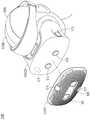
图1为根据本发明的一个实施例绘示的一种物件追踪系统的示意图。FIG. 1 is a schematic diagram of an object tracking system according to an embodiment of the present invention.
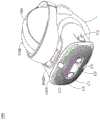
图2为根据本发明的一个实施例绘示的一种物件追踪系统的示意图。FIG. 2 is a schematic diagram of an object tracking system according to an embodiment of the present invention.
图3为根据本发明的一个实施例绘示的一种挂载在物件追踪系统上的配件装置的前视图的示意图。3 is a schematic diagram illustrating a front view of an accessory device mounted on an object tracking system according to an embodiment of the present invention.
图4A为根据本发明的一个实施例绘示的一种物件追踪系统的方块图。4A is a block diagram of an object tracking system according to an embodiment of the present invention.
图4B为根据本发明的一个实施例绘示的一种控制器的方块图。FIG. 4B is a block diagram of a controller according to an embodiment of the present invention.
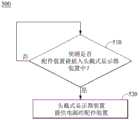
图5为根据本发明的一个实施例绘示的一种用于开启配件装置电源的方法的流程图。FIG. 5 is a flowchart of a method for powering on an accessory device according to an embodiment of the present invention.
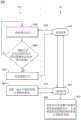
图6为根据本发明的一个实施例绘示的一种物件追踪方法的流程图。FIG. 6 is a flowchart of an object tracking method according to an embodiment of the present invention.
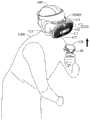
图7为根据本发明的一个实施例绘示的追踪物件的示意图。FIG. 7 is a schematic diagram of a tracking object according to an embodiment of the present invention.
图8为根据本发明的一个实施例绘示的一种物件追踪方法的流程图。FIG. 8 is a flowchart of an object tracking method according to an embodiment of the present invention.
具体实施方式Detailed ways
以下说明为完成发明的较佳实现方式,其目的在于描述本发明的基本精神,但并不用以限定本发明。实际的发明内容必须参考之后的权利要求范围。The following description is a preferred implementation manner to complete the invention, and its purpose is to describe the basic spirit of the invention, but it is not intended to limit the invention. Reference must be made to the scope of the following claims for the actual inventive content.
必须了解的是,使用于本说明书中的”包含”、”包括”等词,用以表示存在特定的技术特征、数值、方法步骤、作业处理、元件以及/或组件,但并不排除可加上更多的技术特征、数值、方法步骤、作业处理、元件、组件,或以上的任意组合。It must be understood that the words "comprising" and "including" used in this specification are used to indicate the existence of specific technical features, values, method steps, operation processes, elements and/or components, but do not exclude the possibility of adding More technical features, values, method steps, job processes, elements, components, or any combination of the above.
于权利要求中使用如”第一”、"第二"、"第三"等词用来修饰权利要求中的元件,并非用来表示之间具有优先权顺序,先行关系,或者是一个元件先于另一个元件,或者是执行方法步骤时的时间先后顺序,仅用来区别具有相同名字的元件。The use of words such as "first", "second", "third", etc. in the claims is used to modify the elements in the claims, and is not used to indicate that there is a priority order, an antecedent relationship between them, or that an element takes precedence. relative to another element, or the chronological order in which method steps are performed, is only used to distinguish elements with the same name.
请参照图1至图4A、图4B,图1、图2为根据本发明的一个实施例绘示的一种物件追踪系统100的示意图。图3为根据本发明的一个实施例绘示的一种挂载在(mounted on)物件追踪系统100上的配件装置的前视图的示意图。图4A为根据本发明的一个实施例绘示的一种物件追踪系统100的方块图。图4B为根据本发明的一个实施例绘示的一种控制器CR的方块图。Please refer to FIGS. 1 to 4A and 4B. FIGS. 1 and 2 are schematic diagrams of an
于一实施例中,一使用者USR穿戴头戴式显示器装置HMD以体验虚拟现实。于一实施例中,头戴式显示器装置HMD可以透过头带HB或头盔以固定于使用者头部。In one embodiment, a user USR wears a head mounted display device HMD to experience virtual reality. In one embodiment, the head mounted display device HMD can be fixed to the user's head through a headband HB or a helmet.
于一实施例中,物件追踪系统100包含一头戴式显示器装置HMD及一配件装置COV。配件装置COV连接至头戴式显示器装置HMD。于一实施例中,配件装置COV可以是任何可穿戴的装置,像是智慧手表、摄像机模组、智慧手环、感测器模组、前盖装置等等。配件装置COV包含至少一配件摄像机及一处理器。In one embodiment, the
于一实施例中,配件装置COV为头戴式显示器装置HMD的一前盖装置(如图1所示)。主要摄像机C0至C3包含一左侧摄像机C2、一右侧摄像机C3、一左前摄像机C0及一右前摄像机C1。至少一配件摄像机C4至C5包含一设置于前盖装置上侧的摄像机C4及一设置于前盖装置下侧的摄像机C5。In one embodiment, the accessory device COV is a front cover device of a head mounted display device HMD (as shown in FIG. 1 ). The main cameras C0 to C3 include a left camera C2, a right camera C3, a left front camera C0 and a right front camera C1. At least one accessory camera C4 to C5 includes a camera C4 disposed on the upper side of the front cover device and a camera C5 disposed on the lower side of the front cover device.
请参照图1及图4A,于一实施例中,头戴式显示器装置HMD包含一处理器P1及至少一主要摄像机C0至C3。每个主要摄像机C0至C3连接至处理器P1(如图4A所示)。于一实施例中,主要摄像机C0至C3为位于头戴式显示器装置HMD上的一左侧摄像机C2、一右侧摄像机C3、一左前摄像机C0及一右前摄像机C1。为方便说明,以下实施例使用四个主要摄像机C0至C3为例。然而,本领域技术人员应能理解本发明不限于初始设置四个摄像机在头戴式显示器装置HMD中。Referring to FIG. 1 and FIG. 4A , in one embodiment, the head mounted display device HMD includes a processor P1 and at least one main camera C0 to C3. Each of the main cameras C0 to C3 is connected to the processor P1 (as shown in Figure 4A). In one embodiment, the main cameras C0 to C3 are a left camera C2, a right camera C3, a left front camera C0 and a right front camera C1 on the head mounted display device HMD. For convenience of description, the following embodiment uses four main cameras C0 to C3 as an example. However, those skilled in the art will understand that the present invention is not limited to initially setting up four cameras in the head mounted display device HMD.
于一实施例中,配件装置COV包含处理器P2及至少一配件摄像机C4至C5(例如配件摄像机C4)。每个配件摄像机C4至C5连接至处理器P2(如图4A所示)。于一实施例中,配件装置COV可以是一个与处理器P2连接的包含有嵌入式配件摄像机C4至C5的壳体(cover)。于一实施例中,配件摄像机C4至C5的其中之一(例如配件摄像机C4)设置于配件装置COV的上侧,另一个配件摄像机(例如配件摄像机C5)设置于配件装置COV的下侧。为方便说明,以下实施例使用两个配件摄像机C4至C5为例。然而,本领域技术人员应能理解本发明不限于设置两个配件摄像机C4至C5中于配件装置COV。In one embodiment, the accessory device COV includes a processor P2 and at least one accessory camera C4-C5 (eg, accessory camera C4). Each accessory camera C4 to C5 is connected to processor P2 (as shown in Figure 4A). In one embodiment, the accessory device COV may be a cover that is connected to the processor P2 and contains embedded accessory cameras C4 to C5. In one embodiment, one of the accessory cameras C4 to C5 (eg, accessory camera C4 ) is arranged on the upper side of the accessory device COV, and the other accessory camera (eg, accessory camera C5 ) is arranged on the lower side of the accessory device COV. For the convenience of description, the following embodiment uses two accessory cameras C4 to C5 as an example. However, those skilled in the art should understand that the present invention is not limited to arranging two accessory cameras C4 to C5 in the accessory device COV.
于一实施例中,配件摄像机C4至C5可以是组装或嵌入到配件装置COV的摄像机模组。In one embodiment, the accessory cameras C4 to C5 may be camera modules assembled or embedded into the accessory device COV.
于一实施例中,配件装置COV包含孔洞H1及H0。孔洞H1的位置对应到主要摄像机C1的位置。孔洞H0的位置对应到主要摄像机C0的位置。In one embodiment, the accessory device COV includes holes H1 and H0. The position of the hole H1 corresponds to the position of the main camera C1. The position of the hole H0 corresponds to the position of the main camera C0.
于一实施例中,处理器P1及/或处理器P2可以是任何具有运算功能的电子装置。处理器P1及/或处理器P2可以由集成电路如微控制单元(micro controller)、微处理器(microprocessor)、数字信号处理器(digital signal processor)、专用集成电路(application specific integrated circuit,ASIC)或一逻辑电路来实施。In one embodiment, the processor P1 and/or the processor P2 may be any electronic device having computing functions. The processor P1 and/or the processor P2 may be composed of an integrated circuit such as a micro controller, a microprocessor, a digital signal processor, an application specific integrated circuit (ASIC) or a logic circuit to implement.
于一实施例中,主要摄像机C0至C3及配件摄像机C4至C5可以由包含电荷耦合装置(charge coupled device,CCD)或互补金属氧化物半导体(complementary metal-oxidesemiconductor,COMS)的摄像机模组以实现。In one embodiment, the main cameras C0 to C3 and accessory cameras C4 to C5 may be implemented by camera modules including charge coupled devices (CCDs) or complementary metal-oxide semiconductors (COMSs). .
于一实施例中,配件装置COV以有线或无线方式连接至头戴式显示器装置HMD。例如,配件装置COV可以透过串行外围接口(serial peripheral interface,SPI)插入(plugged-in)头戴式显示器装置HMD。藉此,在配件装置COV连接到头戴式显示器装置HMD后(如图2所示),处理器P1、P2之间的信号可以交换。In one embodiment, the accessory device COV is wired or wirelessly connected to the head mounted display device HMD. For example, the accessory device COV can be plugged-in to the head mounted display device HMD through a serial peripheral interface (SPI). Thereby, after the accessory device COV is connected to the head mounted display device HMD (as shown in FIG. 2 ), the signals between the processors P1 , P2 can be exchanged.
于一实施例中,如图3所示,当配件装置COV连接到头戴式显示器装置HMD后,配件摄像机C4的位置会在高于左前摄像机C0及右前摄像机C1处,配件摄像机C5的位置会在低于左前摄像机C0及右前摄像机C1处。In one embodiment, as shown in FIG. 3 , when the accessory device COV is connected to the head-mounted display device HMD, the position of the accessory camera C4 will be higher than the left front camera C0 and the right front camera C1, and the position of the accessory camera C5 will be higher than that of the left front camera C0 and the right front camera C1. Below the left front camera C0 and the right front camera C1.
于一实施例中,配件摄像机C4至C5选择性的配置于不同的位置以扩充头戴式显示器装置HMD的视野(field of view,FOV)。处理器P1可以从配件摄像机(例如配件摄像机C5)取得一物件影像(例如一控制器影像)或是主要摄像机(例如主要摄像机C0)。In one embodiment, the accessory cameras C4 to C5 are selectively disposed at different positions to expand the field of view (FOV) of the head mounted display device HMD. The processor P1 can obtain an object image (eg, a controller image) or a main camera (eg, main camera C0 ) from an accessory camera (eg, accessory camera C5 ).
换句话说,配件装置COV可以被视为包含上侧与下侧配件摄像机C4至C5的一前盖装置。如图2所示,配件装置COV可以被插入(plugged-in)头戴式显示器装置HMD。藉由插入式配件摄像机C4-C5的辅助,可以扩大垂直视野(例如,提升至220度)。因此,物件追踪范围可以藉由加入配件摄像机C4至C5被扩充。为方便说明,以下实施例使用控制器CR作为物件的例子。然而,本领域技术人员应能理解本发明不限于追踪控制器CR。In other words, the accessory device COV can be regarded as a front cover device including upper and lower accessory cameras C4 to C5. As shown in FIG. 2, the accessory device COV may be plugged-in to the head mounted display device HMD. With the aid of the plug-in accessory cameras C4-C5, the vertical field of view can be enlarged (e.g. up to 220 degrees). Therefore, the object tracking range can be extended by adding accessory cameras C4 to C5. For convenience of description, the following embodiments use the controller CR as an example of the object. However, those skilled in the art should understand that the present invention is not limited to the tracking controller CR.
于一实施例中,如图4B所示,控制器CR包含一或多个发光二极体(light-emittingdiodes,LEDs)40。处理器P1或处理器P2依据物件影像(例如控制器影像)中多个发光二极体40的相对位置,计算物件姿势(例如,控制器姿势)。于一实施例中,此些摄像机C0至C5可以一帧一帧地捕捉此些发光二极体40的影像。In one embodiment, as shown in FIG. 4B , the controller CR includes one or more light-emitting diodes (LEDs) 40 . The processor P1 or the processor P2 calculates the object posture (eg, the controller posture) according to the relative positions of the plurality of
于一实施例中,物件影像是一物件的影像。此外,物件影像可以仅包含物件的可辨识特征的部分影像。可辨识特征例如为光球、发光二极体40或其他特殊图腾。In one embodiment, the object image is an image of an object. Furthermore, the object image may only include partial images of recognizable features of the object. The identifiable features are, for example, photospheres, light-emitting
于一实施例中,发光二极体40被排列成一图腾(如图7所示)。处理器P1或P2可以透过图腾中每条线段的距离,以判断头戴式显示器装置HMD与控制器CR之间的距离。In one embodiment, the
于一实施例中,发光二极体40被排列成一图腾。处理器P1或P2可以透过图腾的旋转角度,以判断控制器姿势。处理器P1或P2可以应用已知的演算法以计算物件姿势(例如控制器姿势)。In one embodiment, the
于一实施例中,物件姿势是物件的姿势。物件姿势包含物件的角度及座标的相关信息。例如,处理器P1或处理器P2可以依据控制器影像中的图腾(例如透过图腾中的线段位置),以定义控制器CR在三维真实空间的旋转角度、X轴、Y轴及Z轴的绝对座标及头戴式显示器装置HMD的位置。然后,处理器P1或处理器P2可以追踪控制器CR在X轴、Y轴及Z轴的绝对座标上的移动及控制器CR的旋转角度,藉以计算出控制器CR与头戴式显示器装置HMD于虚拟现实中的相对位置。然而,本领域技术人员应可理解本发明不限于追踪包含发光二极体40的控制器CR,也不限于使用上述方法。此外,处理器P1或处理器P2可以使用不同的追踪演算法以追踪不同的物件。In one embodiment, the object pose is the pose of the object. The object pose contains information about the angle and coordinates of the object. For example, the processor P1 or the processor P2 can define the rotation angle of the controller CR in the three-dimensional real space, the rotation angle of the X-axis, the Y-axis and the Z-axis according to the totem in the controller image (for example, through the position of the line segment in the totem) Absolute coordinates and the position of the head mounted display device HMD. Then, the processor P1 or the processor P2 can track the movement of the controller CR on the absolute coordinates of the X-axis, the Y-axis and the Z-axis and the rotation angle of the controller CR, so as to calculate the controller CR and the head mounted display device The relative position of the HMD in virtual reality. However, those skilled in the art should understand that the present invention is not limited to tracking the controller CR including the
请参照图5至图8,图5为根据本发明的一个实施例绘示的一种用于开启配件装置电源的方法500的流程图。图6为根据本发明的一个实施例绘示的一种物件追踪方法600的流程图。图7为根据本发明的一个实施例绘示的追踪物件的示意图。图8为根据本发明的一个实施例绘示的一种物件追踪方法800的流程图。Please refer to FIG. 5 to FIG. 8 . FIG. 5 is a flowchart of a
于一实施例中,物件追踪方法600及/或物件追踪方法800可以应用于追踪多个物件。为使方便叙述,以下使用控制器CR为例进行说明。In one embodiment, the
请参阅图5,于步骤510中,头戴式显示器装置HMD侦测是否配件装置COV被插入头戴式显示器装置HMD中。如果头戴式显示器装置HMD侦测到配件装置COV被插入头戴式显示器装置HMD中,则进入步骤520。如果头戴式显示器装置HMD侦测到配件装置COV没有被插入头戴式显示器装置HMD中,则再次进入步骤510。于步骤520中,头戴式显示器装置HMD提供电源给配件装置COV。因此,配件装置COV于步骤520中被开启电源(power-on)。藉此,配件装置COV的电源由头戴式显示器装置HMD提供。一旦配件装置COV被插入头戴式显示器装置HMD中,配件装置COV进入开启电源模式。Referring to FIG. 5, in
请参阅图6,物件追踪方法600是由头戴式显示器装置HMD中的处理器P1及配件装置COV中的处理器P2所执行。Referring to FIG. 6, the
于步骤610中,处理器P1进入搜寻阶段(search stage)以搜寻一物件影像(例如控制器CR的影像)。In
于一实施例中,处理器P1判断是否存在任何的至少一主要摄像机C0至C3在搜寻阶段已拍到物件影像。In one embodiment, the processor P1 determines whether there is any at least one main camera C0 to C3 that has captured the object image in the search stage.
于步骤620,处理器P1传送一搜寻信号,搜寻信号用于在搜寻阶段搜寻一物件。In
于步骤630,处理器P2接收搜寻信号。In
于一实施例中,处理器P2接收搜寻信号并执行一搜寻演算法。搜寻演算法用以搜寻物件影像,搜寻演算法可以应用已知的搜寻演算法,例如感知杂凑演算法、特征匹配演算法…等等。In one embodiment, the processor P2 receives the search signal and executes a search algorithm. The search algorithm is used to search the object image, and the search algorithm can apply known search algorithms, such as perceptual hashing algorithm, feature matching algorithm, etc.
于一实施例中,处理器P1于一主要摄像机C0至C3所拍摄到的影像上执行搜寻演算法,处理器P2于一配件摄像机C4至C5所拍摄到的影像上执行搜寻演算法,以判断是否物件影像已在搜寻阶段被拍摄到。In one embodiment, the processor P1 executes a search algorithm on images captured by a main camera C0 to C3, and the processor P2 executes a search algorithm on images captured by an accessory camera C4 to C5 to determine Whether the object image has been captured during the search phase.
于一实施例中,物件影像可以是包含控制器影像的一影像。In one embodiment, the object image may be an image including a controller image.
于一实施例中,处理器P1检查所有主要摄像机C0至C3所拍摄到的影像,以寻找物件影像。In one embodiment, the processor P1 examines the images captured by all the main cameras C0 to C3 for object images.
于一实施例中,处理器P2检查所有配件摄像机C4至C5所拍摄到的影像,以寻找物件影像。例如,在配件摄像机C4至C5所拍摄到的影像中,处理器P2比对每张影像的哪部分相似于一控制器CR,以寻找控制器影像。In one embodiment, the processor P2 examines the images captured by all accessory cameras C4 to C5 for object images. For example, in the images captured by the accessory cameras C4 to C5, the processor P2 compares which part of each image is similar to a controller CR to find the controller image.
于步骤640中,处理器P2判断是否存在任何的至少一配件摄像机C4至C5已拍到一物件影像。In
于一实施例中,处理器P2判断连接到处理器P2的至少一配件摄像机C4至C5是否在搜寻阶段已拍到一物件影像。若处理器P2判断至少一配件摄像机C4至C5在搜寻阶段已拍到物件影像,则执行步骤650。In one embodiment, the processor P2 determines whether at least one accessory camera C4 to C5 connected to the processor P2 has captured an object image during the search phase. If the processor P2 determines that at least one of the accessory cameras C4 to C5 has captured an image of the object in the search stage,
于步骤650中,处理器P2传送通知信号至处理器P1。In
于一实施例中,通知信号包含一摄像机信号。摄像机信号代表一特定配件摄像机(例如配件摄像机C5)已拍摄到该物件影像。由于处理器P1已取得摄像机信号,则进入步骤660。In one embodiment, the notification signal includes a camera signal. The camera signal represents that a specific accessory camera (eg, accessory camera C5 ) has captured the image of the object. Since the processor P1 has obtained the camera signal,
于步骤660中,处理器P1进入一追踪阶段。In
于一实施例中,处理器P1在追踪阶段持续地依据由特定配件摄像机(例如配件摄像机C5)拍摄到的物件影像追踪或计算物件姿势。因此,处理器P1需要通知配件装置COV提供物件影像。In one embodiment, the processor P1 continuously tracks or calculates the pose of the object according to the object image captured by a specific accessory camera (eg, the accessory camera C5 ) during the tracking phase. Therefore, the processor P1 needs to notify the accessory device COV to provide the object image.
于一实施例中,当物件正由摄像机C0至C5其中之一的视野(例如配件摄像机C4的视野)移动到另一个摄像机的视野(例如配件摄像机C5的视野)时,处理器P2传送一换手信号到头戴式显示器装置HMD。换手信号代表另一个特定配件摄像机(例如配件摄像机C5)拍摄到该物件影像,且处理器P1执行一换手程序(handover process),以在追踪阶段持续地追踪或计算由另一特定配件摄像机(例如配件摄像机C5)拍摄到的物件影像的物件姿势。例如图7所示,当控制器CR从头戴式显示器装置HMD的下方往上方移动时(即,如箭号所示意的,控制器CR由下往上移动时),控制器影像初始时是由摄像机C5所拍摄,移动后改变成由摄像机C4所拍摄,处理器P1执行换手程序,以在追踪阶段持续地追踪或计算由摄像机C4所拍摄到的物件影像的物件姿势。In one embodiment, when the object is moving from the field of view of one of cameras C0 to C5 (eg, the field of view of accessory camera C4 ) to the field of view of another camera (eg, the field of view of accessory camera C5 ), processor P2 transmits a change Hand signal to head mounted display device HMD. The handover signal represents the image of the object captured by another specific accessory camera (eg, the accessory camera C5), and the processor P1 executes a handover process to continuously track or calculate the image captured by the other specific accessory camera during the tracking phase. The object pose of the object image captured by the accessory camera (eg, accessory camera C5). For example, as shown in FIG. 7 , when the controller CR moves from the bottom to the top of the head mounted display device HMD (ie, when the controller CR moves from the bottom to the top as indicated by the arrows), the controller image is initially Shot by the camera C5 and changed to be shot by the camera C4 after moving, the processor P1 executes a hand-over procedure to continuously track or calculate the object pose of the object image captured by the camera C4 in the tracking phase.
于步骤670中,处理器P1传送一请求信号到处理器P2。于一实施例中,处理器传送一请求信号到处理器P2以请求配件装置COV提供物件影像或更多的物件影像。In
于步骤680中,当处理器P2接收请求信号后,处理器P2准备将要传送的物件影像。In
于一实施例中,请求信号包含一裁剪指令(crop command),且当处理器P2接收请求信号后,处理器P2裁剪物件影像,以取得物件影像的一部分影像(例如,从整张物件影像中,萃取/裁剪出控制器影像的部份),此部分影像仍包含物件的影像,处理器P2传送部分影像(例如,控制器影像部分)到处理器P1,且处理器P1依据部分影像计算物件姿势。例如,整个物件影像为640*480像素,处理器P2从整个物件影像中剪裁出控制器影像部分(例如为60*40像素)。藉由剪裁物件部分,可以降低执行步骤690时的传输量。In one embodiment, the request signal includes a crop command, and after the processor P2 receives the request signal, the processor P2 crops the object image to obtain a part of the object image (eg, from the entire object image). , extract/crop the part of the controller image), this part of the image still contains the image of the object, the processor P2 transmits the part of the image (eg, the part of the controller image) to the processor P1, and the processor P1 calculates the object according to the part of the image posture. For example, the entire object image is 640*480 pixels, and the processor P2 cuts out a portion of the controller image (eg, 60*40 pixels) from the entire object image. By trimming the part of the object, the transfer amount when performing
于一实施例中,部分影像可以只包含物件的部分可辨识特征。例如,部分影像可以只包括一光球、一些发光二极体40或部分特殊图腾,无须是完整的控制器CR的影像。In one embodiment, part of the image may contain only part of the identifiable features of the object. For example, part of the image may only include a light ball, some
换言之,一旦找到控制器影像,搜寻阶段改变成追踪阶段,头戴式显示器装置HMD的处理器P1将会传送裁剪指令到处理器P2,以请求提供物件影像。进一步地,裁剪指令代表配件装置COV只传送包含控制器影像(即控制器图样)的物件影像区域,并非传送整张物件影像。此技术可以提升影像资料传输的立即性。In other words, once the controller image is found, the search phase is changed to the tracking phase, and the processor P1 of the head mounted display device HMD will send a cropping command to the processor P2 to request the provision of the object image. Further, the cropping instruction means that the accessory device COV only transmits the object image area including the controller image (ie, the controller pattern), rather than transmitting the entire object image. This technology can improve the immediacy of image data transmission.
于步骤690中,处理器P2传输物件影像到处理器P1。In
于一实施例中,一旦一配件摄像机(例如配件摄像机C5)拍摄到物件影像,处理器P2传送物件影像到头戴式显示器装置HMD中的一缓冲器(例如RAM)。处理器P1可以由缓冲器中取得物件影像。In one embodiment, once an accessory camera (eg, accessory camera C5 ) captures the object image, the processor P2 transmits the object image to a buffer (eg, RAM) in the head mounted display device HMD. The processor P1 can obtain the object image from the buffer.
于步骤695中,处理器P1依据物件影像追踪或计算物件姿势。In
于一实施例中,在处理器P1接收到一或多张物件影像后,处理器P1依据物件影像追踪或计算物件姿势。In one embodiment, after the processor P1 receives one or more object images, the processor P1 tracks or calculates the pose of the object according to the object images.
于一实施例中,如果处理器P1没有持续地取得物件影像,处理器P1再次进入搜寻阶段(步骤610)。例如,当处理器P1追丢了物件,则处理器P1进入搜寻阶段。然后,所有主要摄像机C0至C3及/或所有配件摄像机C4至C5再次搜寻物件影像。In one embodiment, if the processor P1 does not continuously acquire the object image, the processor P1 enters the search phase again (step 610). For example, when the processor P1 chases down the object, the processor P1 enters the search phase. Then, all main cameras C0 to C3 and/or all accessory cameras C4 to C5 search for object images again.
于一实施例中,搜寻阶段用以使用多个或所有摄像机C0至C5以寻找哪个摄像机拍摄到物件影像。进一步而言,搜寻阶段用以寻找物件影像出现在整个视野中的哪部分。In one embodiment, the search stage uses multiple or all cameras C0 to C5 to find which camera captured the image of the object. Further, the search phase is used to find which part of the entire field of view the object image appears in.
例如,在控制器CR先离开视野后,然后控制器CR再次进入视野,处理器P1进入搜寻阶段,以找出哪个特定摄像机拍摄到控制器影像。For example, after the controller CR first leaves the field of view, and then the controller CR enters the field of view again, the processor P1 enters a search phase to find out which particular camera captured the controller image.
于另一例中,在搜寻阶段中,若处理器P1得知控制器CR正要从视野的下方移动到视野之外,处理器P1会预测控制器CR将会从视野的下方跑回视野之内。因此,处理器P1增加配件摄像机C5的搜寻权重的优先等级。然而,处理器O1仍会搜寻所有摄像机C0至C5以寻找控制器影像。In another example, during the search phase, if the processor P1 knows that the controller CR is about to move from the bottom of the field of view to the outside of the field of view, the processor P1 predicts that the controller CR will run from the bottom of the field of view back into the field of view. . Therefore, the processor P1 increases the priority level of the search weight of the accessory camera C5. However, the processor O1 still searches all cameras C0 to C5 for controller images.
于一实施例中,在搜寻阶段时,找到特定摄像机(例如配件摄像机C5)拍摄到物件影像后,追踪阶段用以依据特定摄像机例如配件摄像机C5所拍摄到的影像精确地追踪物件姿势。在追踪阶段时,其他摄像机(例如摄像机C0至C4)会持续地拍摄影像,但此些影像不会被储存到暂存器,也不会用来作进一步的计算。In one embodiment, in the searching stage, after a specific camera (eg, accessory camera C5 ) is found to capture the image of the object, the tracking stage is used to accurately track the pose of the object according to the image captured by the specific camera such as accessory camera C5 . During the tracking phase, other cameras (eg, cameras C0 to C4) will continuously capture images, but these images will not be stored in the scratchpad and will not be used for further calculations.
因此,藉由应用扩充摄像机的概念,至少一配件装置COV可以被挂载或连接至头戴式显示器装置HMD中。配件装置COV连接至头戴式显示器装置HMD的方法并不限于本发明所述。Therefore, by applying the concept of the extended camera, at least one accessory device COV can be mounted or connected to the head mounted display device HMD. The method of connecting the accessory device COV to the head mounted display device HMD is not limited to that described in the present invention.
第8图为根据本发明的一个实施例绘示的一种物件追踪方法800的流程图。步骤610至660分别与步骤810至860相同。因此,以下描述步骤870至890。FIG. 8 is a flowchart of an
第6图及第8图所提及的物件影像是由至少一插入式配件摄像机C4-C5拍摄。不同之处在于,在第6图中,物件姿势是由处理器P1计算,在第8图中,物件姿势是由处理器P2计算。在步骤870中,处理器P1传送请求信号到处理器P2。The images of the objects mentioned in FIGS. 6 and 8 are captured by at least one plug-in accessory camera C4-C5. The difference is that in Fig. 6, the object pose is calculated by the processor P1, and in Fig. 8, the object pose is calculated by the processor P2. In
于一实施例中,处理器P1传送请求信号到处理器P2,以请求配件装置COV依据一或多个物件影像提供物件姿势。In one embodiment, the processor P1 transmits a request signal to the processor P2 to request the accessory device COV to provide the object pose according to one or more object images.
例如,一旦找到控制器影像,由搜寻阶段改为追踪阶段,头戴式显示器装置HMD的处理器P1将会传送追踪指令到处理器P2以请求提供控制器姿势。For example, once the controller image is found, the search phase is changed to the tracking phase, and the processor P1 of the head mounted display device HMD will send a tracking command to the processor P2 to request the controller gesture.
于步骤880,当处理器220接收请求信号后,处理器P2依据一或多个物件影像计算物件姿势。In
当处理器P2有较佳的运算能力时,处理器P2可以依据一或多个物件影像计算物件姿势。When the processor P2 has better computing power, the processor P2 can calculate the pose of the object according to one or more object images.
于步骤890,处理器P2传送物件姿势到处理器P1。At
于一实施例中,一旦一配件摄像机(例如配件摄像机C5)拍摄到物件影像,处理器P2传送物件姿势到头戴式显示器装置HMD中的一缓冲器(例如RAM)。处理器P1可以从缓冲器中取得物件姿势。In one embodiment, once an accessory camera (eg, accessory camera C5 ) captures an image of the object, processor P2 transmits the gesture of the object to a buffer (eg, RAM) in the head mounted display device HMD. The processor P1 can obtain the object pose from the buffer.
例如,处理器P2依据控制器影像中的图腾及头戴式显示器装置HMD的位置,定义控制器CR在三维真实空间的旋转角度、X轴、Y轴及Z轴的绝对座标。For example, the processor P2 defines the rotation angle of the controller CR in the three-dimensional real space, the absolute coordinates of the X-axis, the Y-axis and the Z-axis according to the totem in the controller image and the position of the head mounted display device HMD.
于步骤895中,处理器P1使用来自处理器P2的物件姿势或是处理器P1依据至少一主要摄像机C0至C3所拍摄的物件影像计算物件姿势。In
例如,处理器P1追踪控制器CR在X轴、Y轴及Z轴的绝对座标上的移动及控制器CR的旋转角度,藉以计算出控制器CR与头戴式显示器装置HMD于虚拟现实中的相对位置。For example, the processor P1 tracks the movement of the controller CR on the absolute coordinates of the X-axis, the Y-axis and the Z-axis and the rotation angle of the controller CR, so as to calculate the controller CR and the head-mounted display device HMD in the virtual reality relative position.
于一实施例中,若至少一主要摄像机C0至C3拍摄到物件影像,处理器P1依据至少一主要摄像机C0至C3所拍摄的物件影像计算物件姿势。若至少一配件摄像机C4至C5拍摄到物件影像,处理器P1或处理器P2依据至少一配件摄像机C4至C5(藉由物件追踪方法600或800)所拍摄的物件影像计算物件姿势。In one embodiment, if at least one main camera C0 to C3 captures an object image, the processor P1 calculates the object pose according to the object image captured by at least one main camera C0 to C3. If at least one accessory camera C4 to C5 captures the object image, the processor P1 or the processor P2 calculates the object pose according to the object image captured by at least one accessory camera C4 to C5 (using the
于一实施例中,若至少一主要摄像机C0至C3及至少一配件摄像机C4至C5都拍摄到物件影像,处理器P1或处理器P2分别依据物件影像计算物件姿势。此外,处理器P2传送处理器P2所计算出来的物件姿势到处理器P1,然后,处理器P1依据处理器P2所计算出来的物件姿势及处理器P1所计算出来的物件姿势产生一融合姿势(fusion pose)。In one embodiment, if at least one main camera C0 to C3 and at least one accessory camera C4 to C5 capture the object image, the processor P1 or the processor P2 respectively calculates the object pose according to the object image. In addition, the processor P2 transmits the object pose calculated by the processor P2 to the processor P1, and then the processor P1 generates a fusion pose ( fusion pose).
本发明实施例提供一种物体追踪系统及物体追踪方法,提供了包含模组化的配件摄像机的一配件装置。配件摄像机可依据不同需求插入或连接至头戴式显示器装置。此外,配件装置中的处理器可以协助头戴式显示器装置进行搜寻及追踪控制器。因此,物件追踪系统及物件追踪方法可以弹性地增加至少一相机模组(即配件摄像机)到一现有模组(即头戴式显示器装置),藉此扩充头戴式显示器装置的视野。此外,物件追踪区域(例如控制器追踪区域)可以被扩大。Embodiments of the present invention provide an object tracking system and an object tracking method, and provide an accessory device including a modular accessory camera. Accessory cameras can be plugged into or connected to the head-mounted display device according to different needs. In addition, the processor in the accessory device can assist the head mounted display device in searching and tracking the controller. Therefore, the object tracking system and the object tracking method can flexibly add at least one camera module (ie, an accessory camera) to an existing module (ie, a head-mounted display device), thereby expanding the field of view of the head-mounted display device. Additionally, the object tracking area (eg, the controller tracking area) can be enlarged.
本发明虽以较佳实施例揭露如上,然其并非用以限定本发明的范围,任何所属技术领域中具有通常知识者,在不脱离本发明之精神和范围内,当可做些许的更动与润饰,因此本发明的保护范围应视权利要求书的界定为准。Although the present invention is disclosed above with preferred embodiments, it is not intended to limit the scope of the present invention. Anyone with ordinary knowledge in the technical field can make some changes without departing from the spirit and scope of the present invention. Therefore, the protection scope of the present invention should be subject to the definition of the claims.
【符号说明】【Symbol Description】
100:物件追踪系统100: Object Tracking System
USR:使用者USR: User
HB:头带HB: headband
HMD:头戴式显示器装置HMD: Head Mounted Display Device
C0至C5:摄像机C0 to C5: Cameras
H0、H1:孔洞H0, H1: holes
COV:配件装置COV: accessory device
P1、P2:处理器P1, P2: Processor
CR:控制器CR: Controller
500:用于开启配件装置电源的方法500: Method for powering on accessory device
510至520、610至695、810至895:步骤510 to 520, 610 to 695, 810 to 895: Steps
600、800:物件追踪方法600, 800: Object tracking method
Claims (12)
Translated fromChineseApplications Claiming Priority (2)
| Application Number | Priority Date | Filing Date | Title |
|---|---|---|---|
| US201862784837P | 2018-12-26 | 2018-12-26 | |
| US62/784,837 | 2018-12-26 |
Publications (2)
| Publication Number | Publication Date |
|---|---|
| CN111383266Atrue CN111383266A (en) | 2020-07-07 |
| CN111383266B CN111383266B (en) | 2024-03-08 |
Family
ID=71079808
Family Applications (1)
| Application Number | Title | Priority Date | Filing Date |
|---|---|---|---|
| CN201911370405.3AActiveCN111383266B (en) | 2018-12-26 | 2019-12-26 | Object tracking system and object tracking method |
Country Status (4)
| Country | Link |
|---|---|
| US (1) | US10943358B2 (en) |
| CN (1) | CN111383266B (en) |
| DE (1) | DE102019135676B4 (en) |
| TW (1) | TWI759670B (en) |
Cited By (1)
| Publication number | Priority date | Publication date | Assignee | Title |
|---|---|---|---|---|
| JP2024005485A (en)* | 2022-06-30 | 2024-01-17 | キヤノン株式会社 | Head-mounted display device, status determination device, control method for head-mounted display device, control method for status determination device, and program |
Families Citing this family (12)
| Publication number | Priority date | Publication date | Assignee | Title |
|---|---|---|---|---|
| US11486961B2 (en)* | 2019-06-14 | 2022-11-01 | Chirp Microsystems | Object-localization and tracking using ultrasonic pulses with reflection rejection |
| EP4288950A4 (en) | 2021-02-08 | 2024-12-25 | Sightful Computers Ltd | User interactions in extended reality |
| JP7713189B2 (en) | 2021-02-08 | 2025-07-25 | サイトフル コンピューターズ リミテッド | Content Sharing in Extended Reality |
| KR20250103813A (en) | 2021-02-08 | 2025-07-07 | 사이트풀 컴퓨터스 리미티드 | Extended reality for productivity |
| WO2023009580A2 (en) | 2021-07-28 | 2023-02-02 | Multinarity Ltd | Using an extended reality appliance for productivity |
| US12175614B2 (en) | 2022-01-25 | 2024-12-24 | Sightful Computers Ltd | Recording the complete physical and extended reality environments of a user |
| US11948263B1 (en) | 2023-03-14 | 2024-04-02 | Sightful Computers Ltd | Recording the complete physical and extended reality environments of a user |
| US12380238B2 (en) | 2022-01-25 | 2025-08-05 | Sightful Computers Ltd | Dual mode presentation of user interface elements |
| US12387422B2 (en) | 2022-06-24 | 2025-08-12 | Samsung Electronics Co., Ltd. | Methods and devices for video rendering for video see-through (VST) augmented reality (AR) |
| US11803065B1 (en)* | 2022-09-28 | 2023-10-31 | Heru Inc. | Head-mounted display attachment device |
| EP4594812A1 (en)* | 2022-09-28 | 2025-08-06 | Heru Inc. | Head-mounted display attachment device and testing system |
| EP4595015A1 (en) | 2022-09-30 | 2025-08-06 | Sightful Computers Ltd | Adaptive extended reality content presentation in multiple physical environments |
Citations (6)
| Publication number | Priority date | Publication date | Assignee | Title |
|---|---|---|---|---|
| US20160063762A1 (en)* | 2014-09-03 | 2016-03-03 | Joseph Van Den Heuvel | Management of content in a 3d holographic environment |
| WO2017117675A1 (en)* | 2016-01-08 | 2017-07-13 | Sulon Technologies Inc. | Head mounted device for augmented reality |
| CN107710280A (en)* | 2015-05-26 | 2018-02-16 | “实验室24”股份有限公司 | Object method for visualizing |
| US20180180733A1 (en)* | 2016-12-27 | 2018-06-28 | Gerard Dirk Smits | Systems and methods for machine perception |
| CN108319365A (en)* | 2017-01-16 | 2018-07-24 | 宏达国际电子股份有限公司 | Movement tracking method and movement tracking system |
| US20180343442A1 (en)* | 2016-02-03 | 2018-11-29 | Panasonic Intellectual Property Management Co., Ltd. | Video display method and video display device |
Family Cites Families (6)
| Publication number | Priority date | Publication date | Assignee | Title |
|---|---|---|---|---|
| US9440144B2 (en) | 2011-04-21 | 2016-09-13 | Sony Interactive Entertainment Inc. | User identified to a controller |
| WO2015111283A1 (en) | 2014-01-23 | 2015-07-30 | ソニー株式会社 | Image display device and image display method |
| CN107229122B (en) | 2016-03-23 | 2019-08-16 | 宏达国际电子股份有限公司 | Head-mounted display device |
| US20180292896A1 (en) | 2017-04-06 | 2018-10-11 | Intel Corporation | Head-mounted display device |
| US11682045B2 (en)* | 2017-06-28 | 2023-06-20 | Samsung Electronics Co., Ltd. | Augmented reality advertisements on objects |
| JP7378431B2 (en)* | 2018-06-18 | 2023-11-13 | マジック リープ, インコーポレイテッド | Augmented reality display with frame modulation functionality |
- 2019
- 2019-12-23DEDE102019135676.8Apatent/DE102019135676B4/enactiveActive
- 2019-12-24USUS16/726,484patent/US10943358B2/enactiveActive
- 2019-12-25TWTW108147557Apatent/TWI759670B/enactive
- 2019-12-26CNCN201911370405.3Apatent/CN111383266B/enactiveActive
Patent Citations (6)
| Publication number | Priority date | Publication date | Assignee | Title |
|---|---|---|---|---|
| US20160063762A1 (en)* | 2014-09-03 | 2016-03-03 | Joseph Van Den Heuvel | Management of content in a 3d holographic environment |
| CN107710280A (en)* | 2015-05-26 | 2018-02-16 | “实验室24”股份有限公司 | Object method for visualizing |
| WO2017117675A1 (en)* | 2016-01-08 | 2017-07-13 | Sulon Technologies Inc. | Head mounted device for augmented reality |
| US20180343442A1 (en)* | 2016-02-03 | 2018-11-29 | Panasonic Intellectual Property Management Co., Ltd. | Video display method and video display device |
| US20180180733A1 (en)* | 2016-12-27 | 2018-06-28 | Gerard Dirk Smits | Systems and methods for machine perception |
| CN108319365A (en)* | 2017-01-16 | 2018-07-24 | 宏达国际电子股份有限公司 | Movement tracking method and movement tracking system |
Cited By (2)
| Publication number | Priority date | Publication date | Assignee | Title |
|---|---|---|---|---|
| JP2024005485A (en)* | 2022-06-30 | 2024-01-17 | キヤノン株式会社 | Head-mounted display device, status determination device, control method for head-mounted display device, control method for status determination device, and program |
| JP7596333B2 (en) | 2022-06-30 | 2024-12-09 | キヤノン株式会社 | HEAD-MOUNTED DISPLAY DEVICE, IMAGE PROCESSING DEVICE, CONTROL METHOD FOR HEAD-MOUNTED DISPLAY DEVICE, AND PROGRAM |
Also Published As
| Publication number | Publication date |
|---|---|
| DE102019135676B4 (en) | 2025-08-14 |
| DE102019135676A1 (en) | 2020-07-02 |
| CN111383266B (en) | 2024-03-08 |
| US10943358B2 (en) | 2021-03-09 |
| US20200211207A1 (en) | 2020-07-02 |
| TW202029127A (en) | 2020-08-01 |
| TWI759670B (en) | 2022-04-01 |
Similar Documents
| Publication | Publication Date | Title |
|---|---|---|
| CN111383266B (en) | Object tracking system and object tracking method | |
| US11763420B2 (en) | Creating shockwaves in three-dimensional depth videos and images | |
| US11792379B2 (en) | Depth sculpturing of three-dimensional depth images utilizing two-dimensional input selection | |
| US12058300B2 (en) | Input parameter based image waves | |
| US10169880B2 (en) | Information processing apparatus, information processing method, and program | |
| JP7248490B2 (en) | Information processing device, device position and orientation estimation method | |
| KR102746351B1 (en) | Separable distortion mismatch determination | |
| CN110955329B (en) | Transmission method and electronic device and computer storage medium | |
| JP2000172431A (en) | Information input device and game device | |
| US11259008B2 (en) | Sensor misalignment compensation | |
| CN108008818A (en) | Helmet type man-machine interaction system and method based on virtual reality | |
| US10902627B2 (en) | Head mounted device for virtual or augmented reality combining reliable gesture recognition with motion tracking algorithm | |
| EP3971683A1 (en) | Human body portion tracking method and human body portion tracking system | |
| TWI836498B (en) | Method, system and recording medium for accessory pairing | |
| KR102483387B1 (en) | Augmented reality content provision method and finger rehabilitation training system for finger rehabilitation training | |
| US11330166B2 (en) | Method of automatically photographing an image, image processing device and image processing system performing the same | |
| WO2022205167A1 (en) | Image processing method and apparatus, mobile platform, terminal device, and storage medium | |
| JP2024033364A (en) | Worker support system | |
| CN119011747A (en) | Synchronizing image signal processing across multiple image sensors | |
| WO2017088187A1 (en) | System and method for implementing position tracking of virtual reality device |
Legal Events
| Date | Code | Title | Description |
|---|---|---|---|
| PB01 | Publication | ||
| PB01 | Publication | ||
| SE01 | Entry into force of request for substantive examination | ||
| SE01 | Entry into force of request for substantive examination | ||
| GR01 | Patent grant | ||
| GR01 | Patent grant |