CN110678823A - Control system design device and control system - Google Patents
Control system design device and control systemDownload PDFInfo
- Publication number
- CN110678823A CN110678823ACN201780091334.6ACN201780091334ACN110678823ACN 110678823 ACN110678823 ACN 110678823ACN 201780091334 ACN201780091334 ACN 201780091334ACN 110678823 ACN110678823 ACN 110678823A
- Authority
- CN
- China
- Prior art keywords
- temperature
- vector
- target value
- time
- series data
- Prior art date
- Legal status (The legal status is an assumption and is not a legal conclusion. Google has not performed a legal analysis and makes no representation as to the accuracy of the status listed.)
- Granted
Links
- 238000013461designMethods0.000titleclaimsdescription82
- 238000012937correctionMethods0.000claimsabstractdescription227
- 238000004364calculation methodMethods0.000claimsabstractdescription80
- 238000011156evaluationMethods0.000claimsabstractdescription56
- 239000011159matrix materialSubstances0.000claimsabstractdescription54
- 238000000034methodMethods0.000claimsdescription24
- 238000012360testing methodMethods0.000claimsdescription11
- 238000010586diagramMethods0.000description16
- 238000005457optimizationMethods0.000description11
- 238000012545processingMethods0.000description10
- 230000001052transient effectEffects0.000description9
- 230000007704transitionEffects0.000description6
- 238000012938design processMethods0.000description4
- 230000006641stabilisationEffects0.000description4
- 238000011105stabilizationMethods0.000description4
- 238000001514detection methodMethods0.000description3
- 230000000694effectsEffects0.000description3
- 229920006395saturated elastomerPolymers0.000description3
- 238000004378air conditioningMethods0.000description1
- 230000033228biological regulationEffects0.000description1
- 238000004422calculation algorithmMethods0.000description1
- 238000001816coolingMethods0.000description1
- 230000007423decreaseEffects0.000description1
- 230000003247decreasing effectEffects0.000description1
- 230000002068genetic effectEffects0.000description1
- 230000020169heat generationEffects0.000description1
- 238000010438heat treatmentMethods0.000description1
- 238000005259measurementMethods0.000description1
- 238000000465mouldingMethods0.000description1
- 230000000630rising effectEffects0.000description1
- 238000004088simulationMethods0.000description1
- 238000004544sputter depositionMethods0.000description1
- 230000000087stabilizing effectEffects0.000description1
Images



Classifications
- G—PHYSICS
- G05—CONTROLLING; REGULATING
- G05B—CONTROL OR REGULATING SYSTEMS IN GENERAL; FUNCTIONAL ELEMENTS OF SUCH SYSTEMS; MONITORING OR TESTING ARRANGEMENTS FOR SUCH SYSTEMS OR ELEMENTS
- G05B13/00—Adaptive control systems, i.e. systems automatically adjusting themselves to have a performance which is optimum according to some preassigned criterion
- G05B13/02—Adaptive control systems, i.e. systems automatically adjusting themselves to have a performance which is optimum according to some preassigned criterion electric
- G—PHYSICS
- G05—CONTROLLING; REGULATING
- G05D—SYSTEMS FOR CONTROLLING OR REGULATING NON-ELECTRIC VARIABLES
- G05D23/00—Control of temperature
- G05D23/19—Control of temperature characterised by the use of electric means
Landscapes
- Engineering & Computer Science (AREA)
- Physics & Mathematics (AREA)
- General Physics & Mathematics (AREA)
- Automation & Control Theory (AREA)
- Health & Medical Sciences (AREA)
- Artificial Intelligence (AREA)
- Computer Vision & Pattern Recognition (AREA)
- Evolutionary Computation (AREA)
- Medical Informatics (AREA)
- Software Systems (AREA)
- Control Of Temperature (AREA)
- Feedback Control In General (AREA)
Abstract
Translated fromChinese
Description
Translated fromChinese技术领域technical field
本发明涉及控制系统设计装置以及控制系统,尤其涉及进行多点控制的控制系统设计装置以及控制系统。The present invention relates to a control system design device and a control system, in particular to a control system design device and a control system for multi-point control.
背景技术Background technique
已知一种存在干扰的系统中的温度调整系统,需要利用多个传感器和热源(致动器)来进行多点控制。该温度调整系统例如利用于空调系统、溅射成型机等。在该系统中不仅需要多点分别快速地追随所对应的各个目标值,还要在到达目标值为止的过渡状态也将多点间的温度差控制到零。另外,在温度调节系统中,尽管存在想要控制的温度是由传感器等测定的热板温度的情况,但是也存在想要控制被热板加热的被加热物(也称为“工件”)的温度的情况。A temperature regulation system in a disturbed system is known that requires multi-point control using a number of sensors and heat sources (actuators). This temperature adjustment system is used for, for example, an air-conditioning system, a sputtering molding machine, and the like. In this system, it is not only necessary for multiple points to quickly follow the corresponding target values, but also to control the temperature difference between multiple points to zero in the transition state until the target value is reached. In addition, in the temperature control system, although the temperature to be controlled may be the temperature of the hot plate measured by a sensor or the like, there are also cases where the object to be heated (also referred to as a "workpiece") to be heated by the hot plate is to be controlled. temperature situation.
针对该需求,例如专利文献1中提出了一种例如利用了预测控制的控制方法。在专利文献1的方法中,求出改变热板的各通道(channel)目标温度(SetPoint,SP)时工件温度的响应波形,根据该响应波形和搭载工件时工件温度的时间序列数据,来实现将搭载工件时目标温度的变更量作为未知数的工件温度预测。此外,此处的响应波形是利用PID控制器对包括反馈环的控制对象的阶段响应波形。基于该目标温度的变更量和工件温度之间的关系,利用遗传性算法(GA)等,来实现使得过渡状态的工件温度偏差(更具体而言,相对于工件平均温度的方差)变成最小这样的目标温度变更量。In response to this demand, for example,
另外,例如专利文献2中提出了,一种考虑了稳定状态下操作量饱和的使得工件温度偏差最小的方法。在专利文献2的方法中,改变热板各通道的目标温度(SetPoint,SP),根据稳定时工件温度(圆晶温度,WAF)和操作量(Manipulated Variable,MV)的变化量,来实现将稳定状态下目标温度的变更量设为未知数的工件温度预测和操作量预测。根据该稳定状态下目标温度的变更量和操作量、工件温度之间的关系,利用带限制优化方法等,来实现以操作量限制在可输出范围内为约束条件(限制条件),使得工件温度的偏差最小的目标温度变更量。In addition, for example,
【专利文献1】日本特开2007-011982号公报[Patent Document 1] Japanese Patent Laid-Open No. 2007-011982
【专利文献2】日本特开2008-299697号公报[Patent Document 2] Japanese Patent Laid-Open No. 2008-299697
但是,在上述各方法中存在以下这样的课题。在单纯的多点PID控制法中,因为各通道独立地进行控制,所以无法控制过渡状态下工件温度的偏差。However, the above-mentioned methods have the following problems. In the simple multi-point PID control method, since each channel is controlled independently, it is impossible to control the deviation of the workpiece temperature in the transient state.
在专利文献1所述的手法中,未考虑过允许的操作量。当基于求出的目标温度变更量来进行控制时,存在操作加热器的操作量超出可输出范围的上限或下限等,而偏离可输出范围的情况。因此,在实际系统中,存在无法实现遵照设计的工件温度的情况,无法必然使得过渡状态下工件温度的偏差变得最小。In the method described in
在专利文献2所述的手法中,即便能够减小稳定状态下的工件温度的偏差,也无法使得过渡状态下工件温度的偏差变得最小。此外,对于控制温度以外的物理量的情况,也存在同样课题。In the method described in
发明内容SUMMARY OF THE INVENTION
本发明鉴于以上内容,其目的在于,提供一种一边考虑操作量饱和,一边在过渡状态减小各点控制量的差或偏差的控制系统设计装置以及控制系统。In view of the above, an object of the present invention is to provide a control system design device and a control system that reduce the difference or deviation of the control amount at each point in a transient state while considering the saturation of the operation amount.
本发明一个方式的控制系统设计装置是对多点控制系统设计预先设定的目标值的修正量的控制系统设计装置,(a)所述多点控制系统对控制对象中多点温度进行控制,按照根据所给与的修正量修正上述目标值而得到的修正目标值,来对控制对象进行控制,具备算出上述目标值的修正量的修正量算出部。(b)上述修正量算出部取得依次改变多个输入通道目标值时的、相对于各输入通道变化的操作量时间序列数据和控制对象中多点温度时间序列数据,(c)求出基于该操作量时间序列数据而求出的排列了操作量单位脉冲响应的时间序列数据的操作量影响度行列Cmv、和基于上述多点温度时间序列数据而求出的排列了温度单位脉冲响应的时间序列数据的温度影响度行列Ctemp。(d)上述修正量算出部取得操作量时间序列数据和上述多点温度时间序列数据,求出排列了操作量时间序列数据的已知操作量向量Mref和排列了多点温度时间序列数据的已知温度向量Tref。(e)上述修正量算出部将进行最小化的评价函数作为表示控制对象的上述多点预测温度的偏差的函数,在限制条件中包括操作量收敛在预先设定的范围,在上述限制条件下算出对上述评价函数进行最小化的目标值的修正量。A control system design device according to an aspect of the present invention is a control system design device for designing a correction amount of a preset target value for a multi-point control system, (a) the multi-point control system controls the temperature of multiple points in the control object, The control object is controlled according to a correction target value obtained by correcting the target value according to the given correction amount, and a correction amount calculation unit for calculating the correction amount of the target value is provided. (b) The correction amount calculation unit acquires the time-series data of the operation amount changed with respect to each input channel when the target values of the plurality of input channels are sequentially changed, and the time-series data of the multi-point temperature in the control object, and (c) obtains the time-series data based on the The manipulated variable influence degree matrix Cmv obtained from the manipulated variable time-series data in which the manipulated variable unit impulse responses are aligned, and the time when the temperature unit impulse responses are aligned based on the multi-point temperature time-series data The temperature influence degree ranks Ctemp of the sequence data. (d) The correction amount calculation unit acquires the operation amount time-series data and the multi-point temperature time-series data, and obtains a known operation amount vector Mref in which the operation amount time-series data are arranged and the multipoint temperature time-series data in which the known operation amount vectorMref is arranged. The temperature vector Tref is known. (e) The correction amount calculation unit uses the evaluation function to be minimized as a function representing the deviation of the multi-point predicted temperature of the control object, and the limit conditions include that the operation amount converges within a preset range, and under the limit conditions The correction amount of the target value for minimizing the above-mentioned evaluation function is calculated.
根据本发明,能够提供一种一边考虑操作量的饱和,一边在过渡状态中减小各点控制量的差或偏差的控制系统设计装置以及控制系统。According to the present invention, it is possible to provide a control system design device and a control system that reduce the difference or deviation of the control variables at each point in a transient state while taking into consideration the saturation of the manipulated variable.
附图说明Description of drawings
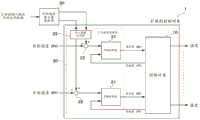
图1是本实施方式的控制系统的框图。FIG. 1 is a block diagram of a control system according to the present embodiment.
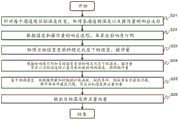
图2是干扰响应设计处理的流程图。Figure 2 is a flow diagram of the disturbance response design process.
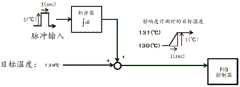
图3是改变目标温度的具体例的说明图。FIG. 3 is an explanatory diagram of a specific example of changing the target temperature.
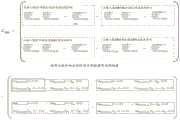
图4是温度影响度行列Ctemp的说明图。FIG. 4 is an explanatory diagram of the temperature influence degree matrix Ctemp .
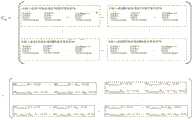
图5是操作量影响度行列Cmv的说明图。FIG. 5 is an explanatory diagram of an operation amount influence degree matrix Cmv .
图6表示温度的输出通道数是5、操作量的输出通道数是3、预测的温度个数是91个(预测到0~90秒)的情况下的已知温度向量Tref和已知操作量向量Mref的构成例。Fig. 6 shows the known temperature vector Tref and the known operation when the number of output channels for temperature is 5, the number of output channels for operation amount is 3, and the number of predicted temperatures is 91 (predicted for 0 to 90 seconds) An example of the configuration of the vectorMref .
图7表示以目标温度修正图案施加的脉冲的个数为50、目标温度的输入通道数为3的情况下的修正量向量θ的构成例。FIG. 7 shows a configuration example of the correction amount vector θ when the number of pulses applied in the target temperature correction pattern is 50 and the number of input channels for the target temperature is 3. FIG.
图8表示目标温度的修正量向量θ*和目标温度的修正图案SVcorrect(INi)(t)的说明图。FIG. 8 is an explanatory diagram showing the correction amount vector θ* of the target temperature and the correction pattern SVcorrect(INi) (t) of the target temperature.
图9是目标值响应设计处理的流程图。FIG. 9 is a flowchart of the target value response design process.
图10表示平均温度算出用的系数向量Kave_at90sec的说明图。FIG. 10 is an explanatory diagram showing the coefficient vectorKave_at90sec for calculating the average temperature.
图11表示15秒以后的工件预测温度向量Tsteady的例子。Figure 11 shows an example of the workpiece predicted temperature vector Tsteady after 15 seconds.
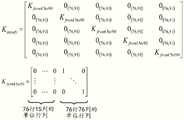
图12表示15秒以后的预测温度向量算出用的系数行列Ksteady的例子。Fig. 12 shows an example of the coefficient sequence Ksteady for calculating the predicted temperature vector after 15 seconds.
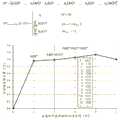
图13是表示本实施方式的控制系统的效果的图。FIG. 13 is a diagram showing the effect of the control system of the present embodiment.
具体实施方式Detailed ways
以下,参照附图说明本发明的实施方式。在以下的实施方式中,说明控制温度的示例,但是也可以除了控制温度以外的物理量。Hereinafter, embodiments of the present invention will be described with reference to the accompanying drawings. In the following embodiments, an example of controlling the temperature will be described, but a physical quantity other than the temperature may be controlled.
(系统构成)(System Components)
图1是本实施方式的控制系统的框图。FIG. 1 is a block diagram of a control system according to the present embodiment.
控制系统1具备控制对象10、多点温度控制器20以及目标温度修正量算出部(控制系统设计装置)30。此外,也可以通过多点温度控制器20和目标温度修正量算出部30,来构成对控制对象10的控制装置或控制系统。The
控制对象10例如具有根据来自多点温度控制器20的操作量而发热的热板和被热板加热的工件。在热板上,设有根据操作量而发热的多个加热器(致动器)。另外,在热板的多个位置设有对温度进行检测的传感器等测定部。在控制系统1中,可以对热板的多点温度进行控制,也可以对工件的多点温度进行控制。此外,不限于发热以及加热,也可以进行冷却。The controlled
多点温度控制器20控制控制对象10的预先设定的点的温度。多点温度控制器20例如针对每个通道,具有PID控制器21和加法器22。另外,多点温度控制器20还具有修正图案适用部23。PID控制器21针对对应的通道,调节对热板等致动器输出的操作量,使得控制对象10的控制量(PV)变成目标值(SV)。PID控制器21的控制参数能够以已知的方法求出。在此,假设处于已经求出了PID控制器21的控制参数,通过PID控制器21能够控制控制对象10的状态,来进行说明。The
加法器22针对对应的通道,求出通过对目标值(SV)和从修正量算出部30输入的目标温度修正图案进行相加而修正的目标温度(修正目标温度),来输出给PID控制器21。修正图案适用部23针对每个通道,保持目标温度的修正量向量,按照预定条件,将基于修正量向量的修正图案输出给各通道的加法器22。在此,预定条件是指例如检测到干扰或检测到目标温度的变更等。The
目标温度修正量算出部(以下,称为“修正量算出部”)30算出改变各通道目标温度的目标温度修正量向量。目标温度修正量向量用于规定沿着时间轴如何改变目标温度,作为要素例如包含脉冲的振幅作为时间序列数据。目标温度修正图案是通过根据目标温度修正量向量而产生的脉冲列来形成的波形。细节后述。The target temperature correction amount calculation unit (hereinafter, referred to as "correction amount calculation unit") 30 calculates a target temperature correction amount vector for changing the target temperature of each channel. The target temperature correction amount vector is used to specify how the target temperature is changed along the time axis, and includes, for example, the amplitude of the pulse as time-series data as an element. The target temperature correction pattern is a waveform formed by a pulse train generated based on the target temperature correction amount vector. Details will be described later.
修正量算出部30算出用于检测干扰时修正目标温度的目标温度修正量向量和用于变更目标温度时修正目标温度的目标温度修正量向量中的任一方或双方。算出方法的细节后述。The correction
修正量算出部30和多点温度控制器20可以是彼此独立的装置。例如,修正量算出部30由个人电脑构成。另外,修正量算出部30除了个人电脑以外,也可以由平板终端或专用装置构成。修正量算出部30具有CPU等处理部、存储时间序列数据的存储部、用于与多点温度控制器20收发数据的接口部。此外,修正量算出部30除了与多点温度控制器20以彼此独立的装置构成以外,还可以与多点温度控制器20一体构成。The correction
(干扰响应设计)(Interference Response Design)
图2是干扰响应设计处理的流程图。Figure 2 is a flow diagram of the disturbance response design process.
首先在步骤S11中,修正量算出部30(例如处理部,以下同样)针对每个通道,使目标温度改变成预先设定的形状,取得各通道的温度和各通道的操作量的响应波形数据(S11)。例如,修正量算出部30取得改变多个输入通道中任意输入通道的目标温度时的、相对于该输入通道变化的操作量时间序列数据和控制对象中多点温度的时间序列数据。修正量算出部30依次变更改变目标温度的输入通道,针对全部输入通道得到操作量和温度的时间序列数据。得到的时间序列数据存储在修正量算出部30的存储部中。此外,步骤S11在PID控制器21稳定控制控制对象10的状态下开始。First, in step S11, the correction amount calculation unit 30 (for example, a processing unit, the same applies hereinafter) changes the target temperature to a preset shape for each channel, and acquires the response waveform data of the temperature of each channel and the operation amount of each channel (S11). For example, the correction
利用更具体的示例来进行说明,修正量算出部30首先利用脉冲来改变输入通道1的目标温度。图3是改变目标温度的具体例的说明图。例如,修正量算出部30对积分器施加脉冲宽度Ts为1秒、脉冲振幅Apulse为1℃的脉冲,将积分器的输出给与加法器22。积分器能够设置在例如修正图案适用部22中。通过积分器的积分动作,例如相对于目标温度130℃,加法器22的输出花费1秒上升到131℃。此外,除了如此地改变目标温度以外,也可以改变成根据目标温度的变化而变化的操作量不饱和这样的、预先设定的适当形状。操作量不饱和这样形状,例如也可以是目标温度的变化不剧烈的形状。To demonstrate using a more specific example, the correction
在本说明书中,将改变输入通道i的目标温度时取得的温度响应数据(时间序列数据)记载为Tempinfluence(OUTj,INi)(t),将操作量响应数据(时间序列数据)记载为MVinfluence(OUTj,INi)(t)。在此,i是施加了脉冲的输入通道编号,例如能够以自然数表示。j是输出通道编号,例如能够以自然数表示。In this specification, the temperature response data (time-series data) obtained when the target temperature of input channel i is changed is described as Tempinfluence(OUTj, INi) (t), and the manipulated variable response data (time-series data) is described as MVinfluence(OUTj, INi) (t). Here, i is the input channel number to which the pulse is applied, and can be represented by a natural number, for example. j is an output channel number, and can be represented by a natural number, for example.
在步骤S12中,修正量算出部30根据温度和操作量的响应波形数据,来构建影响度行列(S12)。In step S12, the correction
更具体地进行说明,修正量算出部30通过在步骤S11中测定出的温度响应波形数据Tempinfluence(OUTj,INi)(t)、脉冲施加前的初期温度Tempinit(OUTj)以及施加了的脉冲振幅APulse,利用以下公式,来算出温度单位脉冲响应Temppulse(OUTj,INi)(t)。More specifically, the correction
【数式1】[Formula 1]


此外,在以下说明中,各记号表示以下的内容。In addition, in the following description, each symbol represents the following content.
M:输入通道数M: Number of input channels
N:输出通道数N: Number of output channels
Ts:脉冲周期(脉冲宽度)Ts: pulse period (pulse width)
kmax:以目标温度修正图案施加的脉冲的个数kmax : the number of pulses applied in the target temperature correction pattern
τ:预测的温度时间间隔τ: predicted temperature interval
lmax:预测的温度数据个数。例如预测到0秒~τ×(lmax-1)秒。lmax : The number of predicted temperature data. For example, 0 seconds to τ×(lmax-1) seconds are predicted.
图4是温度影响度行列Ctemp的说明图。温度影响度行列Ctemp是(lmax×N)行(kmax×M)列的实数常数行列。例如,将以单位脉冲响应的时间序列数据Temppulse(OUT1,IN1)(t)作为要素的列向量配置在图4的矩形框所示的位置,单位脉冲响应的时间序列数据Temppulse(OUT1,IN1)(t)根据使输入通道1的目标温度如步骤S11那样变化时的输出通道1所对应的温度的响应数据而得到的。针对其他的输入通道以及输出通道也同样地配置。此外,在本实施方式中,步骤S11中脉冲为1,即仅输入图4中的第0个脉冲,但是使脉冲在时间方向错开,这使求出的单位脉冲响应的时间序列数据错开修正图案的脉冲周期即可。例如,在图4中,在受到第1个脉冲输入影响的位置,使在受到第0个脉冲输入影响的位置配置的列向量的各要素错开修正图案的脉冲周期即可。例如,在脉冲周期为1秒、预测温度的时间间隔也为1秒的情况下,使在受到第0个脉冲输入影响的位置配置的列向量的各要素向下错开,配置在受到第1个脉冲输入影响的位置即可。FIG. 4 is an explanatory diagram of the temperature influence degree matrix Ctemp . The temperature influence degree matrix Ctemp is a real number constant matrix of (lmax×N) rows (kmax×M) columns. For example, a column vector having the time-series data Temppulse(OUT1 ,IN1) (t) of the unit impulse response as an element is arranged at the position shown by the rectangular frame in FIG. 4, and the time-series data of the unit impulse response Temppulse(OUT1, IN1) (t) is obtained from the response data of the temperature corresponding to the
另外,修正量算出部30通过在步骤S11中测定到的操作量响应MVinfluence(OUTj,INi)(t)、脉冲施加前的初期操作量MVinit(OUTj)以及施加了的脉冲振幅APulse,利用以下公式,来算出操作量单位脉冲响应MVpulse(OUTj,INi)(t)。In addition, the correction
【数式2】[Formula 2]


图5是操作量影响度行列Cmv的说明图。操作量的影响度行列Cmv是(lmax×M)行(kmax×M)列的实数常数行列。单位脉冲响应MVpulse(OUTj,INi)(t)的时间序列数据的配置方法与上述温度影响度行列同样。此外,求出的温度影响度行列以及操作量影响度行列能够存储在修正量算出部30的存储部中。FIG. 5 is an explanatory diagram of an operation amount influence degree matrix Cmv . The influence degree matrix Cmv of the operation amount is a real number constant matrix of (lmax×M) rows and (kmax×M) columns. The method of arranging the time-series data of the unit impulse response MVpulse(OUTj, INi) (t) is the same as the above-mentioned temperature influence degree matrix. In addition, the obtained temperature influence degree matrix and operation amount influence degree matrix can be stored in the storage unit of the correction
在步骤S13中,修正量算出部30针对每个通道,取得施加干扰时的温度时间序列数据Tempref(OUTj)(t)和操作量时间序列数据MVref(OUTj)(S13)。作为干扰(试验干扰),例如将工件载置在热板上,使工件和热板接触。工件的载置例如由操作员进行,也可以自动载置。此外,施加干扰时的温度时间序列数据和操作量时间序列数据能够存储在修正量算出部30的存储部中。In step S13 , the correction
在此,当施加干扰时,也可以暂且减小目标温度之后施加干扰。由此,能够使得施加干扰时输出不饱和,在输出不饱和的状态下,能够得到上述温度时间序列数据和操作量时间序列数据。此外,也可以在之后增大目标温度,来返回到原来的目标温度。换而言之,也可以在暂且减小目标温度后慢慢地增大,以预先设定的图案来改变。Here, when applying disturbance, the disturbance may be applied after reducing the target temperature temporarily. Thereby, the output can be unsaturated when the disturbance is applied, and the above-mentioned temperature time-series data and operation amount time-series data can be obtained in a state where the output is not saturated. In addition, the target temperature may be increased later to return to the original target temperature. In other words, the target temperature may be temporarily decreased, then gradually increased, and may be changed in a preset pattern.
在步骤S14中,修正量算出部30将从工件载置到热板开始到控制量稳定为止的各时刻/各通道的目标温度(SV)的修正量ΔSV(修正量向量)作为未知数,基于在步骤S11以及S13中取得的时间序列数据,来构建过渡状态的温度和操作量的预测式(S14)。In step S14, the correction
具体地,修正量算出部30求出排列了施加了干扰时的多点温度时间序列数据Tempref(OUTj)(t)的已知温度向量Tref。另外,修正量算出部30求出排列了施加了干扰时的操作量时间序列数据MVref(OUTj)(t)的数据的已知操作量向量Mref。图6中表示,温度输出通道数为5、操作量输出通道数为3,预测的温度个数为91个(预测到0~90秒)的情况下的已知温度向量Tref和已知操作量向量Mref的构成例。已知温度向量Tref是持有预测的温度个数:91×温度的输出通道数:5的长度的实数常数所构成的列向量。已知操作量向量Mref是持有预测的温度的个数:91×操作量的输出通道数:3的长度的实数常数所构成的列向量。Specifically, the correction
另外,修正量算出部30定义,在要素中持有每个输入通道的目标温度修正量的时间序列数据的修正量向量(设计参数向量)。图7表示在目标温度修正图案施加的脉冲的个数为50、目标温度的输入通道数为3的情况下的修正量向量θ的构成例。In addition, the correction
此外,能够以如下方式来定义预测温度向量Tforecast以及预测操作量向量Mforecast。Furthermore, the predicted temperature vector Tforecast and the predicted operation amount vector Mforecast can be defined as follows.
【数式3】[Equation 3]
Tforecast=Tref+Ctemp·θTforecast =Tref +Ctemp ·θ
Mforecast=Mref+Cmv·θMforecast = Mref + Cmv ·θ
在上述数式中,当对温度的影响度行列Ctemp乘以目标温度修正量θ时,就可求出温度变动量的预测值。当对温度变动量的预测值和成为参考的干扰响应时的温度进行相加时,就能够求出预测温度Tforecast。对于操作量也是同样的。此外,预测温度向量Tforecast是持有预测的温度的个数:91×温度的输出通道数:5的长度,以为θ变量的列向量。预测操作量向量Mforecast是持有预测的温度的个数:91×操作量的输出通道数:3的长度,以θ为变量的列向量。In the above equation, the predicted value of the temperature fluctuation amount can be obtained bymultiplying the target temperature correction amount ? The predicted temperature Tforecast can be obtained by adding the predicted value of the temperature fluctuation amount and the temperature at the time of the disturbance response serving as a reference. The same is true for the amount of operation. In addition, the predicted temperature vector Tforecast is a column vector holding the number of predicted temperatures: 91 × number of output channels of temperature: 5 of length, as the θ variable. The predicted operand vector Mforecast is the number of temperatures holding the prediction: 91 × the number of output channels of the operand: 3, length, and a column vector with θ as a variable.
在步骤S15中,修正量算出部30例如把将过渡状态的操作量的预测值收敛在操作量的可输出范围内为限制条件(约束条件),进行对过渡状态的温度方差总和进行最小化的带限制优化计算,算出目标温度的修正量ΔSV(修正量向量θ)(S15)。操作量的可输出范围能够根据加热器等致动器的性能而预先设定。另外,此处的方差能够利用对多点预测温度的平均温度的方差。In step S15, the correction
具体地进行说明,以下面的公式表示评价函数以及限制条件。Specifically, the evaluation function and the restriction conditions are represented by the following formulas.
【数式4】[Equation 4]
评价函数:
制约条件:Ain·θ≤AubConstraints: Ain ·θ≤Aub
这是在上述限制条件下对评价函数进行最小化的带条件优化问题。说明评价函数。评价函数在例如对平均温度的方差σ2的总和,温度的输出通道是5个(N=5)的情况下,能够以下面的公式来表示。This is a conditional optimization problem that minimizes the merit function under the above constraints. The evaluation function will be described. The evaluation function can be expressed by the following formula when, for example, the sum of the variances σ2 of the average temperature and the temperature output channels are five (N=5).
【数式5】【Equation 5】
这是以输出通道数来除去(预测温度-预测平均温度)的平方。在此,预测平均温度向量Tave是持有进行预测的温度的个数:91×温度的输出通道数:5的长度的列向量。预测平均温度向量Tave能够以下面公式表示。此外,Kave表示预测的温度个数为91个、温度的输出通道数是5个的示例。This is divided by the number of output channels (predicted temperature - predicted average temperature) squared. Here, the predicted average temperature vector Tave is a column vector with the length of the number of predicted temperatures: 91×the number of output channels of temperature: 5. The predicted average temperature vectorTave can be expressed by the following formula. In addition,Kave represents an example in which the number of predicted temperatures is 91 and the number of output channels of temperature is 5.
【数式6】【Equation 6】
Tave=Kave·TforecastTave = Kave · Tforecast


评价函数F(θ)能够以下这样展开。The evaluation function F(θ) can be developed as follows.
【数式7】【Equation 7】


因此,评价函数F(θ)能够以以下这样表示。Therefore, the evaluation function F(θ) can be expressed as follows.
【数式8】【Equation 8】

其中,in,

下面,说明限制条件。操作量相对于可输出范围,总是为0%~100%的值。限制条件当利用预测操作量向量Mforecast来进行表示时,能够以下这样表示。Next, restrictive conditions will be described. The manipulated variable is always a value from 0% to 100% of the outputtable range. The restriction conditions can be expressed as follows when expressed by the predicted operation amount vector Mforecast .
【数式9】【Equation 9】
e(91×3)·0≤Mforecast≤e(91×3)·1e(91×3) 0≤Mforecast ≤e(91×3) 1
en=[1 … 1]Ten = [1 … 1]T
上述限制条件的式能够以以下这样展开。The expression of the above-mentioned restriction conditions can be developed as follows.
【数式10】【Equation 10】
e(91×3)·0≤Mforecast≤e(91×3)·1e(91×3) 0≤Mforecast ≤e(91×3) 1
e(91×3)·0≤Mref+Cmv·θ≤e(91×3)·1e(91×3) 0≤Mref +Cmv θ≤e(91×3) 1

上式在以下这样,能够表示限制条件。The above formula is as follows, and can express a restriction condition.
【数式11】【Equation 11】
Ain·θ≤Aub (3)Ain ·θ≤Aub (3)
其中,in,

修正量算出部30根据温度影响度行列Ctemp和已知温度向量Tref来算出上述评价函数的参数Q、p以及r。更具体地,修正量算出部30根据温度影响度行列Ctemp和已知温度向量Tref以上述式(2)算出以上述式(1)表示评价函数F(θ)时的参数Q、p以及r。进一步地,修正量算出部30根据操作量影响度行列Cmv和已知操作量向量Mref以上述式(4)算出以上述式(3)表示限制条件时的参数Ain以及Aub。从而,修正量算出部30解开在上述限制条件下对评价函数进行最小化的带条件优化问题。该带条件优化问题是凸二次计划问题,例如能够通过利用二次计划法等已知方法来解开。由此,修正量算出部30能够求出最佳的目标温度修正量θ*。The correction
在步骤S16中,修正量算出部30将目标温度的修正量向量θ*例如输出给多点温度控制器20的修正图案适用部23(S16)。修正图案适用部23存储目标温度的修正量向量θ*。In step S16 , the correction
通过以上处理,能够求出被施加了干扰的情况下所适用的修正量向量。Through the above processing, it is possible to obtain a correction amount vector to be applied when disturbance is applied.
下面,说明利用了目标温度的修正图案的控制。Next, the control of the correction pattern using the target temperature will be described.
求出的目标温度的修正量向量θ*表示输入针对各输入通道的积分器的脉冲列的振幅。在积分器中对各脉冲相加,而从积分器输出目标温度的修正图案。从积分器输出的修正图案(波形)在加法器22中与目标温度(SV)相加,并输出给PID控制器21。The obtained correction amount vector θ* of the target temperature represents the amplitude of the pulse train input to the integrator for each input channel. The pulses are added in the integrator, and the correction pattern of the target temperature is output from the integrator. The correction pattern (waveform) output from the integrator is added to the target temperature (SV) in the
图8表示目标温度的修正量向量θ*和目标温度的修正图案SVcorrect(INi)(t)的说明图。针对输入通道1进行说明,将具有h1(0)*~h1(49)*的振幅的50个脉冲输出到与输入通道1对应的积分器。在该例子中,各脉冲的脉冲宽度是1秒,各脉冲上升沿的间隔也是1秒。即,与紧挨着之前的脉冲以及紧挨着之后的脉冲不隔开间隙地输出。在积分器中,得到振幅增减与各个脉冲振幅对应的量的波形。对于其他输入通道也是同样。FIG. 8 is an explanatory diagram showing the correction amount vector θ* of the target temperature and the correction pattern SVcorrect(INi) (t) of the target temperature. For
例如通过检测干扰,对积分器输出上述脉冲列,从积分器对加法器22输出目标温度的修正图案。由此,当施加干扰时,能够适用目标温度的修正图案,来控制控制对象10。此外,干扰的检测可以由修正图案适用部23检测,也可以由其他模块检测,并通知给修正图案适用部23。For example, by detecting the disturbance, the above-mentioned pulse train is output to the integrator, and the correction pattern of the target temperature is output from the integrator to the
这样,当在热板上载置工件时,以根据修正图案调整的目标温度来进行PID控制,能够实现一边将过渡状态的操作量收敛在可输出范围内,一边减小温度偏差的控制。In this way, when the workpiece is placed on the hot plate, PID control is performed at the target temperature adjusted according to the correction pattern, and control can be realized that reduces temperature deviation while converging the operation amount in the transient state within the outputtable range.
(目标值响应设计1)(Target Value Response Design 1)
下面,说明目标值响应的设计和控制。在本实施方式中,能够取代上述干扰响应设计来进行目标值响应设计。Next, the design and control of the target value response will be described. In the present embodiment, the target value response design can be performed instead of the disturbance response design described above.
图9是目标值响应设计处理的流程图。步骤S21~S24与上述干扰响应设计的处理同一或类似。FIG. 9 is a flowchart of the target value response design process. Steps S21 to S24 are the same as or similar to the above-mentioned processing of the interference response design.
在步骤S21中,修正量算出部30(例如处理部,以下同样)针对每个通道把目标温度改变到预先设定的形状,取得各通道的温度和各通道的操作量的响应波形数据(S21)。在步骤S22中,修正量算出部30根据温度和操作量的响应波形数据,来构建影响度行列(S22)。步骤S21以及S22因为与干扰响应设计的步骤S11以及S12同样,所以省略详细说明。In step S21, the correction amount calculation unit 30 (for example, a processing unit, the same applies hereinafter) changes the target temperature to a preset shape for each channel, and acquires the response waveform data of the temperature of each channel and the operation amount of each channel (S21). ). In step S22, the correction
在步骤S23中,修正量算出部30针对每个通道取得在目标温度变更前使温度稳定时的、温度时间序列数据Tempref(OUTj)(t)和操作量时间序列数据MVref(OUTj)(S23)。步骤S23除了使施加干扰的状态还是在目标温度变更前温度稳定了的状态这一点不同之外,与干扰响应设计的步骤S13同样,因此省略详细说明。In step S23, the correction
在步骤S24中,修正量算出部30以从目标温度变更开始到控制量稳定为止的各时刻/各通道的目标温度(SV)的修正量ΔSV为未知数,基于在步骤S21以及S23取得的时间序列数据,来构建过渡状态下的温度和操作量的预测式(S24)。In step S24, the correction
具体地,修正量算出部30求出在目标温度变更前温度稳定时的、排列了多点温度时间序列数据Tempref(OUTj)(t)的已知温度向量Tref。另外,修正量算出部30求出在目标温度变更前温度稳定时的、排列了操作量时间序列数据MVref(OUTj)(t)的数据的已知操作量向量Mref。修正量算出部30定义在要素中持有目标温度修正量的修正量向量(设计参数向量)。此外,对于各向量的求出方法,与干扰响应设计同样。另外,预测温度向量Tforecast以及预测操作量向量Mforecast也能够与干扰响应设计同样地定义。Specifically, the correction
在步骤S25中,修正量算出部30例如把将过渡状态操作量的预测值收敛在操作量的可输出范围内等为限制条件,进行使过渡状态的温度的方差总和最小化的带限制优化计算,算出目标温度的变更量ΔSV(修正量向量θ)(S25)。操作量的可输出范围能够根据加热器等致动器的性能而预先设定。另外,此处的方差能够利用对多点预测温度的平均温度的方差。In step S25 , the correction
在此,作为限制条件,能够规定与操作量的饱和有关的第1限制条件、与最终温度有关的第2限制条件以及与建立时间有关的第3限制条件。此外,也可以排除与建立时间有关的第3限制条件。例如,作为第1限制条件,规定将其收敛在操作量的可输出范围内。另外,作为第2限制条件,规定预先设定的时间多点的平均温度成为目标值或修正目标值。作为第3限制条件,规定多点平均温度在希望的建立时间变成目标值或修正目标值。Here, as the limiting conditions, a first limiting condition concerning the saturation of the manipulated variable, a second limiting condition concerning the final temperature, and a third limiting condition concerning the settling time can be specified. In addition, the third constraint on the setup time can also be excluded. For example, as the first restriction condition, it is stipulated that it should be within the outputtable range of the manipulated variable. In addition, as the second restriction condition, it is prescribed that the average temperature at a plurality of predetermined time points becomes the target value or the corrected target value. As the third restriction condition, it is specified that the multi-point average temperature becomes the target value or the corrected target value at a desired settling time.
更具体地进行说明,以下面公式表示评价函数以及限制条件。More specifically, the evaluation function and the restriction conditions are represented by the following formulas.
【数式12】【Equation 12】
评价函数:Evaluation function:
制约条件:Ain·θ≤AubConstraints: Ain ·θ≤Aub
Aeq·θ=beqAeq ·θ=beq
这是在上述限制条件下对评价函数进行最小化的带条件优化问题。对于评价函数,因为与上述干扰响应设计的评价函数同样,因此省略详细说明。This is a conditional optimization problem that minimizes the merit function under the above constraints. Since the evaluation function is the same as the evaluation function of the above-mentioned disturbance response design, the detailed description is omitted.
下面,说明限制条件。与操作量有关的第1限制条件与上述干扰响应设计的限制条件同样。与最终温度有关的第2限制条件是用于将要控制的各点温度稳定到变更后的目标温度的条件。例如,将变更后的目标温度是120℃,如上述那样进行从0秒到90秒的预测的情况为例来进行说明。例如,使得90秒时刻的各点平均温度变成变更后的目标温度120℃。第2限制条件当利用预测温度向量Tforecast来表示时,能够以以下这样来表示。Next, restrictive conditions will be described. The first constraint on the manipulated variable is the same as the constraint on the disturbance response design described above. The second limiting condition regarding the final temperature is a condition for stabilizing the temperature of each point to be controlled to the changed target temperature. For example, a case where the target temperature after the change is 120° C. and the prediction from 0 seconds to 90 seconds is performed as described above will be described as an example. For example, the average temperature at each point at the time of 90 seconds is set to the target temperature after the change of 120°C. The second constraint condition can be expressed as follows when expressed by the predicted temperature vector Tforecast .
【数式13】【Equation 13】

在此,Kave_at90sec是用于从预测温度向量Tforecast提取90秒时刻的要素的系数向量。图10表示平均温度算出用的系数向量Kave_at90sec的说明图。Here,Kave_at90sec is a coefficient vector for extracting elements at the time of 90 seconds from the predicted temperature vector Tforecast . FIG. 10 is an explanatory diagram showing the coefficient vectorKave_at90sec for calculating the average temperature.
上述第2限制条件的式能够以以下这样展开。The expression of the above-mentioned second constraint can be developed as follows.
【数式14】[Equation 14]
Kave_at90sec·Tforecast=120Kave_at90sec ·Tforecast = 120
Kave_at90sec·(Tref+Ctemp·θ)=120Kave_at90sec ·(Tref +Ctemp ·θ)=120
Kave_at90sec·Ctemp·θ=120-Kave_at90sec·TrefKave_at90sec ·Ctemp ·θ=120-Kave_at90sec ·Tref
能够使上式如以下这样,表示第2限制条件表。The above formula can be expressed as follows to represent the second restriction condition table.
【数式15】【Equation 15】
Aeq·θ=beqAeq ·θ=beq
其中,in,
Aeq=Kave_at90sec·CtempAeq =Kave_at90sec ·Ctemp
beq=120-Kave_at90sec·Trefbeq =120-Kave_at90sec ·Tref
此外,120是变更后的目标温度的示例,能够适当地采用目标温度变更后的最终目标值或修正目标值SVlast。另外,也可以利用在90秒时刻以外想定为稳定状态的适当的时刻t3,平均温度算出用的系数向量能够适当设定,从预测温度向量Tforecast提取想要时刻的要素。作为想定为稳定状态的适当时刻,例如能够采用设计的建立时间以后的任意时刻。In addition, 120 is an example of the target temperature after the change, and the final target value after the change of the target temperature or the corrected target value SVlast can be appropriately used. In addition, the coefficient vector for calculating the average temperature can be appropriately set at an appropriate time t3 other than 90 seconds when the steady state is assumed to be in a stable state, and the element at the desired time can be extracted from the predicted temperature vector Tforecast . As an appropriate time to assume a stable state, for example, an arbitrary time after the designed settling time can be used.
与建立时间有关的第3限制条件是用于在要控制的各点温度所指定的建立时间稳定成目标温度的条件。例如,变更后的目标温度是120℃,到稳定为止的目标时间(建立时间的设计值)为15秒,判断为稳定的条件是各点温度在预定时间以上从120℃收敛在误差为0.1℃以内为示例来进行说明。到稳定为止的时间(建立时间)和判断为稳定的条件能够根据适用的装置和控制对象来适当设定。The third constraint on the settling time is a condition for the settling time specified for the temperature at each point to be controlled to stabilize to the target temperature. For example, the target temperature after the change is 120°C, the target time until stabilization (design value of the settling time) is 15 seconds, and the condition for determining stability is that the temperature at each point converges from 120°C to an error of 0.1°C within a predetermined time or more The following is an example to illustrate. The time until stabilization (setup time) and the conditions for determining stabilization can be appropriately set according to the applicable device and control object.
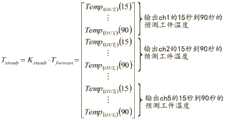
在该示例中,15秒以后的各点(例如,工件上的各点)的预测温度从120℃收敛在误差0.1℃以内即可,因此利用预测温度向量Tforecast来提取15秒以后的工件预测温度向量Tsteady。图11表示15秒以后的工件预测温度向量Tsteady的示例。图12表示15秒以后的预测温度向量算出用的系数行列Ksteady的示例。系数行列Ksteady在该示例中是(76×5)行(91×5)列的实数常数行列。图中的零行列0(m,n)是全部要素为0的m行n列的行列。第3限制条件当利用15秒以后的工件预测温度向量Tsteady来表示时,能够如以下这样表示。In this example, the predicted temperature of each point after 15 seconds (for example, each point on the workpiece) only needs to converge within an error of 0.1°C from 120°C. Therefore, the predicted temperature vector Tforecast is used to extract the workpiece forecast after 15 seconds. temperature vector Tsteady . Figure 11 shows an example of the workpiece predicted temperature vector Tsteady after 15 seconds. FIG. 12 shows an example of the coefficient sequence Ksteady for calculating the predicted temperature vector after 15 seconds. The coefficient ranks Ksteady in this example are (76 × 5) rows (91 × 5) columns of real constants. The zero row and column 0(m, n) in the figure is a row and column of m row and n column in which all elements are 0. The third constraint can be expressed as follows when expressed by the workpiece predicted temperature vector Tsteady after 15 seconds.
【数式16】【Equation 16】
e(76×5)·119.9≤Tsteady≤e(76×5)·120.1e(76×5) 119.9≤Tsteady ≤e(76×5) 120.1
另外,上述第3限制条件的数式能够如以下这样展开。In addition, the numerical expression of the said 3rd restriction|limiting condition can be developed as follows.
【数式17】【Equation 17】
e(76×5)·119.9≤Tsteady≤e(76×5)·120.1e(76×5) 119.9≤Tsteady ≤e(76×5) 120.1
e(76×5)·119.9≤Ksteady·Tforecast≤e(76×5)·120.1e(76×5) ·119.9≤Ksteady ·Tforecast ≤e(76×5) ·120.1
e(76×5)·119.9≤Ksteady·(Tref+Ctemp·θ)≤e(76×5)·120.1e(76×5) ·119.9≤Ksteady ·(Tref +Ctemp ·θ)≤e(76×5) ·120.1

即,第1限制条件~第3限制条件如以下这样。That is, the first restriction condition to the third restriction condition are as follows.
【数式18】【Equation 18】
对于操作量的饱和(第1制约条件)Saturation for the manipulated variable (first constraint)

最终温度(第2制约条件)Final temperature (2nd constraint)
Aeq·θ=beqAeq ·θ=beq
建立条件(第3制约条件)Establishment conditions (third constraint)

当总结以上第1限制条件~第3限制条件时,以以下这样表示。When summarizing the above-mentioned first to third restrictive conditions, they are expressed as follows.
【数式19】【Equation 19】


修正量算出部30根据温度影响度行列Ctemp和已知温度向量Tref算出上述评价函数的参数Q、p以及r。具体地,修正量算出部30根据温度影响度行列Ctemp和已知温度向量Tref在干扰响应设计说明中表示的上述式(2)算出以干扰响应设计说明中表示的上述式(1)表示评价函数F(θ)时的参数Q、p以及r。进一步地,修正量算出部30根据操作量影响度行列Cmv、温度影响度行列Ctemp、已知操作量向量Mref以及已知温度向量Tref根据上述式(6)算出以上述式(5)表示限制条件时的参数Ain、Aub、Aeq以及beq。The correction
从而,修正量算出部30在上述限制条件下解开对评价函数进行最小化的带条件优化问题。该带条件优化问题是凸二次计划问题,例如能够利用二次计划法等已知方法来解开。由此,修正量算出部30能够求出最优的目标温度修正量θ*。Therefore, the correction
在步骤S26中,修正量算出部30将算出的修正量向量θ*例如输出给多点温度控制器20的修正图案适用部23(S26)。In step S26 , the correction
在修正图案适用部23中,例如当变更目标温度时(或检测到目标温度的变更时),将以算出的修正量向量θ*的各要素作为振幅的脉冲输出给积分器,从积分器对加法器输出目标温度的修正图案。基于算出的修正量向量θ*的目标温度的修正图案的构成等与上述干扰响应设计同样。For example, when the target temperature is changed (or when a change in the target temperature is detected), the correction
这样,当变更目标温度时,以通过修正图案调整的目标温度进行PID控制,能够实现一边将过渡状态的操作量收纳在可输出范围内,一边减小温度偏差的控制。In this way, when the target temperature is changed, PID control is performed at the target temperature adjusted by the correction pattern, and control can be realized that reduces the temperature deviation while keeping the operation amount of the transient state within the outputtable range.
(目标值响应设计2)(Target Value Response Design 2)
下面,说明目标值响应设计的另一个示例。可以如下述这样设置上述目标值响应设计1的评价函数以及限制条件。其他处理与上述目标值响应设计1同样。Next, another example of a target value response design is described. The evaluation function and constraint conditions of the above-mentioned target
在本设计例中,作为评价函数,采用要控制的各点温度的距离平均温度的最大温差幅度d,对其进行最小化。距离平均温度的最大温差幅度是指控制对象中多点各预测温度与多点平均温度的差幅(差的绝对值)的最大值。换而言之,对平均温度的各点温度的偏差进行最小化。In this design example, as the evaluation function, the maximum temperature difference width d from the average temperature of the temperature of each point to be controlled is used and minimized. The maximum temperature difference width from the average temperature refers to the maximum value of the difference width (absolute value of the difference) between each predicted temperature at multiple points in the control object and the average temperature at multiple points. In other words, the deviation of the temperature at each point of the average temperature is minimized.
作为限制条件,除了与操作量的饱和有关的第1限制条件、与最终温度有关的第2限制条件以及与建立时间有关的第3限制条件,还规定与距离平均温度的温差有关的第4限制条件。此外,还可以排除与建立时间有关的第3限制条件。例如,第1限制条件~第3限制条件与目标值响应设计1同样。作为第4限制条件,规定距离进行要控制的各点平均温度的温差En是±d℃以内。As constraints, in addition to the first constraint related to the saturation of the manipulated variable, the second constraint related to the final temperature, and the third constraint related to the settling time, a fourth constraint related to the temperature difference from the average temperature is also specified condition. In addition, the third limitation related to the setup time can also be excluded. For example, the first to third constraints are the same as the target
更具体地说明,以下面公式表示评价函数以及限制条件。More specifically, the evaluation function and the restriction conditions are expressed by the following formulas.
【数式20】【Equation 20】
评价函数:F(φ)=cT·φEvaluation function: F(φ)=cT ·φ
制约条件:Ain·φ≤AubConstraints: Ain ·φ≤Aub
Aeq·φ=beqAeq ·φ=beq
说明评价函数,预先将距离要控制的各点平均温度的最大温差幅度作为d℃(d为0以上)。另外,将设计参数作为以修正量向量θ和最大温差幅度d构成的向量
【数式21】【Equation 21】

F(φ)=cT·φF(φ)=cT ·φ
其中,in,

说明下面限制条件。与操作量有关的第1限制条件、与最终温度有关的第2限制条件、与建立时间有关的第3限制条件与上述目标值响应设计1中对应的限制条件同样。以下说明第4限制条件。距离要控制的各点平均温度的预测温差向量En是具有要预测的数据数91×输出通道数5的长度的列向量,能够以以下这样表示。The following restrictions are described. The first constraint on the manipulated variable, the second constraint on the final temperature, and the third constraint on the settling time are the same as those corresponding to the target
【数式22】【Equation 22】
En=Tforecast-TaveEn =Tforecast -Tave
=(I(91×5)-Kave)·Tforecast=(I(91×5) -Kave )·Tforecast
=Ten·(Tref+Ctemp·θ)=Ten ·(Tref +Ctemp ·θ)
其中,in,
Ten=(I(91×5)-Kave)Ten = (I(91×5) -Kave )
此外,Kave与在干扰响应设计中说明过的相同。距离要控制的各点平均温度的温差En在±d℃以内的第4限制条件能够以以下那样表示。In addition,Kave is the same as described in the design of disturbance response. The fourth restriction condition that the temperature differenceEn from the average temperature of each point to be controlled is within ±d°C can be expressed as follows.
【数式23】【Equation 23】
e(91×5)·(-d)≤En≤e(91×5)·de(91×5) ·(-d)≤En ≤e(91×5) ·d
另外,上述第4限制条件的数式能够以以下这样展开。In addition, the numerical expression of the said 4th restriction|limiting condition can be developed as follows.
【数式24】【Equation 24】
e(91×5)·(-d)≤En≤e(91×5)·de(91×5) ·(-d)≤En ≤e(91×5) ·d
e(91×5)·(-d)≤Ten·(Tref+Ctemp·θ)≤e(91×5)·de(91×5) ·(-d)≤Ten ·(Tref +Ctemp ·θ)≤e(91×5) ·d
由此,thus,

总结以上第1限制条件~第4限制条件,如以下这样。The above-described first to fourth constraints are summarized as follows.
【数式25】【Equation 25】

因此,能够以如下这样表示第1限制条件~第4限制条件。Therefore, the first to fourth constraints can be expressed as follows.
【数式26】【Equation 26】

其中,in,

修正量算出部30根据操作量影响度行列Cmv、温度影响度行列Ctemp、已知操作量向量Mref以及已知温度向量Tref以上述式(8)算出以上述式(7)表示限制条件时的参数Ain、Aub、Aeq以及beq。之后,修正量算出部30通过解开优化问题,能够求出最优的目标温度修正量θ*。该优化问题是线性计划问题,能够利用已知的方法来解开。The correction
(效果)(Effect)
图13是表示本实施方式的控制系统(干扰响应设计时)的效果的图。图13(a)表示修正图案适用前的响应波形(w11~w15),图13(b)表示适用修正图案的情况的响应波形(w21~w25)。图13(c)表示适用修正图案的情况的操作量的变化(ch1~ch3)。在图13(a)以及图13(b)中,纵轴表示工件的各点温度平均值和各点温差(℃),横轴表示从将工件载置到热板开始的经过时间(秒)。在图13(c)中,纵轴以将各通道的操作量最大输出作为100的比例(%)来进行表示,横轴表示从将工件置載到热板开始的经过时间。FIG. 13 is a diagram showing the effect of the control system according to the present embodiment (at the time of disturbance response design). FIG. 13( a ) shows the response waveforms ( w11 to w15 ) before the correction pattern is applied, and FIG. 13( b ) shows the response waveforms ( w21 to w25 ) when the correction pattern is applied. FIG. 13( c ) shows changes (ch1 to ch3) of the operation amount when the correction pattern is applied. In FIGS. 13( a ) and 13 ( b ), the vertical axis represents the average temperature at each point of the workpiece and the temperature difference (° C.) at each point, and the horizontal axis represents the elapsed time (seconds) since the workpiece was placed on the hot plate. . In FIG. 13( c ), the vertical axis represents the ratio (%) with the maximum output of the operation amount of each channel as 100, and the horizontal axis represents the elapsed time since the workpiece was placed on the hot plate.
图13(a)与例如在上述步骤S13中得到的波形相当,图13(b)与表示适用了基于在上述步骤S15中求出的目标温度修正量向量的修正图案时的波形相当。FIG. 13( a ) corresponds to, for example, the waveform obtained in the above step S13 , and FIG. 13( b ) corresponds to the waveform when the correction pattern based on the target temperature correction amount vector obtained in the above step S15 is applied.
从图13(a)以及图13(b)可知,当适用在本实施方式得到的修正图案时,能够抑制在各点的温度偏差。另外,如图13(c)所示,操作量在0~100%之间变化,图13(b)所示那样的响应不仅能够模拟,还能够在实际的系统中得到。As can be seen from FIGS. 13( a ) and 13 ( b ), when the correction pattern obtained in the present embodiment is applied, the temperature variation at each point can be suppressed. In addition, as shown in FIG. 13( c ), the manipulated variable is changed between 0 and 100%, and the response shown in FIG. 13( b ) can be obtained not only in simulation but also in an actual system.
(变形例)(Variation)
此外,在上述实施方式中分别说明了干扰响应设计和目标值响应设计,也可以将各设计的一部分适用于其他设计。例如,可以将目标值响应设计的限制条件的一部分适用于干扰响应设计。另外,在上述实施方式中,说明了取代干扰响应设计以及控制而进行目标值响应设计以及控制的示例,但是可以组合二者。例如,也可以构成为,当适用通过目标值响应设计求出的修正量向量(修正图案)来控制控制对象10时,加上通过干扰响应设计求出的修正量向量(修正图案)。该情况下,该干扰响应设计可以在适用通过目标值响应设计求出的修正量向量(修正图案)的控制处于稳定状态时执行。In addition, in the above embodiment, the disturbance response design and the target value response design have been described separately, but a part of each design may be applied to other designs. For example, a portion of the constraints of a target value response design can be applied to a disturbance response design. In addition, in the above-described embodiment, the example in which the target value response design and control are performed instead of the disturbance response design and control has been described, but the two may be combined. For example, when the
在上述示例中,以温度为例进行了说明,但是也可以控制温度以外的物理量。该情况下,上述目标温度与目标值对应,热板与适当的致动器对应。另外,还能够适用于具有热板和工件的构成以外的构成。In the above example, the temperature is used as an example, but it is also possible to control a physical quantity other than the temperature. In this case, the above-mentioned target temperature corresponds to the target value, and the hot plate corresponds to an appropriate actuator. Moreover, it can also apply to the structure other than the structure which has a hot plate and a workpiece.
上述处理也能够作为处理部执行的控制系统设计方法来实现。另外,能够通过包括用于使处理部执行上述处理命令的程序或程序介质、存储该程序的计算机能够读取的记录介质以及永久记录介质等来实现。The above-described processing can also be realized as a control system design method executed by the processing unit. In addition, it can be realized by including a program or a program medium for causing the processing unit to execute the above-described processing commands, a computer-readable recording medium storing the program, a permanent recording medium, and the like.
(构成例)(Configuration example)
在上述实施方式中列举具体数式为例来进行了说明,但是本实施方式的装置以及系统可以以以下这样的方式构成。In the above-mentioned embodiment, the specific numerical formula is taken as an example and described, but the apparatus and system of the present embodiment may be configured as follows.
[构成例1][Configuration example 1]
一种控制系统设计装置,对多点控制系统设计预先设定的目标值的修正量,上述多点控制系统对控制对象中多点温度进行控制,按照根据所给与的修正量修正上述目标值而得到的修正目标值,来对控制对象进行控制,其中,A control system design device is used to design a correction amount of a preset target value for a multi-point control system, the multi-point control system controls the temperature of multiple points in a control object, and corrects the above-mentioned target value according to the given correction amount. And the obtained corrected target value is used to control the control object, wherein,
具备算出上述目标值的修正量的修正量算出部,a correction amount calculation unit for calculating the correction amount of the target value,
上述修正量算出部:The above correction amount calculation section:
取得依次改变多个输入通道的目标值时的、相对于各输入通道变化的操作量时间序列数据和控制对象中多点温度时间序列数据,When the target values of multiple input channels are sequentially changed, the time-series data of the operation amount changed with respect to each input channel and the time-series data of the temperature at multiple points in the control object are obtained,
求出基于该操作量时间序列数据而求出的排列了操作量的单位脉冲响应的时间序列数据的操作量影响度行列Cmv、和基于上述多点温度时间序列数据而求出的排列了温度单位脉冲响应的时间序列数据的温度影响度行列Ctemp,Obtain the operation variable influence degree matrix Cmv of the time series data of the unit impulse responses of the operation variables arranged based on the operation variable time series data, and the arranged temperature obtained based on the multi-point temperature time series data. The temperature influence degree ranks Ctemp of the time series data of the unit impulse response,
取得施加试验干扰时的操作量时间序列数据和上述多点温度时间序列数据,Obtain the time-series data of the operation amount and the above-mentioned multi-point temperature time-series data when the test disturbance is applied,
求出排列了施加试验干扰时的操作量时间序列数据的已知操作量向量Mref和排列了施加试验干扰时的多点温度时间序列数据的已知温度向量Tref,Obtain the known operation variable vector Mref in which the time series data of the operation amount when the test disturbance is applied and the known temperature vector Tref in which the multi-point temperature time series data when the test disturbance is applied are arranged,
将进行最小化的评价函数作为基于对控制对象的上述多点预测温度的平均温度的方差的函数,根据温度影响度行列Ctemp和已知温度向量Tref算出该评价函数的参数,The evaluation function to be minimized is used as a function based on the variance of the average temperature of the above-mentioned multi-point predicted temperature of the control object, and the parameters of the evaluation function are calculated according to the temperature influence degree matrix Ctemp and the known temperature vector Tref ,
将限制条件作为操作量收敛在预先设定的范围,根据操作量影响度行列Cmv和已知操作量向量Mref算出该限制条件的参数,Taking the constraint condition as an operation variable to converge in a preset range, and calculating the parameters of the constraint condition according to the operation variable influence degree matrix Cmv and the known operation variable vector Mref ,
在上述限制条件下,算出对上述评价函数进行最小化的目标值修正量。Under the above-mentioned constraints, the target value correction amount for minimizing the above-mentioned evaluation function is calculated.
[构成例2][Configuration example 2]
在构成例1的控制系统设计装置中,上述修正量算出部:In the control system design device of the configuration example 1, the above-mentioned correction amount calculation unit:
根据温度影响度行列Ctemp和已知温度向量Tref以下面公式(F2)算出以下面公式(F1)表示上述评价函数F(θ)时的参数Q、p以及r,The parameters Q, p and r when the above evaluation function F(θ) is expressed by the following formula (F1) are calculated according to the temperature influence degree row Ctemp and the known temperature vector Tref with the following formula (F2),
根据操作量影响度行列Cmv和已知操作量向量Mref以下面公式(F4)算出以下面公式(F3)表示上述限制条件时的参数Ain以及Aub,The parameters Ain and Aub when the above-mentioned restriction conditions are expressed by the following formula (F3) are calculated according to the following formula (F4) according to the row and column Cmv of the operation quantity influence degree and the known operation quantity vector Mref ,
通过以预先设定的手法解开以上述评价函数和上述限制条件表示的凸二次计划问题,来算出目标值的修正量向量θ。The correction amount vector θ of the target value is calculated by solving the convex quadratic programming problem represented by the above-mentioned evaluation function and the above-mentioned constraint condition by a predetermined method.
【数式27】【Equation 27】
其中,in,

Ain·θ≤Aub (F3)Ain ·θ≤Aub (F3)
其中,in,

Ilmax:(lmax×lmax)的单位行列Ilmax : unit row and column of (lmax ×lmax )
e0:是lmax×输入通道数的向量,各要素1的向量e0 : a vector of lmax × number of input channels, a vector of 1 for each element
lmax:对1输入通道进行预测的温度的时间序列数据数lmax : The number of time series data of temperature predicted for 1 input channel
θ:表示修正量的向量θ: A vector representing the correction amount
N:输出通道数N: Number of output channels
[构成例3][Configuration example 3]
在构成例1或2的控制系统设计装置中,当施加试验干扰时,暂且减小目标温度,之后施加试验干扰。In the control system design device of the configuration example 1 or 2, when the test disturbance is applied, the target temperature is temporarily reduced, and then the test disturbance is applied.
[构成例4][Configuration example 4]
一种控制系统设计装置,对多点控制系统设计预先设定的目标值的修正量,上述多点控制系统对控制对象中多点温度进行控制,按照根据所给与的修正量修正上述目标值而得到的修正目标值,来对控制对象进行控制,其中,A control system design device is used to design a correction amount of a preset target value for a multi-point control system, the multi-point control system controls the temperature of multiple points in a control object, and corrects the above-mentioned target value according to the given correction amount. And the obtained corrected target value is used to control the control object, wherein,
具备算出上述目标值的修正量的修正量算出部,a correction amount calculation unit for calculating the correction amount of the target value,
上述修正量算出部:The above correction amount calculation section:
取得依次改变多个输入通道目标值时的、相对于各输入通道变化的操作量时间序列数据和控制对象中多点温度时间序列数据,Obtain the time-series data of the operation amount changed with respect to each input channel when the target values of multiple input channels are changed in sequence, and the time-series data of the temperature at multiple points in the control object,
求出基于该操作量时间序列数据而求出的排列了操作量单位脉冲响应的时间序列数据的操作量的影响度行列Cmv、和基于上述多点温度时间序列数据而求出的排列了温度单位脉冲响应的时间序列数据的温度的影响度行列Ctemp,The influence degree matrix Cmv of the manipulated variable in the time-series data of the manipulated variable unit impulse response is determined based on the manipulated variable time-series data, and the arrayed temperature determined based on the multi-point temperature time-series data is obtained. The influence degree of the temperature of the time series data of the unit impulse response ranks Ctemp ,
取得给与并控制预定目标值的稳定状态下的操作量时间序列数据和上述多点温度时间序列数据,Obtaining the time-series data of the operation amount and the above-mentioned multi-point temperature time-series data in the steady state given and controlling the predetermined target value,
求出排列了该稳定状态下的操作量时间序列数据的已知操作量向量Mref和排列了该稳定状态下的上述多点温度时间序列数据的已知温度向量Tref,Obtain the known operation quantity vector Mref in which the operation quantity time-series data in the stable state are arranged, and the known temperature vector Tref in which the above-mentioned multi-point temperature time-series data in the stable state are arranged,
将进行最小化的评价函数作为基于对控制对象的上述多点预测温度的平均温度的方差的函数,根据温度的影响度行列Ctemp和已知温度向量Tref算出该评价函数的参数,The evaluation function to be minimized is used as a function of the variance of the average temperature based on the above-mentioned multi-point predicted temperature of the control object, and the parameters of the evaluation function are calculated according to the temperature influence degree matrix Ctemp and the known temperature vector Tref ,
将第1限制条件设为操作量收敛在预先设定的范围,根据操作量影响度行列Cmv和已知操作量向量Mref算出该第1限制条件的参数,The first constraint is that the manipulated variable converges within a preset range, and the parameters of the first constraint are calculated from the manipulated variable influence degree matrix Cmv and the known manipulated variable vector Mref ,
将第2限制条件设为预先设定的时间的上述多点平均温度成为目标值或修正目标值,根据温度影响度行列Ctemp和已知温度向量Tref算出该第2限制条件的参数,The second restriction condition is that the above-mentioned multi-point average temperature for a preset time becomes the target value or the corrected target value, and the parameters of the second restriction condition are calculated from the temperature influence degree matrix Ctemp and the known temperature vector Tref ,
在上述第1限制条件以及第2限制条件下,算出对上述评价函数进行最小化的目标值的修正量。Under the first restriction condition and the second restriction condition, the correction amount of the target value for minimizing the evaluation function is calculated.
[构成例5][Configuration example 5]
在构成例4的控制系统设计装置,上述修正量算出部:In the control system design device of the configuration example 4, the above-mentioned correction amount calculation unit:
将第3限制条件设为上述多点平均温度在想要的建立时间成为目标值或修正目标值,根据温度的影响度行列Ctemp和已知温度向量Tref算出该第3限制条件的参数,The third restriction condition is that the above-mentioned multi-point average temperature becomes the target value or the corrected target value at the desired settling time, and the parameters of the third restriction condition are calculated according to the temperature influence degree matrix Ctemp and the known temperature vector Tref ,
在上述第1限制条件至第3限制条件下,算出对上述评价函数进行最小化的目标值的上述修正量向量θ。The above-mentioned correction amount vector θ of the target value for minimizing the above-mentioned evaluation function is calculated under the above-mentioned first to third restrictive conditions.
[构成例6][Configuration example 6]
在构成例4或5的控制系统设计装置,上述修正量算出部:In the control system design device of the configuration example 4 or 5, the above-mentioned correction amount calculation unit:
根据温度影响度行列Ctemp和已知温度向量Tref以下面公式(F2)算出以下面公式(F1)表示上述评价函数F(θ)时的参数Q、p以及r,The parameters Q, p and r when the above evaluation function F(θ) is represented by the following formula (F1) are calculated by the following formula (F2) according to the temperature influence degree row Ctemp and the known temperature vector Tref ,
根据操作量影响度行列Cmv、温度影响度行列Ctemp、已知操作量向量Mref以及已知温度向量Tref以下面公式(F6)算出以下面公式(F5)表示上述限制条件时的参数Ain、Aub、Aeq以及beq,Based on the operation variable influence degree matrix Cmv , the temperature influence degree matrix Ctemp , the known operation variable vector Mref , and the known temperature vector Tref , the following formula (F6) is used to calculate the parameters when the above-mentioned restriction conditions are expressed by the following formula (F5). Ain , Aub , Aeq andbe eq ,
通过以预先设定的手法解开以上述评价函数和上述限制条件表示的凸二次计划问题,来算出目标值的修正量向量θ。The correction amount vector θ of the target value is calculated by solving the convex quadratic programming problem represented by the above-mentioned evaluation function and the above-mentioned constraint condition by a predetermined method.
【数式28】【Equation 28】

其中,in,


其中,in,

Kt1_to_t2:用于提取从时刻t1到t2的要素的系数行列Kt1_to_t2 : the coefficient row for extracting elements from time t1 to t2
SVp:稳判断定的目标值的上限值SVp: Upper limit of target value for stability judgment
SVn:判断稳定的目标值的下限值SVn: The lower limit of the target value for judging stability
e1:是lmax×输入通道数的向量,各要素为1的向量e1 : is a vector of lmax × the number of input channels, and each element is a vector of 1
lmax:对1输入通道预测的温度的时间序列数据数lmax : Number of time series data for temperature predicted for 1 input channel
e3:是(lmax-z)×输出通道数的向量,各要素为1的向量e3 : is a vector of (lmax-z )×the number of output channels, and each element is a vector of 1
z:与到建立时间为止的数据数相当的数z: A number equivalent to the number of data up to the setup time
θ:表示修正量的向量θ: A vector representing the correction amount
N:输出通道数N: Number of output channels
0(x,y):在0满足对应的行以及列的x行y列的行列或向量0(x, y) : A row-column or vector of x-column y-column that satisfies the corresponding row and column at 0
SVlast:目标温度变更后的最终的目标值或修正目标值SVlast : Final target value or corrected target value after target temperature change
Kt3:用于提取时刻t3的要素的系数向量Kt3 : coefficient vector for extracting elements at time t3
[构成例7][Configuration example 7]
一种控制系统设计装置,对多点控制系统设计预先设定的目标值的修正量,上述多点控制系统对控制对象中多点温度进行控制,按照根据所给与的修正量修正上述目标值而得到的修正目标值,来对控制对象进行控制,其中,A control system design device is used to design a correction amount of a preset target value for a multi-point control system, the multi-point control system controls the temperature of multiple points in a control object, and corrects the above-mentioned target value according to the given correction amount. And the obtained corrected target value is used to control the control object, wherein,
上述修正量算出部:The above correction amount calculation section:
取得依次改变多个输入通道目标值时的、相对于各输入通道变化的操作量时间序列数据和控制对象中多点温度时间序列数据,Obtain the time-series data of the operation amount changed with respect to each input channel when the target values of multiple input channels are changed in sequence, and the time-series data of the temperature at multiple points in the control object,
求出基于该操作量时间序列数据而求出的排列了操作量单位脉冲响应的时间序列数据的操作量影响度行列Cmv和基于上述多点温度时间序列数据而求出的排列了温度单位脉冲响应的时间序列数据的温度影响度行列Ctemp,The manipulated variable influence degree matrix Cmv of the time-series data in which the manipulated variable unit impulse responses are arranged based on the manipulated variable time-series data, and the arrayed temperature unit pulses determined on the basis of the above-mentioned multi-point temperature time-series data are obtained. The temperature influence degree ranks Ctemp of the response time series data,
取得给与并控制预定目标值的稳定状态下的操作量时间序列数据和上述多点温度时间序列数据,Obtaining the time-series data of the operation amount and the above-mentioned multi-point temperature time-series data in the steady state given and controlling the predetermined target value,
求出排列了该稳定状态下的操作量时间序列数据的已知操作量向量Mref和排列了该稳定状态下的上述多点温度时间序列数据的已知温度向量Tref,Obtain the known operation quantity vector Mref in which the operation quantity time-series data in the stable state are arranged, and the known temperature vector Tref in which the above-mentioned multi-point temperature time-series data in the stable state are arranged,
将进行最小化的评价函数设为控制对象的上述多点各预测温度和上述多点平均温度的差幅的最大值d,Let the evaluation function to be minimized be the maximum value d of the difference width between each predicted temperature of the above-mentioned multi-point and the above-mentioned multi-point average temperature of the control object,
将第1限制条件设为操作量收敛在预先设定的范围,根据操作量影响度行列Cmv和已知操作量向量Mref算出该第1限制条件的参数,The first constraint is that the manipulated variable converges within a preset range, and the parameters of the first constraint are calculated from the manipulated variable influence degree matrix Cmv and the known manipulated variable vector Mref ,
将第2限制条件设为预先设定时间的上述多点的平均温度变成目标值或修正目标值,根据温度影响度行列Ctemp和已知温度向量Tref算出该第2限制条件的参数,The second restriction condition is that the average temperature of the above-mentioned multiple points for a preset time becomes the target value or the corrected target value, and the parameters of the second restriction condition are calculated from the temperature influence degree matrix Ctemp and the known temperature vector Tref ,
将第4限制条件设为控制对象的上述多点的各预测温度和上述多点的平均温度的差En成为相对于上述差幅的最大值d变成d以上+d以下,根据温度影响度行列Ctemp和已知温度向量Tref算出该第4限制条件的参数,The fourth constraint is that the difference En between the predicted temperatures at the multiple points to be controlled and the average temperature at the multiple points becomes equal to or greater than d+ d or less with respect to the maximum value d of the difference width, depending on the degree of temperature influence. The parameters of the fourth constraint are calculated from the row and column Ctemp and the known temperature vector Tref ,
在上述第1限制条件、第2限制条件以及第4限制条件下,算出对上述评价函数进行最小化的目标值的修正量。Under the above-mentioned first restriction condition, the second restriction condition, and the fourth restriction condition, the correction amount of the target value which minimizes the evaluation function is calculated.
[构成例8][Configuration example 8]
在构成例7的控制系统设计装置中,上述修正量算出部:In the control system design device of the configuration example 7, the above-mentioned correction amount calculation unit:
将第3限制条件设为上述多点的平均温度在想要的建立时间成为目标值,根据温度的影响度行列Ctemp和已知温度向量Tref算出该第3限制条件的参数,The third constraint condition is that the average temperature of the above-mentioned multiple points becomes the target value at the desired settling time, and the parameters of the third constraint condition are calculated according to the temperature influence degree matrix Ctemp and the known temperature vector Tref ,
在上述第1限制条件至第4限制条件下,算出对上述评价函数进行最小化的目标值的上述修正量向量θ。The above-mentioned correction amount vector θ of the target value for minimizing the above-mentioned evaluation function is calculated under the above-mentioned first to fourth restrictive conditions.
[构成例9][Configuration Example 9]
构成例8所述的控制系统设计装置基于构成例7或8的控制系统设计装置中,上述修正量算出部:The control system design device according to the configuration example 8 is based on the control system design device according to the configuration example 7 or 8, wherein the correction amount calculation unit:
根据操作量影响度行列Cmv、温度影响度行列Ctemp、已知操作量向量Mref以及已知温度向量Tref以下面公式(F8)算出以下面公式(F7)表示上述限制条件时的参数Ain、Aub、Aeq以及beq,Based on the operation variable influence degree matrix Cmv , the temperature influence degree matrix Ctemp , the known operation variable vector Mref , and the known temperature vector Tref , the following formula (F8) is used to calculate the parameters when the above-mentioned restriction conditions are expressed by the following formula (F7). Ain , Aub , Aeq andbe eq ,
通过以预先设定的手法解开以上述评价函数和上述限制条件表示的线性计划问题,来算出目标值的修正量向量θ。The correction amount vector θ of the target value is calculated by solving the linear programming problem represented by the above-mentioned evaluation function and the above-mentioned constraint condition by a predetermined method.
【数式29】【Equation 29】
F(φ)=cT·φF(φ)=cT ·φ
其中,in,


其中,in,

SVp:判断稳定的目标值的上限值SVp : The upper limit value of the target value for judging stability
SVn:判断稳定的目标值的下限值SVn : The lower limit of the target value for judging stability
e1:是lmax×输入通道数的向量,各要素为1的向量e1 : is a vector of lmax × the number of input channels, and each element is a vector of 1
lmax:对1输入通道预测的温度的时间序列数据数lmax : Number of time series data for temperature predicted for 1 input channel
e3:是(lmax-z)×输出通道数的向量,各要素为1的向量e3 : is a vector of (lmax-z)×the number of output channels, and each element is a vector of 1
z:与到建立时间为止的数据数相当的数z: A number equivalent to the number of data up to the setup time
e4:是lmax×输出通道数的向量,各要素为1的向量e4 : is a vector of lmax×number of output channels, and each element is a vector of 1
θ:表示修正量的向量θ: A vector representing the correction amount
N:输出通道数N: Number of output channels
0(x,y):在0满足对应的行以及列的x行y列的行列或向量0(x, y) : A row-column or vector of x-column y-column that satisfies the corresponding row and column at 0
Ilmax:(lmax×lmax)的单位行列Ilmax : unit row and column of (lmax ×lmax )
SVlast:目标温度变更后的最终的目标值或修正目标值SVlast : Final target value or corrected target value after target temperature change
Kt3:用于提取时刻t3的要素的系数向量Kt3 : coefficient vector for extracting elements at time t3
[构成例10][Configuration Example 10]
一种控制系统,具备:控制器,其控制控制对象中多点温度,按照根据所给与的修正量修正预先设定的目标值而得到的修正目标值,来对控制对象进行控制;构成例1至3中任一项所述的控制系统设计装置;修正图案适用部,其在检测干扰时输出基于以上述控制系统设计装置算出的修正量的修正图案;以及加法器,其加上预先设定的上述目标值和来自上述修正图案适用部的修正图案,求出上述修正目标值并给与上述控制器。A control system, comprising: a controller that controls the temperature of multiple points in a control object, and controls the control object according to a correction target value obtained by correcting a preset target value according to a given correction amount; The control system design device according to any one of 1 to 3; a correction pattern application unit that outputs a correction pattern based on the correction amount calculated by the control system design device when detecting a disturbance; and an adder that adds a preset Based on the predetermined target value and the correction pattern from the correction pattern applying unit, the correction target value is obtained and given to the controller.
[构成例11]一种控制系统,具备:[Configuration Example 11] A control system including:
控制器,其对控制对象中多点温度进行控制,按照根据所给与的修正量修正预先设定的目标值而得到的修正目标值,来对控制对象进行控制;a controller, which controls the temperature of multiple points in the control object, and controls the control object according to the correction target value obtained by correcting the preset target value according to the given correction amount;
根据构成例4至9中任一项所述的控制系统设计装置;The control system design device according to any one of Configuration Examples 4 to 9;
修正图案适用部,其在检测到目标温度的变更时或变更目标温度时输出基于以上述控制系统设计装置算出的修正量的修正图案;以及a correction pattern application unit that outputs a correction pattern based on the correction amount calculated by the control system design device when a change in the target temperature is detected or when the target temperature is changed; and
加法器,其加上预先设定的上述目标值和来自上述修正图案适用部的修正图案,求出上述修正目标值并给与上述控制器。An adder adds the preset target value and the correction pattern from the correction pattern applying unit, obtains the correction target value, and gives it to the controller.
【产业上的利用可能性】【Industrial possibilities】
本发明能够利用于进行多点控制的系统。The present invention can be used in a system that performs multipoint control.
【符号说明】【Symbol Description】
1控制系统;10控制对象;20多点温度控制器;21PID控制器;22加法器;23修正图案适用部;30修正量算出部。1. Control system; 10. Control object; 20. Multi-point temperature controller; 21. PID controller; 22. Adder; 23. Correction pattern application part;
Claims (11)
Translated fromChinese


Applications Claiming Priority (1)
| Application Number | Priority Date | Filing Date | Title |
|---|---|---|---|
| PCT/JP2017/019974WO2018220690A1 (en) | 2017-05-29 | 2017-05-29 | Control system design device and control system |
Publications (2)
| Publication Number | Publication Date |
|---|---|
| CN110678823Atrue CN110678823A (en) | 2020-01-10 |
| CN110678823B CN110678823B (en) | 2021-06-25 |
Family
ID=64455236
Family Applications (1)
| Application Number | Title | Priority Date | Filing Date |
|---|---|---|---|
| CN201780091334.6AActiveCN110678823B (en) | 2017-05-29 | 2017-05-29 | Control system design device and control system |
Country Status (4)
| Country | Link |
|---|---|
| JP (1) | JP6985623B2 (en) |
| KR (1) | KR102404877B1 (en) |
| CN (1) | CN110678823B (en) |
| WO (1) | WO2018220690A1 (en) |
Families Citing this family (5)
| Publication number | Priority date | Publication date | Assignee | Title |
|---|---|---|---|---|
| CN113419584B (en)* | 2021-07-21 | 2022-05-20 | 中国人民解放军63798部队 | A rapid recovery method of rocket fairing inner environment based on model predictive control |
| CN117111478B (en)* | 2023-10-20 | 2024-03-01 | 山东暖谷新能源环保科技有限公司 | Air inlet heat insulation control system and method of warm air furnace |
| CN117130415B (en)* | 2023-10-27 | 2024-01-02 | 四川信特农牧科技有限公司 | Warehouse management method and system |
| CN117236084B (en)* | 2023-11-16 | 2024-02-06 | 青岛永强木工机械有限公司 | Intelligent management method and system for woodworking machining production |
| CN118867449B (en)* | 2024-07-04 | 2025-09-05 | 山东绿能环宇低碳科技有限公司 | A method for detecting and protecting abnormal temperature of a battery module |
Citations (14)
| Publication number | Priority date | Publication date | Assignee | Title |
|---|---|---|---|---|
| JP2003510676A (en)* | 1999-09-23 | 2003-03-18 | ケイアイシー サーマル プロファイリング インコーポレイテッド | Method and apparatus for controlling temperature response of components in a conveyorized thermal processor |
| US20060161365A1 (en)* | 2004-10-13 | 2006-07-20 | Omron Corporation | Temperature control method and apparatus |
| CN101162396A (en)* | 2007-09-11 | 2008-04-16 | 中控科技集团有限公司 | Temperature control method and temperature control system |
| US20100030395A1 (en)* | 2008-08-02 | 2010-02-04 | Susumu Shimotono | Heat Dissipation System for Computers |
| CN101751051A (en)* | 2008-12-05 | 2010-06-23 | 中国科学院沈阳自动化研究所 | Cement decomposing furnace temperature control method based on constraint smith GPC |
| CN102654750A (en)* | 2011-02-16 | 2012-09-05 | 阿自倍尔株式会社 | Controlling device and controlling method |
| CN103389749A (en)* | 2013-07-01 | 2013-11-13 | 浙江大学 | Temperature control system |
| CN104956280A (en)* | 2012-09-13 | 2015-09-30 | 西门子公司 | Social learning softthermostat for commercial buildings |
| JP2016082709A (en)* | 2014-10-16 | 2016-05-16 | 日産自動車株式会社 | Induction motor control device |
| CN105807812A (en)* | 2014-12-30 | 2016-07-27 | 中核控制系统工程有限公司 | PID temperature control method and temperature control module |
| US9435708B1 (en)* | 2015-06-16 | 2016-09-06 | Magcanica, Inc. | Devices and methods to enhance accuracy of magnetoelastic torque sensors |
| CN205721435U (en)* | 2016-06-25 | 2016-11-23 | 淮阴师范学院 | A kind of thermostat temperature control system |
| CN106529185A (en)* | 2016-11-24 | 2017-03-22 | 西安科技大学 | Historic building displacement combined prediction method and system |
| CN106548696A (en)* | 2016-10-21 | 2017-03-29 | 中国海洋石油总公司 | A kind of simulation greenhouse gases generating meanss |
Family Cites Families (5)
| Publication number | Priority date | Publication date | Assignee | Title |
|---|---|---|---|---|
| JP3219245B2 (en)* | 1998-08-13 | 2001-10-15 | 株式会社日立国際電気 | Temperature control simulation method and temperature control simulation device |
| JP2000068466A (en)* | 1999-07-01 | 2000-03-03 | Seiko Epson Corp | Semiconductor storage device |
| JP3834216B2 (en)* | 2000-09-29 | 2006-10-18 | 株式会社日立国際電気 | Temperature control method |
| JP4839702B2 (en) | 2005-07-04 | 2011-12-21 | オムロン株式会社 | Temperature control method, adjustment device, temperature controller, program, recording medium, and heat treatment device |
| JP2008299697A (en) | 2007-06-01 | 2008-12-11 | Omron Corp | Control method, temperature control method, correction device, temperature adjuster, and program |
- 2017
- 2017-05-29JPJP2019521553Apatent/JP6985623B2/enactiveActive
- 2017-05-29CNCN201780091334.6Apatent/CN110678823B/enactiveActive
- 2017-05-29WOPCT/JP2017/019974patent/WO2018220690A1/ennot_activeCeased
- 2017-05-29KRKR1020197038039Apatent/KR102404877B1/enactiveActive
Patent Citations (14)
| Publication number | Priority date | Publication date | Assignee | Title |
|---|---|---|---|---|
| JP2003510676A (en)* | 1999-09-23 | 2003-03-18 | ケイアイシー サーマル プロファイリング インコーポレイテッド | Method and apparatus for controlling temperature response of components in a conveyorized thermal processor |
| US20060161365A1 (en)* | 2004-10-13 | 2006-07-20 | Omron Corporation | Temperature control method and apparatus |
| CN101162396A (en)* | 2007-09-11 | 2008-04-16 | 中控科技集团有限公司 | Temperature control method and temperature control system |
| US20100030395A1 (en)* | 2008-08-02 | 2010-02-04 | Susumu Shimotono | Heat Dissipation System for Computers |
| CN101751051A (en)* | 2008-12-05 | 2010-06-23 | 中国科学院沈阳自动化研究所 | Cement decomposing furnace temperature control method based on constraint smith GPC |
| CN102654750A (en)* | 2011-02-16 | 2012-09-05 | 阿自倍尔株式会社 | Controlling device and controlling method |
| CN104956280A (en)* | 2012-09-13 | 2015-09-30 | 西门子公司 | Social learning softthermostat for commercial buildings |
| CN103389749A (en)* | 2013-07-01 | 2013-11-13 | 浙江大学 | Temperature control system |
| JP2016082709A (en)* | 2014-10-16 | 2016-05-16 | 日産自動車株式会社 | Induction motor control device |
| CN105807812A (en)* | 2014-12-30 | 2016-07-27 | 中核控制系统工程有限公司 | PID temperature control method and temperature control module |
| US9435708B1 (en)* | 2015-06-16 | 2016-09-06 | Magcanica, Inc. | Devices and methods to enhance accuracy of magnetoelastic torque sensors |
| CN205721435U (en)* | 2016-06-25 | 2016-11-23 | 淮阴师范学院 | A kind of thermostat temperature control system |
| CN106548696A (en)* | 2016-10-21 | 2017-03-29 | 中国海洋石油总公司 | A kind of simulation greenhouse gases generating meanss |
| CN106529185A (en)* | 2016-11-24 | 2017-03-22 | 西安科技大学 | Historic building displacement combined prediction method and system |
Non-Patent Citations (2)
| Title |
|---|
| ZHENG YONG-HONG: "Active compensating method of sensitivity temperature drift of convection-based Tilt sensor", 《PROCEEDINGS OF 2011 INTERNATIONAL CONFERENCE ON ELECTRONICS AND OPTOELECTRONICS》* |
| 汪静姝: "光栅刻划机系统辨识及温度影响研究", 《中国博士学位论文全文数据库 工程科技Ⅱ辑》* |
Also Published As
| Publication number | Publication date |
|---|---|
| JPWO2018220690A1 (en) | 2020-03-26 |
| JP6985623B2 (en) | 2021-12-22 |
| KR102404877B1 (en) | 2022-06-07 |
| CN110678823B (en) | 2021-06-25 |
| KR20200010482A (en) | 2020-01-30 |
| WO2018220690A1 (en) | 2018-12-06 |
Similar Documents
| Publication | Publication Date | Title |
|---|---|---|
| CN110678823B (en) | Control system design device and control system | |
| CN104220946B (en) | Volume control device and flow control methods | |
| KR101420920B1 (en) | Control apparatus and control method | |
| US10088811B2 (en) | Variable PID gain design device and method for controlling multi-variable nonlinear system | |
| US10151213B2 (en) | State observer for a steam generator of a thermal power plant | |
| WO2001079942A1 (en) | Controller, temperature regulator and heat treatment apparatus | |
| KR20040042874A (en) | Hybrid Cascade Model-Based Predictive Control System | |
| KR20130089586A (en) | Heat treatment apparatus and method of controlling the same | |
| JP2007011982A (en) | Control method, temperature control method, adjustment device, temperature controller, program, recording medium, and heat treatment device | |
| JP5484859B2 (en) | Temperature control apparatus and temperature control method | |
| US10409303B2 (en) | Temperature controller of semiconductor wafer and temperature control method of semiconductor wafer | |
| US20090141756A1 (en) | Adaptive Thermal Feedback System for a Laser Diode | |
| JP5321165B2 (en) | Feedforward amount estimation device and control device | |
| JP6836202B2 (en) | Mass flow control device | |
| Macias et al. | Fractional order calculus for modeling and fractional PID control of the heating process | |
| JP2016184262A (en) | Control device and control method | |
| US20170278731A1 (en) | Temperature controller of semiconductor wafer and temperature control method of semiconductor wafer | |
| WO2023013381A1 (en) | Valve control device, valve control method, valve control program, and fluid control device | |
| KR102551390B1 (en) | Control device, control method and control program | |
| TWI823295B (en) | Temperature control device and temperature control method | |
| JP7546198B2 (en) | Control device | |
| Imai | Nonlinear internal model controller based on local linear models, and its application | |
| JP5113199B2 (en) | Semiconductor manufacturing equipment | |
| Ramesh | Investigation on Adaptive Gain in MRAC for First Order Systems | |
| JP2024104506A (en) | Vaporizer temperature control method and substrate processing apparatus |
Legal Events
| Date | Code | Title | Description |
|---|---|---|---|
| PB01 | Publication | ||
| PB01 | Publication | ||
| SE01 | Entry into force of request for substantive examination | ||
| SE01 | Entry into force of request for substantive examination | ||
| GR01 | Patent grant | ||
| GR01 | Patent grant |