CN110580263B - Method and system for generating wind resource data report - Google Patents
Method and system for generating wind resource data reportDownload PDFInfo
- Publication number
- CN110580263B CN110580263BCN201810491091.1ACN201810491091ACN110580263BCN 110580263 BCN110580263 BCN 110580263BCN 201810491091 ACN201810491091 ACN 201810491091ACN 110580263 BCN110580263 BCN 110580263B
- Authority
- CN
- China
- Prior art keywords
- wind
- data
- tower
- report
- files
- Prior art date
- Legal status (The legal status is an assumption and is not a legal conclusion. Google has not performed a legal analysis and makes no representation as to the accuracy of the status listed.)
- Active
Links
- 238000000034methodMethods0.000titleclaimsabstractdescription79
- 238000005259measurementMethods0.000claimsabstractdescription154
- 238000010248power generationMethods0.000claimsabstractdescription35
- 238000012545processingMethods0.000claimsabstractdescription33
- 230000008569processEffects0.000claimsdescription16
- 230000007774longtermEffects0.000claimsdescription15
- 230000008859changeEffects0.000claimsdescription14
- 238000004458analytical methodMethods0.000claimsdescription12
- 238000012937correctionMethods0.000claimsdescription11
- 238000012216screeningMethods0.000claimsdescription10
- 230000009467reductionEffects0.000claimsdescription8
- 238000012552reviewMethods0.000claimsdescription6
- 238000004590computer programMethods0.000claimsdescription4
- 230000005611electricityEffects0.000claimsdescription3
- 238000003860storageMethods0.000claimsdescription3
- 108091006146ChannelsProteins0.000description92
- 238000012217deletionMethods0.000description13
- 230000037430deletionEffects0.000description13
- 238000007726management methodMethods0.000description8
- 238000010586diagramMethods0.000description7
- 230000006870functionEffects0.000description7
- 238000013461designMethods0.000description5
- 238000004364calculation methodMethods0.000description4
- 238000013500data storageMethods0.000description4
- 238000009826distributionMethods0.000description4
- 230000008030eliminationEffects0.000description3
- 238000003379elimination reactionMethods0.000description3
- 239000011159matrix materialSubstances0.000description3
- 230000005540biological transmissionEffects0.000description2
- 230000008014freezingEffects0.000description2
- 238000007710freezingMethods0.000description2
- 238000005457optimizationMethods0.000description2
- 238000002360preparation methodMethods0.000description2
- 230000004931aggregating effectEffects0.000description1
- 230000002776aggregationEffects0.000description1
- 238000004220aggregationMethods0.000description1
- 238000012550auditMethods0.000description1
- 230000003796beautyEffects0.000description1
- 230000009286beneficial effectEffects0.000description1
- 238000004891communicationMethods0.000description1
- 238000010219correlation analysisMethods0.000description1
- 238000011161developmentMethods0.000description1
- 230000018109developmental processEffects0.000description1
- 238000005516engineering processMethods0.000description1
- 238000011156evaluationMethods0.000description1
- 238000001914filtrationMethods0.000description1
- 230000008676importEffects0.000description1
- 238000007689inspectionMethods0.000description1
- 238000009434installationMethods0.000description1
- 230000003287optical effectEffects0.000description1
- 238000003672processing methodMethods0.000description1
- 230000000717retained effectEffects0.000description1
- 238000004904shorteningMethods0.000description1
- 238000004088simulationMethods0.000description1
Images


Landscapes
- Wind Motors (AREA)
- Indicating Or Recording The Presence, Absence, Or Direction Of Movement (AREA)
Abstract
Translated fromChinese
Description
Translated fromChinese技术领域technical field
本发明涉及风力发电技术领域,更具体地讲,涉及一种自动生成风资源数据报告的方法以及系统。The invention relates to the technical field of wind power generation, and more specifically, to a method and system for automatically generating wind resource data reports.
背景技术Background technique
在传统的风电项目管理中,风资源工程师根据处理好的项目测风塔数据,依次提取包括风速、风功率密度、威布尔参数、相对风切变、湍流强度、最大风速等参数的测风数据,然后将测风塔数据依次写入报告中,然而并没有建立项目测风塔数据库。如果项目有后续进展和变化,则风资源工程师需要重新提取测风塔数据,再次将测风塔数据写入新的报告中。In traditional wind power project management, wind resources engineers sequentially extract wind measurement data including wind speed, wind power density, Weibull parameters, relative wind shear, turbulence intensity, maximum wind speed and other parameters according to the processed project wind measurement tower data , and then write the wind tower data into the report in sequence, but the project wind tower database has not been established. If there are subsequent developments and changes in the project, the wind resource engineer needs to re-extract the wind tower data and write the wind tower data into a new report again.
传统的风电项目管理在同一个项目中都没有实现信息共享和关联,更无法实现不同项目之间的信息共享和关联。因此,独立和分割化的风电项目管理已经不适应当前风电行业的市场形势,随着大数据和智能化时代的到来,标准化的风电项目管理以及风资源智能化评估数据库的建立已经是大势所趋。Traditional wind power project management does not realize information sharing and association in the same project, let alone information sharing and association between different projects. Therefore, independent and segmented wind power project management is no longer suitable for the current market situation of the wind power industry. With the advent of the era of big data and intelligence, standardized wind power project management and the establishment of an intelligent evaluation database for wind resources have become the general trend.
目前,已经有部分中尺度数据平台应用了测风数据统计和项目管理技术,将从使用设计规则处理后的原始测风塔数据中,直接提取测风塔数据来建立测风塔数据库,该方法最大的弊端是适用情况受限。由于测风塔数据存在冰冻、损坏和人工安装调试的失误等因素,根据当前国内数据质量统计,大多数测风塔数据存在不准确的问题,因此,利用该方法建立的测风数据库存在较大误差。此外,风资源工程师的风资源软件操作习惯、方法和结果格式不尽相同,使得测风数据统计和项目管理不易操作,该平台也没有实现针对不同类型方案的报告编制功能,因此,风资源工程师仍然需要耗费大量时间去统计和整理数据,也没有减少风资源工程师的工作量。At present, some mesoscale data platforms have applied wind measurement data statistics and project management technology. The wind measurement tower data will be directly extracted from the original wind measurement tower data processed by the design rules to establish the wind measurement tower database. The biggest disadvantage is the limited application. Due to factors such as freezing, damage, and errors in manual installation and commissioning of the wind measuring tower data, according to the current domestic data quality statistics, most of the wind measuring tower data are inaccurate. Therefore, the wind measuring database established by this method has a large error. In addition, the wind resource software operating habits, methods and result formats of wind resource engineers are not the same, which makes wind measurement data statistics and project management difficult to operate, and the platform does not realize the report compilation function for different types of plans. It still takes a lot of time to count and organize the data, and the workload of wind resource engineers has not been reduced.
此外,当前风电行业的市场竞争越来越激烈,项目周期逐渐缩短,业务量逐渐增加,风资源工程师除了需要对风资源进行模拟分析之外,还需要根据客户不同的要求编写大量的报告,例如,风资源评估报告、投标方案报告和微观选址安全复核报告等,尤其是在测风塔数据和方案数量较多的情况下,风资源工程师大部分时间耗费在报告编制过程中,无形地压缩了风电场资源评估、方案设计和机位点优化的时间,而且在人工编制报告中由于信息量较大,很容易因疏忽造成前后数据不一致的情况。In addition, the current market competition in the wind power industry is becoming more and more fierce, the project cycle is gradually shortening, and the business volume is gradually increasing. In addition to the simulation analysis of wind resources, wind resource engineers also need to write a large number of reports according to different requirements of customers, such as , wind resource assessment report, bidding plan report, and micro-site safety review report, etc., especially in the case of a large number of wind tower data and plans, wind resource engineers spend most of their time in the report preparation process, which invisibly compresses It shortens the time for wind farm resource assessment, scheme design and machine location optimization, and due to the large amount of information in the manual compilation report, it is easy to cause data inconsistency due to negligence.
因此,需要一种通过建立测风塔数据库实现风资源共享并自动生成前期报告、投标报告和复核报告的自动生成风资源数据报告的方法以及系统。Therefore, there is a need for a method and system for automatically generating wind resource data reports by establishing a wind measuring tower database to realize wind resource sharing and automatically generate previous reports, bidding reports and review reports.
发明内容Contents of the invention
本发明的示例性实施例提供了一种自动生成风资源数据报告的方法及系统解决上述技术问题,并且提供下述的有益效果。Exemplary embodiments of the present invention provide a method and system for automatically generating wind resource data reports to solve the above technical problems and provide the following beneficial effects.
本发明的一方面在于提供一种生成风资源数据报告的方法,所述方法可以包括:对至少一个测风塔的测风数据进行处理;根据处理后的测风数据来确定风力发电机组的数量并选择风力发电机组的机型;对处理后的测风数据进行统计以建立测风塔信息数据库;基于测风塔信息数据库,根据由用户输入的风力发电机组的数量、风力发电机组的机型以及关于所述至少一个测风塔所处的风电场的发电量的方案统计信息来自动生成至少一种风资源数据报告。One aspect of the present invention is to provide a method for generating a wind resource data report, the method may include: processing wind measurement data of at least one wind measurement tower; determining the number of wind power generating units according to the processed wind measurement data And select the model of the wind power generation unit; make statistics on the processed wind measurement data to establish the wind measurement tower information database; based on the wind measurement tower information database, according to the number of wind power generation And automatically generate at least one wind resource data report with respect to the scheme statistical information about the power generation capacity of the wind farm where the at least one wind measuring tower is located.
对至少一个测风塔的测风数据进行处理的步骤可以包括:对测风塔数据进行读取;对读取的测风塔数据进行数据筛选;针对测风塔数据缺失情况,对筛选后的数据进行数据插补;选取插补后的测风塔数据的完整年数据并对选取的完整年数据进行代表年订正;将订正后的测风塔数据拟合为风力发电机组的轮毂高度处的数据。The step of processing the wind measurement data of at least one wind measurement tower may include: reading the wind measurement tower data; performing data screening on the read wind measurement tower data; data interpolation; select the complete annual data of the interpolated wind tower data and correct the selected complete year data; fit the corrected wind tower data to the hub height of the wind turbine data.
建立测风塔信息数据库的步骤可以包括:针对每个测风塔,使用处理后的每个测风塔的测风数据来生成与每个测风塔相关的多个文件;分别将生成的文件输入到测风塔信息数据库中,其中,所述与每个测风塔相关的多个文件至少包括基本信息文件、风速文件、风速月变化文件、风向文件、风能文件、威布尔文件、湍流文件、代表年文件、长期数据风速文件、湍流曲线文件。The step of establishing the wind measurement tower information database may include: for each wind measurement tower, using the processed wind measurement data of each wind measurement tower to generate a plurality of files related to each wind measurement tower; Input into the wind measuring tower information database, wherein, the multiple files related to each wind measuring tower at least include basic information files, wind speed files, wind speed monthly change files, wind direction files, wind energy files, Weibull files, turbulence files , representative year file, long-term data wind speed file, turbulence curve file.
分别将生成的文件输入到测风塔信息数据库中的步骤可以包括:根据与输入的文件相应的测风塔的顺序,依次输入相应测风塔的序号;在所述至少一个测风塔中分别选择空气密度代表塔、风切变代表塔和湍流强度代表塔;针对所述至少一个测风塔中的每个测风塔,选择相应测风塔的关注风向通道数据和关注风速通道数据。The step of inputting the generated files into the wind-measuring tower information database may include: according to the order of the wind-measuring towers corresponding to the input files, sequentially input the serial numbers of the corresponding wind-measuring towers; Selecting air density representative towers, wind shear representative towers and turbulence intensity representative towers; for each wind measuring tower in the at least one wind measuring tower, selecting the concerned wind direction channel data and concerned wind speed channel data of the corresponding wind measuring tower.
建立测风塔信息数据库的步骤还可以包括:针对选择的相应测风塔的关注风向通道数据和关注风速通道数据,使用处理后的每个测风塔的测风数据来计算所述至少一种风资源数据报告所需的全部风资源参数;将计算出的全部风资源参数存储在测风塔信息数据库中,其中,所述全部风资源参数至少包括威布尔均值参数、风频、风切变、50年一遇最大风速。The step of establishing the wind measurement tower information database may further include: using the processed wind measurement data of each wind measurement tower to calculate the at least one All wind resource parameters required for wind resource data reporting; all calculated wind resource parameters are stored in the anemometer tower information database, wherein the all wind resource parameters include at least Weibull mean value parameters, wind frequency, wind shear , 50-year maximum wind speed.
自动生成所述至少一种风资源数据报告的步骤可以包括:通过参考选择的空气密度代表塔、风切变代表塔和湍流强度代表塔的测风数据,确定所述至少一个测风塔所处的风电场的空气密度、风切变以及湍流强度。The step of automatically generating the at least one wind resource data report may include: determining where the at least one wind measuring tower is located by referring to the wind measurement data of the selected air density representative tower, wind shear representative tower and turbulence intensity representative tower. The air density, wind shear and turbulence intensity of the wind farm.
所述方案统计信息包括以下信息中的至少一种:机型搭配信息、方案容量、平均风速、平均尾流、年上网电量、等效小时、理论发电量、折减系数、尾流后发电量、轮毂高度、风力发电机组数量。The scheme statistical information includes at least one of the following information: model configuration information, scheme capacity, average wind speed, average wake, annual grid-connected electricity, equivalent hours, theoretical power generation, reduction factor, power generation after wake , hub height, and number of wind turbines.
自动生成所述至少一种风资源数据报告的步骤还包括:输入测风塔的数量;基于测风塔信息数据库中的测风数据来绘制与输入数量的测风塔的测风数据相关的图片并建立与输入数量的测风塔的测风数据相关的表格。The step of automatically generating the at least one wind resource data report further includes: inputting a number of wind measuring masts; drawing a picture related to the wind measuring data of the input number of wind measuring towers based on the wind measuring data in the wind measuring tower information database And establish a table related to the wind measurement data of the input quantity of wind measurement masts.
自动生成所述至少一种风资源数据报告的步骤还包括:通过对确定出的风切变与第一标准进行比较来确定风力发电机组的推荐的轮毂高度;通过对确定出的湍流强度与第二标准的比较来确定湍流等级。The step of automatically generating the at least one wind resource data report further includes: determining a recommended hub height for the wind turbine by comparing the determined wind shear with a first standard; A comparison of two standards is used to determine the turbulence level.
所述至少一种风资源数据报告包括宏观选址报告、激光雷达选址报告、测风塔选址报告、风资源前期分析报告、投标报告、生成复核报告中的至少一种。The at least one wind resource data report includes at least one of a macro site selection report, a lidar site selection report, an anemometer tower site selection report, a wind resource analysis report, a bidding report, and a generation review report.
本发明的另一方面在于提供一种生成风资源数据报告的系统,所述系统可以包括:数据处理模块,用于对至少一个测风塔的测风数据进行处理;数据统计模块,用于对处理后的测风数据进行统计以建立测风塔信息数据库;报告生成模块,用于基于测风塔信息数据库,根据由用户输入的风力发电机组的数量、风力发电机组的机型以及关于所述至少一个测风塔所处的风电场的发电量的方案统计信息来自动生成至少一种风资源数据报告。Another aspect of the present invention is to provide a system for generating wind resource data reports, the system may include: a data processing module for processing the wind measurement data of at least one wind measuring tower; a data statistics module for analyzing The processed wind measurement data is counted to establish a wind measurement tower information database; the report generation module is used for based on the wind measurement tower information database, according to the number of wind power generating units input by the user, the model of the wind generating set and the information about the Automatically generate at least one wind resource data report based on the plan statistics information of the power generation capacity of the wind farm where the at least one wind measuring tower is located.
数据处理模块还用于对测风塔数据进行读取;对读取的测风塔数据进行数据筛选;针对测风塔数据缺失情况,对筛选后的数据进行数据插补;选取插补后的测风塔数据的完整年数据并对选取的完整年数据进行代表年订正;将订正后的测风塔数据拟合为风力发电机组的轮毂高度处的数据。The data processing module is also used to read the data of the wind measuring tower; perform data screening on the read wind measuring tower data; perform data interpolation on the screened data in view of the missing data of the wind measuring tower; The complete annual data of the anemometer tower data and the selected complete annual data are corrected on behalf of the year; the corrected anemometer tower data is fitted to the data at the hub height of the wind turbine.
数据统计模块还用于针对每个测风塔,使用处理后的每个测风塔的测风数据来生成与每个测风塔相关的多个文件;分别将生成的文件输入到测风塔信息数据库中,其中,所述与每个测风塔相关的多个文件至少包括基本信息文件、风速文件、风速月变化文件、风向文件、风能文件、威布尔文件、湍流文件、代表年文件、长期数据风速文件、湍流曲线文件。The data statistics module is also used for each wind measuring tower, using the processed wind measuring data of each wind measuring tower to generate multiple files related to each wind measuring tower; respectively input the generated files to the wind measuring tower In the information database, wherein, the multiple files related to each wind measuring tower at least include basic information files, wind speed files, wind speed monthly change files, wind direction files, wind energy files, Weibull files, turbulence files, representative year files, Long-term data wind speed files, turbulence curve files.
数据统计模块还用于根据与输入的文件相应的测风塔的顺序,由用户依次输入相应测风塔的序号;在所述至少一个测风塔中由用户分别选择空气密度代表塔、风切变代表塔和湍流强度代表塔;针对所述至少一个测风塔中的每个测风塔,由用户选择相应测风塔的关注风向通道数据和关注风速通道数据。The data statistics module is also used to input the serial numbers of the corresponding wind measuring towers sequentially by the user according to the sequence of the wind measuring towers corresponding to the input file; the user selects the air density representative tower, wind shear tower and wind shear tower respectively in the at least one wind measuring tower. The variable representative tower and the turbulence intensity representative tower; for each wind measuring tower in the at least one wind measuring tower, the user selects the concerned wind direction channel data and concerned wind speed channel data of the corresponding wind measuring tower.
数据统计模块还用于针对由用户选择的相应测风塔的关注风向通道数据和关注风速通道数据,使用处理后的每个测风塔的测风数据来计算所述至少一种风资源数据报告所需的全部风资源参数;将计算出的全部风资源参数存储在测风塔信息数据库中,其中,所述全部风资源参数至少包括威布尔均值参数、风频、风切变、50年一遇最大风速。The data statistics module is further configured to use the processed wind measurement data of each wind measurement tower to calculate the at least one wind resource data report for the concerned wind direction channel data and concerned wind speed channel data of the corresponding wind measurement tower selected by the user All required wind resource parameters; all calculated wind resource parameters are stored in the anemometer tower information database, wherein the all wind resource parameters at least include Weibull mean parameter, wind frequency, wind shear, 50-year At maximum wind speed.
报告生成模块还用于通过使用由用户选择的空气密度代表塔、风切变代表塔和湍流强度代表塔的测风数据,确定所述至少一个测风塔所处的风电场的空气密度、风切变以及湍流强度。The report generation module is also used to determine the air density, wind power, wind speed, and wind power of the wind farm where the at least one wind measurement tower is located by using the wind measurement data of the air density representative tower, wind shear representative tower and turbulence intensity representative tower selected by the user. Shear and turbulence intensity.
报告生成模块还用于由用户输入测风塔的数量;基于测风塔信息数据库中的测风数据来绘制与输入数量的测风塔的测风数据相关的图片并建立与输入数量的测风塔的测风数据相关的表格。The report generation module is also used to input the number of wind measuring towers by the user; based on the wind measuring data in the wind measuring tower information database, draw a picture related to the wind measuring data of the input number of wind measuring towers and establish the wind measuring data of the input number Tables related to tower wind data.
报告生成模块还用于通过对确定出的风切变与第一标准进行比较来确定风力发电机组的推荐的轮毂高度;通过对确定出的湍流强度与第二标准的比较来确定湍流等级。The report generation module is also used to determine the recommended hub height of the wind power generating set by comparing the determined wind shear with the first standard; and determine the turbulence level by comparing the determined turbulence intensity with the second standard.
本发明的一方面在于提供一种计算机可读存储介质,存储有程序,该程序可包括用于执行以上所述的生成风资源数据报告方法的指令。One aspect of the present invention is to provide a computer-readable storage medium storing a program, and the program may include instructions for executing the above-mentioned method for generating a wind resource data report.
本发明的一方面在于提供一种计算机,包括存储有计算机程序的可读介质,该计算机程序包括用于执行以上所述的生成风资源数据报告方法的指令。One aspect of the present invention is to provide a computer, including a readable medium storing a computer program, and the computer program includes instructions for executing the above-mentioned method for generating a wind resource data report.
基于以上描述的生成风资源数据报告的方法及系统,能够更加准确地、快速地处理测风塔数据并建立测风塔数据库以便于项目管理和信息共享,同时能够将不同类型报告的内容全部参数化和智能化,根据不同的测风塔和方案数量自动调整报告,实现报告中的结论内容的智能化判断,根据机型参数数据库保证风力发电机组参数的一致性,保证报告格式的高度统一,报告内容前后一致,减少低级错误的出现,提高了风资源数据处理的效率,节省了风资源工程师的编制报告的时间。Based on the method and system for generating wind resource data reports described above, it is possible to more accurately and quickly process wind tower data and establish a wind tower database for project management and information sharing, and at the same time, it is possible to integrate all parameters of different types of reports Automatically adjust the report according to the number of different wind measuring towers and schemes, realize the intelligent judgment of the conclusion content in the report, ensure the consistency of wind turbine parameters according to the model parameter database, and ensure the high degree of uniformity of the report format. The content of the report is consistent, reducing the occurrence of low-level errors, improving the efficiency of wind resource data processing, and saving the time for wind resource engineers to prepare reports.
附图说明Description of drawings
下面,将结合附图进行本发明的详细描述,本发明的上述特征和其他目的、特点和优点将会变得更加清楚,其中:Below, will carry out detailed description of the present invention in conjunction with accompanying drawing, above-mentioned feature and other objects, features and advantages of the present invention will become clearer, wherein:
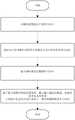
图1是根据本公开的示例性实施例的生成风资源数据报告方法的流程图;FIG. 1 is a flowchart of a method of generating a wind resource data report according to an exemplary embodiment of the present disclosure;
图2是示出根据本公开的示例性实施例的在将每个测风塔的多个文件进行汇总时显示的用户界面;FIG. 2 is a diagram illustrating a user interface displayed when summarizing multiple files for each mast according to an exemplary embodiment of the present disclosure;
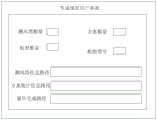
图3是示出根据本公开的示例性实施例的在生成报告时显示的用户界面;FIG. 3 is a diagram illustrating a user interface displayed when a report is generated according to an exemplary embodiment of the present disclosure;
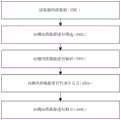
图4是根据本公开的示例性实施例的生成风资源数据报告方法的详细流程图;FIG. 4 is a detailed flowchart of a method of generating a wind resource data report according to an exemplary embodiment of the present disclosure;
图5是根据本公开的示例性实施例的对测风塔数据进行处理的流程图;FIG. 5 is a flowchart of processing wind tower data according to an exemplary embodiment of the present disclosure;
图6是根据本公开的示例性实施例的由WT软件导出的发电量结果表的示图;6 is a diagram of a power generation result table derived by WT software according to an exemplary embodiment of the present disclosure;
图7是根据本公开的示例性实施例的关于发电量的方案统计信息表的示图;FIG. 7 is a diagram of a scheme statistical information table about a power generation amount according to an exemplary embodiment of the present disclosure;
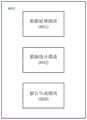
图8是根据本公开的示例性实施例的生成风资源数据报告的系统的框图。8 is a block diagram of a system for generating wind resource data reports according to an exemplary embodiment of the present disclosure.
具体实施方式Detailed ways
现将详细参照本发明的示例性实施例,所述实施例的示例在附图中示出,其中,相同的标号始终指示相同的部件。以下将通过参照附图来说明所述实施例,以便于解释本发明。Reference will now be made in detail to the exemplary embodiments of the present invention, examples of which are illustrated in the accompanying drawings, wherein like numerals refer to like parts throughout. The embodiments are described below in order to explain the present invention by referring to the figures.
在本公开中,包括诸如“第一”、“第二”等序数的术语可以被用于描述各种元素,但是这些元素不应被理解为仅限于这些术语。这些术语仅被用于将一个元素与其他元素区分开来。例如,在不脱离本公开的范围的情况下,第一元素可以被称为第二元素,反之亦然。In the present disclosure, terms including ordinal numbers such as 'first', 'second', etc. may be used to describe various elements, but the elements should not be construed as being limited to these terms. These terms are only used to distinguish one element from other elements. For example, a first element could be termed a second element and vice versa without departing from the scope of the present disclosure.
图1是根据本公开的示例性实施例的生成风资源数据报告方法的流程图。FIG. 1 is a flowchart of a method of generating a wind resource data report according to an exemplary embodiment of the present disclosure.
参照图1,在步骤S101,对至少一个测风塔的测风数据进行处理。在数据处理中,首先对测风塔数据进行读取,分别使用不同的数据筛选方法对读取的测风塔数据进行数据筛选,然后针对不同的测风塔数据缺失情况,对筛选后的数据进行数据插补,选取插补后的测风塔数据的完整年数据并对选取的完整年数据进行代表年订正,将订正后的测风塔数据拟合为风力发电机组的轮毂高度处的数据。在下文中,将参照图5来详细地说明对测风塔数据进行处理的具体处理。Referring to Fig. 1, in step S101, wind measurement data of at least one wind measurement tower is processed. In the data processing, first read the data of the wind measuring tower, use different data screening methods to filter the data of the read wind measuring tower data, and then according to the missing data of different wind measuring towers, filter the filtered data Carry out data interpolation, select the complete annual data of the wind measuring tower data after interpolation and perform representative year correction on the selected complete year data, and fit the corrected wind measuring tower data to the data at the hub height of the wind turbine . Hereinafter, specific processing of processing the wind tower data will be described in detail with reference to FIG. 5 .
在步骤S102,根据处理后的测风数据来确定风力发电机组的数量并选择风力发电机组的机型。风资源工程师对处理后的测风塔数据进行分析。在分析的过程中,风资源工程师通过考虑50年一遇最大风速、风电场空气密度、风切变指数、风电场湍流强度、以及风电场极限气候等因素,并结合风电场内的地形图、粗糙度等来评估风电场内的风资源参数,从而确定出适合于该风电场的风力发电机组的数量以及风力发电机组的机型。In step S102, the number of wind generating sets is determined according to the processed wind measurement data and the model of the wind generating sets is selected. Wind resource engineers analyze the processed wind tower data. In the process of analysis, wind resource engineers considered factors such as the maximum wind speed once in 50 years, the air density of the wind farm, the wind shear index, the turbulence intensity of the wind farm, and the extreme climate of the wind farm, combined with the topographic map of the wind farm, Roughness etc. to evaluate the wind resource parameters in the wind farm, so as to determine the number of wind turbines suitable for the wind farm and the type of wind turbines.
在步骤S103,对处理后的测风数据进行统计以建立测风塔信息数据库。使用在步骤S101中处理后的每个测风塔的测风数据来生成针对每个测风塔的多个文件。根据本公开的实施例,针对每个测风塔的测风数据,可以生成多个文件,包括但不限于基本信息文件、风速文件、风速月变化文件、风向文件、风能文件、威布尔文件、湍流文件、代表年文件、长期数据风速文件、湍流曲线文件。例如,可以使用Windographer软件来处理测风塔数据,由此导出上述的多个TXT格式的文件。然后,将导出的多个TXT格式的文件汇总到测风塔信息数据库中。In step S103, statistics are made on the processed wind measurement data to establish a wind measurement tower information database. The wind measurement data of each wind measurement tower processed in step S101 is used to generate a plurality of files for each wind measurement tower. According to the embodiment of the present disclosure, multiple files can be generated for the wind measurement data of each wind measurement tower, including but not limited to basic information files, wind speed files, wind speed monthly change files, wind direction files, wind energy files, Weibull files, Turbulence files, representative year files, long-term data wind speed files, turbulence curve files. For example, Windographer software can be used to process the wind tower data, thereby exporting the above-mentioned multiple files in TXT format. Then, summarize the exported files in TXT format into the wind tower information database.
在汇总每个测风塔的多个文件中,为了适应不同的情况,在测风塔数据汇总过程中设置了如下功能:设置测风塔序号,确定空气密度、风切变、湍流强度代表塔,以及确定每个测风塔中所关注的风向通道数据以及风速通道数据。根据本公开的实施例,通道数据是指测风塔不同高度处的测风数据。例如,在测风塔10米处测量的数据可以称为第一通道数据,在测风塔20米处测量的数据可以称为第二通道数据,在测风塔50米处测量的数据可以称为第三通道数据等。在本文中,关注通道数据指的是具有较好代表性的通道数据。In summarizing the multiple files of each anemometer tower, in order to adapt to different situations, the following functions are set in the anemometer tower data aggregation process: set the anemometer tower serial number, determine the air density, wind shear, turbulence intensity representative tower , and determine the concerned wind direction channel data and wind speed channel data in each wind measuring tower. According to an embodiment of the present disclosure, channel data refers to wind measurement data at different heights of a wind measurement tower. For example, the data measured at 10 meters away from the wind measuring tower can be called the first channel data, the data measured at 20 meters away from the wind measuring tower can be called the second channel data, and the data measured at 50 meters away from the wind measuring tower can be called For the third channel data, etc. In this paper, attention channel data refers to channel data with better representation.
参照图2,图2示出了在将每个测风塔的多个文件进行汇总时显示的用户界面。根据本发明的实施例,可以使用VB编程语言来编写该用户界面并将该用户界面显示在数据统计模块上。Referring to FIG. 2 , FIG. 2 shows a user interface displayed when aggregating multiple files for each mast. According to the embodiment of the present invention, VB programming language can be used to write the user interface and display the user interface on the data statistics module.
用户可以根据与输入多个文件相应的测风塔(即通过从图2的测风塔信息路径中导入测风塔的多个文件)的顺序,依次输入相应测风塔的测风塔序号,例如,在输入与第一测风塔相关的多个文件时,用户可以在用户界面中输入该测风塔的测风塔序号(诸如,1)。此外,用户可以根据处理后的测风数据来确定哪一个测风塔可以作为空气密度代表塔、哪一个测风塔可以作为风切变代表塔以及哪一个测风塔可以作为湍流强度代表塔,然后在分别输入每个测风塔的多个文件时,通过用户界面将确定出的代表测风塔勾选上,以对测风塔所处的风电场中的风资源参数进行分析。应注意的是,如果用户未选择空气密度、风切变或湍流强度代表塔,则可以默认为第一个输入的测风塔作为代表塔。The user can input the sequence numbers of the corresponding wind measuring towers in sequence according to the order of the wind measuring towers corresponding to the input multiple files (that is, by importing the multiple files of the wind measuring towers from the wind measuring tower information path in Fig. 2 ), For example, when entering a plurality of files related to a first mast, the user may enter a mast serial number (such as 1) of the mast in the user interface. In addition, the user can determine which wind measuring tower can be used as the air density representative tower, which wind shear tower can be used as the wind shear representative tower and which wind measuring tower can be used as the turbulence intensity representative tower according to the processed wind measurement data, Then, when multiple files of each wind measuring tower are respectively input, the determined representative wind measuring tower is selected through the user interface, so as to analyze the wind resource parameters in the wind farm where the wind measuring tower is located. It should be noted that if the user does not select a representative tower for air density, wind shear, or turbulence intensity, it may default to the first entered wind tower as the representative tower.
此外,用户也可以根据处理后的测风数据来确定出每个测风塔中的具有较好代表性的风向或风速通道数据(即关注风向通道数据或关注风向通道数据),然后在用户界面中选择相应测风塔的关注风向通道和关注风速通道。例如,当某测风塔的第1风速和风向通道数据质量较差,或者对风力发电机组的轮毂高度的代表性较差时,需要采用该测风塔的第2风速和风向通道进行分析和编写报告时,用户通过该用户界面在风速和风向通道填写对应的通道编号即可。如果用户未选择关注的风速和风向通道,则默认关注的风速和风向通道为第1风速和风向通道。上述输入的信息示例仅是示例性的,本公开还可以在汇总每个测风塔的测风数据时输入相应测风塔的编号、项目名称、相关性等信息,本公开不限于此。In addition, the user can also determine the well-represented wind direction or wind speed channel data in each anemometer tower (that is, pay attention to the wind direction channel data or pay attention to the wind direction channel data) according to the processed wind measurement data, and then Select the concerned wind direction channel and concerned wind speed channel of the corresponding anemometer tower in . For example, when the data quality of the first wind speed and wind direction channel of a wind measuring tower is poor, or the representativeness of the hub height of the wind turbine is poor, it is necessary to use the second wind speed and wind direction channel of the wind measuring tower for analysis and analysis. When writing a report, the user can fill in the corresponding channel number in the wind speed and wind direction channels through the user interface. If the user does not select the channel of wind speed and direction to focus on, the channel of wind speed and direction to focus on is the first wind speed and direction channel by default. The above input information examples are only exemplary, and the present disclosure may also input information such as the serial number of the corresponding wind measuring tower, project name, and correlation when summarizing the wind measuring data of each wind measuring tower, and the present disclosure is not limited thereto.
此外,在建立数据库时,还需要使用处理后的每个测风塔的测风数据来计算所述至少一种风资源数据报告所需的全部风资源参数,例如,布尔均值参数、风频、风切变、50年一遇最大风速,但不限于此。然后将计算出的全部风资源参数存储在测风塔信息数据库中。In addition, when establishing the database, it is also necessary to use the processed wind measurement data of each wind measurement tower to calculate all wind resource parameters required for the at least one wind resource data report, for example, Boolean mean value parameters, wind frequency, Wind shear, 50-year maximum wind speed, but not limited to. Then all the calculated wind resource parameters are stored in the wind tower information database.
在步骤S104,基于建立的测风塔信息数据库,根据由用户输入的风力发电机组的数量、风力发电机组的机型以及关于所述至少一个测风塔所处的风电场的发电量的方案统计信息来自动生成至少一种风资源数据报告。根据本公开的实施例,可以生成六种类型的数据报告,例如,宏观选址报告、激光雷达选址报告、测风塔选址报告、风资源前期分析报告、投标报告、生成复核报告。In step S104, based on the established wind tower information database, according to the number of wind power generators input by the user, the type of wind power generators and the plan statistics on the power generation of the wind farm where the at least one wind tower is located information to automatically generate at least one wind resource data report. According to the embodiments of the present disclosure, six types of data reports can be generated, for example, a macro site selection report, a lidar site selection report, an anemometer tower site selection report, a wind resource analysis report, a bidding report, and a generation review report.
例如,参照图3,图3示出了在生成报告时显示的用户界面。根据本发明的实施例,可以使用VB编程语言来编写该用户界面程序并将该用户界面显示在报告生成模块上。在生成风资源数据报告时,用户可以通过图3示出的用户界面来输入项目名称(未示出)、序号(未示出)和版本号(未示出),其次将建立的测风塔信息数据库从测风塔信息路中导入,然后输入风力发电机组的数量和机型以及关于发电量的方案数量,并从方案统计信息路径中导入发电量方案统计信息,最后选择生成报告的路经以生成风资源数据报告。For example, refer to FIG. 3, which illustrates a user interface displayed when a report is generated. According to the embodiment of the present invention, VB programming language can be used to write the user interface program and display the user interface on the report generating module. When generating a wind resource data report, the user can input the project name (not shown), sequence number (not shown) and version number (not shown) through the user interface shown in Figure 3, and then the wind measuring tower will be established The information database is imported from the wind tower information path, and then the number and type of wind turbines and the number of schemes about power generation are input, and the statistical information of power generation schemes is imported from the scheme statistics information path, and finally the path for generating the report is selected to generate a wind resource data report.
生成风资源数据报告的过程可以使用VB编程语言通过编写程序来实现。例如,可以在生成风资源数据报告的程序中定义报告内的文字、段落、图表等格式,从测风塔信息数据库中调用并读取绘图数据,利用VB的绘图功能绘制数据报告所需的图片,每种图片绘制之前都对图片的坐标系进行定义,然后根据绘图数据来确定图副的大小并进行自适应调整,根据测风塔数据循环绘制不同数量的图片,并且根据由用户输入的测风塔数量来自动调整表格的行高、列宽和续表。将用户输入的风力发电机组的数量以及类型呈现在数据报告的指定位置中,还可以调用并读取用户输入的发电量方案统计信息以呈现在数据报告中,使得用户更加直观地分析数据。The process of generating wind resource data reports can be realized by writing programs using VB programming language. For example, you can define the text, paragraphs, charts and other formats in the report in the program that generates the wind resource data report, call and read the drawing data from the wind tower information database, and use the drawing function of VB to draw the pictures required for the data report , before each picture is drawn, the coordinate system of the picture is defined, and then the size of the picture pair is determined and adjusted adaptively according to the drawing data, different numbers of pictures are drawn cyclically according to the data of the wind measuring tower, and according to the measurement input by the user The number of wind towers to automatically adjust the row height, column width and continuation of the table. The number and type of wind power generating units input by the user are displayed in the designated position of the data report, and the statistical information of the power generation plan input by the user can also be called and read to be displayed in the data report, so that the user can analyze the data more intuitively.
此外,风资源数据报告的目录、页码和图表编号等均可以采用域代码进行编写,在生成数据报告的过程中,通过更新域实现编号的连续性和准确性。下面,将参照图4来详细地描述生成风资源数据报告的处理。In addition, the table of contents, page numbers, and chart numbers of the wind resource data report can all be written using field codes. During the process of generating data reports, the continuity and accuracy of the numbering can be achieved by updating the fields. Next, the process of generating a wind resource data report will be described in detail with reference to FIG. 4 .
图4是根据本公开的示例性实施例的生成风资源数据报告方法的详细流程图。FIG. 4 is a detailed flowchart of a method of generating a wind resource data report according to an exemplary embodiment of the present disclosure.
参照图4,首先在步骤S401,对测风塔数据进行处理。如图5所示,在步骤S501,对测风塔数据进行读取。由于测风设备可能出现损坏、冰冻和更换等情况,因此经常出现与测风塔相关的信息发生变更的情况。在数据读取的过程中,首先确定与测风塔相关的信息是否发生变更,其中,与测风塔相关的信息可以包括测风塔的位置、设备序列号、设备参数、通道顺序。当与测风塔相关的数据未发生变更时,可以直接以TXT格式将测风塔数据导出。当与测风塔相关的信息发生变更时,对发生变更的信息进行修改,然后读取修改后的测风塔数据并以TXT格式导出测风塔数据。Referring to Fig. 4, first in step S401, the data of the wind measuring tower is processed. As shown in Fig. 5, in step S501, the data of the wind measuring tower is read. Due to the possibility of damage, freezing and replacement of wind measuring equipment, it is not uncommon for information related to wind towers to change. In the process of data reading, it is first determined whether the information related to the wind measuring tower has changed, wherein the information related to the wind measuring tower may include the position of the wind measuring tower, equipment serial number, equipment parameters, and channel sequence. When the data related to the wind tower has not changed, the data of the wind tower can be directly exported in TXT format. When the information related to the wind measuring tower changes, the changed information is modified, and then the modified wind measuring tower data is read and exported in TXT format.
在步骤S502,对读取的测风塔数据进行数据筛选。在本发明中,分别使用不同的数据筛选方法,例如,可以分别使用规则删除法、相关性删除法和逻辑删除法对测风塔数据进行筛选,这样能够最大限度地删除不合理的测风数据并保留合理的数据,降低误删的概率。例如,首先使用设计规则对获取的测风塔数据进行规则删除。一般地,常用的设计规则包括但不限于:将风速、风向、温度和气压超出量程的数据进行删除;将包含10min平均数据、最大数据和最小数据进行删除;将标准偏差(湍流)较大的风速数据进行删除;将标准偏差近似为0且持续2小时以上的风速数据进行删除;将风向数据发生变化但是变化量程错误的数据进行删除。上述规则仅是示例性的,本发明不限于上述列出的设计规则。In step S502, data filtering is performed on the read wind measuring tower data. In the present invention, different data screening methods are used respectively. For example, rule deletion method, correlation deletion method and logical deletion method can be used to screen wind measurement tower data, so that unreasonable wind measurement data can be deleted to the greatest extent. And keep reasonable data to reduce the probability of accidental deletion. For example, first use the design rules to perform regular deletion on the acquired wind tower data. Generally, commonly used design rules include but are not limited to: delete the data of wind speed, wind direction, temperature and air pressure beyond the range; delete the data containing 10min average data, maximum data and minimum data; Delete the wind speed data; delete the wind speed data whose standard deviation is approximately 0 and last for more than 2 hours; delete the data whose wind direction data changes but the change range is wrong. The above-mentioned rules are only exemplary, and the present invention is not limited to the above-listed design rules.
在经过规则删除之后,根据数据相关性,对规则删除后的测风塔数据进行相关性删除。数据相关性删除指的是将任意两个通道的数据进行比较并做相关性分析,确定出离散点与哪个通道的数据相应,并且将与离散点相应的错误通道的数据删除,从而提高各通道之间的相关性。此外,还需要将与其它通道之间相关性都较差的通道数据删除,以保证在后续数据插补和数据拟合中更加准确地处理测风塔数据。After the rules are deleted, according to the data correlation, the correlation deletion is performed on the data of the wind measuring tower after the rules are deleted. Data correlation deletion refers to comparing the data of any two channels and performing correlation analysis to determine which channel the discrete point corresponds to, and delete the data of the wrong channel corresponding to the discrete point, thereby improving the performance of each channel. correlation between. In addition, it is necessary to delete channel data with poor correlation with other channels to ensure more accurate processing of wind tower data in subsequent data interpolation and data fitting.
在经过相关性删除之后,根据测风塔的各个通道的数据趋势和差值,对相关性删除后的测风塔数据进行逻辑删除。逻辑删除指的是查看不同的通道数据之间的趋势和差值,将不合理通道的数据或某一时刻不符合其它通道趋势的数据删除。After the correlation is deleted, according to the data trend and difference of each channel of the wind measuring tower, logical deletion is performed on the data of the wind measuring tower after the correlation is deleted. Logical deletion refers to checking the trend and difference between data of different channels, and deleting data of unreasonable channels or data that does not conform to the trend of other channels at a certain moment.
在对测风塔数据筛选之后,进行到步骤S503,针对不同的测风塔数据缺失情况,对筛选后的数据进行数据插补。当确定测风塔在同一高度有两个测风设备时,可以根据塔影对不同测风设备的影响来进行测风塔数据的塔影消除处理,选取受塔影影响最小的测风塔数据。当在测风塔的特定高度处仅有一个测风设备时,不对该特定高度处的测风塔数据进行塔影消除处理。当在测风塔的特定高度有多个测风设备且风向集中时,选取该特定高度的在主风向方向上受塔影影响最小的测风塔数据。当在测风塔的特定高度处有多个测风设备且风向不集中时,根据该特定高度处的风速比值、风向、其他高度处的风速对该特定高度处的测风塔数据进行塔影消除处理。在塔影影响消除之后,针对不同的数据缺失情况可以采用不同的数据插补方法。After screening the data of the wind measuring tower, proceed to step S503, and perform data interpolation on the screened data according to different missing data of the wind measuring tower. When it is determined that the wind measuring tower has two wind measuring equipment at the same height, the tower shadow elimination processing of the wind measuring tower data can be carried out according to the influence of the tower shadow on different wind measuring equipment, and the wind measuring tower data affected by the tower shadow the least can be selected . When there is only one wind measuring device at a specific height of the wind measuring tower, tower shadow elimination processing is not performed on the data of the wind measuring tower at the specific height. When there are multiple wind measuring devices at a specific height of the wind measuring tower and the wind direction is concentrated, the data of the wind measuring tower at the specific height which is least affected by the tower shadow in the direction of the main wind direction is selected. When there are multiple wind-measuring devices at a specific height of the wind-measuring tower and the wind direction is not concentrated, the tower shadow data of the wind-measuring tower at the specific height is performed according to the wind speed ratio at the specific height, wind direction, and wind speed at other heights. Eliminate processing. After the influence of the tower shadow is eliminated, different data imputation methods can be used for different data missing situations.
具体地,在测风塔的特定通道数据缺失的情况下,可以使用同一测风塔的其他通道的数据进行数据插补,其中,测风塔的特定通道数据缺失的情况可以包括测风塔的单一通道数据缺失情况和仅存在单一通道数据情况中的至少一种。在测风塔特定时刻的全部通道数据丢失的情况下,可以基于其他测风塔的测风塔数据或长期数据,分别使用多种数据插补方法对测风塔数据进行插补并且通过对分别使用多种数据插补方法进行插补的测风塔数据进行误差分析,选取产生误差最小的测风塔数据。Specifically, in the case of missing data of a specific channel of the wind measuring tower, data of other channels of the same wind measuring tower can be used for data interpolation, wherein the situation of missing data of a specific channel of the wind measuring tower can include At least one of the absence of single-channel data and the presence of only single-channel data. In the case of loss of all channel data at a specific moment of the wind measuring tower, based on the wind measuring tower data or long-term data of other wind measuring towers, a variety of data interpolation methods can be used to interpolate the wind measuring tower data and through the Using various data interpolation methods to interpolate the wind tower data for error analysis, and select the wind tower data with the smallest error.
在数据插补中,需要对至少大于1年的测风塔数据进行插补,在数据插补之后,选取存在原始数据最多的完整年数据,并考虑长期数据能否包括选取的完整年数据。In data interpolation, it is necessary to interpolate wind tower data that is at least more than one year old. After data interpolation, select the complete year data with the most original data, and consider whether the long-term data can include the selected complete year data.
在步骤S504,对选取的完整年数据进行代表年订正。可以采用比值法或差值法对测风塔数据进行代表年订正,但是本公开不限于此。In step S504, a representative year correction is performed on the selected complete year data. The representative year correction of mast data may be performed using a ratio method or a difference method, but the present disclosure is not limited thereto.
在步骤S505,对订正后的数据进行数据拟合,即将订正后的测风塔数据拟合为风力发电机组的轮毂高度处的数据,其中,当风切变的月变化、昼夜变化和扇区变化不明显时,可以利用常数风切变值进行拟合;当由于地形引起风切变明显变化时,测风塔所处四周地形、植被和障碍物均不相同,则需要分扇区进行数据拟合;当由于昼夜引起风切变明显变化时,可以使用16扇区和小时风切变指数矩阵进行数据拟合;当由月份引起风切变明显变化时,可以使用16扇区和月份风切变指数矩阵进行数据拟合。在本发明中,根据测风塔风速的高度、扇区、月变化和日变化对风切变的影响,选择不同的风切变矩阵对轮毂高度处的风速进行拟合。在数据拟合的过程中,不仅需要保持风速变化趋势一致,还需要保持多通道的风切变趋势一致。In step S505, data fitting is performed on the corrected data, that is, the corrected wind tower data is fitted to the data at the hub height of the wind power generating set, wherein, when the monthly variation of wind shear, diurnal variation and sector When the change is not obvious, the constant wind shear value can be used for fitting; when the wind shear changes significantly due to the terrain, and the terrain, vegetation and obstacles around the wind measuring tower are not the same, the data needs to be divided into sectors Fitting; when the wind shear changes significantly due to day and night, the 16-sector and hourly wind shear index matrix can be used for data fitting; when the wind shear changes significantly due to the month, the 16-sector and monthly wind shear index matrix can be used A shear exponential matrix was used to fit the data. In the present invention, different wind shear matrices are selected to fit the wind speed at the height of the hub according to the influence of wind speed height, sector, monthly variation and daily variation on the wind shear of the wind measuring tower. In the process of data fitting, it is not only necessary to keep the trend of wind speed consistent, but also to keep the trend of multi-channel wind shear consistent.
在处理完测风塔数据之后,返回到图4,在步骤S402,根据处理后的测风数据来确定风力发电机组的数量并选择风力发电机组的机型。例如,当风资源工程师从处理后的测风数据获取风电场的空气密度值、实测风速值、代表年订正后的风速值、50年一遇最大风速,确定出该风电场的风切变变小、该风电场的湍流强度为中级等信息数据的同时,参照该风电场的地形图和粗糙度来评估该风电场的风资源参数,经过分析可以得出适合于该风电场的风力发电机组的机型以及安装该机型的风力发电机组的数量。应注意的是,步骤S402的目的在于使用处理后的测风数据来确定出适合于某风电场的风力发电机组的数量和机型,以便在生成风资源数据报告时,通过用户界面由用户输入风力发电机组的机型以及数量以呈现在报告的指定位置处,风资源工程师只要在生成风资源数据报告之前确定出即可。After processing the wind measuring tower data, return to FIG. 4 , in step S402 , determine the number of wind generating sets and select the type of wind generating sets according to the processed wind measuring data. For example, when a wind resource engineer obtains the air density value of a wind farm, the measured wind speed value, the wind speed value after a representative year correction, and the maximum wind speed once in 50 years from the processed wind measurement data, the wind shear of the wind farm can be determined. The wind resource parameters of the wind farm are evaluated with reference to the topographic map and roughness of the wind farm while the turbulence intensity of the wind farm is medium. After analysis, the wind turbines suitable for the wind farm can be obtained type and the number of wind turbines installed with this type. It should be noted that the purpose of step S402 is to use the processed wind measurement data to determine the number and type of wind turbines suitable for a certain wind farm, so that when generating a wind resource data report, the user can input The type and quantity of the wind turbines can be displayed at the specified position of the report, and the wind resource engineer only needs to determine it before generating the wind resource data report.
在步骤S403,针对每个测风塔,使用处理后的每个测风塔的测风数据来生成与每个测风塔相关的多个文件。在本发明中,可以使用Windographer软件来处理每个测风塔的测风数据,以生成多个文件,例如包括但不限于基本信息文件、风速文件、风速月变化文件、风向文件、风能文件、威布尔文件、湍流文件、代表年文件、长期数据风速文件、湍流曲线文件。In step S403, for each wind measuring tower, use the processed wind measuring data of each wind measuring tower to generate a plurality of files related to each wind measuring tower. In the present invention, Windographer software can be used to process the wind measurement data of each wind measurement tower to generate multiple files, such as including but not limited to basic information files, wind speed files, wind speed monthly change files, wind direction files, wind energy files, Weibull file, turbulence file, representative year file, long-term data wind speed file, turbulence curve file.
具体地,基本信息文件可以包括测风塔经纬度坐标、海拔、测风塔温度、气压和空气密度信息、测风塔数据的起止时间。风速文件可以包括测风塔风速通道数量、测风塔的各个通道高度及各个的风速、风能、威布尔分布A值和K值、最大风速和数据完整率。风向文件可以包括测风塔风向通道数量、测风塔各个风向通道的高度及对应16扇区的频率。风能文件可以包括测风塔风向通道数量、测风塔各风向通道高度及对应16扇区的频率。湍流文件可以包括测风塔各通道高度对应的平均湍流强度和特征湍流强度或代表湍流强度。代表年文件可以包括测风塔关注通道代表年订正之后的风速、威布尔A和K值、风能、拟合到轮毂高度的风速、威布尔A和K值等信息。长期数据风速文件可以包括长期数据的年变化风速。湍流曲线文件可以包括测风塔关注通道不同风速对应的湍流值。威布尔文件可以包括测风塔关注通道不同风速对应的频率值、关注通道的风速月变化。风速月变化文件可以包括测风塔关注通道不同风速对应的频率值,关注通道的风速月变化。上述示例仅是示例的,本公开不限于此。Specifically, the basic information file may include the longitude and latitude coordinates of the wind measuring tower, the altitude, the temperature of the wind measuring tower, the air pressure and air density information, and the start and end time of the wind measuring tower data. The wind speed file can include the number of wind speed channels of the wind measuring tower, the height of each channel of the wind measuring tower and each wind speed, wind energy, Weibull distribution A value and K value, maximum wind speed and data integrity rate. The wind direction file may include the number of wind direction channels of the wind measuring tower, the height of each wind direction channel of the wind measuring tower and the frequency corresponding to the 16 sectors. The wind energy file may include the number of wind direction channels of the wind measuring tower, the height of each wind direction channel of the wind measuring tower and the frequency corresponding to the 16 sectors. The turbulence file can include the average turbulence intensity and characteristic turbulence intensity or representative turbulence intensity corresponding to the height of each channel of the wind measuring tower. The representative year file can include information such as wind speed, Weibull A and K values, wind energy, wind speed fitted to the hub height, Weibull A and K values after the correction of the representative year of the wind tower concerned channel. Long-term data wind speed files may include long-term data for yearly varying wind speeds. The turbulence curve file can include turbulence values corresponding to different wind speeds in the channel of interest of the wind tower. The Weibull file can include the frequency values corresponding to different wind speeds in the channel of interest of the wind tower, and the monthly variation of wind speed in the channel of interest. The monthly change file of wind speed can include the frequency values corresponding to different wind speeds of the channel concerned by the anemometer tower, and the monthly change of wind speed of the channel concerned. The above-mentioned examples are only examples, and the present disclosure is not limited thereto.
在步骤S404,需要确定建立测风塔信息数据库所需的文件是否都齐全。根据本公开的实施例,在建立测风塔信息数据库时,需要10个测风数据文件,即基本信息文件、风速文件、风速月变化文件、风向文件、风能文件、威布尔文件、湍流文件、代表年文件、长期数据风速文件、湍流曲线文件。当输入与某个测风塔相关的10个测风数据文件时,在如图2所示的用户界面中发现缺少该测风塔的某一种或多种测风数据文件时,需要返回到步骤S403,重新生成关于该测风塔的10个测风数据文件。In step S404, it needs to be determined whether all the files required for establishing the wind measuring tower information database are complete. According to the embodiment of the present disclosure, when building an anemometer tower information database, 10 wind measurement data files are required, namely basic information files, wind speed files, wind speed monthly change files, wind direction files, wind energy files, Weibull files, turbulence files, Representative annual files, long-term data wind speed files, and turbulence curve files. When inputting 10 wind measurement data files related to a certain wind measurement tower, when it is found that one or more wind measurement data files of the wind measurement tower are missing in the user interface shown in Figure 2, it is necessary to return to Step S403, regenerate 10 wind measurement data files about the wind measurement tower.
当建立测风塔信息数据库所需的测风数据文件齐全时,进行步骤S405,分别将生成的文件输入到测风塔信息数据库中。例如,在输入基本信息文件时,可以将测风塔编号、海拔、测风塔温度、气压和空气密度信息存储到测风塔信息数据库的指定位置,例如,将上述参数存储在测风塔信息数据库的第13-17列,使得数据库中的格式可以与所要生成的报告中的格式一致,方便后期调用,在输入风速文件时,可以将测风塔的风速通道数量存储在测风塔信息数据库中的第3列,以方便后期检验测风塔的通道数量。此外,在输入风速文件时,可以将测风塔的各个通道高度及对应的风速、风能、威布尔A和K值存储到测风塔信息数据库的第19-23列。When the wind measurement data files required for establishing the wind measurement tower information database are complete, proceed to step S405, and respectively input the generated files into the wind measurement tower information database. For example, when inputting the basic information file, the wind tower number, altitude, wind tower temperature, air pressure and air density information can be stored in the specified location of the wind tower information database, for example, the above parameters can be stored in the wind tower information Columns 13-17 of the database make the format in the database consistent with the format in the report to be generated, which is convenient for later recall. When inputting the wind speed file, the number of wind speed channels of the anemometer tower can be stored in the anemometer tower information database The third column in , to facilitate the later inspection of the number of channels of the wind measuring tower. In addition, when the wind speed file is input, the height of each channel of the wind measuring tower and the corresponding wind speed, wind energy, Weibull A and K values can be stored in columns 19-23 of the wind measuring tower information database.
又例如,在输入湍流文件时,可以将测风塔的各个通道的高度、平均湍流和特征湍流或代表湍流存储到测风塔信息数据库的第25-27列,在输入代表年文件时,可以将测风塔的关注通道的高度、风速、威布尔A和K值存储到测风塔信息数据库的第5-11列,并且将测风塔的关注通道订正前后的风速分别存储到测风塔信息数据库的第46-47列。在输入湍流曲线文件时,可以将测风塔关注通道的不同风速对应的特征湍流值存储到测风塔信息数据库的第59-60列。在输入威布尔文件时,可以将测风塔的关注通道的不同风速对应的频率值、关注通道的风速月变化分别存储到测风塔信息数据库的第60和69列,以方便在后期生成风资源数据报告时用于绘制关于测风塔的测风数据的图表。For another example, when inputting a turbulence file, the height, average turbulence and characteristic turbulence or representative turbulence of each channel of the wind measuring tower can be stored in columns 25-27 of the wind measuring tower information database; when inputting a representative year file, you can Store the height, wind speed, Weibull A and K values of the channel of interest of the wind measuring tower in columns 5-11 of the wind measuring tower information database, and store the wind speeds of the channel of interest of the wind measuring tower before and after correction in the wind measuring tower respectively Columns 46-47 of the information database. When inputting the turbulence curve file, the characteristic turbulence values corresponding to the different wind speeds of the channel of interest of the wind measuring tower can be stored in columns 59-60 of the wind measuring tower information database. When inputting the Weibull file, the frequency values corresponding to different wind speeds of the channel of interest and the monthly variation of wind speed of the channel of interest can be stored in the 60th and 69th columns of the anemometer information database, so as to facilitate the generation of wind speed in the later stage. Resource data reporting used to graph wind data about masts.
上述输入多个测风数据文件的示例仅用于说明建立测风塔信息数据库时将不同的测风塔数据存储在不同的行和列中,以便在后续生成报告时调用在数据库的特定位置存储的数据。The above example of inputting multiple wind measurement data files is only used to illustrate that different wind measurement tower data are stored in different rows and columns when building the wind measurement tower information database, so that the data stored in the specific location of the database can be recalled when the report is subsequently generated. The data.
此外,在分别将生成的文件输入到测风塔信息数据库中时,如果存在多个测风塔时,需要指定具有较好代表性的代表测风塔,如果未选择代表塔,则默认为第1测风塔为代表塔,并把测风塔序号存储到测风塔信息数据库的指定位置(诸如,测风塔信息数据库的第86列的位置),以便在生成风资源数据报告中采用代表测风塔的空气密度。例如,可以根据与输入的文件相应的测风塔的顺序,用户通过如图2所示的用户界面输入相应测风塔的序号,选择相应测风塔的关注风向通道数据和关注风速通道数据以及能够分别代表空气密度、风切变和湍流强度的代表塔。应注意的是,在本发明中,关注风速和风向通道的选择以及代表塔的选择是由风资源工程师根据处理后的测风数据确定出的,风资源工程师根据设计需求、经验来确定出具有较好代表性的风速和风向通道以及代表塔。在本公开中,每个测风塔的全部信息可以占用测风塔信息数据库中的100行,可以通过测风塔序号进行引导来找到具体数据的存储位置。此外,如果测风塔的关注通道高度高于风力发电机组的轮毂高度时,需要使用最靠近该轮毂高度的通道数据作为关注通道数据。In addition, when inputting the generated files into the wind tower information database, if there are multiple wind towers, it is necessary to specify a representative wind tower with better representation. If no representative tower is selected, the default is the first wind tower. 1 The wind measuring tower is the representative tower, and the wind measuring tower serial number is stored in the designated position of the wind measuring tower information database (such as the position of the 86th column of the wind measuring tower information database), so that the representative wind resource data report can be used The air density of the wind tower. For example, according to the order of the wind measuring towers corresponding to the input file, the user can input the serial number of the corresponding wind measuring tower through the user interface shown in Figure 2, select the concerned wind direction channel data and the concerned wind speed channel data of the corresponding wind measuring tower and Representative tower capable of representing air density, wind shear, and turbulence intensity, respectively. It should be noted that in the present invention, the selection of wind speed and wind direction channels and the selection of representative towers are determined by the wind resource engineer according to the processed wind measurement data, and the wind resource engineer determines the Good representative wind speed and direction channels and representative towers. In the present disclosure, all the information of each wind measuring tower may occupy 100 rows in the wind measuring tower information database, and the specific data storage location may be found by guiding through the wind measuring tower serial number. In addition, if the height of the channel of interest of the wind measuring tower is higher than the hub height of the wind turbine, it is necessary to use the channel data closest to the hub height as the channel of interest data.
在步骤S406,针对选择的相应测风塔的关注风向通道数据和关注风速通道数据,使用处理后的每个测风塔的测风数据来计算风资源数据报告所需的全部风资源参数。所述全部风资源参数可以包括威布尔均值参数、风频、风切变、50年一遇最大风速等,但不限于此。例如,根据测风塔的各个通道以及对应的风速,排除最低通道的影响,利用最小二乘法拟合出指数函数曲线,并求出该曲线的斜率值和指数值以作为风资源数据报告中的参数。这里,由于最小二乘法为现有技术,这里不再赘述其详细计算过程。可以利用Wasp威布尔工具函数,根据选择的关注通道的威布尔A值和K值来计算威布尔均值风速以作为风资源数据报告中的参数。In step S406 , for the selected corresponding wind direction channel data and wind speed channel data of interest, the processed wind data of each wind measurement tower is used to calculate all wind resource parameters required for wind resource data reporting. The all wind resource parameters may include Weibull mean parameters, wind frequency, wind shear, maximum wind speed once in 50 years, etc., but are not limited thereto. For example, according to each channel of the wind measuring tower and the corresponding wind speed, exclude the influence of the lowest channel, use the least square method to fit the exponential function curve, and calculate the slope value and index value of the curve as the wind resource data report parameter. Here, since the least square method is a prior art, its detailed calculation process will not be repeated here. The Weibull mean wind speed can be calculated from the Weibull A and K values of the selected channel of interest using the Wasp Weibull utility function as a parameter in the wind resource data report.
又例如,可以根据测风塔的关注通道数据以及对应的风速、最大风速和威布尔K值,使用多种方法来计算该测风塔处的最大风速,其中,可以分别使用选择的关注通道的5倍平均风速和1.25倍最大风速来计算最大风速,以及使用EWTS-II的三种方法来计算最大风速,即根据选择的关注通道的风速和威布尔K值来计算最大风速。然后将使用不同方法计算出的最大风速进行比较,将其中的最大值作为该测风塔的关注通道的最大风速。这里,EWTS-II的三种方法为现有技术,为了简明,这里不再详细描述这三种方法的具体计算过程。此外,上述计算最大风速的方法仅是示例性,还可以使用其他方法进行计算以获得最大风速值。For another example, multiple methods can be used to calculate the maximum wind speed at the anemometer tower according to the channel of interest data of the anemometer tower and the corresponding wind speed, maximum wind speed and Weibull K value, wherein the selected attention channel can be used respectively 5 times the average wind speed and 1.25 times the maximum wind speed to calculate the maximum wind speed, and use the three methods of EWTS-II to calculate the maximum wind speed, that is, calculate the maximum wind speed according to the wind speed of the selected channel of interest and the Weibull K value. Then compare the maximum wind speed calculated by different methods, and take the maximum value as the maximum wind speed of the channel of interest of the wind measuring mast. Here, the three methods of EWTS-II are prior art, and for the sake of brevity, the specific calculation process of these three methods will not be described in detail here. In addition, the above-mentioned method for calculating the maximum wind speed is only exemplary, and other methods may also be used for calculation to obtain the maximum wind speed value.
在建立测风塔信息数据库时,还可以使用威布尔概率密度函数来分别计算测风塔各个通道的不同风速对应的频率,以便为后续绘制风资源数据报告中的分频分布图提供数据来源。当长期数据的历史完整年超过30年时,可以分别计算最近30年、25年、20年、15年、10年以及5年的平均风速。上述计算的示例仅是示例性的,本公开不限于此,步骤S406的操作目的在于计算出用于风资源数据报告所需的风资源参数。When establishing the wind tower information database, the Weibull probability density function can also be used to calculate the frequencies corresponding to different wind speeds of each channel of the wind tower, so as to provide data sources for the subsequent drawing of the frequency division distribution diagram in the wind resource data report. When the complete history of long-term data exceeds 30 years, the average wind speed of the last 30 years, 25 years, 20 years, 15 years, 10 years and 5 years can be calculated respectively. The above calculation example is only exemplary, and the present disclosure is not limited thereto. The purpose of the operation of step S406 is to calculate wind resource parameters required for wind resource data reporting.
在步骤S407,将计算出的全部风资源参数存储在测风塔信息数据库中。例如,可以将计算出的测风塔各个通道的风速所对应的频率存储在测风塔信息数据库的第66列,将计算出的近30年、25年、20年、15年、10年和5年的平均风速分别存储在测风塔信息数据库的第76-83列。当长期数据介于25年到30年之间时,近30年的平均风速无法求取,长期风速年变化表格可以保持8列,但是需要改变相应行数。可以将计算出的标准湍流曲线值存储到测风塔信息数据库的第61-63列。上述示例仅是示例性的,本公开不限于此。在建立测风塔信息数据库时,将每个测风塔的处理后的测风数据、用户输入的信息以及计算出的测风数据按规则存储到数据库中的指定位置,以便于生成风资源数据报告时调用生成报告所需要的数据。In step S407, all the calculated wind resource parameters are stored in the wind tower information database. For example, the calculated frequency corresponding to the wind speed of each channel of the wind measuring tower can be stored in the 66th column of the wind measuring tower information database, and the calculated nearly 30 years, 25 years, 20 years, 15 years, 10 years and The 5-year average wind speeds are stored in columns 76-83 of the wind tower information database, respectively. When the long-term data is between 25 and 30 years, the average wind speed in the past 30 years cannot be obtained, and the long-term wind speed annual change table can keep 8 columns, but the corresponding number of rows needs to be changed. The calculated standard turbulence curve values may be stored in columns 61-63 of the mast information database. The above-mentioned examples are only exemplary, and the present disclosure is not limited thereto. When establishing the wind measurement tower information database, the processed wind measurement data of each wind measurement tower, the information input by the user and the calculated wind measurement data are stored in the specified location in the database according to the rules, so as to generate wind resource data When reporting, call the data required to generate the report.
在步骤S408,基于测风塔信息数据库中的测风数据来绘制与由用户输入数量的测风塔的测风数据相关的图片并建立与输入数量的测风塔的测风数据相关的表格。具体地,用户可以通过如图3示出的用户界面来输入想要在数据报告中呈现的测风塔的数量,例如,当用户在该用户界面中的测风塔数量中输入2时,则数据报告中呈现两个测风塔的测风数据的图片以及表格。In step S408 , based on the wind measurement data in the wind measurement tower information database, draw a picture related to the wind measurement data of the number of wind measurement towers input by the user and create a table related to the wind measurement data of the input number of wind measurement towers. Specifically, the user may input the number of wind measuring towers to be presented in the data report through the user interface shown in FIG. 3 , for example, when the user inputs 2 in the number of wind measuring towers in the user interface, then The data report presents pictures and tables of wind measurement data from two masts.
根据本公开的实施例,由于在建立测风塔信息数据库时测风塔的不同测风数据存储的行列位置与将被生成的数据报告中的测风塔的测风数据的行列位置一致,因此,只要找到所需测风数据的指定位置,就可以将测风塔信息数据库中的测风信息读取到数据报告中。在绘制测风数据的图片时,可以使用VB软件的绘图功能来进行绘制,即定义图片所在的坐标系,设置图片的大小,在绘制图片的坐标轴时设置坐标轴的数值,然后绘制曲线,加载图片背景。例如,当绘制风频分布图时,使用由VB编写的程序调取绘制风频分布图所需的风资源参数,绘制曲线和柱状图。在生成测风数据表格时,也可以使用VB软件编写绘制表格的程序来调用测风塔信息数据库中的测风数据来建立相应的表格。例如:对于空气密度表格的生成,当用户输入一个测风塔时,空气密度表格为2行,当用户输入n个测风塔时,空气密度表格为n+1行。此外,为了保持数据报告中图表的美观,可以根据不同测风塔的数量和信息,自动调整表格的行高、列宽和续表。According to the embodiment of the present disclosure, since the row and column positions of different wind measurement data storage of the wind measurement tower are consistent with the row and column positions of the wind measurement data of the wind measurement tower in the data report to be generated when the wind measurement tower information database is established, therefore , as long as the specified location of the required wind measurement data is found, the wind measurement information in the wind measurement tower information database can be read into the data report. When drawing a picture of wind measurement data, you can use the drawing function of VB software to draw, that is, define the coordinate system where the picture is located, set the size of the picture, set the value of the coordinate axis when drawing the coordinate axis of the picture, and then draw the curve. Load image background. For example, when drawing a wind frequency distribution map, use a program written in VB to call the wind resource parameters required for drawing a wind frequency distribution map, and draw a curve and a histogram. When generating the wind measurement data table, VB software can also be used to write the program for drawing the table to call the wind measurement data in the wind measurement tower information database to establish the corresponding table. For example: for the generation of the air density table, when the user inputs a wind measuring tower, the air density table has 2 rows, and when the user inputs n wind measuring towers, the air density table has n+1 rows. In addition, in order to maintain the beauty of the charts in the data report, the row height, column width and continuation of the table can be automatically adjusted according to the number and information of different wind measuring towers.
此外,用户也可以通过如图3示出的用户界面输入关于发电量的方案数量以及每个方案的统计信息来生成数据报告中的关于发电量的表格。将在下面来描述关于发电量的方案统计信息。In addition, the user can also input the number of proposals about the power generation amount and statistical information of each plan through the user interface shown in FIG. 3 to generate a table about the power generation amount in the data report. Scenario statistical information on the amount of power generation will be described below.
在步骤S409,通过参考选择的空气密度代表塔、风切变代表塔和湍流强度代表塔的测风数据,确定测风塔所处的风电场的空气密度、风切变以及湍流强度。例如,当已知风电场内的第1-6测风塔测量的空气密度分别为1.041、1.137、1.158、1.024、1.031、1.132kg/m3,参照由用户选择的空气密度代表塔(例如,第1测风塔为空气密度代表塔),可以暂时将该风电场的空气密度确定为1.041kg/m3。In step S409, the air density, wind shear and turbulence intensity of the wind farm where the anemometer tower is located are determined by referring to the wind measurement data of the selected air density representative tower, wind shear representative tower and turbulence intensity representative tower. For example, when it is known that the air densities measured by the No. 1-6 anemometer towers in the wind farm are 1.041, 1.137, 1.158, 1.024, 1.031, and 1.132 kg/m3 , refer to the air density representative tower selected by the user (for example, The first wind measuring tower is an air density representative tower), and the air density of this wind farm can be temporarily determined as 1.041kg/m3 .
在步骤S410,将确定的风切变和湍流强度分别与不同的标准进行比较来得出特定结论。具体地,通过对确定出的风切变与第一标准进行比较来确定风力发电机组的推荐的轮毂高度,通过对确定出的湍流强度与第二标准的比较来确定湍流等级。例如,当确定出的风切变值小于0.12时,建议采用较低轮毂高度;当确定出的风切变值在大于等于0.12且小于等于0.17时,建议采用标准轮毂高度,当确定出的风切变值大于0.17时,建议采用较高轮毂高度。In step S410, the determined wind shear and turbulence intensity are respectively compared with different standards to draw specific conclusions. Specifically, the recommended hub height of the wind generating set is determined by comparing the determined wind shear with the first standard, and the turbulence level is determined by comparing the determined turbulence intensity with the second standard. For example, when the determined wind shear value is less than 0.12, it is recommended to use a lower hub height; when the determined wind shear value is greater than or equal to 0.12 and less than or equal to 0.17, it is recommended to use the standard hub height; For shear values greater than 0.17, higher hub heights are recommended.
又例如,根据IEC第二版湍流标准,当确定出的湍流强度值小于0.16时,确定湍流强度偏低(即B级),当确定出的湍流强度大于等于0.16且小于等于0.18时,确定湍流强度中等(即A级),当确定出的湍流强度大于0.18时,确定湍流强度偏高(即S级)。根据IEC第三版湍流标准,当确定出的湍流强度小于0.14时,确定湍流强度偏低(即C级),当确定出的湍流强度大于等于0.14且小于等于0.16时,确定湍流强度中等偏低(即B级),当确定出的湍流强度大于0.16小于等于0.18时,确定湍流强度中等(即A级),当确定出的湍流强度大于0.18时,确定湍流强度偏高(即S级)。根据本发明的实施例,可以使用VB编程语言来调用适合的风资源结论以呈现在风资源数据报告中。For another example, according to the second edition of the IEC turbulence standard, when the determined turbulence intensity value is less than 0.16, it is determined that the turbulence intensity is low (that is, Class B), and when the determined turbulence intensity is greater than or equal to 0.16 and less than or equal to 0.18, it is determined that the turbulence intensity The intensity is medium (that is, grade A), and when the determined turbulence intensity is greater than 0.18, it is determined that the turbulence intensity is high (that is, grade S). According to the third edition of the IEC turbulence standard, when the determined turbulence intensity is less than 0.14, it is determined that the turbulence intensity is low (that is, grade C), and when the determined turbulence intensity is greater than or equal to 0.14 and less than or equal to 0.16, it is determined that the turbulence intensity is moderately low (that is, level B), when the determined turbulence intensity is greater than 0.16 and less than or equal to 0.18, it is determined that the turbulence intensity is medium (ie, level A), and when the determined turbulence intensity is greater than 0.18, it is determined that the turbulence intensity is high (ie, level S). According to an embodiment of the present invention, the VB programming language may be used to invoke appropriate wind resource conclusions for presentation in wind resource data reports.
在步骤S411,基于建立的测风塔信息数据库,通过输入确定的风力发电机组的数量、选择的风力发电机组的机型以及关于测风塔所处的风电场的发电量的方案统计信息来自动生成至少一种风资源数据报告。In step S411, based on the established wind tower information database, by inputting the determined number of wind power generators, the model of the selected wind power generators, and the statistical information about the scheme of the wind power generation capacity of the wind farm where the wind tower is located, automatically Generate at least one wind resource data report.
根据本公开的实施例,用户可以通过如图3示出的用户界面输入确定的机组数量以及机组机型。将使用由Meteodyn WT软件生成的关于风电场的发电量结果保持原有格式复制到相应的表格中,例如,该表格可以是Excel表格,如图6所示。然后通过在图6示出的表格中填写机型、容量和折减系数后,使用表格内置公式对关于发电量的方案进行统计以生成关于发电量的方案统计信息表,例如,如图7所示,可以在方案统计信息表的单元格X26-X34区域分别填写与不同折减项(例如,空气密度修正项、尾流影响折减项等)相应的折减值,然后将方案统计信息表的单元格Y10设置为单元格X26-X34区域中的折减值的乘积。使用方案统计信息表的单元格E1-V3区域中的数据分别计算平均值、最大值和最小值,然后分别将计算的值存储在单元格E6-V1000(1000行仅是示例性的,可以根据发电量数据来设置行数)区域中。可以在方案信息统计表的单元格X19-X21区域中分别填写不同机型的叶轮直径,在单元格Y19-Y21区域中分别填写不同机型的单机容量,然后在单元格X11-X13区域中生成相应的机组型号(应注意地,相同机型只能填一次)。可以将方案统计信息表的单元格W6-W1000(1000行仅是示例性的,可以根据发电量数据来设置行数)设置为参考值,当参考值为1时,表示采用机型1。单元格AA列可以表示机型的单机容量,单元格AC、AD和AE列可以分别表示机型1、机型2和机型3的数量,单元格B列可以表示机型的机组型号。当参考值为1时,与上网电量参数相应的U列中的值可以通过单元格T列中的值(即尾流后发电量)乘以综合折减值(例如,综合折减值存储在单元格Y10中)来获得,与等效小时参数相应的单元格V列中的值可通过单元格U列中的值除以机型的单机容量来获得;同理,当参考值为2时,各个参数也会相应变化。若参考值为空,则认为舍弃该机位,与之相应的单元格A-V列、AA列和AB列全部为空,对应的单元格AC列、AD列和AE列中的机型的数量均为0。According to an embodiment of the present disclosure, the user may input the determined number of generating units and the type of generating units through the user interface shown in FIG. 3 . Copy the power generation results about the wind farm generated by Meteodyn WT software into the corresponding table in the original format, for example, the table can be an Excel table, as shown in FIG. 6 . Then, after filling in the model, capacity and reduction factor in the form shown in Figure 6, use the built-in formula in the form to make statistics on the schemes about the power generation to generate the scheme statistical information table about the power generation, for example, as shown in Figure 7 You can fill in the reduction values corresponding to different reduction items (for example, air density correction items, wake impact reduction items, etc.) Cell Y10 is set to the product of the discounted values in the range of cells X26-X34. Use the data in the cell E1-V3 area of the scenario statistics table to calculate the average value, maximum value, and minimum value, respectively, and then store the calculated values in cell E6-V1000 (1000 rows are only exemplary, and can be calculated according to power generation data to set the number of rows) area. You can fill in the impeller diameters of different models in the cell X19-X21 area of the plan information statistics table, fill in the stand-alone capacity of different models in the cell Y19-Y21 area, and then generate in the cell X11-X13 area The corresponding unit model (it should be noted that the same model can only be filled once). Cells W6-W1000 (1000 rows are only exemplary, and the number of rows can be set according to the power generation data) of the scheme statistical information table can be set as reference values. When the reference value is 1, it means that model 1 is used. Cell AA column can represent the stand-alone capacity of the model, cell AC, AD and AE column can represent the quantity of model 1, model 2 and model 3 respectively, and cell B column can represent the unit model of the model. When the reference value is 1, the value in the U column corresponding to the on-grid power parameter can be multiplied by the value in the cell T column (that is, the power generation after the wake flow) by the comprehensive discount value (for example, the comprehensive discount value is stored in cell Y10), the value in cell V column corresponding to the equivalent hour parameter can be obtained by dividing the value in cell U column by the stand-alone capacity of the model; similarly, when the reference value is 2 , each parameter will change accordingly. If the reference value is empty, it is considered that the seat is discarded, and the corresponding cells in columns A-V, AA and AB are all empty, and the numbers of models in the corresponding cells AC, AD and AE are equal. is 0.
根据方案统计信息表的单元格AC3至AE3统计的不同机型的数量及单元格X14-X17中的不同机型的机组型号,可以获得发电量方案(例如,存储在单元格Y1中)。需要注意的是,当机型数量为0时,该机组在方案统计时不显示。单元格Y2可以存储轮毂高度的最值,当轮毂高度的最大值和最小值相同时,只显示1个轮毂高度值,当轮毂高度的最大值和最小值不同时,可以显示两个轮毂高度值,应注意的是,一般轮毂混搭不会超过两个。According to the numbers of different models in cells AC3 to AE3 of the plan statistical information table and the unit models of different models in cells X14-X17, the power generation plan (for example, stored in cell Y1) can be obtained. It should be noted that when the number of models is 0, the unit will not be displayed in the plan statistics. Cell Y2 can store the maximum value of hub height. When the maximum and minimum values of hub height are the same, only one hub height value will be displayed. When the maximum and minimum values of hub height are different, two hub height values can be displayed. , It should be noted that generally there will be no more than two hub mixes.
此外,可以将方案统计信息表的单元格Y3存储为AC3至AE3的数值之和。将单元格Y4存储为单元格AA6-AA1000(1000行仅是示例性的,可以根据发电量数据来设置行数)中的值的和除以1000的值,即每台机位采用机组的单机容量之和。将单元格Y5存储为单元格H6-H1000中值的平均值,将单元格Y6存储为单元格Q6至Q1000中值的平均值,将单元格Y7存储为单元格R6至R1000中值的平均值,将单元格Y8存储为单元格S6-S1000中值的平均值,将单元格Y9存储为单元格T6至T1000中值的平均值,将单元格Y11存储为单元格U6至U1000中的值之和,将单元格Y12存储为单元格Y11中的值(即总发电量)除以单元格Y4中的值(即总容量)的值(即全场等效小时)。将单元格Y12存储为单元格Y12中的值(即全场等效小时)除以8760(即一年(365天)小时数)的值。将单元格X23存储为最大风速与平均风速的比值,对应的单元格H列中的值乘以单元格X23中的值为单元格O列中的值,默认为5,一般无需更改。可以将单元格Y23存储为阵风系数。上述示例仅是示例性的,本公开不限于此。Additionally, cell Y3 of the Scenario Statistics table may be stored as the sum of the values from AC3 to AE3. Store cell Y4 as the sum of the values in cells AA6-AA1000 (row 1000 is just an example, and the number of rows can be set according to the power generation data) divided by 1000, that is, each stand adopts the stand-alone unit of the unit sum of capacities. Store cell Y5 as the average of the values in cells H6-H1000, store cell Y6 as the average of the values in cells Q6 to Q1000, and store cell Y7 as the average of the values in cells R6 to R1000 , store cell Y8 as the average of the values in cells S6-S1000, store cell Y9 as the average of the values in cells T6 to T1000, and store cell Y11 as the average of the values in cells U6 to U1000 And, store cell Y12 as the value in cell Y11 (i.e. total electricity generation) divided by the value in cell Y4 (i.e. total capacity) (i.e. full field equivalent hours). Store cell Y12 as the value in cell Y12 (ie full-court equivalent hours) divided by 8760 (ie the number of hours in a year (365 days)). Cell X23 is stored as the ratio of the maximum wind speed to the average wind speed, and the value in the corresponding cell H column multiplied by the value in cell X23 is the value in the cell O column, which is 5 by default and generally does not need to be changed. Cell Y23 can be stored as the gust coefficient. The above-mentioned examples are only exemplary, and the present disclosure is not limited thereto.
所述方案统计信息表至少包括机型搭配信息、方案容量、平均风速、平均尾流、年上网电量、等效小时、理论发电量、折减系数、尾流后发电量、轮毂高度、风力发电机组数量。在生成测风数据报告时,可以采用VB编程语言来调用如图7示出的关于发电量的方案统计信息以呈现在生成的报告中。The scheme statistical information table at least includes model configuration information, scheme capacity, average wind speed, average wake, annual grid-connected power, equivalent hours, theoretical power generation, reduction coefficient, power generation after wake, hub height, wind power generation number of units. When generating the wind measurement data report, VB programming language can be used to call the plan statistical information about the power generation as shown in FIG. 7 to be presented in the generated report.
在本发明中,通过使用VB编程语言来调用方案统计信息、建立的测风塔信息数据库中的测风数据,以及由用户输入的信息来自动生成风资源数据报告。在生成报告中,还可以通过程序来调用绘制出的图表、确定出的空气密度、风切变和湍流强度以及一些结论,然后将这些信息呈现在数据报告中以供用户更加直观、清晰地分析数据。In the present invention, the wind resource data report is automatically generated by using the VB programming language to call the scheme statistical information, the wind measurement data in the established wind measurement tower information database, and the information input by the user. In generating reports, the drawn charts, determined air density, wind shear and turbulence strength, and some conclusions can also be called through the program, and then these information are presented in the data report for users to analyze more intuitively and clearly data.
图8是根据本公开的示例性实施例的生成风资源数据报告的系统的框图。8 is a block diagram of a system for generating wind resource data reports according to an exemplary embodiment of the present disclosure.
参照图8,所述系统800包括数据处理模块801、数据统计模块802以及报告生成模块803。根据本公开的实施例,所述系统800可以使用VB编程语言来实现。其中,数据处理模块801可以用于对至少一个测风塔的测风数据进行处理。数据统计模块802可以用于对处理后的测风数据进行统计以建立测风塔信息数据库。报告生成模块803可以用于基于建立的测风塔信息数据库,根据由用户输入的风力发电机组的数量、风力发电机组的机型以及关于所述至少一个测风塔所处的风电场的发电量的方案统计信息来自动生成至少一种风资源数据报告。Referring to FIG. 8 , the
此外,所述系统800还可以包括用户输入模块(图8未示出)以由用户输入生成风资源数据报告中所需的信息数据(例如,由用户确定的风力发电机组的数量以及机型)。应注意的是,本发明也可以将用户输入模块分别嵌入到数据统计模块802和报告生成模块803中以为用户提供如图2示出的用户界面和如图3示出的用户界面。上述示例仅是示例性的,本公开不限于此。In addition, the
在测风塔数据处理中,首先数据处理模块801对测风塔数据进行读取,确定与测风塔相关的信息是否发生变更,当与测风塔相关的数据未发生变更时,可以直接以TXT格式将测风塔数据导出。当与测风塔相关的信息发生变更时,对发生变更的信息进行修改,然后读取修改后的测风塔数据并以TXT格式导出测风塔数据。In the data processing of the wind measuring tower, firstly, the
数据处理模块801可以分别使用不同的数据筛选方法对读取的测风塔数据进行数据筛选。在本发明中,可以分别使用规则删除法、相关性删除法和逻辑删除法对测风塔数据进行筛选,这样能够最大限度地删除不合理的测风数据并保留合理的数据,降低误删的概率。The
在对测风塔数据筛选之后,数据处理模块801针对不同的测风塔数据缺失情况,对筛选后的数据进行数据插补。当确定测风塔在同一高度有两个测风设备时,可以根据塔影对不同测风设备的影响来进行测风塔数据的塔影消除处理,选取受塔影影响最小的测风塔数据。然后,在测风塔的特定通道数据缺失的情况下,可以使用同一测风塔的其他通道的数据进行数据插补,其中,测风塔的特定通道数据缺失的情况可以包括测风塔的单一通道数据缺失情况和仅存在单一通道数据情况中的至少一种。在测风塔特定时刻的全部通道数据丢失的情况下,可以基于其他测风塔的测风塔数据或长期数据,分别使用多种数据插补方法对测风塔数据进行插补并且通过对分别使用多种数据插补方法进行插补的测风塔数据进行误差分析,选取产生误差最小的测风塔数据。After screening the data of the wind measuring tower, the
在数据插补中,数据处理模块801对至少大于1年的测风塔数据进行插补,在数据插补之后,选取存在原始数据最多的完整年数据。In the data interpolation, the
接下来,数据处理模块801对选取的完整年数据进行代表年订正。可以采用比值法或差值法对测风塔数据进行代表年订正,但是本公开不限于此。Next, the
数据处理模块801对订正后的数据进行数据拟合,即将订正后的测风塔数据拟合为风力发电机组的轮毂高度处的数据。具体的拟合操作与步骤S505相同,这里不再赘述。The
数据统计模块802可以针对所述至少一个测风塔中的每个测风塔,使用处理后的每个测风塔的测风数据来生成与每个测风塔相关的多个文件,然后分别将生成的文件输入到测风塔信息数据库中。根据与输入的文件相应的测风塔的顺序,由用户依次输入相应测风塔的序号,在所述至少一个测风塔中由用户分别选择空气密度代表塔、风切变代表塔和湍流强度代表塔,针对所述至少一个测风塔中的每个测风塔,由用户选择相应测风塔的关注风向通道数据和关注风速通道数据。The
此外,数据统计模块802可以针对由用户选择的相应测风塔的关注风向通道数据和关注风速通道数据,使用处理后的每个测风塔的测风数据来计算所述至少一种风资源数据报告所需的全部风资源参数并且将计算出的全部风资源参数存储在测风塔信息数据库中。In addition, the
报告生成模块803可以通过使用由用户选择的空气密度代表塔、风切变代表塔和湍流强度代表塔的测风数据,确定所述至少一个测风塔所处的风电场的空气密度、风切变以及湍流强度,并且能够基于测风塔信息数据库中的测风数据来绘制与由用户输入数量的测风塔的测风数据相关的图片并建立与输入数量的测风塔的测风数据相关的表格,并将确定出的风电场的空气密度、风切变以及湍流强度、以及绘制的图片和建立的表格全部呈现在风资源数据报告中。The
报告生成模块803还可以通过对确定出的风切变与第一标准进行比较来确定风力发电机组的推荐的轮毂高度并且通过对确定出的湍流强度与第二标准的比较来确定湍流等级,并将确定出的轮毂高度以及湍流等级呈现在数据报告的相应位置中。具体比较的标准已在步骤S410中进行描述,这里不再赘述。The
根据本公开的示例性实施例的生成风资源数据报告的方法及系统具有很好的扩展性,可以将风力发电机组的机组参数输入到该系统中,然后使用VB编程语言来调用输入的机组参数以呈现在将要生成的报告中,供用户参考。本公开不限于上述示例。此外,在生成数据报告时,也可以根据方案情况来选择是否有备选方案、是否需要代表年订正和IEC版本。本发明基于风资源工程师日常使用的基本工作软件windographer、excel,可实现一键汇总测风塔信息以实现测风塔信息共享。The method and system for generating a wind resource data report according to an exemplary embodiment of the present disclosure has good scalability, and the unit parameters of the wind power generation unit can be input into the system, and then the input unit parameters can be called by using the VB programming language To be presented in the report to be generated for user reference. The present disclosure is not limited to the above examples. In addition, when generating data reports, you can also choose whether there are alternatives, whether representative year revisions and IEC versions are required according to the situation of the plan. The invention is based on the basic work software windographer and excel used daily by wind resources engineers, and can realize one-click summarization of wind tower information to realize wind tower information sharing.
根据本发明公开的示例实施例的生成风资源数据报告方法可被实现为计算机可读记录介质上的计算机可读指令,或者可通过传输介质被发送。计算机可读记录介质是可存储此后可由计算机系统读取的数据的任意数据存储装置。计算机可读记录介质的示例包括只读存储器(ROM)、随机存取存储器(RAM)、光盘(CD-ROM)、数字多功能盘(DVD)、磁带、软盘、光学数据存储装置,但不限于此。传输介质可包括通过网络或各种类型的通信信道发送的载波。计算机可读记录介质也可分布于连接网络的计算机系统,从而计算机可读指令以分布方式被存储和执行。The method of generating a wind resource data report according to example embodiments disclosed in the present invention may be implemented as computer-readable instructions on a computer-readable recording medium, or may be transmitted through a transmission medium. The computer readable recording medium is any data storage device that can store data which can be thereafter read by a computer system. Examples of the computer readable recording medium include read only memory (ROM), random access memory (RAM), compact disk (CD-ROM), digital versatile disk (DVD), magnetic tape, floppy disk, optical data storage device, but not limited to this. Transmission media may include carrier waves transmitted over a network or various types of communication channels. The computer readable recording medium can also be distributed over network coupled computer systems so that the computer readable instructions are stored and executed in a distributed fashion.
基于以上描述的生成风资源数据报告的方法以及系统,可以根据在测风塔数据处理中的误差分析,根据不同的情况选择不同的数据处理方法。通过标准化的测风塔数据处理流程,更加准确地、快速地处理测风塔数据,根据处理好的测风塔数据,快速地提取和统计数据以建立测风塔数据库,同时建立标准化的项目资料和信息存储方式,便于项目管理和信息共享。此外,还可以针对当前风资源工程师经常编写的报告的结构进行分析,将不同类型报告的内容全部参数化和智能化,根据不同的测风塔和方案数量自动地调整报告,实现报告中的结论内容的智能化判断,根据机型参数数据库保证风力发电机组参数的一致性,同时保证报告格式的高度统一,报告内容前后一致,减少低级错误的出现。通过使用本公开的生成风资源数据报告的方法以及系统,风资源工程师可以方便地进行操作,将报告编制到审核完成所需的时间缩减到3小时,这样,风资源工程师将工作重心偏移到风电场选址和机位点优化过程中。Based on the method and system for generating wind resource data reports described above, different data processing methods can be selected according to different situations according to the error analysis in the wind tower data processing. Through the standardized anemometer data processing process, the anemometer data can be processed more accurately and quickly, and according to the processed anemometer data, the data can be quickly extracted and counted to establish an anemometer database, and at the same time, a standardized project information can be established and information storage methods to facilitate project management and information sharing. In addition, it can also analyze the structure of the reports often written by current wind resource engineers, parameterize and intelligentize the contents of different types of reports, and automatically adjust the reports according to the number of different wind measuring towers and schemes to realize the conclusions in the reports The intelligent judgment of the content ensures the consistency of the parameters of the wind turbine according to the model parameter database, and at the same time ensures the high degree of uniformity of the report format, the consistency of the report content, and the reduction of low-level errors. By using the disclosed method and system for generating a wind resource data report, the wind resource engineer can operate conveniently, reducing the time required from report preparation to audit completion to 3 hours, so that the wind resource engineer shifts the focus of work to In the process of wind farm site selection and machine location optimization.
尽管已经参照其示例性实施例,具体显示和描述了本发明,但是本领域的技术人员应该理解,在不脱离权利要求所限定的本发明的精神和范围的情况下,可以对其进行形式和细节上的各种改变。While the invention has been particularly shown and described with reference to exemplary embodiments thereof, it will be understood by those skilled in the art that changes may be made in form and in the same without departing from the spirit and scope of the invention as defined by the claims. Various changes in details.
Claims (19)
Translated fromChinesePriority Applications (1)
| Application Number | Priority Date | Filing Date | Title |
|---|---|---|---|
| CN201810491091.1ACN110580263B (en) | 2018-05-21 | 2018-05-21 | Method and system for generating wind resource data report |
Applications Claiming Priority (1)
| Application Number | Priority Date | Filing Date | Title |
|---|---|---|---|
| CN201810491091.1ACN110580263B (en) | 2018-05-21 | 2018-05-21 | Method and system for generating wind resource data report |
Publications (2)
| Publication Number | Publication Date |
|---|---|
| CN110580263A CN110580263A (en) | 2019-12-17 |
| CN110580263Btrue CN110580263B (en) | 2023-03-14 |
Family
ID=68808666
Family Applications (1)
| Application Number | Title | Priority Date | Filing Date |
|---|---|---|---|
| CN201810491091.1AActiveCN110580263B (en) | 2018-05-21 | 2018-05-21 | Method and system for generating wind resource data report |
Country Status (1)
| Country | Link |
|---|---|
| CN (1) | CN110580263B (en) |
Families Citing this family (7)
| Publication number | Priority date | Publication date | Assignee | Title |
|---|---|---|---|---|
| CN111178031A (en)* | 2019-12-18 | 2020-05-19 | 中电投电力工程有限公司 | Method for automatically generating anemometer tower data report |
| CN112348244A (en)* | 2020-10-31 | 2021-02-09 | 华能新能源上海发电有限公司 | Wind power plant generator set overhauling method based on wind resource assessment |
| CN112700134A (en)* | 2020-12-30 | 2021-04-23 | 华润电力技术研究院有限公司 | Method, system and equipment for wind measuring tower representativeness analysis |
| CN113775482B (en)* | 2021-09-27 | 2023-03-21 | 国电联合动力技术有限公司 | Maximum wind speed determination method and device for wind turbine generator and electronic equipment |
| CN115965293A (en)* | 2023-01-29 | 2023-04-14 | 西安热工研究院有限公司 | A wind farm operation analysis method and system |
| CN116756199A (en)* | 2023-05-16 | 2023-09-15 | 大唐可再生能源试验研究院有限公司 | Wind measurement data processing recommendation method and system |
| CN116992337B (en)* | 2023-09-25 | 2024-01-12 | 中国船舶集团风电发展有限公司 | Method and device for determining wind resource parameters |
Citations (2)
| Publication number | Priority date | Publication date | Assignee | Title |
|---|---|---|---|---|
| CN102214259A (en)* | 2011-06-27 | 2011-10-12 | 内蒙古电力勘测设计院 | Expert system for designing wind power station |
| CN107967543A (en)* | 2017-12-28 | 2018-04-27 | 华润电力技术研究院有限公司 | A kind of wind-resources assessment equipment |
Family Cites Families (7)
| Publication number | Priority date | Publication date | Assignee | Title |
|---|---|---|---|---|
| CN202196406U (en)* | 2011-06-27 | 2012-04-18 | 内蒙古电力勘测设计院 | Wind farm design expert system |
| CN103235850B (en)* | 2013-04-18 | 2016-02-10 | 内蒙古电力勘测设计院有限责任公司 | The relatively system and method for wind field design level |
| KR20170046797A (en)* | 2014-09-10 | 2017-05-02 | 애큐웨더 아이엔씨. | Customizable weather analysis system for user-specified weather conditions |
| CN104331621B (en)* | 2014-11-05 | 2017-11-28 | 中国大唐集团新能源股份有限公司 | A kind of wind-resources computational methods |
| CN107292514B (en)* | 2017-06-21 | 2020-08-21 | 华北电力科学研究院有限责任公司 | Site selection method and device for anemometer tower in production operation of wind power plant |
| CN107967599A (en)* | 2017-12-06 | 2018-04-27 | 北京天润新能投资有限公司 | A kind of Wind Power Project development system and development approach based on exploitation map |
| CN107944774A (en)* | 2017-12-28 | 2018-04-20 | 华润电力技术研究院有限公司 | Wind power plant construction scheme optimization system |
- 2018
- 2018-05-21CNCN201810491091.1Apatent/CN110580263B/enactiveActive
Patent Citations (2)
| Publication number | Priority date | Publication date | Assignee | Title |
|---|---|---|---|---|
| CN102214259A (en)* | 2011-06-27 | 2011-10-12 | 内蒙古电力勘测设计院 | Expert system for designing wind power station |
| CN107967543A (en)* | 2017-12-28 | 2018-04-27 | 华润电力技术研究院有限公司 | A kind of wind-resources assessment equipment |
Also Published As
| Publication number | Publication date |
|---|---|
| CN110580263A (en) | 2019-12-17 |
Similar Documents
| Publication | Publication Date | Title |
|---|---|---|
| CN110580263B (en) | Method and system for generating wind resource data report | |
| CN108090165B (en) | Method for acquiring map change difference based on embedded graph database | |
| CN109933637B (en) | Flood risk dynamic display and analysis system | |
| CN113852204B (en) | Transformer substation three-dimensional panoramic monitoring system and method based on digital twinning | |
| CN116414906B (en) | Method, device, medium and equipment for data processing and visualization | |
| CN111814110B (en) | Bridge health monitoring data control chart analysis method | |
| CN117094530B (en) | Power grid supply chain index system management and control method and system | |
| CN104375211B (en) | A kind of weather forecast isogram update method and system | |
| CN115809570A (en) | Method and system for establishing section water depth flow velocity distribution model based on cloud platform | |
| CN113256444A (en) | Low-voltage transformer area household transformation relation identification method and device | |
| CN115859032A (en) | Day-by-day meteorological element self-adaptive interpolation method | |
| CN114548673B (en) | Emission reduction index monitoring method and device | |
| CN107146166B (en) | An auxiliary system for distribution network planning | |
| CN119150843A (en) | File analysis method and related device for photovoltaic measurement and calculation | |
| CN113887898A (en) | A Radar Chart Evaluation Method for Regional Industrial Development Based on Power Data Index | |
| CN105301421A (en) | Parallel period line loss measurement platform and method | |
| CN111127186A (en) | Application method of customer credit rating evaluation system based on big data technology | |
| CN108228550B (en) | Statistical line loss automatic calculation and report generation system applied to power supply system | |
| CN115866627A (en) | High-value network area identification method, device, electronic equipment and storage medium | |
| CN118898002A (en) | A reservoir drought staging method, device, equipment and medium | |
| CN118863371B (en) | Water conservancy and hydropower foundation pit excavation engineering management system and method based on space-time information data | |
| TWI742549B (en) | A report generating method and system under multi-dimension template technology | |
| CN120634329A (en) | Dynamic management evaluation method, system, equipment and medium for power supply enterprise benchmarks | |
| CN120450470A (en) | A method, device, terminal device and storage medium for evaluating measurement results of a carbon meter system based on uncertainty | |
| CN118863371A (en) | Management system and method for water conservancy and hydropower foundation pit excavation engineering based on spatiotemporal information data |
Legal Events
| Date | Code | Title | Description |
|---|---|---|---|
| PB01 | Publication | ||
| PB01 | Publication | ||
| SE01 | Entry into force of request for substantive examination | ||
| SE01 | Entry into force of request for substantive examination | ||
| GR01 | Patent grant | ||
| GR01 | Patent grant |