CN109496143B - Preoperative planning and related intraoperative registration for surgical systems - Google Patents
Preoperative planning and related intraoperative registration for surgical systemsDownload PDFInfo
- Publication number
- CN109496143B CN109496143BCN201680087996.1ACN201680087996ACN109496143BCN 109496143 BCN109496143 BCN 109496143BCN 201680087996 ACN201680087996 ACN 201680087996ACN 109496143 BCN109496143 BCN 109496143B
- Authority
- CN
- China
- Prior art keywords
- model
- dimensional
- patient
- bone
- resection
- Prior art date
- Legal status (The legal status is an assumption and is not a legal conclusion. Google has not performed a legal analysis and makes no representation as to the accuracy of the status listed.)
- Active
Links
Images














Classifications
- A—HUMAN NECESSITIES
- A61—MEDICAL OR VETERINARY SCIENCE; HYGIENE
- A61B—DIAGNOSIS; SURGERY; IDENTIFICATION
- A61B34/00—Computer-aided surgery; Manipulators or robots specially adapted for use in surgery
- A61B34/10—Computer-aided planning, simulation or modelling of surgical operations
- A—HUMAN NECESSITIES
- A61—MEDICAL OR VETERINARY SCIENCE; HYGIENE
- A61B—DIAGNOSIS; SURGERY; IDENTIFICATION
- A61B17/00—Surgical instruments, devices or methods
- A61B17/32—Surgical cutting instruments
- A61B17/3209—Incision instruments
- A—HUMAN NECESSITIES
- A61—MEDICAL OR VETERINARY SCIENCE; HYGIENE
- A61B—DIAGNOSIS; SURGERY; IDENTIFICATION
- A61B34/00—Computer-aided surgery; Manipulators or robots specially adapted for use in surgery
- A61B34/20—Surgical navigation systems; Devices for tracking or guiding surgical instruments, e.g. for frameless stereotaxis
- A—HUMAN NECESSITIES
- A61—MEDICAL OR VETERINARY SCIENCE; HYGIENE
- A61B—DIAGNOSIS; SURGERY; IDENTIFICATION
- A61B34/00—Computer-aided surgery; Manipulators or robots specially adapted for use in surgery
- A61B34/30—Surgical robots
- A—HUMAN NECESSITIES
- A61—MEDICAL OR VETERINARY SCIENCE; HYGIENE
- A61B—DIAGNOSIS; SURGERY; IDENTIFICATION
- A61B17/00—Surgical instruments, devices or methods
- A61B17/56—Surgical instruments or methods for treatment of bones or joints; Devices specially adapted therefor
- A61B17/58—Surgical instruments or methods for treatment of bones or joints; Devices specially adapted therefor for osteosynthesis, e.g. bone plates, screws or setting implements
- A61B17/68—Internal fixation devices, including fasteners and spinal fixators, even if a part thereof projects from the skin
- A61B17/84—Fasteners therefor or fasteners being internal fixation devices
- A61B17/846—Nails or pins, i.e. anchors without movable parts, holding by friction only, with or without structured surface
- A—HUMAN NECESSITIES
- A61—MEDICAL OR VETERINARY SCIENCE; HYGIENE
- A61B—DIAGNOSIS; SURGERY; IDENTIFICATION
- A61B17/00—Surgical instruments, devices or methods
- A61B17/56—Surgical instruments or methods for treatment of bones or joints; Devices specially adapted therefor
- A61B17/58—Surgical instruments or methods for treatment of bones or joints; Devices specially adapted therefor for osteosynthesis, e.g. bone plates, screws or setting implements
- A61B17/68—Internal fixation devices, including fasteners and spinal fixators, even if a part thereof projects from the skin
- A61B17/84—Fasteners therefor or fasteners being internal fixation devices
- A61B17/86—Pins or screws or threaded wires; nuts therefor
- A61B17/8605—Heads, i.e. proximal ends projecting from bone
- A—HUMAN NECESSITIES
- A61—MEDICAL OR VETERINARY SCIENCE; HYGIENE
- A61B—DIAGNOSIS; SURGERY; IDENTIFICATION
- A61B34/00—Computer-aided surgery; Manipulators or robots specially adapted for use in surgery
- A61B34/10—Computer-aided planning, simulation or modelling of surgical operations
- A61B2034/101—Computer-aided simulation of surgical operations
- A61B2034/105—Modelling of the patient, e.g. for ligaments or bones
- A—HUMAN NECESSITIES
- A61—MEDICAL OR VETERINARY SCIENCE; HYGIENE
- A61B—DIAGNOSIS; SURGERY; IDENTIFICATION
- A61B34/00—Computer-aided surgery; Manipulators or robots specially adapted for use in surgery
- A61B34/10—Computer-aided planning, simulation or modelling of surgical operations
- A61B2034/107—Visualisation of planned trajectories or target regions
- A—HUMAN NECESSITIES
- A61—MEDICAL OR VETERINARY SCIENCE; HYGIENE
- A61B—DIAGNOSIS; SURGERY; IDENTIFICATION
- A61B34/00—Computer-aided surgery; Manipulators or robots specially adapted for use in surgery
- A61B34/20—Surgical navigation systems; Devices for tracking or guiding surgical instruments, e.g. for frameless stereotaxis
- A61B2034/2046—Tracking techniques
- A61B2034/2055—Optical tracking systems
- A—HUMAN NECESSITIES
- A61—MEDICAL OR VETERINARY SCIENCE; HYGIENE
- A61B—DIAGNOSIS; SURGERY; IDENTIFICATION
- A61B34/00—Computer-aided surgery; Manipulators or robots specially adapted for use in surgery
- A61B34/20—Surgical navigation systems; Devices for tracking or guiding surgical instruments, e.g. for frameless stereotaxis
- A61B2034/2046—Tracking techniques
- A61B2034/2065—Tracking using image or pattern recognition
- A—HUMAN NECESSITIES
- A61—MEDICAL OR VETERINARY SCIENCE; HYGIENE
- A61B—DIAGNOSIS; SURGERY; IDENTIFICATION
- A61B34/00—Computer-aided surgery; Manipulators or robots specially adapted for use in surgery
- A61B34/20—Surgical navigation systems; Devices for tracking or guiding surgical instruments, e.g. for frameless stereotaxis
- A61B2034/2068—Surgical navigation systems; Devices for tracking or guiding surgical instruments, e.g. for frameless stereotaxis using pointers, e.g. pointers having reference marks for determining coordinates of body points
Landscapes
- Health & Medical Sciences (AREA)
- Surgery (AREA)
- Life Sciences & Earth Sciences (AREA)
- Engineering & Computer Science (AREA)
- Medical Informatics (AREA)
- Biomedical Technology (AREA)
- Heart & Thoracic Surgery (AREA)
- Nuclear Medicine, Radiotherapy & Molecular Imaging (AREA)
- Molecular Biology (AREA)
- Animal Behavior & Ethology (AREA)
- General Health & Medical Sciences (AREA)
- Public Health (AREA)
- Veterinary Medicine (AREA)
- Robotics (AREA)
- Prostheses (AREA)
- Surgical Instruments (AREA)
Abstract
Description
Translated fromChinese技术领域technical field
本公开涉及医疗系统和方法。更具体地,本公开涉及手术的术前规划和相关信息的配准以供计算机化手术系统使用。The present disclosure relates to medical systems and methods. More particularly, the present disclosure relates to preoperative planning of surgery and registration of related information for use by computerized surgical systems.
背景技术Background technique
现代整形外科关节置换手术通常涉及手术的至少一定程度的术前规划,以便提高特定手术的有效性和效率。特别地,术前规划可以提高骨切除和植入物放置的准确性,同时减少手术的总时间和患者关节打开和暴露的时间。Modern orthopaedic joint replacement procedures typically involve at least some degree of preoperative planning of the procedure in order to increase the effectiveness and efficiency of the particular procedure. In particular, preoperative planning can improve the accuracy of bone resection and implant placement, while reducing the total time of surgery and the time the patient's joint is opened and exposed.
在执行整形外科关节置换手术中使用机器人系统可以大大减少特定手术的术中时间。越来越多地,手术的有效性可能基于术前规划阶段使用的工具、系统和方法。The use of robotic systems in performing orthopaedic joint replacement procedures can greatly reduce the intraoperative time for certain procedures. Increasingly, the effectiveness of surgery may be based on the tools, systems and methods used during the preoperative planning phase.
术前规划涉及的步骤的示例可包括确定:植入物大小、位置和取向;切除平面和深度;进入手术部位的轨迹;和其他事项。在某些情况下,术前规划可包括生成患者(一个或多个)骨骼的三维(“3D”)、患者特异性模型以进行关节置换。3D患者模型可以用作视觉辅助,用于规划植入物大小、植入物取向、植入物位置以及相应的切除平面和深度以及其他参数的各种可能性。Examples of steps involved in preoperative planning may include determining: implant size, location, and orientation; resection plane and depth; trajectory into the surgical site; and other matters. In certain instances, preoperative planning may include generating a three-dimensional ("3D"), patient-specific model of the patient's skeleton(s) for joint replacement. The 3D patient model can be used as a visual aid for various possibilities for planning implant size, implant orientation, implant location and corresponding resection plane and depth, among other parameters.
虽然术前规划的某些方面的框架可能在本领域中是已知的,但是需要工具、系统和方法来进一步改进术前规划的某些方面以进一步提高机器人和机器人辅助的整形外科关节置换手术的效率和有效性。While frameworks for certain aspects of preoperative planning may be known in the art, tools, systems, and methods are needed to further improve certain aspects of preoperative planning to further improve robotic and robotic-assisted orthopaedic joint replacement surgery efficiency and effectiveness.
发明内容SUMMARY OF THE INVENTION
本公开的各方面可以涉及一种生成切除平面数据以用于规划患者骨骼上的关节成形手术的方法。该方法可以包括:获得与患者骨骼的至少一部分相关联的患者数据,患者数据使用医学成像机器而捕获;从患者数据生成三维患者骨骼模型,患者骨骼模型包括多边形表面网格;识别多边形表面网格上的后侧点的位置;创建以该位置为中心或中心在该位置附近的三维形状;识别可以被三维形状包围的多边形表面网格的所有顶点的最后侧顶点;使用最后侧顶点作为用于确定后侧切除深度的因素;使用后侧切除深度生成切除数据,所述切除数据被配置为在关节成形手术期间由导航系统使用。Aspects of the present disclosure may relate to a method of generating resection plane data for use in planning an arthroplasty procedure on a patient's bone. The method may include: obtaining patient data associated with at least a portion of the patient's skeleton, the patient data captured using a medical imaging machine; generating a three-dimensional patient skeleton model from the patient data, the patient skeleton model including a polygonal surface mesh; identifying the polygonal surface mesh location of the back point on the 3D shape; create a 3D shape centered at or near this location; identify the rearmost vertex of all vertices of a polygonal surface mesh that can be enclosed by the 3D shape; use the rearmost vertex as the Factors determining posterior resection depth; using the posterior resection depth to generate resection data configured for use by a navigation system during an arthroplasty procedure.
在某些情况下,三维患者骨骼模型可以是三维患者股骨模型。In some cases, the three-dimensional patient bone model may be a three-dimensional patient femur model.
在某些情况下,该方法还可以包括:识别第一三维骨骼模型上的第一后侧点的第一位置;并且将第一三维骨骼模型上的第一位置映射到三维患者骨骼模型上的位置。所述第一位置与所述位置在位置上相关。In some cases, the method may further include: identifying a first location of the first posterior point on the first three-dimensional bone model; and mapping the first location on the first three-dimensional bone model to a location on the three-dimensional patient bone model Location. The first location is positionally related to the location.
在某些情况下,所述第一三维骨骼模型可以是一般骨模型。In some cases, the first three-dimensional bone model may be a general bone model.
在某些情况下,所述三维形状可以包括半径为约7毫米的球体。In some cases, the three-dimensional shape may comprise a sphere with a radius of about 7 millimeters.
在某些情况下,半径可以乘以缩放因子。In some cases, the radius can be multiplied by a scaling factor.
在某些情况下,所述缩放因子可以是所述三维患者骨骼模型与一般骨骼模型之间的内侧-外侧或前-后大小差异之一。In some cases, the scaling factor may be one of a medial-lateral or anterior-posterior size difference between the three-dimensional patient bone model and a general bone model.
在某些情况下,多边形表面网格可以是三角形表面网格。In some cases, polygonal surface meshes may be triangular surface meshes.
在某些情况下,三维形状可包括球体。In some cases, the three-dimensional shape may include a sphere.
在某些情况下,所述导航系统在执行关节成形手术时与自主机器人或外科医生辅助设备协力操作。In some cases, the navigation system operates in conjunction with an autonomous robot or surgeon assisting device when performing an arthroplasty procedure.
本公开的各方面可以涉及一种生成切除平面数据以用于规划患者骨骼上的关节成形手术的方法。该方法可以包括:获得与患者骨骼的至少一部分相关联的患者数据,所述患者数据使用医学成像机器而捕获;从患者数据生成三维患者骨骼模型,所述患者骨骼模型包括多边形表面网格;识别多边形表面网格上的远端点的位置;创建以该位置为中心或中心在该位置附近的三维形状;识别由所述三维形状包围的多边形表面网格的所有顶点的最远端顶点;确定所述最远端顶点是否太靠近所述三维形状的边界;如果所述最远端顶点可能不太靠近所述三维形状的边界,则使用所述最远端顶点作为确定远端切除深度的基础;和使用所述远端切除深度生成切除数据,所述切除数据被配置为在关节成形手术期间由导航系统使用。Aspects of the present disclosure may relate to a method of generating resection plane data for use in planning an arthroplasty procedure on a patient's bone. The method may include: obtaining patient data associated with at least a portion of the patient's skeleton, the patient data captured using a medical imaging machine; generating a three-dimensional patient skeleton model from the patient data, the patient skeleton model including a polygonal surface mesh; identifying the location of the distal point on the polygonal surface mesh; create a 3D shape centered at or near the location; identify the most distal vertex of all vertices of the polygonal surface mesh enclosed by the 3D shape; determine Whether the distal-most vertex is too close to the boundary of the 3D shape; if the distal-most vertex is likely not too close to the boundary of the 3-D shape, use the distal-most vertex as a basis for determining the distal resection depth and generating resection data using the distal resection depth, the resection data being configured for use by a navigation system during an arthroplasty procedure.
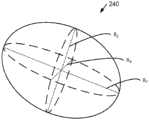
在某些情况下,三维形状可包括相对于所述三维患者骨骼模型定向成使得Rx内侧-外侧延伸、Ry前-后延伸并且Rz远侧-近侧延伸的椭圆体。在某些情况下,Rx可以是约7毫米,Ry可以是约10毫米,Rz可以是约7毫米。In some cases, the three-dimensional shape may include an ellipsoid oriented relative to the three-dimensional patient bone model such that Rx extends medial-laterally, Ry extends anterior-posteriorly, and Rz extends distally-proximal. In some cases, Rx can be about 7 millimeters, Ry can be about 10 millimeters, and Rz can be about 7 millimeters.
在某些情况下,如果所述最远端顶点的位置对于椭圆体函数:f=x^2/a^2+y^2/b^2+z^2/c^2可能大于0.65,则所述最远端顶点可能太靠近椭圆体的边界,其中,x可以是所述第一位置和所述最远端顶点之间在x方向上的差,y可以是所述第一位置和所述最远端顶点之间在y方向上的差,并且z可以是所述第一位置和所述最远端顶点之间在z方向的差,a可以为Rx,b可以为Ry,并且c可以为Rz。In some cases, if the position of the most distal vertex for the ellipsoid function: f=x^2/a^2+y^2/b^2+z^2/c^2 may be greater than 0.65, then The most distal vertex may be too close to the boundary of the ellipsoid, where x may be the difference in the x direction between the first position and the most distal vertex, and y may be the first position and all the difference in the y direction between the farthest vertices, and z may be the difference in the z direction between the first position and the farthest vertex, a may be Rx, b may be Ry, and c Can be Rz.
在某些情况下,三维患者骨骼模型可以是三维患者股骨模型。In some cases, the three-dimensional patient bone model may be a three-dimensional patient femur model.
在某些情况下,三维形状可包括椭圆体、球体、棱柱、立方体或圆柱体。In some cases, three-dimensional shapes may include ellipsoids, spheres, prisms, cubes, or cylinders.
在某些情况下,导航系统在执行关节成形手术时与自主机器人或外科医生辅助设备协力操作。In some cases, the navigation system operates in conjunction with autonomous robots or surgeon aids when performing arthroplasty procedures.
本公开的各方面可以涉及一种生成切除平面数据以用于规划患者骨骼上的关节成形手术的方法。该方法可以包括:获得与患者骨骼的至少一部分相关联的患者数据,患者数据使用医学成像机器而捕获;从患者数据生成三维患者骨骼模型,所述患者骨骼模型包括多边形表面网格;识别所述多边形表面网格上的远端点的位置;创建以该位置为中心或中心在该位置附近的第一三维形状;识别由所述第一三维形状包围的多边形表面网格的所有顶点的最远端顶点;确定所述最远端顶点是否可以位于骨赘上;使用所述最远端顶点或所述最远端顶点的调整位置作为用于基于所述最远端顶点是否位于骨赘上来确定远端切除深度的基础;和使用所述远端切除深度生成切除数据,所述切除数据被配置为在关节成形手术期间由导航系统使用。Aspects of the present disclosure may relate to a method of generating resection plane data for use in planning an arthroplasty procedure on a patient's bone. The method may include: obtaining patient data associated with at least a portion of the patient's skeleton, the patient data captured using a medical imaging machine; generating a three-dimensional patient skeletal model from the patient data, the patient skeletal model comprising a polygonal surface mesh; identifying the the location of the far point on the polygonal surface mesh; create a first 3D shape centered at or near this location; identify the furthest point of all vertices of the polygonal surface mesh enclosed by the first 3D shape end vertex; determine whether the distal-most vertex can be located on an osteophyte; use the distal-most vertex or the adjusted position of the distal-most vertex as a method for determining whether the distal-most vertex is located on an osteophyte a basis for a distal resection depth; and using the distal resection depth to generate resection data configured for use by a navigation system during an arthroplasty procedure.
在某些情况下,确定所述最远端顶点是否可以位于骨赘上可包括创建位于所述最远端顶点与所述位置之间的第二三维形状。In some cases, determining whether the distal-most vertex can be located on an osteophyte may include creating a second three-dimensional shape between the distal-most vertex and the location.
在某些情况下,该方法可以进一步包括识别由所述第二三维形状包围的多边形表面网格的特定顶点,并使用与所述特定顶点相关联的信息来确定所述远端顶点是否可以位于骨赘上。In some cases, the method may further include identifying a particular vertex of a polygonal surface mesh enclosed by the second three-dimensional shape, and using the information associated with the particular vertex to determine whether the distal vertex can be located at on osteophytes.
在某些情况下,所述信息可以是与从关节表面突出的骨赘的存在相关联的方向上的最小值和最大值。In some cases, the information may be the minimum and maximum values in the direction associated with the presence of osteophytes protruding from the articular surface.
在某些情况下,该方法可以进一步包括识别由所述第二三维形状包围的多边形表面网格的特定顶点,并使用在特定坐标方向上由所述第二三维形状包围的所述特定顶点之一的最小顶点值以及在该特定坐标方向上由所述第二三维形状包围的另一个特定顶点的最大顶点值来确定所述远端顶点是否可以位于骨赘上。In some cases, the method may further include identifying specific vertices of a polygonal surface mesh enclosed by the second three-dimensional shape, and using one of the specific vertices enclosed by the second three-dimensional shape in a particular coordinate direction The smallest vertex value of one and the largest vertex value of another specific vertex enclosed by the second three-dimensional shape in the specific coordinate direction determine whether the distal vertex can be located on the osteophyte.
在某些情况下,该方法可以进一步包括确定所述最大顶点值和所述最小顶点值之间的差,并使用该差来确定骨赘的存在。In some cases, the method may further include determining a difference between the maximum vertex value and the minimum vertex value, and using the difference to determine the presence of osteophytes.
在某些情况下,所述第二三维形状可以包括具有约2毫米的半径的球体并且朝向距所述最远端顶点的位置1毫米居中。In some cases, the second three-dimensional shape may comprise a sphere having a radius of about 2 millimeters and centered toward a
在某些情况下,该方法可以进一步包括识别由所述球体的边界包围的多边形表面网格的特定顶点,并确定在特定坐标方向上由所述边界包围的特定顶点之一的最大顶点值与在该特定坐标方向上由所述边界包围的另一个特定顶点的最小顶点值之间的差。In some cases, the method may further include identifying specific vertices of a polygonal surface mesh bounded by a boundary of the sphere, and determining a maximum vertex value of one of the specific vertices bounded by the boundary in a specific coordinate direction that is the same as the The difference between the minimum vertex values of another specific vertex enclosed by the boundary in the specific coordinate direction.
在某些情况下,该方法可以进一步包括使用所述差来确定是增大还是减小球体的大小。In some cases, the method may further include using the difference to determine whether to increase or decrease the size of the sphere.
在某些情况下,第一三维形状可包括椭圆体。在某些情况下,第二三维形状可包括球体。In some cases, the first three-dimensional shape may comprise an ellipsoid. In some cases, the second three-dimensional shape may comprise a sphere.
在某些情况下,导航系统在执行关节成形手术时与自主机器人或外科医生辅助设备协力操作。In some cases, the navigation system operates in conjunction with autonomous robots or surgeon aids when performing arthroplasty procedures.
本公开的各方面可以涉及一种生成切除平面数据以用于规划患者骨骼上的关节成形手术的方法。该方法可以包括:获得与患者骨骼的至少一部分相关的患者数据;从患者数据生成三维患者骨骼模型,所述患者骨骼模型在三维坐标系中定向并且包括多边形表面网格;识别三维坐标系中与切除平面相关联的特定方向;识别多边形表面网格上的位置;在该位置处或该位置附近创建表面;识别在特定方向上延伸超出该表面最远的多边形表面网格的所有顶点中的特定顶点;使用该特定顶点作为用于确定特定切除深度的因素;和使用所述特定切除深度生成切除数据,所述特定切除数据被配置为在关节成形手术期间由导航系统使用。Aspects of the present disclosure may relate to a method of generating resection plane data for use in planning an arthroplasty procedure on a patient's bone. The method may include: obtaining patient data related to at least a portion of the patient's bone; generating a three-dimensional patient bone model from the patient data, the patient bone model oriented in a three-dimensional coordinate system and including a polygonal surface mesh; a specific direction associated with a cut plane; identify a location on a polygonal surface mesh; create a surface at or near that location; identify a specific one of all vertices of a polygonal surface mesh that extends farthest beyond the surface in a specific direction a vertex; using the specific vertex as a factor for determining a specific resection depth; and generating resection data using the specific resection depth, the specific resection data being configured for use by the navigation system during an arthroplasty procedure.
在某些情况下,表面可以是平面。In some cases, the surface can be flat.
在某些情况下,表面可以是三维形状。在某些情况下,三维形状可以是球体、椭圆体、棱柱或立方体。In some cases, the surface can be a three-dimensional shape. In some cases, the three-dimensional shape can be a sphere, ellipsoid, prism, or cube.
在某些情况下,该方法还可以包括识别第一三维骨骼模型上的第一后侧点的第一位置;并且将所述第一三维骨骼模型上的所述第一位置映射到所述三维患者骨骼模型上的所述位置。所述第一位置可以与所述位置在位置上相关。In some cases, the method may further include identifying a first location of a first posterior point on a first three-dimensional skeletal model; and mapping the first location on the first three-dimensional skeletal model to the three-dimensional The location on the patient's skeletal model. The first position may be positionally related to the position.
在某些情况下,第一三维骨骼模型可以是一般骨骼模型。In some cases, the first three-dimensional skeletal model may be a general skeletal model.
在某些情况下,表面可包括半径约为7毫米的球体。在某些情况下,半径可以乘以缩放因子。在某些情况下,缩放因子可以是所述三维患者骨骼模型与一般骨骼模型之间的内侧-外侧或前-后大小差异之一。In some cases, the surface may comprise a sphere with a radius of about 7 millimeters. In some cases, the radius can be multiplied by a scaling factor. In some cases, the scaling factor may be one of the medial-lateral or anterior-posterior size differences between the three-dimensional patient bone model and the general bone model.
在某些情况下,导航系统在执行关节成形手术时与自主机器人或外科医生辅助设备协力操作。In some cases, the navigation system operates in conjunction with autonomous robots or surgeon aids when performing arthroplasty procedures.
本公开的各方面可以涉及一种生成切除平面和检查点定位数据以用于规划患者骨骼上的关节成形手术的方法。该方法可以包括:获得与患者骨骼的至少一部分相关联的患者数据,所述患者数据使用医学成像机器而捕获;从患者数据生成三维患者骨骼模型,所述患者骨骼模型包括多边形表面网格;识别所述患者骨骼模型上的第一检查点的第一位置;识别切除平面相对于所述患者骨骼模型的第二位置,所述切除平面限定所述患者骨骼模型上在切除后要被暴露的切除表面;确定从所述第一位置到所述切除表面上的点的最短有符号距离矢量;使用与所述最短有符号距离矢量相关联的信息来确定所述第一检查点的所述第一位置是否太靠近所述切除平面的所述第二位置;和Aspects of the present disclosure may relate to a method of generating resection plane and checkpoint positioning data for use in planning an arthroplasty procedure on a patient's bone. The method may include: obtaining patient data associated with at least a portion of the patient's skeleton, the patient data captured using a medical imaging machine; generating a three-dimensional patient skeleton model from the patient data, the patient skeleton model including a polygonal surface mesh; identifying a first location of a first checkpoint on the patient bone model; identifying a second location of a resection plane relative to the patient bone model, the resection plane defining a resection on the patient bone model to be exposed after resection surface; determining a shortest signed distance vector from the first location to a point on the resection surface; using information associated with the shortest signed distance vector to determine the first inspection point of the first inspection point whether the location is too close to the second location of the resection plane; and
使用所述信息生成切除和检查点定位数据,所述切除和检查点定位数据被配置成在关节成形手术期间由导航系统使用。The information is used to generate resection and checkpoint positioning data that is configured for use by a navigation system during an arthroplasty procedure.
在某些情况下,该方法可以进一步包括识别所述切除表面的法线,所述法线远离所述患者骨骼模型延伸并垂直于所述切除表面。In some cases, the method may further include identifying a normal to the resection surface, the normal extending away from the patient bone model and perpendicular to the resection surface.
在某些情况下,该方法可以进一步包括:当所述法线和所述最短有符号距离矢量指向相反方向时,确定所述第一检查点的所述第一位置太靠近所述切除平面的所述第二位置。In some cases, the method may further include determining that the first location of the first inspection point is too close to the resection plane when the normal and the shortest signed distance vector point in opposite directions the second position.
在某些情况下,患者骨骼模型可以是股骨模型。在某些情况下,患者骨骼模型可以是胫骨模型。In some cases, the patient bone model may be a femur model. In some cases, the patient bone model can be a tibia model.
在某些情况下,该方法可以进一步包括:当所述法线和所述最短有符号距离矢量指向相同方向并且所述最短有符号距离矢量的大小小于或等于约4.50毫米时,确定所述检查点的位置太靠近所述切除平面。In some cases, the method may further include determining the check when the normal and the shortest signed distance vector point in the same direction and the magnitude of the shortest signed distance vector is less than or equal to about 4.50 millimeters The position of the point is too close to the cut plane.
在某些情况下,患者骨骼模型可以是股骨模型。在某些情况下,患者骨骼模型可以是胫骨模型。In some cases, the patient bone model may be a femur model. In some cases, the patient bone model can be a tibia model.
在某些情况下,导航系统在执行关节成形手术时与自主机器人或外科医生辅助设备协力操作。In some cases, the navigation system operates in conjunction with autonomous robots or surgeon aids when performing arthroplasty procedures.
本公开的各方面可以涉及一种生成植入物位置和取向数据以用于规划患者骨骼上的关节成形手术的方法,所述患者骨骼包括外侧股骨区域、近端股骨区域和后侧股骨区域。该方法可以包括:获得与患者骨骼的至少一部分相关联的患者数据;从患者数据生成三维患者股骨模型,所述患者股骨模型包括表面边界和皮质区域,所述患者股骨模型处于三维坐标系中,其中X轴在内侧-外侧方向上,Y轴在前-后方向上,其中+Y轴指向所述股骨后侧区域,并且Z轴在上-下方向上,其中+Z轴指向所述股骨近端区域;获得包括前凸缘部分的三维股骨植入物模型,所述前凸缘部分具有上边缘和前侧骨切除接触表面,所述前侧骨切除接触表面是平面的并且邻近所述上边缘;确定所述股骨植入物模型相对于所述患者股骨模型的位置和取向;延伸与所述前侧骨切除接触表面共面的触觉平面,该触觉平面包括位于所述股骨植入物模型的前凸缘部分的上边缘上方的上边界;识别所述触觉平面的上边界上的一系列点;沿Y轴投影从所述一系列点中的每一个到所述患者股骨模型的表面边界的对应表面的矢量;基于所述矢量中的最小矢量的长度和方向确定发生切口;和基于所述股骨植入物模型相对于所述患者股骨模型的所确定的位置和取向,生成植入部件位置和取向数据,所述植入部件位置和取向数据被配置成在关节成形手术期间由导航系统使用。Aspects of the present disclosure may relate to a method of generating implant position and orientation data for planning an arthroplasty procedure on a patient's bone including a lateral femoral region, a proximal femoral region, and a posterior femoral region. The method can include: obtaining patient data associated with at least a portion of the patient's skeleton; generating a three-dimensional patient femur model from the patient data, the patient femur model including surface boundaries and cortical regions, the patient femur model being in a three-dimensional coordinate system, where the X axis is in the medial-lateral direction, the Y axis is in the anterior-posterior direction, where the +Y axis points to the posterior region of the femur, and the Z axis is in the superior-inferior direction, where the +Z axis points to the proximal femur region obtaining a three-dimensional femoral implant model comprising an anterior flange portion having a superior edge and an anterior bone resection contact surface, the anterior bone resection contact surface being planar and adjacent to the superior edge; Determining the position and orientation of the femoral implant model relative to the patient's femur model; extending a tactile plane coplanar with the anterior bone resection contact surface, the tactile plane including an anterior aspect of the femoral implant model the upper boundary above the upper edge of the flange portion; identifying a series of points on the upper boundary of the haptic plane; projecting the correspondence along the Y axis from each of the series of points to the surface boundary of the patient femur model a vector of the surface; determining an incision occurs based on the length and direction of the smallest of the vectors; and generating an implant component position and Orientation data, the implant component position and orientation data is configured to be used by the navigation system during an arthroplasty procedure.
在某些情况下,在以下情况下发生切口:所述矢量中的最小矢量的长度可以等于或大于0毫米;并且所述矢量中的最小矢量的方向可以与坐标系的+Y轴相反。In some cases, a cutout occurs when: the length of the smallest of the vectors may be equal to or greater than 0 millimeters; and the direction of the smallest of the vectors may be opposite the +Y axis of the coordinate system.
在某些情况下,在以下情况下不发生切口:所述矢量中的最小矢量的长度可以大于0毫米;并且所述矢量中的最小矢量的方向可以与坐标系的+Y轴方向相同。In some cases, the notch does not occur if: the length of the smallest of the vectors may be greater than 0 mm; and the direction of the smallest of the vectors may be the same as the +Y-axis direction of the coordinate system.
在某些情况下,长度可以基于可感知的切口深度。In some cases, the length may be based on the perceived depth of the incision.
在某些情况下,所述一系列点沿着所述触觉平面的上边界等间隔。在某些情况下,所述一系列点基于所述患者股骨模型的皮质区域处或其附近的曲率半径等间隔。在某些情况下,所述一系列点基于可感知切口的临床上相关的深度等间隔。在某些情况下,所述一系列点基于以下内容等间隔:所述患者股骨模型的皮质区域处或其附近的曲率半径;和可感知切口的临床上相关的深度。在某些情况下,所述一系列点等间隔约3.15毫米。In some cases, the series of points are equally spaced along the upper boundary of the haptic plane. In some cases, the series of points are equally spaced based on a radius of curvature at or near the cortical region of the patient's femur model. In some cases, the series of points are equally spaced based on the clinically relevant depth of the appreciable incision. In some cases, the series of points is equally spaced based on: the radius of curvature at or near the cortical region of the patient's femur model; and the clinically relevant depth of the perceptible incision. In some cases, the series of points are equally spaced about 3.15 millimeters apart.
在某些情况下,可以使用医学成像机器捕获患者数据。In some cases, patient data can be captured using medical imaging machines.
在某些情况下,导航系统在执行关节成形手术时与自主机器人或外科医生辅助设备协力操作。In some cases, the navigation system operates in conjunction with autonomous robots or surgeon aids when performing arthroplasty procedures.
本公开的各方面可以涉及一种生成植入物位置和取向数据以用于规划患者骨骼上的关节成形手术的方法,所述患者骨骼包括外侧股骨区域、近端股骨区域和后侧股骨区域。该方法可以包括:获得与患者骨骼的至少一部分相关联的患者数据,所述患者数据使用医学成像机器而捕获;从患者数据生成三维患者股骨模型;获得包括前凸缘部分的三维股骨植入物模型,所述前凸缘部分具有相关联的触觉切除对象,所述触觉切除对象具有上边界边缘;确定所述股骨植入物模型相对于所述患者股骨模型的位置和取向;基于所述上边界边缘和所述三维患者股骨模型的相交确定发生切口;和基于所述股骨植入物模型相对于所述患者股骨模型的所确定的位置和取向生成植入部件位置和取向数据,所述植入部件位置和取向数据被配置成在关节成形手术期间由导航系统使用。Aspects of the present disclosure may relate to a method of generating implant position and orientation data for planning an arthroplasty procedure on a patient's bone including a lateral femoral region, a proximal femoral region, and a posterior femoral region. The method may include: obtaining patient data associated with at least a portion of the patient's bone, the patient data captured using a medical imaging machine; generating a three-dimensional patient femur model from the patient data; obtaining a three-dimensional femoral implant including an anterior flange portion a model, the anterior flange portion having an associated tactile resection object having an upper bounding edge; determining the position and orientation of the femoral implant model relative to the patient femur model; based on the upper Intersection of the boundary edge and the three-dimensional patient femur model determines that an incision occurs; and generating implant component position and orientation data based on the determined position and orientation of the femoral implant model relative to the patient femur model, the implant Inlet component position and orientation data is configured for use by the navigation system during an arthroplasty procedure.
在某些情况下,三维患者股骨模型可以包括表面边界和皮质区域,所述患者股骨模型处于三维坐标系中,其中X轴在内侧-外侧方向上,Y轴在前-后方向上,其中+Y轴指向所述后侧股骨区域,并且Z轴在上-下方向上,其中+Z轴指向所述近端股骨区域;该方法还包括:识别所述触觉切除对象的上边界边缘上的一系列点;沿Y轴投影从所述一系列点中的每一个到所述患者股骨模型的表面边界的对应表面的矢量;和基于所述矢量中的最小矢量的长度和方向确定发生切口。In some cases, a three-dimensional patient femur model can include surface boundaries and cortical regions, the patient femur model being in a three-dimensional coordinate system with the X-axis in the medial-lateral direction and the Y-axis in the anterior-posterior direction, with +Y the axis points to the posterior femoral region, and the Z axis is in the supra-inferior direction, wherein the +Z axis points to the proximal femoral region; the method further comprises: identifying a series of points on the upper border edge of the tactile resection object ; a vector projecting along the Y axis from each of the series of points to a corresponding surface of the surface boundary of the patient's femur model; and determining the occurrence of an incision based on the length and direction of the smallest of the vectors.
在某些情况下,在以下情况下发生切口:所述矢量中的最小矢量的长度可以等于或大于0毫米;并且所述矢量中的最小矢量的方向可以与坐标系的+Y轴相反。In some cases, a cutout occurs when: the length of the smallest of the vectors may be equal to or greater than 0 millimeters; and the direction of the smallest of the vectors may be opposite the +Y axis of the coordinate system.
在某些情况下,在以下情况下不发生切口:所述矢量中的最小矢量的长度可以大于0毫米;并且所述矢量中的最小矢量的方向可以与坐标系的+Y轴相同。In some cases, no nicking occurs if: the length of the smallest of the vectors may be greater than 0 mm; and the direction of the smallest of the vectors may be the same as the +Y axis of the coordinate system.
在某些情况下,长度可以基于可感知的切口深度。In some cases, the length may be based on the perceived depth of the incision.
在某些情况下,所述一系列点沿着所述上边界边缘等间隔。在某些情况下,所述一系列点基于所述患者股骨模型的皮质区域处或其附近的曲率半径等间隔。在某些情况下,所述一系列点基于可感知切口的临床上相关的深度等间隔。在某些情况下,所述一系列点基于以下内容等间隔:所述患者股骨模型的皮质区域处或其附近的曲率半径;和可感知切口的临床上相关的深度。在某些情况下,所述一系列点等间隔约3.15毫米。In some cases, the series of points are equally spaced along the upper boundary edge. In some cases, the series of points are equally spaced based on a radius of curvature at or near the cortical region of the patient's femur model. In some cases, the series of points are equally spaced based on the clinically relevant depth of the appreciable incision. In some cases, the series of points is equally spaced based on: the radius of curvature at or near the cortical region of the patient's femur model; and the clinically relevant depth of the perceptible incision. In some cases, the series of points are equally spaced about 3.15 millimeters apart.
在某些情况下,导航系统在执行所述关节成形手术时与自主机器人或外科医生辅助设备协力操作。In some cases, the navigation system operates in conjunction with an autonomous robot or surgeon aid in performing the arthroplasty procedure.
本公开的各方面可以涉及一种生成切除数据以用于规划在软骨中至少部分地覆盖的患者骨骼上的关节成形手术的方法。该方法可以包括:接收包括骨骼模型表面的三维患者骨骼模型,所述三维患者骨骼模型通过导航系统与患者骨骼的位置和取向相关,所述三维患者骨骼模型处于三维坐标系中;识别所述三维患者骨骼模型的骨骼模型表面上的目标区域以进行术中配准;基于在与所述三维骨骼模型的骨骼模型表面上的目标区域内的点对应的位置中患者骨骼上的软骨的术中对准,接收第一多个点的位置数据;至少部分地基于第一多个点的位置数据确定切除深度;和使用所述切除深度生成切除数据,所述切除数据被配置为在关节成形手术期间由导航系统使用。Aspects of the present disclosure may relate to a method of generating resection data for planning an arthroplasty procedure on a patient's bone at least partially covered in cartilage. The method may include: receiving a three-dimensional patient bone model including a bone model surface, the three-dimensional patient bone model being related to the position and orientation of the patient's bone by a navigation system, the three-dimensional patient bone model being in a three-dimensional coordinate system; identifying the three-dimensional target area on the bone model surface of the patient's bone model for intraoperative registration; based on intraoperative registration of the cartilage on the patient's bone in locations corresponding to points within the target area on the bone model surface of the three-dimensional bone model receiving position data for the first plurality of points; determining a depth of resection based at least in part on the position data for the first plurality of points; and using the depth of resection to generate resection data, the resection data configured to be used during an arthroplasty procedure Used by the navigation system.
在某些情况下,该方法还可以包括将所述第一多个点的位置数据映射到所述三维坐标系中。In some cases, the method may also include mapping the location data of the first plurality of points into the three-dimensional coordinate system.
在某些情况下,确定切除深度可以包括确定所述第一多个点与所述骨骼模型表面上的所述目标区域之间的深度差。In some cases, determining a depth of resection may include determining a difference in depth between the first plurality of points and the target area on the surface of the bone model.
在某些情况下,该方法可以进一步包括通过将所述深度差加到仅骨骼的切除深度来确定所述切除深度。In some cases, the method may further include determining the resection depth by adding the depth difference to a bone-only resection depth.
在某些情况下,可以通过增加所述深度差向远端调整仅骨骼的切除深度。In some cases, the bone-only resection depth can be adjusted distally by increasing the depth difference.
在某些情况下,确定切除深度可以包括基于基于所述第一多个点改变仅骨骼的切除深度。In some cases, determining the resection depth may include changing the bone-only resection depth based on the first plurality of points.
在某些情况下,可以基于所述第一多个点向远端调整所述仅骨骼的切除深度。In some cases, the bone-only resection depth may be adjusted distally based on the first plurality of points.
在某些情况下,所述患者骨骼可包括股骨,并且所述三维患者骨骼模型可包括三维患者股骨模型。In some cases, the patient bone can include a femur, and the three-dimensional patient bone model can include a three-dimensional patient femur model.
在某些情况下,所述目标区域可包括所述三维患者股骨模型的内侧或外侧髁中的至少一个的关节区域。In some cases, the target area may include an articulation area of at least one of a medial or lateral condyle of the three-dimensional patient femur model.
在某些情况下,所述患者骨骼可包括胫骨,并且所述三维患者骨骼模型可包括三维患者胫骨模型。In some cases, the patient bone can include a tibia, and the three-dimensional patient bone model can include a three-dimensional patient tibia model.
在某些情况下,所述切除深度包括胫骨的近端切除深度,并且可以基于所述第一多个点的位置数据向近端调节所述近端切除深度。In some cases, the resection depth includes a proximal resection depth of the tibia, and the proximal resection depth can be adjusted proximally based on the position data of the first plurality of points.
在某些情况下,所述目标区域可包括所述三维患者胫骨模型的内侧或外侧胫骨平台中的至少一个的关节区域。In some cases, the target area may include an articulation area of at least one of a medial or lateral tibial plateau of the three-dimensional patient tibial model.
在某些情况下,三维患者骨骼模型可以是仅骨骼模型。In some cases, the three-dimensional patient bone model may be a bone-only model.
在某些情况下,可以从患者骨骼的医学图像生成三维患者骨骼模型。In some cases, a three-dimensional patient skeleton model can be generated from a medical image of the patient's skeleton.
在某些情况下,导航系统在执行关节成形手术时与自主机器人或外科医生辅助设备协力操作。In some cases, the navigation system operates in conjunction with autonomous robots or surgeon aids when performing arthroplasty procedures.
本公开的各方面可以涉及一种生成切除数据以用于规划膝关节上的关节成形手术的方法,所述膝关节包括患者的股骨和胫骨。该方法可以包括:接收在共同的三维坐标系中以第一预先规划的取向相对于彼此定向的三维股骨模型和三维股骨植入物模型,所述三维股骨模型对应于患者的股骨,所述三维股骨植入物模型包括内侧髁表面和外侧髁表面;接收在共同的三维坐标系中以第二预先规划的取向相对于彼此定向的三维胫骨模型和三维胫骨植入物模型,所述三维胫骨模型对应于患者的胫骨,所述三维胫骨植入物模型包括内侧关节表面和外侧关节表面,所述三维股骨模型和所述三维胫骨模型根据患者股骨和胫骨的姿势经由导航系统相对于彼此定向;接收对应于第一姿势中股骨和胫骨的第一位置和取向的第一位置和取向数据;计算第一姿势中所述三维股骨植入物模型的内侧髁表面与所述三维胫骨植入物模型上或与之相关联的第一点之间的第一有符号距离;计算第一姿势中所述三维股骨植入物模型的外侧髁表面与所述三维胫骨植入物模型上或与之相关联的第二点之间的第二有符号距离;基于所述第一和第二有符号距离确定或调整切除深度;和使用所述切除深度生成切除数据,所述切除数据被配置为在关节成形手术期间由导航系统使用。Aspects of the present disclosure may relate to a method of generating resection data for planning an arthroplasty procedure on a knee joint including a patient's femur and tibia. The method may include receiving a three-dimensional femoral model and a three-dimensional femoral implant model oriented relative to each other in a common three-dimensional coordinate system in a first pre-planned orientation, the three-dimensional femoral model corresponding to the patient's femur, the three-dimensional A femoral implant model includes a medial condyle surface and a lateral condyle surface; receiving a three-dimensional tibial model and a three-dimensional tibial implant model oriented relative to each other in a common three-dimensional coordinate system in a second pre-planned orientation, the three-dimensional tibial model Corresponding to a patient's tibia, the three-dimensional tibial implant model includes a medial articular surface and a lateral articular surface, the three-dimensional femoral model and the three-dimensional tibial model oriented relative to each other via a navigation system according to the posture of the patient's femur and tibia; receiving first position and orientation data corresponding to the first position and orientation of the femur and the tibia in the first posture; calculating the medial condyle surface of the three-dimensional femoral implant model in the first posture and on the three-dimensional tibial implant model a first signed distance between a first point or a first point associated therewith; calculating the lateral condyle surface of the 3D femoral implant model in a first pose and on or associated with the 3D tibial implant model a second signed distance between second points of Used by the navigation system during surgery.
在某些情况下,三维股骨模型和三维胫骨模型是从患者膝关节的医学图像生成的。In some cases, the 3D femur model and the 3D tibia model are generated from medical images of the patient's knee joint.
在某些情况下,第一姿势可以是膝关节伸展。In some cases, the first posture may be knee extension.
在某些情况下,所述第一点可位于所述三维胫骨植入物模型的内侧关节表面上,并且所述第二点可位于所述三维胫骨植入物模型的外侧关节表面上。In some cases, the first point can be located on a medial articular surface of the three-dimensional tibial implant model, and the second point can be located on a lateral articular surface of the three-dimensional tibial implant model.
在某些情况下,通过全局搜索最近距离算法计算第一和第二有符号距离。In some cases, the first and second signed distances are calculated by a global search closest distance algorithm.
在某些情况下,全局搜索最近距离算法识别与内侧和外侧髁表面以及内侧和外侧关节表面中的每一个相关联的参考顶点。In some cases, the global search closest distance algorithm identifies reference vertices associated with each of the medial and lateral condylar surfaces and the medial and lateral articular surfaces.
在某些情况下,该方法可以进一步包括:接收对应于在与所述第一姿势不同的第二姿势中的股骨和胫骨的第二位置和取向的第二位置和取向数据;计算所述第二姿势中所述三维股骨植入物模型的内侧髁表面与所述三维胫骨植入物模型的内侧关节表面之间的第三有符号距离;和计算所述第二姿势中所述三维股骨植入物模型的外侧髁表面与所述三维胫骨植入物模型的外侧关节表面之间的第四有符号距离。In some cases, the method may further include: receiving second position and orientation data corresponding to a second position and orientation of the femur and tibia in a second posture different from the first posture; calculating the first position and orientation a third signed distance between the medial condyle surface of the three-dimensional femoral implant model and the medial articular surface of the three-dimensional tibial implant model in two poses; and calculating the three-dimensional femoral graft in the second pose A fourth signed distance between the lateral condyle surface of the implant model and the lateral articular surface of the three-dimensional tibial implant model.
在某些情况下,第二姿势可以是屈曲。In some cases, the second posture may be flexion.
在某些情况下,通过全局搜索最近距离算法计算第一、第二、第三和第四有符号距离。In some cases, the first, second, third and fourth signed distances are calculated by a global search closest distance algorithm.
在某些情况下,通过全局搜索最近距离算法计算第一和第二有符号距离,并且通过增量搜索最近距离算法计算第三和第四有符号距离。In some cases, the first and second signed distances are calculated by a global search closest distance algorithm, and the third and fourth signed distances are calculated by an incremental search closest distance algorithm.
在某些情况下,所述全局搜索最近距离算法识别与所述内侧和外侧髁表面以及所述内侧和外侧关节表面中的每一个相关联的参考顶点,并且所述增量搜索最近距离算法被用于与所述内侧和外侧髁表面的参考顶点相邻的特定顶点,以确定是否有任何特定顶点分别比参考顶点更靠近对应的内侧或外侧关节表面。In some cases, the global search closest distance algorithm identifies reference vertices associated with each of the medial and lateral condyle surfaces and the medial and lateral articular surfaces, and the incremental search closest distance algorithm is For specific vertices adjacent to the reference vertices of the medial and lateral condyle surfaces to determine if any specific vertex is closer to the corresponding medial or lateral articular surface, respectively, than the reference vertex.
在某些情况下,所述三维股骨植入物模型可以包括包含顶点的第一三角形表面网格,所述三维胫骨植入物模型包括包含面的第二三角形表面网格,其中,计算所述三维股骨植入物模型的顶点和所述三维胫骨植入物模型的面之间的所述第一和第二有符号距离。In some cases, the three-dimensional femoral implant model may include a first triangular surface mesh containing vertices, the three-dimensional tibial implant model may include a second triangular surface mesh containing faces, wherein computing the The first and second signed distances between the vertex of the three-dimensional femoral implant model and the face of the three-dimensional tibial implant model.
在某些情况下,与要在关节成形手术中使用的物理胫骨植入物的内侧和关节表面相比,所述三维胫骨植入物模型的内侧和外侧关节表面被修改为较平坦或较少凹进以确定所述切除深度。In some cases, the medial and lateral articular surfaces of the three-dimensional tibial implant model are modified to be flatter or less than the medial and articular surfaces of the physical tibial implant to be used in an arthroplasty procedure Recessed to determine the depth of resection.
在某些情况下,所述第一点可位于与所述三维胫骨植入物模型相关联的胫骨切除平面的内侧部分上,并且所述第二点可位于与所述三维胫骨植入物模型相关联的胫骨切除平面的外侧部分上。In some cases, the first point may be located on a medial portion of a tibial resection plane associated with the three-dimensional tibial implant model, and the second point may be located in association with the three-dimensional tibial implant model on the lateral portion of the associated tibial resection plane.
在某些情况下,导航系统在执行关节成形手术时与自主机器人或外科医生辅助设备协力操作。In some cases, the navigation system operates in conjunction with autonomous robots or surgeon aids when performing arthroplasty procedures.
本公开的各方面可以涉及一种生成切除数据以用于规划在由患者的第一骨骼和第二骨骼形成的关节上的关节成形手术的方法。该方法可以包括:接收在共同的三维坐标系中以第一预先规划的取向相对于彼此定向的第一三维骨骼模型和第一三维植入物模型,所述第一三维骨骼模型对应于患者的所述第一骨骼,所述第一三维植入物模型包括第一植入物关节表面;接收在共同的三维坐标系中以第二预先规划的取向相对于彼此定向的第二三维骨骼模型和第二三维植入物模型,所述第二三维骨骼模型对应于患者的第二骨骼,所述第二三维植入物模型包括第二植入物关节表面,所述第一三维骨骼模型和所述第二三维骨骼模型通过导航系统根据患者的第一骨骼和第二骨骼的姿势相对于彼此定向;接收对应于第一姿势中所述第一骨骼和所述第二骨骼的第一位置和取向的第一位置和取向数据;计算所述第一姿势中所述第一三维植入物模型的第一植入物关节表面与所述第二三维植入物模型上或与之关联的第一点之间的第一有符号距离;基于第一距离确定或调整切除深度;和使用所述切除深度生成切除数据,所述切除数据被配置为在关节成形手术期间由导航系统使用。Aspects of the present disclosure may relate to a method of generating resection data for planning an arthroplasty procedure on a joint formed by a first bone and a second bone of a patient. The method may include receiving a first three-dimensional bone model and a first three-dimensional implant model oriented relative to each other in a common three-dimensional coordinate system in a first pre-planned orientation, the first three-dimensional bone model corresponding to the patient's the first bone, the first three-dimensional implant model including a first implant articular surface; receiving a second three-dimensional bone model oriented relative to each other in a second pre-planned orientation in a common three-dimensional coordinate system; and A second three-dimensional implant model, the second three-dimensional bone model corresponding to a second bone of the patient, the second three-dimensional implant model including the second implant articular surface, the first three-dimensional bone model and all the second three-dimensional skeletal model is oriented relative to each other by the navigation system according to the posture of the first and second bones of the patient; receiving a first position and orientation corresponding to the first and second bones in the first posture first position and orientation data; computing a first implant articular surface of the first three-dimensional implant model in the first pose and a first implant articular surface on or associated with the second three-dimensional implant model a first signed distance between points; determining or adjusting a resection depth based on the first distance; and using the resection depth to generate resection data configured for use by a navigation system during an arthroplasty procedure.
在某些情况下,关节可以是膝关节、踝关节、肘关节或腕关节中的一种。In some cases, the joint may be one of a knee, ankle, elbow, or wrist.
在某些情况下,第一骨骼可以是股骨,并且第二骨骼可以是胫骨。In some cases, the first bone can be the femur and the second bone can be the tibia.
在某些情况下,所述第一点可位于与所述第二三维植入物模型相关联的近端胫骨切除平面的一部分上。In some cases, the first point may lie on a portion of a proximal tibial resection plane associated with the second three-dimensional implant model.
在某些情况下,所述第一三维植入物模型可包括内侧髁表面和外侧髁表面,所述第二三维植入物模型可包括内侧关节表面和外侧关节表面,所述第一有符号距离在内侧髁表面和所述第一点之间确定。In some cases, the first three-dimensional implant model can include a medial condyle surface and a lateral condyle surface, the second three-dimensional implant model can include a medial articular surface and a lateral articular surface, and the first signed The distance is determined between the medial condyle surface and the first point.
在某些情况下,该方法可以进一步包括计算所述第一姿势中所述外侧髁表面和所述第二三维植入物模型上或与之相关联的第二点之间的第二有符号距离。In some cases, the method may further include calculating a second signed point between the lateral condyle surface in the first pose and a second point on or associated with the second three-dimensional implant model distance.
在某些情况下,所述第一点可位于所述第二三维植入物模型的内侧关节表面上,并且所述第二点可位于所述第二三维植入物模型的外侧关节表面上。In some cases, the first point can be located on a medial articular surface of the second three-dimensional implant model, and the second point can be located on a lateral articular surface of the second three-dimensional implant model .
在某些情况下,与要在关节成形手术中使用的物理植入物的内侧和关节表面相比,所述第二三维植入物模型的内侧和外侧关节表面被修改为较平坦或较少凹进以确定所述切除深度。In some cases, the medial and lateral articular surfaces of the second three-dimensional implant model are modified to be flatter or less than the medial and articular surfaces of the physical implant to be used in an arthroplasty procedure Recessed to determine the depth of resection.
在某些情况下,通过全局搜索最近距离算法计算第一和第二有符号距离。In some cases, the first and second signed distances are calculated by a global search closest distance algorithm.
在某些情况下,全局搜索最近距离算法识别与内侧和外侧髁表面以及内侧和外侧关节表面中的每一个相关联的参考顶点。In some cases, the global search closest distance algorithm identifies reference vertices associated with each of the medial and lateral condylar surfaces and the medial and lateral articular surfaces.
在某些情况下,该方法可以进一步包括:接收对应于在与所述第一姿势不同的第二姿势中的所述第一骨骼和所述第二骨骼的第二位置和取向的第二位置和取向数据;计算所述第二姿势中所述第一三维植入物模型的内侧髁表面与所述第二三维植入物模型的内侧关节表面之间的第三有符号距离;和计算所述第二姿势中所述第一三维植入物模型的外侧髁表面与所述第二三维植入物模型的外侧关节表面之间的第四有符号距离。In some cases, the method may further include: receiving a second position corresponding to a second position and orientation of the first bone and the second bone in a second pose different from the first pose and orientation data; calculating a third signed distance between the medial condyle surface of the first three-dimensional implant model and the medial articular surface of the second three-dimensional implant model in the second pose; and calculating the total A fourth signed distance between the lateral condyle surface of the first three-dimensional implant model and the lateral articular surface of the second three-dimensional implant model in the second posture.
在某些情况下,通过全局搜索最近距离算法计算第一、第二、第三和第四有符号距离。In some cases, the first, second, third and fourth signed distances are calculated by a global search closest distance algorithm.
在某些情况下,通过全局搜索最近距离算法计算第一和第二有符号距离,并且通过增量搜索最近距离算法计算第三和第四有符号距离。In some cases, the first and second signed distances are calculated by a global search closest distance algorithm, and the third and fourth signed distances are calculated by an incremental search closest distance algorithm.
在某些情况下,所述全局搜索最近距离算法识别与所述内侧和外侧髁表面以及所述内侧和外侧关节表面中的每一个相关联的参考顶点,并且所述增量搜索最近距离算法可以被用于与所述内侧和外侧髁表面的参考顶点相邻的特定顶点,以确定是否有任何特定顶点分别比所述参考顶点更靠近对应的内侧或外侧关节表面。In some cases, the global search closest distance algorithm identifies reference vertices associated with each of the medial and lateral condyle surfaces and the medial and lateral articular surfaces, and the incremental search closest distance algorithm may Specific vertices adjacent to the reference vertices of the medial and lateral condyle surfaces are used to determine whether any specific vertex is closer to the corresponding medial or lateral articular surface, respectively, than the reference vertex.
在某些情况下,导航系统在执行所述关节成形手术时与自主机器人或外科医生辅助设备协力操作。In some cases, the navigation system operates in conjunction with an autonomous robot or surgeon aid in performing the arthroplasty procedure.
虽然公开了多个实施例,但是根据以下具体实施方式,本公开的其他实施例对于本领域技术人员来说将变得显而易见,该具体实施方式示出并描述了本公开的说明性实施例。如将认识到的,本文讨论的实施例能够在各个方面进行修改,所有这些都不脱离本公开的精神和范围。因此,附图和具体实施方式本质上被认为是说明性的而非限制性的。While various embodiments are disclosed, other embodiments of the present disclosure will become apparent to those skilled in the art from the following detailed description, which shows and describes illustrative embodiments of the present disclosure. As will be realized, the embodiments discussed herein are capable of modifications in various respects, all without departing from the spirit and scope of the present disclosure. Accordingly, the drawings and detailed description are to be regarded as illustrative in nature and not restrictive.
附图说明Description of drawings
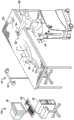
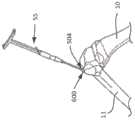
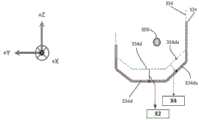
图1是手术系统的图示。Figure 1 is an illustration of a surgical system.
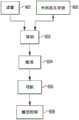
图2是示出关节成形术的手术规划和执行的流程图。2 is a flow chart illustrating surgical planning and execution of an arthroplasty.
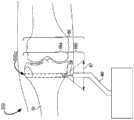
图3A和3B示出了关节成形术期间的触觉引导。3A and 3B illustrate tactile guidance during arthroplasty.
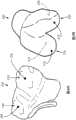
图4A和4B分别示出了一般胫骨的近端和一般股骨的远端的三维计算机模型,其中每个三维模型表示根据大小和形状的其相应骨类型的统计平均。Figures 4A and 4B show three-dimensional computer models of the proximal end of a typical tibia and the distal end of a typical femur, respectively, where each three-dimensional model represents a statistical average of its corresponding bone type in terms of size and shape.
图5A-5C分别示出了患者胫骨(即,患者胫骨模型)的三维计算机模型的近端的冠状、轴向或横向和矢状视图。5A-5C show, respectively, coronal, axial or transverse, and sagittal views of the proximal end of a three-dimensional computer model of a patient's tibia (ie, a patient's tibia model).
图6A-6C分别示出了患者股骨(即,患者股骨模型)的三维计算机模型的远端的冠状、轴向或横向和矢状视图。6A-6C show coronal, axial or transverse, and sagittal views, respectively, of the distal end of a three-dimensional computer model of a patient's femur (ie, a patient's femur model).
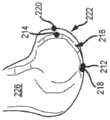
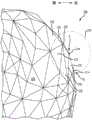
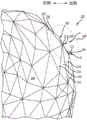
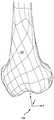
图7是三维患者股骨计算机模型的后髁区域的三角形表面网格的放大视图,并且示出了调整从三维一般股骨计算机模型被映射到患者股骨模型上的患者股骨模型上的后部点的位置的方法。7 is an enlarged view of the triangular surface mesh of the posterior condyle region of the three-dimensional patient femur computer model and showing the adjustment of the position of the posterior points on the patient's femur model mapped from the three-dimensional general femur computer model onto the patient's femur model Methods.
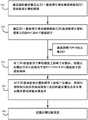
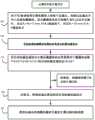
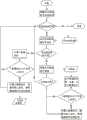
图8是示出调整患者股骨模型上的映射的后部点的放置的方法的流程图。8 is a flow chart illustrating a method of adjusting the placement of the mapped posterior points on the patient's femur model.
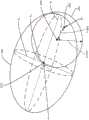
图9A是三维患者股骨计算机模型的远端髁区域的三角形表面网格的放大视图,并且示出了调整从三维一般股骨计算机模型被映射到患者股骨模型上的患者股骨模型上的远端点的位置的方法。9A is an enlarged view of the triangular surface mesh of the distal condyle region of the three-dimensional patient femur computer model and showing adjustment of the distal points on the patient's femur model mapped from the three-dimensional general femur computer model to the patient's femur model method of location.
图9B是图9A中采用的椭圆体的放大等距视图。Figure 9B is an enlarged isometric view of the ellipsoid employed in Figure 9A.
图9C是与图9A和9B相同的椭圆体加上在微调映射的远端点的放置的过程中采用的球体。Figure 9C is the same ellipsoid as Figures 9A and 9B plus the sphere employed in fine-tuning the placement of the distal points of the mapping.
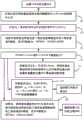
图10A-10C是概述调整患者股骨模型上的映射的远端点的放置的方法的流程图,所述远端点已经从一般股骨模型映射到患者股骨模型的髁。10A-10C are flowcharts outlining a method of adjusting the placement of mapped distal points on a patient femur model that have been mapped from a general femur model to the patient's femur model's condyles.
图11是候选胫骨植入物(即,胫骨植入物模型)的三维计算机模型的远端前视图,示出了其骨切除接触表面,该表面与其胫骨平台远远相对。11 is a distal anterior view of a three-dimensional computer model of a candidate tibial implant (ie, a tibial implant model) showing its bone resection contact surface that is far opposite its tibial plateau.
图12A-12C分别示出了叠加在患者胫骨的三维计算机模型(即,患者胫骨模型)的近端上的胫骨植入物模型的冠状、轴向或横向和矢状视图。12A-12C show coronal, axial or transverse and sagittal views, respectively, of a tibial implant model superimposed on the proximal end of a three-dimensional computer model of a patient's tibia (ie, a patient's tibia model).
图13是候选股骨植入物(即,股骨植入物模型)的三维计算机模型的矢状视图,示出了其远端骨切除接触表面连同相邻的前倒角切除接触表面、后倒角切除接触表面、前切除接触表面和后切除接触表面,这些切除接触表面靠近股骨植入物模型的内侧和外侧髁表面。Figure 13 is a sagittal view of a three-dimensional computer model of a candidate femoral implant (ie, a femoral implant model) showing its distal bone resection contact surface along with adjacent anterior chamfer resection contact surfaces, posterior chamfer Cutaway contact surfaces, anterior cutaway contact surfaces, and posterior cutaway contact surfaces are close to the medial and lateral condylar surfaces of the femoral implant model.
图14A-14C分别示出了叠加在患者股骨的三维计算机模型(即,患者股骨模型)的远端上的股骨植入物模型的冠状、轴向或横向和矢状视图。14A-14C show coronal, axial or transverse, and sagittal views, respectively, of a femoral implant model superimposed on the distal end of a three-dimensional computer model of a patient's femur (ie, a patient's femur model).
图15A-15C是提议要切除的胫骨模型并示出了提议的胫骨切除的各种视图。15A-15C are various views of a proposed tibia model for resection and showing the proposed tibial resection.
图16A-16C是提议要切除的股骨模型并示出了提议的股骨切除(包括远端切除)的各种视图。16A-16C are various views of a proposed femoral bone model for resection and showing proposed femoral resections, including distal resections.
图17是股骨植入物模型的股骨关节表面和胫骨植入物模型的胫骨关节表面的等距视图。17 is an isometric view of the femoral articular surface of the femoral implant model and the tibial articular surface of the tibial implant model.
图18和19分别是全局搜索最近距离算法的宽阶段搜索级和窄阶段搜索级的算法流程图。Figures 18 and 19 are the algorithm flow charts of the wide-stage search stage and the narrow-stage search stage of the global search closest distance algorithm, respectively.
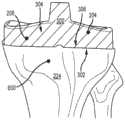
图20A和20B分别是定位于患者股骨模型上使得前股骨皮质被切口的股骨植入物模型的前远端视图和矢状横截面视图。Figures 20A and 20B are anterior distal and sagittal cross-sectional views, respectively, of the femoral implant model positioned on the patient's femur model such that the anterior femoral cortex is incised.
图21示出了为患者股骨模型建立的坐标系。Figure 21 shows the coordinate system established for the patient femur model.
图22A-22C分别是候选股骨植入物模型的后部、矢状-后部和矢状视图,其中在该股骨植入物模型上叠加有触觉平面的轮廓。22A-22C are posterior, sagittal-posterior, and sagittal views, respectively, of a candidate femoral implant model with the outline of the tactile plane superimposed on the femoral implant model.
图23是股骨植入物模型的前凸缘部分的上边缘和触觉平面的上边界的放大前视图,一系列等距间隔的参考点沿触觉平面的上边界延伸。23 is an enlarged front view of the upper edge of the anterior flange portion of the femoral implant model and the upper boundary of the tactile plane along which a series of equally spaced reference points extend.
图24是前股骨皮质切口情况的示意图。Figure 24 is a schematic illustration of the condition of the anterior femoral cortical incision.
图25A和25B分别是患者股骨模型和其上的候选股骨植入物模型在无切口和有切口布置中的横截面矢状视图。Figures 25A and 25B are cross-sectional sagittal views of a patient femur model and a candidate femoral implant model thereon in an incision-free and incision arrangement, respectively.
图26A是在术中配准过程中使用的检查点的侧视图。Figure 26A is a side view of a checkpoint used during intraoperative registration.
图26B是膝关节的侧视图,其具有位于股骨上的检查点,其中导航探针接触检查点。26B is a side view of a knee joint with a checkpoint on the femur with a navigation probe touching the checkpoint.
图26C示出了叠加在患者股骨的三维计算机模型(即,患者股骨模型)的远端上的股骨植入物模型的冠状视图,其中检查点位于患者股骨模型上。26C shows a coronal view of a femoral implant model superimposed on the distal end of a three-dimensional computer model of a patient's femur (ie, a patient's femur model) with checkpoints located on the patient's femur model.
图26D示出了叠加在患者胫骨的三维计算机模型(即,患者胫骨模型)的近端上的胫骨植入物模型的冠状视图,其中检查点位于患者胫骨模型上。Figure 26D shows a coronal view of a tibial implant model superimposed on the proximal end of a three-dimensional computer model of a patient's tibia (ie, a patient's tibia model) with checkpoints located on the patient's tibia model.
图26E示出了检查点位置验证过程中的步骤。Figure 26E shows the steps in the checkpoint location verification process.
图26F是股骨和胫骨切除平面的矢状视图,其中切除平面相对于检查点坐落得“深”。Figure 26F is a sagittal view of the femoral and tibial resection planes, where the resection planes sit "deep" relative to the checkpoint.
图26G是股骨和胫骨切除平面的矢状视图,其中切除平面相对于检查点“凸出”。Figure 26G is a sagittal view of the femoral and tibial resection planes with the resection plane "bulging" relative to the inspection point.
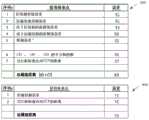
图26H是示出与各种切除关联的误差的表。Figure 26H is a table showing errors associated with various excisions.
图26I是股骨切除平面的矢状视图,示出了由于后切除中的误差导致的前倒角误差的影响。Figure 26I is a sagittal view of the femoral resection plane showing the effect of anterior chamfering errors due to errors in the posterior resection.
图26J是股骨切除平面的矢状视图,示出了由于远端切除中的误差导致的前倒角误差的影响。Figure 26J is a sagittal view of the femoral resection plane showing the effect of anterior chamfering errors due to errors in the distal resection.
图27A和27B分别是术前规划的股骨植入物和患者骨骼模型的矢状视图,以及术前规划的胫骨植入物和患者骨骼模型的矢状视图。Figures 27A and 27B are sagittal views of a preoperatively planned femoral implant and patient skeletal model, and sagittal views of a preoperatively planned tibial implant and patient skeletal model, respectively.
图28A和28B分别是如图1中的系统的显示器上所示的患者股骨模型的轴向或横向视图和后视图。28A and 28B are an axial or lateral view and a posterior view, respectively, of the patient's femur model as shown on the display of the system of FIG. 1 .
图29A和29B分别是图28A和28B各自的界标捕获区域的放大视图,其中在每个捕获区域上描绘了一系列配准点。Figures 29A and 29B are enlarged views of the respective landmark capture regions of Figures 28A and 28B, respectively, with a series of registration points depicted on each capture region.
图30是具有可以实现本文所讨论的各种系统和方法的一个或多个计算单元的示例计算系统。30 is an example computing system having one or more computing units that may implement the various systems and methods discussed herein.
具体实施方式Detailed ways
本文公开了用于通过手术系统100执行的关节成形术外科手术的术前规划。术前规划包括限定骨切除深度并识别股骨前皮质的不可接受的切口是否与提出的骨切除深度和候选植入物的提出的姿势关联。假设术前规划的骨切除深度和植入物姿势没有不可接受的股骨前皮质切口且经外科医生批准,则可通过术中将实际患者骨骼的软骨髁表面与术前规划中采用的患者骨骼模型配准来更新骨切除深度以计及软骨厚度。通过如此地计及软骨厚度,实际植入物在通过手术系统100植入时将使得其各自的髁表面定位成代替实际患者骨骼的切除的软骨髁表面。Disclosed herein is preoperative planning for an arthroplasty surgical procedure performed by the
在开始详细讨论术前规划和术中配准软骨髁表面之前,现在将在下面给出手术系统及其操作的概述。Before beginning a detailed discussion of preoperative planning and intraoperative registration of the cartilaginous condylar surface, an overview of the surgical system and its operation will now be given below.
I.手术系统概述I. Overview of the Surgical System
为了开始对手术系统的详细讨论,参考图1。从图1可以理解,手术系统100包括导航系统42、计算机50和触觉设备60。导航系统跟踪患者的骨骼(即,胫骨10、股骨11),以及在手术期间使用的手术工具(例如,指向设备、探针、切割工具),以允许外科医生在截骨术期间在显示器56上可视化骨骼和工具。To begin a detailed discussion of the surgical system, reference is made to FIG. 1 . As can be appreciated from FIG. 1 ,
导航系统42可以是被配置为跟踪骨骼的姿势(即,位置和取向)的任何类型的导航系统。例如,导航系统42可以包括非机械跟踪系统、机械跟踪系统或非机械跟踪系统和机械跟踪系统的任何组合。导航系统42包括检测设备44,检测设备44获得对象关于检测设备44的参考坐标系的姿势。当对象在参考坐标系中移动时,检测设备跟踪对象的姿势以检测对象的移动。Navigation system 42 may be any type of navigation system configured to track the pose (ie, position and orientation) of the skeleton. For example, the navigation system 42 may include a non-mechanical tracking system, a mechanical tracking system, or any combination of a non-mechanical tracking system and a mechanical tracking system. The navigation system 42 includes a
在一个实施例中,导航系统42包括如图1所示的非机械跟踪系统。非机械跟踪系统是具有检测设备44和可跟踪元件(例如导航标记46)的光学跟踪系统,所述可跟踪元件设置在被跟踪对象上并且能够由检测设备44检测。在一个实施例中,检测设备44包括基于可见光的检测器,例如MicronTracker(Claron Technology公司,多伦多,加拿大),其检测可跟踪元件上的图案(例如,棋盘图案)。在另一个实施例中,检测设备44包括立体相机对,该立体相机对对红外辐射敏感并可定位在将执行关节成形术的手术室中。可跟踪元件以安全且稳定的方式附接到被跟踪对象,并且包括具有与被跟踪对象的已知几何关系的标记阵列。众所周知,可跟踪元件可以是有源的(例如,发光二极管或LED)或无源的(例如,反射球、棋盘图案等)并且具有独特的几何形状(例如,标记的独特几何布置),替代地,在有源、有线或无线标记的情况下,具有独特的发射(firing)模式。在手术中,检测设备44检测可跟踪元件的位置,并且手术系统100(例如,检测设备44使用嵌入式电子设备)基于可跟踪元件的位置、独特几何形状和与被跟踪对象的已知几何关系的来计算被跟踪对象的姿势。跟踪系统42包括用于用户期望跟踪的每个对象的可跟踪元件,例如位于骨10上的导航标记46。在触觉地引导的机器人辅助手术期间,导航系统还可以包括触觉设备标记48(以跟踪触觉设备60的全局或总体位置)、末端执行器标记54(以跟踪触觉设备60的远端)以及徒手导航探针55用于配准过程。In one embodiment, the navigation system 42 includes a non-mechanical tracking system as shown in FIG. 1 . A non-mechanical tracking system is an optical tracking system having a
如图1所示,手术系统100还包括处理电路,在附图中表示为计算机50。处理电路包括处理器和存储器设备。处理器可以实现为通用处理器、专用集成电路(ASIC)、一个或多个现场可编程门阵列(FPGA)、一组处理部件、专用处理器或其他合适的电子处理部件。存储器设备(例如,存储器、存储器单元、存储设备等)是用于存储用于完成或促进本申请中描述的各种过程、层和功能的数据和/或计算机代码的一个或多个设备(例如,RAM、ROM、闪存、硬盘存储装置等)。存储器设备可以是或包括易失性存储器或非易失性存储器。存储器设备可以包括数据库部件、目标代码部件、脚本部件或用于支持本申请中描述的各种行为和信息结构的任何其他类型的信息结构。根据示例性实施例,存储器设备经由处理电路可通信地连接到处理器,并且包括用于执行(例如,通过处理电路和/或处理器)本文描述的一个或多个过程的计算机代码。As shown in FIG. 1 ,
计算机50被配置为与导航系统42和触觉设备60通信。此外,计算机50可以接收与截骨手术相关的信息并执行与截骨手术的执行相关的各种功能。例如,计算机50可以根据需要具有软件以执行与图像分析、手术规划、配准、导航、图像引导和触觉引导相关的功能。更具体地,导航系统可以在执行关节成形术时与自主机器人或外科医生辅助设备(触觉设备)协力操作。
计算机50接收患者的解剖结构的图像,在该解剖结构上将执行关节成形手术。参考图2,在执行关节成形术之前,使用任何已知的成像技术扫描患者的解剖结构,例如用医学成像机捕获的CT或MRI(步骤801)。虽然本公开参考了利用诸如CT或MRI机器的医学成像机器捕获或生成的医学图像,但是其他生成医学图像的方法也是可能的并且在本文中设想。例如,骨骼的图像可以通过例如扫描或记录骨表面的形貌的手持扫描或成像设备的医学成像机器在术中生成。因此,术语医学成像机器旨在包括位于成像中心的相对大的设备以及术中使用的手持成像设备。
接下来,然后分割扫描数据以获得患者解剖结构的三维表示。例如,在执行膝关节成形术之前,创建股骨和胫骨的三维表示。使用该三维表示并作为规划过程的一部分,可以选择股骨和胫骨界标,并且计算患者的股骨-胫骨对齐以及提议的股骨和胫骨植入物的取向和放置,这可以对于模型和大小通过计算机50进行选择。股骨和胫骨界标可以包括股骨头中心、远端滑车沟、髁间隆起的中心、胫骨-踝中心和内侧胫骨棘等。股骨-胫骨对齐是股骨机械轴线(即,从股骨头中心到远端滑车沟的线)和胫骨机械轴线(即,从踝中心到髁间隆起中心的线)之间的角度。基于患者当前的股骨-胫骨对齐和通过关节成形手术实现的期望的股骨-胫骨对齐,并进一步包括提议的股骨和胫骨植入物的大小、模型和放置,包括与提议的植入物的植入关联的期望延伸、内翻-外翻角、以及内-外旋转,计算机50被编程为计算提议的植入物的期望植入或至少辅助植入提议的植入物的术前规划,包括在执行关节成形手术过程的过程中要通过触觉设备60进行的切除(步骤803)。通过步骤803实现的术前规划被提供给外科医生以供审查、调整和批准,并且根据外科医生的指示更新术前规划(步骤802)。Next, the scan data is then segmented to obtain a three-dimensional representation of the patient's anatomy. For example, before performing knee arthroplasty, create three-dimensional representations of the femur and tibia. Using this three-dimensional representation and as part of the planning process, femoral and tibial landmarks can be selected and the patient's femoral-tibial alignment and proposed orientation and placement of femoral and tibial implants calculated, which can be done by
由于计算机50用于根据步骤803开发手术规划,所以应当理解,用户可以在手术规划期间的任何阶段与计算机50交互以输入信息并修改手术规划的任何部分。手术规划包括多个规划的虚拟边界。虚拟边界可以表示在关节成形手术期间在骨10,11中形成的孔和/或切口。一旦开发了手术规划,触觉设备60就用于辅助用户在骨10,11中创建规划的孔和切口。将在下面更全面地解释术前规划,特别是关于骨切除深度规划和前股骨干切口的预防。Since
在骨10,11中钻孔和创建切口或切除可以在触觉地引导的交互式机器人系统的辅助下完成,所述交互式机器人系统例如为2011年8月30日授权、标题为“Haptic GuidanceSystem and Method(触觉引导系统和方法)”的美国专利No.8,010,180中描述的触觉引导系统,并且将其全部内容通过引用结合于此。当外科医生操纵机器人手臂借助高速钻、矢状锯或其他合适的工具在骨中钻孔或执行切割时,该系统提供触觉反馈以引导外科医生将孔和切口造型成适当的形状,这被预先编程到机器人手臂的控制系统中。触觉引导和反馈将在下面更全面地解释。Drilling and creating incisions or resections in
在手术规划期间,计算机50还接收与在关节成形手术期间要植入的股骨和胫骨植入物有关的信息。例如,用户可以使用输入设备52(例如键盘、鼠标等)将所选择的股骨和胫骨植入物的参数输入到计算机50中。替代地,计算机50可以包含预先建立的各种植入物及其参数的数据库,并且用户可以从数据库中选择所选择的植入物。在又一个实施例中,植入物可以基于患者特异性手术规划而定制设计。在手术规划的任何阶段期间可以进行对植入物的选择。During surgical planning, the
手术规划还可以基于植入物的至少一个参数或植入物的参数的函数。因为可以在手术规划过程的任何阶段选择植入物,所以可以在计算机50确定规划的虚拟边界之前或之后选择植入物。如果首先选择植入物,则规划的虚拟边界可以基于至少部分地基于植入物的参数。例如,可以基于与植入关节成形术植入物的期望手术结果关联的期望的内翻-外翻股骨-胫骨对齐、延伸、内-外旋转或者任何其他因素来规划表示要在骨10,11中形成的孔或切口的规划的虚拟边界之间的距离(或任何其他关系)。以这种方式,手术规划的实施将导致切除的骨表面和孔的正确对齐,以允许所选择的植入物实现期望的手术结果。替代地,计算机50可以在植入物选择之前开发手术规划,包括规划的虚拟边界。在这种情况下,可以至少部分地基于规划的虚拟边界来选择(例如,输入、选择或设计)植入物。例如,可以基于规划的虚拟边界来选择植入物,使得手术规划的执行将导致切除的骨表面和孔的正确对齐,以允许所选择的植入物实现期望的手术结果。Surgical planning may also be based on at least one parameter of the implant or a function of a parameter of the implant. Because the implant can be selected at any stage of the surgical planning process, the implant can be selected before or after the
虚拟边界存在于虚拟空间中并且可以表示在物理(即,真实)空间中存在或将要创建的特征。虚拟边界对应于物理空间中的工作边界,其能够与物理空间中的对象交互。例如,工作边界可以与耦接到触觉设备60的手术工具58交互。尽管本文中通常将手术规划描述为包括表示孔和切除的虚拟边界,但是手术规划可以包括表示对骨10,11的其他修改的虚拟边界。此外,虚拟边界可以对应于能够与物理空间中的对象交互的物理空间中的任何工作边界。Virtual boundaries exist in virtual space and can represent features that exist or are to be created in physical (ie, real) space. A virtual boundary corresponds to a working boundary in physical space, which can interact with objects in physical space. For example, the working boundary may interact with
再次参考图2,在手术规划之后并且在执行关节成形手术之前,使用任何已知的配准技术将物理解剖结构(例如,骨10,11)配准到解剖结构的虚拟表示(例如,术前三维表示)(步骤804)。可能的配准技术包括在上面引用的美国专利No.8,010,180中描述的基于点的配准技术,或者如2012年7月30日提交、标题为“Radiographic Imaging Device(射线成像设备)”的美国专利申请序列No.13/562,163中描述的利用手持射线成像设备的2D/3D配准,并且上述美国专利申请全部内容通过引用结合于此。患者解剖结构的配准允许在外科手术期间进行准确导航(步骤805),这使得每个虚拟边界能够对应于物理空间中的工作边界。例如,参考图3A和3B,表示胫骨10中的切除的虚拟边界62显示在计算机或其他显示器63上,并且虚拟边界62对应于物理空间69中的工作边界66,例如外科手术室中的手术部位。工作边界66的一部分又对应于胫骨10中的切除的规划位置。Referring again to Figure 2, following surgical planning and prior to performing an arthroplasty procedure, the physical anatomy (eg,
虚拟边界并且因此相应的工作边界可以是任何配置或形状。参考图3A,表示将在胫骨10中创建的近端切除的虚拟边界62可以是适于在胫骨10中创建近端切除期间辅助用户的任何配置。在胫骨10的虚拟表示内示出的虚拟边界62的部分表示要通过手术工具移除的骨。可以为要被钻或铣削到胫骨10中的孔生成类似的虚拟边界,以便于在切除的胫骨10上植入胫骨植入物。虚拟边界(并且因此相应的工作边界)可以包括完全包围和围绕三维体积的一个或多个表面。在替代实施例中,虚拟和工作边界不完全包围三维体积,而是包括“有效(active)”表面和“开放”部分。例如,表示胫骨中的近端切除的虚拟边界62可具有基本上矩形的盒形“有效”表面62a和连接到矩形盒形部分的塌陷漏斗或三角形盒形“有效”表面62b,以及“开放”部分64。在一个实施例中,虚拟边界62可以被创建有塌陷漏斗,如于2011年12月29日提交、标题为“Systems and Methods for Selectively Activating HapticGuide Zones(用于选择性启用触觉引导区的系统和方法)”美国申请序列号No.13/340,668所述,并且其全部内容通过引用并入本文。对应于虚拟边界62的工作边界66具有与虚拟边界62相同的配置。换句话说,引导胫骨10中的近端切除的工作边界66可具有基本上矩形的盒形“有效”表面66a和连接到矩形盒形部分的塌陷漏斗或三角形盒形“有效”表面66b,具有“开放”部分67。The virtual boundary and thus the corresponding working boundary can be of any configuration or shape. Referring to FIG. 3A , the
在另外的实施例中,表示骨10中的切除的虚拟边界62仅包括基本上矩形的盒形部分62a。仅具有矩形盒形部分的虚拟边界的一端可以具有“开放”顶部,使得相应工作边界的开放顶部与骨10的外表面重合。替代地,如图3A和3B所示,对应于虚拟边界部分62a的矩形盒形工作边界部分66a可以延伸超过骨10的外表面。In further embodiments, the
在一些实施例中,表示通过骨的一部分的切除的虚拟边界62可以具有基本上平面的形状,有或没有厚度。替代地,虚拟边界62可以是弯曲的或具有不规则的形状。在虚拟边界62被描绘为线形状或平面形状并且虚拟边界62也具有厚度的情况下,虚拟边界62可以比用于在骨中创建切除的手术工具稍厚,使得工具可以在当位于骨内时,被约束在工作边界66的有效表面内。可以规划这样的线性或平面虚拟边界62,使得相应的工作边界66以漏斗或其他适当的形状延伸超过骨10的外表面,以在手术工具58靠近骨10时辅助外科医生。可以基于手术工具58和工作边界的有效表面之间的关系向用户提供引导和反馈(如下所述)。In some embodiments, the
手术规划还可以包括虚拟边界以便于进入和退出触觉控制,包括手术工具的自动对齐,如于2012年12月21日提交、标题为“Systems and Methods for Haptic Control ofa Surgical Tool(用于手术工具的触觉控制的系统和方法)”的美国申请序列号No.13/725,348所述,并且其全部内容通过引用结合于此。Surgical planning can also include virtual boundaries to facilitate entry and exit of haptic controls, including automatic alignment of surgical tools, as presented on December 21, 2012 under the title "Systems and Methods for Haptic Control of a Surgical Tool". Systems and Methods for Haptic Control)" US Application Serial No. 13/725,348, which is hereby incorporated by reference in its entirety.
可以基于与患者的骨密度相关的信息来开发包括虚拟边界的手术规划。使用从CT、MRI或患者解剖结构的其他成像获得的数据计算患者的骨密度。在一个实施例中,对代表人骨并具有已知钙含量的校准对象进行成像,以获得图像强度值与骨密度测量值之间的对应关系。然后可以应用该对应关系将患者解剖结构的各个图像的强度值转换成骨密度测量值。然后对患者解剖结构的各个图像以及骨密度测量值的相应地图进行分割,并用于创建患者解剖结构的三维表示(即,模型),包括患者的骨密度信息。然后可以对模型执行图像分析,例如有限元分析(FEA),以评估其结构完整性。A surgical plan including virtual boundaries can be developed based on information related to the patient's bone density. The patient's bone density is calculated using data obtained from CT, MRI, or other imaging of the patient's anatomy. In one embodiment, a calibration object representing human bone and having a known calcium content is imaged to obtain a correspondence between image intensity values and bone density measurements. This correspondence can then be applied to convert the intensity values of the individual images of the patient's anatomy into bone density measurements. Individual images of the patient's anatomy and corresponding maps of bone density measurements are then segmented and used to create a three-dimensional representation (ie, a model) of the patient's anatomy, including the patient's bone density information. Image analysis, such as finite element analysis (FEA), can then be performed on the model to assess its structural integrity.
评估患者解剖结构的结构完整性的能力提高了关节成形术规划的有效性。例如,如果患者骨骼的某些部分看起来较不致密(即骨质疏松),则可以规划孔、切除和植入物放置以使骨骼的弱化部分骨折的风险最小化。此外,也可以在术前针对结构完整性评估实施手术规划(例如,术后骨和植入物布置)之后骨和植入物组合的规划结构,以改善手术规划。在该实施例中,规划孔和/或切口,并且在执行关节成形术和植入手术之后操纵骨模型和植入物模型以表示患者的骨和植入物布置。可以考虑影响术后骨和植入物布置的结构完整性的各种其他因素,例如患者的体重和生活方式。分析术后骨骼和植入物布置的结构完整性以确定该布置在术后是否在结构上是可靠的并且在运动学上是能够发挥功能的。如果分析揭示结构缺陷或运动学忧虑,则可以修改手术规划以实现期望的术后结构完整性和功能。The ability to assess the structural integrity of a patient's anatomy increases the effectiveness of arthroplasty planning. For example, if parts of a patient's bone appear to be less dense (ie, osteoporotic), holes, resections, and implant placement can be planned to minimize the risk of fractures in the weakened part of the bone. In addition, the planned structure of the bone and implant combination can also be performed preoperatively for structural integrity assessment after surgical planning (eg, postoperative bone and implant placement) to improve surgical planning. In this embodiment, the holes and/or incisions are planned, and the bone and implant models are manipulated to represent the patient's bone and implant placement after the arthroplasty and implantation procedures are performed. Various other factors that affect the structural integrity of postoperative bone and implant placement can be considered, such as the patient's weight and lifestyle. The structural integrity of the post-operative bone and implant placement was analyzed to determine whether the placement was structurally sound and kinematically functional post-operatively. If analysis reveals structural defects or kinematic concerns, surgical planning can be modified to achieve the desired postoperative structural integrity and function.
一旦完成手术规划,外科医生可以在触觉设备60的辅助下执行关节成形手术(步骤806)。通过触觉设备60,手术系统100向外科医生提供触觉引导和反馈,以帮助外科医生准确地实施手术规划。与常规关节成形术技术相比,关节成形手术期间的触觉引导和反馈允许更好地控制手术工具,从而导致植入物的更准确的对齐和放置。此外,触觉引导和反馈旨在消除将K线(K-wire)和荧光检查用于规划目的的需要。相反,使用患者解剖结构的三维表示来创建和验证手术规划,并且触觉设备在手术期间提供引导。Once surgical planning is complete, the surgeon may perform an arthroplasty procedure with the assistance of haptic device 60 (step 806). Through the
“触觉”是指接触的感觉,并且触觉领域涉及向手术者提供触觉和/或力反馈的人类交互设备。触觉反馈通常包括触觉感受,例如振动。力反馈(也称为“猛扭(wrench)”)是指以力(例如,运动阻力)和/或扭矩的形式的反馈。猛扭例如包括力、扭矩或力和扭矩的组合形式的反馈。触觉反馈还可以包括停用或改变提供给手术工具的动力量,其可以向用户提供触觉和/或力反馈。"Haptic" refers to the sensation of contact, and the field of haptics involves human interaction devices that provide tactile and/or force feedback to the operator. Haptic feedback typically includes tactile sensations, such as vibrations. Force feedback (also known as "wrench") refers to feedback in the form of force (eg, resistance to motion) and/or torque. Torsion includes, for example, feedback in the form of force, torque, or a combination of force and torque. Haptic feedback may also include deactivating or changing the amount of power provided to the surgical tool, which may provide tactile and/or force feedback to the user.
手术系统100基于手术工具58和至少一个工作边界之间的关系向外科医生提供触觉反馈。手术工具58和工作边界之间的关系可以是手术工具58和可以由导航系统获得并且由手术系统100使用以提供触觉反馈的工作边界之间的任何合适的关系。例如,该关系可以是手术工具58相对于一个或多个工作边界的位置、取向、姿势、速度或加速度。该关系还可以是手术工具58相对于一个或多个工作边界的位置、取向、姿势、速度和加速度的任何组合。手术工具58和工作边界之间的“关系”还可以涉及由手术工具58和工作边界之间的另一关系产生的量或测量值。换句话说,“关系”可以是另一关系的函数。作为具体示例,手术工具58和工作边界之间的“关系”可以是由手术工具58和工作边界之间的位置关系产生的触觉力的大小。The
在手术期间,外科医生操纵触觉设备60以引导耦接到设备的手术工具58。手术系统100通过触觉设备60向用户提供触觉反馈,以在创建规划的孔、切口或对便于植入股骨和胫骨植入物所需的对患者骨骼的其他修改期间辅助外科医生。例如,手术系统100可以通过基本上防止或约束手术工具58不越过工作边界来辅助外科医生。手术系统100可以通过任何数量和组合的触觉反馈机制来约束手术工具不越过工作边界,包括通过提供触觉反馈,通过提供力反馈,和/或通过改变提供给手术工具的动力量。如本文所用,“约束(constrain)”用于描述限制移动的趋势。因此,手术系统可以通过向触觉设备60施加相反的力来直接约束手术工具58,这倾向于限制手术工具58的移动。手术系统还可以通过提供触觉反馈以提示用户改变他或她的动作来间接地约束手术工具58,因为提醒用户改变他或她的动作倾向于限制手术工具58的移动。在又一实施例中,手术系统100可以通过限制给手术工具58动力来约束手术工具58,其也趋向于限制工具的移动。During surgery, the surgeon manipulates the
在各种实施例中,当手术工具58靠近工作边界时、在手术工具58与工作边界接触时和/或在手术工具58已穿透工作边界预定深度之后,手术系统100向用户提供触觉反馈。外科医生可以体验触觉反馈,例如,作为振动,作为抵抗或主动地反对触觉设备的进一步移动的猛扭,或者作为基本上阻止触觉设备的进一步移动的固体“壁”。用户可以替代地体验触觉反馈,作为由提供给手术工具58的动力的改变引起的触觉感受(例如,振动的改变),或者由提供给工具的动力的停止而产生的触觉感受。如果在手术工具58钻孔、切割或以其他方式直接在骨骼上操作时改变或停止给手术工具的动力,则外科医生将以抵抗进一步移动的形式感受到触觉反馈,因为该工具不再能够钻孔、切割或以其他方式移动通过骨。在一个实施例中,在手术工具58和工作边界之间接触时,改变(例如,减少给工具的动力)或停止(例如,工具被停用)给手术工具的动力。替代地,当手术工具58靠近工作边界时,可以改变(例如减少)提供给手术工具58的动力。In various embodiments,
在另一个实施例中,手术系统100可以通过提供触觉反馈来引导手术工具58朝向或沿着工作边界来辅助外科医生创建规划的孔、切口和对骨骼的其他修改。作为一个示例,手术系统100可以基于手术工具58的尖端与工作边界的最近坐标之间的位置关系向触觉设备60提供力。这些力可使手术工具58靠近最近的工作边界。一旦手术工具58基本上接近或接触工作边界,手术系统100可以施加力,该力倾向于引导手术工具58沿着工作边界的一部分移动。在另一个实施例中,力倾向于引导手术工具58从工作边界的一部分移动到工作边界的另一部分(例如,从工作边界的漏斗形部分移动到工作边界的矩形盒形部分)。In another embodiment, the
在又一个实施例中,手术系统100被配置成通过提供触觉反馈以将手术工具从一个工作边界引导到另一个工作边界来辅助外科医生创建规划的孔、切口和对骨骼的修改。例如,当用户将手术工具58朝向工作边界66引导时,外科医生可以体验趋向于将手术工具58拉向工作边界66的力。当用户随后从由工作边界66围绕的空间移除手术工具58,并且操纵触觉设备60使得手术工具58靠近第二工作边界(未示出)时,外科医生可以体验从工作边界66推离并朝向第二工作边界的力。In yet another embodiment, the
本文所述的触觉反馈可以与手术系统100对工作边界的修改协力操作。虽然在本文中作为对“工作边界”的修改进行了讨论,但是应该理解,手术系统100修改虚拟边界,该虚拟边界对应于工作边界。对工作边界进行修改的一些示例包括:1)工作边界的重新配置(例如,形状或大小的改变),以及2)激活和停用整个工作边界或工作边界的部分(例如,转换将“开放”部分转换为“有效”表面以及将“有效”表面转换为“开放”部分)。类似于触觉反馈,对工作边界的修改可以由手术系统100基于手术工具58与一个或多个工作边界之间的关系来执行。对工作边界的修改通过促进各种不同动作(例如手术工具58朝向骨骼的移动和通过手术工具58切割骨骼)进一步在关节成形手术期间辅助用户创建所需的孔和切口。The haptic feedback described herein can operate in conjunction with the modification of the working boundary by the
在一个实施例中,对工作边界的修改促进手术工具58朝向骨10的移动。在外科手术期间,因为通过导航系统跟踪患者的解剖结构,所以手术系统100与患者解剖结构的移动相对应移动整个工作边界66。除了该基线移动之外,工作边界66的一些部分可以被重新成形和/或重新配置以便于手术工具58朝向骨10移动。作为一个示例,手术系统可以基于手术工具58和工作边界66之间的关系在外科手术期间相对于矩形盒形部分66a倾斜工作边界66的漏斗形部分66b。因此,可以在外科手术期间动态地修改工作边界66,使得当手术工具58靠近骨10时手术工具58保持在由工作边界66的部分66b围绕的空间内。In one embodiment, the modification to the working boundary facilitates movement of the
在另一实施例中,激活和停用工作边界或工作边界的一些部分。当手术工具58靠近骨10时,激活和停用整个工作边界可以辅助用户。例如,当外科医生靠近第一工作边界66或者当手术工具58位于由第一工作边界66围绕的空间内的时间期间,可以停用第二工作边界(未示出)。类似地,在外科医生完成第一相应切除的创建并且准备创建第二切除之后,可以停用第一工作边界66。在一个实施例中,在手术工具58进入通向第二工作边界的漏斗部分内的区域但仍在第一漏斗部分66b外部之后,可以停用工作边界66。激活工作边界的一部分将先前开放的部分(例如,开放顶部67)转换为工作边界的有效表面。相反,停用工作边界的一部分将工作边界的先前有效表面(例如,工作边界66的端部部分66c)转换为“开放”部分。In another embodiment, the working boundary or portions of the working boundary are activated and deactivated. Activating and deactivating the entire working boundary may assist the user as the
在外科手术期间,手术系统100可以动态地完成激活和停用整个工作边界或其一些部分。换句话说,手术系统100可以被编程为在外科手术期间确定触发虚拟边界或虚拟边界的一些部分的激活和停用的因素和关系的存在。在另一个实施例中,用户可以与手术系统100交互(例如,通过使用输入装置52)以表示关节成形术过程的各个阶段的开始或完成,从而触发工作边界或其部分以激活或停用。During a surgical procedure, the
鉴于如上所述的手术系统100的操作和功能,现在讨论将转向术前规划要通过手术系统100执行的手术的方法,然后详细讨论将术前规划配准到患者的实际骨骼并且还到手术系统100的适用部件的方法。In view of the operation and functionality of
触觉设备60可被描述为外科医生辅助设备或工具,因为设备60由外科医生操纵以执行各种切除、钻孔等。在某些实施例中,设备60可以是自主机器人,而不是辅助外科医生的。也就是说,与触觉边界相反,可以限定用于切除骨骼和钻孔的工具路径,因为自主机器人仅可以沿着预定的工具路径操作,使得不需要触觉反馈。在某些实施例中,设备60可以是具有至少一个自由度的切割设备,其与导航系统42协力操作。例如,切割工具可包括在工具上具有跟踪器的旋转锉刀(burr)。切割工具可以由外科医生自由操纵和手持。在这样的情况下,触觉反馈可以限于在满足虚拟边界时停止旋转的锉刀。这样,设备60将被广义地视为包含本申请中描述的任何设备以及其他设备。
II.关节成形手术的术前规划II. Preoperative Planning for Arthroplasty Surgery
本文公开的术前规划过程包括骨切除深度确定和前骨干切口评估。骨切除深度确定包括相对于患者的远端股骨和近端胫骨的三维计算机模型选择和定位候选股骨和胫骨植入物的三维计算机模型,以确定将实现关节成形手术的合意的手术结果的植入物的位置和取向。作为这种评估的一部分,计算必要的胫骨和股骨切除的深度,以及这些切除的平面的取向。The preoperative planning process disclosed herein includes bone resection depth determination and anterior diaphyseal incision assessment. Bone resection depth determination involves selecting and positioning three-dimensional computer models of candidate femoral and tibial implants relative to three-dimensional computer models of the patient's distal femur and proximal tibia to determine implantation that will achieve a desirable surgical outcome for the arthroplasty procedure position and orientation of objects. As part of this evaluation, the depth of the necessary tibial and femoral resections, and the orientation of the planes of these resections, are calculated.
前骨干切口评估包括确定当相对于在骨切除深度确定期间提议的股骨三维模型定位和定向植入物三维模型时,所选择的股骨植入物的三维模型的前凸缘部分是否将与患者远端股骨的三维模型的前骨干相交。两个模型的这种相交指示前股骨干的切口,这必须避免。Anterior diaphyseal incision assessment consists of determining whether the anterior flange portion of the selected 3D model of the femoral implant will be distant from the patient when positioning and orienting the implant 3D model relative to the proposed 3D model of the femur during bone resection depth determination Intersection of the anterior diaphysis of the 3D model of the end femur. This intersection of the two models indicates an incision of the anterior femoral shaft, which must be avoided.
以下详细并依次讨论这两个术前规划过程中的每一个。Each of these two preoperative planning processes is discussed in detail and in turn below.
A.骨切除深度A. Depth of bone resection
图4A和4B分别示出了一般胫骨200的近端和一般股骨202的远端的三维计算机模型200,202。在某些实施例中,每个三维模型表示根据大小和形状其相应的骨骼类型的统计平均。例如,在一个实施例中,一般胫骨模型200是对许多(例如,数千或数万)实际胫骨的医学图像(例如,CT、MRI、X射线等)关于大小和形状进行分析的结果,并且该分析用于生成一般胫骨模型200,其是许多实际胫骨的统计平均。类似地,一般股骨模型202是关于大小和形状分析许多(例如,数千或数万)实际股骨的医学图像(例如,CT、MRI、X射线等)的结果,并且该分析用于生成一般股骨模型202,其是许多实际股骨的统计平均。4A and 4B show three-
在某些实施例中,每个三维模型表示来自骨骼目录或库的随机选择的骨骼。骨骼库可以包括实际骨骼(例如,尸体)的计算机模型和/或医学骨模型的计算机模型等。虽然模型200,202可以是任何这样的骨模型,但是出于本公开的目的,将参考一般胫骨200和一般股骨202,其根据大小和形状分别表示胫骨和股骨的统计平均。如图4A所示,在一般胫骨模型200上识别目标点204,208。在某些实施例中,如图4A所示,胫骨外侧髁隐窝206上的最远端凹陷点204和胫骨内侧髁隐窝210上的最远端凹陷点208被识别并且与一般胫骨模型200一起电子地存储。这样的最远端凹陷的胫骨髁点204,208通常将在相应的胫骨髁隐窝206,210中内侧-外侧和前侧-后侧居中。最远端凹陷的胫骨髁点204,208可以在一般胫骨模型200上描绘为圆形或球形点,如图4A所示。在某些实施例中,目标点204,208可以位于胫骨模型200的其他部分上。例如,在某些实施例中,目标点204,208可以是一般胫骨模型200上最近端地凸出或最近端地延伸的点。另外,在某些实施例中,目标点204,208可以是髁的中心,或者可以是位于距前缘的某个分数(例如,2/3)的点,其可以表示一般胫骨模型200上植入的胫骨插入物上的低点。在不脱离本公开的范围的情况下,这些和其他点204,208也是可能的。出于本公开的目的,将参考胫骨外侧髁隐窝206上的最远端凹陷点204和胫骨内侧髁隐窝210上的最远端凹陷点208。In some embodiments, each three-dimensional model represents a randomly selected bone from a bone catalog or library. The bone library may include computer models of actual bones (eg, cadavers) and/or computer models of medical bone models, among others. While the
如图4B所示,股骨外侧髁216上的最远端点212和最后侧点214以及股骨内侧髁222上的最远端点218和最后侧点220被识别并且与一般股骨模型202一起电子地存储。在最远端股骨髁点212,218和最后侧股骨髁点214,220可以在一般股骨模型202上被描绘为圆形或球形点,如图4B所示。在图4B中,当模型202在矢状平面中处于零度旋转时,在一般股骨模型202上识别远端点212,218和后侧点214,220。也就是说,股骨模型202处于未屈曲的位置或取向。然而,一般股骨模型202可以在矢状平面中旋转,以针对要植入在股骨上的股骨部件的规划屈曲进行调整。在某些实施例中,一般股骨模型202可以在矢状平面中旋转两度以及其他度数,并且可以在该屈曲取向中在模型202上识别远端点212,218和后侧点214,220。As shown in FIG. 4B , the most
如上文在手术系统概述中所讨论的,将患者胫骨和股骨的医学图像分割,然后将其汇集到患者胫骨和股骨的三维网格或计算机模型中。图5A-5C分别示出了患者胫骨的三维计算机模型(即,患者胫骨模型224)的近端的冠状、轴向或横向和矢状视图,并且图6A-6C分别示出了患者股骨的三维计算机模型(即,患者股骨模型226)的远端的冠状、轴向或横向和矢状视图。虽然患者胫骨和股骨的三维计算机模型被描述为通过分割医学图像(例如,CT、MRI)而生成,但是可以预见可以采用其他生成患者模型的方法。例如,患者骨骼模型或其部分可以通过在骨的一个或多个区域中配准骨或软骨表面而在术中生成。这样的过程可以生成一个或多个骨表面轮廓。因此,本文描述的各种方法旨在涵盖由分割的医学图像(例如,CT、MRI)以及术中成像方法等生成的三维骨骼模型。As discussed above in the surgical system overview, medical images of the patient's tibia and femur are segmented and then assembled into a three-dimensional mesh or computer model of the patient's tibia and femur. Figures 5A-5C show coronal, axial or transverse and sagittal views, respectively, of the proximal end of a three-dimensional computer model of the patient's tibia (ie, the patient's tibia model 224), and Figures 6A-6C respectively show three-dimensional views of the patient's femur Coronal, axial or transverse and sagittal views of the distal end of the computer model (ie, patient femur model 226). Although three-dimensional computer models of the patient's tibia and femur are described as being generated by segmenting medical images (eg, CT, MRI), it is envisioned that other methods of generating patient models may be employed. For example, a patient bone model or portion thereof can be generated intraoperatively by registering a bone or cartilage surface in one or more regions of the bone. Such a process can generate one or more bone surface profiles. Accordingly, the various methods described herein are intended to encompass three-dimensional bone models generated from segmented medical images (eg, CT, MRI) as well as intraoperative imaging methods, among others.
1.微调患者胫骨模型上的最远端凹陷的胫骨髁点1. Fine-tune the most distal recessed tibial condyle point on the patient's tibia model
从图4A和5A-5C的比较可以理解,一般胫骨模型200的最远端凹陷的胫骨髁点204,208已被导入或映射到患者胫骨模型224的对应位置上。仿射变换用于将点204,208从一般胫骨模型200映射到患者胫骨模型224。更具体地,通过首先使用已经计算的仿射变换对目标点204,208进行变换并且然后找到从每个变换的目标点到患者胫骨模型224的分割表面的最近表面点,来自一般胫骨模型200的目标点204,208被映射到患者胫骨模型224上/中。结果如从图5A-5C中可以理解的那样,最远端凹陷的胫骨髁点204,208最终被定位在患者胫骨模型224的外侧和内侧胫骨髁上的最远端凹陷的位置处或非常靠近该位置。在一些实施例和实例中,可以根据一般和患者模型200,224之间的内侧-外侧缩放因子来缩放点204,208的位置。可以使用替代的前面提到的目标点204,208(例如,髁的中心、最近端凸出的外侧髁等)来类似地实现变换过程。一般而言,可以将一般骨骼模型上的(一个或多个)任何目标点变换为患者特异性骨模型,使得目标点204,208最终被定位在患者特异性骨模型上的期望位置处或非常靠近患者特异性骨模型上的期望位置。As can be appreciated from a comparison of FIGS. 4A and 5A-5C , the distal most concave tibial condyle points 204 , 208 of the
应注意,一般模型200和患者胫骨模型224可共享共同坐标系以帮助初始对齐。患者胫骨模型224的原点可以是由CT标界过程限定的胫骨的顶部中心。系统或用户可以限定这些点。一般模型200可具有由系统或用户以与患者胫骨模型224所做的相同方式选择的预定原点。It should be noted that the
通过识别患者胫骨模型224上的真实局部最小值、识别患者胫骨模型224上的真实局部最大值、识别边缘位置(例如,前缘)、识别切向点并找到表面与某个斜率匹配的点等可以实现远端地凹陷的胫骨髁点204,208的微调。远端地凹陷的胫骨髁点204,208的附加或替代微调可以使用关于股骨描述的类似方法和功能。By identifying true local minima on the patient's
患者胫骨模型224和其上的点204,208可以在显示器54上描绘为能够旋转和移动的三维计算机模型。附加地或替代地,患者胫骨模型224和其上的点204,208可以以三个不同视图描绘在显示器54上,即,冠状视图、轴向视图或横向视图以及如图5A-5C中分别所示的矢状视图。在点204,208中的一个或多个被模型224的骨结构隐藏的情况下,例如,如图5A和5C中的情况,被隐藏点204,208可以被描绘为半透明或者在指示该点存在的另一描绘中描绘,但位于视图中的某个骨结构后面。在点204,208中的一个或多个被模型224的骨结构隐藏的某些实施例中,骨模型224可以被描绘为半透明的,因此点204,208在挡住的骨结构后面是可识别的。在点204,208中的一个或多个在视图中完全可见的情况下(换句话说,不被模型224的骨结构隐藏),如图5B中的情况,则可见点204,208可以描绘为实心的完全可见点,以指示点不被模型224的骨结构隐藏,而在视图中完全可见。The patient's
当适当地定位在患者胫骨模型224上时,这些点204,208可以充当骨切除深度点,用于计算患者胫骨的骨切除深度,作为如本文所述的术前规划的关节成形手术的一部分,其将允许选择的胫骨植入物(连同选择的股骨植入物)在实际植入物植入患者的胫骨和股骨上时实现期望的手术结果。When properly positioned on the patient's
一旦目标点(例如最远端凹陷的胫骨髁点204,208)已经如上所述适当地定位在患者胫骨模型224上,这些点204,208就可以与候选胫骨植入物300的三维计算机模型或与这样的植入物300关联的数据一起使用,以术前计算需要在实际患者骨骼中进行的相关骨切除,从而接收实际胫骨植入物,以取得在实际的关节成形手术期间通过将实际胫骨植入物植入到实际的患者骨骼上的期望的手术结果。Once the target points (eg, the most distal recessed tibial condyle points 204, 208) have been properly positioned on the patient's
图11是候选胫骨植入物(即,胫骨植入物模型300)的三维计算机模型的远端前视图,示出了其骨切除接触表面302,该表面与其胫骨平台304远远相对。从图12A-12C中可以理解(图12A-12C分别示出了叠加在患者胫骨的三维计算机模型(即,患者胫骨模型224)的近端上的胫骨植入物模型300的冠状、轴向或横向和矢状视图),点204,208中的一个或两个可以与植入物模型300的胫骨平台304的关节表面上的类似或等同的最远端凹陷的胫骨髁点或区域对齐,从而限定沿着植入物模型300的骨切除接触表面302延伸的提议的胫骨切除306。根据切除深度和平面取向来限定所限定的提议胫骨切除306。当然,通过术前和/或在一些实施例中术中的外科医生输入,通过相对于点204,208远端地或近端地改变切除深度,将候选胫骨植入物模型300的尺寸改变为更小或更大的尺寸,改变提议的切除306的平面取向以计及期望的内翻-外翻、内-外或延伸-屈曲旋转,以使两个点204,208或仅单个点204,208对应于植入物模型300的胫骨平台304的外侧和内侧关节表面上的类似点,可以调整或修改所限定的提议胫骨切除306,这取决于是否寻求解剖学(自然)对齐或寻求更传统的机械轴线对齐。FIG. 11 is a distal front view of a three-dimensional computer model of a candidate tibial implant (ie, tibial implant model 300 ) showing its bone
图12A-12C示出了仅单个点204,208与植入物模型300的胫骨平台304的关节表面上的类似点或区域对齐的情况。例如,如在图12A和12C中可以看到,外侧点204与植入物模型300的胫骨平台304的外侧关节表面上的类似点或区域对齐,但是内侧点208未与植入物模型300的胫骨平台上的相似点或区域对齐。因此,如从图12B可以理解的,内侧点208以虚线示出,以表示它在计算机显示器54上显现为透明的,因为其凹陷在植入物模型300的体积内,而外侧点208显示为实心圆,以表示由于位于植入物模型300的胫骨平台的外侧关节表面上,它在计算机显示器上将显示为实心的。要注意,胫骨植入物模型300可以被透明地描绘,使得通过植入物模型300可以看到切除深度。在点的单个匹配的情况下,其恰好在侧面上,植入物模型300的骨切除接触表面302的取向并且因此提议的切除平面306的取向随后通过保持侧向点的匹配来确定,同时实现提议的切除平面306相对于患者腿部(股骨或胫骨)的轴线(例如,胫骨机械轴线或腿部机械轴线)的期望角度。一旦外科医生批准了胫骨切除平面306的提议的深度和取向,就可以将相关数据提供给手术系统100以供导航系统在手术期间引导触觉设备60时使用,并且可以在术中向外科医生表示切除的患者胫骨模型224,如图15A-15C所示,图15A-15C是被提议要进行切除的胫骨模型224的各种视图,并且示出了提议的胫骨切除306。12A-12C illustrate a situation where only a
虽然前面对于限定提议的胫骨切除平面306的讨论是在将候选胫骨植入物300叠加在胫骨模型224上并且在视觉上在系统100的计算机显示器54上显示这样的叠加的情况下进行的,但在其他实施例中,这样的过程可以通过表示候选胫骨植入物300的数据进行,而不需要候选胫骨植入物的三维表示或其在计算机显示器54上的实际视觉表示。While the preceding discussion of defining the proposed
2.微调患者股骨模型上最前侧和最远端股骨髁点2. Fine-tune the most anterior and most distal femoral condyle points on the patient's femur model
从图4B和6A-6C的比较可以理解,一般股骨模型202的最远端股骨髁点212,218和最后侧股骨髁点214,220已被导入或映射到患者股骨模型226的对应位置上。如参考胫骨变换所讨论的,使用仿射变换将点212,214,218,220从一般股骨模型202映射到患者股骨模型226。结果并且如从图6A-6C可以理解的,最远侧股骨髁点212,218最终被定位在患者股骨模型226的外侧和内侧股骨髁上的最远端位置处或非常靠近该位置。类似地,最后侧股骨髁点214,220最终被定位在患者股骨模型226的外侧股骨髁和内侧股骨髁上的最后侧位置处或非常靠近该位置。在一些实施例和实例中,点212,214,218,220的位置可以根据一般和患者模型202,226之间的内侧-外侧缩放因子来缩放。在一些实施例和实例中,仿射变换可以包含缩放功能。As can be understood from a comparison of FIGS. 4B and 6A-6C , the most distal femoral condyle points 212 , 218 and the most posterior femoral condyle points 214 , 220 of the
应注意,一般模型202和患者股骨模型226可共享共同坐标系以帮助初始对齐。用于全膝关节成形术的患者股骨模型226的原点可以是远端滑车沟,如CT标界过程所限定。用于部分膝关节成形术的患者股骨模型226的原点可以是内侧和外侧上髁之间的中点中心,如CT标界过程所限定。系统或用户可以限定这些点。一般模型202可具有由系统或用户以与患者股骨模型226所做的相同方式选择的预定原点。It should be noted that the
在一个实施例中,股骨髁表面上的“最远端”和“最后侧”点在以由外科医生评审和指导的两个屈曲度或以另一屈曲度放置的股骨植入物的意义上使用。而且,对于胫骨模型224的点204,208或股骨模型226的点212,214,218,220中的任何一个,这些点不应放置在骨赘上或模型上的不太可能在术前规划中被外科医生参考或使用或任何其他表面上。确定点204,208,212,214,218,220是否位于骨赘上将在下面讨论。In one embodiment, the "most distal" and "most posterior" points on the surface of the femoral condyle are in the sense of a femoral implant placed in two degrees of flexion or another degree of flexion as reviewed and directed by the surgeon use. Also, for any of the
一旦点212,214,218,220最初通过仿射变换从一般股骨模型202映射到患者股骨模型226上,患者股骨模型226上的点212,214,218,220的位置就通过以现在描述的方式起作用的算法调整到最终位置。Once the
以距股骨机械轴线坐标空间的两个屈曲度放置虚拟植入物坐标系。该坐标系的前-后和近端-远端方向用于以下关于股骨切除深度点的讨论中。A virtual implant coordinate system is placed at two degrees of flexion from the femoral mechanical axis coordinate space. The anterior-posterior and proximal-distal directions of this coordinate system are used in the following discussion of femoral resection depth points.
如关于图7和8的紧接的以下段落中详细讨论的,对于两个后侧点214,220中的每一个,算法在每个点214,220的初始位置周围进行搜索,并且每个点214,220的最终调整的位置被确定为与居中于每个点214,220的初始位置处或其附近的球体相交的所有三角形表面网格面的最后侧顶点。在一个实施例中,如果患者股骨模型226关于内侧-外侧大小基本匹配一般股骨模型202,则球体230的半径为7毫米。如果由于患者股骨模型226和一般股骨模型202之间的内侧-外侧大小差异而需要缩放,那么根据两个模型202,226之间的缩放,球体230可以在半径上缩放为大于或小于7毫米。As discussed in detail in the immediately following paragraphs with respect to Figures 7 and 8, for each of the two
因此,如从图7和8可以理解的(图7和8分别是三维患者股骨计算机模型226的后髁区域的三角形表面网格228的放大视图和概述调整映射的后侧点214,220在患者股骨模型226上的放置的方法的流程图),后侧点214,220从一般股骨模型202映射到患者股骨模型226的髁[方框250]。在一般股骨模型202和患者股骨模型226之间确定内侧-外侧和前-后缩放因子,并且存储这些缩放因子以供以后使用[方框252]。对于患者股骨模型上的每个后侧点214,220,虚拟球体230以点214,220为中心,球体230具有7毫米乘以内侧-外侧缩放因子的半径R[方框254]。Thus, as can be understood from Figures 7 and 8 (Figures 7 and 8 are, respectively, a magnified view of the
如图7所示,在箭头A所示的位置处指示从一般股骨模型202映射到患者股骨模型226上的后侧点214的初始位置。如图7中所示,后侧点214位于通过仿射变换计算的表面网格228上。然而,在其他变换的情况下,点214可以与三角形表面网格228向外间隔开或者在三角形表面网格228内凹陷。后侧点214的箭头A处的初始位置被球体230包围,如上所述,球体230可以具有7毫米的半径或其他半径,这取决于两个模型202,226之间的M-L缩放。球体230与多个三角形面232和表面网格228的顶点相交,并且算法如虚线箭头所示地将后侧点214调整(即,移动)到顶点,该顶点是与球体230相交的任何三角形面232的任何顶点的最后侧[方框256]。后侧点214在患者股骨模型226上的所产生的经调整最终位置由图7中的箭头B指示。然后基于后侧点214的调整的最终位置确定后侧切除深度[方框258]。然后,手术系统100可以使用后侧切除深度生成切除数据。切除数据可以在关节成形手术的术中部分期间使用,并且可以用作用于控制触觉设备60或手术机器人的触觉边界。附加地或替代地,在关节成形手术期间,手术机器人可以使用切除数据。附加地或替代地,在关节成形手术期间,导航系统可以利用切除数据。导航系统可以在执行关节成形手术时与自主机器人或外科医生辅助设备协力操作。自主机器人,例如具有至少两个自由度(例如,旋转锉刀和平移能力)的切割设备可以执行关节成形手术,其中切除数据被用作用于执行切除的工具路径。外科医生辅助设备,例如本文所述的触觉设备60或具有至少一个自由度的切割工具(例如,由外科医生移动或平移的旋转锉刀),可以执行关节成形手术,其中切除数据作为虚拟或触觉边界,用于控制或限制切割工具的某些移动(例如,切除深度)。因此,图8中的步骤可以描述生成切除平面数据以用于在患者骨上规划关节成形手术的方法。As shown in FIG. 7 , the initial location of the
虽然在本公开中描述了球体230,但是可以预见可以采用其他三维形状来代替球体。例如,可以使用椭圆体、棱柱或盒以及其他三维形状而没有限制并且不脱离本公开的范围。附加地或替代地,本文可以使用例如没有厚度的平面或表面的二维形状。Although the
虽然用于识别最后侧点214在患者股骨模型226上的位置的技术不是迭代的,但在某些实施例中,找到位置可以是迭代过程。在某些情况下,后端的骨表面可以是相对健康的并且没有患病。因此,确定最后侧点214的位置可以用非迭代方法完成。Although the technique used to identify the location of the
如在关于图8-10C的紧接的以下段落中详细讨论的,对于两个远端点212,218中的每一个,算法在每个点212,218的初始位置周围进行搜索,并且每个点212,218的最终调整的位置被确定为位于居中于每个点214,220的初始位置处或其附近的椭圆体240内部的所有表面网格顶点的最远端,其中X在内侧-外侧方向上,Y在前-后方向上,并且Z在近端-远端方向上。随着算法通过其迭代进行,椭圆体240的大小被动态调整,这取决于:(1)找到的最远端点是否靠近椭圆体240的边界;以及(2)找到的点周围的区域的近端-远端跨度是否很大,指示该点靠近髁的内侧-外侧边缘或靠近骨赘。在每次椭圆体迭代调整之后找到新的最远端点,直到通过找到最终最远端点212,218来满足该过程。As discussed in detail in the immediately following paragraphs with respect to FIGS. 8-10C , for each of the two
应注意,虽然本公开描述了椭圆体240,但是可以预见可以采用其他三维形状来代替椭圆体。例如,可以使用球体、棱柱或盒以及其他三维形状而没有限制并且不脱离本公开的范围。附加地或替代地,本文可以使用例如没有厚度的平面或表面的二维形状。It should be noted that although this disclosure describes the
关于如下详述并且紧接在上面提到的算法的操作,如果远端点太靠近椭圆体边界,则这意味着在椭圆体外部存在更远端的点并且搜索椭圆体被扩大。从下面的讨论中可以明显看出,这个过程基本上被重复,在搜索体积的大小和形状上有一些变化(即,椭圆体和后面使用的球体,如下所述),并检查过程,直到最远端点位于搜索体积内而不是其边缘上。此外,从下面的讨论中可以明显看出,对过程的检查之一是过程的当前迭代的半短轴RZ是否具有从距过程的前一次迭代的半短轴RZ的最远端点的过度跳跃。如果是这样,则假设搜索体积包含骨赘。响应于该骨赘,则通过减小搜索体积过度跳跃的量,然后找到最远端点。Regarding the operation of the algorithm detailed below and mentioned immediately above, if the distal point is too close to the ellipsoid boundary, this means that there are more distal points outside the ellipsoid and the search ellipsoid is enlarged. As is evident from the discussion below, this process is essentially repeated, with some variation in the size and shape of the search volume (i.e., ellipsoid and sphere used later, as described below), and examining the process until the most The far point lies within the search volume rather than on its edge. Furthermore, as is evident from the discussion below, one of the checks of the process is whether the semi-minor axis RZ of the current iteration of the process has a distance from the most distal point of the semi-minor axis RZ of the previous iteration of the process Jump too much. If so, the search volume is assumed to contain osteophytes. In response to this osteophyte, the most distal point is then found by reducing the search volume overshoot by the amount.
在一个实施例中,如果患者股骨模型226关于内侧-外侧大小基本上匹配一般股骨模型202,则椭圆体的半短轴(Rx和Rz)相等,并且每个椭圆体的半短轴(Rx和Rz)均为7毫米。如果由于患者股骨模型226和一般股骨模型202之间的内侧-外侧大小差异而需要缩放,则椭圆体的半短轴可以被缩放大于或小于7毫米,这取决于两个模型202,226之间的M-L缩放。类似地,如果患者股骨模型226关于前-后大小基本上匹配一般股骨模型202,则椭圆体的半长轴(Ry)为10毫米。如果由于患者股骨模型226和一般股骨模型202之间的前-后大小差异而需要缩放,则椭圆体的半长轴可以被缩放大于或小于10毫米,这取决于两个模型202,226之间的A-P缩放。In one embodiment, if the
因此,如从图8可以理解并且继续图9A和10,它们分别是三维患者股骨计算机模型226的远端髁区域的三角形表面网格228的放大视图,以及概述调整患者股骨模型226上映射的远端点212,218的放置的方法的流程图,远端点212,218从一般股骨模型202映射到患者股骨模型226的髁[方框250]。在一般股骨模型202和患者股骨模型226之间确定内侧-外侧和前-后缩放因子,并且存储这些缩放因子以供以后使用[方框252]。如图9A中所示并且在图10A中概述,对于患者股骨模型上的每个远端点212,218,虚拟椭圆体240以点212,218为中心,椭圆体240具有RX和RZ的半短轴以及半长轴RY,其中RX和RZ各自等于7毫米乘以前-后缩放因子,并且RY等于10毫米乘以前-后缩放因子[方框260]。这些轴RX、RZ和RY在图9B中示出,图9B是图9A中采用的椭圆体240的放大等距视图。Thus, as can be understood from FIG. 8 and continuing with FIGS. 9A and 10 , which are enlarged views of the
如图9A中所示,从一般股骨模型202映射到患者股骨模型226上的远端点212的初始位置在箭头A所示的位置处指示,该位置在三角形表面网格228上。如前所述,取决于所采用的特定变换,不同的变换可以将初始远端点212定位成与三角形表面网格228向外间隔开或者凹陷在三角形表面网格228内。表面网格228上的远端点212的箭头A处的初始位置被椭圆体240围绕,如上所述,椭圆体240可具有半短轴RX,RZ以及半长轴RY,每个半短轴RX,RZ半径为7毫米或其他长度,这取决于两个模型202,226之间的A-P缩放,半长轴RY为10毫米或其他长度,这取决于两个模型202,226之间的A-P缩放。椭圆体240包含表面网格228的三角形面232的多个顶点242,并且算法找到椭圆体240内部的所有顶点242的最远端顶点,其是图9A中由箭头B识别的顶点242[方框262]。算法然后评估图9A中由箭头B识别的最远端顶点214是否太靠近椭圆体240的边界[方框264]。As shown in FIG. 9A , the initial location of the
在一个实施例中,当将所识别的最远端顶点242的位置应用于椭圆体函数:f=x2/a2+y2/b2+z2/c2时,如果所识别的最远端顶点242的函数结果大于0.65(无量纲),则算法将识别的最远端顶点242(在图9A中由箭头B指示)限定为太靠近椭圆体240的边界。在椭圆体函数中,x为Tx-Px,其中Tx是目标点(图9C中的A)的x坐标,并且Px是计算的新远端点(图9C中的B)的x坐标。也就是说,x是在x方向上从椭圆的中心到计算的新远端点P的距离。类似地,椭圆体函数中的y和z也是一样。也就是说,y为Ty-Py,其中Ty是目标点的y坐标,并且Py是计算的新远端点的y坐标。并且,z为Tz-Pz,其中Tz是目标点的z坐标,并且Pz是计算的新远端点的z坐标。在椭圆体函数中:a是半径,Rx=7毫米(椭圆的总ML宽度为14毫米);b是半径,Ry=10毫米(椭圆的总AP长度为20毫米);并且,c是半径,Rz=7毫米(椭圆的总高度为14毫米)。In one embodiment, when applying the identified position of the most
0.65的值相当于距椭圆边缘约1.5毫米。最终,如果所识别的最远端顶点242不太靠近椭圆体240的边界(例如,距边缘1.5毫米),则如图9A中的虚线箭头所示,远端点212移动到在图9A中由箭头B指示为最远端顶点的所识别的最远端顶点242[方框266],远端点212在患者股骨模型226上的作为结果的调整的最终位置如图9A中的箭头B所示。然后可以使用该调整的远端点212的最终位置来计算远端切除深度[方框267]。远端切除深度可以用于生成切除数据,其可以由手术系统100用作用于控制触觉设备60或手术机器人的触觉边界。附加地或替代地,在关节成形手术期间,手术机器人可以使用切除数据。附加地或替代地,在关节成形手术期间,导航系统可以利用切除数据。导航系统可以在执行关节成形手术时与自主机器人或外科医生辅助设备协力操作。自主机器人(例如,具有至少两个自由度(例如,旋转锉刀和平移能力)的切割设备)可以执行关节成形手术,其中切除数据被用作用于执行切除的工具路径。外科医生辅助设备(例如本文所述的触觉设备60或具有至少一个自由度的切割工具(例如,由外科医生移动或平移的旋转锉刀))可以执行关节成形手术,其中切除数据作为虚拟的或触觉边界,用于控制或限制切割工具的某些移动(例如,切除深度)。因此,本文描述的用于确定最远端点的位置的方法可以描述用于生成切除平面数据以用于规划对于患者骨骼的关节成形手术的方法。A value of 0.65 corresponds to about 1.5mm from the edge of the ellipse. Finally, if the identified most
另一方面,如从图10A、10B和9C(图9A和9B的相同椭圆体240)可以理解的那样,如果识别的最远端顶点242(由图9A和9C中的箭头B指示)太靠近椭圆体240的边界,则如图9C所示,球体中心点250被识别,其为从箭头B所示的所识别的最远端顶点242朝向椭圆体中心(即,图9A和9C中箭头A所示的初始最远端点212)一毫米[方框268]。如图9C所示,球体252以球体中心点250为中心并具有2毫米的半径[方框270]。对于与球体252的边界相交的三角形表面网格228的所有三角形面232,找到上-下或SI跨度,其中SI跨度为:Zspan=(Zmax-Zmin)[方框272]。应注意,Zspan是从最高点到最低点在Z方向(近端-远端)上的跨度高度。On the other hand, as can be understood from Figures 10A, 10B and 9C (the
以另一种方式描述SI跨度,对于包含在球体252内的所有三角形面232,具有最小Z值(即,最低高度)的顶点242从具有最大Z值(即,最高高度)的顶点242中减去。因此,SI跨度沿着一个坐标方向(例如,z)测量三角形面232与球体252的最大相交点与三角形面232与球体252的最小相交点之间的差。由此,可以确定沿着特定坐标方向的最小值和最大值之间的变化或差异可以预测骨赘的存在,骨赘通常从骨表面突然突出。Describing the SI span another way, for all
进行检查以查看Zspan是否大于1.5毫米或者椭圆体240的当前迭代的半长轴RY是否大于A-P缩放因子的15倍[方框274]。如果满足[方框274]的任一条件并且椭圆体240的当前迭代的每个半短轴RX,RZ各自不大于3毫米,则远端点212移动到所识别的球体中心点250,并且远端点212的该最终调整位置用于计算远端切除深度[方框276]。以这种方式,Zspan用于识别Z方向上的峰值(例如,骨赘)。并且,如果系统检测到峰值(即Zspan>1.5毫米),则系统将调整搜索以试图找到峰值外的最高高度。A check is made to see ifZspan is greater than 1.5 mm or if the semi-major axis RY of the current iteration of the
替代地,如果满足[方框274]的任一条件,但椭圆体240的当前迭代的半短轴RX,RZ每个都大于3毫米,则创建新的椭圆体以具有:半短轴RX(新),其比迭代中前一个椭圆体的半短轴RX小一毫米(即,RX(新)=RX-1毫米);半短轴RZ(新),其比迭代中前一个椭圆体的半短轴RZ小一毫米(即,RZ(新)=RZ-1毫米);和半长轴RY(新),其比迭代中前一个椭圆体的半长轴RY小一毫米(即,RY(新)=RY-1毫米),并且过程返回到图10A的[方框262]以用新的椭圆体进行另一次迭代[方框278]。Alternatively, if any of the conditions of [Block 274] are met, but the semi-minor axes RX , RZ of the current iteration of the
最后,如果[方框274]的条件都不满足,则球体252的半径增加到4毫米,并且对于与球体252的边界相交的三角形表面网格228的所有三角形面232找到SI跨度,其中SI跨度为:Zspan=(Zmax-Zmin),并且该过程在图10C中的[方框282]处继续[方框280]。进行检查以查看与新的4毫米半径的球体252关联的Zspan是否大于2毫米[方框282]。如果满足[方框282]的条件,则远端点212移动到所识别的球体中心点250,并且远端点212的该最终调整位置用于计算远端切除深度[方框284]。Finally, if none of the conditions of [block 274] are met, the radius of the
虽然在本公开中描述了球体252,但是可以预见可以采用其他三维形状来代替球体。例如,可以使用椭圆体、棱柱或盒以及其他三维形状而没有限制并且不脱离本公开的范围。附加地或替代地,本文可以使用例如没有厚度的平面或表面的二维形状。Although the
如果不满足[方框282]的条件,则进行检查以查看当前半短轴RX,RZ的值是否先前在早先的迭代中被访问过[方框286]。如果先前访问了当前半短轴RX,RZ的值,则远端点212移动到所识别的球体中心点250,并且远端点212的该最终调整位置用于计算远端切除深度[方框288]。If the conditions of [block 282] are not met, a check is made to see if the value of the current semi-minor axisRx ,Rz has been previously accessed in an earlier iteration [block 286]. If the current semi-minor axisRx ,Rz values were previously accessed, the
另一方面,如果先前没有访问当前半短轴RX,RZ的值,则创建新的椭圆体以具有:半短轴RX(新),其比迭代中前一个椭圆体的半短轴RX大2毫米(即,RX(新)=RX+2毫米);半短轴RZ(新),其比迭代中前一个椭圆体的半短轴RZ大2毫米(即,RZ(新)=RZ+2毫米);以及半长轴RY(新),其比迭代中前一个椭圆体的半长轴RY大两毫米(即,RY(新)=RY+2毫米),并且该过程返回到图10A的[方框262],以用新的椭圆体进行另一次迭代[方框290]。On the other hand, if the value of the current semi-minor axis RX , RZ has not been previously accessed, a new ellipsoid is created to have: a semi-minor axis RX(new) which is smaller than the semi-minor axis of the previous ellipsoid in the iteration RX is 2 mm larger (ie, RX(new) = RX +2 mm); the semi-minor axis RZ(new) , which is 2 mm larger than the semi-minor axis RZ of the previous ellipsoid in the iteration (ie, RZ(new) = RZ + 2 mm); and a semi-major axis RY(new) that is two millimeters greater than the semi-major axis RY of the previous ellipsoid in the iteration (ie, RY(new) = RY +2 mm), and the process returns to [Block 262] of FIG. 10A for another iteration with the new ellipsoid [Block 290].
先前描述的过程可有用于在确定所识别的最远端顶点242(由图9A中的箭头B指示)时检测是否遇到骨赘或其他不规则骨骼特征。因为骨赘可能从患者股骨模型226的表面突出,所以最远端顶点242可能位于骨赘上。但是,为了将远端点212从一般股骨模型202映射到患者股骨模型226上,忽略患者股骨模型226上骨赘的存在可能是有益的,因为骨赘表面在确定切除深度时可能是不相关的。也就是说,由于切除深度是最远端顶点242的函数,因此不应由于存在不规则的骨骼特征来改变最远端顶点242。因此,先前描述的过程可总结如下。The previously described process may be useful for detecting whether osteophytes or other irregular bone features are encountered when determining the most
远端点212的初始位置从一般股骨模型202映射到患者股骨模型226上,其在图9A中由箭头A指出的位置处指示。基于先前描述的参数创建椭圆体240。基于先前描述的参数在椭圆体240内识别最远端顶点242。如果最远端顶点242不太靠近椭圆体240的边界的边缘,则最远端顶点242被用于计算远端切除深度,如参考[方框267]所讨论。如果最远端顶点242太靠近椭圆体240的边界的边缘,则必须确定最远端顶点242是否位于骨赘上,这在某些实施例中通过先前描述的Zspan计算来进行。如果最远端顶点242位于骨赘上,则减小椭圆体的大小并且该过程如前所述继续。最后,如果最远端顶点242不位于骨赘上,则增加椭圆体的大小并且该过程如前所述继续。增加或减小椭圆大小的过程可以多次发生。例如,如果最远端点靠近椭圆的边缘并且确定不位于骨赘上,则椭圆大小可以继续增加,直到它遇到骨赘或被确定为靠近边缘。The initial location of the
患者股骨模型226和其上的点212,214,218,220可以在显示器54上描绘为能够旋转和移动的三维计算机模型。附加地或替代地,患者股骨模型226和其上的点212,214,218,220可以以三个不同视图在显示器54上描绘,即,三个不同视图为冠状视图、轴向视图或横向视图以及矢状视图,分别如图6A-6C所示。在点212,214,218,220中的一个或多个被模型226的骨结构隐藏的情况下,例如,如图6A中的点214,220和图6C中的点218的情况,被隐藏的点可以是被描绘为半透明或呈指示点存在的另一描绘,但位于视图中的一些骨结构后面。在某些实施例中,可以透明地描绘患者股骨模型226,使得即使被患者股骨模型226的表面遮挡,点212,214,218,220也是可见的。在点212,214,218,220中的一个或多个在视图中完全可见(换句话说,未被模型226的骨结构隐藏)的情况下,如图6A中的点212,218、图6B中的点212,214,218,220和图6C中的点212,214,220的情况,可见点204,208可被描绘为实心的完全可见点,以指示点不被模型226的骨结构隐藏,而是在视图中完全可见。The
当适当地定位在股骨模型226上时,这些点212,214,218,220可以充当骨切除深度点,以用于计算患者股骨的骨切除深度,作为如本文所述的术前规划的关节成形手术的一部分,这将允许选择的股骨植入物(与选择的胫骨植入物结合)在将实际植入物植入患者的胫骨和股骨上时实现期望的手术结果。When properly positioned on the
一旦最后侧点214,220和最远端点212,218已经如上所述正确地定位在患者股骨模型226上,这些点212,214,218,220就可以与候选股骨植入物320的三维计算机模型或与这样的植入物320关联的数据一起使用,以术前计算需要在实际患者骨骼中进行的关联骨骼切除以接收实际的股骨植入物,从而在实际的关节成形手术期间通过将实际的股骨植入植入到实际的患者骨骼上来实现期望的手术结果。Once the most
图13是候选股骨植入物(即,股骨植入物模型320)的三维计算机模型的矢状视图,示出了其远端骨切除接触表面322连同相邻的前倒角切除接触表面324、后倒角切除接触表面326、前切除接触表面328和后切除接触表面330,这些切除接触表面靠近股骨植入物模型320的332的内侧和外侧髁表面。Figure 13 is a sagittal view of a three-dimensional computer model of a candidate femoral implant (ie, femoral implant model 320) showing its distal bone
从图14A-14C可以理解,其分别示出了叠加在患者股骨的三维计算机模型(即,患者股骨模型226)的远端上的股骨植入物模型320的冠状、轴向或横向和矢状视图,点212,214,218,220中的一个、两个、三个或四个可以与股骨植入物模型320的关节表面332上的相似或等同的最近端和最远端股骨髁点或区域对齐,从而限定提议的远端股骨切除334,其沿着植入物模型300的远端骨切除接触表面322延伸。在一些实施例中,所限定的提议的切除还可以包括对应于候选股骨植入物模型320的各种其他骨切除接触表面324,326,328,330的提议的骨切除,如从图13和14C的比较可以理解。As can be appreciated from Figures 14A-14C, which show coronal, axial or transverse, and sagittal, respectively, of a
根据切除深度和平面取向来限定所限定的提议的远端股骨切除334。当然,通过相对于点212,214,218,220远端或近端地改变切除深度,将候选股骨植入物模型320的大小改变为更小或更大的大小,改变提议的远端切除334的平面取向以计及期望的内翻-外翻、内-外或伸展-屈曲旋转,使得所有四个点212,214,218,220或仅单对点对应于股骨植入物模型320的外侧和内侧关节表面332上的类似点,可以通过术前和/或在一些实施例中通过术中的外科医生输入来调整或修改所限定的提议的远端股骨切除334,这取决于是否寻求解剖学(自然)对齐或寻求更传统的机械轴线对齐。The defined proposed distal
图14A-14C示出了仅一对点212,214与股骨植入物模型320的关节表面332之一上的类似点对或区域对齐的情况。例如,如在图12A-12C中可以看到,外侧点212,214与股骨植入物模型320的关节表面334上的类似点或区域对齐,但是内侧点218,220不与植入物模型320的关节表面332上它们的相似的内侧点或区域对齐。在只有这些点对匹配的情况下,这恰好位于外侧面,植入物模型320的远端骨切除接触表面322的取向,并且因此,提议的切除平面334的取向,随后通过保持外侧点的匹配同时实现提议的远端切除平面334相对于患者的腿部、股骨或胫骨的轴线(例如,股骨机械轴线或腿部机械轴线)的期望角度来确定。一旦外科医生批准了提议的股骨切除平面334的深度和方向,就可以将关联数据提供给手术系统100以供导航系统在手术期间引导触觉设备60使用,并且被切除的患者股骨模型226可以在术中表示给外科医生,如图16A-16C所示,其是提议要被切除的股骨模型226的各种视图,并且示出了提议的股骨切除,包括远端切除334。14A-14C illustrate a situation where only one pair of
虽然前面关于限定提议的股骨切除平面334的讨论是在将候选股骨植入物320叠加在股骨模型226上并且在视觉上在系统100的计算机显示器54上显示这样的叠加的情况下进行的,但是在一些实施例中,这样的过程可以通过表示候选股骨植入物320的数据进行,不需要候选股骨植入物的三维表示或其在计算机显示器54上的实际视觉表示。While the foregoing discussion of defining the proposed
3.调整关节间隙的提议切除深度3. Adjustment of the proposed resection depth for the joint space
为了计及当在对患者的关节成形术期间植入实际植入物时将导致期望的手术结果的术前规划的植入物模型224,226之间的适当的关节间隙间距,骨切除通过手术系统100根据上面在本具体实施方式的第I(A)(1)和I(A)(2)小节中概述的术前规划进行,计算两个间隙距离作为切除深度的术前规划的一部分。两个计算的间隙距离是以下之间的最小有符号距离:股骨植入物模型320的内侧髁表面332和胫骨植入物模型300的内侧关节表面304;以及股骨植入物模型320的外侧髁表面332和胫骨植入物模型300的外侧关节表面304。图17是股骨植入物模型320的股骨关节表面332和胫骨植入物模型300的胫骨关节表面304的等距视图。虽然本公开聚焦于形成膝关节的骨骼,但是本文的教导同样适用于形成其他关节的骨骼,例如踝关节、肘关节或腕关节。To account for the appropriate joint space spacing between the preoperatively planned
对于位于由胫骨植入物模型300的关节表面304的面、内部边缘和内部顶点限定的正Voronoi区域内的股骨髁植入物上的所有点,最小间隙距离被限定为正。对于位于负Voronoi区域内的股骨植入物模型320的关节表面332上的所有点,最小间隙距离被限定为负。仅需要考虑模型的关节表面之间的距离,因为这些是植入物在其上彼此接触的表面。The minimum clearance distance is defined as positive for all points on the femoral condyle implant that lie within the positive Voronoi region defined by the faces, inner edges, and inner vertices of the
为了实现可接受的准确度水平,在股骨植入物模型320的关节表面模型332的三角形表面网格的三角形面的顶点与胫骨植入物模型300的关节表面模型304的三角形表面网格的三角形面之间计算间隙距离,如图17所示。由于股骨关节表面模型320的精细分辨率,顶点到表面间隙距离十分接近地近似于真实的表面到表面间隙距离。To achieve an acceptable level of accuracy, the vertices of the triangular faces of the triangular surface mesh of the
系统100可以采用两种不同的算法来计算关节间隙,第一种是全局搜索最近距离算法(“GSCDA”),第二种是增量搜索最近距离算法(“ISCDA”)。GSCDA保证找到任意表面之间的最小有符号距离。ISCDA是一种快速增量局部搜索算法,适用于凸面。The
在本申请中,利用GSCDA计算第一关节姿势的间隙距离。它返回间隙距离和具有最近间隙距离的股骨植入物模型320的关节表面模型332的表面网格的顶点的索引。In this application, GSCDA is used to calculate the gap distance of the first joint pose. It returns the clearance distance and the index of the vertex of the surface mesh of the
在本申请中,利用ISCDA计算第二关节姿势的间隙距离。在这样做时,它参考从第一关节姿势计算返回的顶点。随后的剩余关节姿势的所有间隙距离计算都以相同的方式进行;即,每个都使用ISCDA并参考来自先前关节姿势计算的顶点。In this application, ISCDA is used to calculate the clearance distance of the second joint posture. In doing so, it references the vertices returned from the first joint pose calculation. All subsequent clearance distance calculations for the remaining joint poses are done in the same way; that is, each uses ISCDA and references vertices from previous joint pose calculations.
将GSCDA算法用于单个姿势然后将ISCDA用于剩余姿势加速了间隙计算。对每个姿势使用GSCDA将需要额外的时间和计算资源,特别是要分析许多姿势的情况下。Using the GSCDA algorithm for a single pose and then ISCDA for the remaining poses speeds up the gap calculation. Using GSCDA for each pose will require additional time and computational resources, especially if many poses are to be analyzed.
在某些情况下,可以使用与解剖学或真实胫骨关节表面不同的胫骨表面轮廓。例如,如果胫骨关节表面几乎符合股骨关节表面,则在关节间隙计算中可以使用稍微变平的修改的胫骨关节表面。在胫骨表面轮廓非常符合股骨关节表面的某些情况下,轻微的前-后和/或内侧-外侧平移可能导致虚拟干扰状况,这使得计算的符号距离显示为“紧”或负。因此,如果胫骨稍微前-后和/或内侧-外侧平移,则姿势位置可以指示干扰位置,而实际上没有干扰状况。感知干扰的这样的测量可以向外科医生指示植入系统的股骨和胫骨部件应该被定位得更彼此远离以消除感知的干扰状况。为了抵消所感知的干扰,可以在股骨关节表面和略微平坦或略微凹入(即,比真实胫骨更平坦)的一般化胫骨表面之间计算符号距离。In some cases, a different tibial surface profile than the anatomical or true tibial articular surface may be used. For example, if the tibial articular surface nearly conforms to the femoral articular surface, a slightly flattened modified tibial articular surface can be used in the joint space calculation. In some cases where the tibial surface contour closely conforms to the femoral articular surface, slight anterior-posterior and/or medial-lateral translations may result in a virtual interference condition that makes the calculated signed distance appear "tight" or negative. Thus, if the tibia is translated slightly anterior-posteriorly and/or medially-laterally, the postural position may indicate a disturbing location, when there is actually no disturbing condition. Such a measure of perceived interference may indicate to the surgeon that the femoral and tibial components of the implanted system should be positioned farther from each other to eliminate the perceived interference condition. To counteract the perceived interference, a signed distance can be calculated between the femoral articular surface and the generalized tibial surface which is slightly flat or slightly concave (ie, flatter than the true tibia).
i.全局搜索最近距离算法(“GSCDA”)i. Global Search Closest Distance Algorithm ("GSCDA")
GSCDA可以分为图18的宽阶段搜索级和图19的窄阶段搜索级。为每个关节表面模型创建分层球体树。树以自下而上的方式构造,因此每个叶节点球体包围单个三角形面,并且每个父节点球体包围其子节点球体。在图18的宽阶段搜索级期间,GSCDA以宽度优先的方式遍历两个球体树,同时维持用于窄阶段搜索级的候选节点对的队列,这可以类似于犹他大学计算机科学系David E.Johnson和Elaine Cohen的A Framework for EfficientMinimum Distance Computations(1998)中描述的算法,其全部内容在此引入作为参考。每个节点对产生模型304,332之间的间隙距离的下限和上限估计。维持全局上限估计以修剪候选节点对。如果新的非叶节点对产生的下限估计大于全局上限估计,则在搜索期间丢弃该对。叶节点对被插入叶节点对列表中。如果未丢弃节点对,则其上限估计用于更新全局上限估计。当队列中不再有节点对时,终止宽阶段搜索。GSCDA can be divided into a wide-stage search stage of FIG. 18 and a narrow-stage search stage of FIG. 19 . Create a hierarchical sphere tree for each joint surface model. The tree is constructed in a bottom-up fashion, so each leaf node sphere encloses a single triangular face, and each parent node sphere encloses its child node sphere. During the wide-stage search stage of Figure 18, GSCDA traverses the two sphere trees in a breadth-first manner while maintaining a queue of candidate node pairs for the narrow-stage search stage, which can be similar to David E. Johnson, Department of Computer Science, University of Utah and Elaine Cohen, A Framework for EfficientMinimum Distance Computations (1998), the entire contents of which are incorporated herein by reference. Each node pair produces lower and upper estimates of the gap distance between the
如图19中所反映的,窄阶段搜索级遍历叶节点对列表并计算在股骨髁部件叶节点中参考的顶点与在胫骨部件叶节点中参考的三角形面之间的间隙距离。选择具有最小间隙距离的顶点-三角形对作为解。算法返回间隙距离、三角形索引以及最近点对。As reflected in Figure 19, the narrow stage search stage traverses the leaf node pair list and computes the clearance distance between the vertex referenced in the femoral condyle component leaf node and the triangular face referenced in the tibial component leaf node. Select the vertex-triangle pair with the smallest clearance distance as the solution. The algorithm returns the gap distance, the triangle index, and the closest point pair.
窄阶段搜索使用Christer Ericson的Real-Time Collision Detection(2005)的5.1节中描述的点-三角距离计算方法,其全部内容通过引用结合于此。为了计及负间隙距离,修改算法,使得当最近点在三角形面上而不在三角形边缘或顶点上时,距离的符号由三角形法线与点和三角形上最近点之间的差矢量的内积的符号确定。Narrow stage search uses the point-triangle distance calculation method described in Section 5.1 of Christer Ericson's Real-Time Collision Detection (2005), which is hereby incorporated by reference in its entirety. To account for negative clearance distances, modify the algorithm so that when the closest point is on a triangle face and not on a triangle edge or vertex, the sign of the distance is given by the inner product of the triangle normal and the difference vector between the point and the closest point on the triangle Symbol OK.
当点位于胫骨部件模型的内部边缘和顶点的负Voronoi单元中时,该修改的算法不处理这种情况,因为当最近点位于模型的任何边缘或顶点上时它返回正距离。由于股骨髁部件模型的高分辨率,修改后的算法产生模型之间距离的合理近似,因为当最近点位于胫骨部件模型的内部边缘或顶点上时,附近会有股骨髁模型的顶点,对于其最近点位于胫骨部件模型的三角形面上。通过计算股骨髁关节表面的顶点与胫骨关节表面的三角面之间的距离来十分接近地近似间隙距离比计算从股骨髁关节表面的顶点到胫骨关节表面的顶点执行得更快。顶点到顶点的计算可以在准确度方面产生微小的改进,但是需要更多的计算时间,因此更慢。This modified algorithm does not handle the case when the point lies in the negative Voronoi elements of the interior edges and vertices of the tibial component model, as it returns a positive distance when the closest point lies on any edge or vertex of the model. Due to the high resolution of the femoral condyle model, the modified algorithm produces a reasonable approximation of the distance between the models, since when the closest point is on the inner edge or vertex of the tibial component model, there will be a vertex of the femoral condyle model nearby, for its The closest point is on the triangular face of the tibial component model. Approximate the clearance distance very closely by calculating the distance between the apex of the femoral condyle articular surface and the triangular face of the tibial articular surface performs faster than calculating from the apex of the femoral condyle articular surface to the apex of the tibial articular surface. Vertex-to-vertex calculations can yield small improvements in accuracy, but require more computational time and are therefore slower.
ii.增量搜索最近距离算法(“ISCDA”)ii. Incremental Search Closest Distance Algorithm (“ISCDA”)
ISCDA以股骨植入物模型320的关节表面模型332的三角形表面网格的三角形面的已知顶点开始,并且通过搜索当前顶点的所有相邻顶点来找到局部最近的顶点。当当前顶点的所有相邻顶点(第一和第二层)比当前顶点更远离胫骨植入物模型300的关节表面模型304的三角形表面网格的三角形面时,搜索终止。通过使用顶点的位置作为输入位置以深度优先的方式遍历胫骨植入物模型的球体树数据结构来计算间隙距离。The ISCDA starts with the known vertices of the triangular faces of the triangular surface mesh of the
一旦根据上述GSCDA和ISCDA的适当应用确定关节间隙距离,就可以应用关节间隙值以在必要时关于切除深度调整提议的股骨和胫骨切除平面。Once the joint space distance is determined based on the appropriate application of the GSCDA and ISCDA described above, the joint space value can be applied to adjust the proposed femoral and tibial resection planes with respect to the resection depth, if necessary.
iii.姿势捕获和术中关节间隙计算iii. Posture capture and intraoperative joint space calculation
一旦通过跟踪和导航系统跟踪患者股骨11和胫骨10,外科医生就可以借助手术系统100在术中捕获或记录胫骨10相对于股骨10的姿势(即,位置和取向)。更具体地,外科医生可以将患者的股骨11和胫骨10定位在具有不同屈曲角度值的一组姿势中,并且针对每个姿势捕获或以其他方式记录胫骨10相对于股骨11的测量位置和取向。如前所述,可以在显示屏上描绘具有股骨植入物模型的三维股骨模型和具有胫骨植入物模型的三维胫骨模型,并且模型的位置和取向可以与胫骨10和股骨11的物理位置和取向对应。Once the patient's
然后,外科医生可以使用GSCDA针对其中一个姿势进行关节间隙计算。可以在伸展姿势(即,大约零度的屈曲角度)或屈曲姿势(即,大于零度的屈曲角度)上进行计算。然后,可以对其余姿势执行ISCDA计算。在某些实施例中,外科医生可以使用GSCDA针对所有姿势进行关节计算。The surgeon can then use GSCDA to perform joint space calculations for one of the poses. Calculations can be performed in an extended position (ie, a flexion angle of about zero degrees) or a flexion position (ie, a flexion angle of greater than zero degrees). Then, ISCDA calculations can be performed on the remaining poses. In some embodiments, the surgeon may use GSCDA to perform joint calculations for all poses.
作为示例,外科医生可以捕获对应于0度屈曲、30度屈曲、60度屈曲、90度屈曲和120度屈曲的五个姿势。对其中一个姿势(例如60度屈曲姿势)执行GSCDA计算。接下来,可以对下一个最近的姿势执行ISCDA计算。在该示例中,ISCDA的计算可以按以下顺序执行:90度,120度,然后30度和0度。在每个ISCDA序列的开始时,来自GSCDA计算的顶点索引用于搜索的初始化(即,在90度和30度)。在随后的步骤中,来自ISCDA计算的顶点索引从前一步骤使用(即,在120度处,来自90度的顶点索引,并且在0度处,来自30度的顶点索引)。As an example, a surgeon may capture five poses corresponding to 0 degrees of flexion, 30 degrees of flexion, 60 degrees of flexion, 90 degrees of flexion, and 120 degrees of flexion. Perform a GSCDA calculation for one of the poses (eg, the 60-degree flexion pose). Next, an ISCDA calculation can be performed on the next closest pose. In this example, the calculation of ISCDA can be performed in the following order: 90 degrees, 120 degrees, then 30 degrees and 0 degrees. At the beginning of each ISCDA sequence, vertex indices from GSCDA calculations are used for the initialization of the search (ie, at 90 and 30 degrees). In subsequent steps, the vertex indices from the ISCDA calculation are used from the previous step (ie, at 120 degrees, from the vertex indices of 90 degrees, and at 0 degrees, from the vertex indices of 30 degrees).
作为另一个例子,生成用于规划膝关节上的关节成形手术的切除数据的方法可以包括以下步骤。计算机可以接收在共同的三维坐标系中以第一预先规划的取向相对于彼此定向的三维股骨模型和三维股骨植入物模型。三维股骨模型可以对应于患者的股骨。三维股骨植入物模型可包括内侧髁表面和外侧髁表面。计算机还可以接收在共同的三维坐标系中以第二预先规划的取向相对于彼此定向的三维胫骨模型和三维胫骨植入物模型。三维胫骨模型可以对应于患者的胫骨。三维胫骨植入物模型可包括内侧关节表面和外侧关节表面。三维股骨模型和三维胫骨模型可以通过导航系统根据患者的股骨和胫骨的姿势相对于彼此定向。计算机还可以接收对应于第一姿势中股骨和胫骨的第一位置和取向的第一位置和取向数据。计算机还可以计算第一姿势中三维股骨植入物模型的内侧髁表面与三维胫骨植入物模型上或与之关联的第一点之间的第一有符号距离。计算机还可以计算第一姿势中三维股骨植入物模型的外侧髁表面与三维胫骨植入物模型上或与之关联的第二点之间的第二有符号距离。计算机可以基于第一和第二有符号距离确定或调整切除深度。计算机还可以使用切除深度生成切除数据,切除数据被配置为在关节成形手术期间由导航系统使用。As another example, a method of generating resection data for planning an arthroplasty surgery on a knee joint may include the following steps. The computer may receive the three-dimensional femoral model and the three-dimensional femoral implant model oriented relative to each other in a common three-dimensional coordinate system in a first pre-planned orientation. The three-dimensional femur model may correspond to the patient's femur. The three-dimensional femoral implant model may include a medial condyle surface and a lateral condyle surface. The computer may also receive the three-dimensional tibial model and the three-dimensional tibial implant model oriented relative to each other in a second pre-planned orientation in a common three-dimensional coordinate system. The three-dimensional tibia model may correspond to the patient's tibia. The three-dimensional tibial implant model may include a medial articular surface and a lateral articular surface. The three-dimensional femur model and the three-dimensional tibia model can be oriented relative to each other by the navigation system according to the posture of the patient's femur and tibia. The computer may also receive first position and orientation data corresponding to a first position and orientation of the femur and the tibia in the first posture. The computer may also calculate a first signed distance between the medial condyle surface of the three-dimensional femoral implant model in the first pose and a first point on or associated with the three-dimensional tibial implant model. The computer may also calculate a second signed distance between the lateral condyle surface of the three-dimensional femoral implant model in the first pose and a second point on or associated with the three-dimensional tibial implant model. The computer may determine or adjust the depth of resection based on the first and second signed distances. The computer may also use the depth of resection to generate resection data that is configured for use by the navigation system during the arthroplasty procedure.
B.避免前骨干切口B. Avoid Anterior Diaphyseal Incisions
一旦术前规划已经导致在具体实施方式的子节A中如上所述的提议的的骨切除,就可以检查候选股骨植入物模型的相关取向以查看是否将发生前股骨皮质的切口。在全膝关节成形术术前规划中,当术前规划股骨植入物模型320使得前凸缘402的顶部边缘400深入到患者股骨模型226的前股骨皮质404中时,发生前股骨皮质切口390。图20A和20B分别是定位于患者股骨模型226上使得前股骨皮质404被切口的股骨植入物模型320的前远侧视图和矢状横截面视图。在如图20A和20B所示植入实际股骨植入物的情况下,股骨皮质404的指示的切口390将是不期望的手术结果,因为切口在前股骨皮质中产生可导致股骨干骨折或髁上骨折的应力集中。Once preoperative planning has resulted in the proposed bone resection as described above in Subsection A of the Detailed Description, the relative orientation of the candidate femoral implant model can be examined to see if an incision of the anterior femoral cortex will occur. In preoperative planning for total knee arthroplasty, the anterior femoral
如图21所示,可以为患者股骨模型226建立坐标系408,其中X轴将在内侧-外侧方向上,其中+X轴指向外侧股骨,Y轴将在前-后方向上,其中+Y轴指向后侧股骨,并且Z轴将在上-下方向上,其中+Z方向指向近端股骨。As shown in Figure 21, a coordinate
图22A-22C分别是候选股骨植入物模型320的后侧、矢状-后侧和矢状视图,其中触觉对象的轮廓410叠加在股骨植入物模型320上。候选股骨植入物模型320包括股骨植入物模型320的前凸缘部分414上的前侧骨切除接触表面412。模型320的前侧骨切除接触表面412和实际股骨植入物基本上是平面的并且配置成使得基本上平坦的表面与在关节成形手术期间在实际患者骨骼中生成的前侧骨切除表面接触。22A-22C are posterior, sagittal-posterior, and sagittal views, respectively, of a candidate
如图22B和22C所示,触觉对象410通常与股骨植入物模型320的前凸缘部分414的平面接触表面412共面。因此,触觉对象410基本上是股骨植入物模型320的前凸缘部分414的平面接触表面412的平面延伸。As shown in FIGS. 22B and 22C , the
如图23所示,其是股骨植入物模型320的前凸缘部分414的上边缘和触觉平面410的上边界418的放大前视图,一系列等间隔的参考点416A-416K沿触觉平面的上边界418延伸。参考点416A和416K是一系列等间隔点416A-416K的端点。应注意,沿着上边界418的点416的数量可以多于或少于图23中所示的数量。更多的点416可以增加切口评估的准确度,但是增加点216也增加了计算时间。如下所述,这些参考点用于评估根据图21的坐标系沿着股骨解剖学结构Y方向测量的股骨前切口390的深度。23, which is an enlarged front view of the upper edge of the
算法中采用的参考点416A-416K的数量取决于结合候选股骨植入物模型320的大小的以下假设。例如,识别前股骨皮质切口的误差随着前股骨皮质的曲率半径减少或者随着等间隔的参考点416A-416K的数量减少而增加的可能性。不幸的是,简单地增加等间隔的参考点416A-416K的数量以减小点间距可能对算法的性能产生不利影响。The number of
皮质区域本质上是凸出的,具有沿着股骨内侧向外侧移动的变化的曲率半径。因此,假设算法可能遇到的最小曲率半径将为10毫米,并且外科医生可能感觉到的最小临床相关切口深度为0.125毫米,则这两个假设产生3.15毫米的最小点间距。因此,从图24可以理解,图24是半径为10毫米的前股骨皮质切口情况390的示意图,触觉平面410的上边缘418具有一对间隔开3.15毫米的参考点416B-416C,一对点416B-416C恰好在切口下方(例如,0.001毫米),并且候选股骨植入物模型320具有前凸缘414,该前凸缘414具有最大可能大小为37.53毫米的上边缘,点间距小于或等于3.15毫米的可能的最大点数约为12(即,37.53/3.15=11.91≈12)。因此,如图23所示,采用了12个参考点416A-416K。当然,在采用其他大小的前凸缘的情况下,算法中采用的参考点的数量可以小于或大于12个等间隔参考点。The cortical area is convex in nature, with a varying radius of curvature moving along the medial to lateral aspect of the femur. Therefore, assuming that the minimum radius of curvature that the algorithm might encounter would be 10 mm, and that the minimum clinically relevant incision depth that the surgeon might perceive is 0.125 mm, these two assumptions yield a minimum point spacing of 3.15 mm. Thus, as can be understood from Figure 24, which is a schematic illustration of a 10 mm radius anterior femoral
从图23以及图25A和25B可以理解,这些分别是在其上无切口和切口布置中的患者股骨模型226和候选股骨植入物模型320的横截面矢状图,该算法沿着坐标系408的股骨解剖学结构Y轴从每个参考点416A-416K向患者股骨模型226的表面边界的投射矢量420。当满足以下两个条件时确定发生“切口”状态:(1)这些矢量420中最小的矢量的长度等于或大于0毫米;以及(2)这些矢量420中最小的矢量的方向与坐标系408的解剖学结构+Y相反,如图25B所示。一旦识别出的“切口”状态,系统100就可以提供音频和/或视觉警告并且“切口”的状态可以被显示为看起来与显示器56上的图20A和/20B中的任何一个非常相似。As can be appreciated from FIG. 23 and FIGS. 25A and 25B , these are the cross-sectional sagittal views of the
当满足以下两个条件时,确定“无切口”的状态:(1)这些矢量420中的最小的矢量的长度大于0毫米;并且(2)这些矢量420中最小的矢量的方向与坐标系408的解剖学结构+Y相同,如图25A所示。一旦识别出“无切口”的状态,系统100就可以提供音频和/或视觉指示,并且可以显示“无切口”状态,使其看起来非常类似于显示器56上的图25A或图20A的无切口版本。The "no cut" state is determined when the following two conditions are met: (1) the length of the smallest of these
一旦外科医生已经批准、修改和批准根据本具体实施方式的子节A的术前规划所提议的骨切除,并验证没有与术前规划的骨切除相关联的前股骨皮质的不可接受的切口(根据本具体实施方式的小节B已经验证没有不可接受的切口),术前规划的骨切除就可以在术中与患者的实际骨骼和手术系统100配准,如现在将描述的那样。Once the surgeon has approved, modified, and approved the proposed bone resection according to the preoperative planning of subsection A of this embodiment, and verified that there is no unacceptable incision of the anterior femoral cortex associated with the preoperative planned bone resection ( According to subsection B of this embodiment, it has been verified that there are no unacceptable incisions), the preoperatively planned bone resection can be registered intraoperatively with the patient's actual bone and
一旦确定是否发生切口,手术系统100就可基于所确定的股骨植入物模型相对于患者股骨模型的位置和取向来生成植入部件位置和取向数据。植入部件位置和取向数据可以用于设置触觉边界,以在关节成形手术期间控制触觉设备60或手术机器人。因此,本文描述的步骤可以描述生成植入物位置和取向数据以用于规划患者骨骼上的关节成形手术的方法。Once it is determined whether an incision has occurred,
切口评估的其他方法是可能的,例如,如果沿着触觉平面的上边界418在416A和416K之间延伸的线与患者股骨模型226的实心骨相交。在这种情况下,如果线确实与患者股骨模型226的实心骨相交,则发生切口。相反,如果线不与患者股骨模型226的实心骨相交,则不会发生切口。Other methods of incision assessment are possible, for example, if a line extending between 416A and 416K along the
C.检查检查点与切除平面的靠近程度C. Check how close the inspection point is to the resection plane
在某些机器人辅助整形外科手术中,患者骨骼与机器人系统100的术中配准可涉及使用定位在患者的骨骼解剖学结构上的可移除检查点。如图26A所示,其是检查点600的侧视图,检查点600类似于骨锚或螺钉,用于冲击到患者的骨骼中。检查点600可包括位于近端的头端602和从头端602向远端延伸的轴604。头端602可包括开口或凹穴606,其具有圆锥形或截头圆锥形等形状的内表面608。凹穴604提供与配准仪器(例如,导航探针)的机械接口。检查点600的轴604可包括螺纹610和远端尖端612,用于将检查点600旋转地驱动到骨骼中。In certain robotic-assisted orthopaedic procedures, intraoperative registration of the patient's bone with the
如图26B所示,其是在全膝关节成形术中经历检查点识别步骤的患者骨骼(胫骨10,股骨11)的侧视图,导航探针55的远端504可以放置成与检查点600的头端602上的凹穴606的内表面608接触,以便经由导航系统42的检测设备44相对于手术系统100的其他部件在位置上相关、参考或配准股骨11,如图1所示。在检查点识别期间,导航探针55的远端504可以在凹穴606内的预定位置处“达到最低点”,使得手术系统100可以准确地定位检查点600,并且因此,相对于仪器55和手术系统100中的任何其他设备定位患者股骨11,例如显示器56上描绘的骨11的任何计算机化患者模型226。检查点识别和检查点600以及其他主题的各个方面在2007年5月18日提交的名称为“System and method for verifyingcalibration of a surgical device”的美国专利申请No.11/750,807进行了讨论,该专利申请通过引用整体并入本申请中。26B, which is a side view of the patient's bones (
在外科手术过程中使用的每个检查点600必须定位在患者骨骼(例如,股骨11)上,使得在给定特定手术方法的手术期间可以访问。另外,每个检查点600必须定位成使得它不会干扰手术或手术期间使用的工具。例如,检查点600应位于骨骼的一部分上,使得它不会干扰切割设备或通过切除而被移除。随后描述的方法和系统可以帮助术前确定不会干扰切割工具并且在切除期间不会被移除的检查点600的位点或位置。Each
参考图26C-26E,其分别是描绘植入部件320和检查点600的位置的患者股骨模型226,描绘植入部件300和检查点600的位置的患者胫骨模型224,和指示术前检查点位置验证过程360中的步骤的流程图。在关节成形手术的术前规划期间,外科医生或医疗专业人员可以识别患者骨骼模型224,226上的检查点600的位置[方框362]。或者,检查点的位置可以自动定位在患者骨骼模型224,226上。通过规划植入部件320,300和切除平面334,306相对于患者骨骼模型224,226的类型、位置和取向,如前面章节所述继续术前规划[方框364]。通过当植入部件320,300被规划成使得相关切除平面将以需要检查点600的替代位置或植入部件320,300的替代放置/取向的某种方式干扰检查点600时警告规划者(例如,外科医生),检查点位置验证过程360可以结合植入部件320,300的规划来工作。在某些情况下,修改检查点600的位置和放置可能比修改期望的植入部件320,300的位置和放置更容易。因此,规划者可以改变检查点600的位置,使得检查点600不再干扰切除平面。26C-26E, which are
继续,一旦在[方框364]处识别切除平面334,306,就为每个切除平面识别法线(N)[方框366],如图26F和26G所示,其分别是股骨切除334和胫骨切除306的一对矢状示意图,其中检查点600相对于切除334,306定位。如图26F-26G所示,法线(N)垂直于切除平面334。接下来,在检查点600和每个切除平面之间确定最短有符号距离矢量(d)。图26F-26G描绘了矢状视图中的最短有符号距离矢量(d),因为切除平面334,306与该视图正交,这导致平面334,306呈现为线而不是平面。Continuing, once resection planes 334, 306 are identified at [block 364], normals (N) are identified for each resection plane [block 366], as shown in Figures 26F and 26G, which are
虽然在视觉上显示最短有符号距离矢量,但是可以在不用视觉显示的情况下计算最短有符号距离矢量(d)。另外,虽然图26F-26G中的最短有符号距离矢量(d)仅针对前侧切除334a描绘,但是可以为每个切除平面334(例如,远端切除平面334d,后侧切除平面334p,远端-前侧倒角切除平面334da,以及远端-后侧倒角切除平面334dp)确定、计算或识别最短有符号距离矢量(d)。Although the shortest signed distance vector is displayed visually, the shortest signed distance vector (d) can be calculated without visual display. Additionally, while the shortest signed distance vector (d) in FIGS. 26F-26G is depicted only for the
注意,最短有符号距离矢量(d)包括大小或距离和三维方向。最短有符号距离矢量(d)可以被限定为检查点600与植入部件的(一个或多个)相关切除平面上的对应点之间的最短垂直距离,该相关切除平面与骨的切除表面334共同延伸。也就是说,最短有符号距离矢量(d)垂直于(一个或多个)切除平面并且与(一个或多个)法线(N)平行。如图26G所示,最短有符号距离矢量(d4)延伸到植入部件的相关切除平面上的点,该相关切除平面与切除表面334p共同延伸并定位在切除表面334p上方。Note that the shortest signed distance vector (d) includes magnitude or distance and three-dimensional orientation. The shortest signed distance vector (d) may be defined as the shortest vertical distance between the
在某些实施例中,可以使用最短距离矢量代替最短有符号距离矢量(d)。也就是说,在该特定实施例中,最短距离矢量不需要垂直于植入部件的(一个或多个)相关切除平面或切除的骨表面。而是,最短距离矢量可以简单地是检查点600与切除平面或骨的被切除表面334,306上的点之间的最短距离矢量。在一些情况下,最短距离矢量可以垂直于被切除表面334,306或切除平面。在一些情况下,使用最短距离矢量可以导致大小小于用最短有符号距离矢量(d)计算的大小。In some embodiments, the shortest distance vector may be used instead of the shortest signed distance vector (d). That is, in this particular embodiment, the shortest distance vector need not be perpendicular to the relative resection plane(s) of the implant component or the resected bone surface. Rather, the shortest distance vector may simply be the shortest distance vector between the
如前所述,最短距离矢量可以从检查点600延伸到(一个或多个)相关切除平面或虚拟地被切除的骨表面334,306。另外或可选地,最短距离矢量可以从检查点600延伸到表示切削工具(例如,锯片)的可允许切削周界的触觉对象。触觉对象在几何形状上是平面的并且不是无限的(即,与切除平面不同)。它位于预定的切除平面,但具有有限面积。触觉对象的周界将锯片约束到预期的切口并且被设计成足够大以包括锯(例如,25毫米宽的锯片将具有至少25毫米宽的触觉对象),成形为至少移除将植入物放置在该位置所需的骨量,并且成形为保护软组织(即,不是无限的)。As previously discussed, the shortest distance vector may extend from the
以下讨论将借助对最短有符号距离矢量(d)的讨论进行,但是该讨论同样适用于前面段落中描述的最短距离矢量。The following discussion will be based on the discussion of the shortest signed distance vector (d), but the discussion applies equally to the shortest distance vector described in the preceding paragraph.
返回参考图26E,检查点位置验证过程360的下一步是询问每个相应切除平面344的法线(N)和距离矢量(d)是否指向相同方向[方框370]。如果法线(N)和距离矢量(d)指向相同方向[方框372],则切除平面被认为相对于检查点600处于“凸出”状态。在这种情况下,计算以下函数:如果距离矢量(d)的大小小于或等于4.50毫米,则检查点600的位置太靠近切除平面334,并且系统用警告警示规划者[方框376],其可以是检查点600的应该被修改的位置的音频和/或视觉指示。如果法线(N)和距离矢量(d)指向相同方向,但距离矢量(d)的大小大于4.50毫米,则检查点600的位置不需要修改。Referring back to Figure 26E, the next step in the checkpoint
如果法线(N)和距离矢量(d)未指向相同方向(即,指向相反方向),则切除平面334相对于检查点600位置“深”,并且因此,检查点600将干扰切除或在关节成形手术期间从骨切除[方框374]。在这种情况下,系统用警告警示规划员[方框376],其可以是检查点600的应该被修改的位置的音频和/或视觉指示。可以由手术系统100使用与检查点位置/取向以及切除平面的位置/取向相关联的信息来生成切除和检查点定位数据,其可以在利用触觉设备60或者手术机器人进行关节成形手术期间使用。因此,本文描述的方法中的步骤可以描述生成切除平面和检查点定位数据以用于规划患者骨骼上的关节成形手术的方法。If the normal (N) and the distance vector (d) do not point in the same direction (ie, in opposite directions), the
可以使用替代方法来确定检查点600的位置是否位于“深”或“凸出”而不使用法线(N)。例如,可以确定从检查点600到切除平面的最短有符号距离矢量(d)。正号可以指示检查点600从平面“凸出”。相反,最短有符号距离矢量(d)的负号可以指示检查点600距平面“深”或从平面凹陷。Alternative methods may be used to determine whether the location of
如图26F所示,关于股骨切除334,从检查点600到前侧切除平面334a的距离矢量(d)指向第一方向(即,朝向患者骨骼),并且前侧切除平面334a的法线(N)指向第二方向(即,远离患者骨骼),其与第一方向相反。因此,如[方框370]和[方框374]所示,切除平面相对于检查点600位于深处,并且检查点600将干扰切除(例如,接触切割工具)或在关节成形手期间从骨被切除。因此,系统向规划者发出警报或警告,以考虑检查点600或植入部件320,300的替代放置。一旦确定检查点600将干扰切割工具或从骨被切除,则可能不需要计算其他切除表面334da、334d、334dp、334p的最短有符号矢量(d)。然而,可以在某些情况下计算这种计算量。As shown in Figure 26F, with respect to
关于图26F中的胫骨切除306,从检查点600到近端胫骨切除306的距离矢量(d)指向第一方向(即,朝向患者骨骼),并且切除306的法线(N)指向第二方向(即,远离患者骨骼),其与第一方向相反。因此,如[方框370]和[方框374]所示,切除平面相对于检查点600位于深处,并且检查点600将干扰切除(例如,接触切割工具)或在关节成形手术期间从骨被切除。因此,系统向规划员发出警报或警告,以考虑检查点600或植入部件320,300的替代放置。With respect to
参考图26G的股骨切除部分,从检查点600到前侧切除平面334a的距离矢量(d)指向第一方向(即,远离患者骨骼),并且前侧切除平面334a的法线(N)也指向第一方向(即,远离患者骨骼)。由于法线(N)和距离矢量(d)的方向部分指向相同方向,因此检查点位置验证过程360继续[方框372]。根据过程中的该步骤,根据以下等式分析距离矢量(d)的大小或距离部分:距离矢量(d)的大小是否小于或等于4.50毫米,如果是,则检查点600太靠近切除平面334,并且系统向规划者发送警报或警告[方框376]。如果距离矢量(d)的大小大于4.50毫米,则检查点600对于关节成形手术被适当地定位。Referring to the femoral resection portion of Figure 26G, the distance vector (d) from the
如参考图26G的股骨切除334所见,可以以与分析原始距离矢量(d)相同的方式分析附加距离矢量(d1),(d2),(d3),(d4)。如图所示,所有距离矢量(d1),(d2),(d3),(d4)指向与它们各自的法线(N)相同的方向。因此,关于[方框372]分析每个距离矢量(d1),(d2),(d3),(d4),以确定检查点600是否太靠近相应的切除平面334da,334d,334dp,334p。如果距离矢量(d1),(d2),(d3),(d4)中的一个或多个距离它们各自的切除平面334da,334d,334dp,334p小于或等于4.50毫米,则检查点600的位置必须修改、调整或移动以使其满足[方框372]中的条件,同时不导致任何其他距离矢量(d1),(d2),(d3),(d4)距离切除平面334a,334da,334d,334dp,334p小于或等于4.50毫米。As seen with reference to the
在图26H的表650中示出了[方框372]中4.50毫米阈值的基本原理。表650概述了对于检查点600的4.50毫米阈值太靠近切除平面而被考虑的各种误差源。表650的第1行中的后侧切割系统误差指的是与解剖学结构Y方向(例如,图26F-26G中的前后方向)上的后侧切除相关的最大系统误差。最大系统误差是用户在进行后侧切割时系统100允许用户做出的最大允许误差或偏差。在该特定情况下,通过参考X1示出了与解剖学结构Y方向上的后侧切割相关联的最大系统误差。The rationale for the 4.50 mm threshold in [Block 372] is shown in Table 650 of Figure 26H. Table 650 summarizes the various error sources that are considered for the 4.50 mm threshold for
图26H的表650的第2行中的远端切割系统误差指的是与解剖学结构Z方向(例如,图26F-26G中的远端-近端方向)上的远端切除相关联的最大系统误差。最大系统误差是用户在进行远端切割时系统100允许用户做出的最大允许误差或偏差。在该特定情况下,与解剖学结构Z方向上的远端切割相关联的最大系统误差由参考X2示出。The distal cutting system error in
在图26H中的表650的第3行中由于后侧切割引起的前侧倒角系统误差是指由于与后侧切割相关联的最大误差(参考表650第1行所讨论)导致的与前侧倒角切割相关联的最大系统误差。如图26I所示,其是股骨切除334在以实线示出的第一位置以及在平移后以虚线示出的第二位置的矢状图,当后侧切割通过在解剖学结构Y方向上平移时,前侧倒角切割移动到更靠近检查点的量由参考X3所示。Anterior chamfer systematic error due to posterior cut in
在图26H中的表650第4行中由于远侧切割引起的前侧倒角系统误差是指由于与远侧切割相关的最大误差(参考表650第2行所讨论)导致的与前侧倒角切割相关联的最大系统误差。如图26J所示,其是股骨切除334在以实线示出的第一位置和在平移后以虚线示出的第二位置的矢状图,当远端切割在解剖学结构Z方向上平移时,前侧倒角切割移动到更靠近检查点的量由参考X4所示。Anterior chamfer system error due to distal cut in row 4 of table 650 in FIG. 26H refers to the difference between the anterior chamfer due to the largest error associated with the distal cut (discussed with reference to
在图26H的表650第5行中由参考X5示出的轮廓误差是与前侧倒角切割相关联的最大轮廓误差。轮廓误差是在将外科医生的远端和后侧切割与规划的远端和后侧切割对齐之后与前侧、前侧倒角和后侧倒角切割相关的切除误差。因此,其为相对于被假定为对于对准目的而言作为主要和次要数据的远端和后侧切割的误差。The contour error shown by reference X5 in row 5 of table 650 of FIG. 26H is the largest contour error associated with the front side chamfer cut. Contour error is the resection error associated with the anterior, anterior chamfer, and posterior chamfer cuts after aligning the surgeon's distal and posterior cuts with the planned distal and posterior cuts. Therefore, it is the error relative to the distal and posterior cuts, which are assumed to be primary and secondary data for alignment purposes.
作为示例,假设外科医生已完成股骨上的所有五次切割并开始试验。假设远端切割比规划凸出1毫米,而后侧切割比规划深1毫米。当外科医生开始试验时,外科医生通过确保植入部件与远端平面上的被切除骨骼齐平并确保对于后侧切割一样来消除远端切割误差。通过这种方式,外科医生将所有远端和后侧切割误差转移到前侧、前侧倒角和后侧倒角切割上。可以通过设置例如在切割周围的1.5毫米的双侧公差带来控制这种类型的误差。也就是说,当远端和后侧切割被消除时,所有前侧、前侧倒角和后侧倒角切割将在术前规划位置周围的±1.5毫米内。As an example, assume that the surgeon has completed all five cuts on the femur and started the trial. Assume that the distal cut is 1 mm more prominent than planned and the posterior cut is 1 mm deeper than planned. When the surgeon begins the trial, the surgeon eliminates distal cutting errors by ensuring that the implanted component is flush with the resected bone on the distal plane and that it is the same for the posterior cut. In this way, the surgeon transfers all distal and posterior cutting errors to the anterior, anterior chamfer, and posterior chamfer cuts. This type of error can be controlled by setting a double sided tolerance band of eg 1.5 mm around the cut. That is, when the distal and posterior cuts are eliminated, all anterior, anterior chamfer, and posterior chamfer cuts will be within ±1.5 mm around the preoperative planned location.
在图26H的表650的第6行,由参考X6示出的平方和的根,其是给定贡献变量列表的组合误差,针对由于后侧切割引起的前侧倒角误差、由于远端切割导致的前侧倒角误差以及轮廓误差而计算。使用表650中提供的值,平方和的根等于如下:RSS=SQRT((X3)^2+(X4)^2+(X5)^2)=X6。In
在图26H的表650的第7行,切割工具的刀片与检查点600内的TCP的距离由附图标记X7示出,其在某些情况下可为约2.87毫米。该值是切割工具的刀片可以距离检查点600的凹穴606(如图26A所示)的中心点而不接触检查点600的最短距离。因此,在这种情况下,切割工具必须与检查点600的工具中心点(TCP)间隔至少2.87毫米,以便工具不干扰或接触检查点600。对于该计算,假设股骨检查点600位于股骨表面上,股骨表面与矢状平面成约45度的角度。In
如在图26H的表650上所见,通过将第6行上的平方和的根X6与第7行上的刀片距离因子X7组合或相加来计算总阈值距离X8。As seen on the table 650 of Figure 26H, the total threshold distance X8 is calculated by combining or adding the root of the sum of squares X6 on
参考图26H的胫骨图652,胫骨近端切割误差通过在第1行的参考Y1示出。胫骨近端切割误差是与解剖学结构Z方向(例如,远端-近端方向)上的近端切除相关联的最大系统误差。也就是说,Y1是用户进行胫骨的近端切除时允许的最大允许误差。在胫骨图652的第2行中,对于胫骨检查点600,刀片距离因子由参考Y2示出。给定胫骨图652的第1和2行中的值,这些值的总和由参考Y3示出并且是总阈值距离。Referring to the tibia diagram 652 of FIG. 26H, the proximal tibia cut error is shown by reference Y1 in
股骨和胫骨检查点阈值中的较大者可以向上舍入到4.50毫米并且在本文描述的检查点位置验证过程360中使用。The greater of the femoral and tibial checkpoint thresholds may be rounded up to 4.50 mm and used in the checkpoint
III.术中软骨表面配准III. Intraoperative cartilage surface registration
在一个实施例中,从患者的实际股骨和胫骨的CT图像生成三维患者骨骼模型224,226。在其他实施例中,患者骨骼模型224,226由其他类型的医学图像生成,例如利用造影剂注射的CT、MRI、X射线等。这些成像模态中的一些将描绘患者的软骨(例如,利用造影剂的CT和MRI),并导致患者骨骼模型反映患者软骨的存在,而其他成像模态(例如直接(straight)CT)不会,导致患者骨骼模型不能反映患者软骨的存在并且仅反映患者的实际皮质或外骨表面。In one embodiment, three-dimensional
在使用直接CT图像来生成三维患者骨骼模型224,226的情况下,因为CT在分辨率和速度方面中具有优于其他成像模态(例如MRI)的优点,例如,所得到的基于CT的骨模型不会反映患者的软骨表面。也就是说,骨骼模型仅是骨骼模型。由于上述术前规划涉及确定从患者骨骼模型224,226的仅骨髁表面的骨切除深度,其不反映患者的软骨髁表面,并且因为实际股骨和胫骨植入物的手术植入需要被定位成使得它们各自的髁表面位于复制患者的被替换的天然软骨髁表面的位置,作为全膝关节成形手术的一部分,所以需要在手术中考虑软骨的厚度。In the case of using direct CT images to generate a three-dimensional
考虑通过CT生成并在上述术前规划方法中使用的骨模型224,226中缺乏软骨表示的一种方式是分别向远端和近端移动术前规划的股骨和胫骨切除平面334,302等于软骨厚度的量,如从图27A和27B可以理解,图27A和27B分别是术前规划的股骨植入物和患者骨骼模型320,226的矢状图,以及术前规划的胫骨植入物和患者骨骼模型300,224的矢状图。如图27A中的虚线箭头所示,股骨植入物髁表面332的术前规划位置向远端移动以呈现股骨植入物髁表面的软骨补偿位置332A,并且股骨切除334的术前规划位置向远端移动以呈现股骨切除的软骨补偿位置334A。这样的调整的结果将使得实际的股骨植入物使其髁表面定位成代替被切除的股骨软骨髁表面。One way to consider the lack of cartilage representation in the
如图27B中的虚线箭头所示,胫骨植入物髁表面304的术前规划位置向近端移动以呈现胫骨植入物髁表面的软骨补偿位置304A,并且胫骨切除306的术前规划位置向近端移动以呈现胫骨切除的软骨补偿位置306A。这样的调整的结果将使得实际的胫骨植入物使其髁表面定位成代替被切除的胫骨软骨髁表面。As indicated by the dashed arrows in Figure 27B, the preoperatively planned position of the tibial
在一个实施例中,可以通过根据软骨厚度的估计进行图27A和27B所示的移动来进行软骨补偿。例如,股骨和胫骨术前规划的切除可以在它们各自的方向上移动估计的软骨厚度,例如2毫米。In one embodiment, cartilage compensation may be performed by performing the movements shown in Figures 27A and 27B based on estimates of cartilage thickness. For example, preoperatively planned resections of the femur and tibia can move the estimated cartilage thickness, eg, 2 mm, in their respective directions.
在另一个实施例中,软骨补偿可以在术中配准过程期间进行,如现在将讨论的。如上面关于图1所讨论的,在实际手术期间,实际患者骨骼10,11通过固定到患者骨骼10,11并且经由导航系统42的检测设备44检测的导航标记46而在位置上配准到相应的患者骨骼模型224,226。由于实际骨骼10,11术中配准到骨骼模型224,226,所以系统100知道骨骼模型髁表面相对于实际骨骼10,11这些表面的位置。然而,由于骨骼模型是CT成像的结果,软骨髁表面不是术前规划的一部分,并且系统100不知道软骨髁表面相对于实际骨骼或骨模型的这些表面的位置。软骨的配准可以解决这种情况。In another embodiment, cartilage compensation may be performed during an intraoperative registration process, as will now be discussed. As discussed above in relation to FIG. 1 , during the actual surgery, the
图28A和28B分别是如图1中的系统的显示器56上所示的患者股骨模型226的轴向或横向远端视图和冠状后视图。界标捕获区域500,501突出显示在每个视图中的模型226上。界标捕获区域涉及实际患者股骨11上可由外科医生在术中识别的区域。28A and 28B are an axial or lateral distal view and a coronal posterior view, respectively, of the patient's
图29A和29B分别是图28A和28B的界标捕获区域500,501的放大视图,其中在每个捕获区域上描绘了一系列配准点502。在一个实施例中,每个区域500,501上具有十个点502,并且在其他实施例中,点502的数量可以大于或小于10。Figures 29A and 29B are enlarged views of the
从图1及图29A和29B可以理解,从触觉设备60的末端执行器的自由端延伸的导航探针55的远端504或捕获探针的远端504(即触觉设备60的被图1中的手术工具58占据的部分)由外科医生引导,以在外科医生认为与图29A和29B中显示器上显示的区域500和501中的点502相同的位置处术中接触患者的实际股骨11的实际软骨髁表面。每当外科医生在被认为与显示器56上显示的点502之一相对应的位置接触患者的实际股骨11的软骨髁表面时,外科医生向系统100进行输入,然后系统100配准该实际软骨点位置和显示在显示器56上的对应点502。重复该过程,直到所有十个点502都配准到实际患者股骨11的软骨髁表面上的相应点位置。虽然该过程被描述为配准与骨模型上显示的特定点相对应的软骨表面上的各个点,系统100可以替代地仅显示目标区域而不描绘用于捕获的各个点。1 and FIGS. 29A and 29B, the
作为捕获过程的结果,由于患者股骨模型已经配准到实际患者股骨11,现在将实际患者股骨的软骨髁表面配准到患者股骨模型226。作为通过外科医生或外科手术团队的成员用单独的分立动作单独将每个点502输入到系统100中的替代,捕获过程可以通过单个输入启动(例如,屏幕上的按钮点击,脚踏板输入,导航探针55上的按钮按下),然后外科医生可“涂抹”区域500,501,同时系统自动输入导航探针55的远端504在骨表面上的位置。因此,系统可以在短时间内仅用外科医生或外科手术团队提供的单个输入信号收集十个点。As a result of the capture process, since the patient femur model has been registered to the actual
返回到图27A,其中软骨髁表面相对于患者骨骼模型226配准,并且软骨髁表面的位置由虚线332A表示,系统100向远端移动植入物髁表面332以在位置上与软骨髁表面线332A重合,从而将术前规划的切除线334拉到术中调整的切除线334A。因此,经由所描述的配准过程,通过将实际患者股骨11的软骨髁表面配准到患者股骨模型226,在术中调整术前规划的切除线。Returning to Figure 27A, wherein the cartilage condyle surface is registered relative to the
一旦软骨髁表面被配准,就可以通过向远端移动植入物髁表面一定量来调整或确定术前规划的切除,该量等于在特定方向上三维仅骨模型的关节表面与映射的软骨表面之间的差。Once the cartilage condyle surface is registered, the preoperatively planned resection can be adjusted or determined by moving the implant condyle surface distally by an amount equal to the articular surface of the 3D bone-only model in a specific orientation with the mapped cartilage difference between surfaces.
虽然软骨髁表面332A的配准线在图27A中描绘为线,但在一些实施例中,软骨偏移信息可以简单地为从股骨模型226的髁表面偏移达配准的软骨区域500的配准厚度的点或其他参考的形式。在某些实施例中,取决于感兴趣的特定骨区域,系统100可以仅描绘最低/最远端/最后侧/最近端的单个点。在某些实施例中,所有点502的全部或一部分可用于内插表面,并且系统100可将植入物髁表面332移动到内插的表面。Although the registration line of the
一旦基于软骨厚度调整切除深度,外科医生就可以接受改变或修改植入规划。Once the depth of resection is adjusted based on cartilage thickness, the surgeon can accept changes or modifications to the implantation plan.
虽然前面的软骨配准讨论是在股骨术中软骨配准和切除调整的背景下进行的,但前面的讨论同样适用于胫骨术中软骨配准和切除调整,如从图27A、28A和29A至图27B、28B和29B的比较可以理解的。While the preceding discussion of cartilage registration is in the context of intraoperative cartilage registration and resection adjustment in the femur, the preceding discussion applies equally to the intraoperative cartilage registration and resection adjustment in the tibia, as shown in Figures 27A, 28A, and 29A to A comparison of Figures 27B, 28B and 29B is understandable.
由于通过上述软骨配准过程调整了术前规划的切除以计及软骨厚度,植入的植入物可以使其各自的髁表面定位成代替被切除的软骨髁表面。在其他实施例中,植入的植入物可以仅使一个髁表面(例如,内侧或外侧)定位成代替被切除的软骨髁表面。在其他实施例中,植入的植入物可以不使任何髁表面(例如,内侧或外侧)定位成代替被切除的软骨髁表面。Since the preoperatively planned resection is adjusted to account for cartilage thickness through the cartilage registration process described above, implanted implants can have their respective condyle surfaces positioned to replace the resected cartilage condyle surfaces. In other embodiments, the implanted implant may have only one condyle surface (eg, medial or lateral) positioned in place of the resected cartilaginous condyle surface. In other embodiments, the implanted implant may not have any condylar surfaces (eg, medial or lateral) positioned in place of the resected cartilaginous condylar surfaces.
术中软骨配准过程可以被描述为生成用于规划膝关节成形术的切除数据的过程或方法。由于患者骨骼模型226,224可以仅描绘骨骼,在某些实施例中,并且实际患者骨骼可能至少部分地被软骨覆盖,所以软骨的术中配准可以提供对切除深度的调整量的洞察,切除深度可以在有或没有对于软骨的额外或替代考量的情况下术前确定。The intraoperative cartilage registration process can be described as a process or method of generating resection data for planning knee arthroplasty. Since the
通常可以如下描述该过程或方法。系统的计算机可以接收从患者骨骼(例如,股骨,胫骨)的医学图像(例如,CT,MRI,X射线)生成的三维患者骨骼模型226,224(例如,股骨模型,胫骨模型)。三维患者骨骼模型226,224可包括对应于实际患者骨骼的形状和患者特异性轮廓的骨骼模型表面。三维患者骨骼模型226,224可以通过参考图1描述的跟踪和导航系统与实际患者骨骼的位置和取向相关。三维患者骨骼模型226,224可以位于三维坐标系或空间中。The process or method can generally be described as follows. The computer of the system may receive three-dimensional
该方法或过程还可以包括识别在三维患者骨骼模型226,224的骨模型表面上的目标区域500,501内的第一多个点502的位置,用于由外科医生借助导航探针55的远端504进行术中配准。该方法或过程还可以包括基于在与三维骨骼模型226,224的骨模型表面上的第一多个点502对应的位置中实际的物理患者骨骼上软骨的术中配准,接收第二多个点的位置数据。The method or process may also include identifying the locations of the first plurality of
该方法或过程还可以包括基于骨模型表面上第二多个点的位置数据与第一多个点的位置之间的比较来确定切除深度。该方法或过程还可以包括使用切除深度生成切除数据。切除数据可以用作用于控制图1的手术机器人的触觉边界。附加地或替代地,切除数据可以在关节成形手术期间由手术机器人利用。附加地或替代地,在关节成形手术期间,导航系统可以利用切除数据。导航系统可以在执行关节成形手术期间与自主机器人或外科医生辅助设备协力操作。自主机器人,例如具有至少两个自由度(例如,旋转锉刀和平移能力)的切割设备可以执行关节成形手术,其中切除数据被用作用于执行切除的工具路径。外科医生辅助设备,例如本文所述的触觉设备60或具有至少一个自由度的切割工具(例如,由外科医生移动或平移的旋转锉刀),可以执行关节成形手术,其中切除数据是用于控制或限制切割工具的某些移动(例如,切除深度)虚拟或触觉边界。The method or process may also include determining the depth of resection based on a comparison between the position data of the second plurality of points on the surface of the bone model and the positions of the first plurality of points. The method or process may also include generating ablation data using the ablation depth. The resection data can be used as a haptic boundary for controlling the surgical robot of FIG. 1 . Additionally or alternatively, the resection data may be utilized by the surgical robot during an arthroplasty procedure. Additionally or alternatively, the navigation system may utilize resection data during an arthroplasty procedure. Navigation systems can operate in conjunction with autonomous robots or surgeon aids during arthroplasty procedures. An autonomous robot, such as a cutting device with at least two degrees of freedom (eg, rasping and translation capabilities) can perform an arthroplasty procedure, where the resection data is used as the tool path for performing the resection. A surgeon-assisted device, such as the
本文描述的方法的示例可以涉及生成切除数据,用于规划至少部分地在软骨中覆盖的患者骨上的关节成形手术。该方法可以包括计算机接收包括骨骼模型表面的三维患者骨骼模型,该三维患者骨骼模型经由导航系统与患者骨骼的位置和取向相关。三维患者骨骼模型处于三维坐标系中。计算机可以识别三维患者骨骼模型的骨模型表面上的目标区域以进行术中配准。计算机还可以基于在与三维骨骼模型的骨模型表面上的目标区域内的点对应的位置中患者骨骼上的软骨的术中配准来接收第一多个点的位置数据。计算机还可以至少部分地基于第一多个点的位置数据来确定切除深度。计算机还可以使用切除深度生成切除数据,切除数据被配置为在关节成形手术期间由导航系统使用。Examples of methods described herein may involve generating resection data for planning an arthroplasty procedure on a patient's bone at least partially covered in cartilage. The method may include the computer receiving a three-dimensional patient bone model including a surface of the bone model, the three-dimensional patient bone model being related to the position and orientation of the patient's bone via a navigation system. The 3D patient bone model is in a 3D coordinate system. The computer can identify target areas on the surface of the bone model of the three-dimensional patient bone model for intraoperative registration. The computer may also receive location data for the first plurality of points based on intraoperative registration of cartilage on the patient's bone in locations corresponding to points within the target area on the surface of the bone model of the three-dimensional bone model. The computer may also determine the depth of resection based at least in part on the position data of the first plurality of points. The computer may also use the depth of resection to generate resection data that is configured for use by the navigation system during the arthroplasty procedure.
参考图30,提供了具有可以实现本文所讨论的各种系统和方法的一个或多个计算单元的示例计算系统1300的详细描述。计算系统1300可以适用于在关节成形手术的术前规划中使用的任何计算机或系统,以及其他计算或网络设备。应当理解,这些设备的具体实现方式可以是不同的可能的特定计算架构,所有这些并非都在本文中具体讨论,但是本领域普通技术人员将理解这些架构。30, a detailed description of an
计算机系统1300可以是能够执行计算机程序产品以执行计算机过程的计算系统。数据和程序文件可以输入到计算机系统1300,计算机系统1300读取文件并在其中执行程序。计算机系统1300的一些元件在图30中示出,包括一个或多个硬件处理器1302,一个或多个数据存储设备1304,一个或多个存储器设备1308,和/或一个或多个端口1308-1310。另外,本领域技术人员将认识到的其他元件可以包括在计算系统1300中,但是未在图30中明确地描绘或在此进一步讨论。计算机系统1300的各种元件可以通过一个或多个通信总线、点对点通信路径或图30中未明确描述的其他通信手段彼此通信。
处理器1302可以包括例如中央处理单元(CPU)、微处理器、微控制器、数字信号处理器(DSP)和/或一个或多个内部高速缓存层级。可以存在一个或多个处理器1302,使得处理器1302包括单个中央处理单元,或者能够执行指令并且彼此并行执行操作的多个处理单元,通常称为并行处理环境。The processor 1302 may include, for example, a central processing unit (CPU), a microprocessor, a microcontroller, a digital signal processor (DSP), and/or one or more internal cache levels. There may be one or more processors 1302 such that the processor 1302 includes a single central processing unit, or multiple processing units capable of executing instructions and performing operations in parallel with each other, commonly referred to as a parallel processing environment.
计算机系统1300可以是常规计算机、分布式计算机或任何其他类型的计算机,例如经由云计算架构可利用的一个或多个外部计算机。当前描述的技术可选地以存储在(一个或多个)数据存储设备1304上、存储在(一个或多个)存储器设备1306上和/或通过端口1308-1310中的一个或多个传送的软件来实现,从而将图30中的1300的计算机系统转换成用于实现本文所述操作的专用机器。计算机系统1300的示例包括个人计算机、终端、工作站、移动电话、平板计算机、膝上型计算机、个人计算机、多媒体控制台、游戏控制台、机顶盒等。
一个或多个数据存储设备1304可以包括能够存储在计算系统1300内生成或利用的数据(例如用于执行计算机过程的计算机可执行指令)的任何非易失性数据存储设备,计算机可执行指令可以包括应用程序和管理计算系统1300的各种部件的操作系统(OS)的指令。数据存储设备1304可以包括但不限于磁盘驱动器、光盘驱动器、固态驱动器(SSD)、闪存驱动器等。数据存储设备1304可以包括可移动数据存储介质、不可移动数据存储介质和/或借助这样的计算机程序产品经由有线或无线网络架构而可利用的外部存储设备,这样的计算机程序产品包括一个或多个数据库管理产品、web服务器产品、应用服务器产品和/或其他附加软件部件。可移动数据存储介质的示例包括紧凑式盘只读存储器(CD-ROM)、数字通用盘只读存储器(DVD-ROM)、磁光盘、闪存驱动器等。不可移动数据存储介质的示例包括内部磁硬盘、SSD等。一个或多个存储器设备1306可以包括易失性存储器(例如,动态随机存取存储器(DRAM)、静态随机存取存储器(SRAM)等)和/或非易失性存储器(例如,只读存储器(ROM)、闪存等)。One or more
包含实现根据当前描述的技术系统和方法的机制的计算机程序产品可以驻留在数据存储设备1304和/或存储器设备1306中,其可以被称为机器可读介质。应当理解,机器可读介质可以包括任何有形的非暂时性介质,其能够存储或编码指令以执行本公开的任何一个或多个操作以供机器执行或者能够存储或者编码由这些指令使用或与这些指令相关联的数据结构和/或模块。机器可读介质可以包括存储一个或多个可执行指令或数据结构的单个介质或多个介质(例如,集中式或分布式数据库和/或相关联的高速缓存和服务器)。A computer program product embodying the mechanisms implementing the technical systems and methods according to the present description may reside in
在一些实现方式中,计算机系统1300包括一个或多个端口,例如输入/输出(I/O)端口1308和通信端口1310,用于与其他计算、网络或交通工具设备通信。应当理解,端口1308-1310可以组合或分离,并且计算机系统1300中可以包括更多或更少的端口。In some implementations,
I/O端口1308可以连接到I/O设备或其他设备,通过该I/O设备或其他设备向计算系统1300输入或输出信息。这样的I/O设备可以包括但不限于一个或多个输入设备、输出设备和/或其他设备。I/O ports 1308 may connect to I/O devices or other devices through which information is input or output to
在一个实现方式中,输入设备将人类生成的信号(例如,人类语音、物理移动、物理触摸或压力和/或类似信号)转换为电信号,作为经由I/O端口1308输入到计算系统1300中的输入数据。类似地,输出设备可以将从计算系统1300经由I/O端口1308接收的电信号转换为可以被人类感知的信号作为输出,例如声音、光和/或触摸。输入设备可以是字母数字输入设备,包括字母数字和其他键,用于经由I/O端口1308向处理器1302传送信息和/或命令选择。输入设备可以是另一类型的用户输入设备,包括但不限于:方向和选择控制设备,例如鼠标、轨迹球、光标方向键、操纵杆和/或轮;一个或多个传感器,例如相机、麦克风、位置传感器、取向传感器、重力传感器、惯性传感器和/或加速度计;和/或触敏显示屏(“触摸屏”)。输出设备可以包括但不限于显示器、触摸屏、扬声器、触感和/或触觉输出设备和/或类似设备。在一些实现方式中,输入设备和输出设备可以是相同的设备,例如,在触摸屏的情况下。In one implementation, the input device converts human-generated signals (eg, human speech, physical movement, physical touch or pressure, and/or the like) into electrical signals for input into
在一个实现方式中,通信端口1310连接到网络,通过该网络,计算机系统1300可以接收在执行本文所述的方法和系统时,以及在发送信息和由此确定的网络配置改变时有用的网络数据。换句话说,通信端口1310将计算机系统1300连接到一个或多个通信接口设备,这些通信接口设备被配置为通过一个或多个有线或无线通信网络或连接在计算系统1300和其他设备之间发送和/或接收信息。这样的网络或连接的示例包括但不限于通用串行总线(USB)、以太网、Wi-Fi、
在示例实现方式中,患者数据、骨骼模型(例如,一般、患者特异性),变换软件和其他软件以及其他模块和服务可以由存储在数据存储设备1304和/或存储器设备1306上的指令来实现并且由处理器1302执行。计算机系统1300可以与手术系统100集成或以其他方式形成手术系统100的一部分。In an example implementation, patient data, skeletal models (eg, general, patient-specific), transformation software and other software, and other modules and services may be implemented by instructions stored on
图30中阐述的系统仅是可以根据本公开的方面使用或配置的计算机系统的一个可能示例。应当理解,可以使用计算系统上存储用于实现当前公开的技术的计算机可执行指令的其他非暂时性有形计算机可读存储介质。The system set forth in Figure 30 is but one possible example of a computer system that may be used or configured in accordance with aspects of the present disclosure. It should be understood that other non-transitory tangible computer-readable storage media on a computing system storing computer-executable instructions for implementing the presently disclosed techniques may be used.
在本公开中,本文公开的方法,尤其例如图8、10A-10C、18-19和26E中所示的方法,可以实现为设备可读的指令集或软件。此外,应理解,所公开的方法中的步骤的特定顺序或层次是示例方法的实例。基于设计偏好,应理解,方法中的步骤的特定顺序或层次可以重新布置,同时仍在所公开的主题内。所附方法权利要求以样本顺序呈现各个步骤的元素,并且不一定意味着限于所呈现的特定顺序或层次。In the present disclosure, the methods disclosed herein, particularly such as those shown in Figures 8, 10A-10C, 18-19, and 26E, may be implemented as a device-readable set of instructions or software. Furthermore, it is understood that the specific order or hierarchy of steps in the disclosed methods is an example of a sample approach. Based upon design preferences, it is understood that the specific order or hierarchy of steps in the method may be rearranged while remaining within the disclosed subject matter. The accompanying method claims present elements of the various steps in a sample order, and are not necessarily meant to be limited to the specific order or hierarchy presented.
包括本文描述的任何方法的所描述的公开可以作为计算机程序产品或软件提供,其可以包括其上存储有指令的非暂时性机器可读介质,其可以用于对计算机系统(或其他电子设备)进行编程,以执行根据本公开的过程。机器可读介质包括用于以机器(例如,计算机)可读的形式(例如,软件、处理应用程序)存储信息的任何机构。机器可读介质可以包括但不限于磁存储介质、光存储介质;磁光存储介质、只读存储器(ROM);随机存取存储器(RAM);可擦除可编程存储器(例如,EPROM和EEPROM);闪存;或适用于存储电子指令的其他类型的介质。The described disclosure, including any of the methods described herein, may be provided as a computer program product or software, which may include a non-transitory machine-readable medium having instructions stored thereon, which may be used to program a computer system (or other electronic device) Programming is performed to perform processes in accordance with the present disclosure. A machine-readable medium includes any mechanism for storing information in a form (eg, software, processing application) readable by a machine (eg, a computer). Machine-readable media may include, but are not limited to, magnetic storage media, optical storage media; magneto-optical storage media, read only memory (ROM); random access memory (RAM); erasable programmable memory (eg, EPROM and EEPROM) ; flash memory; or other types of media suitable for storing electronic instructions.
虽然已经参考各种实现方式描述了本公开,但是应当理解,这些实现方式是说明性的,并且本公开的范围不限于它们。可以进行许多变化、修改、添加和改进。更一般地,已经在特定实现方式的背景中描述了根据本公开的实施例。在本公开的各种实施例中,功能可以以不同的方式分离或组合,或者以不同的术语描述。这些和其他变化、修改、添加和改进可以落入如以下权利要求中限定的本公开的范围内。While the present disclosure has been described with reference to various implementations, it is to be understood that these implementations are illustrative and the scope of the present disclosure is not limited to them. Many changes, modifications, additions and improvements are possible. More generally, embodiments in accordance with the present disclosure have been described in the context of specific implementations. In various embodiments of the present disclosure, functionality may be separated or combined in different ways, or described in different terms. These and other variations, modifications, additions and improvements may fall within the scope of the present disclosure as defined in the following claims.
通常,虽然已经参考特定实施例描述了本文描述的实施例,但是可以在不脱离本公开的精神和范围的情况下对其进行修改。还要注意,这里使用的术语“包括”旨在表示包含在内,即“包括但不限于”。In general, although the embodiments described herein have been described with reference to specific embodiments, modifications may be made without departing from the spirit and scope of the present disclosure. Note also that the term "including" as used herein is intended to mean inclusive, ie, "including but not limited to".
如各种示例性实施例中所示的系统和方法的构造和布置仅是说明性的。尽管在本公开中仅详细描述了几个实施例,但是可以进行许多修改(例如,各种元件的大小、尺寸、结构、形状和比例、参数的值、安装布置、材料的使用、颜色、方向等的变化)。例如,元件的位置可以颠倒或以其他方式变化,并且可以更改或改变分立的元件的性质或数量或位置。因此,所有这些修改旨在包括在本公开的范围内。根据替代实施例,可以改变或重新排序任何过程或方法步骤的顺序或次序。在不脱离本公开的范围的情况下,可以在示例性实施例的设计、操作条件和布置方面进行其他替换、修改、改变和省略。The construction and arrangement of the systems and methods as shown in the various exemplary embodiments are merely illustrative. Although only a few embodiments have been described in detail in this disclosure, many modifications are possible (eg, size, dimension, configuration, shape and proportions of various elements, values of parameters, mounting arrangements, use of materials, colors, orientations etc. changes). For example, the positions of elements may be reversed or otherwise varied, and the nature or number or positions of discrete elements may be altered or varied. Accordingly, all such modifications are intended to be included within the scope of this disclosure. The order or sequence of any process or method steps may be varied or re-ordered according to alternative embodiments. Other substitutions, modifications, changes and omissions may be made in the design, operating conditions and arrangement of the exemplary embodiments without departing from the scope of the present disclosure.
Claims (45)
Translated fromChineseApplications Claiming Priority (1)
| Application Number | Priority Date | Filing Date | Title |
|---|---|---|---|
| PCT/US2016/034847WO2017204832A1 (en) | 2016-05-27 | 2016-05-27 | Preoperative planning and associated intraoperative registration for a surgical system |
Publications (2)
| Publication Number | Publication Date |
|---|---|
| CN109496143A CN109496143A (en) | 2019-03-19 |
| CN109496143Btrue CN109496143B (en) | 2020-06-19 |
Family
ID=60412913
Family Applications (1)
| Application Number | Title | Priority Date | Filing Date |
|---|---|---|---|
| CN201680087996.1AActiveCN109496143B (en) | 2016-05-27 | 2016-05-27 | Preoperative planning and related intraoperative registration for surgical systems |
Country Status (7)
| Country | Link |
|---|---|
| EP (2) | EP3463153B1 (en) |
| JP (1) | JP6680911B2 (en) |
| KR (1) | KR20190000940A (en) |
| CN (1) | CN109496143B (en) |
| AU (3) | AU2016408411C1 (en) |
| CA (1) | CA3024840A1 (en) |
| WO (1) | WO2017204832A1 (en) |
Families Citing this family (153)
| Publication number | Priority date | Publication date | Assignee | Title |
|---|---|---|---|---|
| CN100396478C (en)* | 1997-08-28 | 2008-06-25 | 大日本印刷株式会社 | Rib processing device |
| KR100752205B1 (en)* | 2000-01-04 | 2007-08-24 | 엘지.필립스 엘시디 주식회사 | LCD and its repair method |
| US6864873B2 (en)* | 2000-04-06 | 2005-03-08 | Fujitsu Limited | Semiconductor integrated circuit for driving liquid crystal panel |
| KR100789555B1 (en)* | 2000-09-22 | 2007-12-28 | 다카사고네츠가쿠고오교 가부시키가이샤 | Air Purification HVAC and Air Purification HVAC |
| KR100727838B1 (en)* | 2001-04-24 | 2007-06-14 | 삼성테크윈 주식회사 | Camera system with focusing function |
| KR100743700B1 (en)* | 2001-05-21 | 2007-07-30 | 엘지전자 주식회사 | Washing machine detergent box coupling device |
| KR100708973B1 (en)* | 2004-08-16 | 2007-04-18 | 동부일렉트로닉스 주식회사 | Apparatus and method for manufacturing a semiconductor using a load lock chamber having a UV lamp module |
| KR100707424B1 (en)* | 2004-08-17 | 2007-04-13 | 엘지전자 주식회사 | Starting device of single-phase induction motor |
| KR100747526B1 (en)* | 2004-08-27 | 2007-08-08 | 엘지전자 주식회사 | Blower |
| JP2006095786A (en)* | 2004-09-29 | 2006-04-13 | Seiko Epson Corp | Printer head and image forming apparatus having the same |
| KR100730384B1 (en)* | 2004-10-14 | 2007-06-19 | 한국건설기술연구원 | Sorting and washing apparatus of natural aggregate suitable to manufacturing of concrete |
| KR100706635B1 (en)* | 2004-10-18 | 2007-04-11 | 주식회사 케이에스티응용연구소 | Charging circuit of charger using light with backup charging unit |
| KR100733073B1 (en)* | 2004-12-31 | 2007-06-27 | 강재석 | Wire connector |
| KR100717732B1 (en)* | 2005-03-25 | 2007-05-11 | (주)메디코 | Infectious Waste Incinerator |
| JP2006288777A (en)* | 2005-04-12 | 2006-10-26 | Matsushita Electric Ind Co Ltd | dishwasher |
| KR100746772B1 (en)* | 2005-05-16 | 2007-08-06 | 이용학 | Connecting Structure of Sap Bag and Sap Set |
| KR100714189B1 (en)* | 2005-06-17 | 2007-05-02 | 고려특수화학주식회사 | Coke oven door |
| KR100710665B1 (en)* | 2005-07-07 | 2007-04-23 | 태주공업 주식회사 | Fixed structure of human body sensor |
| KR100705987B1 (en)* | 2005-08-10 | 2007-04-13 | 양민우 | Functional air stone with light emitting element and sound |
| KR100701507B1 (en)* | 2005-08-18 | 2007-04-02 | 주식회사 두륭 | Rigging Device |
| TW200716044A (en)* | 2005-09-05 | 2007-05-01 | Matsushita Electric Industrial Co Ltd | Dishwasher |
| KR100734400B1 (en)* | 2005-09-23 | 2007-07-02 | 동양콘크리트산업 주식회사 | Resin concrete centrifugal force tube manufacturing method |
| KR100715689B1 (en)* | 2005-11-04 | 2007-05-09 | 주식회사 케이에스엠 | Flange of Semiconductor Low Pressure Chemical Vapor Deposition Equipment |
| KR100712915B1 (en)* | 2005-11-10 | 2007-05-02 | 엘지전자 주식회사 | Cold air supply duct of the refrigerator |
| KR100762297B1 (en)* | 2005-11-14 | 2007-10-01 | 한희선 | Joining structure and joining method of aluminum radiator main pit |
| KR100721999B1 (en)* | 2005-12-15 | 2007-05-28 | (주) 신한금형 | Gate automatic cutting device for injection mold |
| KR100743178B1 (en)* | 2005-12-23 | 2007-07-30 | 최부성 | Method for producing printed matter, apparatus used therefor, and print film produced thereby |
| KR100715661B1 (en)* | 2006-01-26 | 2007-05-07 | 이병찬 | Inverter system and inverting method for motor |
| KR100721795B1 (en)* | 2006-01-26 | 2007-05-25 | 민은홍 | Frame frame prevents water from entering |
| KR100732049B1 (en)* | 2006-02-02 | 2007-06-25 | (주) 에너텍 | Gas and Air Mixing Combustor |
| KR100718241B1 (en)* | 2006-02-06 | 2007-05-15 | 이용주 | Lens filter holder of the camera |
| KR100746406B1 (en)* | 2006-02-10 | 2007-08-03 | 쿠쿠전자주식회사 | Electric pressure cooking rice cooker |
| KR100758532B1 (en)* | 2006-03-13 | 2007-09-13 | (주) 파루 | Environmental factor detector |
| KR100668772B1 (en)* | 2006-03-17 | 2007-01-12 | 한경희 | Tongs, hangers and steam irons |
| KR100736681B1 (en)* | 2006-03-25 | 2007-07-06 | 조호봉 | Mobile electric preheating device |
| KR100728102B1 (en)* | 2006-03-28 | 2007-06-13 | 한국지질자원연구원 | Flush and vacuum filtration device |
| KR100789884B1 (en)* | 2006-03-31 | 2007-12-28 | 김통일 | Toy fastening means for assembly |
| KR100711906B1 (en)* | 2006-04-03 | 2007-04-27 | 신중 | panties |
| KR100786089B1 (en)* | 2006-05-29 | 2007-12-17 | 엘지전자 주식회사 | Heating source drive device of cooker |
| KR100745444B1 (en)* | 2006-06-09 | 2007-08-03 | 이경호 | Wastewater Treatment System Using Biological Media |
| KR100704430B1 (en)* | 2006-06-14 | 2007-04-09 | 주식회사 우진엔지니어링 | Measuring device for shell material of transmission and distribution tower |
| KR100768932B1 (en)* | 2006-07-03 | 2007-10-25 | 배은경 | World time readable globe |
| KR100787196B1 (en)* | 2006-07-04 | 2007-12-21 | 한국단자공업 주식회사 | Inner undercut molding apparatus of mold assembly and its method |
| KR100763438B1 (en)* | 2006-07-28 | 2007-10-04 | 주식회사 에이스침대 | Bed mattress and its manufacturing method |
| KR100707978B1 (en)* | 2006-08-14 | 2007-04-16 | 조덕준 | Plate Washing Equipment |
| KR100739208B1 (en)* | 2006-08-16 | 2007-07-13 | 서울통신기술 주식회사 | Opening and closing method of digital door lock and device therefor |
| KR100785430B1 (en)* | 2006-08-16 | 2007-12-13 | 김상열 | Marine pipe fixing device |
| KR100704747B1 (en)* | 2006-09-04 | 2007-04-09 | 주식회사 지에스텍 | Post-free mold assembly method |
| KR100781940B1 (en)* | 2006-09-25 | 2007-12-04 | 주식회사 디지털텍 | Rotary Polymerization Method of Aluminum Polymer Capacitor |
| KR100779733B1 (en)* | 2006-10-10 | 2007-11-29 | 조철민 | Medical rotating body |
| KR100778279B1 (en)* | 2006-10-10 | 2007-11-29 | 주식회사 호동전자 | Livestock Drinking Water Supply Device and Method |
| KR100769889B1 (en)* | 2006-11-15 | 2007-10-24 | 정하음 | Decorative moldings outside the building |
| KR100718567B1 (en)* | 2006-11-27 | 2007-05-15 | 성주환 | Baroque crankshaft for air compressor |
| KR100789296B1 (en)* | 2006-11-30 | 2007-12-28 | 최종채 | Street light |
| KR100761312B1 (en)* | 2006-12-01 | 2007-10-04 | 주식회사 대우일렉트로닉스 | Kimchi Refrigerator Body Structure |
| KR100731987B1 (en)* | 2006-12-05 | 2007-06-25 | 주식회사 오티케이 | Double glazing with blinds |
| KR100779404B1 (en)* | 2006-12-29 | 2007-11-23 | 송영일 | Automatic washing machine cleaner |
| KR100782794B1 (en)* | 2006-12-29 | 2007-12-05 | 박세헌 | Arm and blade integrated wiper system |
| KR100711085B1 (en)* | 2007-01-31 | 2007-04-27 | 보은군 | Liver water supply automatic control device |
| KR100754924B1 (en)* | 2007-01-31 | 2007-09-03 | 이성형 | Adjustable street light pole |
| KR100721717B1 (en)* | 2007-02-23 | 2007-05-25 | 주식회사 한양 티이씨 | Underground distributors reliably combined with distribution lines |
| KR100761338B1 (en)* | 2007-03-23 | 2007-09-27 | 주식회사 한얼엔지니어링 | Underground Power Cable Protector |
| US11857266B2 (en) | 2012-06-21 | 2024-01-02 | Globus Medical, Inc. | System for a surveillance marker in robotic-assisted surgery |
| US11963755B2 (en) | 2012-06-21 | 2024-04-23 | Globus Medical Inc. | Apparatus for recording probe movement |
| US11793570B2 (en) | 2012-06-21 | 2023-10-24 | Globus Medical Inc. | Surgical robotic automation with tracking markers |
| US10758315B2 (en) | 2012-06-21 | 2020-09-01 | Globus Medical Inc. | Method and system for improving 2D-3D registration convergence |
| US11857149B2 (en) | 2012-06-21 | 2024-01-02 | Globus Medical, Inc. | Surgical robotic systems with target trajectory deviation monitoring and related methods |
| US11864839B2 (en) | 2012-06-21 | 2024-01-09 | Globus Medical Inc. | Methods of adjusting a virtual implant and related surgical navigation systems |
| US11864745B2 (en) | 2012-06-21 | 2024-01-09 | Globus Medical, Inc. | Surgical robotic system with retractor |
| US11317971B2 (en) | 2012-06-21 | 2022-05-03 | Globus Medical, Inc. | Systems and methods related to robotic guidance in surgery |
| US11786324B2 (en) | 2012-06-21 | 2023-10-17 | Globus Medical, Inc. | Surgical robotic automation with tracking markers |
| US11298196B2 (en) | 2012-06-21 | 2022-04-12 | Globus Medical Inc. | Surgical robotic automation with tracking markers and controlled tool advancement |
| US11589771B2 (en) | 2012-06-21 | 2023-02-28 | Globus Medical Inc. | Method for recording probe movement and determining an extent of matter removed |
| US12004905B2 (en) | 2012-06-21 | 2024-06-11 | Globus Medical, Inc. | Medical imaging systems using robotic actuators and related methods |
| US11399900B2 (en) | 2012-06-21 | 2022-08-02 | Globus Medical, Inc. | Robotic systems providing co-registration using natural fiducials and related methods |
| US10874466B2 (en) | 2012-06-21 | 2020-12-29 | Globus Medical, Inc. | System and method for surgical tool insertion using multiaxis force and moment feedback |
| US10799298B2 (en) | 2012-06-21 | 2020-10-13 | Globus Medical Inc. | Robotic fluoroscopic navigation |
| US11253327B2 (en) | 2012-06-21 | 2022-02-22 | Globus Medical, Inc. | Systems and methods for automatically changing an end-effector on a surgical robot |
| US11896446B2 (en) | 2012-06-21 | 2024-02-13 | Globus Medical, Inc | Surgical robotic automation with tracking markers |
| US10624710B2 (en) | 2012-06-21 | 2020-04-21 | Globus Medical, Inc. | System and method for measuring depth of instrumentation |
| US11974822B2 (en) | 2012-06-21 | 2024-05-07 | Globus Medical Inc. | Method for a surveillance marker in robotic-assisted surgery |
| CN114376733B (en)* | 2015-06-09 | 2025-01-10 | 直观外科手术操作公司 | Configuring surgical systems using surgical procedure atlases |
| US11883217B2 (en) | 2016-02-03 | 2024-01-30 | Globus Medical, Inc. | Portable medical imaging system and method |
| WO2018013848A1 (en) | 2016-07-15 | 2018-01-18 | Mako Surgical Corp. | Systems for a robotic-assisted revision procedure |
| KR102299132B1 (en) | 2016-08-30 | 2021-09-08 | 마코 서지컬 코포레이션 | Intraoperative pelvic registration systems and methods |
| JP2020511239A (en)* | 2017-03-17 | 2020-04-16 | インテリジョイント サージカル インク. | System and method for augmented reality display in navigation surgery |
| EP3574862B1 (en) | 2018-06-01 | 2021-08-18 | Mako Surgical Corporation | Systems for adaptive planning and control of a surgical tool |
| JP7082090B2 (en)* | 2018-06-27 | 2022-06-07 | グローバス メディカル インコーポレイティッド | How to tune virtual implants and related surgical navigation systems |
| CN109692041B (en)* | 2019-01-30 | 2021-09-21 | 杭州键嘉机器人有限公司 | Bone surface registration method for covering cartilage |
| JP2022524439A (en) | 2019-03-12 | 2022-05-02 | デピュイ・アイルランド・アンリミテッド・カンパニー | Orthopedic system with medial pivot femoral components and inserts |
| CN109938842B (en)* | 2019-04-18 | 2021-07-30 | 雅客智慧(北京)科技有限公司 | Facial surgery positioning navigation method and device |
| CN109998682B (en)* | 2019-04-28 | 2020-08-18 | 北京天智航医疗科技股份有限公司 | Probe device, precision detection method, precision detection system and positioning system |
| AU2020265431B2 (en)* | 2019-05-02 | 2025-04-24 | Depuy Ireland Unlimited Company | Orthopaedic implant placement system and method |
| WO2020225676A1 (en) | 2019-05-08 | 2020-11-12 | DePuy Synthes Products, Inc. | Orthopaedic implant system with hinge |
| CN110251277B (en)* | 2019-05-29 | 2022-02-08 | 广东工业大学 | Method for manufacturing personalized acetabulum prosthesis and auxiliary method for total hip replacement |
| CN110215284B (en)* | 2019-06-06 | 2021-04-02 | 上海木木聚枞机器人科技有限公司 | Visualization system and method |
| AU2020315615A1 (en) | 2019-07-15 | 2022-02-17 | Stryker Corporation | Robotic hand-held surgical instrument systems and methods |
| AU2020315554B2 (en) | 2019-07-17 | 2023-02-23 | Mako Surgical Corp. | Surgical registration tools, systems, and methods of use in computer-assisted surgery |
| CN112237477B (en)* | 2019-07-17 | 2021-11-16 | 杭州三坛医疗科技有限公司 | Fracture reduction closed operation positioning navigation device |
| CN112402063B (en)* | 2019-08-23 | 2024-12-20 | 智塑健康科技(嘉兴)有限公司 | A method, system, device and readable storage medium for building a model of a bone structure prosthesis |
| EP4021314A4 (en) | 2019-08-29 | 2022-12-28 | MAKO Surgical Corp. | ROBOTIC SURGICAL SYSTEM FOR ADVANCED HIP ARTHROPLASTY |
| US12083020B2 (en) | 2019-09-10 | 2024-09-10 | Depuy Ireland Unlimited Company | Orthopaedic knee prosthesis system and methods for using same |
| CN110728029B (en)* | 2019-09-17 | 2022-10-18 | 中国人民解放军总医院第四医学中心 | Femur integrity analysis system and femur integrity analysis model construction method |
| CN112451090B (en)* | 2019-11-06 | 2022-02-18 | 中国人民解放军总医院第四医学中心 | An Analytical Model Construction System |
| WO2021098177A1 (en)* | 2019-11-21 | 2021-05-27 | 苏州微创畅行机器人有限公司 | Osteotomy verification method and verification apparatus, readable storage medium, and orthopedic surgery system |
| CN110811832B (en) | 2019-11-21 | 2021-02-23 | 苏州微创畅行机器人有限公司 | Osteotomy checking method, checking equipment, readable storage medium and orthopedic surgery system |
| CN114730484A (en)* | 2019-12-20 | 2022-07-08 | 史密夫和内修有限公司 | 3D selective bone matching from 2D image data |
| CN110974426A (en)* | 2019-12-24 | 2020-04-10 | 上海龙慧医疗科技有限公司 | Robot system for orthopedic joint replacement surgery |
| WO2021142213A1 (en)* | 2020-01-09 | 2021-07-15 | Smith & Nephew, Inc. | Methods and arrangements to describe deformity of a bone |
| CN111249002B (en)* | 2020-01-21 | 2021-10-08 | 北京天智航医疗科技股份有限公司 | Intraoperative planning and adjustment method, device and equipment for total knee arthroplasty |
| KR102349862B1 (en) | 2020-01-31 | 2022-01-12 | 큐렉소 주식회사 | Apparatus for providing robotic surgery inforamtion during joint replacement robotic surgery, and method thereof |
| EP4099935A1 (en)* | 2020-02-04 | 2022-12-14 | Smith & Nephew, Inc. | Improved and cass assisted osteotomies |
| JP6807122B1 (en)* | 2020-02-12 | 2021-01-06 | リバーフィールド株式会社 | Surgical robot and control unit for surgical robot |
| CN111227932B (en)* | 2020-02-19 | 2021-06-04 | 苏州微创畅行机器人有限公司 | Bone registration method, bone registration system, bone registration control device, and trackable member |
| CN111297475B (en)* | 2020-02-19 | 2021-06-18 | 苏州微创畅行机器人有限公司 | Bone registration method, bone registration system, bone registration control device, and trackable member |
| CN111345895B (en)* | 2020-03-13 | 2021-08-20 | 北京天智航医疗科技股份有限公司 | Robotic assistance system, control method and electronic device for total knee replacement surgery |
| US11944396B2 (en) | 2020-03-27 | 2024-04-02 | Mako Surgical Corp. | Systems and methods for controlling robotic movement of a tool based on a virtual boundary |
| US11890060B2 (en)* | 2020-04-29 | 2024-02-06 | Medtronic Navigation, Inc. | System and method for navigating and illustrating a procedure |
| CN111700681B (en)* | 2020-05-27 | 2021-05-14 | 元化智能科技(深圳)有限公司 | Method and device for generating safe osteotomy prompt message and terminal equipment |
| CN111728695B (en)* | 2020-06-12 | 2023-07-25 | 天津理工大学 | A beam-assisted positioning system for craniotomy |
| CN111754619B (en)* | 2020-06-29 | 2024-07-02 | 武汉市东旅科技有限公司 | Bone space data acquisition method, acquisition device, electronic equipment and storage medium |
| EP4545052A3 (en) | 2020-07-10 | 2025-07-09 | DePuy Ireland Unlimited Company | Medial stabilized orthopaedic knee prosthesis |
| US11980426B2 (en) | 2020-08-03 | 2024-05-14 | Warsaw Orthopedic, Inc. | System and method for preliminary registration |
| CN113017829B (en)* | 2020-08-22 | 2023-08-29 | 张逸凌 | Preoperative planning method, system, medium and device for total knee arthroplasty based on deep learning |
| CN112155732B (en)* | 2020-09-29 | 2022-05-17 | 苏州微创畅行机器人有限公司 | Readable storage medium, bone modeling and registering system and bone surgery system |
| US11819280B2 (en) | 2020-09-30 | 2023-11-21 | DePuy Synthes Products, Inc. | Customized patient-specific orthopaedic surgical instrument using patient-specific contacting bodies and parametric fixed geometry |
| CN112370153B (en)* | 2020-11-13 | 2022-03-11 | 山东中医药大学 | Integrated operation system for limb fracture and control method |
| CN112641510B (en)* | 2020-12-18 | 2021-08-17 | 北京长木谷医疗科技有限公司 | Joint replacement surgery robot navigation and positioning system and method |
| CN112641511B (en) | 2020-12-18 | 2021-09-10 | 北京长木谷医疗科技有限公司 | Joint replacement surgery navigation system and method |
| CN114681001A (en)* | 2020-12-28 | 2022-07-01 | 北京和华瑞博医疗科技有限公司 | Cutting precision verification method of surgical robot system |
| US11890058B2 (en) | 2021-01-21 | 2024-02-06 | Arthrex, Inc. | Orthopaedic planning systems and methods of repair |
| CN112914726B (en)* | 2021-01-22 | 2021-11-26 | 元化智能科技(深圳)有限公司 | Robot system for assisting bone surgery |
| CN112826590A (en)* | 2021-02-02 | 2021-05-25 | 复旦大学 | A spatial registration system for knee arthroplasty based on multimodal fusion and point cloud registration |
| US12150728B2 (en) | 2021-04-14 | 2024-11-26 | Globus Medical, Inc. | End effector for a surgical robot |
| US12178515B2 (en) | 2021-04-26 | 2024-12-31 | Arthrex, Inc. | Systems and methods for density calibration |
| US12419689B2 (en) | 2021-06-29 | 2025-09-23 | DePuy Synthes Products, Inc. | Patient-specific registration jig and associated method for registering an orthopaedic surgical instrument to a patient |
| CN114869478A (en)* | 2021-07-09 | 2022-08-09 | 武汉联影智融医疗科技有限公司 | End tool motion guiding method and system and surgical robot |
| CN113633379A (en)* | 2021-07-30 | 2021-11-12 | 天津市天津医院 | Lower limb mechanical axis navigation system, lower limb operation navigation method and storage medium |
| CN113842211B (en)* | 2021-09-03 | 2022-10-21 | 北京长木谷医疗科技有限公司 | Three-dimensional preoperative planning system and prosthesis model matching method for knee replacement |
| CN113842213B (en)* | 2021-09-03 | 2022-10-11 | 北京长木谷医疗科技有限公司 | Surgical robot navigation positioning method and system |
| US11759216B2 (en) | 2021-09-22 | 2023-09-19 | Arthrex, Inc. | Orthopaedic fusion planning systems and methods of repair |
| CN114332000B (en)* | 2021-12-24 | 2025-06-27 | 杭州堃博生物科技有限公司 | Processing method, device and surgical system for image registration |
| CN114305697B (en)* | 2021-12-25 | 2024-08-09 | 山东航维骨科医疗器械股份有限公司 | A control method for a joint replacement surgical robot |
| WO2023201074A1 (en)* | 2022-04-15 | 2023-10-19 | Stryker Corporation | Pointer tool for endoscopic surgical procedures |
| US12193775B2 (en) | 2022-05-06 | 2025-01-14 | Jpi Consulting | Method and system for remote robotic control of positioning of an instrument |
| CN114948069B (en)* | 2022-05-23 | 2025-09-23 | 武汉联影智融医疗科技有限公司 | Bone grinding safety monitoring system, method, storage medium and program product |
| US12300020B1 (en)* | 2022-06-27 | 2025-05-13 | Amazon Technologies, Inc. | System to assess biometric input data |
| EP4547139A1 (en)* | 2022-06-30 | 2025-05-07 | Think Surgical, Inc. | Automated arthoplasty planning with machine learning |
| CN115153831B (en)* | 2022-07-05 | 2025-02-18 | 杭州湖西云百生科技有限公司 | Prosthesis data management method and system |
| US12303213B2 (en) | 2022-07-21 | 2025-05-20 | Jpi Consulting | Preoperative imaging combined with intraoperative navigation before and after removal of an implant from a surgical site to create a composite surgical three dimensional structural dataset |
| CN115300101B (en)* | 2022-08-23 | 2024-09-17 | 江苏世康启航医疗器械有限公司 | Device and method for determining visual angle direction of sagittal femur |
| US12369981B2 (en)* | 2023-02-07 | 2025-07-29 | Depuy Ireland Unlimited Company | Systems and methods for bone model registration with adaptive soft tissue thickness |
| CN115844531B (en)* | 2023-02-22 | 2023-09-12 | 北京壹点灵动科技有限公司 | Navigation system for hip replacement operation |
Citations (3)
| Publication number | Priority date | Publication date | Assignee | Title |
|---|---|---|---|---|
| WO2007085085A1 (en)* | 2006-01-25 | 2007-08-02 | Orthosoft Inc. | Cas system for condyle measurement |
| WO2009025783A1 (en)* | 2007-08-17 | 2009-02-26 | Mohamed Rashwan Mahfouz | Implant design analysis suite |
| CN104955421A (en)* | 2012-10-18 | 2015-09-30 | 史密夫和内修有限公司 | Alignment devices and methods |
Family Cites Families (11)
| Publication number | Priority date | Publication date | Assignee | Title |
|---|---|---|---|---|
| US4841975A (en)* | 1987-04-15 | 1989-06-27 | Cemax, Inc. | Preoperative planning of bone cuts and joint replacement using radiant energy scan imaging |
| US20040102866A1 (en)* | 2001-01-29 | 2004-05-27 | Harris Simon James | Modelling for surgery |
| US8010180B2 (en) | 2002-03-06 | 2011-08-30 | Mako Surgical Corp. | Haptic guidance system and method |
| WO2006091494A1 (en)* | 2005-02-22 | 2006-08-31 | Mako Surgical Corp. | Haptic guidance system and method |
| US8337508B2 (en)* | 2006-03-20 | 2012-12-25 | Perception Raisonnement Action En Medecine | Distractor system |
| US20100153081A1 (en)* | 2008-12-11 | 2010-06-17 | Mako Surgical Corp. | Implant planning for multiple implant components using constraints |
| US8382765B2 (en)* | 2007-08-07 | 2013-02-26 | Stryker Leibinger Gmbh & Co. Kg. | Method of and system for planning a surgery |
| US8617171B2 (en)* | 2007-12-18 | 2013-12-31 | Otismed Corporation | Preoperatively planning an arthroplasty procedure and generating a corresponding patient specific arthroplasty resection guide |
| WO2010099231A2 (en)* | 2009-02-24 | 2010-09-02 | Conformis, Inc. | Automated systems for manufacturing patient-specific orthopedic implants and instrumentation |
| US9622820B2 (en)* | 2012-05-03 | 2017-04-18 | Siemens Product Lifecycle Management Software Inc. | Feature-driven rule-based framework for orthopedic surgical planning |
| US20140013565A1 (en)* | 2012-07-10 | 2014-01-16 | Eileen B. MacDonald | Customized process for facilitating successful total knee arthroplasty with outcomes analysis |
- 2016
- 2016-05-27KRKR1020187037959Apatent/KR20190000940A/ennot_activeAbandoned
- 2016-05-27AUAU2016408411Apatent/AU2016408411C1/enactiveActive
- 2016-05-27EPEP16903352.9Apatent/EP3463153B1/enactiveActive
- 2016-05-27CNCN201680087996.1Apatent/CN109496143B/enactiveActive
- 2016-05-27JPJP2018569187Apatent/JP6680911B2/enactiveActive
- 2016-05-27EPEP24150442.2Apatent/EP4331513A3/enactivePending
- 2016-05-27CACA3024840Apatent/CA3024840A1/enactivePending
- 2016-05-27WOPCT/US2016/034847patent/WO2017204832A1/ennot_activeCeased
- 2019
- 2019-07-11AUAU2019204995Apatent/AU2019204995B2/enactiveActive
- 2020
- 2020-10-29AUAU2020260503Apatent/AU2020260503B2/enactiveActive
Patent Citations (3)
| Publication number | Priority date | Publication date | Assignee | Title |
|---|---|---|---|---|
| WO2007085085A1 (en)* | 2006-01-25 | 2007-08-02 | Orthosoft Inc. | Cas system for condyle measurement |
| WO2009025783A1 (en)* | 2007-08-17 | 2009-02-26 | Mohamed Rashwan Mahfouz | Implant design analysis suite |
| CN104955421A (en)* | 2012-10-18 | 2015-09-30 | 史密夫和内修有限公司 | Alignment devices and methods |
Also Published As
| Publication number | Publication date |
|---|---|
| AU2019204995B2 (en) | 2020-10-22 |
| WO2017204832A1 (en) | 2017-11-30 |
| AU2020260503A1 (en) | 2020-11-26 |
| JP2019523686A (en) | 2019-08-29 |
| CA3024840A1 (en) | 2017-11-30 |
| AU2016408411C1 (en) | 2019-11-14 |
| EP3463153A1 (en) | 2019-04-10 |
| KR20190000940A (en) | 2019-01-03 |
| EP3463153B1 (en) | 2024-06-26 |
| EP4331513A3 (en) | 2024-10-09 |
| EP4331513A2 (en) | 2024-03-06 |
| JP6680911B2 (en) | 2020-04-15 |
| CN109496143A (en) | 2019-03-19 |
| AU2016408411B2 (en) | 2019-06-20 |
| AU2019204995A1 (en) | 2019-08-01 |
| AU2016408411A1 (en) | 2019-01-03 |
| AU2020260503B2 (en) | 2021-11-18 |
| EP3463153A4 (en) | 2020-01-15 |
Similar Documents
| Publication | Publication Date | Title |
|---|---|---|
| CN109496143B (en) | Preoperative planning and related intraoperative registration for surgical systems | |
| US12042230B2 (en) | Preoperative planning and associated intraoperative registration for a surgical system | |
| US12144558B2 (en) | Systems and methods for preoperative planning and postoperative analysis of surgical procedures | |
| JP7669486B2 (en) | Surgical system and method of use for ultrasound-based multiple bone positioning in computer-assisted surgery - Patents.com | |
| US11957417B2 (en) | Surgical registration tools, systems, and methods of use in computer-assisted surgery |
Legal Events
| Date | Code | Title | Description |
|---|---|---|---|
| PB01 | Publication | ||
| PB01 | Publication | ||
| SE01 | Entry into force of request for substantive examination | ||
| SE01 | Entry into force of request for substantive examination | ||
| GR01 | Patent grant | ||
| GR01 | Patent grant |