CN101868883A - Low-energy electrochemical proton transfer system and method - Google Patents
Low-energy electrochemical proton transfer system and methodDownload PDFInfo
- Publication number
- CN101868883A CN101868883ACN200880118142.0ACN200880118142ACN101868883ACN 101868883 ACN101868883 ACN 101868883ACN 200880118142 ACN200880118142 ACN 200880118142ACN 101868883 ACN101868883 ACN 101868883A
- Authority
- CN
- China
- Prior art keywords
- electrode
- electrolyte
- proton
- electrolytical
- solution
- Prior art date
- Legal status (The legal status is an assumption and is not a legal conclusion. Google has not performed a legal analysis and makes no representation as to the accuracy of the status listed.)
- Pending
Links
Images
Classifications
- H—ELECTRICITY
- H01—ELECTRIC ELEMENTS
- H01M—PROCESSES OR MEANS, e.g. BATTERIES, FOR THE DIRECT CONVERSION OF CHEMICAL ENERGY INTO ELECTRICAL ENERGY
- H01M6/00—Primary cells; Manufacture thereof
- H01M6/30—Deferred-action cells
- H01M6/32—Deferred-action cells activated through external addition of electrolyte or of electrolyte components
- H01M6/34—Immersion cells, e.g. sea-water cells
- H—ELECTRICITY
- H01—ELECTRIC ELEMENTS
- H01M—PROCESSES OR MEANS, e.g. BATTERIES, FOR THE DIRECT CONVERSION OF CHEMICAL ENERGY INTO ELECTRICAL ENERGY
- H01M4/00—Electrodes
- H01M4/02—Electrodes composed of, or comprising, active material
- H01M4/36—Selection of substances as active materials, active masses, active liquids
- H01M4/38—Selection of substances as active materials, active masses, active liquids of elements or alloys
Landscapes
- Chemical & Material Sciences (AREA)
- Chemical Kinetics & Catalysis (AREA)
- Electrochemistry (AREA)
- General Chemical & Material Sciences (AREA)
- Engineering & Computer Science (AREA)
- Manufacturing & Machinery (AREA)
- Electrolytic Production Of Non-Metals, Compounds, Apparatuses Therefor (AREA)
Abstract
Description
Background
In a lot of chemical processes, need be from solution removal proton (H+), to reach or to regulate chemical reaction.From solution removal H+A kind of method be in solution, to dissolve alkaline hydrated oxide, as NaOH or magnesium hydroxide.Yet the conventional method of producing alkaline hydrated oxide consumes energy very much, chlor-alkali for example, and they make significant quantity carbon dioxide and other greenhouse gas emissions in environment.
General introduction
In different embodiments, the present invention relates in electrochemical cell, utilize conductivity proton transfer component from solution removal H+And do not produce the low energy method and system of gas at the electrode place.In one embodiment, by applying positive bias to contacting the first electrolytical anode, and apply back bias voltage to contacting the second electrolytical negative electrode, with H with respect to the proton translocation member with respect to the proton translocation member+Transfer to second electrolyte from first electrolyte by the proton translocation member.In this system, the proton translocation member contacts with two kinds of electrolyte, and first electrolyte and second electrolyte are separated.By the present invention, when applying low-voltage at the electrode two ends, H+Transfer to second electrolyte from first electrolyte by the proton translocation member, and do not generate gas, for example oxygen or chlorine at the electrode place.
In one embodiment, described method comprises with respect to conductivity proton transfer component first electrode is applied positive bias, and second electrode is applied back bias voltage with respect to the proton translocation member, in electro-chemical systems, to set up electric current by electrode, wherein the proton translocation member separates first electrolyte and second electrolyte, first electrolyte contacts first electrode, and second electrolyte contacts second electrode.By the method, when applying low-voltage at the electrode two ends, H+Transfer to second electrolyte from first electrolyte by the proton translocation member, and do not generate gas, for example oxygen or chlorine at the electrode place.
In another embodiment, described method comprises with the proton translocation member first electrolyte and second electrolyte is separated; Apply positive bias with respect to the proton translocation member to contacting the first electrolytical anode; And apply back bias voltage to contacting the second electrolytical negative electrode with respect to the proton translocation member.When the electrode two ends apply low-voltage, H+Transfer to second electrolyte from first electrolyte by the proton translocation member, and do not produce gas, for example chlorine or oxygen at the electrode place.
In another embodiment, described system comprises the anode that contacts with first electrolyte; The negative electrode that contacts with second electrolyte; The conductivity proton transfer component that first electrolyte and second electrolyte are separated; And voltage regulator, voltage regulator operationally applies positive bias with respect to proton translocation member antianode, and applies back bias voltage with respect to proton translocation member target.In this system, when applying low-voltage at the electrode two ends, H+Transfer to second solution from first solution by the proton translocation member, and generate gas, for example chlorine or oxygen when not applying low-voltage at the electrode place at the electrode two ends.
In another embodiment, described system comprises, comprises first electrolytic cell of the anode that contacts with first electrolyte; Second electrolytic cell that comprises the negative electrode that contacts with second electrolyte; Be arranged to conductivity proton transfer component that first electrolyte and second electrolyte are separated; Be arranged to cation is infeeded first electrolytical first conduit; Be arranged to anion is infeeded second electrolytical second conduit; And voltage regulator, voltage regulator is operationally by applying positive bias with respect to the proton translocation member to first electrode, and with respect to the proton translocation member second electrode applied back bias voltage, sets up the electric current by electrode.In this system, when applying low-voltage at the electrode two ends, H+Transfer to second solution from first solution by the proton translocation member, and do not generate gas, for example chlorine or oxygen at the electrode place.
By the present invention, the H in first electrolyte of contact anode+Concentration can reduce, remain unchanged or increase according to first electrolyte flow around the anode.Similarly, the H in second electrolyte of contact negative electrode+Concentration can increase, reduce or increase according to second electrolyte flow around the negative electrode.
In one embodiment, by solution precipitation carbonate and the bicarbonate from the alkali metal salt that contains dissolving, available removal H+Solution cut and deposit (sequester) CO2Precipitation carbonate in the available different embodiments is as construction products, and for example cement material for example is described in the U.S. Provisional Patent Application of submitting on May 24th, 2,007 60/931,657; The U.S. Provisional Patent Application 60/937,786 that on June 28th, 2007 submitted to; The U.S. Provisional Patent Application 61/017,419 that on December 28th, 2007 submitted to; The U.S. Provisional Patent Application 61/017,371 that on December 28th, 2007 submitted to; With the U.S. Provisional Patent Application 61/081,299 that on July 16th, 2008 submitted to, described patent is attached to herein by reference.
In another embodiment, the solution of available poor alkali metal ion is as desalted water, as described in the U.S. Patent application that is attached to this paper by reference.In one embodiment, contain the solution that precipitates carbonate and can be discharged to temperature and pressure and be enough to the ocean depth that keeps carbonate stable, as described in the U.S. Patent application that is attached to this paper by reference.In addition, can make H+The second solution acidifying that changes over to, and be used for dissolving and be used for cutting and deposit CO2The alkali metal mineral, ferromagnesian mineral for example is as described in the U.S. Patent application that is attached to this paper by reference.
Description of drawings
The following drawings adopts exemplary and nonrestrictive mode that the embodiment of system and method for the present invention has been described.By with reference to one or more these accompanying drawings and in conjunction with this paper explanation, can methods of this invention will be better understood and system.
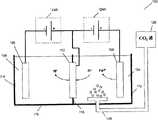
Fig. 1 is the diagram of an embodiment of system of the present invention.
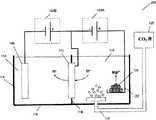
Fig. 2 is the diagram of an embodiment of system of the present invention.
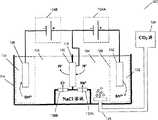
Fig. 3 is the diagram of an embodiment of system of the present invention.
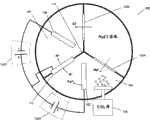
Fig. 4 is the diagram of an embodiment of system of the present invention.
Fig. 5 is the flow chart of an embodiment of method of the present invention.
Fig. 6 is the flow chart of an embodiment of method of the present invention.
Fig. 7 is the flow chart of an embodiment of method of the present invention.
Describe in detail
Before describing method and system of the present invention in detail, should be appreciated that, the invention is not restricted to the specific embodiments that this paper describes and illustrates, therefore can change.Should also be clear that term used herein only in order to describe specific embodiments, is not will be as restriction, reason is that scope of the present invention is limited by accessory claim only.
When certain limit numerical value is provided, should be appreciated that, each median between the upper and lower bound of that scope (to 1/10th of lower limit unit, unless this paper clearly indicates in addition) and in that described scope any other is described or median is encompassed in the present invention.During these upper and lower bounds more among a small circle can be included in more independently and also be covered by in the present invention, in described scope, stand any restriction of clearly getting rid of.When described scope comprises one or two boundary, get rid of one or two these comprise that the scope of boundary is also included among the present invention.
Modify with term " about " before providing number range in this article.Term " about " used herein provides the literal support of the numeral of back precise figures and approaching or approximate this term back numeral.A definite number whether near or approximate when clearly enumerating numeral, near or the approximate numeral of not enumerating in the context of its appearance, can be the numeral that is equivalent to clearly enumerate numeral substantially be provided.
Unless otherwise defined, otherwise all technology used herein and scientific terminology all have the identical meanings that those skilled in the art in the invention generally understand.Representative illustration method, system and material are described now, although in enforcement of the present invention and test, also can use similar or be equivalent to any method as herein described, system and material.
All publications and the patent quoted in this specification all are attached to herein by reference, as specifying each independent publication or patent combination by reference particularly and individually, and be attached to this paper by reference and come disclosure and description method relevant and/or material with quoting these publications.What any publication was quoted all is disclosures of submitting to a few days ago, and should not be construed as admit the present invention do not have right consider existing invention with date of this class publication in advance.In addition, may be different from actual publication day the publication day that provides, actual date of publication may need independent affirmation.
As used in this paper and the accessory claim, unless this paper clearly indicates in addition, otherwise singulative comprises the plural reference object.Also claim can be formulated as and get rid of any optional elements.Therefore, using as the exclusiveness term or the use of " unique ", " only having " etc. when narration claim element " negates " to limit this class statement to be intended to conduct basis formerly.In addition, term used herein " reservoir " is meant the building enclosure of receiving fluids, as container, groove, chamber or bag.
Apparent to those skilled in the art, do not depart from the scope of the present invention or spirit under, this paper describes and each embodiment of explanation has and can be easy to the discrete elements and the feature of separating or making up with the feature of any other several embodiments.Any described method can described incident order or any possible logical order carry out.
The present invention relates in electrochemical cell, utilize the proton translocation member to make proton (H+) transfer to the system and method for another kind of solution from a kind of solution.By making H+Transfer to another kind of solution from a kind of solution by the proton translocation member, H in the scalable solution+Concentration, that is, a kind of pH of solution can reduce, that is, solution becomes gets more acid, and the pH of another kind of solution can increase, it is more alkaline that ie in solution becomes.Therefore, if a kind of solution comprises proton source and/or proton groove, the pH of solution can change or not change, and perhaps can slowly change, and perhaps can even change with the rightabout by the prediction of proton free or protonation.In different embodiments, available alkaline solution cuts deposits CO2, the mineral of available acid leach solution calcic and magnesium are deposited CO to be provided for cutting2Calcium and the solution of magnesium ion, as described in the U.S. Patent application that is attached to this paper by reference.
The different embodiments of Fig. 1 to 4 explanation system of the present invention, these embodiments limit the present invention absolutely not only in order to illustrate.With reference to figure 1, in one embodiment,system 100 comprises thatfirst electrode 102 for example, contacts the anode offirst electrolyte 104;Second electrode 106 for example, contacts the negative electrode ofsecond electrolyte 108; Theproton translocation member 110 thatfirst electrolyte 104 andsecond electrolyte 108 are separated; Withvoltage regulator first electrodes 102 of proton translocation member, and with respect to the proton translocation membersecond electrode 106 is applied back bias voltage.In different embodiments, voltage regulator is arranged at certain voltage, make not generate gas, for example oxygen or chlorine at the electrode place.
In the embodiment depicted in fig. 1,first electrode 102 andfirst electrolyte 104 are included in first electrolytic cell 112, andsecond electrode 106 andsecond electrolyte 108 are included in second electrolytic cell 114.The proton translocation member separates first electrolyte and second electrolyte.Shown in Fig. 1-4,proton translocation member 110 can constitutewhole interlayer 118 or its part betweenelectrolyte 104 and 108.Constitute in the embodiment of a part ofinterlayer 118 110 of proton translocation members, all the other interlayers can comprise insulating material.
In different embodiments,proton translocation material 110 comprises the alloy of noble metal, transition metal, platinum group metal, periodic table of elements IVB, VB, VIB or VIII family metal, these metals, oxide or any aforesaid combination of these metals.Other exemplary materials comprise palladium, platinum, iridium, rhodium, ruthenium, titanium, zirconium, chromium, iron, cobalt, nickel, palladium-silver alloy, palladium-copper alloy or comprise the amorphous alloy of one or more these metals.In different embodiments, the proton translocation member comprises the pore-free material from titanium and vanadium family, perhaps comprises the complex hydrides of periodic table first family, second family and three races's light element, these light elements such as Li, Mg, B and Al.In other embodiments,, can make non-conductive or bad electric conducting material have conductivity, for example by deposition of thin metal coating on substrate for as the proton translocation member.In different embodiments,proton translocation material 110 comprises support type film or paper tinsel.In some embodiments,proton translocation material 110 comprises palladium.
In different embodiments, electrolyte solution in first electrolytic cell 112 and secondelectrolytic cell 114 comprises the conduction aqueous electrolyte, as sodium chloride solution, or another kind of saline electrolysis matter, comprise seawater, salt solution or half degree of saltiness water (brackish fresh water).But in any one battery, electrolyte can obtain from natural source, perhaps manually produces, perhaps in order to operate the combination of the natural source of modification in the inventive method and/or system.
In the embodiment of system shown in Fig. 3 and 4, firstelectrolytic solution 104 fills and adds cation, for example handles the sodium ion that sodium chloride solution obtains by cationic membrane 130A.Similarly,electrolytic solution 108 fills and adds anion, for example handles the chloride ion that sodium chloride solution obtains by anionic membrane 130B.As shown in Figure 3,first electrode 102 andsecond electrode 106 are applied bias voltage, remove proton from first electrolyte by as described herein.If the proton in first electrolyte replenishes, perhaps additional slower than removing, the pH that then removesfirst electrolyte 104 of proton increases, and will form alkaline solution, for example sodium hydroxide solution.Similarly, by chloride ion being introducedsecond electrolyte 108, and make proton translocation enter second electrolyte, if the proton in second electrolyte is not removed, perhaps remove slower than increasing, then the pH of second electrolyte 184 that enters of proton translocation reduces, and will form acid solution, for example hydrochloric acid solution.
With reference to Fig. 1-4, in different embodiments,first electrode 102 comprises anode, andsecond electrode 106 comprises negative electrode.In different embodiments,anode 102 can comprise sacrificial anode, for example iron, tin, magnesium, calcium or its combination and/or mineral.Exemplary materials comprises provides cationic mineral, as ferromagnesian mineral, and for example olivine or serpentine, as shown in Figure 2.Comprise mineral 102 and during atanode 102, Mg for example shown in Figure 2 as cationic source2+, mineral are positioned on the chemicalinert support 122, as stainless steel or platinum.Can use any suitable mineral, mineral are according to discharging selections such as one or more required cations, utilizability, cost.
System 100,200,300,400 also comprises voltage regulator and/orpower supply first electrodes 102 of proton translocation member, and apply back bias voltage with respect to 110 pairssecond electrodes 106 of proton translocation member.In different embodiments, power supply comprises twoindependent power supply
In operation,power supply first electrolyte solution 104 is reduced into atomic hydrogen, and are adsorbed on the surface of theproton translocation member 110 that contacts with first electrolyte 102.The hydrogen that at least a portion is adsorbed is adsorbed in the member body ofproton translocation member 110, and desorb is a proton on the surface of theproton translocation member 110 insecond electrolyte 108 that contacts with proton translocation member 110.Do not consider mechanism, the result of chemical reaction removes proton fromfirst electrolyte 104, and proton is introduced second electrolyte 108.Comprise in the embodiment of oxidizable substance (for example iron or tin) that atelectrode 102electrode 102 oxidations are with iron ion (Fe for example2+And/or Fe3+Or tin ion Sn2+) be released intofirst electrolyte solution 104, with the transfer of equilibrium proton fromelectrolyte 104.
In system of the present invention, apply bias voltage with respect to 110 pairs of electrodes of proton translocation member 102,106, make not generate gas at electrode 102,106.Therefore, whenfirst electrolyte 104 comprises water, onfirst electrode 102, do not generate oxygen.Similarly, when first electrolyte comprised chloride ion, for example the electrolyte of brackish water did not generate chlorine on first electrode.Persons of ordinary skill in the art may appreciate that the voltage that applies according to interdepartmental system and electrolyte flow velocity, the pH of scalable solution by system.In one embodiment, when apply at anode and negative electrode two ends about 0.1V or littler, 0.2V or littler ... 0.1V or during littler voltage, the pH of first electrolyte solution increases; In another embodiment, when applying about 0.1 to 2.0V voltage at anode and negative electrode two ends, the first electrolytical pH increases; In another embodiment, when applying about 0.1 to 1V voltage at anode and negative electrode two ends, the pH of first electrolyte solution increases.Apply 0.1 to 0.8V, 0.1 to 0.7V, 0.1 to 0.6V, 0.1 to 0.5V, 0.1 to 0.4V and 0.1 to 0.3V voltage at the electrode two ends and can obtain similar results.In one embodiment, apply about 0.6 volt or small voltage more at anode and negative electrode two ends; In another embodiment, apply about 0.1 to 0.6 volt or small voltage more at anode and negative electrode two ends; In another embodiment, apply about 0.1 to 1 volt or small voltage more at anode and negative electrode two ends.In one embodiment, apply about 0.6 volt or small voltage more at anode and negative electrode two ends; In another embodiment, apply about 0.1 to 0.6 volt or small voltage more at anode and negative electrode two ends; In another embodiment, apply about 0.1 to 1 volt or small voltage more at anode and negative electrode two ends.
In the different embodiments shown in Fig. 1-4, the 100400 optional CO that comprise of system2Source 126, CO2Source 126 is connected to thegas injection system 128 that is arranged in first battery 112.Gas injection system is with CO2The source provides comprises CO2Gas sneak into first electrolyte solution 104.Exemplary CO2Source Description is in the U.S. Patent application that is attached to this paper by reference, and can comprise the flue gas from the power plant burning fossil fuel, or from the waste gas of industrial process, for example manufacture of cement or iron and steel production.In different embodiments,gas injection system 128 comprises spray thrower or injection nozzle, yet, can use CO2Introduce any conventional mechanism and the device of the aqueous solution.
With reference to figure 3-4, in the embodiment for choosing,system 100 comprisesconduit 130A, andconduit 130A is arranged to the solution of cation (for example sodium ion) is infeededfirst electrolyte 104; Withconduit 130B,conduit 130B is arranged to anion (for example chloride ion) is infeeded second electrolyte 108.In different embodiments,conduit first electrode 102 that contactsfirst electrolyte 104; Secondelectrolytic cell 114 that comprisessecond electrode 106 that contactssecond electrolyte 108; Be arranged toproton translocation member 110 that first electrolyte and second electrolyte are separated; Be arranged to cation is fed to the first electrolyticalfirst conduit 130A; Be arranged to anion is infeeded the second electrolyticalsecond conduit 130B; Withvoltage regulator voltage regulator first electrodes 102 of proton translocation member, and with respect to the proton translocation membersecond electrode 106 is applied back bias voltage, set up electric current by electrode 102,106.
In some embodiments, for example introducing CO2The time, proton is removed and also to be introducedelectrolyte solution 104, and net result (proton is removed only, do not change or introduce only) depends on the introducing (CO for example of other materials in relative speed that proton is removed and the solution2Introduce).Similarly, inelectrolyte solution 108, if the process of removing proton is arranged, for example by the dissolving alkaline matter, then the net result inelectrolyte solution 108 can be that proton is introduced, do not change or removed.
In some embodiments, proton is removed (introduce with cation and combine) only inelectrolyte solution 104, and/or inelectrolyte solution 108 proton introduce only (with anion for example the chloride ion introducing combine).Therefore, in some embodiments, infirst electrolyte solution 104, generate cation hydroxyl (for example NaOH), and/or insecond solution 108, generate hydride ion solution (for example hydrochloric acid).Can take out one of cation hydroxyl solution (for example NaOH) or hydride ion solution (for example hydrochloric acid) or both, and be used for other places, for example be used for as mentioned above cutting and deposit carbon dioxide and other commercial Application.
The different embodiments of the inventive method of proton is removed in Fig. 5 to 7 explanation from electrolyte.System with reference to Fig. 5 and Fig. 1-4, in one embodiment, method 500 comprises with respect to conductivity proton transfer component first electrode is applied positive bias, and second electrode is applied back bias voltage with respect to the proton translocation member, in electro-chemical systems, to set up step 502 by the electric current of electrode, wherein the proton translocation member separates first electrolyte and second electrolyte, and first electrolyte contacts first electrode, and second electrolyte contacts second electrode.In step 502,proton translocation member 110 is arranged in electro-chemical systems 100, so that theelectrolyte 104 andsecond electrolyte 108 separate, as described in about Fig. 1-4.
As described in about Fig. 1-4, in step 502, hydrogen ion is removed fromfirst electrolyte solution 104, and introducessecond electrolyte solution 108 by theproton translocation member 110 that contacts with first and second electrolyte solutions.In different embodiments,first electrode 102 is constructed to the anode relevant withproton translocation member 110, andsecond electrode 106 is constructed to the negative electrode relevant withproton translocation member 110.
In different embodiments, with respect to conductivity proton transfer component first electrode is applied positive bias, with with respect to the proton translocation member second electrode is applied back bias voltage, carry out simultaneously by the step of the electric current of electrode with foundation in electro-chemical systems, wherein the proton translocation member separates first electrolyte and second electrolyte, first electrolyte contacts first electrode, and second electrolyte contacts second electrode.In different embodiments, the bias voltage approximately equal between the bias voltage between first electrode and the proton translocation member and second electrode and the proton translocation member, and control prevents at electrode place generation gas.In some embodiments, in system, do not generate gas substantially, for example do not generate hydrogen, oxygen or chlorine at the electrode place from electrochemical process.Specifically,, apply bias voltage, apply bias voltage similarly to prevent generating chlorine at first electrode to prevent generating oxygen atfirst electrode 102 according to the ion that infirst electrolyte 104, exists.In some embodiments, voltage does not generate gas substantially based on making in system, does not for example generate oxygen or chlorine at the electrode place.
As described in about the operation of the system of Fig. 1-4, by applying positive bias with respect to 110 pairsfirst electrodes 102 of proton translocation member, andsecond electrode 106 is applied back bias voltage with respect to the proton translocation member, proton is removed fromfirst electrolyte 104, and second electrolyte of introducingproton translocation member 110 opposition sides, and on first electrode, do not generate gas.In addition, owing to respect to the proton translocation member electrode is applied bias voltage, hydrogen ion is introduced second electrolyte from the surface of the proton translocation member that contacts with second electrolyte.Therefore, in some embodiments, H infirst electrolyte 104+Concentration may reduce, and causes the first electrolytical pH to increase, and in second electrolyte H+Concentration may increase, and causes the second electrolytical pH to reduce.
About as described in the operation of system of the present invention, in different embodiments, first electrolyte and second electrolyte comprise the aqueous solution that comprises the ion that is enough to set up the electric current by electrode 102,106 in system as above.In one embodiment,first electrolyte 104 comprises water, comprises salt water, seawater, fresh water, salt solution or brackish water.In another embodiment shown in Fig. 3-4, the solution that contains cation is through preliminary treatment, for example handle by the amberplex (not shown), with select and or concentrated electrolyte 104,106 in ion.In one embodiment, cation comprises sodium ion, and sodium ion, obtains to obtain the concentrated sodium solion through filmion isolation process 130A by the salt solution selectivity.Similarly, in one embodiment, anion comprises chloride ion, and chloride ion, obtains to obtain concentrating chloride ion solution through filmion isolation process 130B by the salt solution selectivity.
In the different embodiments shown in Fig. 2-3, first electrode structure becomes the anode that comprises iron, tin or magnesium, or comprises the material of magnesium, calcium or its combination; Or comprise the material of one or more ferromagnesian minerals, olivine, chrysolite, asbestos, pulverized coal ash or its combination.Need therein to reclaim in the embodiment shown in Figure 3 of sacrifice ion (for example tin or magnesium ion) ofanode 102, in the solution from the ion ofanode 102 as electrolyte circulation, electrolyte is around second electrode 134 as negative electrode.Therefore, by changingsecond electrode 106 andfirst electrode 102, the sacrificial species of preserving first electrode as shown in Figure 3.
Optional making comprises CO2Gas dissolve in first electrolyte.In this optional step, available first electrolyte solution precipitation carbonate and/or bicarbonate compound are as calcium carbonate or magnesium carbonate and/or its bicarbonate.The carbonate compound of precipitation can any suitable mode use, and for example cement and construction material are as described in the U.S. Patent application that is attached to this paper by reference.
In another optional step, for as the solution that precipitates carbonate and bicarbonate as mentioned above, use second electrolyte solution, the 108 rich calcium of dissolving and/or the rich magnesium materials of acidifying, as ferromagnesian mineral, comprise serpentine or olivine.In different embodiments, the solution that obtains can be used as the part or all of of first electrolyte solution.Similarly, insecond electrolyte 108, produce in the embodiment of hydrochloric acid acceptable salts acid substitution or be added to second electrolyte solution of acidifying.
With reference to Fig. 6, in another embodiment, described method 600 comprises the step 602 thatfirst electrolyte 104 andsecond electrolyte 108 is separated withproton translocation member 110; With apply positive bias with respect to the proton translocation member to contacting first electrolyticalfirst electrode 102, with the step 604 thatsecond electrode 106 that contactssecond electrolyte 108 is applied back bias voltage with respect to the proton translocation member.By the method, proton is removed fromfirst electrolyte 104, and introducessecond electrolyte 108, and does not produce gas at the electrode place.
Method according to Fig. 5 and 6, byfirst electrode 102 being applied positive bias with respect to the proton translocation member, and apply back bias voltage with respect to 110 pairssecond electrodes 106 of proton translocation member, proton is removed from first electrolyte, and the electrolyte of the opposite side of introducing proton translocation member, and onfirst electrode 102, do not generate gas.In addition, owing to respect to the proton translocation member electrode is applied bias voltage, at least a portion hydrogen that is adsorbed on the proton translocation component surface is hydrogen ion from the surface desorption of the proton translocation member that contacts with second electrolyte.Therefore, in some embodiments, whenfirst electrolyte 104 comprises the aqueous solution, H+Concentration reduces, and causes the first electrolytical pH to increase, and whensecond electrolyte 108 comprises the aqueous solution, H+The ion concentration increase will reduce the second electrolytical pH.
With reference to Fig. 7, method comprises byfirst electrolyte 104 and the CO2Contact generates bicarbonate radical and/or denseization of carbanion solution from first electrolyte, removes proton from first electrolyte simultaneously, and utilizesproton translocation member 110 proton to be introduced the step 702 of second electrolyte solution 108.According to the method,voltage regulator first electrodes 102 of proton translocation member, and with respect to the proton translocation membersecond electrode 106 is applied back bias voltage, sets up the electric current by electrode.In an application, cut by the ocean depth of denseization of carbonate solution pump being delivered to temperature and pressure and being enough to keep solution-stabilized and to deposit CO2In other embodiments, precipitable carbonate for example, is precipitated as calcium carbonate or magnesium carbonate, and disposes or commercialization as described herein.
The example results that system according to the present invention obtains is summarized in the following table 1.
Table 1: low-energy electrochemical proton transfer system and method
| The voltage V at electrode two ends | Time (min) | Initial pH, anode | Final pH, anode | Initial pH, negative electrode | Final pH, negative electrode |
| 0.45V 0.30V is at first compartment, 0.15V is at second compartment | ??30 | ??4.994 | ??5.204 | ??7.801 | ??7.431 |
| 0.50V 0.30V is at first compartment, 0.20V is at second compartment | ??45 | ??4.119 | ??4.964 | ??5.750 | ??5.521 |
In experiment, use the electro-chemical systems of two 1 liter of compartments 122,114 that comprise hydrogen migration film (hydrogen transfermembrane) 110 separations to make H according to Fig. 1 system modelling+Add CO from filling2Seawater 104 shift.In this system, fill and add CO comprising first electrolytical first compartment2, until the pH that reaches 4.994.Sacrificial anode (for example tin anode) is put into first compartment, and make tin electrode and the proton translocation member that comprises palladium remain on 100nA/cm2The control of (representing 0.30V voltage) constant current down.Second compartment and the tin electrode and the SnCl that is dissolved in seawater that comprise second electrolyte (for example seawater of sodium chloride-containing)2Contact.Tin electrode in the palladium proton translocation member and second compartment remains on 0.15V.Make system's operation 30 minutes.Shown in the 1st row in the table 1, the first electrolytical pH increases, and the second electrolytical pH reduces, show proton from first electrolyte transfer to second electrolyte.
In another exemplary experiment according to Fig. 1 system modelling, the electro-chemical systems that comprises two 150mL compartments is provided, every kind of electrolyte uses a compartment, and palladium proton translocation member cloth is set to electrolyte is separated.In this embodiment, in each battery, put into 0.5 molar concentration sodium chloride solution.In first compartment, first electrolyte fills and adds CO2, reach 4.119 initial pH, and sacrificial anode (for example tin anode) put into first compartment.Make tin electrode and the proton translocation member that comprises palladium remain on 100nA/cm2Under the control of (representative applies 0.5V voltage at the electrode two ends) constant current.After system operation 45 minutes, the first electrolytical pH changes to 4.964 from 4.119, and the second electrolytical pH changes to 5.521 from 5.750, and is as shown in table 1.
Above-mentioned embodiment also can produce the acidifying stream that can be used in rich calcium of dissolving and/or rich magnesium mineral.Available bicarbonate ion fills and adds this solution, and making solution then is enough alkalescence, so that deposit CO by cutting from the solution precipitation carbonate compound2, as described in the U.S. Patent application that is attached to this paper by reference.In embodiment, can precipitate carbonate mineral and come cut and to deposit CO for choosing2, but carbonate and bicarbonate are put into its stable position for a long time.For example, denseization of carbonate electrolyte solution can be pumped into the ocean depth that temperature and pressure is enough to keep the solution-stabilized above-mentioned at least time.
Though for clear understanding has been described foregoing invention in the mode of explanation and example on some details, but those of ordinary skill in the art be it is evident that, in accordance with the teachings of the present invention, can under the spirit or scope that do not break away from accessory claim, carry out some changes and improvements.
Therefore, aforementioned explanation principle of the present invention.Should be understood that those skilled in the art can design indicates principle of the present invention and be included in the various schemes that this paper in its spirit and scope does not clearly describe or shows.In addition, described herein all examples and conditional statement are mainly used in and help the reader that principle of the present invention and the artificial notion that advances this technology to provide of invention are provided, and are interpreted as being not limited to these example of clearly narrating and conditions.In addition, all explanations of principle of the present invention, aspect and embodiment and specific embodiment thereof are intended to contain its 26S Proteasome Structure and Function equivalent herein.In addition, these equivalents are intended to comprise at present known equivalent and the equivalent of researching and developing in future,, do not consider structure that is, finish any element of being researched and developed of identical function.Therefore, scope of the present invention is not intended to be limited to exemplary shown and described herein.On the contrary, scope and spirit of the present invention are embodied by accessory claim.
Claims (78)
1. electrochemical method, described electrochemical method comprises:
With respect to conductivity proton transfer component first electrode is applied positive bias, and second electrode is applied back bias voltage with respect to the proton translocation member, in electro-chemical systems, to set up electric current by electrode, wherein the proton translocation member separates first electrolyte and second electrolyte, first electrolyte contacts first electrode, and second electrolyte contacts second electrode.
2. the process of claim 1 wherein that first electrode comprises anode, second electrode comprises negative electrode.
3. the process of claim 1 wherein and do not generate gas at the electrode place.
4. the process of claim 1 wherein and do not generate oxygen at the electrode place.
5. the process of claim 1 wherein and do not generate chlorine at the electrode place.
6. the process of claim 1 wherein proton is removed from first electrolyte.
7. the method for claim 6, wherein at least a portion proton is removed on the proton translocation member by generating hydrogen.
8. the method for claim 6, the wherein first electrolytical pH increase.
9. the process of claim 1 wherein that the proton translocation member is contacting absorption hydrogen on the first electrolytical surface, and from contacting the second electrolytical surface desorption hydrogen.
10. the process of claim 1 wherein that first electrolyte comprises salt solution.
11. the process of claim 1 wherein that first electrolyte comprises seawater, fresh water, salt solution or brackish water, second electrolyte comprises seawater, fresh water, salt solution or brackish water.
12. the process of claim 1 wherein that first electrode comprises sacrificial anode.
13. the method for claim 12, wherein sacrificial electrode comprises the material that contains magnesium, calcium or its combination.
14. the method for claim 13, wherein the sacrificial electrode material comprises one or more ferromagnesian minerals, chrysolite, asbestos, pulverized coal ash or its combination.
15. the process of claim 1 wherein that first electrode comprises iron, tin or magnesium.
16. the process of claim 1 wherein that the proton translocation member comprises palladium, platinum, palldium alloy, iridium, rhodium, ruthenium, titanium, zirconium, chromium, iron, cobalt, nickel, palladium-silver alloy, palladium-copper alloy or comprises the amorphous alloy of one or more these metals.
17. the method for claim 1, described method further comprise second electrode is contacted with electrolyte, described electrolyte comprises the cation that obtains from denseization of the ion electrolyte from first electrode.
Replace first electrode 18. the method for claim 1, described method further comprise with second electrode, and replace second electrode with first electrode.
19. the method for claim 17, wherein cation comprises Sn2+
20. further comprising, the method for claim 1, described method make carbon dioxide be dissolved in first electrolyte.
21. the process of claim 1 wherein that first electrolyte comprises carbanion.
22. the method for claim 1, described method further are included in first electrolyte and precipitate carbonate.
23. the method for claim 22, wherein carbonate comprises calcium carbonate, magnesium carbonate or its combination.
24. the method for claim 1, described method further comprise cation is provided to first electrolyte, and anion is provided to second electrolyte.
25. the method for claim 24, wherein cation comprises sodium ion.
26. the method for claim 24, wherein anion comprises chloride ion.
27. the method for claim 25, wherein sodium ion obtains by making the salt solution deionization, and chloride ion obtains by making the salt solution deionization.
28. the process of claim 1 wherein that second electrode comprises tin.
29. the method from electrolyte removal proton, described method comprises:
Utilize the proton translocation member that first electrolyte and second electrolyte are separated; And apply positive bias with respect to the proton translocation member to contacting first electrolytical first electrode, apply back bias voltage to contacting second electrolytical second electrode with respect to the proton translocation member, wherein,
Described voltage is removed proton from described first electrolyte, and proton is introduced described second electrolyte.
30. the method for claim 29 does not wherein generate gas at the electrode place.
31. the method for claim 29, wherein first electrode comprises anode, and second electrode comprises negative electrode.
32. the method for claim 29 does not wherein generate oxygen at the electrode place.
33. the method for claim 29 does not wherein generate chlorine at the electrode place.
34. the method for claim 29 is wherein removed proton from first electrolyte.
35. the method for claim 29, wherein first electrolyte comprises salt solution.
36. the method for claim 29, wherein first electrolyte comprises seawater, fresh water, salt solution or brackish water, and second electrolyte comprises seawater, fresh water, salt solution or brackish water.
37. the method for claim 29, wherein first electrode comprises sacrificial electrode.
38. the method for claim 29, wherein first electrode comprises iron, tin or magnesium.
39. an electro-chemical systems, described electro-chemical systems comprises:
Contact first electrolytical first electrode;
Contact second electrolytical second electrode;
The proton translocation member that first electrolyte and second electrolyte are separated; And voltage regulator, described voltage regulator operationally is used for respect to the proton translocation member first electrode being applied positive bias, and is used for respect to the proton translocation member second electrode being applied back bias voltage.
40. the system of claim 39 wherein is arranged at certain voltage with voltage regulator, makes not generate oxygen at the electrode place.
41. the system of claim 39 wherein is arranged at certain voltage with voltage regulator, makes not generate chlorine at the electrode place.
42. the system of claim 39, wherein first electrolyte comprises salt solution.
43. the system of claim 39, wherein electrolyte comprises seawater, fresh water, salt solution or brackish water.
44. the system of claim 39, wherein first electrode comprises sacrificial anode.
45. the system of claim 39, wherein first electrode comprises iron, tin or magnesium.
46. the system of claim 39, wherein the proton translocation member comprises palladium, platinum, iridium, rhodium, ruthenium, titanium, zirconium, chromium, iron, cobalt, nickel, palladium-silver alloy or palladium-copper alloy.
47. further comprising, the system of claim 39, described system be used to gas syringe that carbon dioxide is contacted with first electrolyte.
48. further comprising, the system of claim 39, described system be used for cation is introduced first electrolyte and anion is introduced the second electrolytical conduit.
49. the system of claim 39, wherein cation comprises sodium ion, and anion comprises chloride ion.
50. the system of claim 39, wherein second electrode contact is included in the electrolyte of the cation that the first electrode place obtains.
51. the system of claim 39, wherein cation comprises Sn2+
52. an electro-chemical systems, described electro-chemical systems comprises:
First electrolytic cell, first electrolytic cell comprise contact first electrolytical first electrode;
Second electrolytic cell, second electrolytic cell comprise contact second electrolytical second electrode;
Be arranged to proton translocation member that first electrolyte and second electrolyte are separated;
Be arranged to cation is fed to first electrolytical first conduit;
Be arranged to anion is infeeded second electrolytical second conduit; With
Voltage regulator, described voltage regulator be operationally by applying positive bias with respect to the proton translocation member to first electrode, and with respect to the proton translocation member second electrode is applied back bias voltage, to set up the electric current by electrode.
53. further comprising, the system of claim 52, described system be used to make carbonated gas dispersion to enter the first electrolytical gas syringe.
54. the system of claim 52, wherein conduit comprises amberplex, and ion infeeds electrolyte by amberplex.
55. the system of claim 54, wherein conduit comprises and is provided to permeable first amberplex of the first electrolytical cation and is provided to permeable second amberplex of the second electrolytical anion.
56. the system of claim 52, wherein cation comprises sodium ion, and anion comprises chloride ion.
57. the system of claim 52, described system further is included in the carbonate that precipitates in first electrolyte.
58. the system of claim 52, wherein first electrode comprises anode, and second electrode comprises negative electrode.
59. the system of claim 52 wherein is arranged at certain voltage with voltage regulator, makes not generate oxygen at the electrode place.
60. the system of claim 52 wherein is arranged at certain voltage with voltage regulator, makes not generate chlorine at the electrode place.
61. the system of claim 52 wherein is arranged at certain voltage with voltage regulator, so that the first electrolytical pH increases.
62. the system of claim 52, wherein first electrolyte comprises salt solution.
63. the system of claim 52, wherein electrolyte comprises seawater, fresh water, salt solution or brackish water.
64. the system of claim 52, wherein first electrode comprises sacrificial anode.
65. the system of claim 52, wherein first electrode comprises iron, tin or magnesium.
66. the system of claim 52, wherein the proton translocation member comprises palladium, platinum, iridium, rhodium, ruthenium, titanium, zirconium, chromium, iron, cobalt, nickel, palladium-silver alloy or palladium-copper alloy.
67. a method, described method comprises:
By first electrolyte solution and CO2Contact generates denseization of carbanion solution from first electrolyte solution, utilizes the proton translocation member to make hydrogen ion transfer to second electrolyte solution from first electrolyte solution simultaneously.
68. the method for claim 67, described method further comprise from denseization of carbonate solution precipitation carbonate inorganic matter.
69. further comprising, the method for claim 67, described method generate the construction material that comprises the carbonate inorganic matter.
70. the method for claim 67, described method further comprise the material with second electrolyte solution dissolving calcic and/or magnesium.
71. the method for claim 70, the material that wherein contains mineral comprises ferromagnesian mineral, chrysolite, asbestos or pulverized coal ash.
72. the method for claim 70, described method further comprises:
Cut by the ocean depth of denseization of carbonate solution pump being delivered to temperature and pressure and being enough to keep solution-stabilized and to deposit CO2
73. the process of claim 1 wherein and apply about 0.1 volt or be less to about 1.0 volts or littler voltage at anode and negative electrode two ends.
74. the process of claim 1 wherein and apply about 0.1 volt or be less to about 1.0 volts or littler voltage at anode and negative electrode two ends.
75. the system of claim 1 wherein applies about 0.1 volt or be less to about 1.0 volts or littler voltage at anode and negative electrode two ends.
76. the system of claim 52 wherein applies about 0.1 volt or be less to about 1.0 volts or littler voltage at anode and negative electrode two ends.
77. the method for claim 52 wherein applies about 0.1 volt or be less to about 1.0 volts or littler voltage at anode and negative electrode two ends.
78. the system of claim 52 wherein applies about 0.1 volt or be less to about 1.0 volts or littler voltage at anode and negative electrode two ends.
Applications Claiming Priority (1)
| Application Number | Priority Date | Filing Date | Title |
|---|---|---|---|
| PCT/US2008/088246WO2010074687A1 (en) | 2008-12-23 | 2008-12-23 | Low-energy electrochemical proton transfer system and method |
Publications (1)
| Publication Number | Publication Date |
|---|---|
| CN101868883Atrue CN101868883A (en) | 2010-10-20 |
Family
ID=42286671
Family Applications (1)
| Application Number | Title | Priority Date | Filing Date |
|---|---|---|---|
| CN200880118142.0APendingCN101868883A (en) | 2008-12-23 | 2008-12-23 | Low-energy electrochemical proton transfer system and method |
Country Status (5)
| Country | Link |
|---|---|
| US (1) | US20110036728A1 (en) |
| EP (1) | EP2384520A1 (en) |
| CN (1) | CN101868883A (en) |
| CA (1) | CA2696088A1 (en) |
| WO (1) | WO2010074687A1 (en) |
Cited By (1)
| Publication number | Priority date | Publication date | Assignee | Title |
|---|---|---|---|---|
| TWI834256B (en)* | 2022-08-22 | 2024-03-01 | 龍華科技大學 | Carbon capture power generation device |
Families Citing this family (73)
| Publication number | Priority date | Publication date | Assignee | Title |
|---|---|---|---|---|
| GB2453304B (en)* | 2007-05-24 | 2010-04-21 | Calera Corp | Hydraulic cements comprising carbonate compound compositions |
| KR20100105860A (en)* | 2007-12-28 | 2010-09-30 | 칼레라 코포레이션 | Methods of sequestering co2 |
| US20100313794A1 (en)* | 2007-12-28 | 2010-12-16 | Constantz Brent R | Production of carbonate-containing compositions from material comprising metal silicates |
| US20100239467A1 (en) | 2008-06-17 | 2010-09-23 | Brent Constantz | Methods and systems for utilizing waste sources of metal oxides |
| US20100144521A1 (en)* | 2008-05-29 | 2010-06-10 | Brent Constantz | Rocks and Aggregate, and Methods of Making and Using the Same |
| US8159956B2 (en)* | 2008-07-01 | 2012-04-17 | Finisar Corporation | Diagnostics for serial communication busses |
| WO2010087823A1 (en)* | 2009-01-28 | 2010-08-05 | Calera Corporation | Low-energy electrochemical bicarbonate ion solution |
| US7993500B2 (en) | 2008-07-16 | 2011-08-09 | Calera Corporation | Gas diffusion anode and CO2 cathode electrolyte system |
| JP5373079B2 (en) | 2008-07-16 | 2013-12-18 | カレラ コーポレイション | Use of CO2 in electrochemical systems |
| US9061940B2 (en) | 2008-09-30 | 2015-06-23 | Calera Corporation | Concrete compositions and methods |
| US8869477B2 (en) | 2008-09-30 | 2014-10-28 | Calera Corporation | Formed building materials |
| CN101990523B (en) | 2008-09-30 | 2015-04-29 | 卡勒拉公司 | CO2-Sequestered Formed Building Materials |
| US7815880B2 (en)* | 2008-09-30 | 2010-10-19 | Calera Corporation | Reduced-carbon footprint concrete compositions |
| US9133581B2 (en) | 2008-10-31 | 2015-09-15 | Calera Corporation | Non-cementitious compositions comprising vaterite and methods thereof |
| CA2694971C (en)* | 2008-12-11 | 2012-03-20 | Calera Corporation | Processing co2 utilizing a recirculating solution |
| US20100258035A1 (en)* | 2008-12-24 | 2010-10-14 | Brent Constantz | Compositions and methods using substances containing carbon |
| EP2245215A4 (en) | 2009-02-10 | 2011-04-27 | Calera Corp | Low-voltage alkaline production using hydrogen and electrocatlytic electrodes |
| CN101977842A (en)* | 2009-03-02 | 2011-02-16 | 卡勒拉公司 | Airflow multi-pollutant control system and method |
| US20110247336A9 (en)* | 2009-03-10 | 2011-10-13 | Kasra Farsad | Systems and Methods for Processing CO2 |
| US20110147227A1 (en)* | 2009-07-15 | 2011-06-23 | Gilliam Ryan J | Acid separation by acid retardation on an ion exchange resin in an electrochemical system |
| US7993511B2 (en)* | 2009-07-15 | 2011-08-09 | Calera Corporation | Electrochemical production of an alkaline solution using CO2 |
| US20110030957A1 (en)* | 2009-08-07 | 2011-02-10 | Brent Constantz | Carbon capture and storage |
| WO2011038076A1 (en)* | 2009-09-24 | 2011-03-31 | Calera Corporation | METHODS AND SYSTEMS FOR UTILIZATION OF HCl |
| WO2011066293A1 (en)* | 2009-11-30 | 2011-06-03 | Calera Corporation | Alkaline production using a gas diffusion anode with a hydrostatic pressure |
| US8906156B2 (en) | 2009-12-31 | 2014-12-09 | Calera Corporation | Cement and concrete with reinforced material |
| AU2010337357B2 (en) | 2009-12-31 | 2013-11-28 | Arelac, Inc. | Methods and compositions using calcium carbonate |
| KR101211614B1 (en)* | 2010-11-30 | 2012-12-24 | 한국원자력연구원 | Neutral Reduced Water Generation System Using Hydrogen Permeation Electrode |
| CN103635428B (en) | 2011-04-28 | 2017-02-15 | 卡勒拉公司 | Methods and compositions using calcium carbonate and stabilizer |
| US8691175B2 (en) | 2011-04-28 | 2014-04-08 | Calera Corporation | Calcium sulfate and CO2 sequestration |
| US9200375B2 (en) | 2011-05-19 | 2015-12-01 | Calera Corporation | Systems and methods for preparation and separation of products |
| SA112330516B1 (en) | 2011-05-19 | 2016-02-22 | كاليرا كوربوريشن | Electrochemical hydroxide systems and methods using metal oxidation |
| US8999057B2 (en) | 2011-09-28 | 2015-04-07 | Calera Corporation | Cement and concrete with calcium aluminates |
| US20130175478A1 (en)* | 2012-01-09 | 2013-07-11 | Noble Ion Llc | Reactive, non-corrosive, and dermal-friendly composition and methods for manufacturing |
| CA2860773C (en) | 2012-01-13 | 2020-11-03 | Siluria Technologies, Inc. | Process for separating hydrocarbon compounds |
| US9969660B2 (en) | 2012-07-09 | 2018-05-15 | Siluria Technologies, Inc. | Natural gas processing and systems |
| US20140030628A1 (en)* | 2012-07-26 | 2014-01-30 | Fordham University | Photocatalytic fuel cell and electrode thereof |
| US9598328B2 (en) | 2012-12-07 | 2017-03-21 | Siluria Technologies, Inc. | Integrated processes and systems for conversion of methane to multiple higher hydrocarbon products |
| CN104470621B (en) | 2012-12-19 | 2016-10-19 | 富士电机株式会社 | Exhaust purification device |
| TWI633206B (en) | 2013-07-31 | 2018-08-21 | 卡利拉股份有限公司 | Electrochemical hydroxide systems and methods using metal oxidation |
| US9869797B2 (en) | 2013-08-23 | 2018-01-16 | Exxonmobil Upstream Research Company | Method for predicting occurrence of microquartz in a basin |
| WO2015081122A2 (en) | 2013-11-27 | 2015-06-04 | Siluria Technologies, Inc. | Reactors and systems for oxidative coupling of methane |
| CA2935937A1 (en) | 2014-01-08 | 2015-07-16 | Siluria Technologies, Inc. | Ethylene-to-liquids systems and methods |
| CA2935946C (en) | 2014-01-09 | 2022-05-03 | Siluria Technologies, Inc. | Oxidative coupling of methane implementations for olefin production |
| US10377682B2 (en) | 2014-01-09 | 2019-08-13 | Siluria Technologies, Inc. | Reactors and systems for oxidative coupling of methane |
| TW201532658A (en) | 2014-01-17 | 2015-09-01 | Skyonic Corp | Systems and methods for acid gas removal from a gaseous stream |
| US9902652B2 (en) | 2014-04-23 | 2018-02-27 | Calera Corporation | Methods and systems for utilizing carbide lime or slag |
| EP3195395A1 (en) | 2014-09-15 | 2017-07-26 | Calera Corporation | Electrochemical systems and methods using metal halide to form products |
| WO2016064918A1 (en) | 2014-10-21 | 2016-04-28 | Skyonic Corporation | Water recycling in a co2 removal process and system |
| EP3218702A1 (en) | 2014-11-10 | 2017-09-20 | Calera Corporation | Measurement of ion concentration in presence of organics |
| CN107532314A (en) | 2015-03-16 | 2018-01-02 | 卡勒拉公司 | Amberplex, electro-chemical systems and method |
| US9334204B1 (en) | 2015-03-17 | 2016-05-10 | Siluria Technologies, Inc. | Efficient oxidative coupling of methane processes and systems |
| US10793490B2 (en) | 2015-03-17 | 2020-10-06 | Lummus Technology Llc | Oxidative coupling of methane methods and systems |
| US20160289143A1 (en) | 2015-04-01 | 2016-10-06 | Siluria Technologies, Inc. | Advanced oxidative coupling of methane |
| US9328297B1 (en) | 2015-06-16 | 2016-05-03 | Siluria Technologies, Inc. | Ethylene-to-liquids systems and methods |
| EP3362425B1 (en) | 2015-10-16 | 2020-10-28 | Lummus Technology LLC | Separation methods and systems for oxidative coupling of methane |
| CN108290807B (en) | 2015-10-28 | 2021-07-16 | 卡勒拉公司 | Electrochemical, halogenation and oxyhalogenation system and method |
| US10236526B2 (en) | 2016-02-25 | 2019-03-19 | Calera Corporation | On-line monitoring of process/system |
| US9944573B2 (en) | 2016-04-13 | 2018-04-17 | Siluria Technologies, Inc. | Oxidative coupling of methane for olefin production |
| WO2017189680A1 (en) | 2016-04-26 | 2017-11-02 | Calera Corporation | Intermediate frame, electrochemical systems, and methods |
| US10619254B2 (en) | 2016-10-28 | 2020-04-14 | Calera Corporation | Electrochemical, chlorination, and oxychlorination systems and methods to form propylene oxide or ethylene oxide |
| US20180169561A1 (en) | 2016-12-19 | 2018-06-21 | Siluria Technologies, Inc. | Methods and systems for performing chemical separations |
| ES2960342T3 (en) | 2017-05-23 | 2024-03-04 | Lummus Technology Inc | Integration of oxidative methane coupling procedures |
| AU2018298234B2 (en) | 2017-07-07 | 2022-11-17 | Lummus Technology Llc | Systems and methods for the oxidative coupling of methane |
| US10556848B2 (en) | 2017-09-19 | 2020-02-11 | Calera Corporation | Systems and methods using lanthanide halide |
| US11452949B2 (en)* | 2017-11-28 | 2022-09-27 | Csub Auxiliary For Sponsored Programs Administration | Apparatus and process for removal of carbon dioxide from a gas flow and treatment of brine/waste water from oil fields |
| US10590054B2 (en) | 2018-05-30 | 2020-03-17 | Calera Corporation | Methods and systems to form propylene chlorohydrin from dichloropropane using Lewis acid |
| CN115461307A (en) | 2020-02-25 | 2022-12-09 | 艾瑞莱克公司 | Method and system for processing limestone to form vaterite |
| CA3182421A1 (en) | 2020-06-30 | 2022-01-06 | Ryan J. Gilliam | Methods and systems for forming vaterite from calcined limestone using electric kiln |
| CN112393966B (en)* | 2021-01-18 | 2021-04-06 | 湖南久钰电子有限公司 | Ion enrichment device in water and ion concentration monitoring system in water |
| US11858819B2 (en) | 2021-03-04 | 2024-01-02 | Energy And Environmental Research Center Foundation | Methods of producing a syngas composition |
| US11717802B2 (en) | 2021-03-04 | 2023-08-08 | Energy And Environmental Research Center Foundation | Methods of treating metal carbonate salts |
| JP7530321B2 (en)* | 2021-03-19 | 2024-08-07 | 株式会社東芝 | Carbon dioxide fixation method and carbon dioxide fixation system |
| US12227466B2 (en) | 2021-08-31 | 2025-02-18 | Lummus Technology Llc | Methods and systems for performing oxidative coupling of methane |
Family Cites Families (108)
| Publication number | Priority date | Publication date | Assignee | Title |
|---|---|---|---|---|
| GB271852A (en)* | 1926-05-28 | 1927-11-10 | Ig Farbenindustrie Ag | Improvements in and means for the extraction of carbon dioxide from gaseous mixtures |
| US2458039A (en)* | 1945-10-05 | 1949-01-04 | Bertrand H Wait | Aggregate for improving portland cement concretes |
| US2967807A (en)* | 1952-01-23 | 1961-01-10 | Hooker Chemical Corp | Electrolytic decomposition of sodium chloride |
| US2934419A (en)* | 1955-09-19 | 1960-04-26 | Dixie Chemical Company Inc | Method of treating sea water |
| US3120426A (en)* | 1959-06-24 | 1964-02-04 | Kaiser Aluminium Chem Corp | Process for the production of aragonite crystals |
| NL282666A (en)* | 1961-09-06 | |||
| US3165460A (en)* | 1962-04-11 | 1965-01-12 | American Mach & Foundry | Electrolytic acid generator |
| DE1233366B (en)* | 1963-06-28 | 1967-02-02 | Ceskoslovenska Akademie Ved | Electrolyser for the simultaneous production of chlorine and alkali carbonates |
| US3558769A (en)* | 1965-09-24 | 1971-01-26 | Guardian Chemical Corp | Compositions for dental prophylaxis |
| US3420775A (en)* | 1967-07-05 | 1969-01-07 | Edgar A Cadwallader | Prevention of scale in saline water evaporators using carbon dioxide under special conditions |
| US3574530A (en)* | 1967-10-02 | 1971-04-13 | Pullman Inc | Method of removing sulfur dioxide from waste gases |
| US3721621A (en)* | 1969-12-02 | 1973-03-20 | W Hough | Forward-osmosis solvent extraction |
| US3861928A (en)* | 1970-10-30 | 1975-01-21 | Flintkote Co | Hydraulic cement and method of producing same |
| US3953569A (en)* | 1971-07-22 | 1976-04-27 | Maomi Seko | Concentration of uranium 235 in mixtures with uranium 238 using ion exchange resins |
| US3725267A (en)* | 1972-02-14 | 1973-04-03 | Interior | Softening of sea water by addition of barium carbonate and co2 |
| US3864236A (en)* | 1972-09-29 | 1975-02-04 | Hooker Chemicals Plastics Corp | Apparatus for the electrolytic production of alkali |
| US4147599A (en)* | 1977-07-19 | 1979-04-03 | Diamond Shamrock Corporation | Production of alkali metal carbonates in a cell having a carboxyl membrane |
| US4181580A (en)* | 1973-11-28 | 1980-01-01 | Nippon Steel Corporation | Process for electro-tin plating |
| US4264367A (en)* | 1974-08-01 | 1981-04-28 | Sika Chemical Corporation | Admixtures and method for accelerating the setting of portland cement compositions |
| AR205953A1 (en)* | 1975-01-22 | 1976-06-15 | Diamond Shamrock Corp | PRODUCTION OF CARBONATES FROM METALS TO CALINES IN A MEMBRANE CELL |
| DE2626885C2 (en)* | 1976-06-16 | 1978-05-03 | Fraunhofer-Gesellschaft Zur Foerderung Der Angewandten Forschung E.V., 8000 Muenchen | Process for the digestion of alkali-earth-alkali-silicate-containing material for the production of alkali silicate or alkali carbonate solutions and substances with a large specific surface |
| US4188291A (en)* | 1978-04-06 | 1980-02-12 | Anderson Donald R | Treatment of industrial waste water |
| US4253922A (en)* | 1979-02-23 | 1981-03-03 | Ppg Industries, Inc. | Cathode electrocatalysts for solid polymer electrolyte chlor-alkali cells |
| US4246075A (en)* | 1979-03-19 | 1981-01-20 | Marine Resources Company | Mineral accretion of large surface structures, building components and elements |
| US4361475A (en)* | 1980-01-10 | 1982-11-30 | Innova, Inc. | Membrane block construction and electrochemical cell |
| US4370307A (en)* | 1980-02-29 | 1983-01-25 | Martin Marietta Corporation | Preparation of pure magnesian values |
| US4377554A (en)* | 1981-08-26 | 1983-03-22 | Becton, Dickinson And Company | Generation of microaerophilic atmosphere |
| US4376101A (en)* | 1981-11-13 | 1983-03-08 | Exxon Research And Engineering Co. | Process for removing acid gases using a basic salt activated with a non-sterically hindered diamine |
| BR8506634A (en)* | 1984-12-20 | 1986-09-09 | Rhone Poulenc Sante | COMPOSITES FOR COATING FOOD ADDITIVES INTENDED FOR RUMINANTS AND GRANULATES IN THE FORM OF MICROCAPSULES SO COATED |
| US5100633A (en)* | 1985-11-07 | 1992-03-31 | Passamaquoddy Technology Limited Partnership | Method for scrubbing pollutants from an exhaust gas stream |
| US4804449A (en)* | 1986-02-25 | 1989-02-14 | Sweeney Charles T | Electrolytic cell |
| US4818367A (en)* | 1986-04-14 | 1989-04-04 | J. H. Diamond Company | Asphalt, copolymer and elastomer composition |
| US4915914A (en)* | 1986-07-25 | 1990-04-10 | Passamaquaddy Tribe | System for simultaneously scrubbing cement kiln exhaust gas and producing useful by-products therefrom |
| US4899544A (en)* | 1987-08-13 | 1990-02-13 | Boyd Randall T | Cogeneration/CO2 production process and plant |
| DE4021465A1 (en)* | 1990-07-05 | 1992-01-16 | Kettel Dirk | METHOD FOR DETECTING THE NATURAL GAS POTENTIAL IN SEDIMENT POOLS AND DERIVING THE PETROLEUM POTENTIAL THEREOF |
| FR2665698B1 (en)* | 1990-08-10 | 1993-09-10 | Conroy Michel | COMPLETE CEMENT MIXTURE WITH SELECTED AGGREGATES, FOR OBTAINING MORTAR OR CONCRETE WITHOUT WITHDRAWAL, SELF-SMOOTHING AND SELF-LEVELING. |
| IT1248564B (en)* | 1991-06-27 | 1995-01-19 | Permelec Spa Nora | ELECTROCHEMICAL DECOMPOSITION OF NEUTRAL SALTS WITHOUT HALOGEN OR ACID CO-PRODUCTION AND ELECTROLYSIS CELL SUITABLE FOR ITS REALIZATION. |
| US5282935A (en)* | 1992-04-13 | 1994-02-01 | Olin Corporation | Electrodialytic process for producing an alkali solution |
| US5531865A (en)* | 1992-08-19 | 1996-07-02 | Cole; Leland G. | Electrolytic water purification process |
| US5855759A (en)* | 1993-11-22 | 1999-01-05 | E. I. Du Pont De Nemours And Company | Electrochemical cell and process for splitting a sulfate solution and producing a hyroxide solution sulfuric acid and a halogen gas |
| GB9403037D0 (en)* | 1994-02-17 | 1994-04-06 | Euratom | Process and vehicle for the reduction of atmospheric carbon dioxide |
| US5846669A (en)* | 1994-05-12 | 1998-12-08 | Illinois Institute Of Technology | Hybrid electrolyte system |
| US5624493A (en)* | 1995-04-19 | 1997-04-29 | The United States Of America As Represented By The Department Of Energy | Quick-setting concrete and a method for making quick-setting concrete |
| WO1996038384A1 (en)* | 1995-06-01 | 1996-12-05 | Upscale Technologies, Inc. | Method and apparatus for removing nitrates from water |
| CA2239504C (en)* | 1995-12-05 | 2006-05-16 | Periclase Pty. Ltd | A settable composition and uses therefor |
| US6190428B1 (en)* | 1996-03-25 | 2001-02-20 | The United States Of America As Represented By The Secretary Of The Navy | Electrochemical process for removing low-valent sulfur from carbon |
| US6537456B2 (en)* | 1996-08-12 | 2003-03-25 | Debasish Mukhopadhyay | Method and apparatus for high efficiency reverse osmosis operation |
| US5855666A (en)* | 1996-12-24 | 1999-01-05 | Cement-Lock Group, L.L.C. | Process for preparing environmentally stable products by the remediation of contaminated sediments and soils |
| US6294066B1 (en)* | 1997-01-23 | 2001-09-25 | Archer Daniels Midland Company | Apparatus and process for electrodialysis of salts |
| US6180012B1 (en)* | 1997-03-19 | 2001-01-30 | Paul I. Rongved | Sea water desalination using CO2 gas from combustion exhaust |
| US5897704A (en)* | 1997-05-19 | 1999-04-27 | Materials Technology, Limited | Hardened hydraulic cement, ceramic or coarse concrete aggregate treated with high pressure fluids |
| US5885478A (en)* | 1997-10-29 | 1999-03-23 | Fritz Industries, Inc | Concrete mix water |
| US6200543B1 (en)* | 1998-02-25 | 2001-03-13 | Mississippi Lime Company | Apparatus and methods for reducing carbon dioxide content of an air stream |
| US6024848A (en)* | 1998-04-15 | 2000-02-15 | International Fuel Cells, Corporation | Electrochemical cell with a porous support plate |
| US6334895B1 (en)* | 1998-07-20 | 2002-01-01 | The University Of Wyoming Research Corporation | System for producing manufactured materials from coal combustion ash |
| DE19844059A1 (en)* | 1998-09-25 | 2000-03-30 | Degussa | Electrolytic cell and its use |
| JP3248514B2 (en)* | 1998-10-29 | 2002-01-21 | 日本鋼管株式会社 | How to reduce carbon dioxide emissions |
| US6251255B1 (en)* | 1998-12-22 | 2001-06-26 | Precision Process Equipment, Inc. | Apparatus and method for electroplating tin with insoluble anodes |
| US6841512B1 (en)* | 1999-04-12 | 2005-01-11 | Ovonic Battery Company, Inc. | Finely divided metal catalyst and method for making same |
| US6251356B1 (en)* | 1999-07-21 | 2001-06-26 | G. R. International, Inc. | High speed manufacturing process for precipitated calcium carbonate employing sequential perssure carbonation |
| US6375825B1 (en)* | 1999-10-28 | 2002-04-23 | Chemical Products Corporation | Process for the production of alkaline earth hydroxide |
| ATE518812T1 (en)* | 2000-01-27 | 2011-08-15 | Tececo Pty Ltd | METHOD FOR PRODUCING REACTIVE MAGNESIUM OXIDE CEMENTS |
| FR2804952B1 (en)* | 2000-02-11 | 2002-07-26 | Rhodia Chimie Sa | ULTRA HIGH PERFORMANCE FIRE RESISTANT CONCRETE COMPOSITION |
| US6352576B1 (en)* | 2000-03-30 | 2002-03-05 | The Regents Of The University Of California | Methods of selectively separating CO2 from a multicomponent gaseous stream using CO2 hydrate promoters |
| US20090043687A1 (en)* | 2000-11-01 | 2009-02-12 | Van Soestbergen Mark | Method and System for Banking and Exchanging Emission Reduction Credits |
| GB2388120B (en)* | 2000-11-30 | 2004-10-20 | Rmg Services Pty Ltd | Electrolytic commercial production of hydrogen from hydrocarbon compounds |
| US6855754B2 (en)* | 2000-12-18 | 2005-02-15 | Basf Ag | Asphalt-based formulations and method of making and using the same for paving and coating applications |
| DE10104771A1 (en)* | 2001-02-02 | 2002-08-08 | Basf Ag | Method and device for deionizing cooling media for fuel cells |
| US6500319B2 (en)* | 2001-04-05 | 2002-12-31 | Giner Electrochemical Systems, Llc | Proton exchange membrane (PEM) electrochemical cell having an integral, electrically-conductive, compression pad |
| CN1166019C (en)* | 2001-05-25 | 2004-09-08 | 中国科学院长春应用化学研究所 | Preparation method of nano electrocatalyst for proton exchange membrane fuel cell |
| US6712946B2 (en)* | 2001-06-18 | 2004-03-30 | The Electrosynthesis Company, Inc. | Electrodialysis of multivalent metal salts |
| ITMI20011374A1 (en)* | 2001-06-29 | 2002-12-29 | De Nora Elettrodi Spa | ELECTROLYSIS CELL FOR THE RESTORATION OF THE CONCENTRATION OF METAL IONS IN ELECTRODEPOSITION PROCESSES |
| CA2352626A1 (en)* | 2001-07-12 | 2003-01-12 | Co2 Solution Inc. | Coupling for linking a hydrogen fuel cell to an enzyme bioreactor for processing and sequestering co2 |
| US20030017088A1 (en)* | 2001-07-20 | 2003-01-23 | William Downs | Method for simultaneous removal and sequestration of CO2 in a highly energy efficient manner |
| US7427449B2 (en)* | 2001-10-23 | 2008-09-23 | General Dynamics Information Technology, Inc. | Integrated oxygen generation and carbon dioxide absorption method apparatus and systems |
| AU2002360301B2 (en)* | 2001-10-24 | 2007-11-29 | Shell Internationale Research Maatschappij B.V. | In situ thermal processing and upgrading of produced hydrocarbons |
| NO317918B1 (en)* | 2002-02-15 | 2005-01-03 | Sargas As | Process for the preparation of fresh water and purification of carbon dioxide |
| US7273540B2 (en)* | 2002-07-25 | 2007-09-25 | Shinryo Electronics Co., Ltd. | Tin-silver-copper plating solution, plating film containing the same, and method for forming the plating film |
| US7214290B2 (en)* | 2002-09-04 | 2007-05-08 | Shaw Liquid Solutions Llc. | Treatment of spent caustic refinery effluents |
| US7090868B2 (en)* | 2002-09-13 | 2006-08-15 | University Of Florida | Materials and methods for drug delivery and uptake |
| CA2405635A1 (en)* | 2002-09-27 | 2004-03-27 | C02 Solution Inc. | A process and a plant for the production of useful carbonated species and for the recycling of carbon dioxide emissions from power plants |
| MXPA02010615A (en)* | 2002-10-25 | 2004-04-29 | Hermosillo Angel Ayala | System to eliminate polluting gases produced by the combustion of hydrocarbons. |
| US7067456B2 (en)* | 2003-02-06 | 2006-06-27 | The Ohio State University | Sorbent for separation of carbon dioxide (CO2) from gas mixtures |
| WO2004097297A1 (en)* | 2003-04-29 | 2004-11-11 | Her Majesty The Queen In Right Of Canada As Represented By The Minister Of Natural Resources | In-situ capture of carbon dioxide and sulphur dioxide in a fluidized bed combustor |
| US7604787B2 (en)* | 2003-05-02 | 2009-10-20 | The Penn State Research Foundation | Process for sequestering carbon dioxide and sulfur dioxide |
| US20050011770A1 (en)* | 2003-07-18 | 2005-01-20 | Tatenuma Katsuyoshi | Reduction method of atmospheric carbon dioxide, recovery and removal method of carbonate contained in seawater, and disposal method of the recovered carbonate |
| US7141093B2 (en)* | 2003-08-04 | 2006-11-28 | Graymont Qc Inc. | Hydrated lime kiln dust recirculation method for gas scrubbing |
| US7198722B2 (en)* | 2003-11-11 | 2007-04-03 | Mohammed Azam Hussain | Process for pre-treating and desalinating sea water |
| WO2005046863A1 (en)* | 2003-11-14 | 2005-05-26 | Her Majesty The Queen In Right Of Canada As Represented By The Minister Of Natural Resources | Pre-treatment of lime-based sorbents using hydration |
| US7947239B2 (en)* | 2004-05-04 | 2011-05-24 | The Trustees Of Columbia University In The City Of New York | Carbon dioxide capture and mitigation of carbon dioxide emissions |
| US20060051274A1 (en)* | 2004-08-23 | 2006-03-09 | Wright Allen B | Removal of carbon dioxide from air |
| US7459088B2 (en)* | 2004-09-13 | 2008-12-02 | The University Of South Carolina | Water desalination process and apparatus |
| US7314847B1 (en)* | 2004-10-21 | 2008-01-01 | The United States Of America As Represented By The United States Department Of Energy | Regenerable sorbents for CO2 capture from moderate and high temperature gas streams |
| US20060194086A1 (en)* | 2005-02-25 | 2006-08-31 | Kuai-Teng Hsu | Inverse recycle power system |
| EP1938406A4 (en)* | 2005-08-25 | 2010-04-21 | Ceramatec Inc | Electrochemical cell for the production of synthesis gas using atmospheric air and water |
| FI122343B (en)* | 2005-11-18 | 2011-12-15 | Nordkalk Oy Ab | Process and plant for the preparation of solids-containing suspensions |
| CN101331084B (en)* | 2005-12-20 | 2012-08-29 | 国际壳牌研究有限公司 | CO2 Sequestration Methods |
| EP2438976B1 (en)* | 2006-03-10 | 2014-05-14 | C-Quest Technologies International LLC | Carbon dioxide sequestration materials and processes |
| US20080059206A1 (en)* | 2006-03-14 | 2008-03-06 | Federico Jenkins | Method of distributing the cost of preserving the environment |
| ZA200809457B (en)* | 2006-04-05 | 2010-04-28 | Ben M Enis | Desalination method and system using compressed air energy systems |
| US20090081096A1 (en)* | 2007-03-28 | 2009-03-26 | Pellegrin Roy J | Method and means for capture and long-term sequestration of carbon dioxide |
| GB2453304B (en)* | 2007-05-24 | 2010-04-21 | Calera Corp | Hydraulic cements comprising carbonate compound compositions |
| WO2008150541A1 (en)* | 2007-06-04 | 2008-12-11 | Schwartzel David T | Aqueous treatment apparatus utilizing precursor materials and ultrasonics to generate customized oxidation-reduction-reactant chemistry environments in electrochemical cells and/or similar devices |
| US7753618B2 (en)* | 2007-06-28 | 2010-07-13 | Calera Corporation | Rocks and aggregate, and methods of making and using the same |
| EA200901629A1 (en)* | 2007-06-28 | 2010-06-30 | Калера Корпорейшн | METHODS AND DESCRIPTION SYSTEMS INCLUDING THE DECOMPOSITION OF CARBONATE COMPOUNDS |
| US7993616B2 (en)* | 2007-09-19 | 2011-08-09 | C-Quest Technologies LLC | Methods and devices for reducing hazardous air pollutants |
| US7674443B1 (en)* | 2008-08-18 | 2010-03-09 | Irvin Davis | Zero emission gasification, power generation, carbon oxides management and metallurgical reduction processes, apparatus, systems, and integration thereof |
| WO2010030826A1 (en)* | 2008-09-11 | 2010-03-18 | Calera Corporation | Co2 commodity trading system and method |
- 2008
- 2008-12-23CNCN200880118142.0Apatent/CN101868883A/enactivePending
- 2008-12-23EPEP08876901Apatent/EP2384520A1/ennot_activeWithdrawn
- 2008-12-23WOPCT/US2008/088246patent/WO2010074687A1/enactiveApplication Filing
- 2008-12-23CACA2696088Apatent/CA2696088A1/ennot_activeAbandoned
- 2008-12-23USUS12/989,785patent/US20110036728A1/ennot_activeAbandoned
Cited By (1)
| Publication number | Priority date | Publication date | Assignee | Title |
|---|---|---|---|---|
| TWI834256B (en)* | 2022-08-22 | 2024-03-01 | 龍華科技大學 | Carbon capture power generation device |
Also Published As
| Publication number | Publication date |
|---|---|
| EP2384520A1 (en) | 2011-11-09 |
| CA2696088A1 (en) | 2010-06-23 |
| WO2010074687A1 (en) | 2010-07-01 |
| US20110036728A1 (en) | 2011-02-17 |
Similar Documents
| Publication | Publication Date | Title |
|---|---|---|
| CN101868883A (en) | Low-energy electrochemical proton transfer system and method | |
| JP5373079B2 (en) | Use of CO2 in electrochemical systems | |
| CN101984749B (en) | Low energy 4-cell electrochemical system using carbon dioxide gas | |
| CN101918107A (en) | Low-voltage alkaline production from brines | |
| US20130306565A1 (en) | Electrochemical Ion Exchange Water Treatment | |
| CN101918614A (en) | With hydrogen and electro catalytic electrode low-voltage alkaline production | |
| CN101878327A (en) | Low-energy electrochemical hydroxide system and method | |
| CN102239590A (en) | Electrochemical production of an alkaline solution using co2 | |
| KR20220078185A (en) | Seawater electrolytic apparatus and a system interworiking between the apparatus and fuel cell | |
| KR102240030B1 (en) | Secondary battery for desalinated water production and desalinated apparatus including the same | |
| KR20240093572A (en) | Seawater electrolysis to enable MG(OH)2 production and CO2 mineralization | |
| WO2013016708A1 (en) | Electrochemical desalination cell | |
| WO2023122240A2 (en) | System and method for electrochemical ocean alkalinity enhancement | |
| KR102159568B1 (en) | Secondary battery for desalinated water production and desalinated apparatus including the same | |
| JPH11158674A (en) | Hydrogen peroxide producing device | |
| JPH09202986A (en) | Three-compartment electrolytic cell | |
| CA2694978C (en) | Low-voltage alkaline production from brines | |
| JPH09217185A (en) | Three-chamber based electrolytic cell | |
| AU2008361261A1 (en) | Low-energy electrochemical proton transfer system and method | |
| AU2008278300B1 (en) | Low energy electromechanical hydroxide system and method |
Legal Events
| Date | Code | Title | Description |
|---|---|---|---|
| C06 | Publication | ||
| PB01 | Publication | ||
| C02 | Deemed withdrawal of patent application after publication (patent law 2001) | ||
| WD01 | Invention patent application deemed withdrawn after publication | Open date:20101020 |