CN101689586B - Nitride semiconductor light emitting element and method for manufacturing nitride semiconductor - Google Patents
Nitride semiconductor light emitting element and method for manufacturing nitride semiconductorDownload PDFInfo
- Publication number
- CN101689586B CN101689586BCN200880020316XACN200880020316ACN101689586BCN 101689586 BCN101689586 BCN 101689586BCN 200880020316X ACN200880020316X ACN 200880020316XACN 200880020316 ACN200880020316 ACN 200880020316ACN 101689586 BCN101689586 BCN 101689586B
- Authority
- CN
- China
- Prior art keywords
- layer
- type
- nitride
- semiconductor layer
- gan
- Prior art date
- Legal status (The legal status is an assumption and is not a legal conclusion. Google has not performed a legal analysis and makes no representation as to the accuracy of the status listed.)
- Expired - Fee Related
Links
Images





Classifications
- H—ELECTRICITY
- H10—SEMICONDUCTOR DEVICES; ELECTRIC SOLID-STATE DEVICES NOT OTHERWISE PROVIDED FOR
- H10H—INORGANIC LIGHT-EMITTING SEMICONDUCTOR DEVICES HAVING POTENTIAL BARRIERS
- H10H20/00—Individual inorganic light-emitting semiconductor devices having potential barriers, e.g. light-emitting diodes [LED]
- H10H20/80—Constructional details
- H10H20/81—Bodies
- H10H20/822—Materials of the light-emitting regions
- H10H20/824—Materials of the light-emitting regions comprising only Group III-V materials, e.g. GaP
- H10H20/825—Materials of the light-emitting regions comprising only Group III-V materials, e.g. GaP containing nitrogen, e.g. GaN
- B—PERFORMING OPERATIONS; TRANSPORTING
- B82—NANOTECHNOLOGY
- B82Y—SPECIFIC USES OR APPLICATIONS OF NANOSTRUCTURES; MEASUREMENT OR ANALYSIS OF NANOSTRUCTURES; MANUFACTURE OR TREATMENT OF NANOSTRUCTURES
- B82Y20/00—Nanooptics, e.g. quantum optics or photonic crystals
- H—ELECTRICITY
- H10—SEMICONDUCTOR DEVICES; ELECTRIC SOLID-STATE DEVICES NOT OTHERWISE PROVIDED FOR
- H10H—INORGANIC LIGHT-EMITTING SEMICONDUCTOR DEVICES HAVING POTENTIAL BARRIERS
- H10H20/00—Individual inorganic light-emitting semiconductor devices having potential barriers, e.g. light-emitting diodes [LED]
- H10H20/80—Constructional details
- H10H20/81—Bodies
- H10H20/811—Bodies having quantum effect structures or superlattices, e.g. tunnel junctions
- H10H20/812—Bodies having quantum effect structures or superlattices, e.g. tunnel junctions within the light-emitting regions, e.g. having quantum confinement structures
- H—ELECTRICITY
- H10—SEMICONDUCTOR DEVICES; ELECTRIC SOLID-STATE DEVICES NOT OTHERWISE PROVIDED FOR
- H10H—INORGANIC LIGHT-EMITTING SEMICONDUCTOR DEVICES HAVING POTENTIAL BARRIERS
- H10H20/00—Individual inorganic light-emitting semiconductor devices having potential barriers, e.g. light-emitting diodes [LED]
- H10H20/80—Constructional details
- H10H20/81—Bodies
- H10H20/816—Bodies having carrier transport control structures, e.g. highly-doped semiconductor layers or current-blocking structures
- H—ELECTRICITY
- H10—SEMICONDUCTOR DEVICES; ELECTRIC SOLID-STATE DEVICES NOT OTHERWISE PROVIDED FOR
- H10H—INORGANIC LIGHT-EMITTING SEMICONDUCTOR DEVICES HAVING POTENTIAL BARRIERS
- H10H20/00—Individual inorganic light-emitting semiconductor devices having potential barriers, e.g. light-emitting diodes [LED]
- H10H20/80—Constructional details
- H10H20/81—Bodies
- H10H20/815—Bodies having stress relaxation structures, e.g. buffer layers
- H—ELECTRICITY
- H10—SEMICONDUCTOR DEVICES; ELECTRIC SOLID-STATE DEVICES NOT OTHERWISE PROVIDED FOR
- H10H—INORGANIC LIGHT-EMITTING SEMICONDUCTOR DEVICES HAVING POTENTIAL BARRIERS
- H10H20/00—Individual inorganic light-emitting semiconductor devices having potential barriers, e.g. light-emitting diodes [LED]
- H10H20/80—Constructional details
- H10H20/81—Bodies
- H10H20/822—Materials of the light-emitting regions
- H10H20/824—Materials of the light-emitting regions comprising only Group III-V materials, e.g. GaP
- H10H20/825—Materials of the light-emitting regions comprising only Group III-V materials, e.g. GaP containing nitrogen, e.g. GaN
- H10H20/8252—Materials of the light-emitting regions comprising only Group III-V materials, e.g. GaP containing nitrogen, e.g. GaN characterised by the dopants
Landscapes
- Chemical & Material Sciences (AREA)
- Engineering & Computer Science (AREA)
- Nanotechnology (AREA)
- Physics & Mathematics (AREA)
- Life Sciences & Earth Sciences (AREA)
- Biophysics (AREA)
- Optics & Photonics (AREA)
- Crystallography & Structural Chemistry (AREA)
- Led Devices (AREA)
Abstract
Translated fromChinese
Description
Translated fromChinese技术领域technical field
本发明涉及在氮化物半导体的ALN缓冲层上具备由氮化物半导体构成的层积体的氮化物半导体发光元件和氮化物半导体的制造方法。The present invention relates to a nitride semiconductor light-emitting element and a method for manufacturing the nitride semiconductor including a laminated body made of a nitride semiconductor on an AlN buffer layer of the nitride semiconductor.
背景技术Background technique
被称为氮化镓系化合物半导体,即、所谓的III-V族氮化物半导体(以下称为氮化物半导体)的半导体元件的开发正在广泛进行。氮化物半导体在作为照明用、背光灯用等光源而使用的蓝色LED、多色化使用的LED、LD等中被使用。由于氮化物半导体难于制造成大块单晶,所以在蓝宝石、SiC等不同种类的衬底上利用MOCVD(有机金属气相生长法)来使GaN生长。由于蓝宝石衬底在外延生长工序的高温氨环境中稳定性优良,所以作为生长用衬底而特别被使用。The development of semiconductor elements called gallium nitride-based compound semiconductors, that is, so-called III-V nitride semiconductors (hereinafter referred to as nitride semiconductors), has been extensively carried out. Nitride semiconductors are used in blue LEDs used as light sources for lighting, backlights, etc., LEDs used for multicoloration, LDs, and the like. Since nitride semiconductors are difficult to manufacture as bulk single crystals, GaN is grown on various types of substrates such as sapphire and SiC by using MOCVD (metal organic vapor phase growth method). A sapphire substrate is particularly used as a growth substrate because it has excellent stability in a high-temperature ammonia environment in the epitaxial growth process.
利用MOCVD法来制造氮化物半导体时,例如,作为生长用衬底而将蓝宝石衬底设置在反应室内,并供给作为反应气体的有机金属化合物气体,将晶体生长温度保持在大约900℃~1100℃的高温,使GaN半导体晶体的外延层在蓝宝石衬底上生长。When producing a nitride semiconductor by MOCVD, for example, a sapphire substrate is placed in a reaction chamber as a substrate for growth, an organometallic compound gas is supplied as a reaction gas, and the crystal growth temperature is kept at approximately 900°C to 1100°C The high temperature makes the epitaxial layer of GaN semiconductor crystal grow on the sapphire substrate.
但由于蓝宝石衬底与GaN半导体晶体的晶格常数有很大不同,所以使用MOCVD法在蓝宝石衬底上直接生长的GaN半导体层的表面有六角棱锥状乃至六角柱状的生长图形,成为无数的凹凸,其表面形态非常不好。使用这种表面有无数凹凸的表面形态非常不好半导体晶体层来制作器件是非常困难的。However, since the lattice constants of the sapphire substrate and the GaN semiconductor crystal are very different, the surface of the GaN semiconductor layer grown directly on the sapphire substrate by the MOCVD method has a hexagonal pyramid or even a hexagonal columnar growth pattern, which becomes countless bumps. , and its surface morphology is very bad. It is very difficult to fabricate devices using such a semiconductor crystal layer with numerous uneven surfaces.
于是,如专利文献2、专利文献3记载的那样,提出了在生长用衬底上形成以生长温度500℃~800℃的低温形成的低温GaN缓冲层,在其上使氮化物半导体晶体生长。虽然这能够期待氮化物半导体晶体的结晶性等被改善,但在生长了低温GaN缓冲层后,在形成氮化物半导体晶体时就必须将生长温度上升到1000℃以上的高温,在该温度上升的过程中低温GaN缓冲层性能劣化,存在无法发挥作为缓冲层的作用的问题。由于将温度上升到高温,所以还产生已经在低温制作的GaN缓冲层中发生热变形的问题。Then, as described in
低温GaN缓冲层的膜厚度薄的,由于在其上进行晶体生长的GaN膜的晶轴方向容易一致,所以GaN膜的结晶性良好,但当将膜厚度变薄时,表面容易形成六角形小面,GaN膜的表面形态恶化,所以在器件的制作使用有问题。If the film thickness of the low-temperature GaN buffer layer is thin, the crystallization of the GaN film is good because the crystal axis direction of the GaN film on which crystal growth is performed tends to be aligned. However, when the film thickness is reduced, the surface tends to form a hexagonal small On the other hand, the surface morphology of the GaN film deteriorates, so there is a problem in the manufacture and use of devices.
一方面,以缓和蓝宝石衬底与GaN半导体晶体的晶格不匹配为目的,提出了在蓝宝石衬底上形成ALN缓冲层等后在其上使GaN半导体晶体生长的方案(例如参照专利文献1)。On the one hand, for the purpose of alleviating the lattice mismatch between the sapphire substrate and the GaN semiconductor crystal, it has been proposed to form an ALN buffer layer or the like on the sapphire substrate and then grow the GaN semiconductor crystal thereon (for example, refer to Patent Document 1). .
另一方面,使用氮化物半导体的发光元件例如具有在衬底上顺序层积n型氮化物半导体层(n型半导体层)、活性层(发光层)、p型氮化物半导体层(p型半导体层)的结构。使从p型半导体层供给的空穴(hole)与从n型半导体层供给的电子在活性层再结合,并将发出的光向外部输出(例如参照专利文献4)。On the other hand, a light-emitting element using a nitride semiconductor, for example, has an n-type nitride semiconductor layer (n-type semiconductor layer), an active layer (light-emitting layer), and a p-type nitride semiconductor layer (p-type semiconductor layer) sequentially stacked on a substrate. layer) structure. Holes supplied from the p-type semiconductor layer and electrons supplied from the n-type semiconductor layer are recombined in the active layer, and emitted light is output to the outside (for example, refer to Patent Document 4).
作为活性层,使用将阱层(well层)由比阱层能带隙大的势垒层(势垒层)以夹层状多层夹持的多量子阱(MQW:Multi-Quantum Well)结构等(例如参照专利文献5)。As the active layer, a multi-quantum well (MQW: Multi-Quantum Well) structure in which a well layer (well layer) is sandwiched by a barrier layer (barrier layer) with a larger band gap than the well layer is used ( For example, refer to Patent Document 5).
以降低顺向电压(Vf)和提高发光效率为目的,将p型半导体层形成双层结构或三层结构的例子也被公开(例如参照专利文献6和专利文献7)。Examples of forming a p-type semiconductor layer into a double-layer structure or a triple-layer structure for the purpose of reducing forward voltage (Vf ) and improving luminous efficiency are also disclosed (for example, refer to
专利文献1:日本特许第2713094号公报Patent Document 1: Japanese Patent No. 2713094
专利文献2:日本特许第3478287号公报Patent Document 2: Japanese Patent No. 3478287
专利文献3:日本特公平8-8217号公报Patent Document 3: Japanese Patent Publication No. 8-8217
专利文献4:日本特开平10-284802号公报Patent Document 4: Japanese Patent Application Laid-Open No. 10-284802
专利文献5:日本特开2004-55719号公报Patent Document 5: Japanese Patent Laid-Open No. 2004-55719
专利文献6:日本特许第3250438号公报Patent Document 6: Japanese Patent No. 3250438
专利文献7:日本特许第331466号公报Patent Document 7: Japanese Patent No. 331466
在现有的、ALN缓冲层上使GaN半导体晶体生长的氮化物半导体发光元件中,由于在ALN缓冲层上形成不掺杂GaN或n型GaN接触层,所以ALN与GaN的晶格常数相当不同,容易产生由晶格的不匹配引起的晶格缺陷,由于材料组成不同而热膨胀系数有很大不同而容易产生裂纹。In conventional nitride semiconductor light-emitting devices in which GaN semiconductor crystals are grown on an ALN buffer layer, undoped GaN or an n-type GaN contact layer is formed on the ALN buffer layer, so the lattice constants of ALN and GaN are quite different , It is easy to produce lattice defects caused by lattice mismatch, and cracks are prone to occur due to the large difference in thermal expansion coefficient due to different material compositions.
在将n型GaN接触层作为包覆层使用时,不仅有上述那样的晶体质量低下的问题,而且由于活性层(发光层)与包覆层的能带隙差不太大,所以发光效率低下,无望提高光输出。When the n-type GaN contact layer is used as the cladding layer, not only the above-mentioned problem of low crystal quality, but also low luminous efficiency because the energy band gap difference between the active layer (light-emitting layer) and the cladding layer is not too large , no hope of increasing the light output.
另一方面,作为p侧的接触层,考虑到与电极的欧姆接触而使用p型GaN,但与上述n侧的半导体层同样,即使将p型GaN接触层作为包覆层使用时,由于活性层与包覆层的能带隙差不太大,所以与上述同样地无望提高发光效率。On the other hand, as the p-side contact layer, p-type GaN is used in consideration of ohmic contact with the electrode. However, similar to the above-mentioned n-side semiconductor layer, even when the p-type GaN contact layer is used as the cladding layer, the activity Since the bandgap difference between the layer and the cladding layer is not too large, it is not expected to improve the luminous efficiency in the same manner as above.
也可以将p侧包覆层与接触层分别设置,但AlGaN层与p型GaN接触层的晶格匹配性不好,接触层的结晶性恶化,有载流子注入效率降低,发光效率恶化的问题。The p-side cladding layer and the contact layer can also be provided separately, but the lattice matching between the AlGaN layer and the p-type GaN contact layer is not good, the crystallinity of the contact layer deteriorates, the carrier injection efficiency decreases, and the luminous efficiency deteriorates. question.
在InGaN活性层生长后将p型GaN等成膜时,为了提高晶体质量而以比活性层生长温度高200~300℃的温度,即、1000℃附近的生长温度来进行外延生长,生长时间通常是15~60分钟左右。这样,由于p型层的生长温度高,所以已经成膜的活性层受到热损伤,晶体质量恶化,发光输出明显恶化。When forming a p-type GaN film after the growth of the InGaN active layer, in order to improve the crystal quality, epitaxial growth is performed at a temperature 200 to 300°C higher than the growth temperature of the active layer, that is, at a growth temperature around 1000°C, and the growth time is usually It is about 15 to 60 minutes. In this way, since the growth temperature of the p-type layer is high, the formed active layer is thermally damaged, the crystal quality deteriorates, and the luminous output significantly deteriorates.
另一方面,关于ALN缓冲层的形成方法,若使用低温制作的低温ALN缓冲层,则产生与上述低温GaN缓冲层同样的问题,所以提出了使以900℃以上高温制作的高温ALN缓冲层在生长用衬底上生长后,层积氮化物半导体晶体的方案。但高温ALN缓冲层的生长条件困难,有时使在ALN缓冲层上形成的氮化物半导体晶体的结晶性和表面形态恶化,难于制作优质的氮化物半导体晶体。On the other hand, regarding the formation method of the ALN buffer layer, if a low-temperature ALN buffer layer produced at a low temperature is used, the same problem as that of the above-mentioned low-temperature GaN buffer layer occurs, so it has been proposed to use a high-temperature ALN buffer layer produced at a high temperature of 900° C. A plan for laminating nitride semiconductor crystals after growth on a substrate for growth. However, the growth conditions of the high-temperature ALN buffer layer are difficult, which sometimes deteriorates the crystallinity and surface morphology of the nitride semiconductor crystal formed on the ALN buffer layer, making it difficult to produce a high-quality nitride semiconductor crystal.
另一方面,在将p型半导体层形成为多层结构时,为了减少对活性层的热损伤而需要低温生长,同时,需要降低顺向电压(Vf)和提高发光效率。On the other hand, when the p-type semiconductor layer is formed into a multilayer structure, low-temperature growth is required to reduce thermal damage to the active layer, and at the same time, it is necessary to reduce the forward voltage (Vf ) and improve luminous efficiency.
在现有结构中,MQW的配对数量(ペァ数)是使用4~5对。这时,n型半导体层供给的电子飞越活性层而流到p型半导体层。这时,p型半导体层供给的空穴在到达活性层之前就与电子再结合。到达活性层的空穴浓度减少。由此,LED的亮度减少。为了防止这种情况,使用紧邻p型半导体层插入能带隙大的p型AlGaN层的结构。但当导入铝(Al)时,p型化困难,电阻值上升。In the existing structure, the number of pairs (pea number) of MQW is 4 to 5 pairs. At this time, electrons supplied from the n-type semiconductor layer fly over the active layer and flow into the p-type semiconductor layer. At this time, holes supplied by the p-type semiconductor layer are recombined with electrons before reaching the active layer. The concentration of holes reaching the active layer decreases. As a result, the luminance of the LED decreases. In order to prevent this, a structure in which a p-type AlGaN layer having a large energy band gap is inserted next to the p-type semiconductor layer is used. However, when aluminum (Al) is introduced, it becomes difficult to become p-type, and the resistance value increases.
向活性层上配置的p型半导体层掺杂的p型杂质在p型半导体层的形成工序和以后的制造工序中,从p型半导体层向活性层扩散。当向活性层扩散的p型杂质到达阱层时,存在活性层的晶体质量恶化,活性层发光的光亮度降低,氮化物半导体发光元件的质量恶化的问题。The p-type impurity doped to the p-type semiconductor layer arranged on the active layer is diffused from the p-type semiconductor layer to the active layer in the formation process of the p-type semiconductor layer and subsequent manufacturing processes. When the p-type impurity diffused into the active layer reaches the well layer, the crystal quality of the active layer deteriorates, the luminance of light emitted from the active layer decreases, and the quality of the nitride semiconductor light-emitting device deteriorates.
在将活性层直接配置在n型半导体层上的情况下,有时产生从n型半导体层向活性层供给的电子到达在活性层的正上方配置的p型半导体层,在p型半导体层中与空穴再结合的现象(以下称为“电子的溢出”)。这时,由于在p型半导体层中的再结合而使发光效率降低,所以从半导体发光元件输出的光的亮度降低,有半导体发光元件的质量恶化的问题。在半导体发光元件的制造工序中,向n型半导体层添加的n型杂质向活性层扩散而使活性层的晶体质量恶化,产生使输出的光的亮度降低的问题。When the active layer is arranged directly on the n-type semiconductor layer, electrons supplied from the n-type semiconductor layer to the active layer may reach the p-type semiconductor layer arranged directly above the active layer, and the p-type semiconductor layer and A phenomenon of hole recombination (hereinafter referred to as "electron overflow"). At this time, since the luminous efficiency decreases due to recombination in the p-type semiconductor layer, the luminance of light output from the semiconductor light emitting element decreases, and there is a problem that the quality of the semiconductor light emitting element deteriorates. In the manufacturing process of the semiconductor light-emitting device, the n-type impurity added to the n-type semiconductor layer diffuses into the active layer, deteriorating the crystal quality of the active layer, and lowering the luminance of output light.
目前,p型杂质在添加杂质的p型半导体层的形成中,在原料气体的供给中使用包含有氢(H2)和氮(N2)的载气(キャリァガス)。但由包含氢的载气来形成p型半导体层时,与p型杂质一起被取入的氢原子使p型杂质难于活化,阻碍p型半导体层的p型化,p型半导体层的晶体质量恶化。因此,在形成p型半导体层后需要实施用于从p型半导体层除去氢原子的退火,招致制造工序的增多。Conventionally, in forming a p-type semiconductor layer to which impurities are added, a carrier gas (carrier gas) containing hydrogen (H2 ) and nitrogen (N2 ) is used for supply of source gas. However, when the p-type semiconductor layer is formed by a carrier gas containing hydrogen, the hydrogen atoms taken in together with the p-type impurity make it difficult to activate the p-type impurity, hindering the p-type of the p-type semiconductor layer, and the crystal quality of the p-type semiconductor layer deterioration. Therefore, it is necessary to perform annealing for removing hydrogen atoms from the p-type semiconductor layer after forming the p-type semiconductor layer, which leads to an increase in the number of manufacturing steps.
发明内容Contents of the invention
本发明是为了解决上述课题而作出的,提供一种氮化物半导体发光元件和氮化物半导体的制造方法,能够使在ALN缓冲层上层积的氮化物半导体的晶体质量等质量良好而提高光输出。The present invention was made to solve the above problems, and provides a nitride semiconductor light-emitting device and a method of manufacturing a nitride semiconductor capable of improving the light output by improving the crystal quality of a nitride semiconductor stacked on an ALN buffer layer.
为了达到上述目的,本发明的一形态是提供一种氮化物半导体发光元件,在ALN缓冲层上形成n型AlGaN包覆层。In order to achieve the above object, one aspect of the present invention provides a nitride semiconductor light emitting device in which an n-type AlGaN cladding layer is formed on an AlN buffer layer.
本发明的其他形态是提供一种氮化物半导体发光元件,在ALN缓冲层上形成n型AlGaN包覆层,在该n型AlGaN包覆层上形成具有量子阱结构的活性层,Another aspect of the present invention is to provide a nitride semiconductor light-emitting element, in which an n-type AlGaN cladding layer is formed on the AlN buffer layer, and an active layer having a quantum well structure is formed on the n-type AlGaN cladding layer,
所述活性层由AlX1InY1GaZ1N阱层(X1+Y1+Z1=1、0<X1<1、0<Y1<1、0<Z1<1=和AlX2GaY2N势垒层(X2+Y2=1、0<X2<1、0<Y2<1=构成。The active layer is composed of AlX1 InY1 GaZ1 N well layer (X1+Y1+Z1=1, 0<X1<1, 0<Y1<1, 0<Z1<1= and AlX2 GaY2 N barrier layer (X2+Y2=1, 0<X2<1, 0<Y2<1=constitution.
本发明的又一形态是提供一种氮化物半导体发光元件,在ALN缓冲层上形成n型AlGaN包覆层,在该n型AlGaN包覆层上形成具有量子阱结构的活性层,在该活性层上形成p型AlInGaN包覆层或p型AlInGaN/InGaN超晶格包覆层,所述活性层由AlX1InY1GaZ1N阱层(X1+Y1+Z1=1、0<X1<1、0<Y1<1、0<Z1<1=和AlX2GaY2N势垒层(X2+Y2=1、0<X2<1、0<Y2<1=构成。Another aspect of the present invention is to provide a nitride semiconductor light-emitting device, in which an n-type AlGaN cladding layer is formed on the AlN buffer layer, and an active layer having a quantum well structure is formed on the n-type AlGaN cladding layer. A p-type AlInGaN cladding layer or a p-type AlInGaN/InGaN superlattice cladding layer is formed on the layer, and the active layer is composed of an AlX1 InY1 GaZ1 N well layer (X1+Y1+Z1=1, 0<X1<1 , 0<Y1<1, 0<Z1<1= and AlX2 GaY2 N barrier layer (X2+Y2=1, 0<X2<1, 0<Y2<1=composition.
本发明的其他形态是提供一种氮化物半导体发光元件,具备:衬底、配置在所述衬底上的ALN缓冲层、配置在所述ALN缓冲层上且被添加n型杂质的n型半导体层、配置在所述n型半导体层上且以比所述n型半导体层低的浓度添加有n型杂质的阻挡层、配置在所述阻挡层上且具有将势垒层和比该势垒层能带隙小的阱层交替配置的层积结构,并且,该氮化物半导体发光元件具有包含铟的多量子阱构成的活性层、配置在所述活性层上且包含p型杂质的第一氮化物系半导体层、配置在所述第一氮化物系半导体层上且包含比所述第一氮化物系半导体层的p型杂质浓度低的低浓度p型杂质的第二氮化物系半导体层、配置在所述第二氮化物系半导体层上且包含比所述第二氮化物系半导体层的p型杂质浓度高的高浓度p型杂质的第三氮化物系半导体层、配置在所述第三氮化物系半导体层上且包含比所述第三氮化物系半导体层的p型杂质浓度低的低浓度p型杂质的第四氮化物系半导体层,所述层积结构最上层的最终势垒层的膜厚度比所述第一氮化物系半导体层的p型杂质的扩散距离厚。Another aspect of the present invention is to provide a nitride semiconductor light-emitting device including: a substrate, an ALN buffer layer disposed on the substrate, and an n-type semiconductor disposed on the AlN buffer layer to which n-type impurities are added. layer, a barrier layer disposed on the n-type semiconductor layer and doped with n-type impurities at a concentration lower than that of the n-type semiconductor layer, disposed on the barrier layer and having a barrier layer and a barrier layer higher than the barrier layer A laminated structure in which well layers with small band gaps are alternately arranged, and the nitride semiconductor light-emitting element has an active layer composed of multiple quantum wells containing indium, and a first p-type impurity layer disposed on the active layer. a nitride-based semiconductor layer, a second nitride-based semiconductor layer disposed on the first nitride-based semiconductor layer and containing a low-concentration p-type impurity lower than the p-type impurity concentration of the first nitride-based semiconductor layer a third nitride-based semiconductor layer disposed on the second nitride-based semiconductor layer and containing a high-concentration p-type impurity higher than the p-type impurity concentration of the second nitride-based semiconductor layer, disposed on the second nitride-based semiconductor layer A fourth nitride-based semiconductor layer on the third nitride-based semiconductor layer and containing a low-concentration p-type impurity lower than the p-type impurity concentration of the third nitride-based semiconductor layer, the final uppermost layer of the stacked structure The film thickness of the barrier layer is thicker than the diffusion distance of the p-type impurity in the first nitride-based semiconductor layer.
本发明的又一形态是提供一种氮化物半导体发光元件,具备:衬底、配置在所述衬底上的ALN缓冲层、配置在所述ALN缓冲层上且被添加n型杂质的n型半导体层、配置在所述n型半导体层上且以比所述n型半导体层低的浓度添加有n型杂质的阻挡层、配置在所述阻挡层上且具有将势垒层和比该势垒层能带隙小的阱层交替配置的层积结构,且由包含铟的多量子阱构成的活性层、配置在所述活性层上且包含p型杂质的的第一氮化物系半导体层、配置在所述第一氮化物系半导体层上且包含比所述第一氮化物系半导体层的所述p型杂质浓度低的低浓度p型杂质的第二氮化物系半导体层、配置在所述第二氮化物系半导体层上且由氧化物电极构成的透明电极,所述层积结构最上层的最终势垒层的膜厚度比所述第一氮化物系半导体层的p型杂质的扩散距离厚。Still another aspect of the present invention is to provide a nitride semiconductor light-emitting device including: a substrate, an ALN buffer layer disposed on the substrate, and an n-type n-type impurity-doped n-type impurity disposed on the ALN buffer layer. a semiconductor layer, a barrier layer disposed on the n-type semiconductor layer and doped with an n-type impurity at a concentration lower than that of the n-type semiconductor layer, disposed on the barrier layer and having a barrier layer and a potential A laminated structure in which well layers with small band gaps in the barrier layer are alternately arranged, an active layer composed of multiple quantum wells containing indium, and a first nitride-based semiconductor layer containing p-type impurities disposed on the active layer a second nitride-based semiconductor layer disposed on the first nitride-based semiconductor layer and containing a low-concentration p-type impurity lower than the p-type impurity concentration of the first nitride-based semiconductor layer, disposed on A transparent electrode formed of an oxide electrode on the second nitride-based semiconductor layer, the film thickness of the final barrier layer on the uppermost layer of the stacked structure is smaller than that of the p-type impurity in the first nitride-based semiconductor layer Diffusion distance is thick.
本发明的又一形态是提供一种氮化物半导体的制造方法,使氮化物半导体晶体在ALN缓冲层上生长,其中,所述ALN缓冲层是在生长温度900℃以上交替供给Al原料和N原料。Still another aspect of the present invention is to provide a method for producing a nitride semiconductor, in which a nitride semiconductor crystal is grown on an AlN buffer layer, wherein the AlN buffer layer is alternately supplied with Al raw materials and N raw materials at a growth temperature of 900°C or higher. .
根据本发明,由于将n侧包覆层由在ALN缓冲层上晶体生长的n型AlGaN层构成,且将p侧的包覆层由p型AlInGaN包覆层或p型AlInGaN/InGaN超晶格层构成,所以对于n侧的包覆层使ALN缓冲层与n侧包覆层的晶格匹配性变好,能够得到比现有晶格缺陷等少的晶体质量好的n侧包覆层,由于ALN和AlGaN的组成材料也接近,热膨胀系数也接近,所以能够缓和由热引起的变形。According to the present invention, since the n-side cladding layer is made of an n-type AlGaN layer crystal-grown on the ALN buffer layer, and the p-side cladding layer is made of a p-type AlInGaN cladding layer or a p-type AlInGaN/InGaN superlattice Layer structure, so for the n-side cladding layer, the lattice matching between the ALN buffer layer and the n-side cladding layer can be improved, and the n-side cladding layer with less lattice defects and better crystal quality can be obtained, Since the constituent materials of ALN and AlGaN are also similar, and the coefficients of thermal expansion are also similar, deformation due to heat can be relaxed.
通过向GaN加入Al而使n侧包覆层成为AlGaN,能够宽能带隙化,由于能够增大与活性层的能带隙差,所以能够提高光和载流子的封闭效果,使发光效率变好。By adding Al to GaN to make the n-side cladding layer into AlGaN, the energy band gap can be widened. Since the energy band gap difference with the active layer can be increased, the confinement effect of light and carriers can be improved, and the luminous efficiency can be improved. get better.
另一方面,通过向活性层的阱层添加Al,使晶体的结合性增加且耐热性提高,因此能够减少p型层晶体生长时由热引起的损伤,特别是能够防止In组成比率高的绿色~黄色区域发光效率的降低。且通过向活性层的势垒层(阻挡层)也添加Al,能够宽能带隙化,所以载流子的封闭效果好,能够提高光输出。On the other hand, by adding Al to the well layer of the active layer, the bondability of the crystal is increased and the heat resistance is improved. Therefore, it is possible to reduce damage caused by heat during the growth of the p-type layer crystal, and it is possible to prevent, in particular, a high In composition ratio. Decrease in luminous efficiency in the green to yellow region. In addition, by adding Al to the barrier layer (blocking layer) of the active layer, the energy bandgap can be widened, so the carrier confinement effect is high, and the light output can be improved.
另一方面,p侧的包覆层有电子阻挡层的作用,抑制电子从活性层向p侧包覆层流入,能够提高发光效率,并且通过向p型AlGaN添加In而成为AlInGaN,使与p侧接触层的晶格匹配容易,提高p侧接触层的结晶性,且使载流子浓度增加,通过提高空穴注入效率而提高发光效率。On the other hand, the p-side cladding layer acts as an electron blocking layer, suppresses the inflow of electrons from the active layer to the p-side cladding layer, and can improve luminous efficiency, and becomes AlInGaN by adding In to p-type AlGaN, making it compatible with p-type AlGaN. The lattice matching of the side contact layer is easy, the crystallinity of the p-side contact layer is improved, the carrier concentration is increased, and the luminous efficiency is improved by improving the hole injection efficiency.
根据本发明,以低温形成p型半导体层而使对活性层的热损伤降低,且能够降低顺向电压Vf和提高发光效率。According to the present invention, the p-type semiconductor layer is formed at a low temperature to reduce thermal damage to the active layer, reduce the forward voltage Vf and improve luminous efficiency.
根据本发明,由n型半导体层供给的电子与由p型半导体层供给的空穴在活性层高效率地再结合,所以能够使活性层的MQW配对数量最优化,提高发光效率。According to the present invention, electrons supplied from the n-type semiconductor layer and holes supplied from the p-type semiconductor layer are efficiently recombined in the active layer, so the number of MQW pairs in the active layer can be optimized to improve luminous efficiency.
根据本发明,能够抑制p型杂质从p型半导体层向阱层的扩散,能够提高发光效率。According to the present invention, the diffusion of p-type impurities from the p-type semiconductor layer to the well layer can be suppressed, and luminous efficiency can be improved.
根据本发明,能够抑制电子从n型半导体层向p型半导体层的溢出和抑制n型杂质从n型半导体层向活性层的扩散,能够提高发光效率。According to the present invention, the overflow of electrons from the n-type semiconductor layer to the p-type semiconductor layer and the diffusion of n-type impurities from the n-type semiconductor layer to the active layer can be suppressed, thereby improving luminous efficiency.
根据本发明,能够提供一种半导体发光元件,不需要将氢原子从p型半导体层除掉的退火工序。According to the present invention, it is possible to provide a semiconductor light emitting device which does not require an annealing step for removing hydrogen atoms from a p-type semiconductor layer.
根据本发明,能够提供一种半导体发光元件,利用反射层积膜来提高外部发光效率。According to the present invention, it is possible to provide a semiconductor light-emitting element in which external light emission efficiency is improved by using a reflective multilayer film.
根据本发明,由于将在生长温度900℃以上制作的ALN缓冲层的Al(铝)原料的供给和N(氮)原料的供给交替进行,所以N原料/Al原料的摩尔比是恰当的值,在氮化物半导体晶体的结晶性中不加入Al,能够形成结晶性良好且表面形态良好的氮化物半导体晶体。According to the present invention, since the Al (aluminum) raw material and the N (nitrogen) raw material are alternately supplied to the ALN buffer layer produced at a growth temperature of 900° C. or higher, the molar ratio of the N raw material/Al raw material is an appropriate value, A nitride semiconductor crystal having good crystallinity and good surface morphology can be formed without adding Al to the crystallinity of the nitride semiconductor crystal.
由于以900℃以上高温来制作ALN缓冲层,所以与在该缓冲层上层积的氮化物半导体晶体的生长温度几乎没有温度差,能够立刻开始氮化物半导体晶体的晶体生长,所以能够防止由加热引起的ALN缓冲层的恶化。且还能够防止由生长温度差引起的ALN缓冲层的热变形。Since the AlN buffer layer is formed at a high temperature of 900°C or higher, there is almost no temperature difference from the growth temperature of the nitride semiconductor crystal stacked on the buffer layer, and the crystal growth of the nitride semiconductor crystal can be started immediately, so it is possible to prevent heating. Deterioration of the ALN buffer layer. And it can also prevent the thermal deformation of the AlN buffer layer caused by the growth temperature difference.
由于比现有的ALN缓冲层的制造方法而大幅度缩短了制造时间,所以能够缩短氮化物半导体整体的制造时间。Since the manufacturing time is greatly shortened compared with the conventional method of manufacturing the ALN buffer layer, the manufacturing time of the entire nitride semiconductor can be shortened.
附图说明Description of drawings
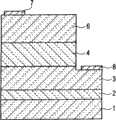
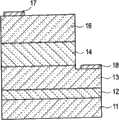
图1是表示本发明氮化物半导体发光元件剖面结构一例的图;FIG. 1 is a diagram showing an example of a cross-sectional structure of a nitride semiconductor light-emitting element of the present invention;
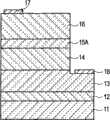
图2是表示本发明氮化物半导体发光元件其他结构例的图;Fig. 2 is a diagram showing another structural example of the nitride semiconductor light-emitting element of the present invention;
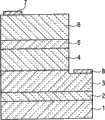
图3是表示本发明氮化物半导体发光元件其他结构例的图;Fig. 3 is a diagram showing another structural example of the nitride semiconductor light-emitting element of the present invention;
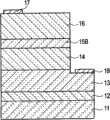
图4是表示本发明氮化物半导体发光元件其他结构例的图;Fig. 4 is a diagram showing another structural example of the nitride semiconductor light-emitting element of the present invention;
图5是将p型GaN层形成为四层多层结构时表示剖面结构的图;5 is a diagram showing a cross-sectional structure when a p-type GaN layer is formed into a four-layer multilayer structure;
图6是表示本发明氮化物半导体发光元件其他结构例的图;Fig. 6 is a diagram showing another structural example of the nitride semiconductor light-emitting element of the present invention;
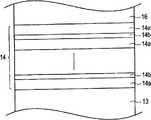
图7是表示本发明氮化物半导体发光元件中活性层的多量子阱结构的图;Fig. 7 is a diagram showing the multi-quantum well structure of the active layer in the nitride semiconductor light-emitting element of the present invention;
图8是在表示活性层的晶体生长中气体流动形式的图;Fig. 8 is a diagram showing gas flow patterns in crystal growth of an active layer;
图9是将热处理温度对活性层的影响按活性层种类表示的图;Fig. 9 is a figure representing the influence of heat treatment temperature on the active layer according to the type of active layer;
图10是表示相对于向活性层添加Al的比例和热处理温度的活性层黑色化变化的图;10 is a graph showing changes in the blackening of the active layer with respect to the ratio of Al added to the active layer and the heat treatment temperature;
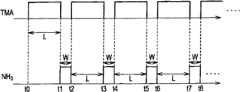
图11是表示在本发明氮化物半导体的制造方法中ALN缓冲层形成方法的图;11 is a diagram showing a method for forming an AlN buffer layer in the method for manufacturing a nitride semiconductor of the present invention;
图12是表示具有ALN缓冲层的氮化物半导体整体结构的图;12 is a diagram showing the overall structure of a nitride semiconductor having an ALN buffer layer;
图13是表示图12氮化物半导体晶体具体结构一例的图;Fig. 13 is a diagram showing an example of the specific structure of the nitride semiconductor crystal in Fig. 12;
图14是表示现有ALN缓冲层形成方法的图;14 is a diagram showing a conventional method for forming an ALN buffer layer;
图15是表示利用现有方法制作的ALN缓冲层表面的图;Fig. 15 is a figure representing the surface of the ALN buffer layer made by the existing method;
图16是表示在利用现有方法制作的ALN缓冲层上层积的GaN表面的图;FIG. 16 is a diagram showing a GaN surface laminated on an ALN buffer layer produced by a conventional method;
图17是表示图16所示GaN晶体内部状态的图;Fig. 17 is a diagram showing the internal state of the GaN crystal shown in Fig. 16;
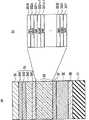
图18是本发明第一氮化物半导体发光元件的示意性剖面结构图,(a)是氮化物半导体发光元件部分的示意性剖面结构图,(b)是活性层部分的放大示意性剖面结构图;18 is a schematic cross-sectional structure diagram of the first nitride semiconductor light-emitting element of the present invention, (a) is a schematic cross-sectional structure diagram of a nitride semiconductor light-emitting element part, and (b) is an enlarged schematic cross-sectional structure diagram of an active layer part ;
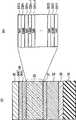
图19是根据本发明第一氮化物半导体发光元件变形例的示意性剖面结构图,(a)是氮化物半导体发光元件部分的示意性剖面结构图,(b)是活性层部分的放大示意性剖面结构图;19 is a schematic cross-sectional structure diagram of a modification example of the first nitride semiconductor light-emitting element according to the present invention, (a) is a schematic cross-sectional structure diagram of the nitride semiconductor light-emitting element part, and (b) is an enlarged schematic diagram of the active layer part Sectional structure diagram;
图20是形成到本发明第一氮化物半导体发光元件的p侧电极和n侧电极的示意性剖面结构图;Fig. 20 is a schematic cross-sectional view of the p-side electrode and n-side electrode formed on the first nitride semiconductor light-emitting element of the present invention;
图21是表示在本发明氮化物半导体发光元件中发光输出与量子阱配对数量之间关系的图;Fig. 21 is a graph showing the relationship between the luminous output and the number of quantum well pairs in the nitride semiconductor light-emitting element of the present invention;
图22是说明在本发明氮化物半导体发光元件中MQW层内的发光现象的能带结构的示意图;22 is a schematic diagram illustrating the energy band structure of the light emission phenomenon in the MQW layer in the nitride semiconductor light emitting device of the present invention;
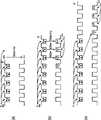
图23是说明在本发明氮化物半导体发光元件中MQW层内的发光现象的能带结构,(a)是MQW层是5对时的能带结构的示意性图,(b)是MQW层是8对时的能带结构的示意性图,(c)是MQW层是12对时的能带结构的示意性图;23 is an energy band structure illustrating the light emission phenomenon in the MQW layer in the nitride semiconductor light-emitting element of the present invention, (a) is a schematic diagram of the energy band structure when the MQW layer is 5 pairs, and (b) is the MQW layer is A schematic diagram of the band structure of 8 pairs of time, (c) is a schematic diagram of the band structure of the MQW layer is 12 pairs of time;
图24是在本发明的氮化物半导体发光元件中说明当形成4层结构的p型半导体层(341~344)时的温度分布的图(a)和说明氢气流动条件的图(b)~(e);24 is a graph (a) illustrating temperature distribution when forming p-type semiconductor layers (341 to 344) with a four-layer structure in the nitride semiconductor light-emitting device of the present invention, and graphs (b) to (b) to (b) illustrating hydrogen flow conditions. e);
图25是在本发明的氮化物半导体发光元件中说明当形成4层结构的p型半导体层(341~344)时的温度分布的图(a)和说明氮气流动条件的图(b)和氨气流动条件的图(c);25 is a diagram (a) illustrating temperature distribution when p-type semiconductor layers (341 to 344) with a four-layer structure are formed in the nitride semiconductor light-emitting device of the present invention, and diagram (b) illustrating the flow conditions of nitrogen gas and ammonia gas. Diagram (c) of air flow conditions;
图26是本发明的氮化物半导体发光元件中最终电极形成工序后的示意性剖面结构图。Fig. 26 is a schematic cross-sectional structural view after the final electrode formation step in the nitride semiconductor light emitting device of the present invention.
附图标记说明Explanation of reference signs
1蓝宝石衬底 2ALN缓冲层 3n型AlGaN层1
4InGaN/GaN活性层 5p型AlGaN层 6p型GaN层4InGaN/GaN active layer 5p-type AlGaN layer 6p-type GaN layer
7p电极 8n电极 31衬底 32n型半导体层7p
33活性层 34p型半导体层 35氧化物电极 36缓冲层33 active layer 34 p-
37阻挡层 38反射层积膜 331势垒层(GaN层)37 Barrier layer 38 Reflective laminate film 331 Barrier layer (GaN layer)
332阱层(InGaN层) 341第一氮化物系半导体层332 well layer (InGaN layer) 341 first nitride semiconductor layer
342第二氮化物系半导体层 343第三氮化物系半导体层342 Second nitride-based
344第四氮化物系半导体层 40p侧电极 200、300n侧电极344 fourth nitride semiconductor layer 40p side electrode 200, 300n side electrode
3310最终势垒层 3311~331n势垒层 3321~332n阱层3310
具体实施方式Detailed ways
下面参照附图说明本发明的一实施例。图1表示本发明氮化物半导体发光元件结构的一例。An embodiment of the present invention will be described below with reference to the drawings. FIG. 1 shows an example of the structure of the nitride semiconductor light-emitting device of the present invention.
作为生长用衬底而使用蓝宝石衬底1,在蓝宝石衬底1上形成ALN缓冲层2,在其上顺序层积有n型AlGaN层3、InGaN/GaN活性层4、p型GaN层6的氮化物半导体。该氮化物半导体通过已知的MOCVD法等形成。氮化物半导体被表示为AlGAlNN四元混晶,被称为所谓的III-V族氮化物半导体,能够以AlxGayInzN(x1+y1+z1=1、0≤x1≤1、0≤y1≤1、0≤z1≤1)表示。A
进行台面型腐蚀(メサェッチング)直到n型AlGaN层3从p型GaN层6露出,在该露出的n型AlGaN层3表面形成n电极8。另一方面,在p型GaN层6上形成p电极7。P电极7和n电极8被使用Ti/Au和Al/Au等的金属多层膜结构。Mesa etching is performed until n-
n型AlGaN层3兼有作为用于封闭光和载流子的包覆层的作用和用于与n电极8进行欧姆接触的接触层的作用。n型AlGaN层3由以n型杂质Si(硅)浓度为1×1018cm-3~5×1018cm-3的范围,例如3×1018cm-3左右掺杂的AlXGaN构成。在此,Al的组成比率X能够设定在0.01%~20%的范围,例如为3%。Al的组成比率X若超过20%,则AlGaN的结晶性恶化,所以如上述那样优选上限为20%。The n-
另一方面,p型GaN层6也兼备有作为用于封闭光和载流子的包覆层的作用和用于与p电极7进行欧姆接触的接触层的作用。p型GaN层6例如被p型杂质Mg以3×1019cm-3左右的浓度掺杂。On the other hand, the p-
活性层4是具有量子阱结构(Quantum Well)的活性层,是将阱层由比阱层能带隙大的屏障层(势垒层)以夹层状夹住的结构。该量子阱结构也可以不是一个而是被多重化,这时就成为MQW(Multi-Quantum Well),即多量子阱结构。The
InGaN/GaN活性层4例如是由将膜厚度为28埃的不掺杂InGaN阱层与膜厚度为165埃的不掺杂GaN势垒层交替层积八个周期的多量子阱结构(MQW)构成。The InGaN/GaN
在此,n侧的包覆层由在ALN缓冲层2上晶体生长的n型AlGaN层3构成,由于ALN与AlGaN的晶格匹配性比ALN与GaN的晶格匹配性好,所以能够得到比现有结构的晶格缺陷等少的晶体质量好的n侧包覆层,由于ALN和AlGaN的组成材料也接近,热膨胀系数也接近,所以能够缓和由热引起的变形。Here, the n-side cladding layer is composed of an n-
且通过向GaN加入Al而使n侧包覆层成为AlGaN,能够宽能带隙化,由于能够增大与InGaN/GaN活性层4的能带隙差,所以能够提高光和载流子的封闭效果(包覆层效果和势垒层效果),提高光输出。And by adding Al to GaN to make the n-side cladding layer into AlGaN, the energy band gap can be widened, and since the energy band gap difference with the InGaN/GaN
说明图1的氮化物半导体元件的制造方法。首先向MOCVD(有机金属化学气相生长)装置放入蓝宝石衬底1,一边使氢气流入一边将温度上升到1050℃左右,对蓝宝石衬底1进行热清洗。将温度维持不动或下降到900℃以上的合适的温度,使高温ALN缓冲层2生长。对于该高温ALN缓冲层2的生长温度则需要900℃以上的温度。例如作为Al的原料气体而将三甲基铝(TMA)、作为N(氮)的原料气体而将氨(NH3)向反应室供给,来制作高温ALN缓冲层。A method of manufacturing the nitride semiconductor device shown in FIG. 1 will be described. First, the
接着,使生长温度为1020℃~1040℃,在TMA供给的基础上再例如将三甲基镓(TMGa)以20μ摩尔/分供给,作为n型掺杂剂气体而供给硅烷(SiH4),使n型AlGaN层3生长。然后停止TMA、TMGa、硅烷的供给,在氨与氢的混合环境中将衬底温度下降到700℃~800℃之间,将三甲基铟(TMIn)以200μ摩尔/分供给,将三乙基镓(TEGa)以20μ摩尔/分供给,层积InGaN/GaN活性层4的不掺杂InGaN阱层,仅停止TMIn的供给,层积由不掺杂GaN构成的势垒层。且通过GaN势垒层和InGaN阱层反复而成为多量子阱结构。Next, the growth temperature is set at 1020°C to 1040°C, trimethylgallium (TMGa), for example, is supplied at 20 μmol/min in addition to TMA supply, and silane (SiH4 ) is supplied as an n-type dopant gas, The n-
在InGaN/GaN活性层4的生长后,停止TMIn的供给,将生长温度上升到850℃左右,供给Ga原子的原料气体即三甲基镓(TMGa)、氮原子的原料气体即氨(NH3)、p型杂质Mg的掺杂剂材料即CP2Mg(双环戊二乙基镁),使p型GaN层6生长。After the growth of the InGaN/GaN
对于各半导体层的制造,与作为载气的氢或氮一起而供给三乙基镓(TEGa)、三甲基镓(TMG)、氨(NH3)、三甲基铝(TMA)、三甲基铟(TMIn)等与各半导体层的成分对应的反应气体,且在n型的情况下作为掺杂剂气体而供给硅烷(SiH4),在p型的情况下作为掺杂剂气体而供给CP2Mg(双环戊二乙基镁)等必要的气体,通过在700℃~1200℃左右的温度范围内进行顺序生长而能够以希望的组成按必要的厚度形成所希望的导电型的半导体层。For the production of each semiconductor layer, triethylgallium (TEGa), trimethylgallium (TMG), ammonia (NH3 ), trimethylaluminum (TMA), trimethyl Reactive gas corresponding to the composition of each semiconductor layer such as indium (TMIn), and silane (SiH4 ) is supplied as a dopant gas in the case of n-type, and supplied as a dopant gas in the case of p-type Necessary gas such as CP2 Mg (dicyclopentadiethylmagnesium) can be used to form a semiconductor layer of a desired conductivity type with a desired composition and a necessary thickness by performing sequential growth in a temperature range of about 700°C to 1200°C .
如上所述,当将ALN缓冲层2设定成以生长温度900℃以上的温度生长的高温ALN缓冲层,则与n型AlGaN层3的生长温度的差变小,能够防止由于n型AlGaN层3生长时的升温而引起的ALN缓冲层2的变质,再现性良好。且能够防止由生长温度差引起的ALN缓冲层2的热变形。As described above, when the
在ALN缓冲层2的制作方法中也可以在生长用衬底上以生长温度400~800℃的低温形成膜厚度100~500埃(埃)的低温ALN缓冲层,但缓冲层的生长条件被严格限制,且需要将膜厚度严格设定在100~500埃的薄的范围,因此,难于合格品率高地改善半导体的结晶性和表面形态。低温ALN缓冲层的膜厚度薄的,由于在其上晶体生长的GaN膜的晶轴方向容易一致,所以GaN膜的结晶性良好,但当将膜厚度变薄,则表面容易形成六角形小面,有GaN膜的表面形态恶化的缺点。In the preparation method of the
关于生长膜厚度,例如能够设定成高温ALN缓冲层2是10埃~50埃、n型AlGaN层3是4μm左右、InGaN/GaN活性层4是0.1μm左右、p型GaN层6是0.2μm左右。如上所述,由于高温ALN缓冲层2以非常薄的膜厚度就足够,所以能够缩短制造时间。The growth film thickness can be set, for example, at 10 angstroms to 50 angstroms for the high-temperature
如上所述,在层积到p型GaN层6后进行台面型腐蚀而使n型AlGaN层3的一部分露出,在该露出的表面形成n电极8。另一方面,在p型GaN层6上形成p电极7。As described above, after lamination on the p-
下面,图2~图4表示本发明氮化物半导体发光元件结构的其他例。图1和图3是使用InGaN/GaN活性层4的结构例,这些结构的不同点在于图3附加有p型AlInGaN层5。另一方面,图2和图4是使用AlInGaN/AlGaN活性层14的结构例,这些结构的不同点在于p型包覆层是使用p型AlInGaN层15A还是使用p型AlInGaN/InGaN超晶格层15B。Next, FIGS. 2 to 4 show other examples of the structure of the nitride semiconductor light-emitting device of the present invention. FIG. 1 and FIG. 3 are structural examples using an InGaN/GaN
以图2为基础进行说明,在蓝宝石衬底11上形成ALN缓冲层12,在其上顺序层积有n型AlGaN层13、AlInGaN/AlGaN活性层14、p型AlInGaN层15A、p型GaN层16的各氮化物半导体层。在p型GaN层16上形成p电极17,在利用台面型腐蚀而露出的n型AlGaN层13上形成n电极18。Based on FIG. 2, an
对于蓝宝石衬底11、ALN缓冲层12、到n型AlGaN层13的结构等则与所述图1相同。与图1相比,作为层结构新追加有p型AlInGaN层15A。p型AlInGaN层15A是p侧的包覆层,有电子阻挡层的作用。这样就与图1不同,在p侧,作为包覆层的p型AlInGaN层15A与作为接触层的p型GaN层16被分离。The structures of the
向活性层14添加Al,向p侧包覆层也添加Al,使n型AlGaN层13、AlInGaN/AlGaN活性层14、p型AlInGaN层15A的层积结构的晶格常数差变小。n型AlGaN层13的结构与上述的n型AlGaN层3相同,但p型AlInGaN层15A是按AlX3InY3GaZ3N(X3+Y3+Z3=1、0<X3<1、0<Y3<1、0<Z3<1)构成,Al的组成比率X3若超过20%则结晶性恶化,所以优选0.01%~20%的范围。Al is added to the
如图4所示,p型AlInGaN层15A也可以是p型AlInGaN/InGaN超晶格层15B。在图4的情况下,p型AlInGaN/InGaN超晶格层15B是由将AlX4InY4GaZ4N(X4+Y4+Z4=1、0<X4<1、0<Y4<1、0<Z4<1=和InX5GaY5N(X5+Y5=1、0<X5<1、0<Y5<1)交替层积的层积体构成,AlX4InY4GaZ4N的Al的组成比率X4若超过20%则结晶性恶化,所以优选0.01%~20%的范围,In的组成比率Y4是0<Y4<0.1,另一方面,InX5GaY5N的In的组成比率Y5是0<Y5<0.1。As shown in FIG. 4, the p-
在此,不向活性层添加Al,如图1所示地设定InGaN/GaN活性层4,将p侧分离成作为包覆层的p型AlInGaN层5和作为接触层的p型GaN层6结构则是图3。Here, Al is not added to the active layer, and the InGaN/GaN
如上所述,由于构成n侧和p侧的包覆层,所以有以下的效果。n侧的包覆层由在ALN缓冲层2上晶体生长的n型AlGaN层3构成,由于ALN与AlGaN的晶格匹配性比ALN与GaN的晶格匹配性好,所以能够得到比现有结构的晶格缺陷等少的晶体质量好的n侧包覆层。由于ALN和AlGaN的组成材料也接近,热膨胀系数也接近,所以能够缓和由热引起的变形。As described above, since the n-side and p-side cladding layers are formed, the following effects are obtained. The n-side cladding layer is composed of an n-
另一方面,p侧包覆层由p型AlInGaN层或p型AlInGaN/InGaN超晶格层构成,这些半导体层成为电子阻挡层,抑制电子从活性层向p侧包覆层流入,能够提高发光效率,且添加In,至少包含p型AlInGaN层,使与接触层即p型GaN层6、16的晶格匹配容易,提高p型GaN层6、16的结晶性,且使载流子浓度增加,通过提高空穴注入效率而提高发光效率。On the other hand, the p-side cladding layer is composed of a p-type AlInGaN layer or a p-type AlInGaN/InGaN superlattice layer. These semiconductor layers serve as electron blocking layers, which suppress the inflow of electrons from the active layer to the p-side cladding layer, and can improve light emission. efficiency, and adding In, including at least the p-type AlInGaN layer, makes it easy to match the lattice with the contact layer, that is, the p-
如图1和图3那样,在使用不向活性层14添加Al的InGaN/GaN活性层的情况下则产生以下的问题。在InGaN/GaN活性层4生长后而使p型GaN等成膜时,为了提高晶体质量,现有技术中以比活性层生长温度高200~300℃的温度即1000℃附近的生长温度来进行外延生长,生长时间通常是15~60分钟左右。这样,由于p型层的生长温度高,所以已经成膜的活性层4受到热损伤,发光特性明显恶化。When an InGaN/GaN active layer in which Al is not added to the
特别是在制作绿色~黄色区域发光波长的长波长氮化物半导体发光元件时,阱层In的组成比率以超过20%的程度升高,In的组成比率越高则在成为高温状态时In就越容易升华被破坏,发光效率显著降低。当持续受到热损伤,则In分离,也有时出现晶片黑色化的情况。为了解决该问题,向活性层14整体添加A1来提高耐热性。且通过将p型GaN层16的生长温度不是设定在1000℃附近的高温而是设定在850℃左右,则能够进一步防止活性层的恶化。In particular, when producing long-wavelength nitride semiconductor light-emitting devices with emission wavelengths in the green to yellow region, the composition ratio of In in the well layer increases to more than 20%. The sublimation is easily destroyed, and the luminous efficiency is significantly reduced. When thermal damage is continued, In is separated, and blackening of the wafer may occur in some cases. In order to solve this problem, Al is added to the entire
AlInGaN/AlGaN活性层14是向活性层整体添加Al的四元混晶系的AlInGaN,是将阱层设定成AlX1InY1GaZ1N阱层(X1+Y1+Z1=1、0<X1<1、0<Y1<1、0<Z1<1=、将势垒层设定成AlX2GaY2N势垒层(X2+Y2=1、0<X2<1、0<Y2<1)的多量子阱结构。阱层的Al组成比率X1能够是0.01%~6%,势垒层的Al组成比率X2能够是0.01%~20%,Al的组成比率若超过20%则结晶性恶化。The AlInGaN/AlGaN
在此,表示一具体例,将势垒层由不掺杂或Si掺杂浓度为5×1016cm-3以上且不足1×1017cm-3的、膜厚度为70~170埃的Al0.005GaN构成。另一方面,将阱层例如由膜厚度28埃的不掺杂Al0.005InGaN构成,将阱层和势垒层交替八周期左右进行层积。通过如上述那样向活性层4的阱层添加Al来构成抗热损伤强的活性层14,另一方面,通过向活性层4的势垒层添加Al而能够宽能带隙化,能够提高载流子的封闭效果,能够提高光输出。Here, as a specific example, the barrier layer is made of Al with a film thickness of 70 to 170 angstroms without doping or with a Si doping concentration of 5×1016 cm-3 or more and less than 1×1017 cm-3 .0.005 GaN composition. On the other hand, the well layer is made of, for example, undoped Al0.005 InGaN with a film thickness of 28 angstroms, and the well layer and the barrier layer are stacked alternately about eight cycles. By adding Al to the well layer of the
如图4所示,在将p型包覆层设定为p型AlInGaN/InGaN超晶格层15B的情况下,由于AlInGaN/AlGaN活性层14与p型AlInGaN/InGaN超晶格层15B晶格匹配性好,所以超晶格层15B的结晶性也变好。As shown in FIG. 4, when the p-type cladding layer is set as the p-type AlInGaN/
接着在下面详细说明上述耐热性AlInGaN/AlGaN活性层14。图6表示使用AlInGaN/AlGaN活性层14的氮化物半导体发光元件结构的一例,是从图2和图4将p型AlInGaN层15A或p型AlInGaN/InGaN超晶格层15B除掉的结构。与图2和图4相同的符号则表示相同的结构。Next, the heat-resistant AlInGaN/AlGaN
因此,p型GaN层16兼有作为用于封闭光和载流子的包覆层的作用和用于与p电极17进行欧姆接触的接触层的作用。p型GaN层16例如被p型杂质Mg以3×1019cm-3左右的浓度掺杂。Therefore, the p-
详细表示活性层14结构的是图7。活性层14在与n型AlGaN层13连接侧配置势垒层14a,在其上层积阱层14b,在将该势垒层14a和阱层14b交替层积几个周期后而形成最后的势垒层14a,在该最后的势垒层14a上层积p型GaN层16。FIG. 7 shows the structure of the
AlInGaN/AlGaN活性层14例如是由将膜厚度28埃的AlX1InY1GaZ1N阱层(X1+Y1+Z1=1、0<X1<1、0<Y1<1、0<Z1<1=和膜厚度165埃的AlX2GaY2N势垒层(X2+Y2=1、0<X2<1、0<Y2<1=交替层积八周期的多量子阱结构(MQW)构成。The AlInGaN/AlGaN
在此,表示一具体例,将势垒层14a由不掺杂或Si掺杂浓度为5×1016cm-3以上且不足1×1017cm-3的、膜厚度为70~170埃的Al0.005GaN构成。另一方面,将阱层14b例如由膜厚度28埃的Al0.005InGaN构成,将阱层和势垒层交替八个周期左右进行层积。通过如上述那样向活性层14的阱层添加Al来构成抗热损伤强的活性层,另一方面,通过向活性层14的势垒层添加Al而能够宽能带隙化,能够提高载流子的封闭效果,能够提高光输出。Here, as a specific example, the
为了通过添加Al而得到希望的波长,则必须使In组成比现有结构中InGaN阱层的In组成比率稍多,但由此压电效应增加,因此通过如上述那样将n型杂质Si向活性层14掺杂,则能够减少压电效应。In order to obtain the desired wavelength by adding Al, the In composition must be slightly higher than the In composition ratio of the InGaN well layer in the conventional structure, but this increases the piezoelectric effect. Therefore, by adding n-type impurity Si to the active If
在图6的氮化物半导体发光元件中,在蓝宝石衬底11上形成ALN缓冲层12后,代替n型AlGaN层13而形成AlInGaN/AlGaN超晶格层,作为活性层14而将AlInGaN阱层和AlGaN势垒层形成五周期后进行退火处理,检查是否由于该退火温度(热处理温度)和Al的组成比率而使活性层14的表面黑色化。Al的组成比率在AlInGaN阱层和AlGaN势垒层是共通的。In the nitride semiconductor light-emitting element of FIG. 6, after forming the
图10表示实验数据的一部分,是将活性层14表面的图像数据排列在纵轴是Al组成(Al/Ga供给比)、横轴是热处理温度(退火温度)的坐标上。活性层14是使用作为势垒层(阻挡层)而将不掺杂AlGaN交替层积的,将AlInGaN阱层的In组成比率设定为20%左右,各个温度的热处理在氮环境中进行,热处理时间是30分钟。10 shows a part of the experimental data, and the image data of the surface of the
为了与向活性层添加了Al的结构进行比较,将活性层14设定为是现有的InGaN/GaN活性层,将上述AlInGaN/AlGaN超晶格层设定为是InGaN/GaN超晶格层,以这样的结构在相同的条件下进行热处理。使InGaN阱层的In组成比率是与上述同样的20%左右。图10中的虚线表示晶片开始黑色化的边界线。For comparison with a structure in which Al is added to the active layer, the
如从图10所了解的那样,现有的InGaN/GaN活性层在950℃可看到晶片的黑色化。但AlInGaN/AlGaN活性层,在Al组成是0.5%的情况下以1000℃的热处理条件开始黑色化。且增加Al组成而在Al组成1.0%的情况下,不到1050℃的热处理温度则不黑色化,即使在1000℃,活性层也不出现问题。将Al组成增加到2.0%的情况与Al组成是1.0%的情况相比,状态没有变化,耐热性没有大的提高。As can be seen from FIG. 10, blackening of the wafer was observed at 950°C in the conventional InGaN/GaN active layer. However, the AlInGaN/AlGaN active layer starts to blacken under the heat treatment conditions of 1000°C when the Al composition is 0.5%. And when the Al composition is increased to 1.0% of the Al composition, blackening does not occur at a heat treatment temperature of less than 1050°C, and no problem occurs in the active layer even at 1000°C. When the Al composition was increased to 2.0%, the state did not change and the heat resistance did not greatly improve compared with the case where the Al composition was 1.0%.
图9表示PL(光致发光)测定的结果。纵轴表示PL强度(任意单位),横轴表示热处理温度。首先与图10的情况同样地按图6的结构在蓝宝石衬底1上作为活性层14而将AlInGaN阱层和AlGaN势垒层或是AlInGaN阱层和GaN势垒层形成五个周期左右后,变化退火温度,在氮环境中进行热处理(时间30分钟),然后在室温下测定发光光谱(PL强度分布),求出各个温度的PL强度分布积分值。Fig. 9 shows the results of PL (photoluminescence) measurement. The vertical axis represents PL intensity (arbitrary unit), and the horizontal axis represents heat treatment temperature. First, the AlInGaN well layer and the AlGaN barrier layer or the AlInGaN well layer and the GaN barrier layer are formed for about five cycles on the
曲线A1表示活性层是AlInGaN阱层/AlGaN势垒层的MQW结构,Al的组成比率是0.25%。曲线A2表示使用现有结构的活性层,表示InGaN阱层/GaN势垒层的MQW结构的情况。曲线A3表示活性层是AlInGaN阱层/GaN势垒层的MQW结构,Al的组成比率是1%。曲线A4表示活性层是AlInGaN阱层/AlGaN势垒层的MQW结构,Al的组成比率是1%。Curve A1 indicates an MQW structure in which the active layer is an AlInGaN well layer/AlGaN barrier layer, and the composition ratio of Al is 0.25%. Curve A2 shows the case of using an active layer having a conventional structure and showing an MQW structure of InGaN well layer/GaN barrier layer. Curve A3 indicates an MQW structure in which the active layer is an AlInGaN well layer/GaN barrier layer, and the composition ratio of Al is 1%. Curve A4 indicates an MQW structure in which the active layer is an AlInGaN well layer/AlGaN barrier layer, and the composition ratio of Al is 1%.
在使用现有结构活性层的A2中,进行950℃的热处理则PL强度急剧降低,看到活性层的恶化。这与图10的结果也一致。另一方面,在Al的组成比率是0.25%的情况下,在950℃附近表示出良好的PL强度,以1000℃进行热处理则PL强度降低。因此,添加了铝(Al)的曲线A1比使用现有结构活性层的曲线A2相比,提高了T℃(图中是50℃)耐热性。A3中,仅向阱层添加1%的铝,在1000℃发光强度降低,耐热性与曲线A1几乎没有变化,但随着铝的组成比率的增加,发光强度也降低。另一方面,向阱层和势垒层这两者添加1%的铝的曲线A4则与参照图10也可以了解的那样,耐热性比曲线A1和A3提高,发光强度比曲线A3降低。In A2 using the active layer of the conventional structure, the PL intensity decreased sharply when heat treatment at 950°C was performed, and deterioration of the active layer was observed. This is also consistent with the results in Figure 10. On the other hand, when the composition ratio of Al is 0.25%, good PL strength is exhibited at around 950°C, but the PL strength decreases when heat treatment is performed at 1000°C. Therefore, curve A1 in which aluminum (Al) is added has higher T°C (50°C in the figure) heat resistance than curve A2 in which an active layer of a conventional structure is used. In A3, only 1% of aluminum is added to the well layer, the luminous intensity decreases at 1000°C, and the heat resistance is almost the same as that of curve A1, but the luminous intensity also decreases as the composition ratio of aluminum increases. On the other hand, curve A4 in which 1% aluminum is added to both the well layer and the barrier layer has higher heat resistance than curves A1 and A3 and lower luminous intensity than curve A3 as can also be seen with reference to FIG. 10 .
如上所述,根据图9、图10表示的测定结果可以认为,即使添加量少,但只要向活性层添加了铝,则可提高耐热性。As described above, based on the measurement results shown in FIGS. 9 and 10 , it is considered that heat resistance can be improved as long as aluminum is added to the active layer even if the amount added is small.
说明图6的氮化物半导体元件的制造方法。首先向MOCVD(有机金属化学气相生长)装置放入蓝宝石衬底11,一边使氢气流入一边将温度上升到1050℃左右,对蓝宝石衬底11进行热清洗。将温度维持不动或下降到900℃以上合适的温度,使高温ALN缓冲层12生长。对于该高温ALN缓冲层12的生长温度则需要900℃以上的温度。例如作为Al的原料气体而将三甲基铝(TMA)、作为N(氮)的原料气体而将氨(NH3)向反应室供给,来制作高温ALN缓冲层。A method of manufacturing the nitride semiconductor device shown in FIG. 6 will be described. First, the
接着,使生长温度为1020℃~1040℃,在TMA供给的基础上再例如将三甲基镓(TMGa)以20μ摩尔/分供给,作为n型掺杂剂气体而供给硅烷(SiH4),使n型AlGaN层13生长。Next, the growth temperature is set at 1020°C to 1040°C, trimethylgallium (TMGa), for example, is supplied at 20 μmol/min in addition to TMA supply, and silane (SiH4 ) is supplied as an n-type dopant gas, The n-
关于接下来的活性层14的生长状况,一边参照图8一边说明,使载气氮(N2)流动,供给Ga原子的原料气体即三乙基镓(TEG)或三甲基镓(TMG)、氮原子的原料气体即氨(NH3),作为Al原子的材料气体而供给三甲基铝(TMA)。且在n型的情况下作为掺杂剂气体而供给硅烷(SiH4)。The subsequent growth of the
如从图8也了解的那样,在活性层14的制作中对于TEG、TMA和未图示的NH3则是使它们连续流动,仅在制作阱层14b时使In原子的原料气体三甲基铟(TMI)仅在时间L期间流动。且设定成将供给TMI期间与停止供给期间相互交替。这样,则在与时间L对应的期间制作阱层14b,在其之外的停止供给TMI期间制作势垒层14a,将势垒层14a和阱层14b交替形成。As can also be seen from FIG. 8 , TEG, TMA, and NH3 (not shown) are continuously flowed during the formation of the
作为生长条件的一具体例,阱层14b和势垒层14a都是生长温度730℃,是共通的,阱层14b的生长时间(与期间L相当)是0.86分钟、势垒层14a的生长时间7分钟,TEG流量是74sccm、TMI流量是115sccm、TMA流量是10~200sccm等。As a specific example of the growth conditions, the growth temperature of the
在AlInGaN/AlGaN活性层14的生长后,停止TMIn的供给,将生长温度上升到1020℃~1040℃,供给Ga原子的原料气体即三甲基镓(TMGa)、氮原子的原料气体即氨(NH3)、p型杂质Mg的掺杂剂材料即CP2Mg(双环戊二乙基镁),使p型GaN层16生长。After the AlInGaN/AlGaN
在此,表示生长膜厚度的一具体例,能够设定成高温ALN缓冲层12是10埃~50埃、n型AlGaN层13是4μm左右、AlInGaN/AlGaN活性层14是0.1μm左右、p型GaN接触层16是0.2μm左右。Here, a specific example of the thickness of the grown film is shown, and it can be set that the high-temperature
如上所述,在层积到p型GaN层16后进行台面型腐蚀而使n型AlGaN层13的一部分露出,在该露出的表面形成n电极18。另一方面,在p型GaN层16上形成p电极17。As described above, after lamination on the p-
如上所述,当将ALN缓冲层12设定成以生长温度900℃以上的温度生长的高温ALN缓冲层时,则与n型AlGaN层13的生长温度的差变小,能够防止由生长温度差引起的ALN缓冲层12的热变形。As described above, when the
在ALN缓冲层12的制作方法中也可以在生长用衬底上以生长温度400~800℃的低温形成膜厚度100~500埃(埃)的低温ALN缓冲层,但低温ALN缓冲层的情况是膜厚度薄的,由于在其上晶体生长的GaN膜的晶轴方向容易一致,所以GaN膜的结晶性良好,但是,当将膜厚度变薄时,则表面容易形成六角形小面,GaN膜的表面形态恶化,所以用于器件制作时会有问题。In the preparation method of the
于是,为了解决这些问题,提出了使以900℃以上的高温制作的高温ALN缓冲层在生长用衬底上生长后,层积氮化物半导体晶体的方案。但高温ALN缓冲层的生长条件困难,有时使在ALN缓冲层上形成的氮化物半导体晶体的结晶性和表面形态恶化,难于制作优质的氮化物半导体晶体。Then, in order to solve these problems, it has been proposed to laminate a nitride semiconductor crystal after growing a high-temperature ALN buffer layer formed at a high temperature of 900° C. or higher on a growth substrate. However, the growth conditions of the high-temperature ALN buffer layer are difficult, which sometimes deteriorates the crystallinity and surface morphology of the nitride semiconductor crystal formed on the ALN buffer layer, making it difficult to produce a high-quality nitride semiconductor crystal.
现有技术中,在制作高温ALN缓冲层时,例如作为III族气体而使用三甲基铝(TMA),作为V族气体而使用氨(NH3),将这些原料气体向反应室供给则按照图14所示的时间图进行。首先在时刻t0开始(通)供给TMA,然后在时刻t1开始(通)供给NH3。TMA和NH3都是一旦供给成为开通的状态,直到高温ALN缓冲层的制作完成,都持续使原料气体流动。In the prior art, when fabricating a high-temperature ALN buffer layer, for example, trimethylaluminum (TMA) is used as a group III gas and ammonia (NH3 ) is used as a group V gas, and these raw material gases are supplied to the reaction chamber according to The timing diagram shown in Figure 14 proceeds. First, the supply of TMA is started (on) at time t0, and then the supply of NH3 is started (on) at time t1. In both TMA and NH3 , the raw material gas was continuously flowed until the high-temperature ALN buffer layer was formed once the supply was turned on.
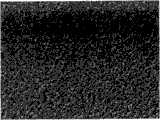
在如上制作的高温ALN缓冲层中,NH3/TMA的摩尔比高,在ALN缓冲层上晶体生长的氮化物半导体晶体表面的平坦性不好。图15表示在以NH3/TMA的摩尔比1800形成的ALN缓冲层上晶体生长的GaN晶体的表面,可以看出表面粗糙。In the high-temperature ALN buffer layer prepared as above, the molar ratio of NH3 /TMA is high, and the flatness of the surface of the nitride semiconductor crystal crystal-grown on the ALN buffer layer is not good. FIG. 15 shows the surface of a GaN crystal grown on an ALN buffer layer formed at a NH3 /TMA molar ratio of 1800, and it can be seen that the surface is rough.
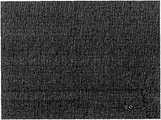
另一方面,若NH3/TMA的摩尔比低,则在高温ALN缓冲层上晶体生长的氮化物半导体晶体的结晶性不好。表示该状态的是图16和图17,图16表示在ALN缓冲层上晶体生长的GaN晶体的表面状态,图17表示GaN晶体中的状态。NH3/TMA的摩尔比是1200。如从图16了解的那样,GaN晶体的表面平坦性非常良好,但如图17所示那样,GaN晶体中混入有Al,GaN晶体的结晶性恶化。On the other hand, if the molar ratio of NH3 /TMA is low, the crystallinity of the nitride semiconductor crystal crystal-grown on the high-temperature ALN buffer layer is poor. These states are shown in FIGS. 16 and 17. FIG. 16 shows the surface state of the GaN crystal grown on the ALN buffer layer, and FIG. 17 shows the state in the GaN crystal. The NH3 /TMA molar ratio was 1200. As can be seen from FIG. 16 , the surface flatness of the GaN crystal is very good, but as shown in FIG. 17 , Al is mixed into the GaN crystal and the crystallinity of the GaN crystal deteriorates.
一般来说,被供给的反应气体N原料/Al原料的摩尔比若小,则对高温ALN缓冲层上的氮化物半导体晶体的结晶性有影响,另一方面,若N原料/Al原料的摩尔比若大,则氮化物半导体晶体的表面形态恶化。Generally speaking, if the molar ratio of N raw material/Al raw material in the supplied reaction gas is small, it will affect the crystallinity of the nitride semiconductor crystal on the high-temperature AlN buffer layer. On the other hand, if the molar ratio of N raw material/Al raw material When the ratio is large, the surface morphology of the nitride semiconductor crystal deteriorates.
于是,在形成本发明图1~图4、图6等结构的高温ALN缓冲层1、11时,如下地来制作高温ALN缓冲层。图11表示本发明的氮化物半导体制造方法主要工序的时间图。图12表示由本发明的氮化物半导体制造方法制作的氮化物半导体的基本结构。Therefore, when forming the high-temperature ALN buffer layers 1 and 11 of the structures shown in FIGS. 1 to 4 and 6 of the present invention, the high-temperature ALN buffer layers are fabricated as follows. Fig. 11 is a time chart showing main steps of the nitride semiconductor manufacturing method of the present invention. FIG. 12 shows the basic structure of a nitride semiconductor produced by the method for producing a nitride semiconductor of the present invention.
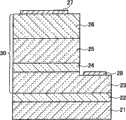
在生长用衬底21上层积ALN缓冲层22,在其上使氮化物半导体晶体30晶体生长。该氮化物半导体通过已知的MOCVD法等形成。氮化物半导体晶体30被表示为AlGAlNN的四元混晶,被称为所谓的III-V族氮化物半导体,能够以AlxGayInzN(x+y1+z1=1、0≤x≤1、0≤y≤1、0≤z≤1)表示。The
本发明的特点在于,在使ALN缓冲层22晶体生长时是以900℃以上的高温使其生长,且将作为ALN缓冲层22的Al原料使用的三甲基铝(TMA)和氨(NH3)交替供给。这时,可以将三甲基铝(TMA)先向反应室供给,也可以将氨(NH3)先向反应室供给,但优选将三甲基铝(TMA)先向反应室供给。The feature of the present invention is that when the
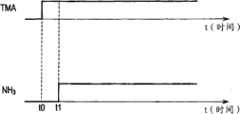
图11的时间图中横轴表示时间,纵轴表示供给的通-断状态。虽然未图示,但当然有氢等的载气流动。本发明中,首先,在时刻t0开始(通)供给TMA后到形成规定膜厚度的ALN缓冲层22之前,如图11的上部所示那样将TMA的供给间歇进行。在时刻t1开始(通)供给NH3后到形成规定膜厚度的ALN缓冲层22之前,如图11的下部所示那样将NH3的供给也间歇进行。且TMA的供给与NH3的供给并不重叠,而是交错进行。In the time chart of FIG. 11, the horizontal axis represents time, and the vertical axis represents the on-off state of the supply. Although not shown, of course a carrier gas such as hydrogen flows. In the present invention, first, the supply of TMA is intermittently performed as shown in the upper part of FIG. The supply of NH3 is also performed intermittently as shown in the lower part of FIG. 11 after the NH3 supply is started (passed) at time t1 until the
在时刻t0开始TMA的供给,在L期间连续地供给TMA后在时刻t1停止(断)TMA的供给,同时开始NH3的供给。The supply of TMA is started at time t0, the supply of TMA is stopped (off) at time t1 after the continuous supply of TMA during the L period, and the supply of NH3 is started at the same time.
接着,将NH3的供给在时刻t1~t2的W期间连续进行后在时刻t2停止(断)供给,同时开始TMA的供给。关于时刻t2~t3的L期间,是TMA在时刻t2~t3的L期间被连续地供给后在时刻t3停止(断)供给,同时开始NH3的供给。接着,将NH3在时刻t3~t4的W期间连续供给后在时刻t4被中断供给,同时开始TMA的供给。然后在t4~t5的L期间仅供给TMA。Next, the supply of NH3 is continuously performed during the W period from time t1 to t2, and then the supply is stopped (off) at time t2, and at the same time, the supply of TMA is started. Regarding the L period from time t2 to t3, after TMA is continuously supplied during the L period from time t2 to t3, the supply is stopped (off) at time t3, and at the same time, the supply of NH3 is started. Next, the supply of NH3 is interrupted at time t4 after the continuous supply of
同样地,在下面的时刻t5~t6的W期间和时刻t7~t8的W期间,停止TMA的供给而仅供给NH3,在时刻t6~t7的L期间停止NH3的供给而仅进行TMA的供给。如上所述,在期间W仅进行NH3的供给、在期间L仅进行TMA的供给,将NH3和TMA的供给交替反复进行。W+L的反复次数能够根据需要进行增减。Similarly, during the W period from time t5 to t6 and the W period from time t7 to t8, the supply of TMA is stopped and only NH3 is supplied, and the supply ofNH3 is stopped and onlyTMA is supplied during the L period from time t6 to t7. supply. As described above, only NH3 is supplied during the period W and only TMA is supplied during the period L, and the supply of NH3 and TMA is repeated alternately. The number of repetitions of W+L can be increased or decreased as needed.
如上所述,通过将ALN的N(氮)原料供给和Al(铝)原料供给交替反复进行,而能够将N原料/Al原料的摩尔比设定成合适的值,在氮化物半导体晶体30的结晶性中不加入Al的同时,形成表面形态良好的氮化物半导体晶体30。As described above, by alternately repeating the supply of the N (nitrogen) raw material and the Al (aluminum) raw material to ALN, the molar ratio of the N raw material/Al raw material can be set to an appropriate value. The
将生长压力设定成200Torr,作为载气而使用氢,将该载流子氢(H2)的流量设定成14L/分钟,将TMA的流量设定成20cc/分钟,将NH3的流量设定成500cc/分钟。计算这时的NH3/TMA的摩尔比则是约2600。能够在W是4秒~30秒、L是3秒~18秒、W+L的反复次数是3次~5次的范围形成,例如能够在W是9秒、L是6秒、W+L的反复次数是5次的情况下形成膜厚度是20埃~30埃左右的ALN缓冲层。在这样使ALN缓冲层22晶体生长的情况下,例如能够在75秒左右之前制作膜厚度10埃~50埃的ALN缓冲层,根据现有的图14所示的方法,需要10分钟~15分钟的生长时间,但通过使用图11的本发明的方法,能够大幅度缩短ALN缓冲层的生长时间。The growth pressure was set to 200 Torr, hydrogen was used as the carrier gas, the flow rate of the carrier hydrogen (H2 ) was set to 14 L/min, the flow rate of TMA was set to 20 cc/min, and the flow rate of NH3 Set to 500cc/min. The molar ratio of NH3 /TMA at this time was calculated to be about 2600. It can be formed in the range of 4 seconds to 30 seconds for W, 3 seconds to 18 seconds for L, and 3 to 5 repetitions of W+L. For example, it can be formed when W is 9 seconds, L is 6 seconds, W+L When the number of repetitions is 5 times, an ALN buffer layer having a film thickness of about 20 angstroms to 30 angstroms is formed. In the case of crystal growth of the
作为在图2的ALN缓冲层22上层积的氮化物半导体晶体30的具体例,则能够举出图1~图4、图6所示的结构,而表示其他一例的则是图13所示的结构。在作为生长用衬底的蓝宝石衬底21上晶体生长的ALN缓冲层22上,将Si掺杂浓度3×1018cm-3的n型GaN接触层23、Si掺杂浓度5×1016cm-3的n型GaN层24、MQW活性层25、Mg掺杂的p型GaN接触层26按顺序层积,n型GaN接触层23~p型GaN接触层26与图12的氮化物半导体晶体30相当。将这些各半导体层利用MOCVD法形成。MQW活性层25例如是由不掺杂GaN构成的势垒层和不掺杂InX1Ga1-X1N(0<X1=构成的阱层构成的多量子阱结构。Specific examples of the
说明图13的氮化物半导体的制造方法。首先向MOCVD(有机金属化学气相生长)装置中放入作为生长用衬底的蓝宝石衬底21,一边使氢气流入一边将温度上升到1050℃左右,对蓝宝石衬底21进行热清洗。将温度维持不动或下降到900℃以上的合适温度,使高温ALN缓冲层22生长。对于该高温ALN缓冲层22的生长温度则需要900℃以上的温度,优选设定在900℃~950℃的范围。A method of manufacturing the nitride semiconductor shown in FIG. 13 will be described. First, a
如图11所示,使作为Al原料使用的反应气体(例如TMA)先连续地向反应室流入,接着,在供给作为N原料使用的反应气体(例如NH3)时停止Al原料气体,之后,将Al原料气体的供给和N原料气体的供给交替进行,制作高温ALN缓冲层22。As shown in FIG. 11, the reaction gas used as the Al raw material (such as TMA) is first continuously flowed into the reaction chamber, and then the Al raw material gas is stopped when the reactive gas used as the N raw material (such as NH3 ) is supplied, and then, The supply of Al source gas and the supply of N source gas are alternately performed to form the high-temperature
接着,使生长温度为1020℃~1040℃,停止TMA的供给,例如将三甲基镓(TMGa)以20μ摩尔/分供给,作为n型掺杂剂气体而供给硅烷(SiH4),使n型GaN接触层23生长。然后,减少硅烷(SiH4)的供给量,以低掺杂层形成作为包覆层来发挥作用的n型GaN层24。Next, the growth temperature is set to 1020° C. to 1040° C., the supply of TMA is stopped, for example, trimethylgallium (TMGa) is supplied at 20 μmol/min, and silane (SiH4 ) is supplied as an n-type dopant gas to make n Type
然后,停止TMGa、硅烷的供给,在氨和氢的混合环境中使衬底温度下降到700℃~800℃之间,将三甲基铟(TMIn)以200μ摩尔/分钟供给、将三乙基镓(TEGa)以20μ摩尔/分钟供给,层积MQW活性层25的不掺杂InGaN阱层,仅停止TMIn的供给,层积由不掺杂GaN构成的势垒层。通过反复层积GaN势垒层和InGaN阱层而成为多量子阱结构。Then, the supply of TMGa and silane was stopped, the substrate temperature was lowered to between 700°C and 800°C in a mixed atmosphere of ammonia and hydrogen, trimethylindium (TMIn) was supplied at 200 μmol/min, triethylindium Gallium (TEGa) was supplied at 20 μmol/min, an undoped InGaN well layer of the MQW
在MQW活性层25生长后,将生长温度上升到1020℃~1040℃,供给Ga原子的原料气体即三甲基镓(TMGa)、氮原子的原料气体即氨(NH3)、p型杂质Mg的掺杂剂材料即CP2Mg(双环戊二乙基镁),使p型GaN接触层26生长。After the MQW
如上所述,将ALN缓冲层22的生长温度设定在900℃~950℃之间,使与n型GaN接触层23的生长温度差变小,能够防止由生长温度差引起的ALN缓冲层22的热变形。表示生长膜厚度等结构的一例,有高温ALN缓冲层22是10埃~50埃、n型GaN接触层23是4~6μm、n型GaN包覆层24是200nm左右、MQW活性层25是将膜厚度20埃~30埃的InGaN阱层和膜厚度120埃~180埃的GaN阻挡层交替层积八个周期的多量子阱结构。p型GaN接触层26形成膜厚度0.2μm左右,与上述的生长温度不同,是使低温生长,是将p型杂质Mg调制掺杂的p型GaN层。虽然未图示,但在p型GaN接触层26上形成有ZnO电极(透明电极),也可以在该ZnO电极上形成氧化膜等DBR层(光反射层)。As mentioned above, the growth temperature of the
如上所述,在形成氮化物半导体晶体后进行台面型腐蚀而使n型GaN接触层23的一部分露出,在该露出的表面形成n电极28。另一方面,在p型GaN接触层26上形成p电极27。As described above, after the nitride semiconductor crystal is formed, mesa etching is performed to expose a part of the n-type
p电极27和n电极28使用Al或Al/Ni的金属多层膜结构中任一个,在是Al/Ni的情况下,各膜厚度被形成为3000埃/500埃等。The p-
如上所述,能够使p型GaN接触层26在900℃以下的低温生长,使之成为将p型杂质调制掺杂的p型GaN层。关于该方法在以下详细说明。As described above, the p-type
图5表示将图1~图4的p型GaN层6、16设定成四层结构的例。图5(a)是将图1、3的p型GaN层6设定成四层的多层结构,图5(b)是将图2、4的p型GaN层16设定成四层的多层结构。例如p型GaN层6、16是掺杂p型杂质的、以0.05~1μm左右的膜厚度形成,作为p型杂质而能够使用镁(Mg)、锌(Zn)、镉(Cd)、钙(Ca)、铍(Be)、碳(C)等。FIG. 5 shows an example in which the p-type GaN layers 6 and 16 in FIGS. 1 to 4 have a four-layer structure. Fig. 5 (a) is a multilayer structure in which the p-
p型GaN层6、16结构例的详细情况如下。即,如图5(a)、图5(b)所示,具备:形成在p型包覆层5、15上的第一p型GaN层61、形成在第一p型GaN层61上且包含比第一p型GaN层61的p型杂质浓度低的低浓度p型杂质的第二p型GaN层62、形成在第二p型GaN层62上且包含比第二p型GaN层62的p型杂质浓度高的高浓度p型杂质的第三p型GaN层63、形成在第三p型GaN层63上且包含比第三p型GaN层63的p型杂质浓度低的低浓度p型杂质的第四p型GaN层64。这样,p型杂质的浓度就从靠近活性层4、14的p型GaN层开始进行高浓度、低浓度、高浓度、低浓度交替反复的浓度调制。Details of structural examples of the p-type GaN layers 6 and 16 are as follows. That is, as shown in FIG. 5(a) and FIG. 5(b), it includes: a first p-
第二p型GaN层62的厚度被形成为比第一p型GaN层61、第三p型GaN层63、第四p型GaN层64中任一层的厚度都厚。The second p-
在此,具体说明各层的材料和厚度。第一p型GaN层61例如被形成p型杂质Mg的浓度是约2×1020cm-3、膜厚度约50nm左右。配置在第一p型GaN层61上的第二p型GaN层62被添加比第一p型GaN层61低浓度的p型杂质,例如被形成p型杂质Mg的浓度是约4×1019cm-3、膜厚度约100nm左右。配置在第二p型GaN层62上的第三p型GaN层63被添加比第二p型GaN层62高浓度的p型杂质,例如被形成p型杂质Mg的浓度是约1×10²⁰m-3、膜厚度约40nm左右的p型GaN层。配置在第三p型GaN层63上的第四p型GaN层64被添加比第三p型GaN层63浓度低的p型杂质,例如被形成p型杂质Mg的浓度是约8×1019cm-3、膜厚度约10nm左右。Here, the material and thickness of each layer will be specifically described. The first p-
如上所述,p型GaN层6、16是将Mg浓度不同的四层,即、第一p型GaN层61~第四p型GaN层64层积的层积结构。第一p型GaN层61~第四p型GaN层64为了减少活性层4、14的热损伤而以约800℃~900℃的低温生长。As described above, the p-type GaN layers 6 and 16 have a laminated structure in which four layers having different Mg concentrations, that is, the first p-
离活性层最近的第一p型GaN层61由于Mg浓度越高则发光强度就越高,所以希望Mg浓度越高越好。第二p型GaN层62由于若过于添加杂质Mg,则起因于Mg的晶体缺陷增加,膜的电阻变高,所以优选1019cm-3这一等级中约中间左右的Mg浓度。第三p型GaN层63由于是决定向活性层注入的空穴的注入量的层,所以优选比第二p型GaN层62稍微高的Mg浓度。第四p型GaN层64用于与p电极7、17实现欧姆接触的层,被实质性耗尽。向第四p型GaN层64添加Mg杂质,使Mg浓度成为半导体发光元件的顺向电压(Vf)最下降时的Mg浓度。In the first p-
在使第一p型GaN层61~第四p型GaN层64这四层晶体生长时,对于离p电极近的第三p型GaN层63和第四p型GaN层64,由于需要使膜中的空穴浓度上升,所以增多载气中的H2气体量。对于靠近活性层的第一p型GaN层61和第二p型GaN层62,不需要增多载气中的H2气体量,使活性层在N2载气中生长而以其延长使晶体生长。在这些p型GaN层生长时,尽量提高V族气体与III族气体的摩尔比(V/III)则能够使更低电阻的膜生长,能够降低发光元件的顺向电压(Vf)。When growing the four-layer crystal of the first p-
如上所述,以低温形成第一p型GaN层61~第四p型GaN层64,能够减少对活性层的热损伤,且降低顺向电压(Vf)和提高发光效率。As described above, forming the first p-
以下说明构成p型GaN层6、16的第一p型GaN层61~第四p型GaN层64的制造方法。如前所述,将衬底温度设定在800℃~900℃左右,将第一p型GaN层61~第四p型GaN层64的合计膜厚度形成为0.05~1μm左右。A method for manufacturing the first p-
作为p型杂质在掺杂质Mg的情况下,作为原料气体而使用双环戊二乙基镁(CP2Mg)气体,且同时供给p型GaN层作为Ga原料气体的TMG气体和作为N原料气体的NH3气体,形成第一p型GaN层61~第四p型GaN层64。In the case of dopant Mg as the p-type impurity, dicyclopentadiethylmagnesium (CP2 Mg) gas is used as the source gas, and TMG gas as the Ga source gas and N source gas as the p-type GaN layer are simultaneously supplied. NH3 gas to form the first p-
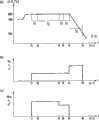
图24(a)是说明在形成第一p型GaN层61~第四p型GaN层64时生长温度分布的图,图24(b)~(e)是说明作为载气的氢气流的条件。图25(a)是说明在形成第一p型GaN层61~第四p型GaN层64时生长温度分布的图,图25(b)是说明氮气流的条件,图25(c)是说明氨气流的条件。Fig. 24(a) is a diagram illustrating the growth temperature distribution when forming the first p-
在图24(a)和图25(a)所示的生长温度分布中,时刻t1~t2的期间T1是形成第一p型GaN层61的期间,时刻t2~t3的期间T2是形成第二p型GaN层62的期间,时刻t3~t4的期间T3是形成第三p型GaN层63的期间,时刻t4~t5的期间T4是形成第四p型GaN层64的期间。时刻t5~t6的期间T5是使衬底温度从850℃冷却到350℃的期间,In the growth temperature distribution shown in FIG. 24(a) and FIG. 25(a), the period T1 from time t1 to t2 is the period for forming the first p-
如图24所示,第一p型GaN层61~第四p型GaN层64是在约800℃~900℃左右的低温形成,利用不含氢的载气来供给原料气体,形成多个p型GaN层61~64中的至少一层。在此,在利用CVD法使氮化物生长时,作为载气通常多使用氢(H2)或氮(N2)或氢与氮的混合气体。于是作为不含氢的载气的一例,举出仅由氮气构成的气体等,作为含氢的气体的一例,举出仅由氢气构成的气体和氢与氮的混合气体等。As shown in FIG. 24 , the first p-
在利用含氢的载气形成p型GaN层时,由于与Mg一起进入的氢原子使Mg难于活化而成为阻碍p型GaN层p型化的原因。为此,在形成p型GaN层后,而需要实施用于除掉氢原子而使p型GaN层p型化的退火(以下称为“p型化退火”)。When the p-type GaN layer is formed using a hydrogen-containing carrier gas, hydrogen atoms entering together with Mg make it difficult to activate Mg, which prevents the p-type GaN layer from becoming p-type. For this reason, after forming the p-type GaN layer, it is necessary to perform annealing for removing hydrogen atoms to make the p-type GaN layer p-type (hereinafter referred to as "p-type annealing").
但是,本实施例将第一p型GaN层61~第四p型GaN层64中的至少一层通过不含氢的载气来供给Mg原料气体形成,能够省略p型化退火工序。能够任意设定第一p型GaN层61~第四p型GaN层64中的哪个部分是通过不含氢的载气形成的。However, in this embodiment, at least one of the first p-
例如,如图24(b)所示,在第一p型GaN层61~第四p型GaN层64内,将膜厚度厚的第二p型GaN层62和Mg浓度高的第一p型GaN层61由不含氢的载气形成,由于省略p型化退火工序,因此是优选的。例如图24(c)是将第一p型GaN层61~第三p型GaN层63由不含氢的载气形成的例。图24(d)是将第一p型GaN层61和第三p型GaN层63由不含氢的载气形成的例。图24(e)是将第二p型GaN层62和第三p型GaN层63由不含氢的载气形成的例。For example, as shown in FIG. 24(b), in the first p-
另一方面,如图24(b)~图24(e)所示,为了使与p电极7、17相连接的第四p型GaN层64的晶体状态尽可能地好,优选通过含氢的载气来供给Mg原料气体形成。这是由于一般来说通过含氢的载气来供给Mg原料气体的情况与通过不含氢的载气来形成的情况相比,掺杂Mg的p型半导体层的晶体状态更好。On the other hand, as shown in FIG. 24(b) to FIG. 24(e), in order to make the crystal state of the fourth p-
按照图24和图25详细说明第一p型GaN层61~第四p型GaN层64制造方法的一例。作为p型杂质是使用Mg,但如前所述,也可以使用其他p型杂质。如图24(b)所示,以将第一p型GaN层61和第二p型GaN层62由不含氢的载气形成、将第三p型GaN层63和第四p型GaN层64由含氢的载气形成的情况作为代表例进行说明。An example of the method of manufacturing the first p-
如图24和图25所示,将形成第一p型GaN层61~第四p型GaN层64的衬底温度Tp统一设定成850℃、压力设定统一成200Torr。As shown in FIG. 24 and FIG. 25 , the substrate temperature Tp for forming the first p-
首先,第一工序,在时刻t1~时刻t2作为载气而供给N2气体,且作为原料气体而分别向MOCVD装置的生长室供给NH3气体、TMG气体、双环戊二乙基镁(CP2Mg)气体,形成第一p型GaN层61。将时刻t1~时刻t2期间设定成5分钟,形成膜厚度50nm、Mg浓度2×1020cm-3的第一氮化物系半导体层41。First, in the first step, N2 gas is supplied as a carrier gas at time t1 to time t2, and NH3 gas, TMG gas, and dicyclopentadiethylmagnesium (CP2 Mg) gas to form the first p-
在第二工序即时刻t2~时刻t3中,作为载气而供给N2气体,且作为原料气体而分别向生长室供给NH3气体、TMG气体、CP2Mg气体,形成第二p型GaN层62。将时刻t2~时刻t3期间设定成21分钟,形成膜厚度100nm、Mg浓度4×1019cm-3的第二p型GaN层62。In the second step, from time t2 to time t3, N2 gas is supplied as a carrier gas, and NH3 gas, TMG gas, and CP2 Mg gas are supplied as raw material gases to the growth chamber to form a second p-
在第三工序即时刻t3~时刻t4中,作为载气而供给H2气体和N2气体的混合气体,且作为原料气体而分别向生长室供给NH3气体、TMG气体、CP2Mg气体,形成第三p型GaN层63。将时刻t3~时刻t4期间设定成1分钟,形成膜厚度40nm、Mg浓度1×1020cm-3的第三p型GaN层63。In the third step from time t3 to time t4, a mixed gas of H2 gas and N2 gas is supplied as a carrier gas, and NH3 gas, TMG gas, and CP2 Mg gas are respectively supplied to the growth chamber as source gases, A third p-
在第四工序即时刻t4~时刻t5中,作为载气而供给H2气体和N2气体的混合气体,且作为原料气体而分别向生长室供给NH3气体、TMG气体、CP2Mg气体,形成第四p型GaN层64。将时刻t4~时刻t5期间设定成3分钟,形成膜厚度10nm、Mg浓度8×1019cm-3的第四p型GaN层64。In the fourth step from time t4 to time t5, a mixed gas of H2 gas and N2 gas is supplied as a carrier gas, and NH3 gas, TMG gas, and CP2 Mg gas are respectively supplied to the growth chamber as source gases, A fourth p-
在第五工序即时刻t5~时刻t6中,一边作为载气而供给N2气体,一边将衬底温度从温度Tp(850℃)下降到温度Td(350℃)以下的温度。即不实施在400℃以上进行的p型化退火。In the fifth step, from time t5 to time t6, the substrate temperature is lowered from temperature Tp (850°C) to a temperature below temperature Td (350°C) while supplying N2 gas as a carrier gas. That is, the p-type annealing performed at 400° C. or higher was not performed.
通过上述的第一工序~第五工序来形成第一p型GaN层61~第四p型GaN层64。由于将Mg浓度高的第一p型GaN层61和膜厚度厚的第二p型GaN层62由不含H2气体的载气形成,所以即使不实施p型化退火,也能够进行p型化而得到p型GaN层6、16。由供给含H2气体的载气形成的第四p型GaN层64的晶体状态良好,与p电极7、17相连接的表面的晶体状态良好,所以能够实现与p电极7、17的欧姆接触。The first p-
根据上述p型GaN层6、16的制造工序,将p型GaN层6、16设定成多层结构,将重点放在p型杂质的活化来选择GaN层,对于选择好的GaN层,由于通过供给不含H2气体的载气来形成而不使H2与p型杂质一起进入,所以不需要p型化退火,能够缩短制造工序。According to the manufacturing process of the above-mentioned p-type GaN layers 6, 16, the p-type GaN layers 6, 16 are set to a multi-layer structure, and the emphasis is put on the activation of p-type impurities to select the GaN layer. For the selected GaN layer, due to It is formed by supplying a carrier gas that does not contain H2 gas and does not allow H2 to enter together with p-type impurities, so p-type annealing is not required, and the manufacturing process can be shortened.
接着,使上述的p型接触层以900℃以下的衬底温度晶体生长,使p型杂质调制掺杂,决定MQW活性层中阱层和势垒层的合适的配对数量等,将以这些为着眼点的氮化物半导体发光元件的基本结构在以下进行说明。在图18、图19中将该氮化物半导体发光元件以一般化的氮化物半导体的结构进行表示。Next, the above-mentioned p-type contact layer is crystal-grown at a substrate temperature of 900°C or lower, the p-type impurity is modulated and doped, and the appropriate number of pairs of well layers and barrier layers in the MQW active layer is determined. These will be taken as The basic structure of the nitride semiconductor light-emitting device to be focused on will be described below. In FIGS. 18 and 19, this nitride semiconductor light-emitting element is shown as a generalized nitride semiconductor structure.
图18(a)表示本发明氮化物半导体发光元件的示意性剖面结构的一例,图18(b)表示活性层部分的放大示意性剖面结构。Fig. 18(a) shows an example of a schematic cross-sectional structure of a nitride semiconductor light-emitting device of the present invention, and Fig. 18(b) shows an enlarged schematic cross-sectional structure of an active layer portion.
如图18所示,本实施例的第一氮化物半导体发光元件具备:衬底31、配置在衬底31上的缓冲层36、配置在缓冲层36上且被添加n型杂质的n型半导体层32、配置在n型半导体层32上且被添加比n型半导体层32浓度低的n型杂质的阻挡层37、配置在阻挡层37上的活性层33、配置在活性层33上的p型半导体层34、配置在p型半导体层34上的氧化物电极35。As shown in FIG. 18 , the first nitride semiconductor light-emitting element of this embodiment includes: a
如图18(b)所示,活性层33具有将势垒层3311~331n、3310和比该势垒层3311~331n、3310能带隙小的阱层3321~332n交替配置而成的层积结构。以下,将活性层33所包含的第一势垒层3311~第n势垒层331n总称称为“势垒层331”。将活性层33所包含的所有阱层总称称为“阱层332”。As shown in FIG. 18( b ), the
上述层积结构最上层的最终势垒层3310的膜厚度也可以比该最终势垒层3310以外的层积结构所包含的其他势垒层(第一势垒层3311~第n势垒层331n)的厚度厚。The film thickness of the
图18所示的氮化物半导体发光元件中,最终势垒层3310的p型掺杂浓度是从与p型半导体层34相连接的最终势垒层3310的第一主面开始沿最终势垒层3310的膜厚度方向逐渐减少,在与第一主面相对的第二主面中则不存在p型掺杂。In the nitride semiconductor light-emitting element shown in FIG. 18 , the p-type doping concentration of the
衬底31例如能够采用具有从c面(0001)偏斜0.25°的主面的蓝宝石衬底等。n型半导体层32、活性层33和p型半导体层34各自由III族氮化物系半导体构成,在衬底31上顺序层积缓冲层36、n型半导体层32、阻挡层37、活性层33和p型半导体层34。For the
(ALN缓冲层)(ALN buffer layer)
缓冲层36例如由厚度约10~50埃左右的ALN层形成。在使ALN缓冲层36晶体生长时,如上所述,在约900℃~950℃左右的温度范围的高温下使其生长。作为ALN缓冲层36的Al原料而使用三甲基铝(TMA),作为N原料而使用氨(NH3),将H2气体作为载流子,如上述图11所示那样,通过交替脉冲式地向反应室供给而使ALN缓冲层36晶体生长。只要是如图11那样生长,就能够高速生长成厚度约10~50埃左右的薄的ALN缓冲层36,且能够一边保持结晶性良好一边形成。The
(阻挡层)(barrier layer)
配置在n型半导体层32与活性层33之间的阻挡层37,例如能够采用作为n型杂质而添加了不足1×1017cm-3的Si的、膜厚度约200nm左右的III族氮化物系半导体,例如GaN层等。The
图18所示的氮化物半导体发光元件中,例如向n型半导体层32作为杂质添加3×1018cm-3左右的Si时,通过将被添加了约8×1015cm-3左右的Si的阻挡层37配置在n型半导体层32与活性层33之间,能够防止在活性层33形成工序和该工序以后的制造工序中Si从n型半导体层32向活性层33扩散。In the nitride semiconductor light emitting device shown in FIG. 18 , for example, when about 3×1018 cm−3 of Si is added as an impurity to the n-
即、使Si在活性层33内不扩散,能够防止活性层33产生的光的亮度降低。并且,为了使活性层33发光而向n型半导体层32与p型半导体层34之间施加偏压时,能够防止溢出,即、防止从n型半导体层32向活性层33供给的电子通过活性层33而到达p型半导体层34,能够防止从氮化物半导体发光元件输出的光的亮度降低。That is, by preventing Si from diffusing in the
阻挡层37的Si浓度不足1×1017cm-3。这是由于若阻挡层37的Si浓度过高时,则从n型半导体层32供给的电子就超过活性层33而到达p型半导体层34而发生溢出,并在p型半导体层34内与空穴再结合,在活性层33中的再结合的比例减少,活性层33产生的光的亮度就降低。另一方面,若阻挡层37的Si浓度过低时,则从n型半导体层32向活性层33注入的电子的载流子密度就不能上升。因此,优选阻挡层37的Si浓度是约5×10¹⁶以上、不足1×1017cm-3。The Si concentration of the
如以上所说明的,在第一氮化物半导体发光元件中,通过将阻挡层37配置在n型半导体层32与活性层33之间,而能够防止在制造工序中Si从n型半导体层32向活性层33扩散,能够防止发光时电子从n型半导体层32向p型半导体层34溢出,能够防止从氮化物半导体发光元件输出的光的亮度降低。其结果是能够防止图1所示的氮化物半导体发光元件的质量恶化。As described above, in the first nitride semiconductor light-emitting element, by disposing the
(n型半导体层)(n-type semiconductor layer)
n型半导体层32将电子向活性层33供给,p型半导体层34将空穴(孔洞)向活性层33供给。被供给的电子和空穴通过在活性层33再结合而产生光。The n-
n型半导体层32例如能够采用将硅(Si)等n型杂质掺杂的膜厚度1~6μm左右的III族氮化物系半导体,例如GaN层等。For the n-
(p型半导体层)(p-type semiconductor layer)
p型半导体层34例如能够采用将p型杂质掺杂的膜厚度0.05~1μm左右的III族氮化物系半导体,例如GaN层等。作为p型杂质能够使用镁(Mg)、锌(Zn)、镉(Cd)、钙(Ca)、铍(Be)、碳(C)等。For the p-
P型半导体层34结构例的更详细情况如下。即如图18(a)所示,p型半导体层34具备:配置在活性层33上部且包含p型杂质的第一氮化物系半导体层341、配置在第一氮化物系半导体层341上且包含比第一氮化物系半导体层341的p型杂质浓度低的p型杂质的第二氮化物系半导体层342、配置在第二氮化物系半导体层342上且包含比第二氮化物系半导体层342的p型杂质浓度高的高浓度p型杂质的第三氮化物系半导体层343、配置在第三氮化物系半导体层343上且包含比第三氮化物系半导体层343的p型杂质浓度低的低浓度p型杂质的第四氮化物系半导体层344。More details of the structural example of the P-
第二氮化物系半导体层342的厚度被形成为比第一氮化物系半导体层341、或第三氮化物系半导体层343乃至第四氮化物系半导体层344的厚度厚。The thickness of the second nitride-based
在此,具体说明各层的材料和厚度。配置在活性层33上部且包含p型杂质的第一氮化物系半导体层341例如由添加了杂质Mg的约2×1020cm-3、膜厚度约50nm左右的p型GaN层形成。Here, the material and thickness of each layer will be specifically described. The first nitride-based
配置在第一氮化物系半导体层341上且包含比第一氮化物系半导体层341的p型杂质浓度低的低浓度p型杂质的第二氮化物系半导体层342例如由添加了约4×1019cm-3的杂质Mg、膜厚度约100nm左右的p型GaN层形成。The second nitride-based
配置在第二氮化物系半导体层342上且包含比第二氮化物系半导体层342的p型杂质浓度高的高浓度p型杂质的第三氮化物系半导体层343例如由添加了约1×1020cm-3的杂质Mg、膜厚度约40nm左右的p型GaN层形成。The third nitride-based
配置在第三氮化物系半导体层343上且包含比第三氮化物系半导体层343的p型杂质浓度低的低浓度p型杂质的第四氮化物系半导体层344例如由添加了约8×1019cm-3的杂质Mg、膜厚度约10nm左右的p型GaN层形成。The fourth nitride-based
本发明第一实施例的氮化物半导体发光元件中,如上所述,由包含铟的多量子阱构成的活性层33上形成的p型半导体层34是由Mg浓度不同的四层结构的p型GaN层构成,按上述浓度被掺杂。为了减少对活性层33的热损伤,p型GaN层以约800℃~900℃的低温生长。In the nitride semiconductor light-emitting element of the first embodiment of the present invention, as described above, the p-
离活性层33最近的第一氮化物系半导体层341由于Mg浓度越高则发光强度就越高,所以Mg浓度越高越好。The first nitride-based
第二氮化物系半导体层342由于若过于添加杂质Mg,则起因于Mg的晶体缺陷增加,膜的电阻变高,所以优选1019cm-3这个等级的中间左右的Mg浓度。In the second nitride-based
第三氮化物系半导体层343由于是决定向活性层33注入的空穴的注入量的层,所以优选具有比第二氮化物系半导体层342稍高的Mg浓度。Since the third nitride-based
第四氮化物系半导体层344是为了实现与氧化物电极35之间的欧姆接触的p型GaN层,被实质性耗尽。作为氧化物电极35,例如在使用被添加了1×10¹⁹~5×1021cm-3左右Ga或Al的ZnO电极时,向第四氮化物系半导体层344添加Mg杂质,使Mg浓度成为氮化物半导体发光元件的顺向电压(Vf)最下降时的Mg浓度。The fourth nitride-based
在使p型GaN层34层生长时,靠近p侧电极40的第三氮化物系半导体层343和第四氮化物系半导体层344由于需要使膜中的空穴浓度上升,所以增多载气中的H2气体量。且靠近活性层33的第一氮化物系半导体层341和第二氮化物系半导体层342不需要增多载气中的H2气体量,使活性层33在N2载气中生长而以其延长进行晶体生长。在这些p型GaN层生长时,尽量提高V/III比则能够使更低电阻的膜生长,能够降低发光元件的顺向电压(Vf)。When growing the p-
根据本发明的第一氮化物半导体发光元件,以低温形成p型半导体层,能够减少对活性层的热损伤,且降低顺向电压(Vf)和提高发光效率。According to the first nitride semiconductor light-emitting element of the present invention, the p-type semiconductor layer is formed at low temperature, thermal damage to the active layer can be reduced, forward voltage (Vf ) can be reduced, and luminous efficiency can be improved.
(活性层)(active layer)
如图18(b)所示,活性层33具有被第一势垒层3311~第n势垒层331n和最终势垒层3310分别夹住的第一阱层3321~第n阱层332n的多量子阱(MQW)结构(n是自然数)。即、活性层33是将阱层332由比阱层332能带隙大的势垒层331夹层状夹住的量子阱结构作为单位配对结构,而具有将该单位配对结构层积n次的n配对结构。As shown in FIG. 18(b), the
具体说就是,将第一阱层3321配置在第一势垒层3311与第二势垒层3312之间、将第二阱层3322配置在第二势垒层3312与第三势垒层3313之间。且将第n阱层332n配置在第n势垒层331n与最终势垒层3310之间。将活性层33的第一势垒层3311经由缓冲层36而配置在n型半导体层32上,将p型半导体层34(341~344)配置在活性层33的最终势垒层3310上。Specifically, the
阱层3321~332n例如由InXGa1-XN(0<X1<1=层形成,势垒层3311~331n、3310例如由GaN层形成。特点是,多量子阱层的配对数量例如是6~11。阱层3321~332n的镓(Ga)对于铟(In)的比率{x/(1-x)}按照想使发光的光的波长来适当设定。The well layers 3321-332n are, for example, formed of InX Ga1-X N (0<X1<1=layers, and the barrier layers 3311-331n, 3310 are, for example, formed of GaN layers. The feature is that the number of pairs of multi-quantum well layers is, for example, 6 to 11. The ratio {x/(1-x)} of gallium (Ga) to indium (In) in the
特点是,阱层3321~332n的厚度例如是约2~3nm左右,优选约2.8nm左右,势垒层3311~331n的厚度例如是约7~18nm左右,优选约16.5nm左右。The characteristic is that the thickness of the well layers 3321-332n is, for example, about 2-3 nm, preferably about 2.8 nm, and the thickness of the barrier layers 3311-331n is, for example, about 7-18 nm, preferably about 16.5 nm.
图21表示在本发明第一氮化物半导体发光元件中发光输出与量子阱配对数量的关系。Fig. 21 shows the relationship between the luminous output and the number of quantum well pairs in the first nitride semiconductor light-emitting device of the present invention.
图22是表示说明在本发明第一氮化物半导体发光元件中活性层33内的发光现象的能带结构的示意图。Fig. 22 is a schematic diagram showing an energy band structure for explaining the light emission phenomenon in the
图23是说明在本发明第一氮化物半导体发光元件中活性层33内的发光现象的能带结构,图23(a)是MQW层为五对时的能带结构的示意图,图23(b)是MQW层为八对时的能带结构的示意图,图23(c)是MQW层为12对时的能带结构的示意图。Fig. 23 is the energy band structure illustrating the luminescence phenomenon in the
在现有结构中,MQW的配对数由于是使用四~五对,所以如图23(a)所示,从n型半导体层32供给的电子飞越活性层33而流到p型半导体层34。这时,从p型半导体层34供给的空穴在到达活性层33之前就与电子再结合,到达活性层33的空穴浓度减少。由此,LED的亮度减少。这是由于空穴的有效质量与电子相比高,所以来自p型半导体层34的注入空穴的移动度低,在空穴到达活性层33之前电子就已经到达p型半导体层34而与空穴再结合。In the conventional structure, four to five MQW pairs are used, so electrons supplied from the n-
另一方面,在MQW的配对数大于12对的情况下,如图23(c)所示,由于活性层33厚,所以从n型半导体层32供给的电子不能在活性层33内充分运动。这时,从p型半导体层34供给的空穴也不能在活性层3内充分运动。因此,在活性层33内不充分产生电子与空穴的再结合,由此,LED的亮度减少。On the other hand, when the number of MQW pairs is greater than 12, electrons supplied from the n-
相对地,在MQW的配对数是八对左右的情况下,如图22和图23(b)所示,活性层33的厚度被最优化,从n型半导体层32供给的电子能够在活性层33内充分运动,并且同时,从p型半导体层34供给的空穴也能够在活性层3内充分运动,在活性层33内充分产生电子与空穴的再结合,由此,能够提高LED的亮度。In contrast, when the number of pairs of MQWs is about eight pairs, as shown in FIG. 22 and FIG. 33, and at the same time, the holes supplied from the p-
在确保从p型半导体层34向活性层33有充分的空穴注入量,且确保从n型半导体层32向活性层33也有充分的电子注入量的情况下,对发光现象起作用的活性层33内的MQW也可以是从p型半导体层34开始数二~三对。由于电子的移动度比空穴的移动度高,所以对发光现象起作用的活性层33内的MQW是接近p型半导体层34侧的几对。The active layer that contributes to the luminescent phenomenon when a sufficient amount of hole injection from the p-
如图21所示,在MQW的配对数是八时,发光输出P显示出最大值P2,另一方面,在MQW的配对数是5或12时,发光输出P是P1(P1<P2=左右,在MQW的配对数是比5小的情况或是比12大的情况下,则难于确保充分的发光输出P。As shown in FIG. 21, when the number of pairs of MQWs is eight, the luminous output P shows a maximum value P2 . On the other hand, when the number of pairs of MQWs is 5 or 12, the luminous output P is P1 (P1 < P2 = left and right, and when the number of MQW pairs is less than 5 or greater than 12, it is difficult to ensure sufficient light emission output P.
在本发明第一氮化物半导体发光元件中,能够将用于使从n型半导体层32供给的电子与从p型半导体层34供给的空穴在活性层33中高效率再结合的活性层33内的MQW的配对数最优化。In the first nitride semiconductor light-emitting device of the present invention, the
(最终势垒层)(final barrier layer)
最终势垒层3310的膜厚度被形成为比Mg从p型半导体层34向活性层33扩散的距离厚。The film thickness of the
在图1所示的氮化物半导体发光元件中,最终势垒层3310的p型杂质浓度是从与p型半导体层34相连接的最终势垒层3310的第一主面开始沿最终势垒层3310的膜厚度方向逐渐减少,在与第一主面相对的第二主面中则实质上不存在p型杂质。In the nitride semiconductor light-emitting element shown in FIG. 1 , the p-type impurity concentration of the
图1所示氮化物半导体发光元件的最终势垒层3310的膜厚度d0被设定成在p型半导体层34的形成工序和该工序以后,从p型半导体层34向活性层33扩散的p型杂质达不到活性层33的阱层332。即、将膜厚度d0设定成从p型半导体层4向最终势垒层3310扩散的p型杂质达不到与p型半导体层34相连接的最终势垒层3310的与第一主面相对的第二主面(最终势垒层3310与阱层332n相连接的面)的厚度。The film thicknessd0 of the
与p型半导体层34相连接的最终势垒层3310的第一主面的Mg浓度例如是约2×1020cm-3左右,朝向与第一主面相对的最终势垒层3310的第二主面,则Mg浓度逐渐降低,在距离第一主面约7~8nm的位置,则Mg的浓度是不足约1016cm-3,成为没有影响的在分析的检测下限以下。The Mg concentration of the first main surface of the
即、通过将最终势垒层3310的膜厚度d0设定成是约10nm左右而使Mg扩散不到最终势垒层3310的第二主面,因此,与活性层33相连接的最终势垒层3310的第二主面不存在Mg。即、Mg扩散不到第n阱层332n内,能够防止活性层33产生的光的亮度降低。That is, by setting the film thickness d0 of the
第一势垒层3311~第n势垒层331n的膜厚度d1~dn也可以相同。但膜厚度d1~dn需要设定成使从n型半导体层32向活性层33注入的空穴到达第n阱层332n,并在第n阱层332n进行电子与空穴的再结合而能够出现发光的厚度。第一势垒层3311~第n势垒层331n的膜厚度d1~dn若过厚,则妨碍活性层33中空穴的移动,成为发光效率降低的原因。例如最终势垒层3310的膜厚度d0是约10nm左右,第一势垒层3311~第n势垒层331n的膜厚度d1~dn是约7~18nm左右,第一阱层3321~第n阱层332n的膜厚度是约2~3nm左右。The film thicknesses d1 to dn of the
如以上所说明的,在本发明第一实施例的氮化物半导体发光元件中,与p型半导体层34相连接的最终势垒层3310的膜厚度d0被设定成从p型半导体层34向活性层33扩散的p型杂质达不到活性层33的阱层332的厚度。即、根据图1所示的氮化物半导体发光元件,通过将最终势垒层3310的膜厚度d0设定成比Mg的扩散距离厚,而能够一边抑制活性层33整体的膜厚度增大一边防止p型杂质从p型半导体层34向活性层33的阱层332扩散。其结果是不产生起因于p型杂质向阱层332扩散的光的亮度下降,能够制造氮化物半导体发光元件的质量恶化被抑制的氮化物半导体发光元件。As explained above, in the nitride semiconductor light-emitting element of the first embodiment of the present invention, the film thicknessd0 of the
(电极结构)(electrode structure)
如图20所示,本发明的第一氮化物半导体发光元件还具备向n型半导体层32施加电压的n侧电极41和向p型半导体层34施加电压的p侧电极40。如图20所示,在将p型半导体层34、活性层33、阻挡层37和n型半导体层32的一部分区域进行台面型腐蚀而露出的n型半导体层32的表面配置n侧电极41。As shown in FIG. 20 , the first nitride semiconductor light emitting device of the present invention further includes an n-
p侧电极40经由氧化物电极35而被配置在p型半导体层34上。或者也可以将p侧电极40直接配置在p型半导体层34上。配置在第四氮化物系半导体层344上的由氧化物电极35构成的透明电极例如包括ZnO、ITO含有铟的ZnO之中的任一个。The p-
n侧电极41例如由铝(Al)膜、Ti/Ni/Au或Al/Ti/Au,Al/Ni/Au,Al/Ti/Ni/Au的多层膜,或者从上层开始由Au-Sn/Ti/Au/Ni/Al的多层膜构成,p侧电极40例如由Al膜、钯(Pd)-金(Au)合金膜、Ni/Ti/Au的多层膜、或者从上层开始由Au-Sn/Ti/Au的多层膜构成。n侧电极41与n型半导体层32欧姆接触,p侧电极40经由氧化物电极35而与p型半导体层34欧姆接触。The n-
图26表示本发明第一氮化物半导体发光元件中最终电极形成工序后的示意性剖面结构图。由于将本发明的第一氮化物半导体发光元件向倒装片结构安装,所以图26将p侧电极40的表面与n侧电极50的表面形成为从衬底31测量的高度是相同的高度。n侧电极50与n侧电极41同样地例如由铝(Al)膜、Ti/Ni/Au多层膜,或者从上层开始由Au-Sn/Ti/Au/Ni/Al的多层膜构成。Fig. 26 is a schematic cross-sectional structural diagram after the final electrode formation step in the first nitride semiconductor light-emitting device of the present invention. Since the first nitride semiconductor light-emitting element of the present invention is mounted in a flip-chip structure, the surface of p-
图26的结构具备:作为氧化物电极35而形成透明导电膜ZnO,并将该ZnO由对发出光的波长λ反射的反射层积膜38覆盖的结构。反射层积膜38具有λ/4n1和λ/4n2的层积结构(n1、n2是层积的层的折射率)。作为层积结构所使用的材料例如能够使用相对λ=450nm的蓝色光而由ZnO2(n=2.12)和SiO2(n=1.46)构成的层积结构。这时各层的厚度例如设定成是ZnO2是约53nm、SiO2是约77nm。作为用于形成层积结构的其他材料也能够使用TiO2、Al2O3等。The structure in FIG. 26 includes a structure in which a transparent conductive film ZnO is formed as an
根据本发明的第一氮化物半导体发光元件,由于能够通过反射层积膜38而将活性层33内发出的光不被p侧电极40吸收地向外部取出,所以能够提高外部发光效率。According to the first nitride semiconductor light emitting device of the present invention, since the light emitted in the
(制造方法)(Manufacturing method)
下面说明图18所示的本发明第一氮化物半导体发光元件的制造方法的例。以下所述的氮化物半导体发光元件的制造方法是一例,当然,包含其变形例在内的、除此以外的各种制造方法也能够实现。在此,说明衬底1适用蓝宝石衬底的例。Next, an example of the method of manufacturing the first nitride semiconductor light-emitting device of the present invention shown in FIG. 18 will be described. The manufacturing method of the nitride semiconductor light-emitting element described below is an example, and of course, various manufacturing methods other than the above are also possible including modifications thereof. Here, an example in which a sapphire substrate is used as the
(a)首先利用众所周知的有机金属气相生长(MOCVD)法等而使ALN缓冲层36在蓝宝石衬底31上生长。例如在约900℃~950℃左右的高温下将三甲基铝(TMA)和氨(NH3)以H2气体作为载气,如图11所示那样,通过交替脉冲式地向反应室供给而使厚度约10~30埃左右的薄的ALN缓冲层36在短时间生长。(a) First, the
(b)接着,在ALN缓冲层36上利用MOCVD法使成为n型半导体层32的GaN层生长。例如将形成有ALN缓冲层36的衬底31热清洗后将衬底温度设定成1000℃左右,在ALN缓冲层36上使添加了n型杂质的n型半导体层32生长1~5μm左右。n型半导体层32例如能够采用作为n型杂质而将Si以3×1018cm-3左右的浓度被添加的GaN膜。在掺杂Si的情况下,将三甲基镓(TMG)、氨(NH3)和硅烷(SiH4)作为原料气体供给,形成n型半导体层32。(b) Next, a GaN layer to be the n-
(c)接着,作为阻挡层37而将Si以不足1×1017cm-3、例如8×1016cm-3左右的浓度被添加的GaN膜在n型半导体层32上生长约200nm左右。这时,能够适用与形成n型半导体层32时同样的原料气体。(c) Next, a GaN film to which Si is added at a concentration of less than 1×1017 cm−3 , for example, about 8×1016 cm−3 , is grown on the n-
(d)接着,在n型半导体层32上形成活性层33。例如将由GaN膜构成的势垒层331和由InGaN膜构成的阱层332交替层积来形成活性层33。具体说就是,在形成活性层33时一边调整衬底温度和原料气体的流量一边使势垒层331和阱层332交替连续地生长,形成由势垒层331和阱层332层积而成的活性层33。即、通过调节衬底温度和原料气体的流量而将层积阱层332和比阱层332能带隙大的势垒层331的工序作为单位工序,将该单位工序反复进行n次,例如8次左右,来得到将势垒层331和阱层332交替层积的层积结构。(d) Next, the
例如以衬底温度Ta形成势垒层331,以衬底温度Tb(Ta>Tb)形成阱层332。即在衬底温度被设定成Ta的时刻t10~t11期间形成第一势垒层3311。接着在时刻t11将衬底温度设定成Tb,在时刻t11~时刻t20期间形成第一阱层3321。以后也同样地,在时刻t20~t21期间以衬底温度Ta形成第二势垒层3312,在时刻t21~时刻t30期间以衬底温度Tb形成第二阱层3322。且在时刻tn0~tn1期间以衬底温度Ta形成第n势垒层331n,在时刻tn1~时刻te期间以衬底温度Tb形成第n阱层332n,完成将势垒层31和阱层32交替层积的层积结构。For example, the barrier layer 331 is formed at the substrate temperature Ta, and the well layer 332 is formed at the substrate temperature Tb (Ta>Tb). That is, the
在形成势垒层331时,作为原料气体例如分别将TMG气体和NH3气体向成膜用的处理装置供给。另一方面,在形成阱层332时,作为原料气体例如分别将TMG气体、三甲基铟(TMI)气体和NH3气体向处理装置供给。TMG气体是作为Ga原子的原料气体、TMI气体是作为In原子的原料气体、NH3气体是作为氮原子的原料气体被供给。When forming the barrier layer 331 , for example, TMG gas and NH3 gas are respectively supplied as raw material gases to a film-forming processing apparatus. On the other hand, when the well layer 332 is formed, for example, TMG gas, trimethylindium (TMI) gas, and NH3 gas are respectively supplied as source gases to the processing apparatus. TMG gas is a source gas of Ga atoms, TMI gas is a source gas of In atoms, and NH3 gas is supplied as a source gas of nitrogen atoms.
在形成的层积结构上,作为最终势垒层3310而将不掺杂的GaN膜形成为10nm左右,形成图1所示的活性层33。如已经说明过的那样,最终势垒层3310的膜厚度d0被设定成从p型半导体层34向活性层33扩散的p型掺杂剂达不到活性层33的阱层332的厚度。On the formed multilayer structure, an undoped GaN film was formed to a thickness of about 10 nm as the
(e)接着,将衬底温度设定成800℃~900℃左右,将添加p型杂质的p型半导体层34在最终势垒层3310上形成0.05~1μm左右。(e) Next, the substrate temperature is set to about 800° C. to 900° C., and the p-
p型半导体层34例如是作为p型杂质而被添加Mg杂质的形成的四层结构。配置在活性层33上部的第一氮化物系半导体层341由约2×1020cm-3、厚度约50nm左右的p型GaN层形成,第二氮化物系半导体层342由约为4×1019cm-3、厚度约100nm左右的p型GaN层形成,第三氮化物系半导体层343例如由约1×1020cm-3、厚度约40nm左右的p型GaN层形成,第四氮化物系半导体层344由约8×1019cm-3、厚度约10nm左右的p型GaN层。The p-
在添加Mg杂质的情况下,将TMG气体、NH3气体和双环戊二乙基镁(CP2Mg)气体作为原料气体供给,形成p型半导体层34(341~344)。在形成p型半导体层34(341~344)时,虽然有Mg从p型半导体层34(341~344)向活性层33扩散,但利用最终势垒层3310而能够防止Mg扩散到活性层33的阱层332。When Mg impurities are added, TMG gas, NH3 gas, and dicyclopentadiethylmagnesium (CP2 Mg) gas are supplied as source gases to form p-type semiconductor layers 34 ( 341 to 344 ). When the p-type semiconductor layers 34 (341-344) are formed, although Mg diffuses from the p-type semiconductor layers 34 (341-344) to the
在此,更详细地说明p型半导体层34的形成工序。Here, the formation process of the p-
图24表示在本发明的第一氮化物半导体发光元件中当形成四层结构的氮化物系半导体层(341~344)时的温度分布的图(a)和说明氢气流动条件的图(b)~(e)。Fig. 24 is a diagram (a) showing temperature distribution when four-layer nitride-based semiconductor layers (341 to 344) are formed in the first nitride semiconductor light-emitting device of the present invention and a diagram (b) illustrating hydrogen flow conditions ~(e).
图25表示在本发明的第一氮化物半导体发光元件中当形成四层结构的氮化物系半导体层(341~344)时的温度分布的图(a)和说明氮气流动条件和氨气流动条件的图(b)和(c)。25 is a graph (a) showing temperature distribution when forming four-layer nitride-based semiconductor layers (341 to 344) in the first nitride semiconductor light-emitting device of the present invention, and explains nitrogen gas flow conditions and ammonia gas flow conditions Figures (b) and (c) of the graph.
在图24(a)和图25(a)所示的温度分布中,时刻t1~t2的期间T1是形成第一氮化物系半导体层341的期间,时刻t2~t3的期间T2是形成第二氮化物系半导体层342的期间,时刻t3~t4的期间T3是形成第三氮化物系半导体层343的期间,时刻t4~t5的期间T4是形成第四氮化物系半导体层344的期间。时刻t5~t6的期间T5是使衬底温度从850℃冷却到350℃的期间。In the temperature distribution shown in FIG. 24(a) and FIG. 25(a), the period T1 from time t1 to t2 is the period during which the first nitride-based
在本发明第一实施例的氮化物半导体发光元件的制造方法中,包括有:形成n型半导体层32的步骤、在n型半导体层32上形成活性层33的步骤、层积分别包含p型杂质的多个p型GaN层而将氮化物半导体层(341~344)以约800℃~900℃左右的低温形成的步骤,利用不含氢的载气来供给原料气体,形成多个p型GaN层的至少一部分。In the manufacturing method of the nitride semiconductor light-emitting element of the first embodiment of the present invention, it includes: the step of forming the n-
在利用含氢的载气形成p型半导体层34时,由于与Mg一起进入的氢原子使Mg难于活化而成为阻碍p型半导体层34的p型化的原因。因此,在形成p型半导体层34后,要除掉氢原子而需要实施用于使p型半导体层34进行p型化的退火(以下称为“p型化退火”)。When the p-
但根据本发明第一实施例的氮化物半导体发光元件的制造方法,将第一氮化物系半导体层341~第四氮化物系半导体层344中的至少一层通过不含氢的载气来供给Mg原料气体而形成,能够省略p型化退火工序。能够任意设定P型半导体层34的哪个部分是通过不含氢的载气形成的,例如将第一氮化物系半导体层341~第三氮化物系半导体层343由不含氢的载气来形成,也可以仅将第四氮化物系半导体层344由不含氢的载气来形成。However, according to the method for manufacturing a nitride semiconductor light-emitting device according to the first embodiment of the present invention, at least one of the first nitride-based
例如如图24(b)所示,在第一氮化物系半导体层341~第四氮化物系半导体层344内将膜厚度厚的第二氮化物系半导体层342和Mg浓度高的第一氮化物系半导体层341由不含氢的载气形成,由于省略p型化退火工序,因此是优选的。例如图24(c)是将第一氮化物系半导体层341~第四氮化物系半导体层344内的第一氮化物系半导体层341~第三氮化物系半导体层343由不含氢的载气形成的例。图24(d)是将第一氮化物系半导体层341和第三氮化物系半导体层343由不含氢的载气形成的例。图24(e)是将第二氮化物系半导体层342和第三氮化物系半导体层343由不含氢的载气形成的例。For example, as shown in FIG. 24(b), in the first nitride-based
另一方面,如图24(b)到图24(e)所示,为了使与p侧电极40相连接的第四氮化物系半导体层344的晶体状态尽可能地好,优选通过含氢的载气来供给Mg原料气体形成。这是由于一般来说通过含氢的载气来供给Mg原料气体的情况与通过不含氢的载气形成的情况相比,掺杂Mg的p型半导体层的晶体状态好。On the other hand, as shown in FIG. 24(b) to FIG. 24(e), in order to make the crystal state of the fourth nitride-based
下面说明本发明第一实施例氮化物半导体发光元件的制造方法中p型膜的形成方法。以下所述的p型膜的形成方法是一例,当然也可以通过包含其变形例在内的、除此以外的各种方法来实现。在此,作为p型杂质而采用Mg,如图24(b)所示,以将第一氮化物系半导体层341和第二氮化物系半导体层342由不含氢的载气形成、将第三氮化物系半导体层343和第四氮化物系半导体层344由含氢的载气形成的情况作为例示来说明。The method for forming a p-type film in the method for manufacturing a nitride semiconductor light emitting device according to the first embodiment of the present invention will be described below. The method of forming the p-type film described below is an example, and of course it can be realized by various methods including modifications thereof. Here, using Mg as the p-type impurity, as shown in FIG. The case where the trinitride-based
如图24到图25所示,将形成p型半导体层34的衬底温度Tp统一设定成850℃、压力设定成200Torr。As shown in FIGS. 24 to 25 , the substrate temperature Tp for forming the p-
(工序1)在时刻t1~时刻t2中,作为载气而供给N2气体,且作为原料气体而分别向处理装置供给NH3气体、TMG气体、双环戊二乙基镁(CP2Mg)气体,形成第一氮化物系半导体层341。将时刻t1~时刻t2期间设定成5分钟,形成膜厚度50nm、Mg浓度2×1020cm-3的第一氮化物系半导体层341。(Step 1) From time t1 to time t2, N2 gas is supplied as a carrier gas, and NH3 gas, TMG gas, and dicyclopentadiethylmagnesium (CP2 Mg) gas are supplied to the processing device as raw material gases, respectively. , forming the first nitride-based
(工序2)在时刻t2~时刻t3中,作为载气而供给N2气体,且作为原料气体而分别向处理装置供给NH3气体、TMG气体、CP2Mg气体,形成第二氮化物系半导体层342。将时刻t2~时刻t3期间设定成21分钟,形成膜厚度100nm、Mg浓度4×1019cm-3的第二氮化物系半导体层342。(Step 2) From time t2 to time t3, N2 gas is supplied as a carrier gas, and NH3 gas, TMG gas, and CP2 Mg gas are supplied as raw material gases to the processing apparatus to form the second nitride-based semiconductor.
(工序3)在时刻t3~时刻t4中,作为载气而供给H2气体和N2气体,且作为原料气体而分别向处理装置供给NH3气体、TMG气体、CP2Mg气体,形成第三氮化物系半导体层343。将时刻t3~时刻t4期间设定成1分钟,形成膜厚度40nm、Mg浓度1×1020cm-3的第三氮化物系半导体层343。(Step 3) From time t3 to time t4, H2 gas and N2 gas are supplied as carrier gases, and NH3 gas, TMG gas, and CP2 Mg gas are respectively supplied to the processing device as raw material gases to form the third Nitride-based
(工序4)在时刻t4~时刻t5中,作为载气而供给H2气体和N2气体,且作为原料气体而分别向处理装置供给NH3气体、TMG气体、CP2Mg气体,形成第四氮化物系半导体层344。将时刻t4~时刻t5期间设定成3分钟,形成膜厚度10nm、Mg浓度8×1019cm-3的第四氮化物系半导体层344。(Step 4) From time t4 to time t5, H2 gas and N2 gas are supplied as carrier gases, and NH3 gas, TMG gas, and CP2 Mg gas are respectively supplied to the processing device as source gases to form a fourth Nitride-based
(工序5)在时刻t5~时刻t6中,一边作为载气而供给N2气体,一边将衬底温度从温度Tp(850℃)下降到温度Td(350℃)以下的温度。即、不实施在400℃以上进行的p型化退火。(Step 5) From time t5 to time t6, while supplying N2 gas as a carrier gas, the substrate temperature is lowered from temperature Tp (850°C) to a temperature below temperature Td (350°C). That is, p-type annealing performed at 400° C. or higher was not performed.
通过上述的工序1~工序5来形成包含第一氮化物系半导体层341~第四氮化物系半导体层344的p型半导体层34。由于将Mg浓度高的第一氮化物系半导体层341和膜厚度厚的第二氮化物系半导体层342由不含H2气体的载气形成,所以即使不实施p型化退火,也能够作为p型半导体而得到p型半导体层34。由供给含H2气体的载气形成的第四氮化物系半导体层344的表面形态良好,晶体状态良好。即、p型半导体层4的与p侧电极40相连接的表面的晶体状态良好,所以p型半导体层34与p侧电极40的接触良好。The p-
根据上述p型半导体层34的形成工序,通过供给不含H2气体的载气来形成p型半导体层34,H2不会与p型杂质一起进入p型半导体层34。所以,不需要用于将H2从p型半导体层34去掉的p型化退火,能够缩短氮化物半导体发光元件的制造工序。According to the formation process of the p-
(工序6)接着对p型半导体层34的上部进行蒸镀,利用喷溅技术等形成氧化物电极35。作为氧化物电极35例如能够使用ZnO、ITO或含有铟的ZnO之中的任一个。并且,也可以将Ga或Al等n型杂质以高浓度添加到1×1019cm-3~5×1021cm-3的程度。(Step 6) Next, the upper part of the p-
(工序7)接着,在将氧化物电极35构图后,以覆盖氧化物电极35的方式利用蒸镀、喷溅技术等来形成对发出光的波长λ反射的反射层积膜38,作为反射层积膜38所使用的材料例如能够使用相对于λ=450nm的蓝色光而由ZnO2(n=2.12)和SiO2(n=1.46)构成的层积结构。各层的厚度例如设定成是ZnO2是约53nm、SiO2是约77nm。(Step 7) Next, after patterning the
(工序8)接着,使用反应性离子腐蚀(RIE:Reactive Ion Etching)等腐蚀技术,进行台面型腐蚀直到反射层积膜38和p型半导体层34~n型半导体层32的中间,使n型半导体层32的表面露出。(Process 8) Next, use reactive ion etching (RIE: Reactive Ion Etching) and other etching techniques to perform mesa etching up to the middle of the reflective multilayer film 38 and the p-
(工序9)接着,向露出的n型半导体层32的表面利用蒸镀、喷溅技术等来形成n侧电极41、50。对于p型半导体层34上的氧化物电极35也利用蒸镀、喷溅技术等来形成构图形成后的p侧电极40,完成图20所示的氮化物半导体发光元件。(Step 9) Next, n-
(变形例)(Modification)
图19(a)表示本发明第一氮化物半导体发光元件变形例的示意性剖面结构图,图2(b)表示活性层部分放大的示意性剖面结构图。Fig. 19(a) shows a schematic cross-sectional structural view of a modified example of the first nitride semiconductor light-emitting element of the present invention, and Fig. 2(b) shows a partially enlarged schematic cross-sectional structural view of the active layer.
如图19所示,作为本发明第一氮化物半导体发光元件变形例的氮化物半导体发光元件具备:衬底31、配置在衬底31上的缓冲层36、配置在缓冲层36上且被添加n型杂质的n型半导体层32、配置在n型半导体层32上且被添加比n型半导体层32浓度低的低浓度n型杂质的阻挡层37、配置在阻挡层37上的活性层33、配置在活性层33上的p型半导体层34、配置在p型半导体层34上的氧化物电极35。As shown in FIG. 19, a nitride semiconductor light emitting element as a modified example of the first nitride semiconductor light emitting element of the present invention includes: a
作为第一氮化物半导体发光元件变形例的氮化物半导体发光元件的特征为,具备:配置在活性层33上部的包含p型杂质的第三氮化物系半导体层343、配置在第三氮化物系半导体层上且包含比第三氮化物系半导体层的p型杂质浓度低的低浓度p型杂质的第四氮化物系半导体层344、配置在第四氮化物系半导体层上的由氧化物电极35构成的透明电极。The nitride semiconductor light-emitting element as a modified example of the first nitride semiconductor light-emitting element is characterized by comprising: a third nitride-based
氧化物电极的特征为包括添加有1×1019cm-3~5×1021cm-3左右的Ga或Al的ZnO、ITO或含有铟的ZnO之中的任一个。The oxide electrode is characterized by including any of ZnO to which Ga or Al is added in an amount of approximately 1×1019 cm−3 to 5×1021 cm−3 , ITO, or ZnO containing indium.
作为第一氮化物半导体发光元件变形例的氮化物半导体发光元件的特征为,在第一氮化物半导体发光元件的结构上,将p型半导体层34形成为双层结构,包括:直接配置在活性层33上部的第三氮化物系半导体层、配置在第三氮化物系半导体层上且包含比第三氮化物系半导体层的p型杂质浓度低的低浓度p型杂质的第四氮化物系半导体层。The feature of the nitride semiconductor light-emitting element as a modified example of the first nitride semiconductor light-emitting element is that, on the structure of the first nitride semiconductor light-emitting element, the p-
直接配置在活性层33上部的第三氮化物系半导体层343例如由添加了约1×1020cm-3的杂质Mg、厚度约40nm左右的p型GaN层形成。The third nitride-based
配置在第三氮化物系半导体层343上且包含比第三氮化物系半导体层343的p型杂质浓度低的低浓度p型杂质的第四氮化物系半导体层344例如由添加了约8×1019cm-3的杂质Mg、厚度约10nm左右的p型GaN层形成。The fourth nitride-based
在图19的氮化物半导体发光元件中,如上所述,由包含铟的多量子阱构成的活性层33上形成的p型半导体层34是由Mg浓度不同的双层结构的p型GaN层构成,按上述浓度进行掺杂。为了减少对活性层33的热损伤,p型GaN层以约800℃~900℃的低温生长。In the nitride semiconductor light-emitting device of FIG. 19, as described above, the p-
离活性层33最近的第三氮化物系半导体层343由于是决定向活性层33注入的空穴的注入量的层,所以Mg浓度越高则发光强度就越强。因此优选Mg浓度越高越好。Since the third nitride-based
第四氮化物系半导体层344是为了实现与氧化物电极35的欧姆接触的p型GaN层,被实质性耗尽。作为氧化物电极35例如在使用添加了1×10¹⁹~5×1021cm-3左右的Ga或Al的ZnO电极时,向第四氮化物系半导体层344添加Mg杂质,使Mg浓度成为氮化物半导体发光元件的顺向电压Vf最下降时的Mg浓度。The fourth nitride-based
在使p型GaN层34层生长时,靠近p侧电极40的第三氮化物系半导体层343和第四氮化物系半导体层344由于需要使膜中的空穴浓度上升,所以增多载气中的H2气体量。或者,靠近活性层33的第三氮化物系半导体层343不需要增多载气中的H2气体量,也可以使活性层33在N2载气中生长而以其延长进行晶体生长。When growing the p-
在作为本发明第一氮化物半导体发光元件变形例的氮化物半导体发光元件中,由于ALN缓冲层36、n型半导体层32、阻挡层37、活性层33、p型半导体层34、最终势垒层3310、反射层积膜38和电极结构与本发明第一氮化物半导体发光元件相同,所以省略说明。In the nitride semiconductor light-emitting element as a modified example of the first nitride semiconductor light-emitting element of the present invention, due to the
根据作为本发明第一氮化物半导体发光元件变形例的氮化物半导体发光元件,能够提供这样的氮化物半导体发光元件,其能够改善在高温ALN缓冲层上形成的III族氮化物系半导体层的结晶性和表面形态,以低温形成p型半导体层而减少对活性层的热损伤,且能够降低顺向电压(Vf)并提高发光效率,将用于使n型半导体层供给的电子与p型半导体层供给的空穴在活性层高效率再结合的活性层的MQW配对数量最优化,能够提高发光效率,能够抑制p型杂质从p型半导体层向阱层的扩散而提高发光效率,能够抑制电子从n型半导体层向p型半导体层的溢出和n型杂质从n型半导体层向活性层的扩散而提高发光效率,不需要将氢原子从p型半导体层去掉的退火工序,且能够提供利用反射层积膜而提高外部发光效率的氮化物半导体发光元件。According to the nitride semiconductor light-emitting element which is the modification example of the first nitride semiconductor light-emitting element of the present invention, it is possible to provide a nitride semiconductor light-emitting element capable of improving the crystallization of the group III nitride-based semiconductor layer formed on the high-temperature ALN buffer layer properties and surface morphology, forming a p-type semiconductor layer at a low temperature reduces thermal damage to the active layer, and can reduce the forward voltage (Vf ) and improve luminous efficiency. The electrons used to supply the n-type semiconductor layer and the p-type The number of MQW pairs in the active layer where the holes supplied by the semiconductor layer are recombined with high efficiency in the active layer is optimized, which can improve the luminous efficiency, and can suppress the diffusion of p-type impurities from the p-type semiconductor layer to the well layer to improve the luminous efficiency. The overflow of electrons from the n-type semiconductor layer to the p-type semiconductor layer and the diffusion of n-type impurities from the n-type semiconductor layer to the active layer improve the luminous efficiency, and the annealing process for removing hydrogen atoms from the p-type semiconductor layer is not required, and can provide A nitride semiconductor light-emitting device that improves external luminous efficiency by using a reflective laminate film.
[其他实施例][Other examples]
如上所述,本发明通过第一实施例进行了记载,但作为该公开的一部分的论述和附图并不限定本发明。通过该公开而本领域技术人员应该明了各种替代实施方式、实施例和运用技术。As mentioned above, although this invention was described by the 1st Example, the statement and drawing which are a part of this disclosure do not limit this invention. Various alternative embodiments, examples, and operation techniques should be apparent to those skilled in the art from this disclosure.
在已经叙述过的实施例的说明中,表示了活性层33是具有被各个势垒层331夹住的多个阱层332的MQW结构的情况,但也可以是活性层33包含一个阱层332,而配置在该阱层332与p型半导体层34之间的最终势垒层3310的膜厚度d0比Mg的扩散距离厚的结构。In the description of the above-mentioned embodiments, the case where the
当然,本发明包含有在这里没被记载的各种实施例等。因此,本发明的技术范围仅从上述的说明由妥当的本发明的范围中的发明特定事项来决定。Of course, the present invention includes various embodiments and the like not described here. Therefore, the technical scope of the present invention should be determined only from the above-mentioned description by the invention-specific matters within the scope of the present invention that are appropriate.
Claims (17)
Translated fromChineseApplications Claiming Priority (19)
| Application Number | Priority Date | Filing Date | Title |
|---|---|---|---|
| JP158974/2007 | 2007-06-15 | ||
| JP158954/2007 | 2007-06-15 | ||
| JP158959/2007 | 2007-06-15 | ||
| JP2007158973 | 2007-06-15 | ||
| JP158973/2007 | 2007-06-15 | ||
| JP2007158974 | 2007-06-15 | ||
| JP2007158513 | 2007-06-15 | ||
| JP2007158959 | 2007-06-15 | ||
| JP158513/2007 | 2007-06-15 | ||
| JP2007158954 | 2007-06-15 | ||
| JP260933/2007 | 2007-10-04 | ||
| JP2007260933 | 2007-10-04 | ||
| JP260926/2007 | 2007-10-04 | ||
| JP2007260926 | 2007-10-04 | ||
| JP2007262280 | 2007-10-05 | ||
| JP262280/2007 | 2007-10-05 | ||
| JP2007289719 | 2007-11-07 | ||
| JP289719/2007 | 2007-11-07 | ||
| PCT/JP2008/060855WO2008153130A1 (en) | 2007-06-15 | 2008-06-13 | Nitride semiconductor light emitting element and method for manufacturing nitride semiconductor |
Publications (2)
| Publication Number | Publication Date |
|---|---|
| CN101689586A CN101689586A (en) | 2010-03-31 |
| CN101689586Btrue CN101689586B (en) | 2012-09-26 |
Family
ID=40129733
Family Applications (1)
| Application Number | Title | Priority Date | Filing Date |
|---|---|---|---|
| CN200880020316XAExpired - Fee RelatedCN101689586B (en) | 2007-06-15 | 2008-06-13 | Nitride semiconductor light emitting element and method for manufacturing nitride semiconductor |
Country Status (7)
| Country | Link |
|---|---|
| US (1) | US20100133506A1 (en) |
| EP (1) | EP2164115A4 (en) |
| JP (1) | JPWO2008153130A1 (en) |
| KR (1) | KR20100023960A (en) |
| CN (1) | CN101689586B (en) |
| TW (1) | TW200908393A (en) |
| WO (1) | WO2008153130A1 (en) |
Families Citing this family (105)
| Publication number | Priority date | Publication date | Assignee | Title |
|---|---|---|---|---|
| JP2008078613A (en)* | 2006-08-24 | 2008-04-03 | Rohm Co Ltd | Nitride semiconductor manufacturing method and nitride semiconductor device |
| JP2009158647A (en)* | 2007-12-26 | 2009-07-16 | Sharp Corp | Nitride-based semiconductor laser device and manufacturing method thereof |
| JP2010219376A (en)* | 2009-03-18 | 2010-09-30 | Sharp Corp | Method for manufacturing nitride semiconductor light emitting element |
| JP5133927B2 (en)* | 2009-03-26 | 2013-01-30 | コバレントマテリアル株式会社 | Compound semiconductor substrate |
| JP5004989B2 (en)* | 2009-03-27 | 2012-08-22 | シャープ株式会社 | Nitride semiconductor light emitting device, method for manufacturing the same, and semiconductor optical device |
| US7952106B2 (en)* | 2009-04-10 | 2011-05-31 | Everlight Electronics Co., Ltd. | Light emitting diode device having uniform current distribution and method for forming the same |
| US8742459B2 (en) | 2009-05-14 | 2014-06-03 | Transphorm Inc. | High voltage III-nitride semiconductor devices |
| JP4927121B2 (en)* | 2009-05-29 | 2012-05-09 | シャープ株式会社 | Nitride semiconductor wafer, nitride semiconductor device, and method of manufacturing nitride semiconductor device |
| US20110042646A1 (en)* | 2009-08-21 | 2011-02-24 | Sharp Kabushiki Kaisha | Nitride semiconductor wafer, nitride semiconductor chip, method of manufacture thereof, and semiconductor device |
| KR101641365B1 (en)* | 2010-03-09 | 2016-07-20 | 엘지디스플레이 주식회사 | nitride semiconductor light emitting device and method for manufacturing the same |
| WO2012000114A1 (en)* | 2010-06-29 | 2012-01-05 | Cooledge Lightning Inc. | Electronic devices with yielding substrates |
| JP5842324B2 (en)* | 2010-11-05 | 2016-01-13 | 住友電気工業株式会社 | Group III nitride semiconductor device, method of manufacturing group III nitride semiconductor device, and epitaxial substrate |
| US8742460B2 (en) | 2010-12-15 | 2014-06-03 | Transphorm Inc. | Transistors with isolation regions |
| KR101850537B1 (en)* | 2011-01-20 | 2018-04-19 | 삼성전자주식회사 | Semiconductor device |
| US8643062B2 (en) | 2011-02-02 | 2014-02-04 | Transphorm Inc. | III-N device structures and methods |
| KR20120100056A (en)* | 2011-03-02 | 2012-09-12 | 엘지이노텍 주식회사 | Light emitting device |
| US8772842B2 (en) | 2011-03-04 | 2014-07-08 | Transphorm, Inc. | Semiconductor diodes with low reverse bias currents |
| US9153648B2 (en)* | 2011-04-08 | 2015-10-06 | Tamura Corporation | Semiconductor stacked body, method for manufacturing same, and semiconductor element |
| JP5995302B2 (en)* | 2011-07-05 | 2016-09-21 | パナソニック株式会社 | Manufacturing method of nitride semiconductor light emitting device |
| US8901604B2 (en) | 2011-09-06 | 2014-12-02 | Transphorm Inc. | Semiconductor devices with guard rings |
| JP5668647B2 (en)* | 2011-09-06 | 2015-02-12 | 豊田合成株式会社 | Group III nitride semiconductor light emitting device and method of manufacturing the same |
| US9257547B2 (en) | 2011-09-13 | 2016-02-09 | Transphorm Inc. | III-N device structures having a non-insulating substrate |
| US8598937B2 (en) | 2011-10-07 | 2013-12-03 | Transphorm Inc. | High power semiconductor electronic components with increased reliability |
| US9165766B2 (en) | 2012-02-03 | 2015-10-20 | Transphorm Inc. | Buffer layer structures suited for III-nitride devices with foreign substrates |
| WO2013155108A1 (en) | 2012-04-09 | 2013-10-17 | Transphorm Inc. | N-polar iii-nitride transistors |
| JP5512735B2 (en)* | 2012-04-23 | 2014-06-04 | シャープ株式会社 | Nitride semiconductor light emitting device and manufacturing method thereof |
| TWI505500B (en)* | 2012-06-07 | 2015-10-21 | Lextar Electronics Corp | Light-emitting diode and manufacturing method thereof |
| US9231178B2 (en) | 2012-06-07 | 2016-01-05 | Cooledge Lighting, Inc. | Wafer-level flip chip device packages and related methods |
| JP5888133B2 (en)* | 2012-06-08 | 2016-03-16 | 豊田合成株式会社 | Semiconductor light emitting device, light emitting device |
| JP2014011187A (en)* | 2012-06-27 | 2014-01-20 | Nichia Chem Ind Ltd | Nitride semiconductor light-emitting element |
| US9184275B2 (en) | 2012-06-27 | 2015-11-10 | Transphorm Inc. | Semiconductor devices with integrated hole collectors |
| EP2782148B1 (en)* | 2012-07-18 | 2020-05-06 | Semicon Light Co. Ltd. | Semiconductor light-emitting device |
| US9105579B2 (en)* | 2012-07-18 | 2015-08-11 | Avogy, Inc. | GaN power device with solderable back metal |
| KR20140019635A (en)* | 2012-08-06 | 2014-02-17 | 엘지이노텍 주식회사 | Light emitting device and light emitting device package |
| CN103681997B (en)* | 2012-09-04 | 2016-04-13 | 鹤山丽得电子实业有限公司 | A kind of manufacture method of required color light-emitting diode chip for backlight unit |
| KR20140043635A (en) | 2012-10-02 | 2014-04-10 | 엘지이노텍 주식회사 | Light emitting device |
| US9425341B2 (en)* | 2012-10-08 | 2016-08-23 | Agency For Science, Technology And Research | P-I-N photodiode with dopant diffusion barrier layer |
| TWI637531B (en)* | 2012-11-19 | 2018-10-01 | 新世紀光電股份有限公司 | Nitride semiconductor structure and semiconductor light-emitting element |
| TWI570954B (en)* | 2012-11-19 | 2017-02-11 | 新世紀光電股份有限公司 | Nitride semiconductor structure and semiconductor light-emitting element |
| TWI675496B (en)* | 2012-11-19 | 2019-10-21 | 新世紀光電股份有限公司 | Nitride semiconductor structure and semiconductor light-emitting element |
| TWI499080B (en) | 2012-11-19 | 2015-09-01 | Genesis Photonics Inc | Nitride semiconductor structure and semiconductor light emitting device |
| TWI535055B (en) | 2012-11-19 | 2016-05-21 | 新世紀光電股份有限公司 | Nitride semiconductor structure and semiconductor light emitting device |
| TWI524551B (en) | 2012-11-19 | 2016-03-01 | 新世紀光電股份有限公司 | Nitride semiconductor structure and semiconductor light emitting device |
| US10153394B2 (en) | 2012-11-19 | 2018-12-11 | Genesis Photonics Inc. | Semiconductor structure |
| CN103996765A (en)* | 2012-12-18 | 2014-08-20 | 大连路美芯片科技有限公司 | A LED epitaxial structure and growth method for improving internal quantum efficiency |
| TWI508326B (en)* | 2012-12-27 | 2015-11-11 | Genesis Photonics Inc | Nitride semiconductor structure and semiconductor light-emitting element |
| TWI568022B (en)* | 2012-12-27 | 2017-01-21 | 新世紀光電股份有限公司 | Semiconductor stack structure |
| CN105164811B (en) | 2013-02-15 | 2018-08-31 | 创世舫电子有限公司 | Electrode of semiconductor devices and forming method thereof |
| KR20140104062A (en)* | 2013-02-15 | 2014-08-28 | 삼성전자주식회사 | A method of producing a p-type nitride semiconductor and a method of manufacturing a nitride semiconductor light emitting device by using the same |
| US9087718B2 (en) | 2013-03-13 | 2015-07-21 | Transphorm Inc. | Enhancement-mode III-nitride devices |
| US9245992B2 (en) | 2013-03-15 | 2016-01-26 | Transphorm Inc. | Carbon doping semiconductor devices |
| JP2014183285A (en)* | 2013-03-21 | 2014-09-29 | Stanley Electric Co Ltd | Light-emitting element |
| KR20140117117A (en)* | 2013-03-26 | 2014-10-07 | 인텔렉추얼디스커버리 주식회사 | Nitride semiconductor light emitting device |
| JP2014192274A (en)* | 2013-03-27 | 2014-10-06 | Stanley Electric Co Ltd | HIGH-OUTPUT GaN-BASED SEMICONDUCTOR LIGHT-EMITTING ELEMENT |
| KR102160068B1 (en)* | 2013-05-22 | 2020-09-25 | 서울바이오시스 주식회사 | Method of fabricating light emitting diode |
| US9443938B2 (en) | 2013-07-19 | 2016-09-13 | Transphorm Inc. | III-nitride transistor including a p-type depleting layer |
| CN103695999B (en)* | 2013-12-02 | 2016-04-27 | 中国电子科技集团公司第五十五研究所 | Nitride single crystal film prepared by a kind of alternately supply source and method |
| GB2522407A (en)* | 2014-01-13 | 2015-07-29 | Seren Photonics Ltd | Semiconductor devices and fabrication methods |
| CN104779328B (en)* | 2014-01-13 | 2018-02-02 | 新世纪光电股份有限公司 | Light emitting diode structure |
| US9318593B2 (en) | 2014-07-21 | 2016-04-19 | Transphorm Inc. | Forming enhancement mode III-nitride devices |
| CN104091872B (en)* | 2014-07-30 | 2016-08-17 | 湘能华磊光电股份有限公司 | LED, growing method and the LED structure of Mg diffusion |
| KR102212561B1 (en) | 2014-08-11 | 2021-02-08 | 삼성전자주식회사 | Semiconductor light emitting device and semiconductor light emitting device package |
| DE102015113670A1 (en)* | 2014-08-19 | 2016-02-25 | Seoul Viosys Co., Ltd | Lighting device and method for its production |
| US9536967B2 (en) | 2014-12-16 | 2017-01-03 | Transphorm Inc. | Recessed ohmic contacts in a III-N device |
| US9536966B2 (en) | 2014-12-16 | 2017-01-03 | Transphorm Inc. | Gate structures for III-N devices |
| TWI680587B (en)* | 2014-12-19 | 2019-12-21 | 日商斯坦雷電氣股份有限公司 | Light emitting device |
| CN104701432A (en)* | 2015-03-20 | 2015-06-10 | 映瑞光电科技(上海)有限公司 | GaN-based LED epitaxial structure and preparation method thereof |
| US9673352B2 (en)* | 2015-04-30 | 2017-06-06 | National Chiao Tung University | Semiconductor light emitting device |
| JP2016219547A (en)* | 2015-05-18 | 2016-12-22 | ローム株式会社 | Semiconductor light emitting element |
| US11322599B2 (en) | 2016-01-15 | 2022-05-03 | Transphorm Technology, Inc. | Enhancement mode III-nitride devices having an Al1-xSixO gate insulator |
| TWI738640B (en) | 2016-03-08 | 2021-09-11 | 新世紀光電股份有限公司 | Semiconductor structure |
| KR102470226B1 (en)* | 2016-04-12 | 2022-11-23 | 엘지이노텍 주식회사 | Semiconductor device |
| TWI762486B (en) | 2016-05-31 | 2022-05-01 | 美商創世舫科技有限公司 | Iii-nitride devices including a graded depleting layer |
| CN106067492B (en)* | 2016-08-04 | 2018-06-19 | 东莞市中镓半导体科技有限公司 | Method for preparing gallium nitride light-emitting diode on patterned gallium nitride single crystal substrate |
| TWI717386B (en) | 2016-09-19 | 2021-02-01 | 新世紀光電股份有限公司 | Semiconductor device containing nitrogen |
| CN106816503A (en)* | 2017-01-23 | 2017-06-09 | 华灿光电(浙江)有限公司 | Epitaxial wafer of blue-green light emitting diode and preparation method |
| CN109564959B (en)* | 2017-02-15 | 2021-04-13 | 创光科学株式会社 | Nitride semiconductor ultraviolet light-emitting element and method for producing the same |
| DE102017104370A1 (en)* | 2017-03-02 | 2018-09-06 | Osram Opto Semiconductors Gmbh | Semiconductor body |
| CN106952988B (en)* | 2017-03-22 | 2023-05-05 | 合肥工业大学 | Aluminum nitride composite buffer layer, preparation method and gallium nitride-based semiconductor device |
| CN107369749B (en)* | 2017-06-20 | 2020-03-20 | 华灿光电(苏州)有限公司 | Epitaxial structure of light emitting diode |
| JP6438542B1 (en)* | 2017-07-27 | 2018-12-12 | 日機装株式会社 | Semiconductor light emitting device |
| JP7205474B2 (en)* | 2017-08-14 | 2023-01-17 | ソニーグループ株式会社 | Template substrate, electronic device, light-emitting device, template substrate manufacturing method, and electronic device manufacturing method |
| JP7112190B2 (en)* | 2017-09-29 | 2022-08-03 | 日機装株式会社 | light emitting device |
| US10355165B2 (en)* | 2017-11-07 | 2019-07-16 | Gallium Enterprises Pty Ltd | Buried activated p-(Al,In)GaN layers |
| US20210151314A1 (en)* | 2017-12-19 | 2021-05-20 | Sumco Corporation | Method for manufacturing group iii nitride semiconductor substrate |
| JP6891865B2 (en) | 2018-10-25 | 2021-06-18 | 日亜化学工業株式会社 | Light emitting element |
| TWI803556B (en)* | 2018-12-28 | 2023-06-01 | 晶元光電股份有限公司 | Semiconductor stack, semiconductor device and method for manufacturing the same |
| CN109904066B (en)* | 2019-01-24 | 2021-10-01 | 华灿光电(浙江)有限公司 | Preparation method of GaN-based light-emitting diode epitaxial wafer |
| CN113707775B (en)* | 2019-03-06 | 2022-06-03 | 博尔博公司 | Heterostructure and light emitting device employing the same |
| US10916680B2 (en)* | 2019-03-06 | 2021-02-09 | Bolb Inc. | Heterostructure and light-emitting device employing the same |
| CN110224020A (en)* | 2019-05-28 | 2019-09-10 | 苏州汉骅半导体有限公司 | The method for manufacturing high quality and high uniformity group III-nitride epitaxial structure |
| CN110635005A (en)* | 2019-08-28 | 2019-12-31 | 映瑞光电科技(上海)有限公司 | GaN-based light-emitting diode epitaxial structure and preparation method thereof |
| KR20210146805A (en) | 2020-05-27 | 2021-12-06 | 니치아 카가쿠 고교 가부시키가이샤 | A light emitting element and method for manufacturing the same |
| JP7328558B2 (en)* | 2020-05-27 | 2023-08-17 | 日亜化学工業株式会社 | Light-emitting element and method for manufacturing light-emitting element |
| CN113451451B (en)* | 2020-08-20 | 2022-09-13 | 重庆康佳光电技术研究院有限公司 | LED epitaxial layer, growth method of current expansion layer of LED epitaxial layer and LED chip |
| CN111739791B (en)* | 2020-08-25 | 2020-12-18 | 中电化合物半导体有限公司 | Epitaxial structure and preparation method of gallium nitride material |
| CN112670378A (en)* | 2020-12-31 | 2021-04-16 | 深圳第三代半导体研究院 | Light emitting diode and manufacturing method thereof |
| CN113690350B (en)* | 2021-07-29 | 2023-05-09 | 华灿光电(浙江)有限公司 | Micro light emitting diode epitaxial wafer and manufacturing method thereof |
| CN114300590B (en)* | 2021-12-28 | 2024-02-23 | 淮安澳洋顺昌光电技术有限公司 | Light-emitting diode and preparation method thereof |
| CN114551664A (en)* | 2022-01-26 | 2022-05-27 | 江西兆驰半导体有限公司 | A kind of LED epitaxial wafer, epitaxial growth method and LED chip |
| CN114883463B (en)* | 2022-06-01 | 2025-03-25 | 东南大学 | A light emitting diode with a photonic crystal reflective layer structure |
| CN115483324B (en)* | 2022-09-23 | 2025-08-26 | 厦门士兰明镓化合物半导体有限公司 | Semiconductor light-emitting element and preparation method thereof |
| CN115394891A (en)* | 2022-09-23 | 2022-11-25 | 厦门士兰明镓化合物半导体有限公司 | Semiconductor light emitting element and method for manufacturing the same |
| CN116314422B (en)* | 2023-02-17 | 2025-09-16 | 中国科学院长春光学精密机械与物理研究所 | AlGaN-based detector integrated with light amplification structure and preparation method thereof |
| CN116565087B (en)* | 2023-07-07 | 2023-09-12 | 江西兆驰半导体有限公司 | A kind of light-emitting diode and preparation method |
Citations (6)
| Publication number | Priority date | Publication date | Assignee | Title |
|---|---|---|---|---|
| JPH104210A (en) | 1996-06-14 | 1998-01-06 | Toyoda Gosei Co Ltd | Group III nitride compound semiconductor light emitting device |
| JPH10173232A (en) | 1998-01-16 | 1998-06-26 | Matsushita Electric Ind Co Ltd | Semiconductor light emitting element and semiconductor light emitting device |
| JP2000307149A (en)* | 1999-04-21 | 2000-11-02 | Nichia Chem Ind Ltd | Nitride semiconductor device |
| US6165812A (en)* | 1996-01-19 | 2000-12-26 | Matsushita Electric Industrial Co., Ltd. | Gallium nitride compound semiconductor light emitting device and process for producing gallium nitride compound semiconductor |
| CN1484880A (en)* | 2001-11-05 | 2004-03-24 | ���ǻ�ѧ��ҵ��ʽ���� | Nitride semiconductor device |
| JP2004281552A (en)* | 2003-03-13 | 2004-10-07 | Nippon Telegr & Teleph Corp <Ntt> | Crystal growth method |
Family Cites Families (19)
| Publication number | Priority date | Publication date | Assignee | Title |
|---|---|---|---|---|
| JPH088217B2 (en) | 1991-01-31 | 1996-01-29 | 日亜化学工業株式会社 | Crystal growth method for gallium nitride-based compound semiconductor |
| JP2713094B2 (en) | 1993-01-08 | 1998-02-16 | 日亜化学工業株式会社 | Semiconductor light emitting device and method of manufacturing the same |
| JP3250438B2 (en) | 1995-03-29 | 2002-01-28 | 日亜化学工業株式会社 | Nitride semiconductor light emitting device |
| JP3135041B2 (en)* | 1995-09-29 | 2001-02-13 | 日亜化学工業株式会社 | Nitride semiconductor light emitting device |
| JP2003133246A (en)* | 1996-01-19 | 2003-05-09 | Matsushita Electric Ind Co Ltd | Gallium nitride based compound semiconductor light emitting device and method of manufacturing gallium nitride based compound semiconductor |
| JPH10284802A (en) | 1997-04-07 | 1998-10-23 | Matsushita Electron Corp | Nitride-based compound semiconductor light emitting element |
| JP3314666B2 (en) | 1997-06-09 | 2002-08-12 | 日亜化学工業株式会社 | Nitride semiconductor device |
| JP3498697B2 (en)* | 2000-07-07 | 2004-02-16 | 日亜化学工業株式会社 | Nitride semiconductor device |
| JP4063520B2 (en)* | 2000-11-30 | 2008-03-19 | 日本碍子株式会社 | Semiconductor light emitting device |
| JP3888668B2 (en)* | 2000-12-28 | 2007-03-07 | 日本碍子株式会社 | Semiconductor light emitting device |
| JP2002319702A (en)* | 2001-04-19 | 2002-10-31 | Sony Corp | Method for manufacturing nitride semiconductor device, nitride semiconductor device |
| JP3478287B2 (en) | 2001-09-03 | 2003-12-15 | 日亜化学工業株式会社 | Crystal growth method of gallium nitride based compound semiconductor and gallium nitride based compound semiconductor |
| JP2004055719A (en) | 2002-07-18 | 2004-02-19 | Shiro Sakai | Gallium nitride based compound semiconductor device |
| US6864502B2 (en)* | 2002-09-18 | 2005-03-08 | Toyoda Gosei Co., Ltd. | III group nitride system compound semiconductor light emitting element |
| JP2006120856A (en)* | 2004-10-21 | 2006-05-11 | Hitachi Cable Ltd | Manufacturing method of semiconductor light emitting device |
| US7425732B2 (en)* | 2005-04-27 | 2008-09-16 | Matsushita Electric Industrial Co., Ltd. | Nitride semiconductor device |
| JP4997621B2 (en)* | 2005-09-05 | 2012-08-08 | パナソニック株式会社 | Semiconductor light emitting device and lighting device using the same |
| JP5016808B2 (en)* | 2005-11-08 | 2012-09-05 | ローム株式会社 | Nitride semiconductor light emitting device and method for manufacturing nitride semiconductor light emitting device |
| JP4895587B2 (en)* | 2005-11-29 | 2012-03-14 | ローム株式会社 | Nitride semiconductor light emitting device |
- 2008
- 2008-06-13USUS12/452,060patent/US20100133506A1/ennot_activeAbandoned
- 2008-06-13TWTW097122324Apatent/TW200908393A/enunknown
- 2008-06-13JPJP2009519318Apatent/JPWO2008153130A1/enactivePending
- 2008-06-13CNCN200880020316XApatent/CN101689586B/ennot_activeExpired - Fee Related
- 2008-06-13WOPCT/JP2008/060855patent/WO2008153130A1/enactiveApplication Filing
- 2008-06-13KRKR1020107000965Apatent/KR20100023960A/ennot_activeWithdrawn
- 2008-06-13EPEP08765565Apatent/EP2164115A4/ennot_activeWithdrawn
Patent Citations (6)
| Publication number | Priority date | Publication date | Assignee | Title |
|---|---|---|---|---|
| US6165812A (en)* | 1996-01-19 | 2000-12-26 | Matsushita Electric Industrial Co., Ltd. | Gallium nitride compound semiconductor light emitting device and process for producing gallium nitride compound semiconductor |
| JPH104210A (en) | 1996-06-14 | 1998-01-06 | Toyoda Gosei Co Ltd | Group III nitride compound semiconductor light emitting device |
| JPH10173232A (en) | 1998-01-16 | 1998-06-26 | Matsushita Electric Ind Co Ltd | Semiconductor light emitting element and semiconductor light emitting device |
| JP2000307149A (en)* | 1999-04-21 | 2000-11-02 | Nichia Chem Ind Ltd | Nitride semiconductor device |
| CN1484880A (en)* | 2001-11-05 | 2004-03-24 | ���ǻ�ѧ��ҵ��ʽ���� | Nitride semiconductor device |
| JP2004281552A (en)* | 2003-03-13 | 2004-10-07 | Nippon Telegr & Teleph Corp <Ntt> | Crystal growth method |
Also Published As
| Publication number | Publication date |
|---|---|
| EP2164115A4 (en) | 2012-10-03 |
| EP2164115A1 (en) | 2010-03-17 |
| KR20100023960A (en) | 2010-03-04 |
| JPWO2008153130A1 (en) | 2010-08-26 |
| WO2008153130A1 (en) | 2008-12-18 |
| TW200908393A (en) | 2009-02-16 |
| CN101689586A (en) | 2010-03-31 |
| US20100133506A1 (en) | 2010-06-03 |
Similar Documents
| Publication | Publication Date | Title |
|---|---|---|
| CN101689586B (en) | Nitride semiconductor light emitting element and method for manufacturing nitride semiconductor | |
| TWI385822B (en) | Method for manufacturing group III nitride semiconductor layer, and group III nitride semiconductor light-emitting device, and lamp | |
| JP4966865B2 (en) | Nitride semiconductor light emitting device and manufacturing method thereof | |
| US8513694B2 (en) | Nitride semiconductor device and manufacturing method of the device | |
| KR101646064B1 (en) | Method of manufacture for nitride semiconductor light emitting element, wafer, and nitride semiconductor light emitting element | |
| JP5634368B2 (en) | Semiconductor device | |
| CN100403566C (en) | Group III nitride-based compound semiconductor light-emitting element and manufacturing method thereof | |
| JP5549338B2 (en) | Nitrogen compound semiconductor LED for ultraviolet light radiation and method for producing the same | |
| US7456034B2 (en) | Nitride semiconductor device and method for fabricating the same | |
| KR101308130B1 (en) | Light emitting device and method for fabricating the same | |
| JP2008118049A (en) | GaN-BASED SEMICONDUCTOR LIGHT EMITTING DEVICE | |
| KR20070081862A (en) | Nitride semiconductor light emitting device and manufacturing method thereof | |
| WO2015146069A1 (en) | Light emitting diode element | |
| JP5048236B2 (en) | Semiconductor light emitting device and method for manufacturing semiconductor light emitting device | |
| JP5579435B2 (en) | Nitride-based semiconductor device and manufacturing method thereof | |
| CN117954539A (en) | Light-emitting diode epitaxial wafer, preparation method thereof and light-emitting diode | |
| WO2008056632A1 (en) | GaN SEMICONDUCTOR LIGHT EMITTING ELEMENT | |
| JP2008066591A (en) | Compound semiconductor light emitting device, illumination apparatus employing the same and manufacturing method of compound semiconductor device | |
| JP2004014587A (en) | Nitride-based compound semiconductor epitaxial wafer and light emitting device | |
| JP2006339427A (en) | Method of manufacturing epitaxial wafer for nitride semiconductor light emitting diode, epitaxial wafer for nitride semiconductor light emitting diode, and nitride semiconductor light emitting diode | |
| TWI807552B (en) | Nitride semiconductor light emitting element and method of manufacturing same | |
| JP3753369B2 (en) | Nitride semiconductor light emitting device | |
| KR100728132B1 (en) | Light Emitting Diode Using Current Diffusion Layer | |
| JP2006210692A (en) | Group iii nitride compound semiconductor light emitting device | |
| JPWO2008153065A1 (en) | Semiconductor light emitting device and manufacturing method thereof |
Legal Events
| Date | Code | Title | Description |
|---|---|---|---|
| C06 | Publication | ||
| PB01 | Publication | ||
| C10 | Entry into substantive examination | ||
| SE01 | Entry into force of request for substantive examination | ||
| C14 | Grant of patent or utility model | ||
| GR01 | Patent grant | ||
| CF01 | Termination of patent right due to non-payment of annual fee | ||
| CF01 | Termination of patent right due to non-payment of annual fee | Granted publication date:20120926 Termination date:20170613 |