Bach Flower Remedies
The aim ofthis randomized, triple-blind, placebo-controlled clinical trial was to analyze the effect of using Bach’s emergency compound, Five-Flower essence, on the stress level of mothers with premature newborns.
The study was conducted with 117 postpartum women. They were divided into intervention (with five-flower) and control groups. Their children were admitted to a Maternity Hospital in São Paulo, Brazil, from June 2019 to May 2021. The use of the Five-Flower essence was proposed during hospitalization (4 drops every 15 min four times a day) and at home (16 drops a day at pre-determined times) in the ten days after the first intervention. The pre-and post-intervention parameters were evaluated using the Instrument Parental Stress Scale: Neonatal Intensive Care Unit and cortisol analysis. Student’s T, Mann-Whitney, Chi-square, Fisher’s exact tests, and Generalized Estimating Equation models were used to analyze the data. The 5 % significance level was considered in statistical tests.
The groups were homogeneous regarding sociodemographic, obstetric, and neonatal characteristics (p > 0.05). Mean stress scores were calculated for the control (3.75) and intervention (3.82) groups before intervention and a range was observed for the control (2.75-3.44) and intervention (2.55-3.54) groups after the intervention; the difference between groups was statistically significant (p < 0.05). Mean cortisol levels were calculated for the control (3.53) and intervention (3.45) groups before intervention and a range was observed for the control (3.38-2.75) and intervention (2.32-2.86) groups after intervention, showing distinct declines in the groups but without statistical difference (p > 0.05).
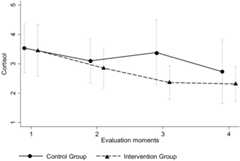
The authors concluded thatthe use of the Five-Flower essence as a non-pharmacological therapy is effective in reducing the stress and cortisol levels in mothers of premature newborns admitted to neonatal and semi-intensive care units.
This is odd!
The remedy does not contain relevant doese of pharmacologically active molecules (other than alcohol). This means that, in this study, the authors tested one placebo against another one. Why then is there a differnce in the outcome?
I read the paper carefully in an attempt to find out. Here is what might have happened (the article does not disclose all the relevant details, so I can only guess):
- The placebo which the authors fail to describe was a water solution or a solution that tasted different than the verum.
- The authors do, however, state this: “Regarding blinding, the manufacturer of the flower essences previously identified the bottles as A and B, one of which was the intervention and the other the placebo.”
- It is possible that the patients were de-blinded, meaning one or two knew how the Bach remedy should taste and communicated this to the several other patients.
- In this case, the expectation of patients affected the results accordingly. In other words, the results are due to a placebo effect.
In any case, the conclusion (even if the ‘Five-Flower essence’ did work exactly as described) is far too optimistic. Before anyone might accept the results, we need an INDEPENDENT replication of this dubious study.
Share this:
I came across an interesting article that is most relevant to the subject of so-called alternative medicine (SCAM). Here is itsabstract:
The dream of a universal cure has persisted throughout history, evolving from ancient myths to modern pseudoscience. This essay explores the cultural and cognitive resilience of the panacea archetype, tracing its transformation from ancient elixirs and patent medicines to contemporary pseudotreatments, including homeopathy, Radithor, MMS, and ivermectin. These so-called cures endure not merely due to misinformation but because they are embedded within emotionally and cognitively compelling narratives. Drawing from mythology, literature, cognitive psychology, and historical analysis, we examine how panaceas offer more than promises of healing: they provide meaning, control, and hope, especially during times of crisis and uncertainty. Key narrative patterns—heroic discoverers, persecuted truths, villainous establishments, and testimonial-driven validation—align with cognitive biases such as confirmation bias, illusion of causality, and need for cognitive closure. These dynamics are further amplified by digital echo chambers, institutional distrust, and the politicization of medical beliefs. The persistence of panaceas is not merely a failure of science communication but a reflection of deep human vulnerabilities—emotional, epistemological, and social. Understanding the structure and appeal of these narratives is essential not only for combating medical misinformation but also for restoring public trust in scientific and medical institutions.
The term “panacea” comes from ancient Greek mythology where it was the name of the goddess of universal remedy, a daughter of Asclepius, the god of medicine and healing. The name is a compound of the words “pan” meaning “all” and “akeia” meaning “cure”. A panacea is thus a cure all.
SCAM is littered with panaceas:
- Homeopathy is supposed to cure all diseases according to its inventor.
- Chiropractic is supposed to cure all diseases according to its inventor.
- Osteopathy is supposed to cure all diseases according to its inventor.
- Acupuncture is supposed to cure all diseases according to TCM philosophy.
- Bach flower remedies are supposed to cure all diseases according to its inventor.
- Schuessler Salts are supposed to cure all diseases according to its inventor.
- Etc., etc.
The reason for all these assumption lies in a misunderstanding of the origin of disease:
- Hahnemann was convinced that all illness originates from a weakness of the life forces.
- Palmer was convinced that all illness originates from subluxations of the spine.
- Still was convinced that all illness originates from a malalignment of joints.
- TCM proponents are convinced that all illness originates from an imbalance of the two life forces.
- Bach was convinced that all illness originates from emotional states.
- Schuessler was convinced that all illness originates from mineral imbalances.
The allure of such concepts is understandable: they are so much simpler than reality! When the naive enthusiasm wears off, it is time for some rational and critical thinking. The causes of disease are manifold, and (sadly) there is no (and never will be) a panacea. If then, faced with the evidence, the enthusiasm does not give way to reason, it amouunts no longer to allure but to stupidity.
Share this:
Bach Flower Remedies are popular despite a paucity of clinical trials testing their effectiveness. This is why I am excited each time a new trial emerges.
This study analyzed the effectiveness of Bach flower therapy compared to placebo in reducing perceived stress levels in primary health care nursing professionals. It was designed as a “pragmatic, parallel randomized clinical trial” conducted with 87 primary care nursing professionals with self-identified stress, from October 2021 to June 2022, in the cities of Osasco and São Paulo, Brazil. The intervention group (n=43) received the collective flower formula, and the placebo group (n=44) received only the diluent. Data analysis was performed using the linear mixed model, and effect size was measured by partial Eta squared, significance level 5%.
The results showed a significant reduction in perceived stress levels within groups (p=0.038). However, there was no significant difference between the study groups (p=0.750). Participants in the intervention group reported a greater perception of changes than participants in the placebo group, but without statistical significance (p=0,089).
The authors concluded thatthe floral formula was not more effective than the placebo formula in reducing perceived stress. There was a significant stress reduction among nursing professionals in both study groups, although with a small effect size.
I must congratulate the authors for their courage to report a squarely negative result [in a controlled clinical trial only the inter-group differences are relevant!]. At the same time I ought to criticize them for not being more straight about it. The conclusions should be much simpler:
THE FINDINGS SHOW NO SIGNIFICANT EFFECT OF BACH FLOWER REMEDIES.
And why might anyone think that such a treatment could cause a significant effect?
Search me!
Bach Flower remedies do not contain sufficient amounts of active ingredients to cause any health effects beyond placebo!
This means that the prior probability of such a study generating a positive finding is very close to zero. In turn, this means that research funds are more wisely spent elsewhere. One could easily be a bit more rigorous and argue that conducting clinicl trials on such hopeless topics is not ethical.
Share this:
The history of so-called alternative medicine (SCAM) is rich with ‘discoveries’ that are widely believed to be true events but that, in fact, never happened. Here are 10 examples:
- DD Palmer is believed to have cured the deafness of a janitor by manipulating his neck. This, many claim, was the birth ofchiropractic. BUT IT NEVER HAPPENED! How can I be so sure? Because the nerve responsible for hearing does not run through the neck.
- Samuel Hahnemann swallowed some Cinchona officinalis, a quinine-containing treatment for malaria, and experienced the symptoms of malaria. This was the discovery of the ‘like cures like’ assumption that forms the basis ofhomeopathy. BUT IT NEVER HAPPENED! How can I be so sure? Because Hahnemann merely hadan intolerance to quinine, and like does certainly not cure like.
- Edward Bach, for the discovery of each of his flower remedies, suffered from the state of mind for which a particular remedy was required; according to his companion, Nora Weeks, he suffered it “to such an intensified degree that those with him marvelled that it was possible for a human being to suffer so and retain his sanity.” This is how Bach discovered the ‘Bach Flower Remedies‘. BUT IT NEVER HAPPENED! How can I be so sure? His experience was not caused by by the remedy, which contain no active ingredients, but by his imagination.
- William Fitzgerald found that pressure on specific areas on the soles of a patient’s feet would positively affect a specific organ of that patient. This was the birth ofreflexology. BUT IT NEVER HAPPENED! How can I be so sure? Because there are no nerve connections from the sole of our feet to our inner organs.
- Max Gerson observed that his special diet with added liver juice, vitamin B3, coffee enemas, etc. cures cancer. This is how Gerson found theGerson therapy. BUT IT NEVER HAPPENED! How can I be so sure? Because he never could demonstrate this effect and others never were able to replicate his alleged finfings.
- George Goodheart was convinced that the strength of a muscle group provides information about the health of inner organs. This formed the basis forapplied kinesiology. BUT IT NEVER HAPPENED! How can I be so sure? Because applied kinesiology has been disclosed as a simple party trick.
- Paul Nogier thought that the function of inner organs can be influenced by stimulating points on the outer ear. This was the discovery that becameauricular therapy. BUT IT NEVER HAPPENED! How can I be so sure? Because Nogier’s assumptions fly in the face of anatomy and physiology.
- Antom Mesmer discovered that by moving a magnet over a patient, he would move her vital fluid and affect her health. This discovery became the basis for Mesmer’s ‘animal magnetism‘. BUT IT NEVER HAPPENED! How can I be so sure? Because there is no vital fluid and neither real nor animal magnetism have specific therapeutic effects.
- Reinhold Voll observed that the electric resistance over acupuncture points provides diagnostic information about the function of the corresponding organs. He thus invented his ‘electroacupuncture according to Voll‘ (EAV). BUT IT NEVER HAPPENED! How can I be so sure? Because EAV and the various methods derived from it are not valid and fail to produce reproducible results.
- Ignatz von Peczely discovered that discolorations on the iris provide valuable information about the health of inner organs. This was the birth ofiridology. BUT IT NEVER HAPPENED! How can I be so sure? Because discolorations develop spontaneously and Peczely’s assumptions about nerval connections between the iris and the organs of the body are pure fantasy.
I hope that you can think of further SCAM discoveries that never happened. If so, please elaborate in the comments section below; you will see, it is good fun!
PS
By sating ‘IT NEVER HAPPENED’, I mean to say that it never happened as reported/imagined by the inventor of the respective SCAM and that the explanations perpetuated by the enthusiasts of the SCAM regarding cause and effect are based on misunderstandings.
Share this:
Bach Flower Remedies are often mistaken for homeopathy. Yet they are quite different. They were invented about 100 years ago by Dr. Edward Bach (1886–1936), a doctor homeopath who had previously worked in the London Homeopathic Hospital. His remedies are clearly inspired by homeopathy; however, they are by no means the same because they do not follow the ‘like cures like’ principle and neither are they potentised. They are manufactured by placing freshly picked specific flowers or parts of plants in water which is subsequently mixed with alcohol, bottled, and sold. Like most homeopathic remedies, they are highly dilute and thus do not contain therapeutic concentrations of the plant printed on the bottle. In other words, flower remedies (or essences) are placebos. This does not stop enthusiasts to continue submitting them to clinical trials.
This study tested the effects of flower essence bouquets on the signs and symptoms of stress in nursing students. The study was designed as a randomized clinical trial, triple blind, with two groups (flower essence group and placebo group), carried out with 101 nursing students. Bach’s flower essences Cerato (Ceratostigma wilimottianum), Cherry Plum (Prunus cerasifera), Elm (Ulmus procera), Impatients (Impatiens glandulifera), Larch (Larix decidua), Olive (Olea europaea) and White Chestnut (Aesculus hippocastanum) were selected by the researcher based on the experience of attending nursing students on flower essence therapy. The formulas were prepared in a 30 ml amber glass bottle with a perforated cap with a white seal and bulbs, and labeled according to randomization (Group 1 or Group 2). The groups applied the treatments for 60 days at a dosage of 4 drops 4 times a day. The outcome was evaluated using the Baccaro Test and the Perceived Stress Scale applied at the beginning and at the end of the intervention.
The results demonstrated no significant difference between the groups in stress reduction (p > 0.05). Both groups showed a reduction in scale scores (p < 0.001) with a large effect size. There was an influence of the COVID-19 pandemic in the reduction of Baccaro Test scores.
The authors (who seem to have been advocates of Bach Flower Remedies) concluded thatthe intervention with flower essence therapy was not more effective than placebo in reducing stress signs and symptoms.
Is anyone surprised?
I am not!
Share this:
In the UK, a newpost-Brexitregulatory framework is being proposed for food supplements by the government. The nutraceutical sector is estimated to be worth £275bn globally and £4bn in the UK. A new report claims that “science is starting to point the way to a new sector of nutritional products with increasingly explicable and/or verifiable medicinal benefits, which needs to be reflected in our regulatory framework.” ToryMP George Freeman, one of the authors of the report, was quoted saying:
“We are living through an extraordinary period of technological change – not just in life science but in host of sectors: from AI to robotics to agri-tech, nutraceuticals, nanotechnology, synthetic biology, biofuels, satellites and fusion energy. The UK is indeed a ‘science superpower’. But we have traditionally been woeful at commercialising here in the UK. There are many reasons. But, in recent years, the EU’s increasingly slow, bureaucratic and ‘precautionary’ approach – copied in Whitehall – has made the EU and the UK an increasingly poor place to commercialise new technology.”
If a product like a food or a herbal remedy makes ‘medicinal’ claims, it is currently regulated by the MHRA. If a product only makes general ‘health’ claims, it is regulated by the Department of Health and Social Care in England, by the FSA in Wales and Northern Ireland, and by Food Standards Scotland in Scotland. This ‘patchwork of regulators’ is bound to change as it is deemed to create additional costs and uncertainty for businesses who would like to see the relevant functions brought together in a central regulatory body and a clearer UK landscape.
In response to the task force’s report, PM Boris Johnson stated that bold and ambitious ideas such as these are needed to encourage growth and innovation:
“The Government, through our Better Regulation Committee, is already hard at work on reform of the UK’s regulatory framework. Your bold proposals provide a valuable template for this, illustrating the sheer level of ambitious thinking needed to usher in a new golden age of growth and innovation right across the UK. So we will give your report the detailed consideration it deserves, consult widely across industry and civil society, and publish a response as soon as is practicable.”
Am I the only one who feels more than a little uneasy about all this? I honestly donot see much new science that, according to the report, points to ‘verifiable medicinal benefits’ of food supplements or nutraceuticals. What the report does however point to, I fear, is that the UK government is about to deregulate quackery with a view to making some entrepreneurs wealthy snake oil salesmen at the cost of public health and wealth.
I hope I am mistaken.
Share this:
Bach flower remedies were invented in the 1920s by Dr. Edward Bach (1886-1936), a doctor homeopath who had previously worked in the London Homeopathic Hospital. They have since become very popular in Europe and beyond. Bach flower remedies are clearly inspired by homeopathy; however, they are not the same because they do not follow the ‘like cures like’ principle and are they potentized. They are manufactured by placing freshly picked specific flowers or parts of plants in water which is subsequently mixed with alcohol, bottled, and sold. Like most homeopathic remedies, they are highly dilute and thus do not contain therapeutic amounts of the plant printed on the bottle.
The aim ofthis new randomized, double-blind, placebo-controlled trial was to compare the efficacy of flower therapy for the treatment of anxiety in overweight or obese adults with that of a placebo. The authors examined improvement in sleep patterns, reduction in binge eating, and change in resting heart rate (RHR).
The study included 40 participants in the placebo group and 41 in the intervention group. Participants were of both genders, from 20 to 59 years of age, overweight or obese, with moderate to high anxiety. They were randomized into two groups:
- one group was treated with Bach flower remedies (BFR) (bottles containing 30 mL of 30% hydro-brandy solution with two drops each of Impatiens, White Chestnut, Cherry Plum, Chicory, Crab Apple, and Pine), purchased from Healing® Flower Essences (São Paulo, Brazil)
- the other group was given a placebo (same solution without BFR).
All patients were instructed to orally ingest the solutions by placing four drops directly in the mouth four times a day for 4 weeks.
The primary outcome was anxiety (State-Trait Anxiety Inventory [STAI]). Secondary outcomes were sleep (Pittsburgh Sleep Quality Index [PSQI]), binge eating (Binge Eating Scale [BES]), and RHR (electrocardiogram).
Multivariate analysis showed significant reductions in scores for the following variables in the intervention group when compared with the placebo group: STAI (β = −0.190; p < 0.001), PSQI (β = −0.160; p = 0.027), BES (β = −0.226; p = 0.001), and RHR (β = −0.07; p = 0.003).
The authors concluded thatanxiety symptoms, binge eating, and RHRs of the individuals treated with flower therapy decreased, and their sleep patterns improved when compared with those treated with the placebo.
Did the alcohol in the verum preparation had a relaxing effect? No, I was teasing. The amount would have been too small and the effect would have been the same in both groups. But what could have caused the observed outcome? I have to admit that I have no idea.
I read the study several times and could not find a major flaw. Hence it must have been the flower remedy that caused the positive outcome? No, I am teasing again. I find this impossible to imagine. These remedies contain nothing that might explain the results and all previous systematic reviews of all the available trials have all reached a negative conclusion. Before I seriously consider the option that flower remedies are more than placebos, I would like to see an independent replication.
Share this:
By guest bloggerMichael Scholz
For several years, the “flower essences” invented by Dr. Edward Bach had a difficult time in the European Union and especially Germany. The manufacturers were regularly taken to court for violating the EU Health Claim Regulation. This now culminates in the fact that the manufacturer, Nelsons, who sells the “Original Bach Flowers” in Germany, was forced to rename its popular “Rescue” remedies.
What happened?
The “Rescue” remedies were promoted with statements such as “calm and strong through the day” and “recommended use in emotionally exciting situations, e.g. at work” or to “face emotional challenges”. The competitor, Annoyax Nutripharm, regarded this as a health-related statement that is prohibited according to the EU Health Claim Regulation. Since the “Bach Flower Remedies” are not considered to be medicinal products in Germany, they are treated as food supplements, according to a ruling by the Oberlandesgericht (Higher Regional Court) Hamburg in 2007.
As it is strictly forbidden to advertise food supplements with health-related claims that are unproven, Annoyax Nutripharm filed a lawsuit against Nelsons that all the way to the Bundesgerichtshof (Federal High Court of Justice) in Karlsruhe. Since the case concerned European law, the judges in Karlsruhe referred it to the European Court of Justice in Luxemburg.
The judges wanted two questions clarified: 1. Are the “Rescue” remedies to be regarded simply as Brandy due to their alcohol content of 27%? (in which case, health-related claims would be strictly forbidden). 2. Does the product’s name “Rescue” itself constitute a violation of the Health Claims Regulation?
The Luxemburg judges ruled “No” and “Yes”. “No”, it is not Brandy, although the „essences“ consist of a considerable quantity of alcohol, the recommended dose is too small to be intoxicating. But “Yes”, the term “Rescue” does indeed violate the Health Claim Regulation. So the plaintiff won – and what is the result?
When the Health Claims Regulation was enacted in 2005, a transition period until 2022 was established. This applied to all products that were sold using the same brand name and composition before 2005. This now gave the defendant – Nelsons – the opportunity to use Edward Bach’s 135th anniversary for launching an advertising campaign that praises the court-ordered renaming as „modernization“ for the 21st century. And as you see, the new name is a paragon of creativity, innovation & modernism, indeed (//irony:off): “Rescue” becomes – drum roll – “Rescura”. Yes, I looked just like that too…
This pyrrhic victory for the plaintiffs shows how important it is to protect the European citizens against misleading advertising. And – far more important – it is now established through a ruling of the Federal High Court of Justice that “Bach Flowers” are an esoterical concept devoid of medical evidence.
Share this:
Bach-Flower Remedies (BFRs) are often confused with homeopathics. Like them, they contain no active molecule; unlike them, they are not potentised nor used according to the ‘like cures like’ assumption. Both have in common that they are as popular as implausible.
Few studies have tested BFRs; my ownsystematic review of controlled clinical trials was published in 2010:
Bach flower remedies continue to be popular and its proponents make a range of medicinal claims for them. The aim of this systematic review was to critically evaluate the evidence for these claims. Five electronic databases were searched without restrictions on time or language. All randomised clinical trials of flower remedies were included. Seven such studies were located. All but one were placebo-controlled. All placebo-controlled trials failed to demonstrate efficacy. It is concluded that the most reliable clinical trials do not show any differences between flower remedies and placebos.
Now a new study has emerged. This trial from the Department of Pedodontics and Preventive Dentistry, DY Patil University – School of Dentistry, Navi Mumbai, Maharashtra, India, compared the effects of Bach Flower Therapy (BFT) and music therapy (MT) on the dental anxiety in paediatric patients. A total of 120 children (aged 4-6 years) were selected and randomly allocated to one of three groups:
- BFT group: Children from this group were administered orally four drops of “rescue remedy” diluted in 40 mL of water 15 min before the treatment. Children were asked to wear headphones without playing any music during the dental treatment
- MT group: Children from this group were provided with a headphone, and Indian classical instrumental music (Raag Sohni played by Pandit Shiv Kumar Sharma on santoor) was played during the scheduled dental treatment. Children were also given 40 mL plain water to drink 15 min before the treatment
- Control group: Children from this group were given 40 mL plain water 15 min before the treatment. During the treatment, children were asked to wear the headphone without playing any music.
All children received oral prophylaxis and fluoride treatment (no further details provided). Dental anxiety was evaluated using
- North Carolina Behavior Rating Scale (NCBRS), the primary outcome measure,
- Facial Image Scale (FIS),
- and physiological parameters.
Significantly better behaviour was seen in children from the BFT group as compared to the control group (P = 0.014). FIS scores measured postoperatively did not show significant differences among the groups.


Children from the BFT and MT groups showed a significant decrease in the pulse rates intraoperatively from the preoperative period. Intraoperative systolic blood pressure in children from the MT group was significantly lower than both the BFT and the control groups. Diastolic blood pressure significantly increased in the control group intra-operatively, whereas other groups showed a decrease.
The authors concluded thatthe results of this study demonstrate significant effects of both single dose of BFT and exposure to MT, on reduction of dental anxiety in children aged between 4 and 6 years.
I find these findings most puzzling (like all BFRs, Rescue Remedies do not contain a single active molecule that could explain them) and strongly recommend that we wait until we have an independent replication before accepting these results as trustworthy.
Share this:
Thisstudy by Australian pharmacists, assessed the quality and relevance of community pharmacists’ information gathering (questioning), counselling and product selection when interacting with customers requesting a s0-called alternative medicine (SCAM) product for stress and consequently determine whether Australian pharmacy practice indicates the need for guidelines similar to those provided for ‘pharmacy only’ (S2) and ‘pharmacist only’ (S3) medicines.
A covert simulated patient (SP) was used to investigate the response of pharmacists to a request for a natural product for stress. The SP documented the details of the pharmacist-simulated patient interaction immediately on leaving the pharmacy and then re-entered the pharmacy to debrief the pharmacist. The quality of the interaction was scored as a Total CARE (check, assess, respond, explain) Score, based on anticipated questions and counselling advice. The appropriateness of the product was scored as a Product Efficacy Score, based on evidence-based literature.
Data from 100 pharmacies was provided. Information gathering illustrated by the questioning components Check and Assess (C and A) of the total CARE score by pharmacists was poor. The number of questions asked ranged from zero (13 pharmacists) to 7 (four pharmacists), the average being 3.1 (SD 1.9). Provision of advice was generally better (a description of the suggested product was offered by 87 pharmacists) but was lacking in other areas (duration of use and side effects were explained by only 41 and 16 pharmacists respectively). The most common product suggested was B-group vitamins (57 pharmacists) followed by a proprietary flower essence product (19 pharmacists). A two-step cluster analysis revealed two sub-groups of pharmacists: one cluster (74 pharmacists) with a high Total CARE score provided an appropriate product. The other cluster (20 pharmacists) had a low total CARE score and provided an inappropriate product.
The authors concluded thatthe pharmacy visits revealed major shortcomings in questioning, counselling and product recommendation. There is a need to develop guidelines for pharmacists to make evidence-based decisions in recommending SCAMs.
This paper offers a host of interesting information. For instance, it reveals that almost all pharmacists recommended at least one product for sale, about half of them recommended more than one. Considering that the evidence for most of the products in question is weak (to say the least), this seems concerning.
The second most recommended product, the ‘Bach Rescue Remedy‘, is perhaps a good case in point. There is no evidence that it has any effect on stress or any other condition. As the product contains no active ingredient, it is also implausible to assume it might work beyond placebo. Yet, many pharmacists are happy not only to sell it to the unsuspecting public, but even to recommend it to a customer who seeks out their advice.
I find this quite intolerable.
The paper thus confirms the point I have made repeatedly on this blog and elsewhere: community pharmacists seem to behave like commercially motivated shopkeepers, yet they are healthcare professionals who have to abide by an ethical code. When confronted with this overt conflict of interest, their vast majority seem to opt for violating their professional ethics in favour of profit.
I fail to understand why, despite these facts being well-known for so long, the professional organisations of pharmacists are doing do very little to rectify this appalling situation.
Share this:
- Spinal Manipulation and Clinician-Supported Biopsychosocial Self-Management for Acute Back Pain
- More trouble for the Royal Family: Prince William’s charity has been reported to the Charity Commission of the UK
- The gradual loss of trust in homeopathy
- Hiring academics in different countries – similarities and differences
- Individualized Homeopathy for Pain of Calcaneal Spur?
- Deepak Chopra – Karma can be a real bitch!
- TCM herbal therapy for psoriasis?
- The Center for Inquiry (CFI) is raising alarm about new federal legislation of homeopathy
Note that comments can be edited for up to five minutes after they are first submitted but you must tick the box: “Save my name, email, and website in this browser for the next time I comment.”
The most recent comments from all posts can be seenhere.
- Talker onThe gradual loss of trust in homeopathy
- JK onThe gradual loss of trust in homeopathy
- Kurt Youngmann onSpinal Manipulation and Clinician-Supported Biopsychosocial Self-Management for Acute Back Pain
- Richard Rasker onThe gradual loss of trust in homeopathy
- Sundew onThe gradual loss of trust in homeopathy
- Richard Rasker onThe gradual loss of trust in homeopathy
- Edzard onThe gradual loss of trust in homeopathy
- Mutus Bellator onThe gradual loss of trust in homeopathy
- Talker onThe gradual loss of trust in homeopathy
- Sundew onThe gradual loss of trust in homeopathy
- February 2026 (12)
- January 2026 (26)
- December 2025 (25)
- November 2025 (25)
- October 2025 (28)
- September 2025 (26)
- August 2025 (26)
- July 2025 (27)
- June 2025 (27)
- May 2025 (29)
- April 2025 (28)
- March 2025 (26)
- February 2025 (25)
- January 2025 (27)
- December 2024 (25)
- November 2024 (26)
- October 2024 (27)
- September 2024 (24)
- August 2024 (27)
- July 2024 (28)
- June 2024 (27)
- May 2024 (28)
- April 2024 (27)
- March 2024 (26)
- February 2024 (28)
- January 2024 (31)
- December 2023 (29)
- November 2023 (30)
- October 2023 (28)
- September 2023 (26)
- August 2023 (30)
- July 2023 (28)
- June 2023 (26)
- May 2023 (28)
- April 2023 (25)
- March 2023 (31)
- February 2023 (27)
- January 2023 (29)
- December 2022 (26)
- November 2022 (26)
- October 2022 (26)
- September 2022 (27)
- August 2022 (29)
- July 2022 (26)
- June 2022 (28)
- May 2022 (26)
- April 2022 (27)
- March 2022 (29)
- February 2022 (26)
- January 2022 (27)
- December 2021 (27)
- November 2021 (28)
- October 2021 (28)
- September 2021 (27)
- August 2021 (29)
- July 2021 (30)
- June 2021 (28)
- May 2021 (30)
- April 2021 (27)
- March 2021 (27)
- February 2021 (24)
- January 2021 (27)
- December 2020 (27)
- November 2020 (25)
- October 2020 (28)
- September 2020 (26)
- August 2020 (28)
- July 2020 (28)
- June 2020 (27)
- May 2020 (28)
- April 2020 (29)
- March 2020 (31)
- February 2020 (26)
- January 2020 (27)
- December 2019 (24)
- November 2019 (26)
- October 2019 (26)
- September 2019 (25)
- August 2019 (26)
- July 2019 (27)
- June 2019 (25)
- May 2019 (30)
- April 2019 (25)
- March 2019 (24)
- February 2019 (25)
- January 2019 (28)
- December 2018 (27)
- November 2018 (27)
- October 2018 (26)
- September 2018 (25)
- August 2018 (27)
- July 2018 (28)
- June 2018 (28)
- May 2018 (28)
- April 2018 (26)
- March 2018 (30)
- February 2018 (25)
- January 2018 (30)
- December 2017 (16)
- November 2017 (18)
- October 2017 (20)
- September 2017 (16)
- August 2017 (17)
- July 2017 (16)
- June 2017 (20)
- May 2017 (29)
- April 2017 (27)
- March 2017 (22)
- February 2017 (19)
- January 2017 (26)
- December 2016 (24)
- November 2016 (19)
- October 2016 (26)
- September 2016 (23)
- August 2016 (21)
- July 2016 (24)
- June 2016 (21)
- May 2016 (28)
- April 2016 (20)
- March 2016 (20)
- February 2016 (16)
- January 2016 (16)
- December 2015 (15)
- November 2015 (18)
- October 2015 (19)
- September 2015 (14)
- August 2015 (18)
- July 2015 (20)
- June 2015 (22)
- May 2015 (19)
- April 2015 (15)
- March 2015 (14)
- February 2015 (15)
- January 2015 (21)
- December 2014 (18)
- November 2014 (21)
- October 2014 (22)
- September 2014 (13)
- August 2014 (21)
- July 2014 (12)
- June 2014 (18)
- May 2014 (21)
- April 2014 (7)
- March 2014 (11)
- February 2014 (10)
- January 2014 (17)
- December 2013 (14)
- November 2013 (19)
- October 2013 (22)
- September 2013 (26)
- August 2013 (15)
- July 2013 (11)
- June 2013 (18)
- May 2013 (11)
- April 2013 (12)
- March 2013 (10)
- February 2013 (16)
- January 2013 (12)
- December 2012 (9)
- November 2012 (9)
- October 2012 (7)
- "energy" healing
- acupressure
- acupuncture
- addiction
- ADHD
- aetiology
- AI
- Alexander Technique
- alternative medicine
- alternative therapist
- anthroposophical medicine
- antioxidants
- anxiety
- aromatherapy
- Arthritis Research UK
- asthma
- autism
- Ayurvedic medicine
- Bach Flower Remedies
- back pain
- BCA
- bias
- big pharma
- bogus claims
- bullshit
- Cancer
- caniosacral therapy
- case report
- case-control study
- causation
- charlatan
- children
- Chinese studies
- chiropractic
- clinical trial
- colonic irrigation
- commercial interests
- conflict of interest
- conspiracy
- COPD
- coronary heart disease
- cost-effectiveness
- cranial osteopathy
- critical thinking
- cult
- cupping
- death
- dentist
- depression
- detox
- diabetes
- diagnostic method
- diet
- doctors
- EBM
- economic evaluation
- eczema
- education
- Ernst's law
- essential oil
- evidence
- experience
- fallacy
- fatigue
- fish oil
- fraud
- gout
- Gua Sha
- guideline
- gullible consumer
- hay fever
- Healing Touch
- health insurance
- herbal medicine
- HIV
- holistic
- homeopathy
- hypercholesterolemia
- hypnotherapy
- IBS
- immunisation
- infant colic
- influenza
- informed consent
- insomnia
- integrated medicine
- integrative medicine
- iridology
- Iscador
- kinesiology
- King Charles
- leech therapy
- legal action
- lymph drainage
- lymph-oedema
- malpractice
- marijuana
- massage
- medical ethics
- menopause
- meta-analysis
- methodology
- Michael Dixon
- midwives
- migraine
- mountain sickness
- moxibustion
- multiple sclerosis
- musculoskeletal problems
- naturopathy
- nausea
- neck-pain
- neglect
- New Age
- NICE
- nurses
- obesity
- osteoarthritis
- osteopathy
- pain
- palliative care
- panacea
- patient choice
- pharmacists
- physiotherapists
- placebo
- plagiarism
- politics
- post-operative ileus
- pregnancy
- prevention
- Prince Charles
- probiotic
- proctophasia
- progress
- pseudo-science
- psoriasis
- quackery
- quality of life
- reflexology
- regulation
- Reiki
- religion
- research
- reviewer bias
- rheumatoid arthritis
- risk
- risk/benefit
- Samueli Institute
- satire
- scientific misconduct
- shoulder-pain
- Simon Singh
- slimming aids
- smoking cessation
- social prescribing
- spinal manipulation
- study design
- supplements
- survey
- symptom-relief
- systematic review
- tai chi
- TCM
- test of time
- Therapeutic Touch
- Uncategorized
- urin therapy
- vaccination
- veterinary medicine
- vitamin
- wellness
- WHO
- yoga
