











Russia was scrambling to prevent financial meltdown Monday as its economy was slammed by abroadside of crushing Western sanctions imposed over the weekend in response to theinvasion of Ukraine.
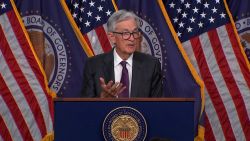
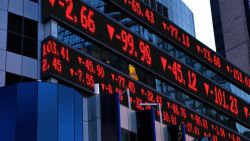
President Vladimir Putin held crisis talks with his top economic advisers after the ruble crashed to a record low against the US dollar, the Russian central bank more than doubled interest rates to 20%, and the Moscow stock exchange was shuttered for the day. It will stay closed Tuesday, the central bank announced.
The European subsidiary of Russia’s biggest bank was on the brink of collapse as savers rushed to withdraw their deposits. Economists warned that the Russian economy could shrink by 5%.
The ruble lost about 25% of its value to trade at 104 to the dollar at 12:15 p.m. ET after earlier plummeting as much as 40%. The start of trading on the Russian stock market was delayed, and then canceled entirely, according to a statement from the country’s central bank.
The latest barrage of sanctions came Saturday, when the United States, the European Union, the United Kingdom and Canada said they would expel some Russian banks from SWIFT, a global financial messaging service, and “paralyze” the assets of Russia’s central bank.
“The ratcheting up of Western sanctions over the weekend has left Russian banks on the edge of crisis,” wrote Liam Peach, an emerging market economist at Capital Economics, in a note on Monday.
Freezing reserves
Putin’s government has spent the past eight years preparing Russia for tough sanctions by building up a war chest of $630 billion in international reserves including currencies and gold, but at least some of that financial firepower is now frozen and his “fortress”economy is under unprecedented assault.
“We will … ban the transactions of Russia’s central bank and freeze all its assets, to prevent it from financing Putin’s war,” European Commission President Ursula von der Leyen said in a statement Sunday.
The United States also banned US dollar transactions with the Russian central bank in a move designed to prevent it accessing its “rainy day fund,” senior US administration officials said.
“Our strategy, to put it simply, is to make sure that the Russian economy goes backward as long as President Putin decides to go forward with his invasion of Ukraine,” a senior administration official said.
Peach at Capital Economics estimates that at least 50% of Russia’s reserves are now off limits to Moscow.
“External conditions for the Russian economy have drastically changed,” the Russian central bank said, announcing its dramatic rate hike and series of other emergency measures. “This is needed to support financial and price stability and protect the savings of citizens from depreciation,” the bank added.
Russia is a leading exporter of oil and gas but many other sectors of its economy rely on imports. As the value of the ruble falls, they will become much more expensive to buy, pushing up inflation.
The crackdown on its leading banks, and the exclusion of some of them from the SWIFT secure messaging system that connects financial institutions around the world will also make it harder for it to sell exports — including oil and gas despite the fact that Russia’s vital energy trade has not yet been directly targeted with sanctions.
Finnish oil refiner Neste said it had mostly replaced Russian crude oil with other supplies.
“For a long time, Russia has been methodically preparing for the event of possible sanctions, including the most severe sanctions we are currently facing,” Kremlin spokesman Dmitry Peskov said. “So there are response plans, and they are being implemented now as problems arise.”
A run on the banks
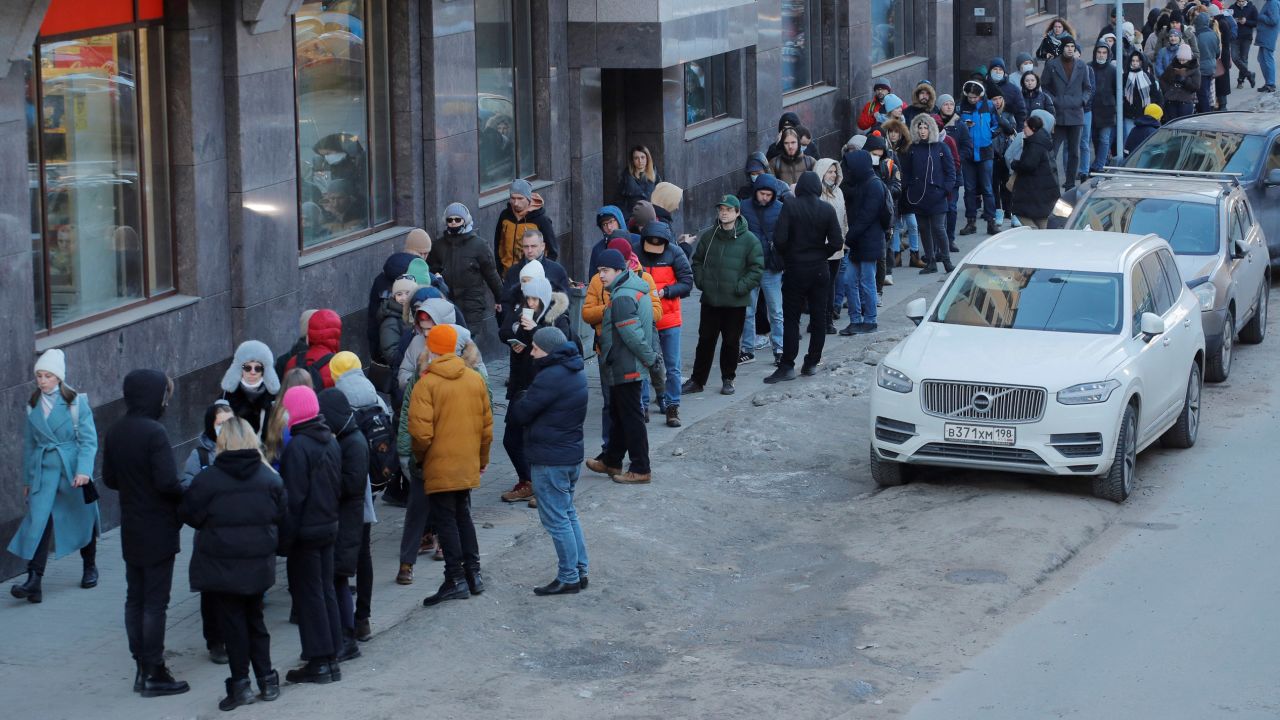
But analysts warned that the turmoil could lead to a run on Russian banks, as savers try to secure their deposits and hoard cash.
“The sanctions target Russia’s domestic financial system, causing bank runs and forcing Russia’s central bank to continue hiking rates and/or to use its foreign exchange reserves,” the Institute of International Finance said in a report published Monday.
“Furthermore, we believe that the [central bank] will have to institute strict capital controls and possibly declare a bank holiday as bank runs accelerate and demand for foreign exchange continues to rise sharply,” it added.
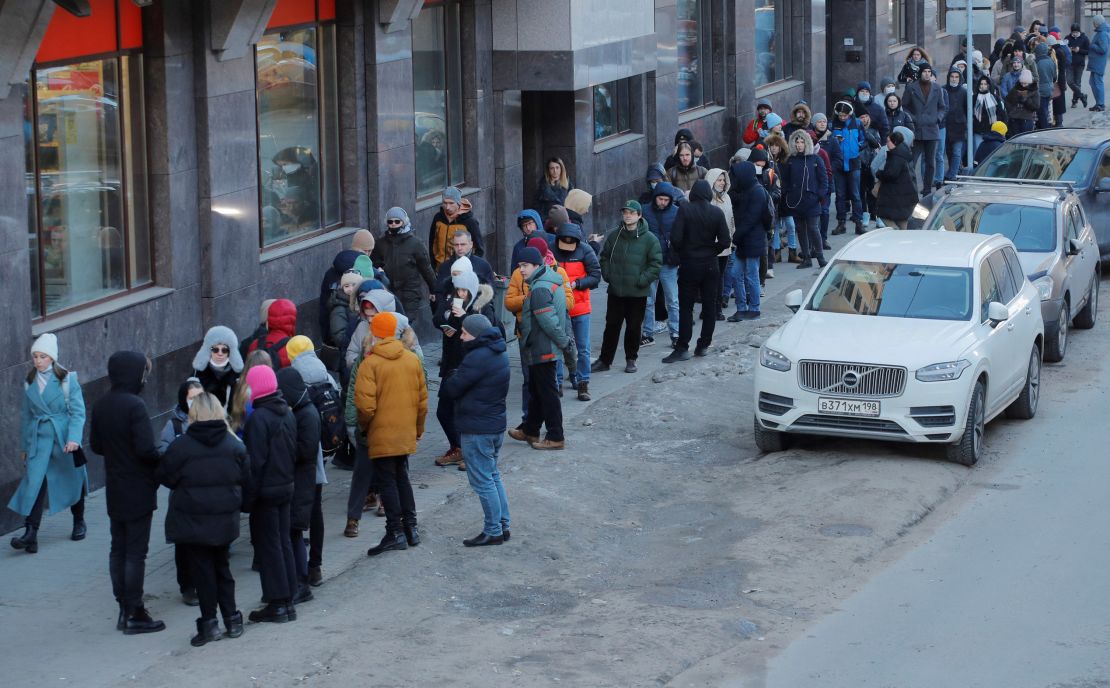
One early casualty was the European subsidiary of Sberbank, Russia’s biggest lender that has been sanctioned by Western allies. The European Central Bank said Sberbank Europe, including its Austrian and Croatian branches, was failing, or likely to fail, because of “significant deposit outflows” triggered by the Ukraine crisis.
“This led to a deterioration of its liquidity position. And there are no available measures with a realistic chance of restoring this position,” the ECB said in a statement.
Sberbank (SBRCY) shares listed in London fell by nearly 70%. Other Russian companies with foreign listings were also hammered. Gas giant Gazprom (GZPFY) dropped 37% in London trading. Shares in internet service provider Yandex (YNDX) were suspended from trade on the Nasdaq, alongside seven other Russian companies listed in New York.
Nasdaq declined to comment. But a person familiar with the matter told CNN that the exchange was asking Russian companies whether they need to make material disclosures following the sanctions announced in recent days by the United States and other nations.
The Russian central bank last week intervened in the currency markets to try to prop up the ruble. And on Friday, it said it was increasing the supply of bills to ATMs to meet increased demand for cash. On Monday, the Russian government ordered exporters to exchange 80% of their foreign currency revenues for rubles — a measure analysts said was aimed at relieving pressure on the Russian currency.
The central bank also temporarily banned Russian brokers from selling securities held by foreigners, although it did not specify which assets. The government had also ordered a ban on foreign exchange loans and bank transfers by Russian residents outside of Russia from March 1, Reuters reported.
— Charles Riley, Laura He and Chris Liakos contributed reporting.


