
Information
Figures
References
Contents
Fig. 1.
 View in ArticleFull Image
Fig. 2.
 View in ArticleFull Image
Fig. 3.
 View in ArticleFull Image
Fig. 4.
 View in ArticleFull Image
Fig. 5.
 View in ArticleFull Image
Fig. 6.
 View in ArticleFull Image
Fig. 7.
 View in ArticleFull Image
Fig. 8.
 View in ArticleFull Image
Fig. 9.
 View in ArticleFull Image
Fig. 10.
 View in ArticleFull Image
[1]Di Marzo V, Goparaju SK, Wang L, Liu J, Bátkai S, Járai Z, et al. Leptin-regulated endocannabinoids are involved in maintaining food intake. Nature. 2001; 410: 822–825. https://doi.org/10.1038/35071088.
[2]Christensen R, Kristensen PK, Bartels EM, Bliddal H, Astrup A. Efficacy and safety of the weight-loss drug rimonabant: a meta-analysis of randomised trials. Lancet. 2007; 370: 1706–1713. https://doi.org/10.1016/S0140-6736(07)61721-8.
[3]Waterlow M, Chrisp P. Rimonabant: the evidence for its use in the treatment of obesity and the metabolic syndrome. Core Evidence. 2007; 2: 173–187.
[4]Rosenstock J, Hollander P, Chevalier S, Iranmanesh A, SERENADE Study Group. SERENADE: the Study Evaluating Rimonabant Efficacy in Drug-naive Diabetic Patients: effects of monotherapy with rimonabant, the first selective CB1 receptor antagonist, on glycemic control, body weight, and lipid profile in drug-naive type 2 diabetes. Diabetes Care. 2008; 31: 2169–2176. https://doi.org/10.2337/dc08-0386.
[5]Després JP, Ross R, Boka G, Alméras N, Lemieux I, ADAGIO-Lipids Investigators. Effect of rimonabant on the high-triglyceride/ low-HDL-cholesterol dyslipidemia, intraabdominal adiposity, and liver fat: the ADAGIO-Lipids trial. Arteriosclerosis, Thrombosis, and Vascular Biology. 2009; 29: 416–423. https://doi.org/10.1161/ATVBAHA.108.176362.
[6]Christopoulou FD, Kiortsis DN. An overview of the metabolic effects of rimonabant in randomized controlled trials: potential for other cannabinoid 1 receptor blockers in obesity. Journal of Clinical Pharmacy and Therapeutics. 2011; 36: 10–18. https://doi.org/10.1111/j.1365-2710.2010.01164.x.
[7]Tam J, Hinden L, Drori A, Udi S, Azar S, Baraghithy S. The therapeutic potential of targeting the peripheral endocannabinoid/CB1 receptor system. European Journal of Internal Medicine. 2018; 49: 23–29. https://doi.org/10.1016/j.ejim.2018.01.009.
[8]Maccarrone M, Bab I, Bíró T, Cabral GA, Dey SK, Di Marzo V, et al. Endocannabinoid signaling at the periphery: 50 years after THC. Trends in Pharmacological Sciences. 2015; 36: 277–296. https://doi.org/10.1016/j.tips.2015.02.008.
[9]Engeli S. Dysregulation of the endocannabinoid system in obesity. Journal of Neuroendocrinology. 2008; 20: 110–115. https://doi.org/10.1111/j.1365-2826.2008.01683.x.
[10]Di Marzo V. The endocannabinoid system in obesity and type 2 diabetes. Diabetologia. 2008; 51: 1356–1367. https://doi.org/10.1007/s00125-008-1048-2.
[11]Lee YH, Tharp WG, Dixon AE, Spaulding L, Trost S, Nair S, et al. Dysregulation of cannabinoid CB1 receptor expression in subcutaneous adipocytes of obese individuals. Animal Cells and Systems. 2009; 13: 371–379. https://doi.org/10.1080/19768354.2009.9647232.
[12]Cinar R, Iyer MR, Kunos G. The therapeutic potential of second and third generation CB1R antagonists. Pharmacology & Therapeutics. 2020; 208: 107477. https://doi.org/10.1016/j.pharmthera.2020.107477.
[13]O’Sullivan SE, Yates AS, Porter RK. The Peripheral Cannabinoid Receptor Type 1 (CB1) as a Molecular Target for Modulating Body Weight in Man. Molecules. 2021; 26: 6178. https://doi.org/10.3390/molecules26206178.
[14]Quarta C, Cota D. Anti-obesity therapy with peripheral CB1 blockers: from promise to safe(?) practice. International Journal of Obesity. 2020; 44: 2179–2193. https://doi.org/10.1038/s41366-020-0577-8.
[15]Mutlu B, Puigserver P. Controversies surrounding peripheral cannabinoid receptor 1 in fatty liver disease. The Journal of Clinical Investigation. 2021; 131: e154147. https://doi.org/10.1172/JCI154147.
[16]Cooper ME, Nørregaard PK, Högberg T, Andersson G, Receveur JM, Linget JM, et al. Efficacy in diet-induced obese mice of the hepatotropic, peripheral cannabinoid 1 receptor inverse agonist TM38837. British Journal of Pharmacology. 2024; 181: 3926–3943. https://doi.org/10.1111/bph.16401.
[17]Högberg T, Receveur JM, Murray A, Linget JM, Nørregaard PK, Little PB, et al. Optimizing and characterizing 4-methyl substituted pyrazol-3-carboxamides leading to the peripheral cannabinoid 1 receptor inverse agonist TM38837. Bioorganic & Medicinal Chemistry Letters. 2024; 98: 129572. https://doi.org/10.1016/j.bmcl.2023.129572.
[18]Grimsey NL, Graham ES, Dragunow M, Glass M. Cannabinoid Receptor 1 trafficking and the role of the intracellular pool: implications for therapeutics. Biochemical Pharmacology. 2010; 80: 1050–1062. https://doi.org/10.1016/j.bcp.2010.06.007.
[19]Khan N, Laudermilk L, Ware J, Rosa T, Mathews K, Gay E, et al. Peripherally Selective CB1 Receptor Antagonist Improves Symptoms of Metabolic Syndrome in Mice. ACS Pharmacology & Translational Science. 2021; 4: 757–764. https://doi.org/10.1021/acsptsci.0c00213.
[20]Kunos G, Tam J. The case for peripheral CB1 receptor blockade in the treatment of visceral obesity and its cardiometabolic complications. British Journal of Pharmacology. 2011; 163: 1423–1431. https://doi.org/10.1111/j.1476-5381.2011.01352.x.
[21]Sink KS, Segovia KN, Sink J, Randall PA, Collins LE, Correa M, et al. Potential anxiogenic effects of cannabinoid CB1 receptor antagonists/inverse agonists in rats: comparisons between AM4113, AM251, and the benzodiazepine inverse agonist FG-7142. European Neuropsychopharmacology. 2010; 20: 112–122. https://doi.org/10.1016/j.euroneuro.2009.11.002.
[22]Aleixandre de Artiñano A, Miguel Castro M. Experimental rat models to study the metabolic syndrome. The British Journal of Nutrition. 2009; 102: 1246–1253. https://doi.org/10.1017/S0007114509990729.
[23]Gary-Bobo M, Elachouri G, Gallas JF, Janiak P, Marini P, Ravinet-Trillou C, et al. Rimonabant reduces obesity-associated hepatic steatosis and features of metabolic syndrome in obese Zucker fa/fa rats. Hepatology. 2007; 46: 122–129. https://doi.org/10.1002/hep.21641.
[24]Lindborg KA, Jacob S, Henriksen EJ. Effects of Chronic Antagonism of Endocannabinoid-1 Receptors on Glucose Tolerance and Insulin Action in Skeletal Muscles of Lean and Obese Zucker Rats. Cardiorenal Medicine. 2011; 1: 31–44. https://doi.org/10.1159/000322826.
[25]Kotagiri VK, Suthrapu S, Mukunda Reddy J, Prasad Rao C, Bollugoddu V, Bhattacharya A, et al. An Improved Synthesis of Rimonabant: Anti-Drug. Organic Process Research and Development. 2007; 115: 910–912. https://doi.org/10.1021/op700110b.
[26]Cooper ME, Receveur JM, Hoegberg T, Nielsen PA, Linget JM, Noeregaard PK, et al, inventors; WALLS AJ, assignee. CB1 Receptor Modulators. PCT International Application. UK: WO 2008/075012. 26 June 2008.
[27]Wu J, Cai Y, Wu X, Ying Y, Tai Y, He M. Transcardiac Perfusion of the Mouse for Brain Tissue Dissection and Fixation. Bio-Protocol. 2021; 11: e3988. https://doi.org/10.21769/BioProtoc.3988.
[28]Mikkelsen JD, Vrang N, Mrosovsky N. Expression of Fos in the circadian system following nonphotic stimulation. Brain Research Bulletin. 1998; 47: 367–376. https://doi.org/10.1016/s0361-9230(98)00121-x.
[29]Alonso R, Voutsinos B, Fournier M, Labie C, Steinberg R, Souilhac J, et al. Blockade of cannabinoid receptors by SR141716 selectively increases Fos expression in rat mesocorticolimbic areas via reduced dopamine D2 function. Neuroscience. 1999; 91: 607–620. https://doi.org/10.1016/s0306-4522(98)00675-7.
[30]Dibba P, Li A, Cholankeril G, Iqbal U, Gadiparthi C, Khan MA, et al. Mechanistic Potential and Therapeutic Implications of Cannabinoids in Nonalcoholic Fatty Liver Disease. Medicines. 2018; 5: 47. https://doi.org/10.3390/medicines5020047.
[31]Gruden G, Barutta F, Kunos G, Pacher P. Role of the endocannabinoid system in diabetes and diabetic complications. British Journal of Pharmacology. 2016; 173: 1116–1127. https://doi.org/10.1111/bph.13226.
[32]Koutoukidis DA, Koshiaris C, Henry JA, Noreik M, Morris E, Manoharan I, et al. The effect of the magnitude of weight loss on non-alcoholic fatty liver disease: A systematic review and meta-analysis. Metabolism. 2021; 115: 154455. https://doi.org/10.1016/j.metabol.2020.154455.
[33]Thornton-Jones ZD, Kennett GA, Benwell KR, Revell DF, Misra A, Sellwood DM, et al. The cannabinoid CB1 receptor inverse agonist, rimonabant, modifies body weight and adiponectin function in diet-induced obese rats as a consequence of reduced food intake. Pharmacology, Biochemistry, and Behavior. 2006; 84: 353–359. https://doi.org/10.1016/j.pbb.2006.06.001.
[34]Leonard BL, Watson RN, Loomes KM, Phillips ARJ, Cooper GJ. Insulin resistance in the Zucker diabetic fatty rat: a metabolic characterisation of obese and lean phenotypes. Acta Diabetologica. 2005; 42: 162–170. https://doi.org/10.1007/s00592-005-0197-8.
[35]Hsiao WC, Shia KS, Wang YT, Yeh YN, Chang CP, Lin Y, et al. A novel peripheral cannabinoid receptor 1 antagonist, BPR0912, reduces weight independently of food intake and modulates thermogenesis. Diabetes, Obesity & Metabolism. 2015; 17: 495–504. https://doi.org/10.1111/dom.12447.
[36]Chanussot F, Ulmer M, Ratanasavanh R, Max JP, Debry G. Influence of diet composition on obesity, hyperlipemia and liver steatosis in Zucker fa/fa rats pair-fed with Zucker Fa/- rats. International Journal of Obesity. 1984; 8: 259–270.
[37]Kurosaka Y, Shiroya Y, Yamauchi H, Kaneko T, Okubo Y, Shibuya K, et al. Effects of habitual exercise and dietary restriction on intrahepatic and periepididymal fat accumulation in Zucker fatty rats. BMC Research Notes. 2015; 8: 121. https://doi.org/10.1186/s13104-015-1063-6.
[38]Tam J, Godlewski G, Earley BJ, Zhou L, Jourdan T, Szanda G, et al. Role of adiponectin in the metabolic effects of cannabinoid type 1 receptor blockade in mice with diet-induced obesity. American Journal of Physiology. Endocrinology and Metabolism. 2014; 306: E457–E468. https://doi.org/10.1152/ajpendo.00489.2013.
[39]Chanda D, Kim DK, Li T, Kim YH, Koo SH, Lee CH, et al. Cannabinoid receptor type 1 (CB1R) signaling regulates hepatic gluconeogenesis via induction of endoplasmic reticulum-bound transcription factor cAMP-responsive element-binding protein H (CREBH) in primary hepatocytes. The Journal of Biological Chemistry. 2011; 286: 27971–27979. https://doi.org/10.1074/jbc.M111.224352.
[40]Lee MW, Chanda D, Yang J, Oh H, Kim SS, Yoon YS, et al. Regulation of hepatic gluconeogenesis by an ER-bound transcription factor, CREBH. Cell Metabolism. 2010; 11: 331–339. https://doi.org/10.1016/j.cmet.2010.02.016.
[41]Sharabi K, Tavares CDJ, Rines AK, Puigserver P. Molecular pathophysiology of hepatic glucose production. Molecular Aspects of Medicine. 2015; 46: 21–33. https://doi.org/10.1016/j.mam.2015.09.003.
[42]Berglund ED, Lee-Young RS, Lustig DG, Lynes SE, Donahue EP, Camacho RC, et al. Hepatic energy state is regulated by glucagon receptor signaling in mice. The Journal of Clinical Investigation. 2009; 119: 2412–2422. https://doi.org/10.1172/jci38650.
[43]Nair S, P Chacko V, Arnold C, Diehl AM. Hepatic ATP reserve and efficiency of replenishing: comparison between obese and nonobese normal individuals. The American Journal of Gastroenterology. 2003; 98: 466–470. https://doi.org/10.1111/j.1572-0241.2003.07221.x.
[44]Azar S, Udi S, Drori A, Hadar R, Nemirovski A, Vemuri KV, et al. Reversal of diet-induced hepatic steatosis by peripheral CB1 receptor blockade in mice is p53/miRNA-22/SIRT1/PPARα dependent. Molecular Metabolism. 2020; 42: 101087. https://doi.org/10.1016/j.molmet.2020.101087.
[45]Cooper ME, Regnell SE. The hepatic cannabinoid 1 receptor as a modulator of hepatic energy state and food intake. British Journal of Clinical Pharmacology. 2014; 77: 21–30. https://doi.org/10.1111/bcp.12102.
[46]Nagappan A, Shin J, Jung MH. Role of Cannabinoid Receptor Type 1 in Insulin Resistance and Its Biological Implications. International Journal of Molecular Sciences. 2019; 20: 2109. https://doi.org/10.3390/ijms20092109.
[47]Clamp LD, Hume DJ, Lambert EV, Kroff J. Enhanced insulin sensitivity in successful, long-term weight loss maintainers compared with matched controls with no weight loss history. Nutr Diabetes. 2017; 7: e282. https://doi.org/10.1038/nutd.2017.31.
[48]Van Gaal L, Scheen A. Weight management in type 2 diabetes: current and emerging approaches to treatment. Diabetes Care. 2015; 38: 1161–1172. https://doi.org/10.2337/dc14-1630.
[49]Tam J, Liu J, Mukhopadhyay B, Cinar R, Godlewski G, Kunos G. Endocannabinoids in liver disease. Hepatology. 2011; 53: 346–355. https://doi.org/10.1002/hep.24077.
[50]Koyama Y, Brenner DA. Liver inflammation and fibrosis. The Journal of Clinical Investigation. 2017; 127: 55–64. https://doi.org/10.1172/JCI88881.
[51]Parthasarathy G, Revelo X, Malhi H. Pathogenesis of Nonalcoholic Steatohepatitis: An Overview. Hepatology Communications. 2020; 4: 478–492. https://doi.org/10.1002/hep4.1479.
Fig. 1.
View in ArticleFull ImageFig. 2.
View in ArticleFull ImageFig. 3.
View in ArticleFull ImageFig. 4.
View in ArticleFull ImageFig. 5.
View in ArticleFull ImageFig. 6.
View in ArticleFull ImageFig. 7.
View in ArticleFull ImageFig. 8.
View in ArticleFull ImageFig. 9.
View in ArticleFull ImageFig. 10.
View in ArticleFull Image
Information
Download
Contents
1 7TM Pharma A/S, 2970 Hørsholm, Denmark
Abstract
Keywords
- TM38837
- CB1R
- inverse agonist
- antagonist
- peripheral
- liver-targeted (hepatotropic)
- obesity
- steatosis
- diabetes
Cannabinoid 1 receptor (CB1R) is highly expressed in the central nervous system (CNS) where, among wide ranging effects, it acts as part of the leptin-regulated neural appetitive circuitry as an orexigenic mediator. Thus, CB1R blockade in the CNS leads to decreased food intake, as was originally demonstrated in rodents [1]. Subsequently, before their withdrawal from clinical development, due to serious psychiatric side-effects [2], centrally acting CB1R blockers (e.g., rimonabant (Fig.1)) proved effective in both reducing body weight and the associated insulin resistance and dyslipidemias in people who were overweight/obese with metabolic syndrome [3]. However, the clinical perspective was that improvements in glycemic control and the lipid profile in patients with type 2 diabetes (T2D) and loss of visceral and hepatic fat in patients with abdominal obesity, observed in clinical trials with rimonabant [4,5], could only be partially attributed to the observed reduction in body weight. This observation implicated a possible role of CB1R outside the CNS, and now known to also be a key mediator of metabolic processes in several peripheral tissues, including adipose tissue, liver, skeletal muscle, kidney, bone, and pancreas [6,7,8]. Furthermore, obesity and related pathologies, such as T2D, are characterized by dysregulation, and in most cases overactivity, of the cannabinoid system in several peripheral organs, with concomitant changes in CB1R expression [9,10,11]. Thus, several groups have attempted to develop CB1R blockers with reduced propensity to cross the blood–brain barrier (BBB)—and many such compounds have been reported to be efficacious in animal models of obesity and metabolic syndrome [12,13,14]. However, there has thus far been limited clinical validation for this approach obtained and controversies surrounding the role of peripheral CB1R in fatty liver disease have been reported [15]. Nevertheless, in this regard, the first such compound to start clinical testing was TM38837 (Fig.1), which had produced weight loss comparable to that of the same dose of rimonabant in DIO mice, characterized by an initial smaller but more sustained effect on food intake [16]. This unexpected efficacy is believed to have been driven by enhanced exposure of TM38837 in hepatocytes, due to hepatic uptake transporters, which was not evident in less efficacious compounds [16,17]. Among the peripherally restricted CB1R blockers thus far reported, the tissue distribution of TM38837 appears to be unique and, due to the intracellular localization of CB1R in hepatocytes, the high liver exposure could be a feasible explanation for the encouraging efficacy [18]. In addition to the hepatic uptake, reduced propensity to cross the BBB, compared to first-generation CB1R inhibitors, restricts CNS penetration and amplifies the exposure difference between liver and brain. Thus, TM38837 potentially has an exceptionally high therapeutic ratio between liver-driven efficacy and undesirable CNS side-effects.
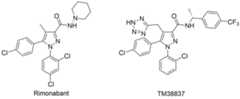 Fig. 1.
Structures of rimonabant and TM38837.
To further explore the potential benefits of enhanced pharmacological blockade of hepatic CB1R, the effect of chronic treatment with TM38837 was investigated in DIO rats; with rimonabant as comparator. Studies with peripherally restricted CB1R inhibitors have demonstrated the potential for beneficial effects on hepatic steatosis and cardiometabolic complications associated with obesity [19,20]. Thus, in addition to body weight reduction, analyses of metabolic plasma biomarkers and non-alcoholic fatty liver disease (NAFLD), including inflammatory biomarkers and steatosis, were included to indicate potential clinical utility. However, as food intake reduction by rimonabant is known to be primarily CNS driven, it was deemed necessary to demonstrate significantly reduced CNS exposure for TM38837 in rats. Thus, following oral administration to rats, exposure in different brain regions was compared for the two compounds, by measurement of cFOS protein induction using immunohistochemistry. As both compounds are full CB1 inverse agonists, the neural activation patterns induced by these two compounds should be indicative of relative compound exposure in different brain regions [21].
A potential issue with the study in DIO rats is variability in the development of metabolic syndrome components, such as insulin resistance and steatosis, which could lead to a lack of statistical significance in various measurements. Therefore, the effects of chronic TM38837 treatment on hepatic steatosis and glucose control in obese Zucker (fa/fa) rats were subsequently investigated in separate experiments with pair-fed controls and rimonabant used as reference comparator. The use of Zucker rats to study aspects of metabolic syndrome is well established [22], and rimonabant has been shown to improve aspects of NAFLD and to have beneficial effects on insulin resistance in these animals [23,24]. The use of pair-fed controls was intended to differentiate direct effects on glucose homeostasis and steatosis, due to blockade of CB1R, from the effects of reduced body weight. Such studies may improve understanding of the contribution of hepatic CB1R to the development of metabolic syndrome, relative to other peripheral tissues or the CNS.
Rimonabant [25] and TM38837 [17,26] were synthesized following previously published literature procedures, and pioglitazone was supplied by RenaSci Consultancy Ltd. The sodium salt of TM38837 was prepared by dissolution of the free acid in methanol, addition of one equivalent sodium hydroxide (from 1 M volumetric standard solution), evaporation to dryness, followed by trituration with isopropyl acetate/heptane (1:1), then filtration and drying of the resulting solid. All test compound batches were
Dosing was p.o. using the same vehicle (0.1% Tween 80 and 1% hydroxypropyl methyl cellulose (HPMC) (Sigma No: H9262) in distilled water, pH = 7.4) for allin vivo studies according to the following protocol:
TM38837 (sodium salt) or rimonabant were ground using a pestle and mortar, then, the vehicle was added gradually, and the mixtures sonicated for 10 min. Slightly viscous solutions (TM38837) or white granular suspensions (rimonabant) were obtained, which were adequate for p.o. dosing. Suspensions with a pH above 8.0 were buffered with a few drops of 1 M HCl to produce a pH in the range 7.0–8.0. All drugs were administered using a minimal dose volume in the range of 1–3 mL/kg and formulations were prepared freshly within 2 h of each administration. Preparations were stored at room temperature and manually agitated immediately before each administration. All drug doses are expressed as the free base.
The use of this sodium salt suspension formulation enabled the administration of doses exceeding 10 mg/kg; however, exposure may be lower than for solution formulations with free acid and a solubilizing agent. Therefore, a preliminary PK study was run in lean Han–Wistar rats at p.o. doses of 5 mg/kg and 50 mg/kg (both n = 3) to compare exposure with previous studies in mice, for which solution formulations were used, and to select doses for the current study.
Female Han–Wistar rats for the PK and DIO studies were obtained from Charles River, Margate, Kent. Sprague Dawley rats for the cFOS induction study were obtained from Taconic, Denmark. Lean and obese animals for both studies in Zucker rats were obtained from Charles River, France.
For the rat DIO study, the exact statistical tests employed were dependent on the data obtained. The effects of chronic administration of drugs on body weight and daily food intake were compared using one-way analysis of covariance (ANCOVA), with baseline established as the covariate, followed by appropriate multiple comparisons tests (two-tailed) to compare the effects of each treatment group with control. ANCOVA, as a variation of analysis of variance (ANOVA), is used to determine differences between results from three or more unrelated samples or groups. but ANCOVA also considers the effects of other variables, in this case body weights and food intake of the test groups at baseline (i.e., before drug treatment). The advantage of using ANCOVA is that it improves precision and the likelihood of obtaining a significant finding by adjusting the results to account for differences in the groups at baseline. However, whilst ANCOVA (or ANOVA) will determine whether statistical differences exist between test groups that are not attributable to random chance, it will not indicate specifically which groups these differences exist between. Therefore, positive results were followed by post-hoc multiple two-tailed comparison tests, which identified differences between group means, without specifying the direction of the difference. A multiplet-test was sufficient when comparing between rimonabant- and vehicle-treated groups, whereas William’s test, which compares several treatment levels with a zero control in a one-factorial design, was used for comparing TM38837- and vehicle-treated groups.
The effects of drugs on plasma levels of various metabolic parameters were analyzed using ANCOVA, with body weight at baseline (Day 1) as covariate and, if appropriate, bleeding times and/or bleeding group as factors. These analyses examined and accounted for any potential differences between the three animals per group dosed again on Day 34 (for PK) and the remaining seven animals in each group, which were not dosed on Day 34. Plasma parameters were initially analyzed to assess the distribution of the data, as the statistical methods assumed that the data would be normally distributed with equal variance across the groups. If appropriate, log transformations and/or robust regression techniques were used to reduce the influence of outliers. Fat pad weights (retroperitoneal, inguinal, and combined (g)) were expressed as a % of the final body weight using the statistical tests described above.
Adjustments for variability in drug exposure, due to the use of suspension formulations, were not feasible for the analysis of any parameter, as plasma samples were only collected from test group animals for PK analysis at the end of the study. Thus, this may have been an important confounding factor that reduced the statistical significance of differences in various parameters between drug- and vehicle-treated groups in this and subsequent studies. However, based upon the performed PK studies, variability at the lower doses used in the DIO rat study was expected to be low and likely minimized by using freshly prepared formulations each day. It was also assumed that, for chronic studies, random order dosing of animals in each group would lead to minimal variation in the total dose received by each animal during the full course of each study.
For the brain cFOS study, statistical evaluation of the data was with ANOVA followed by appropriate post-hoc analysis (Tukey’s test) between control and treatment groups in cases where statistical significance was established (p
For the studies in obese Zucker rats, body weight and weekly and overall body weight gain (g) were analyzed by two-way ANCOVA with treatment and cohort as factors and Day 1 body weight as a covariate. Meanwhile, food and water intake (g) were analyzed by ANCOVA with average daily food or water intake during the baseline phase (Days –6 to 0) as a covariate. Average food and water intake were analyzed using the same methods. Since the lean animals would be expected to have different baseline body weights and food and water intakes, this group was excluded from the analysis. For the steatosis study, the pair-fed groups were compared to the respective drug treated groups using multiplet-tests. For the glucose control study, plasma, insulin, and glycerol data were evaluated by a statistician, and a log transformation was used to calculate the area under the curve (AUC) when the data were not normally distributed. Analysis was by robust regression, which included the treatment and cohort as factors, along with Day 1 body weight, bleeding order, and Day 5 insulin as covariates. Statistical analysis was performed for each time point, and the AUC was calculated using the trapezoidal rule as total AUC and AUC above baseline (AUCB2) (N.B., robust regression is a broader approach to regression analysis than ANCOVA, which aims to minimize the impact of outliers and other violations of regression assumptions). Subsequent multiple comparisons against the vehicle group were by Williams’ test for the TM38837 groups and multiplet-test for the other groups. All tests were carried out as two-sided tests. The chance of a false positive was 5% for each compound for each time point. Data from all analyses are expressed as treatment group means
This study investigated the effects of chronic TM38837 treatment on body weight, food intake, fat pad weights, blood biochemical markers, and liver weights and histology in DIO rats, using rimonabant as comparator. Doses of the test drugs and rimonabant were based on those used in previous animal studies and were not anticipated to produce any adverse effects in the obese rats [16,17]. All dosing occurred at the onset of the 8 h dark period to maximize the impact of any inhibitory effects of the test drugs on food intake, as rats are nocturnal and the levels of food intake of the vehicle-treated control animals were expected to be highest during the dark period.
Female Han–Wistar rats (starting weight = 250–300 g, one set of 60 rats and 8 spares) were housed in pairs in polypropylene cages with solid floors and sawdust bedding. The cages were maintained at a temperature of 21
Rats, feeding jars, and water bottles were weighed (to the nearest 0.1 g) every day at the time of administration of vehicle or test drug. At each reading, the tray below each cage was examined for spilt food, which was returned to the appropriate jar before it was weighed. However, spillage of food from the feeding jars would normally be negligible. During the baseline and drug treatment period, all animals were examined daily at 0 h and at the end of the dosing period. Any overt behavioral physiological effects, or other relevant observations regarding the condition of the animals, were recorded manually. On the first day of drug administration (Day 1), food and water intake were also measured 2 h and 6 h after dosing at 0 h (any unusual behavioral or physiological effects observed during these readings were recorded manually). Variations in body weight and energy levels of the different types of food were accounted for by expressing the food intake results in terms of kJ/kg rat weight.
Dosing was continued for 34 days, whereafter all animals, jars, and bottles were weighed again at the onset of the dark period to provide the final readings for the feeding study. Subsequently, three animals from each group were dosed again then killed 3 h later by rising CO2, followed by cervical dislocation (Schedule 1 method). and terminal blood samples (ca. 8 mL per rat) were collected from these animals by cardiac puncture into EDTA-coated tubes (no protease inhibitors). Plasma was separated by centrifugation, divided into aliquots for the PK and plasma analyses, and then frozen. Additionally, various tissues were taken from these animals, including brain, liver, lungs, heart, two samples of white adipose tissue (WAT), and a muscle sample (quadriceps). These tissues were dissected out, weighed, rinsed with saline, blotted dry, and then frozen in liquid nitrogen. Likewise, 3 of the spare obese animals were dosed with TM38837 (10 mg/kg) and killed 3 h later, with collection of blood and tissue samples to provide Day 1 PK and tissue samples. Retroperitoneal (which normally covers an area from the groin, encases the kidneys and extends right up to the diaphragm on the dorsal surface of the peritoneal cavity) and inguinal (lower groin area sometimes extending to cover the whole of the surface of the gastrointestinal surface on the posterior side) fat pads were used because they are distinct, therefore, any drug-induced changes in the size of the fat pad can be easily detected. All plasma and tissue samples were stored at –80 °C prior to analysis.
The remaining 7 animals per group were not dosed again and killed after the final readings from the feeding study (i.e., approximately 24 h after the last dose) were recorded. Additionally, two lean Han–Wistar rats (which had been kept on normal chow for 8 weeks prior to the end of the study) were killed. Terminal plasma and tissue samples were collected from all animals as described above. Each liver from these rats was weighed and divided in two, with one half stained as formalin-fixed liver sections with H&E and the other with Sudan Black. An independent pathologist examined the sections for liver fat (unbiased, i.e., without knowing the experimental setup). The presence of fat in the liver cells was subjectively evaluated based on morphological evidence of rounded vacuoles in the cytoplasm.
Plasma levels of glucose, insulin, leptin, glycerol, triacylglycerol, non-esterified fatty acids (NEFAs), total cholesterol, adiponectin, and liver enzymes alanine aminotransferase (ALAT) and aspartate aminotransferase (ASAT) were determined in all samples taken at the end of the study using commercially available kits and reagents following the procedures described in the literature [16]. Additionally, total triglyceride, total cholesterol, and high-density lipoprotein cholesterol (HDL-C) were measured using a Vitros DT250 automatic analyzer with dedicated slides, and low-density lipoprotein cholesterol (LDL-C) was calculated using the Friedewald approximation:
LDL-C = Total cholesterol – HDL-C – VLDL-C
where very low-density lipoprotein cholesterol (VLDL-C) is estimated as 0.456
A total of 40 male Sprague Dawley rats (eight weeks of age, 250–280 g) were used in this experiment. Animals were acclimatized for one week. Prior to and throughout the study, the rats hadad libitumaccess to rodent chow (Altromin 1234) and tap water. The animal room environment was controlled (targeted ranges: temperature, 22
Dosing was conducted at the beginning of the light phase and was randomized (3 rats injected at 15 min intervals). The compounds or vehicle were administered orally at timepoint t = 0 min by gavage (administration volume: 2 mL/kg) via a gastric tube connected to a syringe, thereby ensuring accurate dosing. At the designated timepoint (t = 150 min) following dosing, the animals were anaesthetized with a mixture of fentanyl and fluanisone (Hypnorm®) with midazolam (1.0 mL/kg) and transcardially perfused with heparinized saline (15,000 IU/L) followed by 10 min (30 mL/min) with 4% paraformaldehyde (4% paraformaldehyde in 0.1 M PBS pH 7.4). This method of euthanasia is widely used when it is necessary to clear blood and preserve brain tissue for immunostaining orin situ hybridization [27]. The brains were removed and postfixed overnight in 4% paraformaldehyde until histological processing. At the time of termination, a blood sample was collected into lithium-heparin tubes from 3 animals per group. Plasma was separated by centrifugation (4800
Before sectioning, the brains were transferred for 3 days to a 30% sucrose solution for cryoprotection. The brains were then divided into forebrain and hindbrain by a dorsoventral cut just rostral to the cerebellum. One-in-six series of 40 µm-thick frontal sections from the forebrain and hindbrain were cut on a freezing microtome and collected in potassium PBS (KPBS) (50 mM). One series of sections from each animal was immunoreacted for cFOS according to the following procedure: The sections were washed in KPBS for 3
This study determined the effects of chronic TM38837 administration (56 days) on steatohepatitis in obese Zucker (fa/fa) rats, with rimonabant as comparator. The effects on body weight as well as food and water intake were also determined. The study design (e.g., animals, duration of study, dose of rimonabant, etc.) was based upon published procedures demonstrating reversal of hepatic steatosis in obese Zucker rats after treatment with a high dose (30 mg/kg) of rimonabant [23].
A total of 80 male obese Zucker rats (fa/fa) and 13 age-matched lean Zucker rats (6 weeks of age) were individually housed in polypropylene cages with free access to normal rat chow (Harlan Teklad Global Diet) and tap water at all times. All animals were maintained at 21
Dosing was continued for 8 weeks, whereafter animals were killed by a Schedule 1 method: 24 h after the last dose (drug and vehicle-treated animals on Day 57, and pair-fed animals on Day 58). Blood samples (approximately 140 µL) were collected into lithium heparin tubes from the tail vein of each animal immediately before it was killed. The samples were then centrifuged, and the plasma stored at –80 °C prior to analysis. Livers were dissected out, weighed, and inspected, with any gross pathology being recorded. Livers were dissected and samples, taken from the left lateral lobe and the right medial lobe, were bisected and each half either formalin fixed prior to H&E staining for histopathological analysis or cryopreserved for analysis of fat content by Oil Red staining. The slides were analyzed in a Leica DMRXe microscope equipped with a PC-based image analysis system. With this equipment, the positively stained Oil red was measured and expressed as percentage of positive stained area in relation to total analyzed liver area (
This study determined the effects of chronic TM38837 administration (30 days) on glucose control in obese Zucker (fa/fa) rats, with rimonabant and pioglitazone as comparators. In this study, the high dose of rimonabant (30 mg/kg) was replicated from the previous study (section 2.7); however, higher doses of TM38837 (10 and 30 mg/kg) were used for a more direct comparison.
A total of 62 male obese Zucker rats (fa/fa) were individually housed in polypropylene cages with free access to normal rat chow (Harlan Teklad Global Diet) and tap water at all times. All animals were maintained at 21
Toward the end of the baseline treatment, animals were weighed and allocated by a statistician into 7 weight-matched treatment groups (n = 8 or 9 animals per group), primarily based on baseline body weight and plasma levels of insulin, glycerol, and glucose. If deemed appropriate, food and water intake were also used. At this stage, two spare animals were set aside. Thereafter, obese rats were orally administered vehicle, TM38837 sodium salt (10 and 30 mg/kg), rimonabant (30 mg/kg), or pioglitazone (12 mg/kg) once daily according to their respective group. Additionally, two treatment groups were pair-fed to either the rimonabant group or the TM38837 (10 mg/kg) group as described for the previous study (section 2.7). In contrast to the previous study, for practical reasons, all dosing occurred at the onset of the 12 h light period. Due to the large number of animals in the study, the animals were divided into two cohorts and tested one day apart. Food intake, water intake, and body weight were recorded daily for all animals during the baseline and treatment periods.
Oral glucose tolerance tests (OGTTs) were performed on Days 1 and 29 after an overnight fast, starting at approximately 16:00. On the morning of the test, all animals were cannulated (lateral tail vein) before the start of the OGTT. Each animal was then dosed with either the vehicle or the test compound, and 120 min later, D-glucose (2 g/kg, p.o.). Baseline blood samples were taken immediately prior to compound administration (B1, 100 µL) and immediately before the glucose load (B2, 100 µL), then further blood samples were then taken at 15, 30, 45, 60, 120, and 240 min post-glucose administration. Plasma samples were analyzed for glucose, insulin, and glycerol levels to enable calculation of AUC and AUCB2 over the 0–240 period for each parameter. All blood samples were collected from the tail vein via the cannula and treated as for the baseline blood samples. Although pair-fed groups were one day out of phase with their drug-treated counterparts, all animals were bled on the same day. On Day 30, all animals were dosed, and the weights of food and water bottles recorded. Dosing was timed to enable the animals to be killed on Day 31 by a Schedule 1 method, 24 h after the final dose. Terminal blood samples were collected and treated as described in the previous study.
PK curves for TM38837 in Han–Wistar rat (i.v. and p.o.) are shown in Fig.2 (individual animals), and parameters are presented in Table1, including C57BL/6J mouse (p.o.) for comparison (used in previous DIO studies [16]). Good bioavailability was observed with the sodium salt suspension formulation, and scaling between the 5 mg/kg and 50 mg/kg was acceptable. Based upon comparison with the mouse data, it was concluded that a 10 mg/kg dose in rats would adequately match the 10 mg/kg dose previously used in mice, and this was selected as the top dose for the current study. It should be noted that these studies were performed in lean animals, whereas, as previously observed, it might be expected that the half-life and AUC would be greater in obese animals.
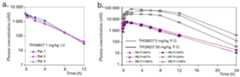 Fig. 2.
PK curves for TM38837 in Han–Wistar rat. (a) TM38837 sodium salt 1 mg/kg i.v. (b) TM38837 sodium salt 5 mg/kg (R4-6) and 50 mg/kg (R7-9) p.o. 4. PK, Pharmacokinetics.
| Han–Wistar rat | C57BL/6J mouse | |||
| 1 mg/kg TM38837 i.v. (sodium salt) | 5 mg/kg TM38837 p.o. (sodium salt) | 50 mg/kg TM38837 p.o. (sodium salt) | 10 mg/kg TM38837 p.o. (free acid) | |
| Formulation | Solution | Suspension | Suspension | Solution |
| 10% NMP/20% solutol | 1% HPMC/0.1% Tween 80 | 1% HPMC/0.1% Tween 80 | 10% Gelucire | |
| Cmax (nM) | 5381 | 45,915 | 19,185 | |
| Tmax (h) | 1 | 4 | 1 | |
| T1/2 (h) | 2.1 | 2.4 | 2.0 | 3.6–6.0 |
| MRT (h) | 3.2 | 4.4 | 6.9 | |
| Cl (mL/min/kg) | 2.3 | |||
| Vdss (L/kg) | 0.44 | |||
| AUCinf (nM×h) | 12,227 | 28,992 | 548,729 | 77,721 |
| F (%) | 61 | 116 | Unknown | |
Abbreviations: Cmax, maximum plasma concentration; Tmax, time to Cmax; T1/2, plasma half-life; MRT, mean residence time; Cl, clearance; Vdss, volume of distribution at steady state; AUCinf, AUC extrapolated to infinity; F, bioavailability.
Daily dosing with 1, 3, and 10 mg/kg TM38837 p.o. for 5 weeks produced significant dose-dependent decreases in body weight, when compared to the vehicle-treated controls (Fig.3a), whilst rimonabant (10 mg/kg p.o.) reduced body weight by a similar amount as the 10 mg/kg dose of TM38837. Notably, TM38837 treatment produced a smaller initial decrease in food intake than for rimonabant (Fig.3b) with differences in daily food intake between vehicle, rimonabant, and TM38837-treated rats becoming not significant by the end of the study. The observed reduction in body weight after chronic treatment with TM38837 and rimonabant was mirrored by a reduction in fat pad weights (Fig.3c), whilst there was no significant difference between treatment groups in liver weights relative to total body weights (Fig.3d).
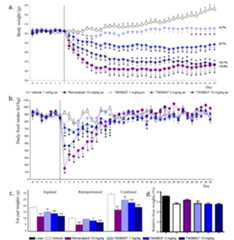 Fig. 3.
Effects of chronic TM38837 and rimonabant administration in DIO rats. (a) Effect on body weight. Values are means (adjusted for differences between body weights of the different treatment groups at baseline (Day 1))
From the examination of the H&E-stained liver sections (Fig.4a), as expected, a higher content of fat was seen in the livers from obese vehicle-treated rats than in the livers from 2 lean control rats, although no fat was observed in sections from two obese vehicle-treated rats. A tendency towards reduced liver fat was evident when comparing TM38837-treated rats with those treated with vehicle or rimonabant, although the difference was not statistically significant. However, liver sections stained with Sudan Black (Fig.4b), for the identification of lipids in parenchymal cells, had very little consistency with the results obtained by H&E grading, with high levels of fat even observed in the two lean rats.
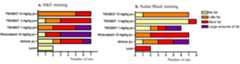 Fig. 4.
Liver histology: grading of fat content from H&E and Sudan Black staining. Formalin-fixed sections from livers, collected 24 h after the last dose, were stained with (a) H&E or (b) Sudan Black and graded for liver fat content by a blinded pathologist. Grading was performed on two sections from each liver, and the result with the highest fat content recorded in each case.
From the plasma parameter analysis (Fig.5), a dose-dependent reduction in plasma leptin was observed for TM38837-treated animals, but no other statistically significant effects were observed, although TM38837 tended to decrease insulin and glycerol plasma levels at the high dose. No sign of liver toxicity was observed for rats treated with TM38837, as indicated by a lack of increase in the liver injury markers ALT and AST.
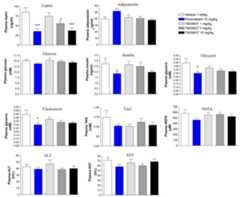 Fig. 5.
Effect of chronic TM38837 and rimonabant administration on various plasma parameters in DIO rats. Results are means (adjusted for differences between the treatment groups in body weight at baseline (Day 1) and bleeding order
Plasma analysis indicated higher exposure of TM38837 than rimonabant on Day 34 whilst tissue homogenate analysis for TM38837 showed very low brain and high liver exposure (approximately 1% and 300% of plasma concentration, respectively) on Day 1 (Fig.6). There was no evidence for accumulation with similar plasma and brain levels observed between the first and last days of the study.
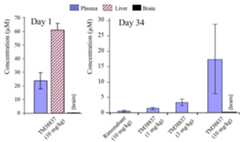 Fig. 6.
Plasma and tissue exposure of TM38837 and rimonabant in the DIO rat study. N.B. Plasma and tissue samples were collected 3 h post-dose on the indicated days.
cFOS immunopositive cell counts following drug or vehicle treatment are presented graphically in Fig.7a. Consistent with previously published findings, rimonabant was shown to induce cFOS in all areas investigated [29]. Conversely, a similar response was not observed for TM38837. The therapeutically effective dose of TM38837 in rats (10 mg/kg) and a 3-fold higher dose (30 mg/kg) did not lead to significantly increased numbers of cFOS-positive nuclei in any of the areas investigated. However, the highest dose of TM38837 (100 mg/kg) significantly increased cFOS in a manner comparable to rimonabant in some of the areas (i.e., the prefrontal cortex, nucleus accumbens shell, the anterior part of the bed nucleus of stria terminalis as well as in the caudal part of the solitary tract nucleus). Drug plasma concentrations (Fig.7b) for TM38837 (10 and 30 mg/kg) were roughly consistent with expected Cmax values based upon preliminary PK studies; but were more variable for TM38837 (100 mg/kg), potentially due to delayed or variable absorption. Overall, this study indicated a lack of neuronal activation in the CNS induced by therapeutic doses of TM38837 and a different pattern at high doses compared with rimonabant.
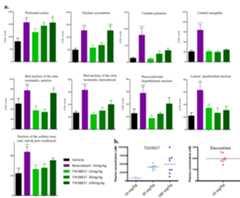 Fig. 7.
Effects of different TM38837 doses and rimonabanton cFOS counts within selected brain regions. (a) cFOS nuclei. Statistical analysis: one-way ANOVA, Tukey’s multiple comparison test (p
As expected, obese vehicle-treated Zucker rats gained markedly more weight and consumed more food over the 8-week treatment period than the lean Zucker rats (Fig.8a). Meanwhile, obese rats treated with TM38837 (3 and 10 mg/kg) demonstrated a significantly lower total weight gain by the end of the study than the obese vehicle-treated rats. In contrast, no significant differences in total weight gain were seen between obese control rats and the pair-fed group to TM38837 (10 mg/kg), indicating a food intake independent effect of TM38837 on weight gain. Treatment with the high dose of rimonabant (30 mg/kg) induced a more marked reduction in total weight gain than for the TM38837-treated animals, and a much more prominent decrease in food intake during the initial week of the study. TM38837 treatment reduced food intake throughout the course of the study, but the effect was only significant in the first week (Fig.8b). In contrast to previous DIO rodent studies, the food intake of rimonabant-treated Zucker rats was significantly lower than that of obese vehicle-treated rats during almost the entire study. However, the dose of rimonabant was much higher than that used in the DIO studies (30 mg/kg vs. 10 mg/kg, respectively). As was observed for TM38837, the group pair-fed to rimonabant gained more weight than the rimonabant-treated group.
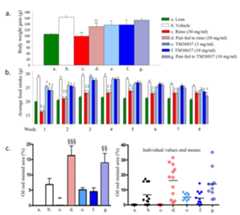 Fig. 8.
Effects of 8 weeks of TM38837 and rimonabant treatments on body weight gain, insulin levels, and hepatic steatosis in obese Zucker rats. (a) Body weight gain. (b) Average food intake. For (a,b), values for obese animals are adjusted mean
The results of the Oil Red staining are presented as a bar chart and as individual values in Fig.8c. As expected, the lean rats had normal livers with no observed steatosis, whereas the obese vehicle-treated rats had developed hepatic steatosis to various degrees, including three that had no steatosis. A reduction in the stained area was evident for TM38837-treated rats compared to vehicle-treated rats, although this difference was not statistically significant. However, the groups pair-fed to TM38837 and rimonabant had both developed a significantly higher degree of steatosis than their drug-treated counterparts.
Plasma marker analysis at the end of the study demonstrated a significant decrease in hyperinsulinemia in obese Zucker rats treated with TM38837 (10 mg/kg), which was not observed in animals pair-fed to TM38837 (10 mg/kg) (Fig.9). No other statistically significant effects were found for TM38837, although the plasma glycerol and ALT levels were significantly lower than those of the pair-fed rats. The reported reduction in plasma triglycerides by rimonabant treatment at 30 mg/kg was reproduced in this study, but not the published decrease in plasma ALT and TNF-alpha [23]. However, it is worth noting that the obese control rats did not exhibit higher plasma TNF-alpha levels compared to the lean rats in this study.
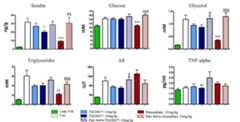 Fig. 9.
Plasma parameters in obese Zucker rats following 8 weeks of TM38837 and rimonabant treatments. Values are simple mean
No significant differences were found between groups for the area under the curve above baseline (AUCB2) of plasma glucose, insulin or glycerol after acute treatment with vehicle or test compounds, except for the high TM38837 dose (30 mg/kg) which demonstrated a significant reduction in plasma AUCB2Insulin (Fig.10a). However, whilst no significant differences in glucose or glycerol AUCB2 were found between rats chronically treated with TM38837 and vehicle, TM38837 (10 and 30 mg/kg) and rimonabant both induced highly significant reductions in AUCB2Insulin compared with vehicle treatment (Fig.10b). As in previous experiments, both TM38837 and rimonabant-treated animals showed highly significant reductions in weight gain that, unlike in the previous study, were replicated in the pair-fed animals (Fig.10c). In contrast, animals treated with pioglitazone showed a marked increase in weight gain although effects on glucose tolerance and hyperinsulinemia were markedly greater. No significant differences were found between the pair-fed and vehicle control groups with respect to either plasma glucose or insulin levels, indicating that the reduction in food intake (or weight gain) was not the main reason for changes to insulin levels following chronic TM38837 or rimonabant treatment.
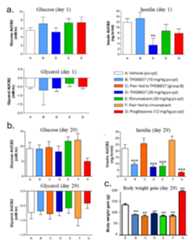 Fig. 10.
Effects of chronic (4 weeks) TM38837 and rimonabant administration on glycemic control in obese Zucker rats. (a) Plasma glucose, glycerol, and insulin AUCB2 (0–240 min) on Day 1. (b) Plasma glucose, glycerol, and insulin AUCB2 (0–240 min) on Day 29. For (a,b), the glucose challenge was 120 min after compound dosing. Values are adjusted mean
For clarity, details, and key findings for allin vivo studies have been summarized in Table2.
| Study | Rats used (n per dose) | TM38837 doses, mg/kg (route) | Control groups (dose, mg/kg) | Key findings (dose, mg/kg) |
| PK | Lean Han–Wistar (3) | 1 (i.v.), 5, and 50 (p.o.) | Acceptable bioavailability and scaling, but variable exposure at 50 mg/kg p.o. | |
| Rat DIO | Obese Han–Wistar (10) | 1, 3, and 10 (p.o.) | Vehicle | Similar weight loss for TM38837 (10) and rimonabant treatments (10). |
| Rimonabant (10) | Non-significant reductions in steatosis and plasma parameters (except leptin) | |||
| cFOS induction | Spraque Dawley (8) | 10, 30, and 100 (p.o.) | Vehicle | Non-significant cFOS induction following TM38837 treatment (10 and 30) in any brain area, unlike for rimonabant (10). Variable exposure for TM38837 (100). |
| Rimonabant (10) | ||||
| Effects on hepatic steatosis | Obese Zucker (12) | 3 and 10 (p.o.) | Vehicle | Significant reduction in body weight gain for TM38837 (10) but less than for rimonabant (30). Significant reduction from TM38837 in steatosis versus pair-fed groups and rimonabant, but high variability for steatosis in pair-fed groups. Significant reductions in insulin levels and steatosis were observed following rimonabant treatment compared to the vehicle. |
| Pair-fed to TM38837 (10) | ||||
| Rimonabant (30) | ||||
| Pair-fed to rimonabant (30) | ||||
| Lean Zucker (12) | Vehicle | |||
| Effects on glucose control | Obese Zucker (8 or 9) | 10 and 30 (p.o.) | Vehicle | Significant reductions in insulin AUCB2 and body weight gain for TM38837 (10 and 30) and rimonabant treatments versus vehicle and pair-fed controls. Significant reduction in insulin AUCB2 but increased body weight gain for pioglitazone. |
| Pair-fed to TM38837 (10) | ||||
| Rimonabant (30) | ||||
| Pair-fed to rimonabant (30) | ||||
| Pioglitazone (12) |
In the rat DIO experiment reported herein, consistent with the mouse DIO data [16], a dose-dependent reduction in body weight of similar magnitude to rimonabant at an equivalent dose was observed for TM38837. Also consistently with the mouse study, the weight reduction was associated with a reduction in food intake that, although less than for rimonabant during the first week, was sustained throughout the duration of the study. Although the daily reduction in food intake was not significant compared to vehicle treated animals in the latter part of the study, it is likely that the cumulative reduction on a weekly basis was significant (as was observed in the DIO mouse) and was the main driver of the body weight reduction. It is likely that the body weight reduction was largely due to a loss in fat mass, as was evident from the dose dependent reductions in fat pad mass and leptin. The observation that statistical significance was not reached for any other plasma parameter, as may have been expected due to reduced body weight, may be a consequence of insufficient study duration and/or insufficient exposure. It should be noted that in DIO mice, for which reductions in glucose, insulin, cholesterol, ALT and AST were also observed [16], a solution formulation was used as opposed to the suspension used in this study and weight loss was greater for both TM38837 and rimonabant. Perhaps more significantly, the suspension formulation may have produced more variable drug exposure than the solution formulation, particularly at the higher doses, which is evident from the 50 mg/kg dose in the PK study (Fig.2) and from the variability of the measured plasma levels from the 10 mg/kg dose in the DIO rat study (Fig.6). However, it may also be because the rats were still increasing weight at the start of the dosing period.
Plasma and brain tissue samples taken at the start and end of the rat DIO study confirmed the lack of CNS exposure, with the measured brain levels typically about 1% of plasma levels and presumably at least partially due to plasma contamination of the brain homogenates. Further evidence of limited CNS exposure came from immunohistochemical analysis of c-Fos in rat brains, conducted in a separate experiment in lean rats, whereby the lack of significant increases in positive nuclei following efficacious 10 and 30 mg/kg doses of TM38837 was in stark contrast to the increases observed following a 10 mg/kg dose of rimonabant. This lack of c-Fos induction for TM38837 included areas of relevance for the central side effects of brain penetrant CB1 antagonists as well as hypothalamic and brain stem areas of relevance for appetite regulation. Nevertheless, it should be noted that, as in the previous study, exposure from the top (100 mg/kg) dose was highly variable. Additionally, there are potential ambiguities when extrapolating between these acute studies in lean rats to chronic studies in obese animals. Firstly, exposure may be greater in obese animals, as was observed in mice [16], and secondly, the rate of distribution may be different between test compounds leading to Cmax in brain regions occurring at different timepoints post dose and the possibility of accumulation upon repeat dosing. The use of a different rat strain (Sprague Dawley as opposed to Han Wistar used in the DIO study) is another confounding factor which could lead to exposure differences between the studies. However, measured plasma levels for TM38837 in the DIO study were broadly in line with those from PK in lean Han Wistar rats. Also, exposure in the c-Fos study at the 30 mg/kg dose (at which induction was not significant) was higher than for the top dose in the rat DIO study, both determined 3 hours post dose which was assumed to be close to Tmax based upon PK data (Fig.2). Additionally, there was no increase in plasma levels, for animals receiving the TM38837 10 mg/kg dose, between Day 1 and Day 34. This was consistent with PK data in lean animals which showed very low levels 24 h post dose and therefore minimal expected accumulation upon repeat dosing. Thus, the data from the DIO and c-Fos studies taken together indicate that the weight loss induced by TM38837 was mediated by peripheral receptors. The high liver levels observed for TM38837 in the DIO study are consistent with hepatic uptake and these data support the hypothesis that targeted inhibition of CB1R in hepatocytes drives TM38837-induced weight loss.
In addition to weight loss, other clinical benefits may be expected for TM38837 as a liver-targeted CB1R inverse agonist, in particular potential effectiveness in NAFLD (or other liver pathologies) and/or diabetes, as suggested by reduced hepatic steatosis associated with improved glucose homeostasis in animal studies [30,31]. However, the staining of liver slices was ambiguous regarding effects on hepatic steatosis, despite the substantial weight loss for animals in the drug-treated groups [32]. The absence of steatosis in some vehicle-treated animals and large amounts of steatosis in some of the rimonabant-treated animals, as indicated by the H&E staining, was unexpected. Furthermore, the large amount of fat observed in the liver sections from two lean rats stained with Sudan Black made the results from this procedure highly questionable. In addition, there was very little correspondence between the grading from the H&E and Sudan Black staining on individual rats. An Oil Red O fat staining may have been more appropriate for steatosis evaluation but was not possible as the tissue was formalin fixed rather than cryo-preserved as would have been necessary. Meanwhile, other confounding factors may have contributed to a lack of statistical significance including variability between rats in the extent of steatosis induced by the high-fat diet prior to drug treatment, variable exposure and/or insufficient doses of test substances or study duration, and the analysis protocol, which was subjective in terms of fat measurement.
Therefore, otherin vivo models were considered with a focus on obese Zucker rats, in which a reversal of hepatic steatosis had previously been demonstrated upon treatment with rimonabant [23]. Also, rimonabant treatment had been shown to reduce body weight in these rats, and the similarities between rimonabant-treated and pair-fed animals suggested this was driven by a drug-induced reduction in food intake [33]. Furthermore, obese Zucker rats were also known to develop insulin resistance and hyperglycemia with similarities to human T2 diabetes and could, thus, with the inclusion of pair-fed groups, be considered a potentially useful model for predicting the clinical effectiveness of TM38837 independent of effects on body weight [34].
Weight loss due to TM38837 in obese Zucker rats was less pronounced than in the rat DIO experiment, and, for both TM38837 and rimonabant, there appeared to be a component that was independent of food intake. Body weight reduction independent of food intake has been reported for the peripherally restricted CB1R antagonist BPR0912 in DIO mice, which was attributed to thermogenic effects and modulation of protein and gene expression patterns in WAT and brown adipose tissue (BAT) [35]; however, body weight reductions in wild-type mice and rats induced by TM38837 were associated with corresponding reductions in food intake. Regarding steatosis, whilst the reduction in hepatic steatosis following chronic dosing with TM38837 to obese Zucker rats was not statistically significant compared to vehicle-treated animals, it was highly significant when compared to pair-fed animals, both for TM38837 and rimonabant-treated animals. Increased hepatic steatosis is a known consequence of restricting food intake in obese Zucker rats [36]. It has been demonstrated that a 30% food deprivation for 12 weeks disturbs liver fat metabolism in obese Zucker rats, leading to the development of more severe hepatic steatosis [37]; whereas, a significant increase in hepatic steatosis was also observed upon a smaller food deprivation in rats pair-fed to TM38837. Thus, it may be implied that there was a drug-specific effect for TM38837 (and rimonabant) which was to inhibit the development of severe steatosis associated with reduced food intake in obese Zucker rats. However, it should be noted that a limitation with this study arises from the variability in the extent of steatosis in some groups, with little or no liver fat observed in some of the vehicle-treated rats. This may have been due to the sampling of the dissected lobes, which assumes that steatosis is homogeneous throughout the liver, and the crude method of grading steatosis from mild to severe. Nevertheless, the reported reduction in hepatic steatosis by a high dose (i.e., 30 mg/kg) of rimonabant was reproduced in this study [23], although a higher dose of TM38837 may be necessary to achieve a similarly significant effect. Alternatively, there may have been an additional peripheral component, such as increased plasma adiponectin [38], which contributed to the observed effect for rimonabant but not for TM38837. Additionally, the beneficial effects of TM38837 on liver inflammation were indicated by significantly reduced levels of the stress marker ALT relative to pair-fed animals; but, more data showing effects on other symptoms of non-alcoholic steatohepatitis (NASH), particularly fibrosis, are not currently available.
A significant reduction in insulin levels was observed in obese Zucker rats treated with TM38837 (10 mg/kg) for 8 weeks, although this effect was less pronounced than that observed with the higher dose of rimonabant. Thus, lower plasma insulin levels were required to maintain similar or lower plasma glucose levels, indicating improvements in insulin resistance. This effect was not observed for pair-fed animals, implying a drug-induced effect on insulin resistance that was not linked to reduced food intake. A similar picture emerged from Zucker rats following 4 weeks of drug treatment with TM38837 (10 and 30 mg/kg) and rimonabant (10 mg/kg), whereby highly significant reductions in AUCB2Insulin following a glucose load were observed compared to pair-fed animals. Again, results for pair-fed animals indicated that the reduced food intake (or body weight) was not the main reason for changes in glucose metabolism. However, the reduced AUCB2Insulin level following acute dosing with 30 mg/kg TM38837 appears anomalous, as similar reductions were not observed in other treatment groups, which highlights the possibility of ambiguous results due to potential confounding factors, such as the variability in exposure observed for higher TM38837 doses. Unlike in the previous experiment, body weight gain was equivalent in drug-treated and pair-fed groups. Thus, based upon these studies it is ambiguous as to whether weight loss induced by TM38837 in obese Zucker rats is driven by reduced food intake as was the case for obese Han Wistar rats.
Overall, these data demonstrate that selective inhibition of peripheral CB1R has a food intake independent beneficial effect on insulin sensitivity, comparable to that of global CB1R inhibition, in an animal model of insulin resistance. Activation of CB1R in hepatocytes has been linked to increased activation of cAMP-response element binding protein H (CREBH) [39], leading to gluconeogenesis and insulin resistance thereby increasing plasma glucose [40]. Given the role of the liver in maintaining circulating glucose levels [41], such a response by hepatocytes would be logical in the event of chronic ATP depletion, as this would normally be synonymous with prolonged food deprivation [42]. However, chronic ATP depletion in hepatocytes is also observed in obese subjects [43], which could largely be a consequence of the switch from fatty acid oxidation to lipogenesis driven by CB1R upregulation [44], and a possible cause of increased food intake [45]. Thus, disturbances in glucose homeostasis, associated with increased CREBH activity, could in part be an indirect effect of hepatic CB1R upregulation linked to changes in cellular energy status. However, although TM38837 has high exposure in hepatocytes, it is not clear from these data to what extent this contributes to the observed reductions in insulin which may be at least partially attributable to CB1R inhibition in other organs—particularly pancreas, muscle and adipose tissue [46]. Nevertheless, these observations potentially have great significance regarding clinical management of T2 diabetes as drug induced weight loss by targeted blockade of hepatic CB1R might be expected to add to any direct improvements in insulin resistance [47]. This contrasts with many current therapies which are associated with weight gain in T2 diabetics including meglitinides, thiazolidines (e.g., pioglitazone), sulfonyl ureas and insulin supplementation [48]. Thus, selective inhibition of peripheral CB1R by a liver targeted compound such as TM38837 is potentially a very attractive strategy for treatment of insulin resistance and early T2 diabetes that is likely to be accompanied by other favourable effects, notably weight loss and improvements in NAFLD, with a high likelihood of achieving satisfactory safety margins with respect to CNS side-effects. Liver targeted CB1R inverse agonists may also have benefit in a host of chronic liver diseases (CLDs) in which the endocannabinoid system is known to be dysregulated [49]. However, as such compounds are targeted specifically at hepatocytes, efficacy may be limited due to lower exposure in other cell types, including Kupffer cells and hepatic stellate cells, that drive inflammation and fibrosis respectively in CLD [50]. Nevertheless, the development of steatosis is considered to be an early step in the pathogenesis of more advanced liver diseases, such as NASH [51], and there is therefore potential clinical utility in drugs, such as TM38837, which may effectively reduce steatosis with minimal side-effects.
The considerable weight loss, comparable to that of an equivalent dose of rimonabant, previously reported for the hepatotropic peripheral CB1R inverse agonist TM38837 in DIO mice [13,14], was replicated in DIO rats. In a subsequent study in lean rats, unlike rimonabant, TM38837 did not increase cFOS counts in any brain region at the highest dose used in this DIO study, indicating a strongly contrasting distribution profile between the two compounds in rats. However, statistically significant reductions in liver fat and obesity-related plasma parameters (except leptin) were not observed for TM38837 in this DIO study. This was somewhat surprising, in view of the magnitude of weight loss observed, and likely reflected the experimental design in terms of drug doses and formulation, study duration, group sizes, and specific analytical methods used (in the case of liver fat measurement). Nevertheless, chronic studies in obese Zucker rats indicated significant effects on liver fat and glucose homeostasis, compared to pair-fed control groups, which indicate additional potential weight loss-independent benefits of TM38837 for the treatment of steatosis and insulin resistance/T2D in obese subjects, without the CNS liabilities associated with brain-penetrant CB1R inverse agonists such as rimonabant. Further studies with TM38837 in animal models of T2D, NASH, and other chronic liver diseases are warranted to strengthen the data presented herein and fully evaluate the clinical potential of liver-targeted CB1R inverse agonists.
The data sets generated and analyzed during the current study are not publicly available due to reasons of confidentiality but are available from the corresponding author on reasonable request.
MC contributed to study design, interpretation of data and drafted the manuscript. PN and GA designed the research studies and analysed data. J-ML coordinated PK studies. TH, PL, J-MR and CE have contributed to analysis and interpretation of data. All authors read and approved the final manuscript. All authors have participated sufficiently in the work and agreed to be accountable for all aspects of the work. All authors contributed to editorial changes in the manuscript.
Allin vivo studies were outsourced to fully accredited contract research organizations (CROs) and conducted according to European Pharmaceutical animal welfare requirements. The 5-week DIO study (including PK) and studies in obese Zucker rats (RenaSci, Nottingham UK) were licensed under PPL 40/2770 (2005–2009) and PPL 40/2846 (2009–2013) respectively, issued by the UK Home Office, and conducted in accordance with guidelines set out in the Animals (Scientific Procedures) Act 1986. The cFOS induction study GUS2010-002-7TM (Gubra, Hørsholm, Denmark) ran under license 2008/561-1565 issued by the Danish Council for Animal Research in 2008.
The authors would like to thank Tina Gustafsson and Ann Christensen for excellent technical support with tissue analyses as well as our CRO collaborators (at RenaSci and Gubra) for hard work, expert advice and guidance in the design of studies and interpretation of data.
This research received no external funding.
All authors declare no conflicts of interest. Although all authors are affiliated with 7TM Pharma, the data interpretation and manuscript preparation were conducted independently and were not influenced by this affiliation.
References
- [1]
Di Marzo V, Goparaju SK, Wang L, Liu J, Bátkai S, Járai Z,et al. Leptin-regulated endocannabinoids are involved in maintaining food intake. Nature. 2001; 410: 822–825. https://doi.org/10.1038/35071088. - [2]
Christensen R, Kristensen PK, Bartels EM, Bliddal H, Astrup A. Efficacy and safety of the weight-loss drug rimonabant: a meta-analysis of randomised trials. Lancet. 2007; 370: 1706–1713. https://doi.org/10.1016/S0140-6736(07)61721-8. - [3]
Waterlow M, Chrisp P. Rimonabant: the evidence for its use in the treatment of obesity and the metabolic syndrome. Core Evidence. 2007; 2: 173–187. - [4]
Rosenstock J, Hollander P, Chevalier S, Iranmanesh A, SERENADE Study Group. SERENADE: the Study Evaluating Rimonabant Efficacy in Drug-naive Diabetic Patients: effects of monotherapy with rimonabant, the first selective CB1 receptor antagonist, on glycemic control, body weight, and lipid profile in drug-naive type 2 diabetes. Diabetes Care. 2008; 31: 2169–2176. https://doi.org/10.2337/dc08-0386. - [5]
Després JP, Ross R, Boka G, Alméras N, Lemieux I, ADAGIO-Lipids Investigators. Effect of rimonabant on the high-triglyceride/ low-HDL-cholesterol dyslipidemia, intraabdominal adiposity, and liver fat: the ADAGIO-Lipids trial. Arteriosclerosis, Thrombosis, and Vascular Biology. 2009; 29: 416–423. https://doi.org/10.1161/ATVBAHA.108.176362. - [6]
Christopoulou FD, Kiortsis DN. An overview of the metabolic effects of rimonabant in randomized controlled trials: potential for other cannabinoid 1 receptor blockers in obesity. Journal of Clinical Pharmacy and Therapeutics. 2011; 36: 10–18. https://doi.org/10.1111/j.1365-2710.2010.01164.x. - [7]
Tam J, Hinden L, Drori A, Udi S, Azar S, Baraghithy S. The therapeutic potential of targeting the peripheral endocannabinoid/CB1 receptor system. European Journal of Internal Medicine. 2018; 49: 23–29. https://doi.org/10.1016/j.ejim.2018.01.009. - [8]
Maccarrone M, Bab I, Bíró T, Cabral GA, Dey SK, Di Marzo V,et al. Endocannabinoid signaling at the periphery: 50 years after THC. Trends in Pharmacological Sciences. 2015; 36: 277–296. https://doi.org/10.1016/j.tips.2015.02.008. - [9]
Engeli S. Dysregulation of the endocannabinoid system in obesity. Journal of Neuroendocrinology. 2008; 20: 110–115. https://doi.org/10.1111/j.1365-2826.2008.01683.x. - [10]
Di Marzo V. The endocannabinoid system in obesity and type 2 diabetes. Diabetologia. 2008; 51: 1356–1367. https://doi.org/10.1007/s00125-008-1048-2. - [11]
Lee YH, Tharp WG, Dixon AE, Spaulding L, Trost S, Nair S,et al. Dysregulation of cannabinoid CB1 receptor expression in subcutaneous adipocytes of obese individuals. Animal Cells and Systems. 2009; 13: 371–379. https://doi.org/10.1080/19768354.2009.9647232. - [12]
Cinar R, Iyer MR, Kunos G. The therapeutic potential of second and third generation CB1R antagonists. Pharmacology & Therapeutics. 2020; 208: 107477. https://doi.org/10.1016/j.pharmthera.2020.107477. - [13]
O’Sullivan SE, Yates AS, Porter RK. The Peripheral Cannabinoid Receptor Type 1 (CB1) as a Molecular Target for Modulating Body Weight in Man. Molecules. 2021; 26: 6178. https://doi.org/10.3390/molecules26206178. - [14]
Quarta C, Cota D. Anti-obesity therapy with peripheral CB1 blockers: from promise to safe(?) practice. International Journal of Obesity. 2020; 44: 2179–2193. https://doi.org/10.1038/s41366-020-0577-8. - [15]
Mutlu B, Puigserver P. Controversies surrounding peripheral cannabinoid receptor 1 in fatty liver disease. The Journal of Clinical Investigation. 2021; 131: e154147. https://doi.org/10.1172/JCI154147. - [16]
Cooper ME, Nørregaard PK, Högberg T, Andersson G, Receveur JM, Linget JM,et al. Efficacy in diet-induced obese mice of the hepatotropic, peripheral cannabinoid 1 receptor inverse agonist TM38837. British Journal of Pharmacology. 2024; 181: 3926–3943. https://doi.org/10.1111/bph.16401. - [17]
Högberg T, Receveur JM, Murray A, Linget JM, Nørregaard PK, Little PB,et al. Optimizing and characterizing 4-methyl substituted pyrazol-3-carboxamides leading to the peripheral cannabinoid 1 receptor inverse agonist TM38837. Bioorganic & Medicinal Chemistry Letters. 2024; 98: 129572. https://doi.org/10.1016/j.bmcl.2023.129572. - [18]
Grimsey NL, Graham ES, Dragunow M, Glass M. Cannabinoid Receptor 1 trafficking and the role of the intracellular pool: implications for therapeutics. Biochemical Pharmacology. 2010; 80: 1050–1062. https://doi.org/10.1016/j.bcp.2010.06.007. - [19]
Khan N, Laudermilk L, Ware J, Rosa T, Mathews K, Gay E,et al. Peripherally Selective CB1 Receptor Antagonist Improves Symptoms of Metabolic Syndrome in Mice. ACS Pharmacology & Translational Science. 2021; 4: 757–764. https://doi.org/10.1021/acsptsci.0c00213. - [20]
Kunos G, Tam J. The case for peripheral CB1 receptor blockade in the treatment of visceral obesity and its cardiometabolic complications. British Journal of Pharmacology. 2011; 163: 1423–1431. https://doi.org/10.1111/j.1476-5381.2011.01352.x. - [21]
Sink KS, Segovia KN, Sink J, Randall PA, Collins LE, Correa M,et al. Potential anxiogenic effects of cannabinoid CB1 receptor antagonists/inverse agonists in rats: comparisons between AM4113, AM251, and the benzodiazepine inverse agonist FG-7142. European Neuropsychopharmacology. 2010; 20: 112–122. https://doi.org/10.1016/j.euroneuro.2009.11.002. - [22]
Aleixandre de Artiñano A, Miguel Castro M. Experimental rat models to study the metabolic syndrome. The British Journal of Nutrition. 2009; 102: 1246–1253. https://doi.org/10.1017/S0007114509990729. - [23]
Gary-Bobo M, Elachouri G, Gallas JF, Janiak P, Marini P, Ravinet-Trillou C,et al. Rimonabant reduces obesity-associated hepatic steatosis and features of metabolic syndrome in obese Zucker fa/fa rats. Hepatology. 2007; 46: 122–129. https://doi.org/10.1002/hep.21641. - [24]
Lindborg KA, Jacob S, Henriksen EJ. Effects of Chronic Antagonism of Endocannabinoid-1 Receptors on Glucose Tolerance and Insulin Action in Skeletal Muscles of Lean and Obese Zucker Rats. Cardiorenal Medicine. 2011; 1: 31–44. https://doi.org/10.1159/000322826. - [25]
Kotagiri VK, Suthrapu S, Mukunda Reddy J, Prasad Rao C, Bollugoddu V, Bhattacharya A,et al. An Improved Synthesis of Rimonabant: Anti-Drug. Organic Process Research and Development. 2007; 115: 910–912. https://doi.org/10.1021/op700110b. - [26]
Cooper ME, Receveur JM, Hoegberg T, Nielsen PA, Linget JM, Noeregaard PK,et al, inventors; WALLS AJ, assignee. CB1 Receptor Modulators. PCT International Application. UK: WO 2008/075012. 26 June 2008. - [27]
Wu J, Cai Y, Wu X, Ying Y, Tai Y, He M. Transcardiac Perfusion of the Mouse for Brain Tissue Dissection and Fixation. Bio-Protocol. 2021; 11: e3988. https://doi.org/10.21769/BioProtoc.3988. - [28]
Mikkelsen JD, Vrang N, Mrosovsky N. Expression of Fos in the circadian system following nonphotic stimulation. Brain Research Bulletin. 1998; 47: 367–376. https://doi.org/10.1016/s0361-9230(98)00121-x. - [29]
Alonso R, Voutsinos B, Fournier M, Labie C, Steinberg R, Souilhac J,et al. Blockade of cannabinoid receptors by SR141716 selectively increases Fos expression in rat mesocorticolimbic areas via reduced dopamine D2 function. Neuroscience. 1999; 91: 607–620. https://doi.org/10.1016/s0306-4522(98)00675-7. - [30]
Dibba P, Li A, Cholankeril G, Iqbal U, Gadiparthi C, Khan MA,et al. Mechanistic Potential and Therapeutic Implications of Cannabinoids in Nonalcoholic Fatty Liver Disease. Medicines. 2018; 5: 47. https://doi.org/10.3390/medicines5020047. - [31]
Gruden G, Barutta F, Kunos G, Pacher P. Role of the endocannabinoid system in diabetes and diabetic complications. British Journal of Pharmacology. 2016; 173: 1116–1127. https://doi.org/10.1111/bph.13226. - [32]
Koutoukidis DA, Koshiaris C, Henry JA, Noreik M, Morris E, Manoharan I,et al. The effect of the magnitude of weight loss on non-alcoholic fatty liver disease: A systematic review and meta-analysis. Metabolism. 2021; 115: 154455. https://doi.org/10.1016/j.metabol.2020.154455. - [33]
Thornton-Jones ZD, Kennett GA, Benwell KR, Revell DF, Misra A, Sellwood DM,et al. The cannabinoid CB1 receptor inverse agonist, rimonabant, modifies body weight and adiponectin function in diet-induced obese rats as a consequence of reduced food intake. Pharmacology, Biochemistry, and Behavior. 2006; 84: 353–359. https://doi.org/10.1016/j.pbb.2006.06.001. - [34]
Leonard BL, Watson RN, Loomes KM, Phillips ARJ, Cooper GJ. Insulin resistance in the Zucker diabetic fatty rat: a metabolic characterisation of obese and lean phenotypes. Acta Diabetologica. 2005; 42: 162–170. https://doi.org/10.1007/s00592-005-0197-8. - [35]
Hsiao WC, Shia KS, Wang YT, Yeh YN, Chang CP, Lin Y,et al. A novel peripheral cannabinoid receptor 1 antagonist, BPR0912, reduces weight independently of food intake and modulates thermogenesis. Diabetes, Obesity & Metabolism. 2015; 17: 495–504. https://doi.org/10.1111/dom.12447. - [36]
Chanussot F, Ulmer M, Ratanasavanh R, Max JP, Debry G. Influence of diet composition on obesity, hyperlipemia and liver steatosis in Zucker fa/fa rats pair-fed with Zucker Fa/- rats. International Journal of Obesity. 1984; 8: 259–270. - [37]
Kurosaka Y, Shiroya Y, Yamauchi H, Kaneko T, Okubo Y, Shibuya K,et al. Effects of habitual exercise and dietary restriction on intrahepatic and periepididymal fat accumulation in Zucker fatty rats. BMC Research Notes. 2015; 8: 121. https://doi.org/10.1186/s13104-015-1063-6. - [38]
Tam J, Godlewski G, Earley BJ, Zhou L, Jourdan T, Szanda G,et al. Role of adiponectin in the metabolic effects of cannabinoid type 1 receptor blockade in mice with diet-induced obesity. American Journal of Physiology. Endocrinology and Metabolism. 2014; 306: E457–E468. https://doi.org/10.1152/ajpendo.00489.2013. - [39]
Chanda D, Kim DK, Li T, Kim YH, Koo SH, Lee CH,et al. Cannabinoid receptor type 1 (CB1R) signaling regulates hepatic gluconeogenesis via induction of endoplasmic reticulum-bound transcription factor cAMP-responsive element-binding protein H (CREBH) in primary hepatocytes. The Journal of Biological Chemistry. 2011; 286: 27971–27979. https://doi.org/10.1074/jbc.M111.224352. - [40]
Lee MW, Chanda D, Yang J, Oh H, Kim SS, Yoon YS,et al. Regulation of hepatic gluconeogenesis by an ER-bound transcription factor, CREBH. Cell Metabolism. 2010; 11: 331–339. https://doi.org/10.1016/j.cmet.2010.02.016. - [41]
Sharabi K, Tavares CDJ, Rines AK, Puigserver P. Molecular pathophysiology of hepatic glucose production. Molecular Aspects of Medicine. 2015; 46: 21–33. https://doi.org/10.1016/j.mam.2015.09.003. - [42]
Berglund ED, Lee-Young RS, Lustig DG, Lynes SE, Donahue EP, Camacho RC,et al. Hepatic energy state is regulated by glucagon receptor signaling in mice. The Journal of Clinical Investigation. 2009; 119: 2412–2422. https://doi.org/10.1172/jci38650. - [43]
Nair S, P Chacko V, Arnold C, Diehl AM. Hepatic ATP reserve and efficiency of replenishing: comparison between obese and nonobese normal individuals. The American Journal of Gastroenterology. 2003; 98: 466–470. https://doi.org/10.1111/j.1572-0241.2003.07221.x. - [44]
Azar S, Udi S, Drori A, Hadar R, Nemirovski A, Vemuri KV,et al. Reversal of diet-induced hepatic steatosis by peripheral CB1 receptor blockade in mice is p53/miRNA-22/SIRT1/PPAR dependent. Molecular Metabolism. 2020; 42: 101087. https://doi.org/10.1016/j.molmet.2020.101087. - [45]
Cooper ME, Regnell SE. The hepatic cannabinoid 1 receptor as a modulator of hepatic energy state and food intake. British Journal of Clinical Pharmacology. 2014; 77: 21–30. https://doi.org/10.1111/bcp.12102. - [46]
Nagappan A, Shin J, Jung MH. Role of Cannabinoid Receptor Type 1 in Insulin Resistance and Its Biological Implications. International Journal of Molecular Sciences. 2019; 20: 2109. https://doi.org/10.3390/ijms20092109. - [47]
Clamp LD, Hume DJ, Lambert EV, Kroff J. Enhanced insulin sensitivity in successful, long-term weight loss maintainers compared with matched controls with no weight loss history. Nutr Diabetes. 2017; 7: e282. https://doi.org/10.1038/nutd.2017.31. - [48]
Van Gaal L, Scheen A. Weight management in type 2 diabetes: current and emerging approaches to treatment. Diabetes Care. 2015; 38: 1161–1172. https://doi.org/10.2337/dc14-1630. - [49]
Tam J, Liu J, Mukhopadhyay B, Cinar R, Godlewski G, Kunos G. Endocannabinoids in liver disease. Hepatology. 2011; 53: 346–355. https://doi.org/10.1002/hep.24077. - [50]
Koyama Y, Brenner DA. Liver inflammation and fibrosis. The Journal of Clinical Investigation. 2017; 127: 55–64. https://doi.org/10.1172/JCI88881. - [51]
Parthasarathy G, Revelo X, Malhi H. Pathogenesis of Nonalcoholic Steatohepatitis: An Overview. Hepatology Communications. 2020; 4: 478–492. https://doi.org/10.1002/hep4.1479.
Publisher’s Note: IMR Press stays neutral with regard to jurisdictional claims in published maps and institutional affiliations.