

Collect AWS CloudWatch metrics by using the Prometheus CloudWatch exporter
This document describes the recommended solution for collecting AWSCloudWatch metrics and sending them to Cloud Monitoring.
Use of AWS CloudWatch metrics in Connector projects in Cloud Monitoring wasdeprecated onAugust 21, 2023 and is no longer supported.OnAugust 21, 2024, existing AWS Connector projectswere turned down and metric ingestion was stopped.For more information about this change, seeDeprecation: AWS CloudWatch metrics in Connector projects.
The legacy Monitoring agent and legacy Logging agent onAmazon Elastic Compute Cloud (Amazon EC2) are still supported and aren't beingdeprecated.
This document describes how to use the open source Prometheus CloudWatch exporterand the Ops Agent running on a Compute Engine instance to collect AWSCloudWatch metrics and store them in a Google Cloud project.
This document is intended for developers and system administrators who needto collect AWS CloudWatch metrics. This document describes how to set up thePrometheus CloudWatch exporter to collect AWS CloudWatch metrics.
With Cloud Monitoring, you can view your AWS metrics in the same contextas your Google Cloud metrics. For example, you can create a dashboard withcharts that display CPU utilization for your Amazon EC2 instancesand for your Compute Engine instances. You can also create alertingpolicies to monitor your AWS metrics. For more information, see thefollowing sections:
Before you begin
To collect AWS CloudWatch metrics by using the Prometheus CloudWatch exporter, youneed the following:
- A Google Cloud project with permissions to do the following:
- Create a VM
- Write logs to Cloud Logging
- Write metrics to Cloud Monitoring
- An AWS account with AWS credentials that can be used by thePrometheus exporter to fetch metrics.For more information, seeRun the Prometheus exporter.
Create a Compute Engine VM
We recommend creating a Linux Compute Engine VM to use specificallyfor running the Ops Agent and the Prometheus CloudWatch exporter. This VM acts asthe collection site for all AWS metrics.
To create a Debian Linux VM named
aws-exporter-testin a zone that youspecify, run the following command:gcloud compute instances create \ --image-project debian-cloud \ --image-family debian-11 \ --zoneZONE \aws-exporter-test
Configure the command as follows:
- Replace
ZONEwith the zone for your new VM - Optional. Replace
aws-exporter-testwith different name for your VM.
For more information about this command, see the
gcloud compute instances createreference.- Replace
To access your VM so that you can install the Prometheus CloudWatch exporter and theOps Agent, you can use the following command:
gcloud compute ssh --zoneZONE --projectPROJECT_IDaws-exporter-test
Configure the command as follows:
- ReplaceZONE with the zone in which you created your VM
- ReplacePROJECT_ID with ID of your Google Cloud project
- Replaceaws-exporter-test if you created your VM with adifferent name
For more information about this command, see the
gcloud compute sshreference.
Set up the Prometheus CloudWatch exporter
The following sections describe the procedure for downloading, installing,and configuring the Prometheus CloudWatch exporter on your Compute Engine VM.
Download the Prometheus exporter and the JRE
To run the Prometheus CloudWatch exporter, you need to download the exporter andthe Java Runtime Environment (JRE), version 11 or newer.
To download the JAR file containing the Prometheus CloudWatch exporter, run thefollowing command on your Compute Engine instance:
curl -sSO https://github.com/prometheus/cloudwatch_exporter/releases/download/v0.15.1/cloudwatch_exporter-0.15.1-jar-with-dependencies.jar
To install the JRE, you can use a command like the following:
sudo apt install default-jre
Configure the Prometheus exporter
To configure the Prometheus CloudWatch exporter, you create a configuration file forthe AWS service or services from which you want to collect metrics.For general information, see the Prometheus CloudWatch exporterconfigurationdocumentation.
Migrating users: If you are migrating your existing AWS CloudWatchmetrics to the Prometheus CloudWatch exporter, then you can use the configuration filesinPrometheus CloudWatch exporter configurations for migration.These configuration files are designed to replicate the existing metrics asclosely as possible, but they do not collect all the metrics availableby using the Prometheus CloudWatch exporter for the AWS services.
New users: If you are not migrating existing metrics, we recommend thatyou don't use the migration configurations. See theAWS CloudWatch servicedocumentation for informationabout how to define exporter configurations for other services. You can alsofind additional samples in the Prometheus CloudWatch exporterGitHub repository.
You can combine configuration for multiple AWS services into oneconfiguration file. The examples in this document assume that yourconfiguration file is namedconfig.yml.
Run the Prometheus exporter
Before you can run the Prometheus CloudWatch exporter, you must provide theexporter with credentials and authorization.The Prometheus CloudWatch exporter uses the theAWS JavaSDK, which offers ways to provide credentialsby using the following environment variables:
AWS_ACCESS_KEYAWS_SECRET_ACCESS_KEYAWS_SESSION_TOKEN, if you are usingtemporary credentials
For more information about providing credentials to the SDK,seeAWS SDK for Java 2.x.
You must also have permission to use the CloudWatch API to retrievemetrics, You need the following AWS IAMCloudWatchpermissions:
cloudwatch:ListMetricscloudwatch:GetMetricStatisticscloudwatch:GetMetricData
Using theaws_tag_select feature also requires thetag:GetResourcesAWS IAM permission.
For more information about authorizing access to AWS services, seeAWS Identity and Access Management.
To run the Prometheus CloudWatch exporter, do the following:
To provide credentials for the exporter, set the access-key environmentvariables:
export AWS_ACCESS_KEY=YOUR_ACCESS_KEYexport AWS_SECRET_ACCESS_KEY=YOUR_SECRET_ACCESS_KEYexport AWS_SESSION_TOKEN=YOUR_SESSION_TOKEN
Replace theYOUR_KEY variables with your access keys.You need to set the
AWS_SESSION_TOKENenvironment variable onlyif you are usingtemporary credentials.To test your configuration, start the exporter and load your configurationfile, run the following command:
java -jar cloudwatch_exporter-0.15.1-jar-with-dependencies.jar
9106config.ymlChange the port (
9106config.ymlIf you modify your
config.ymlcurl -X POST localhost:
9106/-/reloadFor use in a production environment, you can configure the exporter torestart if the VM restarts. For example, on Debian systems, youcan use the system and service manager,systemd.
Set up the Ops Agent
The following sections describe how to install configure, and startthe Ops Agent. These sections provide minimal set-up information forthe Ops Agent for use with the Prometheus CloudWatch exporter.For more information about these topics, seeOps Agent overview.
Install the Ops Agent
To install the Ops Agent, use the following commands to download andrun the agent's installation script:
curl -sSO https://dl.google.com/cloudagents/add-google-cloud-ops-agent-repo.shsudo bash add-google-cloud-ops-agent-repo.sh --also-install
Configure the Ops Agent
To configure the Ops Agent, you add configuration elements to theagent's user-configuration file. On Linux, the user-configuration fileis/etc/google-cloud-ops-agent/config.yaml.
When you configure the Ops Agent to collect AWS metrics from thePrometheus CloudWatch exporter, you use the agent's Prometheus receiver. Thisdocument describes two basic configurations for the Ops Agent.Select one of the configurations and add it to theuser-configuration file:
sudo vim/etc/google-cloud-ops-agent/config.yamlBasic configuration for the Ops Agent
The following configuration provides a minimal configuration for theOps Agent. This configuration does the following:
Creates a receiver named
awsof typeprometheus. The receiver isconfigured to scrape metrics from theaws_exporterjob. Theport specified must match the port on which the Prometheus CloudWatch exporter isexporting metrics; seeRun the Prometheus exporter.Creates a pipeline named
aws_pipelinethat uses theawsmetrics recevier.
metrics: receivers: aws: type: prometheus config: scrape_configs: - job_name: 'aws_exporter' scrape_interval: 10s static_configs: - targets: ['localhost:9106'] service: pipelines: aws_pipeline: receivers: - awsConfiguration that drops JVM metrics
The following configuration does everything that the basic configuration does,but it also adds arelabeling config that dropsthe JVM metrics generated by the exporter. Dropping these metrics reduces theingested metric data, but it can make problems with the exporter moredifficult to debug, because you aren't getting the exporter's own metrics:
metrics: receivers: aws: type: prometheus config: scrape_configs: - job_name: 'aws_exporter' scrape_interval: 10s static_configs: - targets: ['localhost:9106'] # Drop the exporter's own JVM metrics to reduce noise. metric_relabel_configs: - source_labels: [ __name__ ] regex: 'jvm_.*' action: drop service: pipelines: aws_pipeline: receivers: - awsYou can create much more complex configurations for the Ops Agent.
- For more information about configuring the Prometheus receiver, seeCollect Prometheus metrics.
- For general information about configuring the Ops Agent, seeConfiguration model.
Restart the Ops Agent
To apply configuration changes to the Ops Agent, you must restart the agent.
- To restart the agent, run the following command on your instance:
sudo service google-cloud-ops-agent restart
- To confirm that the agent restarted, run the following command and verify that the components "Metrics Agent" and "Logging Agent" started:
sudo systemctl status google-cloud-ops-agent"*"
View metrics in Cloud Monitoring
In Cloud Monitoring, you can query your AWS CloudWatch metrics andcreate charts like you do for any other metrics. From the Metrics Explorerinterface, you can use PromQL or a query-builderinterface. For more information, seeCreate charts with Metrics Explorer.
If you have created charts you that want to keep, then you can save them tocustom dashboards. For more information, seeDashboards overview.
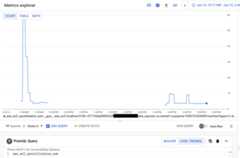
The following chart shows a PromQL query for theaws_ec2_cpuutilization_sum metric for AWS VMs:
For more information about using PromQL in Cloud Monitoring, seePromQL for Cloud Monitoring.
Alert on metric behavior
In Cloud Monitoring, you can createalerting policies tomonitor your AWS CloudWatch metrics and notify you of spikes, dips, or trendsin metric values.
- For information about creating PromQL-based alerts, seeUse PromQL to create alerting policies.
- For information about used the query-builder interface to create alertingpolicies, seeCreate alerting policies.
Monitor multiple regions
The configuration of the Prometheus CloudWatch exporter supports the use of only oneregion per configuration file. If you need to monitor multiple regions, thenwe recommend that you run multiple instances of the Prometheus exporter,one configured for each region you want to monitor. You can run multipleexporters on a single VM, or you can distribute them across VMs. ThePrometheus exporterDocker imagesmight be useful in this situation.
You can configure the Ops Agent running on the Compute Engine VMto scrape multiple Prometheus endpoints. We recommend that, when youconfigure multiple instances of the Prometheus exporter, youuse a differentjob name the scrape config for each, so youcan distinguish the exporter instances if you need to troubleshoot them.
For information about configuring the Ops Agent and the Prometheusreceiver, seeConfigure the Ops Agent.
Cost
Amazon charges for every CloudWatch API request or for every CloudWatchmetric you request; for current pricing, seeAmazon CloudWatchPricing. The Prometheus CloudWatch exporterhas the followingquerycharacteristics,which can affect your Amazon costs:
- When using the
GetMetricStatisticsmethod (default), every metricrequires one API request. Each request can include multiple statistics. - When using
aws_dimensions, the exporter must perform API requeststo determine which metrics to request. The number of dimensions requestsis typically negligible in comparison to the number of metric requests.
Cloud Monitoring charges for AWS CloudWatch metrics from thePrometheus exporter by the number of samplesingested. For current pricing, see the Cloud Monitoring sections of theGoogle Cloud Observability pricing page.
Prometheus CloudWatch exporter configurations for migration
This section provides configurations that replicate, as closely aspossible, the AWS service metrics documented in theAWS metrics list. These configurationfiles are intended for use by customers who are migrating to thePrometheus CloudWatch exporter from the legacy solution. If you are setting upthe Prometheus CloudWatch exporter as a new user rather than a migrating user andyou use these configurations, then you are not collecting all the AWSmetrics that the Prometheus CloudWatch exporter makes available.
Note: For some services, there might be minor differences in the dimensionsavailable with the existingAWS service metrics, due todifferences between those service metrics and the equivalents in theAWSCloudWatch service documentation.To view a sample configuration file for AWS CloudWatch metrics, expand oneof the following sections.
applicationelb.yml
region: us-east-1metrics:- aws_namespace: AWS/ApplicationELB aws_metric_name: ActiveConnectionCount aws_dimensions: [AvailabilityZone, LoadBalancer]- aws_namespace: AWS/ApplicationELB aws_metric_name: ClientTLSNegotiationErrorCount aws_dimensions: [AvailabilityZone, LoadBalancer]- aws_namespace: AWS/ApplicationELB aws_metric_name: ConsumedLCUs aws_dimensions: [LoadBalancer]- aws_namespace: AWS/ApplicationELB aws_metric_name: DesyncMitigationMode_NonCompliant_Request_Count aws_dimensions: [AvailabilityZone, LoadBalancer]- aws_namespace: AWS/ApplicationELB aws_metric_name: DroppedInvalidHeaderRequestCount aws_dimensions: [AvailabilityZone, LoadBalancer]- aws_namespace: AWS/ApplicationELB aws_metric_name: DroppedInvalidHeaderRequestCount aws_dimensions: [AvailabilityZone, LoadBalancer]- aws_namespace: AWS/ApplicationELB aws_metric_name: ForwardedInvalidHeaderRequestCount aws_dimensions: [AvailabilityZone, LoadBalancer]- aws_namespace: AWS/ApplicationELB aws_metric_name: GrpcRequestCount aws_dimensions: [AvailabilityZone, LoadBalancer]- aws_namespace: AWS/ApplicationELB aws_metric_name: HTTP_Fixed_Response_Count aws_dimensions: [AvailabilityZone, LoadBalancer]- aws_namespace: AWS/ApplicationELB aws_metric_name: HTTP_Redirect_Count aws_dimensions: [AvailabilityZone, LoadBalancer]- aws_namespace: AWS/ApplicationELB aws_metric_name: HTTP_Redirect_Url_Limit_Exceeded_Count aws_dimensions: [AvailabilityZone, LoadBalancer]- aws_namespace: AWS/ApplicationELB aws_metric_name: HTTPCode_ELB_3XX_Count aws_dimensions: [AvailabilityZone, LoadBalancer]- aws_namespace: AWS/ApplicationELB aws_metric_name: HTTPCode_ELB_4XX_Count aws_dimensions: [AvailabilityZone, LoadBalancer]- aws_namespace: AWS/ApplicationELB aws_metric_name: HTTPCode_ELB_5XX_Count aws_dimensions: [AvailabilityZone, LoadBalancer]- aws_namespace: AWS/ApplicationELB aws_metric_name: HTTPCode_ELB_500_Count aws_dimensions: [AvailabilityZone, LoadBalancer]- aws_namespace: AWS/ApplicationELB aws_metric_name: HTTPCode_ELB_502_Count aws_dimensions: [AvailabilityZone, LoadBalancer]- aws_namespace: AWS/ApplicationELB aws_metric_name: HTTPCode_ELB_503_Count aws_dimensions: [AvailabilityZone, LoadBalancer]- aws_namespace: AWS/ApplicationELB aws_metric_name: HTTPCode_ELB_504_Count aws_dimensions: [AvailabilityZone, LoadBalancer]- aws_namespace: AWS/ApplicationELB aws_metric_name: IPv6ProcessedBytes aws_dimensions: [AvailabilityZone, LoadBalancer]- aws_namespace: AWS/ApplicationELB aws_metric_name: IPv6RequestCount aws_dimensions: [AvailabilityZone, LoadBalancer]- aws_namespace: AWS/ApplicationELB aws_metric_name: NewConnectionCount aws_dimensions: [AvailabilityZone, LoadBalancer]- aws_namespace: AWS/ApplicationELB aws_metric_name: NonStickyRequestCount aws_dimensions: [AvailabilityZone, LoadBalancer]- aws_namespace: AWS/ApplicationELB aws_metric_name: ProcessedBytes aws_dimensions: [AvailabilityZone, LoadBalancer]- aws_namespace: AWS/ApplicationELB aws_metric_name: RejectedConnectionCount aws_dimensions: [AvailabilityZone, LoadBalancer]- aws_namespace: AWS/ApplicationELB aws_metric_name: RequestCount aws_dimensions: [AvailabilityZone, TargetGroup, LoadBalancer]- aws_namespace: AWS/ApplicationELB aws_metric_name: RuleEvaluations aws_dimensions: [LoadBalancer]- aws_namespace: AWS/ApplicationELB aws_metric_name: HealthyHostCount aws_dimensions: [AvailabilityZone, TargetGroup, LoadBalancer]- aws_namespace: AWS/ApplicationELB aws_metric_name: HTTPCode_Target_2XX_Count aws_dimensions: [AvailabilityZone, TargetGroup, LoadBalancer]- aws_namespace: AWS/ApplicationELB aws_metric_name: HTTPCode_Target_3XX_Count aws_dimensions: [AvailabilityZone, TargetGroup, LoadBalancer]- aws_namespace: AWS/ApplicationELB aws_metric_name: HTTPCode_Target_4XX_Count aws_dimensions: [AvailabilityZone, TargetGroup, LoadBalancer]- aws_namespace: AWS/ApplicationELB aws_metric_name: HTTPCode_Target_5XX_Count aws_dimensions: [AvailabilityZone, TargetGroup, LoadBalancer]- aws_namespace: AWS/ApplicationELB aws_metric_name: RequestCountPerTarget aws_dimensions: [AvailabilityZone, TargetGroup, LoadBalancer]- aws_namespace: AWS/ApplicationELB aws_metric_name: TargetConnectionErrorCount aws_dimensions: [AvailabilityZone, TargetGroup, LoadBalancer]- aws_namespace: AWS/ApplicationELB aws_metric_name: TargetResponseTime aws_dimensions: [AvailabilityZone, TargetGroup, LoadBalancer]- aws_namespace: AWS/ApplicationELB aws_metric_name: TargetTLSNegotiationErrorCount aws_dimensions: [AvailabilityZone, TargetGroup, LoadBalancer]- aws_namespace: AWS/ApplicationELB aws_metric_name: UnHealthyHostCount aws_dimensions: [AvailabilityZone, TargetGroup, LoadBalancer]- aws_namespace: AWS/ApplicationELB aws_metric_name: HealthyStateDNS aws_dimensions: [AvailabilityZone, TargetGroup, LoadBalancer]- aws_namespace: AWS/ApplicationELB aws_metric_name: HealthyStateRouting aws_dimensions: [AvailabilityZone, TargetGroup, LoadBalancer]- aws_namespace: AWS/ApplicationELB aws_metric_name: UnhealthyRoutingRequestCount aws_dimensions: [AvailabilityZone, TargetGroup, LoadBalancer]- aws_namespace: AWS/ApplicationELB aws_metric_name: UnhealthyStateDNS aws_dimensions: [AvailabilityZone, TargetGroup, LoadBalancer]- aws_namespace: AWS/ApplicationELB aws_metric_name: UnhealthyStateRouting aws_dimensions: [AvailabilityZone, TargetGroup, LoadBalancer]- aws_namespace: AWS/ApplicationELB aws_metric_name: LambdaInternalError aws_dimensions: [TargetGroup, LoadBalancer]- aws_namespace: AWS/ApplicationELB aws_metric_name: LambdaTargetProcessedBytes aws_dimensions: [LoadBalancer]- aws_namespace: AWS/ApplicationELB aws_metric_name: LambdaUserError aws_dimensions: [TargetGroup, LoadBalancer]- aws_namespace: AWS/ApplicationELB aws_metric_name: ELBAuthError aws_dimensions: [AvailabilityZone, LoadBalancer]- aws_namespace: AWS/ApplicationELB aws_metric_name: ELBAuthFailure aws_dimensions: [AvailabilityZone, LoadBalancer]- aws_namespace: AWS/ApplicationELB aws_metric_name: ELBAuthLatency aws_dimensions: [AvailabilityZone, LoadBalancer]- aws_namespace: AWS/ApplicationELB aws_metric_name: ELBAuthRefreshTokenSuccess aws_dimensions: [AvailabilityZone, LoadBalancer]- aws_namespace: AWS/ApplicationELB aws_metric_name: ELBAuthSuccess aws_dimensions: [AvailabilityZone, LoadBalancer]- aws_namespace: AWS/ApplicationELB aws_metric_name: ELBAuthUserClaimsSizeExceeded aws_dimensions: [AvailabilityZone, LoadBalancer]
cloudfront.yml
region: us-east-1metrics:- aws_dimensions: - DistributionId - Region aws_metric_name: Requests aws_namespace: AWS/CloudFront- aws_dimensions: - DistributionId - Region aws_metric_name: BytesDownloaded aws_namespace: AWS/CloudFront- aws_dimensions: - DistributionId - Region aws_metric_name: BytesUploaded aws_namespace: AWS/CloudFront- aws_dimensions: - DistributionId - Region aws_metric_name: 4xxErrorRate aws_namespace: AWS/CloudFront- aws_dimensions: - DistributionId - Region aws_metric_name: 5xxErrorRate aws_namespace: AWS/CloudFront- aws_dimensions: - DistributionId - Region aws_metric_name: TotalErrorRate aws_namespace: AWS/CloudFront
dynamodb.yml
region: us-east-1metrics:- aws_dimensions: - TableName - GlobalSecondaryIndexName aws_metric_name: ConsumedReadCapacityUnits aws_namespace: AWS/DynamoDB aws_statistics: - Maximum- aws_dimensions: - TableName - GlobalSecondaryIndexName aws_metric_name: ConsumedWriteCapacityUnits aws_namespace: AWS/DynamoDB aws_statistics: - Maximum- aws_dimensions: - TableName - Operation aws_metric_name: ThrottledRequests aws_namespace: AWS/DynamoDB aws_statistics: - Sum- aws_dimensions: - TableName - Operation aws_metric_name: SystemErrors aws_namespace: AWS/DynamoDB aws_statistics: - Sum- aws_dimensions: - TableName - Operation aws_metric_name: SuccessfulRequestLatency aws_namespace: AWS/DynamoDB aws_statistics: - Maximum- aws_dimensions: - TableName - GlobalSecondaryIndexName aws_metric_name: WriteThrottleEvents aws_namespace: AWS/DynamoDB aws_statistics: - Sum- aws_dimensions: - TableName - GlobalSecondaryIndexName aws_metric_name: ReadThrottleEvents aws_namespace: AWS/DynamoDB aws_statistics: - Sum
ebs.yml
region: us-east-1metrics:- aws_dimensions: - VolumeId aws_metric_name: VolumeWriteBytes aws_namespace: AWS/EBS aws_statistics: - Maximum - Average- aws_dimensions: - VolumeId aws_metric_name: VolumeReadBytes aws_namespace: AWS/EBS aws_statistics: - Maximum - Average- aws_dimensions: - VolumeId aws_metric_name: VolumeReadOps aws_namespace: AWS/EBS aws_statistics: - Average- aws_dimensions: - VolumeId aws_metric_name: VolumeWriteOps aws_namespace: AWS/EBS aws_statistics: - Average- aws_dimensions: - VolumeId aws_metric_name: VolumeTotalReadTime aws_namespace: AWS/EBS aws_statistics: - Sum - Average- aws_dimensions: - VolumeId aws_metric_name: VolumeTotalWriteTime aws_namespace: AWS/EBS aws_statistics: - Sum - Average- aws_dimensions: - VolumeId aws_metric_name: VolumeQueueLength aws_namespace: AWS/EBS aws_statistics: - Average- aws_dimensions: - VolumeId aws_metric_name: BurstBalance aws_namespace: AWS/EBS aws_statistics: - Average- aws_dimensions: - VolumeId aws_metric_name: VolumeIdleTime aws_namespace: AWS/EBS aws_statistics: - Sum
ec2.yml
region: us-east-1metrics:- aws_dimensions: - InstanceId aws_metric_name: CPUUtilization aws_namespace: AWS/EC2 aws_tag_select: resource_type_selection: ec2:instance resource_id_dimension: InstanceId- aws_dimensions: - InstanceId aws_metric_name: NetworkIn aws_namespace: AWS/EC2- aws_dimensions: - InstanceId aws_metric_name: NetworkOut aws_namespace: AWS/EC2- aws_dimensions: - InstanceId aws_metric_name: NetworkPacketsIn aws_namespace: AWS/EC2- aws_dimensions: - InstanceId aws_metric_name: NetworkPacketsOut aws_namespace: AWS/EC2- aws_dimensions: - InstanceId aws_metric_name: DiskWriteBytes aws_namespace: AWS/EC2- aws_dimensions: - InstanceId aws_metric_name: DiskReadBytes aws_namespace: AWS/EC2- aws_dimensions: - InstanceId aws_metric_name: CPUCreditBalance aws_namespace: AWS/EC2- aws_dimensions: - InstanceId aws_metric_name: CPUCreditUsage aws_namespace: AWS/EC2- aws_dimensions: - InstanceId aws_metric_name: StatusCheckFailed aws_namespace: AWS/EC2- aws_dimensions: - InstanceId aws_metric_name: StatusCheckFailed_Instance aws_namespace: AWS/EC2- aws_dimensions: - InstanceId aws_metric_name: StatusCheckFailed_System aws_namespace: AWS/EC2
elasticache.yml
region: us-east-1metrics:- aws_namespace: AWS/ElastiCache aws_metric_name: ActiveDefragHits aws_dimensions: - CacheNodeId - CacheClusterId- aws_namespace: AWS/ElastiCache aws_metric_name: AuthenticationFailures aws_dimensions: - CacheNodeId - CacheClusterId- aws_namespace: AWS/ElastiCache aws_metric_name: BytesReadIntoMemcached aws_dimensions: - CacheNodeId - CacheClusterId- aws_namespace: AWS/ElastiCache aws_metric_name: BytesUsedForCache aws_dimensions: - CacheNodeId - CacheClusterId- aws_namespace: AWS/ElastiCache aws_metric_name: BytesUsedForCacheItems aws_dimensions: - CacheNodeId - CacheClusterId- aws_namespace: AWS/ElastiCache aws_metric_name: BytesUsedForHash aws_dimensions: - CacheNodeId - CacheClusterId- aws_namespace: AWS/ElastiCache aws_metric_name: BytesWrittenOutFromMemcached aws_dimensions: - CacheNodeId - CacheClusterId- aws_namespace: AWS/ElastiCache aws_metric_name: CPUCreditBalance aws_dimensions: - CacheNodeId - CacheClusterId- aws_namespace: AWS/ElastiCache aws_metric_name: CPUCreditUsage aws_dimensions: - CacheNodeId - CacheClusterId- aws_namespace: AWS/ElastiCache aws_metric_name: CPUUtilization aws_dimensions: - CacheNodeId - CacheClusterId- aws_namespace: AWS/ElastiCache aws_metric_name: CacheHits aws_dimensions: - CacheNodeId - CacheClusterId- aws_namespace: AWS/ElastiCache aws_metric_name: CacheMisses aws_dimensions: - CacheNodeId - CacheClusterId- aws_namespace: AWS/ElastiCache aws_metric_name: CasBadval aws_dimensions: - CacheNodeId - CacheClusterId- aws_namespace: AWS/ElastiCache aws_metric_name: CasHits aws_dimensions: - CacheNodeId - CacheClusterId- aws_namespace: AWS/ElastiCache aws_metric_name: CasMisses aws_dimensions: - CacheNodeId - CacheClusterId- aws_namespace: AWS/ElastiCache aws_metric_name: CmdConfigGet aws_dimensions: - CacheNodeId - CacheClusterId- aws_namespace: AWS/ElastiCache aws_metric_name: CmdConfigSet aws_dimensions: - CacheNodeId - CacheClusterId- aws_namespace: AWS/ElastiCache aws_metric_name: CmdFlush aws_dimensions: - CacheNodeId - CacheClusterId- aws_namespace: AWS/ElastiCache aws_metric_name: CmdGet aws_dimensions: - CacheNodeId - CacheClusterId- aws_namespace: AWS/ElastiCache aws_metric_name: CmdSet aws_dimensions: - CacheNodeId - CacheClusterId- aws_namespace: AWS/ElastiCache aws_metric_name: CmdTouch aws_dimensions: - CacheNodeId - CacheClusterId- aws_namespace: AWS/ElastiCache aws_metric_name: CommandAuthorizationFailures aws_dimensions: - CacheNodeId - CacheClusterId- aws_namespace: AWS/ElastiCache aws_metric_name: CrawlerItemsChecked aws_dimensions: - CacheNodeId - CacheClusterId- aws_namespace: AWS/ElastiCache aws_metric_name: CurrConfig aws_dimensions: - CacheNodeId - CacheClusterId- aws_namespace: AWS/ElastiCache aws_metric_name: CurrConnections aws_dimensions: - CacheNodeId - CacheClusterId- aws_namespace: AWS/ElastiCache aws_metric_name: CurrItems aws_dimensions: - CacheNodeId - CacheClusterId- aws_namespace: AWS/ElastiCache aws_metric_name: CurrVolatileItems aws_dimensions: - CacheNodeId - CacheClusterId- aws_namespace: AWS/ElastiCache aws_metric_name: DatabaseMemoryUsageCountedForEvictPercentage aws_dimensions: - NodeGroupId - ReplciationGroupId- aws_namespace: AWS/ElastiCache aws_metric_name: DatabaseMemoryUsagePercentage aws_dimensions: - CacheNodeId - CacheClusterId- aws_namespace: AWS/ElastiCache aws_metric_name: DecrHits aws_dimensions: - CacheNodeId - CacheClusterId- aws_namespace: AWS/ElastiCache aws_metric_name: DecrMisses aws_dimensions: - CacheNodeId - CacheClusterId- aws_namespace: AWS/ElastiCache aws_metric_name: DeleteHits aws_dimensions: - CacheNodeId - CacheClusterId- aws_namespace: AWS/ElastiCache aws_metric_name: DeleteMisses aws_dimensions: - CacheNodeId - CacheClusterId- aws_namespace: AWS/ElastiCache aws_metric_name: EngineCPUUtilization aws_dimensions: - CacheNodeId - CacheClusterId - NodeGroupId - ReplicationGroupId - Role- aws_namespace: AWS/ElastiCache aws_metric_name: EvictedUnfetched aws_dimensions: - CacheNodeId - CacheClusterId- aws_namespace: AWS/ElastiCache aws_metric_name: Evictions aws_dimensions: - CacheNodeId - CacheClusterId- aws_namespace: AWS/ElastiCache aws_metric_name: ExpiredUnfetched aws_dimensions: - CacheNodeId - CacheClusterId- aws_namespace: AWS/ElastiCache aws_metric_name: FreeableMemory aws_dimensions: - CacheNodeId - CacheClusterId- aws_namespace: AWS/ElastiCache aws_metric_name: GetHits aws_dimensions: - CacheNodeId - CacheClusterId- aws_namespace: AWS/ElastiCache aws_metric_name: GetMisses aws_dimensions: - CacheNodeId - CacheClusterId- aws_namespace: AWS/ElastiCache aws_metric_name: IamAuthenticationExpirations aws_dimensions: - CacheNodeId - CacheClusterId- aws_namespace: AWS/ElastiCache aws_metric_name: IamAuthenticationThrottling aws_dimensions: - CacheNodeId - CacheClusterId- aws_namespace: AWS/ElastiCache aws_metric_name: IncrHits aws_dimensions: - CacheNodeId - CacheClusterId- aws_namespace: AWS/ElastiCache aws_metric_name: IncrMisses aws_dimensions: - CacheNodeId - CacheClusterId- aws_namespace: AWS/ElastiCache aws_metric_name: IsMaster aws_dimensions: - CacheNodeId - CacheClusterId- aws_namespace: AWS/ElastiCache aws_metric_name: KeyAuthorizationFailures aws_dimensions: - CacheNodeId - CacheClusterId- aws_namespace: AWS/ElastiCache aws_metric_name: KeyBasedCmds aws_dimensions: - CacheNodeId - CacheClusterId- aws_namespace: AWS/ElastiCache aws_metric_name: ListBasedCmds aws_dimensions: - CacheNodeId - CacheClusterId- aws_namespace: AWS/ElastiCache aws_metric_name: KeysTracked aws_dimensions: - CacheNodeId - CacheClusterId- aws_namespace: AWS/ElastiCache aws_metric_name: MasterLinkHealthStatus aws_dimensions: - CacheNodeId - CacheClusterId- aws_namespace: AWS/ElastiCache aws_metric_name: MemoryFragmentationRatio aws_dimensions: - CacheNodeId - CacheClusterId- aws_namespace: AWS/ElastiCache aws_metric_name: NetworkBandwidthInAllowanceExceeded aws_dimensions: - CacheNodeId - CacheClusterId- aws_namespace: AWS/ElastiCache aws_metric_name: NetworkBandwidthOutAllowanceExceeded aws_dimensions: - CacheNodeId - CacheClusterId- aws_namespace: AWS/ElastiCache aws_metric_name: NetworkBytesIn aws_dimensions: - CacheNodeId - CacheClusterId- aws_namespace: AWS/ElastiCache aws_metric_name: NetworkBytesOut aws_dimensions: - CacheNodeId - CacheClusterId- aws_namespace: AWS/ElastiCache aws_metric_name: NetworkConntrackAllowanceExceeded aws_dimensions: - CacheNodeId - CacheClusterId- aws_namespace: AWS/ElastiCache aws_metric_name: NetworkPacketsIn aws_dimensions: - CacheNodeId - CacheClusterId- aws_namespace: AWS/ElastiCache aws_metric_name: NetworkPacketsOut aws_dimensions: - CacheNodeId - CacheClusterId- aws_namespace: AWS/ElastiCache aws_metric_name: NetworkPacketsPerSecondAllowanceExceeded aws_dimensions: - CacheNodeId - CacheClusterId- aws_namespace: AWS/ElastiCache aws_metric_name: NewConnections aws_dimensions: - CacheNodeId - CacheClusterId- aws_namespace: AWS/ElastiCache aws_metric_name: NewItems aws_dimensions: - CacheNodeId - CacheClusterId- aws_namespace: AWS/ElastiCache aws_metric_name: NonKeyTypeCmds aws_dimensions: - CacheNodeId - CacheClusterId- aws_namespace: AWS/ElastiCache aws_metric_name: NonKeyTypeCmdsLatency aws_dimensions: - CacheNodeId - CacheClusterId- aws_namespace: AWS/ElastiCache aws_metric_name: Reclaimed aws_dimensions: - CacheNodeId - CacheClusterId- aws_namespace: AWS/ElastiCache aws_metric_name: ReplicationBytes aws_dimensions: - CacheNodeId - CacheClusterId- aws_namespace: AWS/ElastiCache aws_metric_name: ReplicationLag aws_dimensions: - CacheNodeId - CacheClusterId- aws_namespace: AWS/ElastiCache aws_metric_name: SetBasedCmds aws_dimensions: - CacheNodeId - CacheClusterId- aws_namespace: AWS/ElastiCache aws_metric_name: SetTypeCmds aws_dimensions: - CacheNodeId - CacheClusterId- aws_namespace: AWS/ElastiCache aws_metric_name: SlabsMoved aws_dimensions: - CacheNodeId - CacheClusterId- aws_namespace: AWS/ElastiCache aws_metric_name: SortedSetBasedCmds aws_dimensions: - CacheNodeId - CacheClusterId- aws_namespace: AWS/ElastiCache aws_metric_name: StringBasedCmds aws_dimensions: - CacheNodeId - CacheClusterId- aws_namespace: AWS/ElastiCache aws_metric_name: SaveInProgress aws_dimensions: - CacheNodeId - CacheClusterId- aws_namespace: AWS/ElastiCache aws_metric_name: SwapUsage aws_dimensions: - CacheNodeId - CacheClusterId- aws_namespace: AWS/ElastiCache aws_metric_name: TouchHits aws_dimensions: - CacheNodeId - CacheClusterId- aws_namespace: AWS/ElastiCache aws_metric_name: TouchMisses aws_dimensions: - CacheNodeId - CacheClusterId- aws_namespace: AWS/ElastiCache aws_metric_name: TrafficManagementActive aws_dimensions: - CacheNodeId - CacheClusterId- aws_namespace: AWS/ElastiCache aws_metric_name: UnusedMemory aws_dimensions: - CacheNodeId - CacheClusterId
elb.yml
region: us-east-1metrics:- aws_dimensions: - AvailabilityZone aws_metric_name: BackendConnectionErrors aws_namespace: AWS/ELB- aws_dimensions: - AvailabilityZone aws_metric_name: HTTPCode_Backend_5XX aws_namespace: AWS/ELB- aws_dimensions: - AvailabilityZone aws_metric_name: HTTPCode_Backend_4XX aws_namespace: AWS/ELB- aws_dimensions: - AvailabilityZone aws_metric_name: HTTPCode_Backend_3XX aws_namespace: AWS/ELB- aws_dimensions: - AvailabilityZone aws_metric_name: HTTPCode_Backend_2XX aws_namespace: AWS/ELB- aws_dimensions: - AvailabilityZone aws_metric_name: HTTPCode_ELB_5XX aws_namespace: AWS/ELB- aws_dimensions: - AvailabilityZone aws_metric_name: RequestCount aws_namespace: AWS/ELB- aws_dimensions: - AvailabilityZone aws_metric_name: HTTPCode_ELB_4XX aws_namespace: AWS/ELB- aws_dimensions: - AvailabilityZone aws_metric_name: Latency aws_namespace: AWS/ELB- aws_dimensions: - AvailabilityZone aws_metric_name: SurgeQueueLength aws_namespace: AWS/ELB- aws_dimensions: - AvailabilityZone aws_metric_name: ActiveFlowCount aws_namespace: AWS/ELB- aws_dimensions: - AvailabilityZone aws_metric_name: ActiveFlowCount_TLS aws_namespace: AWS/ELB- aws_dimensions: - AvailabilityZone aws_metric_name: ProcessedBytes aws_namespace: AWS/ELB- aws_dimensions: - AvailabilityZone aws_metric_name: ProcessedBytes_TLS aws_namespace: AWS/ELB- aws_dimensions: - AvailabilityZone aws_metric_name: HealthyHostCount aws_namespace: AWS/ELB- aws_dimensions: - AvailabilityZone aws_metric_name: UnHealthyHostCount aws_namespace: AWS/ELB- aws_dimensions: - AvailabilityZone aws_metric_name: NewFlowCount aws_namespace: AWS/ELB- aws_dimensions: - AvailabilityZone aws_metric_name: NewFlowCount_TLS aws_namespace: AWS/ELB- aws_dimensions: - AvailabilityZone aws_metric_name: TCP_Client_Reset_Count aws_namespace: AWS/ELB- aws_dimensions: - AvailabilityZone aws_metric_name: TCP_Target_Reset_Count aws_namespace: AWS/ELB- aws_dimensions: - AvailabilityZone aws_metric_name: TCP_ELB_Reset_Count aws_namespace: AWS/ELB- aws_dimensions: - AvailabilityZone aws_metric_name: ClientTLSNegotiationErrorCount aws_namespace: AWS/ELB- aws_dimensions: - AvailabilityZone aws_metric_name: TargetTLSNegotiationErrorCount aws_namespace: AWS/ELB- aws_dimensions: - AvailabilityZone aws_metric_name: ConsumedLCUs aws_namespace: AWS/ELB- aws_dimensions: - AvailabilityZone aws_metric_name: SpilloverCount aws_namespace: AWS/ELB
kinesis.yml
region: us-east-2metrics:- aws_dimensions: - StreamName aws_metric_name: IncomingBytes aws_namespace: AWS/Kinesis- aws_dimensions: - StreamName aws_metric_name: PutRecord.Bytes aws_namespace: AWS/Kinesis- aws_dimensions: - StreamName aws_metric_name: PutRecords.Bytes aws_namespace: AWS/Kinesis- aws_dimensions: - StreamName aws_metric_name: GetRecords.Latency aws_namespace: AWS/Kinesis- aws_dimensions: - StreamName aws_metric_name: PutRecord.Success aws_namespace: AWS/Kinesis- aws_dimensions: - StreamName aws_metric_name: PutRecords.Success aws_namespace: AWS/Kinesis- aws_dimensions: - StreamName aws_metric_name: GetRecords.Latency aws_namespace: AWS/Kinesis- aws_dimensions: - StreamName aws_metric_name: PutRecord.Latency aws_namespace: AWS/Kinesis- aws_dimensions: - StreamName aws_metric_name: PutRecords.Latency aws_namespace: AWS/Kinesis- aws_dimensions: - StreamName aws_metric_name: GetRecords.Latency aws_namespace: AWS/Kinesis- aws_dimensions: - StreamName aws_metric_name: GetRecords.Records aws_namespace: AWS/Kinesis- aws_dimensions: - StreamName aws_metric_name: GetRecords.Bytes aws_namespace: AWS/Kinesis- aws_dimensions: - StreamName aws_metric_name: GetRecords.Success aws_namespace: AWS/Kinesis- aws_dimensions: - StreamName aws_metric_name: GetRecords.IteratorAgeMilliseconds aws_namespace: AWS/Kinesis- aws_dimensions: - StreamName aws_metric_name: IncomingRecords aws_namespace: AWS/Kinesis- aws_dimensions: - StreamName aws_metric_name: IncomingBytes aws_namespace: AWS/Kinesis- aws_dimensions: - StreamName aws_metric_name: WriteProvisionedThroughputExceeded aws_namespace: AWS/Kinesis- aws_dimensions: - StreamName aws_metric_name: ReadProvisionedThroughputExceeded aws_namespace: AWS/Kinesis
lambda.yml
region: us-east-1metrics:- aws_dimensions: - FunctionName - Resource aws_metric_name: Invocations aws_namespace: AWS/Lambda- aws_dimensions: - FunctionName - Resource aws_metric_name: Errors aws_namespace: AWS/Lambda- aws_dimensions: - FunctionName - Resource aws_metric_name: Duration aws_namespace: AWS/Lambda- aws_dimensions: - FunctionName - Resource aws_metric_name: Throttles aws_namespace: AWS/Lambda- aws_dimensions: - FunctionName - Resource aws_metric_name: ConcurrentExecutions aws_namespace: AWS/Lambda- aws_dimensions: - FunctionName - Resource aws_metric_name: UnreservedConcurrentExecutions aws_namespace: AWS/Lambda
networkelb.yml
region: us-east-1metrics:- aws_dimensions: - AvailabilityZone - LoadBalancer - TargetGroup aws_metric_name: ActiveFlowCount aws_namespace: AWS/NetworkELB aws_statistics: - Average- aws_dimensions: - AvailabilityZone - LoadBalancer - TargetGroup aws_metric_name: ActiveFlowCount_TCP aws_namespace: AWS/NetworkELB aws_statistics: - Average- aws_dimensions: - AvailabilityZone - LoadBalancer - TargetGroup aws_metric_name: ActiveFlowCount_UDP aws_namespace: AWS/NetworkELB aws_statistics: - Average- aws_dimensions: - AvailabilityZone - LoadBalancer - TargetGroup aws_metric_name: ClientTLSNegotiationErrorCount aws_namespace: AWS/NetworkELB aws_statistics: - Sum- aws_dimensions: - LoadBalancer aws_metric_name: ConsumedLCUs aws_namespace: AWS/NetworkELB aws_statistics: - Average- aws_dimensions: - LoadBalancer aws_metric_name: ConsumedLCUs_TCP aws_namespace: AWS/NetworkELB aws_statistics: - Average- aws_dimensions: - LoadBalancer aws_metric_name: ConsumedLCUs_TLS aws_namespace: AWS/NetworkELB aws_statistics: - Average- aws_dimensions: - LoadBalancer aws_metric_name: ConsumedLCUs_UDP aws_namespace: AWS/NetworkELB aws_statistics: - Average- aws_dimensions: - AvailabilityZone - LoadBalancer - TargetGroup aws_metric_name: HealthyHostCount aws_namespace: AWS/NetworkELB aws_statistics: - Minimum- aws_dimensions: - AvailabilityZone - LoadBalancer - TargetGroup aws_metric_name: NewFlowCount aws_namespace: AWS/NetworkELB aws_statistics: - Sum- aws_dimensions: - AvailabilityZone - LoadBalancer - TargetGroup aws_metric_name: NewFlowCount_TCP aws_namespace: AWS/NetworkELB aws_statistics: - Sum- aws_dimensions: - AvailabilityZone - LoadBalancer - TargetGroup aws_metric_name: NewFlowCount_TLS aws_namespace: AWS/NetworkELB aws_statistics: - Sum- aws_dimensions: - AvailabilityZone - LoadBalancer - TargetGroup aws_metric_name: NewFlowCount_UDP aws_namespace: AWS/NetworkELB aws_statistics: - Sum- aws_dimensions: - AvailabilityZone - LoadBalancer - TargetGroup aws_metric_name: ProcessedBytes aws_namespace: AWS/NetworkELB aws_statistics: - Sum- aws_dimensions: - AvailabilityZone - LoadBalancer - TargetGroup aws_metric_name: ProcessedBytes_TLS aws_namespace: AWS/NetworkELB aws_statistics: - Sum- aws_dimensions: - AvailabilityZone - LoadBalancer - TargetGroup aws_metric_name: ProcessedBytes_UDP aws_namespace: AWS/NetworkELB aws_statistics: - Sum- aws_dimensions: - AvailabilityZone - LoadBalancer - TargetGroup aws_metric_name: ProcessedPackets aws_namespace: AWS/NetworkELB aws_statistics: - Sum- aws_dimensions: - AvailabilityZone - LoadBalancer - TargetGroup aws_metric_name: TargetTLSNegotiationErrorCount aws_namespace: AWS/NetworkELB aws_statistics: - Sum- aws_dimensions: - AvailabilityZone - LoadBalancer - TargetGroup aws_metric_name: TCP_Client_Reset_Count aws_namespace: AWS/NetworkELB aws_statistics: - Sum- aws_dimensions: - AvailabilityZone - LoadBalancer - TargetGroup aws_metric_name: TCP_Target_Reset_Count aws_namespace: AWS/NetworkELB aws_statistics: - Sum- aws_dimensions: - AvailabilityZone - LoadBalancer - TargetGroup aws_metric_name: UnHealthyHostCount aws_namespace: AWS/NetworkELB aws_statistics: - Maximum
rds.yml
region: us-east-1metrics:- aws_dimensions: - DBInstanceIdentifier aws_metric_name: BinLogDiskUsage aws_namespace: AWS/RDS- aws_dimensions: - DBInstanceIdentifier aws_metric_name: DatabaseConnections aws_namespace: AWS/RDS- aws_dimensions: - DBInstanceIdentifier aws_metric_name: FreeStorageSpace aws_namespace: AWS/RDS- aws_dimensions: - DBInstanceIdentifier aws_metric_name: FreeableMemory aws_namespace: AWS/RDS- aws_dimensions: - DBInstanceIdentifier aws_metric_name: ReadIOPS aws_namespace: AWS/RDS- aws_dimensions: - DBInstanceIdentifier aws_metric_name: WriteIOPS aws_namespace: AWS/RDS- aws_dimensions: - DBInstanceIdentifier aws_metric_name: ReadLatency aws_namespace: AWS/RDS- aws_dimensions: - DBInstanceIdentifier aws_metric_name: WriteLatency aws_namespace: AWS/RDS- aws_dimensions: - DBInstanceIdentifier aws_metric_name: ReadThroughput aws_namespace: AWS/RDS- aws_dimensions: - DBInstanceIdentifier aws_metric_name: WriteThroughput aws_namespace: AWS/RDS- aws_dimensions: - DBInstanceIdentifier aws_metric_name: CPUCreditUsage aws_namespace: AWS/RDS- aws_dimensions: - DBInstanceIdentifier aws_metric_name: ReplicaLag aws_namespace: AWS/RDS- aws_dimensions: - DBInstanceIdentifier aws_metric_name: CPUUtilization aws_namespace: AWS/RDS- aws_dimensions: - DBInstanceIdentifier aws_metric_name: CPUCreditBalance aws_namespace: AWS/RDS- aws_dimensions: - DBInstanceIdentifier aws_metric_name: DiskQueueDepth aws_namespace: AWS/RDS- aws_dimensions: - DBInstanceIdentifier aws_metric_name: NetworkTransmitThroughput aws_namespace: AWS/RDS- aws_dimensions: - DBInstanceIdentifier aws_metric_name: NetworkReceiveThroughput aws_namespace: AWS/RDS- aws_dimensions: - DBInstanceIdentifier aws_metric_name: TransactionLogsDiskUsage aws_namespace: AWS/RDS- aws_dimensions: - DBInstanceIdentifier aws_metric_name: SwapUsage aws_namespace: AWS/RDS- aws_dimensions: - EngineName aws_metric_name: BinLogDiskUsage aws_namespace: AWS/RDS- aws_dimensions: - EngineName aws_metric_name: DatabaseConnections aws_namespace: AWS/RDS- aws_dimensions: - EngineName aws_metric_name: FreeStorageSpace aws_namespace: AWS/RDS- aws_dimensions: - EngineName aws_metric_name: FreeableMemory aws_namespace: AWS/RDS- aws_dimensions: - EngineName aws_metric_name: ReadIOPS aws_namespace: AWS/RDS- aws_dimensions: - EngineName aws_metric_name: WriteIOPS aws_namespace: AWS/RDS- aws_dimensions: - EngineName aws_metric_name: ReadLatency aws_namespace: AWS/RDS- aws_dimensions: - EngineName aws_metric_name: WriteLatency aws_namespace: AWS/RDS- aws_dimensions: - EngineName aws_metric_name: ReadThroughput aws_namespace: AWS/RDS- aws_dimensions: - EngineName aws_metric_name: WriteThroughput aws_namespace: AWS/RDS- aws_dimensions: - EngineName aws_metric_name: CPUCreditUsage aws_namespace: AWS/RDS- aws_dimensions: - EngineName aws_metric_name: ReplicaLag aws_namespace: AWS/RDS- aws_dimensions: - EngineName aws_metric_name: CPUUtilization aws_namespace: AWS/RDS- aws_dimensions: - EngineName aws_metric_name: CPUCreditBalance aws_namespace: AWS/RDS- aws_dimensions: - EngineName aws_metric_name: DiskQueueDepth aws_namespace: AWS/RDS- aws_dimensions: - EngineName aws_metric_name: NetworkTransmitThroughput aws_namespace: AWS/RDS- aws_dimensions: - EngineName aws_metric_name: NetworkReceiveThroughput aws_namespace: AWS/RDS- aws_dimensions: - EngineName aws_metric_name: TransactionLogsDiskUsage aws_namespace: AWS/RDS- aws_dimensions: - EngineName aws_metric_name: SwapUsage aws_namespace: AWS/RDS- aws_dimensions: - DatabaseClass aws_metric_name: BinLogDiskUsage aws_namespace: AWS/RDS- aws_dimensions: - DatabaseClass aws_metric_name: DatabaseConnections aws_namespace: AWS/RDS- aws_dimensions: - DatabaseClass aws_metric_name: FreeStorageSpace aws_namespace: AWS/RDS- aws_dimensions: - DatabaseClass aws_metric_name: FreeableMemory aws_namespace: AWS/RDS- aws_dimensions: - DatabaseClass aws_metric_name: ReadIOPS aws_namespace: AWS/RDS- aws_dimensions: - DatabaseClass aws_metric_name: WriteIOPS aws_namespace: AWS/RDS- aws_dimensions: - DatabaseClass aws_metric_name: ReadLatency aws_namespace: AWS/RDS- aws_dimensions: - DatabaseClass aws_metric_name: WriteLatency aws_namespace: AWS/RDS- aws_dimensions: - DatabaseClass aws_metric_name: ReadThroughput aws_namespace: AWS/RDS- aws_dimensions: - DatabaseClass aws_metric_name: WriteThroughput aws_namespace: AWS/RDS- aws_dimensions: - DatabaseClass aws_metric_name: CPUCreditUsage aws_namespace: AWS/RDS- aws_dimensions: - DatabaseClass aws_metric_name: ReplicaLag aws_namespace: AWS/RDS- aws_dimensions: - DatabaseClass aws_metric_name: CPUUtilization aws_namespace: AWS/RDS- aws_dimensions: - DatabaseClass aws_metric_name: CPUCreditBalance aws_namespace: AWS/RDS- aws_dimensions: - DatabaseClass aws_metric_name: DiskQueueDepth aws_namespace: AWS/RDS- aws_dimensions: - DatabaseClass aws_metric_name: NetworkTransmitThroughput aws_namespace: AWS/RDS- aws_dimensions: - DatabaseClass aws_metric_name: NetworkReceiveThroughput aws_namespace: AWS/RDS- aws_dimensions: - DatabaseClass aws_metric_name: TransactionLogsDiskUsage aws_namespace: AWS/RDS- aws_dimensions: - DatabaseClass aws_metric_name: SwapUsage aws_namespace: AWS/RDS
redshift.yml
region: us-east-2metrics:- aws_dimensions: - ClusterIdentifier - NodeID aws_metric_name: HealthStatus aws_namespace: AWS/Redshift- aws_dimensions: - ClusterIdentifier - NodeID aws_metric_name: CPUUtilization aws_namespace: AWS/Redshift- aws_dimensions: - ClusterIdentifier - NodeID aws_metric_name: DatabaseConnections aws_namespace: AWS/Redshift- aws_dimensions: - ClusterIdentifier - NodeID aws_metric_name: MaintenanceMode aws_namespace: AWS/Redshift- aws_dimensions: - ClusterIdentifier - NodeID aws_metric_name: NetworkReceiveThroughput aws_namespace: AWS/Redshift- aws_dimensions: - ClusterIdentifier - NodeID aws_metric_name: NetworkTransmitThroughput aws_namespace: AWS/Redshift- aws_dimensions: - ClusterIdentifier - NodeID aws_metric_name: ReadIOPS aws_namespace: AWS/Redshift- aws_dimensions: - ClusterIdentifier - NodeID aws_metric_name: WriteIOPS aws_namespace: AWS/Redshift- aws_dimensions: - ClusterIdentifier - NodeID aws_metric_name: ReadLatency aws_namespace: AWS/Redshift- aws_dimensions: - ClusterIdentifier - NodeID aws_metric_name: WriteLatency aws_namespace: AWS/Redshift- aws_dimensions: - ClusterIdentifier - NodeID aws_metric_name: ReadThroughput aws_namespace: AWS/Redshift- aws_dimensions: - ClusterIdentifier - NodeID aws_metric_name: WriteThroughput aws_namespace: AWS/Redshift- aws_dimensions: - ClusterIdentifier - NodeID aws_metric_name: QueryDuration aws_namespace: AWS/Redshift- aws_dimensions: - ClusterIdentifier - NodeID aws_metric_name: QueriesCompletedPerSecond aws_namespace: AWS/Redshift- aws_dimensions: - ClusterIdentifier - NodeID aws_metric_name: PercentageDiskSpaceUsed aws_namespace: AWS/Redshift
s3.yml
region: us-east-1metrics:- aws_dimensions: - BucketName - FilterId aws_metric_name: 4xxErrors aws_namespace: AWS/S3- aws_dimensions: - BucketName - FilterId aws_metric_name: 5xxErrors aws_namespace: AWS/S3- aws_dimensions: - BucketName - FilterId aws_metric_name: AllRequests aws_namespace: AWS/S3- aws_dimensions: - BucketName - FilterId aws_metric_name: FirstByteLatency aws_namespace: AWS/S3- aws_dimensions: - BucketName - FilterId aws_metric_name: TotalRequestLatency aws_namespace: AWS/S3- aws_dimensions: - BucketName - FilterId aws_metric_name: BytesDownloaded aws_namespace: AWS/S3- aws_dimensions: - BucketName - FilterId aws_metric_name: BytesUploaded aws_namespace: AWS/S3- aws_dimensions: - BucketName - FilterId aws_metric_name: PutRequests aws_namespace: AWS/S3- aws_dimensions: - BucketName - FilterId aws_metric_name: ListRequests aws_namespace: AWS/S3- aws_dimensions: - BucketName - FilterId aws_metric_name: HeadRequests aws_namespace: AWS/S3- aws_dimensions: - BucketName - FilterId aws_metric_name: GetRequests aws_namespace: AWS/S3- aws_namespace: AWS/S3 aws_metric_name: BucketSizeBytes aws_dimensions: [BucketName, StorageType] range_seconds: 172800 period_seconds: 86400 set_timestamp: false- aws_namespace: AWS/S3 aws_metric_name: NumberOfObjects aws_dimensions: [BucketName, StorageType] range_seconds: 172800 period_seconds: 86400 set_timestamp: false # In case you want to use some bucket level Tag to select buckets to monitor, # or to have additional `info` metric with all bucket Tags as labels, use `aws_tag_select`: aws_tag_select: tag_selections: Monitoring: ["enabled"] resource_type_selection: "s3:" resource_id_dimension: BucketName
ses.yml
region: us-east-1metrics:- aws_namespace: AWS/SES aws_metric_name: Bounce aws_dimensions: [] aws_statistics: []- aws_namespace: AWS/SES aws_metric_name: Complaint aws_dimensions: [] aws_statistics: []- aws_namespace: AWS/SES aws_metric_name: Delivery aws_dimensions: [] aws_statistics: []- aws_namespace: AWS/SES aws_metric_name: Reputation.BounceRate aws_dimensions: [] aws_statistics: []- aws_namespace: AWS/SES aws_metric_name: Reputation.ComplaintRate aws_dimensions: [] aws_statistics: []- aws_namespace: AWS/SES aws_metric_name: Send aws_dimensions: [] aws_statistics: []- aws_namespace: AWS/SES aws_metric_name: Reject aws_dimensions: [] aws_statistics: []
sns.yml
region: us-east-1metrics:- aws_dimensions: - TopicName - Platform aws_metric_name: NumberOfMessagesPublished aws_namespace: AWS/SNS aws_statistics: - Sum- aws_dimensions: - TopicName - Platform aws_metric_name: NumberOfNotificationsDelivered aws_namespace: AWS/SNS aws_statistics: - Sum- aws_dimensions: - TopicName - Platform aws_metric_name: NumberOfNotificationsFailed aws_namespace: AWS/SNS aws_statistics: - Sum- aws_dimensions: - TopicName - Platform aws_metric_name: PublishSize aws_namespace: AWS/SNS aws_statistics: - Average - Sum - Maximum - Minimum - Count- aws_dimensions: - TopicName - Platform aws_metric_name: NumberOfNotificationsFilteredOut aws_namespace: AWS/SNS aws_statistics: - Sum
sqs.yml
region: us-east-1metrics:- aws_dimensions: - QueueName aws_metric_name: NumberOfMessagesSent aws_namespace: AWS/SQS aws_statistics: - Average - Minimum - Maximum - SampleCount - Sum- aws_dimensions: - QueueName aws_metric_name: NumberOfMessagesReceived aws_namespace: AWS/SQS aws_statistics: - Average - Minimum - Maximum - SampleCount - Sum- aws_dimensions: - QueueName aws_metric_name: NumberOfEmptyReceives aws_namespace: AWS/SQS aws_statistics: - Average - Minimum - Maximum - SampleCount - Sum- aws_dimensions: - QueueName aws_metric_name: NumberOfMessagesDeleted aws_namespace: AWS/SQS aws_statistics: - Average- aws_dimensions: - QueueName aws_metric_name: ApproximateNumberOfMessagesDelayed aws_namespace: AWS/SQS aws_statistics: - Average - Minimum - Maximum - SampleCount - Sum- aws_dimensions: - QueueName aws_metric_name: ApproximateAgeOfOldestMessage aws_namespace: AWS/SQS aws_statistics: - Average - Minimum - Maximum - SampleCount - Sum- aws_dimensions: - QueueName aws_metric_name: ApproximateNumberOfMessagesNotVisible aws_namespace: AWS/SQS aws_statistics: - Average - Minimum - Maximum - SampleCount - Sum- aws_dimensions: - QueueName aws_metric_name: ApproximateNumberOfMessagesVisible aws_namespace: AWS/SQS aws_statistics: - Average - Minimum - Maximum - SampleCount - Sum- aws_dimensions: - QueueName aws_metric_name: SentMessageSize aws_namespace: AWS/SQS aws_statistics: - Average - Minimum - Maximum - SampleCount - Sum
Except as otherwise noted, the content of this page is licensed under theCreative Commons Attribution 4.0 License, and code samples are licensed under theApache 2.0 License. For details, see theGoogle Developers Site Policies. Java is a registered trademark of Oracle and/or its affiliates.
Last updated 2025-12-15 UTC.